
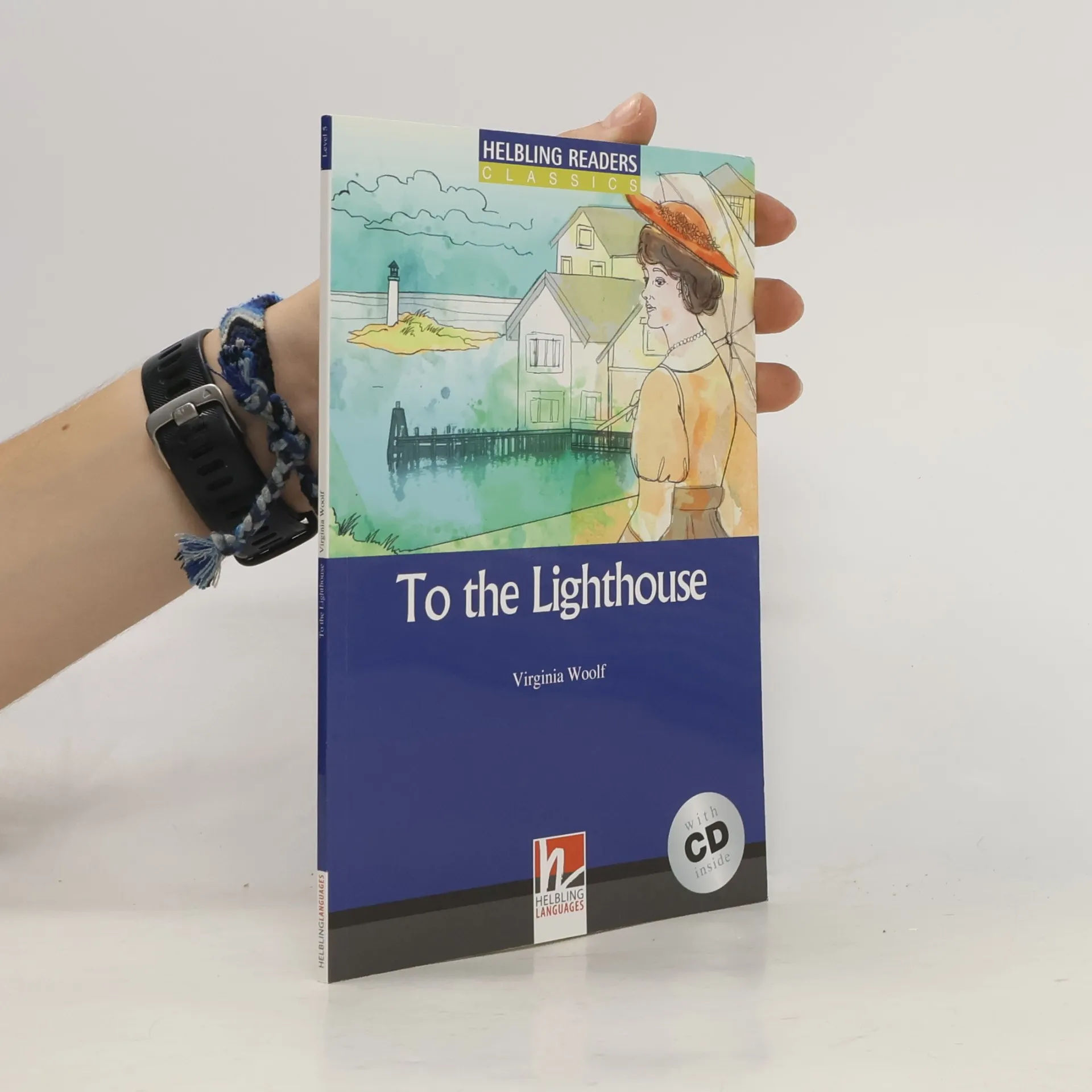
With an Introduction and Notes by Dr Nicola Bradbury, University of Reading. This simple and haunting story captures the transcience of life and its surrounding emotions. To the Lighthouse is the most autobiographical of Virginia Woolf's novels. It is based on her own early experiences, and while it touches on childhood and children's perceptions and desires, it is at its most trenchant when exploring adult relationships, marriage and the changing class-structure in the period spanning the Great War.
Sam Gilpin Book order (chronological)


In March 1845, Henry David Thoreau moved into a small cabin in the woods surrounding Walden Pond. Here he conducted a two-year social experiment, removing himself almost entirely from society while instead engaging with the sounds, the animals and the passers-by that inhabited the wilderness. In this isolation he built his own shelter and sourced his own food, testing the limits of his capacity to be self-reliant. From this experience the masterpiece Walden emerged; it is Thoreau's manifesto for simplicity, self-sufficiency and detachment from the unnecessary constructs of urban societies and economies. Thoreau's thoughtful, witty and memorable journal asks us to question absolutely everything we have come to believe about how to live.
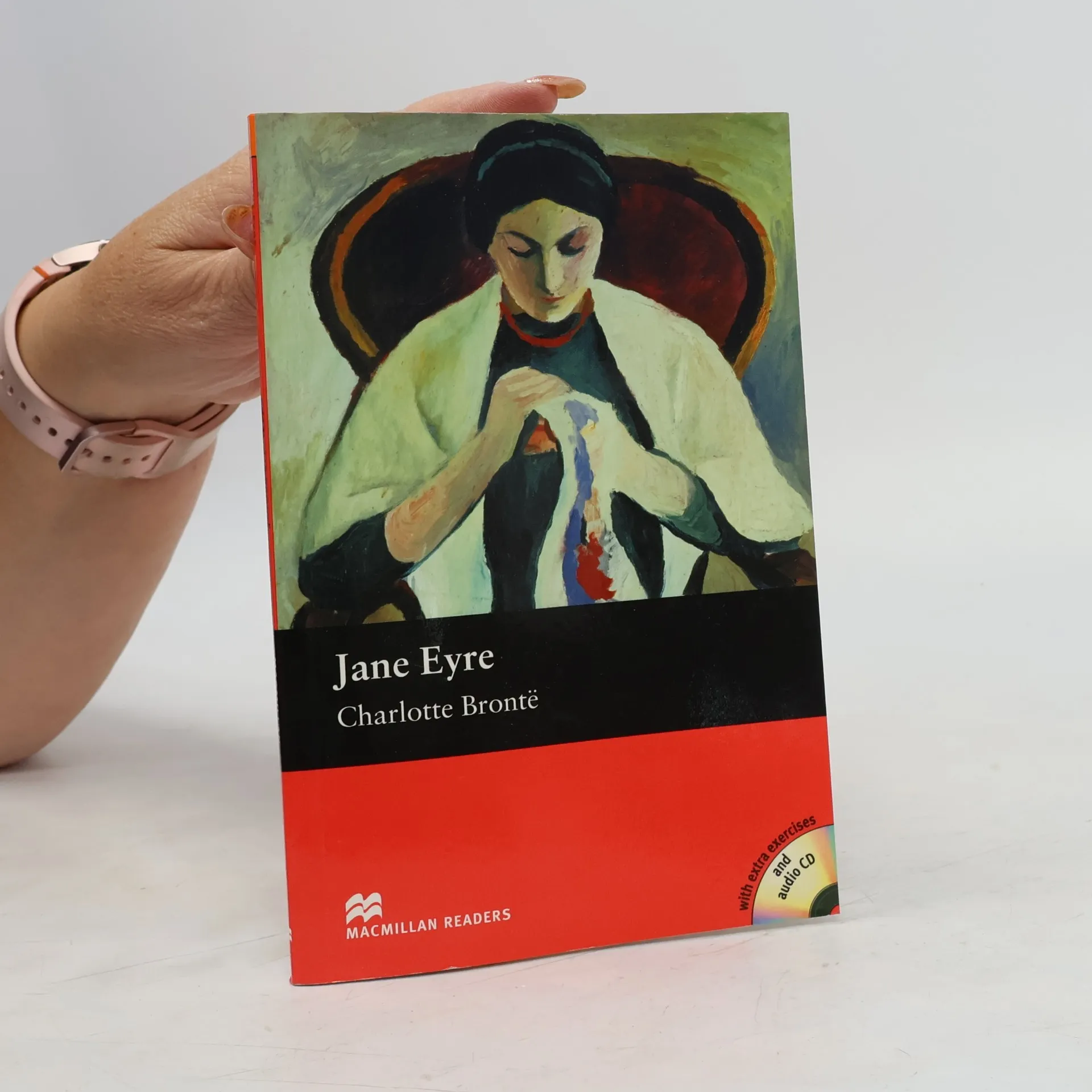
A Victorian governess's love for her mysterious employer is threatened by the tragic secret of his mansion.
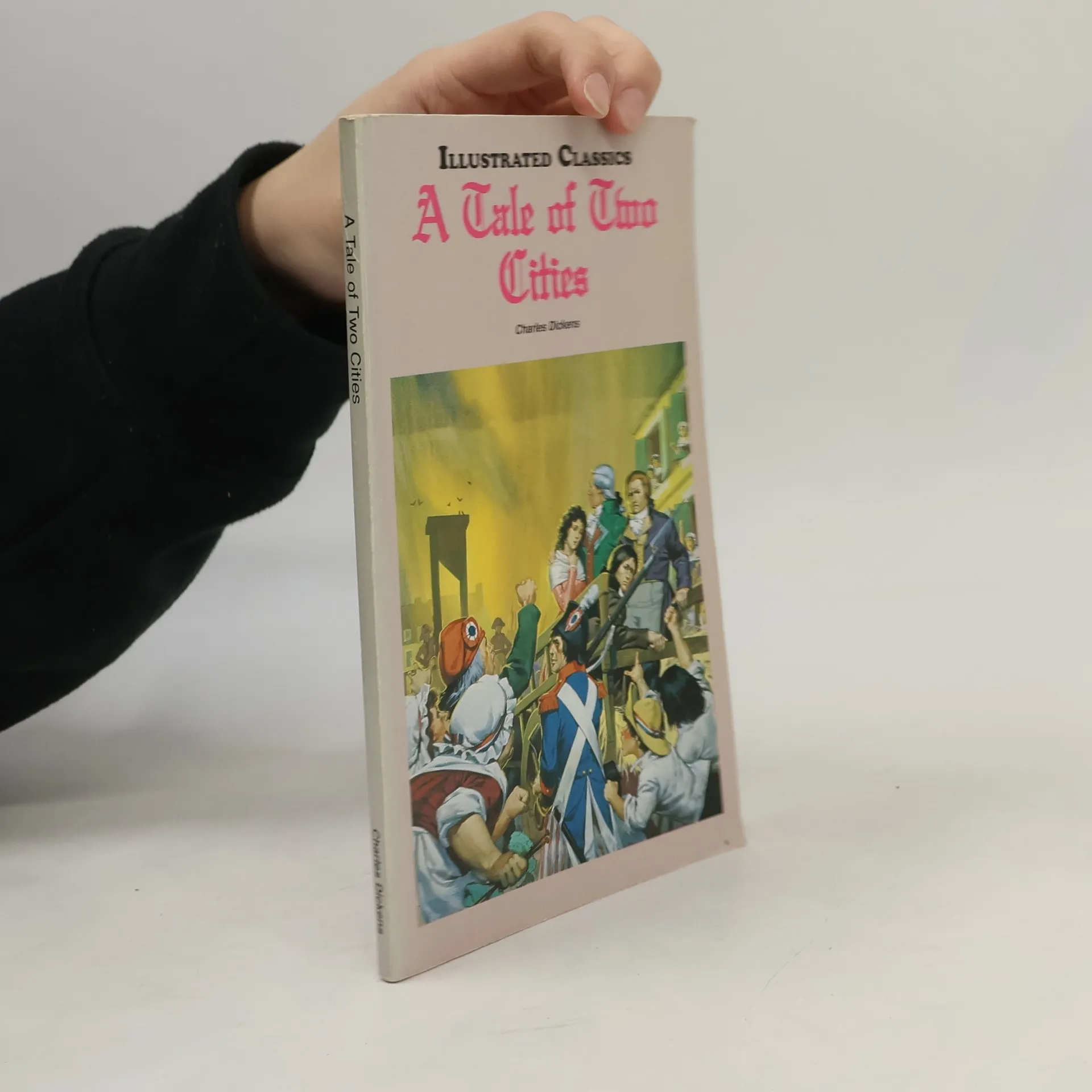
An epic story of love, sacrifice and redemption amidst horrific violence and world changing events, interweaving one family's intensely personal drama with the terror and chaos of the French Revolution.