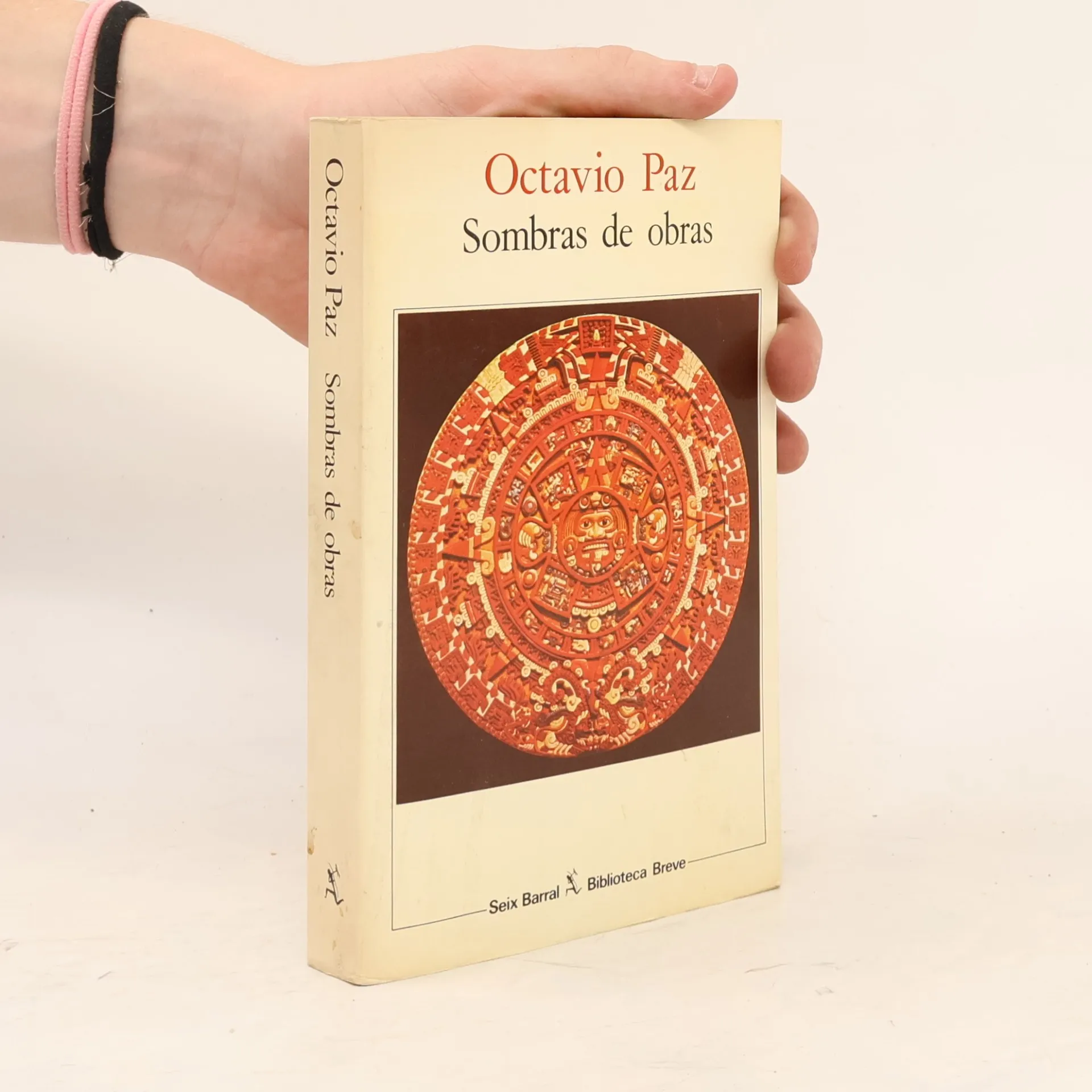
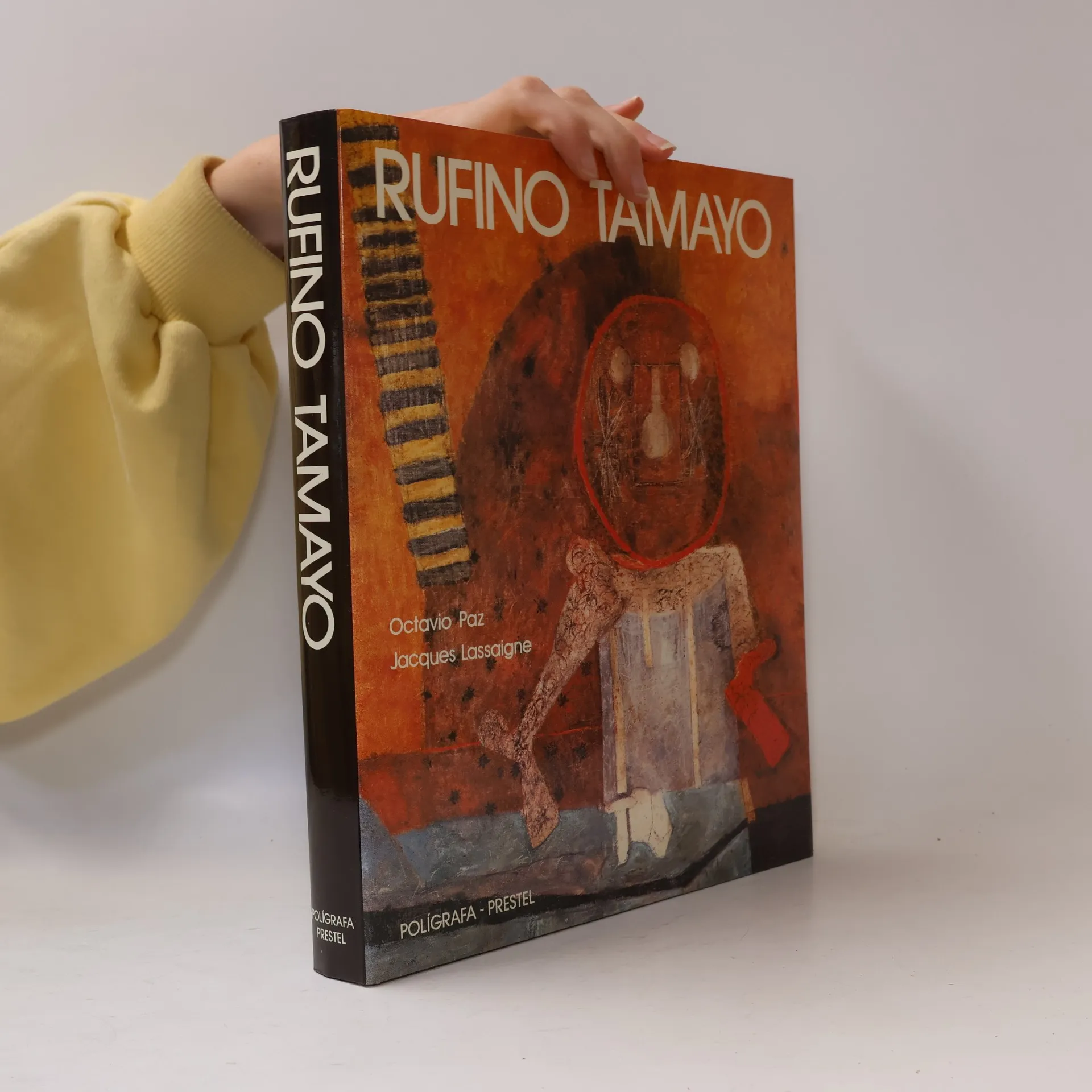
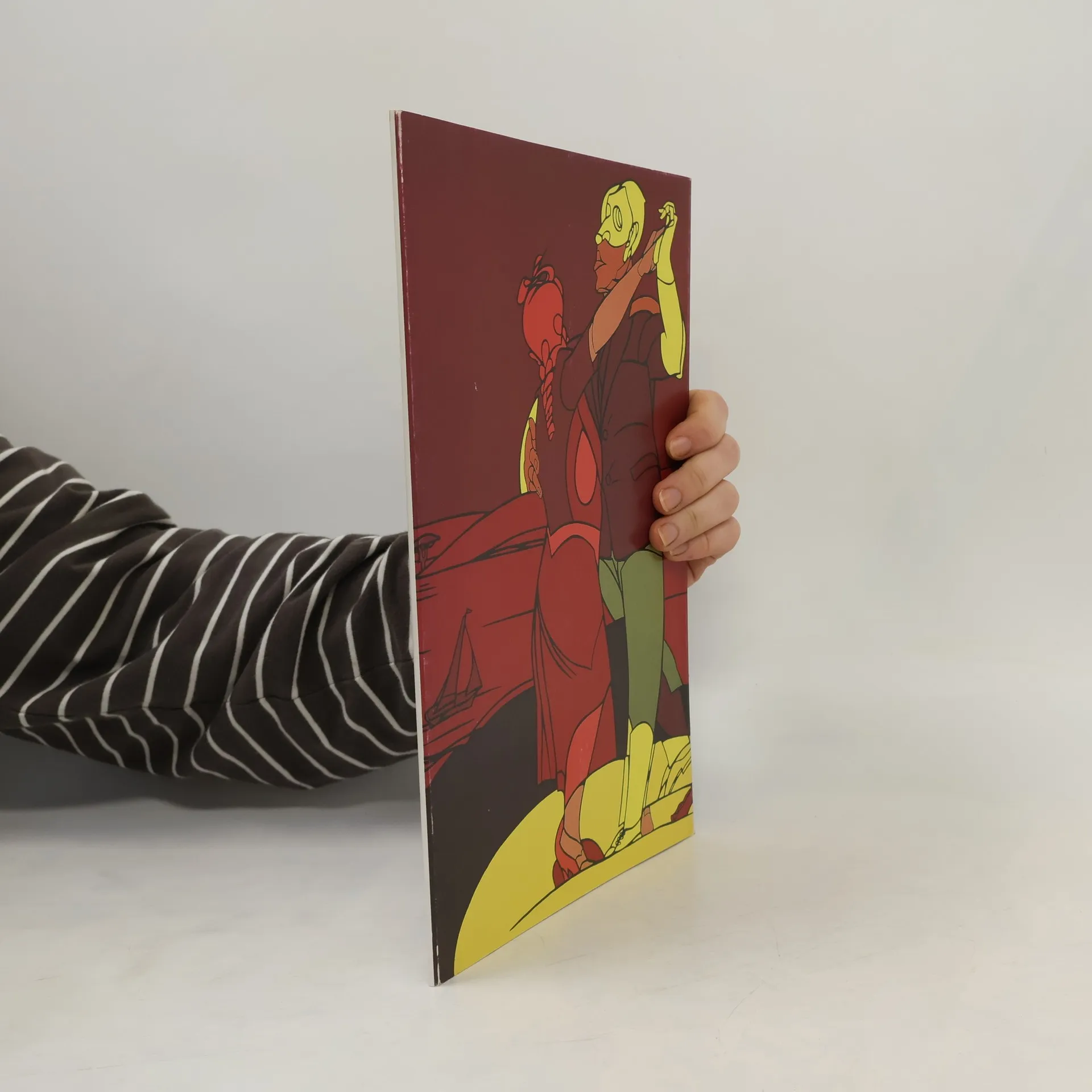
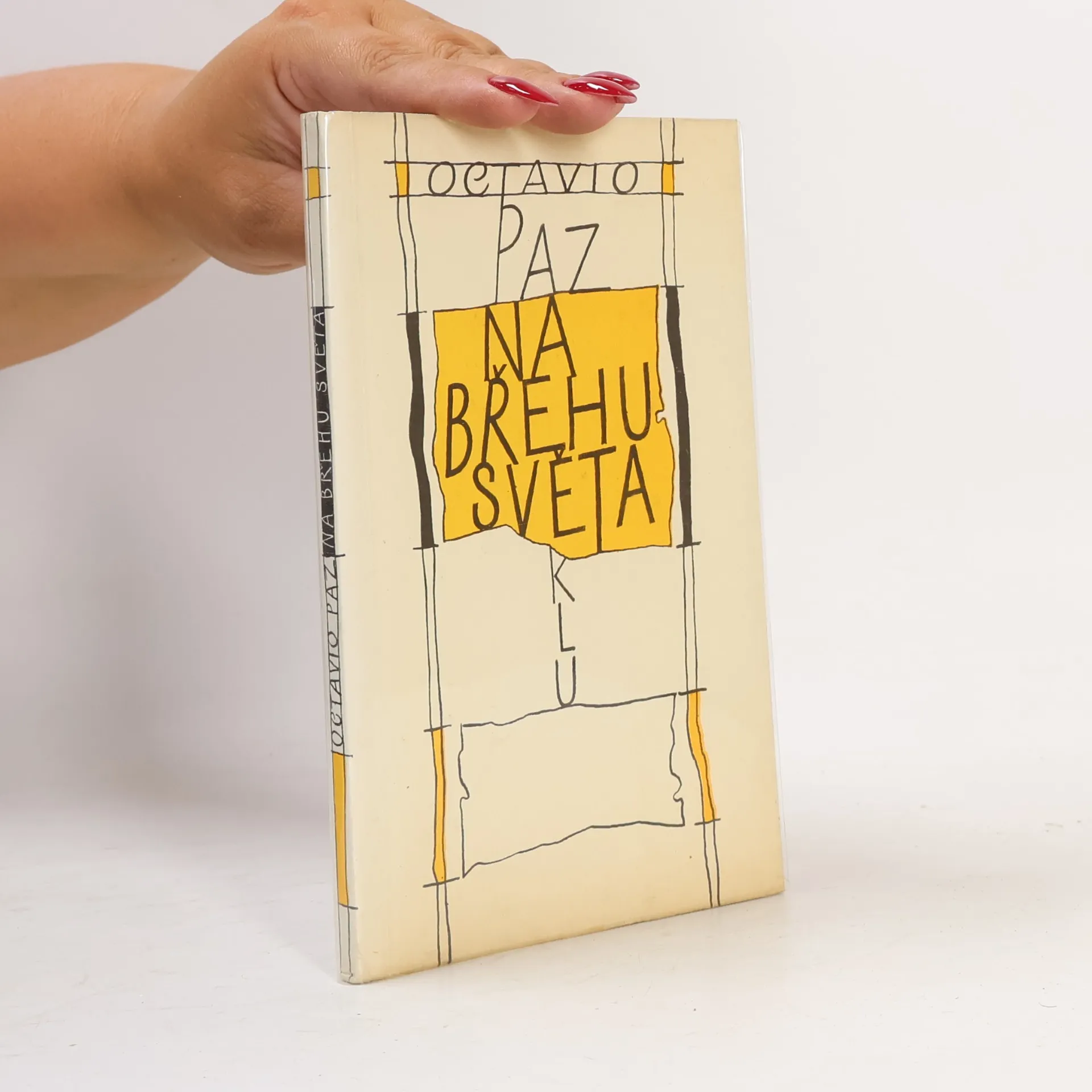
Examines the Pre-Columbian, Colonial, Nineteenth Century, and Twentieth Century periods of Mexican art and artifacts
Octavio Paz Books
March 31, 1914 – April 19, 1998
This Mexican author is celebrated for his impassioned poetry and essays, characterized by wide horizons and sensuous intelligence. His work explores profound human questions with integrity. A Nobel laureate, his writing is esteemed for its intellectual depth and artistic beauty.



A Tree Within ( Arbol Adentro ), the first collection of new poems by the great Mexican author Octavio Paz since his Return ( Vuelta ) of 1975, was originally published as the final section of The Collected Poems of Octavio Paz, 1957-1987 . Among these later poems is a series of works dedicated to such artists as Miró, Balthus, Duchamp, Rauschenberg, Tapies, Alechinsky, Monet, and Matta, as well as a number of epigrammatic and Chinese-like lyrics. Two remarkable long poems ––”I Speak of the City,” a Whitmanesque apocalyptic evocation of the contemporary urban nightmare, and “Letter of Testimony,” a meditation on love and death––are emblematic of the mature poet in a prophetic voice.
Children of the Mire
Modern Poetry from Romanticism to the Avant-Garde, New and Enlarged Edition
- 193 pages
- 7 hours of reading
Octavio Paz launches a far-ranging excursion into the "incestuous and tempestuous" relations between modern poetry and the modern epoch. From the perspective of a Spanish-American and a poet, he explores the opposite meanings that the word "modern" has held for poets and philosophers, artists, and scientists. Tracing the beginnings of the modern poetry movement to the pre-Romantics, Paz outlines its course as a contradictory dialogue between the poetry of the Romance and Germanic languages. He discusses at length the unique character of Anglo-American "modernism" within the avant-garde movement, and especially vis-a-vis French and Spanish-American poetry. Finally he offers a critique of our era's attitude toward the concept of time, affirming that we are at the "twilight of the idea of the future." He proposes that we are living at the end of the avant-garde, the end of that vision of the world and of art born with the first Romantics.
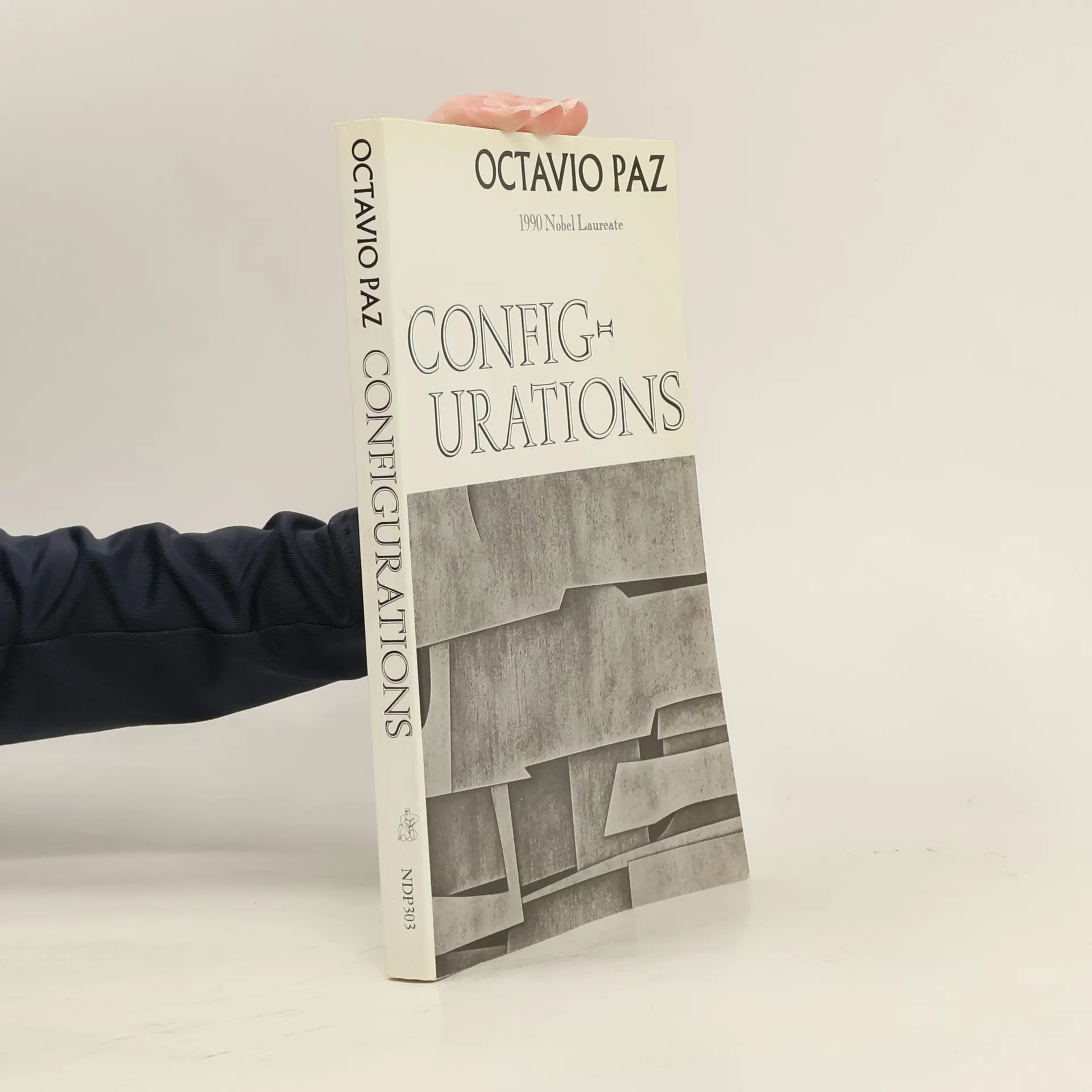
Configurations
- 222 pages
- 8 hours of reading
Octavio Paz, the 1990 Nobel Laureate, has won distinction as an anthropologist, philosopher and critic of art and literature. But it is as a poet that he is most celebrated. Configurations was his first major collection to be published in this country, and includes in their entirety Sun Stone (1957) and Blanco (1967). Paz himself translated many of the poems from the Spanish. Some distinguished contributors to this bilingual edition include, among others, Paul Blackburn, Lysander Kemp, Denise Levertov, and Muriel Rukeyser.
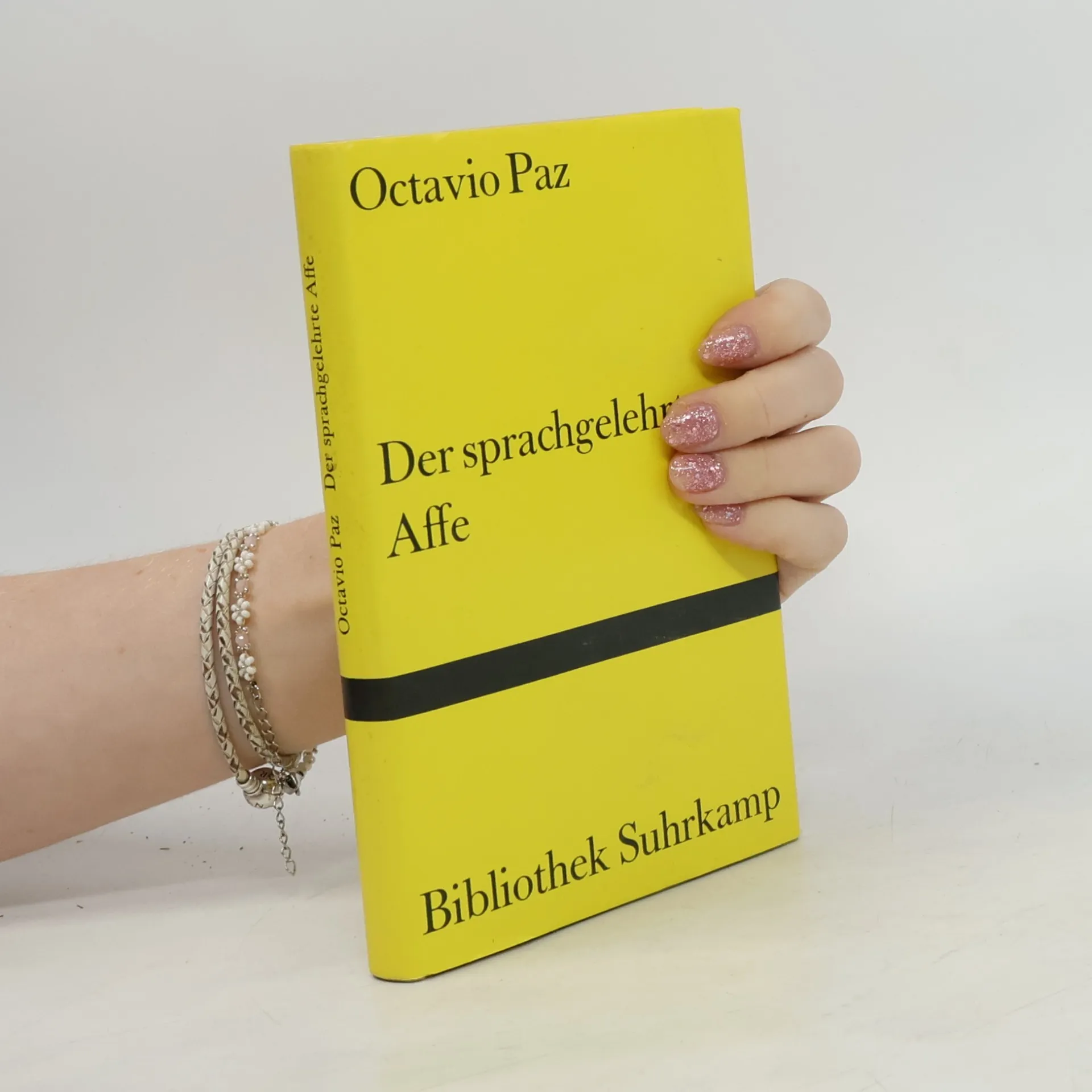
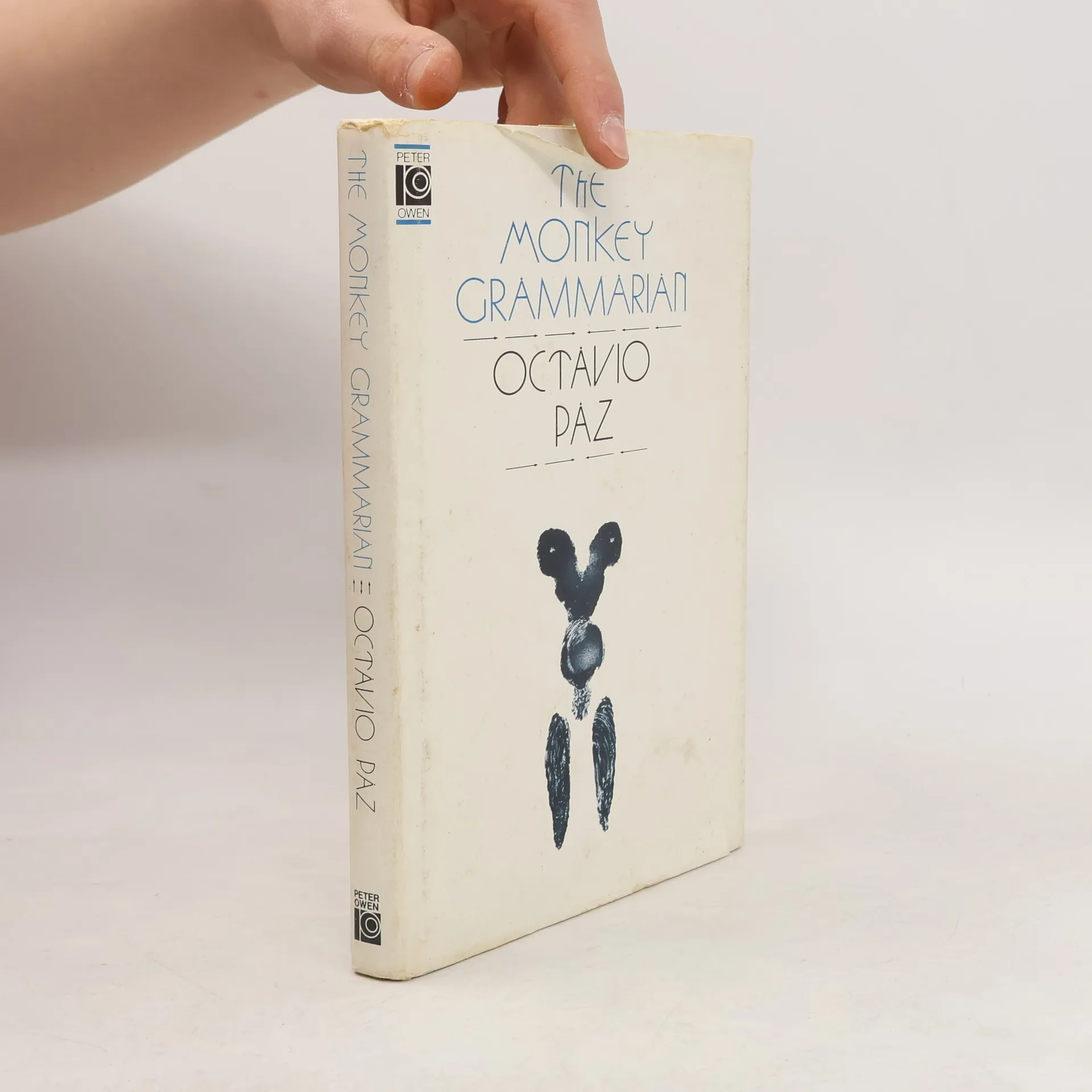
The Monkey Grammarian
- 174 pages
- 7 hours of reading
Written while Paz was the Mexican ambassador to India, this dazzling mind-journey to the temple city of Galta becomes the occasion for the celebratel Mexican poet and philosopher to explore the eternally intriguing question: is language, the concept of grammar, God-given or did man invent it on his own with powers borrowed from the divine realm?
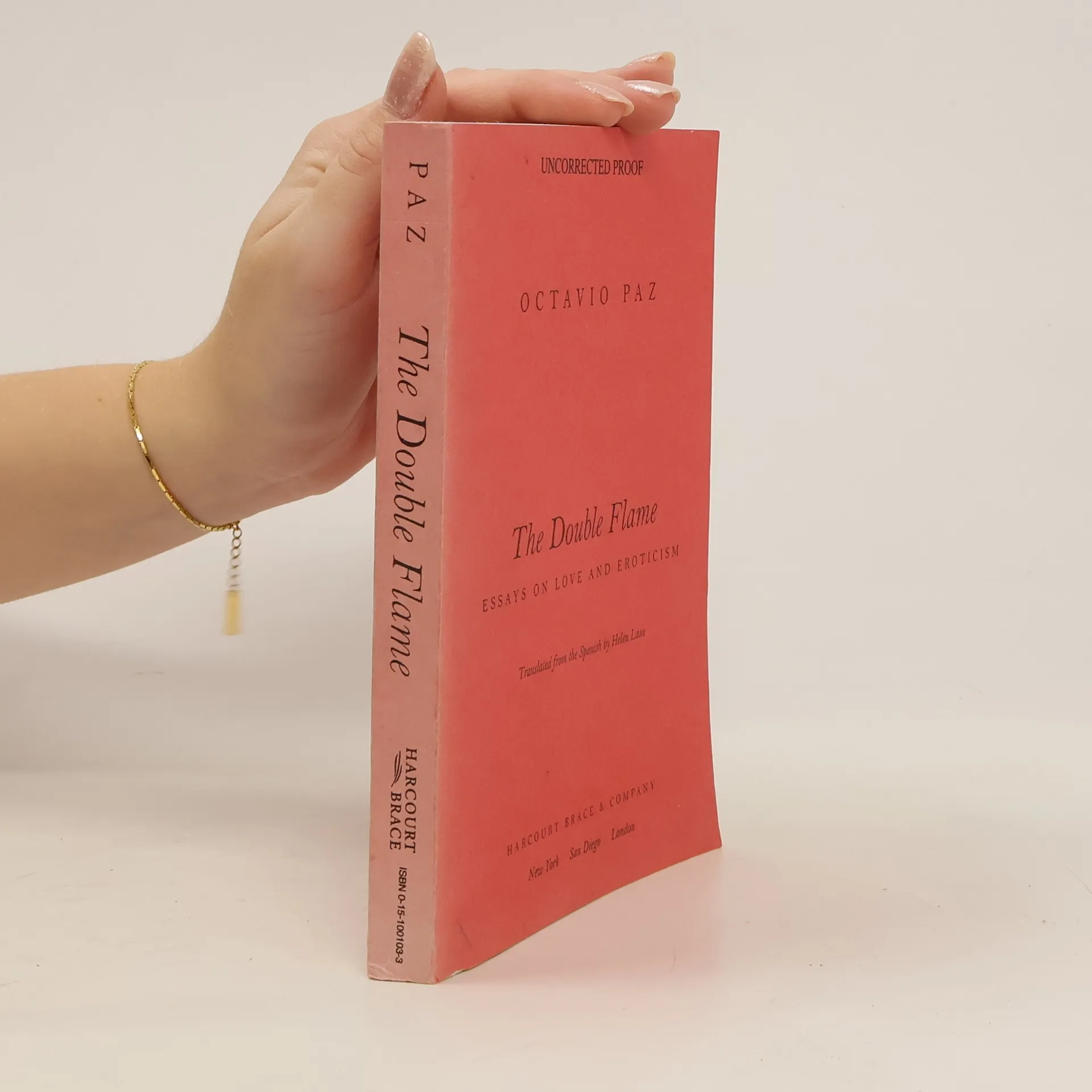
The Double Flame
- 276 pages
- 10 hours of reading
"In The Double Flame, Nobel Laureate Octavio Paz explores the intimate connection between sex, eroticism, and love - themes that have been a constant in his writing, from his first published poems to the great works of his maturity. Beginning with Plato's Symposium, he gives a short history of love and eroticism in literature throughout the ages: from the influence of the great cities Alexandria and Rome on the development of love poetry, to courtly love in Heian Japan and twelfth-century France, to love in modern novels such as Madame Bovary and Ulysses. Rich in scope, The Double Flame examines everything from taboo to repression, Carnival to Lent, Sade to Freud, Original Sin to artificial intelligence."--BOOK JACKET.
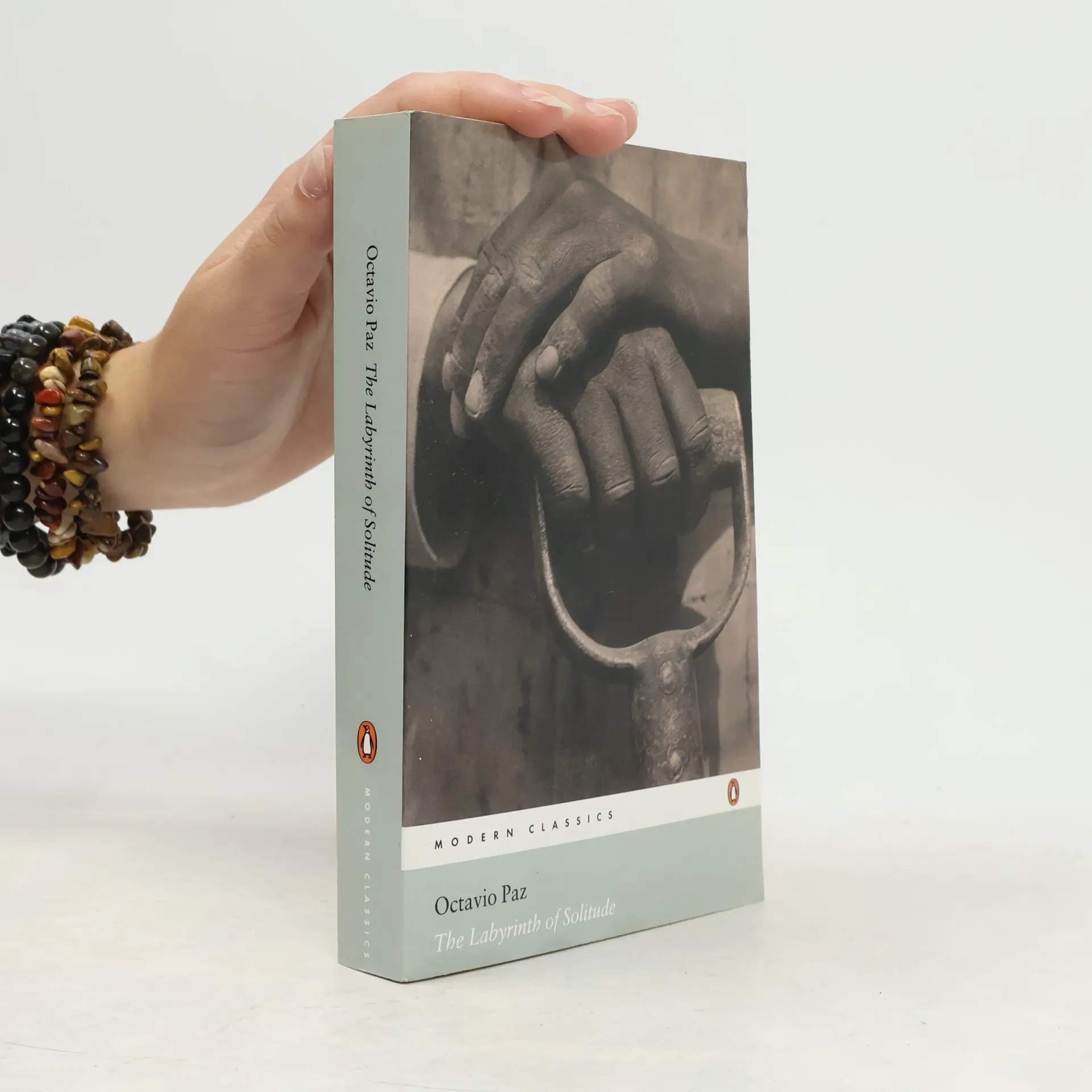
The Labyrinth of Solitude
- 416 pages
- 15 hours of reading
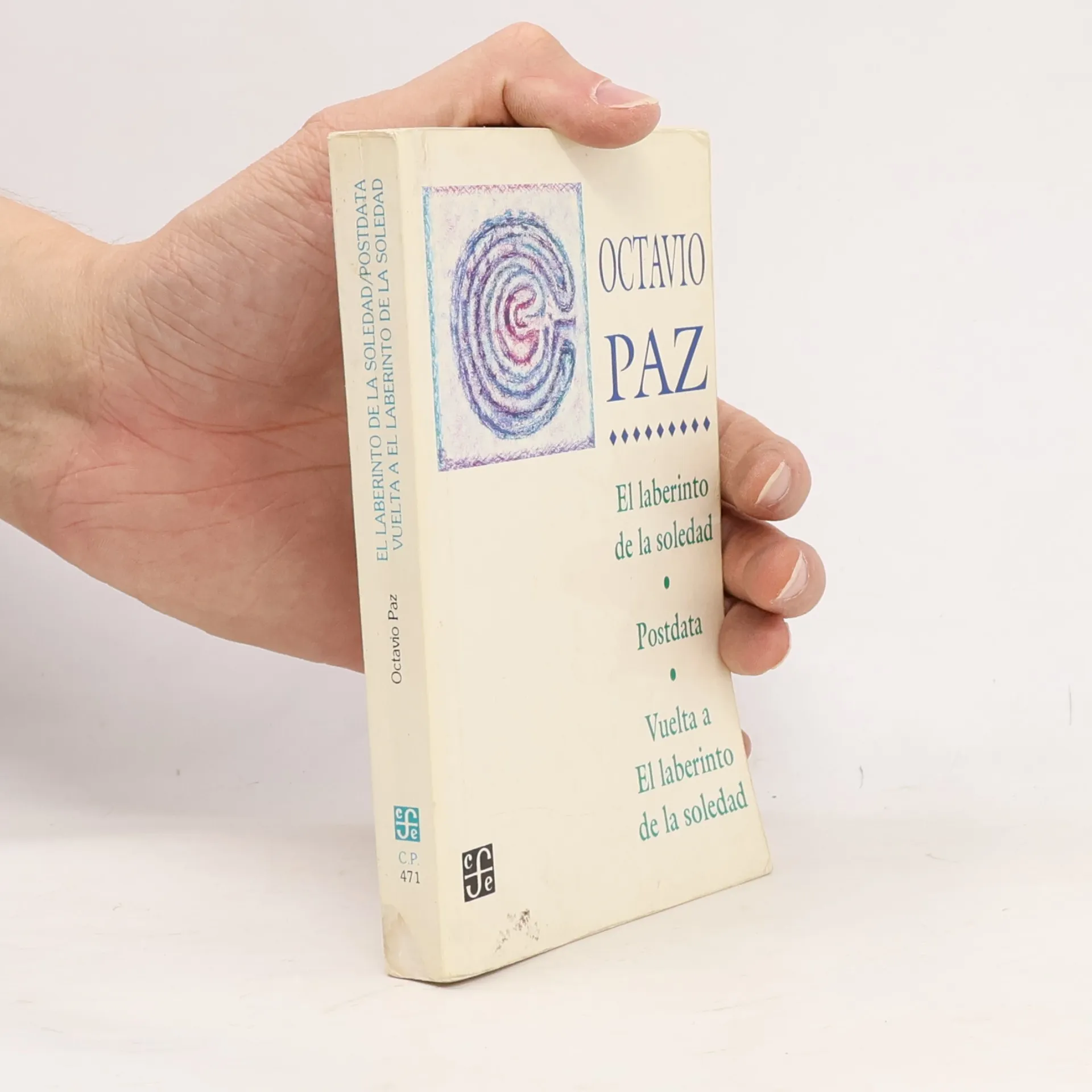
As well as the nine essays on his country's psyche and history that make up The Labyrinth of Solitude, this highly acclaimed volume also includes The Other Mexico, Paz's heartfelt response to the government massacre of over three hundred students in Mexico City in 1968, and Return to the Labyrinth of Solitude, in which he discusses his famous work with Claude Fell. The two final essays contain further reflections on the Mexican government.
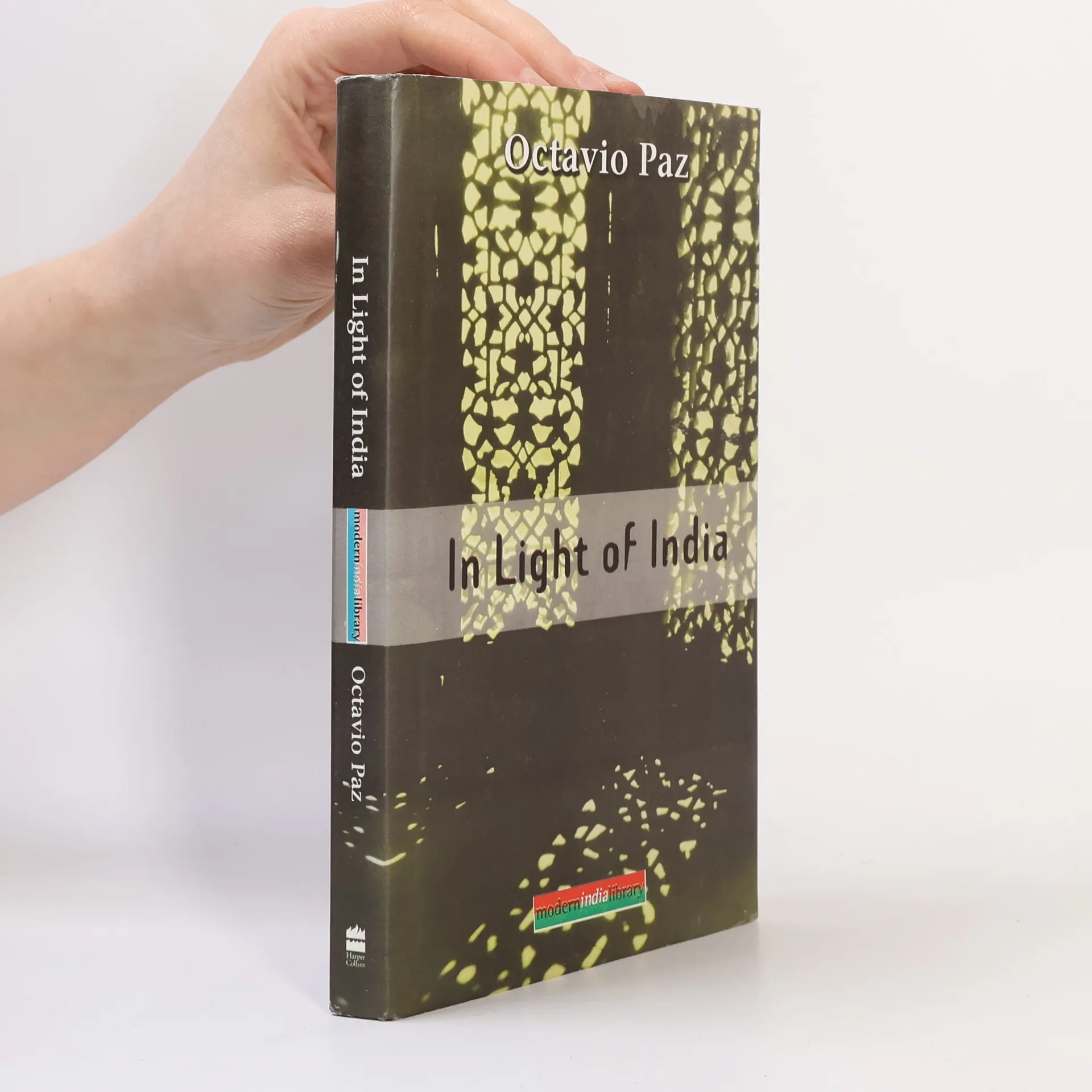
Modern India Library: In Light of India
- 209 pages
- 8 hours of reading
Vislumbres de la India es el primer ensayo unitario de Octavio Paz tras La llama doble. Mientras que en su obra anterior exploraba la relación entre amor y erotismo, en este ensayo realiza una recapitulación de su experiencia en India, donde fue embajador de 1962 a 1968. A través de sus relatos de vida, Paz examina la profunda huella cultural, artística, política y filosófica que India dejó en él. La obra se abre y cierra con capítulos autobiográficos que reflejan su experiencia personal en el país, mientras que también indaga en la complejidad nacional, religiosa e histórica de India. Este ensayo no solo muestra la agudeza analítica de Paz, sino que también representa un desafío para el lector occidental. Al presentar una realidad tan distinta, invita a ampliar nuestro horizonte y a explorar las discrepancias entre nuestra visión del mundo y las que predominan en India. A través de analogías y contrastes, la obra nos permite descubrir posibilidades latentes en nuestro entorno. El diálogo con India, en la prosa clara y lúcida de Paz, se convierte en un diálogo con la condición humana y con nosotros mismos.
La Estación Violenta
- 83 pages
- 3 hours of reading
Octavio Paz (1914-1998) ofrece en La estación violenta una obra que pertenece a una de las mejores etapas creativas. Este libro recoge los " Himno entre ruinas", "Máscaras del alba", "Fuente", "Repaso nocturno", "Mutra", "¿No hay salida?", "El río", "El cántaro roto", y "Piedra de sol".
In seven elegant essays that range across centuries and literatures, Paz offers his thoughts on how modern poetry came to be, what makes it "modern," and what it may become. Translated by Helen Lane.
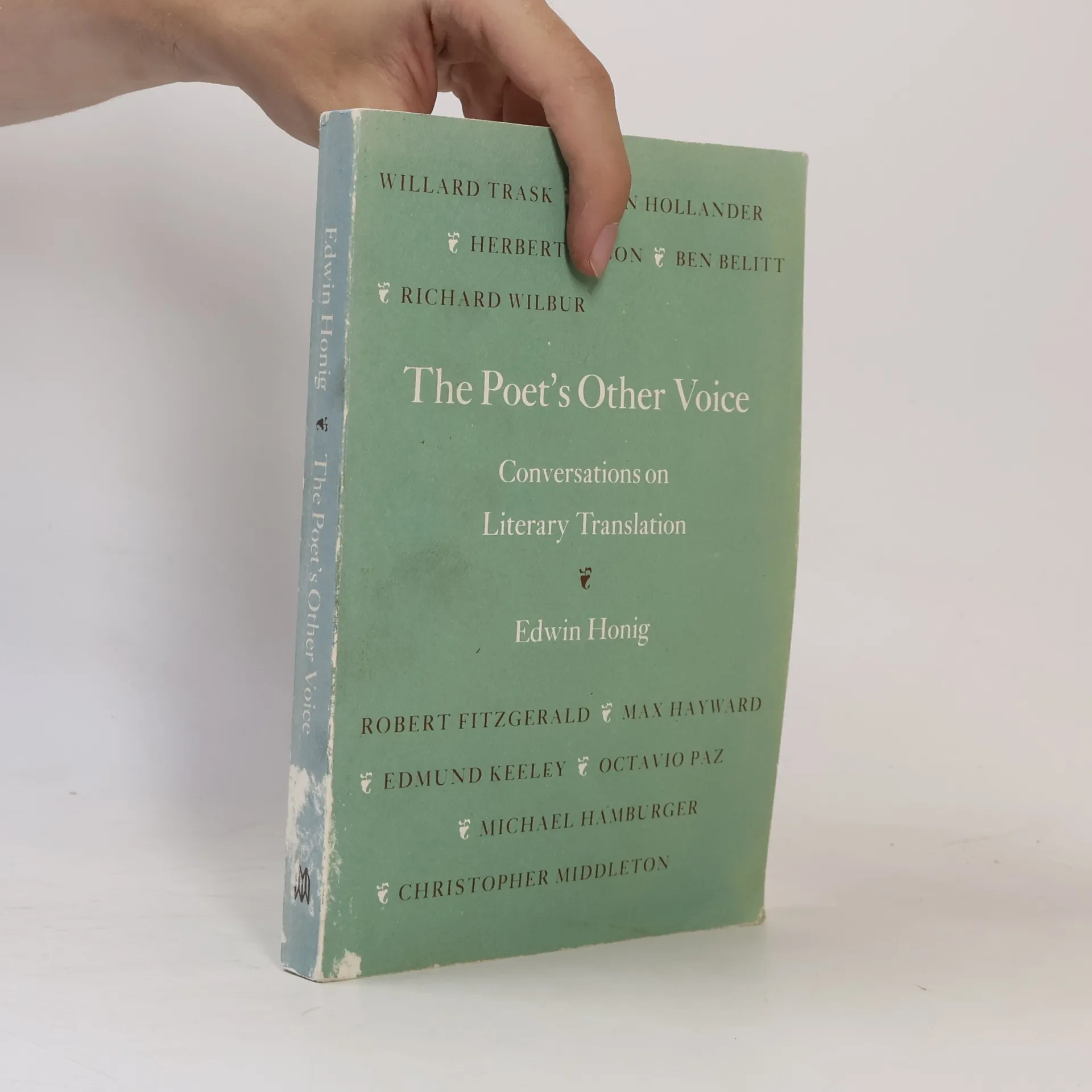
Collection includes conversations with Willard Trask, John Hollander, Herbert Mason, Ben Belitt, Richard Wilbur, Robert Fitzgerald, Max Hayward, Edmund Keeley, Octavio Paz, Michael Hamberger, Christopher Middleton. Twelve distinguished translators share their thoughts on the art and practice of literary translation in this lively series of interviews. Although the common subject is the translation of poetry, the conversations range across a field of related topics: how each person got started as a translator, how each goes about the work, the qualities that distinguish a great translation from a merely serviceable one, the theoretic issues posed by poetic translation, the barriers of culture and time, the practical details of rendering a poem from one language to the next. --University of Massachusetts Press.
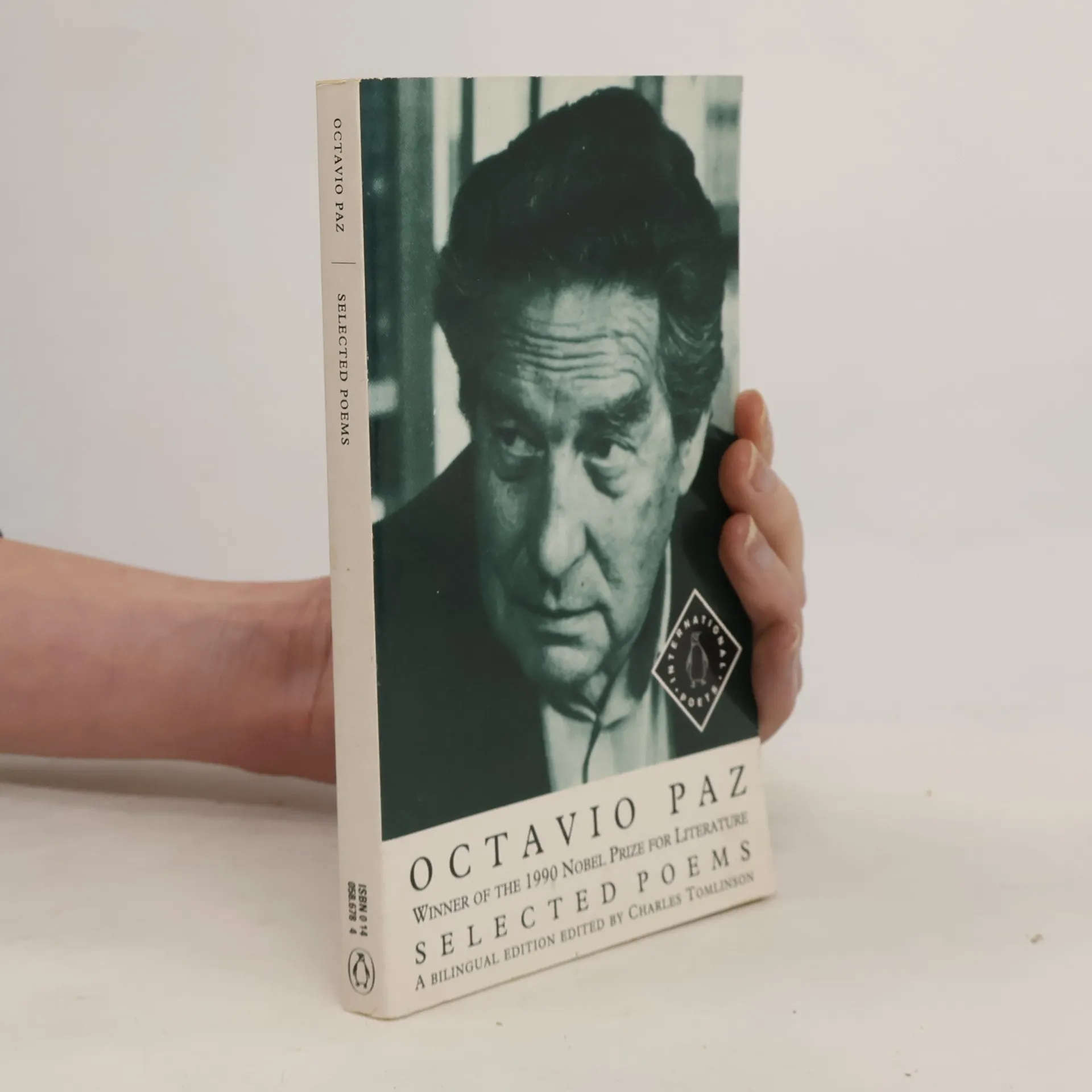
Penguin International Poets: Selected Poems: A Bilingual Edition Edited by Charles Tomlinson
- 208 pages
- 8 hours of reading
Octavio Paz, as noted by Eliot Weinberger in his introduction to these Selected Poems, is one of the last modernists who "drew their own maps of the world." For Latin America's eminent poet, Mexico serves as the center of a global mandala, a cultural journey traced through his life and work. This journey spans from Spain during the Civil War, to San Francisco and New York in the early 1940s, to postwar Paris as a surrealist, and further to India and Japan in 1952. He also served as Mexico's ambassador to India from 1962 to 1968, and held various academic positions in the U.S. during the 1970s. The rich diversity of Paz's thought is showcased in this collection of sixty-seven selections, which includes Muriel Rukeyser's classic version of "Sun Stone" and new translations by Weinberger of “Blanco" and "Maithuna." Since Paz believed there could be no "definitive text," all poems have been revised to reflect his latest changes in the original Spanish. Alongside Rukeyser and Weinberger, translations are provided by G. Aroul, Elizabeth Bishop, Paul Blackburn, Lysander Kemp, Denise Levertov, Mark Strand, Charles Tomlinson, William Carlos Williams, and Monique Fong Wust.
Piedra de Sol
- 83 pages
- 3 hours of reading
Spanish
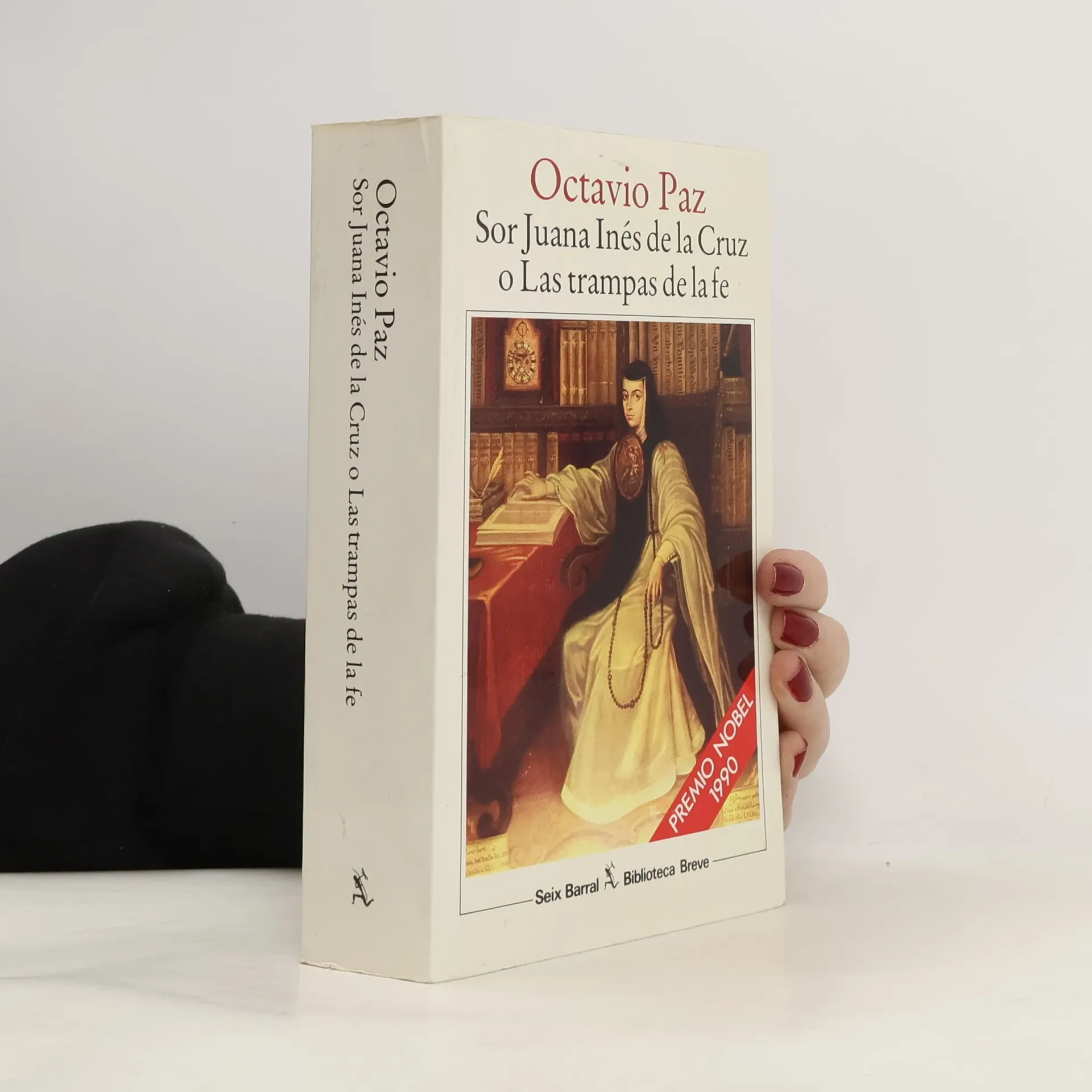
Sor Juana Inés de la Cruz o Las trampas de la fe
- 658 pages
- 24 hours of reading
Sor Juana Inés de la Cruz o Las trampas de la fe es un estudio dedicado a una figura central de la literatura de la Nueva España en el s.XVII, sor Juana Inés de la Cruz, y es, también, uno de los títulos fundamentales de la obra de Octavio Paz. No se trata sólo del examen de un personaje concreto y apasionante, de una obra espléndida y singular es también el magnífico enmarcamiento que realiza Octavio Paz de este personaje en el mundo de la Nueva España del s. XVII.
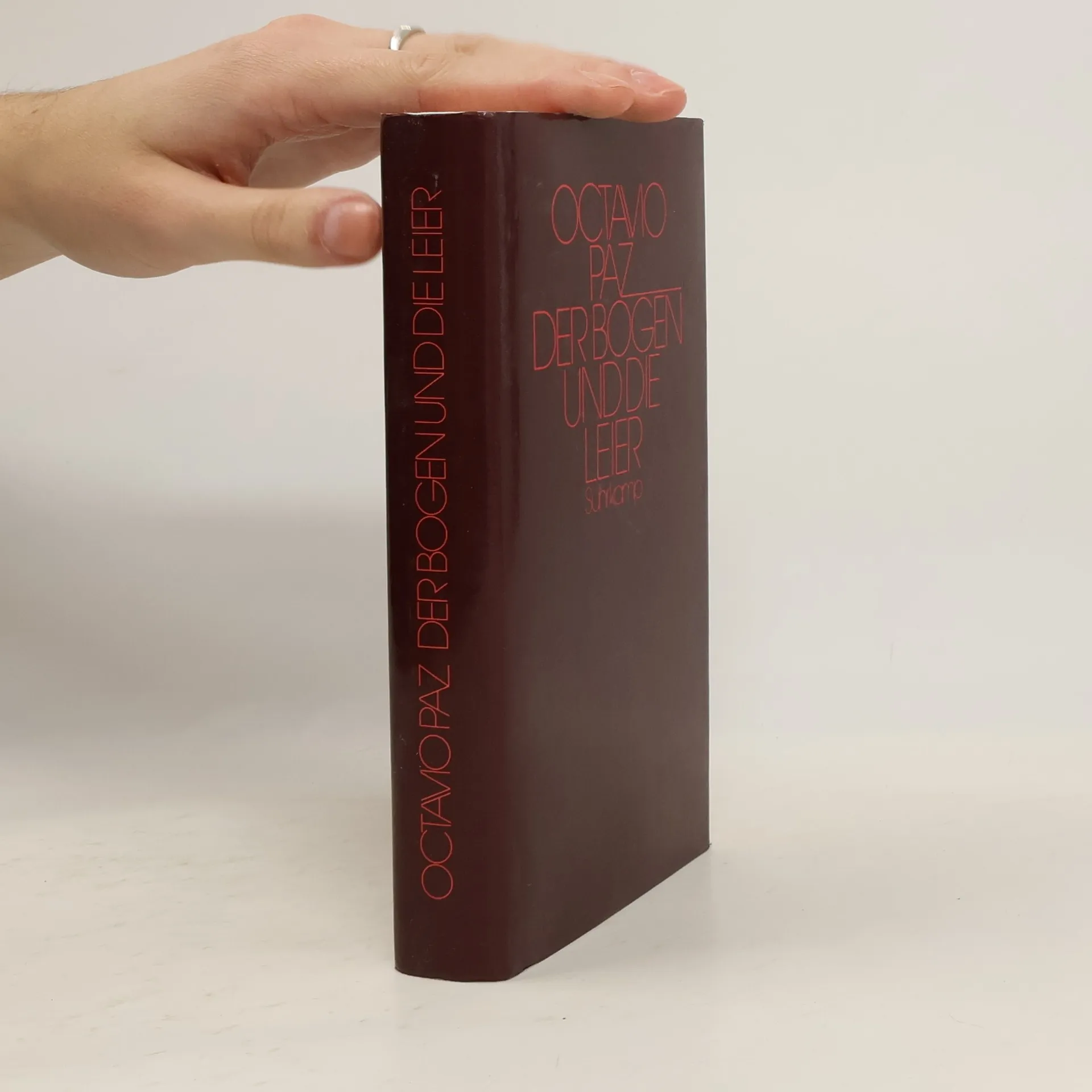
De boog en de lier
Het gedicht. De poëtische openbaring. Poëzie en geschiedenis.
- 279 pages
- 10 hours of reading
Dit boek beschrijft de ontwikkeling van de dichtkunst vanaf de oudste bezweringen tot aan de meest recente vormen ervan en geeft analyses van de essentiële hoekstenen van de poëzie: de taal, het ritme en de inspiratie. Paz vindt het gedicht in hoge mate een sociaal product, een uiting van een bepaalde tijd. Las reflexiones de Octavio Paz sobre el fenómeno poético, su lugar en la historia y, singularmente, en nuestra época y en nuestra vida personal son en buena parte el testimonio que el poeta da acerca de una cuestión nunca dilucidada del todo. En la primera parte de este libro, el autor examina la naturaleza del poema y hace un análisis de sus componentes - lenguaje, ritmo e imagen. El estudio del poema lleva a Octavio Paz a inclinarse sobre un nuevo problema - ¿En qué consiste la creación poética, esto es, la creación de poemas? En la segunda parte de su libro, Paz examina las diferencias y semejanzas entre la experiencia poética y la religiosa, dedica un capítulo al espinoso problema de la 'inspiración' y concluye afirmando que la experiencia poética es irreductible a cualquiera otra.
Demons
- 768 pages
- 27 hours of reading
From the award-winning translators of Crime and Punishment, Richard Pevear and Larissa Volokhonsky.Based on a real-life crime which horrified Russia in 1869, Dostoevsky intended his novel to castigate the fanaticism of his country's new revolutio
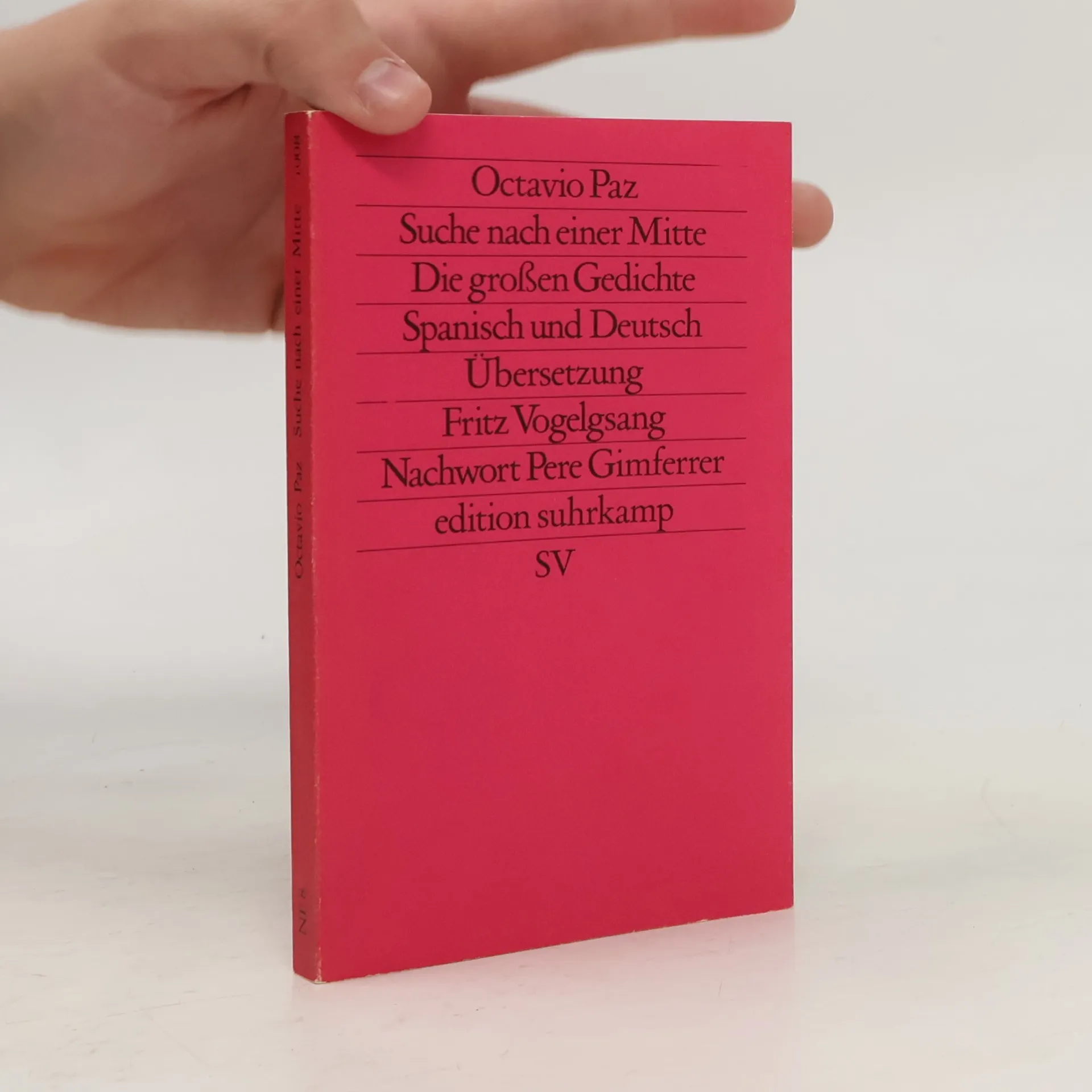
Suche Nach Einer Mitte
- 215 pages
- 8 hours of reading
Jedes dieser Gedichte hat einen hohen persönlicher und poetischen Stellenwert: "Sonnenstein" gilt der spanisch sprachigen Dichtung als ihr "Wüstes Land", "Blanco" reflektier die Begegnung mit der orientalischen Welt, "Von der Kladde zui Klarheit" ist die Auseinandersetzung mit der Frage des Schrei bens nach den Ereignissen von 1968, die der Autor zuvor in dem "Nachtstück von San Ildefonso" untersucht hat und dabei zugleich Rechenschaft über sein Leben innerhalb des Gangs der Geschichte zu geben versucht. Sie alle sind Wege auf der stetigen Suche nach einer Mitte.
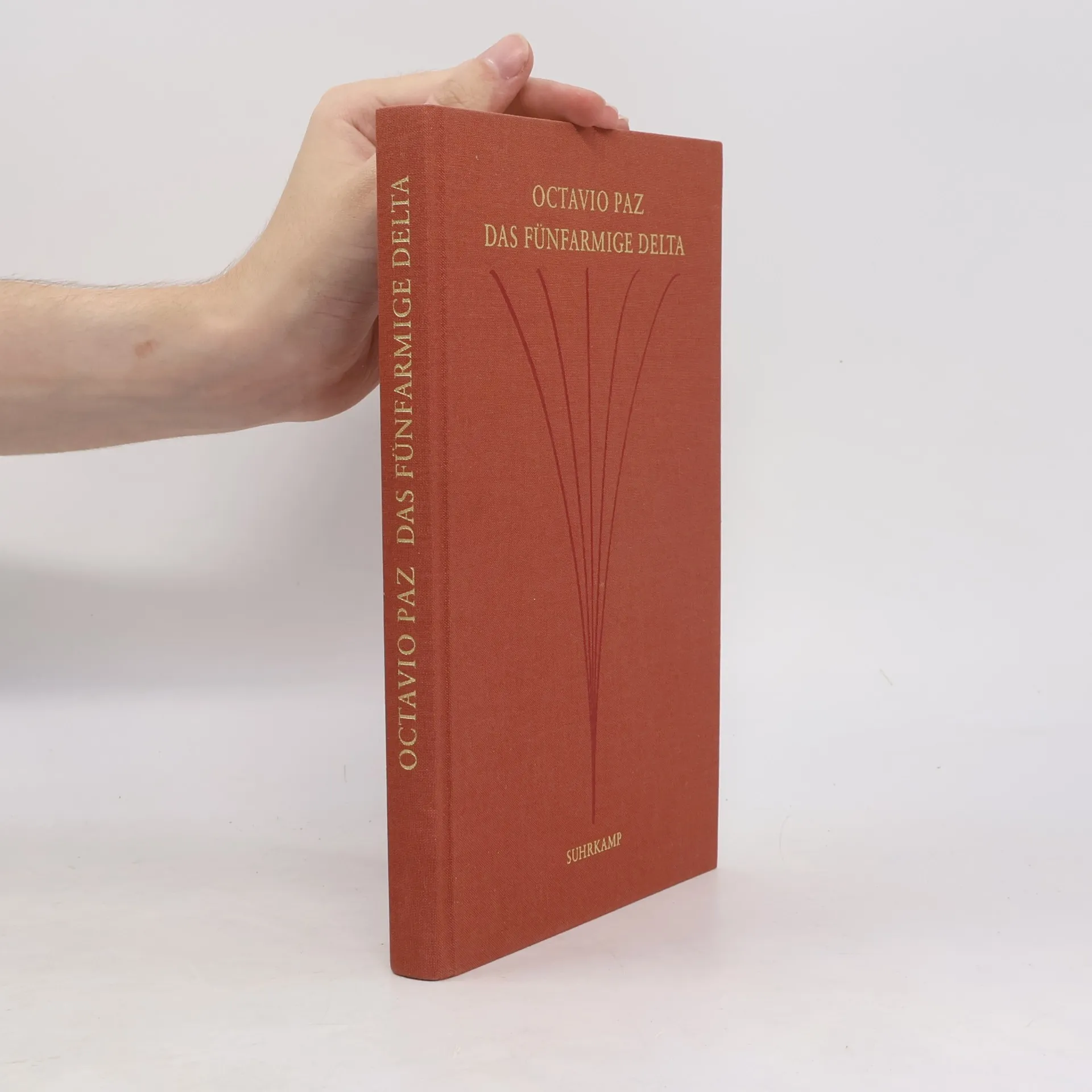
Das fünfarmige Delta
- 217 pages
- 8 hours of reading
Das fünfarmige Delta, der letzte Gedichtband, den Octavio Paz veröffentlicht hat, kann als sein lyrisches Vermächtnis betrachtet werden – es sind Denkbilder einer Epoche, Bruchstücke einer großen Konfession, es ist die Summe seiner Poesie. Fünf lange Poeme – die berühmten Gedichte Sonnenstein, Weiß, Nachtstück von San Ildefenso, Noch einmal durchwacht und Charta des Glaubens – hat Octavio Paz gegen Ende seines Lebens in einem Band zusammengestellt und mit pointiert kurzen Gedichten, »winzigen Irrlichtern«, eingefaßt und kontrastiert. Entstanden ist ein Ganzes, das die Gestalt eines Fächers oder fünfarmigen Deltas bildet.In dieser Komposition zeigt sich, daß Octavio Paz mit seinen langen Gedichten eine von Walt Whitman über Ezra Pound und Pablo Neruda führende Tradition der Moderne produktiv fortführte: die des hymnischen Gedichts, Anrufung des Lebens, Evokation des erfüllten Augenblicks. Das Gedicht wird zu einer »Folge intensiver Momente, die nicht so sehr durch das Erzählte verbunden werden als vielmehr durch das Schweigen, die Auslassungen«, wie Paz in seinem Vorwort schreibt.
Itinerarium
- 103 pages
- 4 hours of reading
Octavio Paz wurde am 31.3.1914 in Mexiko-Stadt geboren. Die Familie Paz ist indianischer und spanischer Abstammung. Der Großvater galt als herausragende Figur des mexikanischen Liberalismus, und der Vater war Mitarbeiter des Sozialrevolutionärs Zapata. Mit 17 war er Mitbegründer einer literarischen Zeitschrift und begann gleichzeitig zu publizieren. Im Laufe der Zeit erschienen zahlreiche Zeitschriften unter seiner Leitung. Nach seinem Jura- und Philosophiestudium arbeitete als Lehrer und engagierte sich politisch. 1944/45 hielt er sich als Guggenheim-Stipendiat in San Francisco und New York auf. 1946 trat er in den Auswärtigen Dienst Mexikos ein und wurde nach Paris entsandt. Hier begegnete er André Breton und arbeitete an surrealistischen Publikationen mit. 1962 wurde er zum Botschafter in Neu-Delhi ernannt. Dieses Amt legte er 1968 aus Protest gegen das Massaker an demonstrierenden Studenten in Mexiko-Stadt nieder. Ab dieser Zeit lehrte als Gastprofessor in den USA. Im Jahr 1971 kehrte er nach Mexiko zurück, wo er, unterbrochen von Lehrtätigkeiten an nordamerikanischen Universitäten, bis zu seinem Tod am 19. April 1998 lebte. In seinem berühmtesten Essay Das Labyrinth der Einsamkeit analysiert er den Komplex verschiedener Kulturen in Lateinamerika. Sein Gesamtwerk wurde 1990 mit dem Nobelpreis für Literatur ausgezeichnet.
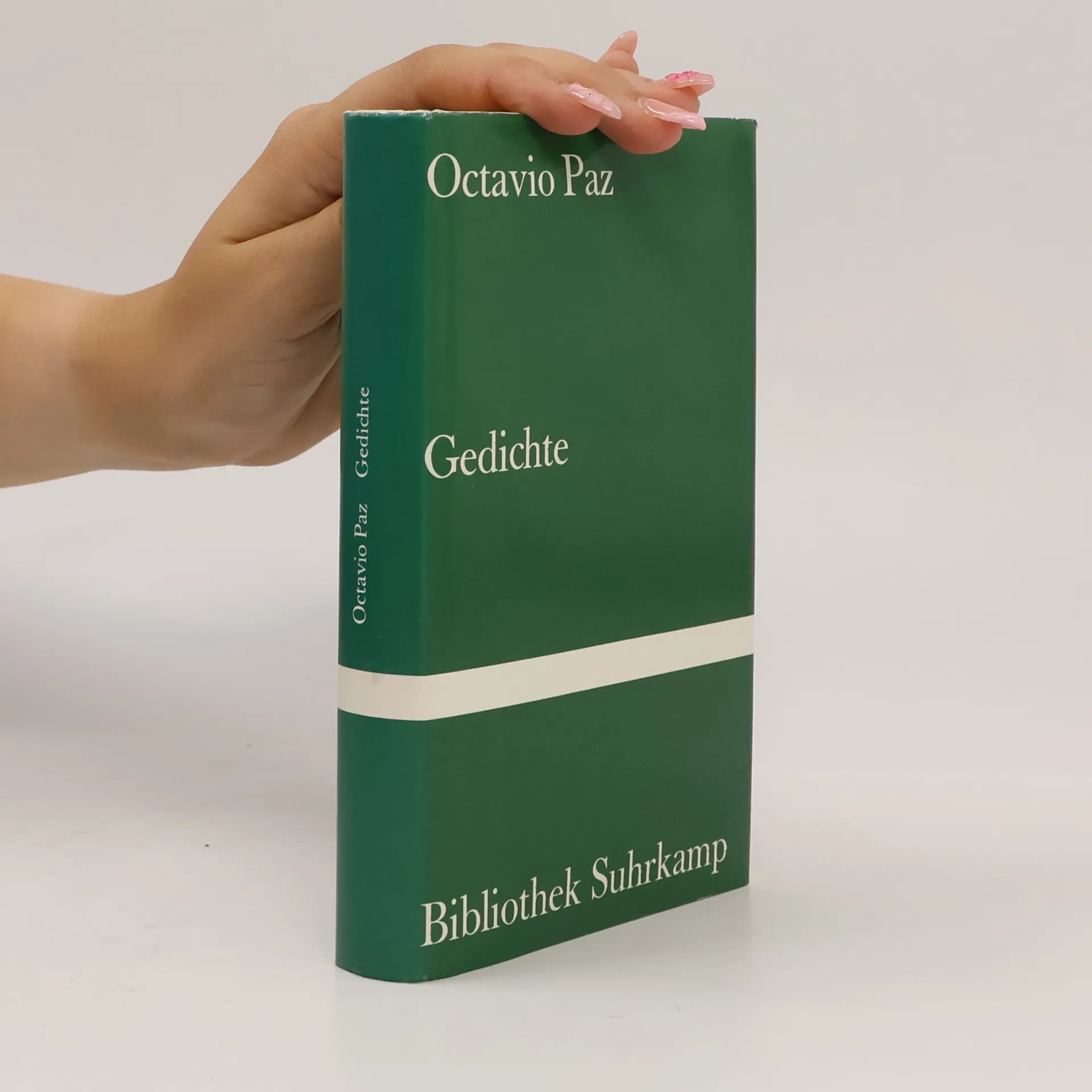
Gedichte : spanisch und deutsch
- 284 pages
- 10 hours of reading
Octavio Paz ist als Lyriker wie als Essayist der Autor, dessen Schaffen heute die stärkste Wirkung auf die Poesie und das poetologische Denken Lateinamerikas hat. Die vorliegende zweisprachige Ausgabe seiner Gedichte bietet eine exemplarische Auswahl durch ein in Jahrzehnten gewachsenes lyrisches Œuvre. »In der Mitte dieses Werkes ragt der ›Sonnenstein‹ auf – für mich das bewunderungswürdigste Liebesgedicht, das je in Lateinamerika geschrieben wurde, eine Antwort im erotischen Bereich auf den Durst nach totaler Begegnung des Menschen mit seiner eigenen Transzendenz.« Julio Cortázar
Die Handlung verknüpft Galta in Indien und einen Garten in Cambridge, um die Beziehung zwischen Sprache und Wirklichkeit zu erforschen. Dabei werden Verbindungen zwischen Idee und Wort sowie zwischen Sprache, Wahrnehmung, Erotik und Erkenntnis aufgezeigt.
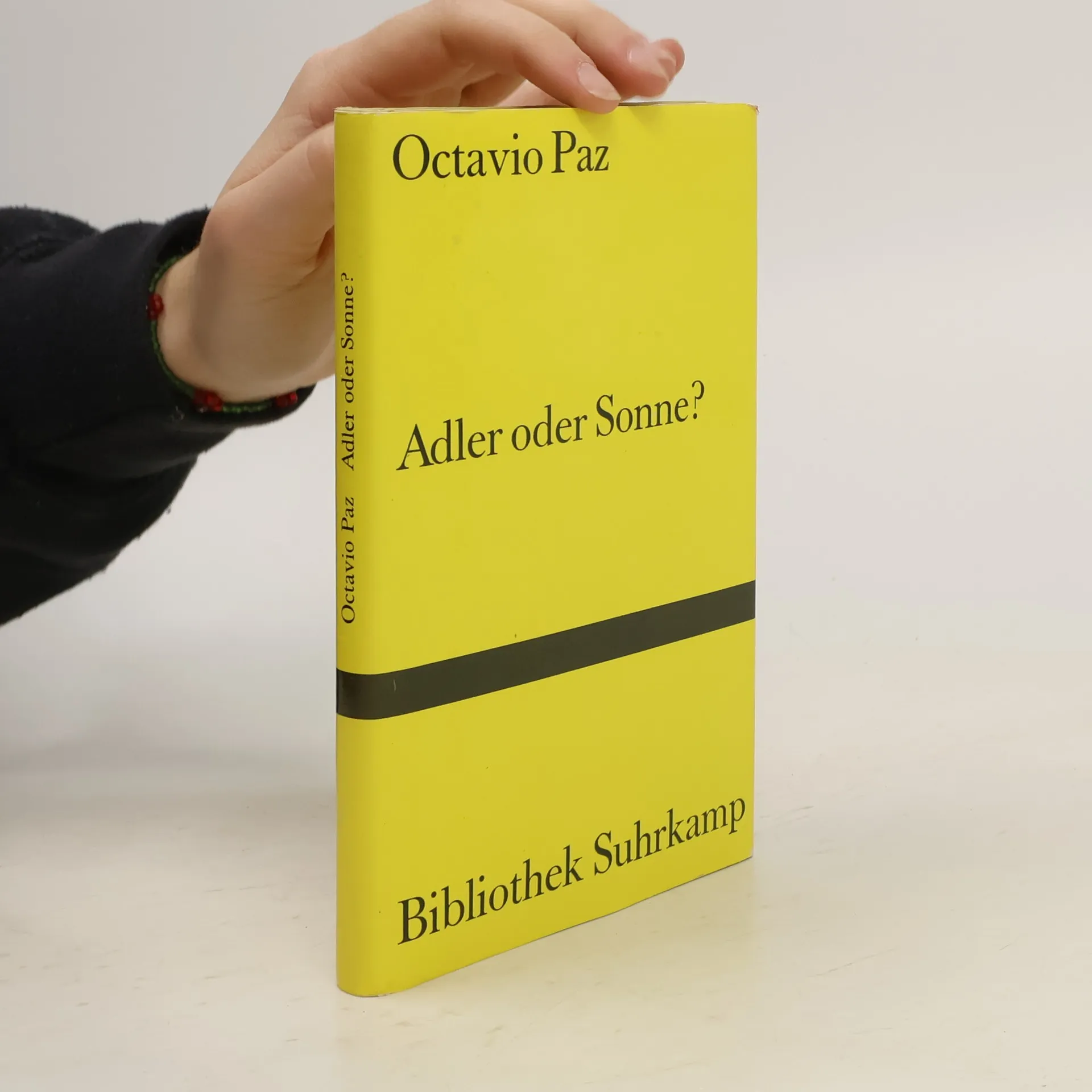
In der Gesamtheit des literarischen Schaffens von Octavio Paz nimmt "Adler oder Sonne?" einen herausragenden Platz ein. In Prosa verfasst, besingt dieses Buch das Zufällige und Anekdotische und erweckt gleichzeitig durch einen hohen lyrischen Sinn ständig die Sensibilität, die Schönheit und das geheime Reich der Poesie zum Leben.
Belletristik : Mexiko/Indien/England ; Lyrik.
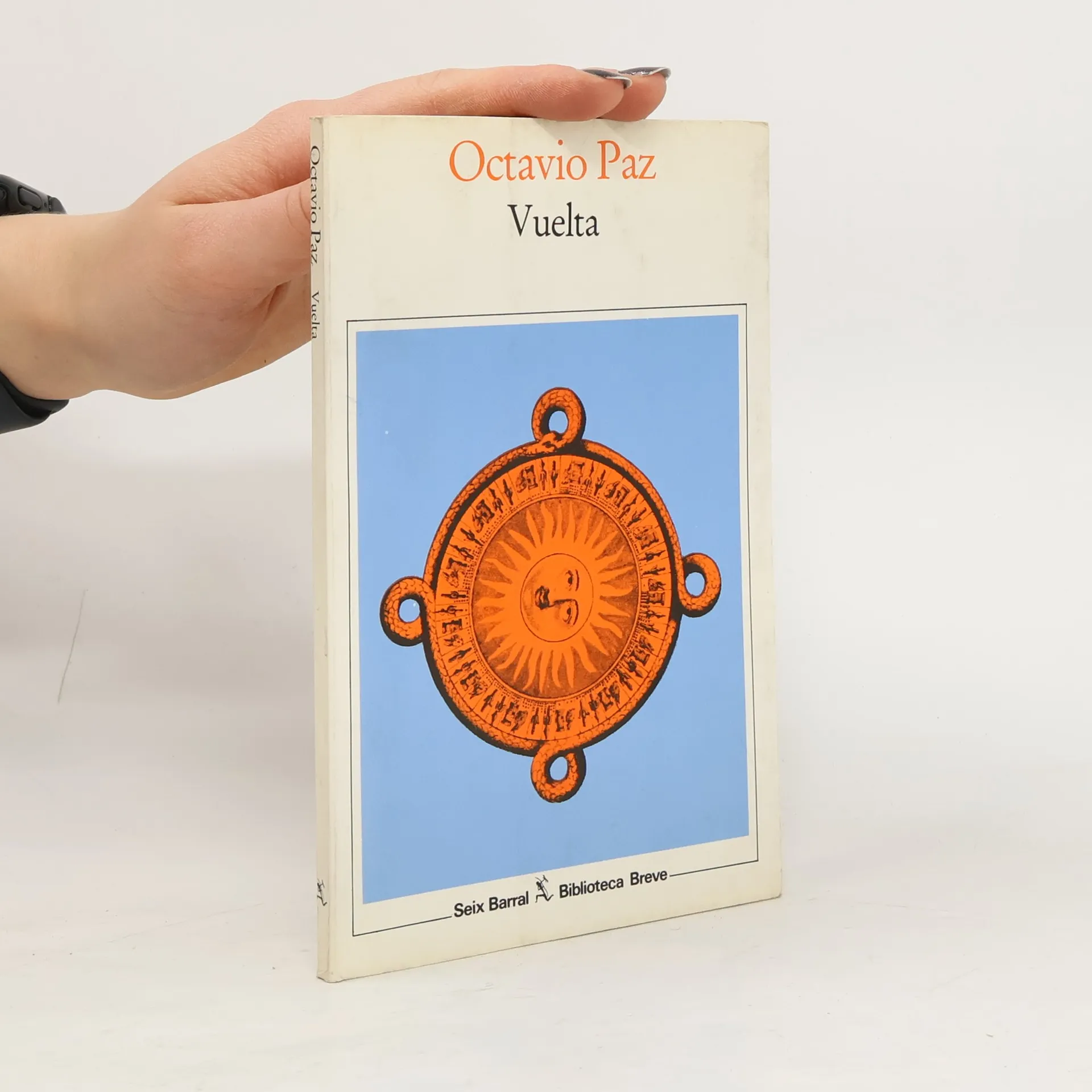
Vuelta
- 92 pages
- 4 hours of reading
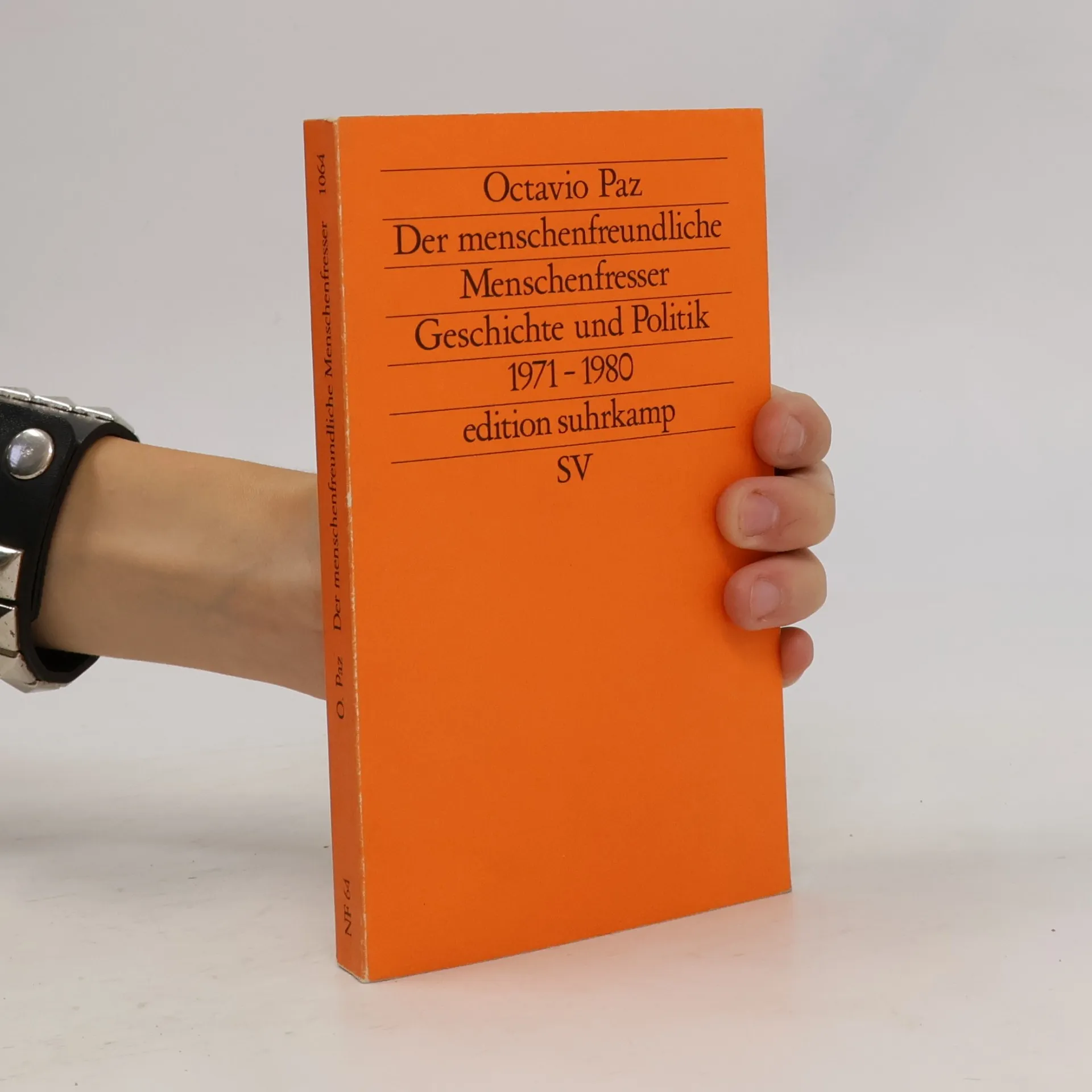
Der menschenfreundliche Menschenfresser
- 300 pages
- 11 hours of reading
Der menschenfreundliche Menschenfresser: dieses Bild wählt Octavio Paz, um den Staat des 20. Jahrhunderts zu kennzeichnen.
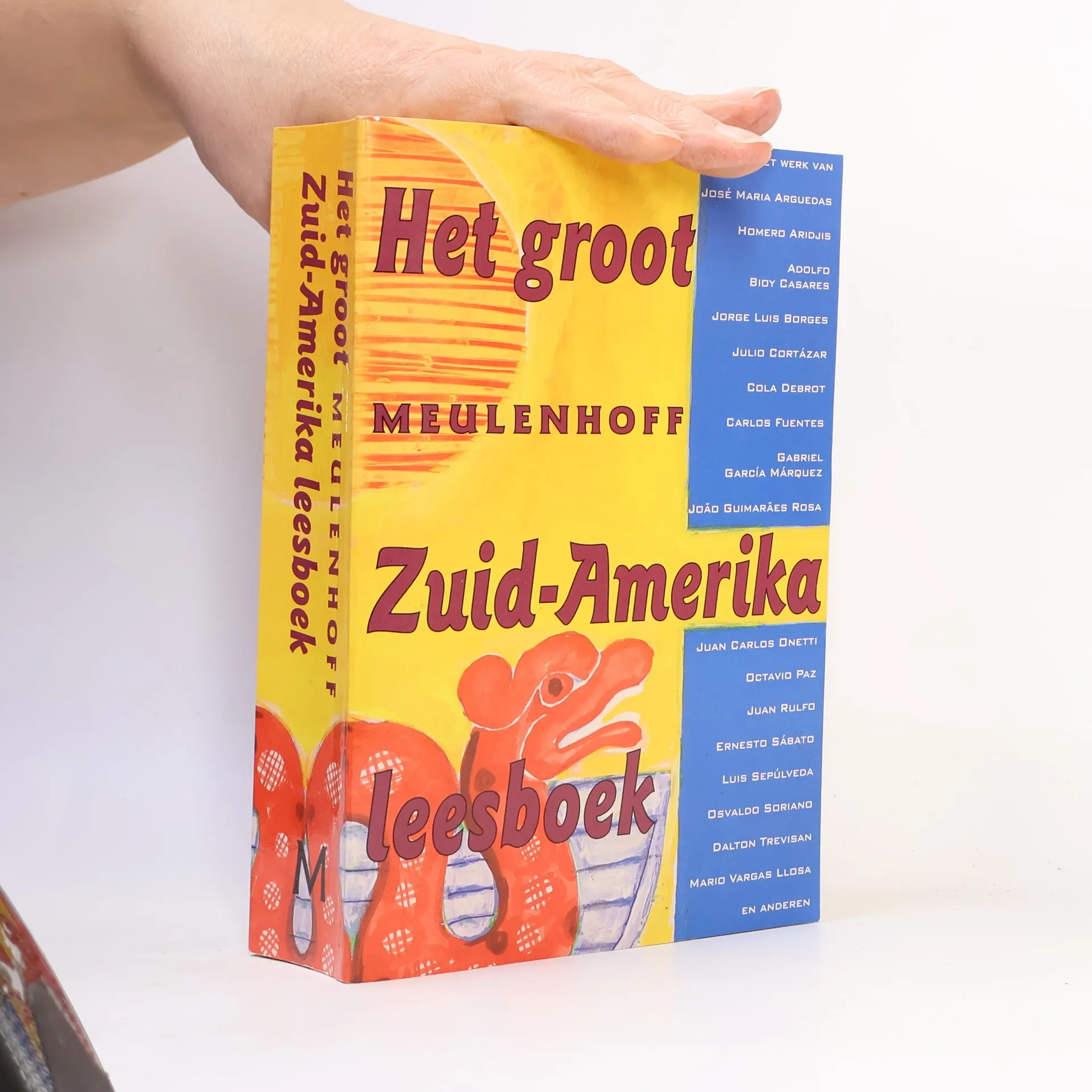
Het groot Meulenhoff Zuid-Amerika leesboek
- 639 pages
- 23 hours of reading
Drieëntwintig romans, novellen en verhalen van José Maria Arguedas, Carlos Fuentes, Cola Debrot, Julio Cortázar, Adolfo Bioy Casares, Gabriel García Márquez, Jorge Luis Borges, João Guimarães Rosa, Juan Carlos Onetti, Octavio Paz, Juan Rulfo, Ernesto Sábato, Luis Sepúlveda, Osvaldo Soriano, Dalton Trevisan, Mario Vargas Llosa en anderenHet is nog maar een kwarteeuw geleden dat de Zuidamerikaanse literatuur de wereld stormenderhand veroverde. Sindsdien zijn meesterlijke vertellers als Gabriel García Márquez, Carlos Fuentes, Joâo Guimarâes Rosa en Mario Vargas Llosa niet meer weg te denken uit de alom gelezen wereldliteratuur. Het groot Meulenhoff Zuid-Amerika leesboek geeft een rijk overzicht van alle aspecten van de magische werkelijkheid van Zuid-Amerika, zoals die wordt opgeroepen in de vierentwintig romans en verhalen die deze bundel telt. Naast vele beroemde namen biedt dit boek natuurlijk ook alllerlei bijzondere ontdekkingen.
Rivages poche / Petite Bibliothèque - 42: Fragments d'un voyage immobile
Précédé d'un essai d'Octavio Paz
- 126 pages
- 5 hours of reading
Ce vagabondage textuel à travers l'oeuvre de Fernando Pessoa voudrait présenter le portrait d'un homme extraordinaire et banal, loin de tout ordinaire. Réalisé sur le modèle des comptines d'enfant, ce recueil de fragments - choisis par Rémy Hourcade parmi les dizaines de milliers de feuillets que nous a laissés l'homme aux masques - agite, dans un désordre voulu, les figures chères à cet inconnu de lui-même tel que le définissait Octavio Paz.
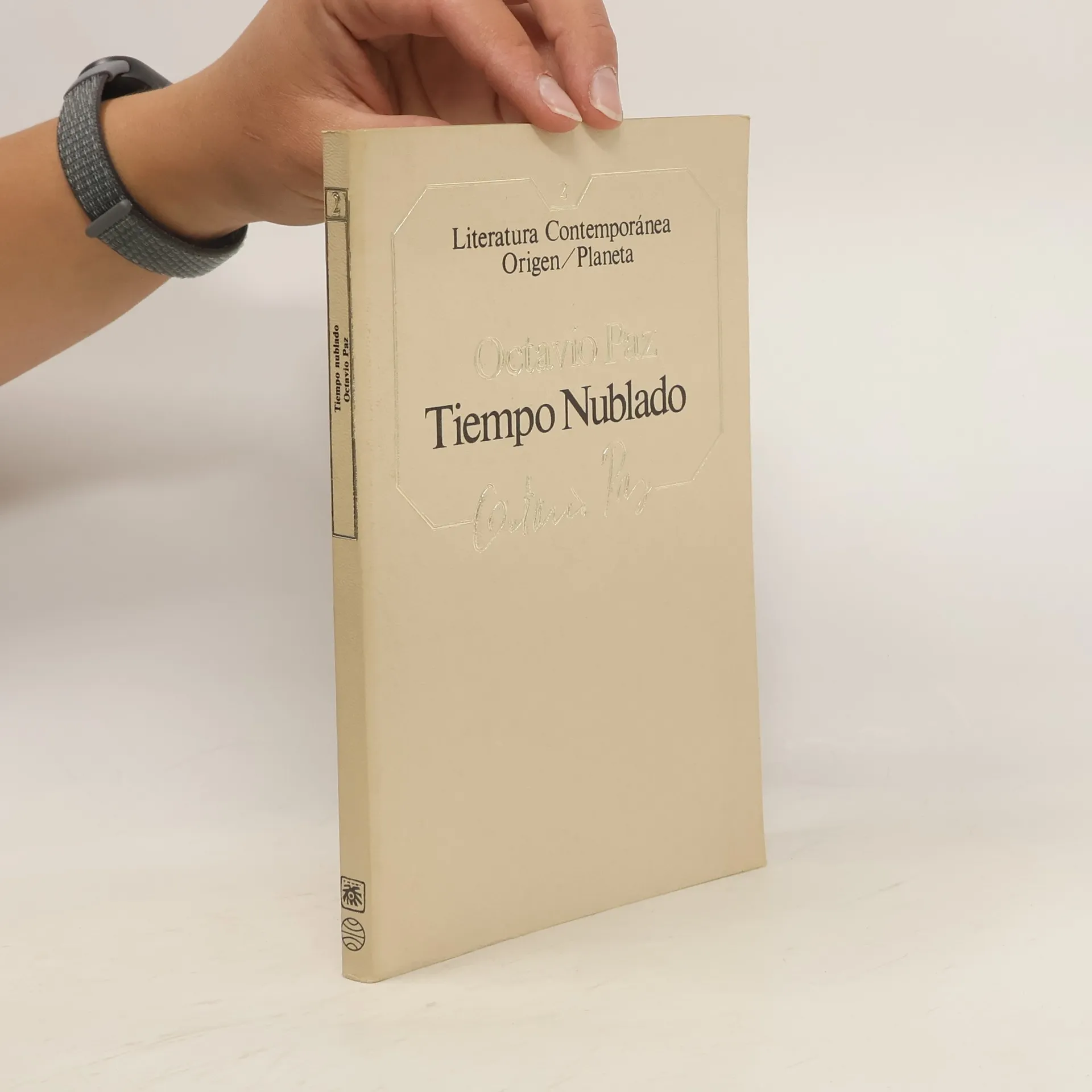
Tiempo nublado es el anuncio de un cielo sin dioses y de treinta y un textos que conforman una crónica de la libertad. Este libro arde en las manos y demuestra que también Paz arde como una llamarada y que es indiscutiblemente uno de los escritores más importantes de la lengua española del siglo XX. Reeditarlo y leerlo es sin lugar a dudas el único homenaje que podría complacerlo, el único a la altura de su prodigiosa inteligencia.
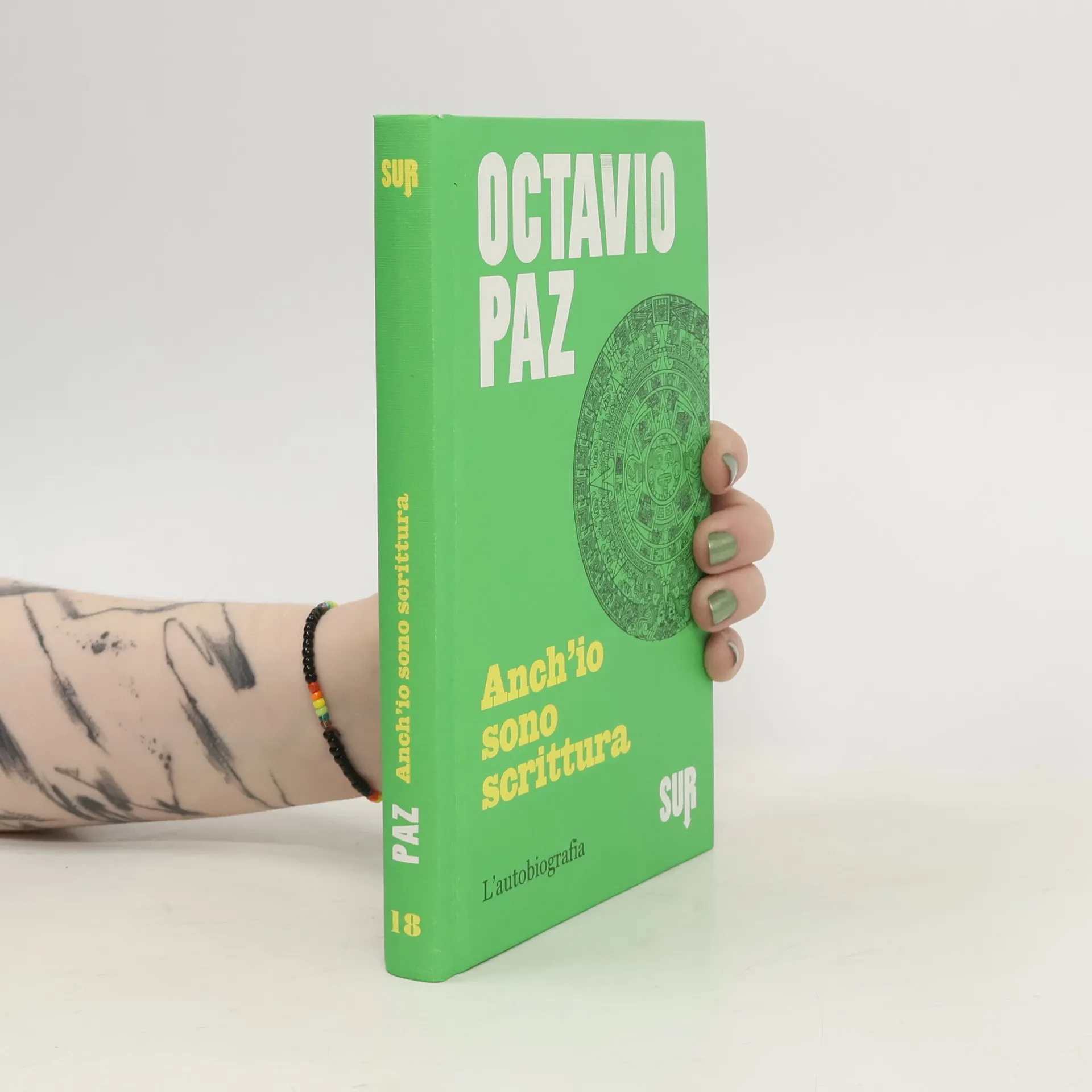
Anch'io sono scrittura
- 153 pages
- 6 hours of reading
Il modo migliore per celebrare uno scrittore è leggere le sue opere. E per festeggiare il centenario di uno dei più autorevoli intellettuali di tutti i tempi, il Premio Nobel messicano Octavio Paz, arriva ora questo prezioso libro autobiografico. Costruito dal curatore Julio Hubard sulla base di una serie di articoli, frammenti, saggi e versi di Paz, il libro ripercorre la vita e l’opera dell’autore in ordine cronologico, dall’infanzia fino agli ultimi giorni, passando per la formazione letteraria, la passione politica, l’amore per la poesia, i viaggi, i riconoscimenti, la malattia, i ricordi personali. Un approfondito riesame di alcuni dei momenti fondanti della storia sociale, politica e artistica del Messico e del suo poeta più appassionato.
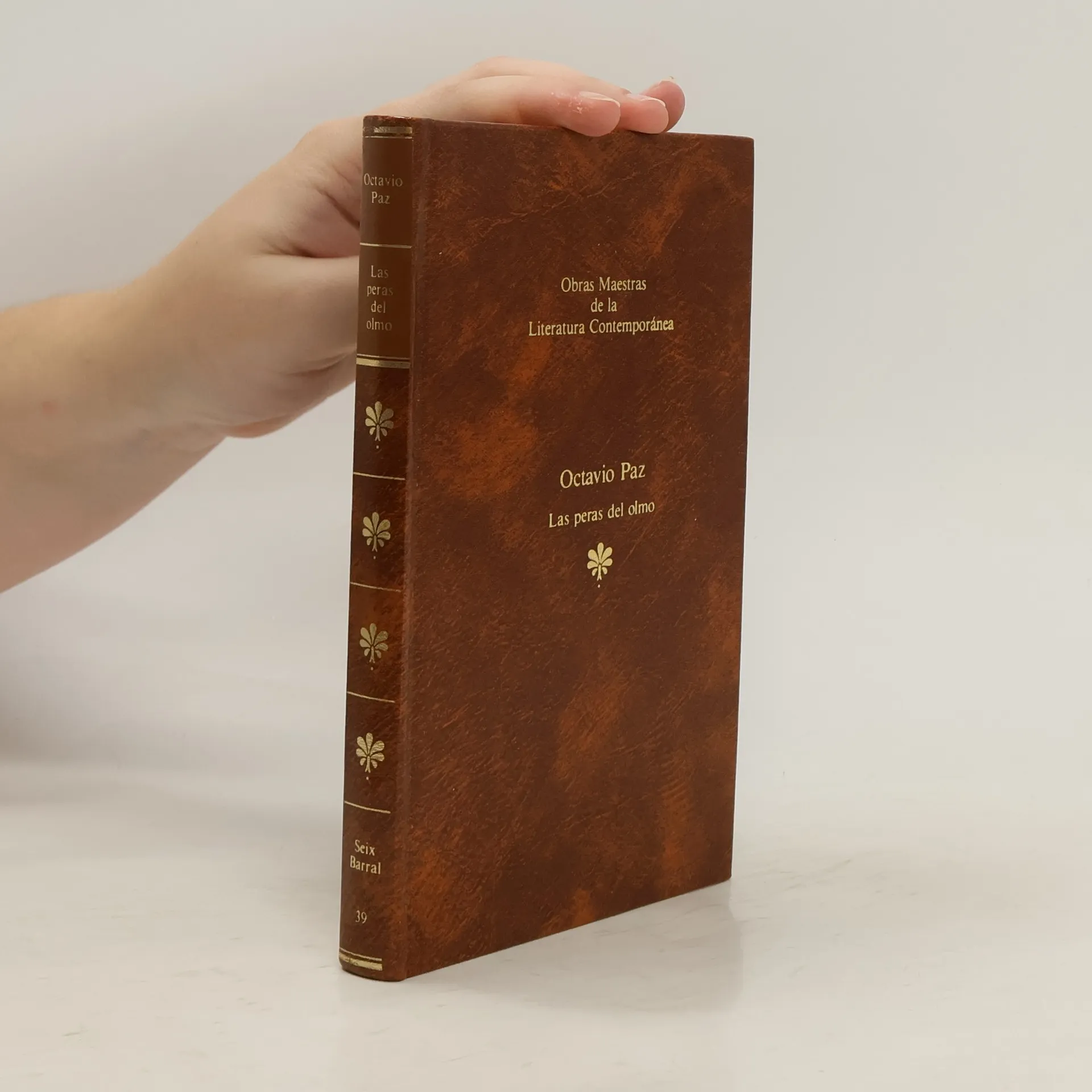
Las peras del olmo
- 231 pages
- 9 hours of reading
En Las peras del olmo, en esta edición revisada por el autor, Octavio Paz ha reunido algunos de sus textos críticos más reveladores. La primera parte del libro, dedicada a la poesía mexicana, contiene un valiosísimo estudio acerca de la obra de Sor Juana Inés de la Cruz y brillantes aproximaciones a la figura de José Juan Tablada y a Muerte sin fin , de José Gorostiza, entre otros textos. En la segunda parte del volumen, que agrupa ensayos de varia temática, figura un extenso estudio acerca de la literatura japonesa, que se cuenta entre las primeras muestras importantes de la aproximación de Paz al mundo oriental, y una conferencia sobre el surrealismo que da fe de la "Invitación a la aventura anterior" que preside la zona más genuina de la poesía de nuestro tiempo.
The Misfortunes of Virtue and Other Early Tales
- 282 pages
- 10 hours of reading
The name of the Marquis de Sade is synonymous with the blackest corners of the human soul, a byword for all that is most foul in human conduct. In his bleak, claustrophobic universe, there is no God, no human affection, and no hope. This selection of his early writings, some making their first appearance in English in this new translation by David Coward, reveals the full range of Sade's sobering moods and considerable talents. This is a fully annotated edition including an introduction, a biographical study, and a history of the censorship of these writings. About the Series: For over 100 years Oxford World's Classics has made available the broadest spectrum of literature from around the globe. Each affordable volume reflects Oxford's commitment to scholarship, providing the most accurate text plus a wealth of other valuable features, including expert introductions by leading authorities, voluminous notes to clarify the text, up-to-date bibliographies for further study, and much more.
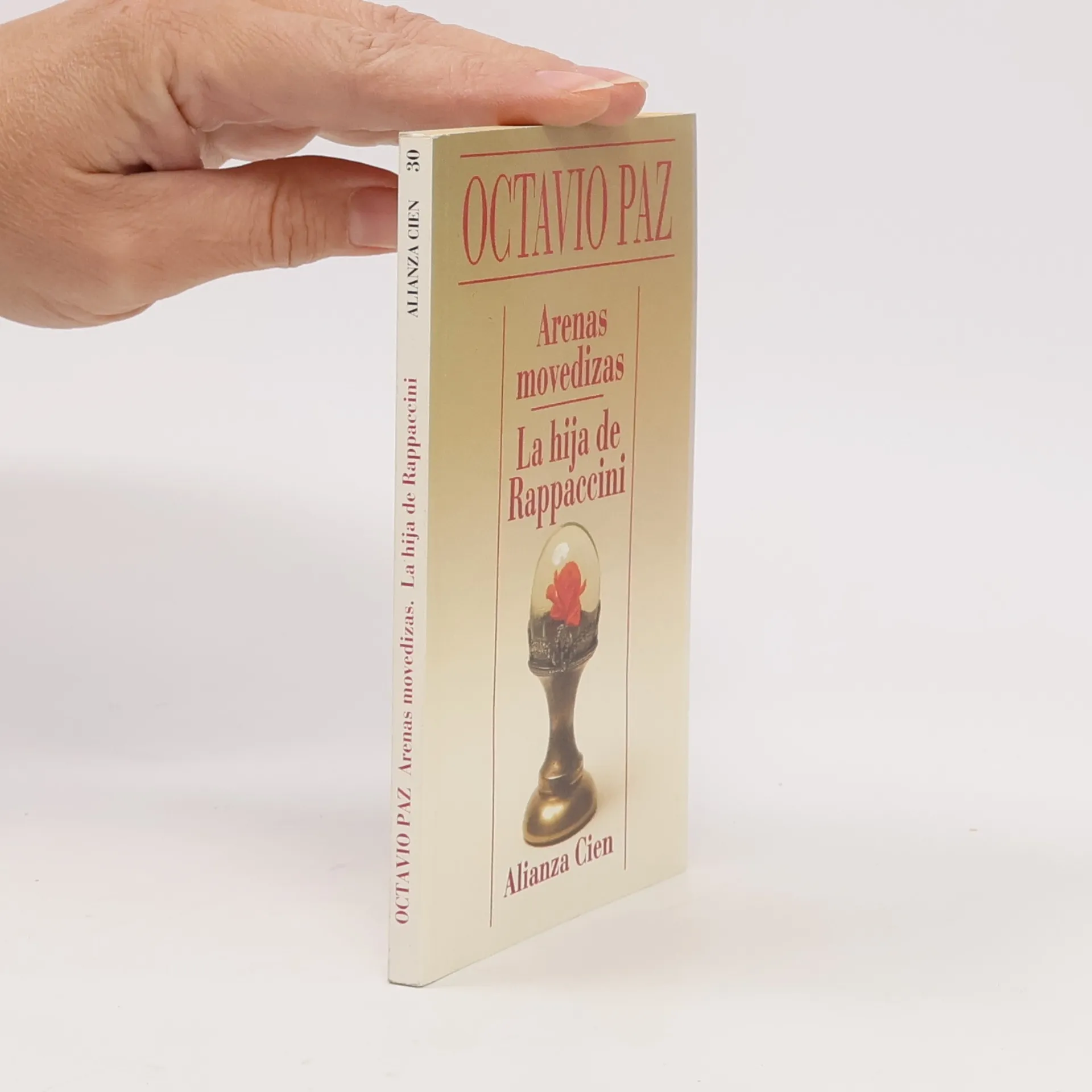
Arenas Movedizas / La hija de Rappaccini
- 90 pages
- 4 hours of reading
Book by Paz, Octavio
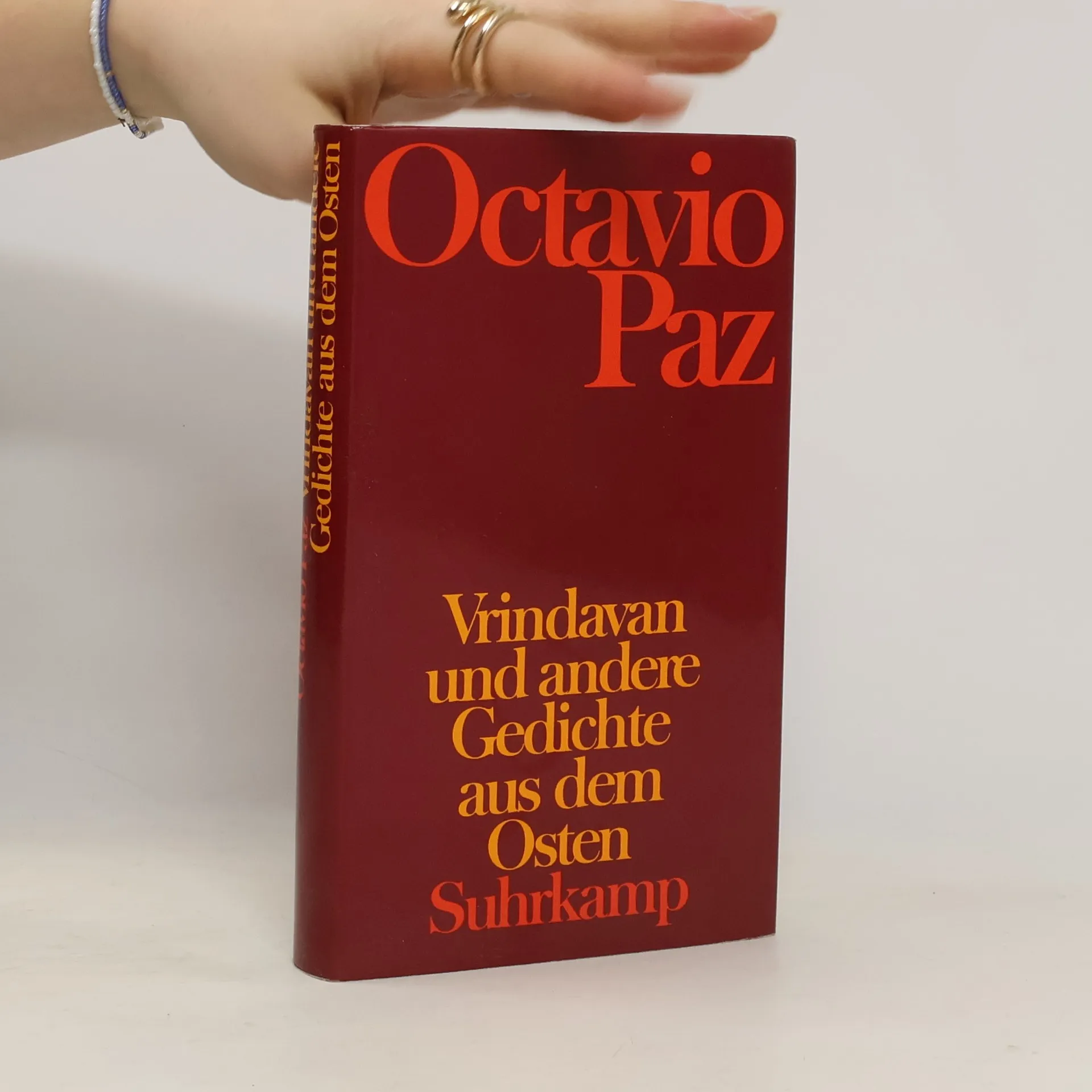
In mir der Baum. Gedichte. Span.-Dtsch.
- 279 pages
- 10 hours of reading
Un árbol adentro, la primera colección de nuevos poemas del gran autor mexicano Octavio Paz desde Vuelta de 1975, fue publicada originalmente como la sección final de los Poemas completos de Octavio Paz, 1957-1987.
Essays 2
- 438 pages
- 16 hours of reading
Die dichterische Inspiration. Die Weihe des Augenblicks. Analogie und Ironie. Übersetzung: Wortkunst und Wörtlichkeit. Erkundung der lateinamerikanischen Literatur. Lateinamerikanische Poesie?. Die zehnte Muse von Mexiko. Der Modernismo. Fernando Pessoa - Der sich selbst Unbekannte. Antonio Machado - Der Dichter der Zeit. Jorge Guillén - Der Dichter des Seins. Luis Cernuda - Die Wirklichkeit und das Verlangen. Der Surrealismus. Magische Kunst. André Breton oder Die Suche nach dem Anfang. Henri Michaux - Die Expedition ins Unendliche. Baudelaire als Kunstkritiker. Saint-John Perse - Ein moderner Hymnus. Eliot und Pound - Die Suche nach der Tradition. W.C. Williams - Der Diogenes der zeitgenössischen Poesie. Schönheit und Nützlichkeit. Tamayo und Mexiko. Marcel Duchamp. Chillida - Vom Eisen zum Licht.
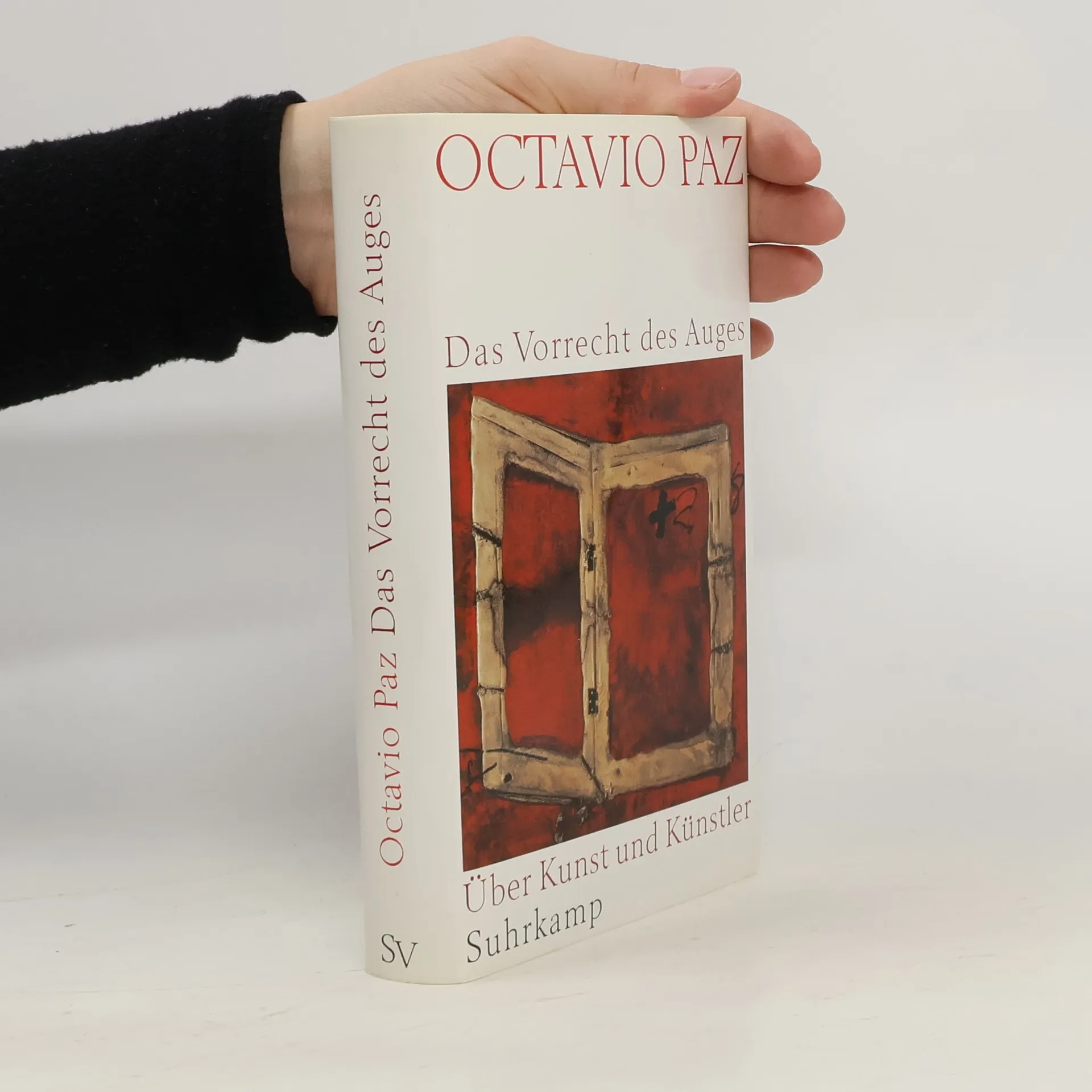
»Auf vielfache Weise kann man sich einem Gemälde nähern: in direkter Linie, bis man es von Angesicht zu Angesicht betrachtet, in einer Haltung des Befragens, Herausforderns oder Bewunderns; in indirekter Weise, wie man mit einem Vorübergehenden einen geheimen Blick des Einvernehmens austauscht; im Zickzack, mit merkwürdigen strategischen Bewegungen, vergleichbar denen des Schachs; mit dem Blick betastend, wie ein naschhafter Gast einen langgestreckten Tisch mustert; kreisend wie der Sperber, bevor er herabstößt. Die direkte Art, die komplizenhafte, die reflexive, die Art des Jägers, die Art des magnetisierten Blickes …« Paz, der Lyriker und Essayist, ist zeitlebens ein leidenschaftlicher Betrachter von Kunst gewesen. Der Blick des Schriftstellers, zugleich unbefangen und kenntnisreich, entdeckt dem Leser Wesentliches und Charakteristisches jenseits der Kunstgeschichte und des Feuilletons: innere Zusammenhänge, überraschende Querverbindungen, künstlerische Notwendigkeiten. Paz schreibt über Künstler zwischen Wort und Bild wie Breton und Michaux und über das enigmatische Werk Marcel Duchamps; er widmet der mexikanischen Kunst einen erhellenden Essay; dem Spanier Chillida und dem Mexikaner Tamayo nähert er sich in Einzelstudien; und Künstlern wie Tàpies und Rauschenberg zollt er in Gedichten Tribut.
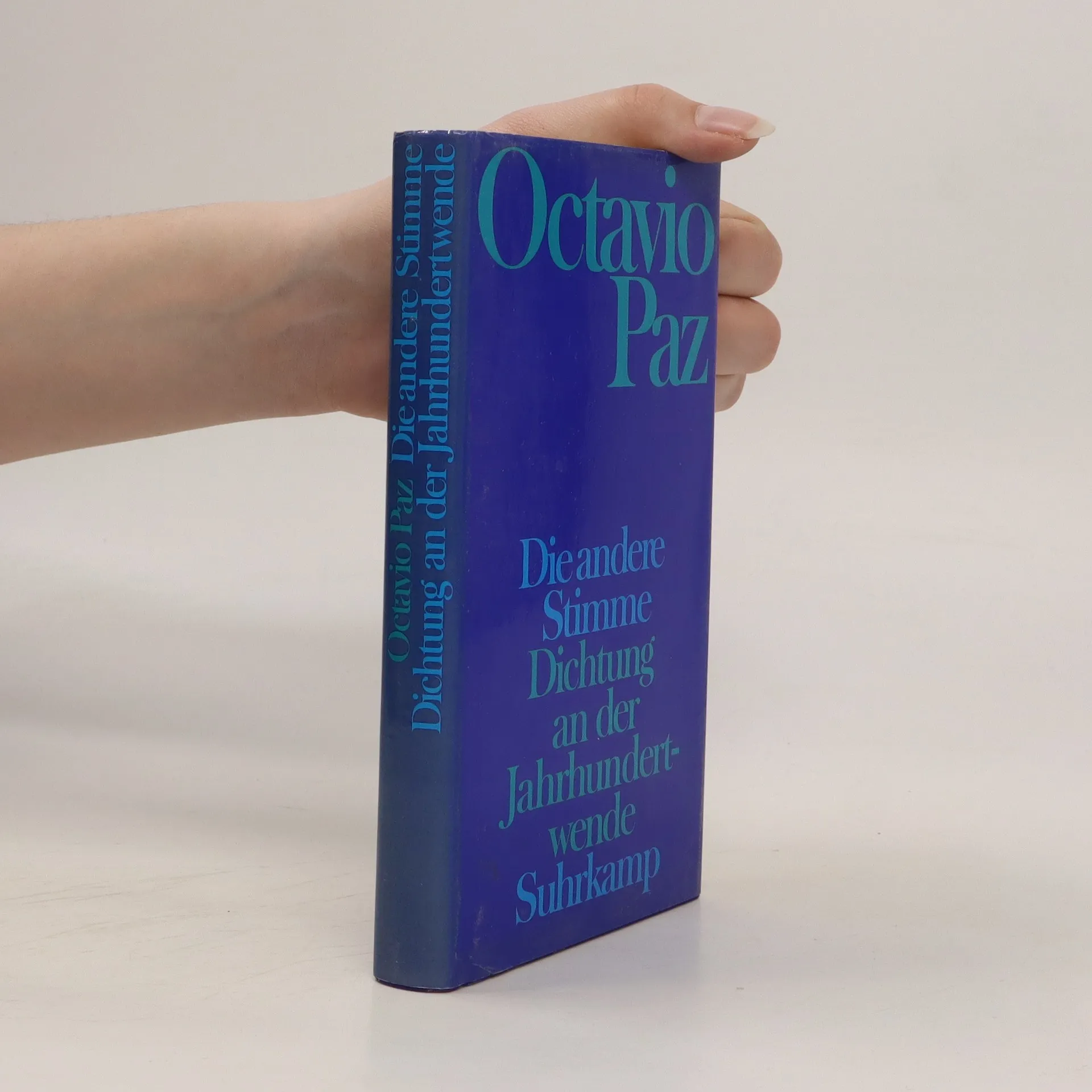
Mehr als eine Beschreibung hat Paz mit diesem poetologischen Essay vorgelegt: eine Erkundung. In kreisender Such- und Denkbewegung vollzieht Paz die widersprüchlich-produktive Bewegung des modernen Bewußtseins nach, von der »Tradition des Bruchs« bis hin zum »Tod der Avantgarde«. Mit seinen unorthodoxen, grundsätzlich grenzsprengenden Kenntnissen und mit der essayistischen Unruhe seines Weiterdenkens führt Paz den Leser zu Einsichten, die weit über die Fragestellung nach der spezifischen Modernität des Gedichts und der ›anderen ‹ Zeit der Dichtung hinausgehen.
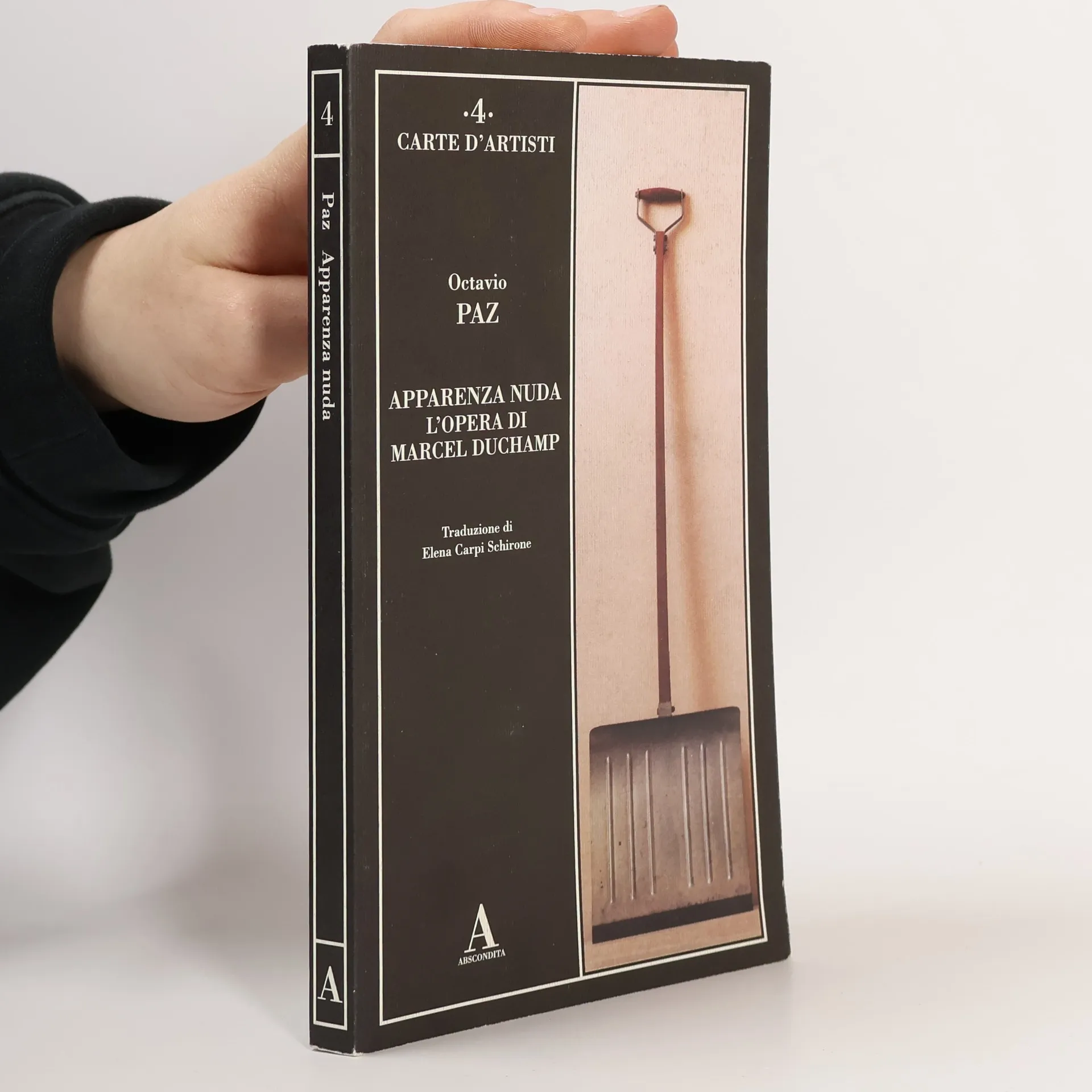
Apparenza nuda. L'opera di Marcel Duchamp
- 143 pages
- 6 hours of reading
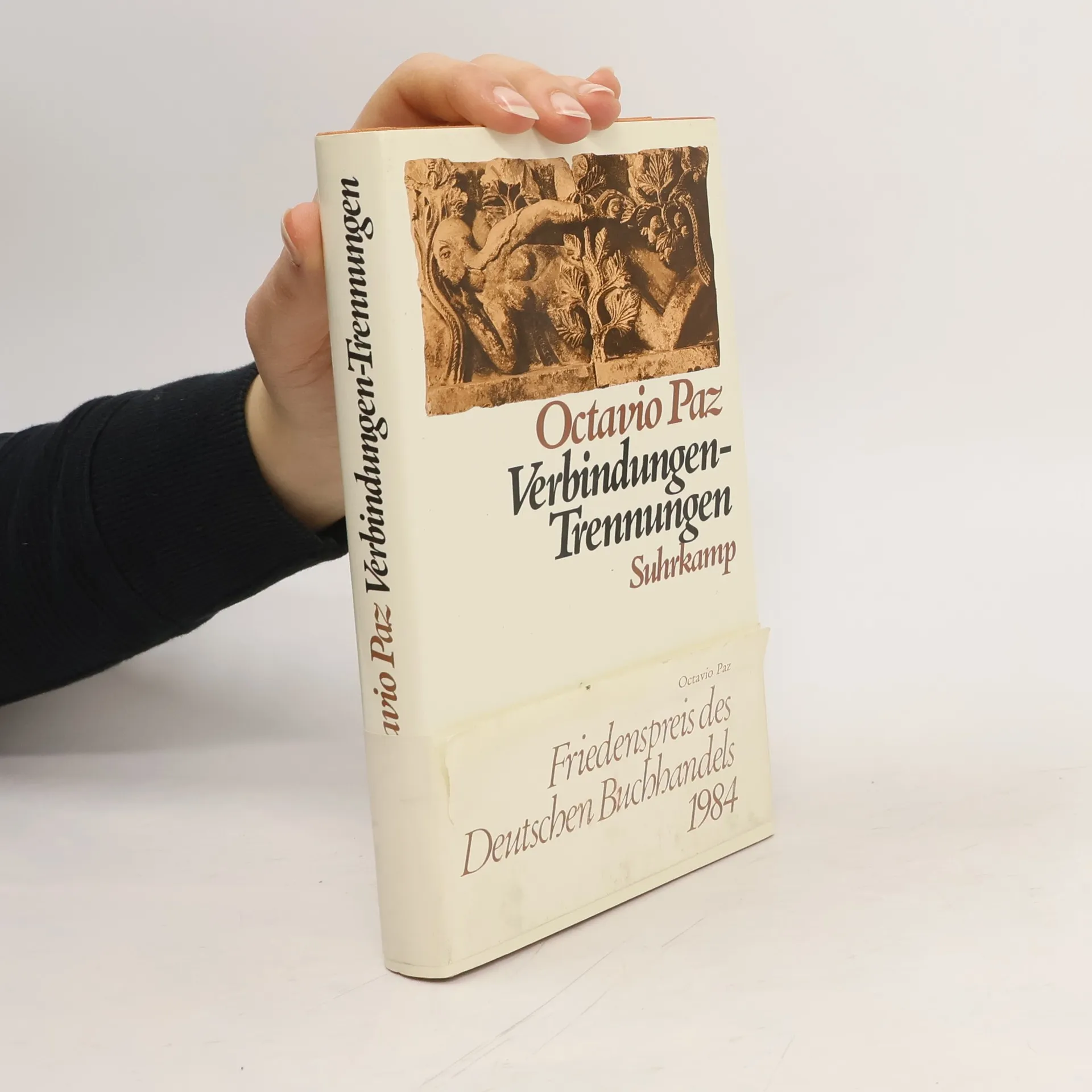
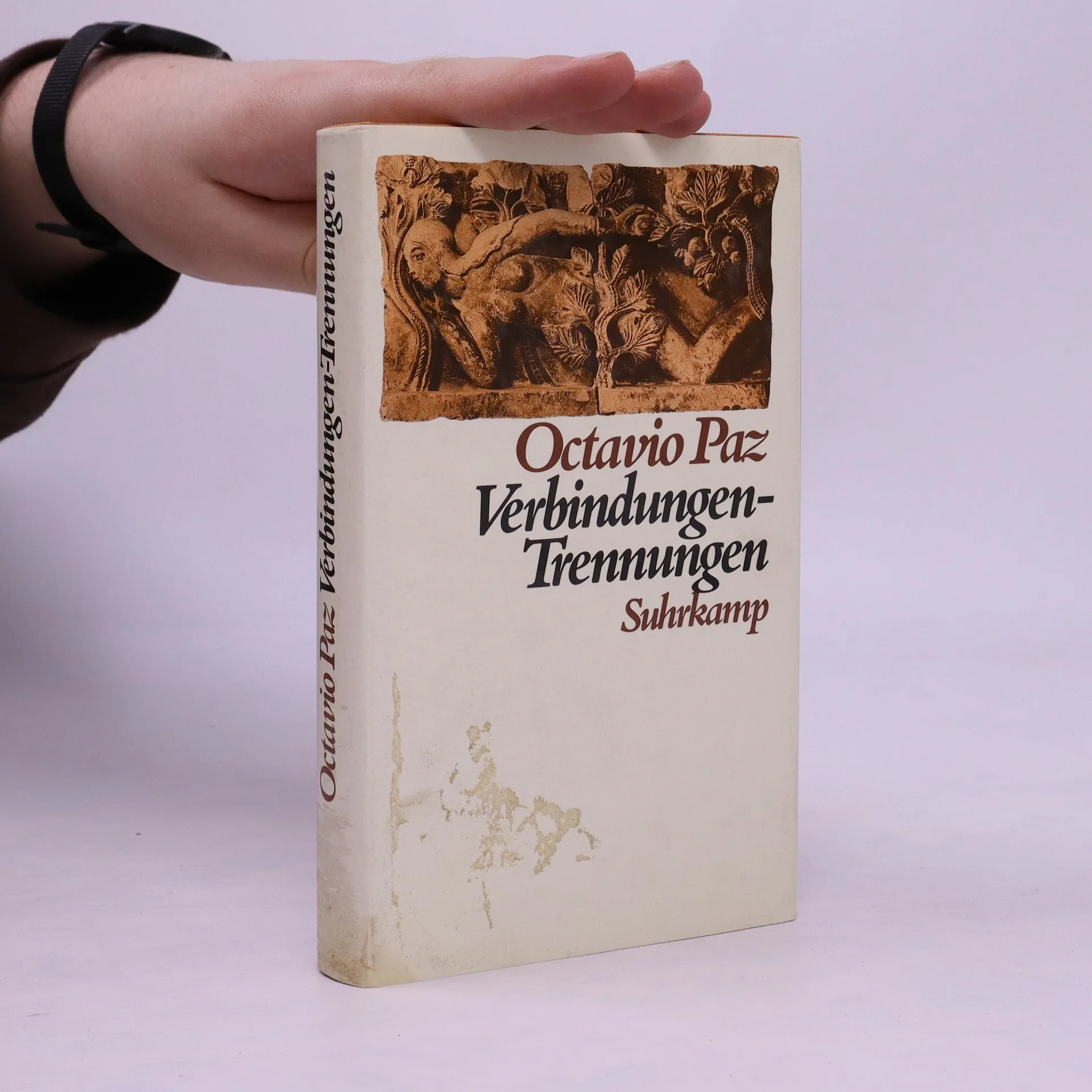
Verbindungen - Trennungen
- 181 pages
- 7 hours of reading
Octavio Paz zeigt in diesem Werk die großen Linien, Schnittpunkte und Auseinandersetzungen des westlichen und östlichen Geistes auf. Der Titel des Buches spielt auf die Bezugspaare Ähnlichkeit/Gegensatz und Einheit/Trennung zweier Zeichen an: des Körpers und Nicht-Körpers. Jede Gesellschaft hat ihre spezifische Art und Weise, diese Wirklichkeit zu verstehen, die wir Körper, Natur und Materie nennen, und jene andere, die wir als Seele, Geist und Verstand bezeichnen. Dies ist Thema des letzten Teils des vorliegenden Buches, doch beschreibt der Autor zuvor noch andere Verbindungen von Zeichen und Nicht-Zeichen: die christliche Kunst des Mittelalters und die buddhistische Kunst, den Tantrismus und den Protestantismus, den Taoismus und den Konfuzianismus. Paz macht auf den analen Charakter unserer Kultur aufmerksam, zeigt Zusammenhänge zwischen Ordnung und Akzidens auf. Die Erotik nimmt in seinen Überlegungen eine zentrale Stellung ein: er analysiert ihre Bedeutung für die chinesische, indische und europäische Kultur.
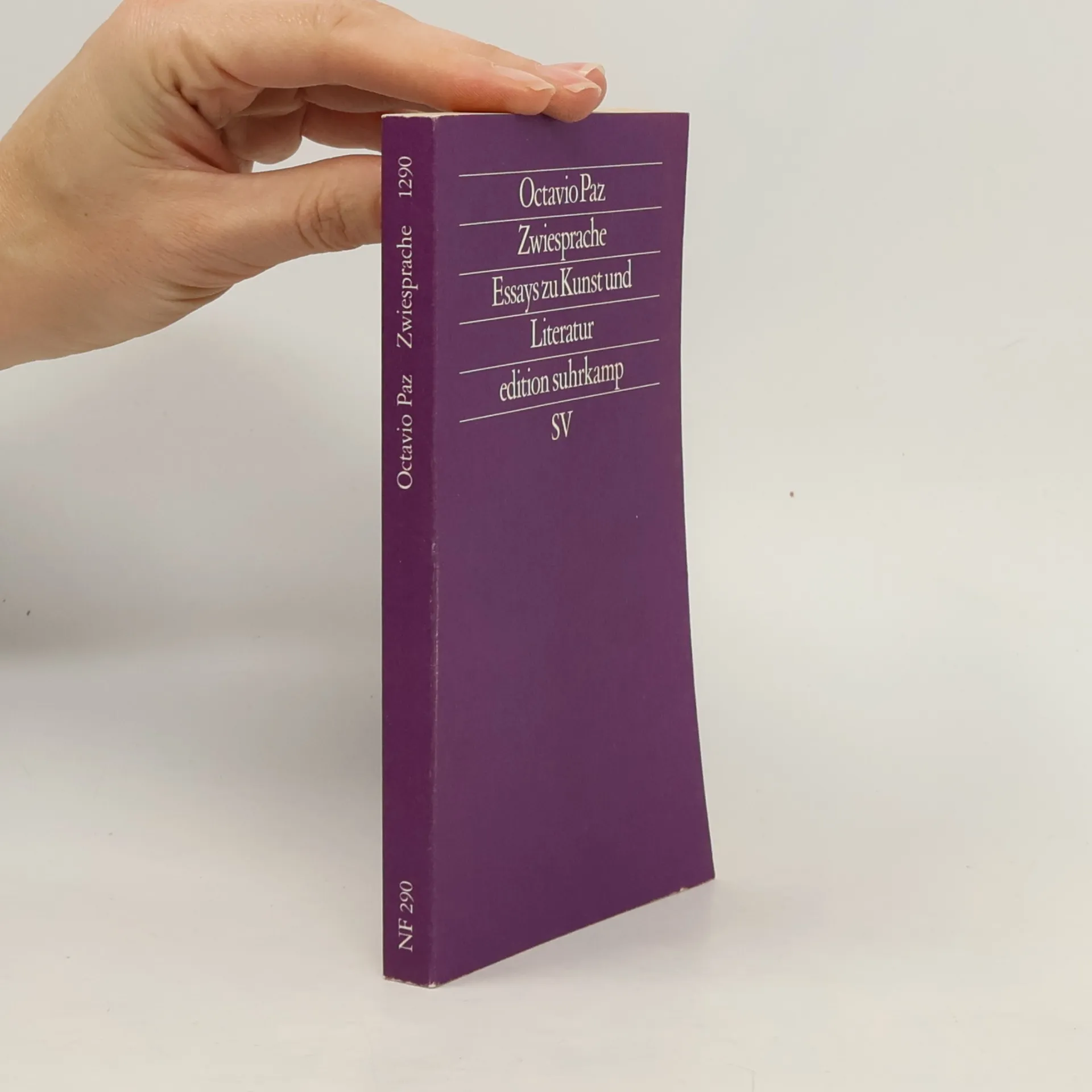
„»Wir sind weder Griechen noch Chinesen noch Araber; auch können wir nicht sagen, daß wir die romanische oder die byzantinische Skulptur völlig verstehen. Wir sind dazu verurteilt, zu übersetzen, und jede unserer Übersetzungen, handle es sich um die gotische oder um die ägyptische Kunst, ist eine Metapher, eine Verwandlung des Originals.« Diese Arbeit der Übersetzung, eine Zwiesprache zwischen dem Werk und dem Betrachter, unternimmt Octavio Paz in den hier vorgelegten Essays zur Literatur und Kunst.“
En estas páginas se reúne Piedra del sol, poema fundamental de la literatura mexicana contemporánea, con un grupo de textos expresamente seleccionados para esta edición por Octavio Paz, uno de los autores más importantes del siglo XX.
Lektüre und Kontemplation
- 70 pages
- 3 hours of reading
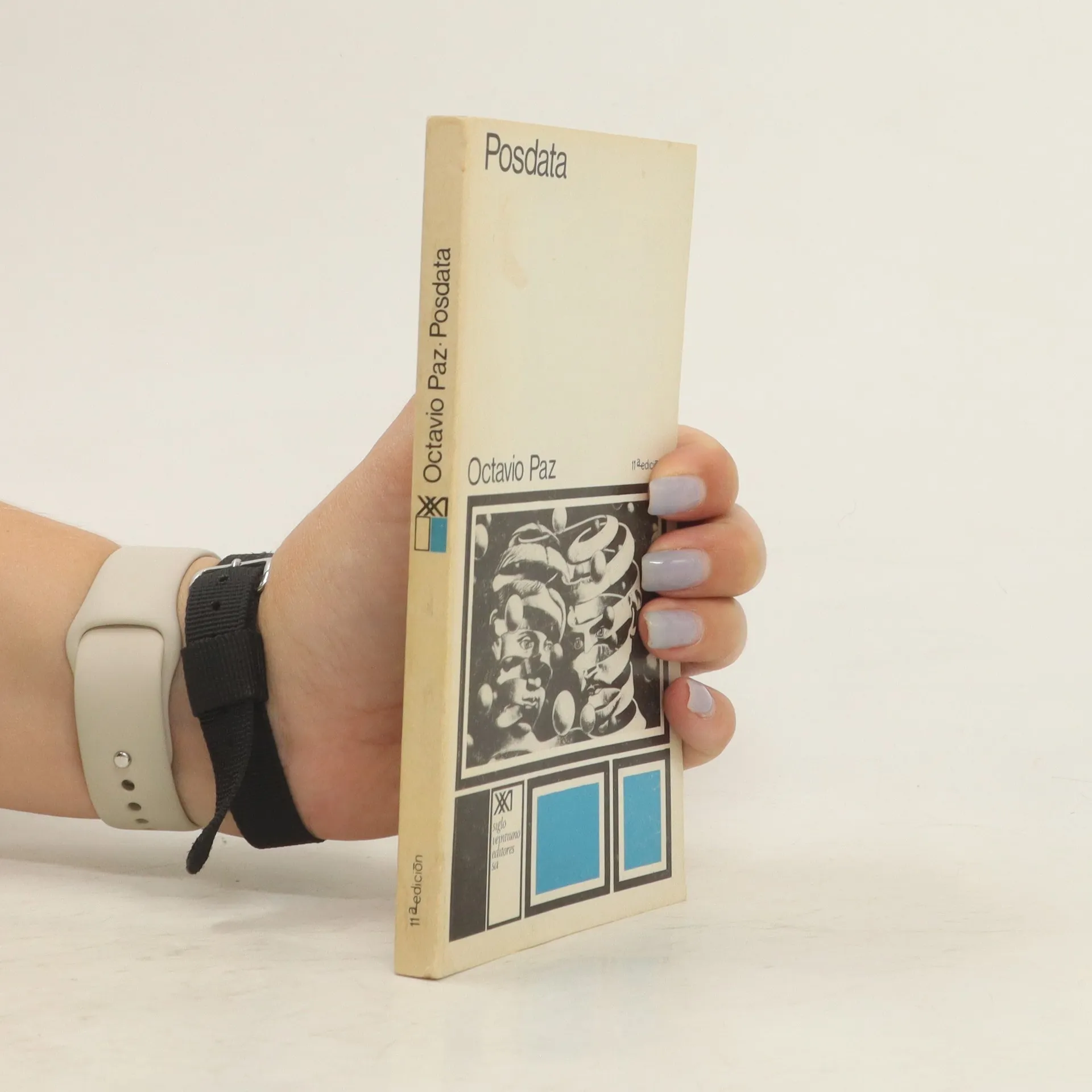
Colección Popular - 471: El laberinto de la soledad, Postdata y Vuelta a El laberinto de la soledad
- 351 pages
- 13 hours of reading
Octavio Paz Iee
Travesias Tres Lectura
German, Spanish (translation)
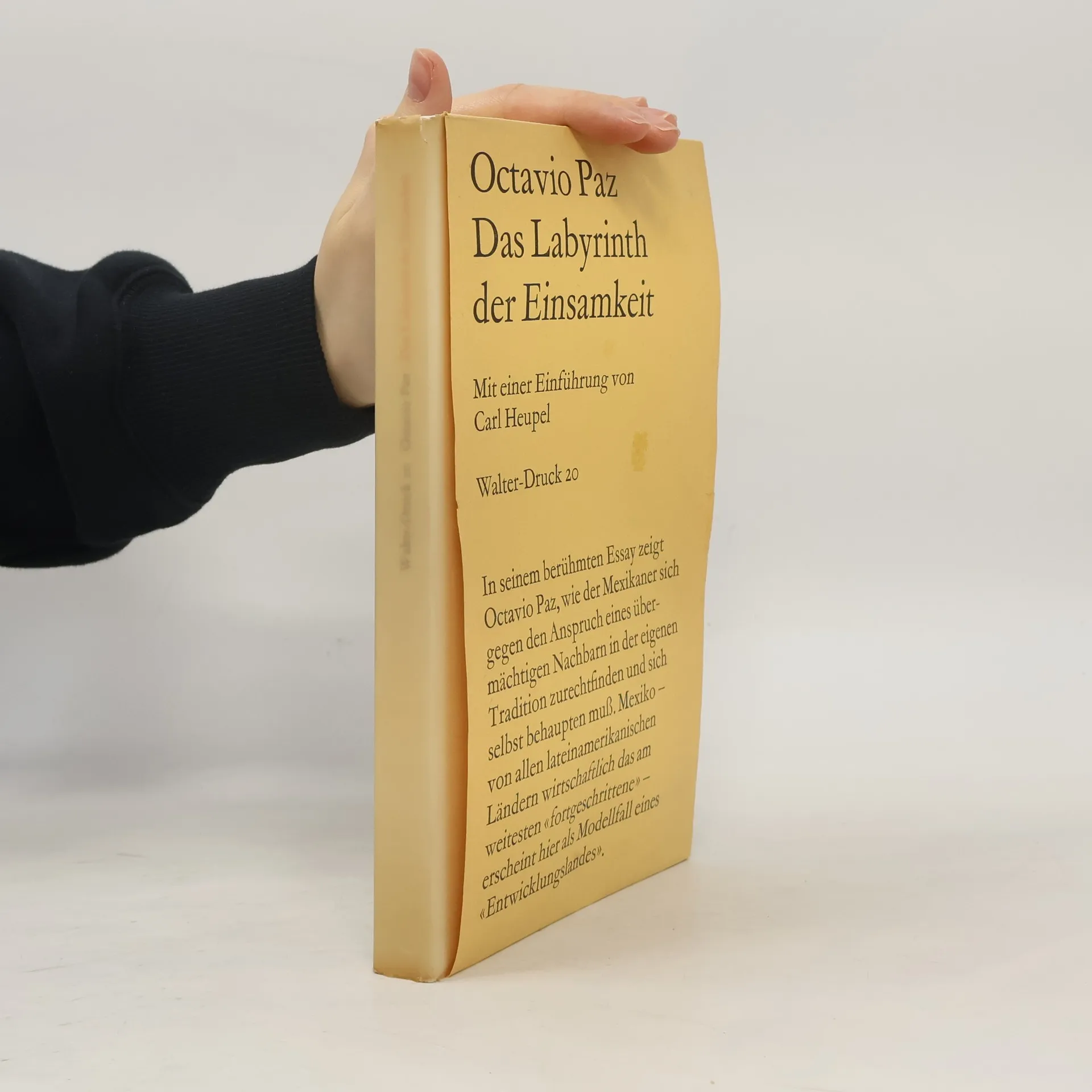
Das Labyrinth der Einsamkeit
Walter-Druck 20
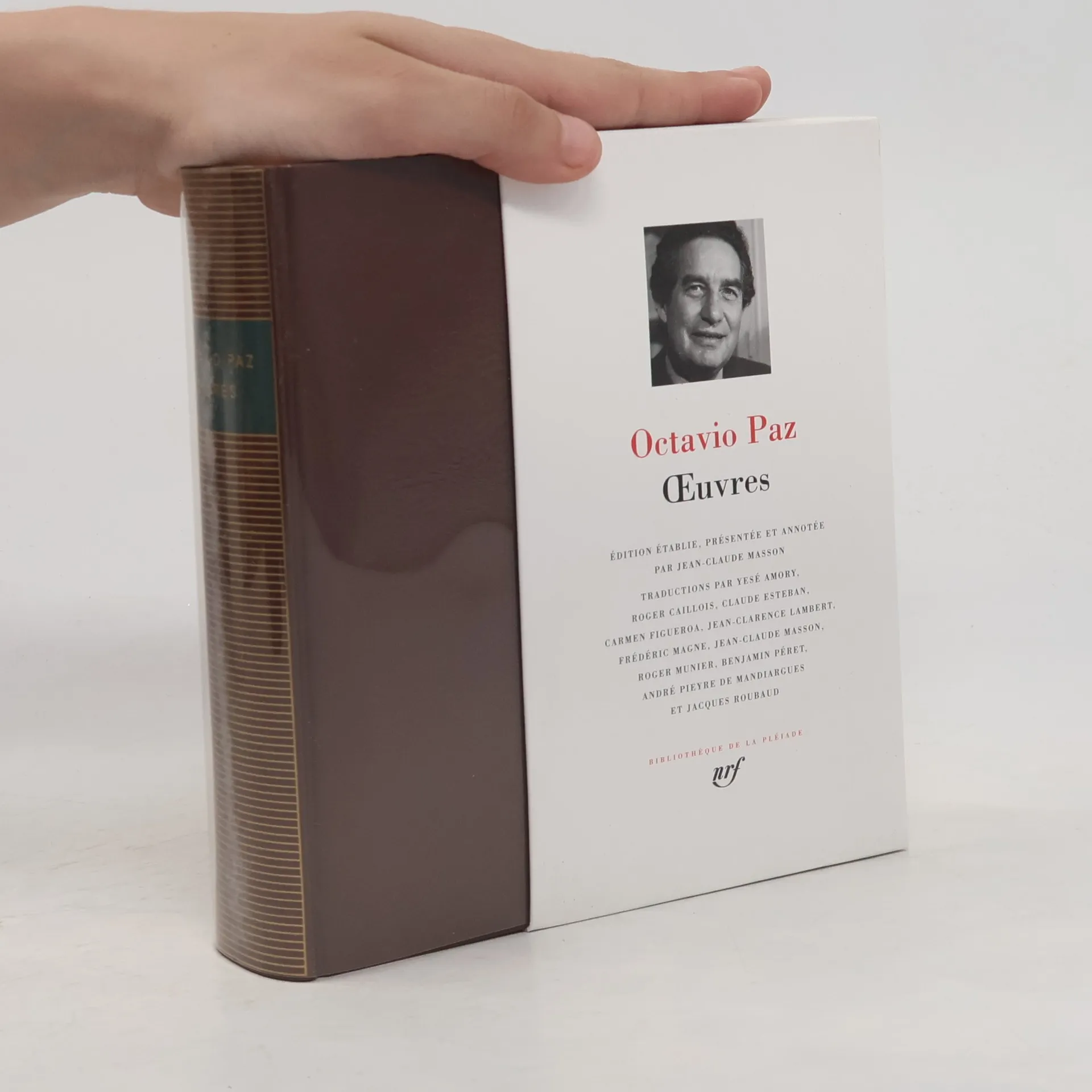
Œuvres poétiques
Édition établie, présentée et annotée par Jean-Claude Masson - Traductions par Yves Amor, Roger Caillois, Claude Esteban, Carmen Figueroa, Jean-Clarence Lambert, Frédéric Magne, Jean-Claude Masson, Roger Munier, Benjamin Péret, André Pieyre de Mandiargues et Jacques Roubaud
- 1500 pages
- 53 hours of reading
Poésie : Liberté sur parole - Pierre de Soleil - La Fille de Rappaccini - Jours ouvrables - Hommage et profanations - Salamandre - Solo à deux voix - Versant est - Vers le commencement - Blanc - Le Singe grammairien - Le Feu de chaque jour - Mise au net - Arbre au-dedans - Poèmes (1989-1996). Poétique : L'Arc et la Lyre - Point de convergence - Lecture et contemplation - L'Autre Voix.
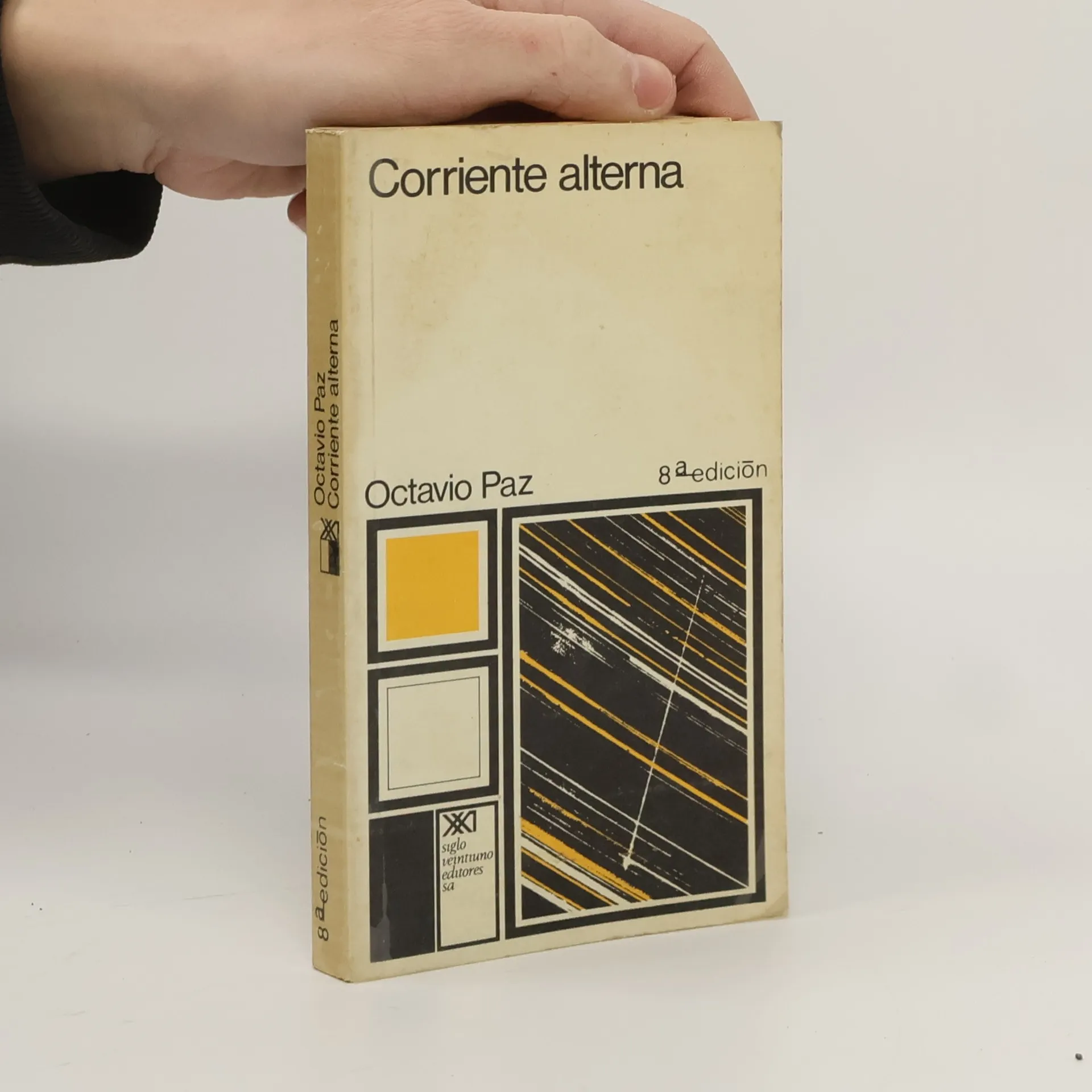
Les Essais - 176: Courant alternatif
- 240 pages
- 9 hours of reading
Figure clé de la renaissance littéraire latino-américaine, Octavio Paz se concentre ici sur la littérature et l'art, les drogues, le meurtre de Dieu, ainsi que sur des problèmes éthiques et politiques. Dans la première partie de cette œuvre acclamée, Octavio Paz expose son credo en tant qu'artiste et poète. La deuxième partie aborde des thèmes plus spécifiques à la fin des années soixante et soixante-dix, tels que l'expérience de la drogue et l'athéisme moderne. Dans la troisième partie, Paz s'intéresse à la politique et à l'éthique. Chaque chapitre de ce livre est une aventure de l'esprit.
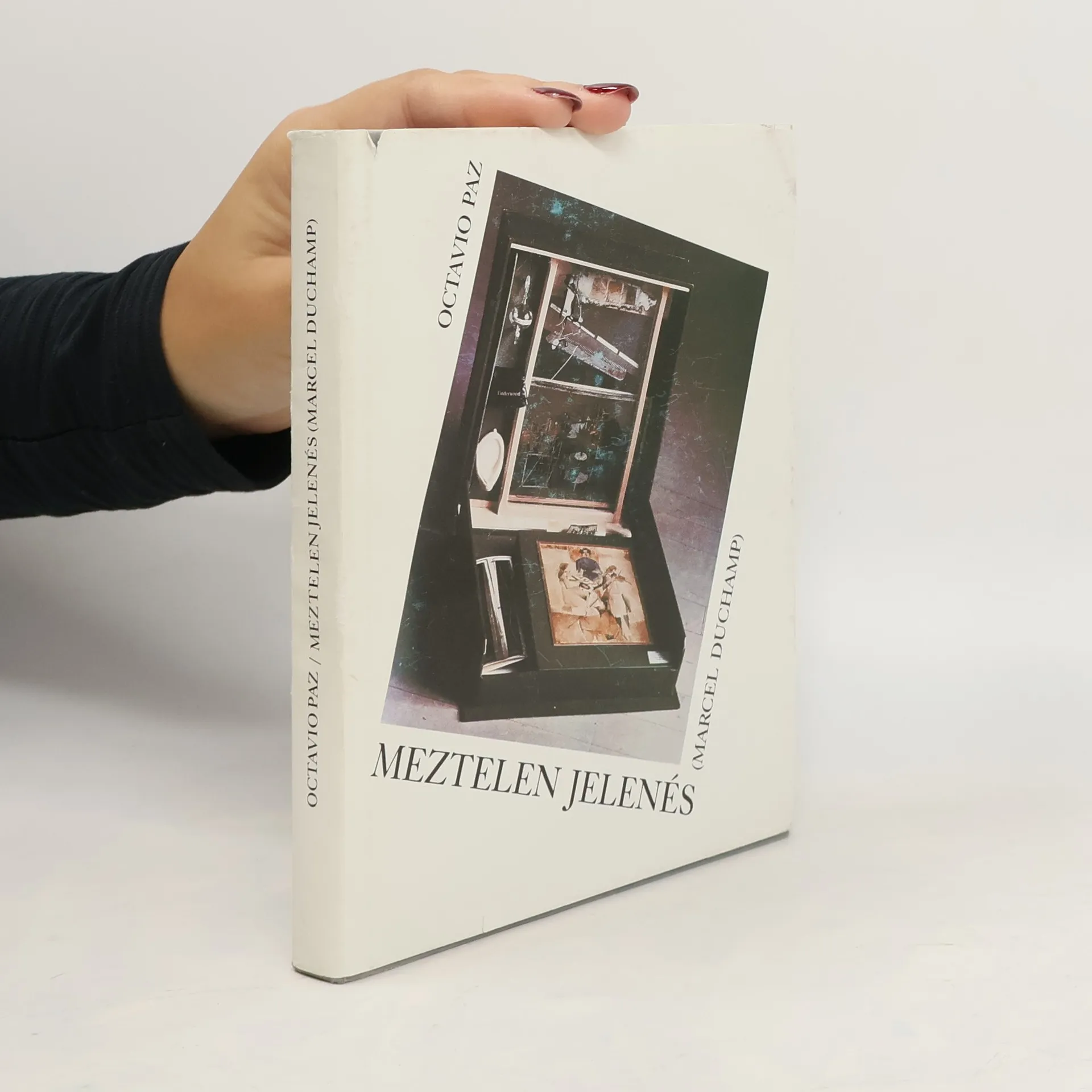
Meztelen jelenés
- 164 pages
- 6 hours of reading
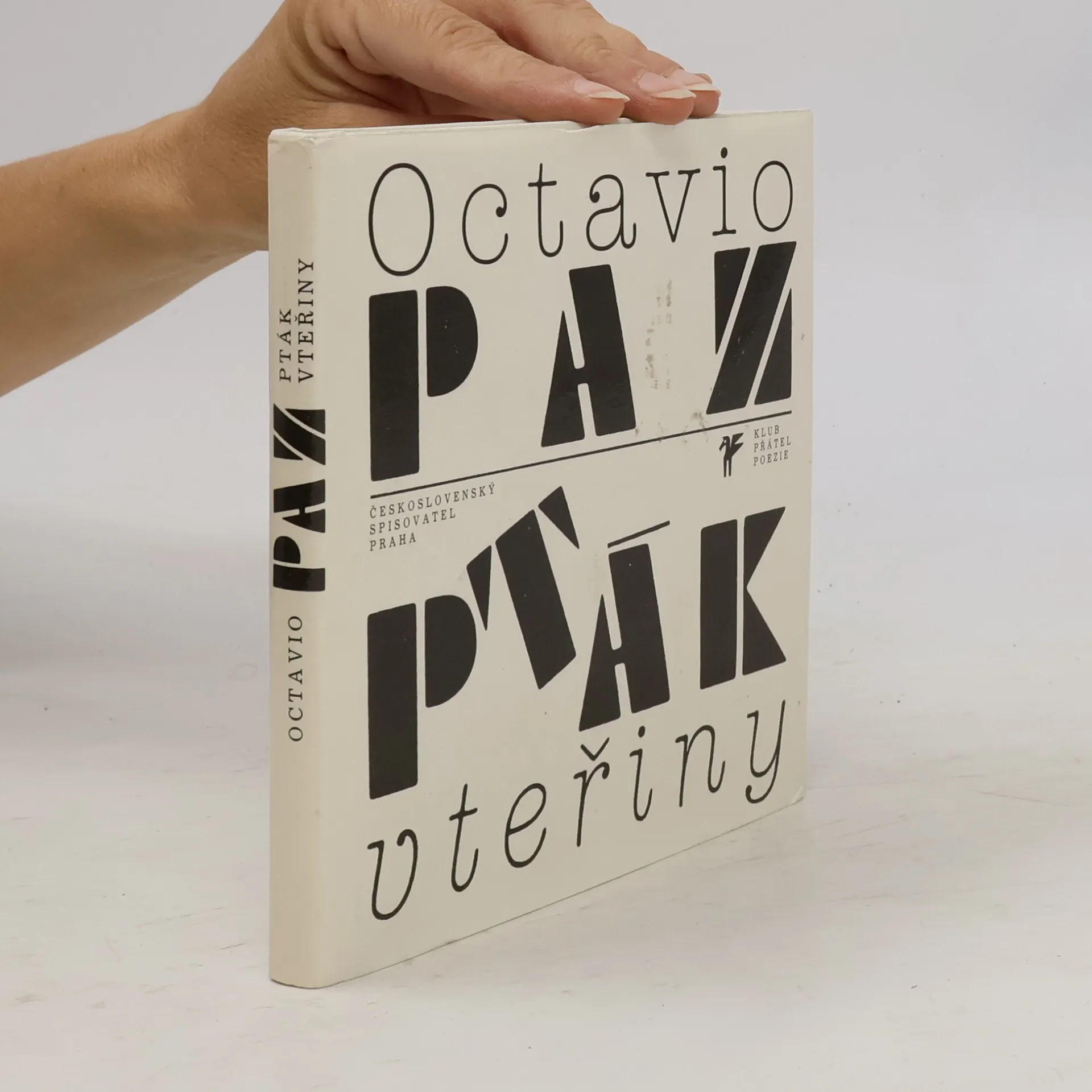
Výbor z veršů mexického básníka v překladu Vladimíra Mikeše.
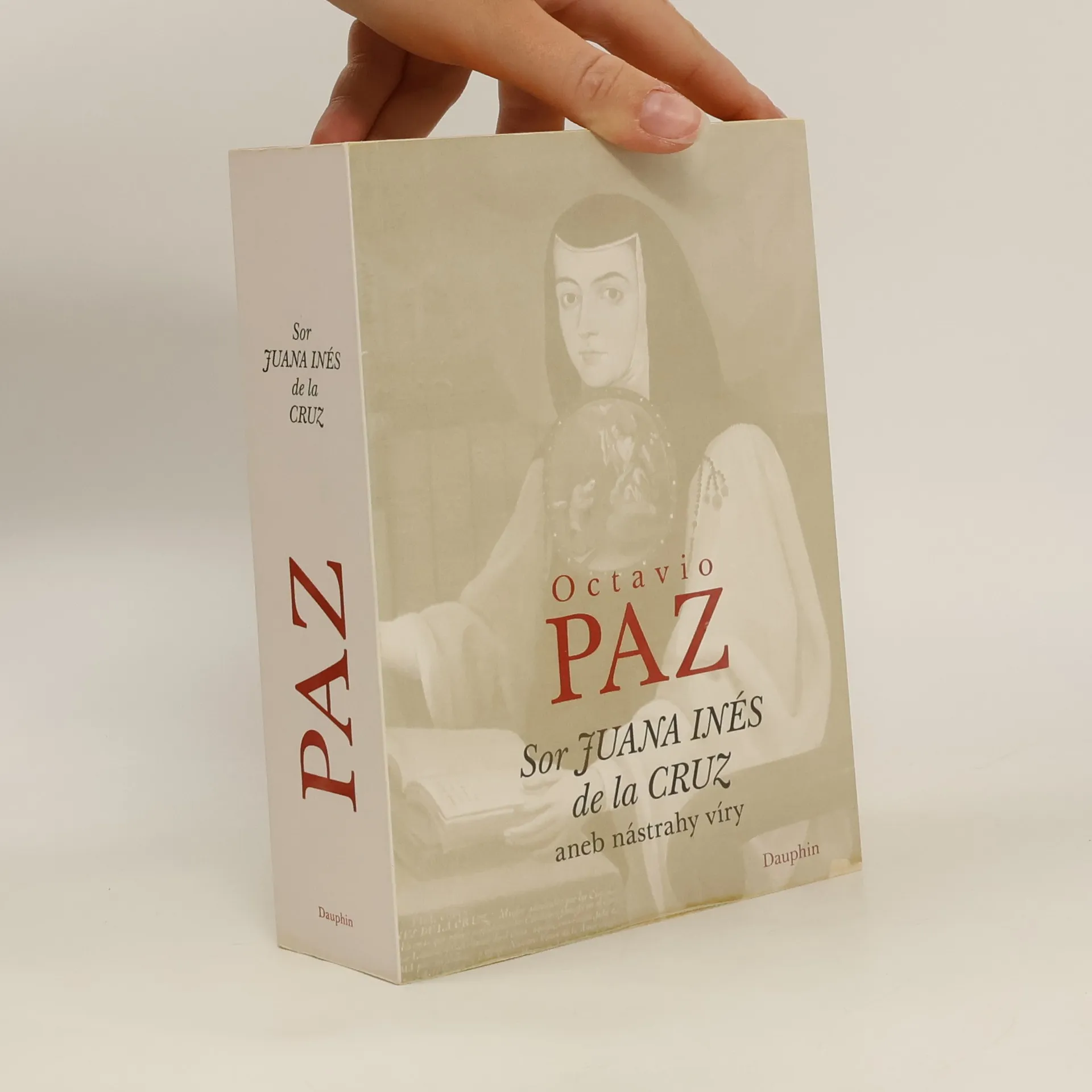
Sor Juana Inés de la Cruz aneb nástrahy víry
- 712 pages
- 25 hours of reading
Výjimečný text, který na pozadí života výjimečné ženy obsáhne dějinnost barokního Mexika, jeho předkřesťanské, křesťanské či hermetické kořeny a stejně tak pohled na starý kontinent, pohled přes mohutný okeán, pohled až dráždivě vzrušující protože chytrý, krásný a jiný.
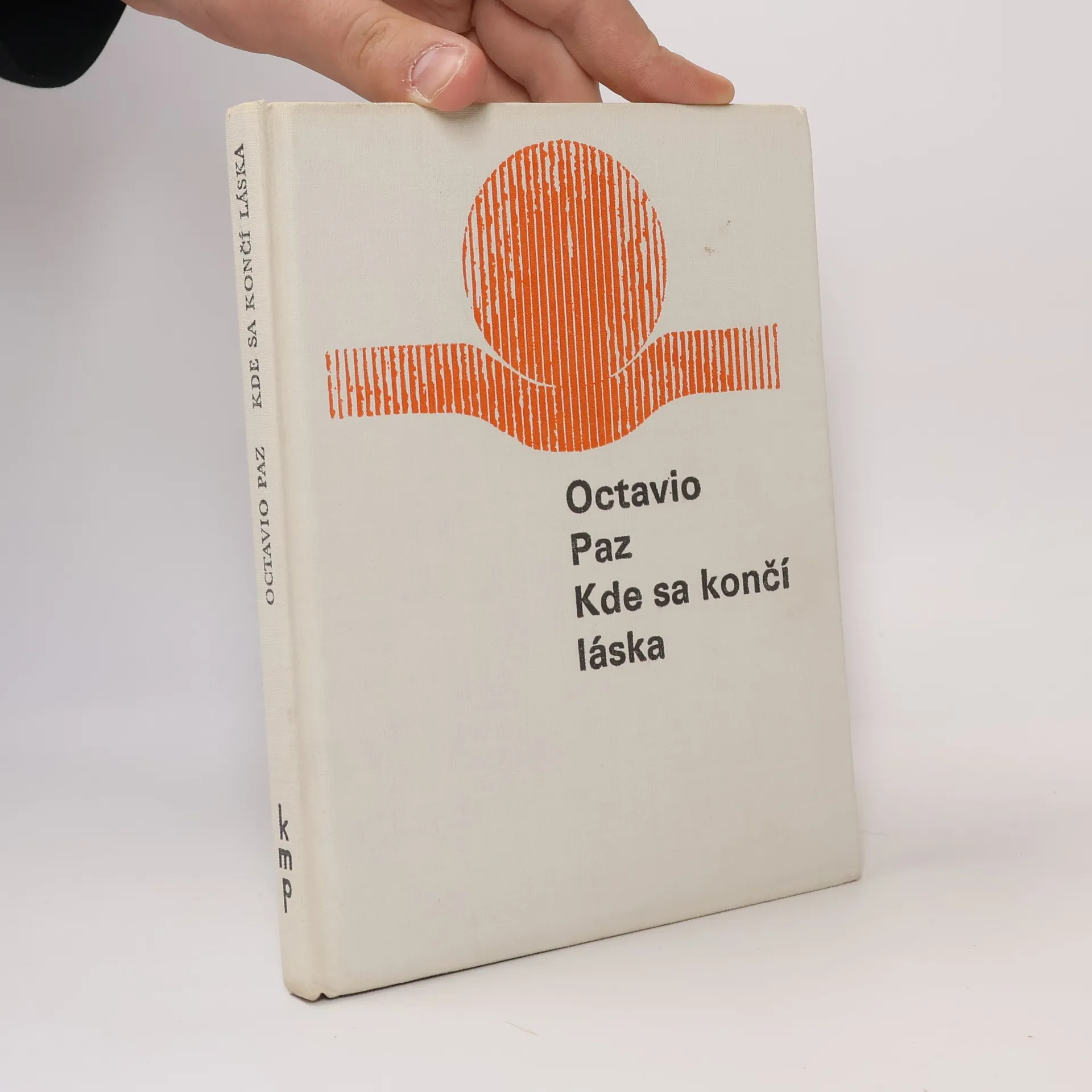
Každodenný oheň
- 128 pages
- 5 hours of reading
Octavio Paz (1914 – 1998), nositeľ Cervantesovej ceny (1981) a Nobelovej ceny za literatúru (1990), je autor impozantného diela, ktoré zahŕňa básne, eseje, jednu divadelnú hru a básnické preklady. Mnohí ho pokladajú za jedného z najvplyvnejších básnikov 20. storočia. Programové úsilie o modernú podobu básne sa u neho spájalo s neustávajúcim inovačným úsilím. Roku 1989 pripravil rozsiahly revidovaný výber zo svojho básnického diela Každodenný oheň (El fuego de cada día), ktorý sa stal aj hlavným zdrojom tohto prekladového výberu. Ján Zambor v ňom venuje osobitnú pozornosť autorovej tvorbe sedemdesiatych a osemdesiatych rokov a komplementarizuje tak slovenský prekladový obraz jeho poézie.
Sloboda pod zárukou slova (1935–1957), Salamander (1958–1961), Východný breh (1962–1968).
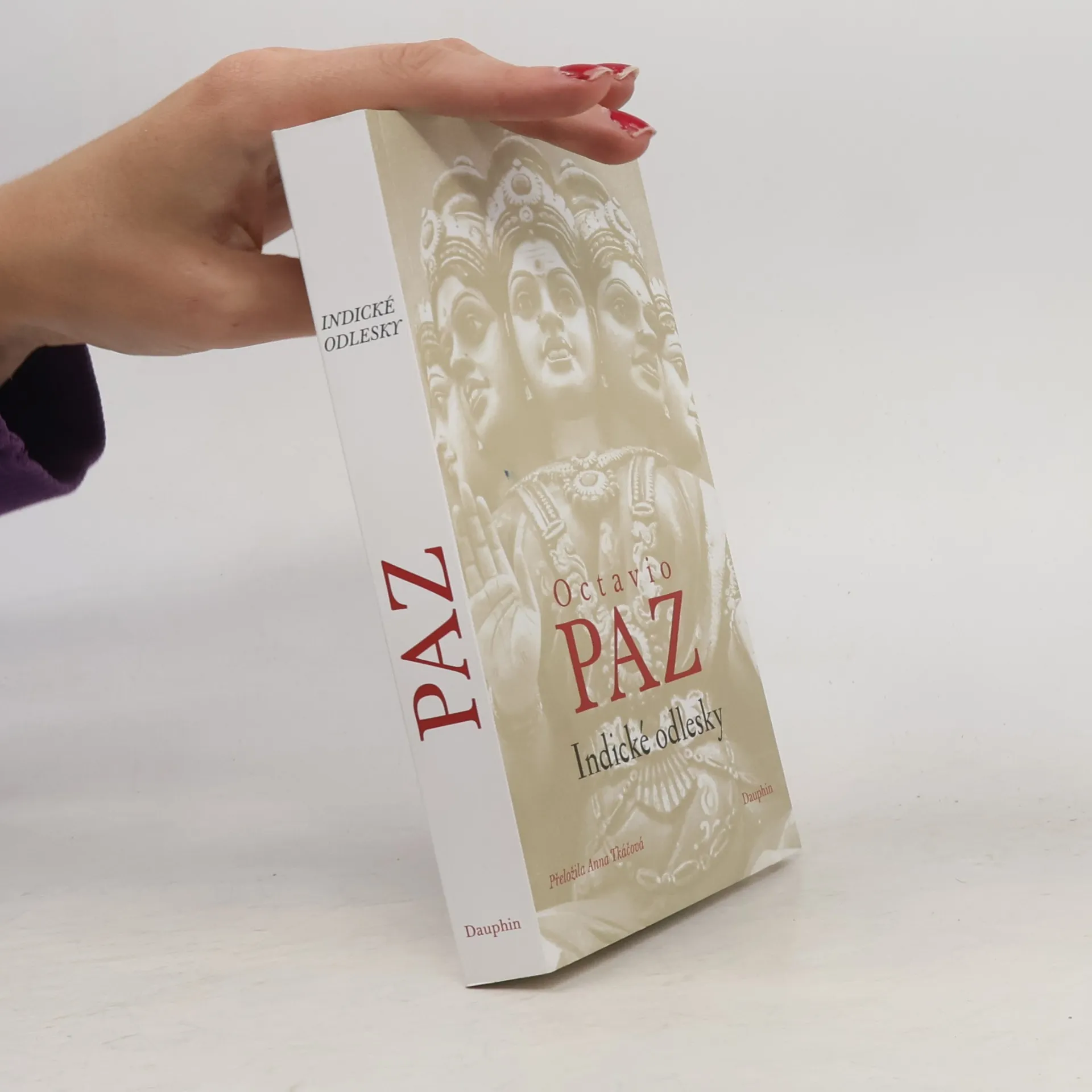
Esej z roku 1995, v níž autor rekapituluje nejen šest let svého pobytu v Indii v roli mexického velvyslance (1962–1968), ale také zážitky a setkávání s indickou kulturou při několika cestách před vykonáváním této funkce i po jejím ukončení. Pobyty v Indii zanechaly v Octaviu Pazovi hluboké stopy a ovlivnily nejen jeho básnickou tvorbu, ale také nahlížení na kulturu, umění, politiku a filosofii. Své osobní prožitky člověka patřícího do západního kulturního okruhu při setkávání s touto východní kulturou zpracoval v knize Indické odlesky, v jednom z posledních děl, které napsal. Esej nejen rozšiřuje naše znalosti o tak odlišné realitě, jako je ta indická v porovnání s tou západní, ale nutí nás rovněž nahlížet na plodné rozpory (někdy i soulad) mezi naším viděním světa a tím orientálním, nutí čtenáře hledat analogie na jedné straně, na straně druhé kontrasty. Octavio Paz v textu na mnoha místech srovnává mexickou a indickou společnost, upozorňuje na to, co je oběma kulturám společného a v čem se liší. Čtení eseje narušuje naše rutinní smýšlení o světě a nebyl by to Octavio Paz, kdyby v knize nevedl dialog s námi samými jako lidskými bytostmi.
Soubor veršů dnes nejvýznamnějšího mexického básníka, esejisty a kritika, jenž – říká překladatel a znalec jeho života a tvorby – „celým svým pojetím básnické tvorby nejcílevědoměji pracuje pro zítřek skutečné světové literatury, takové která bude do nejjemnějších nervů prosycena vědomím jednoty a sounáležitosti všech národů světa“. Výbor obsahuje též báseň Sluneční kámen, jednu z největších básnických skladeb vytvořených po druhé světové válce.
Labyrint samoty
- 276 pages
- 10 hours of reading
Labyrint samoty je esej o obecném lidství, o samotě člověka, do které je vyvržen z mateřského lůna, o bezstarostém dětství a dospívání, kdy je vržen do opětovné samoty, jejíž naplněním je nalézání toho druhého. Labyrint samoty je esej o mexičanství a Mexiku. O jeho předkolumbovských kořenech, španělské kultuře, o jeho původní bezdějinnosti a nově utvářených dějinách, o čase, jeho mýtické cyklyčnosti a moderní lineárnosti. Labyrint samoty je též esej o kráse lidského ducha, radosti z krásy myšlení a o její svobodě. Moderní člověk se domnívá, že myslí v bdělém stavu. Avšak právě toto bdělé myšlení nás zavádí do spletitých chodeb zlého snu, kde zrcadla rozumu znásobují jednu mučírnu za druhou. Až vyjdeme, možná zjistíme, že jsme snili s otevřenýma očima a že sny rozumu nahánějí hrůzu. Pak možná začneme snít znovu, tentokrát však se zavřenýma očima.