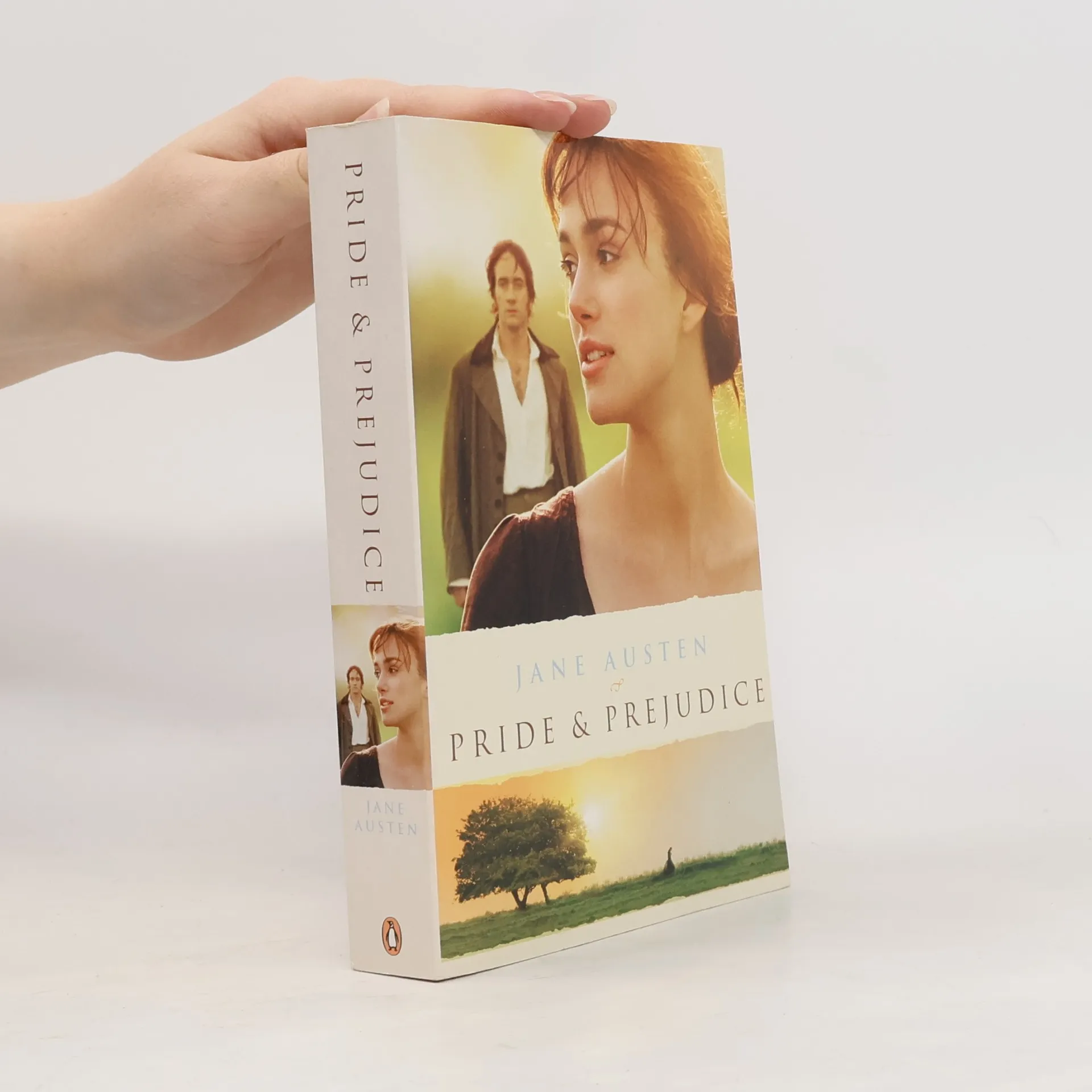
Jane Austen's famous novel about Elizabeth Bennet and Mr Darcy finding love against all the odds of misunderstanding, scandal and family interference is brought to life in a brand new adaptation coming to cinemas this Autumn.
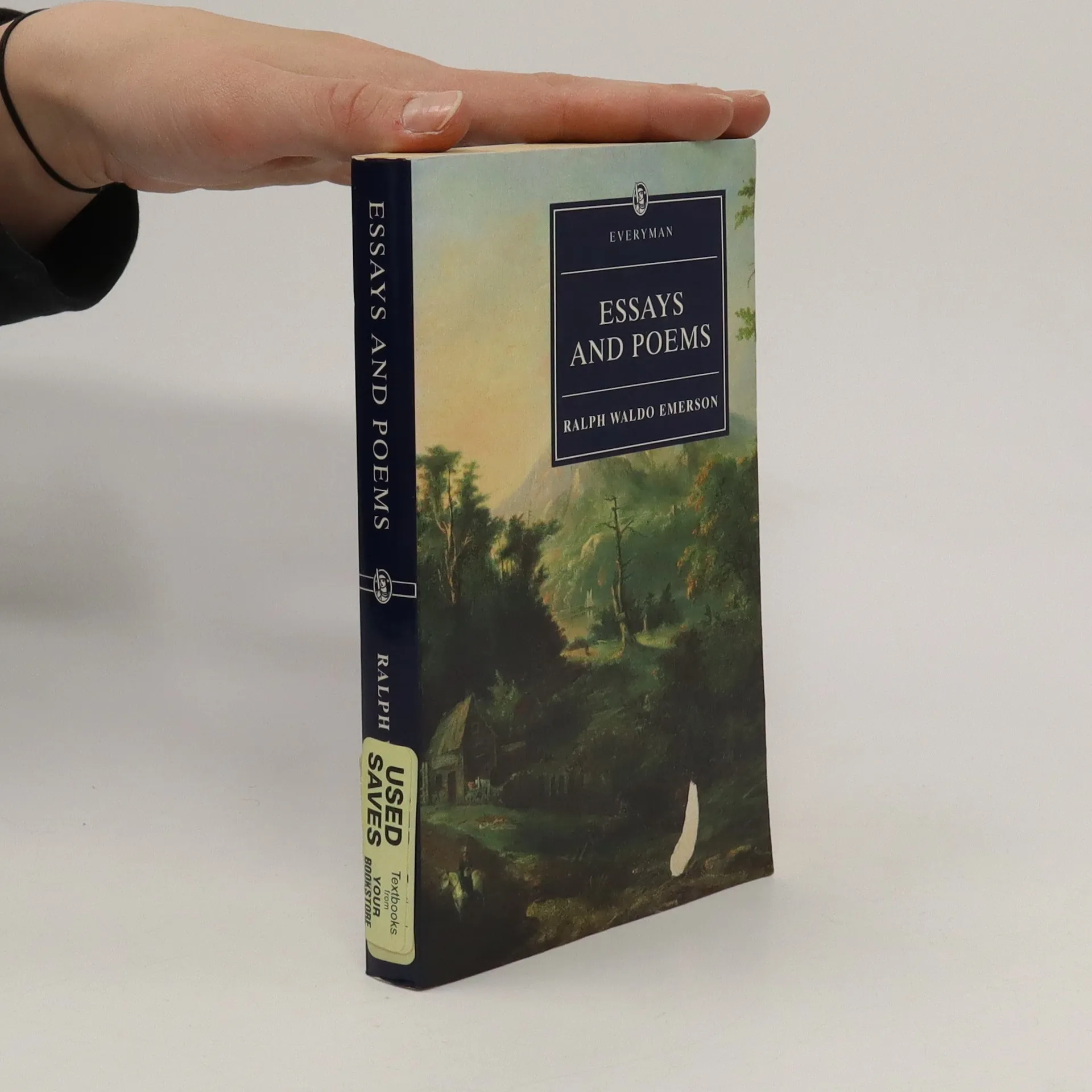
Nietzsche said that he never travelled anywhere without a volume of Emerson's essays in his pocket, while Mathew Arnold described Emerson as 'the greatest prose writer of the century'. It is a remarkable writer who could at once appeal to a man considered a pillar of Victorian society, and to a man dedicated to bringing down such pillars. In his own time Emerson was considered a profoundly radical thinker, but after his death he was increasingly seen as a bland Boston Brahmin, contentedly ripening with the new England melons, benignly meditating on such viperous notions as the Over–soul.He is now appreciated as one of the truly seminal American writers, refusing all orthodoxies, complacencies and fixities—both a truly celebratory and deeply adversarial thinker. A unique paperback edition, with introduction and chronology of Emerson's life and times.
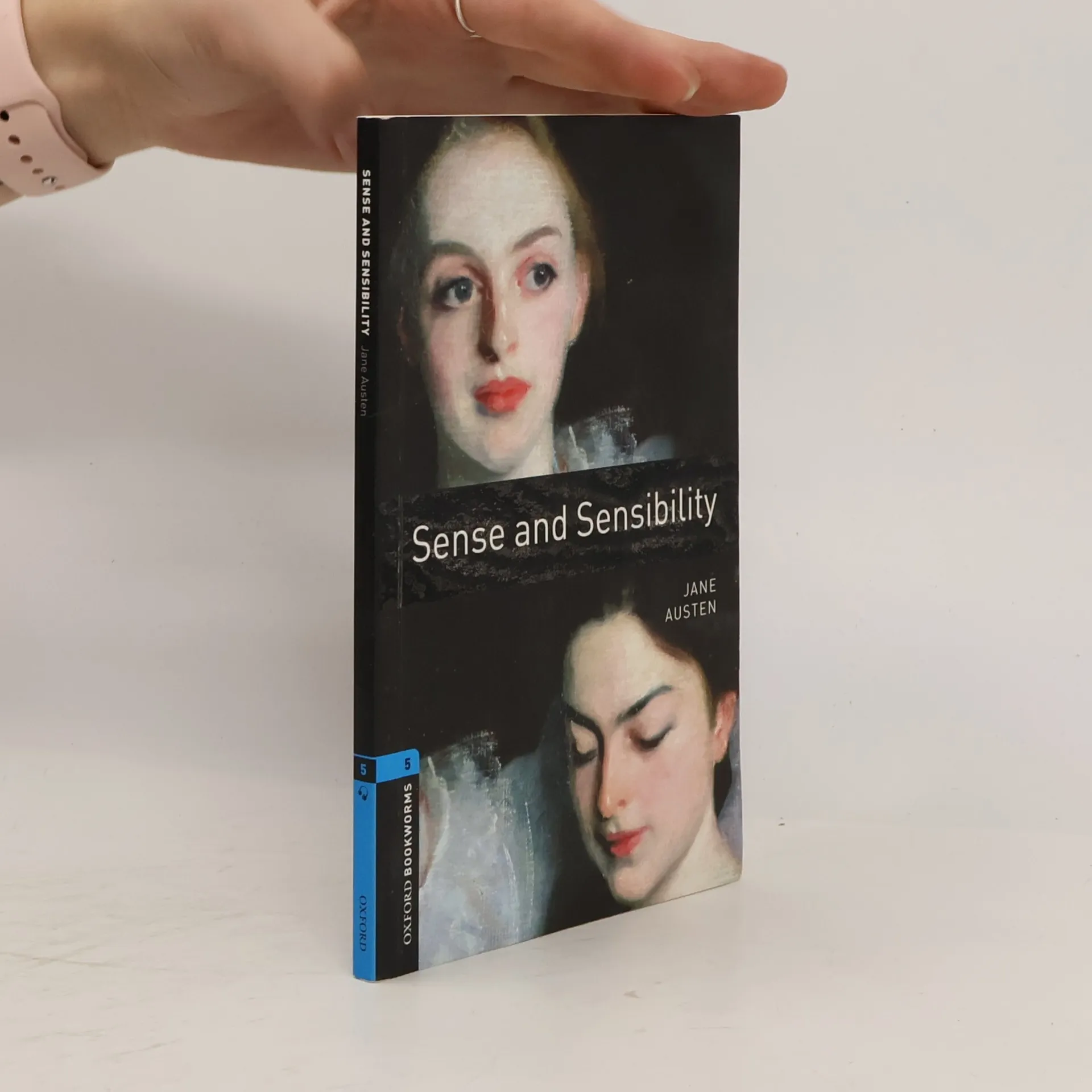
"Sometimes the Dashwood girls do not seem like sisters. Elinor is all calmness and reason, and can be relied upon for practical, common sense opinions. Marianne, on the other hand, is all sensibility, full of passionate and romantic feeling. She has no time for dull common sense--or for middle-aged men of thirty-five, long past the age of marriage. True love can only be felt by the young, of course. And if your heart is broken at the age of seventeen, how can you expect ever to recover from the passionate misery that fills your life, waking and sleeping?"--Page 4 of cover
It is the horrible texture of a fabric that should be woven of ships' cables and hawsers. A Polar wind blows through it, and birds of prey hover over it."So Melville wrote of his masterpiece, one of the greatest works of imagination in literary history. In part, Moby-Dick is the story of an eerily compelling madman pursuing an unholy war against a creature as vast and dangerous and unknowable as the sea itself. But more than just a novel of adventure, more than an encyclopaedia of whaling lore and legend, the book can be seen as part of its author's lifelong meditation on America. Written with wonderfully redemptive humour, Moby-Dick is also a profound inquiry into character, faith, and the nature of perception.
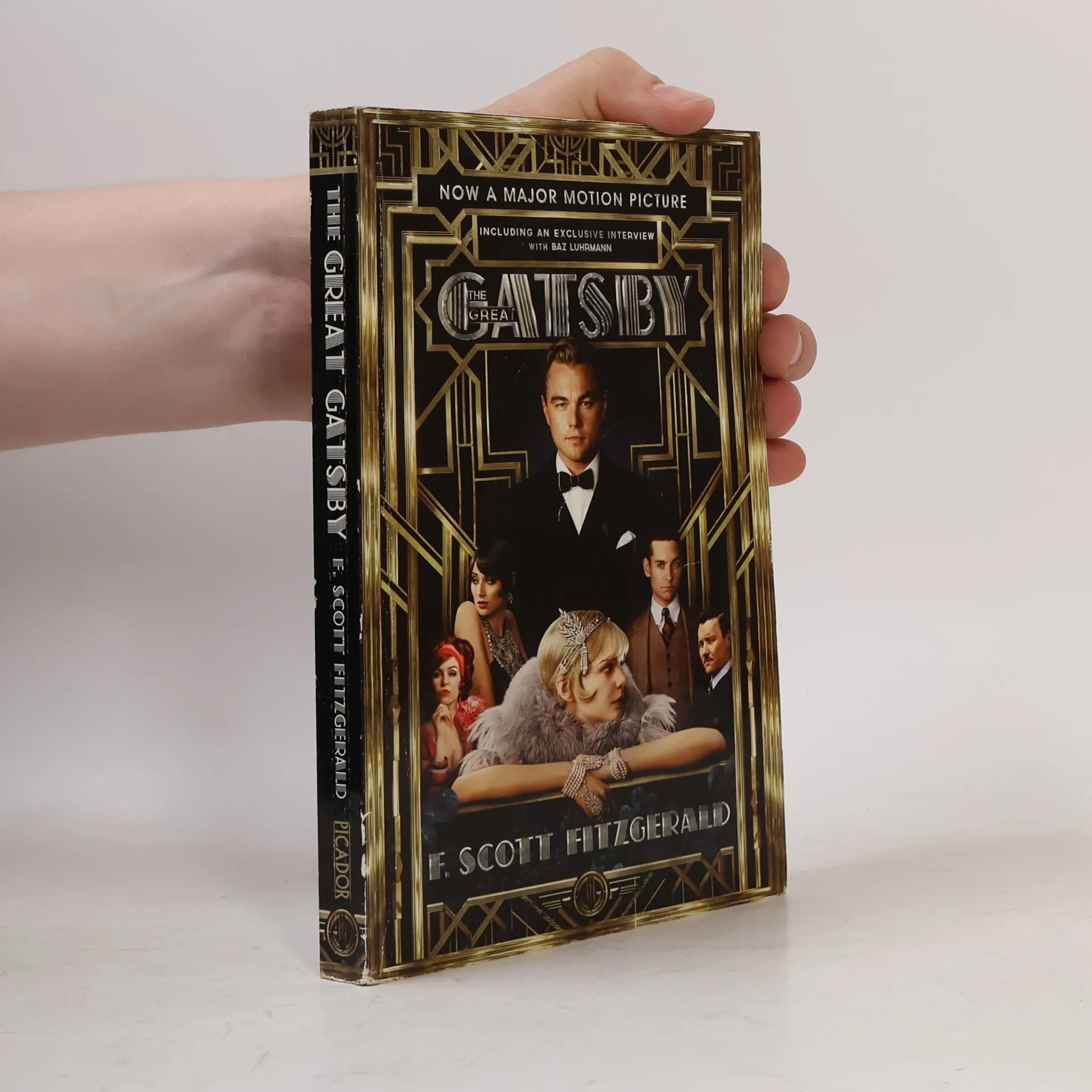
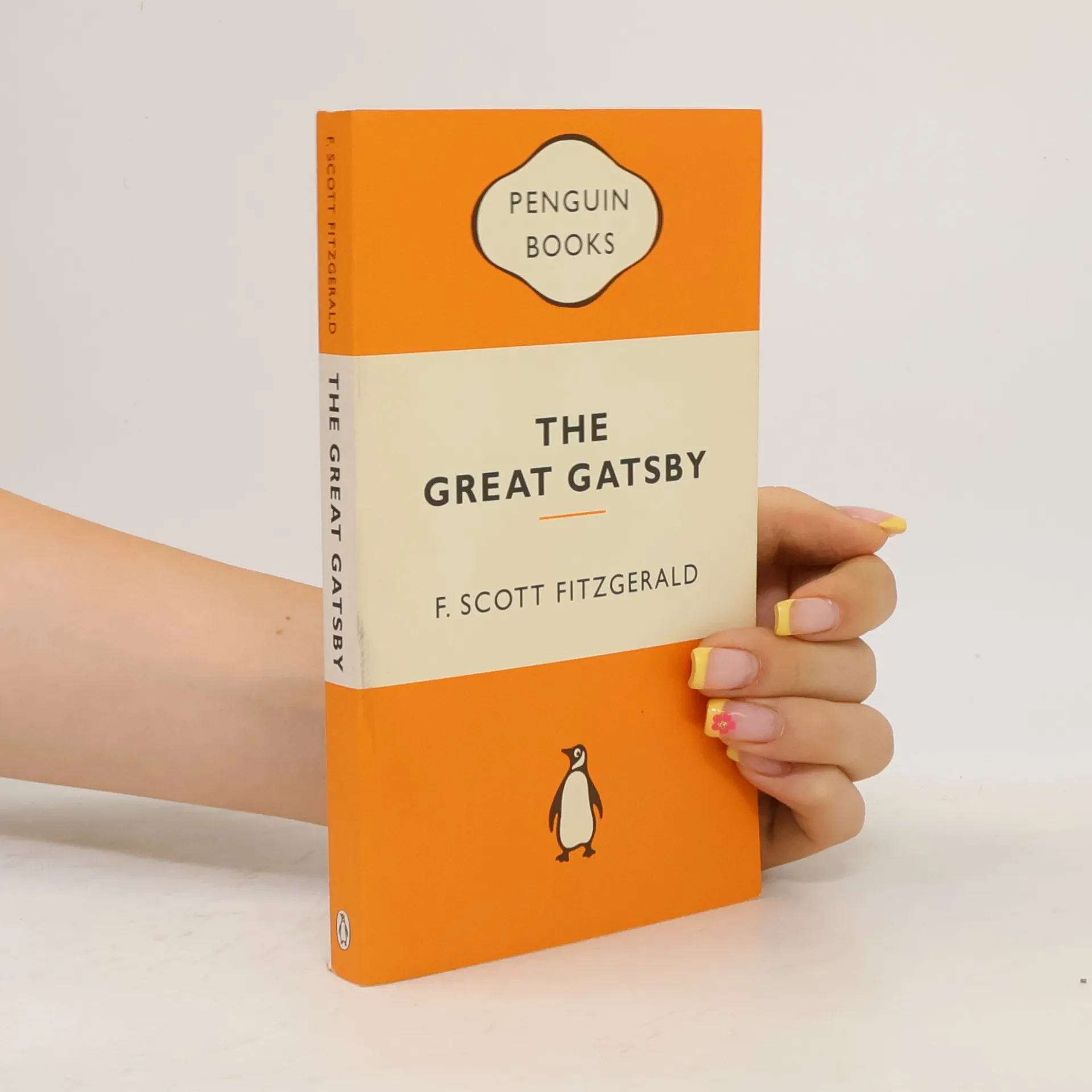
Set in the post-Great War Long Island/New York world of the rich. The narrator, Nick Carraway, sympathetically records the pathos of Gatsby's romantic dream which founders on the reality of corruption, the insulated selfishness of Tom and Daisy, and the cutting edge of violence.
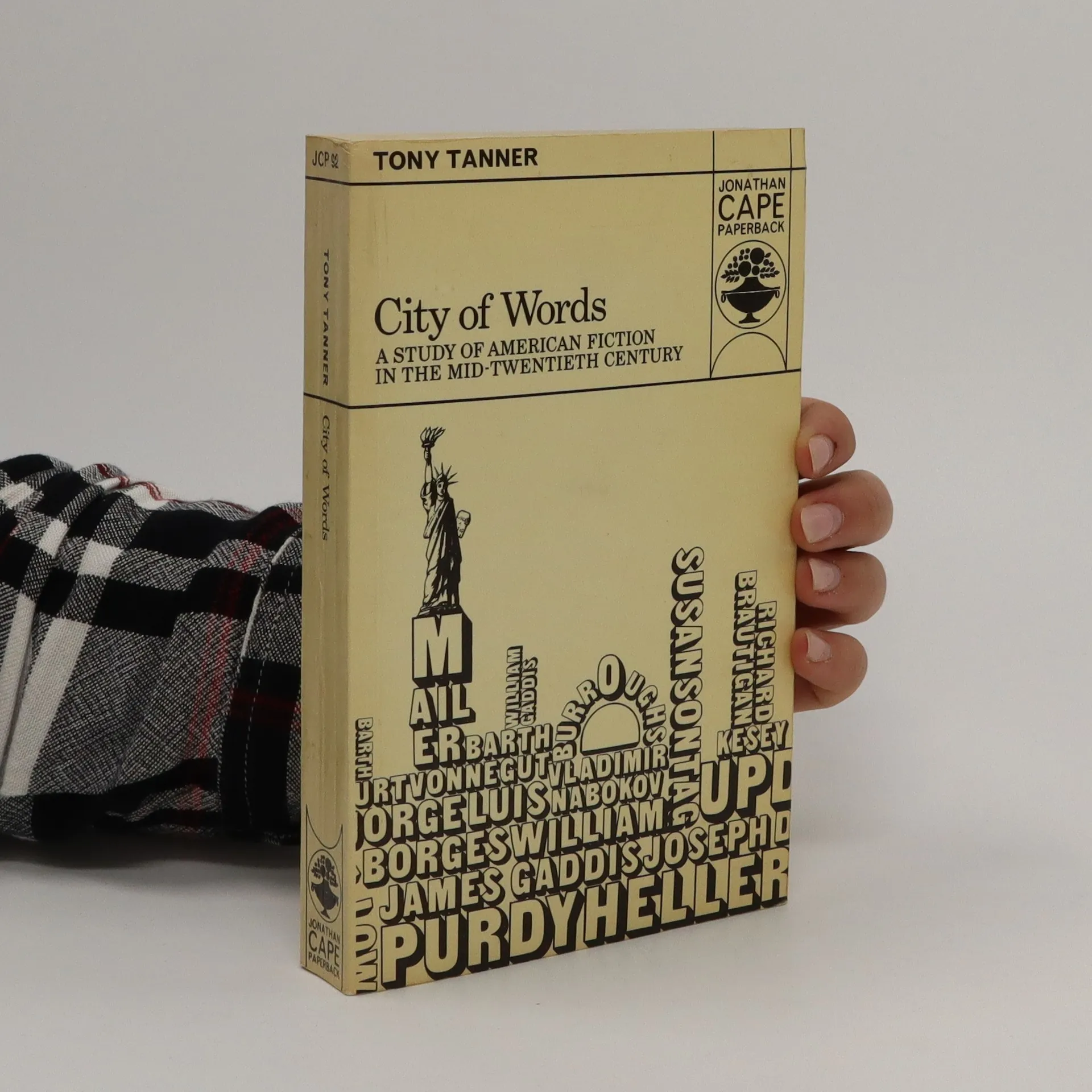
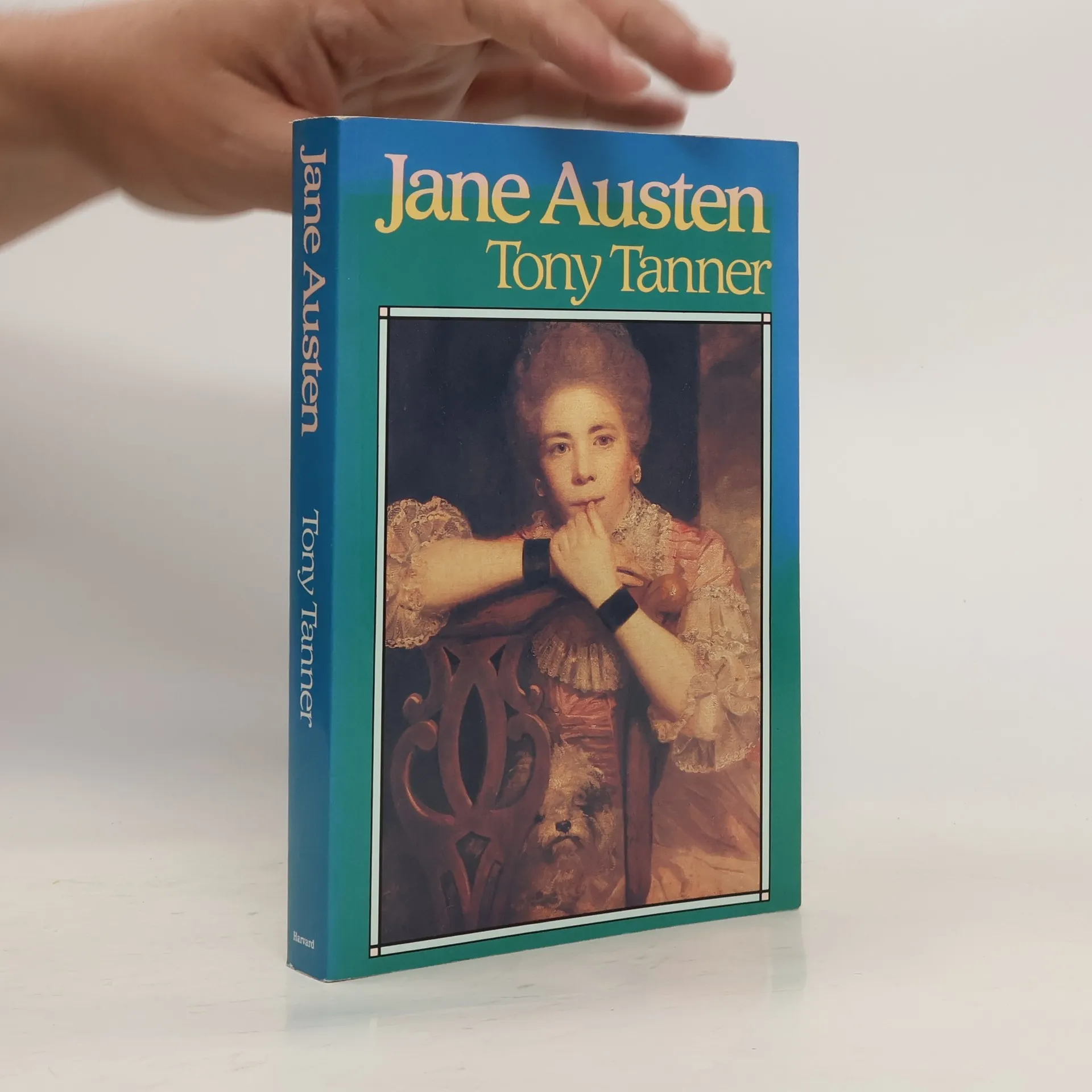
Tanner guides us through Austen's novels from optimistic early works to the darker Persuasion and fragmentary Sanditon--a journey that takes her from acceptance of a society maintained by landed property, family, money, and strict propriety through an insistence on the need for authentication of these values to a final skepticism and even rejection.
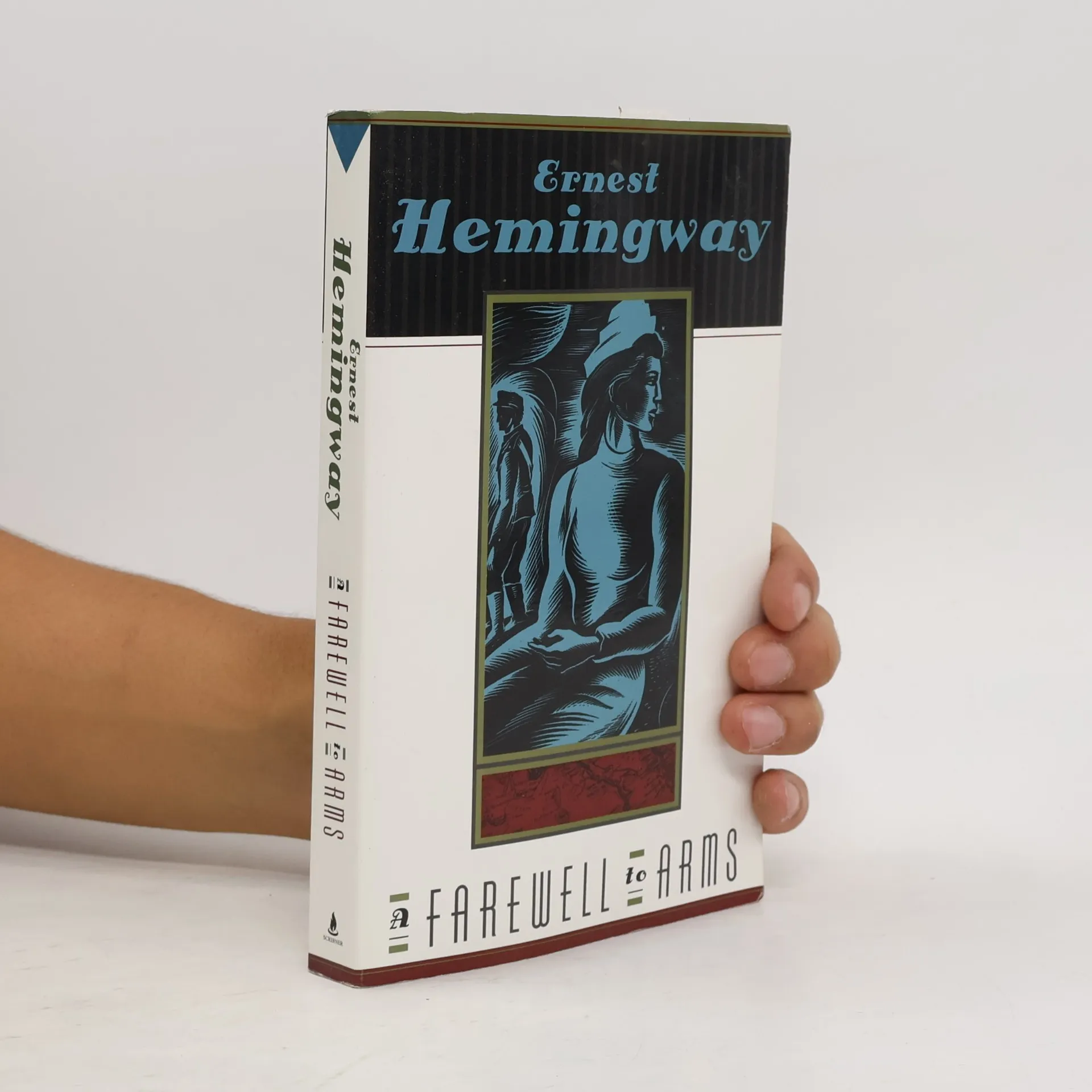
Ernest Hemingway’s classic novel of love during wartime. Written when Ernest Hemingway was thirty years old and lauded as the best American novel to emerge from World War I, A Farewell to Arms is the unforgettable story of an American ambulance driver on the Italian front and his passion for a beautiful English nurse. Set against the looming horrors of the battlefield, this gripping, semiautobiographical work captures the harsh realities of war and the pain of lovers caught in its inexorable sweep. Hemingway famously rewrote the ending to A Farewell to Arms thirty-nine times to get the words right. A classic novel of love during wartime, “A Farewell to Arms stands, more than eighty years after its first appearance, as a towering ornament of American literature” (The Washington Times).
Here is a novel, glamorous, ironical, compassionate – a marvelous fusion into unity of the curious incongruities of the life of the period – which reveals a hero like no other – one who could live at no other time and in no other place. But he will live as a character, we surmise, as long as the memory of any reader lasts. It is the story of this Jay Gatsby who came so mysteriously to West Egg, of his sumptuous entertainments, and of his love for Daisy Buchanan – a story that ranges from pure lyrical beauty to sheer brutal realism, and is infused with a sense of the strangeness of human circumstance in a heedless universe. It is a magical, living book, blended of irony, romance, and mysticism.
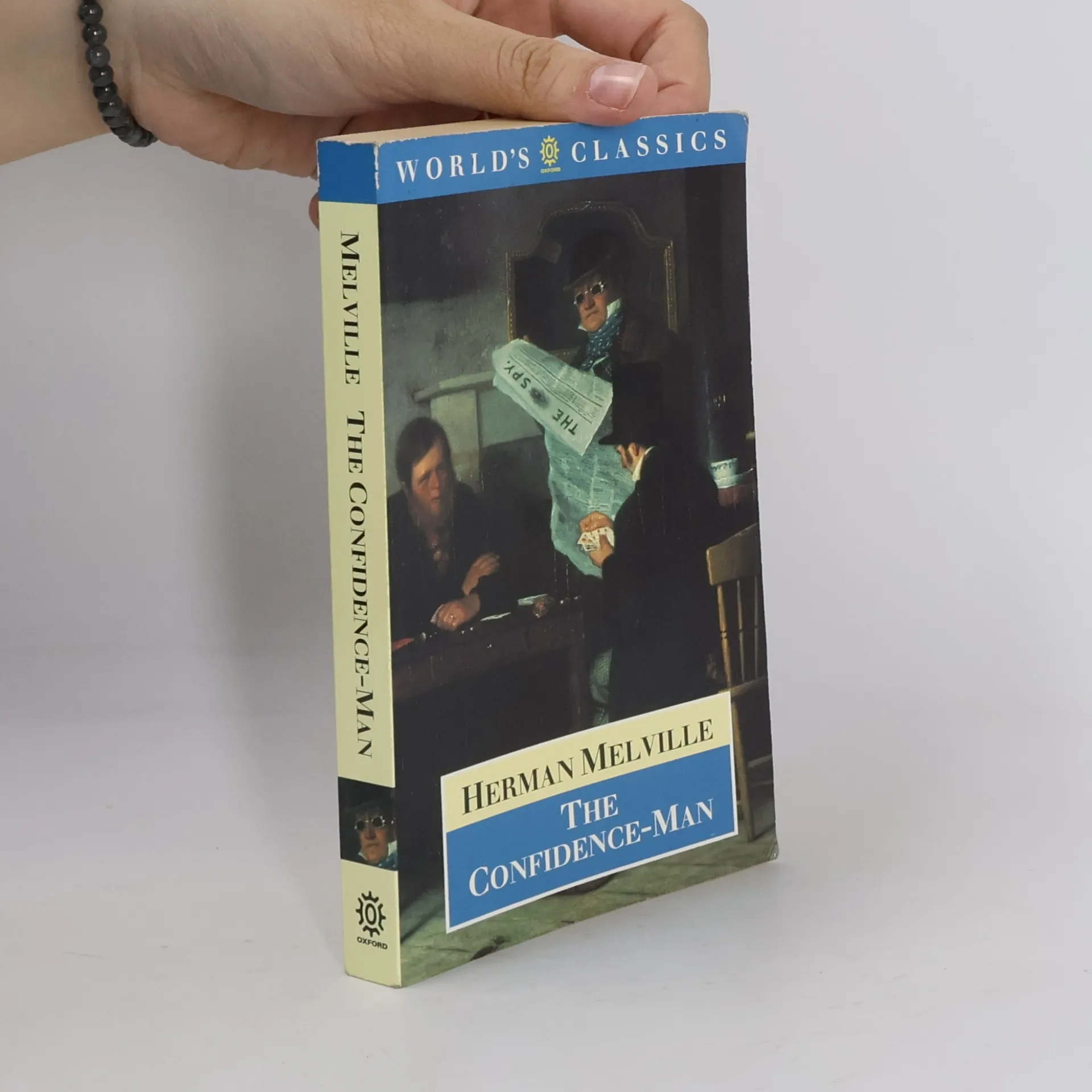
Male, female, deft, fraudulent, constantly shifting: which of the masquerade of passengers on the Mississippi steamboat Fidele is the confidence man? The central motif of Melville's last and most modern novel can be seen as a symbol of American cultural history.
Male, female, deft, fraudulent, constantly shifting: which of the masquerade of passengers on the Mississippi steamboat Fidele is the confidence man? The central motif of Melville's last and most modern novel can be seen as a symbol of American cultural history.
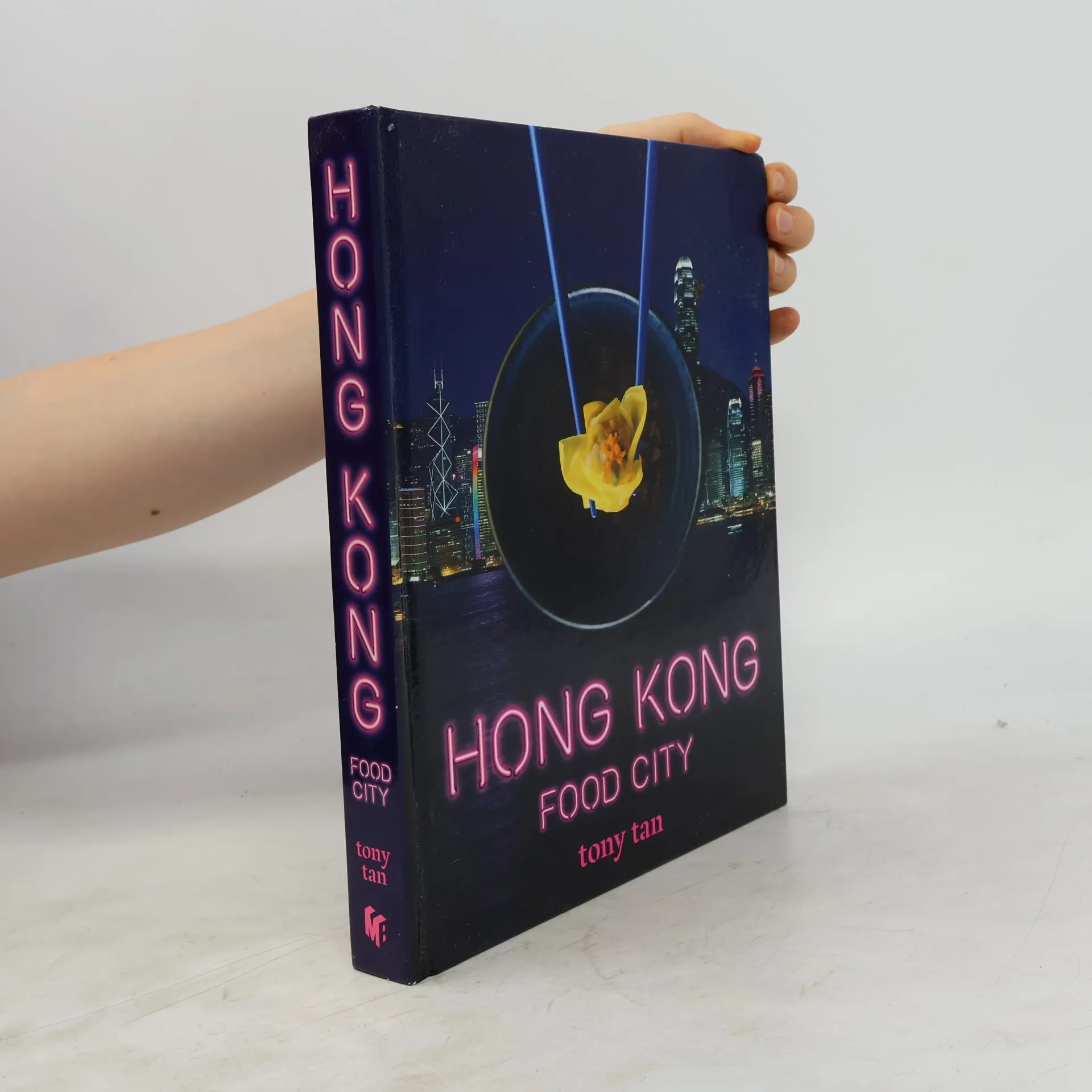
To eat in Hong Kong is endlessly fascinating and exciting. A mere dot on the map of China, and home to seven million migrants, Hong Kong boasts a food scene that is breathtakingly rich and varied. Tony Tan explores this vibrant city through 80 exquisite dishes, from the cutting-edge contemporary to the traditional, from both the high and low of Hong Kong cuisine - with recipes from the city's iconic hotels, its hawker stalls, and even a legendary dumpling house on the outskirts of Kowloon. Tony weaves his recipes with stories that trace Hong Kong's Chinese roots, explore its deep colonial connections and tantalise us with glimpses of today's ultra-modern city and most delicious eating spots. Author BiographyBorn in Malaysia and fluent in both Mandarin and Cantonese, Tony Tan trained at La Varenne, France, and Leiths School of Food and Wine in the UK. He has presented master classes and been guest chef at hotels and restaurants throughout Australia, China, Malaysia, Vietnam, New Zealand and Spain, including the Ritz in Madrid and Alambique, one of Spain's top cooking schools. He was an international judge at Hong Kong's premier Chinese cuisine challenge, The Best of the Best Culinary Competition. He writes for magazines and newspapers in Australia and internationally and comments regularly in the media on food and wine. - Hong Kong Food City By Tony Tan (Hardback)