Explore the latest books of this year!
Bookbot

Tony Tanner

    A Farewell to Arms
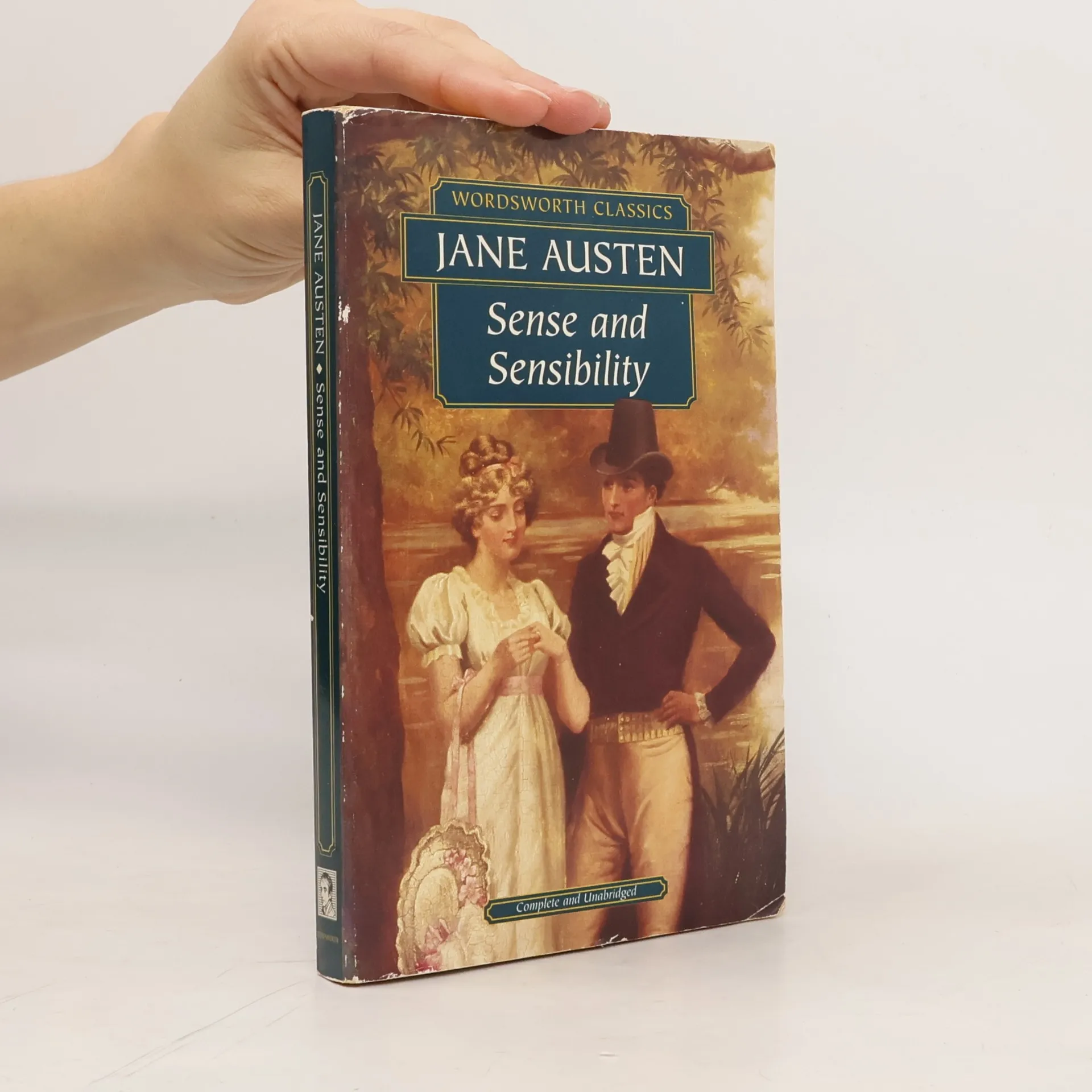
    Sense and Sensibility
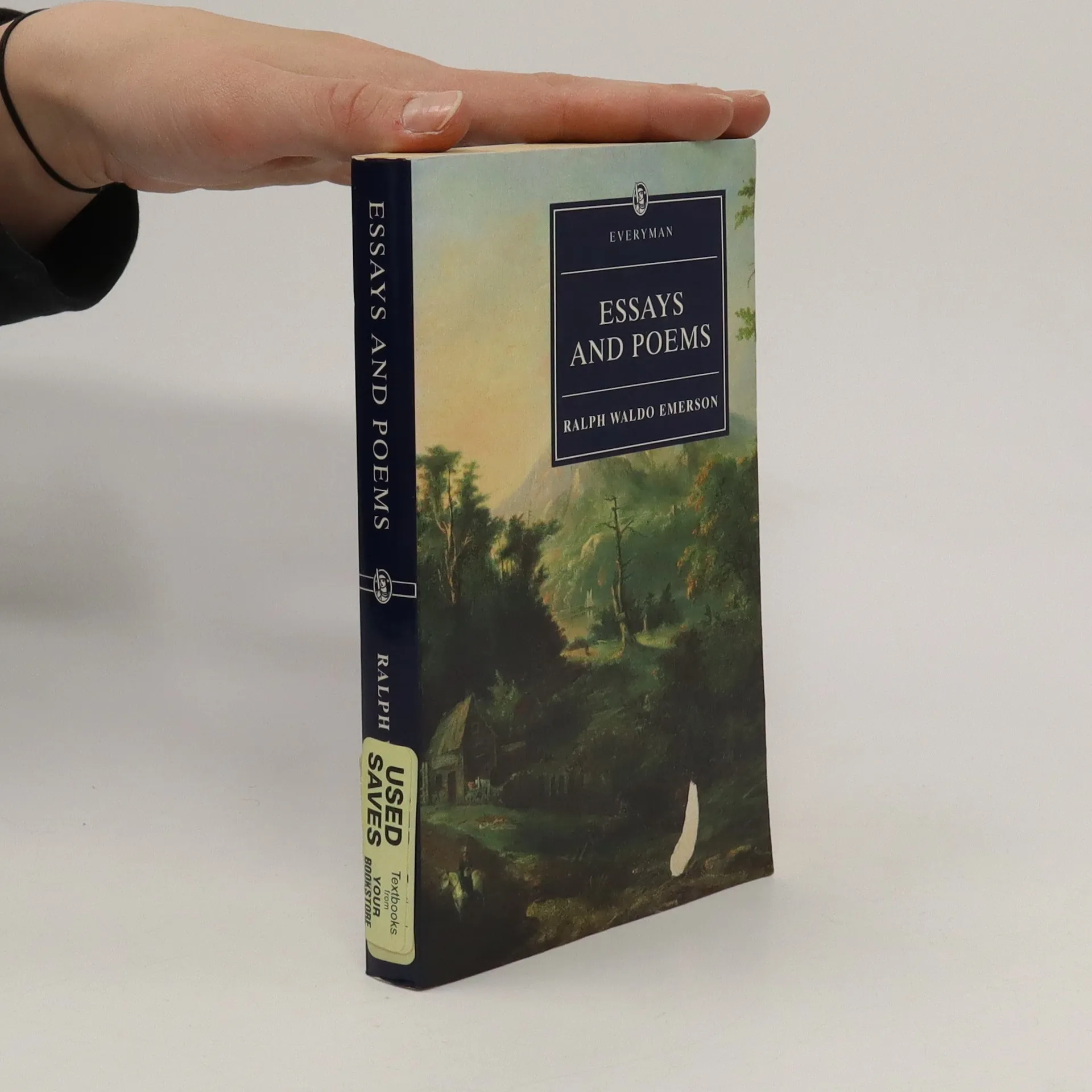
    Essays and Poems
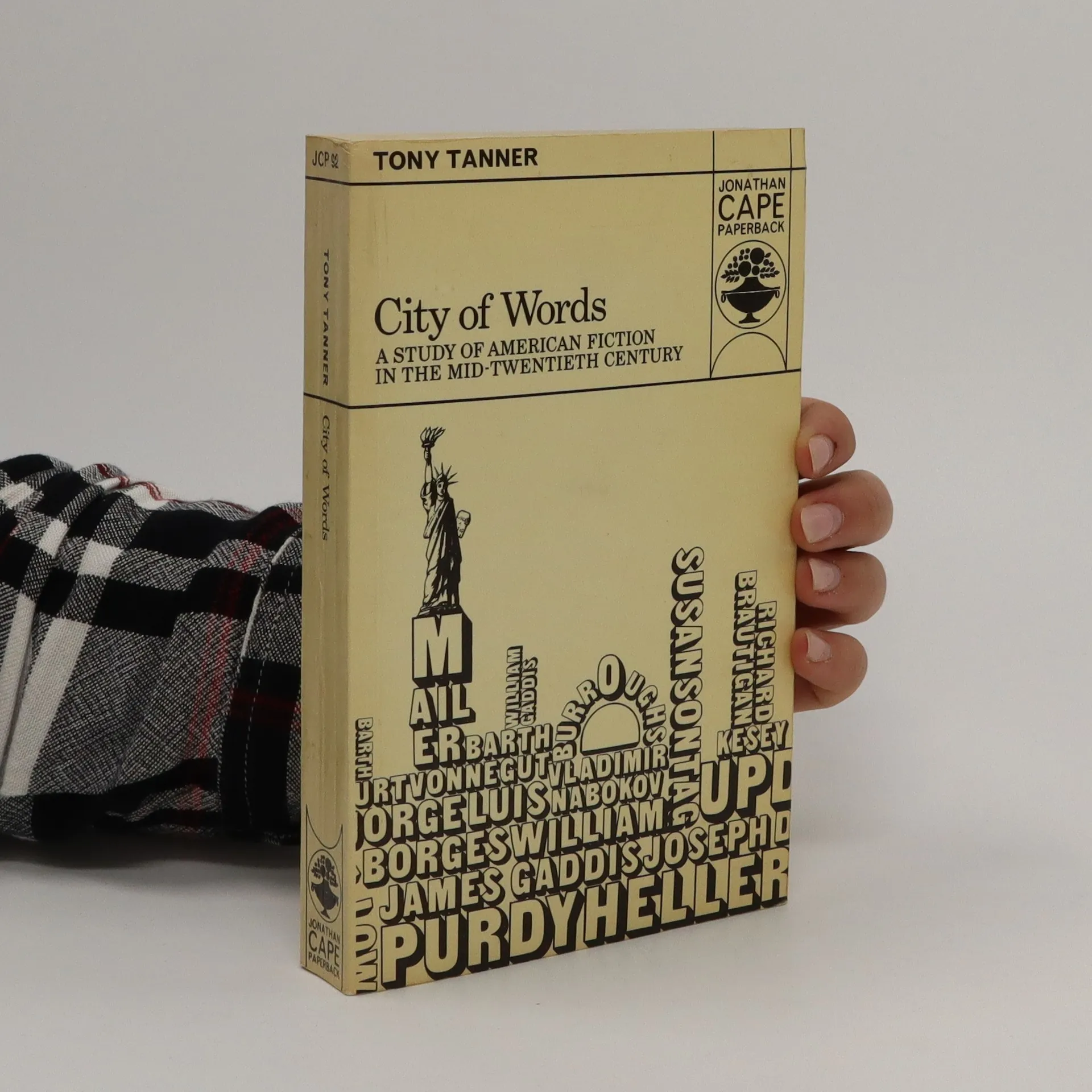
    City of Words: American Fiction 1950-1970
    Thomas Pynchon
    Pride and prejudice
    • Thomas Pynchon

      • 98 pages
      • 4 hours of reading

      Focusing on the work of Thomas Pynchon, this introduction delves into his early short stories and provides insights into his novels. Set against the backdrop of Pynchon's life, it offers a detailed examination of his literary contributions, including lesser-known stories. Originally published in 1982, the book serves as a valuable guide for readers looking to navigate Pynchon's complex narratives and themes.

      Thomas Pynchon2021
      5.0
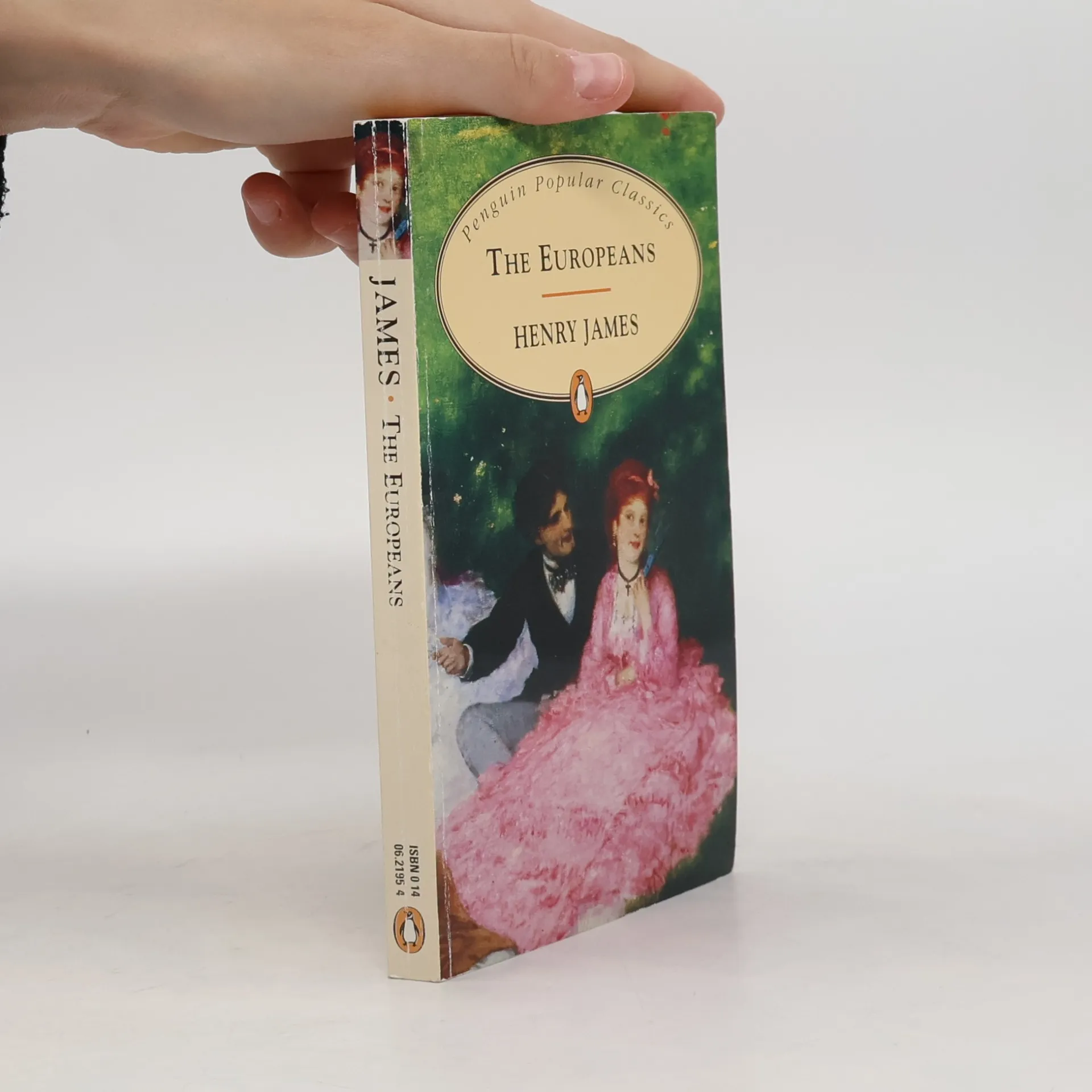
    • The Europeans

      • 192 pages
      • 7 hours of reading

      In the hope of making a wealthy marriage, Eugenia, the Baroness M©ơnster, and her younger brother, the artist Felix, descend on the Wentworths, in Boston. Installed in a nearby house, they become close friends with the younger Wentworths, Gertrude, Charlotte and Clifford. Eugenia's wit, guile and sophistication, and Felix's debonair vivacity form an uneasy alliance with the Puritan morality and the frugal, domestic virtues of the Americans. A rich and delicately balanced commedy of manners, The Europeans weighs the values of the established order against thos of New England society, but makes no simple judgements, only subtle contrasts and beautifully observed comparisons.

      The Europeans2005
      3.7
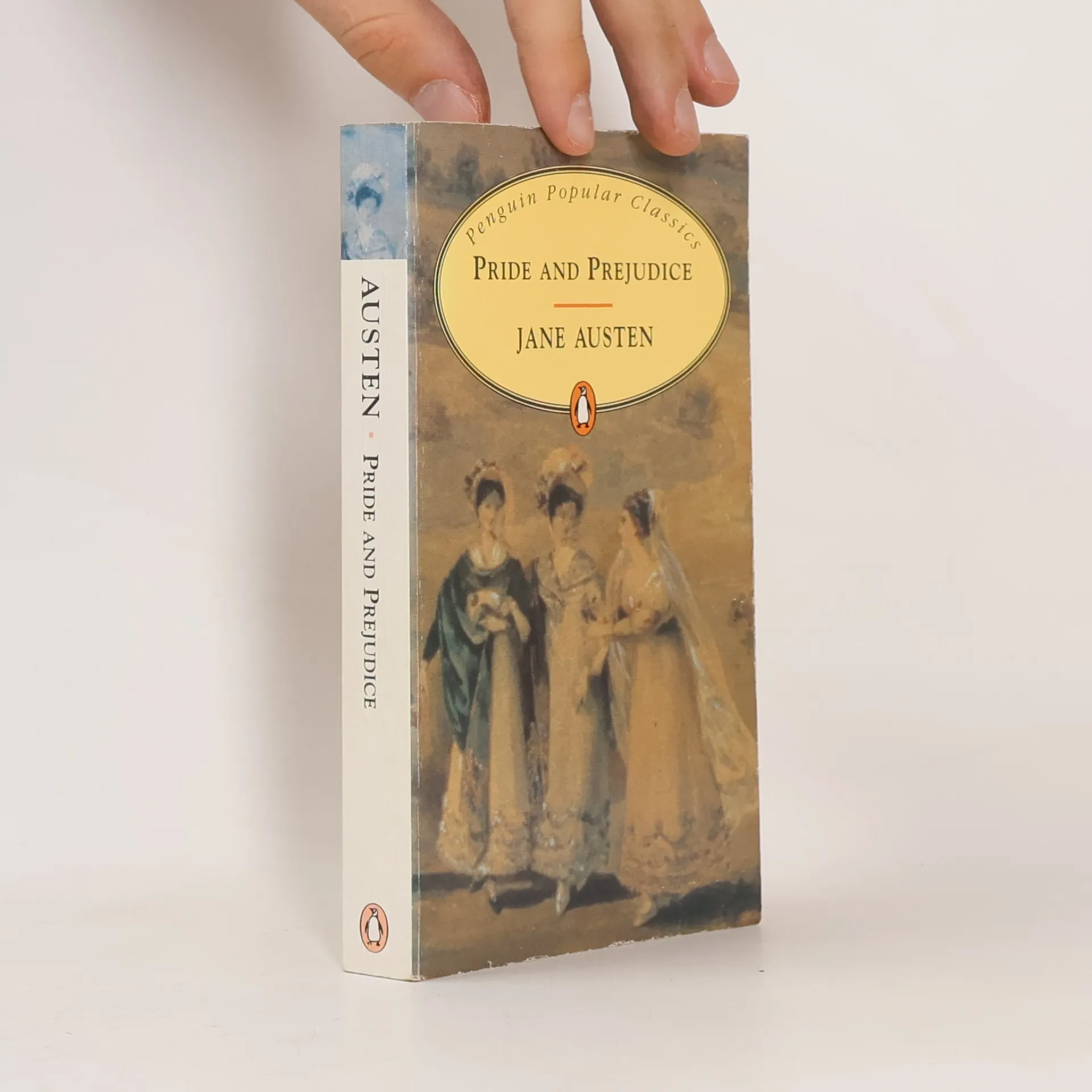
    • When Elizabeth Bennet first meets eligible bachelor, Fitzwilliam Darcy, she thinks him arrogant and conceited; he is indifferent to her good looks and lively mind. This novel shows the folly of judging by first impressions and evokes the friendships, gossip and snobberies of provincial middle-class life.

      Pride and prejudice2003
      4.6
    • Nietzsche said that he never travelled anywhere without a volume of Emerson's essays in his pocket, while Mathew Arnold described Emerson as 'the greatest prose writer of the century'. It is a remarkable writer who could at once appeal to a man considered a pillar of Victorian society, and to a man dedicated to bringing down such pillars. In his own time Emerson was considered a profoundly radical thinker, but after his death he was increasingly seen as a bland Boston Brahmin, contentedly ripening with the new England melons, benignly meditating on such viperous notions as the Over–soul.He is now appreciated as one of the truly seminal American writers, refusing all orthodoxies, complacencies and fixities—both a truly celebratory and deeply adversarial thinker. A unique paperback edition, with introduction and chronology of Emerson's life and times.

      Essays and Poems1995
      4.2
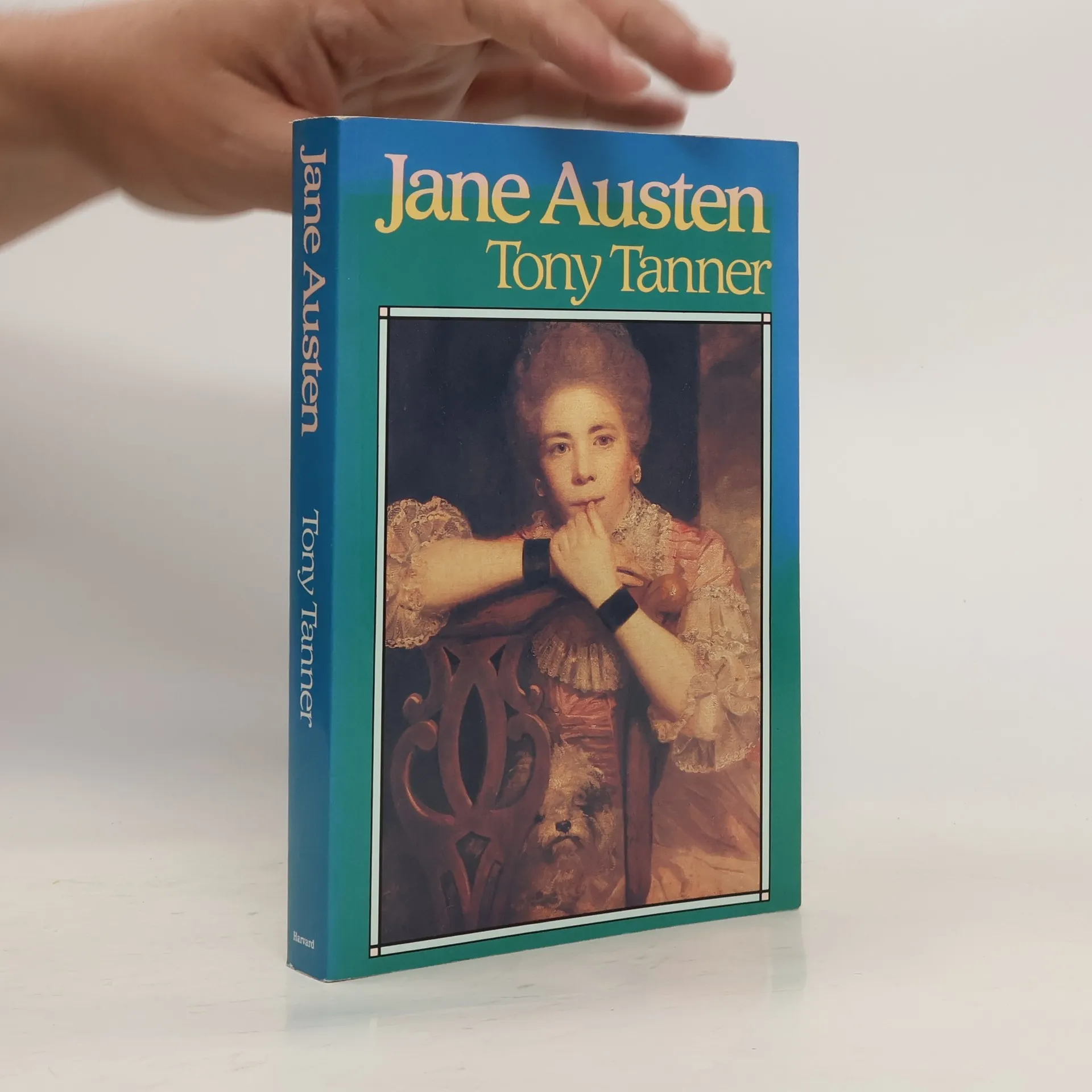
    • Tanner guides us through Austen's novels from optimistic early works to the darker Persuasion and fragmentary Sanditon--a journey that takes her from acceptance of a society maintained by landed property, family, money, and strict propriety through an insistence on the need for authentication of these values to a final skepticism and even rejection.

      Jane Austen1986
      3.9
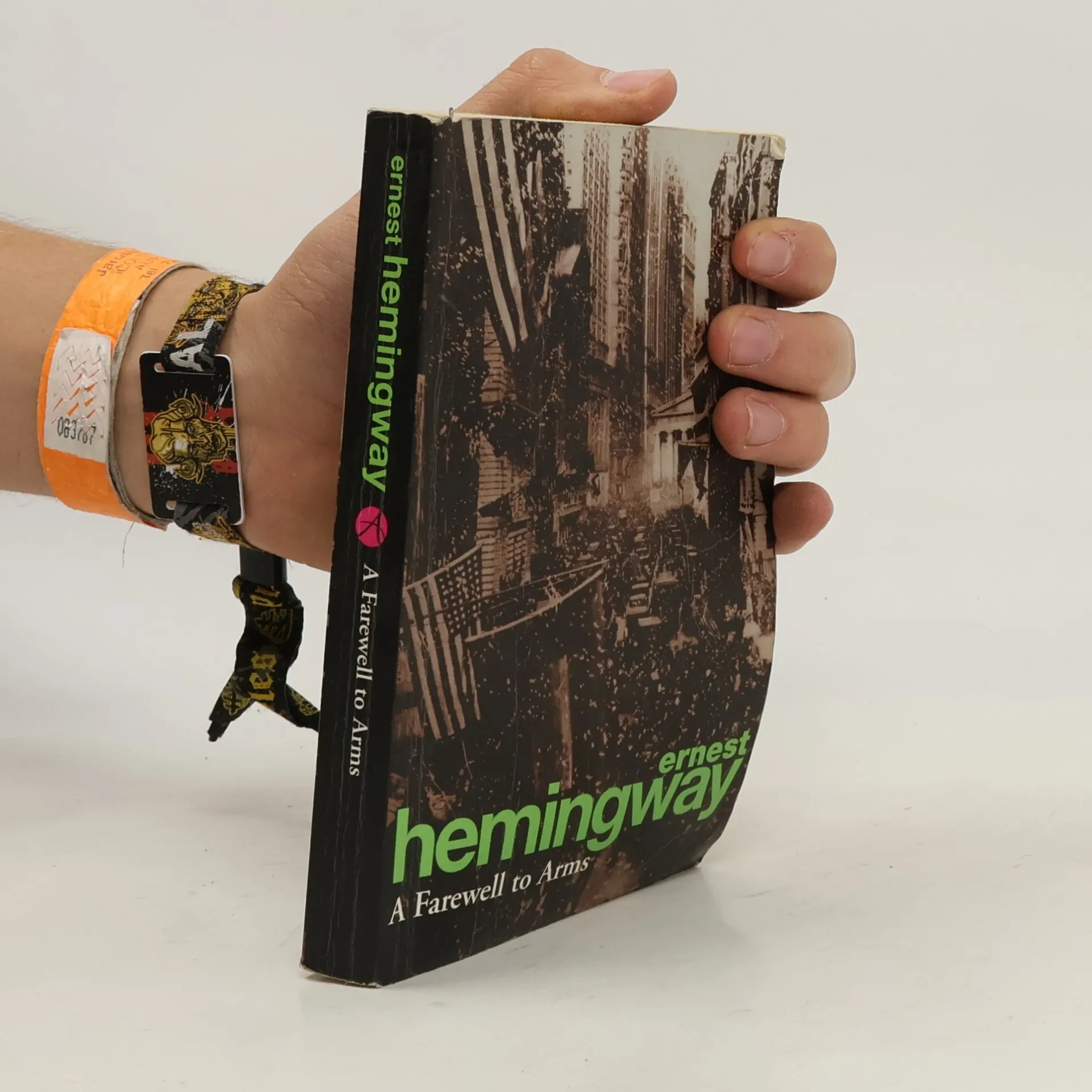
    • A Farewell to Arms

      • 306 pages
      • 11 hours of reading

      In 1918 Ernest Hemingway went to war, to the 'war to end all wars'. He volunteered for ambulance service in Italy, was wounded and twice decorated. Out of his experiences came A Farewell to Arms. Hemingway's description of war is unforgettable. He recreates the fear, the comradeship, the courage of his young American volunteer and the men and women he meets in Italy with total conviction. But A Farewell to Arms is not only a novel of war. In it Hemingway has also created a love story of immense drama and uncompromising passion.

      A Farewell to Arms1971
      4.0
    • Sense and Sensibility

      • 384 pages
      • 14 hours of reading

      Marianne Dashwood wears her heart on her sleeve, and when she falls in love with the dashing but unsuitable John Willougby she ignores her sister Elinor's warning that her impulsive behaviour leaves her open to gossip and innuendo. Meanwhile Elinor, always sensitive to social convention, is struggling to conceal her own romantic disappointment, even from those closest to her. Through their parallel experience of love - and its threatened loss - the sisters learn that sense must mix with sensibility if they are to find personal happiness in a society where status and money govern the rules of love.

      Sense and Sensibility1969
      4.2
    • Dr Tanner investigates American literature with regards to wonder and cultivated naivety.

      The Reign of Wonder1965
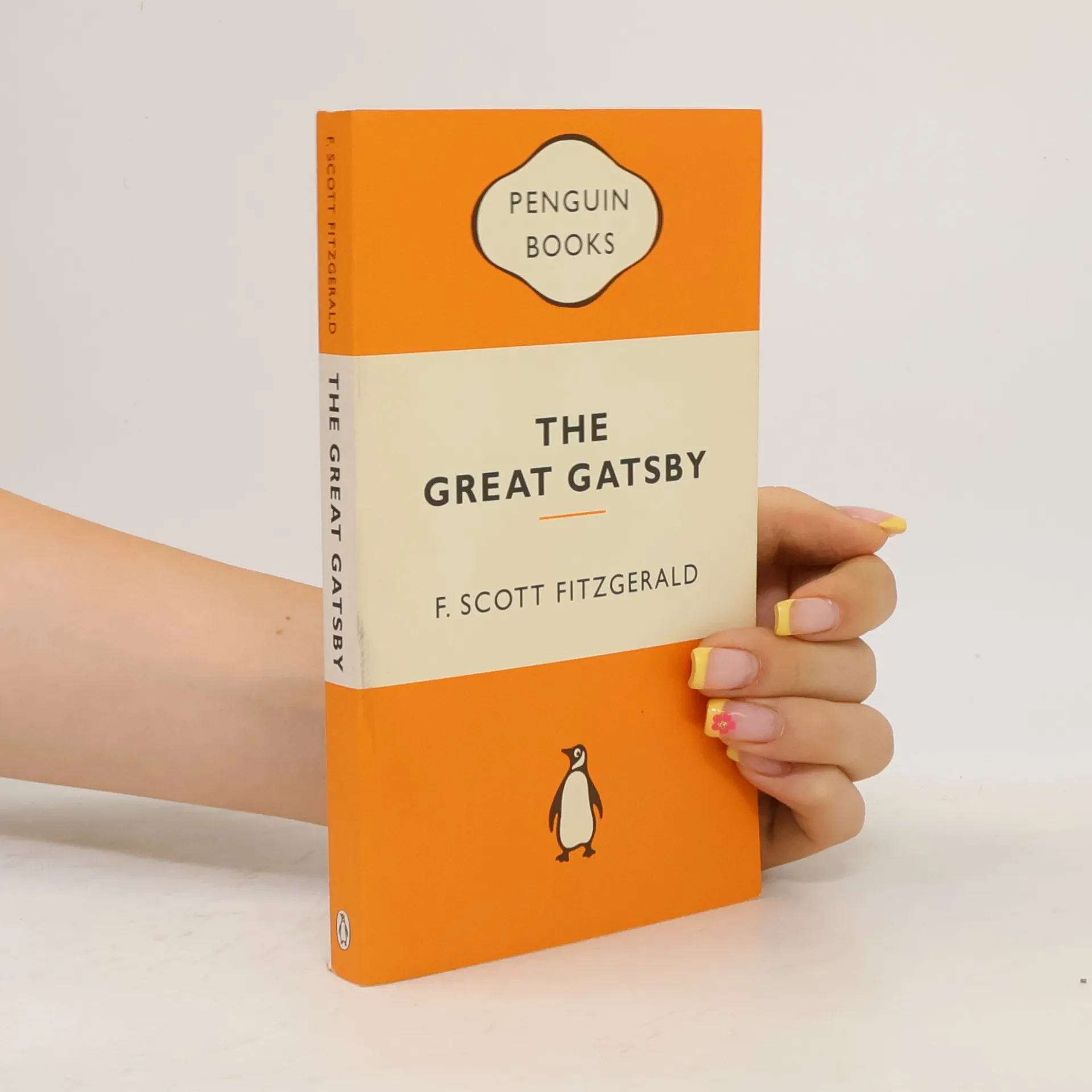
    • The Great Gatsby

      • 144 pages
      • 6 hours of reading

      "He talked a lot about the past and I gathered that he wanted to recover something, some idea of himself perhaps, that had gone into loving Daisy. His life had been confused and disordered since then, but if he could once return to a certain starting place and go over it all slowly, he could find out what that thing was ..." The Great Gatsby (1925), F. Scott Fitzgerald's masterpiece, stands among the greatest of all American fiction. Jay Gatsby's lavish lifestyle in a mansion on Long Island's gold coast encapsulates the spirit, excitement, and violence of the era Fitzgerald named 'the Jazz Age'. Impelled by his love for Daisy Buchanan, Gatsby seeks nothing less than to recapture the moment five years earlier when his best and brightest dreams - his 'unutterable visions' - seemed to be incarnated in her kiss. A moving portrayal of the power of romantic imagination, as well as the pathos and courage entailed in the pusuit of an unattainable dream, The Great Gatsby is a classic fiction of hope and disillusion. This edition is fully annotated with a fine Introduction incorporating new interpretation and detailing Fitzgerald's struggle to write the novel, its critical reception and its significance for future generations

      The Great Gatsby1950
      3.9