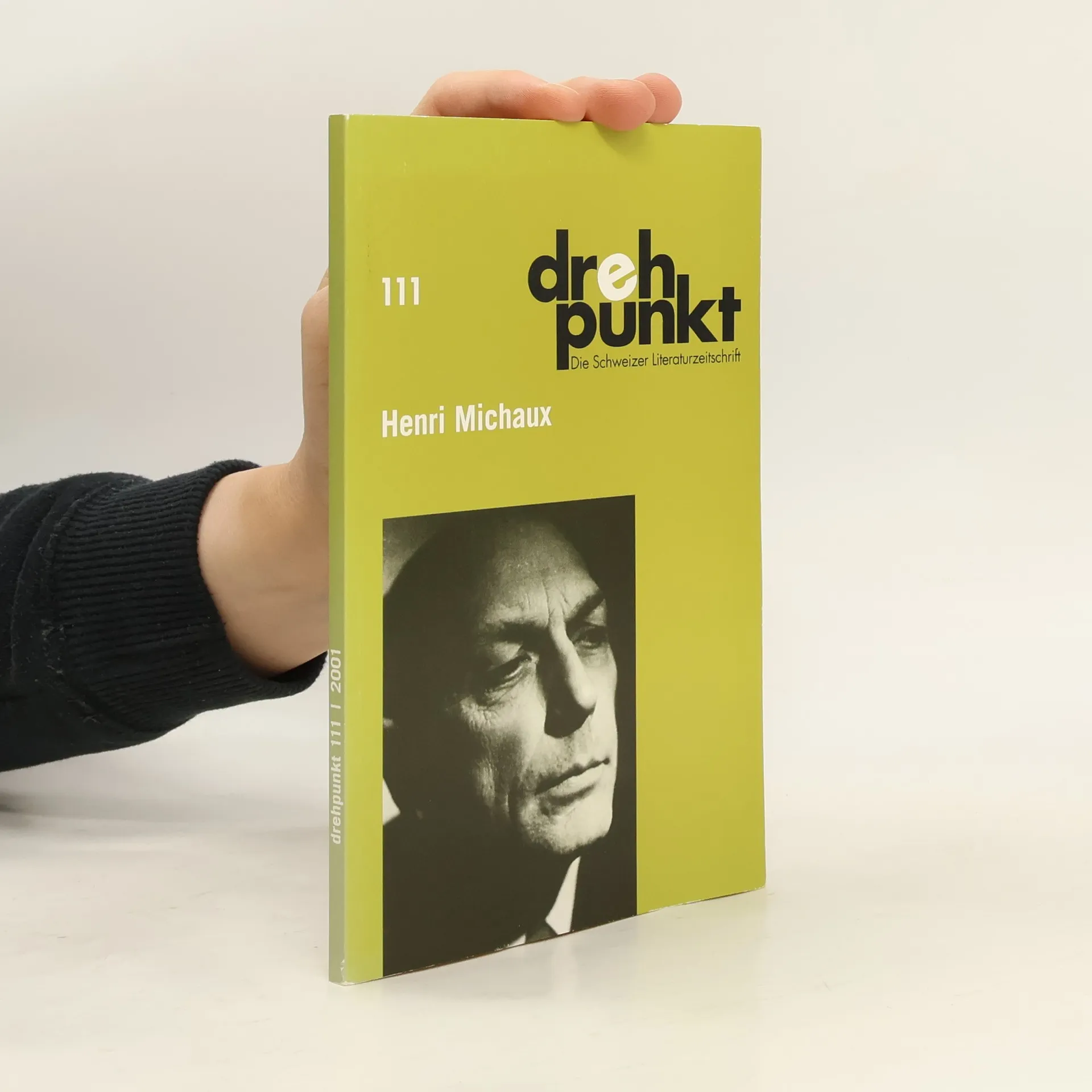
Henri Michaux was a highly idiosyncratic Belgian poet, writer, and painter working in the French language. He is best known for his esoteric books written in a highly accessible style, with his body of work encompassing poetry, travelogues, and art criticism. Michaux traveled extensively and experimented with drugs, the latter resulting in two of his most intriguing works.
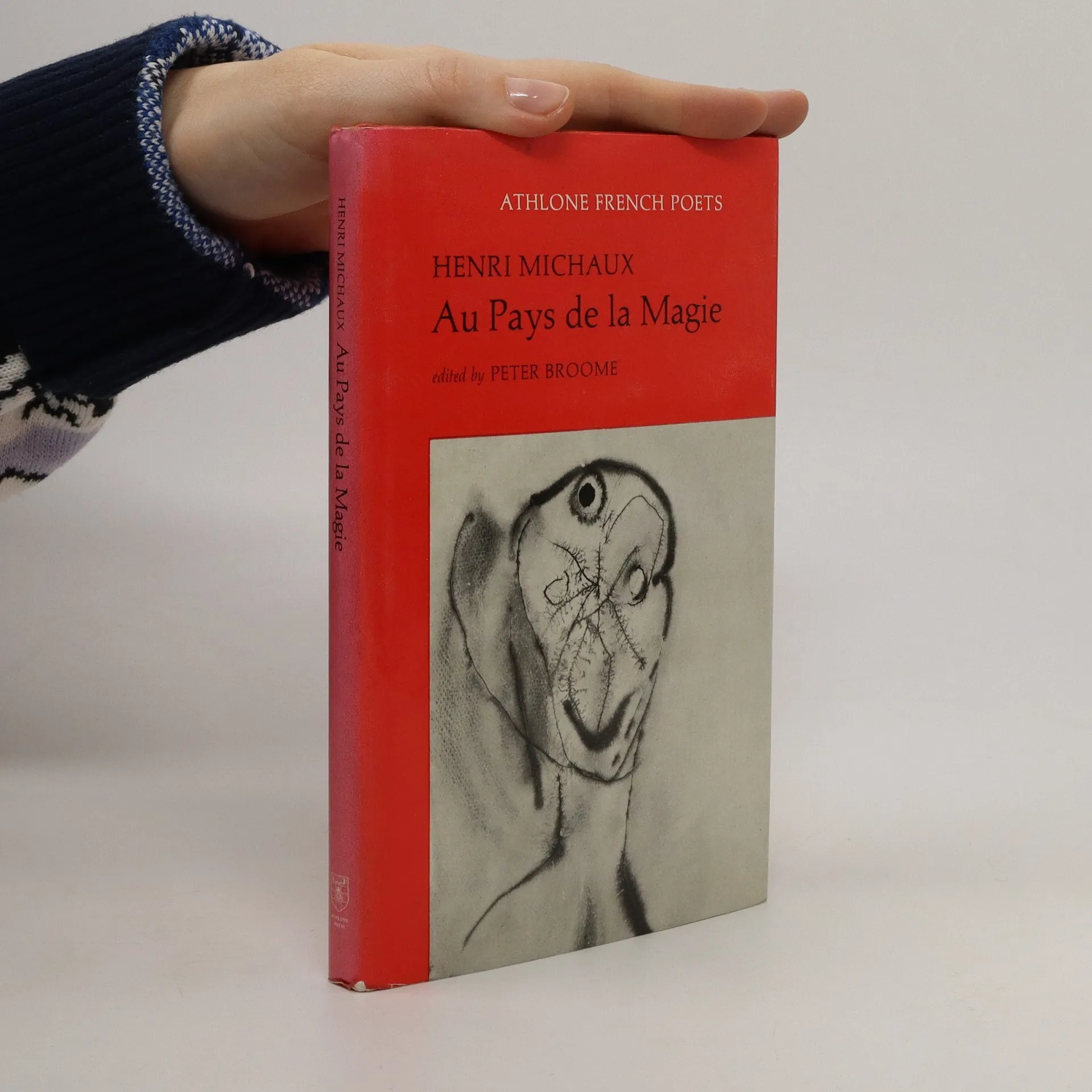
Critics have compared Michaux's work to such diverse artists as Kafka, Goya,
Swift, Klee and Beckett. This anthology contains selections from almost all of
Michaux's major works, allowing readers to explore the haunting verbal and
pictorial landscape of a 20th-century visionary.
This work has been selected by scholars as being culturally important and is part of the knowledge base of civilization as we know it. This work is in the public domain in the United States of America, and possibly other nations. Within the United States, you may freely copy and distribute this work, as no entity (individual or corporate) has a copyright on the body of the work. Scholars believe, and we concur, that this work is important enough to be preserved, reproduced, and made generally available to the public. To ensure a quality reading experience, this work has been proofread and republished using a format that seamlessly blends the original graphical elements with text in an easy-to-read typeface. We appreciate your support of the preservation process, and thank you for being an important part of keeping this knowledge alive and relevant.
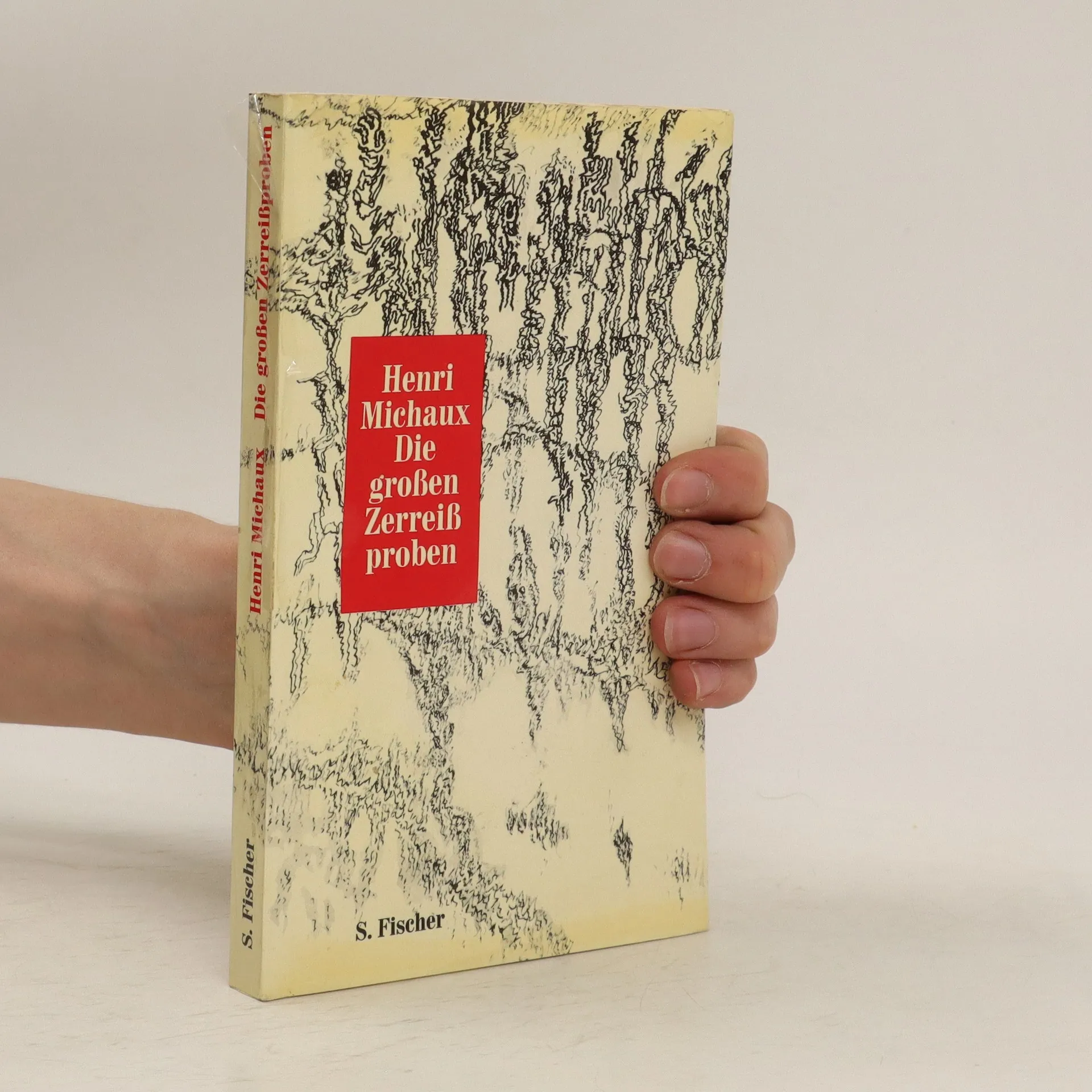
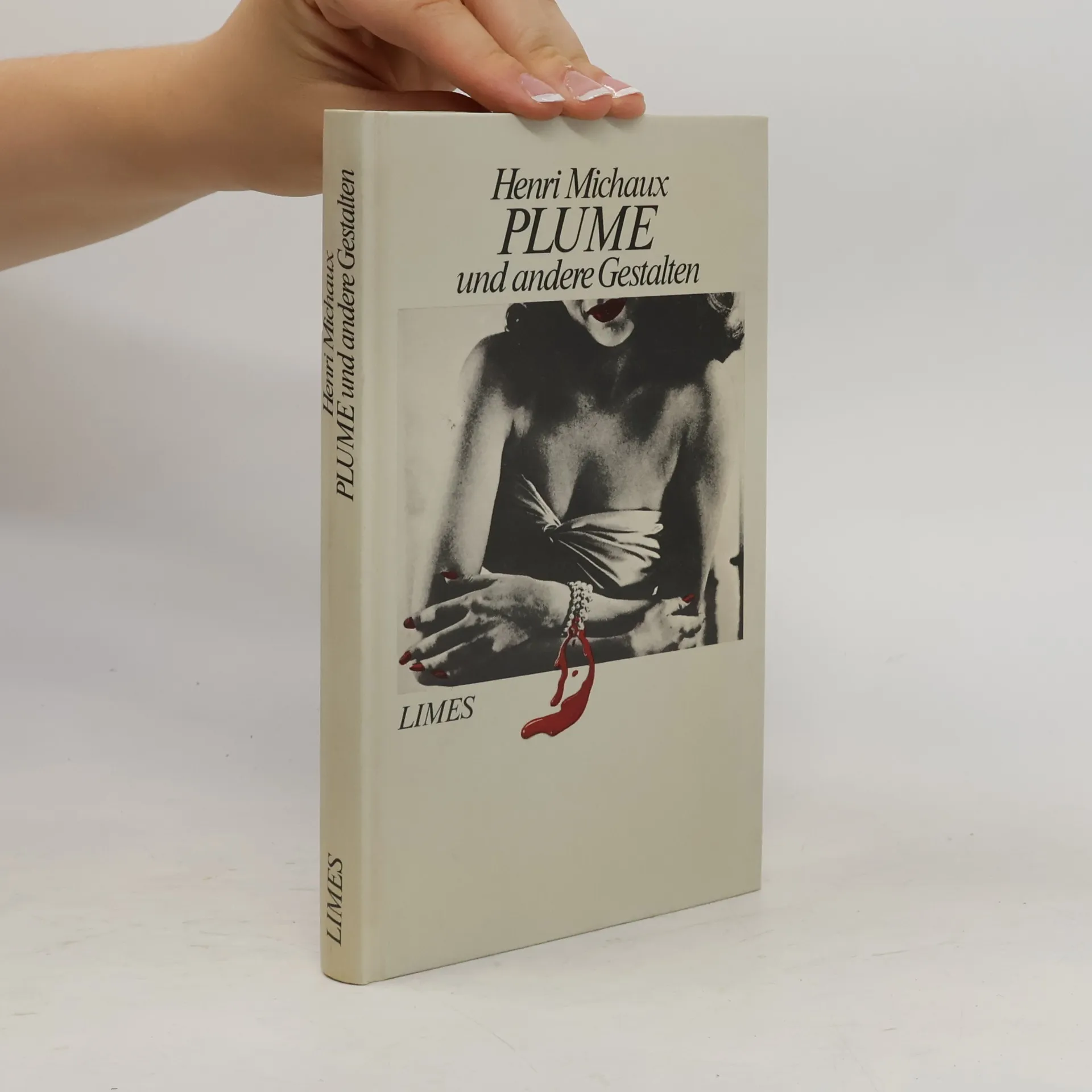
Henri Michaux, der 1899 geborene, bedeutende belgische Schriftsteller und Maler begab sich früher als die Zeitmode in das Abenteuer der Droge. In seinen Meskalin-Versuchen entdeckt Michaux, dieser »Sindbad des Geistes«, wie André Gide ihn nannte, Neuland des Bewußtseins. Sein Buch, die Texte wie die Zeichnungen, führen den Leser ein in die Ästhetik, Ethik und Metaphysik der Droge; es ist ein Forschungsbericht, existentielle Prosa und mythischer Text zugleich. Die Droge als Abenteuer, die Droge aber auch als Höllenfahrt, als Gefängnis der Unendlichkeit, als Erkenntnis der Abgründe und Enttäuschung, eine »schlecht verdiente Unendlichkeit«. »Henri Michaux ist ein Sprachkünstler hohen Ranges. Er gibt keine stammelnden Protokolle. Seine Prosa – von Kurt Leonhard brillant ins Deutsche übertragen – sind durchgearbeitete Texte.« Günter Blöcker, Frankfurter Allgemeine Zeitung »In der Radikalität seiner Einsichten übertrifft er die, die mit ihm vergleichbar sind, also etwa Borges oder Beckett. Auch wenn man ihn unaufmerksam liest, kann man den Vorgang dieser Lektüre schwerer rückgängig machen als bei anderen Autoren.« Helmut Heißenbüttel
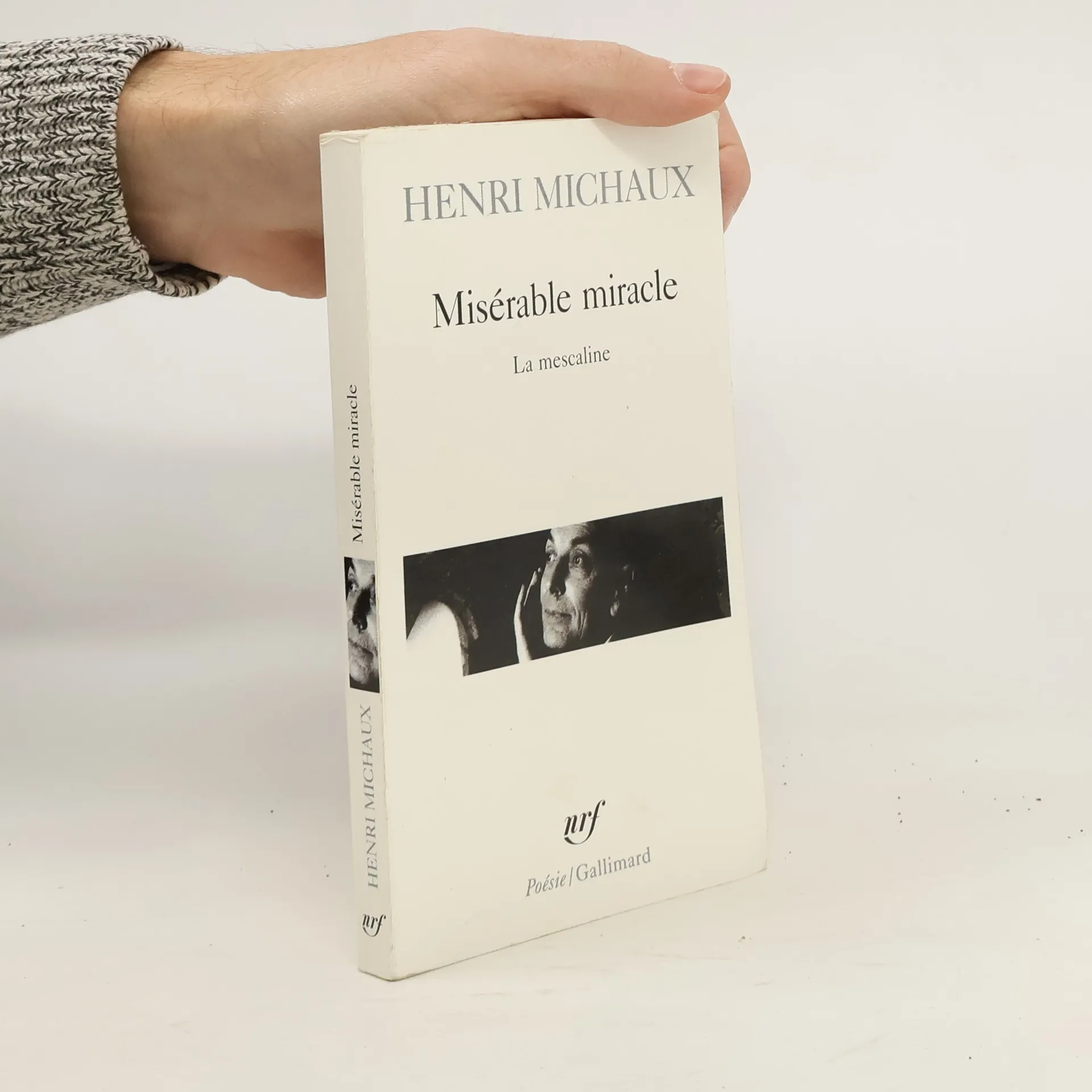
Misérable miracle est le premier livre consacré par Henri Michaux à ses expériences sur les hallucinogènes. C'est surtout la relation du premier choc de la mescaline, la notation brute de sa première agression, subie comme un viol. Il y a là non pas description, mais communication au sens le plus direct, le plus physique du mot. Car en plus des états exceptionnels qu'il nous révèle et des informations qu'il nous apporte, Misérable miracle fait apparaître chez Michaux, et plus généralement dans la littérature contemporaine, un nouveau langage. Ce livre est ce qu'on pourrait appeler le "reportage" exemplaire d'une expérience psychophysiologique.
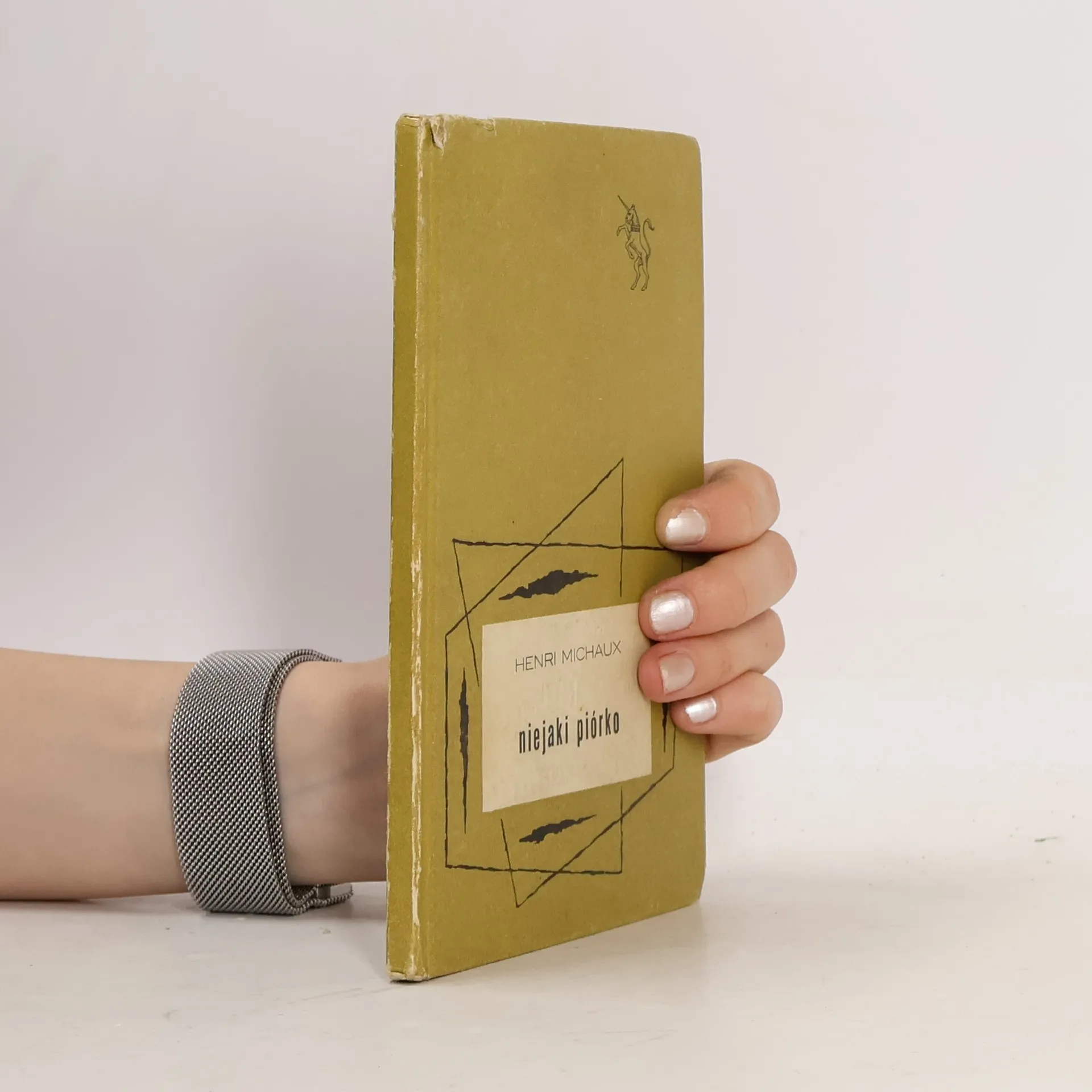
Michaux Henri - Urodzony w Belgii francuski poeta, prozaik, eseista, malarz i
grafik. Był jednym z najbardziej intrygujących XX-wiecznych pisarzy języka
francuskiego. Autor kilkudziesięciu książek: tomów wierszy, prozy poetyckiej,
dzienników z podróży, esejów i szkiców, a także przedsięwzięć intermedialnych.
Laureat ważnych nagród literackich i malarskich. Początkowo inspirował się
odkryciami awangardy, a jego poetykę naznaczała wizyjność o surrealistycznych
korzeniach. W drugiej fazie twórczości poświęcił się unikalnemu doświadczeniu
poszukiwania przestrzeni wewnętrznej, czemu służyły podróże odbywane realnie
(Azja, Ameryka Południowa) i mentalnie (eksperymenty z meskaliną). Twórczością
Michaux fascynowali się francuscy neoawangardziści i przedstawiciele Beat
Generation. Mimo iż w polszczyźnie Michaux jest dobrze znany jako prozaik w
tym jako autor słynnego tomu małych próz Niejaki Piórko to dotychczas wydano
tylko jeden wybór poezji jego autorstwa (Seans z workiem, przeł. J. Hartwig,
2004).
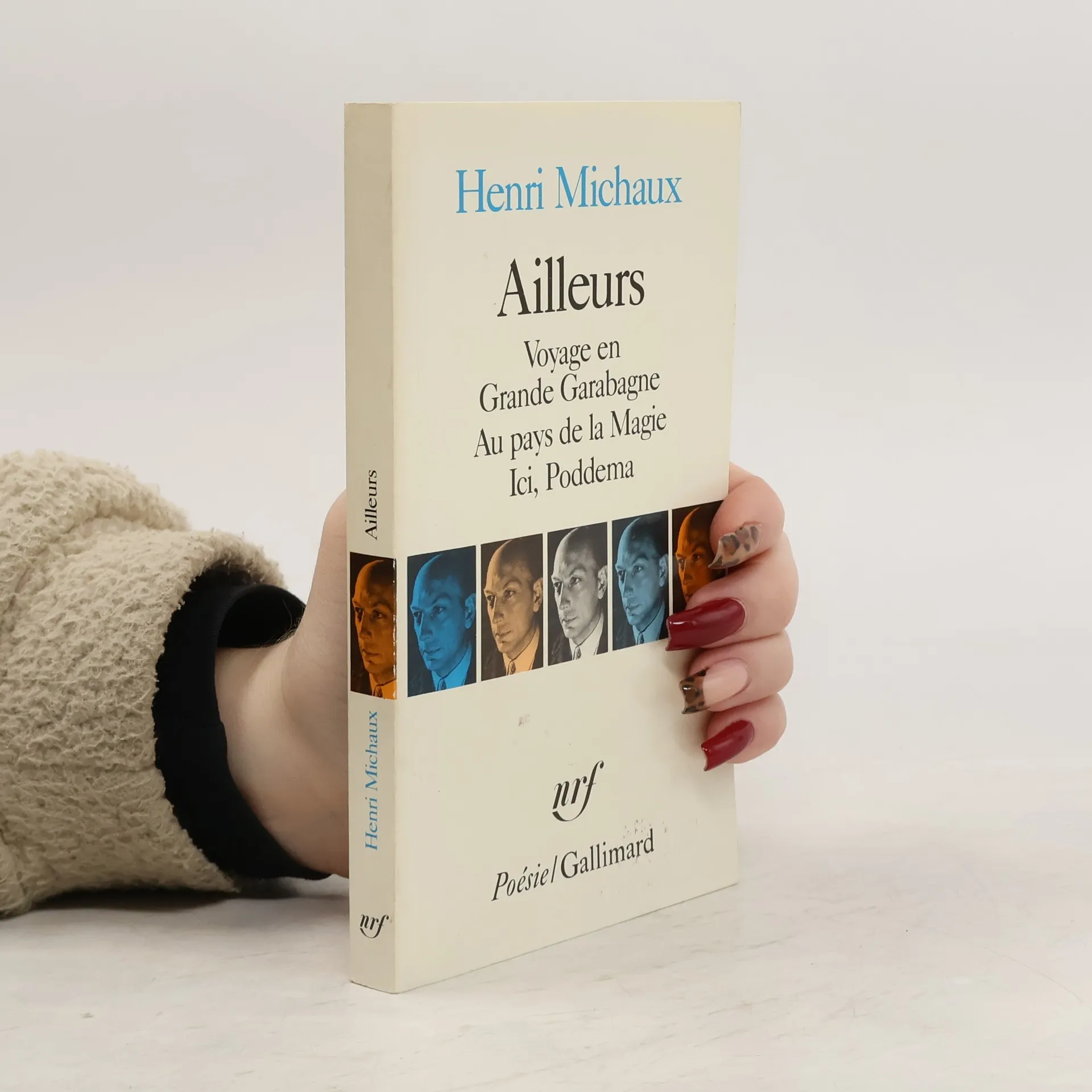
Voyage en Grande Garabagne; Au pays de la Magie; Ici, Poddema
252 pages
9 hours of reading
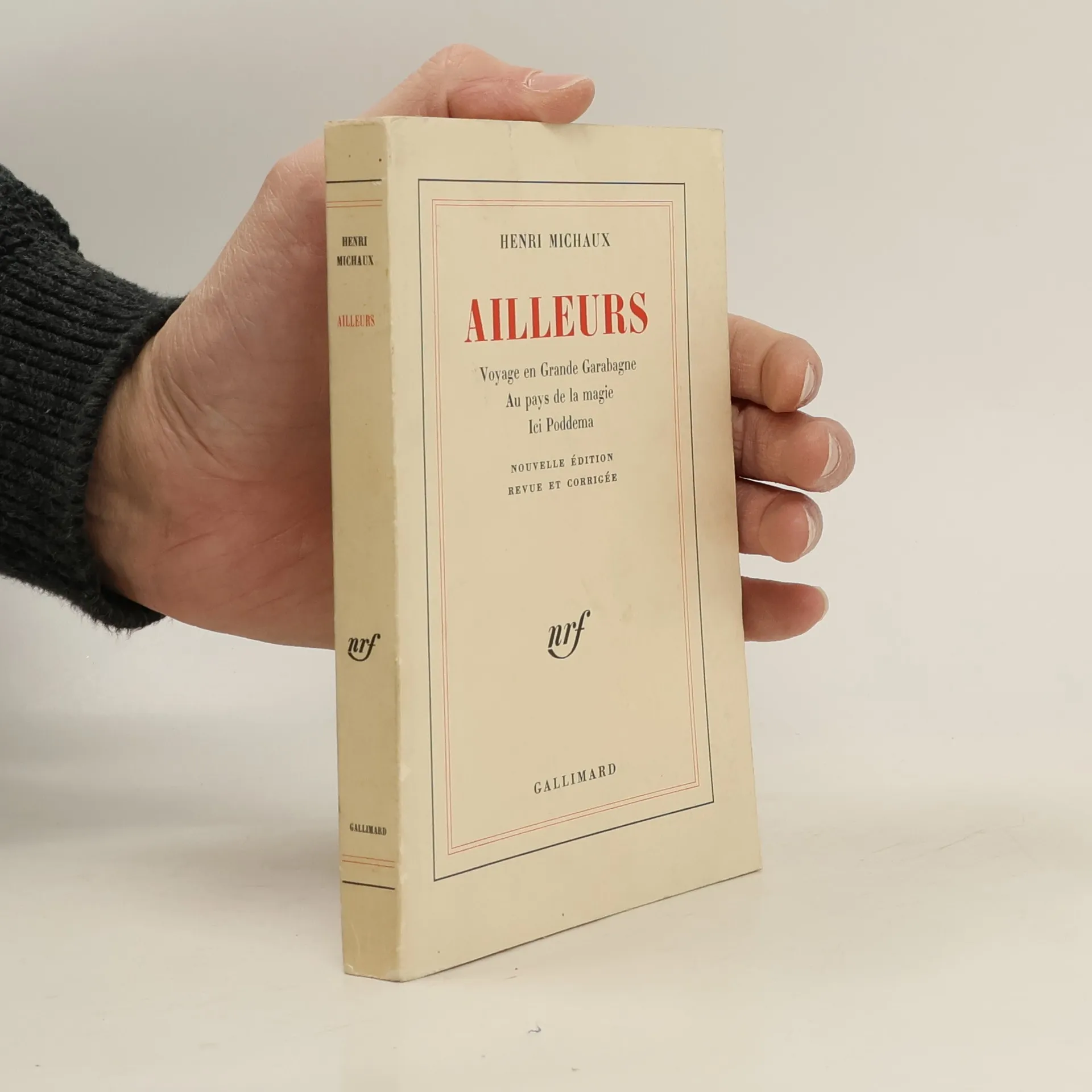
"L'auteur a vécu très souvent ailleurs : deux ans en Garabagne, à peu près autant au pays de la Magie, un peu moins à Poddema. Ou beaucoup plus. Les dates précises manquent. Ces pays ne lui ont pas toujours plu excessivement. Par endroits, il a failli s'y apprivoiser. Pas vraiment. Les pays, on se saurait assez s'en méfier. Il est revenu chez lui après chaque voyage. Il n'a pas une résistance indéfinie. Certains lecteurs ont trouvé ces pays un peu étranges. Cela ne durera pas. Cette impression passe déjà. Il traduit aussi le Monde, celui qui voulait s'en échapper. Qui pourrait échapper ? Le vase est clos. Ces pays, on le constatera, sont en somme parfaitement naturels. On les retrouvera partout bientôt... Naturels comme les plantes, les insectes, naturels comme la faim, l'habitude, l'âge, l'usage, les usages, la présence de l'inconnu tout près du connu. Derrière ce qui est, ce qui a failli être, ce qui tendait à être, menaçait d'être, et qui entre des millions de "possibles" commençait à être, mais n'a pu parfaire son installation..." Henri Michaux.
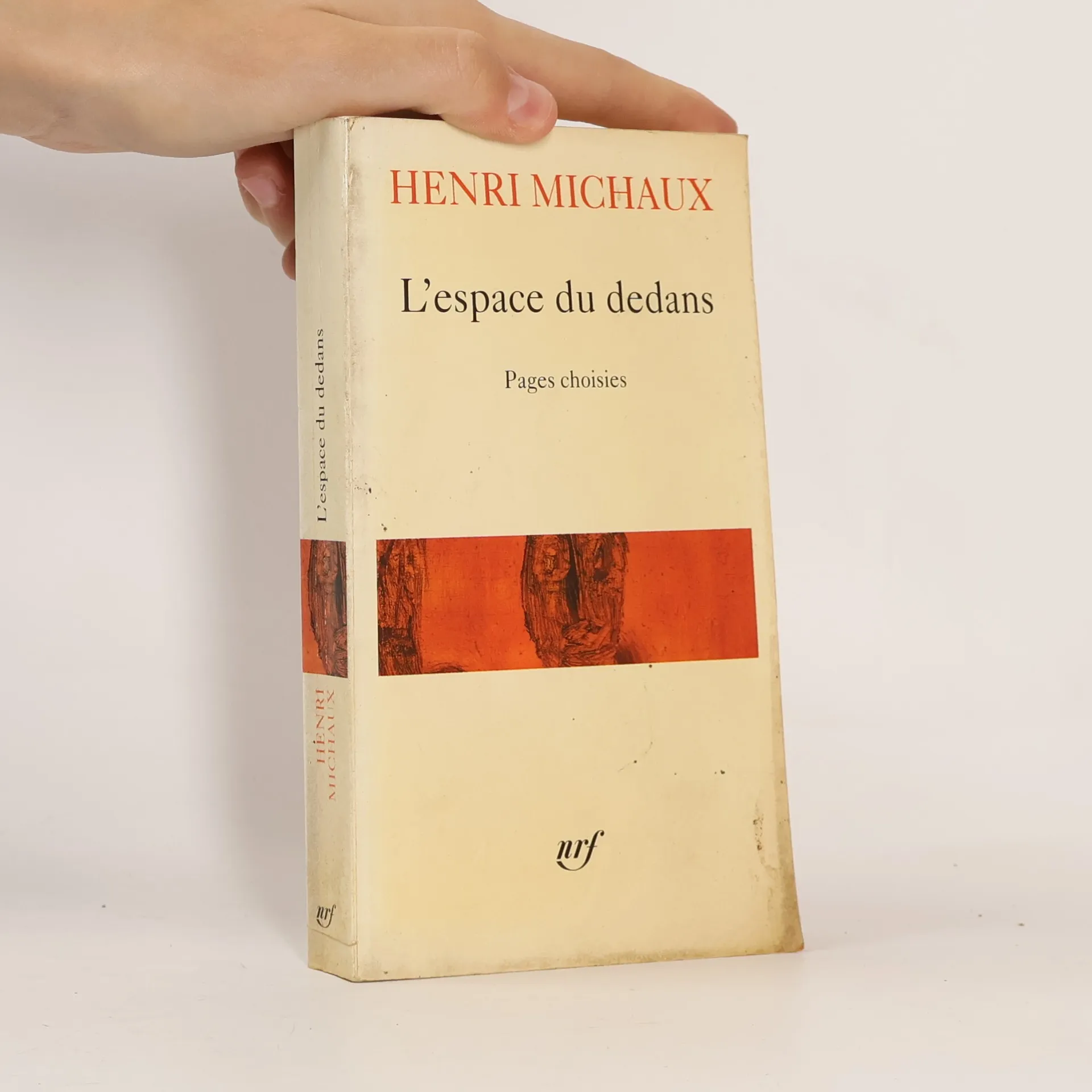
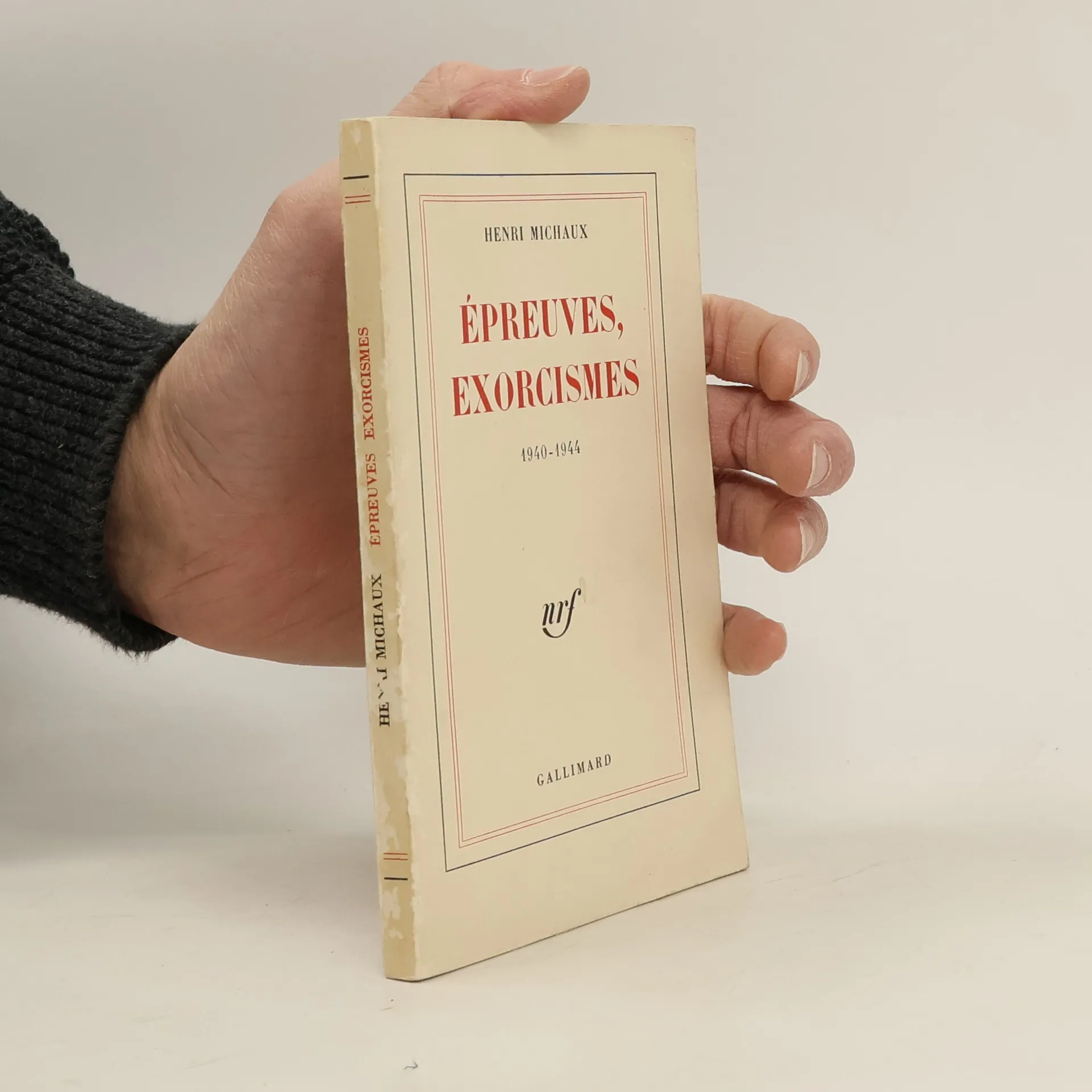
Cette anthologie établie par l'auteur, publiée en 1944, puis en 1966 sous une forme revue et augmentée, contient un choix de textes extraits de Qui je fus, Ecuador, Mes propriétés, Un certain Plume, La nuit remue, Voyage en grande Garabagne, Lointain intérieur, Peintures, Au pays de la magie, Épreuves, exorcismes, La vie dans les plis, Passages, Lecture, Face aux verrous, Misérable miracle, Paix dans les brisements.
Les drogues nous ennuient avec leur paradis. Qu'elles nous donnent plutôt un peu de savoir. Nous ne sommes pas un siècle à paradis. Toute drogue modifie vos appuis. L'appui que vous preniez sur vos sens, l'appui que vos sens prenaient sur le monde, l'appui que vous preniez sur votre impression générale d'être. Ils cèdent. Une vaste redistribution de la sensibilité se fait, qui rend tout bizarre, une complexe, continuelle redistribution de la sensibilité. Vous sentez moins ici, et davantage là. Où "ici" ? Où "là" ? Dans des dizaines d'"ici", dans des dizaines de "là", que vous ne connaissiez pas, que vous ne reconnaissez pas. Zones obscures qui étaient claires. Zones légères qui étaient lourdes. Ce n'est plus à vous que vous aboutissez, et la réalité, les objets même, perdant leur masse et leur raideur, cessent d'opposer une résistance sérieuse à l'omniprésente mobilité transformatrice. Des abandons paraissent, de petits, de grands aussi. Certaines s'y plaisent. Paradis, c'est-à-dire abandon. Vous subissez de multiples, de différentes invitations à lâcher... Voilà ce que les drogues fortes ont en commun et aussi que c'est toujours le cerveau qui prend les coups, qui observe ses coulisses, ses ficelles, qui joue petit et grand jeu, et qui, ensuite, prend du recul, un singulier recul.
"Arrivée à la ferme de Guadalupe. J'arrivai pour la première fois dans ce pays, comme il faisait à peu près nuit déjà. Il restait deux heures à faire à cheval. Trois cavaliers allaient m'accompagner. Je m'attendais à trotter. On se mit, au contraire, à descendre dans d'invraisemblables pierres, où bientôt, dans l'ombre épaisse, j'étais comme un aveugle. [...]".
-Ein Mensch, der sich weder auf das Reisen noch auf das Tagebuchführen versteht, hat dieses Reisetagebuch verfaßt. Nun, da es zu signieren gilt-, schreibt der Autor, -bekommt er plötzlich Angst und wirft den ersten Stein auf sich.- So kaltblütig wie diese Eröffnung geht es weiter. Ecuador, Colombo, Peking, Bali: die Touristen waren noch nicht da, als Henri Michaux, gerade 30, aus Europa floh. -Als ich Indien und China sah-, sagt er, -schien es mir zum ersten Mal, daß es Völkern auf dieser Erde zustand, wirklich zu sein.- Aber es liegt ihm fern, der Exotik anheimzufallen, und auf ethnologische Forschungen läßt er sich erst gar nicht ein.§Mit einer Unbefangenheit, die an Impertinenz grenzt, bissig, in einem Ton, -von dem alles Ernstere, Tiefschürfende, Bewährte, Belesenere abprallt-, beschreibt er das Fremde. -Darin war man ein Barbar und muß es bleiben.- Punktum.
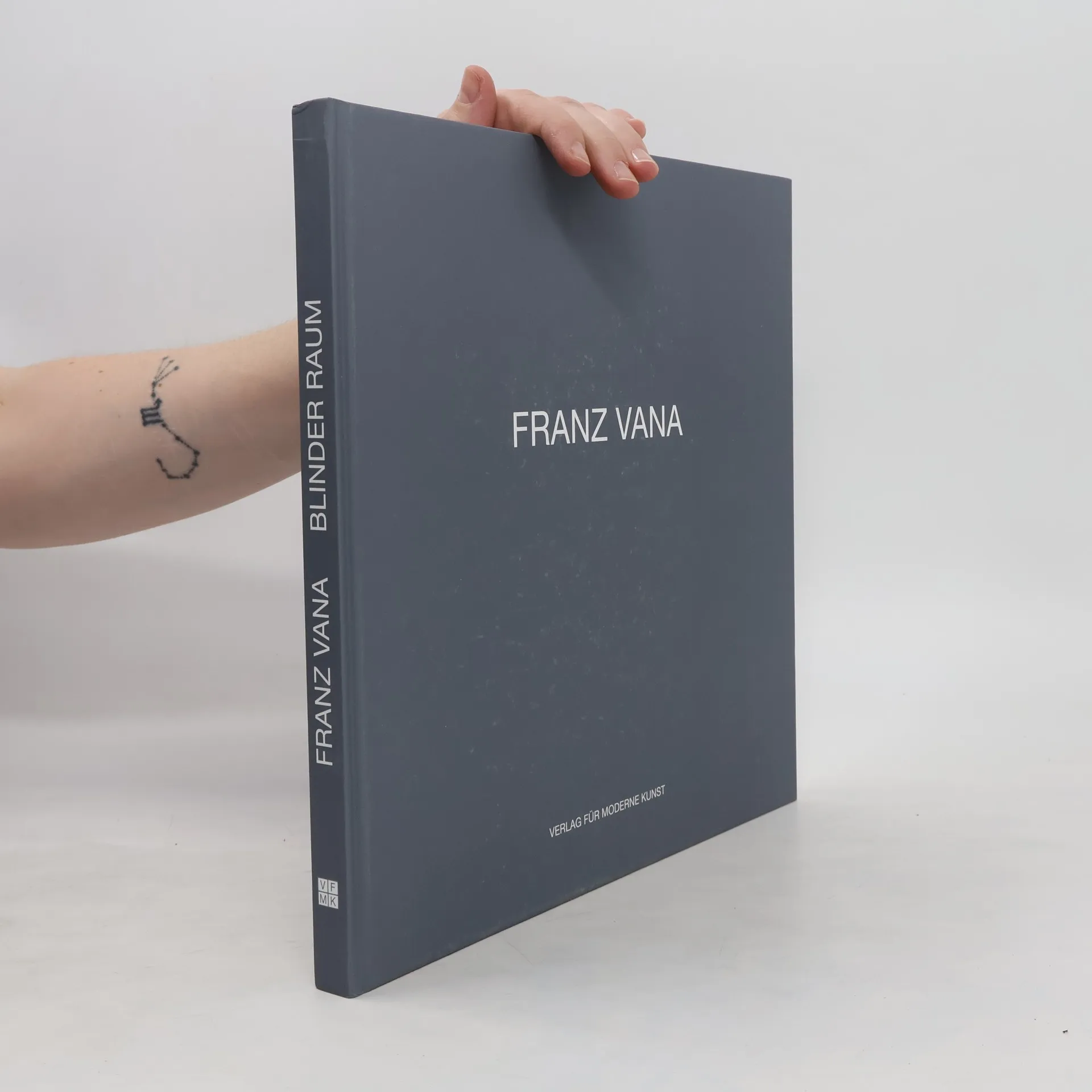
BLINDER RAUM ist die erste größere Monografie des südburgenländischen Künstlers FRANZ VANA. Sie bietet Einblick in sein grafisches Werk von 1972 bis 2021. Seine eigenwillige, abstrakte wie gegenständliche Formensprache verwebt witzreiche Wortspiele, geometrische Fragmente und zuweilen fantasiereiche Motive auf Bildflächen. Die größtenteils monochromen Grafitarbeiten zeugen von einem subtilen Empfinden für Körper, Formen, Licht und Schatten. Eine Werkmonografie mit Textbeiträgen von Barbara Horvath, Henri Michaux, Franz Vana und Martin Zeiller.
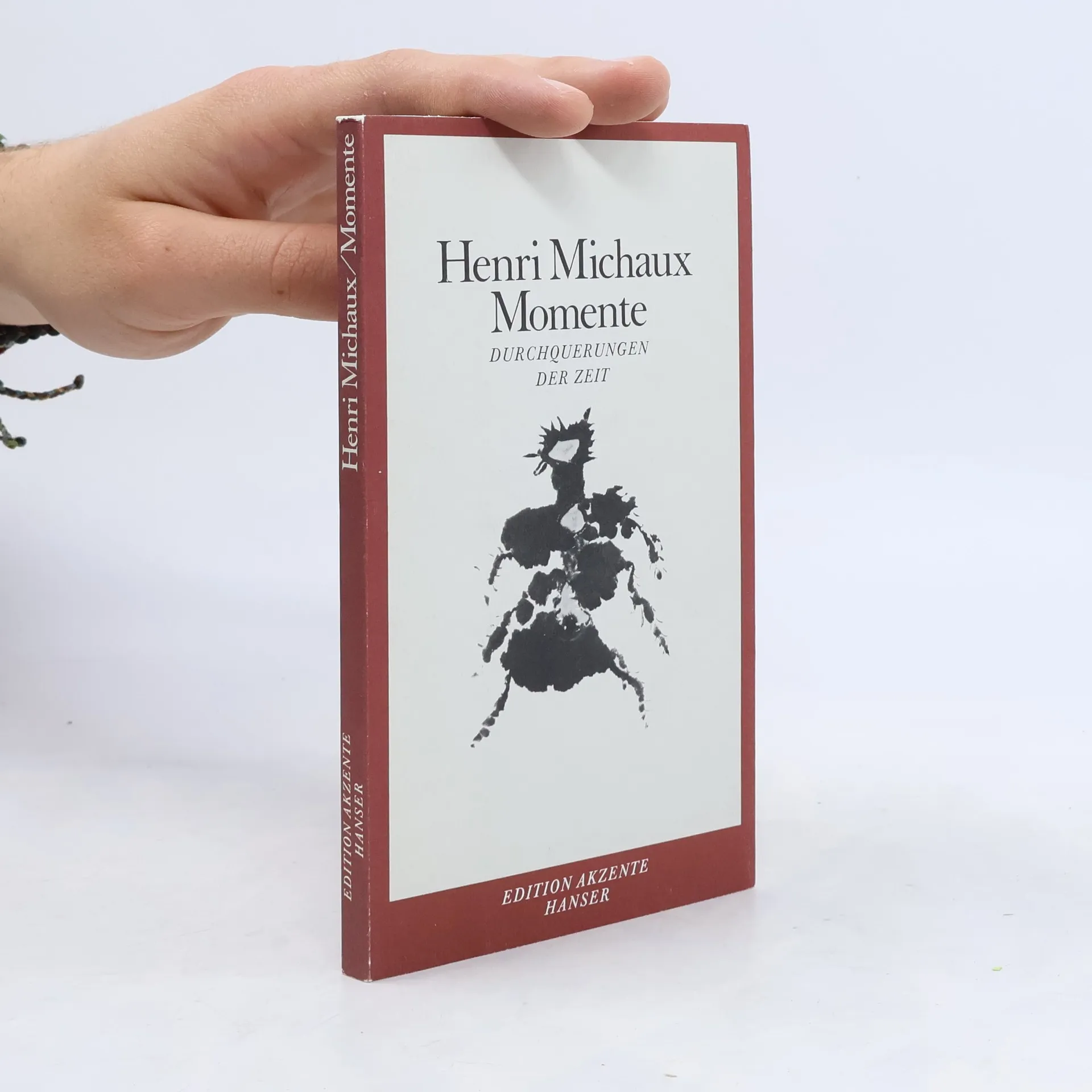
"Passagen" ist eine Sammlung von Texten von Michaux aus den Jahren 1937–50, die Malerei, Musik und künstlerische Produktion thematisieren. Der Band erforscht Übergänge zwischen Realem und Irrealem sowie zwischen Wahrnehmung und Imaginärem und bietet eine Poetik des Fragments und der Diskontinuität.
"Hier Podemma" ist eine dystopische Vision, die die Anthropologie des untergegangenen NS-Regimes reflektiert und in die Zukunft der Genmanipulationen weist. Der Autor zeigt eine surrealistische Freude an absurden und witzigen Einfällen, wie etwa unerwarteten Meereswellen auf der Landstraße.
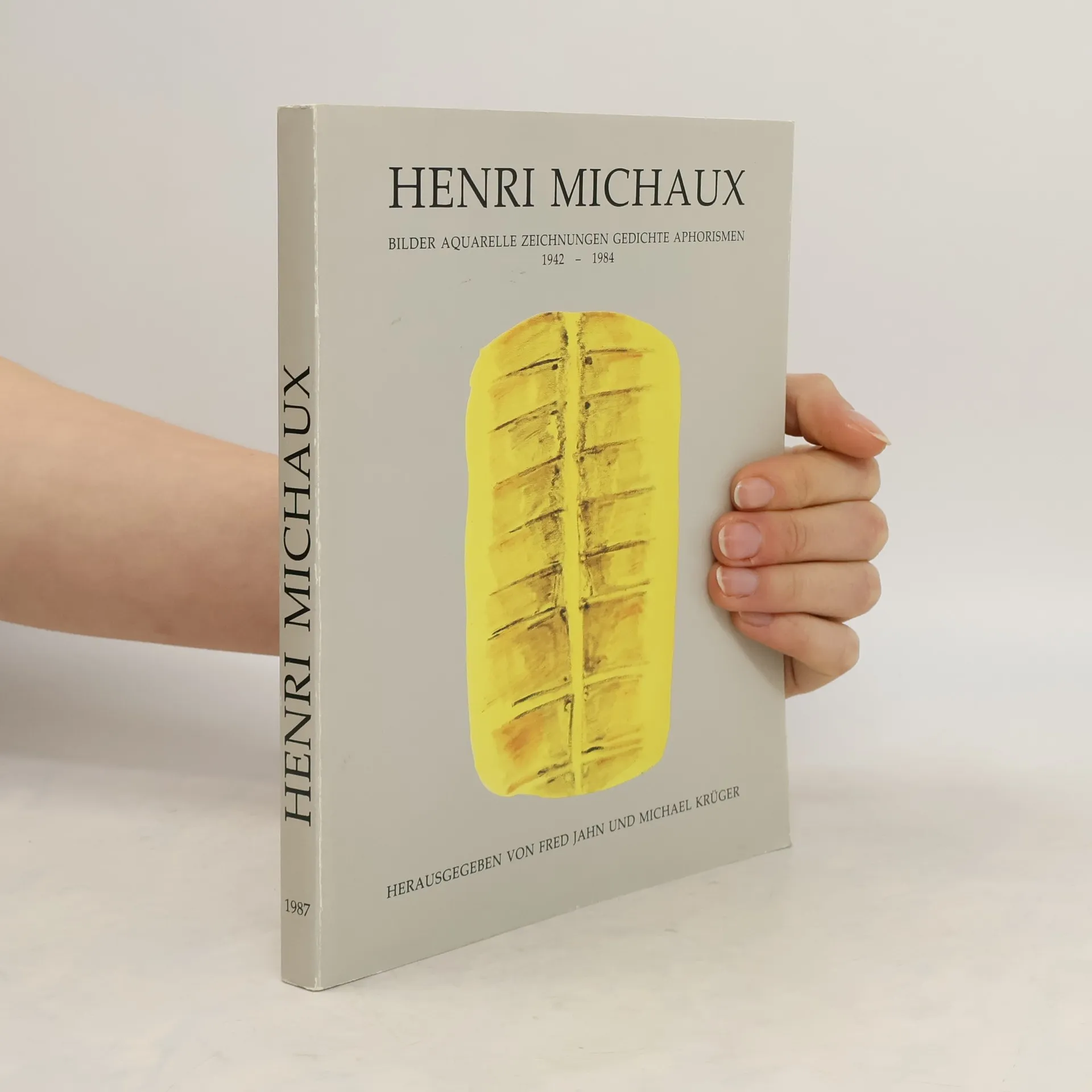
Katalog der Ausstellung in der Galerie Fred Jahn, München, 1987. Texte von Michael Kruger. Aforismen von Henri Michaux. Zahlreiche farbige und schwarz-weiße Abbildungen (Werke von Henri Michaux). Biografie. 8vo (cm 21x17) pp. 160 Broschur.
«Giungere alla vertigine mediante l'approfondimento: ecco quale mi pareva il segreto del suo procedere»: così scrive Cioran nel suo «esercizio di ammirazione» dedicato a Michaux. E andare al fondo è esattamente ciò che Michaux fa in questi «passaggi» – scritture ibride, che gli consentono di trascorrere incessantemente da una forma a un'altra, e non solo nel caleidoscopico susseguirsi dei testi, ma in ciascuno di essi. Dal saggio critico alla notazione biografica, dal catalogo alla poesia, dall'autoesegesi all'aforisma, fino alla narrazione pura, Michaux attraversa infatti l'intero sistema dei generi, cancellandoli con impavida disinvoltura. Con un effetto, quanto mai tonico, di spiazzamento e di sorpresa: che prendano spunto da un fatto di cronaca, da una lettura o da un'esperienza personale, che descrivano il volto di una fanciulla o trattino di esotismo, che si presentino come brevissime annotazioni o lunghe riflessioni (sulla musica, sulla scrittura ideografica, sulla pittura rupestre, sui disegni infantili), leggendo questi testi abbiamo l'impressione di vedere per la prima volta ciò di cui essi parlano, o di guardarlo in maniera radicalmente diversa. Perché Michaux ha la capacità di farcelo percepire non dall'esterno, bensì dall'interno , aprendo insospettabili brecce tra il visibile e l'invisibile – e solo un poeta può riuscirvi.
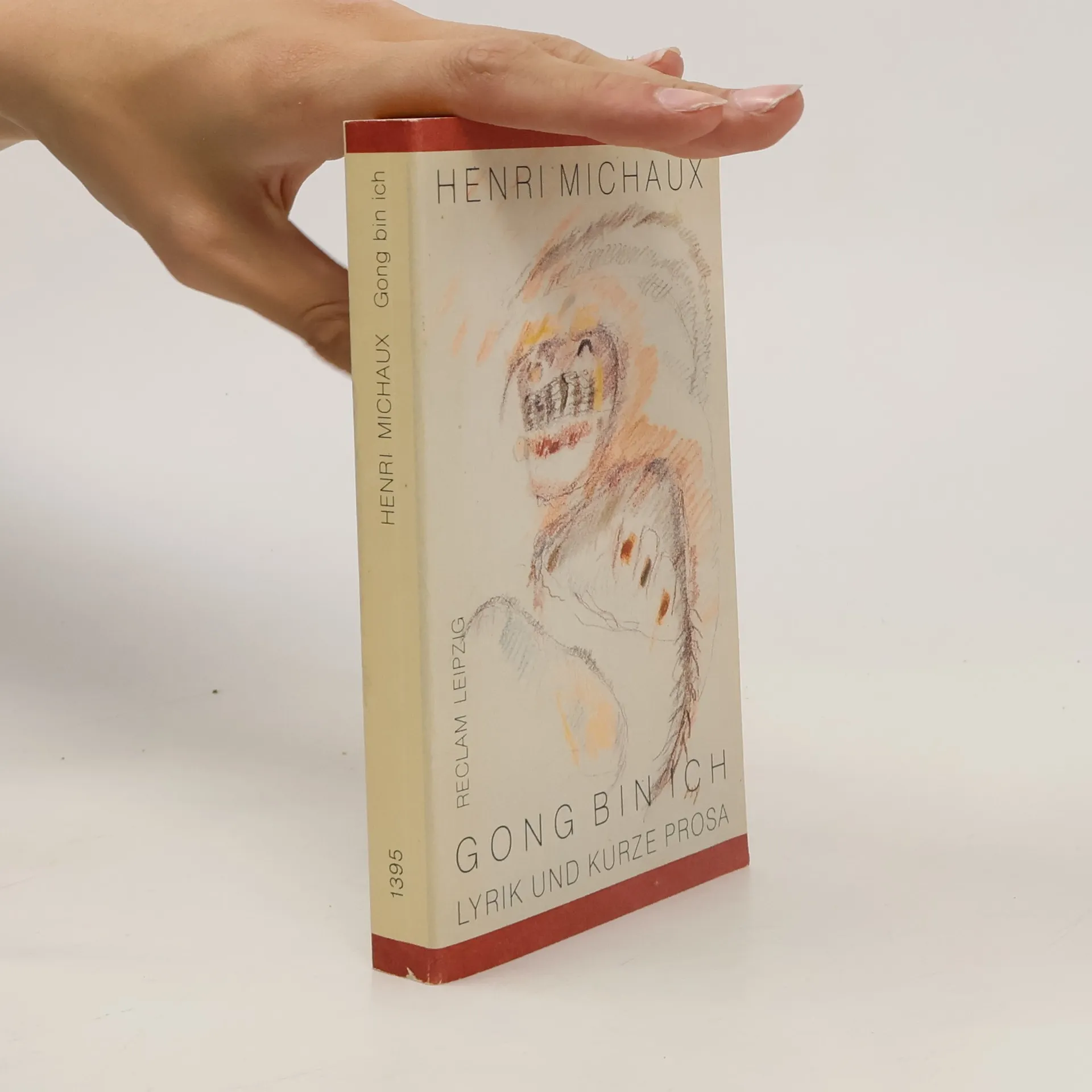
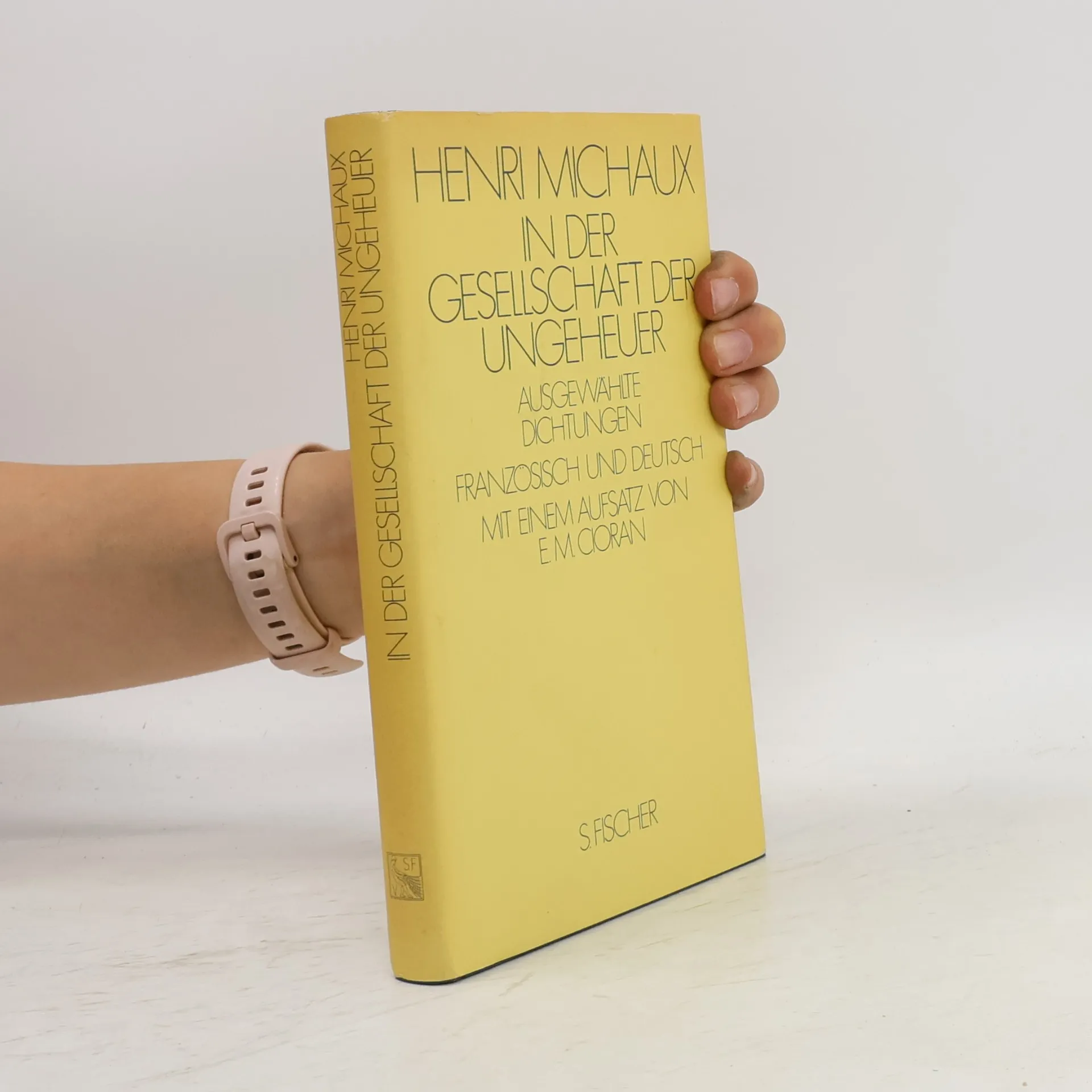
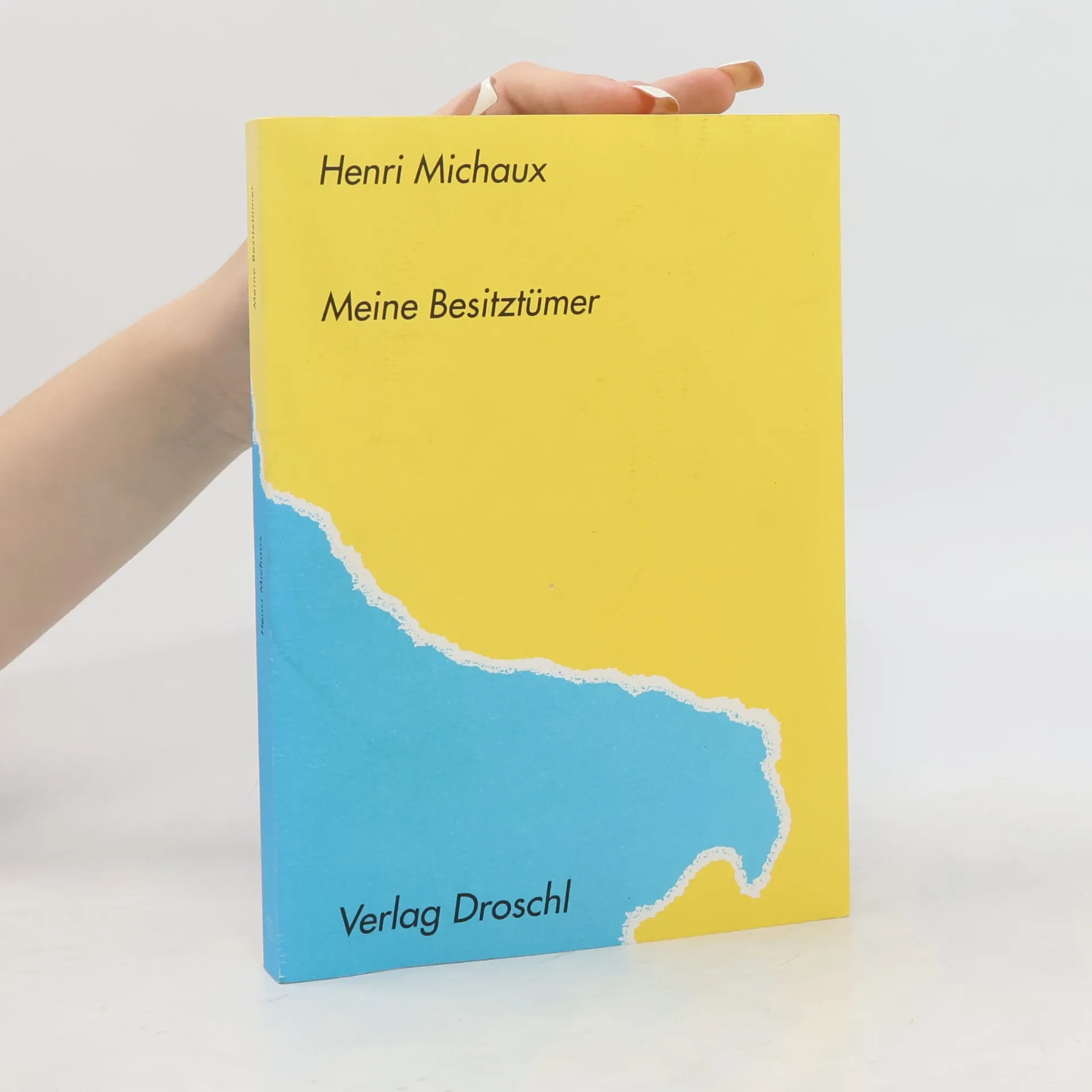
Henri Michaux: neben Kafka und Beckett ein Jahrhundertschriftsteller. Anthropologe des eigenen Ich, der äußeren und inneren Räume, der gegen die Literatur und die Poesie anschreibt, um sie zu unterlaufen mit seiner so unverwechselbaren seismographischen Schreibweise, seiner Wut, seiner Selbstironie und seiner trockenen Komik. Über >Die Nacht rührt sich (1935) schrieb Michaux selbst: Dieses Buch hat keine äußere Einheit. Es entspricht keiner bekannten Gattung. Es enthält Erzählungen, Gedichte, Prosagedichte, Bekenntnisse, erfundene Wörter, Beschreibungen imaginärer Tiere, Notizen usw., die alle zusammen keinen Band ergeben, sondern eher ein Tagebuch. Ein bestimmter Tag hat sich gebieterisch in extravaganten Phantasien ausgedrückt, ein anderer Tag oder ein anderer Monat trocken in einem kurzen Prosagedicht, einer Ich-Analyse. Und das drei Jahre hindurch. Meine Besitztümer und andere Texte präsentiert die frühe Schaffensphase von Michaux zum erstenmal auf deutsch - ausgenommen die beiden bereits vorliegenden Reisebücher Ecuador und Ein Barbar in Asien
Reprezentativní výbor z díla originálního francouzského stvořitele imaginárních světů představuje básně a kratší prozaické texty spolu s uceleným souborem Pápěrka. Michauxova těžko zařaditelná tvorba na pomezí poezie a prózy se vyznačuje nevšední jazykovou invencí a promlouvá k nám řečí prazvláštně povědomé krutě absurdní reality, často na pokraji černého humoru.
Václav Jamek získal za překlad této knihu cenu Josefa Jungmana za nejlepší překlad roku 2000.
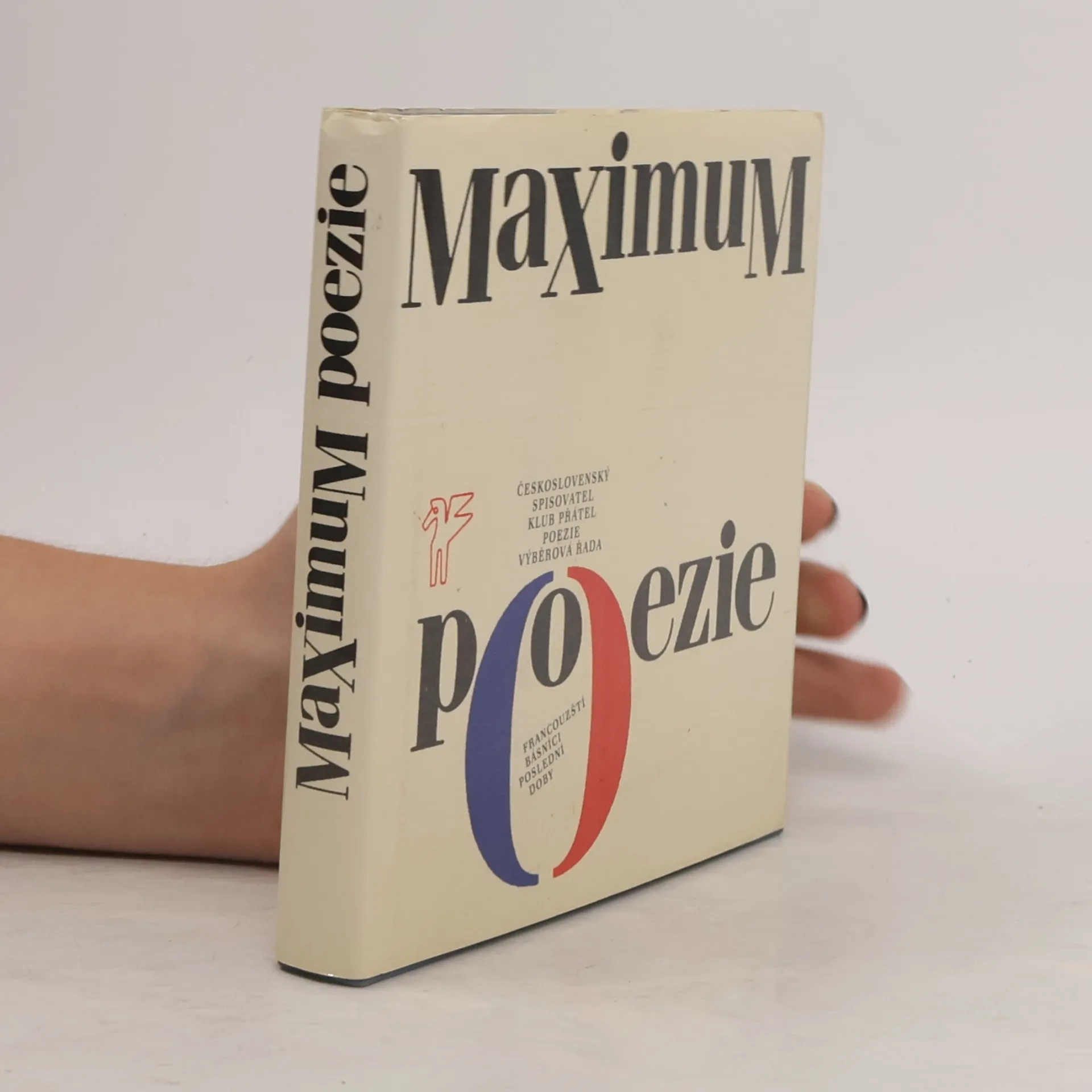
Francouzští básníci poslední doby
Jaká je dnešní francouzská poezie? Bezpochyby formálně a názorové bohatá. Má také různou myšlenkovou inspiraci: surrealistickou, existencialistickou i křesťanskou. Českému čtenáři, vedenému k zemitosti a lidovosti, se však může zdát abstraktní a spekulativní... Má blízko k próze, a to poetické zůstává v maximálně účinném obraze, v hudbě a volbě slov a v rytmu věty. Ve Francii se klade větší důraz na jazykovou stránku poezie. V naší znalosti francouzské poezie vznikla mezera a tu bylo třeba zaplnit.
Antologie obsahuje ukázky z tvorby 14 současných francouzských básníků. Svazek seznamuje čtenáře jednak s předchůdci dnešní francouzské poezie (Char, Ponge, Michaux), dále s básníky narozenými ve 20. letech i se současnými nadějnými autory.
Editor Aleš Pohorský. Kniha je doplněna fotografiemi Paříže od Barbary Huckové.
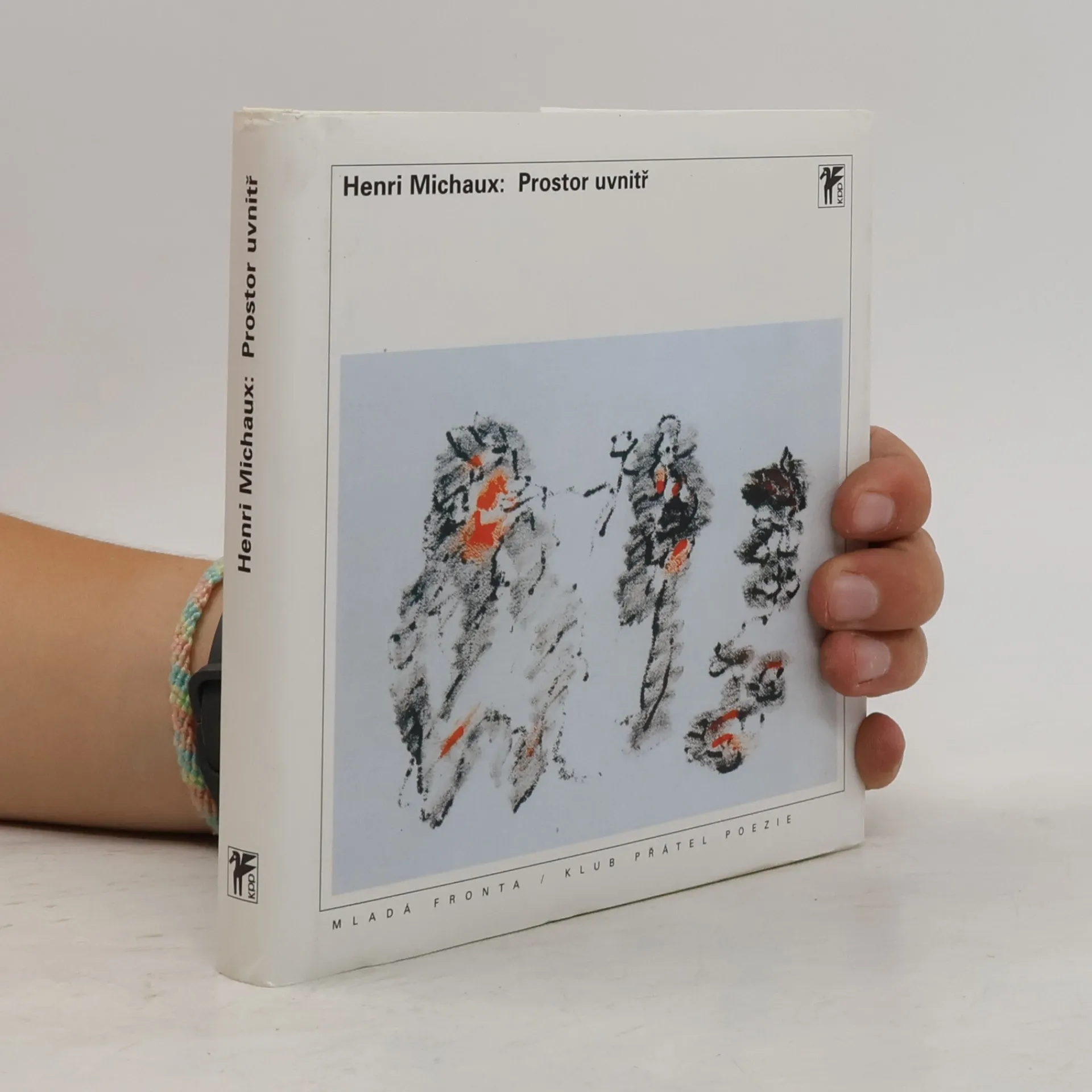
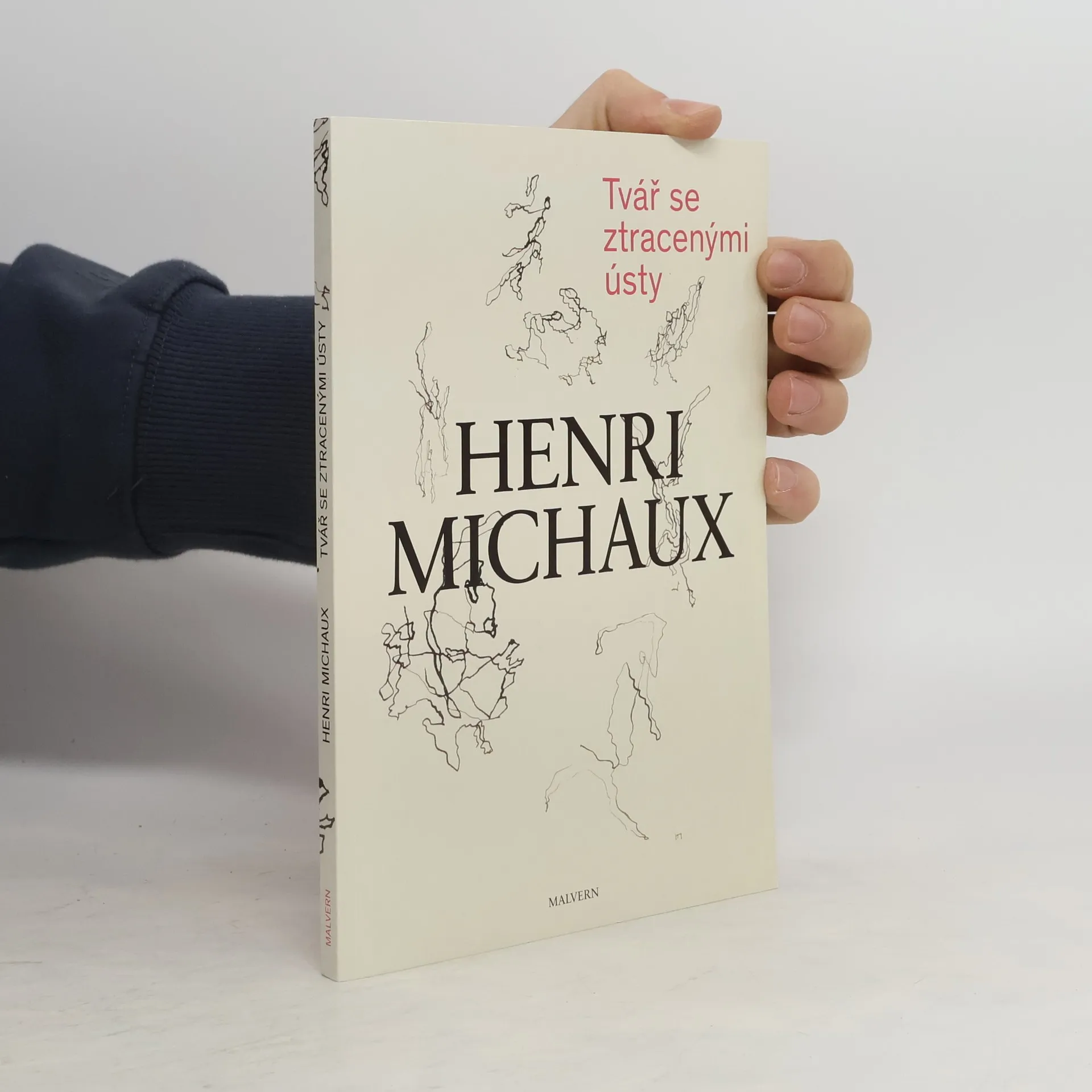
Henri Michaux (1899–1984) je jedním z největších básníků dvacátého století. Jeho poesie je tvrdá, někdy až krutá. Michauxovy texty jsou jakoby vyryty do stromu, do vyschlé půdy, do kamene. Zároveň je však Henri Michaux úžasně vnímavý ke každému šumu, k hučení moře, větru, k zašustění křídel ptáka v letu, k chvějícím se listům stromu. Surové záznamy, jakoby ve stavu zrodu, skvrny slov, trsy slov, krystaly neologismů, neartikulované výkřiky, milostné vzdechy, zaříkávání, kletby, litanie. Jsme zde očitými svědky rozbíjení mýtů, dávných rituálů, drcení řeči, svědky nově vznikající kosmogonie. Nejen Michauxovy verše a texty v próze, ale i jeho kresby tuší, akvarely či vlastní kaligrafie, jimiž se pokusil proniknout za řeč, tam, kde slova nestačí, to vše je doslova nabité energií výbuchu sopky či supernovy. Michaux se snaží proniknout na samu mez vědomí, k „tajemství čisté existence“. S přesností laserového paprsku popisuje vjem po vjemu, prozkoumává nové, netušené prostory, odkrývá nové, dnes již zahlušené schopnosti člověka.
Michauxova poesie je jedním z nejdůslednějších, a zároveň nejpodstatnějších pokusů evropské poesie dvacátého století o jiné vnímání, cítění a myšlení, o jejich proměnu, o proměnu těch nejzákladnějších zkušeností, o „odkrývání neznáma“, jak to pro poesii závazně postuloval již Arthur Rimbaud.
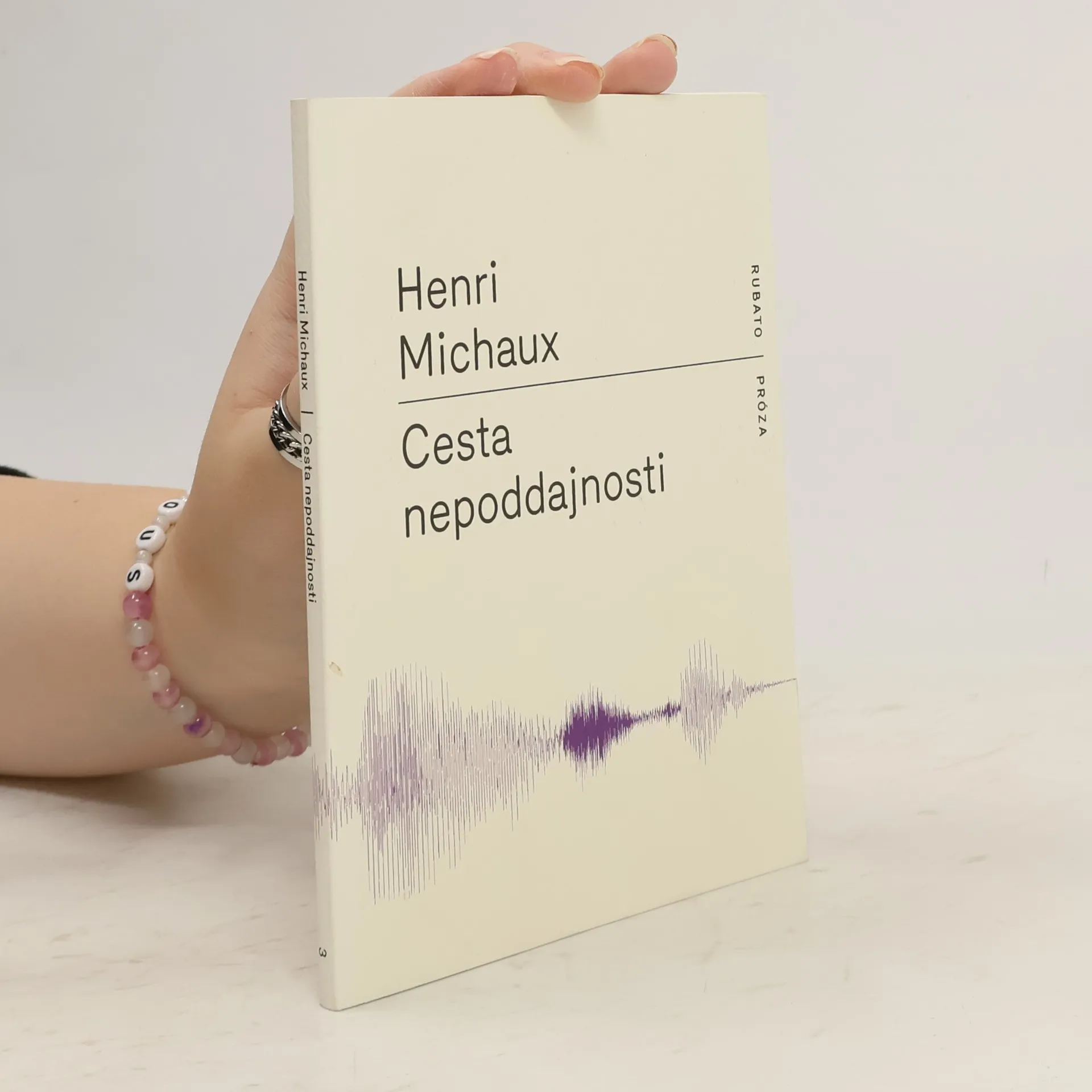
Cesta nepoddajnosti je dílem radikální básnické imaginace, exkurzem do oblasti paranormálních jevů (poltergeist, posedlost démony, levitace). Síly vykázané za hranice běžného lidského vnímání a pociťování se v pronikavém vidění Henriho Michauxe proměňují v hybatele subtilních dějů nedozírného dosahu. Jejich nazření může být výzvou k prorážení bludného kruhu neřešitelnosti lidské existence.