

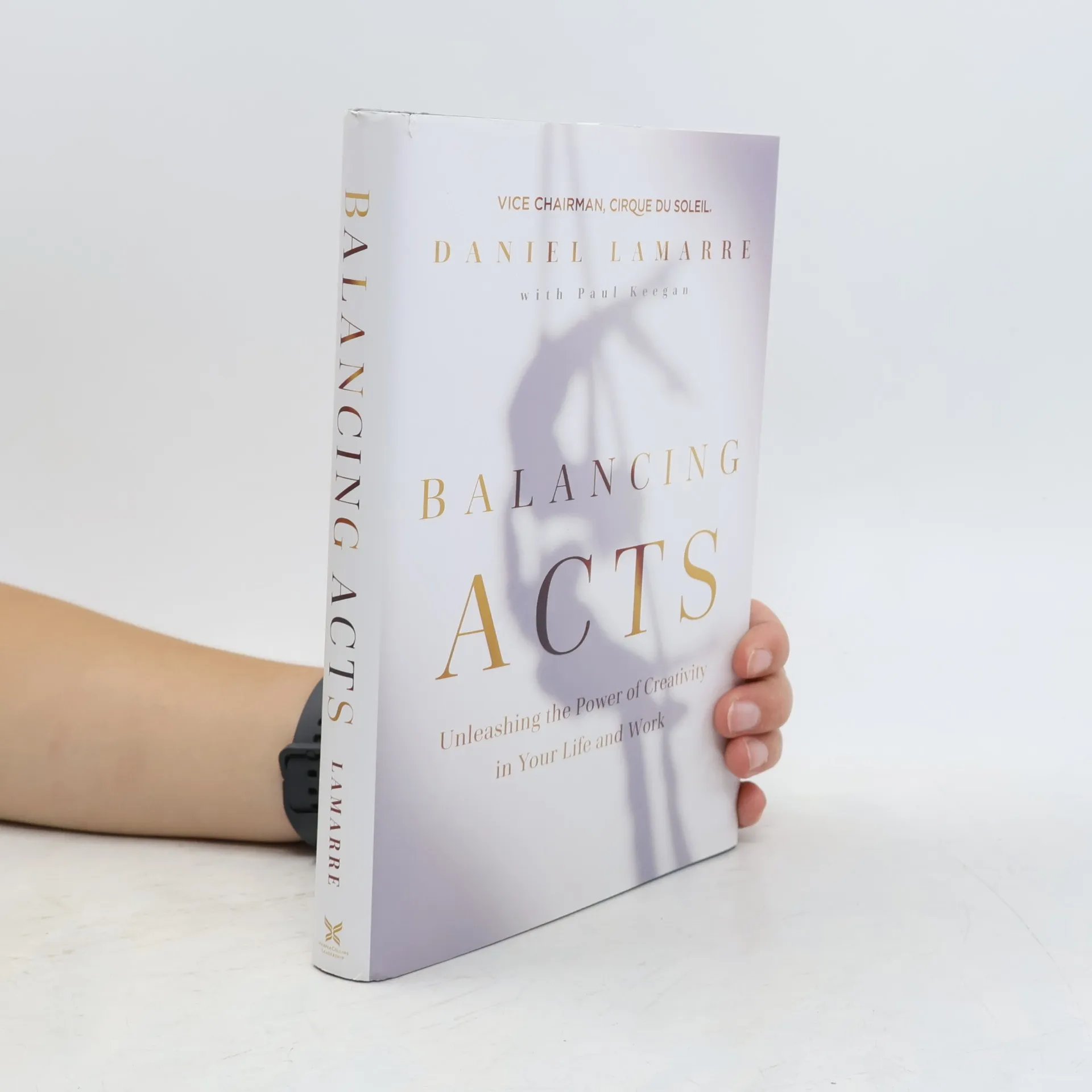
Are you ready to embrace the risks that drive innovation and foster a culture of extraordinary creativity? Daniel Lamarre, CEO of Cirque du Soleil, reveals how anyone, regardless of their role or industry, can harness the power of creative leadership. At the heart of Cirque du Soleil's extravagant productions is Lamarre, who uniquely integrates business and creativity across diverse cultures. The insights he shares are grounded in a deep belief in both personal creativity and the talents of those within your organization. Through his experiences of triumph and challenge, you will discover how to break through perceived barriers to creative thinking, determine when to lead and when to empower your team to craft exceptional work without overspending, and apply his methods to transform bureaucratic companies into innovative powerhouses that enhance profitability. This guide offers valuable principles for anyone, whether you’re part of a highly creative organization like Cirque du Soleil, stuck in a conventional corporate role, or navigating a space in between. The lessons within can strengthen and accelerate any business, empowering you to lead your organization to new heights through creative thinking.
Paul Keegan Book order (chronological)
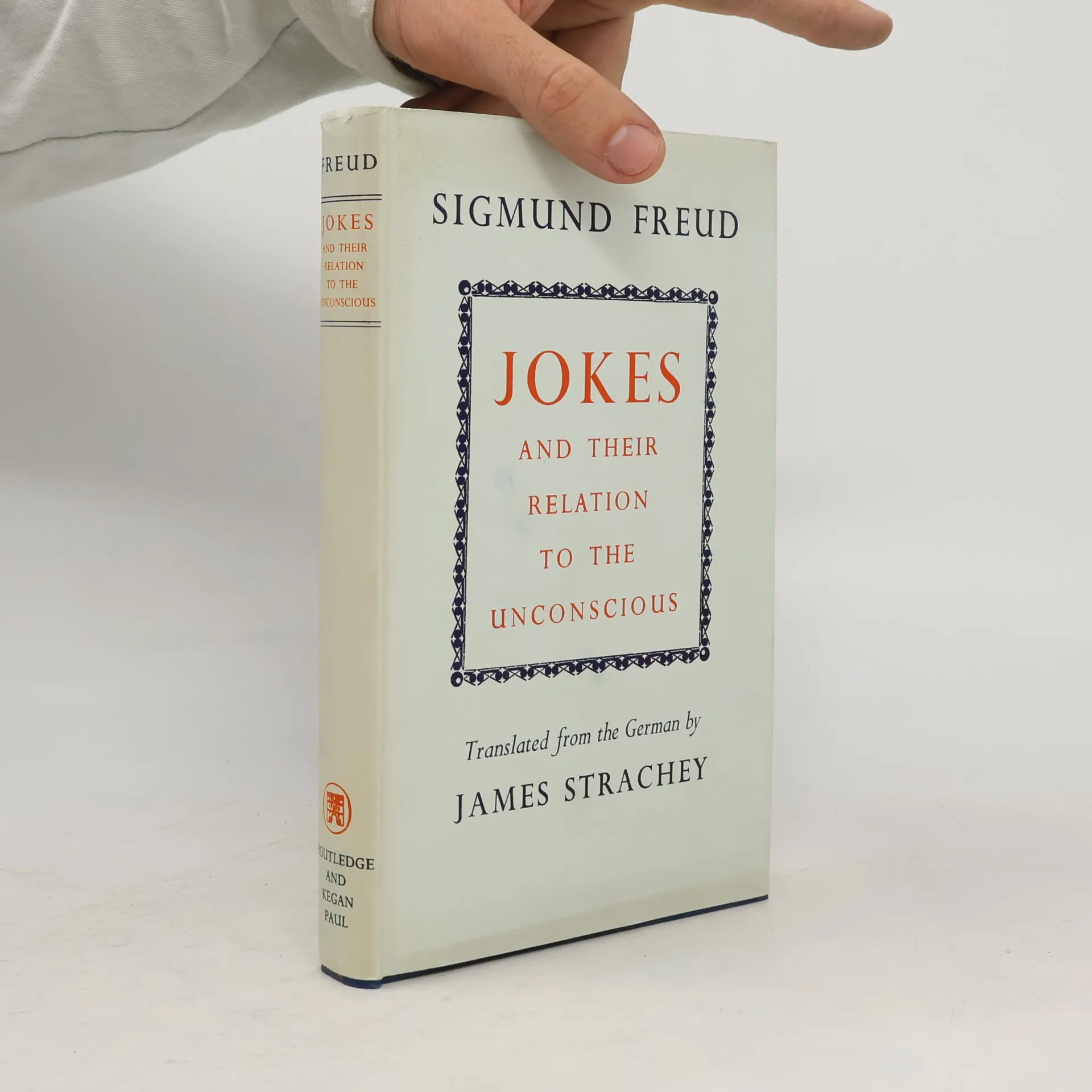

Jokes and their Relation to the Unconscious
- 356 pages
- 13 hours of reading
Exploring the psychological impact of humor, this work delves into how jokes relate to the unconscious mind. Originally published in 1905, it reflects Freud's pioneering thoughts, drawing on his extensive studies in various fields. The book not only highlights his groundbreaking contributions to psychology but also showcases the discussions and theories that emerged, shaping a century of psychological inquiry. A new introductory biography adds context to Freud's life and influence in the realm of psychoanalysis.
The New Penguin Book of English Verse
- 1200 pages
- 42 hours of reading
"This anthology emphasizes the community of the poem rather than the isolation of the poet. The result is a more continuous view of English verse than has usually been attempted, from the fourteenth to the late twentieth century. Poems are seen as talking to each other, striking juxtapositions are made and a new chronology comes to light. Equally, it chronicles the evolution of English verse in linguistic and historical, rather than purely biographical, terms. Texts are reproduced with original spelling and punctuation, allowing the printed voice of the poetry to be seen and heard. Space is also given to 'the poetries traditionally excluded by Poetry': readers will find a higher proportion than usual of anonymous verse, and a selection of poems written on surfaces other than paper, such as inscriptions and epitaphs."--Jacket