The joke
- 272 pages
- 10 hours of reading
This is the first novel by the author of "Immortality", which won "The Independent" Award for Foreign Fiction in 1991. Milan Kundera is also the author of "The Book of Laughter and Fogetting".


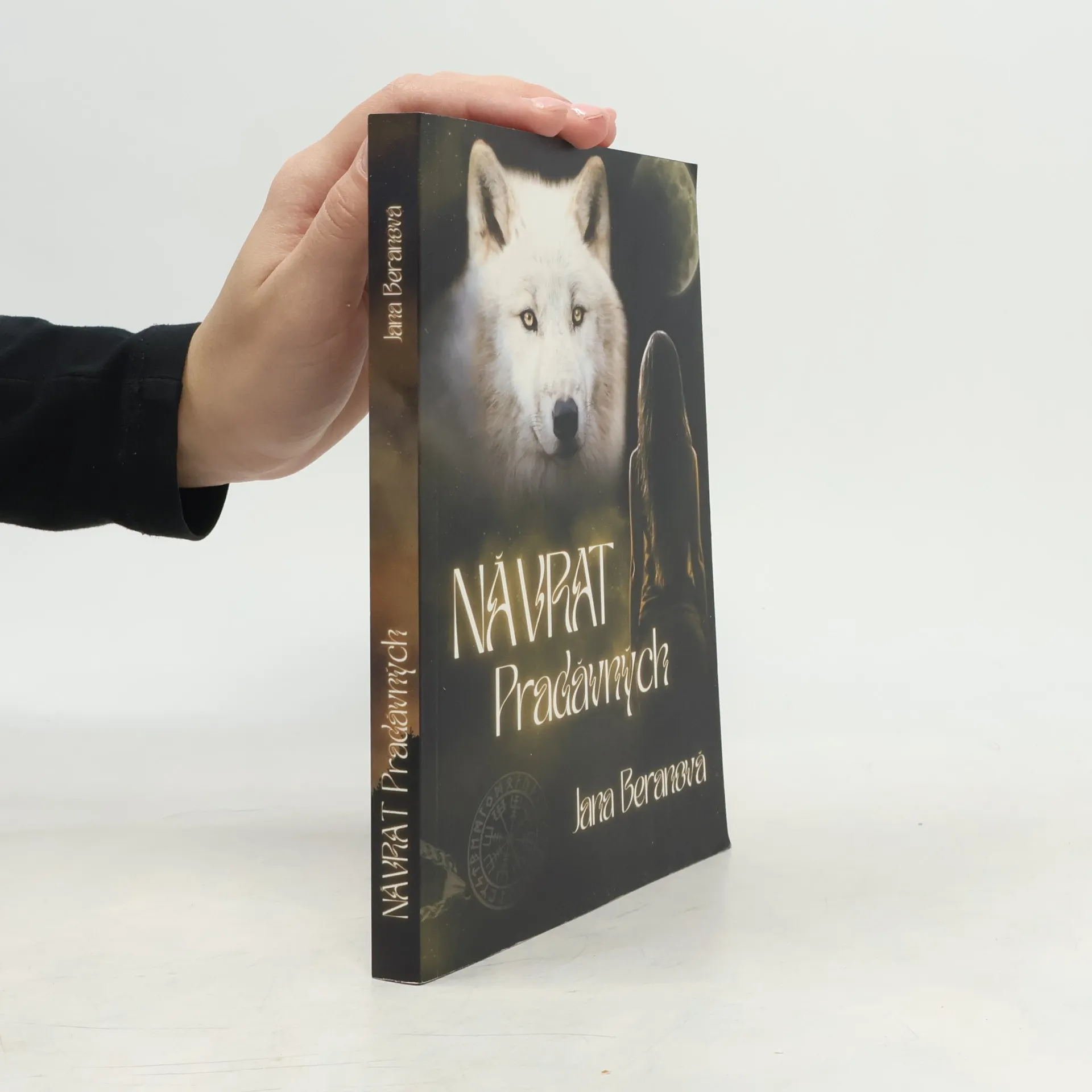
Jana Beranová crafts poetry and prose, recognized also for her translations of novels by Milan Kundera and many Czech poets. Recurring themes in her writing explore fragility and society, alongside the enduring beauty of nature. She frequently collaborates with visual artists and musicians. Her dedication to literature has been acknowledged, and she has served as a city poet.


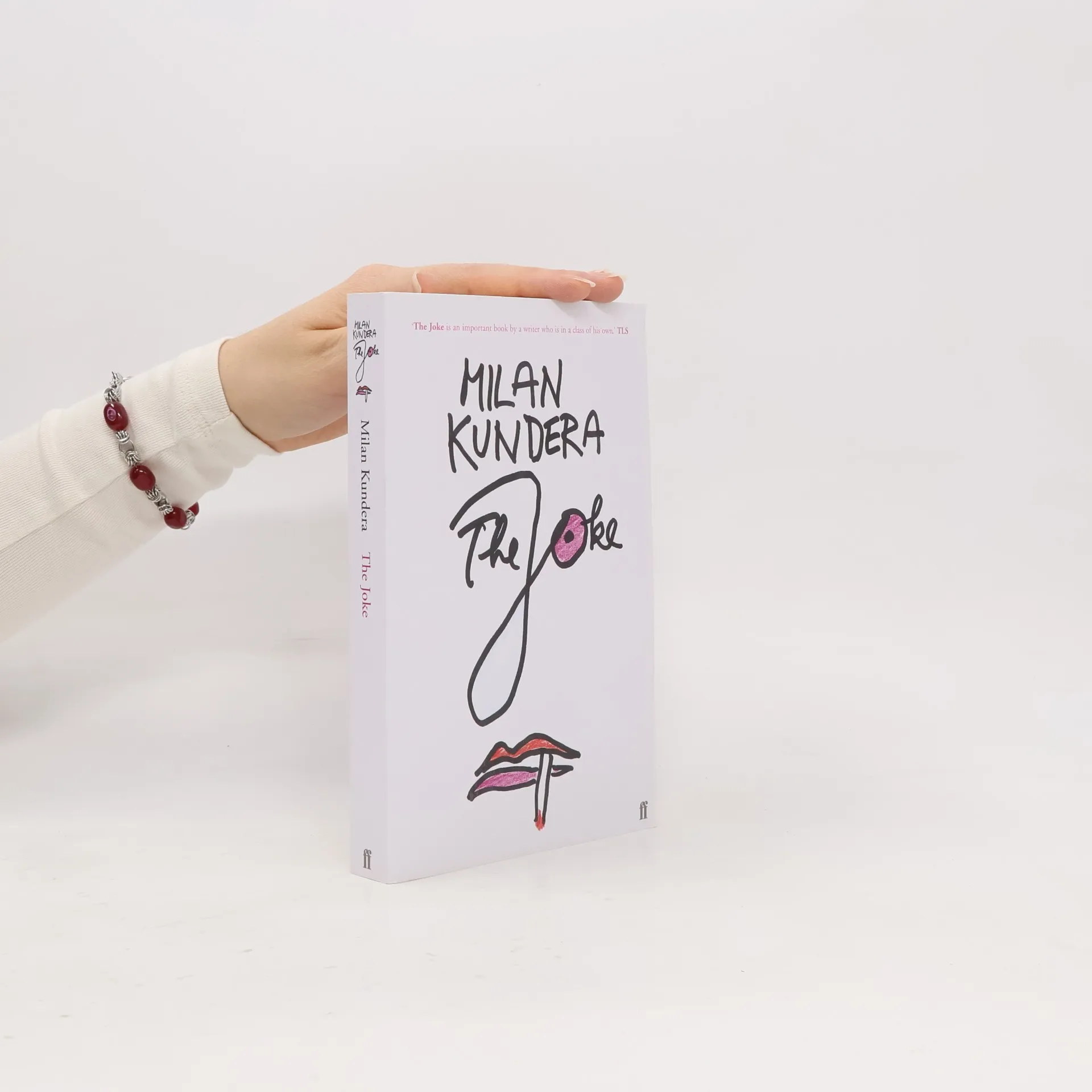
This is the first novel by the author of "Immortality", which won "The Independent" Award for Foreign Fiction in 1991. Milan Kundera is also the author of "The Book of Laughter and Fogetting".
In this novel - a story of irreconcilable loves and infidelities - Milan Kundera addresses himself to the nature of twentieth-century 'Being' In a world in which lives are shaped by irrevocable choices and by fortuitous events, a world in which everything occurs but once, existence seems to lose its substance, its weight. We feel, says the novelist, 'the unbearable lightness of being' - not only as the consequence of our private acts but also in the public sphere, and the two inevitably intertwine. Juxtaposing Prague, Geneva, Thailand and the United States, this masterly novel encompasses the extremes of comedy and tragedy, and embraces, it seems, all aspects of human existence. It offers a wide range of brilliant and amusing philosophical speculations and it descants on a variety of styles
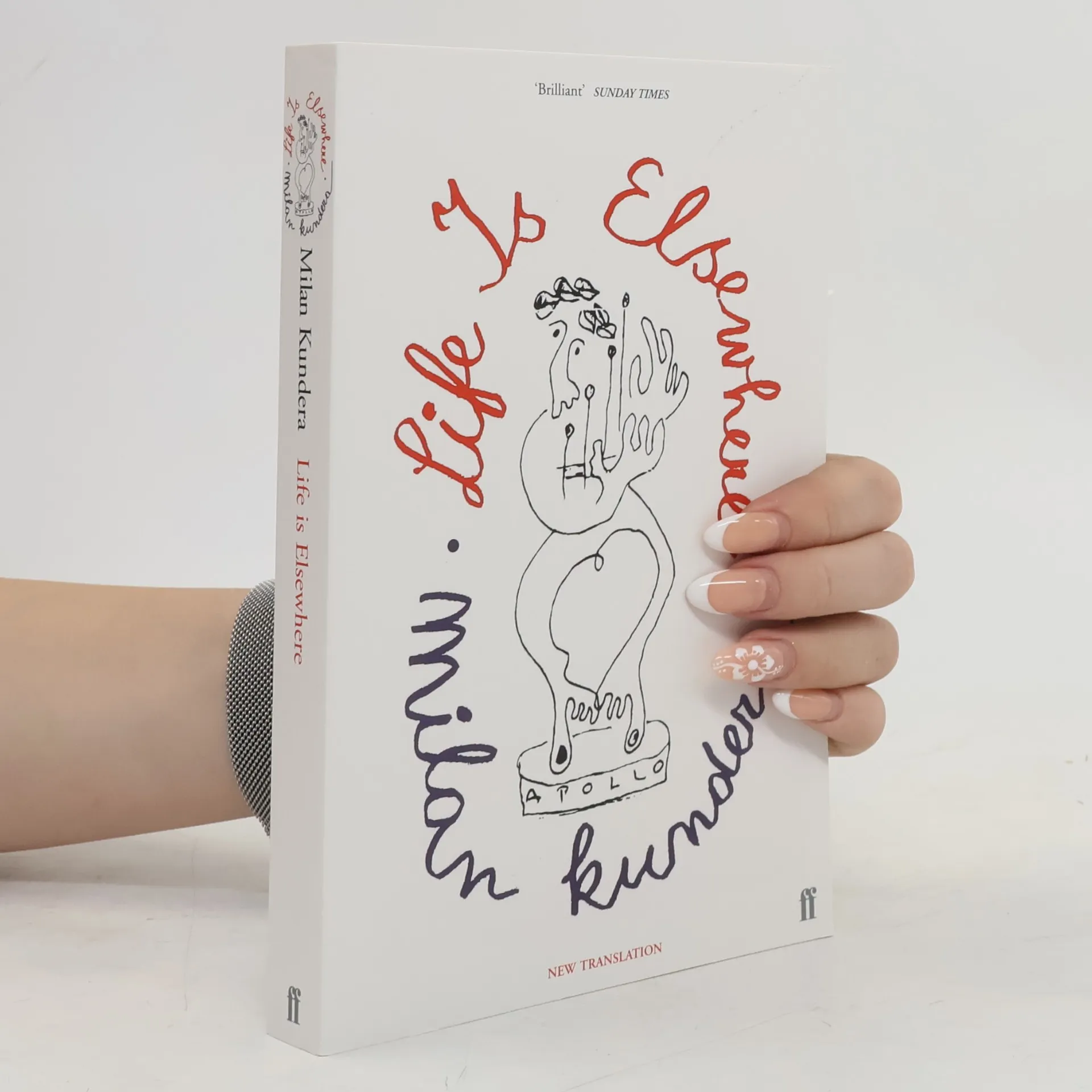
Out of print since 1987, "Life Is Elsewhere" is available again in an outstanding new translation. Kundera's epic of adolescence tenderly erodes such sacrosanct values as childhood, motherhood, revolution, and even poetry, in a "remarkable portrait of an artist as a young man" ("Newsweek").
Laughable loves is a collection of stories that first appeared in print in Prague before 1968, but then was banned. The seven stories are all concerned with love, or rather with the complex erotic games and strategems employed by women and especially men as they try to come to terms with needs ad impulses that can start a terrifying train of events. Sexual attraction is shown as a game that often turns sour, an experience that brings with it painful insisghts and releases uncertainty, panic, vanity and a constant need for reassurance.
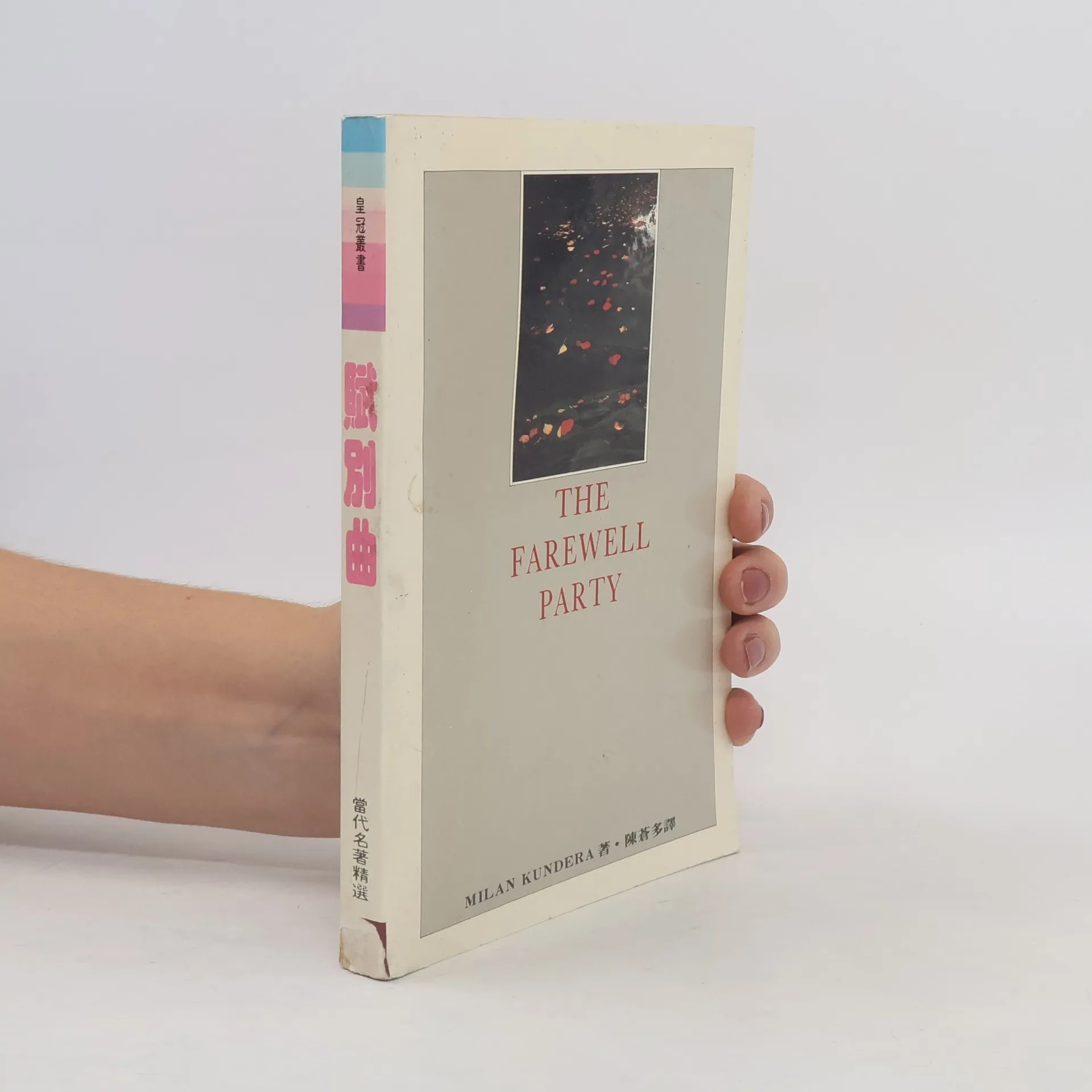
In a Bohemian spa, eight characters dance to the rhythm of a waltz that grows increasingly frenetic: the beautiful nurse Rosa, who tries to force her lover into marriage through an alleged paternity; Klima, the jazz musician who loves his wife Kamila, plagued by jealousy; Franta, Rosa's admirer and the true father of her unborn child; Dr. Skreta, an extravagant gynecologist; Bertlef, a wealthy American who indulges in love and art out of fear of death; Jakub, a political prisoner released from jail, embarking on a journey to the West; and Olga, Jakub's foster daughter, whom he unexpectedly falls for. Each character seeks to find meaning in their lives through desperate and ever-changing pairings, navigating the absurdities and complexities of love, identity, and existence.
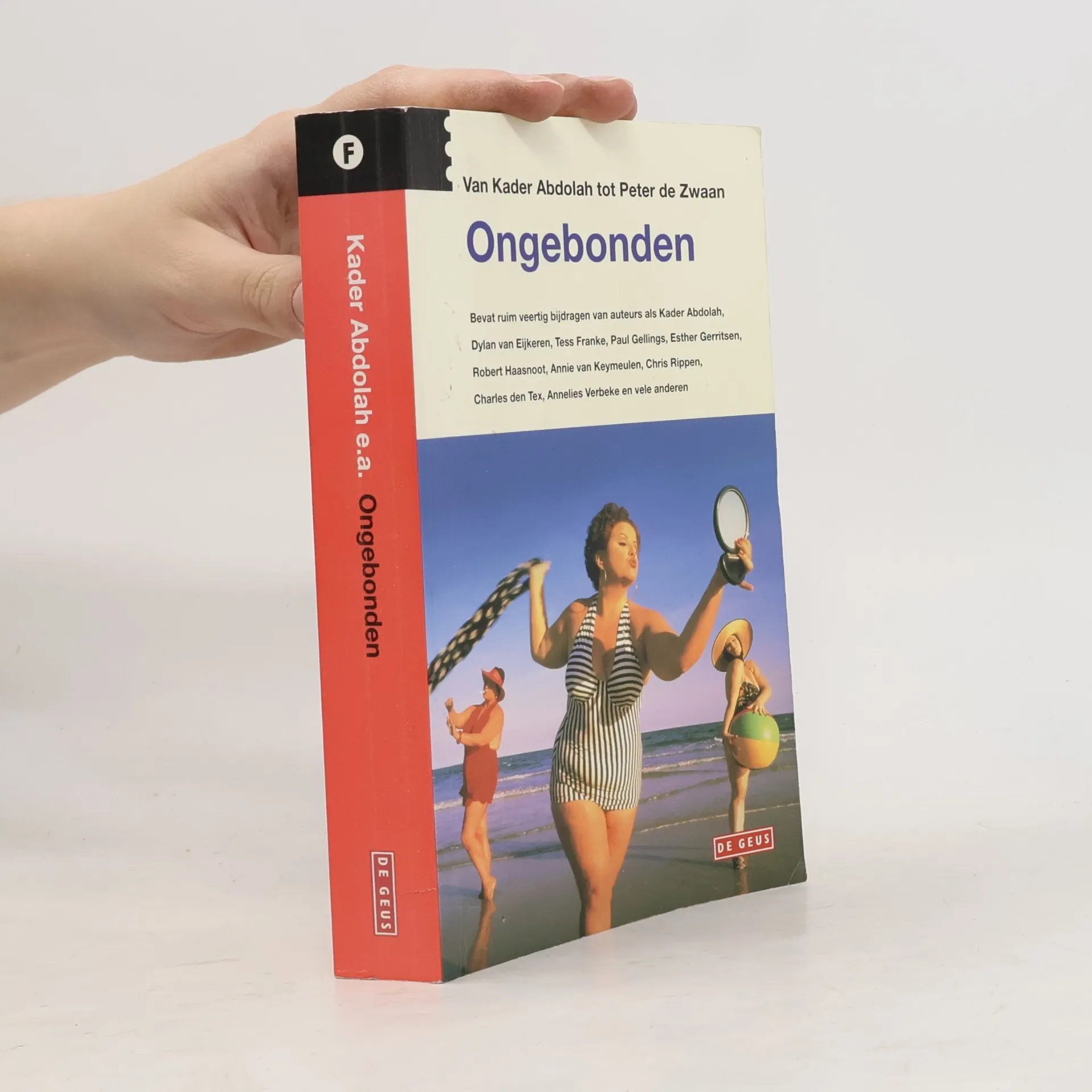
Ongebonden bevat ruim veertig speciaal voor deze bundel geschreven (dus niet eerder gepubliceerde) verhalen. Van Kader Abdolah tot Peter de Zwaan gingen bijna alle Nederlandstalige auteurs van De Geus achter een blanco vel papier zitten. Met als opdracht: schrijf een verrassend, ontroerend, spannend, bizar verhaal, met onverwachte wendingen, onvergetelijke personages. Laat zien dat de verhaalkunst nog bestaat. Met als resultaat een bundel spiksplinternieuwe verhalen.
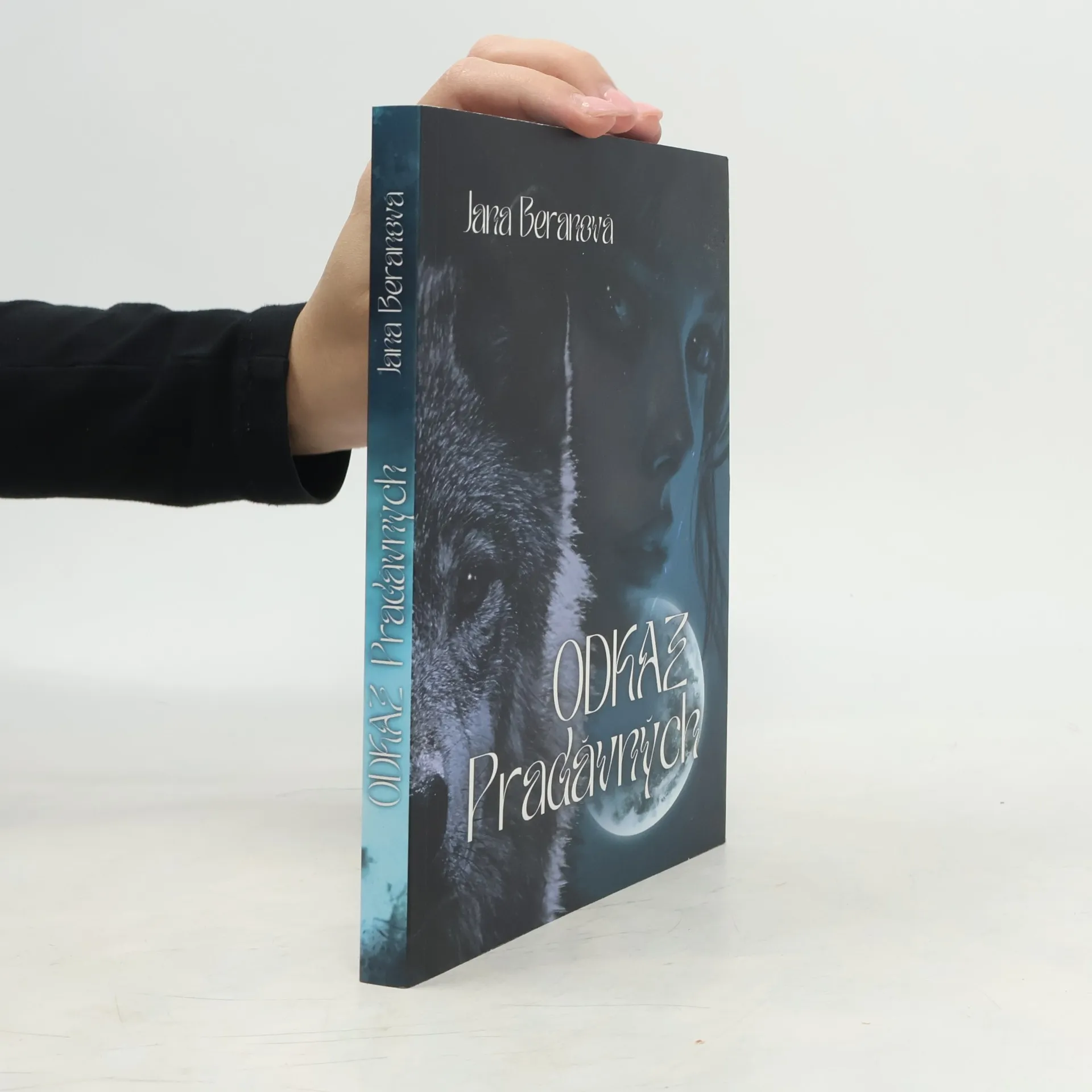
Změnili mi jméno a zatajili mi mou sestru. Musela jsem celé roky skrývat svou pravou podstatu, ale to se teď všechno mění. Mám šanci začít nový život. Tedy, tolik nového by v něm snad ani být nemuselo. Třeba si nejsem úplně jistá, jestli v něm chci JEHO. Outsider na chvostu smečky. Vismivaný. Tak tomu bylo první polovinu mého života. A dnes? Studuji to, po čem jsem vždy toužil a plním si svoje sny. Občas si však říkám, zda je součástí toho snu i ONA. Někdy se totiž chová spíš jako noční můra.
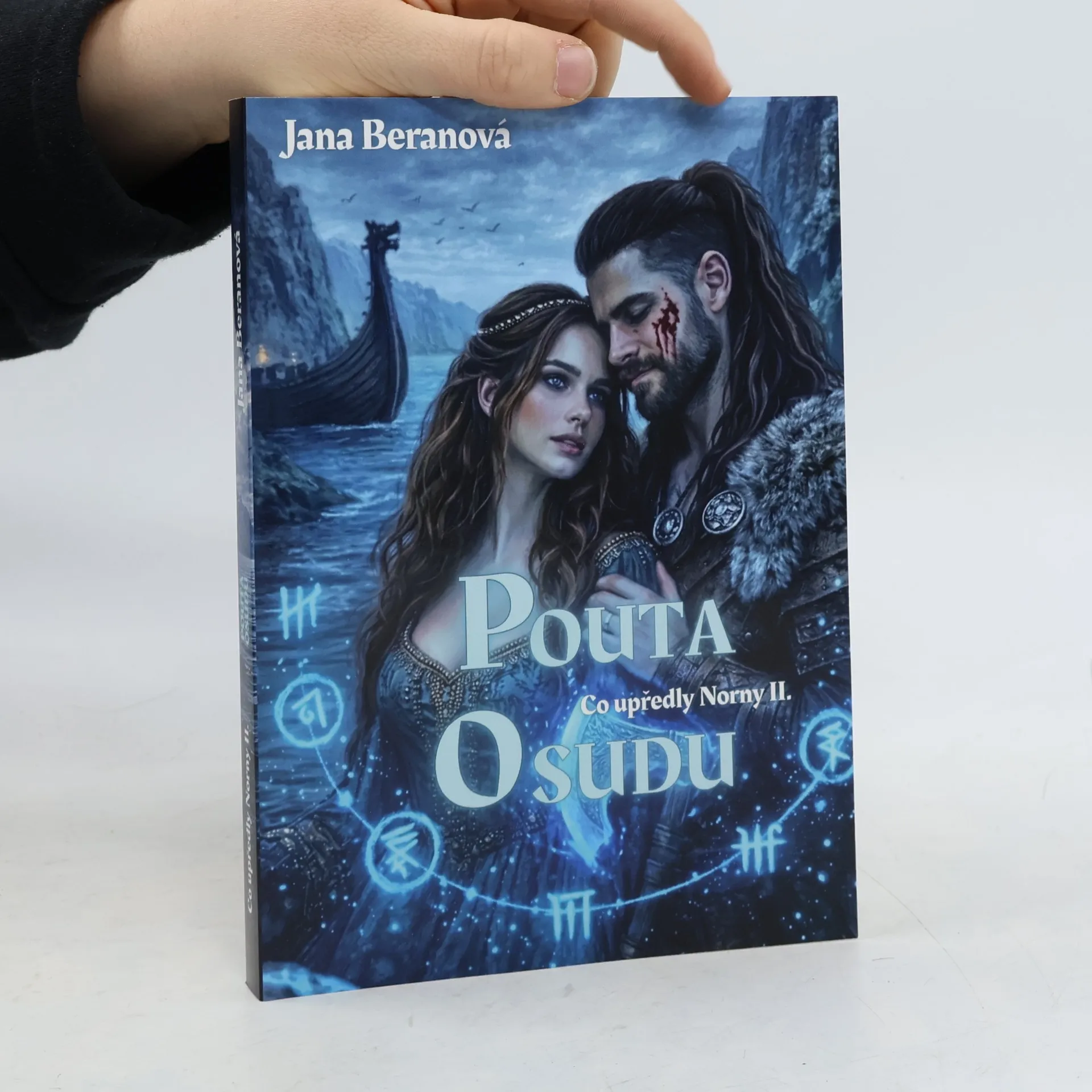
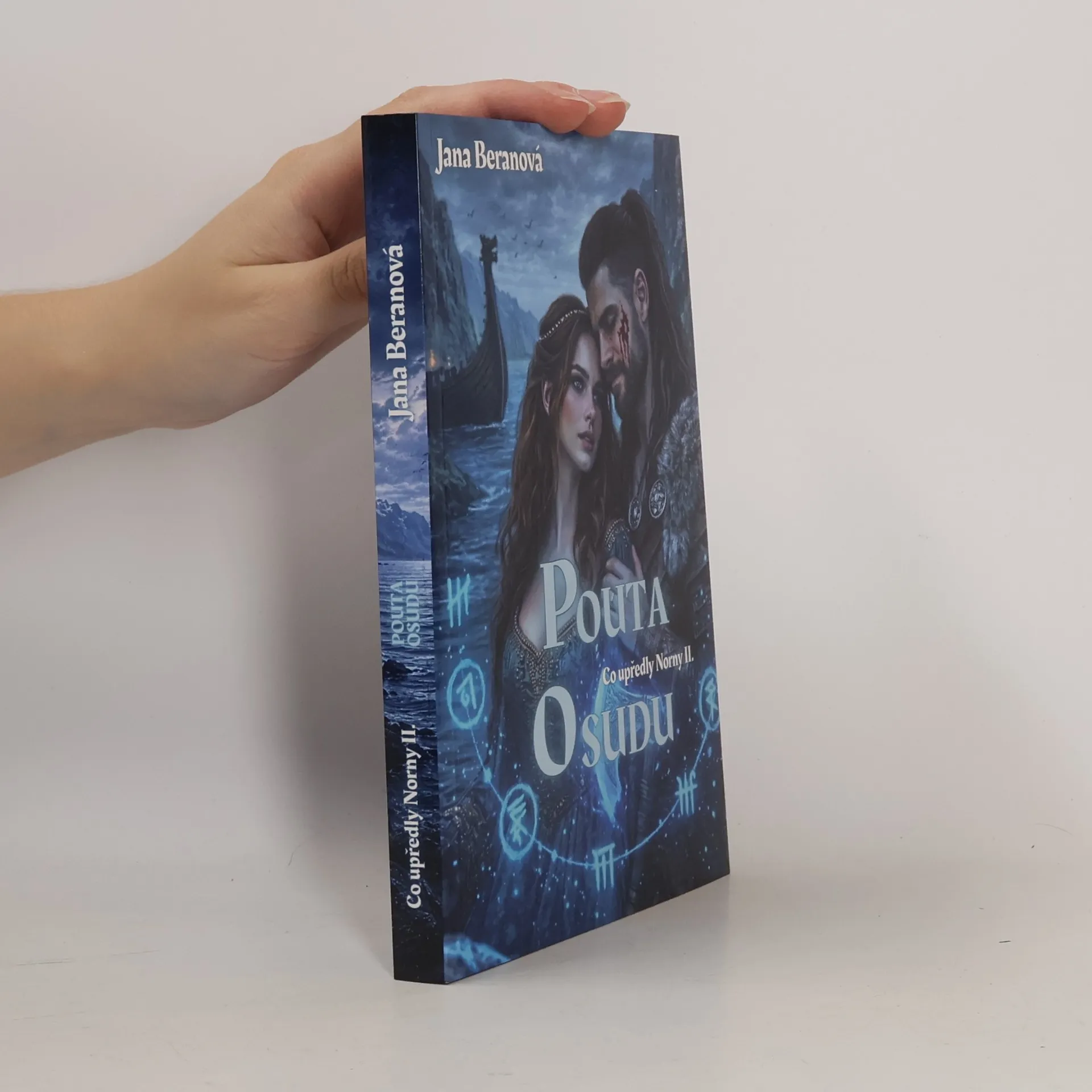
Domluvené manželství: trest, či odměna? Kupcova dcera Sif i nebezpečný válečník Ketill do něho vstupují s odlišnými představami a touhami. Ovšem skutečnost, že se nám něco podaří uchvátit a připoutat k sobě, ještě neznamená, že nebudeme muset bojovat, abychom si to udrželi. Každý den v životě Vikingů se totiž může stát zápasem o přežití a Norny nitě lidských osudů občas nečekaně zašmodrchají. Války, které svádíme s nepřítelem i sami se sebou, zanechávají jizvy na tělech i duších. Nechte se pohltit příběhem o nedobrovolném vztahu, hrdosti, zraněných nitrech a lásce, která možná dokáže zahojit i ty nejhlubší jizvy.
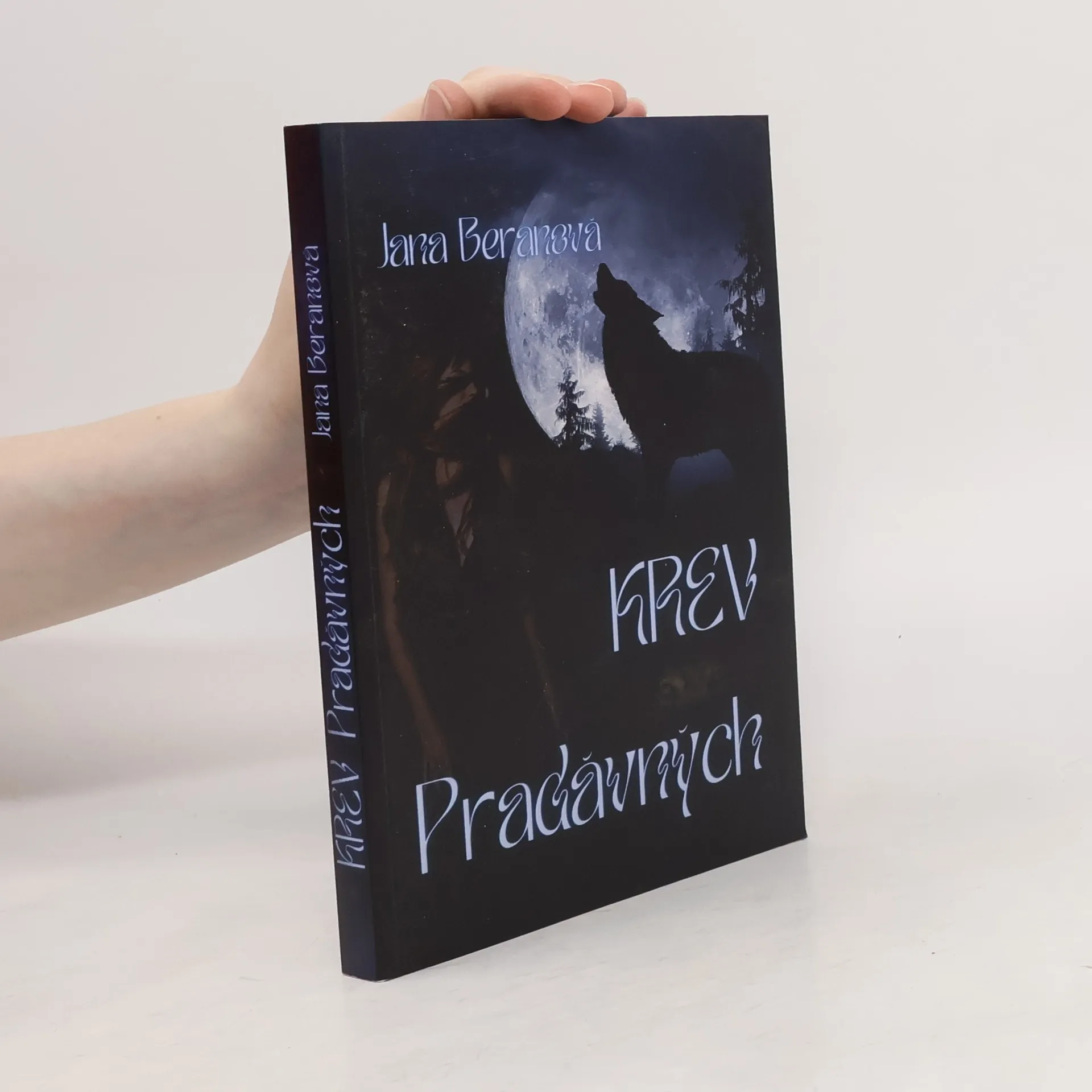
Bohyně projevila vážně smysl pro humor, když mi předurčila tuhle družku. Anebo možná celou dobu moc dobře věděla, co dělá. Každopádně, takhle žena je výzva. Jenže já mám výzvy rád.Za co? Do prdele, čím jsem si tohle zasloužila? Jako by můj život nebyl už dostatečně komplikovaný, musí přede mě osud vrhnout ještě vlkodlaka. A to ne ledajakého. Jenže moc na výběr nemám, víte?
Domluvené manželství: trest, či odměna? Kupcova dcera Sif i nebezpečný válečník Ketill do něho vstupují s odlišnými představami a touhami. Ovšem skutečnost, že se nám něco podaří uchvátit a připoutat k sobě, ještě neznamená, že nebudeme muset bojovat, abychom si to udrželi. Každý den v životě Vikingů se totiž může stát zápasem o přežití a Norny nitě lidských osudů občas nečekaně zašmodrchají. Války, které svádíme s nepřítelem i sami se sebou, zanechávají jizvy na tělech i duších. Nechte se pohltit příběhem o nedobrovolném vztahu, hrdosti, zraněných nitrech a lásce, která možná dokáže zahojit i ty nejhlubší jizvy.
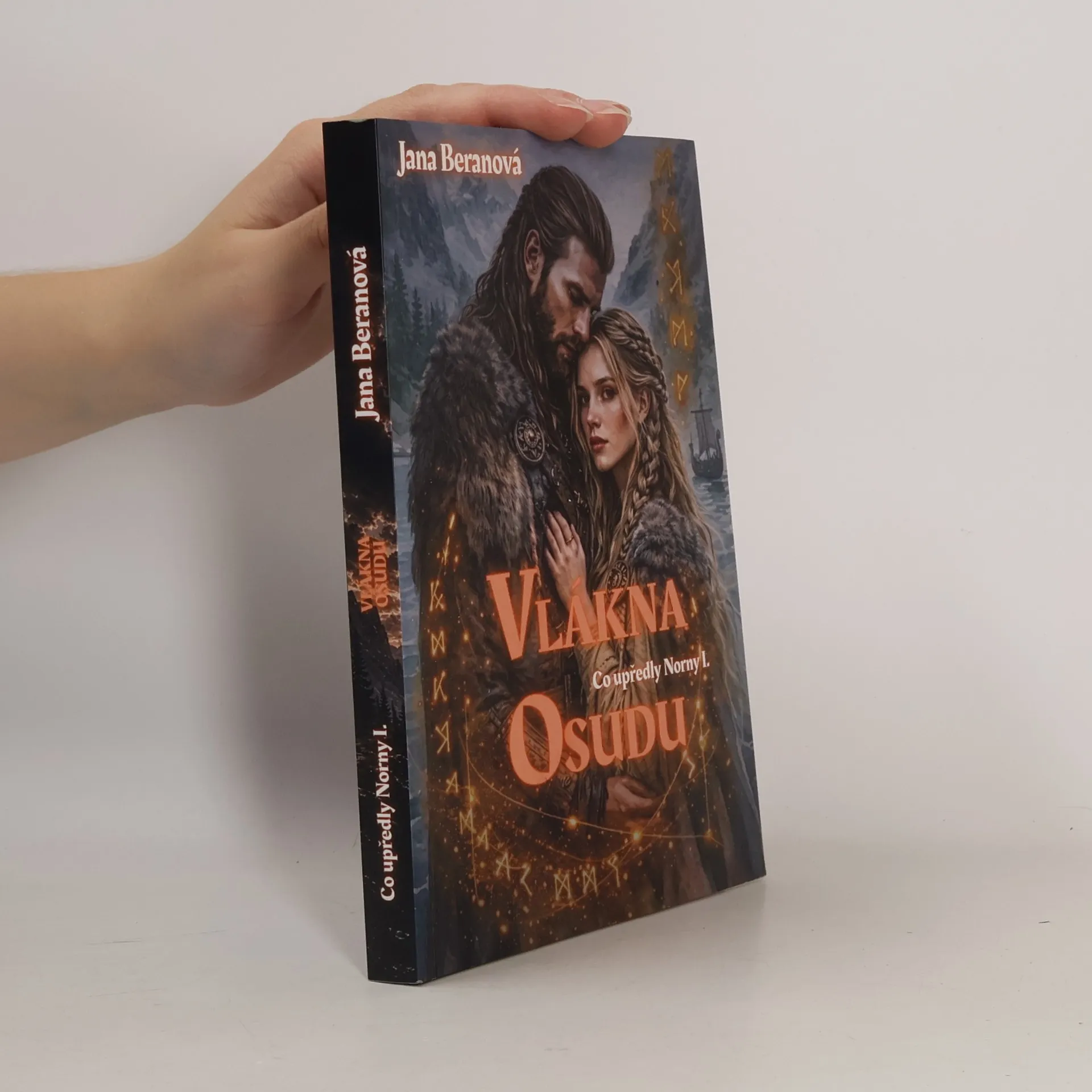
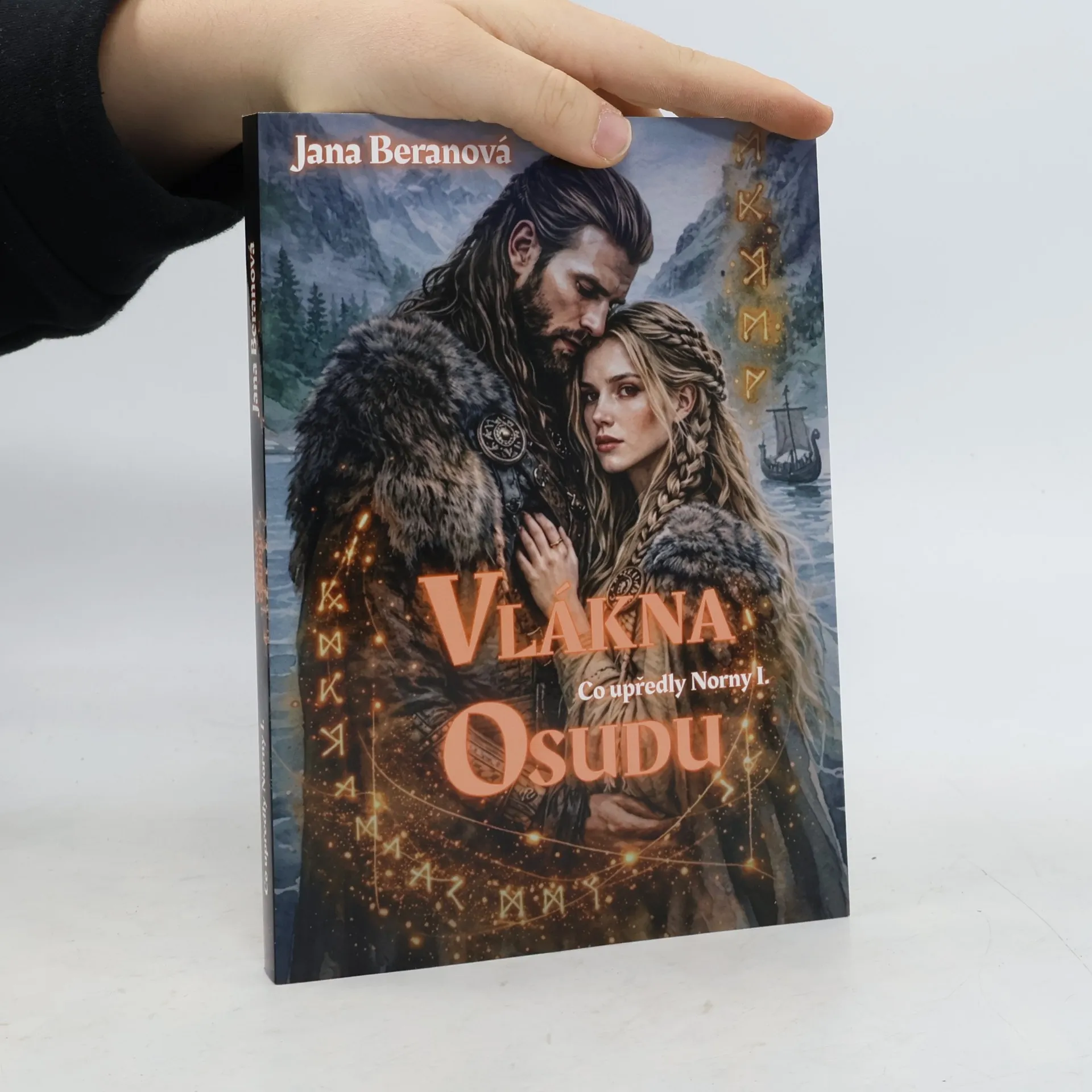
Když jarl Knut v odvetě za útok na své území odvede několik zajatců, netuší, že právě změnil svůj osud. Nachází se mezi nimi Birte, žena, která se odmítá podvolit, a její vzdor mu bude trnem v oku i jiskrou rozdmýchávající oheň v jeho vášnivé krvi. Touha a čest se střetnou v syrovém světě Vikingů, kde vládne síla, odvaha a bohové hrají s lidmi vlastní hry. Ale osud třímají ve svých rukou Norny – sudičky Urd, Verdandi a Skuld, a jejich vlákna mohou spojit dva životy způsobem, který nikdo nepředvídá. Vstupte do příběhu o vášni, odhodlání a ceně, kterou jsme ochotni zaplatit za lásku, i kdybychom měli shořet v plamenech boje.
Co upředly Norny
Když jarl Knut v odvetě za útok na své území odvede několik zajatců, netuší, že právě změnil svůj osud. Nachází se mezi nimi Birte, žena, která se odmítá podvolit, a její vzdor mu bude trnem v oku i jiskrou rozdmýchávající oheň v jeho vášnivé krvi. Touha a čest se střetnou v syrovém světě Vikingů, kde vládne síla, odvaha a bohové hrají s lidmi vlastní hry. Ale osud třímají ve svých rukou Norny – sudičky Urd, Verdandi a Skuld, a jejich vlákna mohou spojit dva životy způsobem, který nikdo nepředvídá, Vstupte do příběhu o vášni, odhodlání a ceně, kterou jsme ochotni zaplatit za lásku, i kdybychom měli shořet v plamenech boje.
Občas si připadám jako černá kočka, s drápky připravenými vždy k útoku. City? Ty jsem dávno zamkla kdesi v hlubinách svého srdce, protože v mém světě se taková slabost neodpouští. Přála jsem si být nezávislá, jenže teď mě svazuje síla pouta… a já nenávidím, že bolí tak sladce. *** Chtěl jsem jen klid, ticho a čas na zhojení starých jizev. Místo toho mi Bohyně předhodila dívku, která by mě nejraději zabila pouhým pohledem – nebo svou vůní. Nebezpečně se mi dostává pod kůži. Ve dne si lezeme na nervy, v noci se vzájemně spalujeme. A někde mezi tou nevraživostí roste něco, co si ani jeden z nás nechce přiznat.
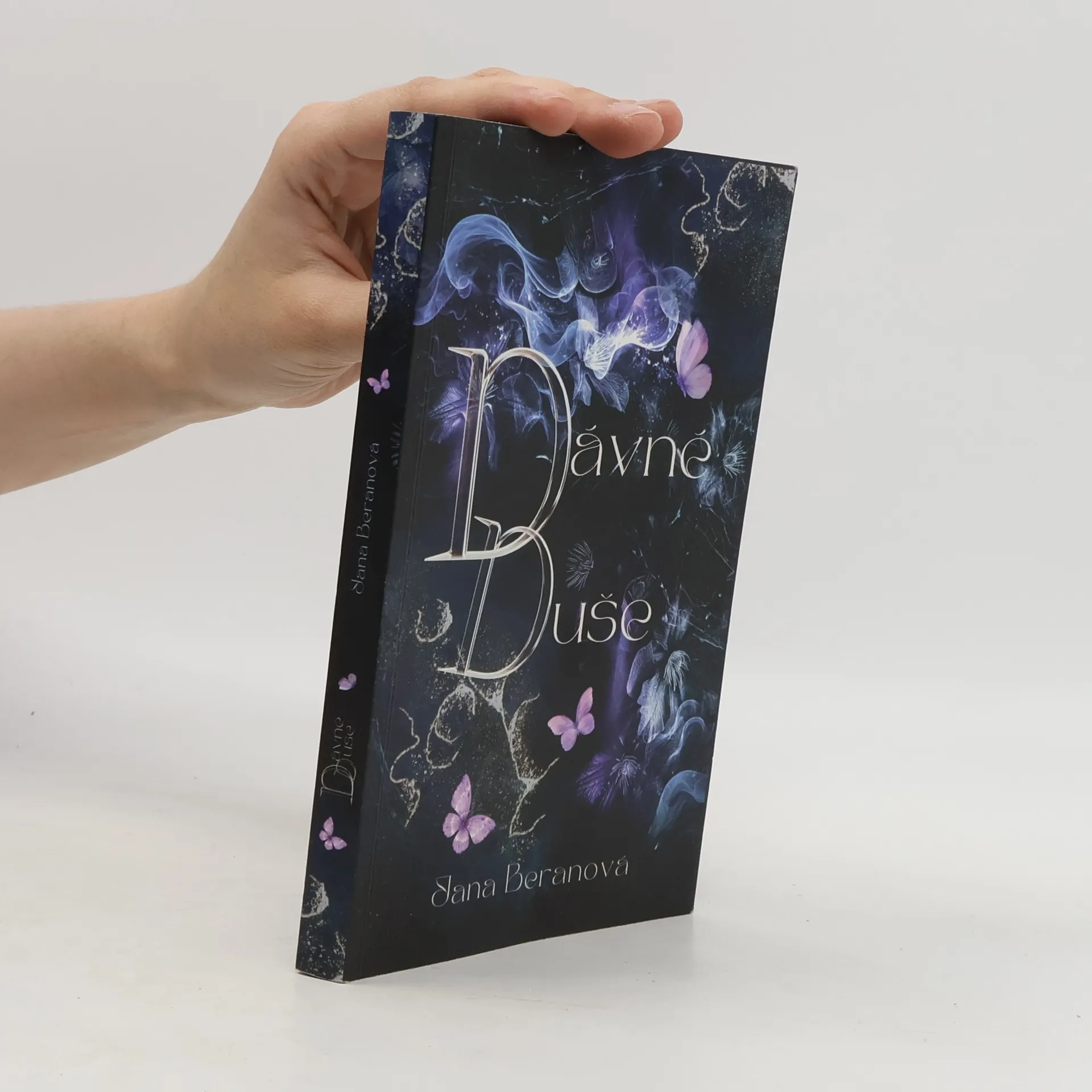
Pokud by mi na začátku semestru kdokoli řekl, jaké zvraty mě čekají, ťukala bych si na čelo a poslala bych dotyčného na léčení. Nikdy jsem nevěřila na nadpřirozeno, magii, minulé životy či osudovou lásku. Teď na jeho konci se na to dívám o dost jinak... Mikkaela a Seth. Dvě dávné duše. Může existovat láska tak silná, aby přestála i smrt? A poslání natolik důležité, že přetrvá věky?
Někdy vám do života vstoupí správné věci v nesprávnou dobu. Vrátil jsem se po letech, abych nalezl peklo i ráj. Přišel jsem o všechno, co jsem kdy znal. Ale uprostřed té temnoty jsem našel ji – světlo, které mě vede na mé cestě ke spravedlnosti, jež mne drží naživu v boji o pravdu a je mou nadějí, že ještě není vše ztraceno a i já mám své právo na štěstí. *** Roky jsem snila o svém spřízněném druhovi a pak se objevil on: silný, odvážný… a zlomený. S každým jeho pohledem i dotekem jsem věděla, že mu patří mé srdce. Jenže milovat někoho, kdo nosí takové jizvy, znamená čelit temnotě, která obklopuje nás oba. Ovšem láska, skutečná láska, je silnější než bolest a nespravedlnost – nebo v to alespoň musím věřit.