

The book presents a compelling argument that explores a specific thesis or perspective, delving into its implications and supporting evidence. It engages with various viewpoints, challenging conventional wisdom and encouraging readers to reconsider established beliefs. Through a blend of analysis and narrative, it invites readers to reflect on the broader themes and contexts surrounding the topic at hand, making it a thought-provoking read for those interested in deepening their understanding of the subject.
Jeremy Tambling Books
February 18, 1948


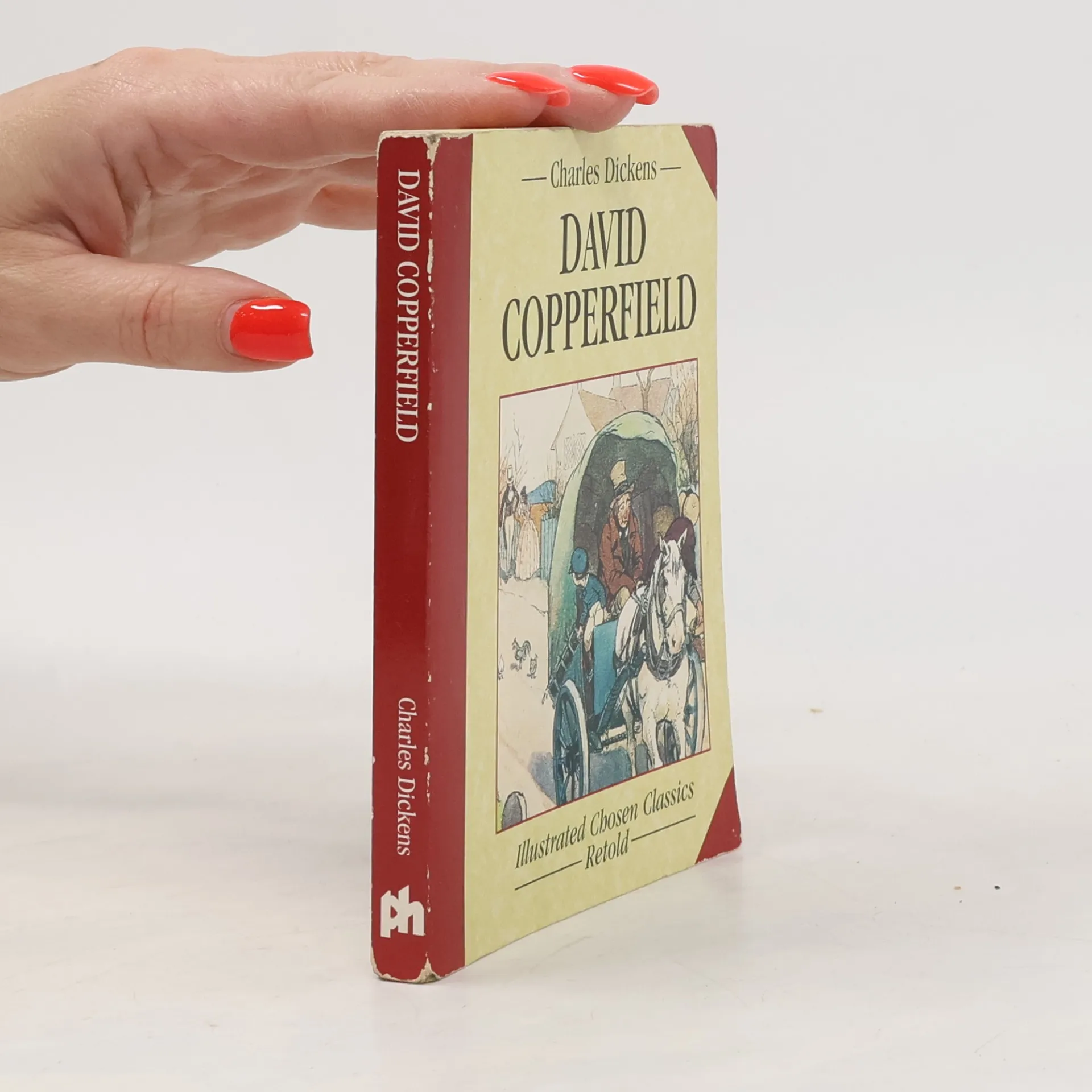
David Copperfield is the story of a young man’s adventures on his journey from an unhappy and impoverished childhood to the discovery of his vocation as a successful novelist. Among the gloriously vivid cast of characters he encounters are his tyrannical stepfather, Mr Murdstone; his brilliant, but ultimately unworthy school-friend Steerforth; his formidable aunt, Betsey Trotwood; his nemesis, the eternally humble Uriah Heep; frivolous, enchanting Dora; and the magnificently impecunious Micawber, one of literature’s great comic creations. In David Copperfield – the novel he described as his ‘favourite child’ – Dickens drew revealingly on his own experiences to create one of his most exuberant and enduringly popular works, filled with tragedy and comedy in equal measure.
Open Guides to Literature: Narrative and Ideology
- 136 pages
- 5 hours of reading
Explores why it matters that texts exist in the form of stories, and how they rest upon cultural and social assumptions (how narratives are always ideological).
In Lost in the American City , Jeremy Tambling looks at European reactions to America and American cities in the nineteenth-century. Dickens visited America in 1842 and his American Notes and Martin Chuzzlewit set the agenda for future discussions of America. Lost in the American City looks at the Dickens legacy through Henry James in The American Scene , through H.G. Wells in The Future in America , and through Kafka, whose novel America (or The Man Who Was Never Heard of Again ) tried to re-write Dickens. Lost in the American City explores the changes in American nineteenth century urban culture which made America so different and so impossible to map for the European, and which made American modernity so unreadable and challenging.