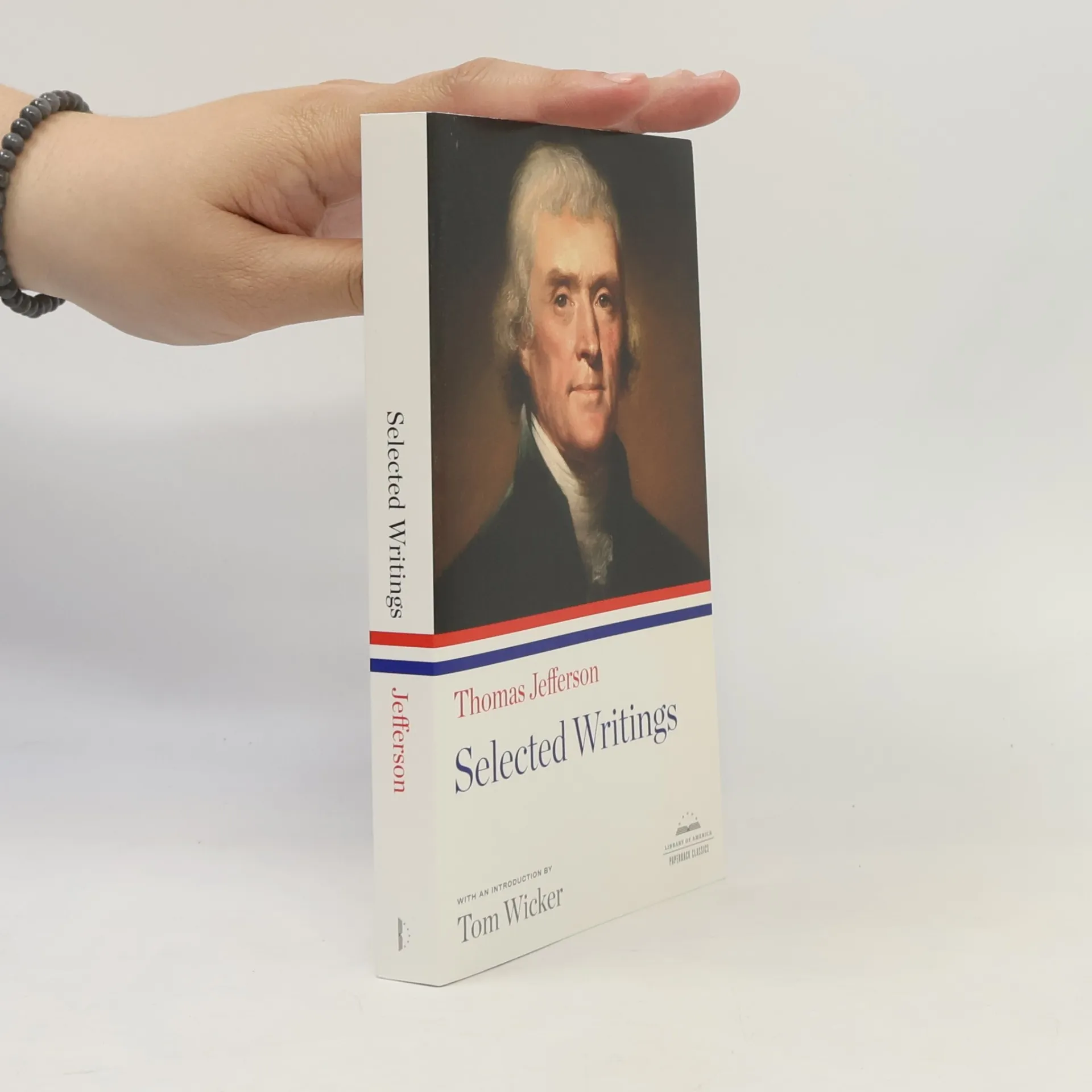


Explore the latest books of this year!
Bookbot

Thomas Jefferson

    April 13, 1743 – July 4, 1826

    Thomas Jefferson embodied the Enlightenment ideal, excelling across diverse fields from law and science to music and architecture. His extensive correspondence and profound engagement with the world mark him as a pivotal figure in American history. Jefferson possessed a remarkable ability to keenly analyze and distill complex information to its essence, making him an invaluable member of any deliberative body. His theories on self-governance and the rights of people establishing new lands shaped early American thought.

    Thomas Jefferson
    The Quotable Jefferson
    The Jefferson Bible
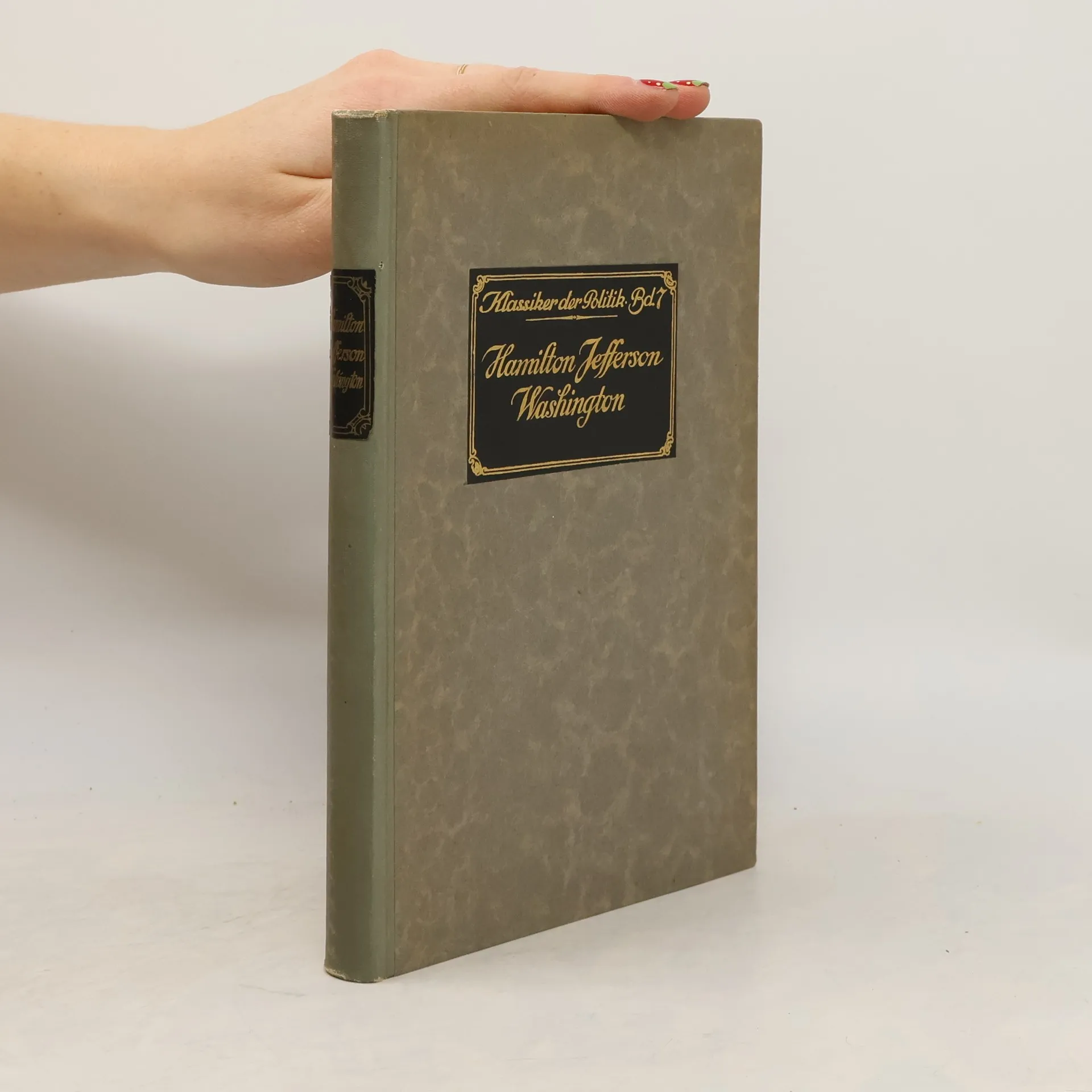
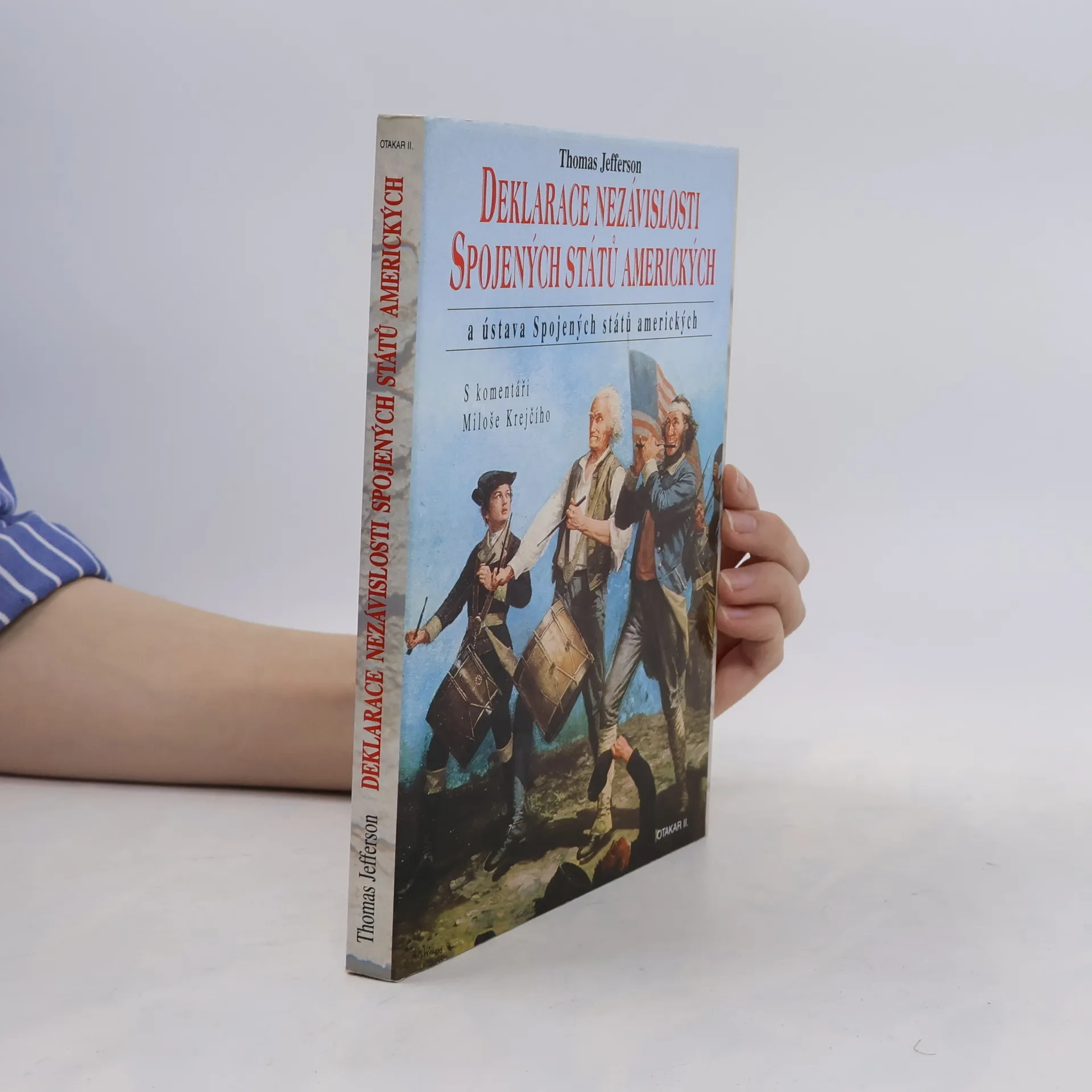
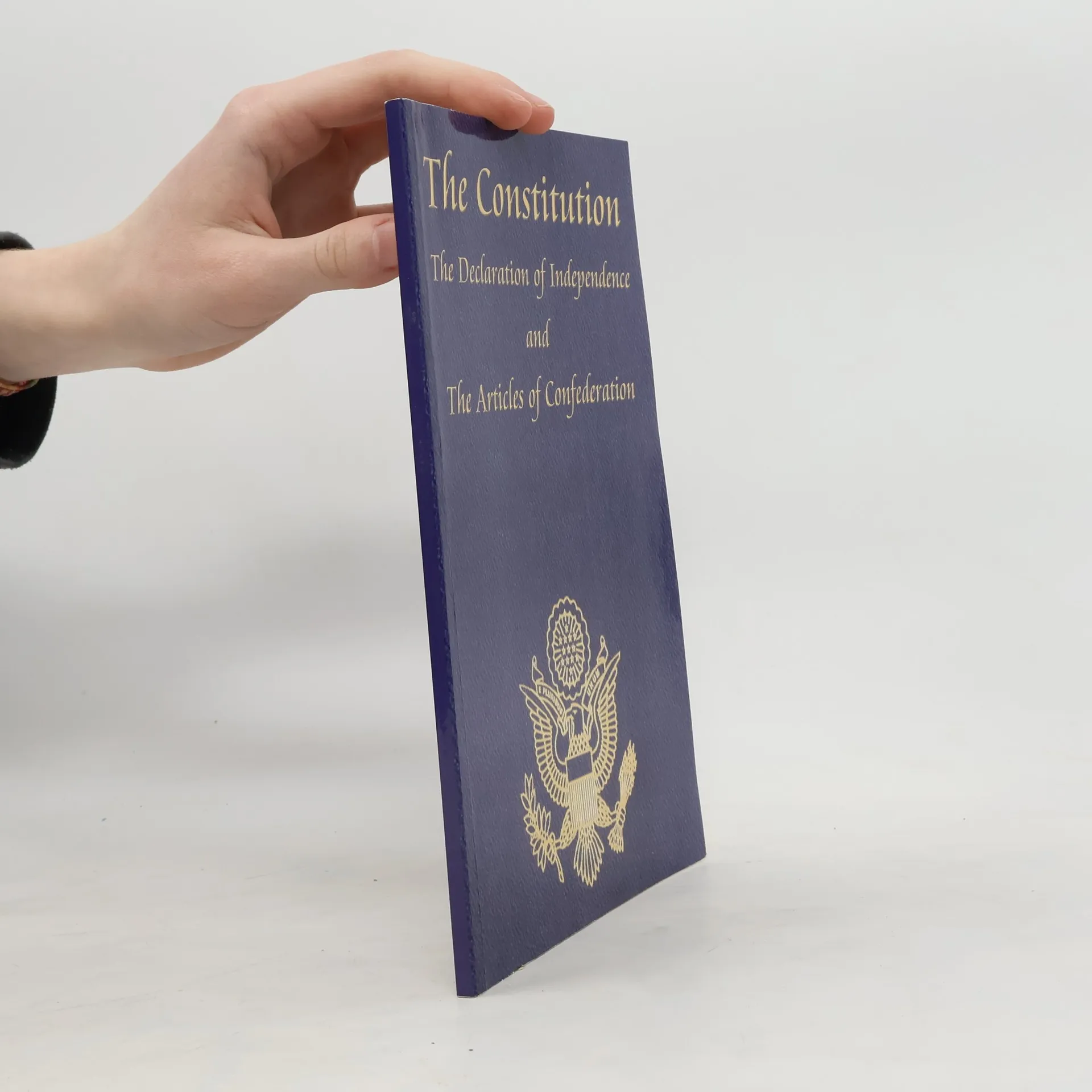
    The Declaration of Independence and the Constitution of the United States
    Thomas Jefferson on Democracy
    The Declaration of Independence
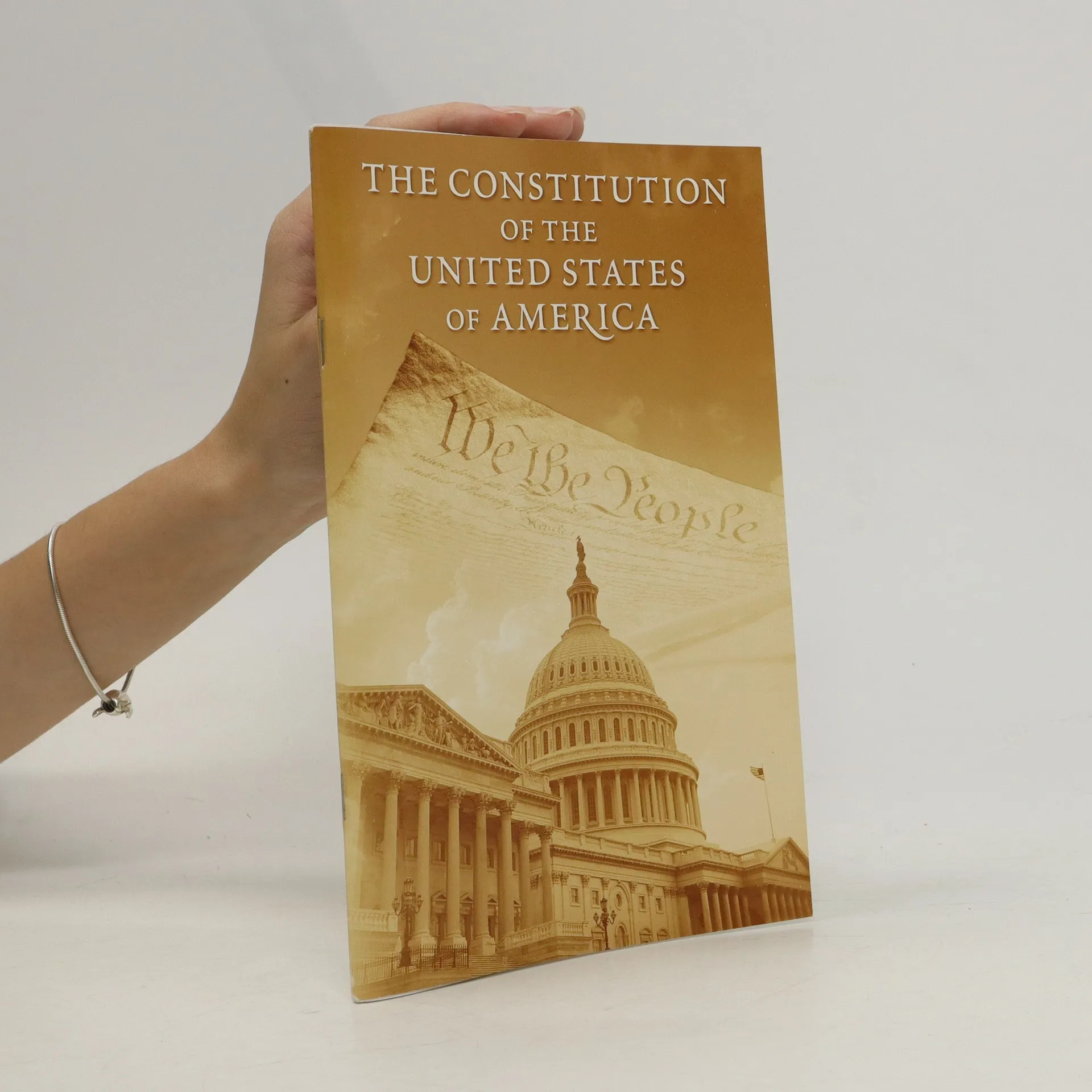
    The Constitution of the United States of America, with the Bill of Rights and All of the Amendments; The Declaration of Independ
    • Thomas Jefferson on Democracy

      • 194 pages
      • 7 hours of reading

      The biography explores the life of Thomas Jefferson, highlighting his role as the third President of the United States and principal author of the Declaration of Independence. It delves into his significant contributions as a Founding Father, emphasizing his advocacy for republicanism and democracy, which shaped the nation's ideals. Through his political philosophy and actions, Jefferson's influence on American history and governance is thoroughly examined.

      Thomas Jefferson on Democracy
      4.6
    • The Declaration of Independence was the promise of a representative government; the Constitution was the fulfillment of that promise. On July 4, 1776, the Second Continental Congress issued a unanimous declaration: the thirteen North American colonies would be the thirteen United States of America, free and independent of Great Britain. Drafted by Thomas Jefferson, the Declaration set forth the terms of a new form of government with the following words: "We hold these Truths to be self-evident, that all men are created equal, that they are endowed with certain unalienable Rights, that among these are Life, Liberty, and the Pursuit of Happiness." Framed in 1787 and in effect since March 1789, the Constitution of the United States of America fulfilled the promise of the Declaration by establishing a republican form of government with separate executive, legislative, and judicial branches. The first ten amendments, known as the Bill of Rights, became part of the Constitution on December 15, 1791. Among the rights guaranteed by these amendments are freedom of speech, freedom of the press, freedom of religion, and the right to trial by jury. Written so that it could be adapted to endure for years to come, the Constitution has been amended only seventeen times since 1791 and has lasted longer than any other written form of government.

      The Declaration of Independence and the Constitution of the United States
      4.3
    • The Jefferson Bible

      • 171 pages
      • 6 hours of reading

      We must reduce our volume to the simple evangelists, select, even from them, the very words only of Jesus. There will be remaining the most sublime and benevolent code of morals which has ever been offered to man.—Thomas Jefferson Featuring an introduction by Forrest Church, this reissue of The Jefferson Bible offers extraordinary insight into the logic of Thomas Jefferson and the Gospel of Jesus. Working in the White House in 1804, Jefferson set out to edit the Gospels in order to uncover the essence of true religion in the simple story of the life of Jesus. Jefferson was convinced that the authentic message of Jesus could be found only by extracting from the Gospels Jesus's message of absolute love and service, rather than the miracle of the Annunciation, Virgin Birth, or even the Resurrection. Completed in 1819, this little book is the remarkable result of Jefferson's efforts.

      The Jefferson Bible
      4.3
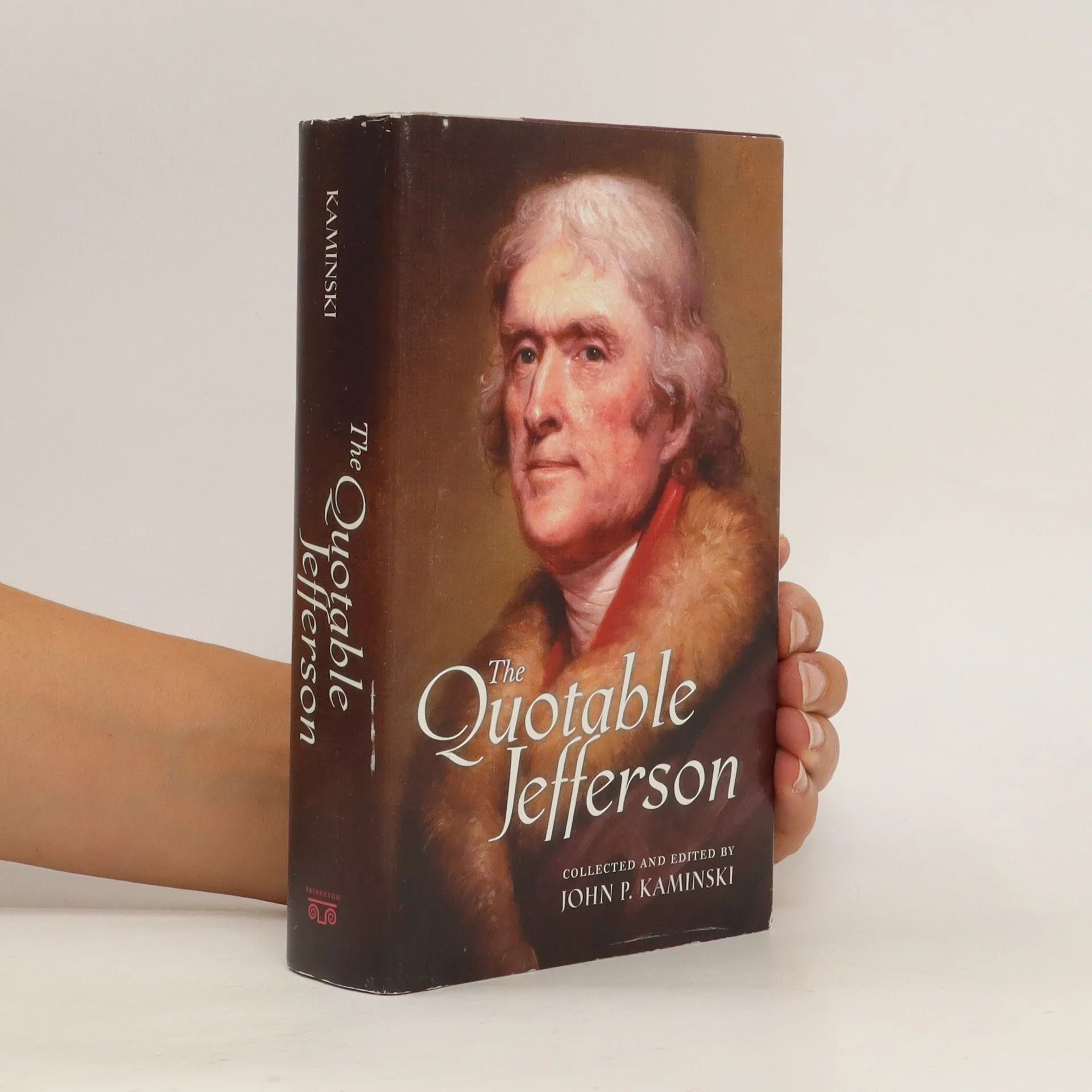
    • The Quotable Jefferson

      • 557 pages
      • 20 hours of reading

      More than any other Founding Father, Thomas Jefferson made his reputation on the brilliance of his writing, and few writers have said so much on so many subjects. This comprehensive book demonstrates that thoroughly.

      The Quotable Jefferson
      4.2
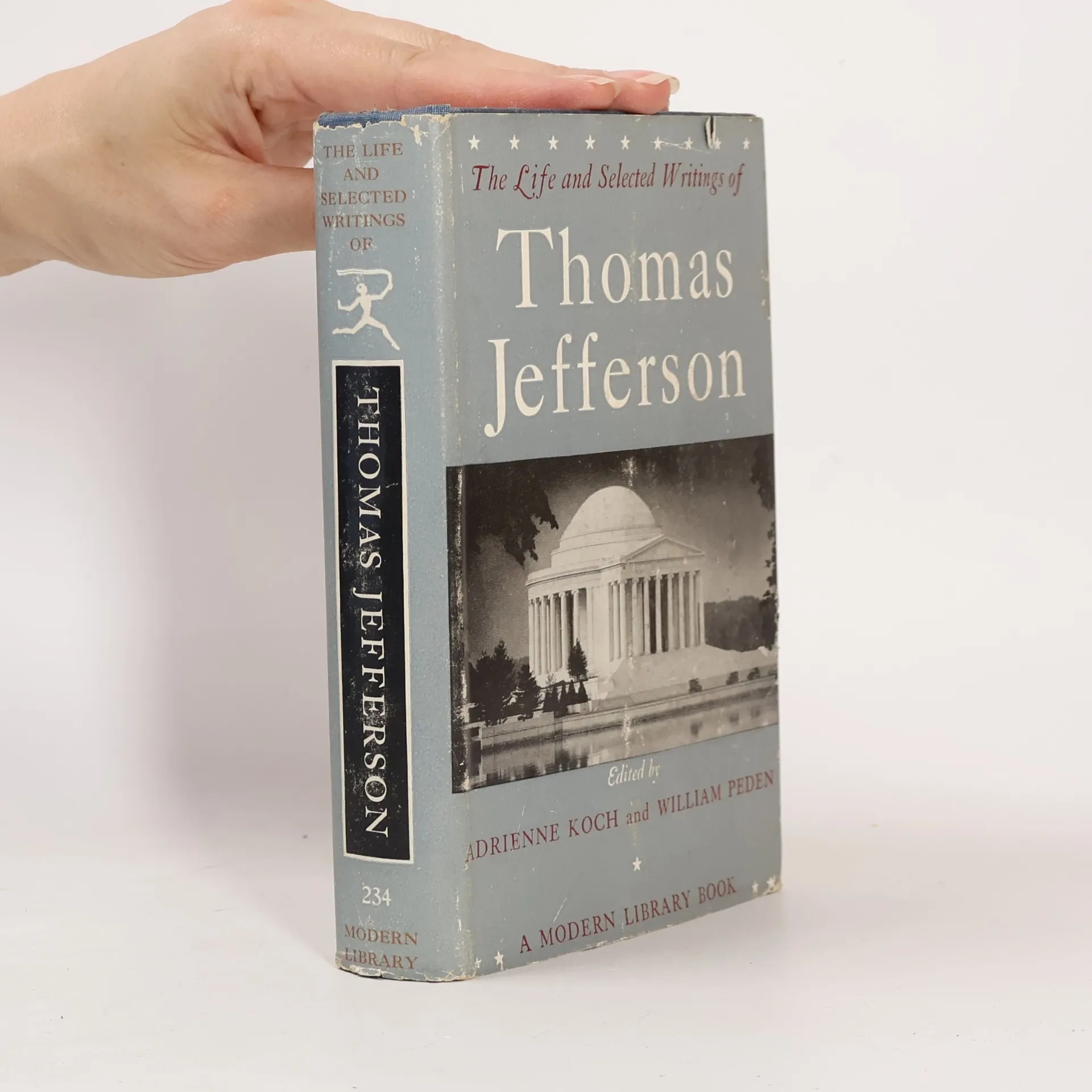
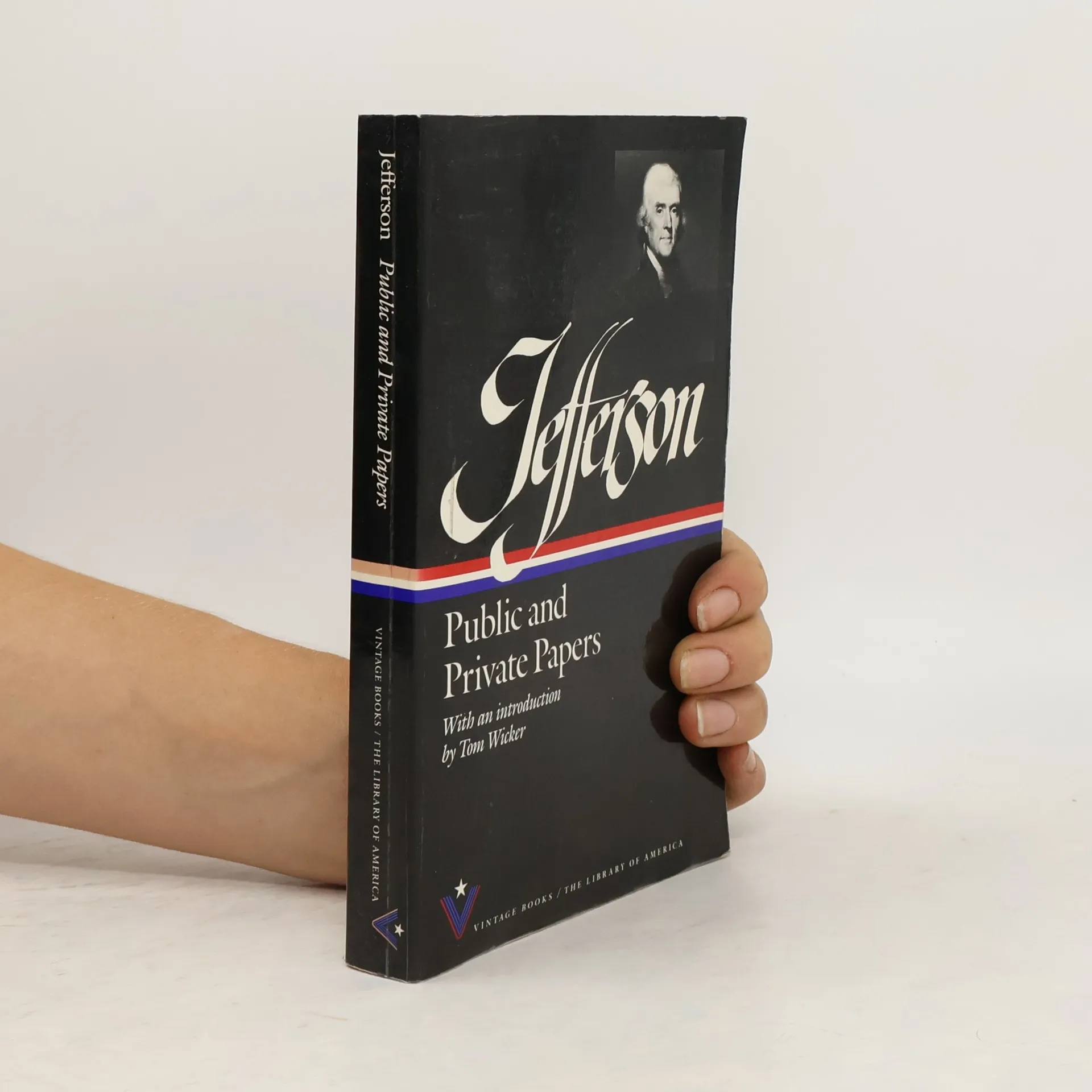
    • Public and Private Papers

      • 415 pages
      • 15 hours of reading

      Author of the Declaration of Independence, statesman, architect, scholar, farmer, Thomas Jefferson had an extraordinary range of interests. His writings are an invaluable and incisive record of the life and landscape of America at the time of its birth.

      Public and Private Papers
      3.8
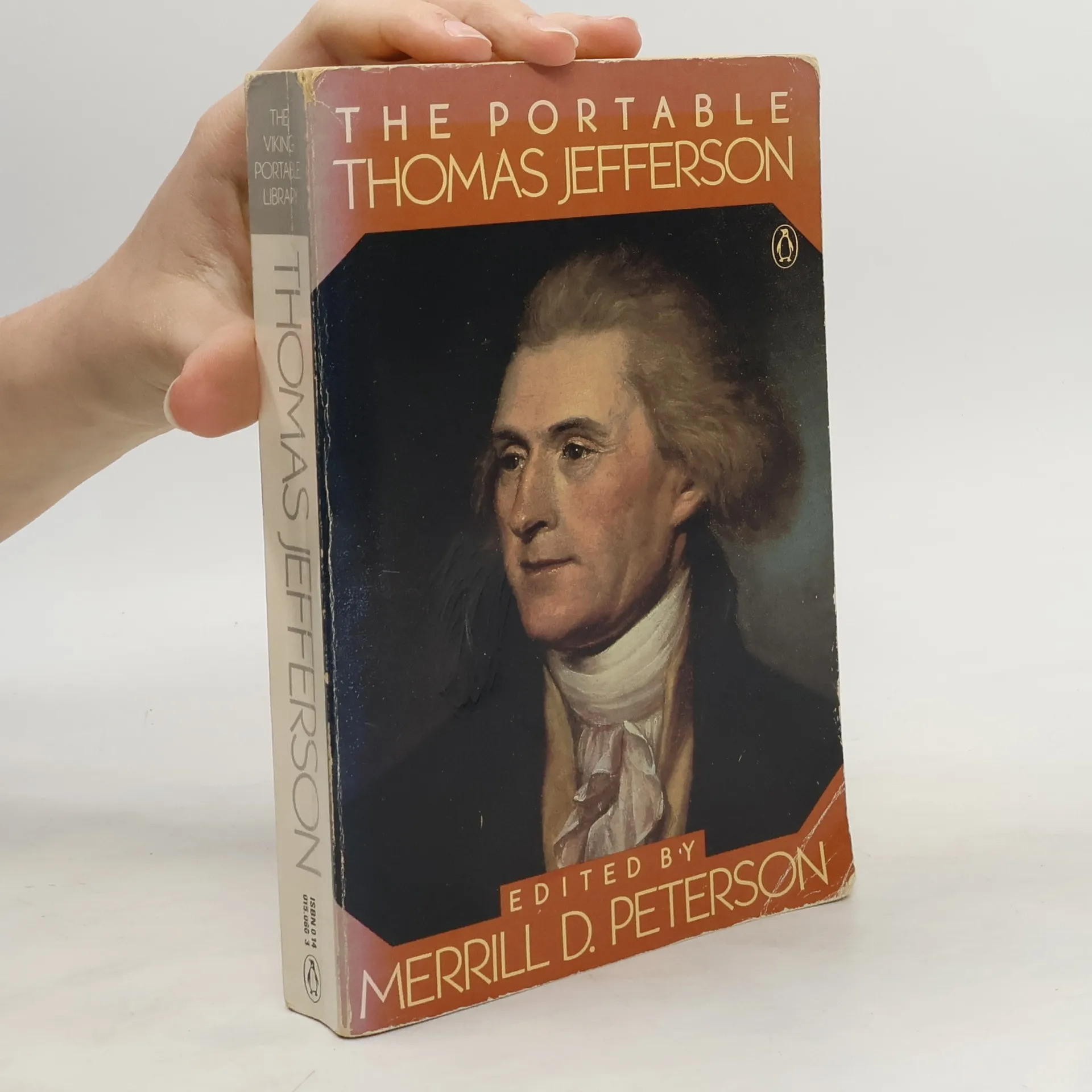
    • Includes A Summary View of the Rights of British America and Notes on the State of Virginia complete; seventy-nine letters; "Response to the Citizens of Albemarle," 1790; "Opinion on the Constitutionality of a National Bank," 1791; and many other writings.

      Portable Thomas Jefferson
      4.1
    • The Autobiography of Thomas Jefferson

      • 82 pages
      • 3 hours of reading

      Focusing on his political career and pivotal role in American history, the autobiography reveals insights into Thomas Jefferson's early life, family, and significant contributions, particularly regarding the Declaration of Independence. Written at 77, Jefferson reflects on his experiences and values, emphasizing his Enlightenment ideals and influence on democracy. While not deeply personal, the narrative offers a compelling perspective on the challenges of founding a new nation and Jefferson's enduring legacy in shaping the republic. This edition features premium acid-free paper.

      The Autobiography of Thomas Jefferson
      3.6
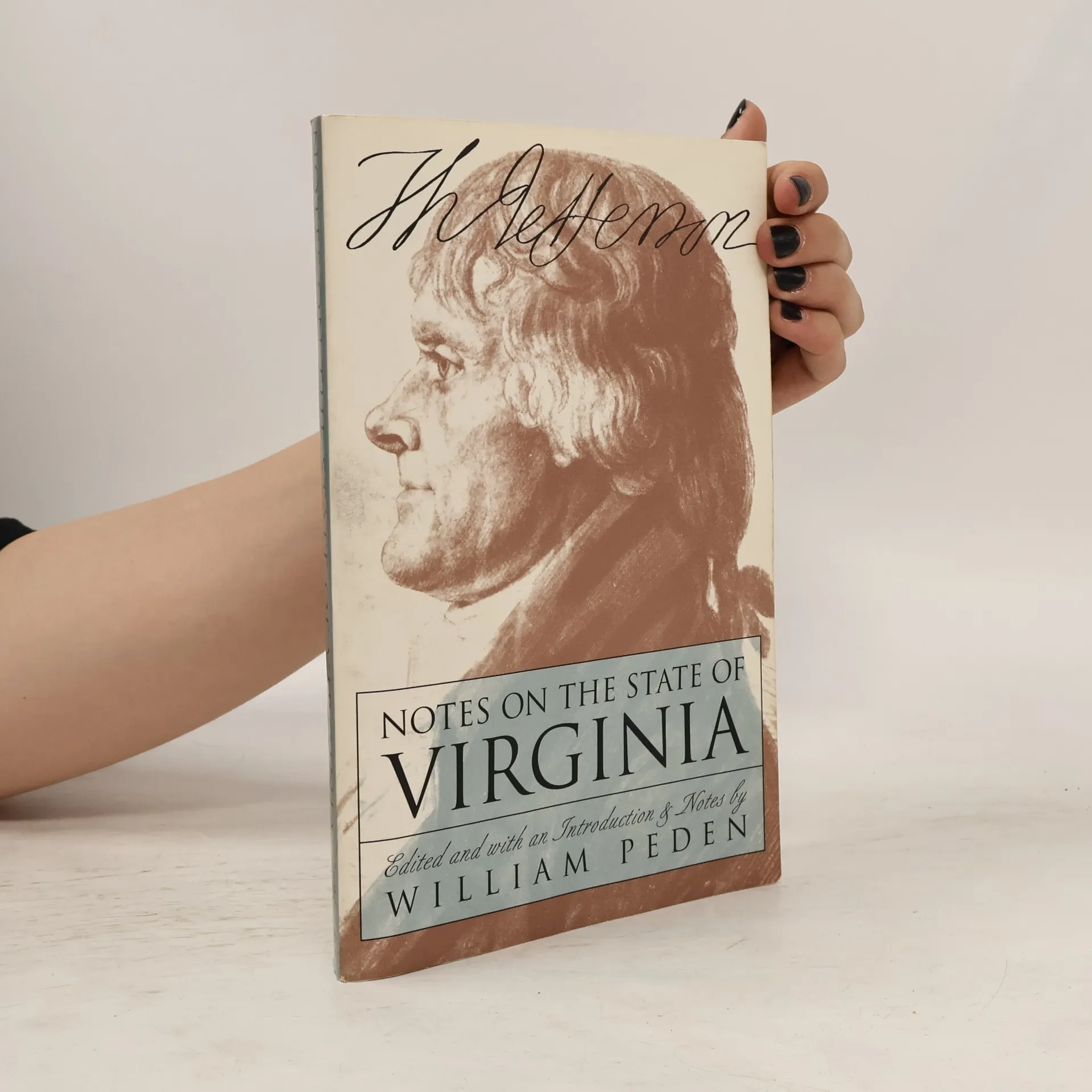
    • Notes on the State of Virginia

      • 344 pages
      • 13 hours of reading

      Focusing on the resources and institutions of Virginia, the work reveals Thomas Jefferson's profound philosophical, political, and ethical beliefs. It addresses significant topics such as slavery, education, religious freedom, and the separation of church and state, making it a crucial reflection of his principles. Additionally, it includes insights into North American flora and fauna, showcasing Jefferson's diverse interests and intellect. This meticulously edited edition by William Peden preserves the significance of Jefferson's only full-length book published during his lifetime.

      Notes on the State of Virginia
      3.5