

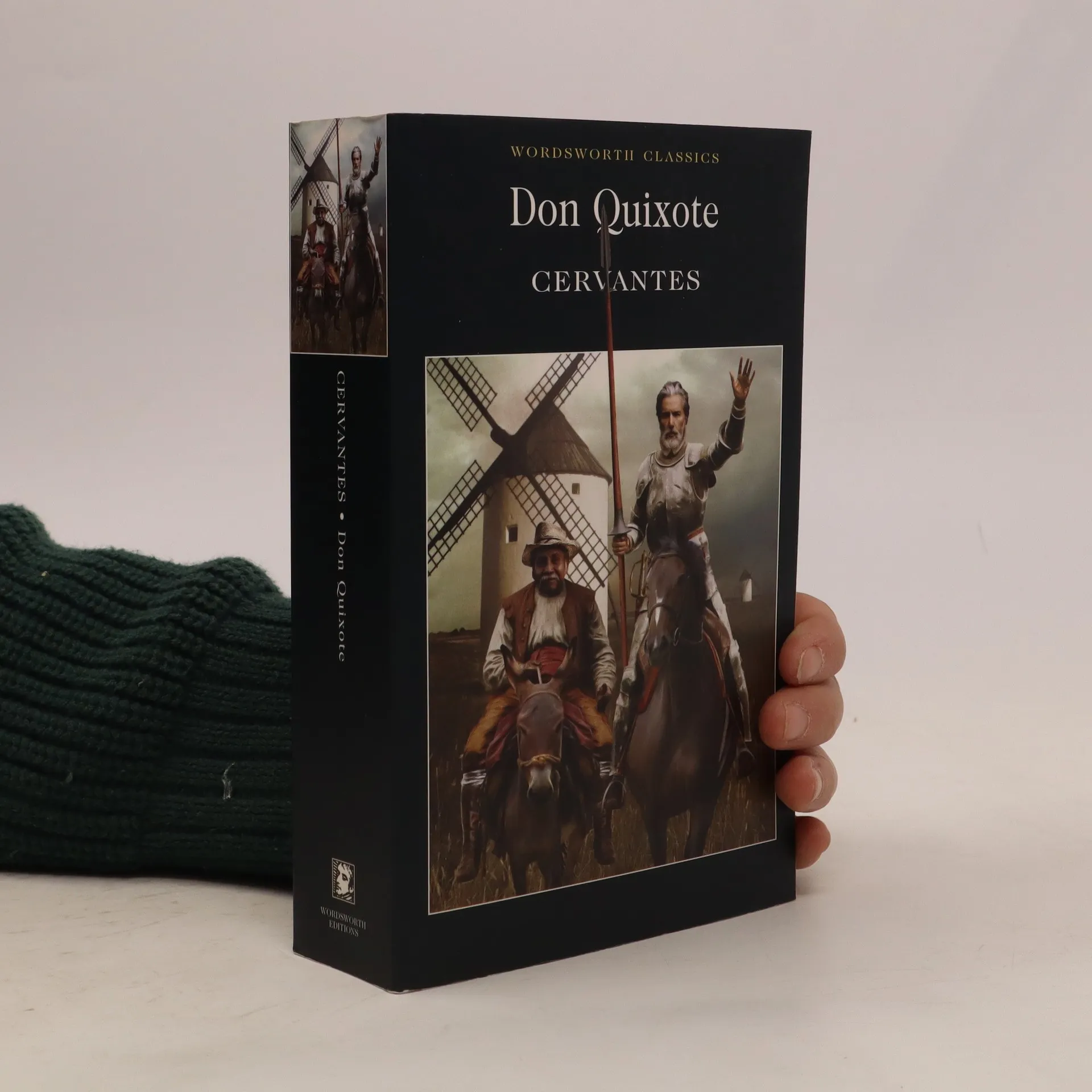
Cervantes' tale of the deranged gentleman who turns knight-errant have found its way into films, cartoons and even computer games. Intended as a parody of the most popular escapist fiction, the 'books of chivalry', this precursor of the modern novel broadened and deepened into a sophisticated, comic account of the contradictions of human nature.
Peter Anthony Motteux Books
This author is primarily remembered for his contributions as a translator, most notably for completing a monumental satirical work that another had begun. While his translations were significant, they were not always met with universal acclaim, with some of his efforts drawing considerable criticism for their execution. Nevertheless, he carved out a literary niche by endeavoring to make classic texts accessible to a wider readership. His approach to translation reflects an ambition to capture the essence of original works, even as it sometimes courted controversy among contemporary reviewers.
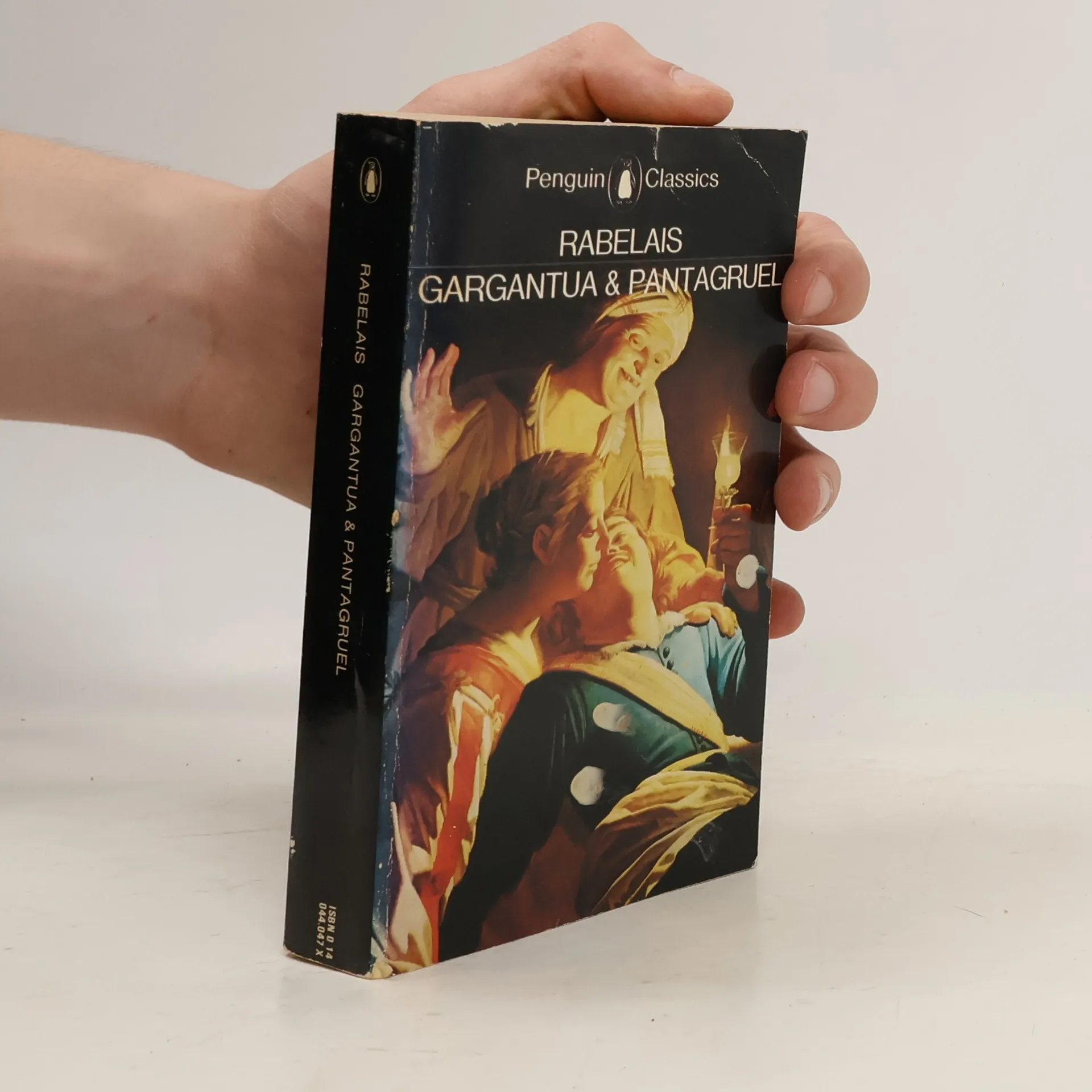
Gargantua & Pantagruel
- 720 pages
- 26 hours of reading
Francios Rabelais (c. 1494-1553), a Franciscan monk who also qualified as a Bachelor of Medicine, was at the centre of the humanist movement and had absorbed a vast amount of learning. Gargantua and Pantagruel parodies everyone from eminent classical authors and schoolmen to Rabelais's own acquaintances. But the brilliance of the book lies not merely in these learned references, but in the seamless story into which they are woven, and in the passion and swiftness of language of an acknowledged master of satire.