

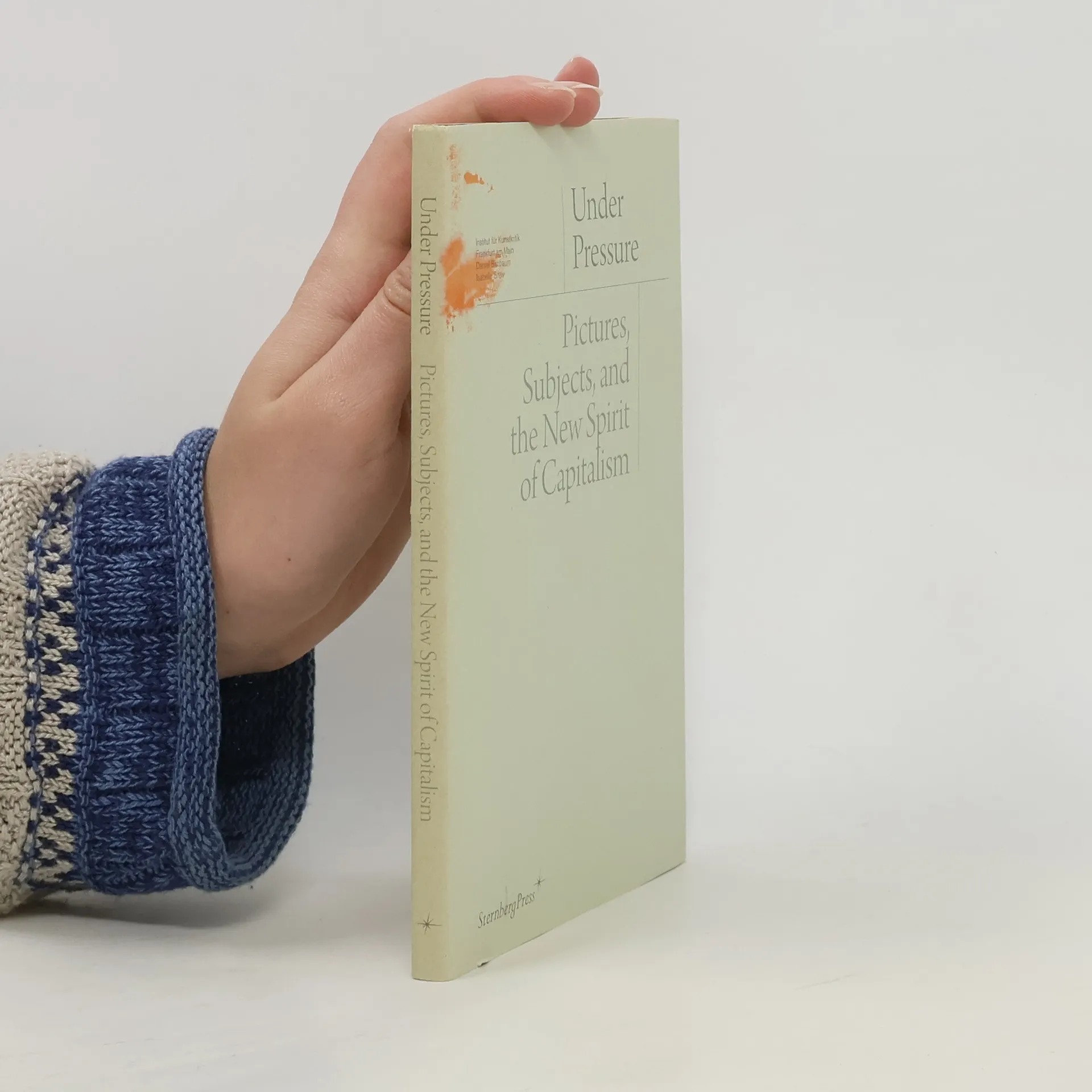
Art isn't just about creating work anymore. Today, external pressuresand constraints play a large role in the artistic process and production.In recognition of this reality, the Institut für Kunstkritik held a series ofconferences in 2006 and 2007 to explore the value system that resultsfrom what they dubbed the New Spirit of Capitalism and to confronttheoretical models with ad-hoc conditions of production. The thoughtsof conference participants Luc Boltanski, Sabeth Buchmann, TimGriffin, W.J.T. Mitchell, Sighard Neckel, Martin Saar, and Paolo Virnoare compiled in this book of questions and dilemmas for today'scultural producers and society at large.
W. J. T. Mitchell Books
March 24, 1942



Iconology
- 236 pages
- 9 hours of reading
This is a book about the things people say about images. It is not primarily concerned with specific pictures and the things people say about them, but rather with the way we talk about the idea of imagery, and all its related notions of picturing, imagining, perceiving, likening, and imitating. It is a book about images, therefore, that has no illustrations except for a few schematic diagrams, a book about vision written as if by a blind author for a blind reader. If it contains any insight into real, material pictures, it is the sort that might come to a blind listener, overhearing the conversation the sighted speakers talking about images. My hypothesis is that such a listener might see patterns in these conversations that would be invisible to the sighted participant.
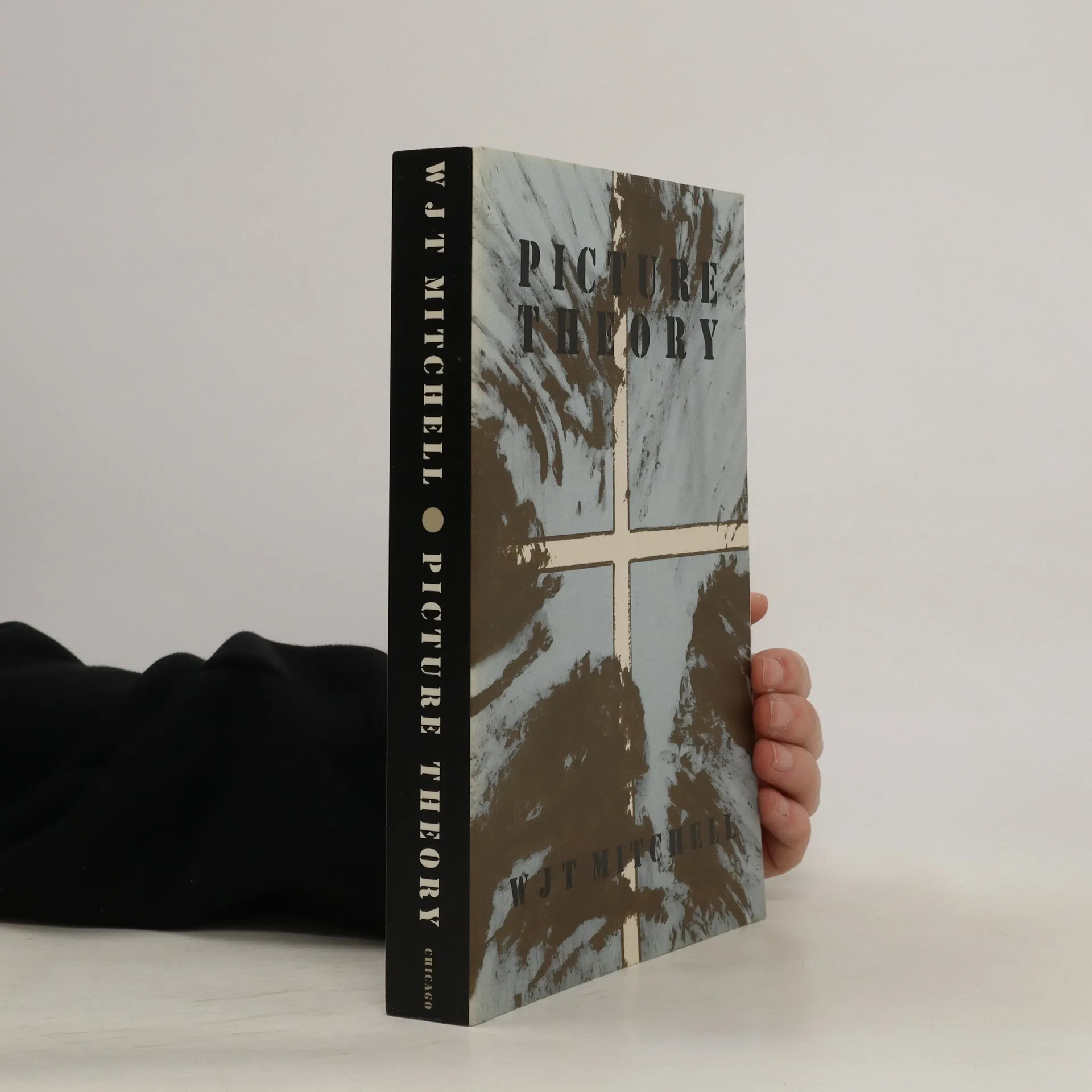
Picture theory : essays on verbal and visual representation
- 462 pages
- 17 hours of reading
What precisely, W. J. T. Mitchell asks, are pictures (and theories of pictures) doing now, in the late twentieth century, when the power of the visual is said to be greater than ever before, and the "pictorial turn" supplants the "linguistic turn" in the study of culture? This book by one of America's leading theorists of visual representation offers a rich account of the interplay between the visible and the readable across culture, from literature to visual art to the mass media.
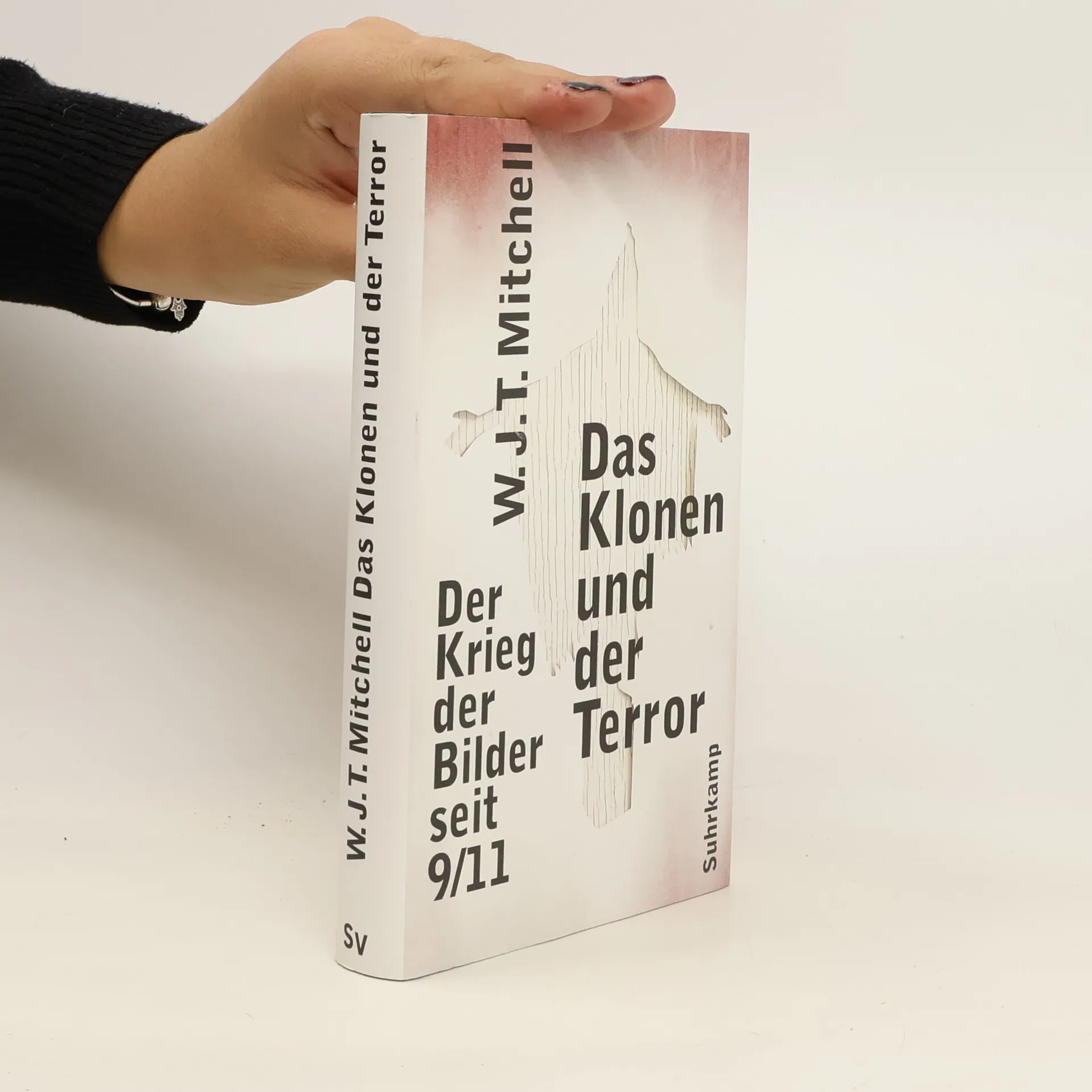
Why do we have such powerful responses to the images we encounter daily? Why do we treat pictures as if they possess the ability to influence, persuade, or even mislead us? W. J. T. Mitchell argues that we must view images not merely as passive objects conveying meaning but as animated entities with their own desires and demands. This exploration delves into Mitchell's groundbreaking ideas on picture theory and the lives of images. He analyzes a diverse range of subjects, including Byzantine icons, cyberpunk films, racial stereotypes, public monuments, and more. By applying his sharp and insightful analyses, Mitchell opens new perspectives in iconology and visual culture. He discusses the significance of Dolly the Sheep, a clone that embodies the ancient dream of creating a living image, and reflects on the destruction of the World Trade Center on 9/11, which represents a new form of iconoclasm. This work provides a rich examination of the relationship between the visible and the readable, establishing itself as a crucial resource for art historians, literary critics, anthropologists, and philosophers.
Suhrkamp, Berlin, (2011). 288 S., 21 cm, Pappband mit Schutzumschlag - neuwertig / original verlagsfrisch verschweit -
Teorie obrazu: Eseje o verbální a vizuální reprezentaci
- 478 pages
- 17 hours of reading
Publikace je souborem esejí, které se postupně věnují jednotlivým aspektům vztahu textu a obrazu. Mitchell rozebírá reprezentace obrazové i verbální, souvislosti obrazu a jazyka, a to vše dokládá na velmi široké škále praktických ukázek z každodenního života. Základem Mitchellova přístupu k obrazům (a nejen k nim) je interdisciplinarita: jeho hlavní argument pro multidisciplinární náhled vychází z obavy, že důkladná lingvistická interpretace obrazů fakticky brání jejich hlubšímu porozumění. Kouzlem textů je, že se v nich nenásilně potkávají William Blake, dinosauři z Jurského parku, Nelson Goodman, přímý přenos CNN, Spike Lee, Erwin Panofsky, ale také film Olivera Stonea. Zjednodušeně můžeme konstatovat, že Teorie obrazu propaguje vizuální gramotnost, a Mitchell v tomto svém textu dospívá k závěru, že obrazům, které nás obklopují, se sice nemůžeme bránit, ale můžeme jim lépe rozumět, a tak činit svět lepším. Kniha je vhodnou vstupní branou do světa obrazů, nástrojem a pomůckou pro lepší pochopení vizuální složky světa, ve kterém žijeme.