This revised third edition serves as a comprehensive guide to the diverse species of trees lining London's streets. It highlights the growing importance of urban trees, especially in light of recent national concerns following the loss of street trees in cities like Sheffield and Plymouth. The book reflects the ongoing changes and increasing variety of tree species in urban environments, making it an essential resource for tree enthusiasts and urban ecologists alike.
Paul Wood Books
Paul Wood's scholarship delves into the theory of modernism and the avant-garde, exploring revolutionary art and realism. His work investigates the relationship between non-Western art and the 'modern movement,' alongside contemporary issues of globalization and the Western canon. He has been instrumental in documenting the evolving ideas that have shaped modern art through the extensive 'Art in Theory' project. His research and publications deeply engage with the theoretical underpinnings of art from the founding of academies through to postmodernism.


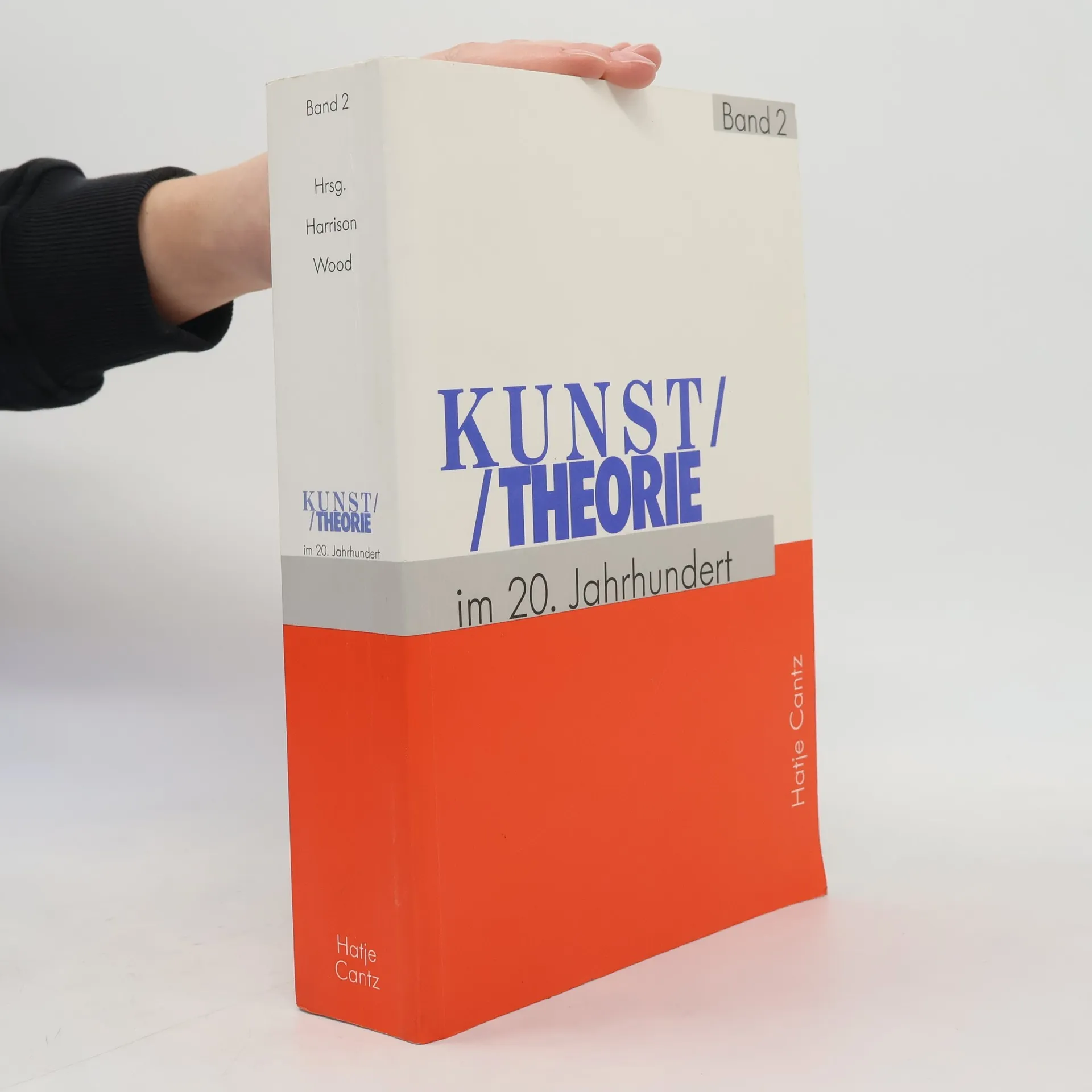
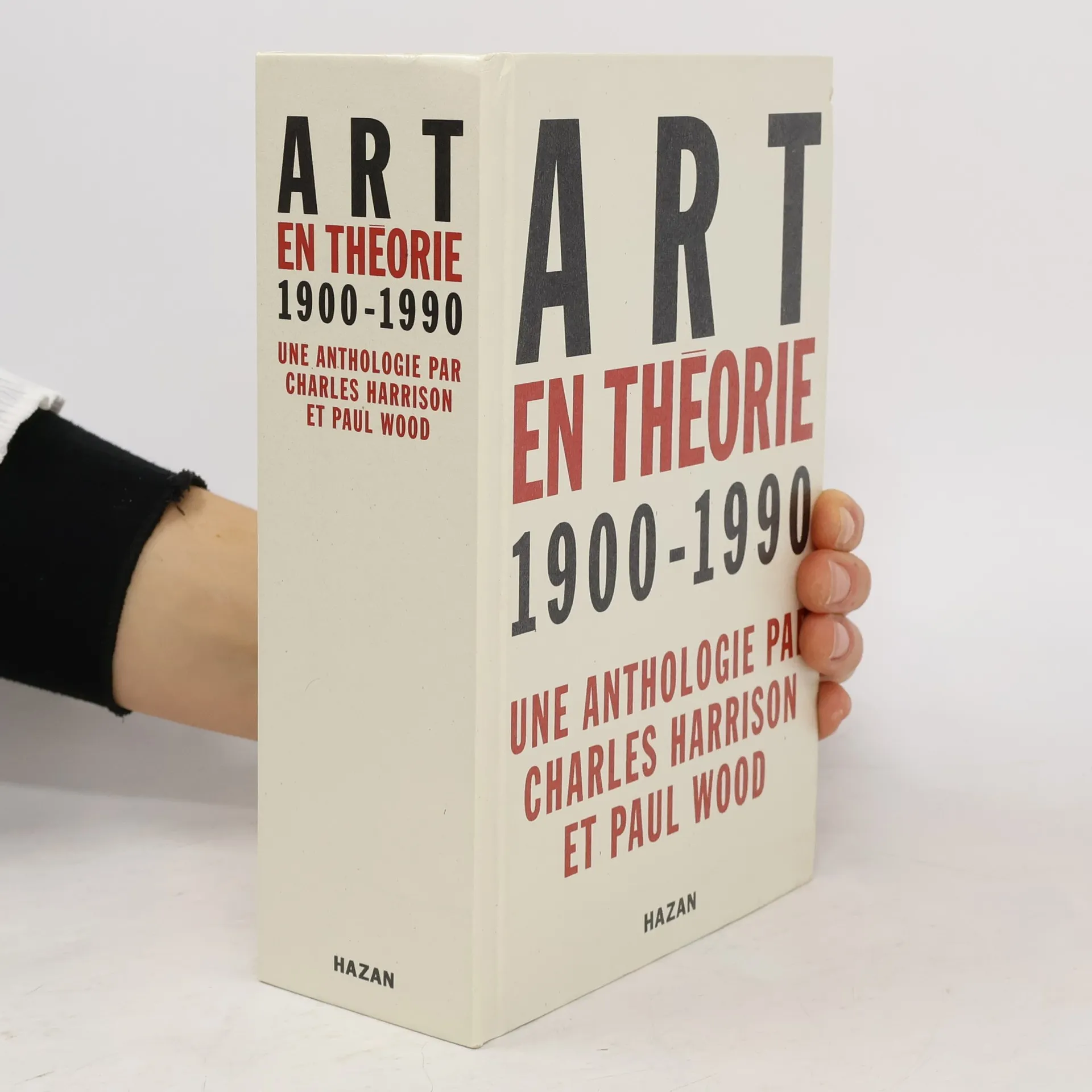
Art in theory 1900-1990: An Anthology of Changing Ideas
- 1216 pages
- 43 hours of reading
This comprehensive collection of documents on 19th-century art theories includes 236 texts, offering an essential guide for informed study. Like its companion volume, it presents a wide array of writings from artists, critics, philosophers, and literary figures, with about one-third featuring new translations from various languages. The anthology explores diverse themes such as genius and originality, landscape painting, Realism, Modernity, Impressionism, optics, color theory, and the aesthetics and rise of photography. Each section begins with an essay that contextualizes the ideas historically, linking theoretical debates to artistic practice. Texts are introduced with outlines detailing their original context and significance in the evolution of modern artistic theory. An extensive bibliography further supports research and study. This volume not only serves as a key resource for understanding art theory but also reflects the broader cultural discussions of the 19th century, making it indispensable for scholars and enthusiasts alike.
Art in Theory :1815-1900 : An Anthology of Changing Ideas
- 800 pages
- 28 hours of reading
Art in Theory 1815-1900 provides the most wide-ranging and comprehensive collection of documents ever assembled on nineteenth-century theories of art.
Mental Fitness
- 304 pages
- 11 hours of reading
Drawing on his unique experiences as both a prisoner and a psychologist, the author explores the concept of mental strength and resilience. He provides insights and strategies for developing the psychological fitness necessary to confront and overcome life's challenges. Through his journey, readers are encouraged to cultivate their own mental fortitude, offering a transformative perspective on personal growth and empowerment.
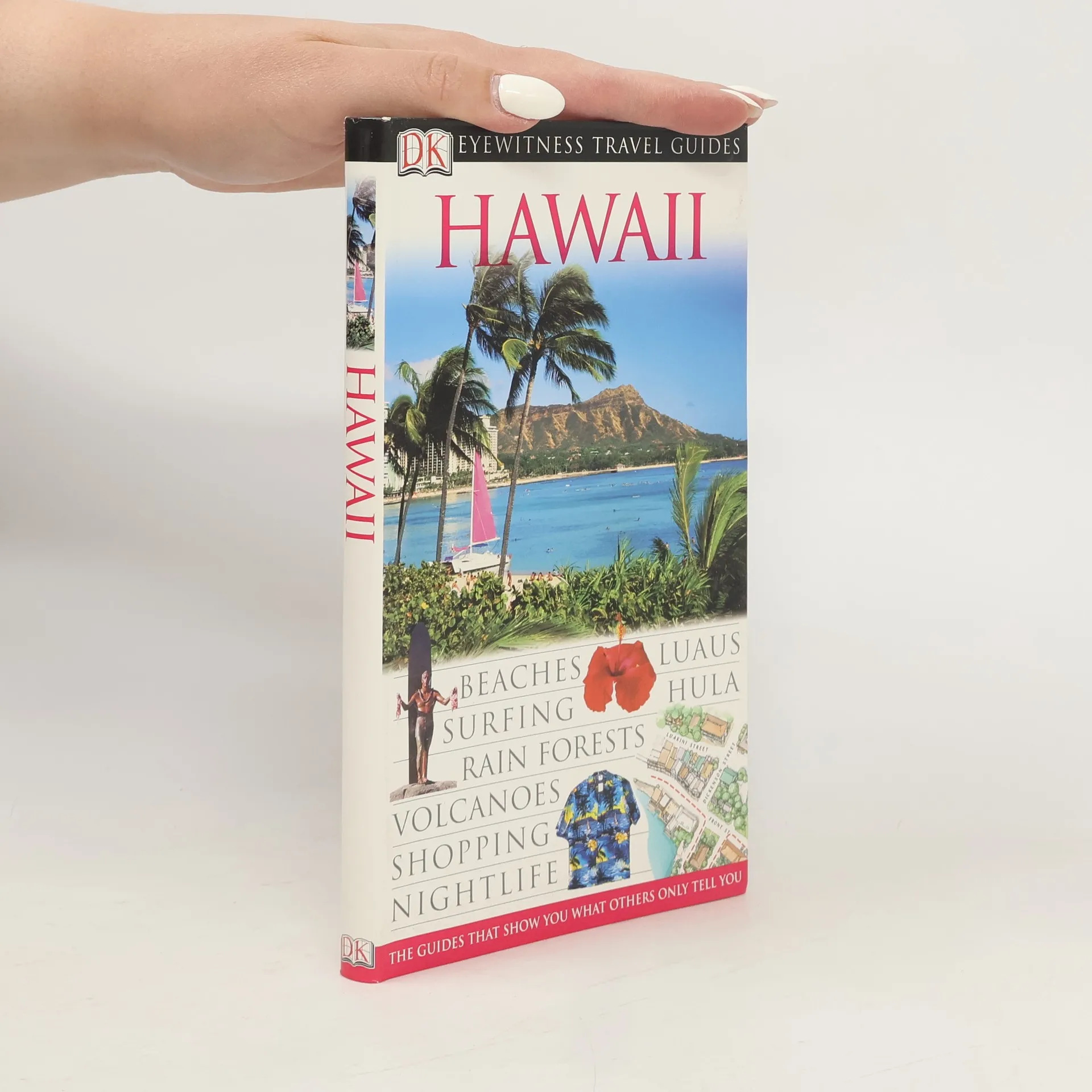
Hawaii
- 208 pages
- 8 hours of reading
Recognized the world over by frequent flyers and armchair travelers alike, Eyewitness Travel Guides are the most colorful and comprehensive guides on the market. With beautifully commissioned photographs and spectacular 3-D aerial views revealing the charm of each destination, these amazing travel guides are the only things you'll need to pack.
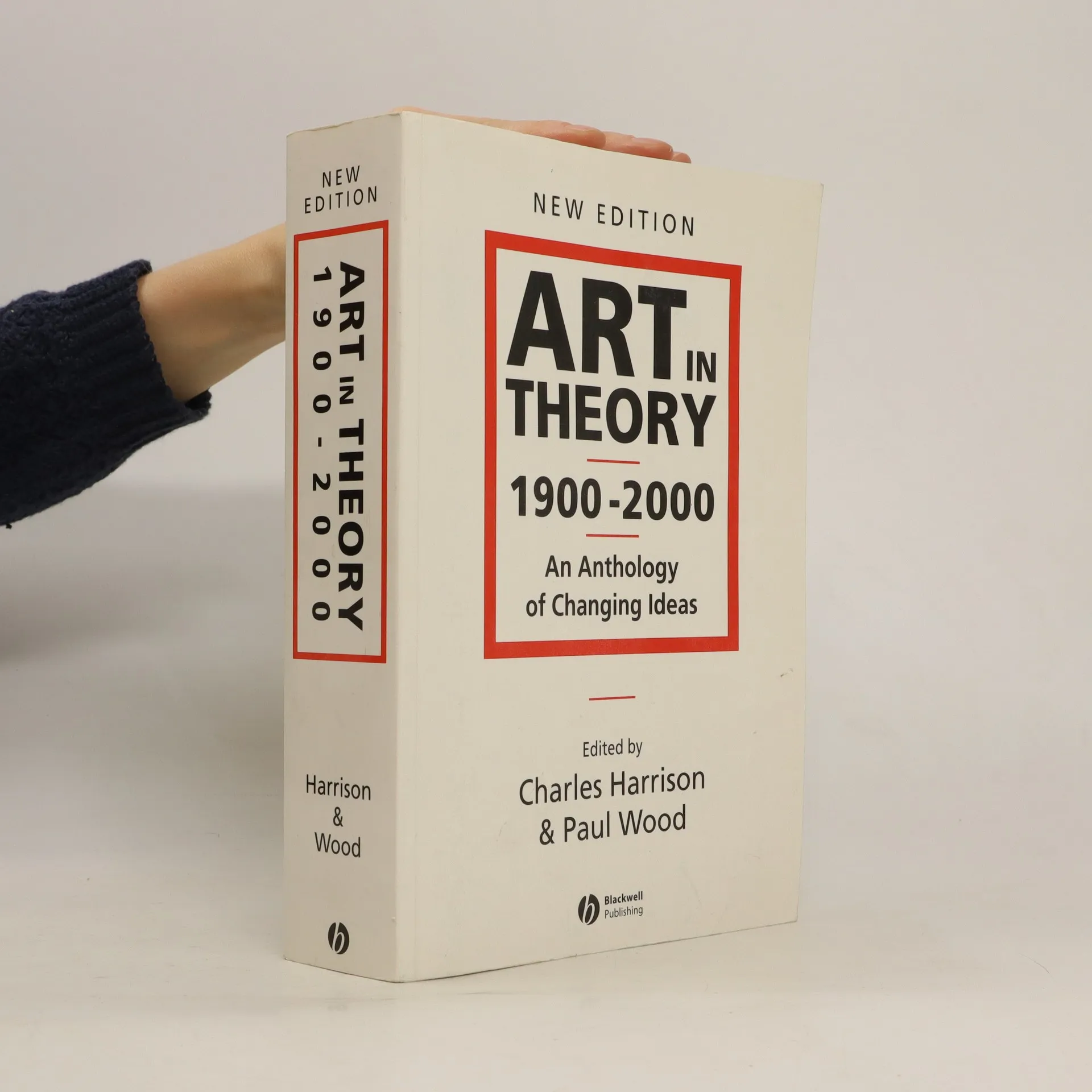
Art in theory 1900-2000 : An Anthology of Changing Ideas
- 1288 pages
- 46 hours of reading
This popular anthology of twentieth-century art theoretical texts has now been expanded to take account of new research, and to include significant contributions to art theory from the 1990s.New edition of this popular anthology of twentieth-century art-theoretical texts. Now updated to include the results of new research, together with significant contributions from the 1990s. Includes writings by critics, philosophers, politicians and literary figures. The editors provide contextual introductions to 340 texts. Complements Art in Theory, 1648–1815 and Art in Theory, 1815–1900 to create a complete survey of the theories underpinning the development of art in the modern period.
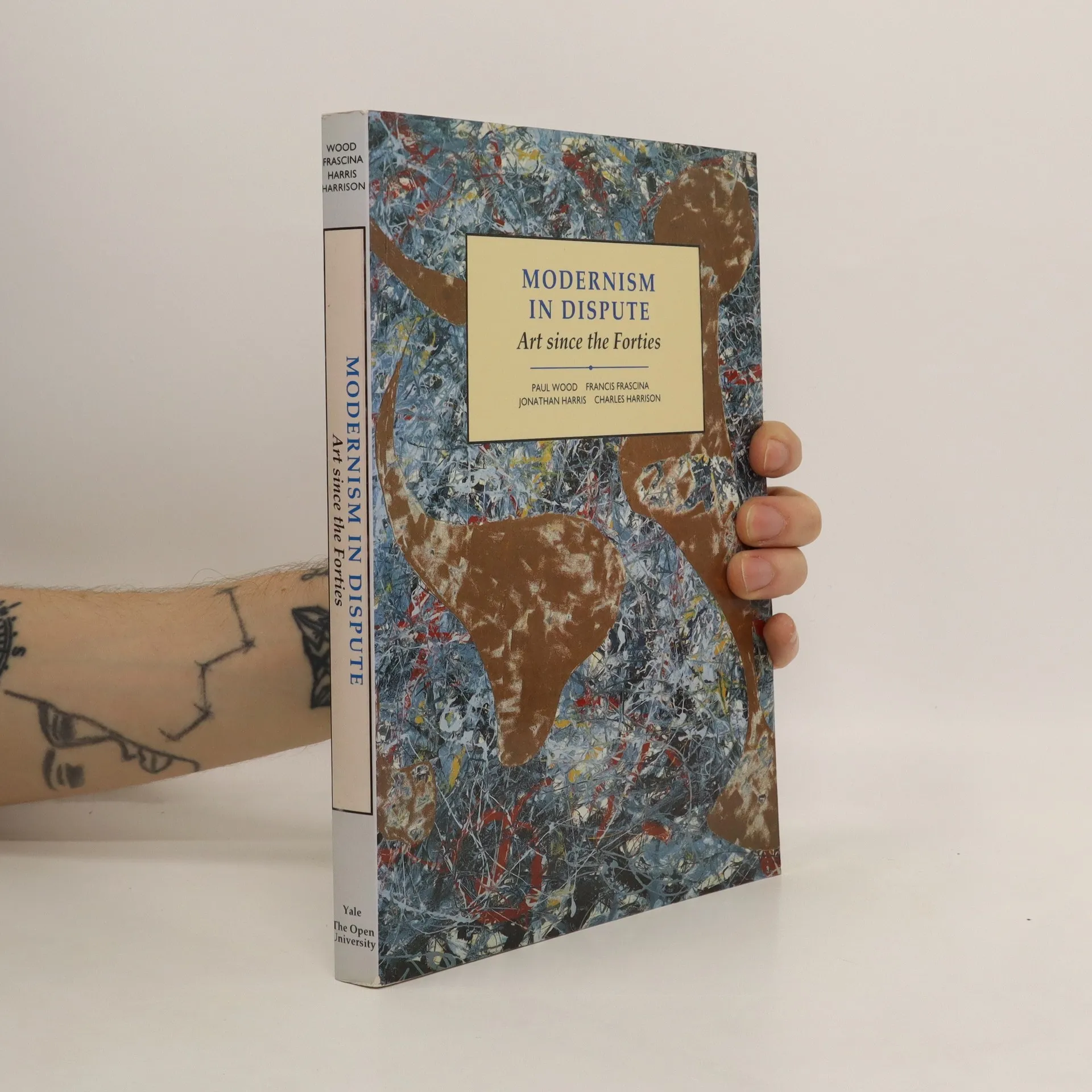
Modernism in dispute : art since the Forties
- 283 pages
- 10 hours of reading
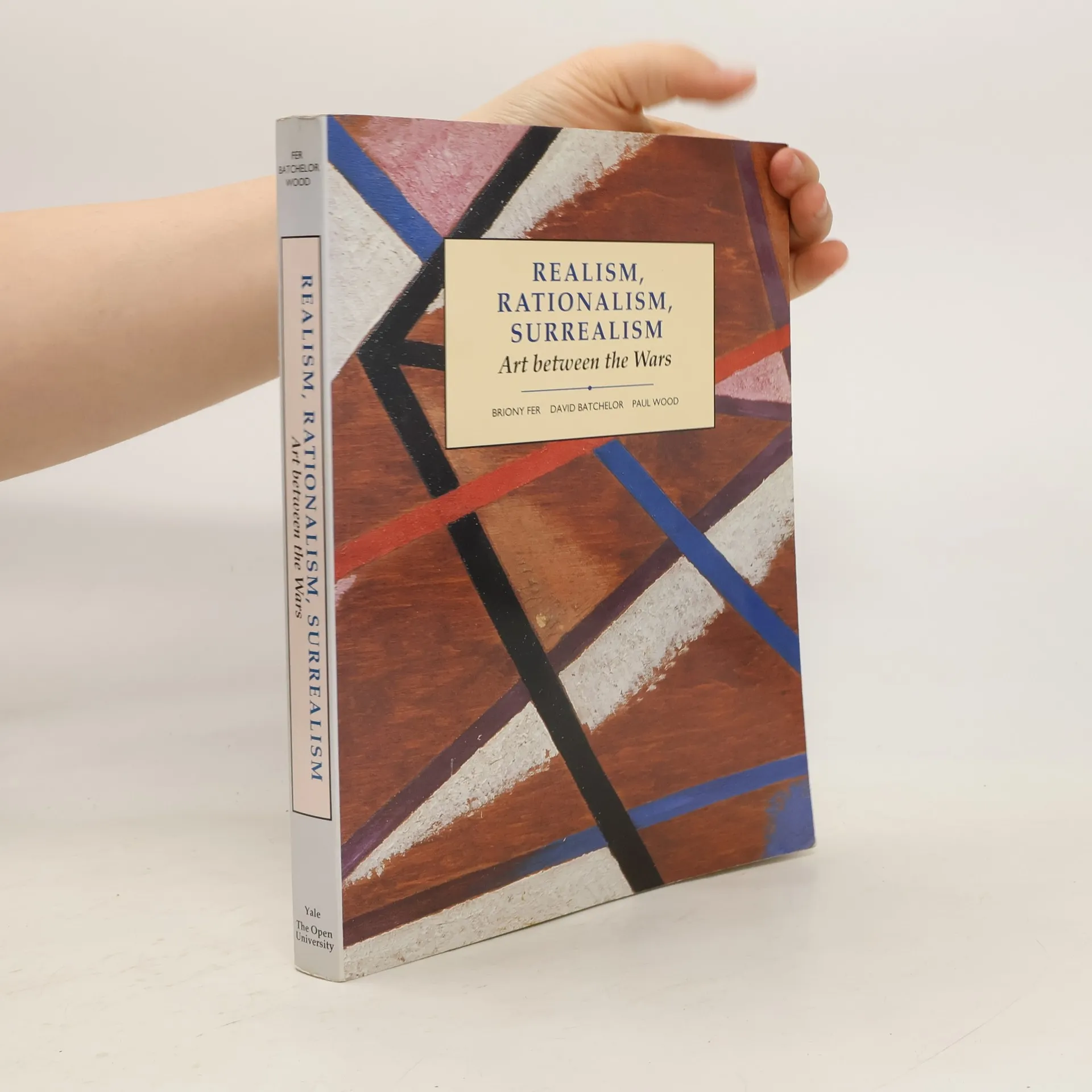
This volume is part of a four-volume series about art and its interpretation in the 19th and 20th centuries. The books provide an introduction to modern European and American art and criticism that should be valuable both to students and to the general reader.
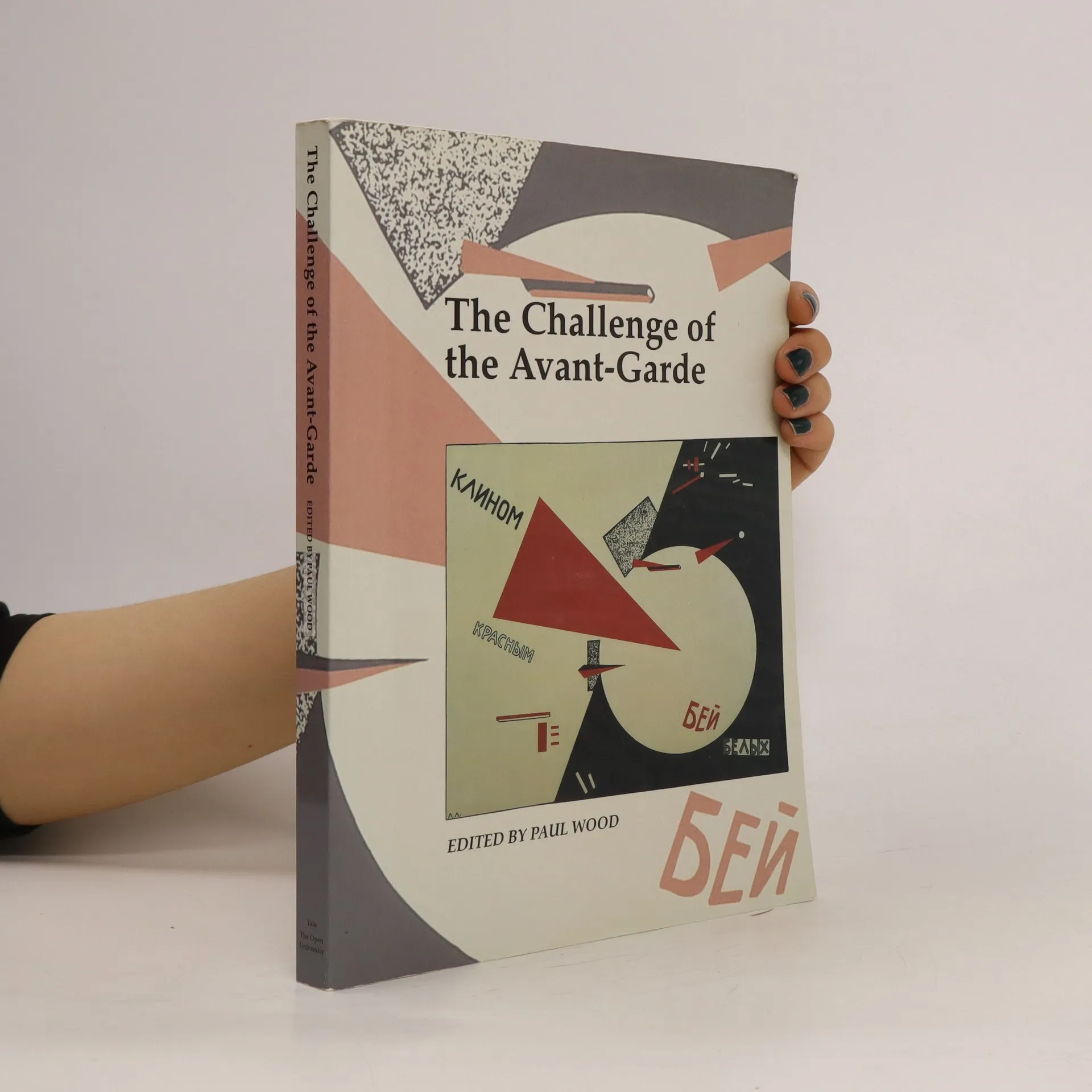
The Challenge of the Avant-Garde is the fourth of six books in the series Art and its Histories, which form the main texts of an Open University course. The course has been designed for students who are new to the discipline but will also appeal to those who have undertaken some study in this area. This volume traces the challenge posed to the academic canon by the emergent avant-garde of the early and mid-nineteenth century.It looks at significant shifts in the development of the concept, both in moves away from the sense of social leadership to a desire for artistic autonomy in the later nineteenth century and then a reverse movement to bridge the gap between art and life in the revolutionary avant-gardes of the early twentieth century. The book closes with an examination of the eventual incorporation of the avant-garde as a form of modern canon by the eve of World War II. Throughout, it seeks to relate the discourse of artistic avant-gardism in all its forms to contemporary social and political histories.
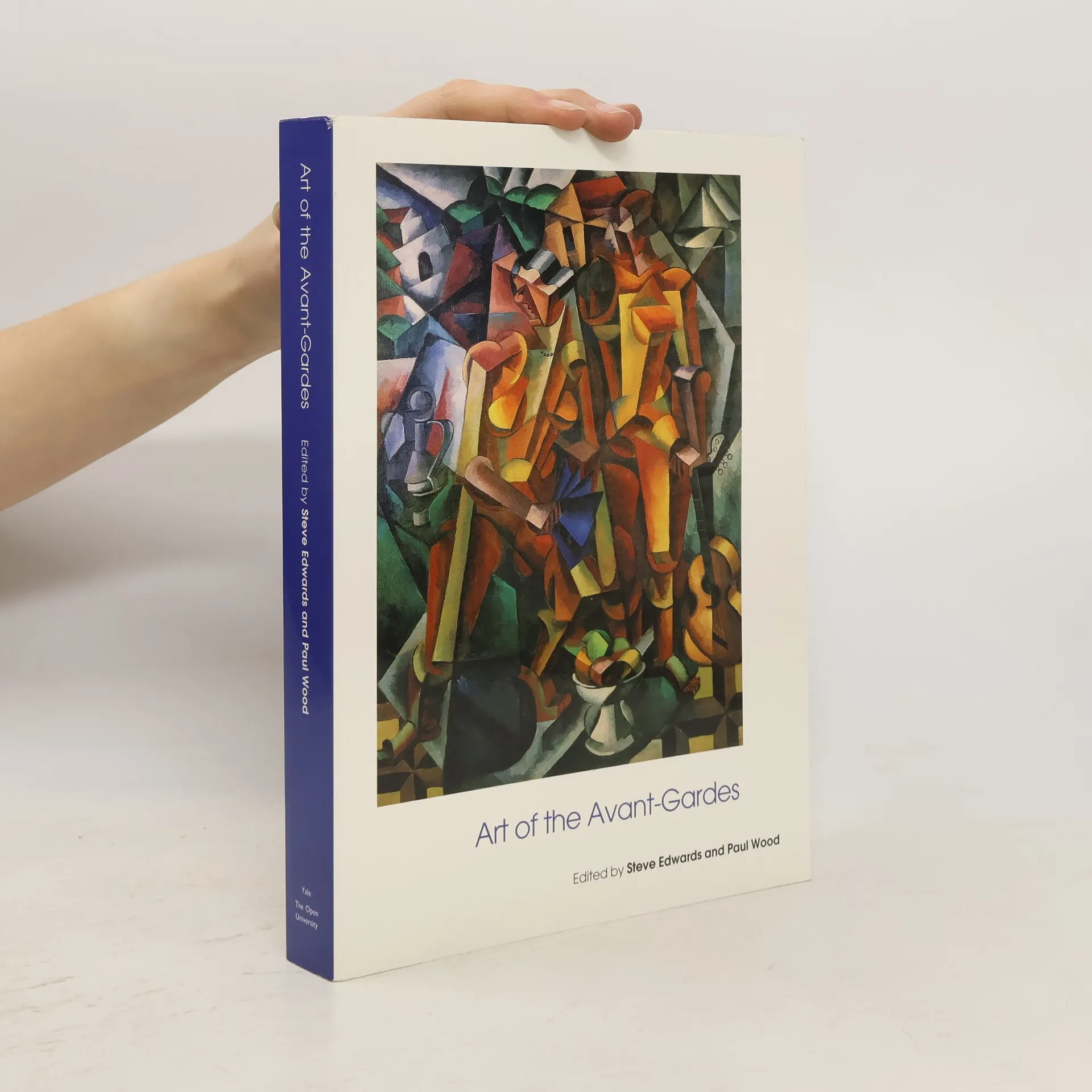
Art of the avant-gardes
- 472 pages
- 17 hours of reading
02 This gorgeous book presents and discusses the oils, works on paper, and other artistic creations of William Holman Hunt, one of the three major artistic talents of the Pre-Raphaelite brotherhood. This gorgeous book presents and discusses the oils, works on paper, and other artistic creations of William Holman Hunt, one of the three major artistic talents of the Pre-Raphaelite brotherhood.
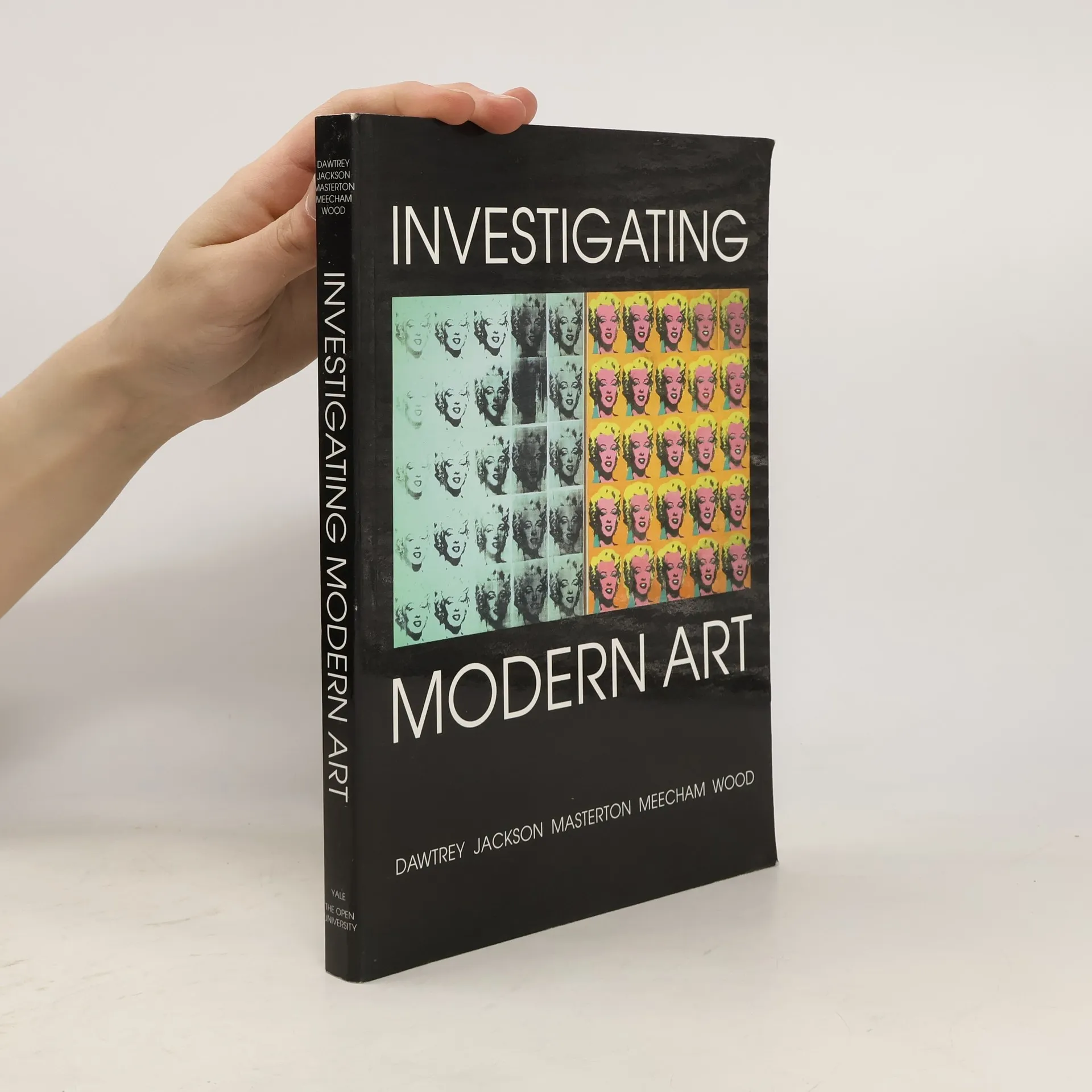
Open University: Modern Art - Practices & Debates: Investigating Modern Art
- 208 pages
- 8 hours of reading
This text provides an accessible historical progression through the attempting to draw out more general issues and implications. The discussion of key figures such as Picasso, Matisse, Pollock and Warhol, and movements such as Cubism, Surrealism, Abstract Expressionism and Minimal Art is animated by the most relevant concerns of contemporary art historical scholarship. Issues of gender and ethnicity, criticism of the accepted canon of modern art, and important social and political influences upon the institutions of art are interwoven with the discussion of particular works.