Constance Garnett was a pivotal English translator of 19th-century Russian literature. She was instrumental in introducing the works of Leo Tolstoy, Fyodor Dostoevsky, and Anton Chekhov to the English-speaking public for the first time on a wide scale. Her translations profoundly shaped the reception and understanding of these iconic Russian authors in the Western world. Garnett's efforts made their profound literary contributions accessible and beloved by a global audience.
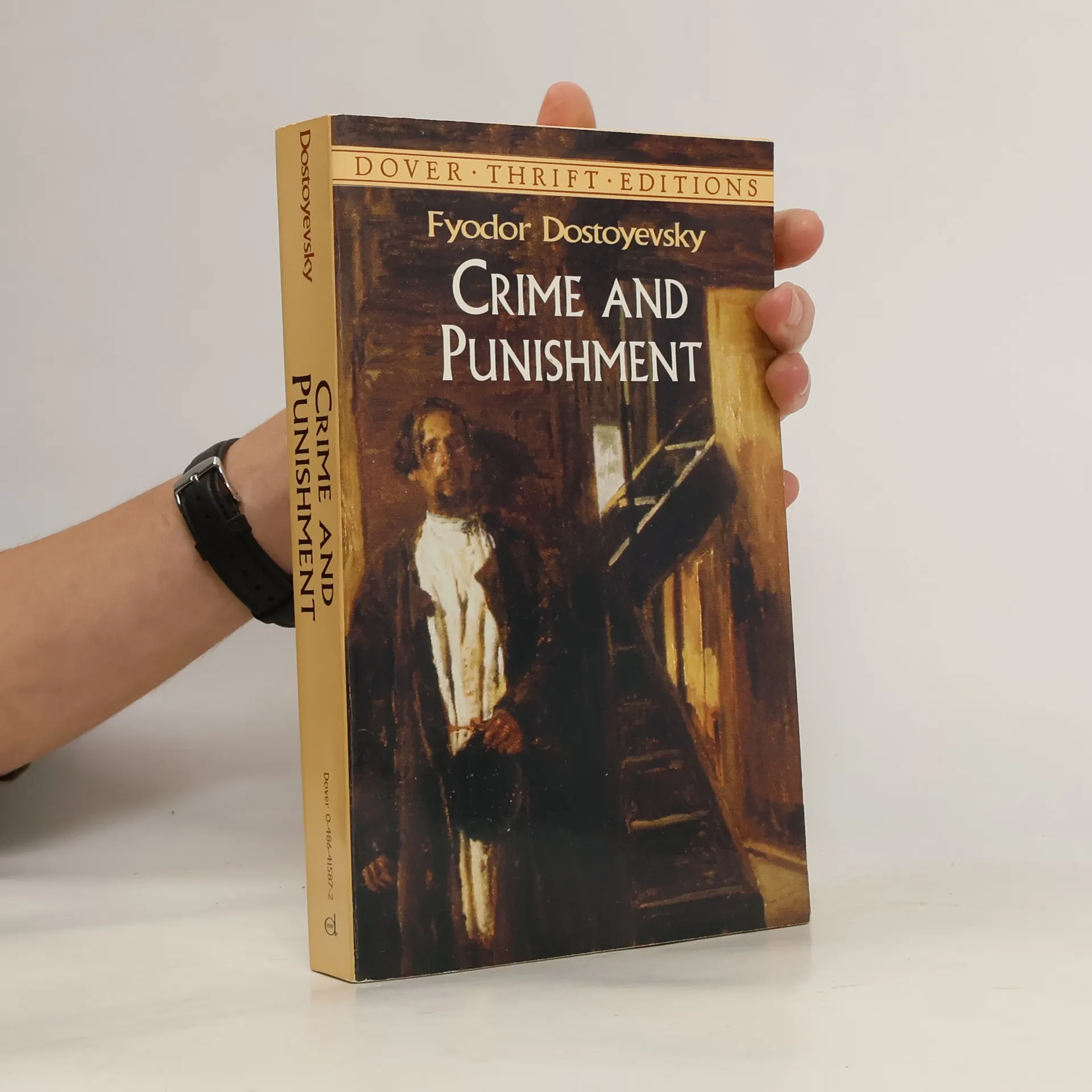
In a timeless story of justice, morality, and redemption, an impoverished Russian student murders a miserly landlady, a crime that has severe repercussions on his life and his family as he battles his conscience.
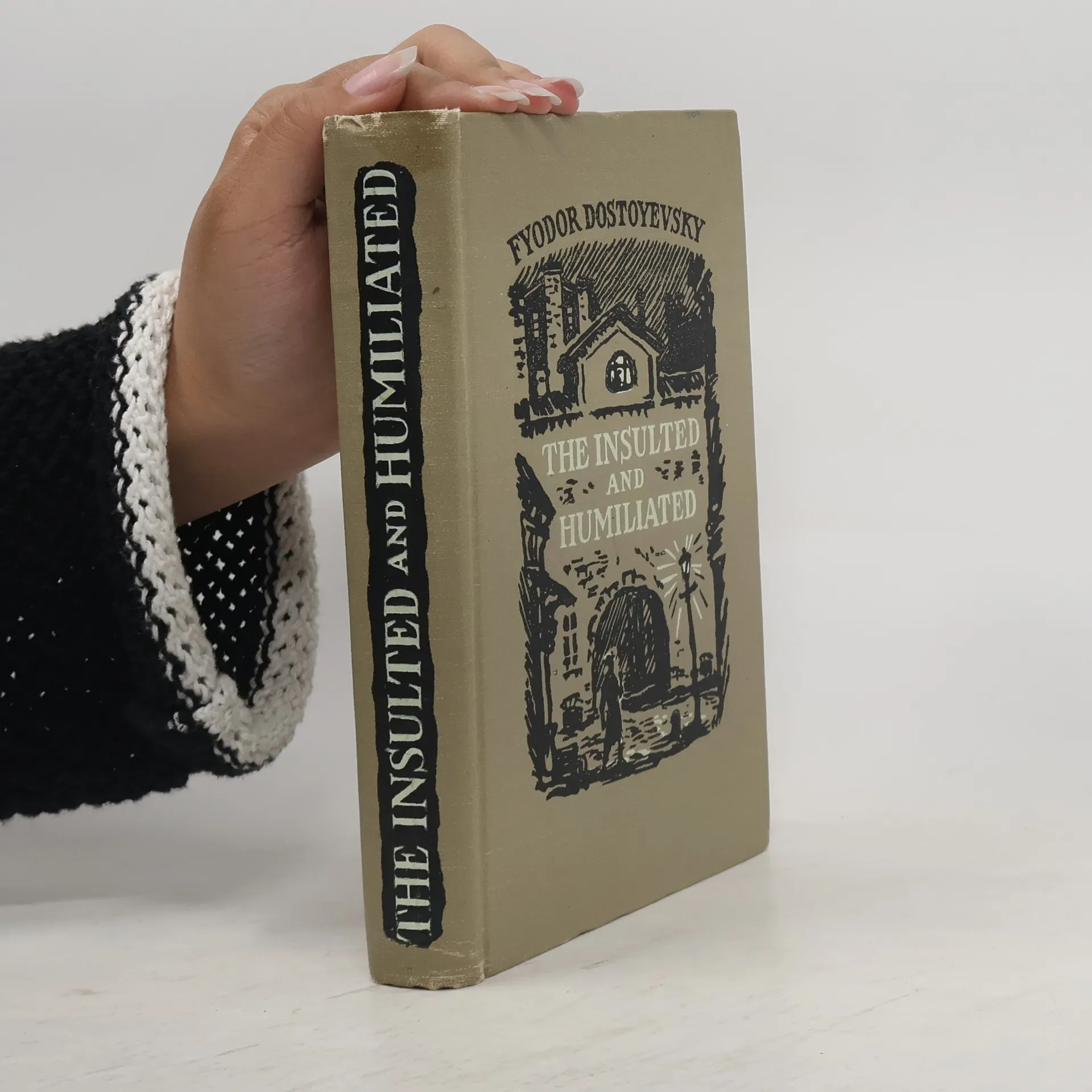
The Insulted and Injured, published soon after Dostoevsky's political imprisonment, clearly foreshadows his later preoccupation with unconscious psychological drives and their external effects on the lives of his characters. Where his later works carry these drives to inevitably dramatic conclusions, The Insulted and Injured confines them within the smaller boundaries of everyday events. In this story, the impulse toward self-abnegation in love, which appears so markedly in both Vanya and Natasha, isn't itself enough to direct their lives; instead, it combines with their social world and the mundane ambitions of Prince Valkovsky to defeat their hope of happiness. Of all the characters in the novel, only Natasha's lover, the Prince's son Alyosha—the person least driven to mold life to his own terms—emerges untouched. Here are, to a greater extent than in Dostoevsky's more familiar works, flesh-and-blood people as we see them around every day. They are made up of both good and evil, of will and acceptance. Unfailingly they command interest and illuminate understanding.
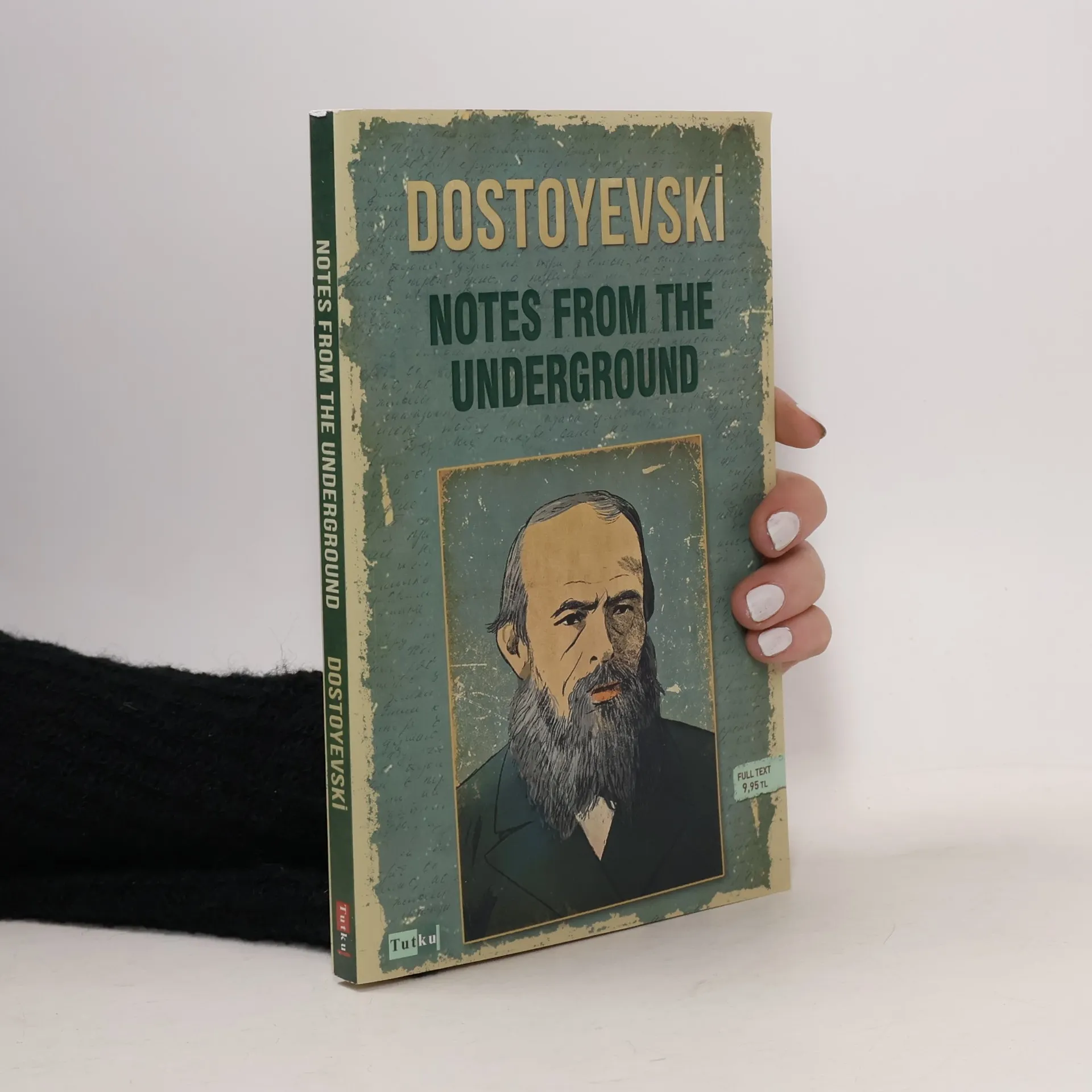
Dostoevsky's underground man is a psychologically tourtured poor clerk, who muses on his 'sickness' and the detested notions of self-interest. Scornful of himself and of others, he recalls finding love at a brothel - but it is a love by his very nature he cannot accept, and so debases instead.
Prince Myshkin returns to Russia from an asylum in Switzerland. Embroiled in the intrigues which centre around the ruling classes, he emerges as a combination of the Christian ideal and Dostoevsky's own views. The world created by the ruling classes cannot accommodate the goodness of this idiot.
Man is sometimes extraordinarily, passionately, in love with suffering...
205 pages
8 hours of reading
Fyodor Dostoyevsky was born on November 11, 1821, and was introduced to literature early in life, with his mother teaching him to read and write using the Bible. His literary immersion was profound, fueled by his parents' nightly readings. Tragedy struck in 1837 when his mother died of tuberculosis, and he and his brother were enrolled at the Nikolayev Military Engineering Institute, where Dostoyevsky found little interest in military studies, preferring drawing and architecture. His father's death in 1839 may have triggered his epilepsy, yet he persevered, eventually becoming an engineer cadet. His first completed work, a translation of Balzac's "Eugénie Grandet," was published in 1843 but failed commercially. He then wrote "Poor Folk," which was a success, followed by "The Double," which received poor reviews and exacerbated his health issues. Involved in socialist circles, Dostoyevsky faced arrest in 1849 for distributing banned works, leading to a death sentence commuted to four years of hard labor in Siberia. His prison experiences inspired "The House of the Dead," published in 1861. He later completed "The Gambler" in just 26 days. Despite continued health decline, including a diagnosis of pulmonary emphysema, he published "Demons" in 1873. Dostoyevsky died on February 9, 1881, after suffering multiple pulmonary hemorrhages.
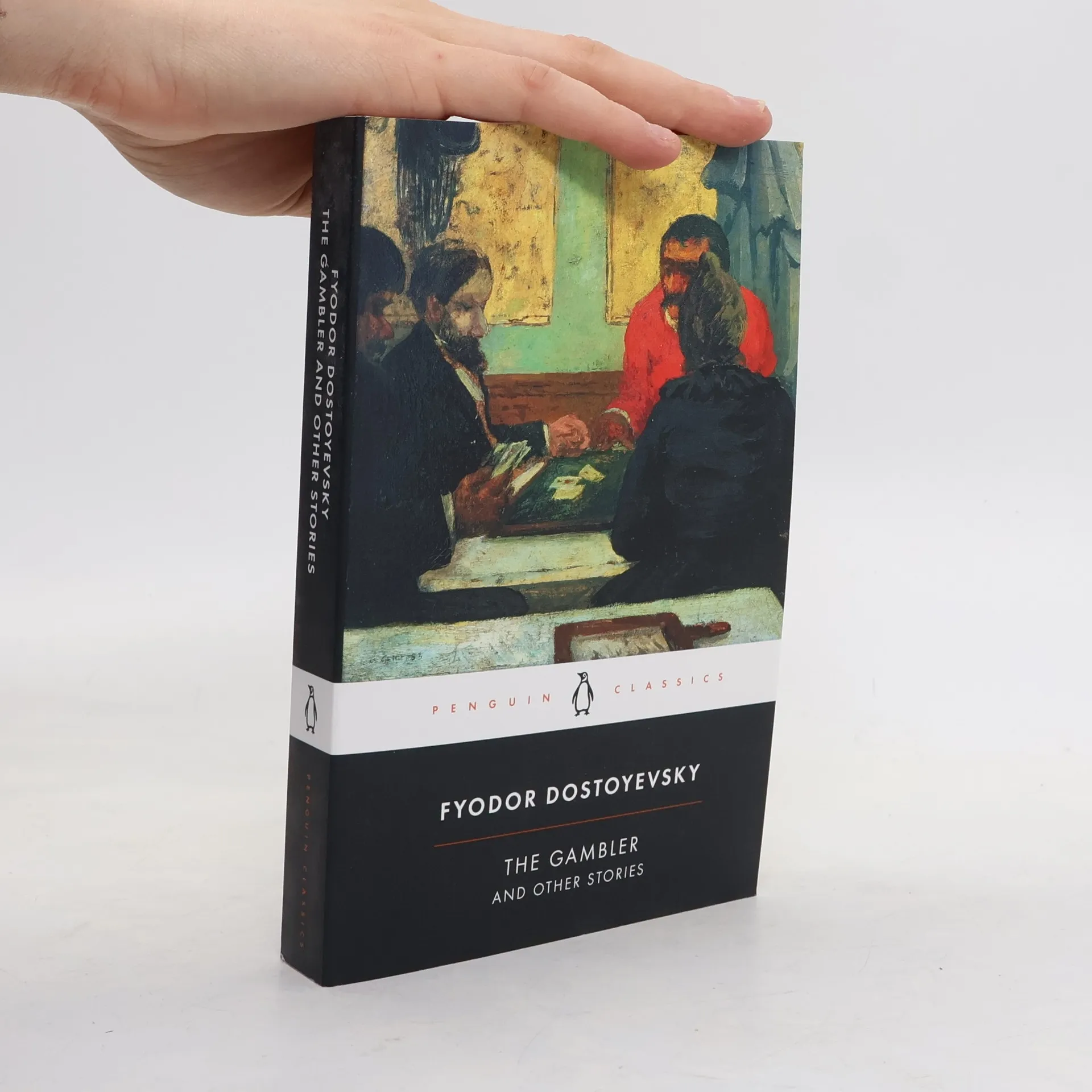
A collection of one novella and six short stories - The Gambler, Bobok, The
Dream of a Ridiculous Man, A Christmas Party and a Wedding, A Nasty Story and
The Meek One.
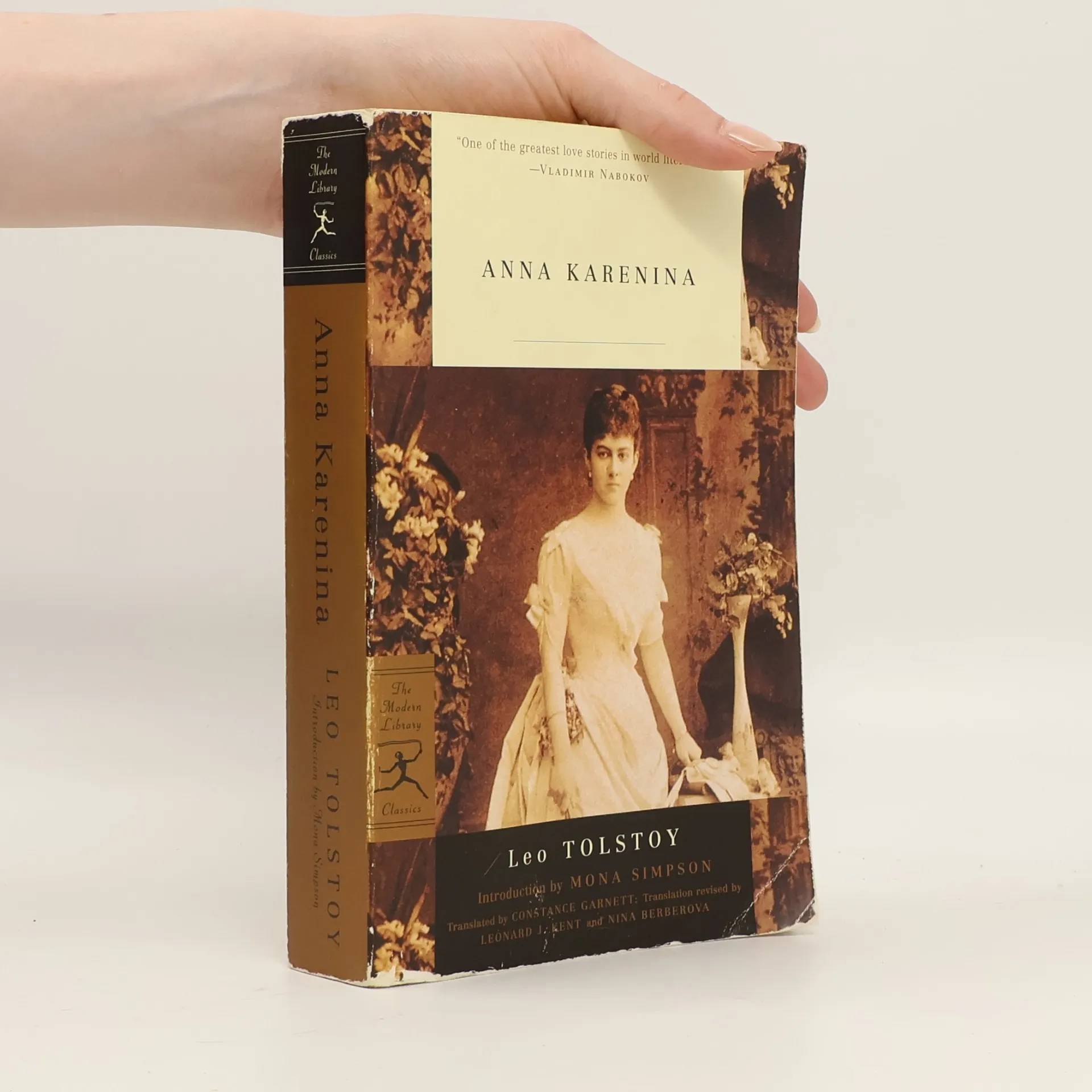
Considered by some to be the greatest novel ever written, Anna Karenina is Tolstoy's classic tale of love and adultery set against the backdrop of high society in Moscow and Saint Petersburg. A rich and complex masterpiece, the novel charts the disastrous course of a love affair between Anna, a beautiful married woman, and Count Vronsky, a wealthy army officer. Tolstoy seamlessly weaves together the lives of dozens of characters, and in doing so captures a breathtaking tapestry of late-nineteenth-century Russian society. As Matthew Arnold wrote in his celebrated essay on Tolstoy, "We are not to take Anna Karenina as a work of art; we are to take it as a piece of life."
Presented here in a masterful new translation by Michael Pursglove, this
landmark collection established the literary reputation of the author, who
considered it his most significant contribution to Russian literature, and is
universally regarded as a milestone in the Russian realist tradition.
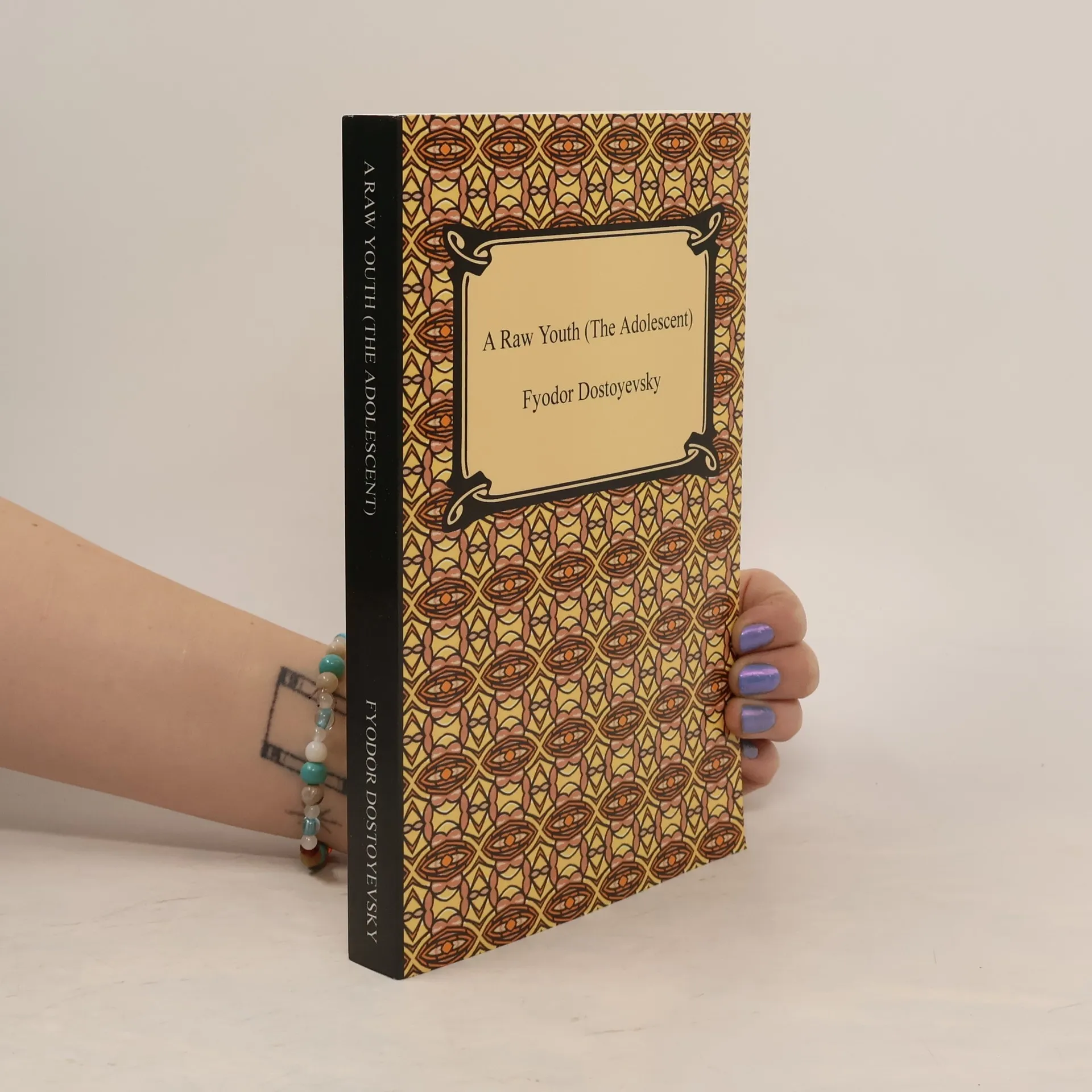
The novel explores the tumultuous relationship between 19-year-old Arkady Dolgoruky and his father, the notorious landowner Versilov, as Arkady returns to St. Petersburg after years at boarding school. As he navigates the complexities of his family's scandalous affairs, the story delves into deep psychological, emotional, and moral conflicts, reflecting the intricacies of the human condition. Dostoyevsky's rich characterizations and themes make this work a significant contribution to literature, showcasing the author's profound understanding of human nature.
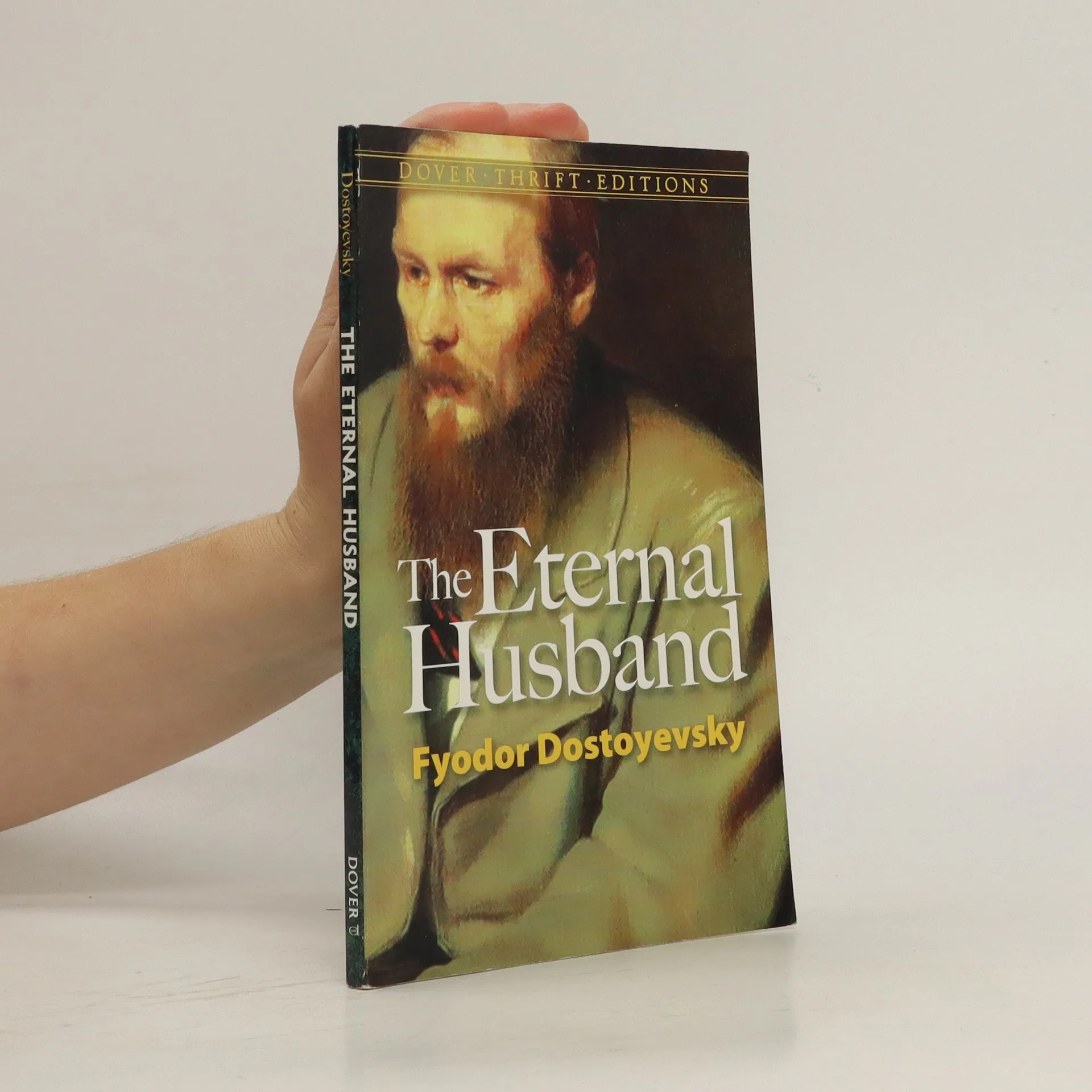
A rich and idle man confronts his dead mistress's husband in this psychological novel of duality. Powerful and accessible, it offers a captivating and revealing exploration of love, guilt, and hatred.
This classic Russian novel has it all: murder, suspense, passion, struggle, and redemption. Originally published in 1866, Crime and Punishment is a psychological thriller that deals with issues of morality, conscience, and redemption. Widely considered to be one of the greatest novels written in any language, this novel explores the life of Rodin Raskolnikov, a young Russian man who robs and murders a pawnbroker to save himself from a life of poverty. As a consequence, he must deal with the oppressive mental anguish of being a criminal while attempting to maintain relationships with his friends and family.
The Insulted & Injured, published soon after Dostoevsky's political imprisonment, clearly foreshadows his later preoccupation with unconscious psychological drives & their external effects on the lives of his characters. Where his later works carry these drives to inevitably dramatic conclusions, The Insulted & Injured confines them within the smaller boundaries of everyday event. In this story the impulse toward self-abnegation in love, which appears so markedly in both Vanya & Natasha, isn't itself enough to direct their lives; instead, it combines with their social world & the mundane ambitions of Prince Valkovsky to defeat their hope of happiness. Of all the characters in the novel, only Natasha's lover, the Prince's son Alyosha-the person least driven to mold life to his own terms-emerges untouched. Here are, to a greater extent than in Dostoevsky's more familiar works, flesh-&-blood people as we see them around every day. They are made up of both good & evil, of will & acceptance. Unfailingly they command interest & illuminate understanding.
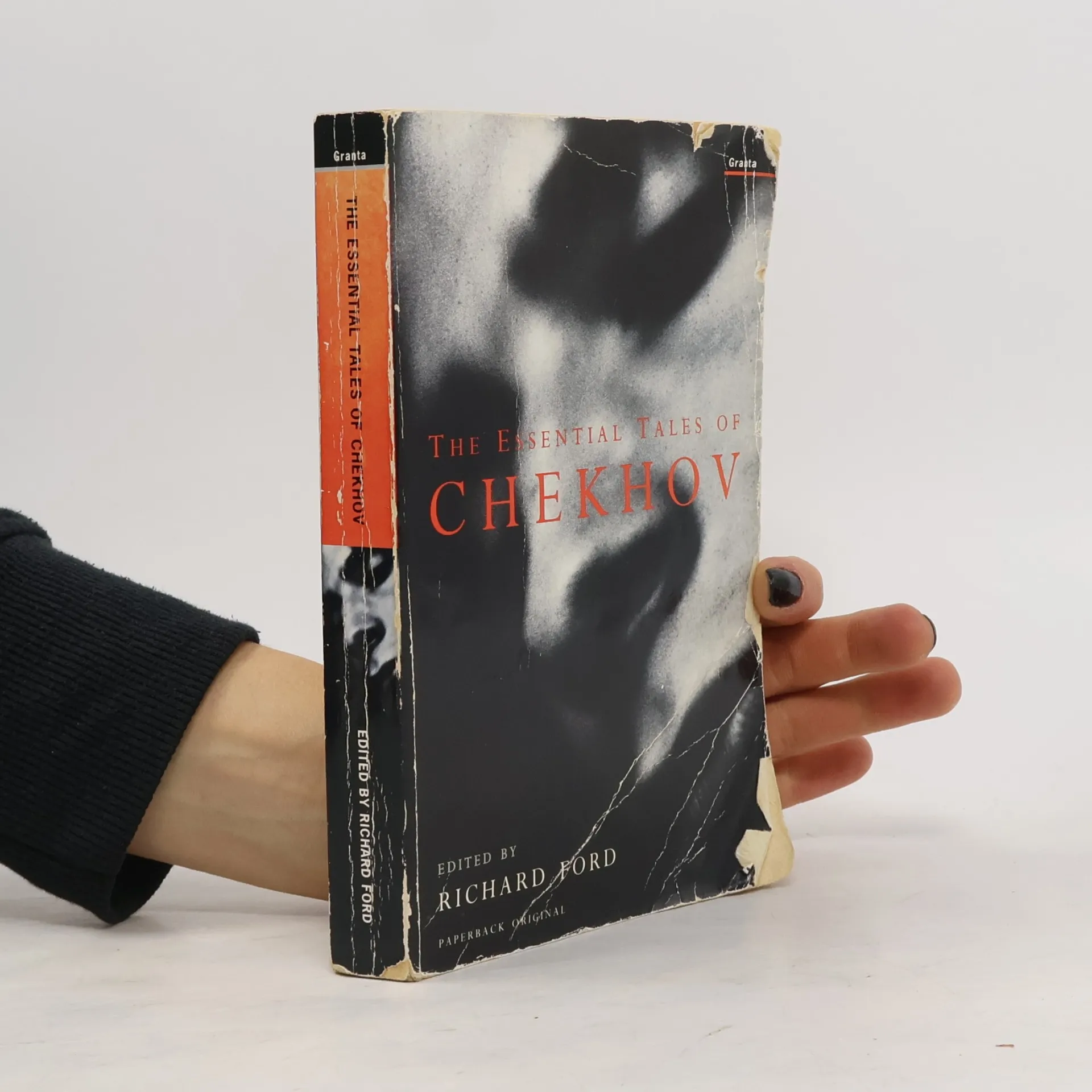
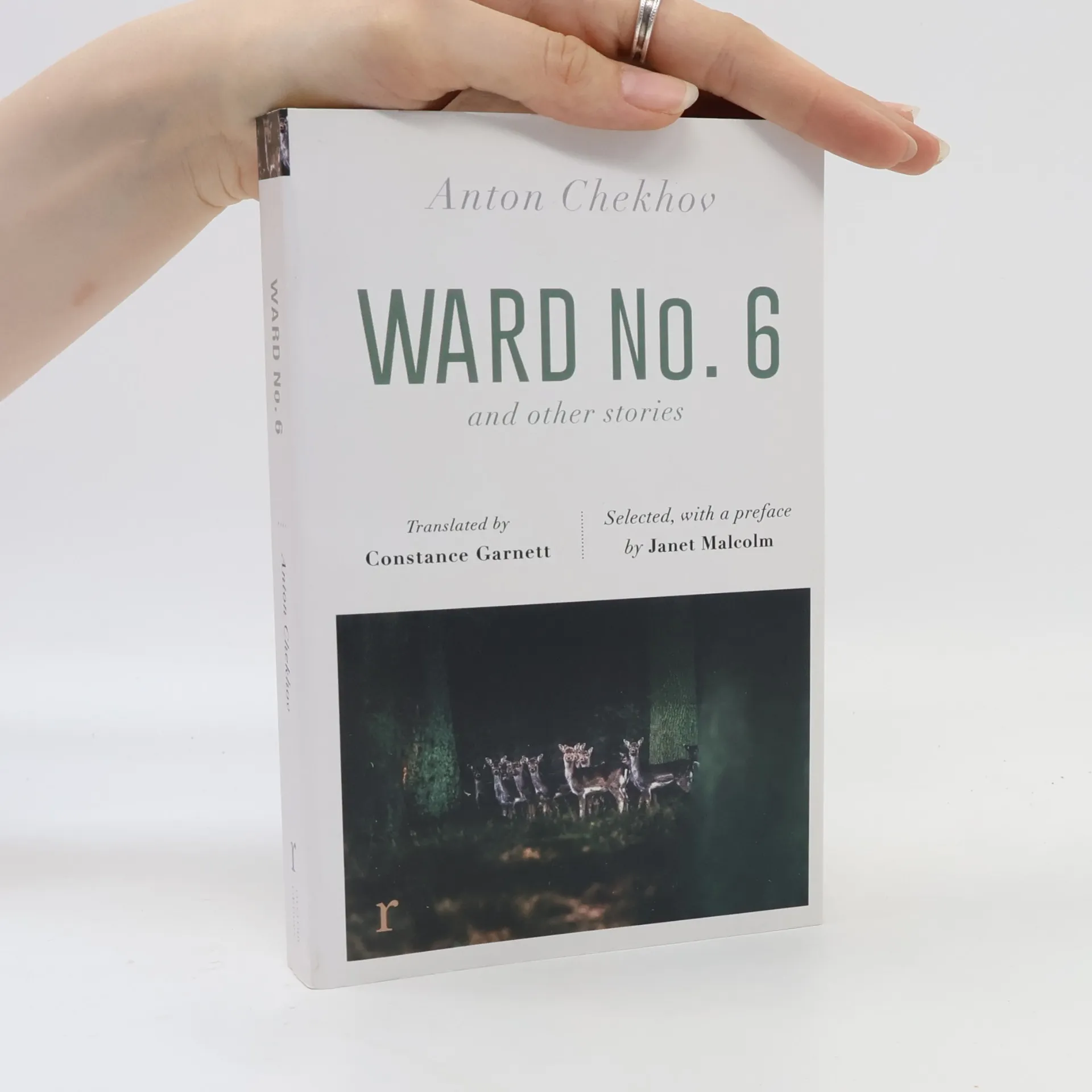
In this collection of 20 short stories, the editor Richard Ford has selected his personal favourites of Chekhov's work. Includes are The Kiss, The Darling, as well as lesser known tales such as A Blunder, Hush and Champagne.
'White Nights' is one of Dostoevsky's earlier short stories but one of his most enduringly popular. It tells the story of four nights in the life of the lonely narrator, who meets and falls in love with the mysterious and beautiful Nastenka. Poor Folkwas Dostoevsky's first novel, written to try and alleviate his financial plight, and was a commercial success. It tells the story of Makar Devushkin, a clerk, and Varvara Dobroselova, a seamstress, by means of the letters they exchange; they are in love, but too poor to marry. Its exploration of humanitarian themes led to it being described as Russia's first 'social novel'. By contrast, Dostoevsky's second novel, The Doublewas not well received. First published in 1846, it was revised and republished by Dostoevsky in 1866, but he did not consider it a success. By contrast, Vladimir Nabokov called it 'the best thing he ever wrote' and described it as 'a perfect work of art'.
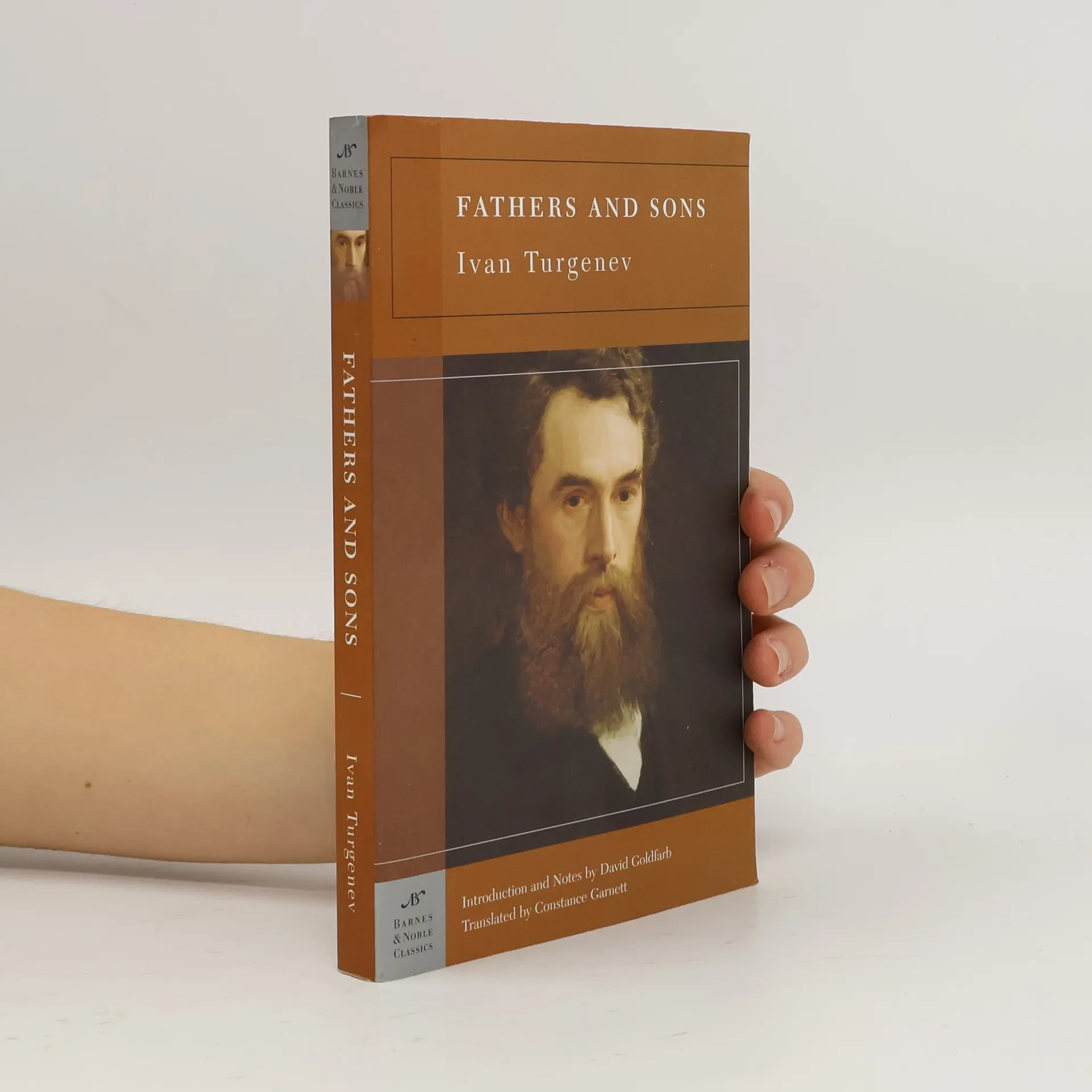
Youth rebels. It was true in Russia in 1862 when Fathers & Sons appeared. At its center stands Evgeny Bazarov, medical student, doctor's son & nihilist. Bazarov rejects authority, all so-called truths based on faith rather than science & experience. His ideas bring him into conflict with his best friend, recent graduate Arkady Kirsanov, with Arkady's family, with his own parents & eventually with his emotions when he falls in love with the beautiful Madame Odintsova.