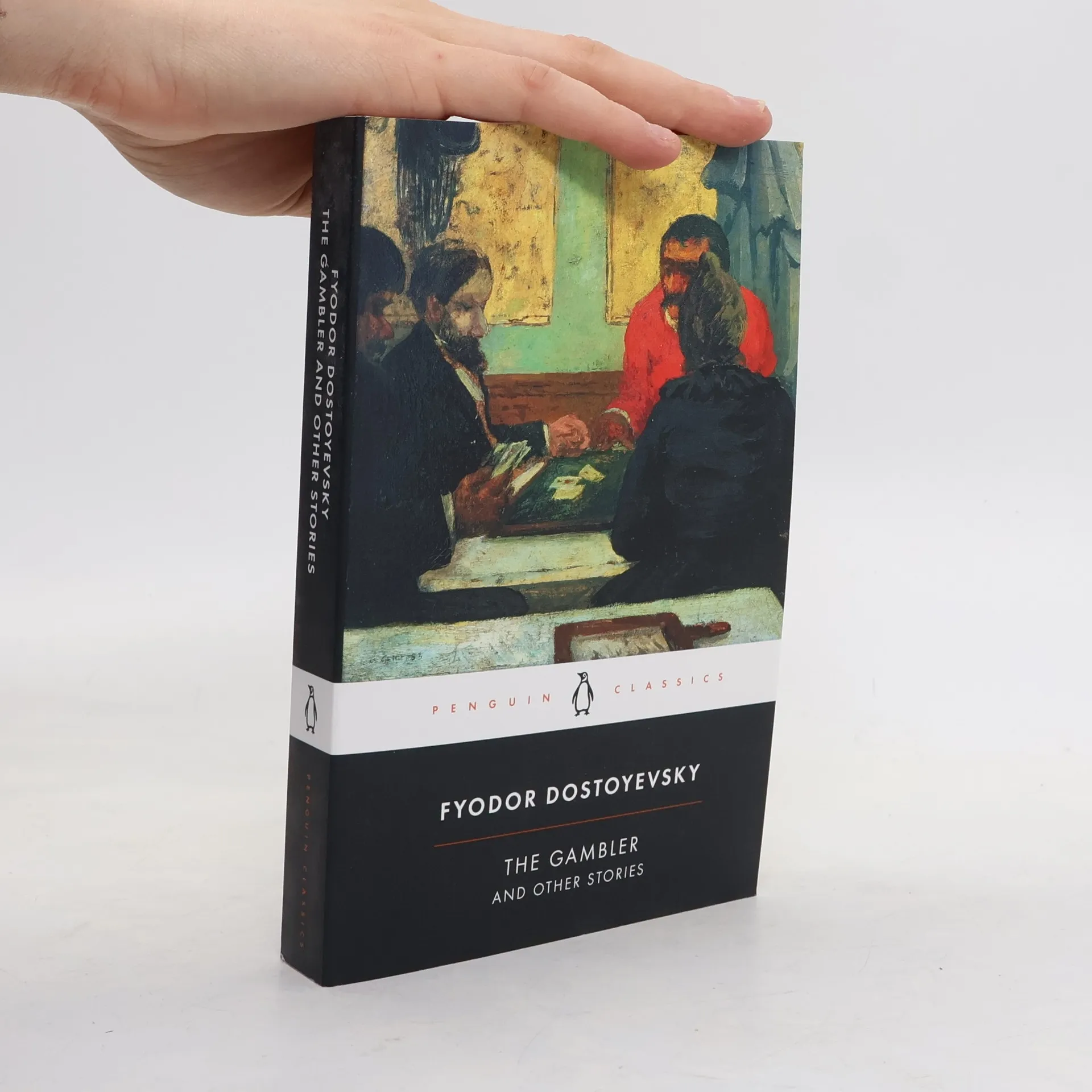

A collection of one novella and six short stories - The Gambler, Bobok, The Dream of a Ridiculous Man, A Christmas Party and a Wedding, A Nasty Story and The Meek One.
Constance Garnett Book order
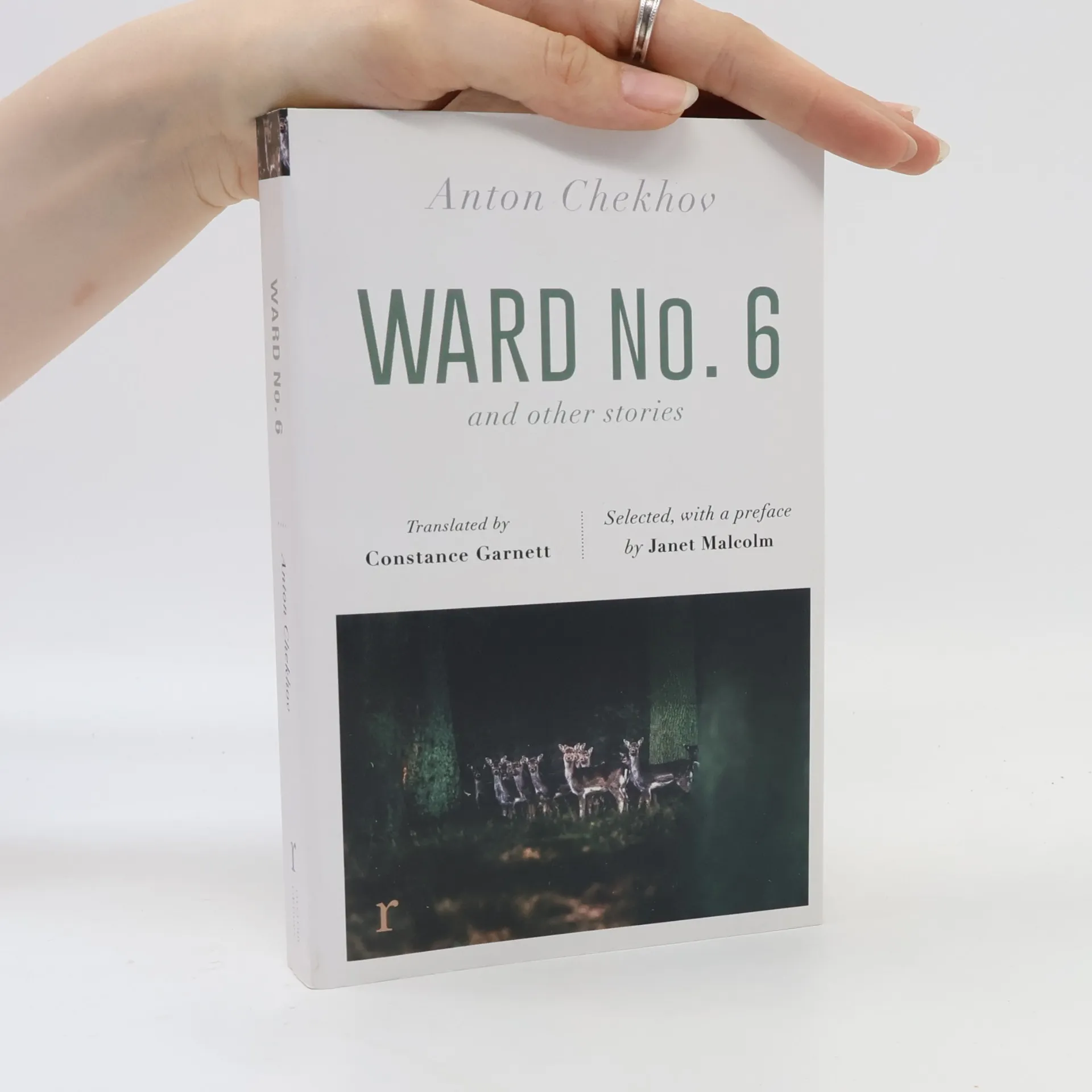
Constance Garnett was a pivotal English translator of 19th-century Russian literature. She was instrumental in introducing the works of Leo Tolstoy, Fyodor Dostoevsky, and Anton Chekhov to the English-speaking public for the first time on a wide scale. Her translations profoundly shaped the reception and understanding of these iconic Russian authors in the Western world. Garnett's efforts made their profound literary contributions accessible and beloved by a global audience.


- 2022
- 2022
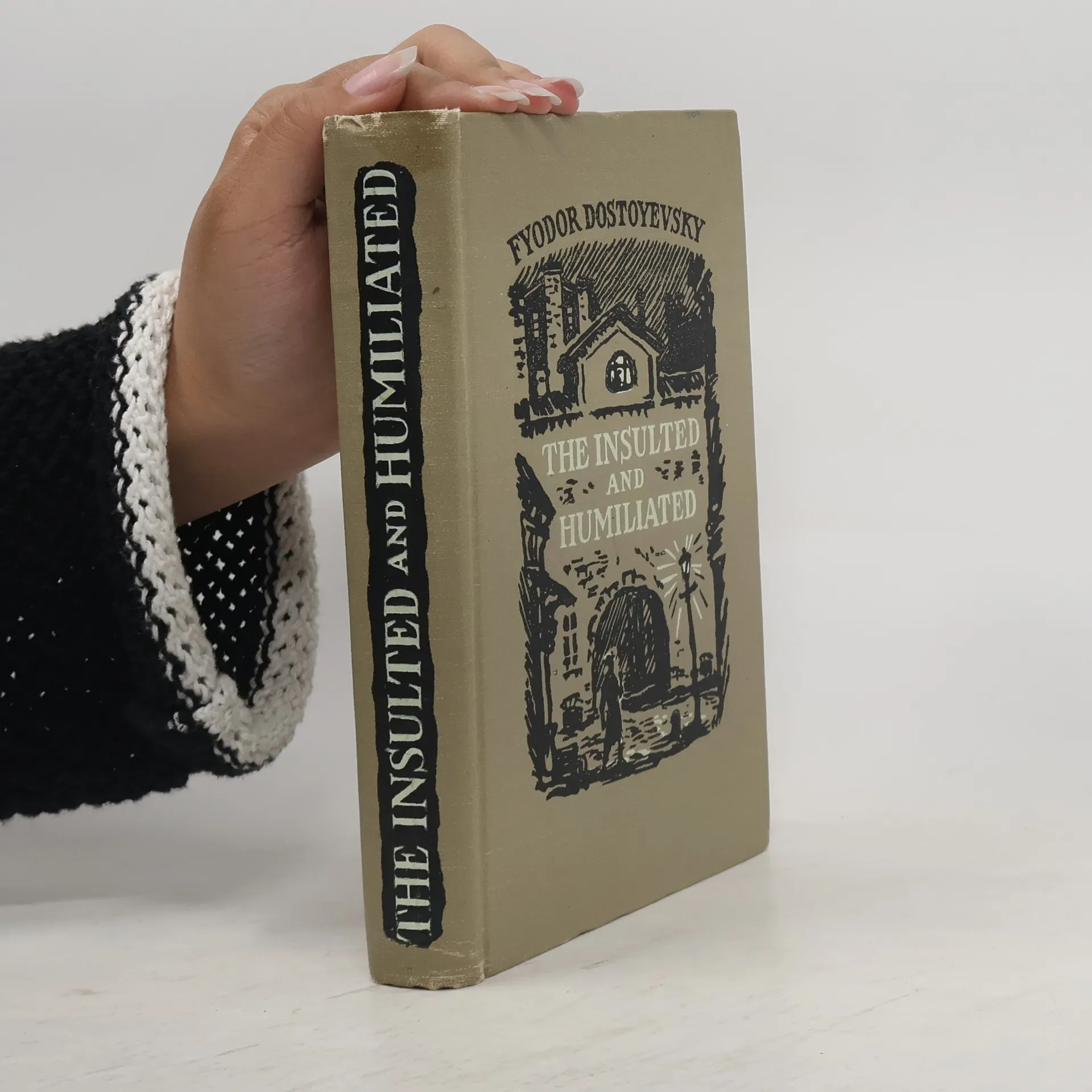
Oscar Wilde claimed that Humiliated and Insulted is not at all inferior to the other great masterpieces and Friedrich Nietzsche is said to have wept over it. Its construction is that of an intricate detective novel, and the reader is plunged into a world of moral degradation, childhood trauma and, above all, unrequited love.
- 2021
The Grand Inquisitor on the Nature of Man
- 52 pages
- 2 hours of reading
- 2019
The House of the Dead
Man is sometimes extraordinarily, passionately, in love with suffering...
- 205 pages
- 8 hours of reading
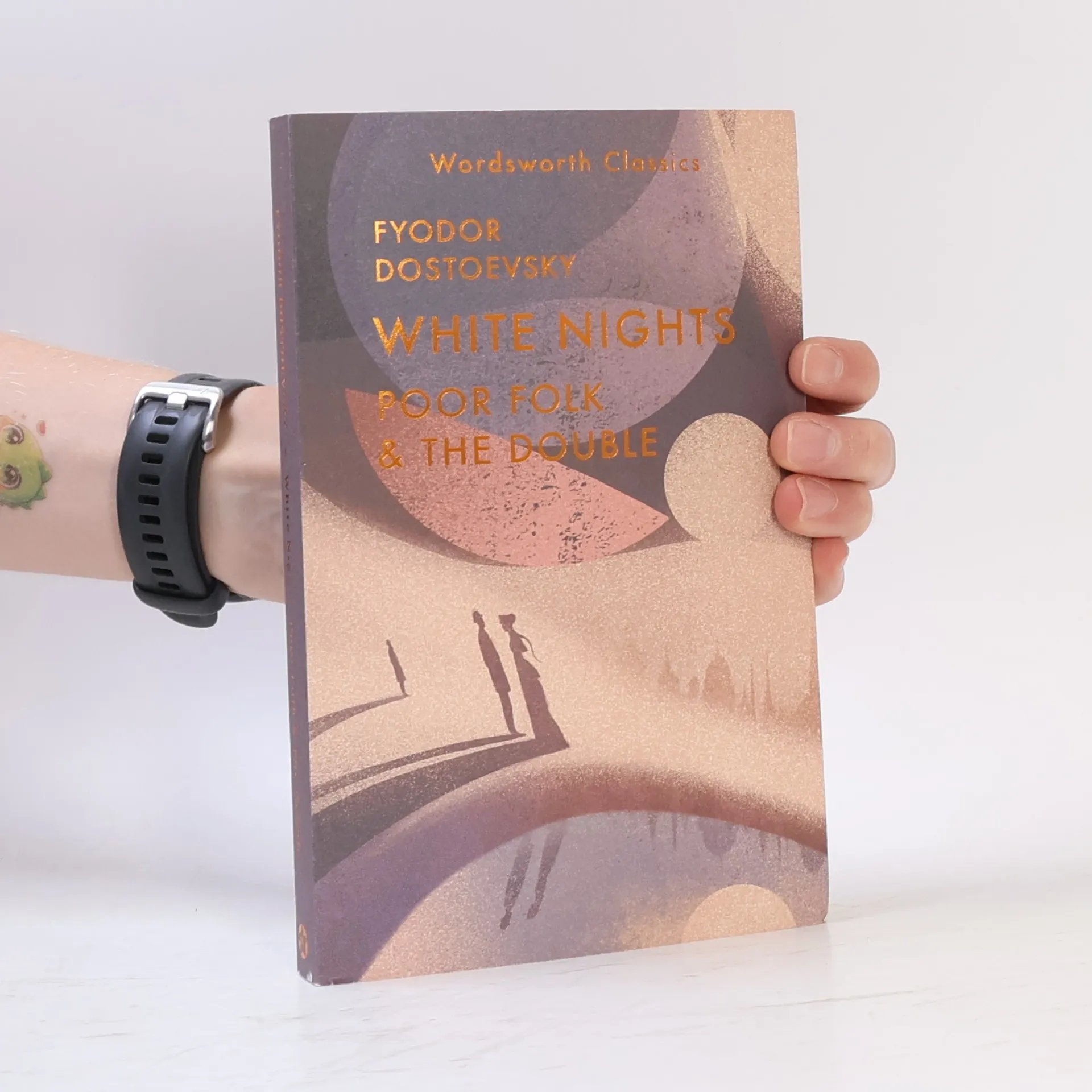
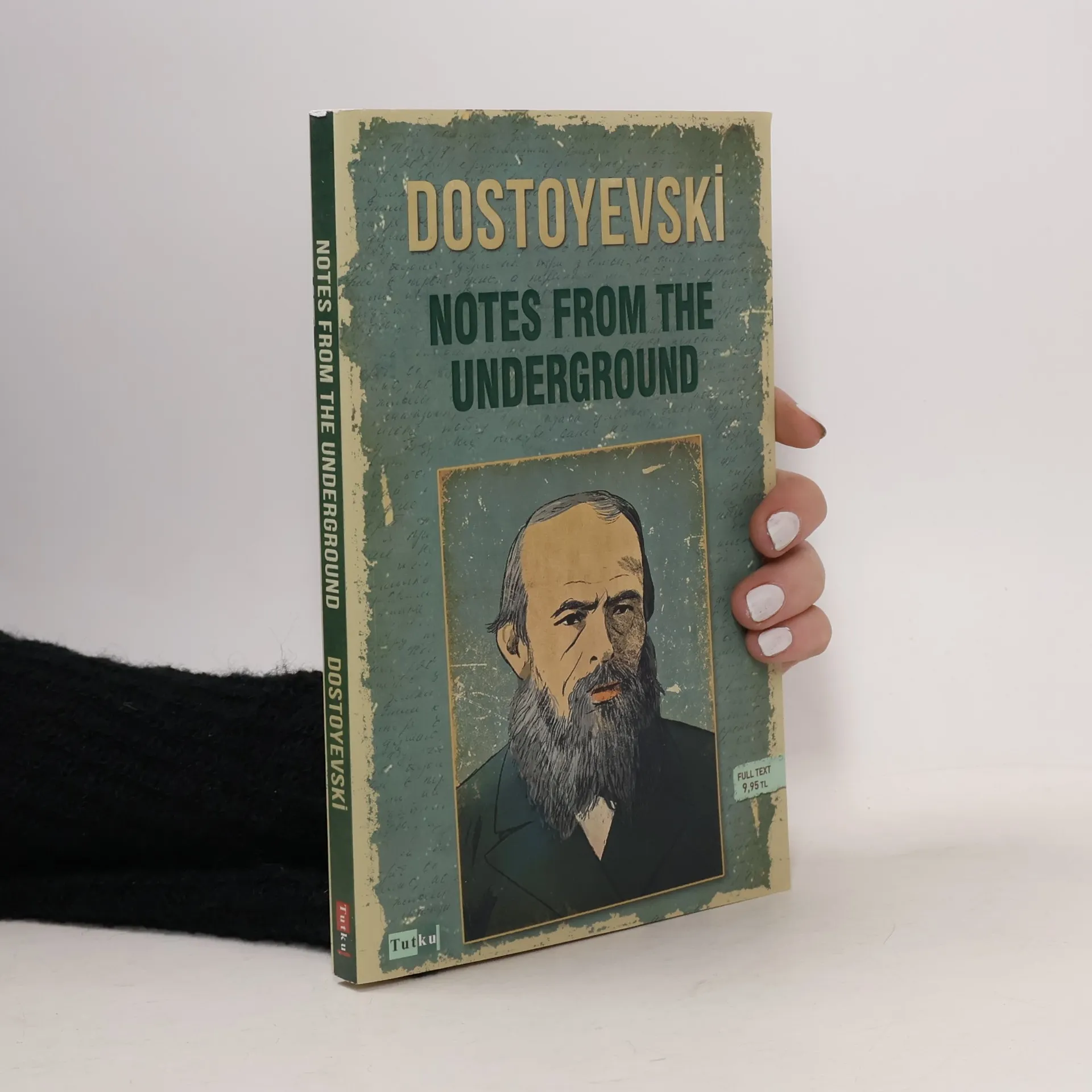
Fyodor Dostoyevsky was born on November 11, 1821, and was introduced to literature early in life, with his mother teaching him to read and write using the Bible. His literary immersion was profound, fueled by his parents' nightly readings. Tragedy struck in 1837 when his mother died of tuberculosis, and he and his brother were enrolled at the Nikolayev Military Engineering Institute, where Dostoyevsky found little interest in military studies, preferring drawing and architecture. His father's death in 1839 may have triggered his epilepsy, yet he persevered, eventually becoming an engineer cadet. His first completed work, a translation of Balzac's "Eugénie Grandet," was published in 1843 but failed commercially. He then wrote "Poor Folk," which was a success, followed by "The Double," which received poor reviews and exacerbated his health issues. Involved in socialist circles, Dostoyevsky faced arrest in 1849 for distributing banned works, leading to a death sentence commuted to four years of hard labor in Siberia. His prison experiences inspired "The House of the Dead," published in 1861. He later completed "The Gambler" in just 26 days. Despite continued health decline, including a diagnosis of pulmonary emphysema, he published "Demons" in 1873. Dostoyevsky died on February 9, 1881, after suffering multiple pulmonary hemorrhages.
- 2019
On the Eve
- 224 pages
- 8 hours of reading
Brand-new translation of one of Turgenevs major novels, includes pictures and an extensive section on Turgenevs life and works.
- 2015
Presented here in a masterful new translation by Michael Pursglove, this landmark collection established the literary reputation of the author, who considered it his most significant contribution to Russian literature, and is universally regarded as a milestone in the Russian realist tradition.
- 2012
Anna Karenina
- 107 pages
- 4 hours of reading
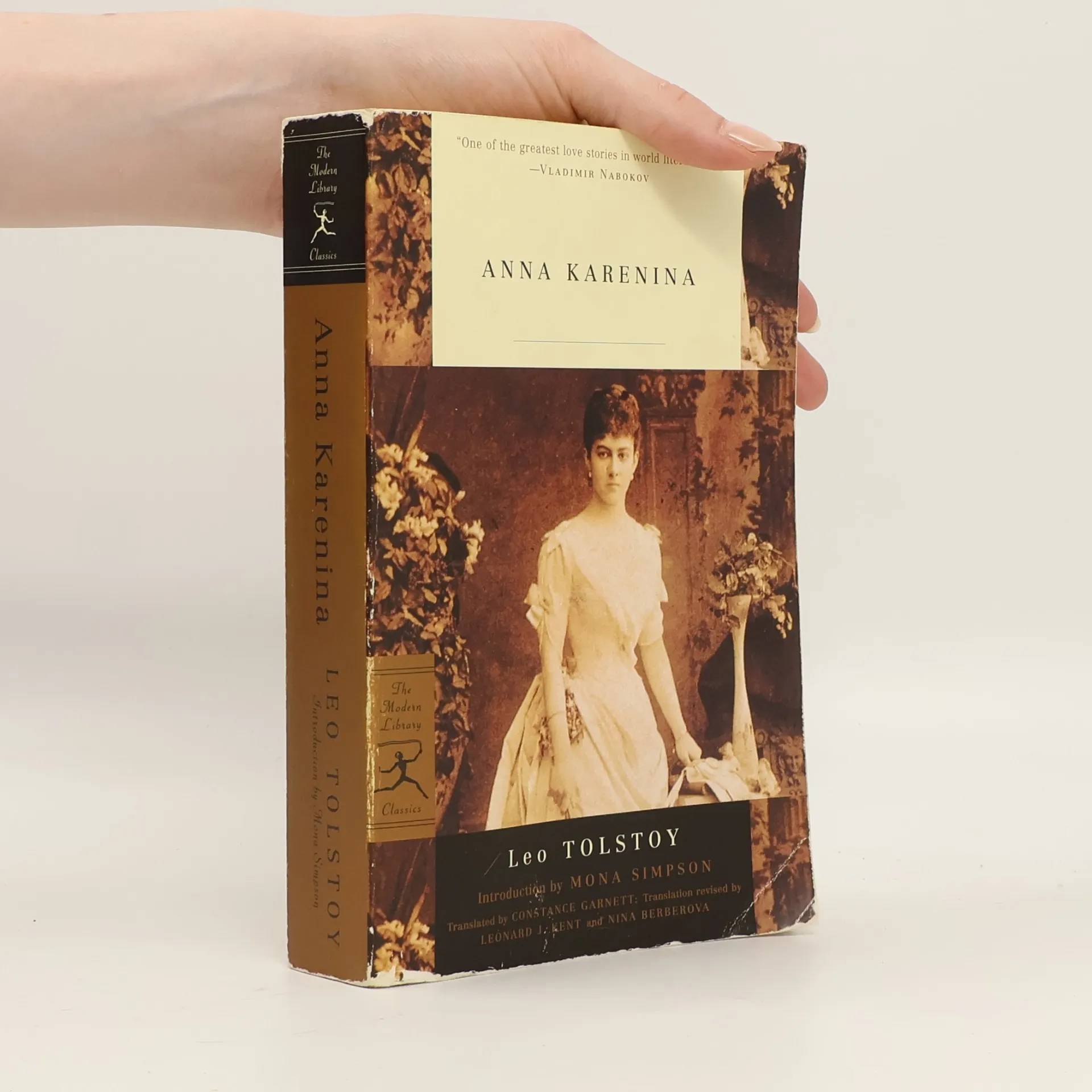
"Anna Karenina" is perhaps the greatest novel of all time. It tells the story of Anna, married to the dull, cold Karenin in 19th century St. Petersburg, Russia. She falls in love with a handsome young soldier, Vronsky. At first Anna is happy, but the story ends in despair, and death. -- from p. 4 of cover.
- 2008
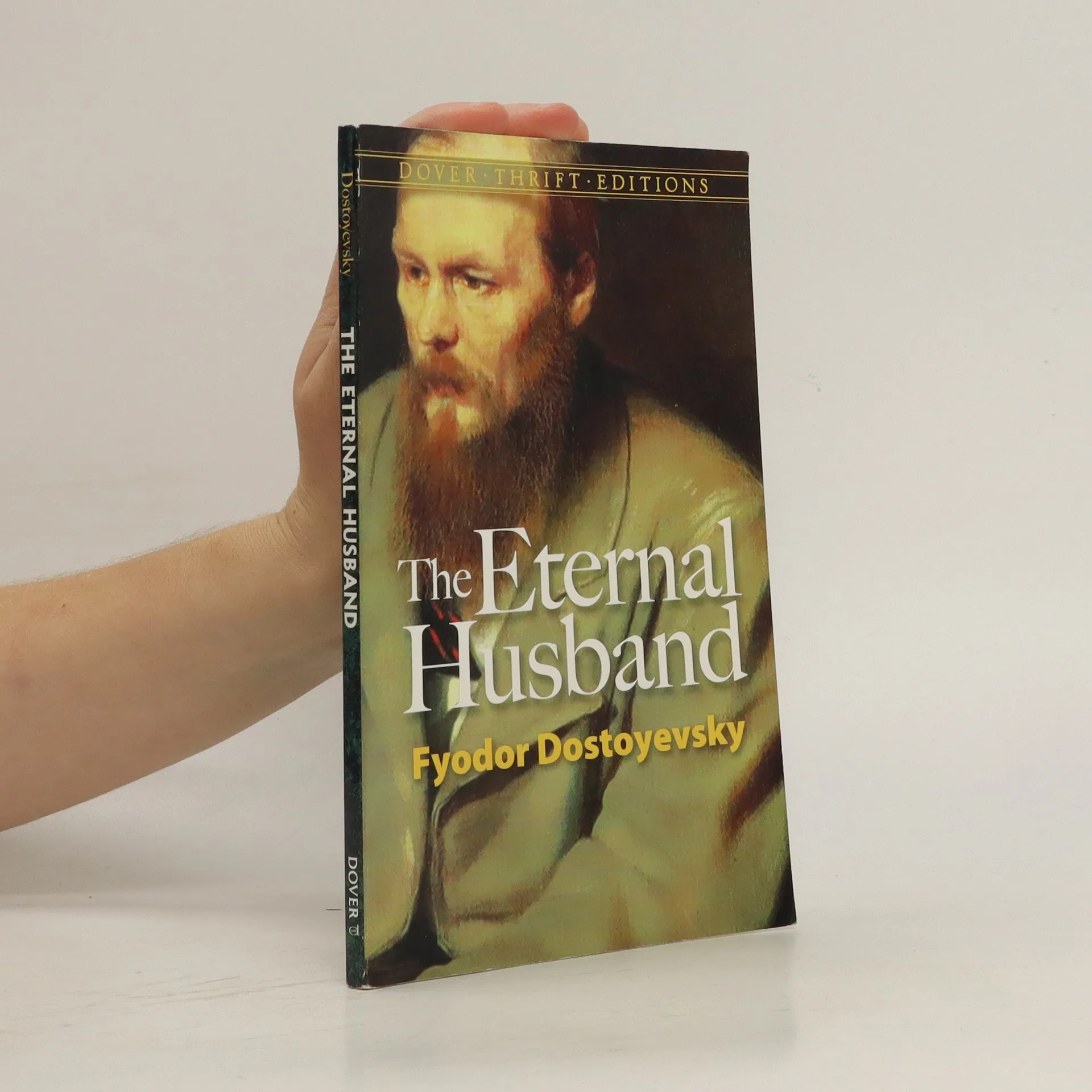
A rich and idle man confronts his dead mistress's husband in this psychological novel of duality. Powerful and accessible, it offers a captivating and revealing exploration of love, guilt, and hatred.
- 2007
The final masterpiece from the celebrated author of Crime and Punishment and The Idiot... This extraordinary novel, Dostoyevsky’s last and greatest work, tells the dramatic story of four brothers—Dmitri, pleasure-seeking, impatient, unruly . . . Ivan, brilliant and morose . . . Alyosha, gentle, loving, honest . . . and the illegitimate Smerdyakov, sly, silent, cruel. Driven by intense passion, they become involved in the brutal murder of their own father, one of the most loathsome characters in all literature. Featuring the famous chapter, “The Grand Inquisitor,” Dostoyevsky’s final masterpiece is at once a complex character study, a riveting murder mystery, and a fascinating examination of man’s morality and the question of God’s existence. Translated by Constance Garnett Edited and with a Foreword by Manuel Komroff and an Afterword by Sara Paretsky