

A globally recognized authority on leadership and change, whose work dissects the core principles of effective management. His writings delve into the essential dynamics that drive successful organizational transformation and strategic execution. The author explores the fundamental motivations and approaches required to navigate and influence change effectively. His insights are crafted to equip readers with the understanding and tools necessary for leading lasting positive impact.
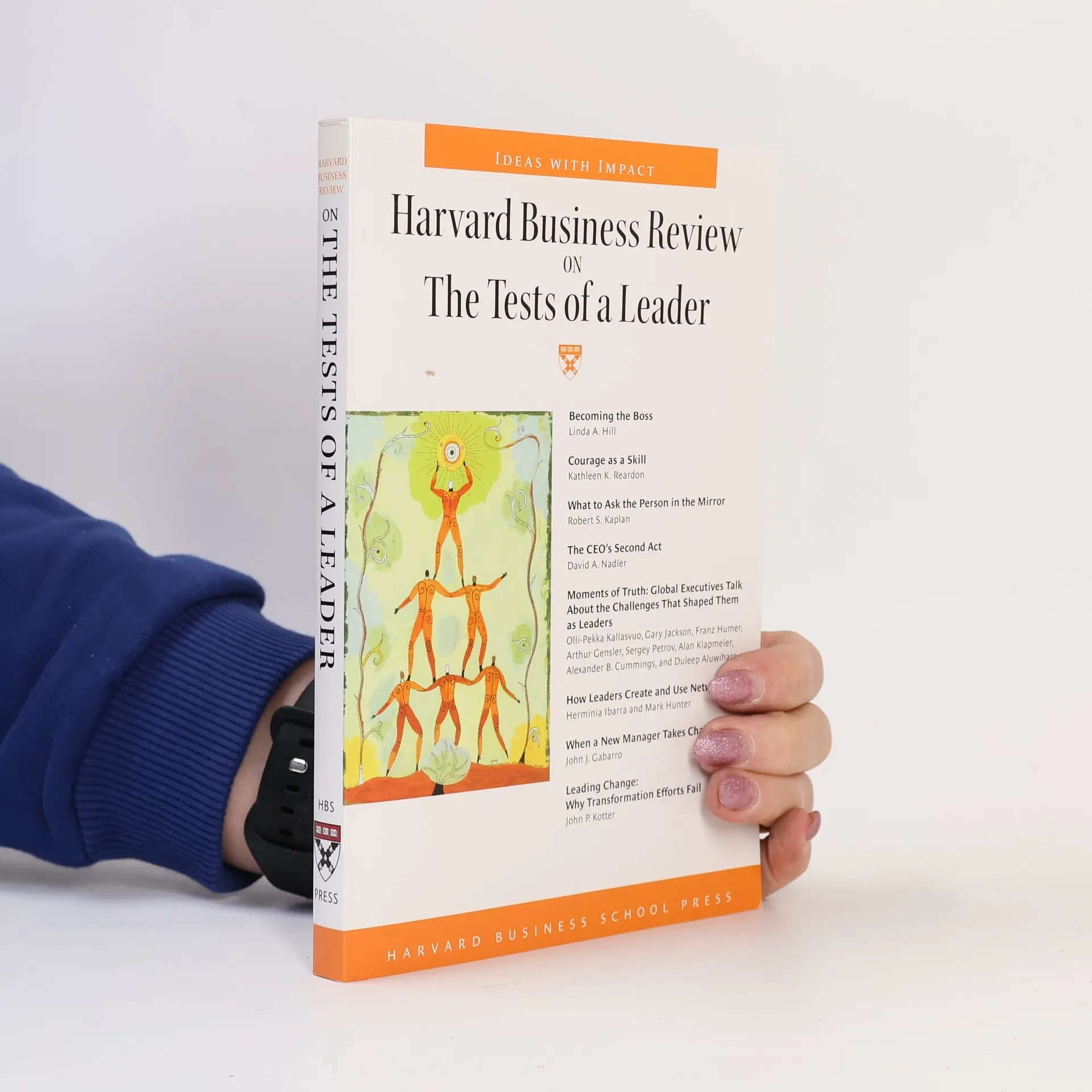
For years, the best source for management thinking has been Harvard Business Review. This book pulls from the best HBR articles to help leaders rise to the tests they face on a daily basis. If you want to navigate through muddy business waters, overcome difficult hurdles, and thrive in this modern world of business, read Harvard Business Review on the Tests of a Leader.
"As part of an executive team, you wear many hats. Not only are you responsible for working with other senior leaders to establish strategic goals for the organization and ensure their execution, but you're making tough decisions, shaping organizational culture, and communicating regularly with employees. If you read nothing else on working effectively as a member of an executive team, read these 10 articles. We've combed through hundreds of Harvard Business Review articles and selected the most important ones to help you understand what's required of you as a senior leader so you can set your team and organization up for success. This book will inspire you to: Build the qualities you need as a senior leader in your company; assemble a group that will think boldly and work harmoniously; feel confident while making strategic decisions as a team; avoid common traps when managing risk; help newly hired executives adapt quickly to the organization; and grow talent throughout the company, especially in underrepresented groups"-- Provided by publisher
From the ill-fated dot-com bubble to unprecedented merger and acquisition activity to scandal, greed, and, ultimately, recession -- we've learned that widespread and difficult change is no longer the exception. By outlining the process organizations have used to achieve transformational goals and by identifying where and how even top performers derail during the change process, Kotter provides a practical resource for leaders and managers charged with making change initiatives work.
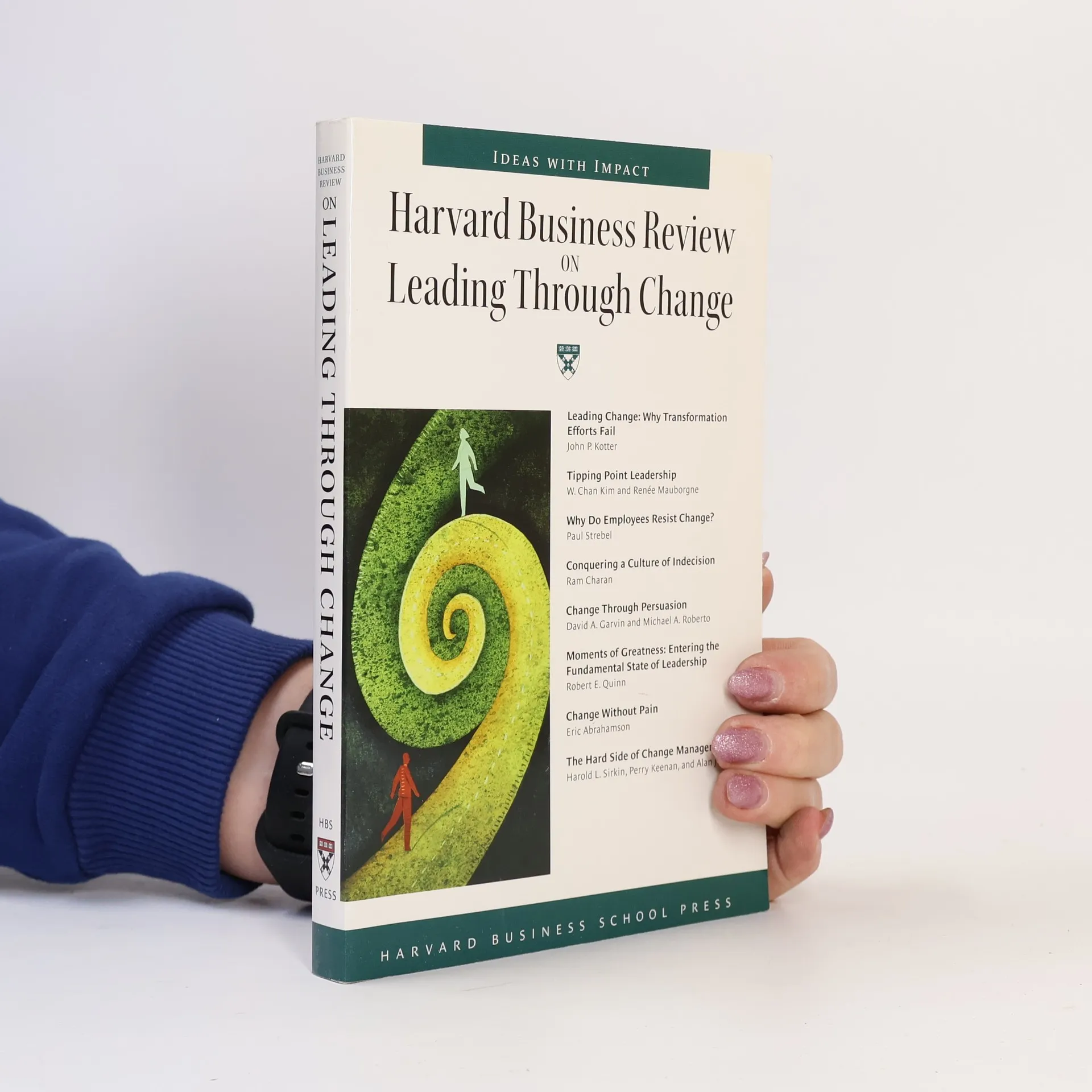
Seventy percent of all change initiatives fail. Yours won’t have to—when you apply the practices provided in HBR on Leading Through Change. In this vital new resource, today’s leading thinkers offer suggestions for articulating a compelling vision of an organization’s future, overcoming employee resistance to change, and surmounting other challenges that come with leading change.
Outlines an eight-step program by which companies can implement effective large-scale change, noting the importance of shifting employee thinking patterns and citing the stories of more than 100 organizations.
In today's intricate work environment, tasks are no longer accomplished solely through hierarchical commands. Most individuals rely on collaboration with subordinates, peers, superiors, and external parties to achieve their objectives, often facing a "power gap" due to limited control over others. This book explores how to bridge that gap and effectively exercise influence when formal authority is insufficient. It presents original ideas and expert insights into organizational dynamics, emphasizing that even lower-level personnel require strong leadership and interpersonal skills to thrive. The author illustrates how to cultivate "unofficial" power and influence to reach goals, navigate conflicts, encourage team creativity, and secure support from various stakeholders. Additionally, it addresses the pitfalls of naivete and cynicism in power relationships, advocating for responsible power use. This resource is vital for top managers combating internal conflicts that undermine morale and profits, middle managers aiming to avoid career derailment from power struggles, professionals facing bureaucratic challenges, and staff workers needing to manage their superiors. It is not intended for those seeking power for selfish motives but for those wishing to foster effective working relationships and enhance personal effectiveness in their roles.
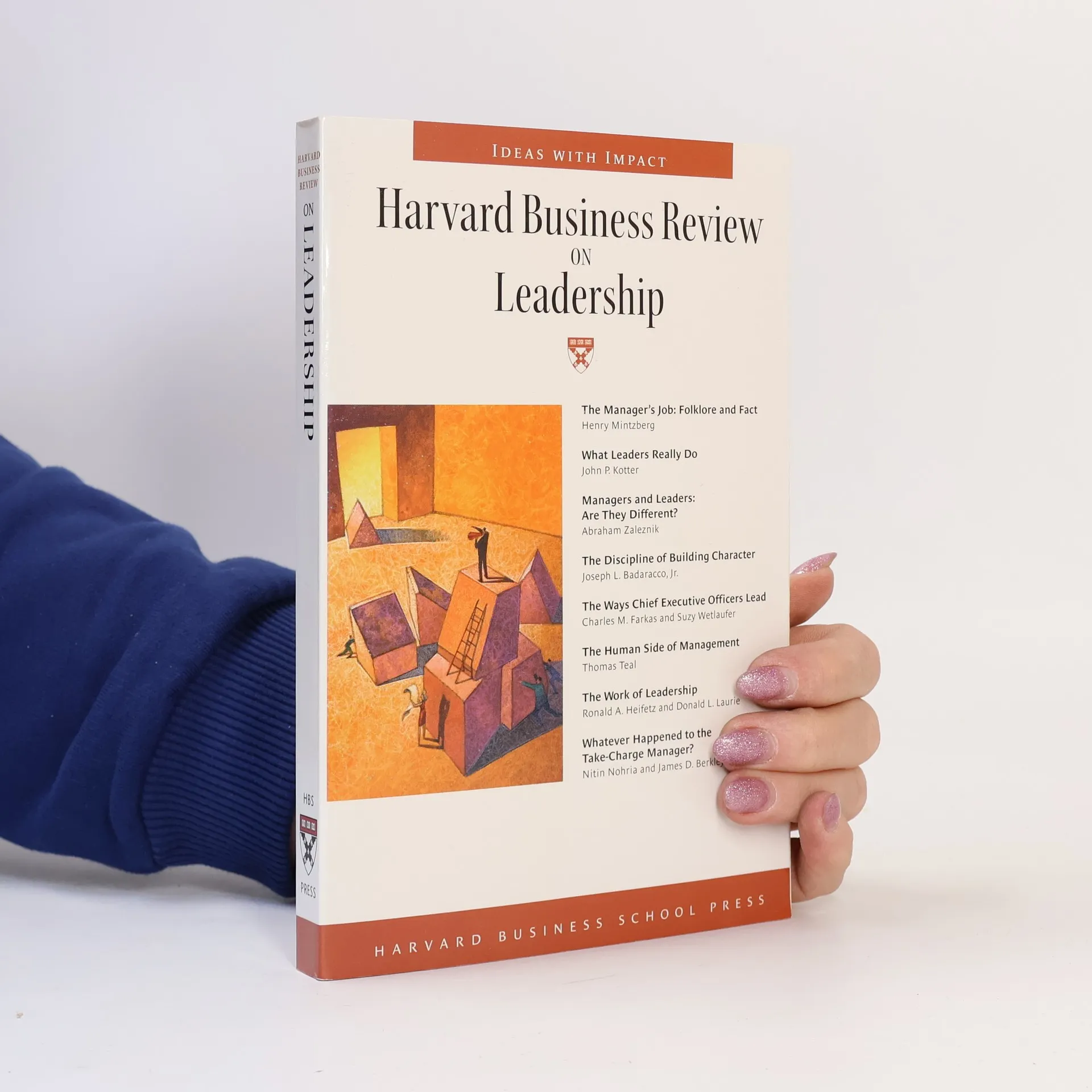
The Harvard Business Review paperback series is designed to bring today's managers and professionals the fundamental information they need to stay competitive in a fast-moving world. Here are the landmark ideas that have established the Harvard Business Review as required reading for ambitious businesspeople in organizations around the globe. Harvard Business Review on Leadership gathers together eight of the Harvard Business Review's most influential articles on leadership, challenging many long-held assumptions about the true sources of power and authority.
John P. Kotter provides compelling insights into the essence of leadership today, distinguishing it from management while emphasizing the necessity of both for business success, particularly in complex and evolving environments. Critics often lament the absence of charismatic leaders, yet they fail to clarify what true leadership and management entail. Kotter argues that leadership is not about a god-like figure transforming others, but rather a process of creating change through numerous "little acts of leadership" performed by insightful individuals. Drawing on his extensive study of 15 successful general managers, he illustrates how senior and middle managers collaborated effectively with their teams to implement hundreds of practical ideas and procedures. This approach led to remarkable achievements, such as transforming NCR into a leader in automated teller machines amid fierce competition from IBM, and driving significant growth at American Express and SAS despite their mature markets. Kotter also highlights successful leadership at companies like P&G, Kodak, PepsiCo, ARCO, and ConAgra. He concludes that many organizations today suffer from being overmanaged and underled, not due to a lack of charisma among managers, but because few executives grasp the true nature and potential of leadership. Without this understanding, even the most capable individuals struggle to lead effectively and foster a culture of leadership.
Draws from research at such firms as Hewlett-Packard, Xerox, ICI, and Nissan to show how the culture--shared beliefs, attitudes, and practices--of a company can influence its performance for better or worse.
Before they can effectively manage others, managers have to be adept at managing themselves. That requires truly understanding their own passions, motivations, strengths, and weaknesses. This guide offers sage advice from business greats, including Peter F. Drucker and John P. Kotter, on how managers can improve personal performance and productivity and, in the process, become better managers of those they lead.
In this book the reader will learn how to become more effective leaders as they explore pressing issues such as power, influence, dependence and strategies for change.
Transform your organization with speed and efficiency using this insightful resource. Incremental improvement is no longer enough to help organizations navigate today's complexity, uncertainty, and volatility. The authors explore how to create non-linear, dramatic change within organizations. You'll learn about the emerging science of change that enables businesses and governments to adapt rapidly. Key insights include the challenges organizations face in addressing threats and seizing opportunities amid increasing complexity and uncertainty. The book offers in-depth, evidence-based solutions for overcoming institutional resistance to change, along with case studies showcasing organizations that have successfully integrated the ability to change into their core operations. It presents a universal approach to significantly enhance outcomes from various change initiatives, including strategy execution, digital transformation, and restructuring. Ideal for managers, executives, and leaders across diverse industries, this resource is also valuable for other professionals supporting these organizations. It serves as a guide for anyone seeking a proven method for achieving fast, sustainable, and comprehensive results.
Explains what effective corporate leadership is. Demonstrates through case studies how poor management and superior management affected different firms. Describes executive development programs and practices that increase the quality and quantity of leadership.
A Story about How Organizations Rise and Fall--and Can Rise Again
176 pages
7 hours of reading
The bestselling authors of Our Iceberg is Melting return with their second business fable, exploring the tensions between management and leadership, planning and spontaneity, and big versus small. This engaging, full-color narrative addresses fundamental business questions: why do organizations rise and fall, and how can they recover from adversity? Drawing on decades of research by Harvard Business School professor John Kotter, the story follows a clan of meerkats in the Kalahari, whose harmonious existence is disrupted by a drought that diminishes resources and introduces new predators. As the clan members argue over solutions, young and adventurous Nadia decides to seek inspiration from other meerkat clans. She discovers a smaller group that operates with greater flexibility and team spirit. However, not everything is as ideal as it appears, as they too grapple with the perilous mindset of "That's not how we do it here." This simple yet profound tale resonates with anyone striving to balance flexibility and structure in a challenging environment, offering insights into navigating organizational dynamics.
Managing your Isn't that merely manipulation? Corporate cozying up? Not according to John Gabarro and John Kotter. In this handy guidebook, the authors contend that you manage your boss for a very good to do your best on the job―and thereby benefit not only yourself but also your supervisor and your entire company. Your boss depends on you for cooperation, reliability, and honesty. And you depend on him or her for links to the rest of the organization, for setting priorities, and for obtaining critical resources. By managing your boss―clarifying your own and your supervisor's strengths, weaknesses, goals, work styles, and needs―you cultivate a relationship based on mutual respect and understanding. The result? A healthy, productive bond that enables you both to excel. Gabarro and Kotter provide valuable guidelines for building this essential relationship―including strategies for determining how your boss prefers to process information and make decisions, tips for communicating mutual expectations, and tactics for negotiating priorities. Thought provoking and practical, Managing Your Boss enables you to lay the groundwork for one of the most crucial working relationships you'll have in your career.
Most organizational change initiatives fail spectacularly (at worst) or deliver lukewarm results (at best). In his international bestseller Leading Change, John Kotter revealed why change is so hard, and provided an actionable, eight-step process for implementing successful transformations. The book became the change bible for managers worldwide.Now, in A Sense of Urgency, Kotter shines the spotlight on the crucial first step in his framework: creating a sense of urgency by getting people to actually see and feel the need for change.Why focus on urgency? Without it, any change effort is doomed. Kotter reveals the insidious nature of complacency in all its forms and guises.In this exciting new book, Kotter explains:· How to go beyond "the business case" for change to overcome the fear and anger that can suppress urgency· Ways to ensure that your actions and behaviors -- not just your words -- communicate the need for change· How to keep fanning the flames of urgency even after your transformation effort has scored some early successesWritten in Kotter's signature no-nonsense style, this concise and authoritative guide helps you set the stage for leading a successful transformation in your company.
Describes how organizations can learn to move swiftly to accommodate change while still providing the necessary structures that nurture employees and long-term success.
Bestsellerautor John P. Kotter hat in den letzten 35 Jahren beobachtet, was Menschen tun, damit ihre Unternehmen gut funktionieren. Auf diesen Erkenntnissen basiert sein neues Buch. Hier spricht Kotter von der Dringlichkeit, permanent nach wichtigen Belangen im Unternehmen Ausschau zu halten und im Bedarfsfall so schnell wie möglich zu handeln, um ein Unternehmen wandlungsfähig und damit erfolgreich zu machen. Menschen, die ein Gespür für diese Dringlichkeit besitzen, suchen automatisch immer nach Risiken, die das Unternehmen gefährden sowie nach Möglichkeiten zur Verbesserung. Kotter erklärt, wodurch sich echte Dringlichkeit auszeichnet, weshalb sie ein unschätzbar wertvolles Gut ist und wie Manager das Gefühl für Dringlichkeit in ihrem Umfeld wecken, stärken und bewahren können. Seine Ausführungen erläutert Kotter an zahlreichen Beispielen aus der ganzen Welt.
Náš ľadovec sa roztápa je jednoduchým príbehom o úspechu vo svete, ktorý ustavične podlieha zmenám. Je to príbeh o kolónii tučniakov z Antarktídy, ktorá žije dlhé roky nezmeneným spôsobom a ktorá zistí, že ich domov ohrozuje potenciálne katastrofický problém. John Kotter, guru vrcholového manažmentu a organizačných zmien na Harvard Business School, dokazuje v knihe s pomocou výstižnej bájky, ako sa dá pomocou metódy ôsmich krokov dosiahnuť zmena v každej spoločnosti.
Der neue Wirtschaftsbestseller aus den USA: Lange Zeit hatte der Erdmännchen-Clan beste Lebensbedingungen in seiner angestammten Heimat. Doch plötzlich bedroht eine schwere Dürre seine Existenz. Das Gemeinschaftsgefühl gerät ins Wanken, als die Erdmännchen über mögliche Lösungen streiten … Den Erdmännchen um Nadia und Ayo gelingt es in dieser Krisensituation schließlich, die Funktionen von Management und Führung zu verbinden. Sie sind innovativ, zugleich aber auch verlässlich und effizient. Sie sind motiviert, handeln schnell – und ergreifen ihre Chance. 10 Jahre nach der Veröffentlichung ihres Top-Bestsellers „Das Pinguin-Prinzip“ präsentieren der renommierte Wirtschaftswissenschaftler John Kotter und der deutsche Unternehmensberater Holger Rathgeber eine neue wegweisende Business-Fabel. Am Beispiel einer Erdmännchen-Kolonie zeigen sie, mit welcher Strategie Führungskräfte Krisensituationen meistern.
Echte Führung setzt Energien frei, motiviert die Mitarbeiter und spornt sie zu Höchstleistungen an. Doch allzuoft werden Unternehmen nur verwaltet, das Potential der Mitarbeiter – die wichtigste Innovationsquelle – bleibt ungenutzt. Die Folge: Stagnation statt Schnelligkeit, Orientierungslosigkeit, wo klare Strategien gefordert sind. John Kotter gilt als die Kapazität auf dem Gebiet der Führung und hat jahrzehntelang Unternehmen aller Größen untersucht und beraten. Er kennt aus langjähriger Erfahrung die Geheimnisse überragender Führungskräfte. In diesem Buch zeigt er, wie jeder seine Visionen noch wirksamer kommunizieren und die Mitarbeiter für gemeinsame Ziele begeistern kann. Prof. John P. Kotter ist Professor für Führungslehre an der Harvard Business School. Er ist Autor zahlreicher internationaler Wirtschafts- und Managementbestseller.
Víte, že vaše organizace potřebuje změnu, ale její prosazení se zdá být pomalé a obtížné? John Kotter, přední odborník na vedení a řízení změn, ve své nejnovější knize ukazuje, že mnoha organizacím chybí pravé vědomí naléhavosti. Tento postoj motivuje lidi, aby se zbavili neodůvodněného sebeuspokojení, aktivně hledali nové příležitosti a soustředili se na důležité úkoly. Kotter se zaměřuje na klíčový předpoklad a první krok svého osmifázového rámce úspěšné realizace změn – vyvolávání a udržování pravého vědomí naléhavosti. Bez něj i ty nejperspektivnější iniciativy mohou selhat. V dnešním světě, kde se změna stává trvalou a nepřetržitou, se silné vědomí naléhavosti stává zásadní schopností každé organizace. Kotter rozlišuje mezi falešným a pravým vědomím naléhavosti a odhaluje neodůvodněné sebeuspokojení v jeho různých podobách. Nabízí také účinné taktiky pro zvyšování pravého vědomí naléhavosti a překonávání sebeuspokojení. Tato kniha je cenným nástrojem pro ty, kteří chtějí uspět v rychle se měnícím světě.
V knize Srdce změny se autoři zabývají klíčovými problémy, které lidé čelí při změnách v organizacích, a zkoumají, jak tyto změny skutečně probíhají. Na základě rozsáhlého výzkumu v různých organizacích po celém světě představují nový soubor klíčových témat a příběhů, které ilustrují transformační proces osmi krocích.
Hlavním zjištěním autorů je, že ústřední problém nespočívá ve strategii, struktuře nebo kultuře, ale v otázce, jak změnit chování lidí. Zatímco mnozí manažeři se domnívají, že klíčem je změna myšlení, Kotter a Cohen ukazují, že zásadní je emocionální prožitek a strhující zkušenost, která ovlivňuje chování. Úspěšné programy změn se zaměřují na to, jak pomoci lidem vidět problémy a jejich řešení způsobem, který oslovuje jejich emoce.
Struktura knihy odpovídá osmi krokům, které reflektují zkušenosti lidí v procesu změny. Kapitoly sledují fáze vývojového procesu úspěšného programu změny a využívají skutečné příběhy, které ukazují problémy z pohledu reálných lidí. Kotter a Cohen se tak dotýkají podstaty realizace změny, přičemž apel na emoce a cítění lidí se ukazuje jako silný motivační činitel, schopný překonat i největší překážky a dosáhnout neuvěřitelných výsledků.
Kniha jednoho z nejvýznamnějších světových odborníků na rozvoj vůdčích dovedností vznikla na základě článku Johna P. Kottera z léta 1994, který se stal bestsellerem v časopise Harvard Business Review. Tento text, zaměřený na příčiny selhání transformačních snah, vedl k vydání publikace, jež se stala klíčovým dílem v oblasti manažerské literatury.
I po devatenácti letech od prvního vydání zůstává kniha aktuální. Chyby, jichž se inteligentní lidé dopouštějí při zavádění změn, jsou stále podobné těm z konce minulého století. Manažeři se sice poučili, ale požadavky na ně rostou rychleji než jejich dovednosti.
Základní rozdíl mezi managementem a leadershipem je dnes lidem jasnější, avšak stále nedostatečně pochopený. Management je užitečný v známém prostředí, zatímco leadership je klíčový pro objevování nových a neznámých oblastí, což je v turbulentním světě nezbytné pro přežití.
Sebeuplatnění a nedostatek naléhavosti představují dnes větší hrozbu než před deseti lety. Následky podcenění těchto problémů se mohou projevit až po roce nebo více, což často přichází příliš pozdě a ztráty jsou značné.
Desať rokov po úspešnej knihe Náš ľadovec sa roztápa, v ktorej John Kotter a Holger Rathgeber na príbehu tučniakov vysvetlili, ako viesť ľudí v časoch turbulentných zmien, prichádzajú autori s novým a rovnako zaujímavým príbehom o tom, ako zmeniť výzvy na príležitosti.
Tentoraz je dejiskom ich bájky kolónia surikát, žijúca v nehostinných podmienkach Kalaharskej púšte. Ide o spoločenstvo s množstvom pravidiel a zákonov, rozdelené na skupiny, ktorých lídri sú zodpovední za jednotlivé činnosti. Striktné dodržiavanie dlhoročne zavedených pravidiel však nemusí byť tým najlepším spôsobom fungovania a hlavne nachádzania riešení, ak sa spoločenstvo (organizácia, firma) ocitne v neľahkej situácii v rýchlo sa meniacom prostredí.
Kniha jednoho z předních světových expertů na rozvoj vůdčích dovedností vznikla na základě článku Johna P. Kottera z roku 1994, který se stal okamžitě populárním a vedl k publikaci považované za klíčovou v manažerské literatuře. I po devatenácti letech od prvního vydání zůstává text aktuální, neboť chyby, jichž se i velmi inteligentní lidé dopouštějí při zavádění změn, se téměř nezměnily. I když se manažeři poučili, nároky rostou rychleji než jejich dovednosti. Základní rozdíl mezi managementem a leadershipem je dnes lidem bližší, ale stále nedostatečně pochopený. Management je užitečný v známém prostředí, zatímco leadership je klíčový pro objevování nových a neznámých oblastí, což je v turbulentním světě nezbytné pro přežití. Problémy ze sebeuspokojení jsou dnes výraznější a mohou mít fatální následky. Nedostatek pocitu naléhavosti je varováním, které nelze podceňovat, neboť jeho důsledky se mohou projevit až po roce či déle, kdy už může být pozdě a ztráty mohou být obrovské.
Podle téměř všech důležitých ekonomických indexů se svět vyvíjí velmi rychle. Rizika tohoto překotného vývoje – finanční, sociální, ekologické a politické souvislosti – narůstají možná ještě rychleji. Chceme-li se dnes poprat s výzvami pramenícími z čím dál větší komplexnostii světa a dynamických změn, potřebujeme nový a mocný nástroj.