

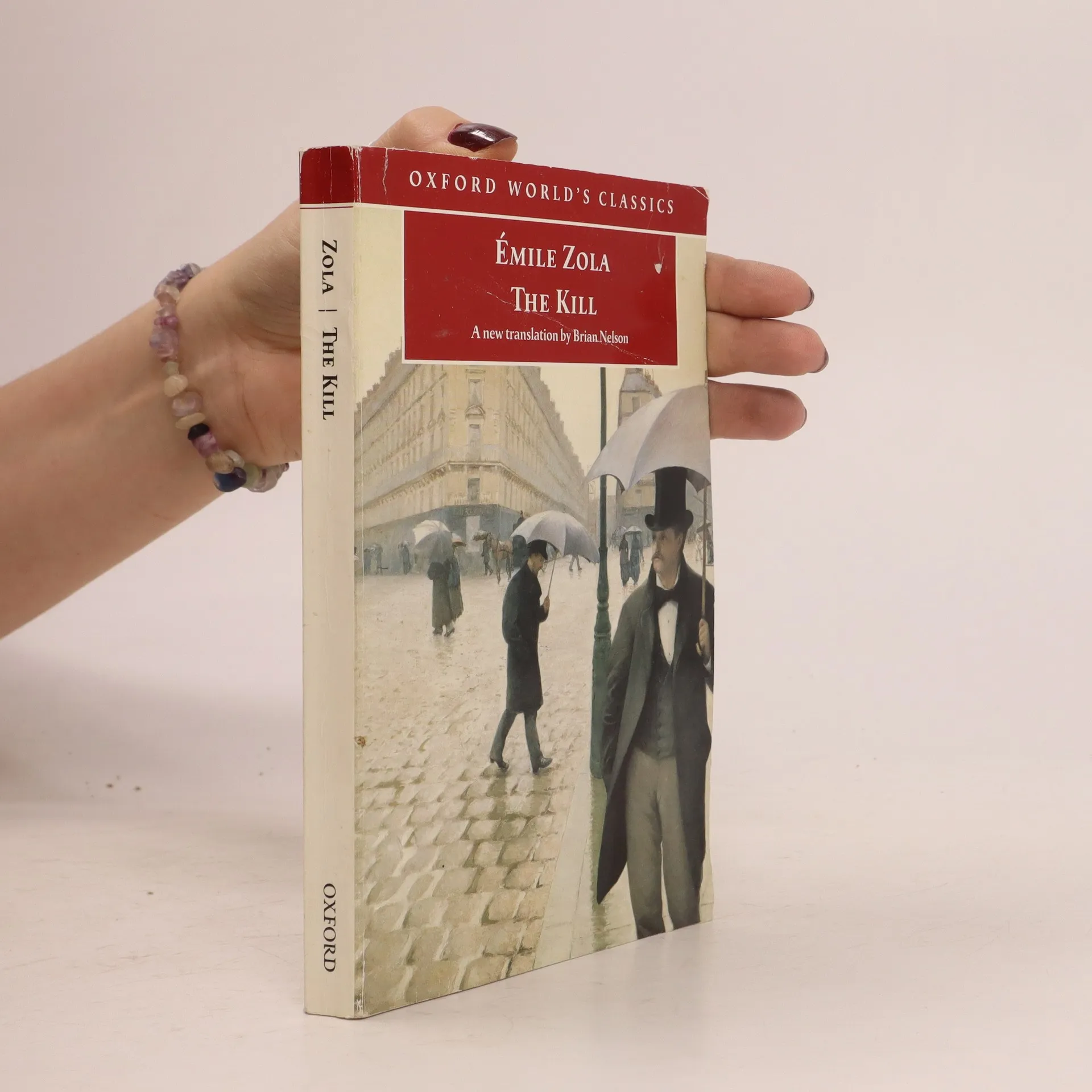
The Kill (La Curée) is the second volume in Zola's great cycle of twenty novels, Les Rougon-Macquart, and the first to establish Paris - the capital of modernity - as the centre of Zola's narrative world. Conceived as a representation of the uncontrollable 'appetites' unleashed by the Second Empire (1852-70) and the transformation of the city by Baron Haussmann, the novel combines into a single, powerful vision the twin themes of lust for money and lust for pleasure. The all-pervading promiscuity of the new Paris is reflected in the dissolute and frenetic lives of an unscrupulous property speculator, Saccard, his neurotic wife Renée, and her dandified lover, Saccard's son Maxime.
Marie-Thérèse Ligot Books
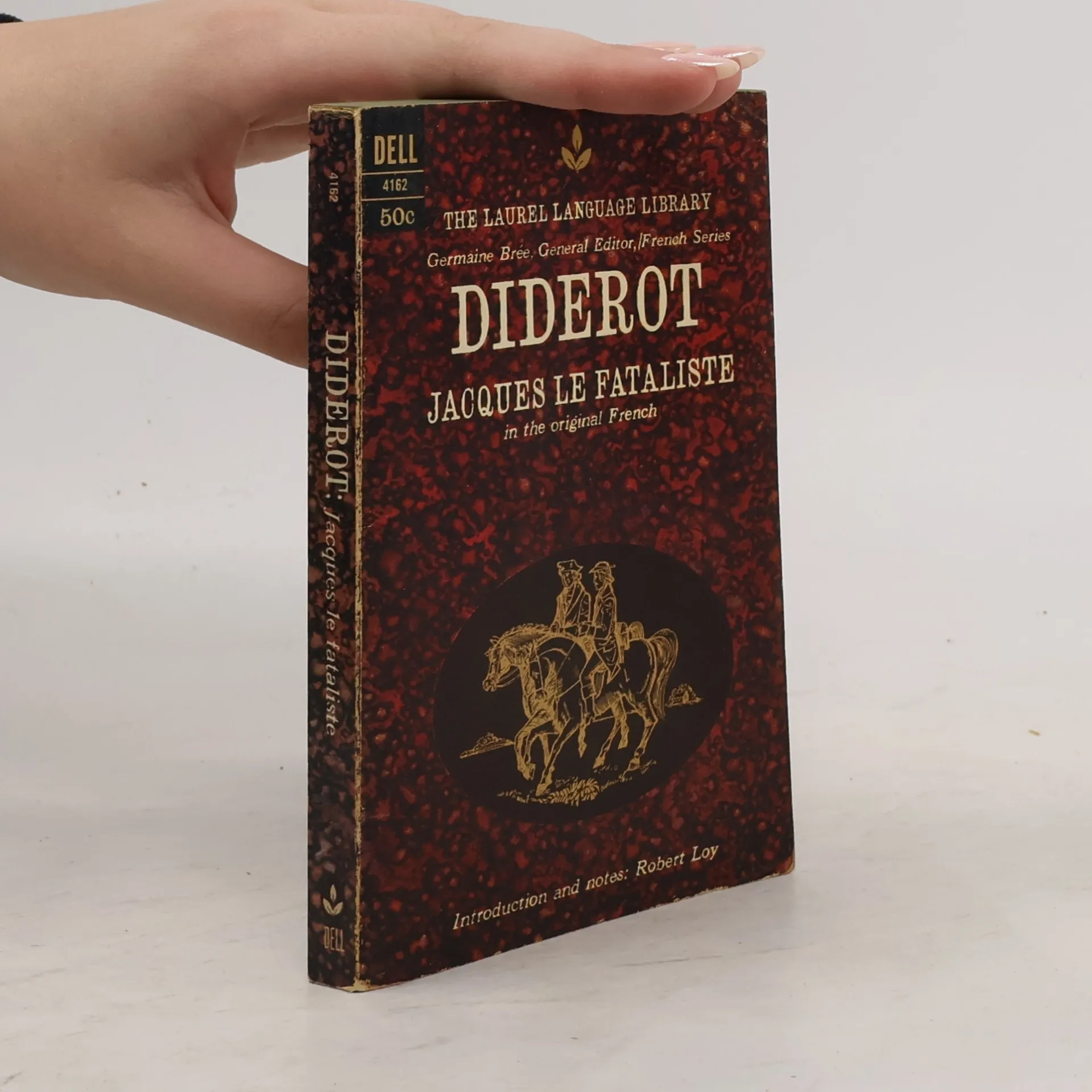
Everything that happens to us in the world, both good and bad, is written in the heavens. This is claimed by the titular character of the philosophical tale by the French writer and philosopher Denis Diderot. Not without reason, he has earned the nickname fatalist. However, despite his unwavering belief in the inevitability of fate, he stands against evil and believes that good must prevail. During countless wanderings, the characters discuss many fundamental issues, including the problem of individual freedom, friendship, and social relations. A significant portion of their humorous dialogues is dedicated to male-female relationships—mainly through the character of Kubuś, readers learn a number of love stories. The colorful conversations between Kubuś and his master entertained a few holders of Diderot's manuscript for two decades, and they were published only after the author's death in 1796. Even today, despite the fact that the world has undergone a true revolution, they still provoke reflection.
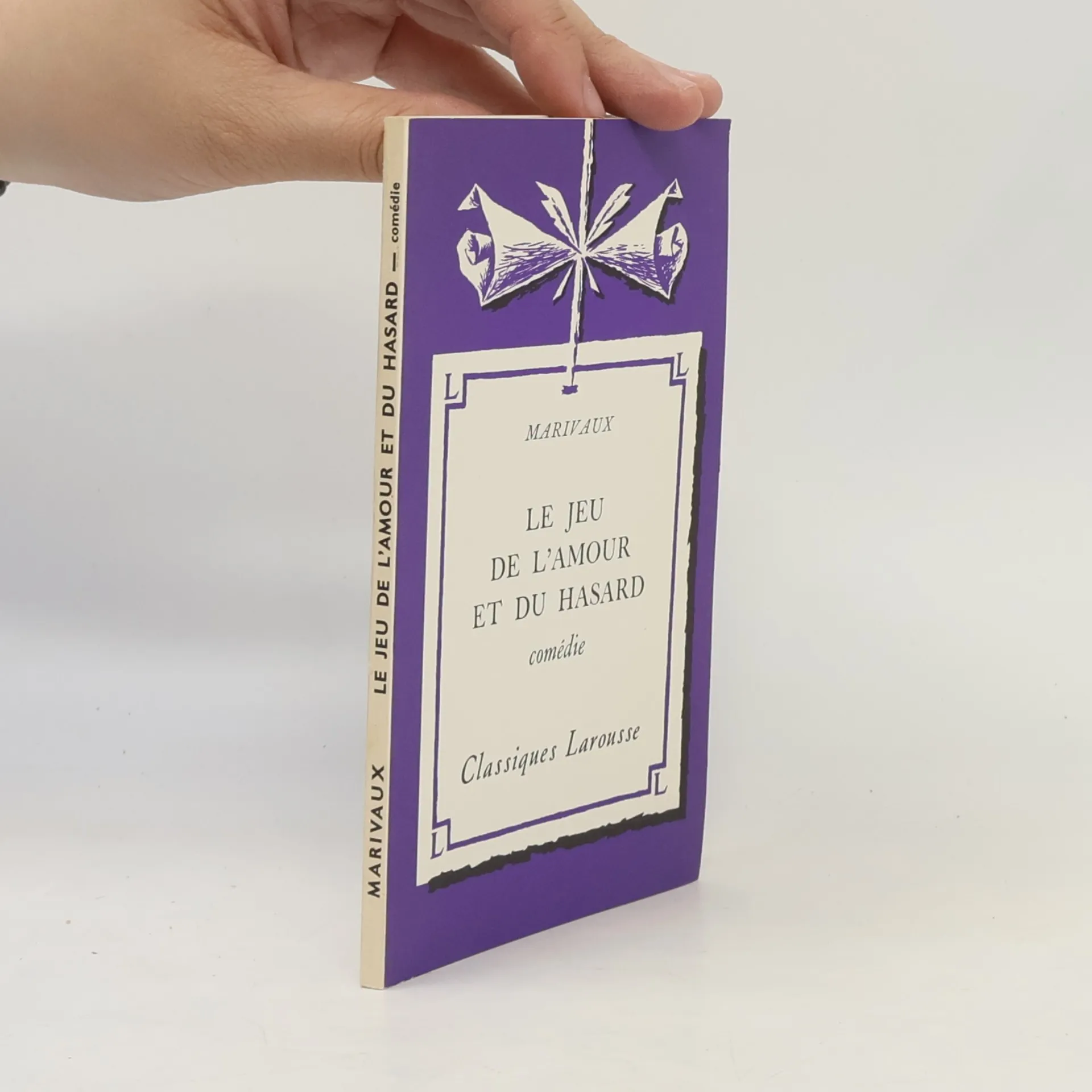
Jeu de dupeurs dupés et jeu du langage, la partie engagée par Silvia et Dorante ne s'achèvera pas sans le triomphe du cœur sur l'amour-propre et les préjugés sociaux, pour le plus grand plaisir du spectateur et de ses complices sur scène. Epreuve de l'autre parfois empreinte de cruauté, épreuve de soi, Le Jeu de l'amour et du hasard est aussi une épreuve sociale : les valets s'invitent à la fête. Mais le rideau tombe avec le dernier masque sur un ordre restauré, juste ébranlé le temps d'un jeu.