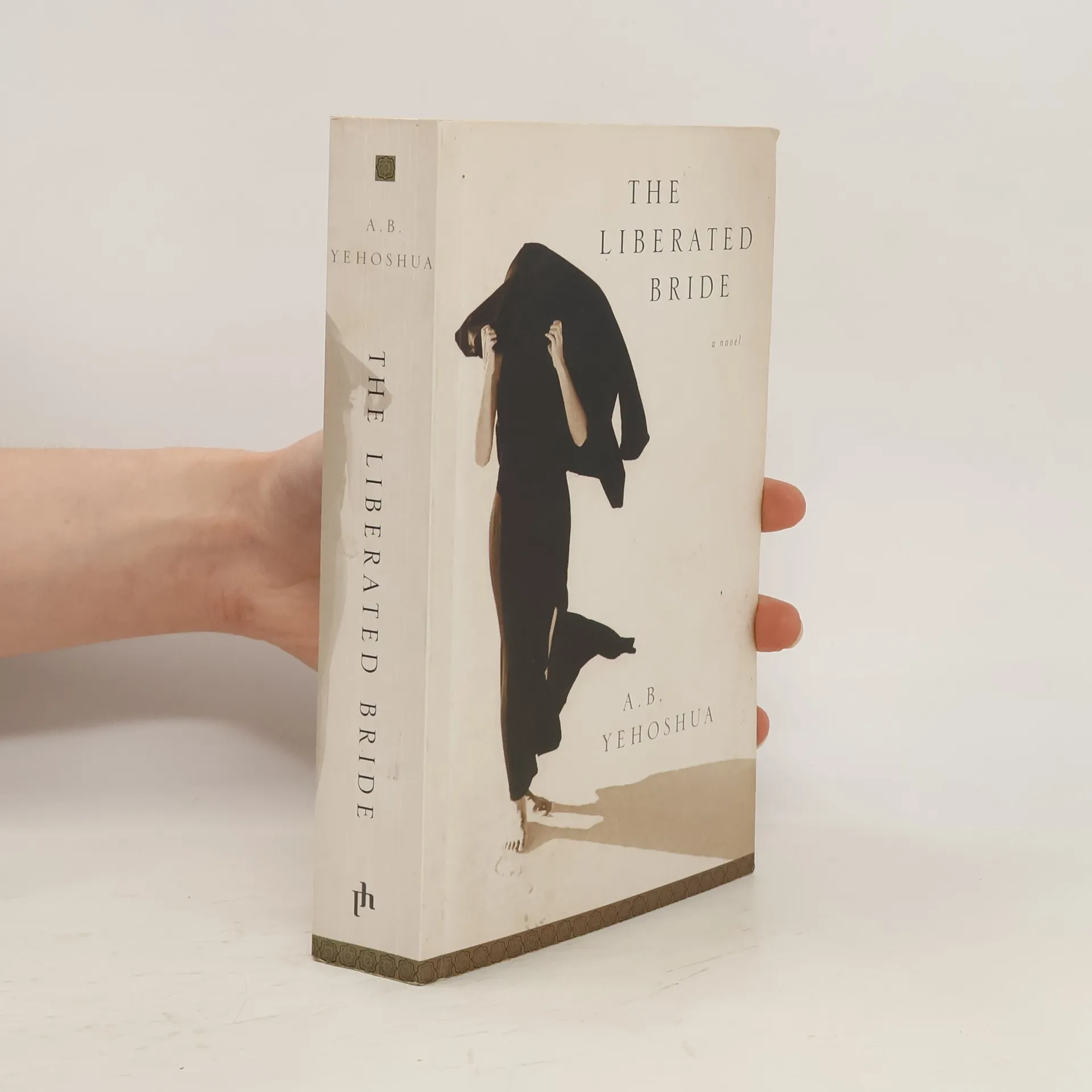
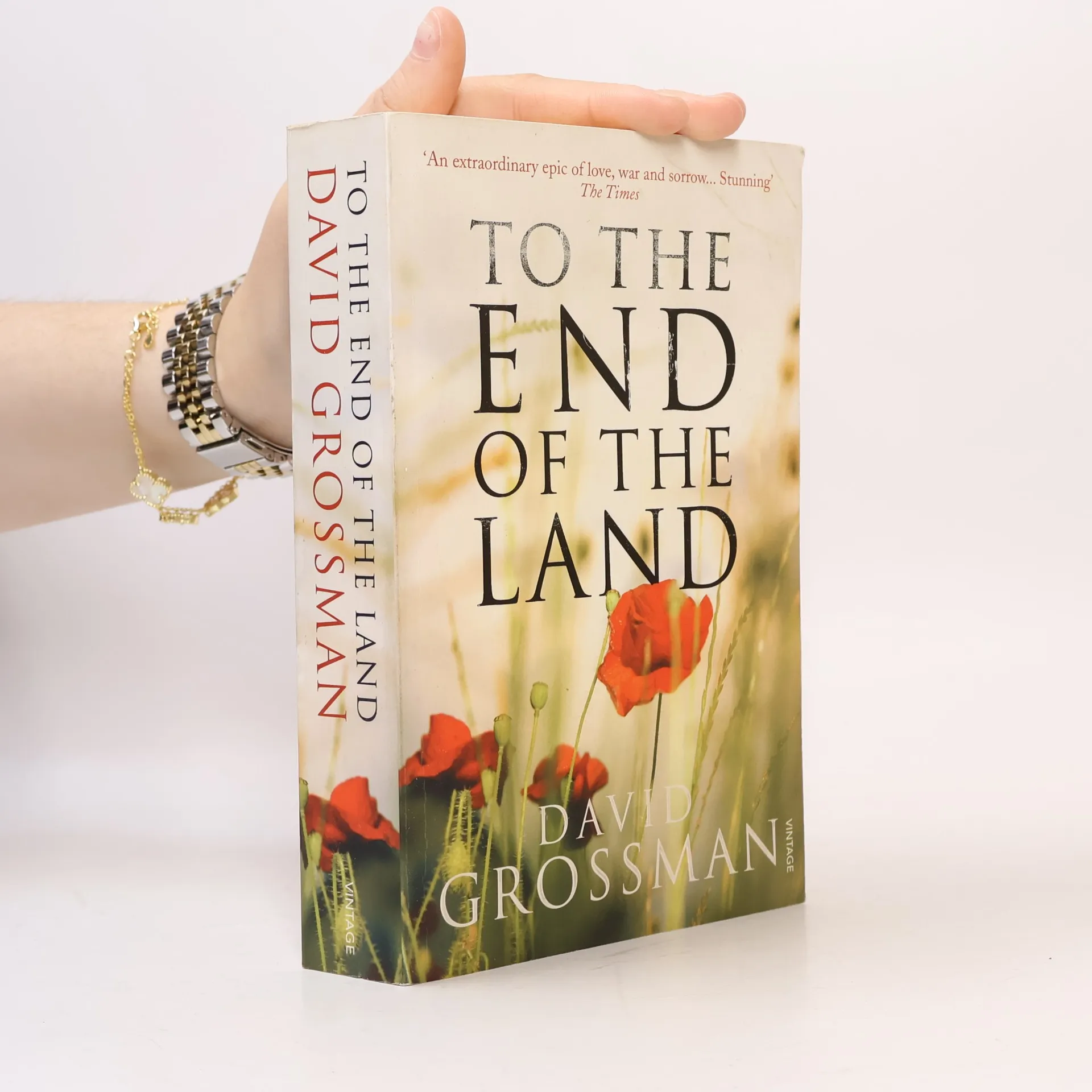
Ora is about to celebrate her son Ofer's release from Israeli army service when he voluntarily rejoins his unit for a major offensive. In a fit of magical thinking, she takes off to hike in the Galilee, leaving no forwarding information for the notifiers who might darken her door.
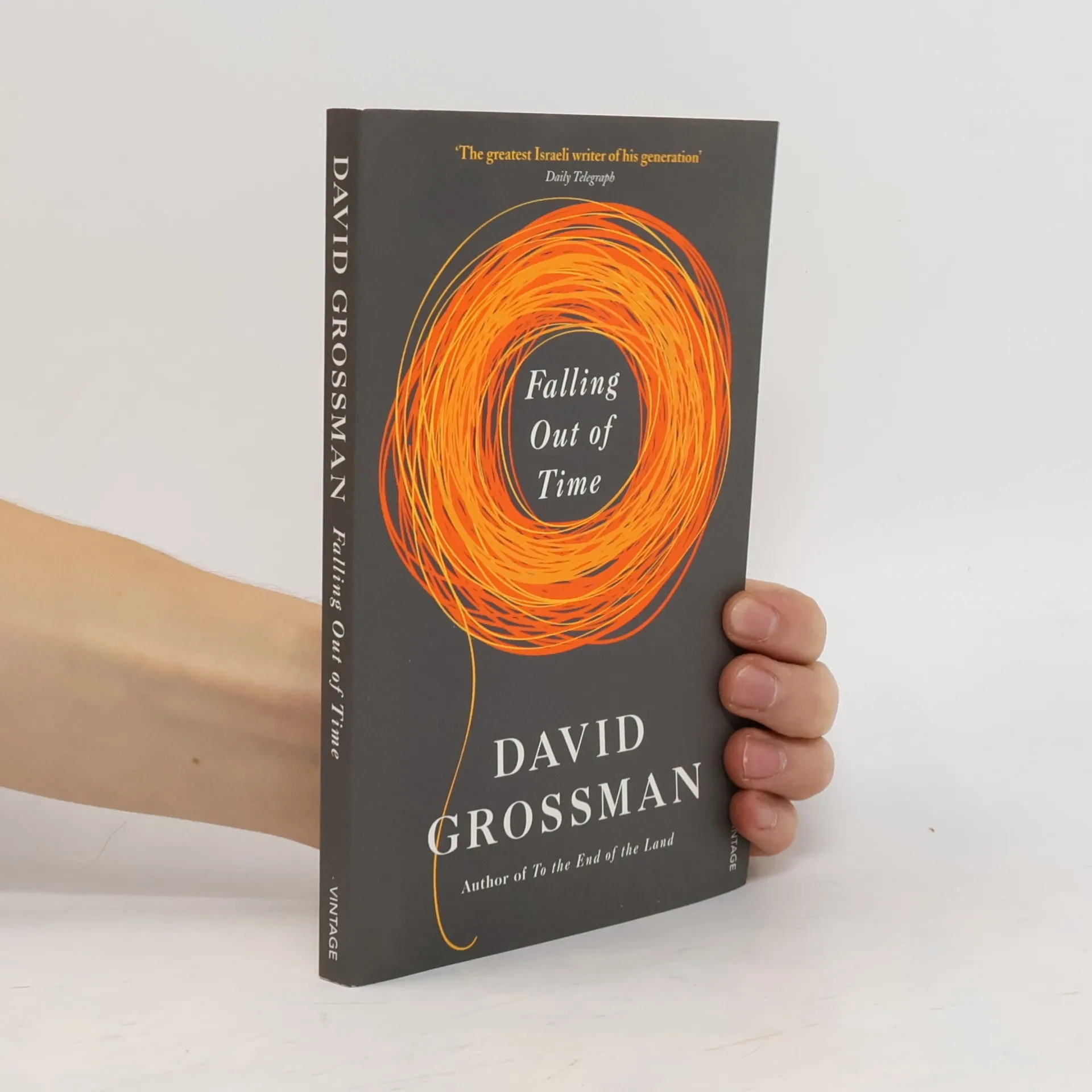
In Falling Out of Time , David Grossman has created a genre-defying drama - part play, part prose, pure poetry - to tell the story of bereaved parents setting out to reach their lost children. It begins in a small village, in a kitchen, where a man announces to his wife that he is leaving, embarking on a journey in search of their dead son.The man - called simply the 'Walking Man' - paces in ever-widening circles around the town. One after another, all manner of townsfolk fall into step with him (the Net Mender, the Midwife, the Elderly Maths Teacher, even the Duke), each enduring his or her own loss. The walkers raise questions of grief and bereavement: Can death be overcome by an intensity of speech or memory? Is it possible, even for a fleeting moment, to call to the dead and free them from their death? Grossman's answer to such questions is a hymn to these characters, who ultimately find solace and hope in their communal act of breaching death’s hermetic separateness. For the reader, the solace is in their clamorous vitality, and in the gift of Grossman’s storytelling – a realm where loss is not merely an absence, but a life force of its own.
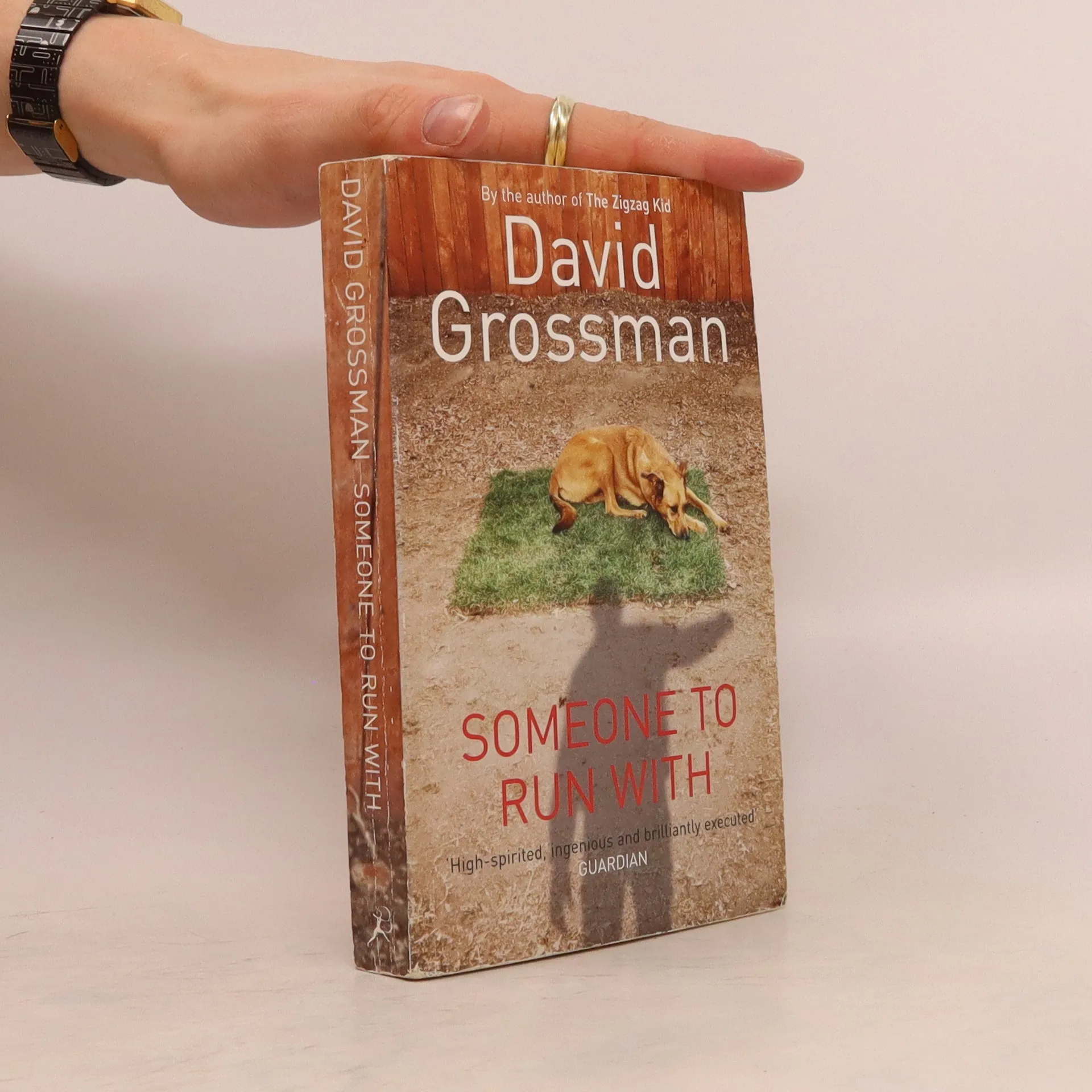
Assaf has reluctantly taken a dull summer job working for the City Sanitation Department. But the long days take a strange turn when he is ordered to find out who owns a distressed stray dog and ask them to pay a fee.
Bringing up a child, lying to the boss, placing an order in a fast-food restaurant: in Etgar Keret's new collection, daily life is complicated, dangerous, and full of yearning. In his most playful and most mature work yet, the living and the dead, silent children and talking animals, dreams and waking life coexist in an uneasy world. Overflowing with absurdity, humor, sadness, and compassion, the tales in Suddenly, a Knock on the Door establish Etgar Keret--declared a "genius" by The New York Times --as one of the most original writers of his generation.
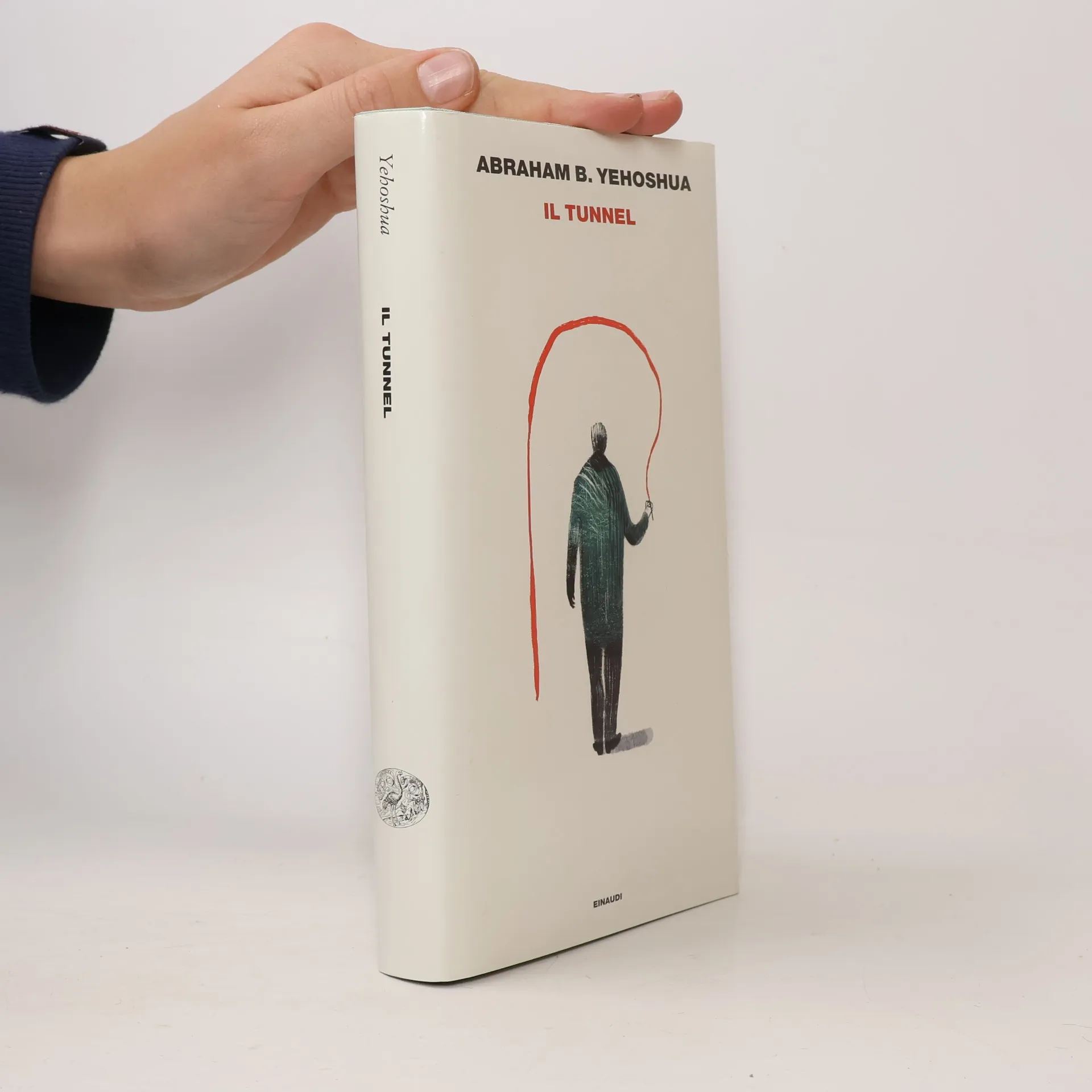
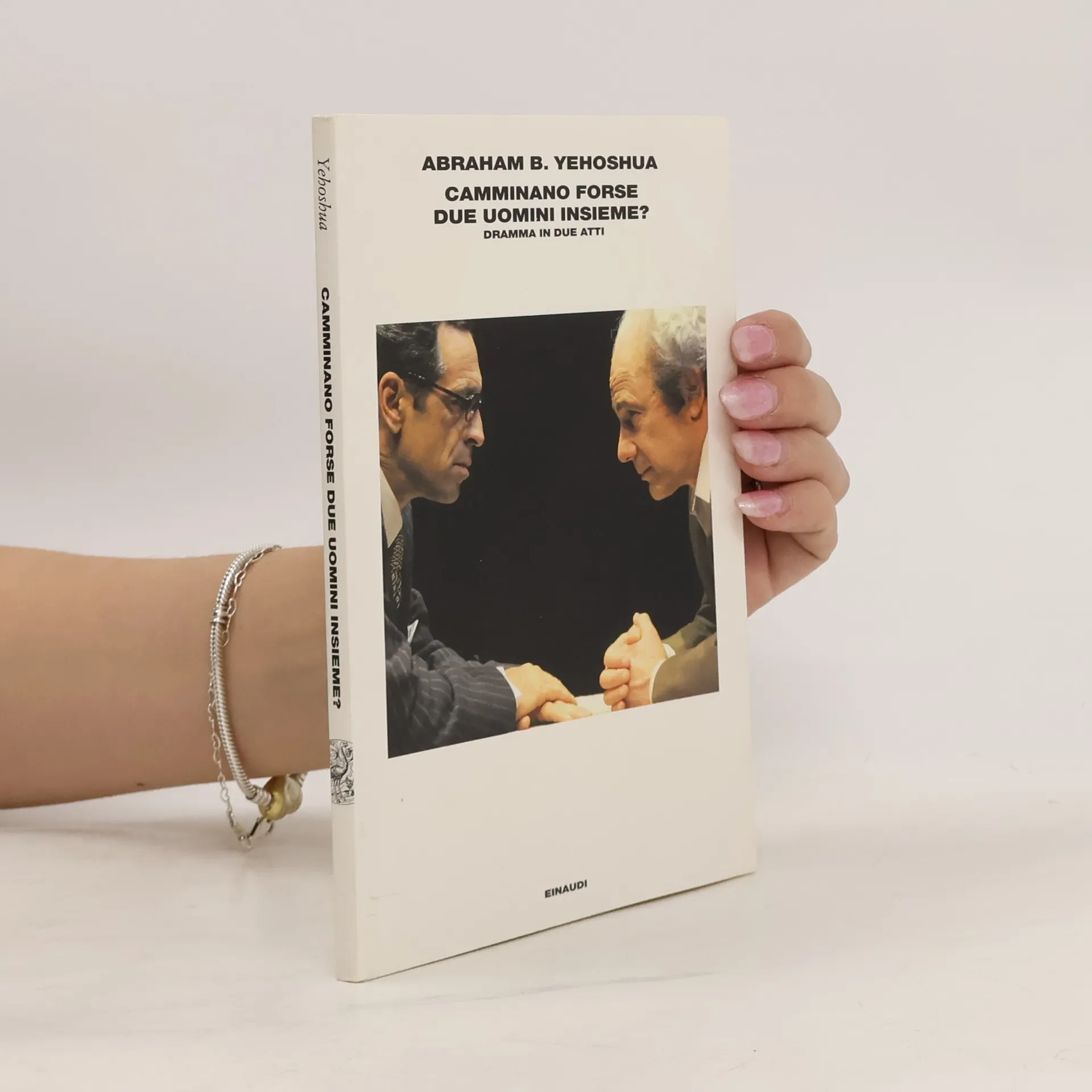
Zvi Luria, di poco più di settant'anni, riceve una diagnosi di demenza senile da un neurologo. Inizialmente, la malattia si manifesta con piccole distrazioni: confonde nomi, scambia un bambino per il nipote e visita un letto d'ospedale convinto di essere accanto a un amico in coma. Con il tempo, la sua lucidità si deteriora progressivamente. Zvi, ex capo ingegnere ai lavori pubblici, fatica ad accettare il suo destino. Sua moglie Dina, pediatra di fama e ancora innamorata, lo spinge ad aiutare Assael Maimoni, che ha preso il suo posto. Maimoni è impegnato in un progetto di tunnel segreto che coinvolge Zvi nel conflitto israelo-palestinese. In questo contesto di confusione mentale e tensione geopolitica, Zvi rischia di perdere anche Dina, la sua unica ancora di salvezza. Come può un uomo che ha sempre rappresentato stabilità affrontare il proprio declino mentale? E come possono farlo sua moglie e i suoi figli? Yehoshua esplora queste domande in una meditazione profonda su identità, amore e i gesti necessari prima di un congedo. La storia personale di Zvi si intreccia con quella collettiva del popolo palestinese e israeliano, evidenziando la loro vicinanza e la difficoltà di trovare un modo per coesistere.
Professor Yohanan Rivlin has two obsessions: the first is to understand the Arab mind; the second is to understand the failure of his elder son's marriage. Rivlin's two quests lead him to extraordinary encounters with very disparate people as he searches out the truth both in politics and life.
In un appartamento londinese, un uomo talmente privo di senso pratico da non saper aprire una latta di sardine osserva incredulo il suo rivale più accanito, impegnato nella preparazione di una frittata. Il primo è Vladimir Jabotinskij, leader della destra revisionista sionista, l'uomo ai fornelli invece è David Ben Gurion, ebreo socialista e futuro fondatore dello Stato d'Israele. È il 1934: mentre sull'Europa incombe lo spettro del nazismo, i due leader, solitamente divisi da un contrasto insanabile, si incontrano per cercare un terreno comune con cui affrontare il destino che li attende e costruire il futuro di Israele. Del resto è la Bibbia a insegnarlo: «Camminano forse due uomini insieme, se prima non si sono accordati?». Mettendo in scena il dramma di due uomini carismatici e tormentati, Abraham Yehoshua ci fa entrare in quelle stanze, solitamente inaccessibili, in cui la Storia si svela.
Set against the backdrop of contemporary issues, this book delves into the lives of its richly developed characters, exploring themes of identity, resilience, and personal growth. It weaves a compelling narrative that challenges societal norms and invites readers to reflect on their own experiences. The engaging prose and thought-provoking insights make it a standout choice for those seeking both entertainment and depth in their reading.
When young Rachele Luzzato's father falls seriously ill, her loneliness as an
only child intensifies. A subtle, sensitive story of family, love and growing
up by a masterful storyteller.
The seemingly inexplicable estrangement between a woman and her grown daughter opens up a troubling question: What damage do we do in the blindness of love?Thousands of miles from home, a woman stands on a dark street, peeking through well-lit windows at two little girls. They are the grandchildren she’s never met, daughters of the daughter she has not seen in years.At the center of this mesmerizing story is the woman’s quest to understand how a relationship that began in bliss—a mother besotted with her only child—arrived at a point of such unfathomable distance. Weaving back and forth in time, she unravels memories and long-buried feelings, retracing the infinite acts of parental care, each so mundane and apparently benign, that in ensemble may have undermined what she most treasured. With exquisite psychological precision, Blum traces the seemingly insignificant missteps and deceptions of family life, where it’s possible to cross the line between protectiveness and possession without even seeing it—and uncertain whether, or how, we can find our way back.
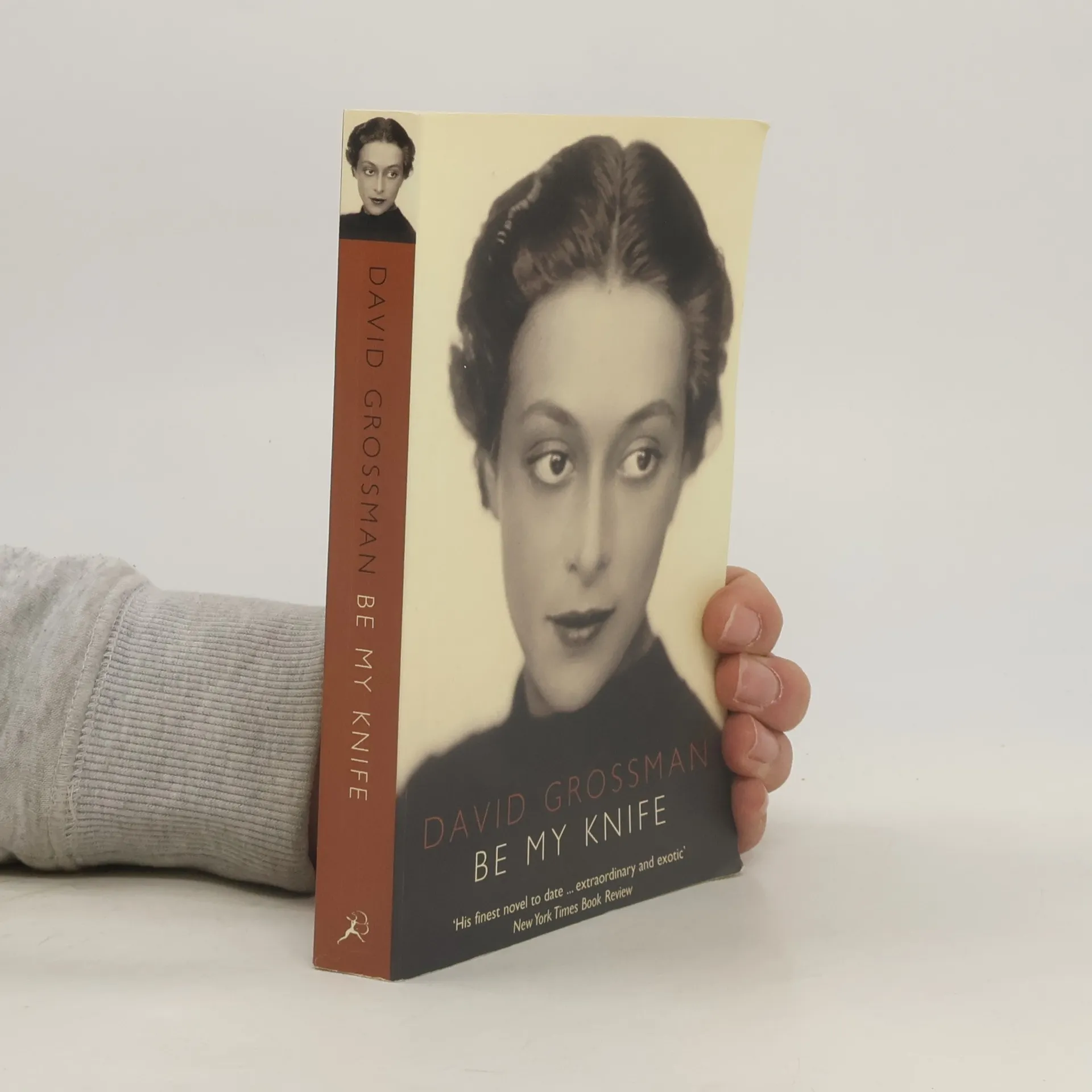
When the awkward, neurotic and childlike Yair, a seller of rare books, sees a beautiful woman across the room at a class reunion he feels compelled to write to her. So begins a love affair of words between two married, middle-aged adults, dissatisfied with their lives, yearning for the connection that has always eluded them. “Be a knife for me,” Yair writes to Miriam, “and I, I swear, will be a knife for you.” As they peel back their inhibitions, their correspondence unfolds into an exchange of their most naked confessions in a novel that is as passionate as it is spellbinding.
Una raccolta di racconti con uno spirito apparentemente assurdo che, in realtà, illumina il lettore su tanti aspetti del mondo, cercando le risposte alle più grandi domande esistenziali.