Beloved : a novel
- 275 pages
- 10 hours of reading
Sethe, an escaped slave living in post-Civil War Ohio with her daughter and mother-in-law, is persistantly haunted by the ghost of her dead baby girl.





Sethe, an escaped slave living in post-Civil War Ohio with her daughter and mother-in-law, is persistantly haunted by the ghost of her dead baby girl.
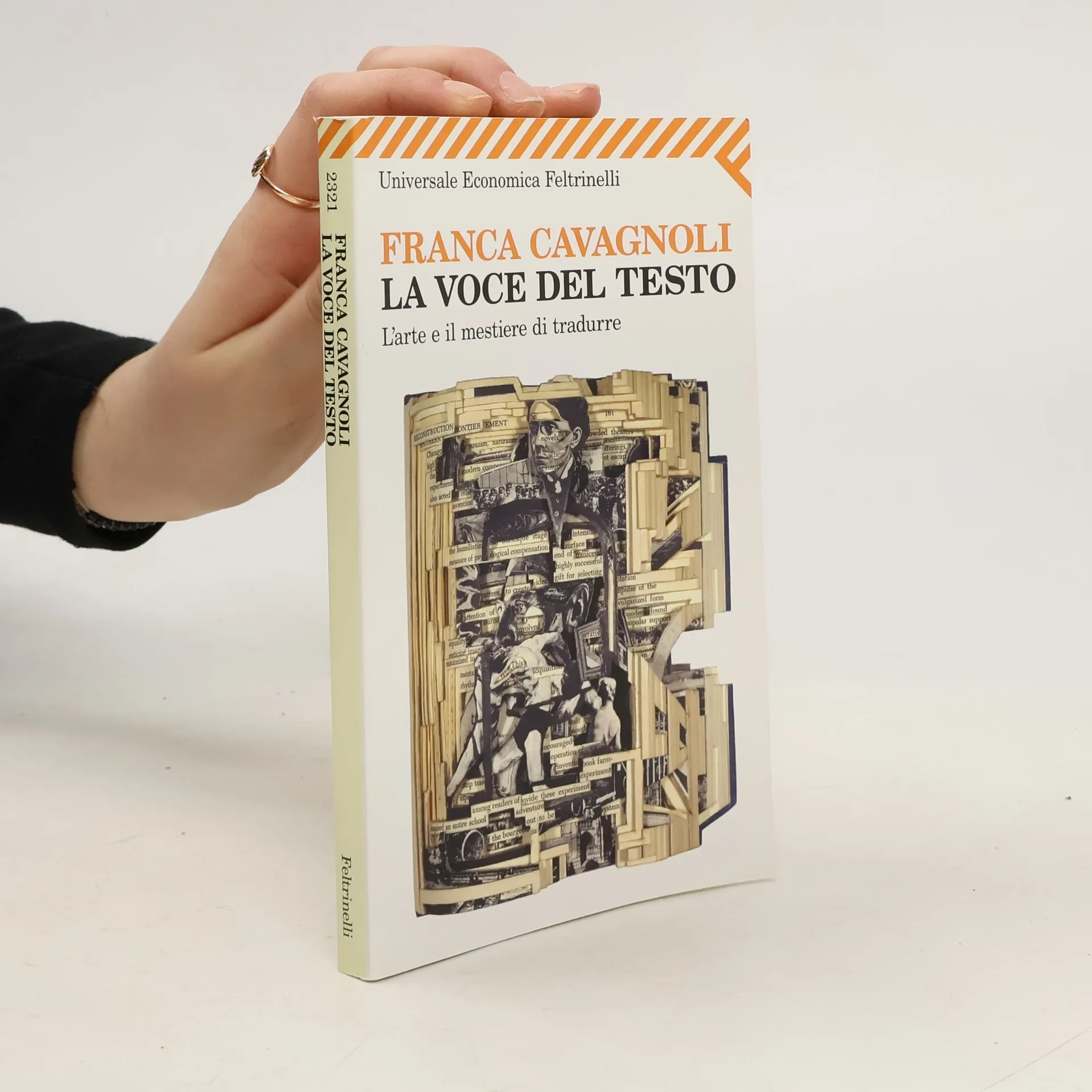
L'arte e il mestiere di tradurre
"Questo libro nasce dal desiderio di condividere le mie riflessioni ed esperienze nel campo della traduzione e del suo insegnamento in corsi e workshop. La traduzione è, in quanto esperienza, riflessione. È prima di tutto un fare esperienza dell'opera da tradurre e nello stesso tempo della lingua in cui quell'opera è scritta e della cultura in cui è germinata. E subito dopo è un fare esperienza della lingua madre e della propria cultura, che deve accogliere, vincendo ogni possibile resistenza, la diversità linguistica e culturale del romanzo o del racconto da tradurre. [...] Il percorso proposto in queste pagine è di graduale difficoltà ed è stato pensato in primo luogo per i lettori forti, per chi ha una viva curiosità per la lettura ed è desideroso di accostarsi alla traduzione e di entrare nella sua officina. Ne può trarre inoltre beneficio chi studia traduzione, ma frequenta corsi di laurea in cui ci si limita a impartire nozioni teoriche e non si lavora concretamente sui testi. Infine mi auguro possa essere di stimolo al recensore che volesse avere qualche spunto in più per valutare la bontà di una traduzione."
The theme of this novel is the anatomy of an internecine war, cultural, religious and racial. It is waged between a community of nuns and the strays and misfits who arrive at their convent for safe haven, and those who dwell in the surrounding black township in Oklahoma.
Provocative, influential, morbidly fascinating, 'Naked Lunch' is an apocalyptic ride through the darker recesses of the human psyche.
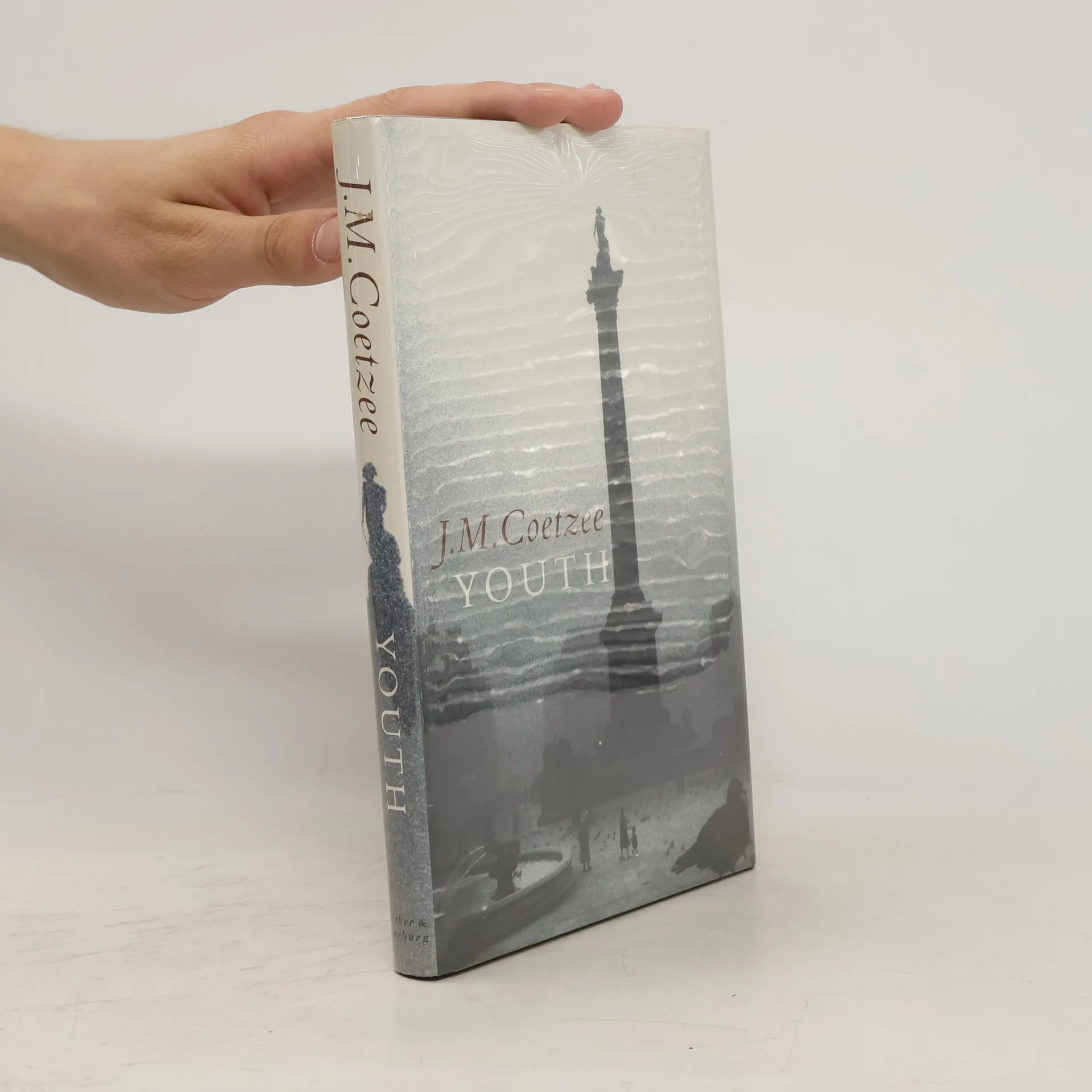
The narrator, a student in 1950s South Africa, plots an escape from his native country, from the stifling love of his mother, from a father whose failures haunt him - and from what he is sure is impending revolution. However, arriving at last in London, he begins the dark pilgrimage of an outsider.
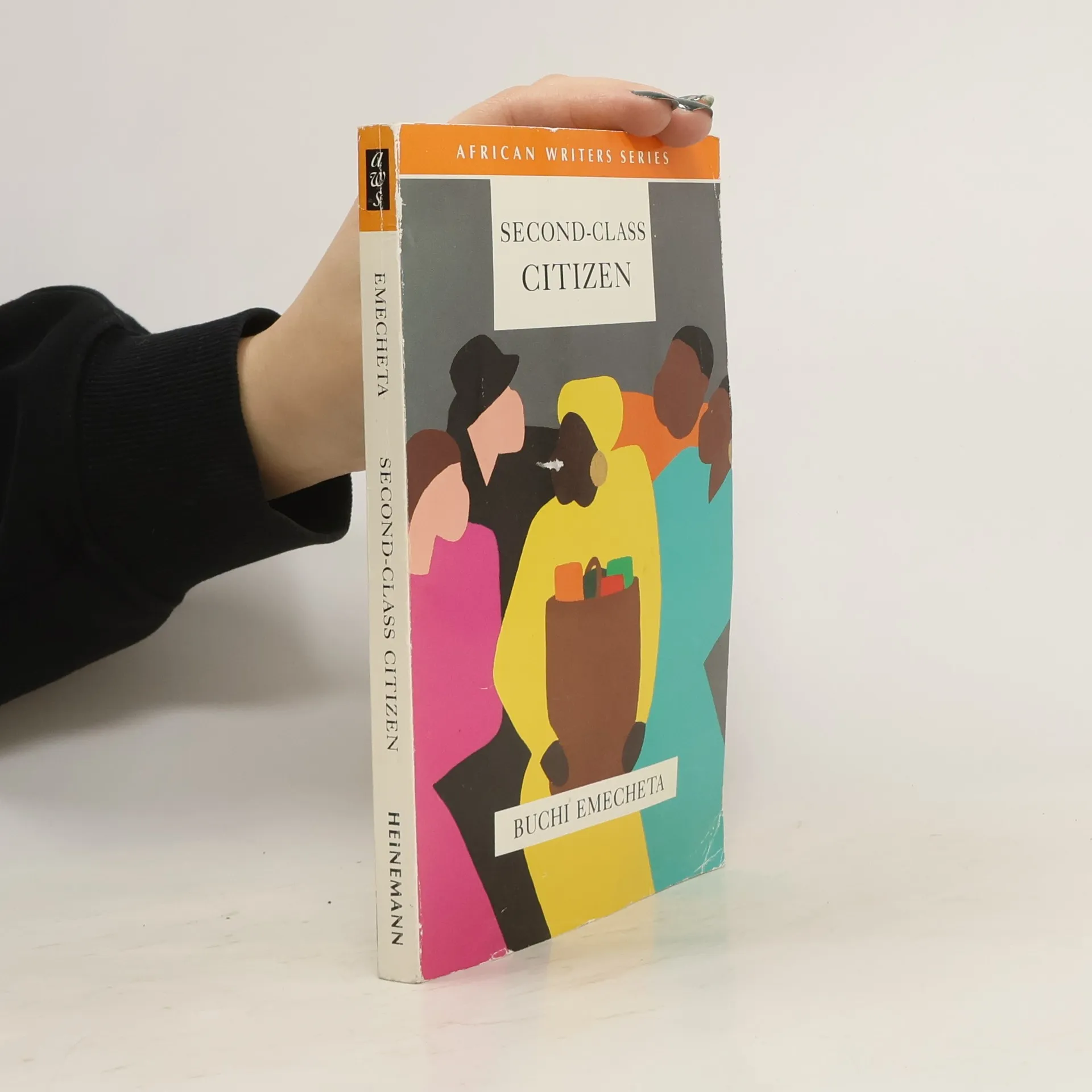
Adah's desire to write is pitted against the forces of an egotistical and unfeeling husband and a largely indifferent white society.