Adrian Furnham is a British organizational and applied psychologist who delves into the psychological dynamics of the workplace and human behavior. His extensive academic career and consulting work focus on understanding the complex interactions between individuals and organizations. Through his expertise, he offers profound insights into topics such as personality at work, navigating culture shock, and the psychology of leadership. His writing is characterized by an effort to make complex psychological concepts accessible to a broader audience.
Using Remote Personality Profiling to Influence, Negotiate and Motivate
284 pages
10 hours of reading
It is not always possible to interview or meet people face-to-face before significant negotiations or decisions have to be made. They may be business competitors or candidates for an important leadership role. Revealed is a book for those who need to assess others and make decisions about people, without being able to meet and interview them
Corporations of every size have experience of employees who are guilty of lying, stealing, sabotage, hacking, destruction of files and data, and more than a few corporations have been, and continue to be, devastated by the activities of whistleblowers. Profits, secrets and staff morale are all threatened. This book provides a background to the psychology of deviance and offers practical advice about identifying the causes of and prescriptions for reversing disloyalty.
Exploring the complex relationship between money and human behavior, this book delves into themes of power, self-image, and the psychology of giving versus receiving. It questions societal taboos surrounding money, comparing its impact on happiness to that of sex and death. Aimed at psychologists, sociologists, and those curious about economics, it offers insights into how financial dynamics influence personal fulfillment and social interactions.
"Body Language at Work" will transform your ability to interpret critical gestures and tell-tale expressions in yourself as well as others. Adrian Furnham, Professor of psychology, writer and broadcaster dispels the claims and common misconceptions surrounding body talk to reveal the true significance of this fascinating yet powerful form of communication. He covers: how we betray attitudes, emotions and personality in non-verbal ways - what body language can and can't communicate - the nature and meaning of signals - eye gaze, facial expression, gesture, posture, touch - what our clothes, jewellery and even choice of deodorant say about us - how far we can expose the artful dodger, the office phoney and the interview fake.
Eighty general management-related issues, such as young managers, chronic e-mail disorder, humor at work, and stress, are addressed in this creative business handbook. Much like Chinese dim sum, where small helpings and variety are the rule, the chapters are bite-sized and differ in content but ultimately compliment one another. Whether looking for advice on devising new courses, increasing employee morale, or improving customer service, managers seeking exposure to a variety of ideas, techniques, and processes to help them navigate the ever-changing world of business will enjoy this balanced look at management.
The Individual in the Organization - Second Edition
848 pages
30 hours of reading
Focusing on the field of organizational psychology and behavior, this updated edition offers comprehensive insights into essential topics, enhancing the foundational knowledge established in the previous edition. It serves as a valuable resource for understanding the dynamics within organizations, making it suitable for both students and professionals in the field.
Psychologists have always shone a torch, and often a spotlight, into many dark corners of the human mind. They study everything, from art preferences to altruism, coaching to criminality, jokes and humour to justice and honesty, as well as sex differences, schizophrenia and sociopathy.Psychology can offer clear descriptions and explanations for all sort of phenomena. More importantly, psychological research can improve lives in a multitude of ways; many applied psychologists - e.g. clinical, educational, counselling and work psychologists – have the primary aim of making people more happy and better able to identify and realise their full potential.Psychology 101 offers bite-size articles of psychological science from Adrian Furnham, a seasoned psychologist with a broad range of expertise. This book is the essential guide for anyone with an interest - either academic, professional or general - in demystifying and understanding the fascinating world of psychological history, theories, issues and beliefs.
How different are men and women's brains? Does altruism really exist? Are our minds blank slates at birth? And do dreams reveal our unconscious desires? If you have you ever grappled with these concepts, or tried your hand as an amateur psychologist, "50 Psychology Ideas You Really Need to Know" could be just the book for you. Not only providing the answers to these questions and many more, this series of engaging and accessible essays explores each of the central concepts, as well as the arguments of key thinkers. Author Adrian Furnham offers expert and concise introductions to emotional behaviour, cognition, mental conditions - from stress to schizophrenia - rationality and personality development, amongst many others. This is a fascinating introduction to psychology for anyone interested in understanding the human mind.
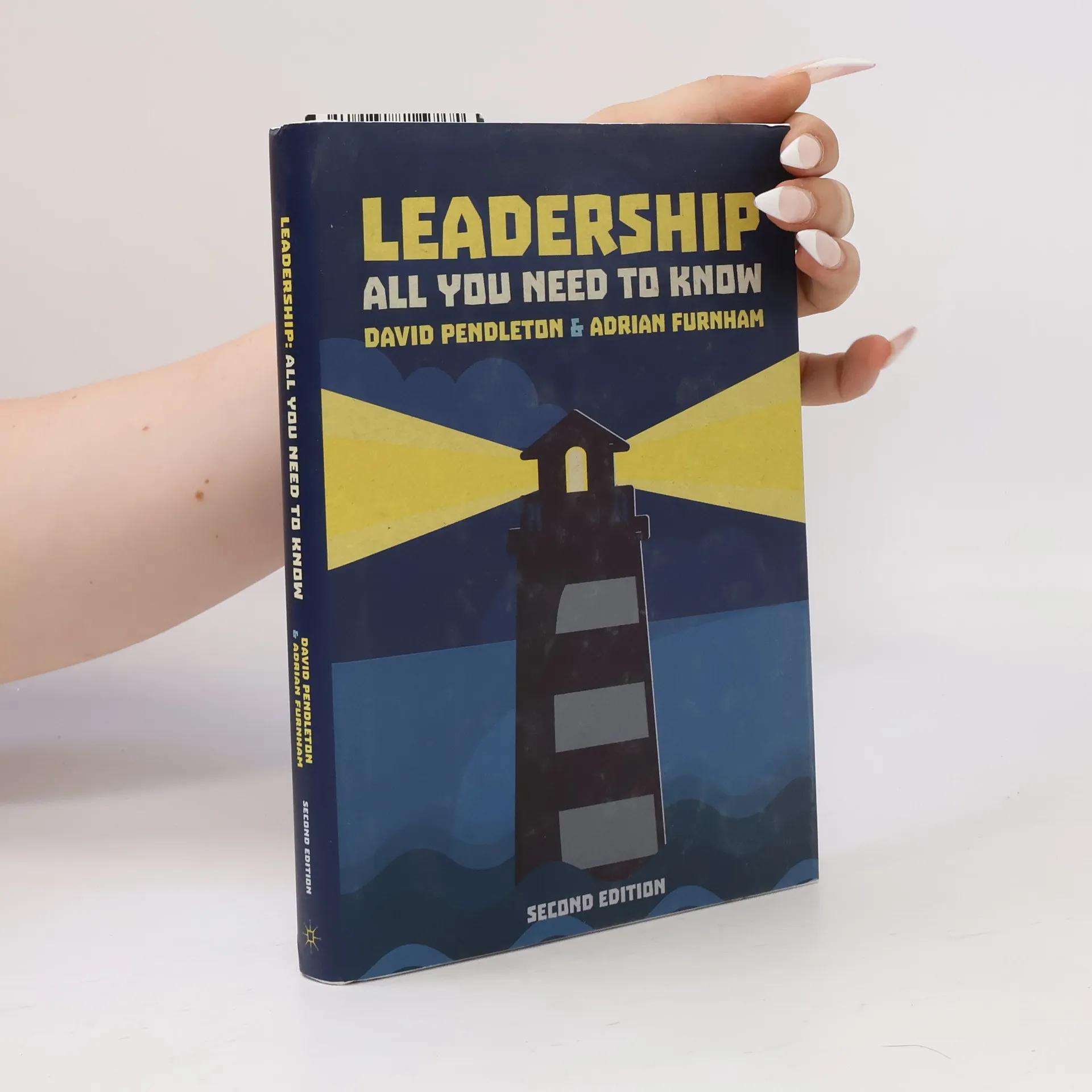
Leadership successes and failures are in the media every day. We are in a global political and financial crisis which is changing how we think about our lives and our futures. The authors present a leadership model for the future which creates the right conditions for people to thrive, individually and collectively, and achieve significant goals.
The second edition features comprehensive updates, including new sections dedicated to research methods, statistics, and career opportunities. This revision provides readers with the latest insights and tools essential for understanding and applying key concepts in the field.
Despite a wealth of research on young people's understanding of the physical world, there is very little available on their understanding of the social world, or how they understand the functioning of society. In this study, the authors take a social-cognitive view of adolescence, focusing on the processes by which young people learn to understand other people's thoughts, emotions, intentions and behaviour. Such understanding is often partial and fragmented because social knowledge, unlike knowledge of the physical world, is often arbitrary, determined by economic and cultural variables rather than by observation and experiment.
Perché è così difficile smettere di fumare? Com’è possibile che un placebo si riveli altrettanto efficace di un farmaco? Cosa intendiamo oggi per «comportamento normale»? Quali strategie utilizziamo per far fronte allo stress? Attraverso 50 brevi capitoli, Adrian Furnham guida il lettore alla scoperta dei concetti di base di una disciplina che si propone di indagare il comportamento e il pensiero umano, i sentimenti e le idee. Con uno stile brillante e discorsivo, applicato a contenuti rigorosi, l’autore ci illustra alcune delle più comuni psicopatologie, descrive i recenti sviluppi nel campo della psicoterapia, riassume alcune tappe storiche fondamentali, come la nascita del movimento antipsichiatrico che ha condotto alla chiusura dei manicomi. Ciascun capitolo è completato da interessanti inserti, aneddoti ed esempi concreti.