
Explore the latest books of this year!
Bookbot

Maurice Merleau-Ponty

    March 14, 1908 – May 3, 1961

    Maurice Merleau-Ponty was a French phenomenological philosopher whose core argument champions the foundational role of perception in understanding and engaging with the world. Uniquely among major phenomenologists of his era, Merleau-Ponty engaged extensively with the sciences, particularly descriptive psychology. This integration has made his writings influential in the recent project of naturalizing phenomenology, incorporating insights from psychology and cognitive science. His work offers a distinctive perspective on the embodied nature of experience, prompting readers to reconsider the relationship between mind, body, and the world.

    Maurice Merleau-Ponty
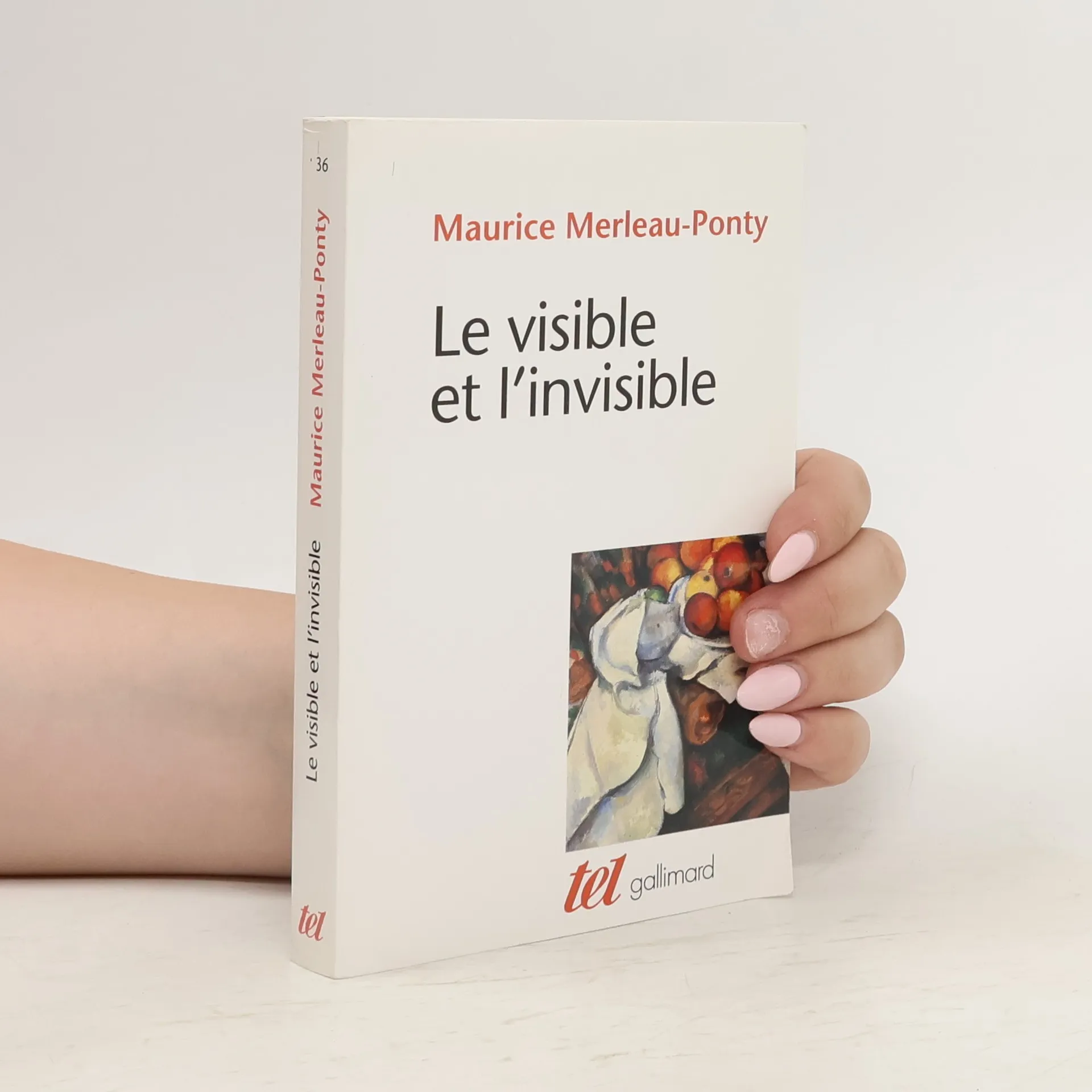
    Le visible et l'invisible. Suivi de notes de travail
    In Reality
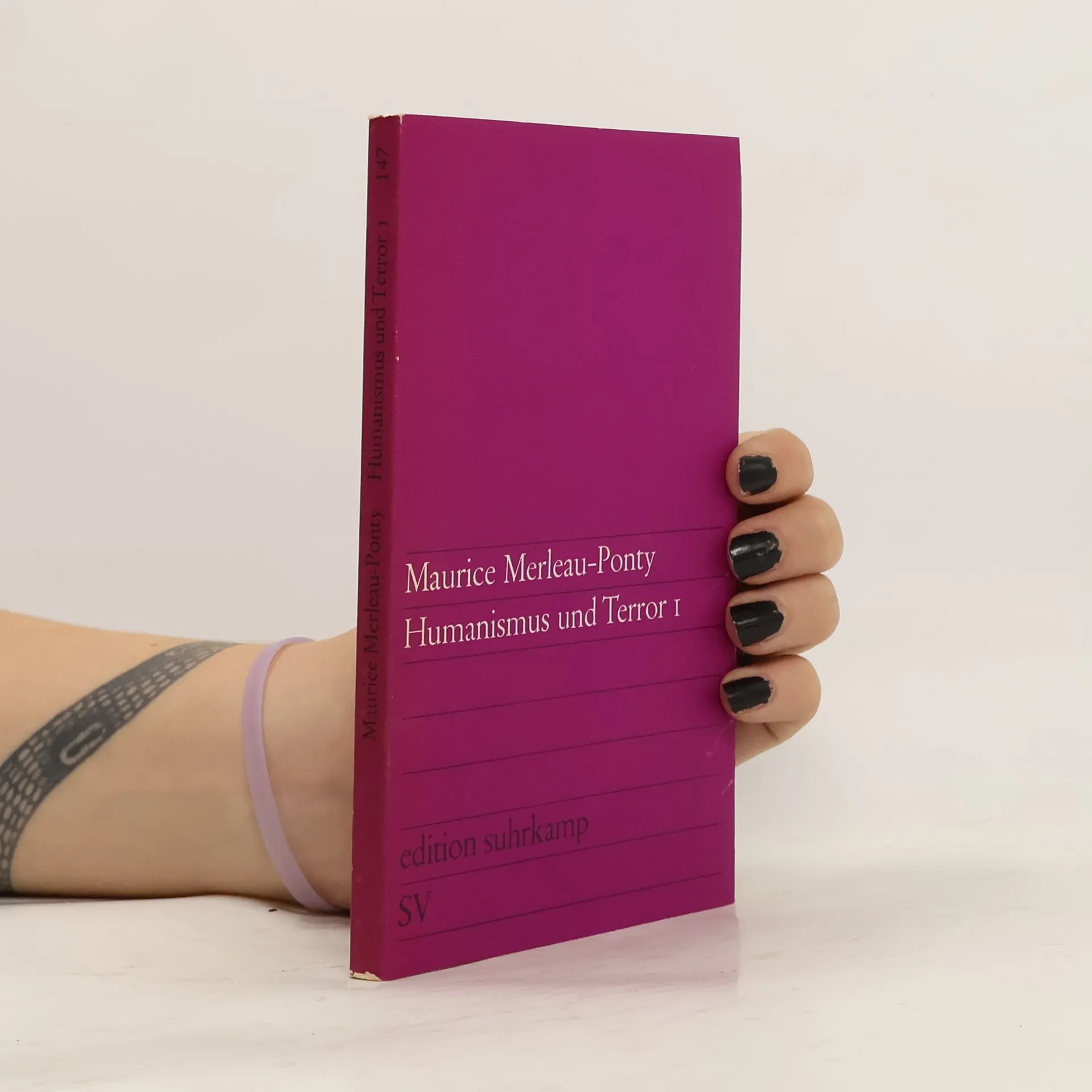
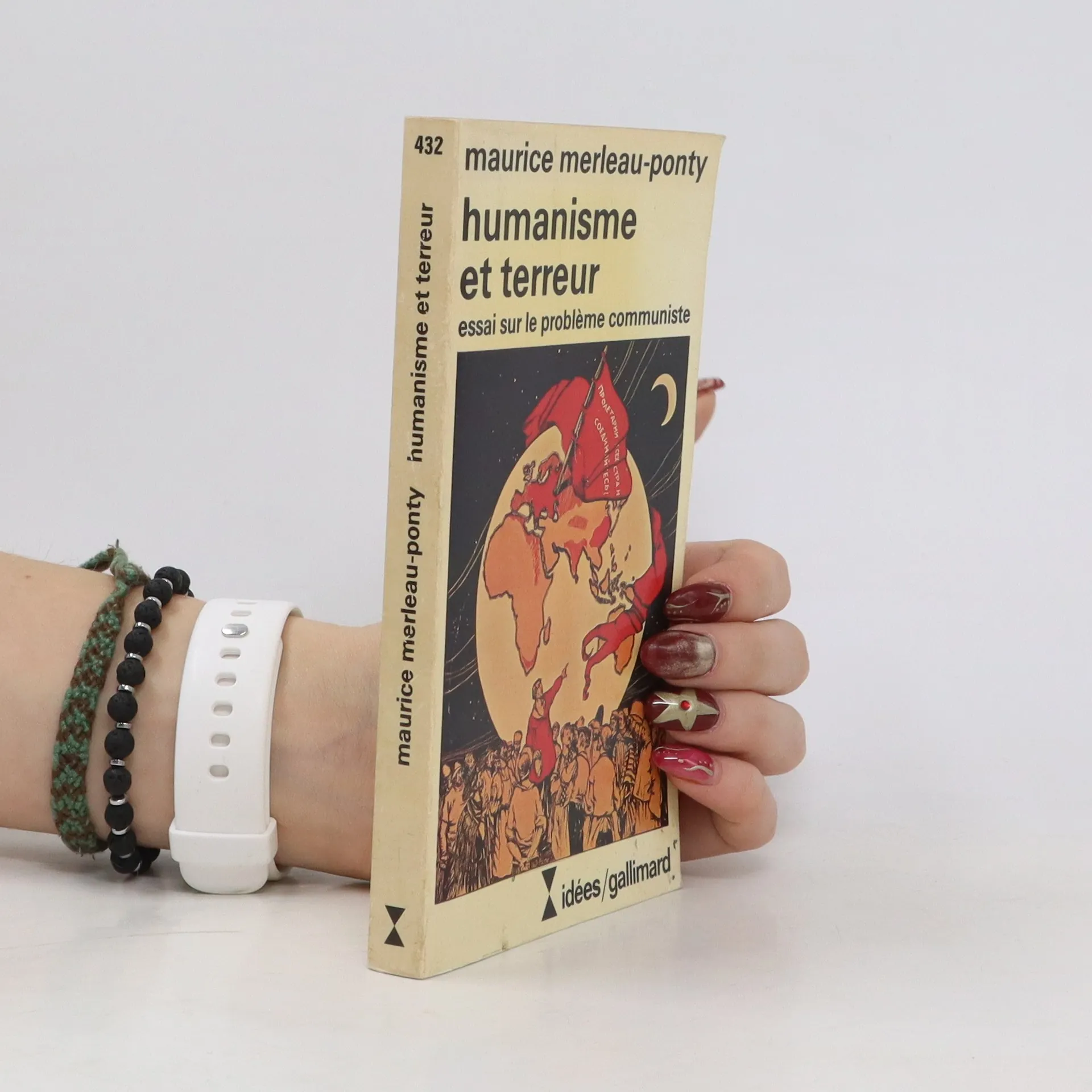
    Humanism and Terror
    The World of Perception
    Child Psychology and Pedagogy
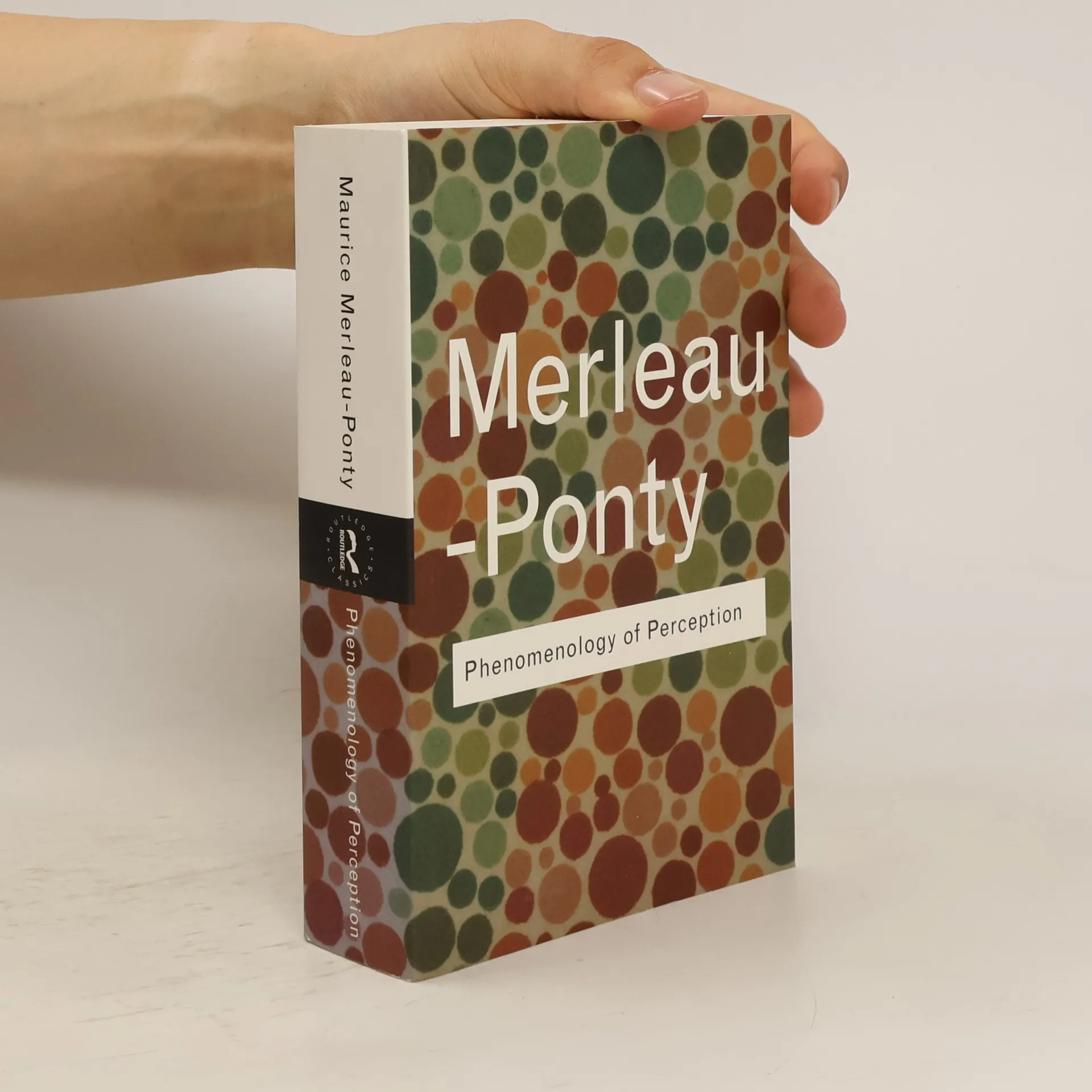
    Phenomenology of perception
    • Phenomenology of perception

      • 672 pages
      • 24 hours of reading
      4.2(5659)Add rating

      Challenging and rewarding in equal measure, Phenomenology of Perception is Merleau-Ponty's most famous work. Impressive in both scope and imagination, it uses the example of perception to return the body to the forefront of philosophy for the first time since Plato. Drawing on case studies such as brain-damaged patients from the First World War, Merleau-Ponty brilliantly shows how the body plays a crucial role not only in perception but in speech, sexuality and our relation to others.
      Phenomenology of perception
    • Maurice Merleau-Ponty is one of the few major phenomenologists to engage extensively with empirical research in the sciences, and the only one to examine child psychology with rigor and in such depth. His writings have recently become increasingly influential, as the findings of psychology and cognitive science inform and are informed by phenomenological inquiry. Merleau-Ponty’s Sorbonne lectures of 1949 to 1952 are a broad investigation into child psychology, psychoanalysis, pedagogy, phenomenology, sociology, and anthropology. They argue that the subject of child psychology is critical for any philosophical attempt to understand individual and intersubjective existence. Talia Welsh’s new translation provides Merleau-Ponty’s complete lectures on the seminal engagement of phenomenology and psychology.

      Child Psychology and Pedagogy
    • The World of Perception

      • 160 pages
      • 6 hours of reading
      3.9(136)Add rating

      'In simple prose Merleau-Ponty touches on his principle themes. He speaks about the body and the world, the coexistence of space and things, the unfortunate optimism of science – and also the insidious stickiness of honey, and the mystery of anger.' - James Elkins Maurice Merleau-Ponty was one of the most important thinkers of the post-war era. Central to his thought was the idea that human understanding comes from our bodily experience of the world that we perceive: a deceptively simple argument, perhaps, but one that he felt had to be made in the wake of attacks from contemporary science and the philosophy of Descartes on the reliability of human perception. From this starting point, Merleau-Ponty presented these seven lectures on The World of Perception to French radio listeners in 1948. Available in a paperback English translation for the first time in the Routledge Classics series to mark the centenary of Merleau-Ponty's birth, this is a dazzling and accessible guide to a whole universe of experience, from the pursuit of scientific knowledge, through the psychic life of animals to the glories of the art of Paul Cézanne.

      The World of Perception
    • A vital work of political philosophy by one of the leading French philosophers of the twentieth century, which remains as a provocative contribution to limits on the use of violence. This Routledge Classics edition includes a new Foreword by William McBride.

      Humanism and Terror
    • Bergson is rightly considered the philosopher of duration. Has this theory, however, been sufficiently elucidated? Is there a domain, aside from life itself, to which the characteristics of duration can be meaningfully ascribed? Why, in his thesis from 1907, does Bergson write of a "real" duration? His subsequent work Duration and Simultaneity: With Reference to Einstein's Theory (1922) is the only volume written by Bergson in the period separating Creative Evolution (1907) and The Two Sources of Morality and Religion (1932). Duration and Simultaneity represents a polemical, unique, mature and relatively neglected work, one that allows us however to respond to these questions - provided that we read it as a work of philosophy and metaphysics. This book was awarded the 2020 Polydore de Paepe Prize of the Royal Academy of Science, Letters and Fine Arts of Belgium.

      In Reality
    • Du grand ouvrage dont rêvait Merleau-Ponty ne restent que cent cinquante pages manuscrites. Quelle est leur fonction : introduire. Il s'agit de diriger le lecteur vers un domaine que ses habitudes de pensée ne lui rendent pas immédiatement accessible. Il s'agit, notamment, de le persuader que les concepts fondamentaux de la philosophie moderne - par exemple, les distinctions du sujet et de l'objet, de l'essence et du fait, de l'être et du néant, les notions de conscience, d'image, de chose - dont il est fait constamment usage impliquent déjà une interprétation singulière du monde et ne peuvent prétendre à une dignité spéciale quand notre propos est justement de nous remettre en face de notre expérience, pour chercher en elle la naissance du sens. Pourquoi est-il devenu nécessaire de prendre un nouveau départ, pourquoi ne pouvons-nous plus penser dans le cadre des anciens systèmes, ni même bâtir sur le sol où nous les voyons, si différents soient-ils dans leur orientation, plonger leurs racines, voilà ce que l'auteur s'efforce de dire tout d'abord. Considérations préliminaires, croirait-on donc. Et pourtant, telle est la nature de l'œuvre que l'initiation est ici décisive, la vérité du parcours anticipée dans la première démarche.

      Le visible et l'invisible. Suivi de notes de travail
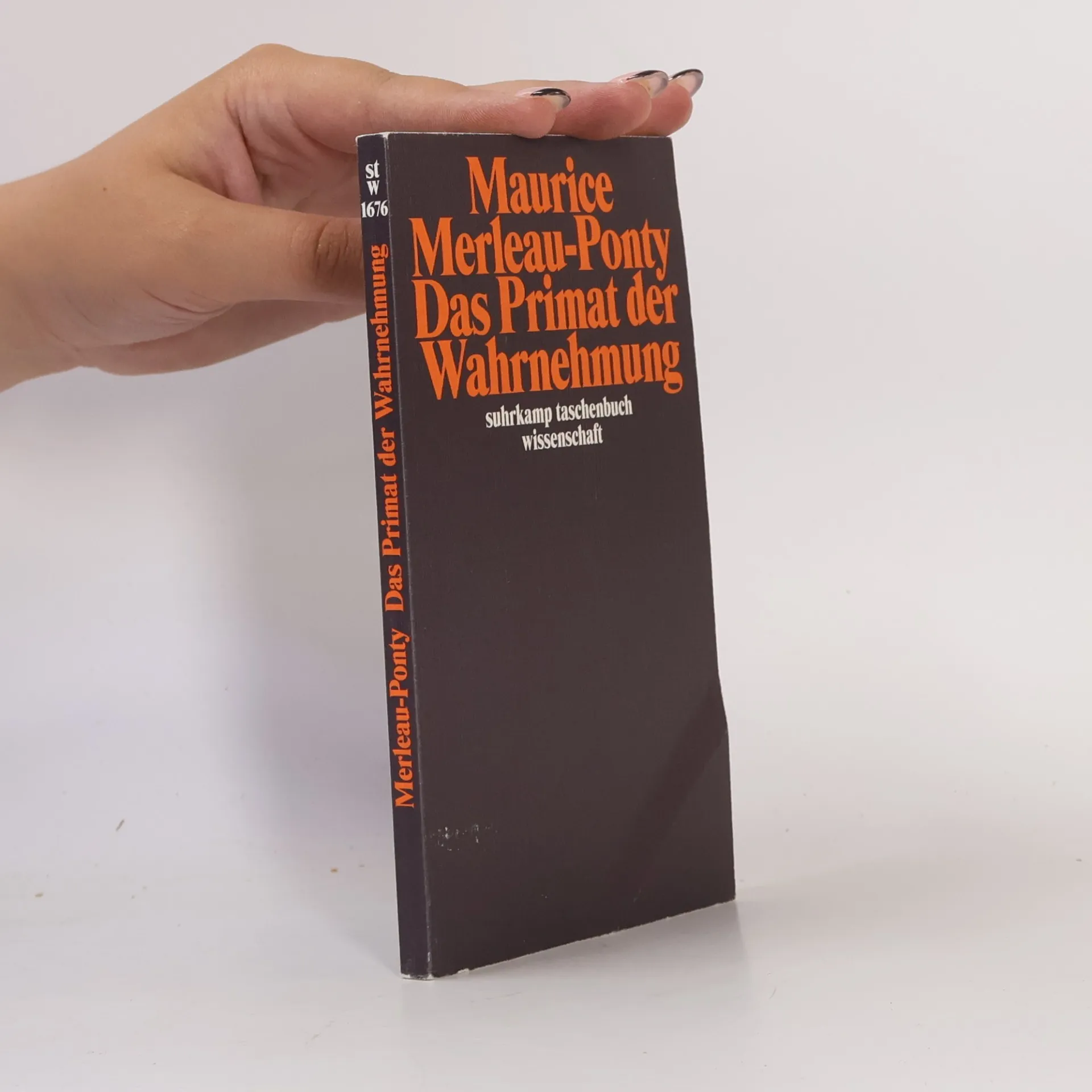
    • Das Primat der Wahrnehmung

      • 132 pages
      • 5 hours of reading

      In drei erstmalig übersetzten Selbstdarstellungen aus den Jahren 1933, 1934 und 1946 entwirft Maurice Merleau-Ponty das Programm einer dezidiert phänomenologischen Wahrnehmungsphilosophie. Beginnend mit vorausschauenden Andeutungen über seine zukünftigen Absichten, Kritiken seiner philosophischen Gegner und Beschreibungen seiner angestrebten Methoden, endet er mit einer faszinierenden Verteidigung seiner berühmten These vom Primat der Wahrnehmung. In der Perspektive der epochalen Phänomenologie der Wahrnehmung erscheint das Phänomen der Wahrnehmung mehr als nur ein mögliches Thema der Phänomenologie zu sein: Das Primat der Wahrnehmung impliziert Konsequenzen für die Philosophie in all ihren Erscheinungsformen. Merleau-Pontys Entdeckung der Wahrnehmung wird zu einem gleichermaßen aktuellen wie radikalen Programm für das phänomenologische Philosophieverständnis.

      Das Primat der Wahrnehmung
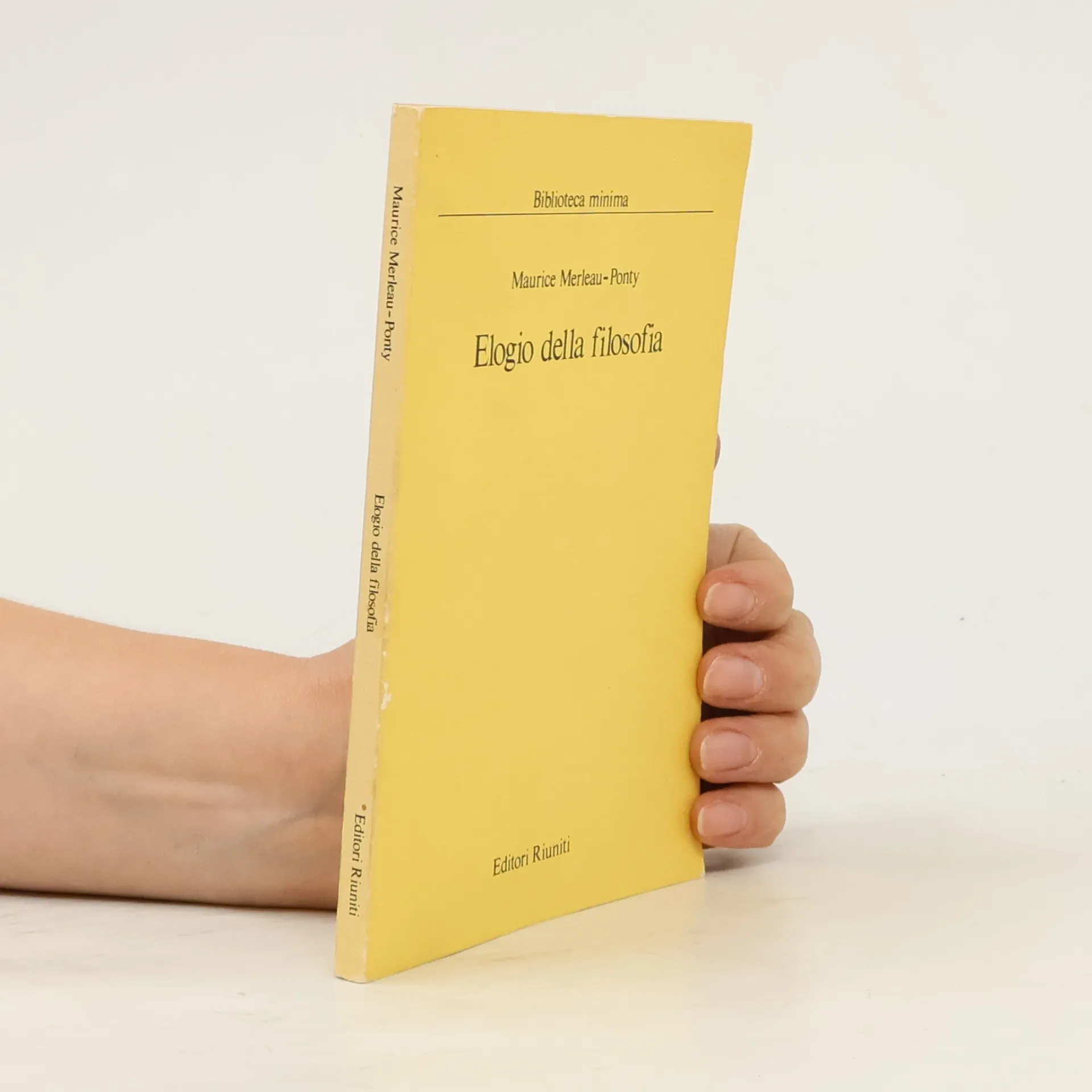
    • Éloge de la philosophie

      • 308 pages
      • 11 hours of reading
      3.6(21)Add rating

      "Philosopher, c'est chercher, c'est impliquer qu'il y a des choses à voir et à dire. Or, aujourd'hui, on ne cherche guère. On revient à l'une ou l'autre des traditions, on la "défend". Nos convictions se fondent moins sur des valeurs ou des vérités aperçues que sur les vices ou les erreurs de celles dont nous ne voulons pas. Notre pensée est en retraite ou en repli. Dans ce monde où la dénégation et les passions moroses tiennent lieu de certitudes, on ne cherche surtout pas à voir, et c'est la philosophie, parce qu'elle demande à voir, qui passe pour impiété."Maurice Merleau-Ponty.

      Éloge de la philosophie