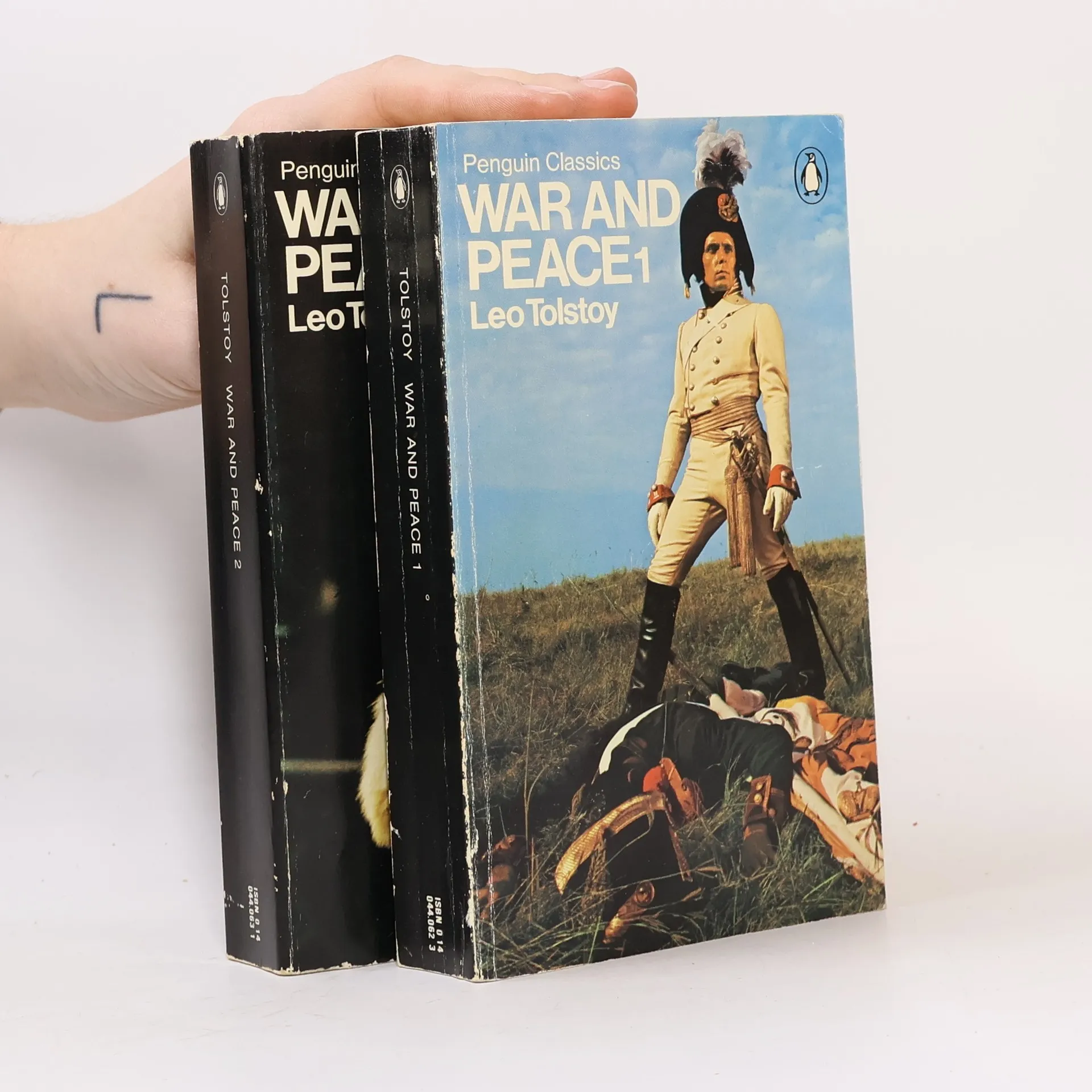
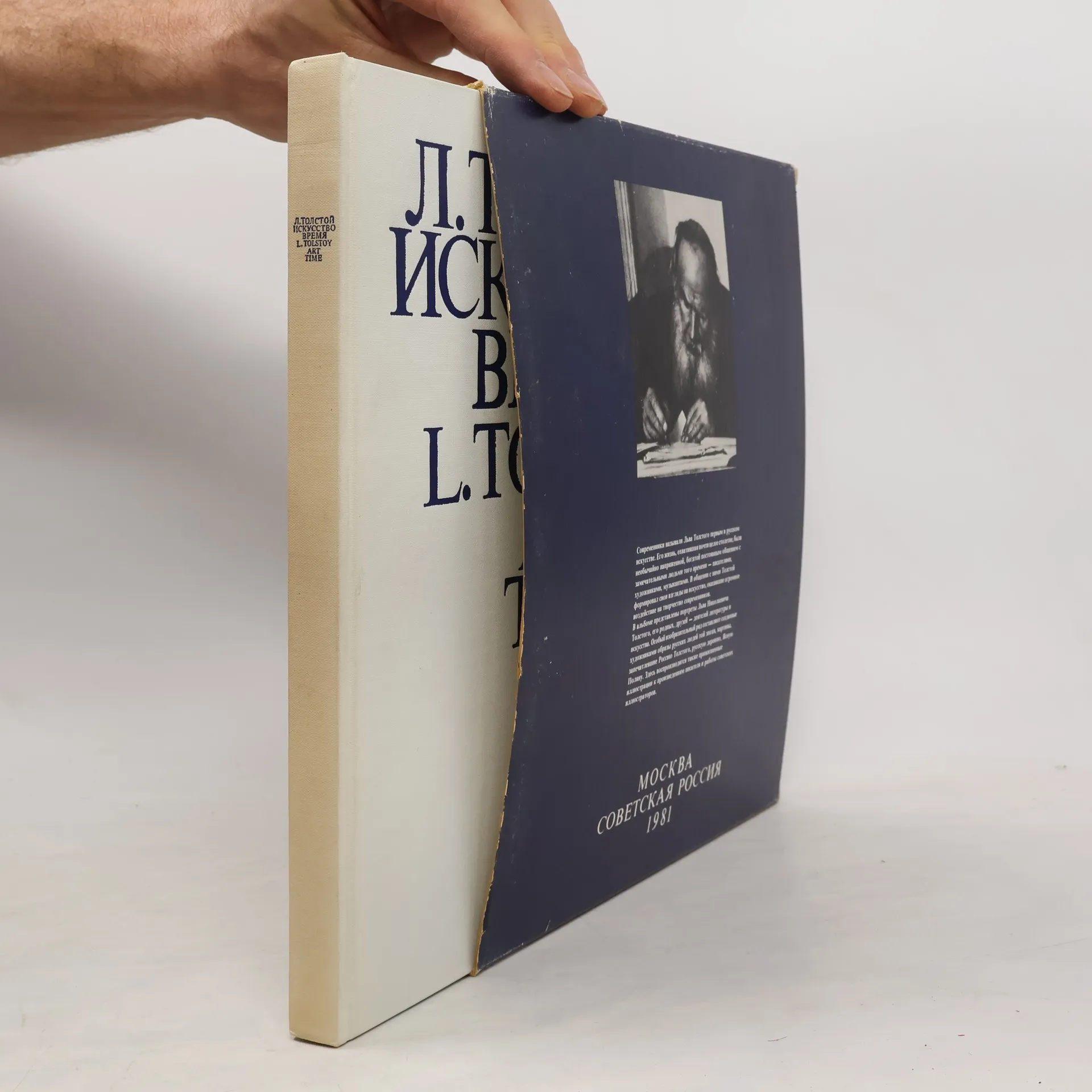
The novel "War and Peace," written between 1863 and 1869, is a four-part epic and one of the greatest works of world literature. It features over 250 characters, including historical figures such as Tsar Alexander I, Emperor Napoleon, and General Kutuzov. The extensive and vivid depictions of battles, such as those at Austerlitz and Borodino, as well as the desolate, burning Moscow, are unparalleled in literature. Intimate scenes from the lives of the upper class, along with romantic entanglements and adventures, alternate with portrayals of historical events and the struggle of the Russian people against Napoleon. Tolstoy drew inspiration not only from global historical events but also from his own family's experiences. For instance, the character Natasha Rostova and her life struggles were inspired by his sister-in-law T. A. Kuzminskaya. The third part of the epic takes place in 1812 and recounts events such as the Battle of Borodino and Napoleon's presence in Moscow.
Lew Nikolajewitsch Tolstoi Books
- Л. Н.
- Л. Н. Т.
Leo Tolstoy is one of the greatest Russian writers, best known for his monumental novels War and Peace and Anna Karenina. His works are celebrated for their deep psychological analysis, moral dilemmas, and detailed depictions of Russian society. Tolstoy’s writing blends realism with philosophical insights, examining the relationships between individuals and society while questioning traditional values. His style is precise, detailed, and epic, focusing on the inner lives of his characters. Tolstoy is regarded as a master of psychological realism, and his works continue to influence both literature and philosophy.

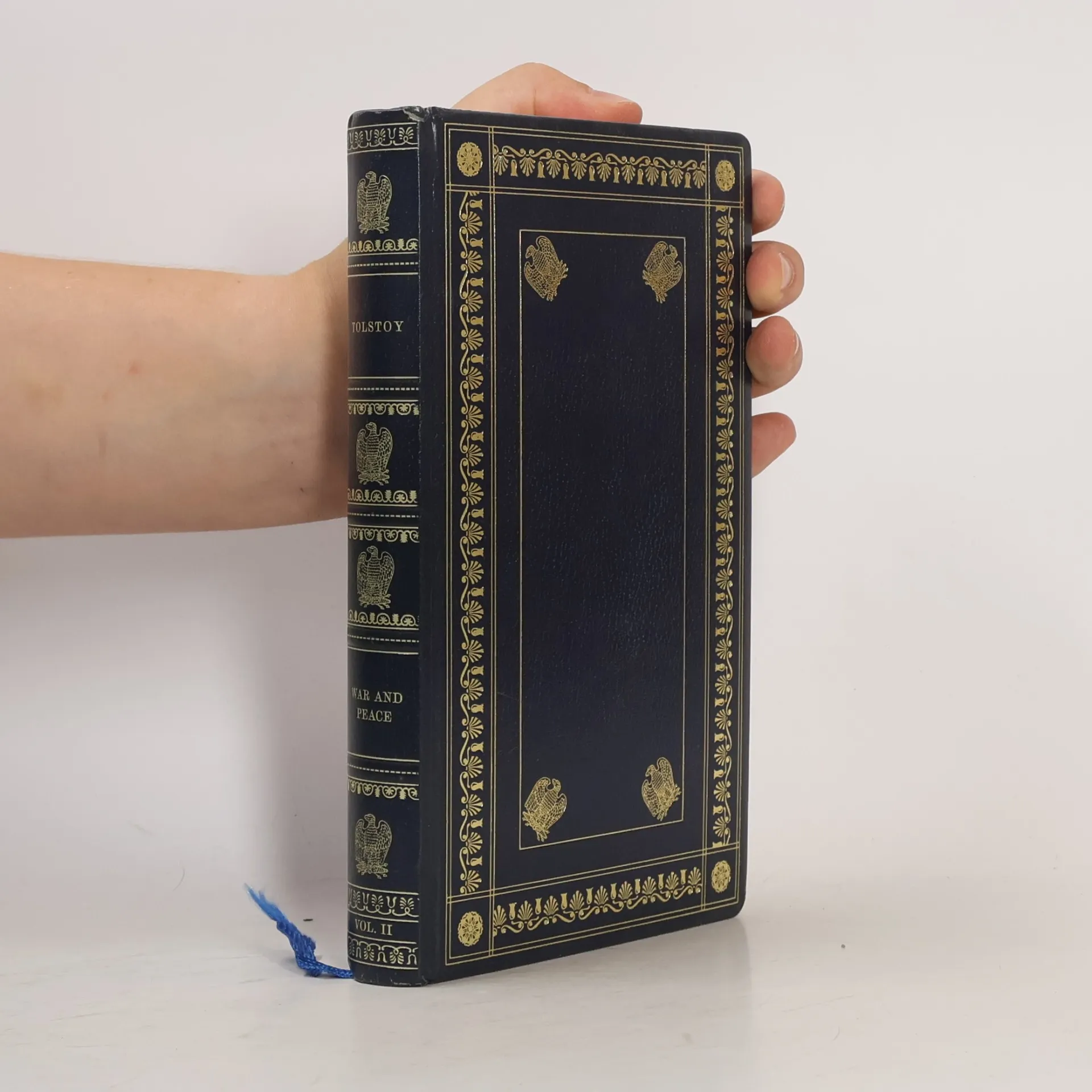

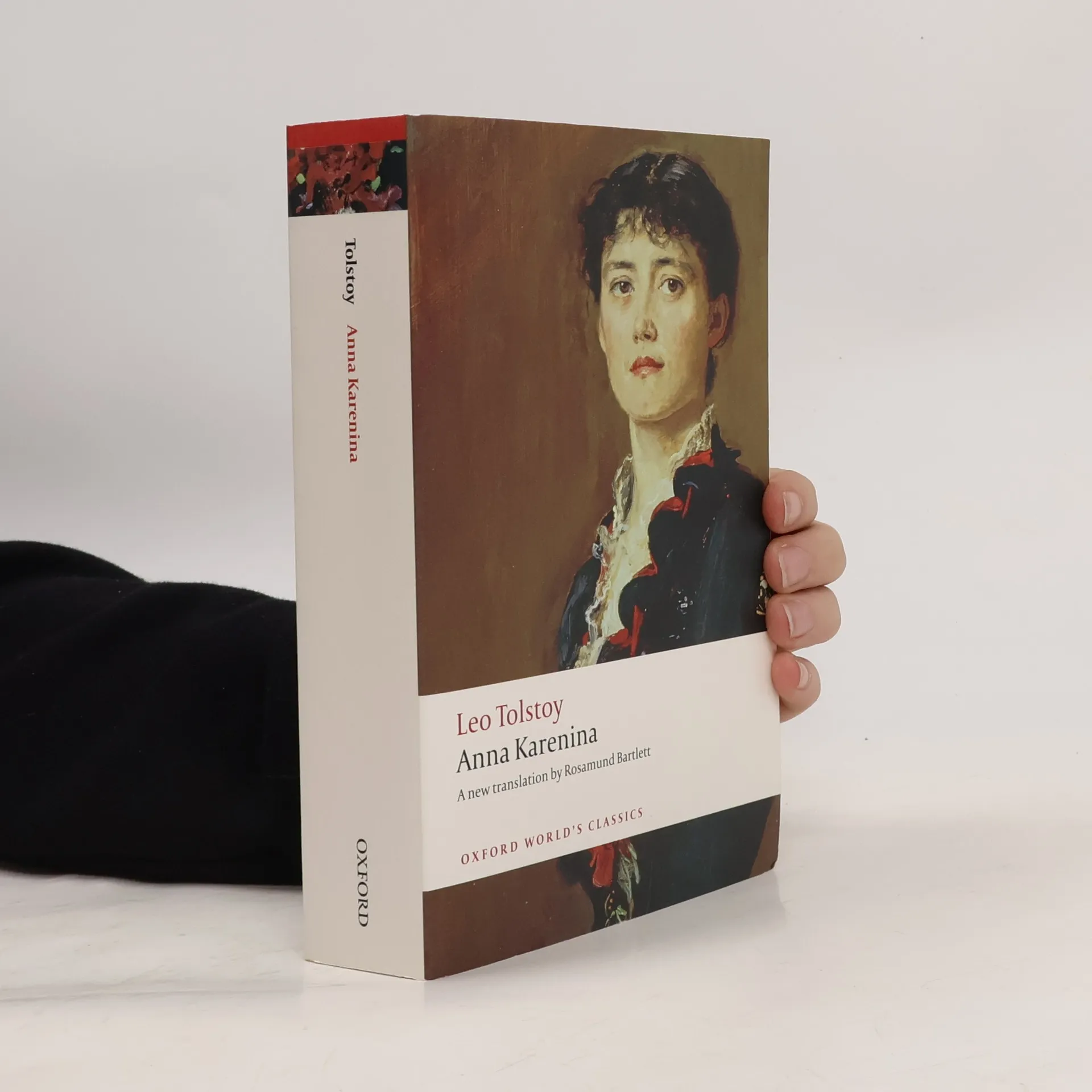
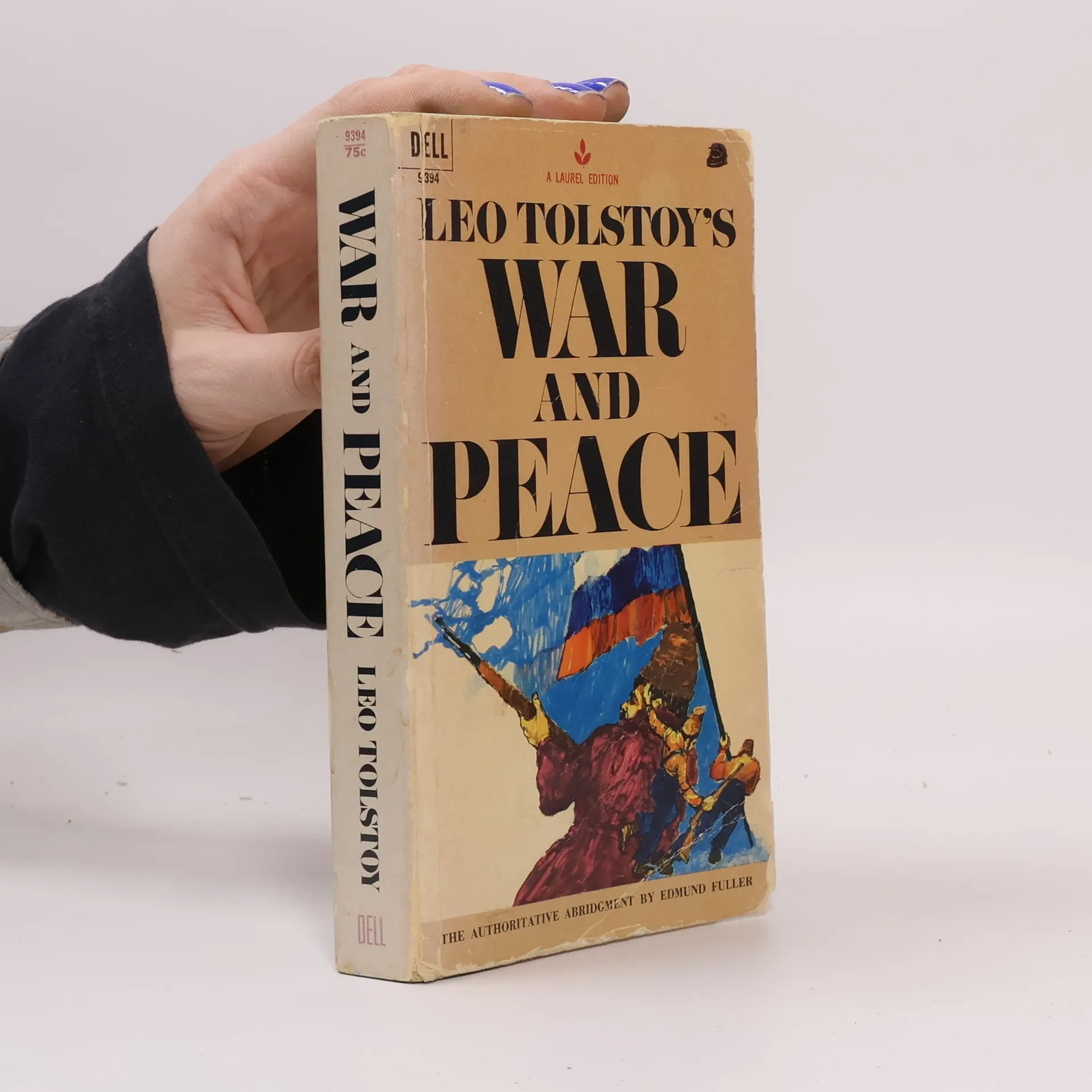
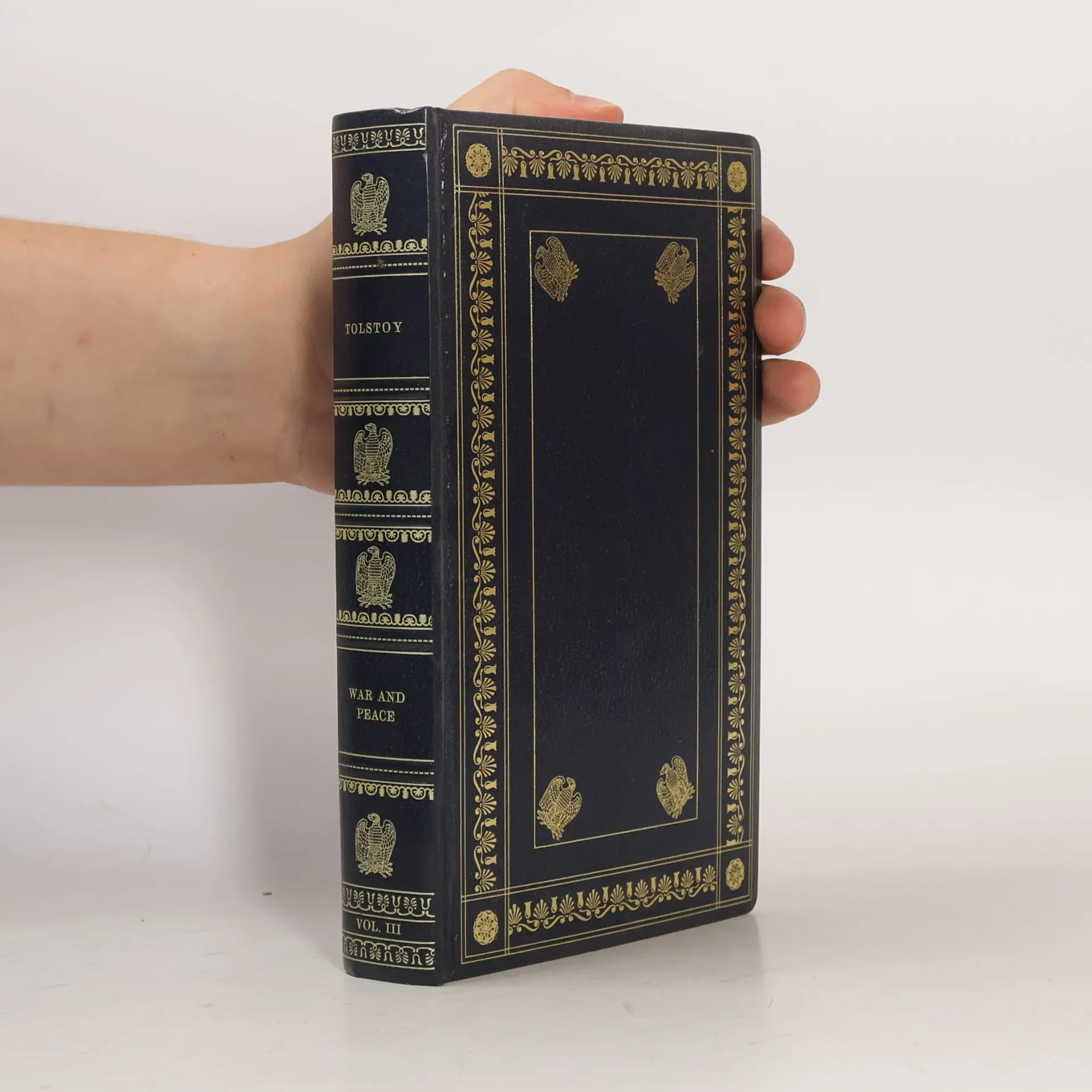
The novel intricately weaves the lives of five families against the backdrop of the Napoleonic Wars, exploring the profound impact of conflict on personal and societal levels. Tolstoy presents a vast array of characters, including historical figures, while delving into themes of love, loss, and resilience. In the epilogues, he offers a reflective philosophy on history, challenging the notion of the Great Man Theory and emphasizing the significance of small events in shaping the past. Celebrated for its depth and scope, this epic work remains a pivotal piece of world literature.
Oxford World's Classics: Anna Karenina
A New Translation by Rosamund Bartlett, English Edition
- 896 pages
- 32 hours of reading
One of the greatest novels ever written, Anna Karenina is the story of a beautiful woman whose passionate love for a handsome officer sweeps aside all other ties. This major translation conveys Tolstoy's precision of meaning and emotional accuracy in an English version that is highly readable and stylistically faithful.
At a glittering society party in St Petersburg in 1805, conversations are dominated by the prospect of war. In this book, the author entwines grand themes - conflict and love, birth and death, free will and faith - with unforgettable scenes of nineteenth-century Russia, to create a magnificent epic of human life in its imperfection and grandeur.
L. N. Tolstoy wrote War and Peace between 1863 and 1869, with the complete four-volume edition published in 1869. Initially condemned by critics, the novel achieved immense popularity, leading to rapid sales of its editions. It is a classic epic novel depicting Russian society in the early decades of the 19th century. Alongside a multitude of realistically portrayed characters set against historical events, it vividly presents figures such as General Kutuzov and Napoleon. The narrative includes detailed accounts of the Napoleonic Wars between Russia and France from 1805 to 1812, notably the Battle of Austerlitz in 1805, the Battle of Borodino, and the French occupation of Moscow. The main characters are two nobles, Andrei Bolkonsky and Pierre Bezukhov, along with members of the Rostov family. Pierre Bezukhov embodies Tolstoy's philosophical ideas, often providing insightful commentary on the political and social dynamics of his time, as well as on significant historical figures. The novel has been successfully adapted into film multiple times.
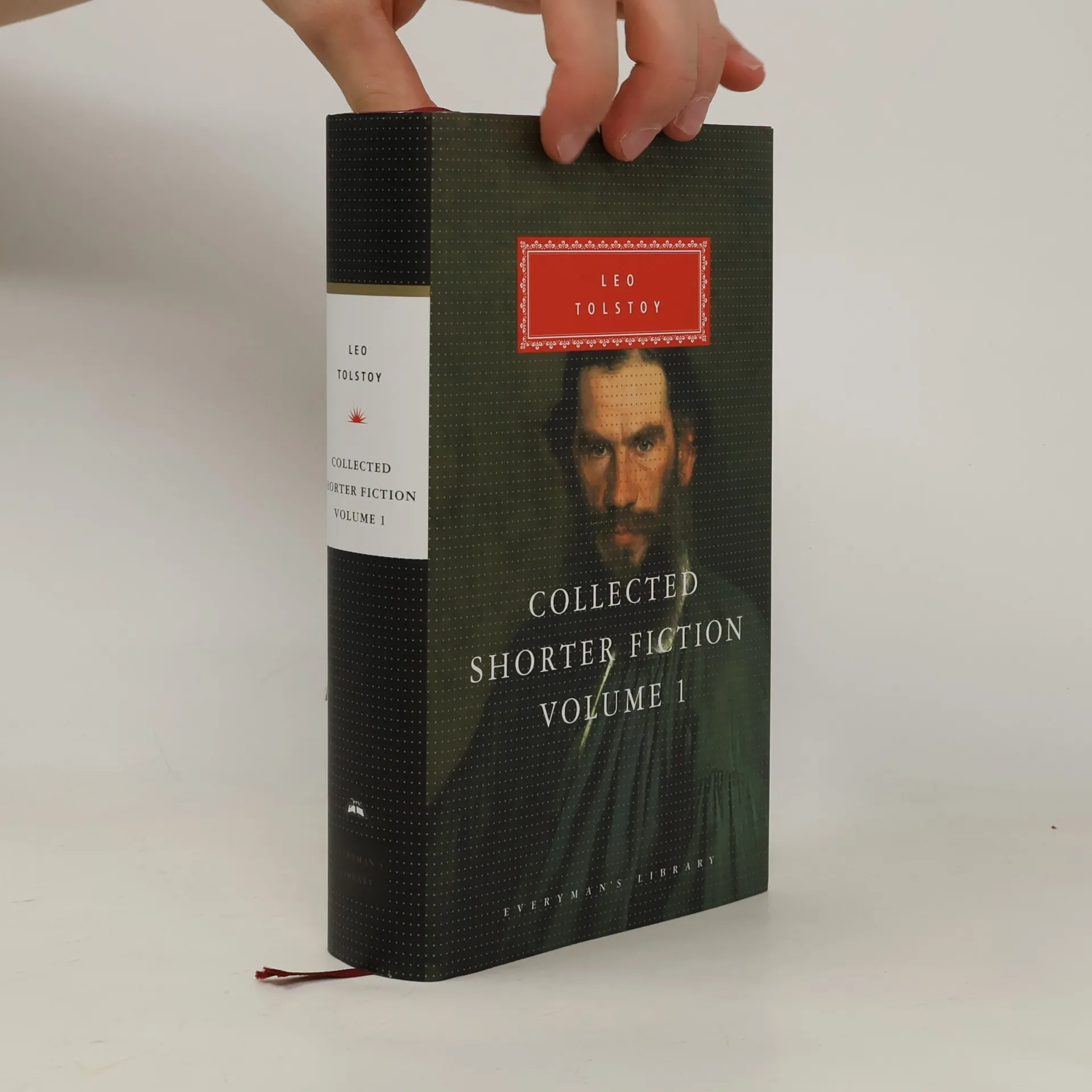
Everyman's Library: Collected Shorter Fiction Volume 1
- 848 pages
- 30 hours of reading
Volume 1 of the Everyman Collected Shorter Fiction is dominated by the characteristic experiences of his early life as soldier, land-owner, husband and father, the life which shaped Anna Karenina and War and Peace. schovat popis
Malashka and Akulka, two little girls, are playing together happily when they get into a disagreement... and before you know it, the entire village is involved! This adapted classic about conflict and resolution is printed with Tara Books' vintage letterpress.
War and Peace Book 4
- 80 pages
- 3 hours of reading
Set against the backdrop of the 1812 French invasion of Russia, the narrative intricately weaves the lives of various Russian families, highlighting the impact of the Napoleonic era on society. Beyond its historical framework, the book delves into philosophical discussions and character explorations, showcasing individuals from diverse backgrounds as they navigate the complexities of their time. It employs innovative narrative techniques reminiscent of early 19th-century literature, ultimately presenting a profound analysis of humanity's emotional and psychological evolution.
Youth
- 182 pages
- 7 hours of reading
Focusing on the transition from adolescence to adulthood, the novel explores Nikolenka's experiences as he navigates friendship, love, and personal growth while preparing for university. Through his relationship with Dmitri and the emotional challenges he faces, readers witness his awakening to complex feelings and moral revelations. This semi-autobiographical work captures the essence of youth, nostalgia, and the bittersweet nature of memories, showcasing Tolstoy's emerging literary prowess and philosophical depth that would characterize his later masterpieces.
Master and Man
- 48 pages
- 2 hours of reading
Set during a harsh Russian winter, the narrative follows the journey of Vasili Andreevich Brekhunov and his servant, Nikita. Through their interactions, the story delves into profound themes of human nature, morality, and the relentless pursuit of material wealth. Despite its short length, it offers a thought-provoking exploration of the dynamics between master and servant, highlighting the philosophical complexities of their relationship.
Great Short Works of Leo Tolstoy
- 685 pages
- 24 hours of reading
The brilliant shorter novels of Tolstoy, including The Death of Ivan Ilych and Family Happiness, collected and reissued with a beautiful updated design. Of all Russian writers Leo Tolstoy is probably the best known to the Western world, largely because of War and Peace, his epic in prose, and Anna Karenina, one of the most splendid novels in any language. But during his long lifetime Tolstoy also wrote enough shorter works to fill many volumes. Here reprinted in one volume are his eight finest short novels, together with "Alyosha the Pot", the little tale that Prince Mirsky described as "a masterpiece of rare perfection."
A Confession by Leo Tolstoy, Religion, Christian Theology, Philosophy
- 108 pages
- 4 hours of reading
Exploring profound existential questions, Tolstoy delves into his spiritual journey and the search for life's meaning. He reflects on his abandonment of Russian Orthodox faith, his achievements, and the subsequent sense of emptiness that followed. Through encounters with science, philosophy, and the insights of fellow writers, he finds no satisfactory answers. Ultimately, Tolstoy concludes that the deep religious convictions of ordinary people hold the key to understanding life's purpose. This essay offers a poignant examination of melancholia, philosophy, and faith from the esteemed author.
The Greatest Short Stories of Leo Tolstoy
- 610 pages
- 22 hours of reading
Recognized as one of the greatest novelists and moral philosophers, Leo Tolstoy's works delve deeply into the complexities of human nature and morality. His narratives often explore themes of love, faith, and the search for meaning in life, reflecting his profound philosophical insights. Tolstoy's ability to weave intricate character studies within sweeping historical contexts has left a lasting impact on literature, influencing countless writers and thinkers across generations. His legacy continues to resonate in discussions of ethics and the human condition.
The Death of Ivan Ilyich and Master and Man
- 160 pages
- 6 hours of reading
Exploring profound themes of mortality and life's meaning, this edition features two significant works by Tolstoy. "The Death of Ivan Ilyich" follows a bureaucrat reflecting on his seemingly wasted life as he faces death, while "Master and Man" depicts a landowner and his servant navigating a perilous snowstorm, forcing them to reassess their values and relationships. Both stories, newly translated by Ann Pasternak Slater, offer moving insights into the human experience of dying and the quest for spiritual redemption.
The Forged Coupon and Other Stories
- 146 pages
- 6 hours of reading
Featuring a variety of narratives, this collection highlights Tolstoy's profound understanding of human nature and the complexities of social issues. Each story delves into moral dilemmas, reflecting the author's philosophical inquiries and ethical reflections. Published in 1911, these tales continue to resonate with readers, offering timeless insights into the human condition.
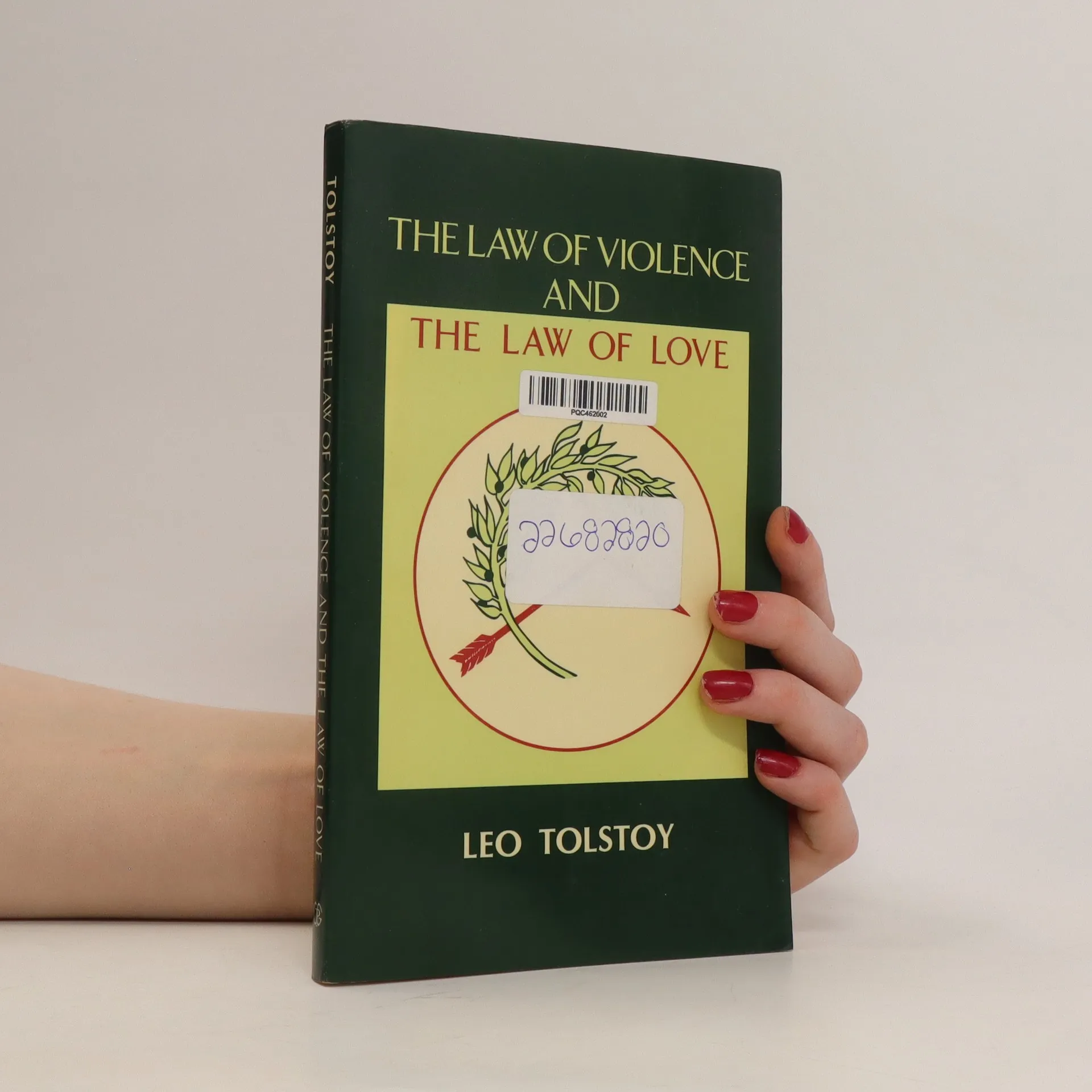
The Law of Violence and The Law of Love
- 87 pages
- 4 hours of reading
This treatise expresses and explores a philosophy that has inspired Gandhi, Martin Luther King, Jr., and countless others. Written just before World War I, it examines the conflicts within and among nations and articulates Tolstoy's famous dictum that it is morally superior to suffer violence than to do violence.
TOLSTOY ON SHAKESPEARE
- 136 pages
- 5 hours of reading
The author reflects on his profound disillusionment with Shakespeare's works, initially expecting aesthetic pleasure but instead experiencing repulsion and tedium. As he revisits the plays at seventy-five, his conviction deepens that the veneration surrounding Shakespeare distorts both aesthetic and ethical understanding. He argues that this misplaced admiration constitutes a significant cultural deception, challenging the notion of Shakespeare's genius and its impact on literary and moral perceptions.
Father Sergius
- 50 pages
- 2 hours of reading
The story explores Father Sergius's moral journey within a society rife with stereotypes, from the ambitious young soldier captivated by the emperor's grandeur to the idealized beauty of his fiancée, embodying innocence. As he transitions to monastic life, he encounters the abbot, a learned and aristocratic figure, representing a lineage of monks. This narrative delves into themes of identity, ambition, and the contrast between societal expectations and personal growth.
Set in the years leading up to and culminating in Napoleon's disastrous Russian invasion, this novel focuses upon an entire society torn by conflict and change. Here is humanity in all its innocence and corruption, its wisdom and folly.
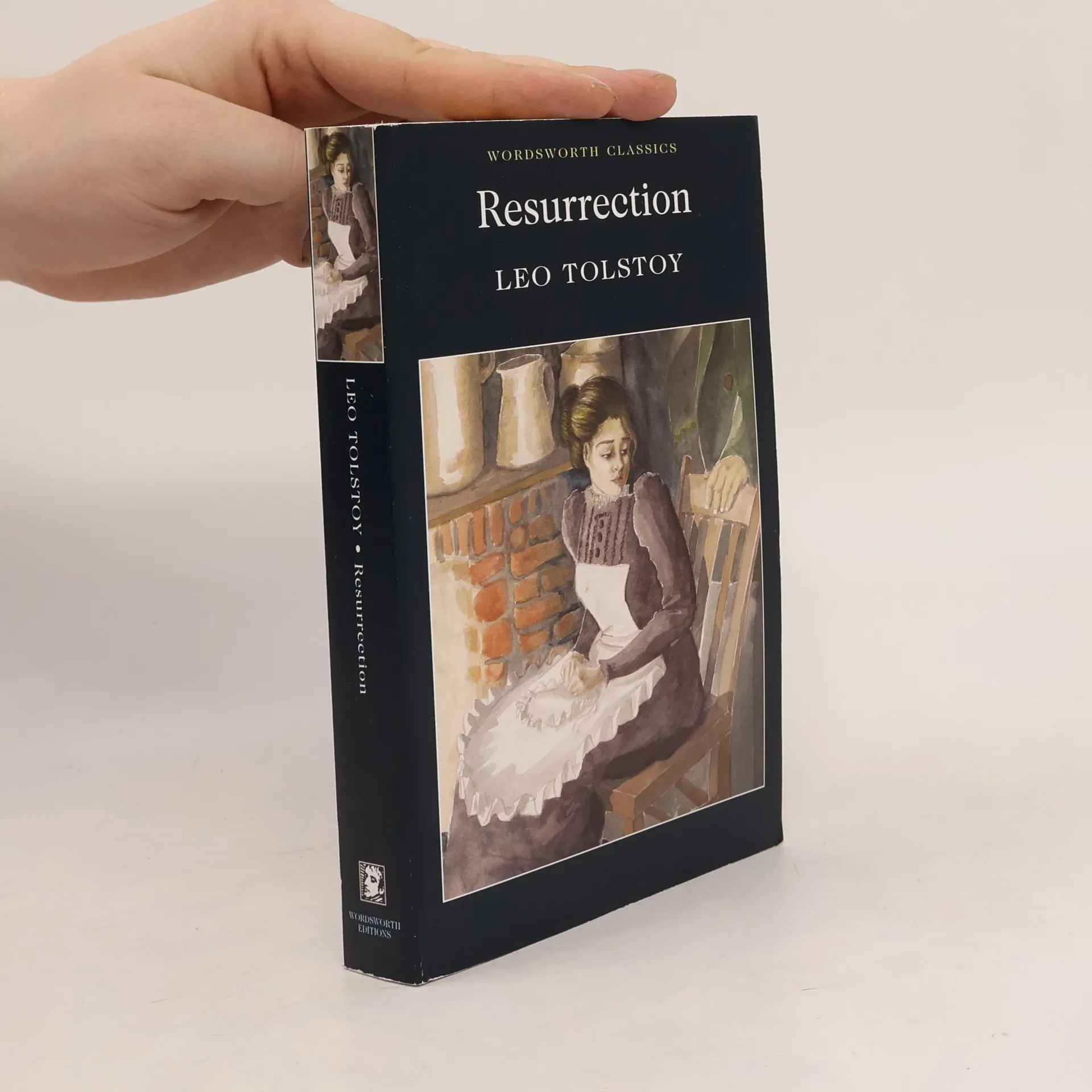
Resurrection
- 496 pages
- 18 hours of reading
Resurrection proceeds from brothel to court-room, stinking cells to offices of state, luxury apartments to filthy life in Siberia. The ultimate crisis of moral responsibility embroils not only the famous author and his hero, but also you and me. Can we help resolve the eternal issues of law and imprisonment?
The Death of Ivan Ilyich: New Translation
- 192 pages
- 7 hours of reading
'The Death of Ivan Ilyich - is usually regarded as an amazing narrative of the experience of dying, a search for the meaning of death. It is all that, and more: it's a great questioning of what is and what ought to be in a human life.' Nadine Gordimer
This is a reader covering Tolstoy's later beliefs after he had rejected orthodox religion. The book mainly draws on Confession (1879), What is My Faith? (1884) and other occasional pieces.
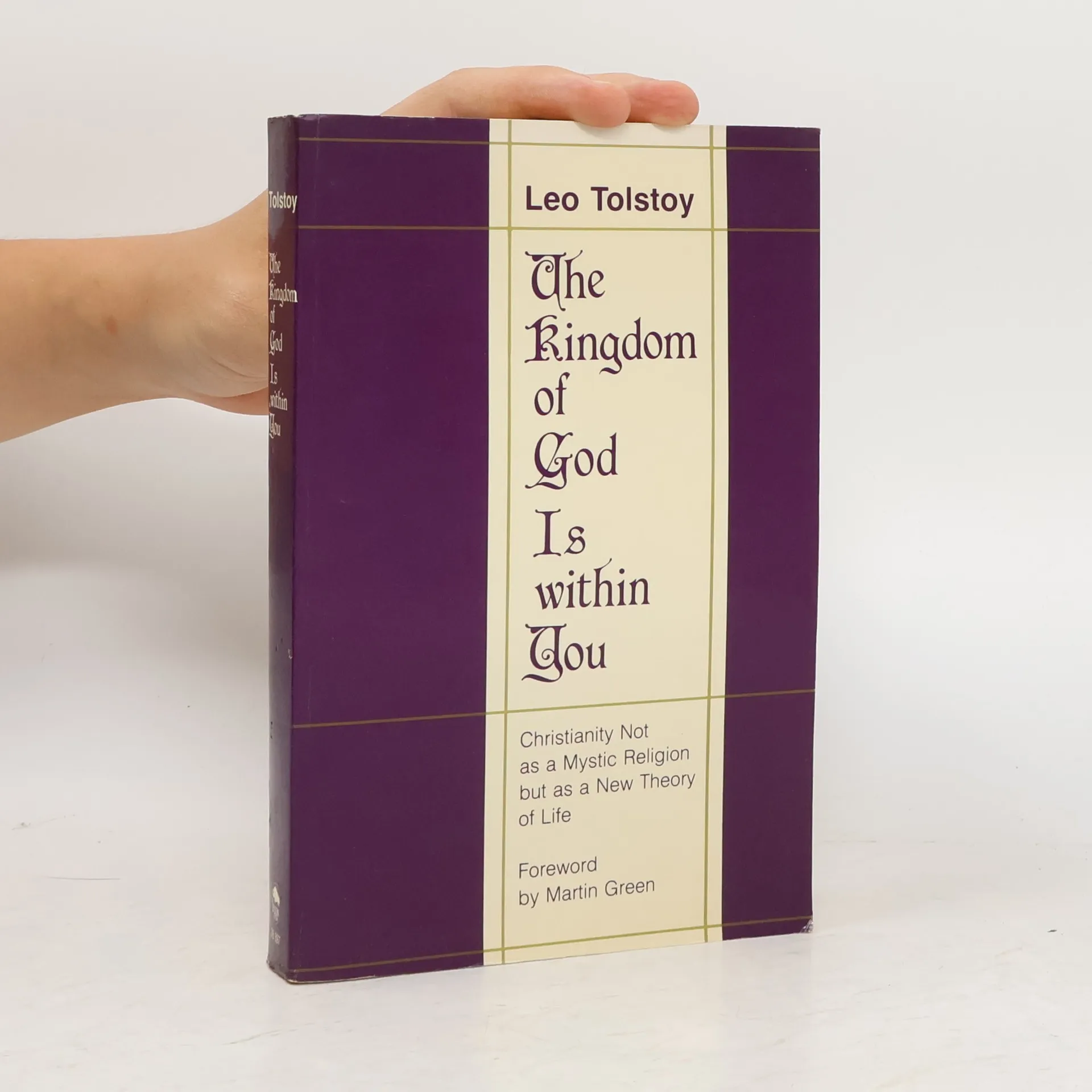
The Kingdom of God is Within You
Christianity Not as a Mystic Religion But as a New Theory of Life
- 398 pages
- 14 hours of reading
First published in Germany in 1894, after being banned in Russia, The Kingdom of God Is within You reveals Tolstoy’s world outlook after his conversion to Christianity. He argues that the kingdom of God is within reach of all. The core of the book deals with his nonresistance to evil, a principle Tolstoy passionately advocated. Gandhi was won over by the book. Tolstoy clearly describes the hazards that bullying governments and false beliefs produced. “The situation of the Christian part of humanity—with its prisons, forced labor, gallows, saloons, brothels, constantly increasing armaments, and millions of confused people ready like trained hounds to attack anyone against whom their masters set them—this situation would be terrible if it were the product of coercion, but it is above all the product of public opinion.” Abhorring the violence of revolution, Tolstoy calls on Christians to remember that the only guide for their actions is to be found in the divine principle dwelling within them, which in no sense can be checked or governed by anyone or anything else.
The Death of Ivan Ilyich
- 96 pages
- 4 hours of reading
A middle-aged judge who had never thought about his own mortality, must readjust his thinking when he learns he has a terminal illness
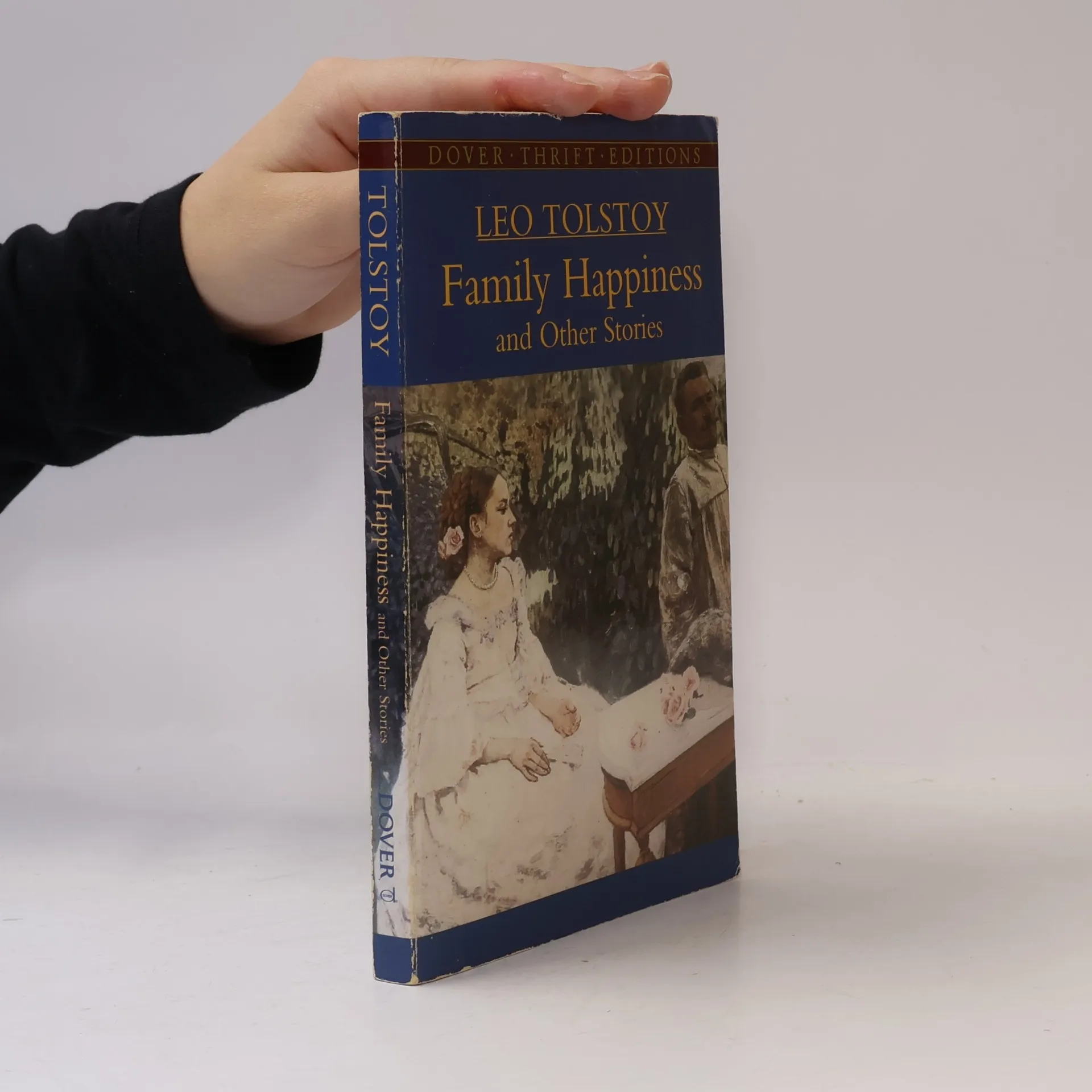
Dover Thrift Editions: Family Happiness and Other Stories
- 208 pages
- 8 hours of reading
Each of the 6 powerful tales in this collection exhibits the rich detail, shrewd observations, and vivid narration that characterize Tolstoy's famous novels. In addition to the title story, this compilation includes "Three Deaths," "The Three Hermits," "The Devil," "Father Sergius," and "Master and Man."
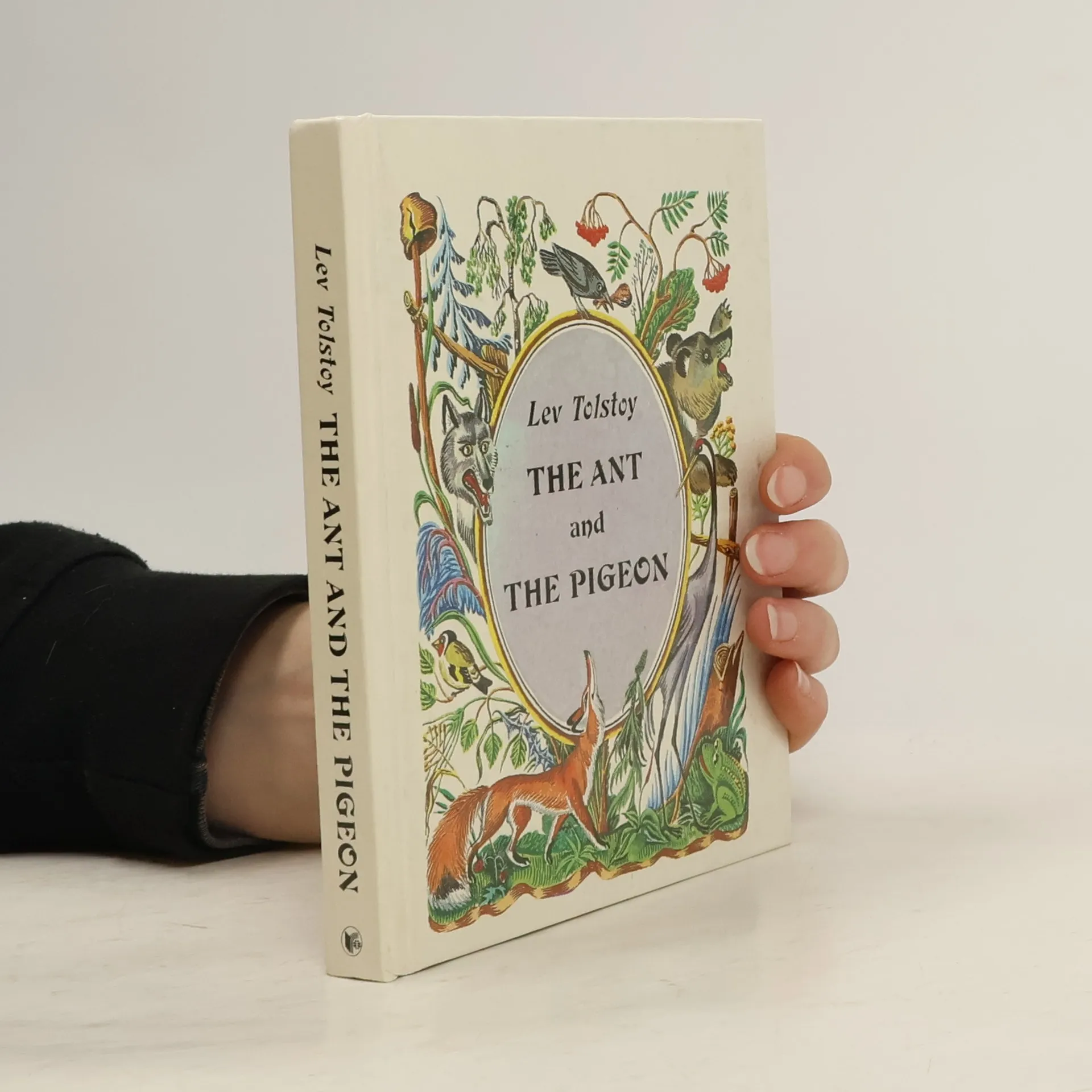
The Ant and the Pigeon
- 158 pages
- 6 hours of reading
THE MORAL OF THIS STORY IS"ONE GOOD TURN DESERVES ANOTHER"
My Religion
- 160 pages
- 6 hours of reading
"I have not always been possessed of the religious ideas set forth in this book. For thirty-five years of my life I was, in the proper acceptation of the word, a nihilist,--not a revolutionary socialist, but a man who believed in nothing. Five years ago faith came to me; I believed in the doctrine of Jesus, and my whole life underwent a sudden transformation". Leo Tolstoy
The Death of Ivan Ilyich and Confession
- 224 pages
- 8 hours of reading
A pairing of Tolstoy's most spiritual and existential works of fiction and nonfiction from the renowned translator of Turgenev and Chekhov.
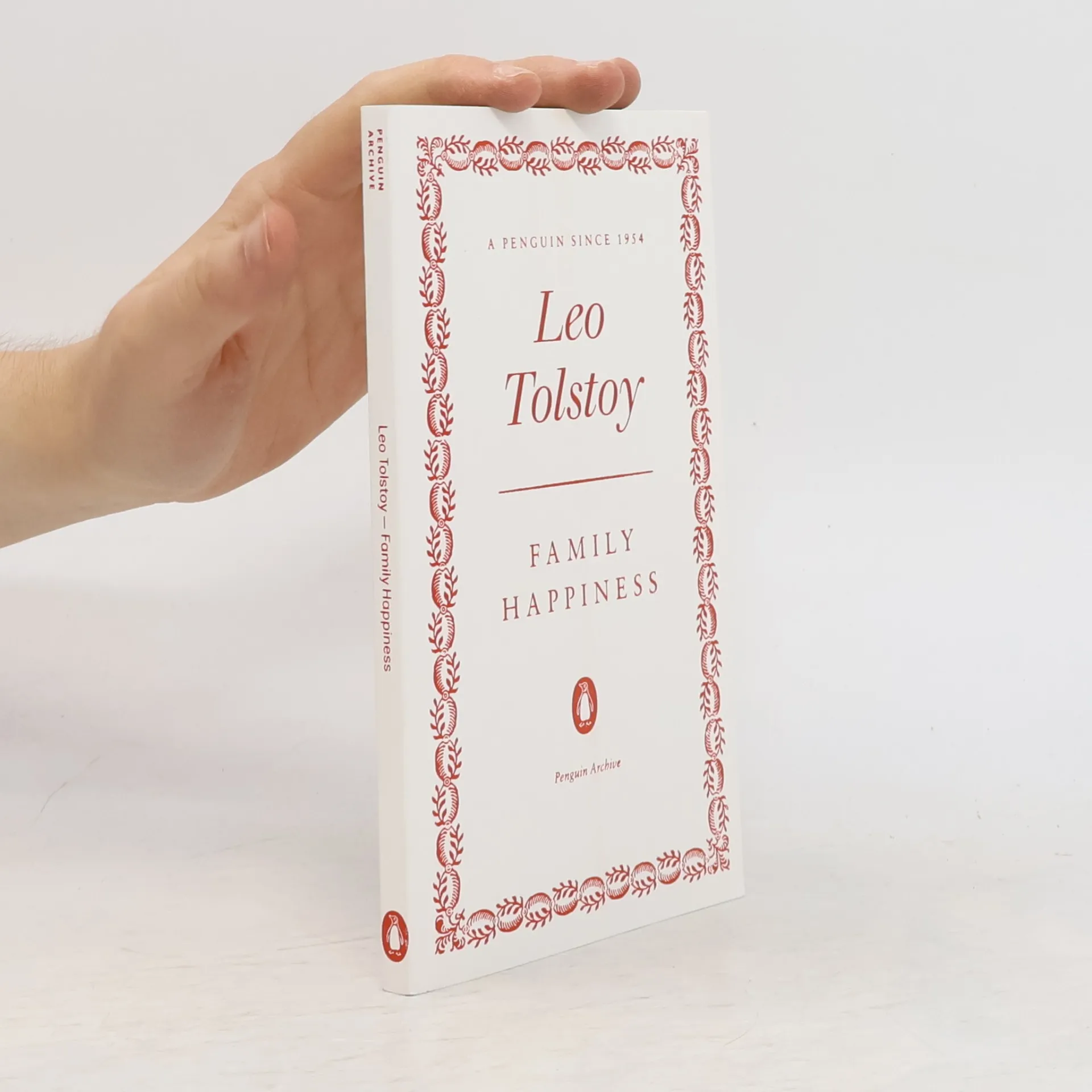
Penguin Archive: Family Happiness
- 144 pages
- 6 hours of reading
'I'm not the sort of husband you dream of when you're walking alone along the avenue in the evening, am I? And it would be a disaster, wouldn't it?' How does love die? This question lies at the heart of Tolstoy's desperately sad novella. It tells the story of seventeen-year-old Masha who, despite their differences, falls passionately in love with an older man, and marries him. Soon, however, the gap between them becomes unbridgeable.
A Calendar of Wisdom
- 384 pages
- 14 hours of reading
Over the last fifteen years of his life, Tolstoy collected and published the maxims of some of the world's greatest masters of philosophy, religion and literature, adding his own contributions to various questions that preoccupied him in old age, such as faith and existence, as well as matters of everyday life. Banned in Russia under Communism, A Calendar of Wisdom was Tolstoy's last major work, and one of his most popular both during and after his lifetime. This new translation by Roger Cockrell will offer today's generation of readers the chance to discover, day by day, these edifying and carefully selected pearls of wisdom.
How Much Land Does A Man Need?
- 64 pages
- 3 hours of reading
A parable of a Russian peasant's bargain with the devil - considered by James Joyce to be the world's greatest story.
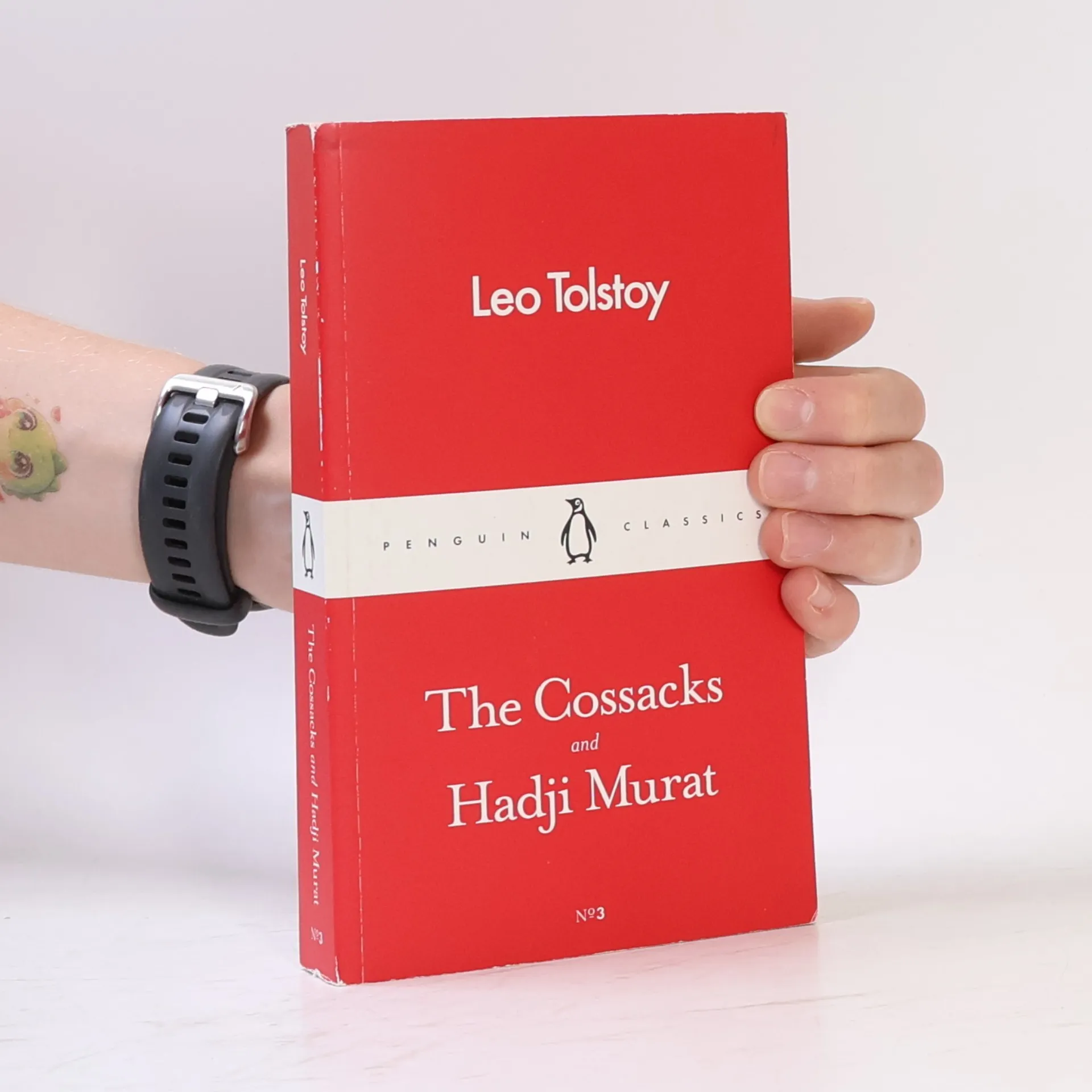
The Cossacks and Hadji Murat
- 720 pages
- 26 hours of reading
'He said that Shamil had ordered Hadji Murat to be taken dead or alive....' Two masterly Russian tales of freedom, fighting and great warriors in the majestic mountains of the Caucasus, inspired by Tolstoy's years as a soldier living amid the Cossack people. A new series of twenty distinctive, unforgettable Penguin Classics in a beautiful new design and pocket-sized format, with coloured jackets echoing Penguin's original covers.
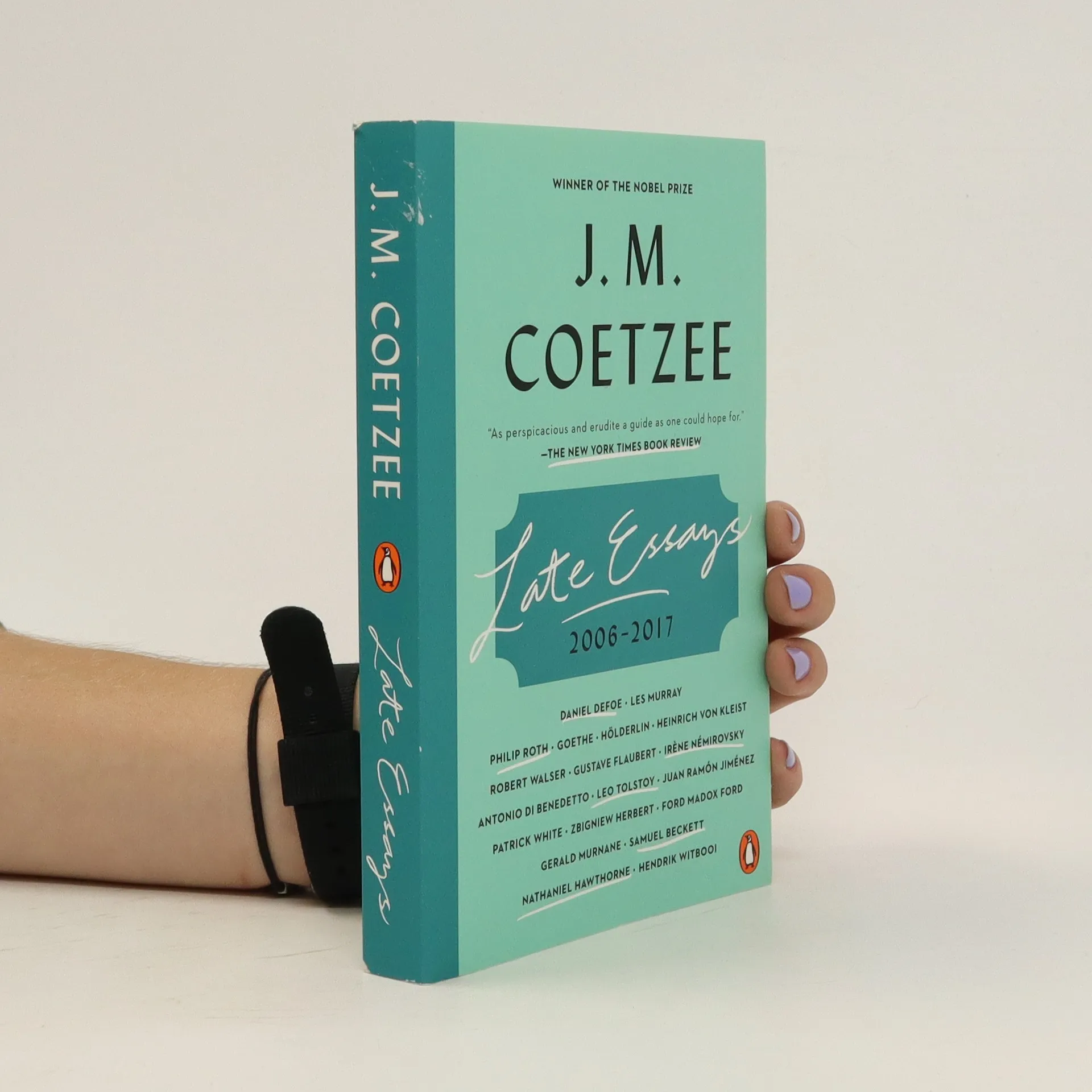
Late Essays, 2006-2017
- 304 pages
- 11 hours of reading
A new collection of twenty-three literary essays from the Nobel Prize–winning author. J. M. Coetzee’s latest novel, The Schooldays of Jesus, is now available from Viking. J. M. Coetzee is not only one of the most acclaimed fiction writers in the world, he is also an accomplished and insightful literary critic. In Late Essays: 2006–2016, a thought-provoking collection of twenty-three pieces, he examines the work of some of the world’s greatest writers, from Daniel Defoe in the early eighteenth century to Goethe and Irène Némirovsky to Coetzee’s contemporary Philip Roth. Challenging yet accessible, literary master Coetzee writes these essays with great clarity and precision, offering readers an illuminating and wise analysis of a remarkable list of works of international literature that span three centuries.
An autobiographical trilogy written during the author's military service in the Caucasus (1851–1856), it serves as a poetic reckoning with his own youthful development and the inner growth of his entire generation. Tolstoy infused the portrayal of his characters with profound knowledge of his own psyche, offering a penetrating analysis of his youth. With open self-criticism, he illustrated through his character Nikolai Irtienev how painfully and laboriously a person emerges from confusion and uncertainty. As a master realist and psychologist, he never transcended the boundaries of a child's imaginative world. In this first work, Tolstoy masterfully depicted the elusive manifestations of inner life, which alternate with extraordinary speed and inexhaustible variety. This distinctive feature of Tolstoy's psychological analysis—focusing not just on the results of psychological processes but on the processes themselves—was characterized by Chernyshevsky as the "greatest merit and inimitable originality" of Tolstoy's talent.
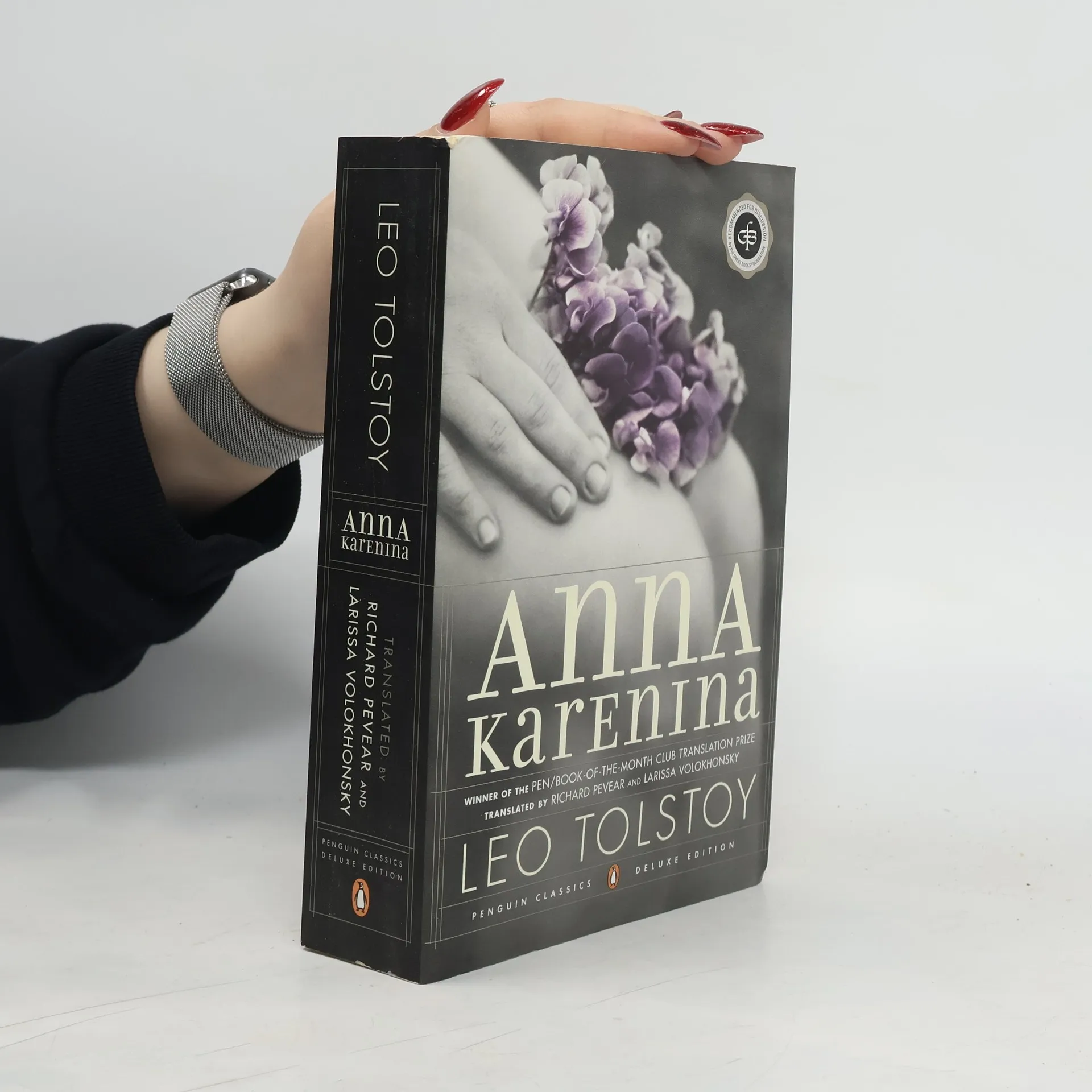
Anna Karenina
- 838 pages
- 30 hours of reading
A famous legend surrounding the creation of Anna Karenina tells us that Tolstoy began writing a cautionary tale about adultery and ended up by falling in love with his magnificent heroine. It is rare to find a reader of the book who doesn't experience the same kind of emotional upheaval: Anna Karenina is filled with major and minor characters who exist in their own right and fully embody their mid-nineteenth-century Russian milieu, but it still belongs entirely to the woman whose name it bears, whose portrait is one of the truest ever made by a writer.
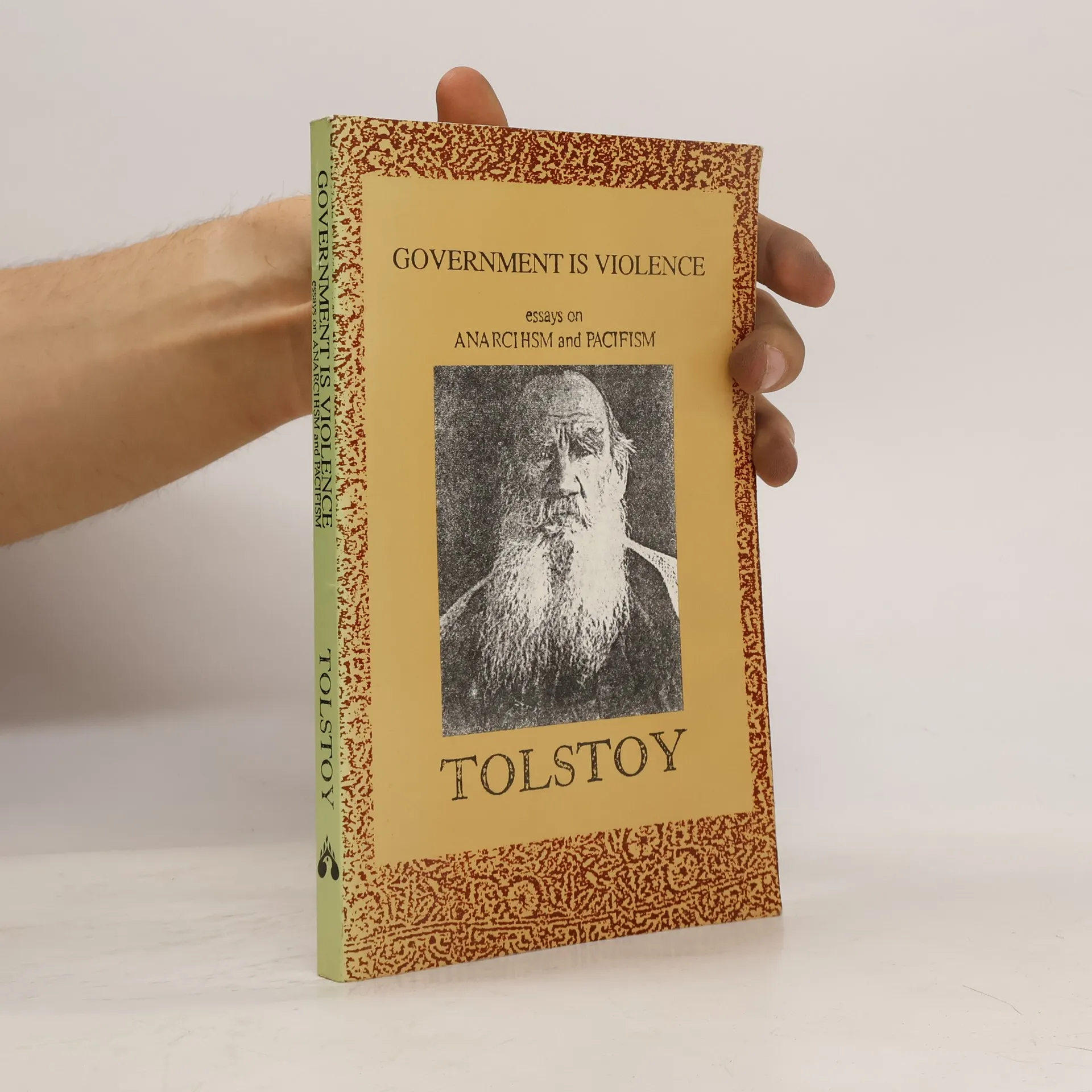
A collection of the man's writings on anarchism and pacifism.
Anna Karenina, Part 1
- 162 pages
- 6 hours of reading
Exploring themes of betrayal, faith, and the complexities of marriage, this novel delves into the lives of its numerous characters against the backdrop of Imperial Russian society. Spanning over 800 pages, it intricately contrasts rural and urban experiences, reflecting the social dynamics of the time. Tolstoy's narrative style marks a significant transition between realism and modernism, establishing the work as a pivotal piece in literary history. Celebrated as one of the greatest novels, it showcases the depth of human emotion and societal critique.
War and Peace Book 8
- 104 pages
- 4 hours of reading
Set against the backdrop of the 1812 French invasion of Russia, the narrative delves into the lives of aristocratic families and the broader societal impacts during the Napoleonic era. The book intertwines philosophical discussions with character-driven stories, showcasing individuals from various backgrounds grappling with the challenges of their time. It employs innovative narrative techniques reminiscent of early 19th-century literature, highlighting the complexity of human experience and the enduring relevance of emotional resilience and personal growth in society.
What Men Live By
- 96 pages
- 4 hours of reading
Remember; There is only one moment that matter, and that is now. Because it is the only one we can rule over...Lev Tolstoy, the author of masterpieces such as Anna Karenina, War and Peace, and Resurrection, spent the last thirty years of his life working on subjects such as human beings, family, religion, state, society, freedom, rebellion and aesthetics. In the works he produced during this period, he addressed human problems within a literary fiction.What Men live by? stating that the most important virtue that an individual should have is love, the great writer was inspired by holy book texts and folk tales and invited humanity to truth. Tolstoy, who left very important works in world literature, has managed to reach readers of all ages.
War and Peace Book 12
- 80 pages
- 3 hours of reading
Set against the backdrop of the French invasion of Russia in 1812, the narrative intricately weaves the lives of various Russian families, showcasing the effects of the Napoleonic era on Tsarist society. It delves into philosophical discussions intertwined with character development, highlighting the struggles of individuals from diverse backgrounds—aristocrats, soldiers, and commoners. The book employs innovative narrative techniques reminiscent of early 19th-century literature, ultimately presenting a profound exploration of humanity's emotional and psychological evolution.
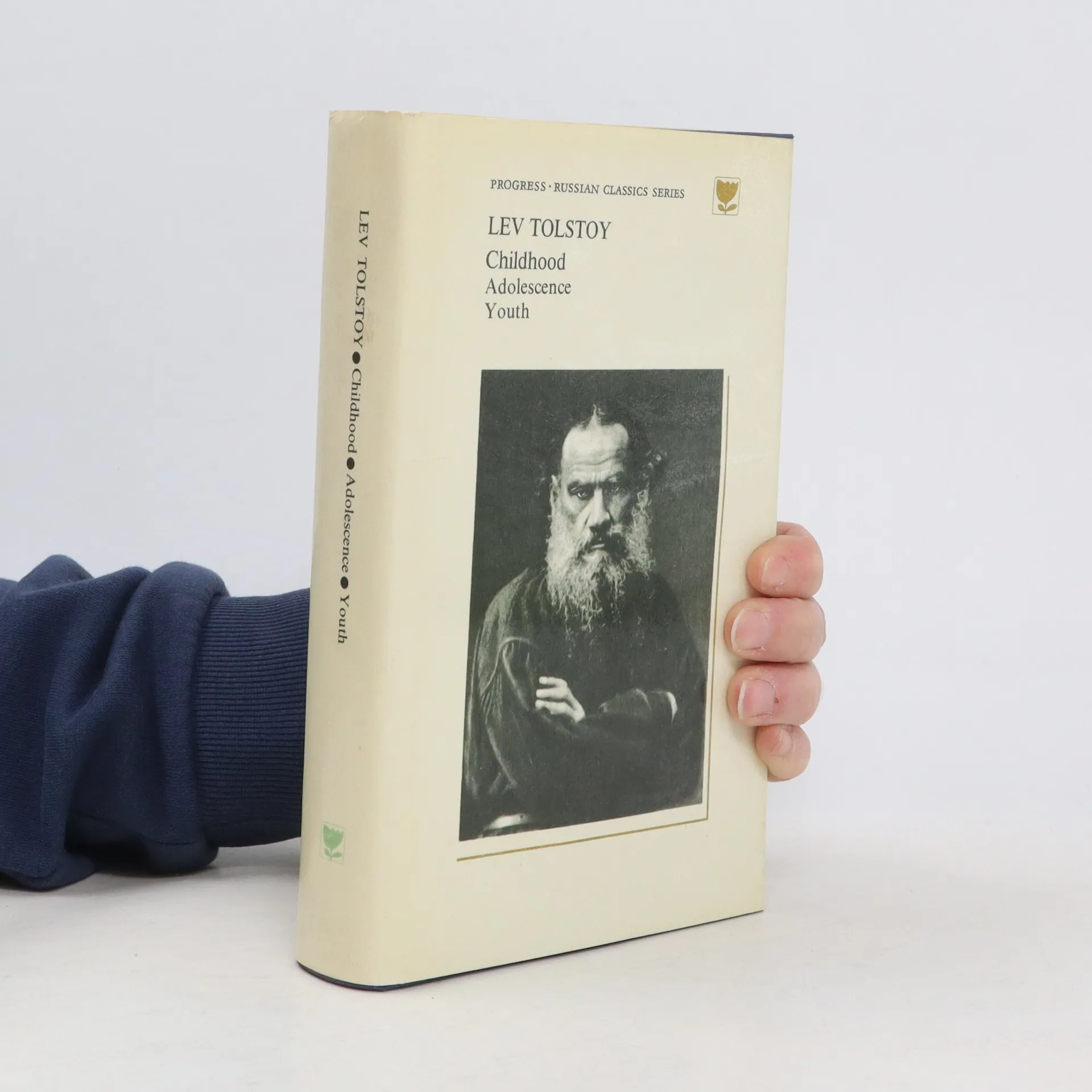
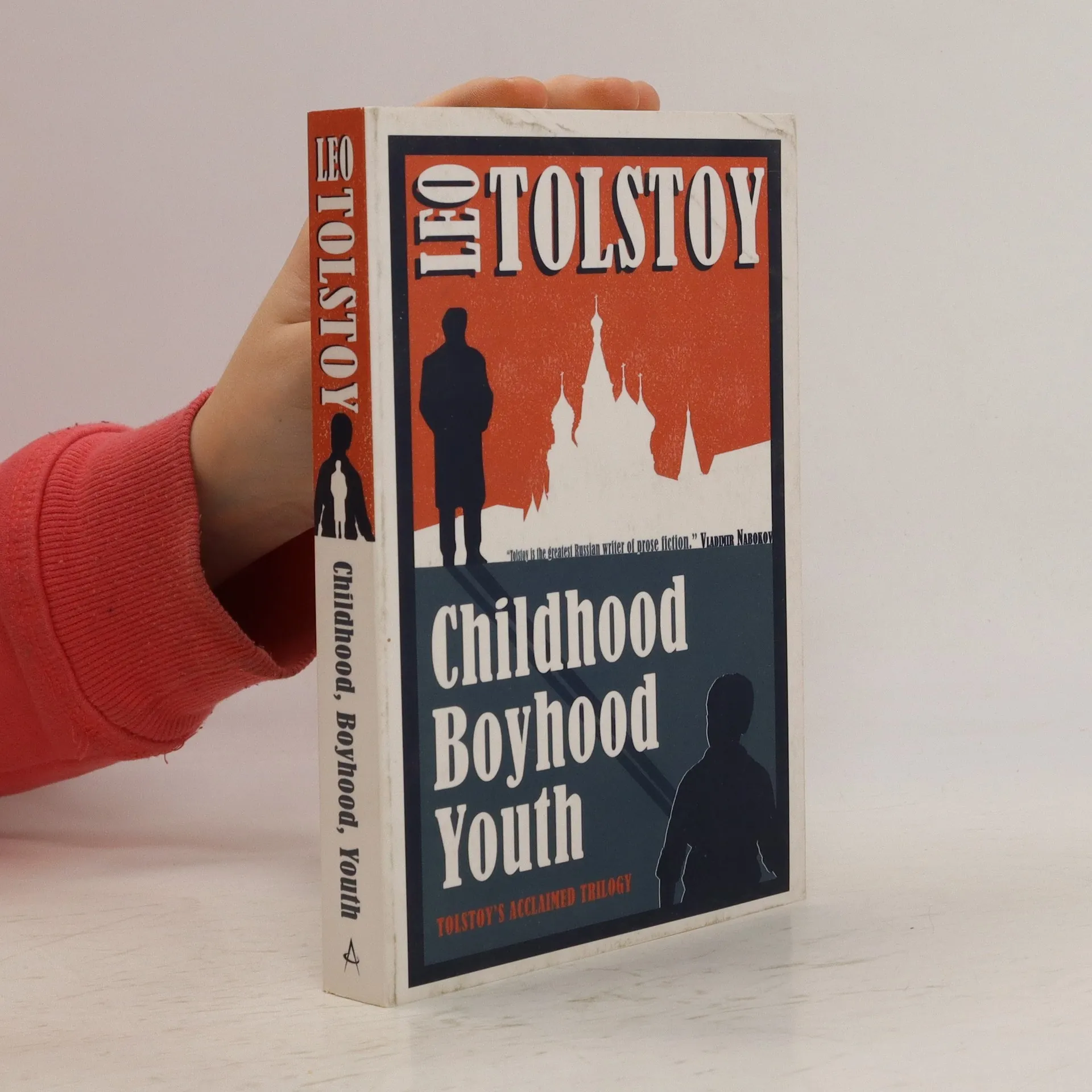
Childhood, Boyhood, Youth
- 320 pages
- 12 hours of reading
This trilogy of short novels, taken as a whole, recounts the young narrator's early life up to his university days, each episode told through the perceptions, points of view and emotions felt by the protagonist at the time. Based on Tolstoy's own life and experiences, this fictionalized account of a young man growing into the world combines anecdote with frank personal assessment and philosophical extrapolation, as the author's Stendhalian take on the confessional genre confronts and blurs the notions of reality and imagination. Tolstoy's first published work, which launched him on a successful writing career, Childhood, Boyhood, Youth - besides offering an early display of his storytelling and stylistic abilities - provides the reader with invaluable insight into the personal and literary development of one of the greatest writers of all time. Assessment and philosophical extrapolation. An early display of Tolstoy's storytelling genius, written in his classically simple yet colourful language, these chronicles provide the reader with invaluable insight into the personal and literary development of one of the greatest writers of all time.
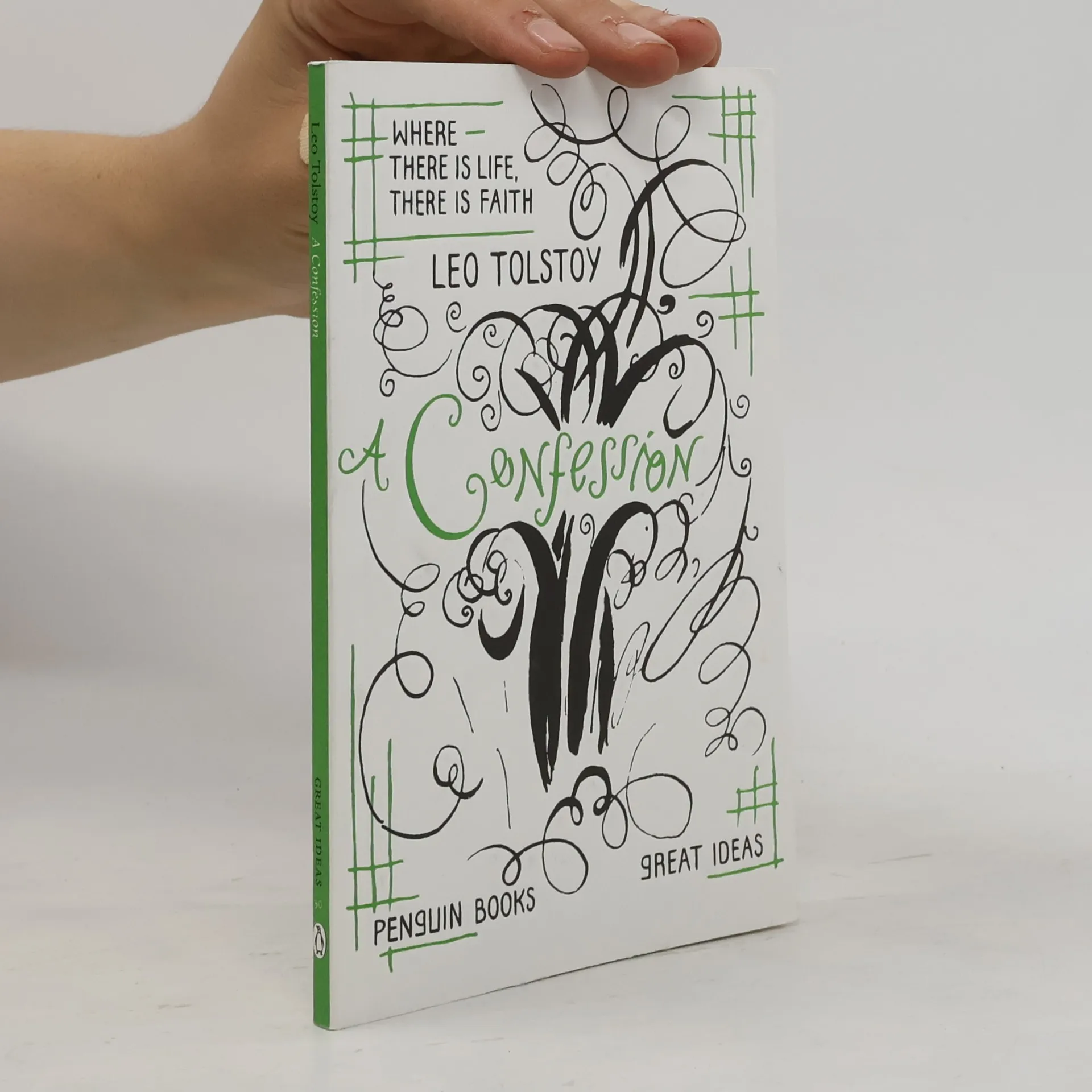
A confession
- 112 pages
- 4 hours of reading
Describing Tolstoy's crisis of depression and estrangement from the world, A Confession is an autobiographical work of exceptional emotional honesty. It describes his search for 'a practical religion not promising future bliss but giving bliss on earth'. Although the Confession led to his excommunication, it also resulted in a large following of Tolstoyan Christians springing up throughout Russia and Europe. Throughout history, some books have changed the world. They have transformed the way we see ourselves – and each other. They have inspired debate, dissent, war and revolution. They have enlightened, outraged, provoked and comforted. They have enriched lives – and destroyed them. Now Penguin brings you the works of the great thinkers, pioneers, radicals and visionaries whose ideas shook civilization and helped make us who we are.
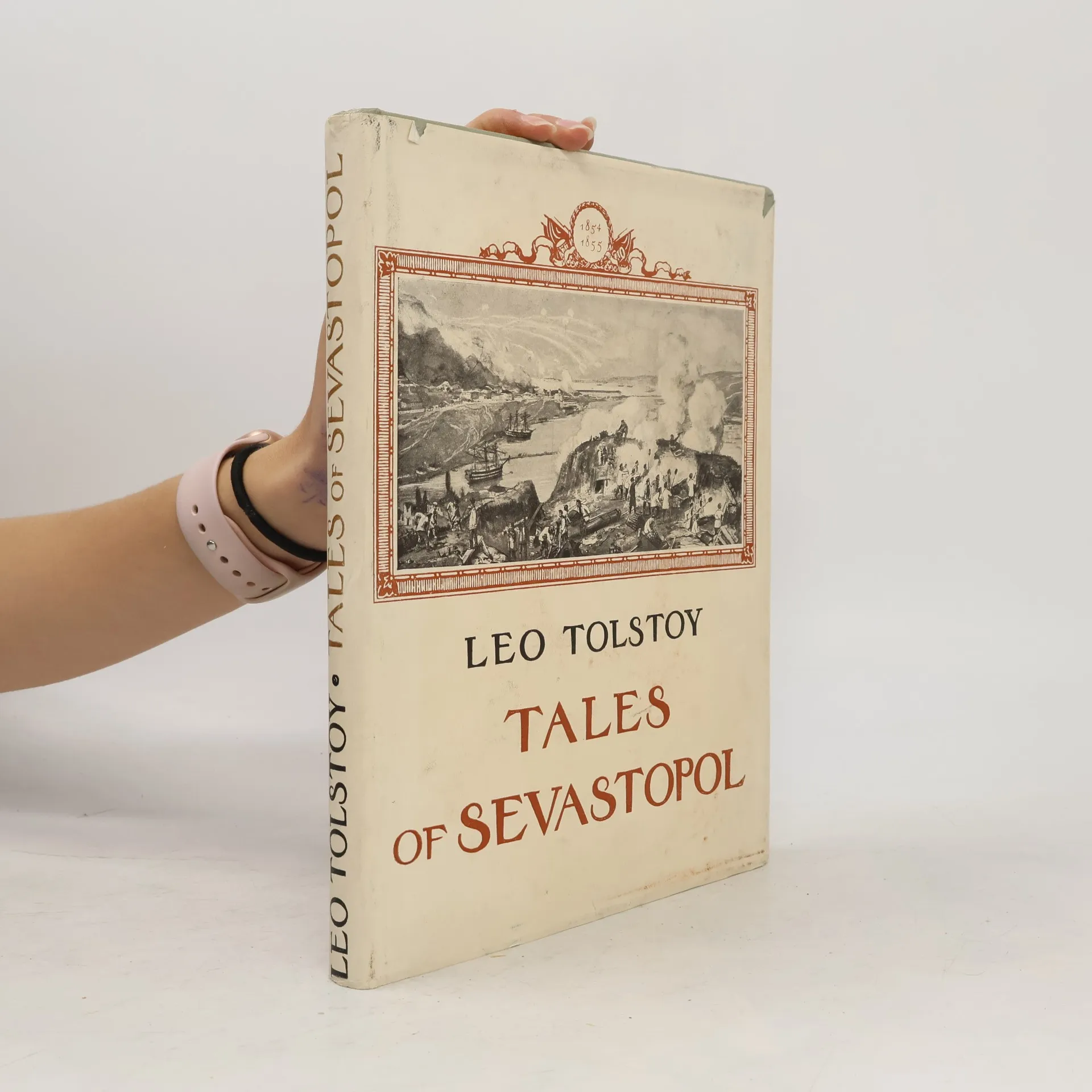
Nine stories portray the harsh realities of the Crimean War, their impact on the participants, and other moments of spiritual crisis
Love Letters Of Great Men
- 136 pages
- 5 hours of reading
LOVE LETTERS OF GREAT MEN (Volume 1) is an anthology of romantic love letters written by leading male historical figures. *** The book plays a key role in the plot of the US movie Sex and the City. *** When Carrie Bradshaw in the "Sex and the City" movie began reading the book Love Letters of Great Men, millions of women wanted to get their hands on the book. Of course, what could be more romantic than an entire book of love letters, written by men! *** The book includes love letters written by Ludwig van Beethoven, Pietro Bembo, Napolean Bonaparte, Rupert Brooke, Robert Browning, Robert Burdette, Lord Byron, Lord Randolph Churchill, Winston Churchill, Mark Twain, John Constable, Cuff Cooper, Oliver Cromwell, Pierre Curie, Alfred de Musset, F. Scott Fitzgerald, Gustave Flaubert, Johann Wolfgang von Goethe, Lyman Hodge, Count Gabriel Honore de Mirbeau, Victor Hugo, James Joyce, Franz Kafka, John Keats, Henry IV of France, Henry VIII, Franz Liszt, Jack London, Wolfgang Amadeus Mozart, Thomas Otway, Robert Peary, Sir Walter Raleigh, Theodore Roosevelt, Jr., John Ruskin, Robert Schumann, George Bernard Shaw, Richard Steele, Alfred de Musset, Dylan Thomas, Count Leo Tolstoy, Vincent Van Gogh, Voltaire, Henry von Kleist, and Woodrow Wilson.
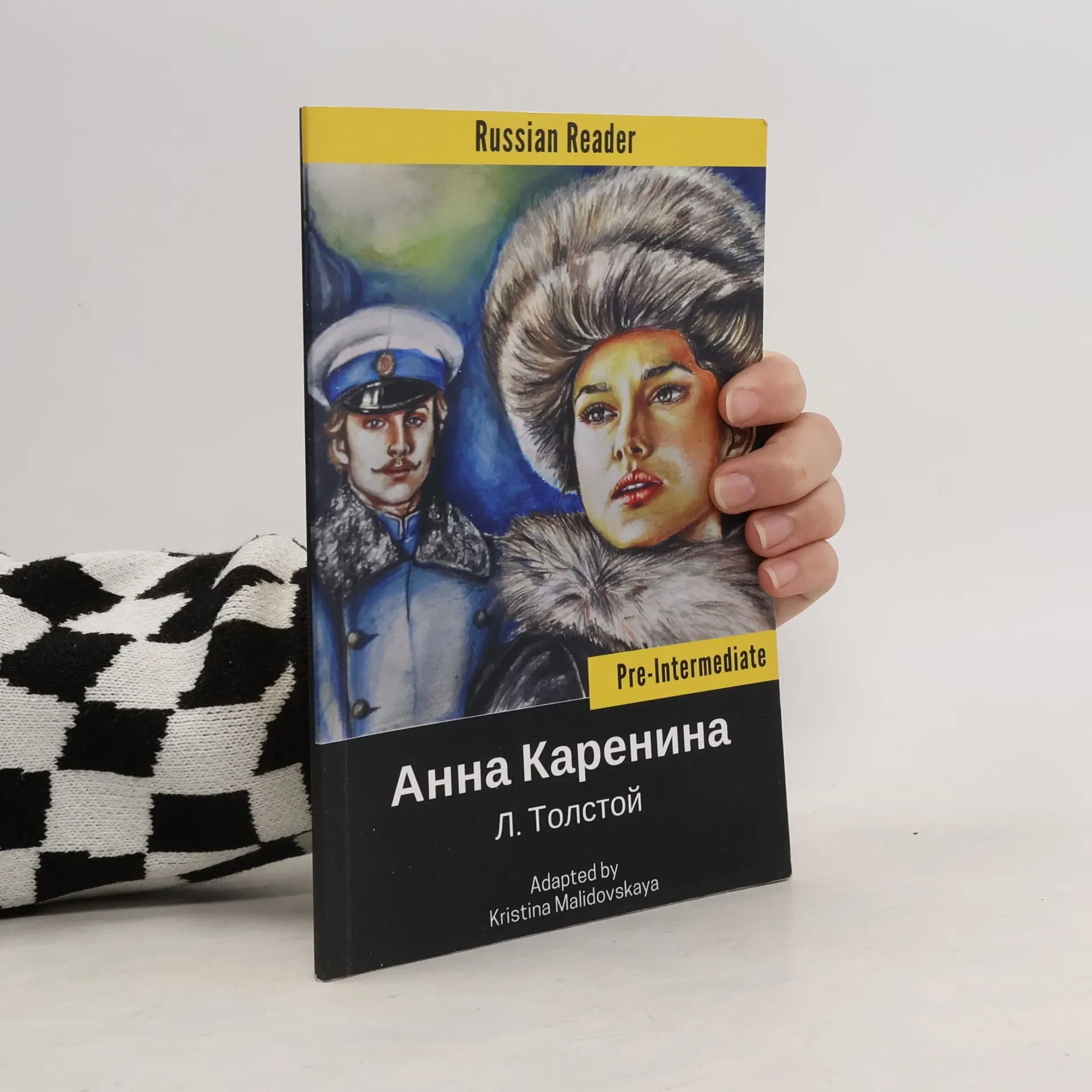
Russian Readers are a range of contemporary and classic Russian and foreign titles specially retold for learners of Russian. Finishing a novel in another language will give you a real sense of achievement, and will motivate you to go on reading more and more. And the more you read, the more your language proficiency increases, the more confident you feel and the more motivated you are! All Russian Readers include stress accents in the Russian text, Russian-English vocabulary and understanding questions at the end of each chapter. The series is published at six levels - Starter, Elementary, Pre-intermediate, Intermediate; Upper-intermediate and Advanced. The number of words at each level: Starter (A1) - 300-600 headwords; Elementary (A2) - 600-1000 headwords; Pre-intermediate (A2-B1) - 1000-1400 headwords; Intermediate (B1) - 1400-1700 headwords; Upper-intermediate (B2) - 1700-2200 headwords; Advanced (C1) - 2200-3000 headwords.
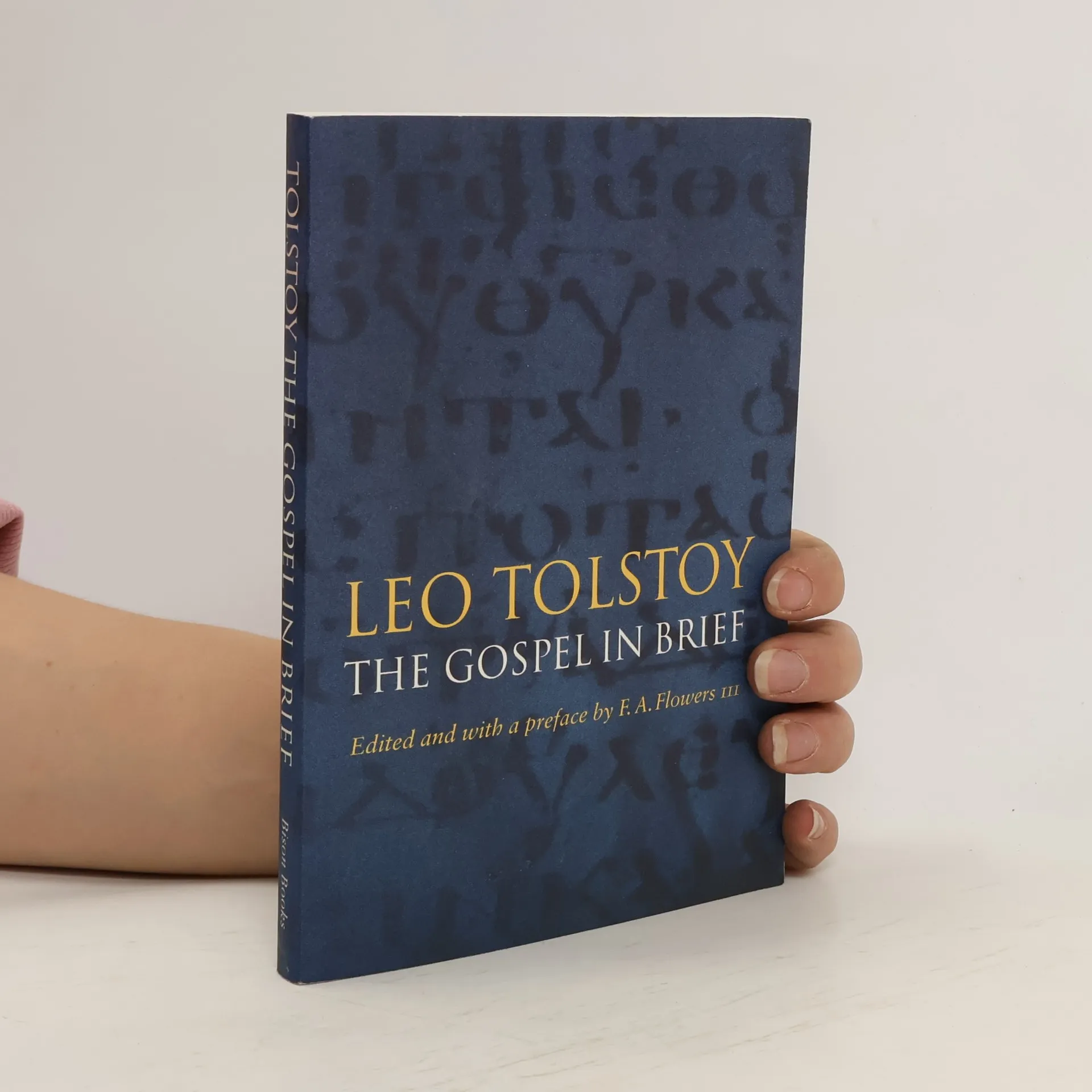
"Are you acquainted with Tolstoy's The Gospel in Brief? At its time, this book virtually kept me alive... If you are not acquainted with it, then you cannot imagine what an effect it can have upon a person." – Ludwig Wittgenstein, in a letter to Ludwig von Ficker.The Gospel in Brief is Leo Tolstoy's integration of the four biblical Gospels into a single account of the life of Jesus. Inspired in large measure by Tolstoy's meticulous study of the original Greek versions of the Bible, The Gospel in Brief is a highly original fusion of biblical texts and Tolstoy's own influential religious views. Tolstoy explains that his goal is a solution to "the problem of life," not an answer to theological or historical questions. As a result, he sets aside such issues as Jesus' genealogy and divinity, or whether Jesus in fact walked on water. Instead, he focuses on the words and teachings of Jesus, stripped of what Tolstoy regarded as the Church's distortions and focus on dogma and ritual. The result is a work that emphasizes the individual's spiritual condition in a chaotic and indifferent world. Like Tolstoy's celebrated literary achievements, The Gospel in Brief has the distinct bearing of a classic; in its urgency and directness it is remarkably current, as if it were written only yesterday rather than a century ago.
Classic / British EnglishAnna Karenina, one of world literature’s greatest novels, tells the story of a beautiful young woman who is unhappily married to a man much older than herself. When she falls in love with a handsome young soldier, life suddenly seems wonderful. But real happiness is not so easily found ...
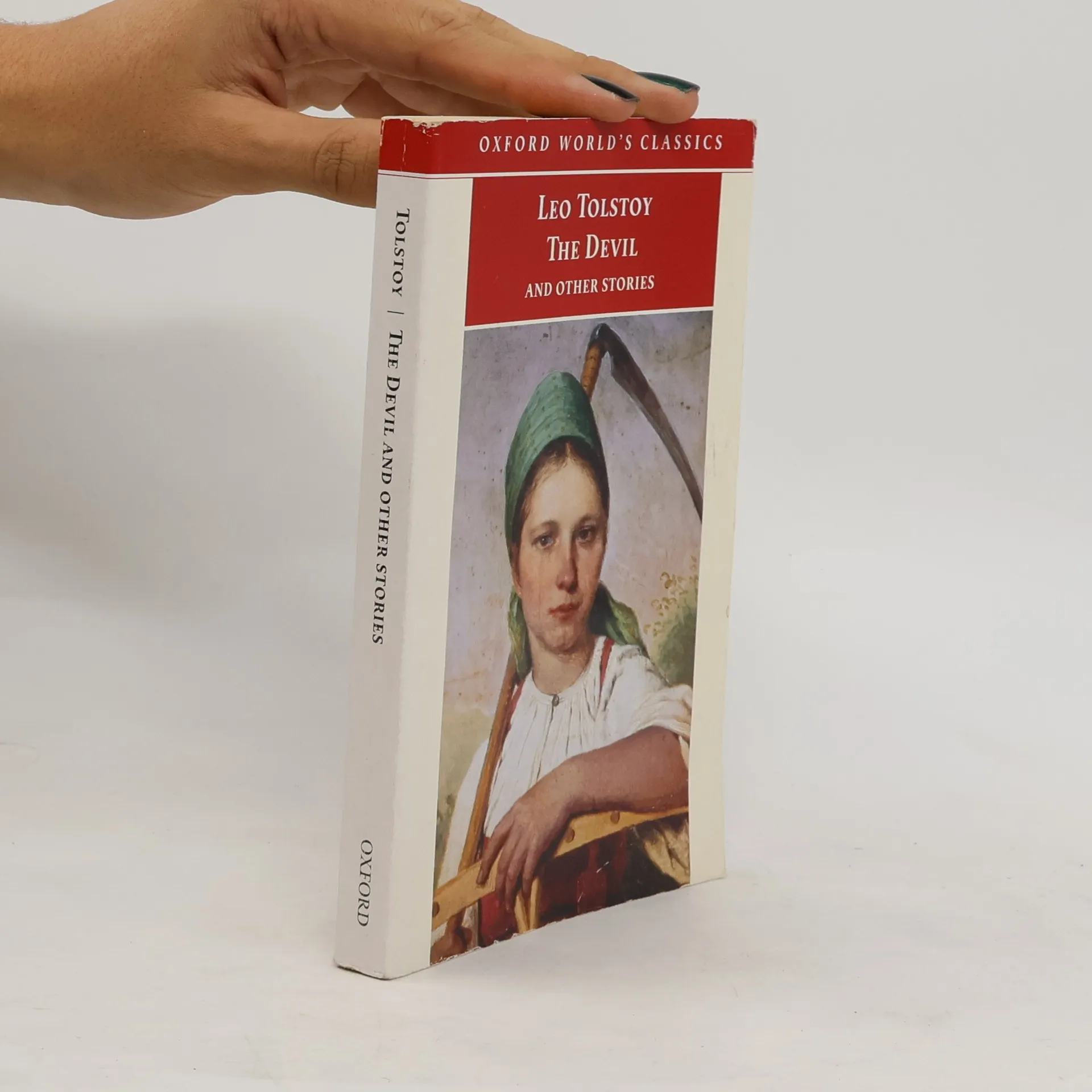
The Devil and Other Stories
- 296 pages
- 11 hours of reading
This collection of eleven stories spans virtually the whole of Tolstoy's creative life. While each is unique in form, as a group they are representative of his style, and touch on the central themes that surface in War and Peace and Anna Karenina. Stories as different as The Snowstorm, Lucerne, The Diary of a Madman and The Devil are grounded in autobiographical experience. They deal with journeys of self-discovery and the moral and religious thought that characterizes Tolstoy's works of criticism and philosophy. Strider and Father Sergy, as well as reflecting Tolstoy's own experiences, also reveal profound psychological insights. These stories range over much of the nineteenth-century Russian world, from the nobility to the peasantry, the military to the clergy, from merchants and cobblers to a horse and a tree. Together they present a fascinating picture of Tolstoy's skill and artistry.The snowstorm --Lucerne --Three deaths --Polikushka --Strider : the story of a horse --God sees the truth, but waits --The notes of a madman --Where love is, God is --The devil --Father Sergy --After the ball.
Hadji Murat
- 224 pages
- 8 hours of reading
Hadji Murat, one of the most feared and venerated mountain chiefs in the Caucasian struggle against the Russians, defects from the Muslim rebels after feuding with his ruling imam, Shamil. Hoping to protect his family, he joins the Russians, who accept him but never put their trust in him – and so Murat must find another way to end the struggle. Tolstoy knew as he was writing this, his last work of fiction, that it would not be published in his lifetime, and so gave an uncompromising portrayal of the Russians' faults and the nature of the rebels' struggle. In the process, he shows a mastery of style and an understanding of Chechnya that still carries great resonance today.
The book explores the life and legacy of Lev Nikolayevich Tolstoy, a prominent Russian author known for his mastery of realistic fiction. Born in 1828 in Yasnaya Polyana, Tolstoy's works have solidified his status as one of the greatest novelists in history. His profound insights into human nature and society have left a lasting impact on literature and continue to resonate with readers worldwide. The narrative delves into his significant contributions and the themes present in his writings, showcasing his enduring influence.
The book provides a comprehensive overview of Leo Tolstoy's life, highlighting his status as a master of realistic fiction and one of the most significant novelists in literary history. It details his birth in Yasnaya Polyana, his development as a writer, and his enduring legacy. The narrative captures the essence of his contributions to literature and his profound impact on the world, showcasing his remarkable journey from a noble background to becoming a celebrated author.
What is Art?
- 208 pages
- 8 hours of reading
Introduction -- Further Reading -- What is Art? -- Editor's Notes.
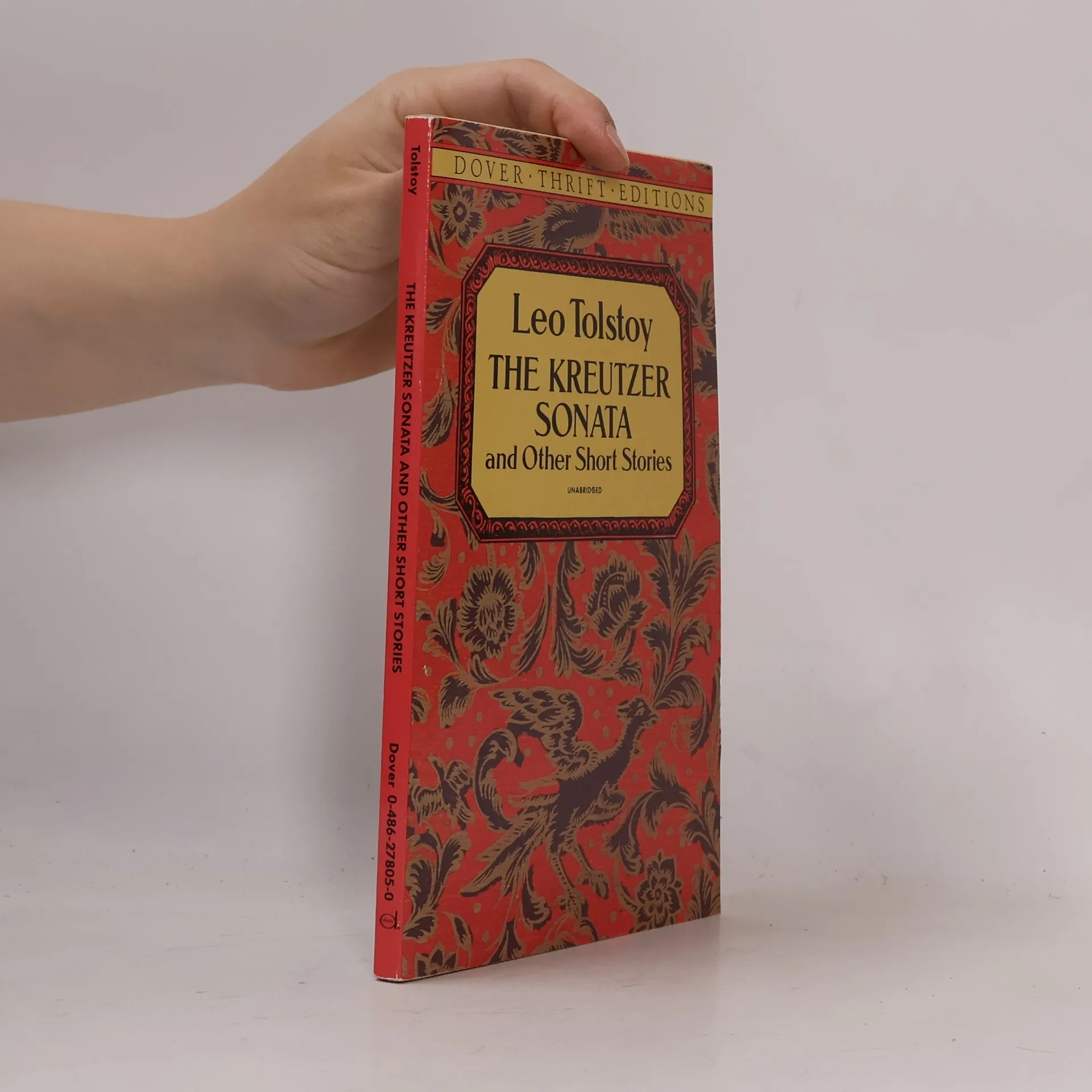
"The Kreutzer Sonata" portrays an intense conflict between sexual desire and moral constraint. "How Much Land Does a Man Need?" is a simple, moving tale of peasant life with a moral lesson; the hero of "The Death of Ivan Ilych," after a lifetime of struggle, finds faith and love only as he faces death. Explanatory footnotes.
The Devil
- 100 pages
- 4 hours of reading
"I am acting badly," thought Yevgeny, "But what's one to do? Anyhow it is not for long." Leo Tolstoy is known for epic novels that brilliantly dissect society, but the novella The Devil may be the most personally revealing--and startling--fiction he ever wrote. He thought it so scandalous, in fact, that he hid the manuscript in the upholstery of a chair in his office so his wife wouldn't find it, and he would never allow it to be published in his lifetime. Perhaps that's because the gripping tale of an aristocratic landowner slowly overcome with unrelenting sexual desire for one of the peasants on his estate was strikingly similar to an affair Tolstoy himself had. Regardless, the tale--presented where with the two separate endings Tolstoy couldn't decide between--is a scintillating study of sexual attraction and human obsession
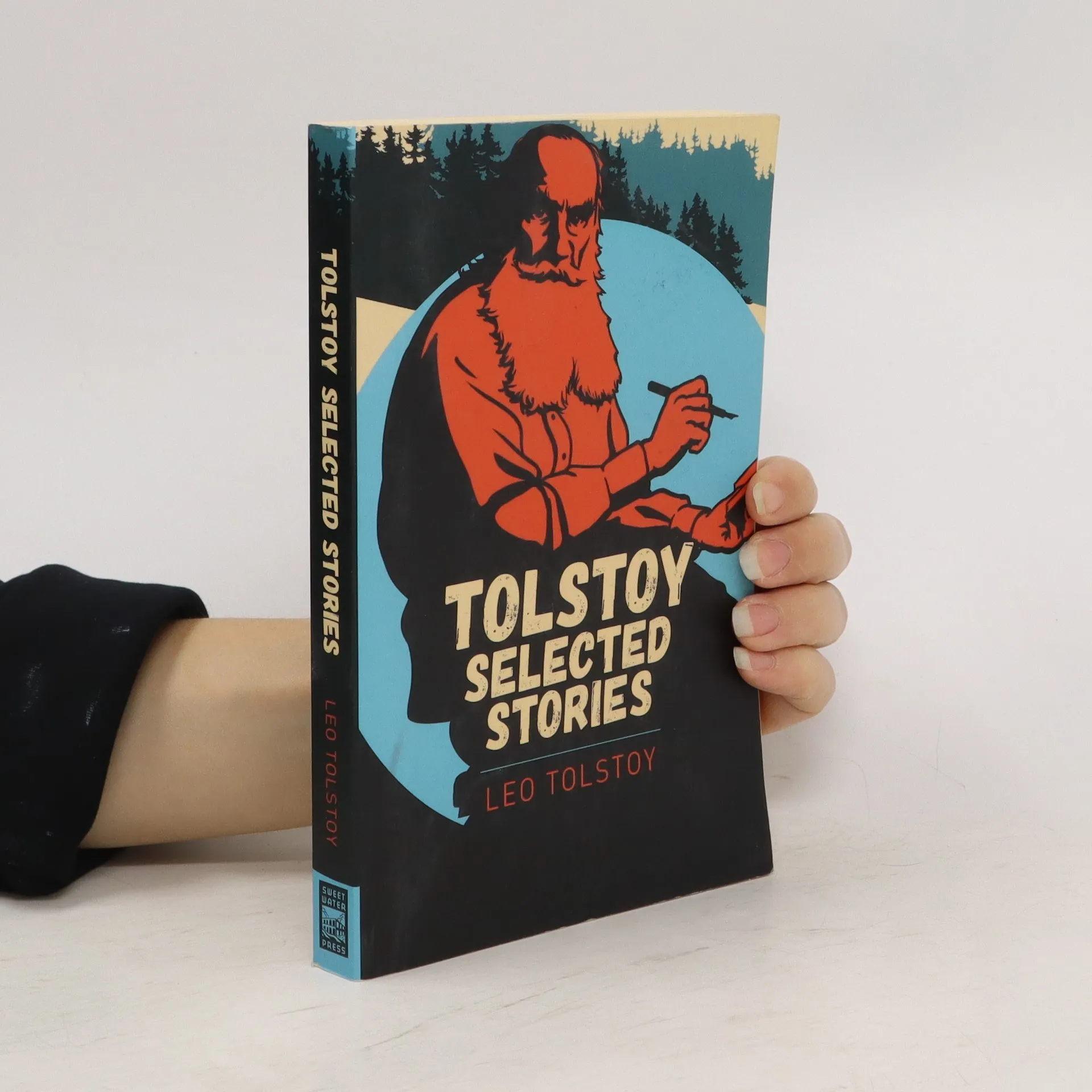
One of the most accomplished authors in history, Tolstoy has inspired and influenced generations of readers. While celebrated for his masterpieces Anna Karenina and War and Peace, his short stories are just as compelling. This collection includes 'The Story of Ivan the Fool', 'Ilys', and many more of Tolstoy's finest tales, and it demonstrates the raw power and emotion of his narrative genius.
Childhood
- 114 pages
- 4 hours of reading
The trilogy encapsulates Tolstoy's exploration of a young individual's journey towards self-awareness, reflecting on the complexities of life through vivid storytelling. Spanning his formative years, it offers a rich tapestry of experiences that foreshadow themes and techniques later developed in his masterpieces like "War and Peace" and "Anna Karenina." Despite the author's later dismissal of the work as a blend of fact and fiction, readers have long appreciated its insightful portrayal of youth against a backdrop of clarity and diversity.
Anna Karenina, Part 3
- 156 pages
- 6 hours of reading
Exploring themes of betrayal, faith, and the complexities of marriage, this expansive novel delves into the lives of more than a dozen characters against the backdrop of Imperial Russian society. With a rich narrative structure in eight parts, it contrasts rural and urban life, highlighting the struggles of its protagonist, Anna. Tolstoy's writing style marks a significant shift in literary tradition, bridging realism and modernism, making it a pivotal work in the landscape of literature.
Anna Karenina, Part 6
- 160 pages
- 6 hours of reading
Exploring themes of betrayal, faith, and the complexities of marriage, this novel intricately weaves the lives of over a dozen characters against the backdrop of Imperial Russian society. Spanning eight parts, it contrasts rural and city life, delving into the desires and moral dilemmas faced by its characters. Tolstoy's narrative style marks a significant shift in literature, bridging realism and modernism, and is celebrated as one of the greatest literary works, reflecting profound insights into human nature and societal norms.
This publication focuses on making historical works accessible by using large print, catering specifically to individuals with impaired vision. The initiative by the Megali publishing house emphasizes inclusivity in reading, ensuring that classic texts are available to a broader audience.
The book is a reproduction of a historical work, published by Megali, a company dedicated to producing large print editions for better accessibility. This initiative aims to assist readers with impaired vision, ensuring that important historical texts remain available and easy to read.
The Best Of Russian Short Stories
- 354 pages
- 13 hours of reading
This collection showcases the richness of Russian short stories, featuring works by literary giants such as Dostoyevsky, Tolstoy, and Chekhov. Each story is a classic, reflecting the depth and diversity of Russian literature. Notable pieces include "The Queen of Spades" by Pushkin and "The Cloak" by Gogol, alongside lesser-known gems. This anthology highlights the enduring appeal of the short story format, offering readers a vibrant tapestry of themes and styles that capture the essence of Russian storytelling.
A Letter to a Hindu; The Subjection of India-Its Cause and Cure, and Childhood
in large print
- 192 pages
- 7 hours of reading
The book is a reproduction of a historical work, published by Megali, which focuses on making literature accessible to individuals with impaired vision through large print editions. This initiative highlights the importance of inclusivity in reading, ensuring that a wider audience can enjoy classic texts.
War and Peace, Book 1
- 156 pages
- 6 hours of reading
Set against the backdrop of the French invasion of Russia, the narrative explores the profound effects of the Napoleonic era on Tsarist society through the lives of five aristocratic families. Blending history, philosophy, and literature, it transcends traditional genre boundaries, with significant portions dedicated to philosophical discourse rather than conventional storytelling. Regarded as one of Tolstoy's masterpieces, the work offers deep insights into human experience and societal upheaval.
War and Peace Book 3
- 130 pages
- 5 hours of reading
Set against the backdrop of the 1812 French invasion of Russia, the narrative intertwines the lives of various social classes, from aristocrats to commoners, as they navigate the turmoil of the Napoleonic era. The book delves into philosophical discussions and explores the characters' struggles with the challenges of their time, transcending their individual identities. It employs innovative narrative techniques reminiscent of early nineteenth-century styles, ultimately presenting a profound commentary on the human experience, emotional resilience, and societal evolution.
Recognized for its cultural significance, this work contributes to the foundational knowledge of civilization. It has garnered attention from scholars for its important themes and insights, reflecting key aspects of historical and societal development.
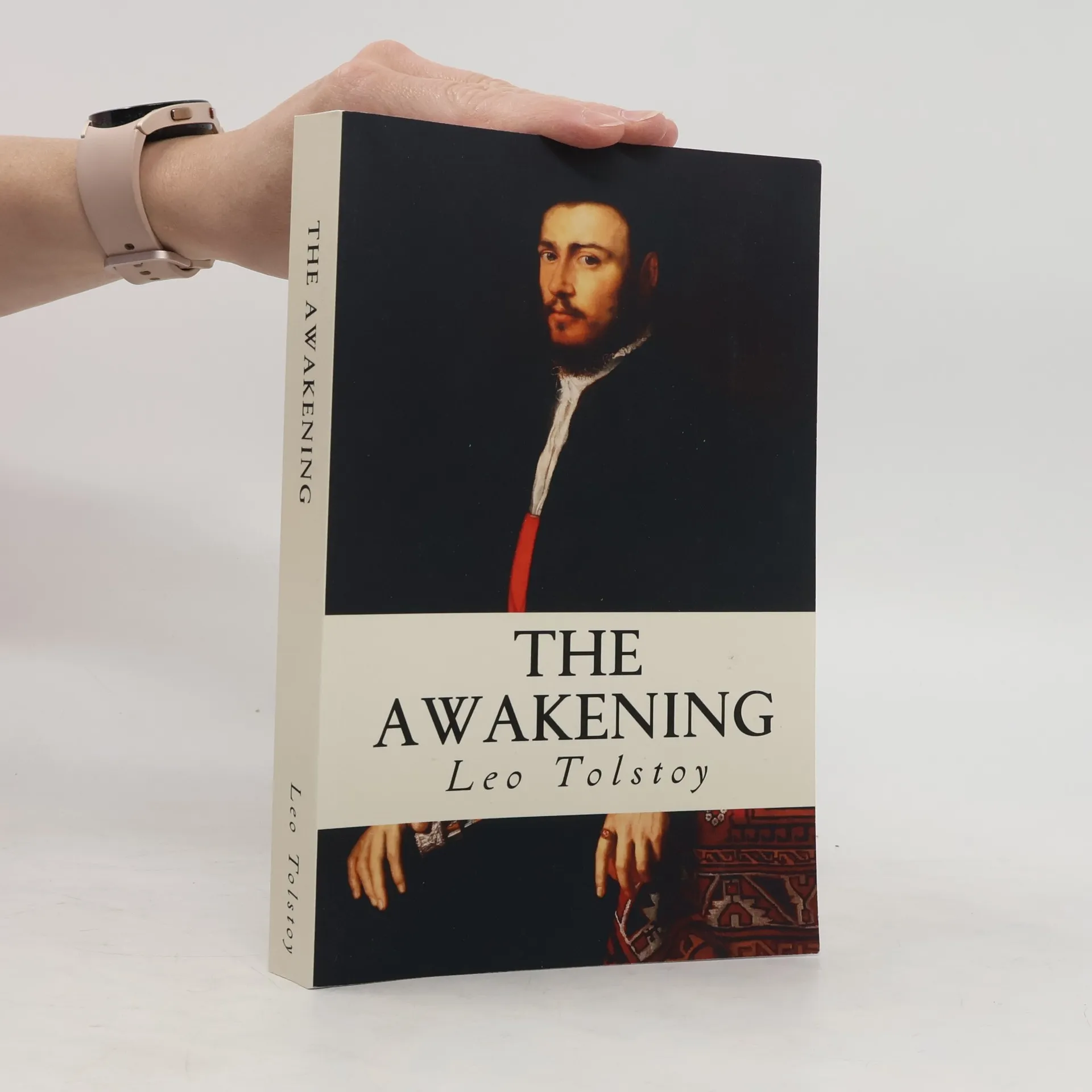
The Awakening
- 378 pages
- 14 hours of reading
This classic work of Russian fiction by Leo Tolstoy tells the story of a nobleman who has lost the ideals of his youth. He finds himself as a jury member in a case involving a woman he wronged, accused of murder. First published in 1899, this was Tolstoy's last novel and serves as a critique of the injustices of man-made laws and the hypocrisy of the institutionalized church. The narrative also delves into Georgism, an economic philosophy Tolstoy strongly supported later in life. Originally serialized in the magazine Niva to fund the resettlement of the Doukhobors, the story follows Dmitri Ivanovich Nekhlyudov, who seeks redemption for a past sin involving a maid, leading to her downfall into prostitution. A decade later, he unwittingly sentences her, Maslova, to Siberian prison for murdering a client who abused her. The novel chronicles Nekhlyudov's efforts to aid her while grappling with his moral dilemmas. His visits to the prison expose him to the harsh realities of suffering and injustice, revealing a world of cruelty hidden beneath his aristocratic existence. Through harrowing tales of the imprisoned, the narrative builds to a feverish intensity, highlighting the depths of human despair and the search for redemption.
War and Peace, Book 14
- 70 pages
- 3 hours of reading
Set against the backdrop of the French invasion of Russia, the narrative intertwines the lives of five aristocratic families, exploring the profound effects of the Napoleonic era on Tsarist society. Beyond a mere historical account, it delves into philosophical discussions, particularly in its later chapters, challenging conventional literary forms. Regarded as one of Tolstoy's masterpieces, the work offers a deep examination of humanity and history, transcending the boundaries of traditional storytelling.
War and Peace Book 2
- 128 pages
- 5 hours of reading
Set against the backdrop of the 1812 French invasion of Russia, the narrative intricately weaves the lives of aristocratic families, soldiers, and commoners, exploring their struggles during this tumultuous period. The book delves into philosophical discussions that transcend mere storytelling, allowing characters to grapple with profound societal issues. It employs innovative narrative techniques akin to cinematic styles, revealing the complexities of human experience and the enduring relevance of its themes on emotional resilience and personal growth in society.
Covering over seventy years of Tolstoy's life, this anthology showcases a diverse selection of seventy-seven texts that highlight his philosophical depth and artistic creativity. It presents him as a compelling thinker whose work challenges and engages readers, reflecting his evolution from 1835 to 1910. This comprehensive collection serves as a testament to Tolstoy's intellectual prowess and enduring influence.
A Russian Proprietor and Other Stories
- 228 pages
- 8 hours of reading
Leo Tolstoy, a prominent Russian author born in 1828, is celebrated for his mastery of realistic fiction. His works explore profound themes of morality, society, and human experience, solidifying his status as one of the greatest novelists in literary history. Tolstoy's life spanned significant historical changes in Russia, and his writing reflects deep philosophical inquiries and a commitment to social justice, making his contributions timeless and influential in both literature and thought.
Focusing on accessibility, this publication by Megali is a reproduction of a historical work presented in large print format. It aims to enhance the reading experience for individuals with impaired vision, ensuring that classic literature remains accessible to a wider audience.
War and Peace, Book 15
- 204 pages
- 8 hours of reading
Set against the backdrop of the French invasion of Russia, the narrative intertwines the lives of five aristocratic families, exploring the profound effects of the Napoleonic era on Tsarist society. While it includes historical and philosophical reflections, large portions delve into Tolstoy's thoughts on life and history, distinguishing it from traditional novels. This epic work, celebrated for its depth and complexity, showcases Tolstoy's literary mastery and offers a rich tapestry of human experience during a tumultuous period.
This reproduction focuses on making historical works accessible to individuals with impaired vision through large print. Megali Publishing specializes in such editions, ensuring that classic texts can be enjoyed by a wider audience.
War and Peace, Book 7
- 74 pages
- 3 hours of reading
Set against the backdrop of the French invasion of Russia, this epic narrative explores the profound effects of the Napoleonic era on Tsarist society through the lives of five aristocratic families. Blending history, philosophy, and literary storytelling, it transcends traditional genres, featuring extensive philosophical discussions in its later chapters. Recognized as one of Tolstoy's masterpieces, it invites readers to reflect on the nature of war, peace, and the human experience, solidifying its status as a timeless classic in world literature.
This book is a reproduction of an original historical work, focusing on accessibility for readers with impaired vision. Published by Megali, a company dedicated to producing large print editions, it aims to enhance the reading experience for those who may struggle with standard text sizes.
"The Kingdom of God Is Within You"; Christianity Not as a Mystic Religion but as a New Theory of Life
in large print
- 528 pages
- 19 hours of reading
The book is a reproduction of a historical work, published in large print by Megali, a company dedicated to making literature accessible to individuals with impaired vision. This initiative highlights the importance of inclusivity in reading, ensuring that classic texts can be enjoyed by a wider audience.