

Explore the latest books of this year!
Bookbot

Eric L. Jones

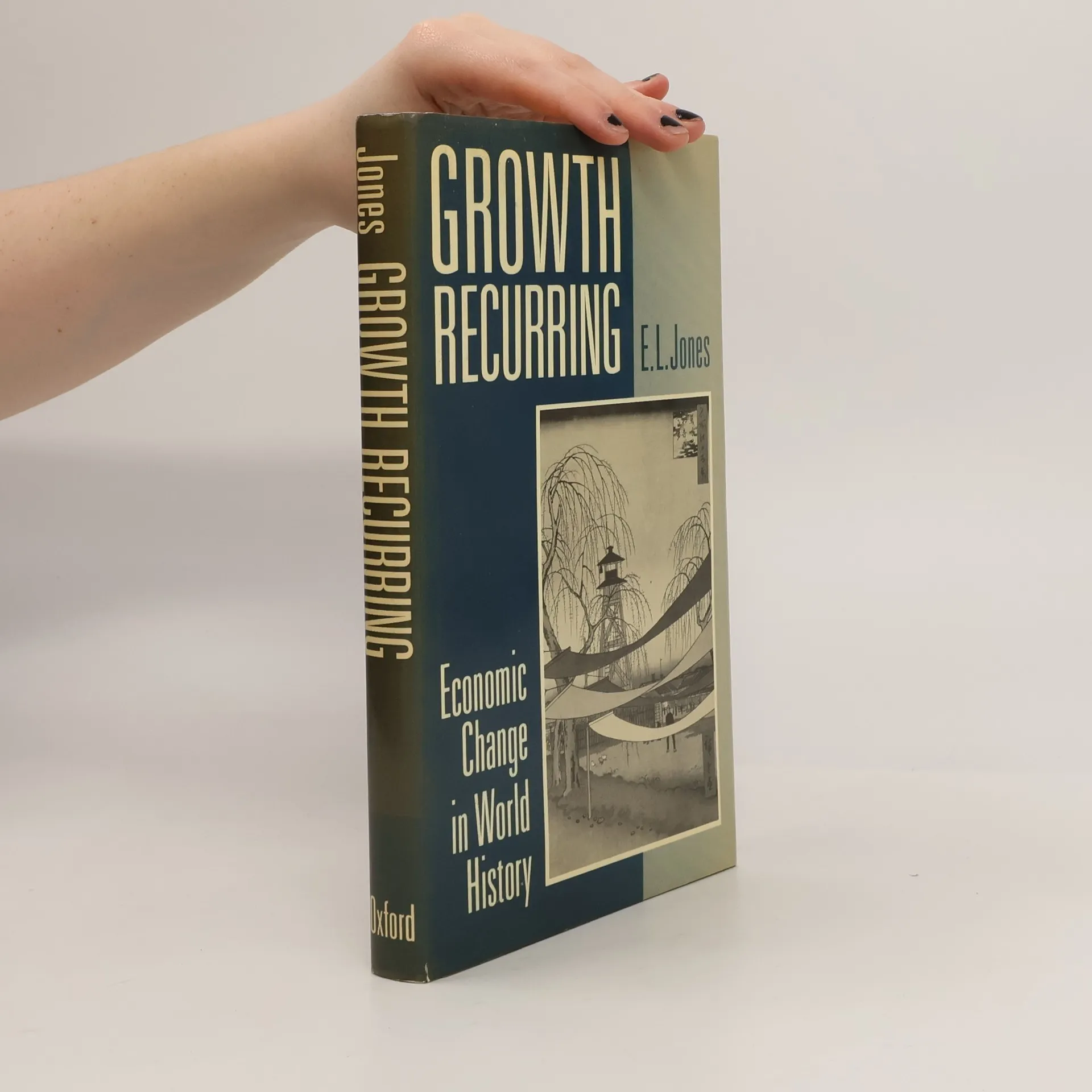
    Growth Recurring
    Landscape History and Rural Society in Southern England
    Barriers to Growth
    • Barriers to Growth

      English Economic Development from the Norman Conquest to Industrialisation

      • 168 pages
      • 6 hours of reading

      Focusing on the obstacles to economic growth, this book presents a fresh perspective on industrial revolution narratives by emphasizing the slow dissolution of these barriers rather than just highlighting positive forces. It explores early resource misallocations and nineteenth-century reforms in the first section, while the second section addresses physical impediments like natural disasters. By offering insights often overlooked in traditional economic history, it serves as a valuable resource for academic historians, economists, and students in related fields.

      Barriers to Growth
      3.5
    • Landscape History and Rural Society in Southern England

      An Economic and Environmental Perspective

      • 212 pages
      • 8 hours of reading

      Focusing on the interplay between economic activity and environmental factors, this book explores the historical landscape and rural economy of southern England through case studies. It delves into the relationship between documentary and landscape evidence, drawing from extensive firsthand observations of various sites. Key themes include the reclamation of land, the impact of enclosure on communal farming, and the ecological implications of economic decisions, alongside intriguing historical puzzles related to rural economies and practices like wool-stapling and gunstock manufacturing.

      Landscape History and Rural Society in Southern England
    • Growth Recurring

      Economic Change in World History

      • 258 pages
      • 10 hours of reading

      This study concerns the conflict in world history between economic growth and political greed. E.L. Jones, author of the groundbreaking The European Miracle, proposes two fundamentally new frameworks. One replaces industrial revolution or great discontinuity as the source of change and challenges the reader to accept early periods and non-Western societies as vital to understanding the growth process. It shows that growth occurred independently in Sung China and Japan as well as in Europe. The second framework offers a new explanation in which tendencies for growth were omnipresent but were usually suppressed. The "obstacles to growth" and their subsequent erosion is reviewed, providing an explanation of the modern world economy in which growth has recurred and East Asia has taken a prominent place.

      Growth Recurring