

William T. Sherman Books
William Tecumseh Sherman was a distinguished American soldier renowned for his strategic brilliance during the Civil War. His implementation of total war, including controversial 'scorched earth' policies, marked him as a transformative military figure, with some historians deeming him the first modern general. Sherman's decisive campaigns significantly impacted the war's outcome and contributed to key political events. His later leadership of the army and his critically acclaimed memoirs offer profound insights into the conflict.
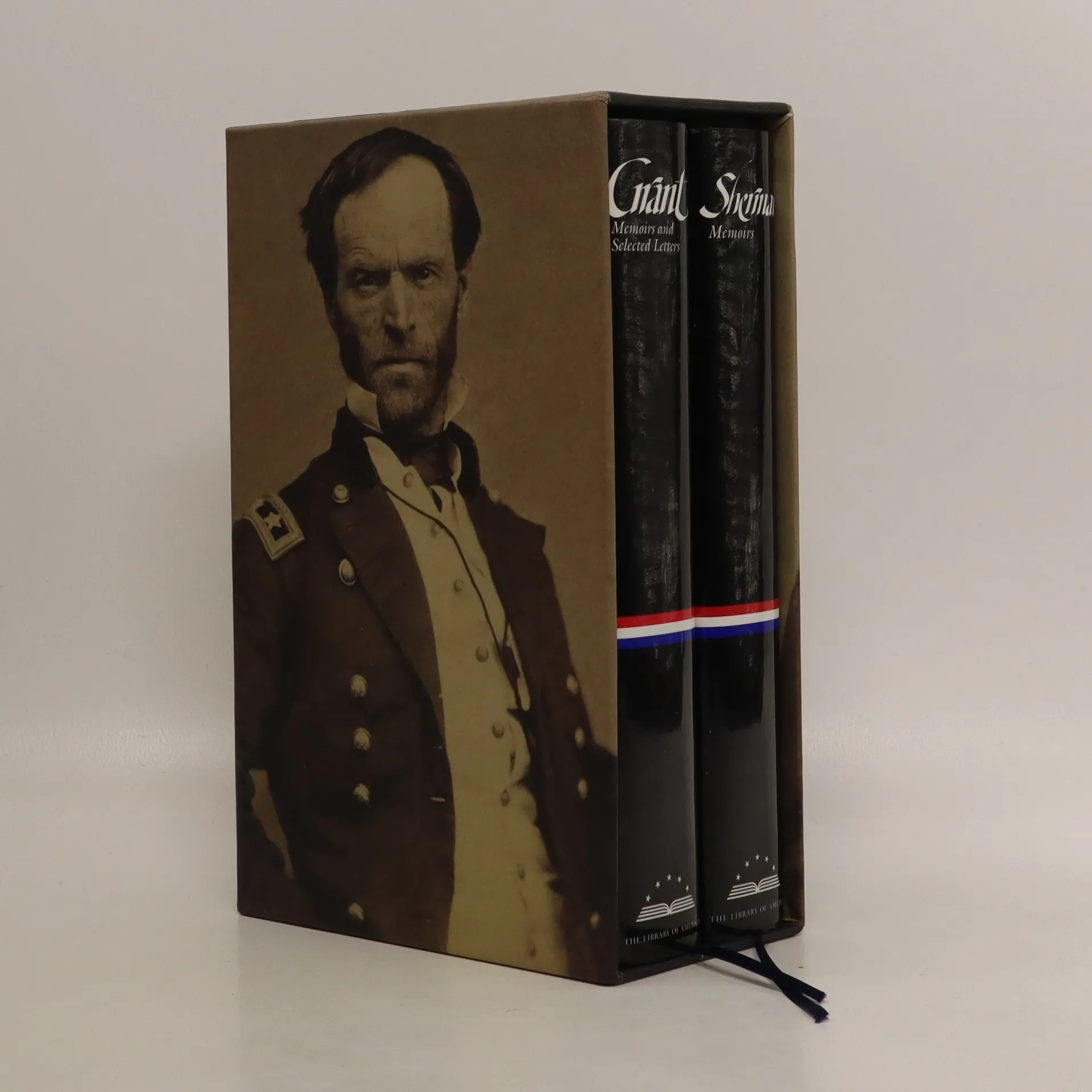

Grant and Sherman
- 2335 pages
- 82 hours of reading
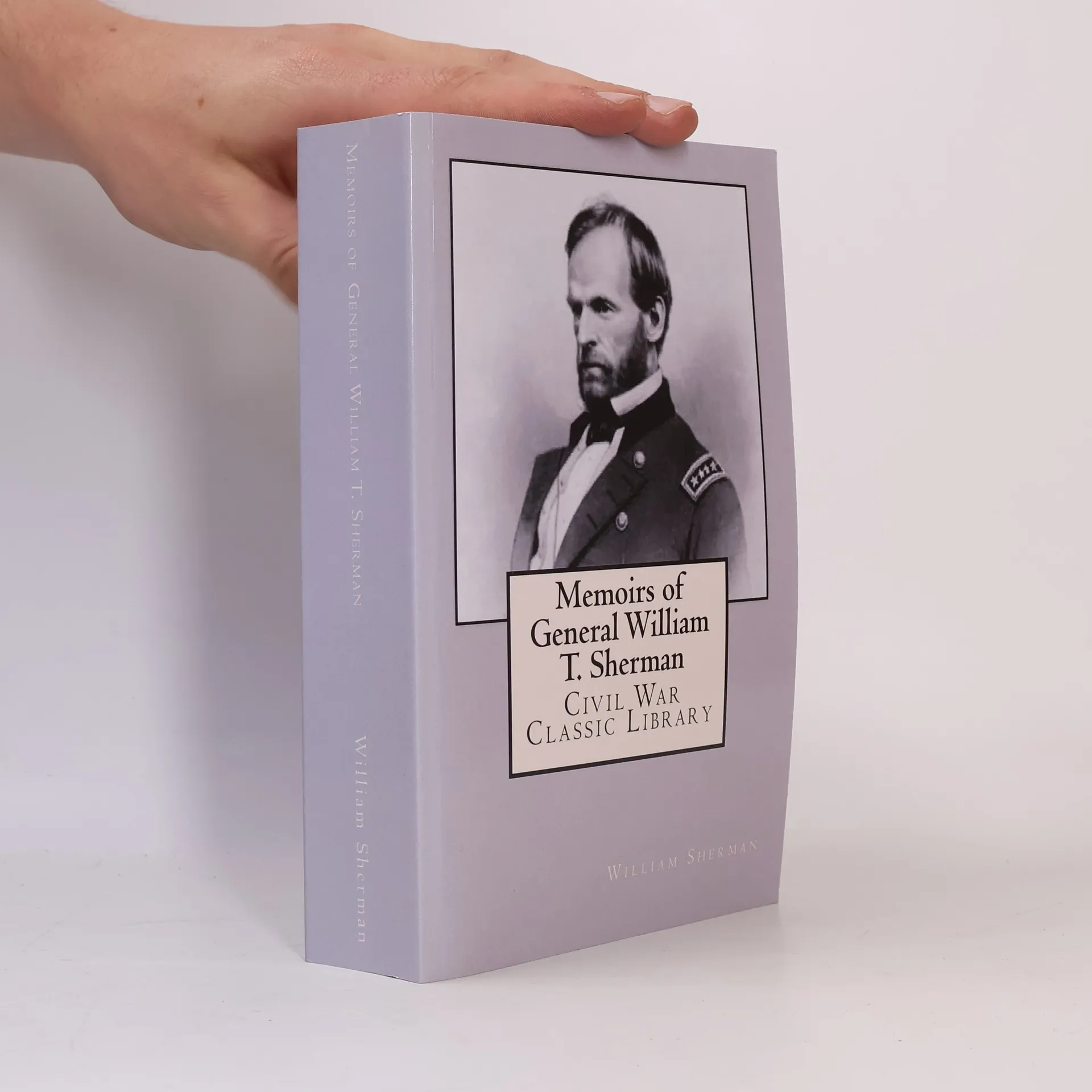
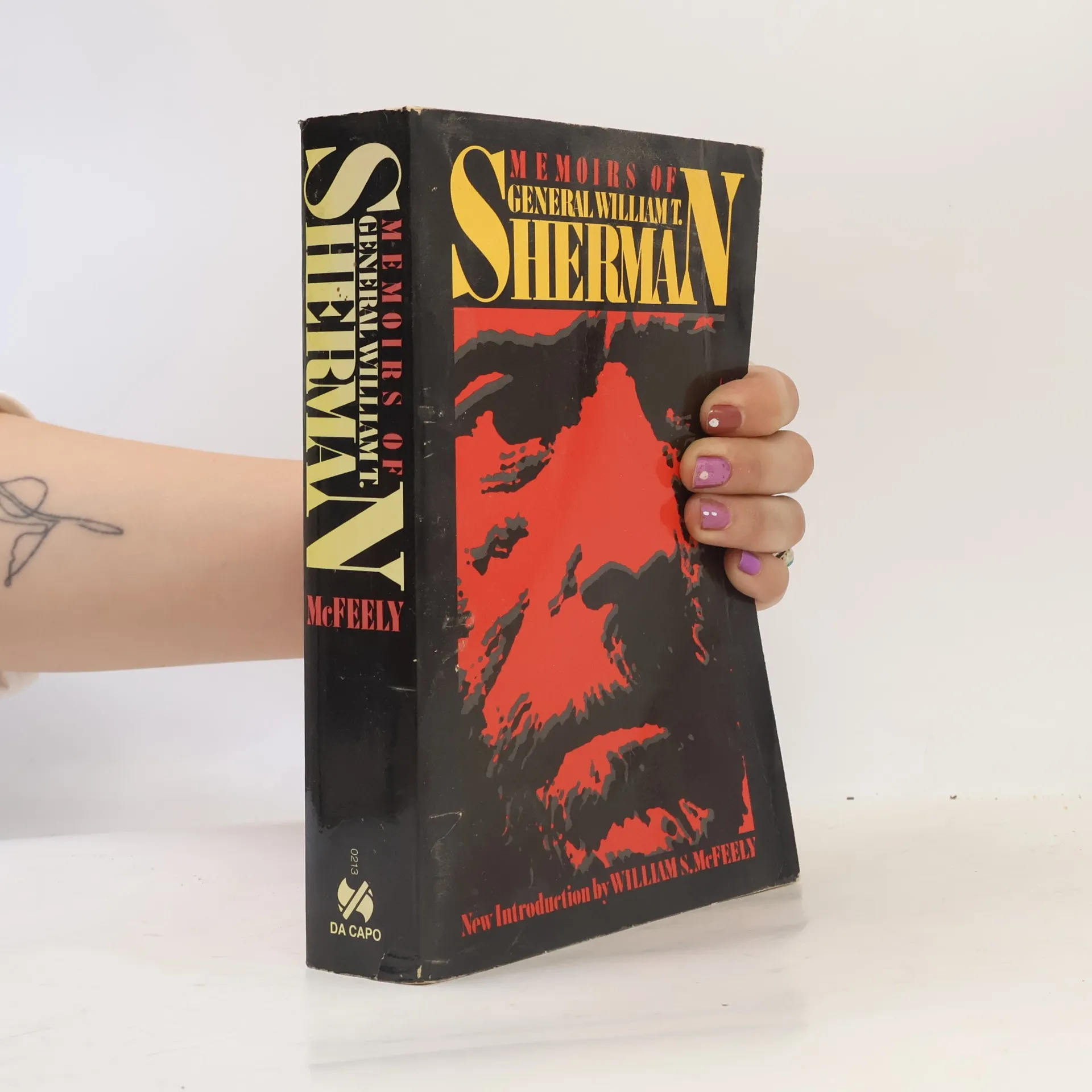
The Memoirs of General William T. Sherman
- 409 pages
- 15 hours of reading
William Tecumseh Sherman has been called the first modern general. According to military historian B. H. Liddell Hart, he understood before his contemporaries that wars and battles would be won ”more by the movement of troops than by fighting.” Also modern is his unsentimental view of combat, epitomized by his famous remark that ”War is hell.” And he was an able enough historian to realize that the Civil War—and indeed all future wars—would be unlike anything the world had ever seen: a bitter national struggle between free people that would involve a campaign of terror against combatant and non-combatant alike.His Memoirs, which rank with Grant's as the greatest of the Civil War, concern for the most part the strategy and fighting at Bull Run, Shiloh, Vicksburg, Chattanooga, Atlanta, and of course the march through Georgia which earned Sherman his reputation for ruthlessness. It is a story packed with incident as well as swift sketches of his opponents, subordinates, and superiors, and it is endlessly instructive about the lessons of the war. Most of all, it is a compelling narrative about a national tragedy.
Over 800 pages written by General Sherman, regarded as one of the greatest Generals in American history, detail his military strategies and experiences. On June 19, the rebel army retreated to a stronger position near Marietta and the railroad. This shift in their line encouraged Union forces, although it was strategically justified. By June 20, Johnston's position at Kenesaw Mountain was formidable, with strong flanks covered by parapets and creeks. However, his left flank remained vulnerable while he maintained a defensive stance. Reports indicated a large enemy cavalry force maneuvering around the Union's left flank, prompting Sherman to reinforce his cavalry and secure Kingston. While Sherman focused on Kenesaw, General Grant was engaged with Lee in Virginia, and Sherman communicated regularly with General Halleck in Washington. On June 21, Sherman reported the challenging weather conditions, noting that the persistent rain rendered roads impassable and hindered troop movements. Despite these obstacles, he remained committed to maintaining contact with the enemy and preparing for an attack when conditions improved. On June 22, after a day of strategic planning and adjustments, the sun finally emerged, offering hope for clearer weather as Sherman continued to press operations with determination.