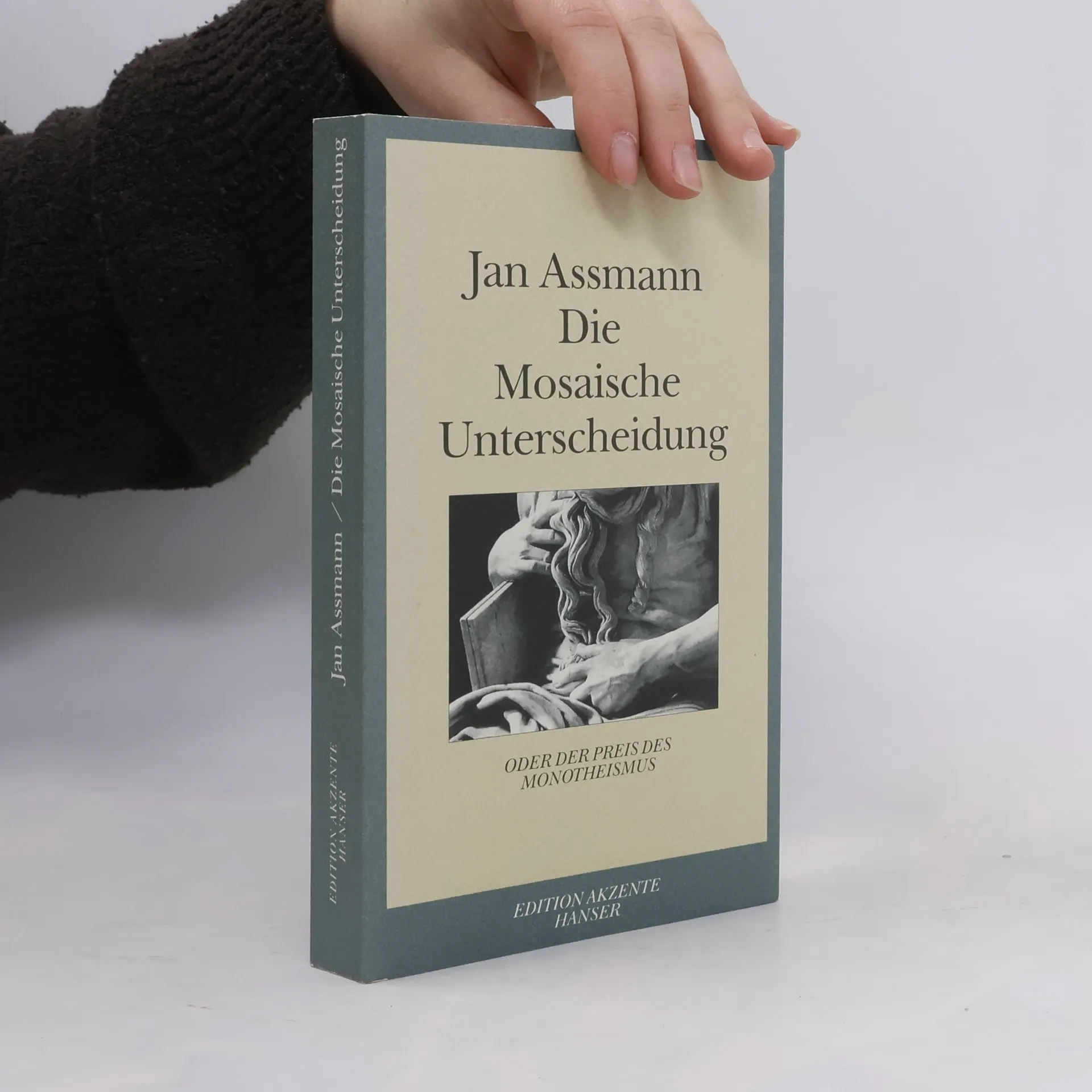
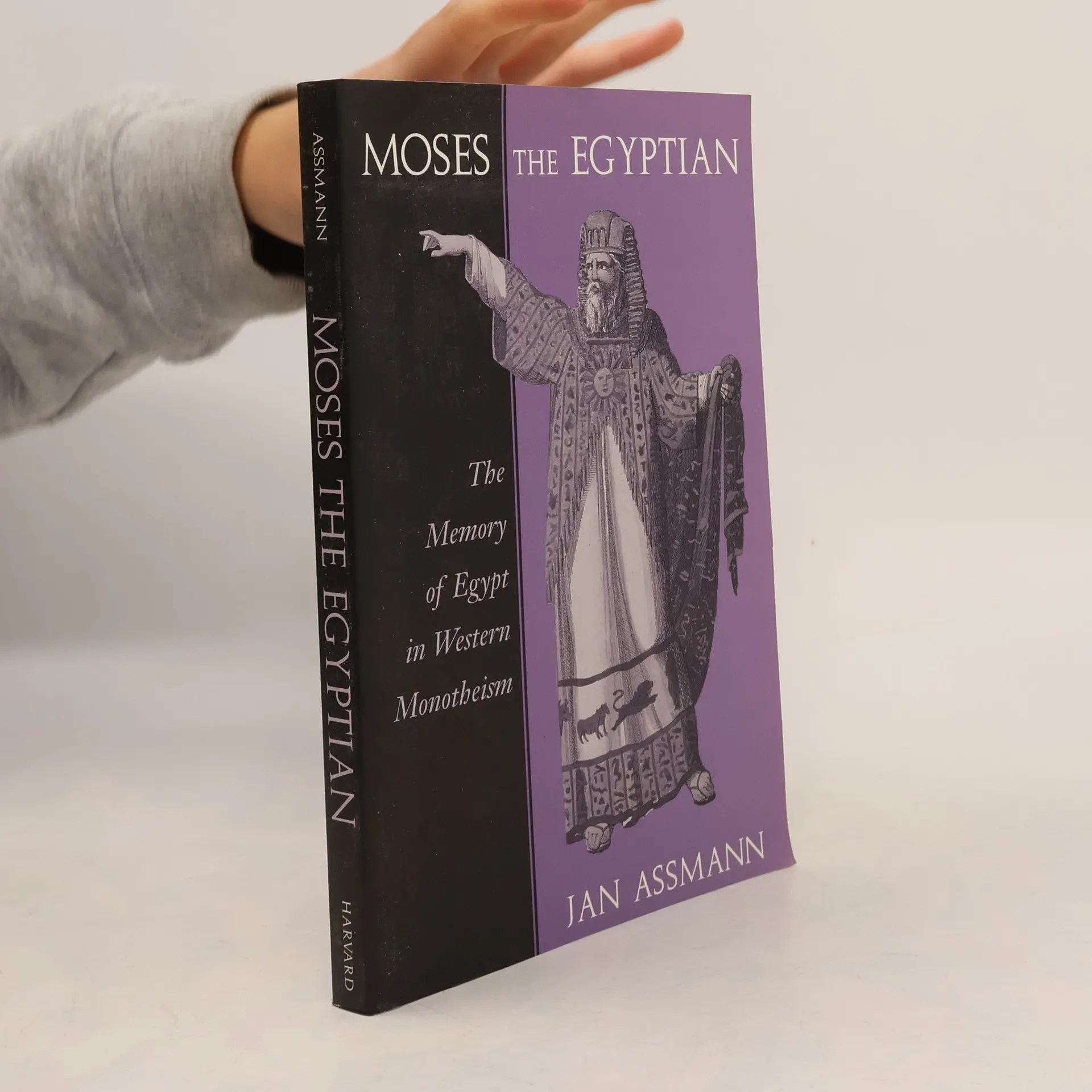
Assmann uses Moses as a figure of memory to study the ways in which factual and fictional events and characters are stored in religious beliefs and transformed in their philosophical justification, literary reinterpretation, philological restitution (or falsification), and psychoanalytic demystification.
Jan Assmann Books
July 7, 1938 – February 19, 2024
Jan Assmann is a preeminent figure in Egyptology and cultural studies, renowned for developing a highly influential theory of cultural and communicative memory. His work delves into the profound connections between memory, identity, and cultural heritage, offering insightful perspectives on how societies remember and construct their past. Assmann is also recognized for his thought-provoking interpretations of the origins of monotheism, which he posits as a pivotal rupture from earlier cosmotheistic traditions. His scholarship uniquely bridges detailed archaeological findings with deep philosophical reflection, illuminating the evolution of human belief systems and cultural consciousness.



The Invention of Religion
- 416 pages
- 15 hours of reading
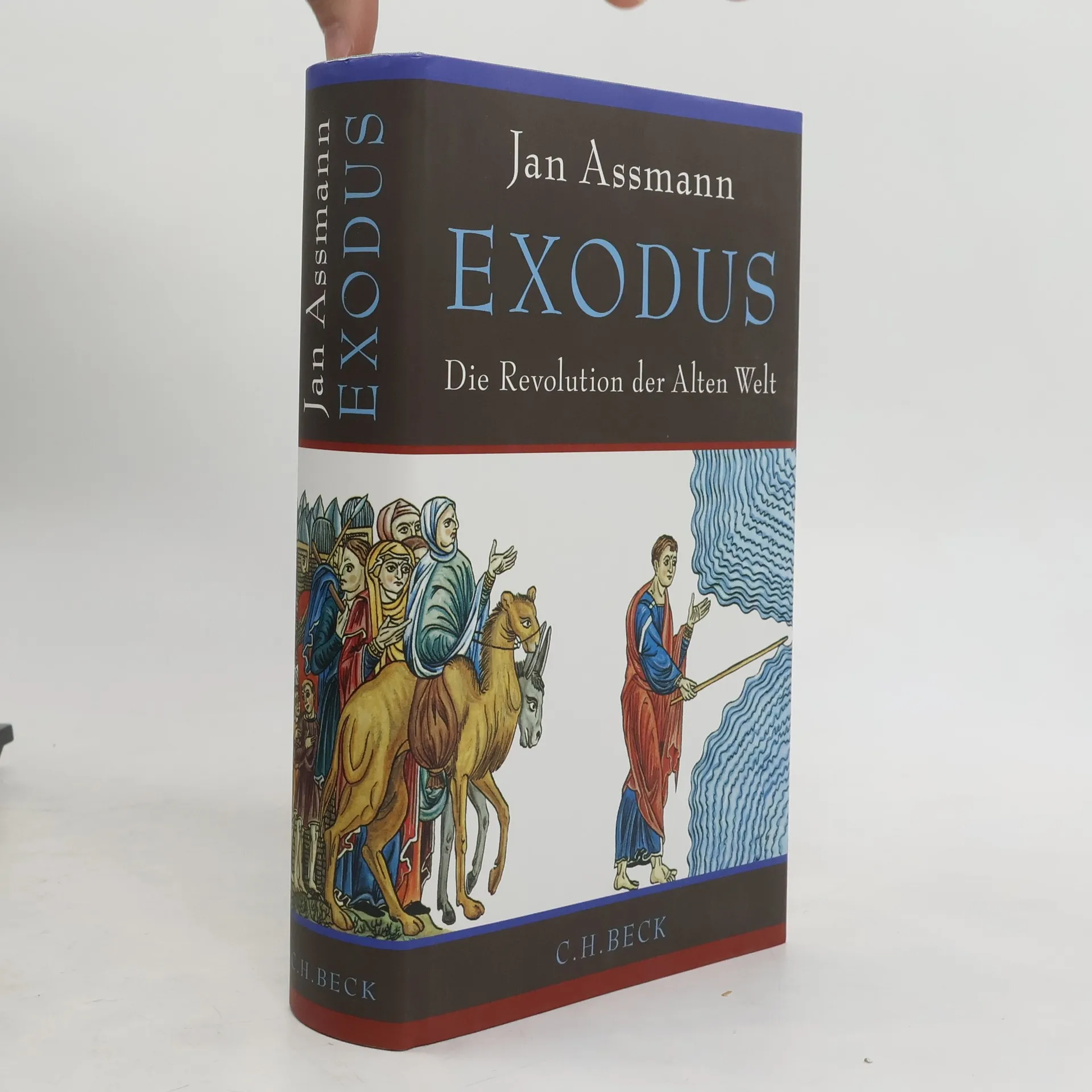
A groundbreaking account of how the Book of Exodus shaped fundamental aspects of Judaism, Christianity, and IslamThe Book of Exodus may be the most consequential story ever told. But its spectacular moments of heaven-sent plagues and parting seas overshadow its true significance, says Jan Assmann, a leading historian of ancient religion. The story of Moses guiding the enslaved children of Israel out of captivity to become God's chosen people is the foundation of an entirely new idea of religion, one that lives on today in many of the world's faiths. First introduced in Exodus, new ideas of faith, revelation, and above all covenant transformed basic assumptions about humankind's relationship to the divine and became the bedrock of Judaism, Christianity, and Islam.
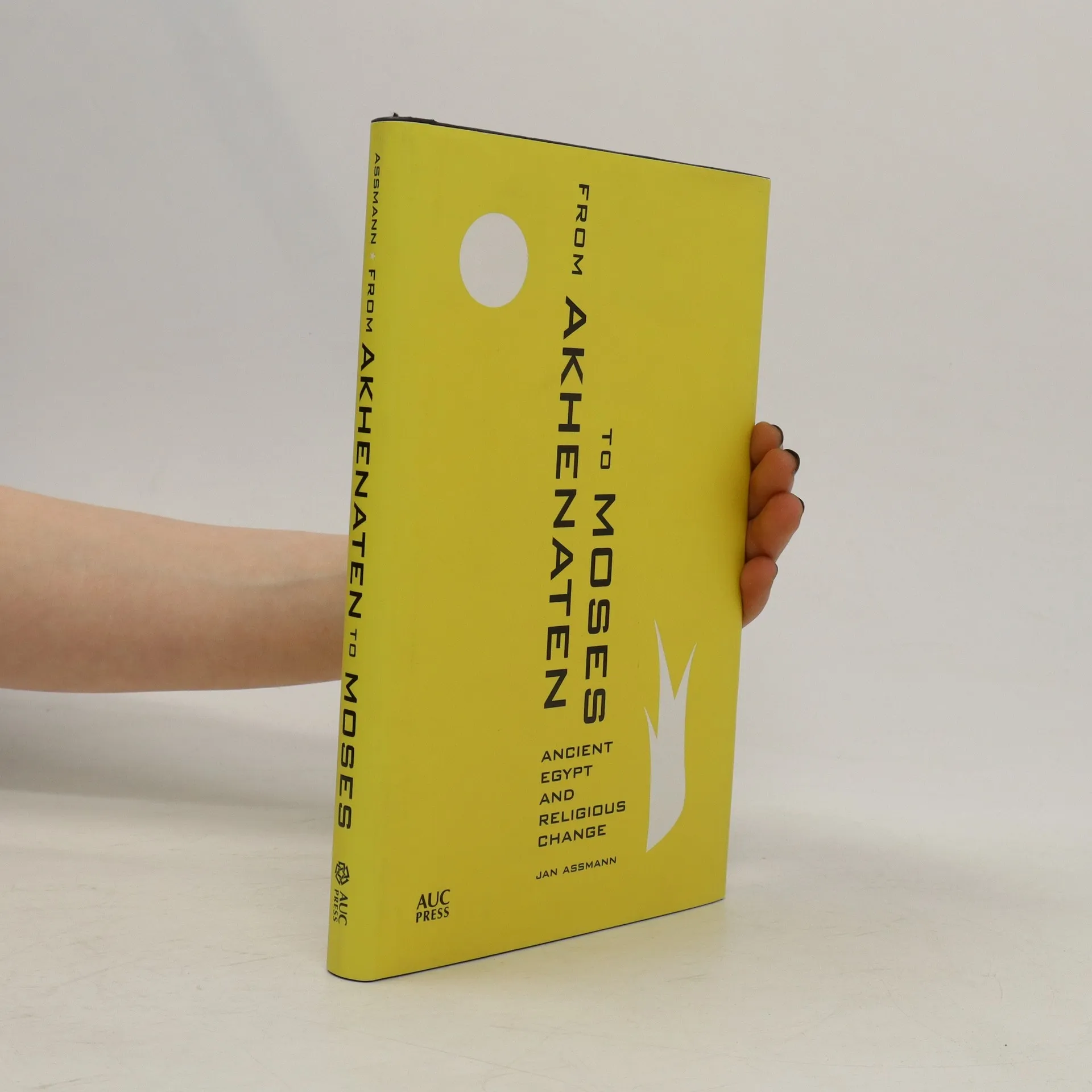
From Akhenaten to Moses : ancient Egypt and religious change
- 155 pages
- 6 hours of reading
The shift from polytheism to monotheism changed the world radically. Akhenaten and Moses--a figure of history and a figure of tradition--symbolize this shift in its incipient, revolutionary stages and represent two civilizations that were brought into the closest connection as early as the Book of Exodus, where Egypt stands for the old world to be rejected and abandoned in order to enter the new one. The seven chapters of this seminal study shed light on the great transformation from different angles. Between Egypt in the first chapter and monotheism in the last, five chapters deal in various ways with the transition from one to the other, analyzing the Exodus myth, understanding the shift in terms of evolution and revolution, confronting Akhenaten and Moses in a new way, discussing Karl Jaspers' theory of the Axial Age, and dealing with the eighteenth-century view of the Egyptian mysteries as a cultural model.
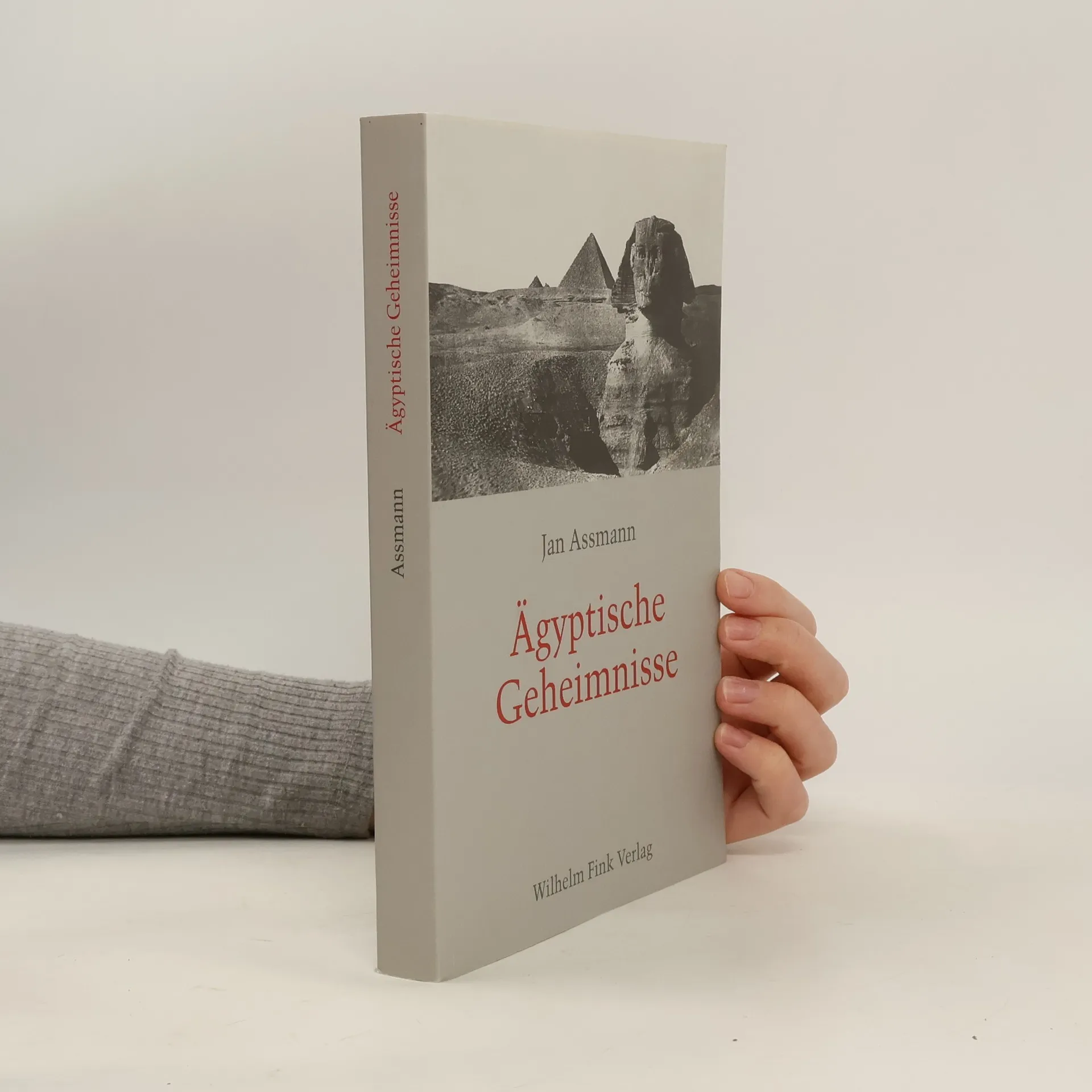
Ägyptische Mysterien?
- 151 pages
- 6 hours of reading
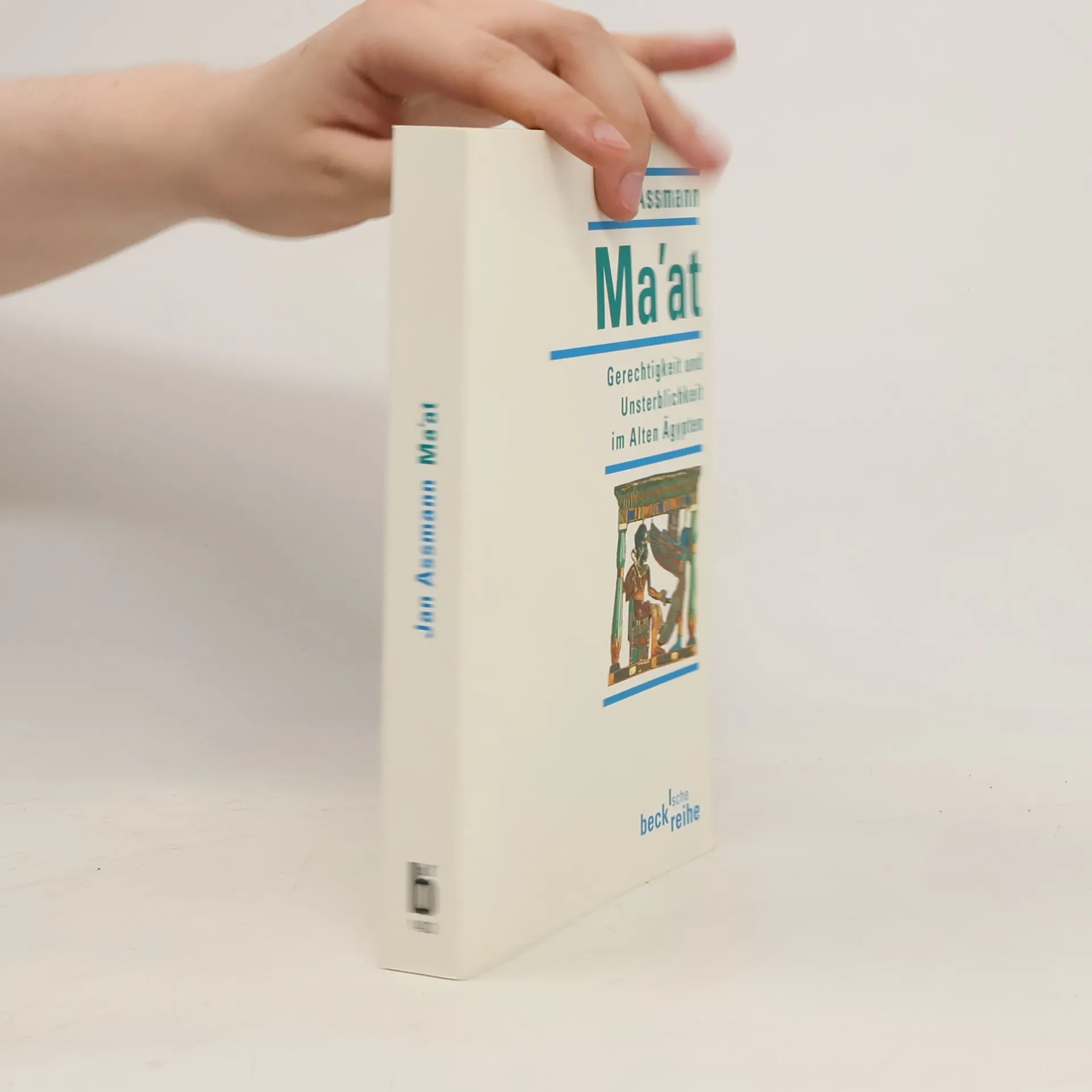
Ma'at
- 319 pages
- 12 hours of reading
Welche Kultur hat die Menschen im Alten Ägypten geprägt? Welche Werte und welches Menschenbild bestimmten das Zusammenleben? Welche der zentralen Ideen des Alten Ägypten haben nachgewirkt? Diesen Fragen geht Jan Assmann am Leitfaden des Begriffes „Ma'at" („Wahrheit, Gerechtigkeit, Weltordnung") nach, der den Angelpunkt des altägyptischen Denkens bildete. - Das Standardwerk zum altägyptischen Denken wurde für diese Neuauflage um ein Nachwort erweitert.
Die Zauberflöte - Mozarts populärste Oper gibt auch die größten Rätsel auf. Wer ist gut, und wer ist böse? Mozarts Zeitgenossen fanden sich in dieser Welt zurecht, denn sie entdeckten in der Geschichte Hinweise auf die Freimaurerei, auf ihre Vorstellungen vom alten Ägypten und auf die damit verbundene Mysterienkultur. Alles Hintergründe, die in den letzten beiden Jahrhunderten in Vergessenheit geraten sind. Jan Assmann bringt sie uns wieder nahe und öffnet Augen und Ohren für eine Oper, die wir längst zu kennen glaubten.
Altägyptische Totenliturgien / Totenliturgien in den Sargtexten des Mittleren Reiches
- 557 pages
- 20 hours of reading
Die Totenliturgien der alten Ägypter, die einen zentralen Bestandteil ihres Totenkults und ihrer Jenseitsvorstellungen bilden, werden hier erstmals umfassend gesammelt und kommentiert präsentiert. Diese Rituale, die sowohl während der Balsamierung als auch im Grab durchgeführt wurden, zielen darauf ab, den Verstorbenen in einen "Verklärten Geist" zu überführen. Der erste Band dieser dreibändigen Edition konzentriert sich auf die liturgischen Texte des Mittleren Reichs (2000-1750 v. Chr.) und bietet einen tiefen Einblick in die religiösen Praktiken und Überzeugungen der Ägypter.
Jan Assmann analysiert die Revolution der monotheistischen Religionen und ihre Auswirkungen auf Weltanschauung, Menschenbild und Ethik. Er sieht diese Entwicklung auch als Ursprung von Intoleranz und Gewalt, was seinen Essay zu einer provokanten Auseinandersetzung mit den Folgen des Glaubens macht.
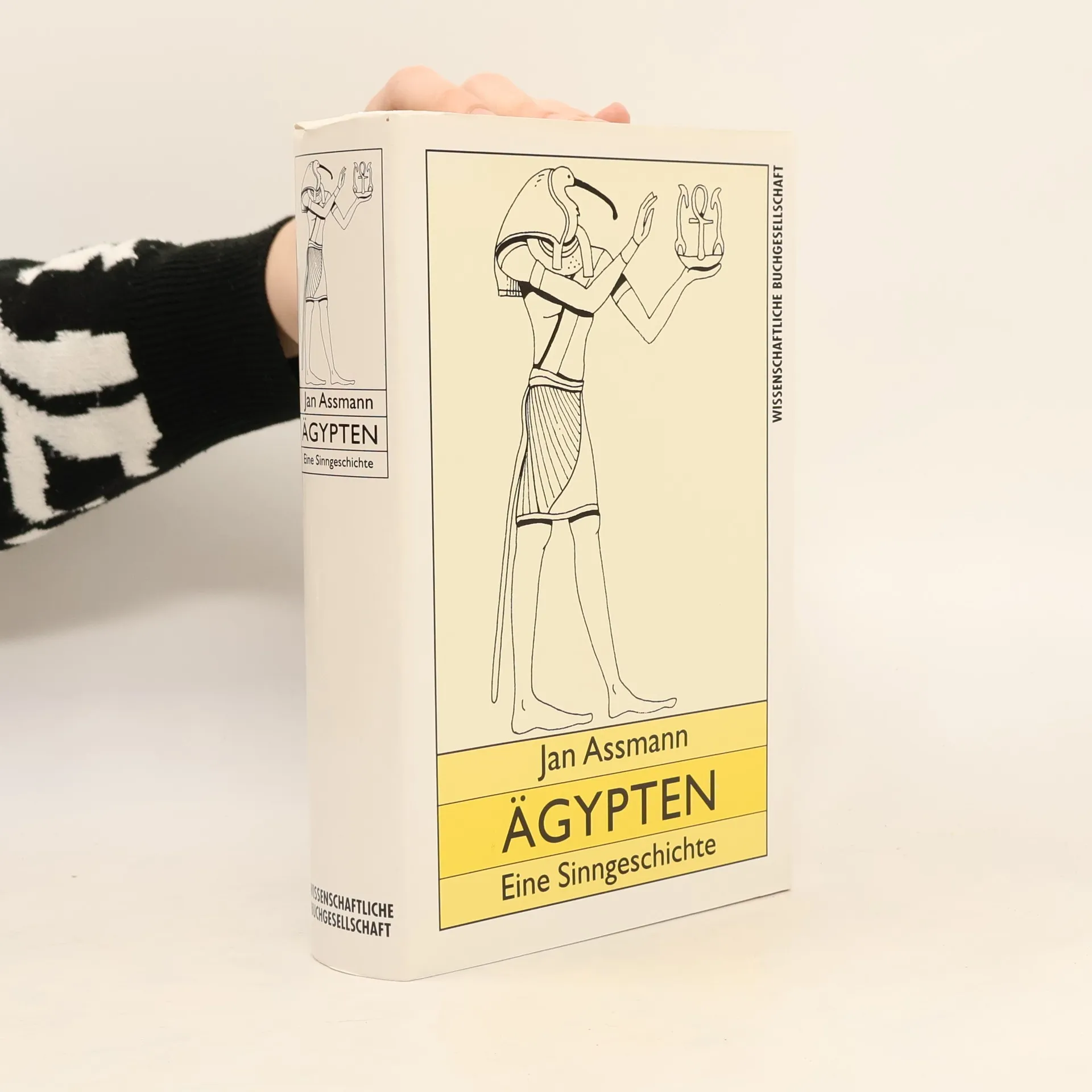
Viel mehr als nur ein monumentales Rätsel, muss die 3000 Jahre andauernde ägyptische Hochkultur als Lebenswelt verstanden werden, in der alle heute noch erhaltenen Zeugnisse in einem vitalen Zusammenhang standen. Jan Assmann, Ägyptologe von Weltruf, verleiht diesen Zeugnissen einen symphonischen Klang und zeigt den enormen Einfluss auf, den die ägyptische Kultur durch alle Schleier hindurch auf Europa genommen hat.
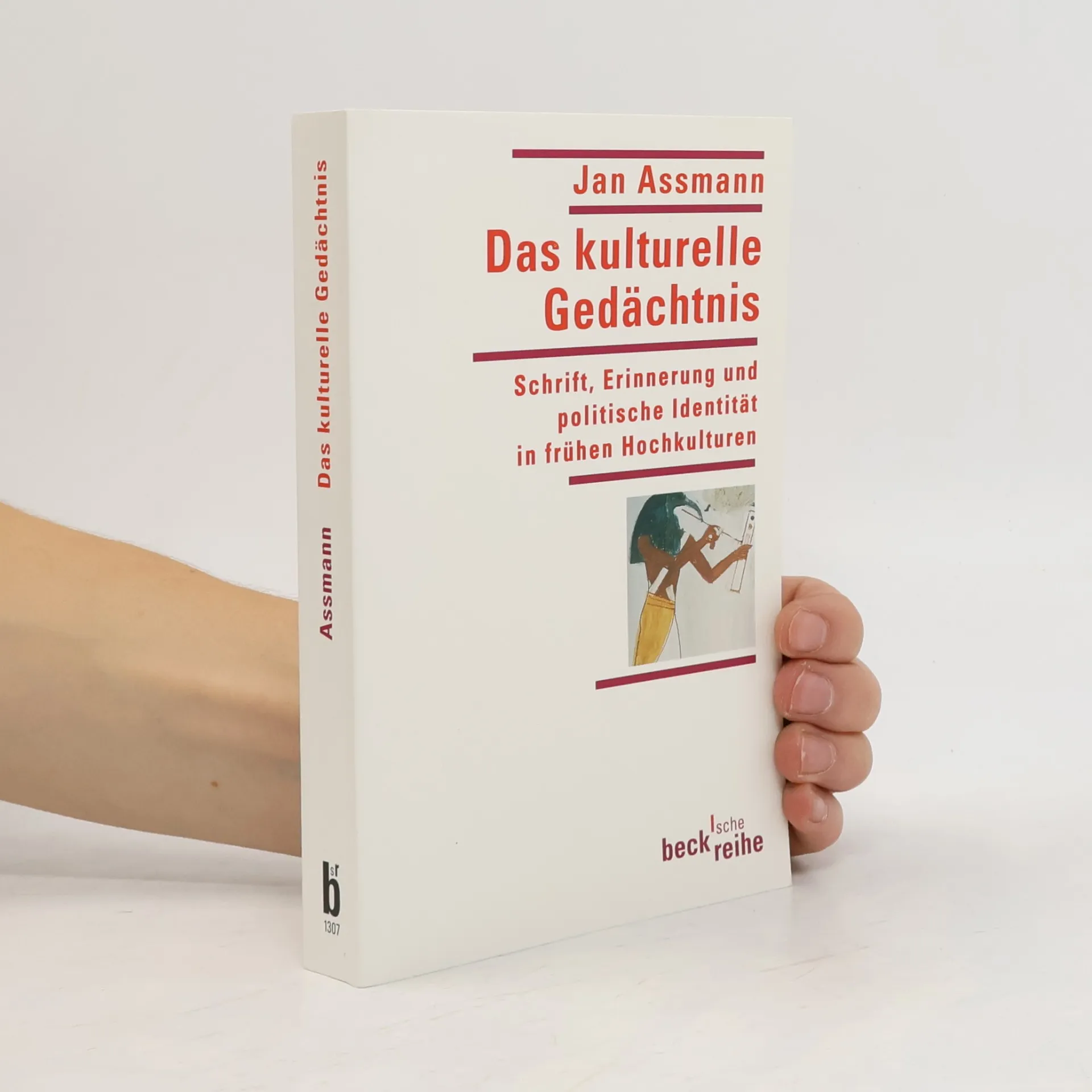
Welche Rolle spielt die Erinnerung bei der Herausbildung kultureller Identitäten? Welche Formen kultureller Erinnerung gibt es, wie werden sie organisiert, welchen Wandlungen sind sie unterworfen? Diesen Fragen geht Jan Assmann in einem Vergleich von drei Mittelmeerkulturen des Altertums - Ägypten, Israel und Griechenland - nach.
Joseph und seine Brüder II. Text und Kommentar in einer Kassette
- 2350 pages
- 83 hours of reading
Thomas Manns vierbändiger Josephroman, erschienen zwischen 1933 und 1943, ist ein bedeutendes Exilwerk und steht im Widerspruch zur Nazi-Ideologie. In der ›Großen kommentierten Frankfurter Ausgabe‹ wird es textkritisch ediert, inklusive umfangreichem Archivmaterial und einem Fokus auf die Rezeption über zwanzig Jahre. Der Textband enthält die Romane ›Joseph in Ägypten‹ und ›Joseph der Ernährer‹.
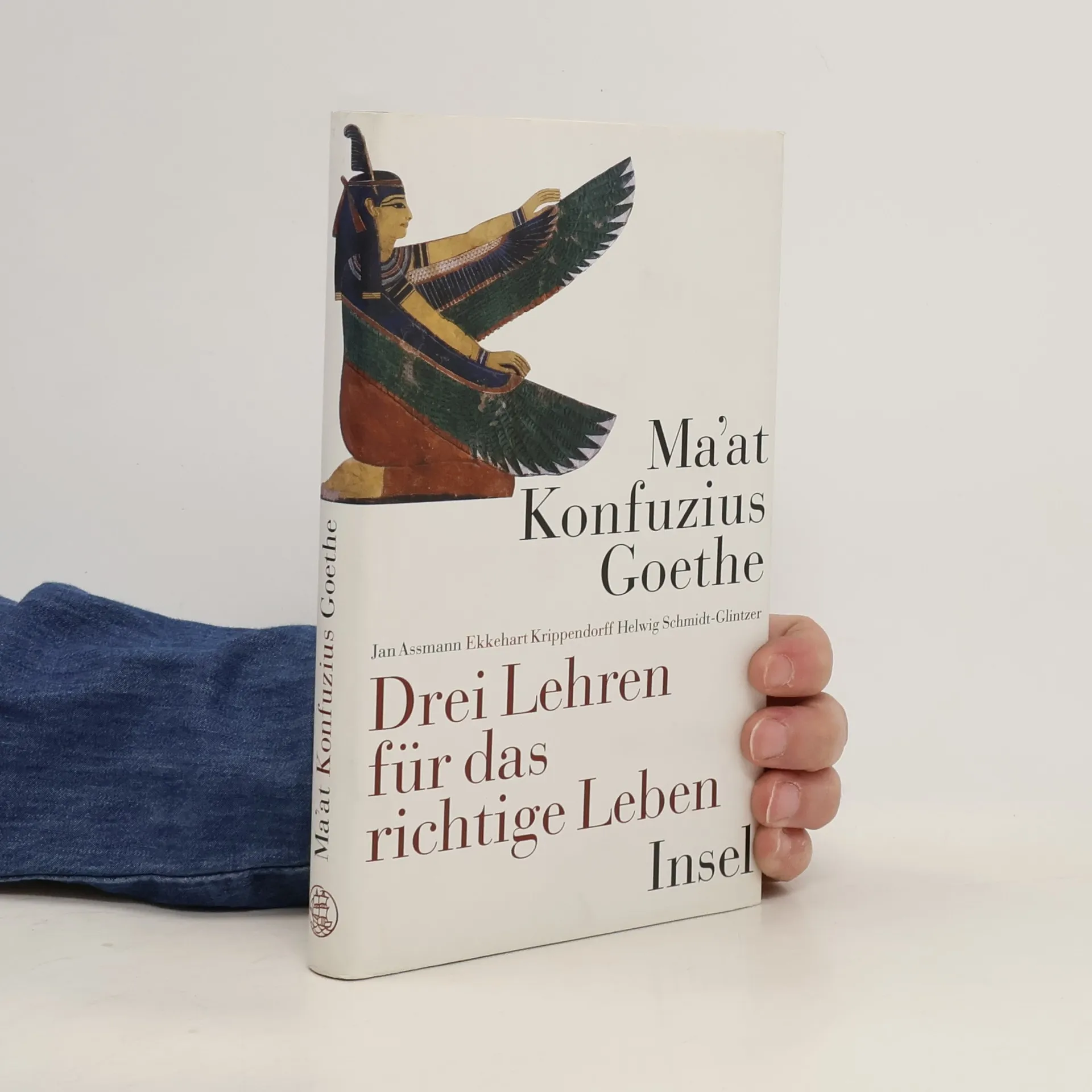
Maʾat - Konfuzius - Goethe
- 166 pages
- 6 hours of reading
Das gemeinsame Fundament dieser Welterklärungsmodelle lautet „Gemeinschaftskunst“, die Kunst, miteinander menschenwürdig zu leben; sie hat - basierend auf Gerechtigkeit, Respekt, Weltfrömmigkeit und Religiosität - die Zivilisation seit den frühen Hochkulturen bestimmt. Ekkehart Krippendorffs geistesgeschichtliche Ausgrabung entdeckt Goethe als wichtigsten Zeugen für eine moderne und zugleich mit den alten Kulturen korrespondierende Gemeinschaftskunst, und zwar nicht nur in seiner Weimarer Praxis, sondern auch und vor allem in den poetisch formulierten weltanschaulichen Bekenntnissen.
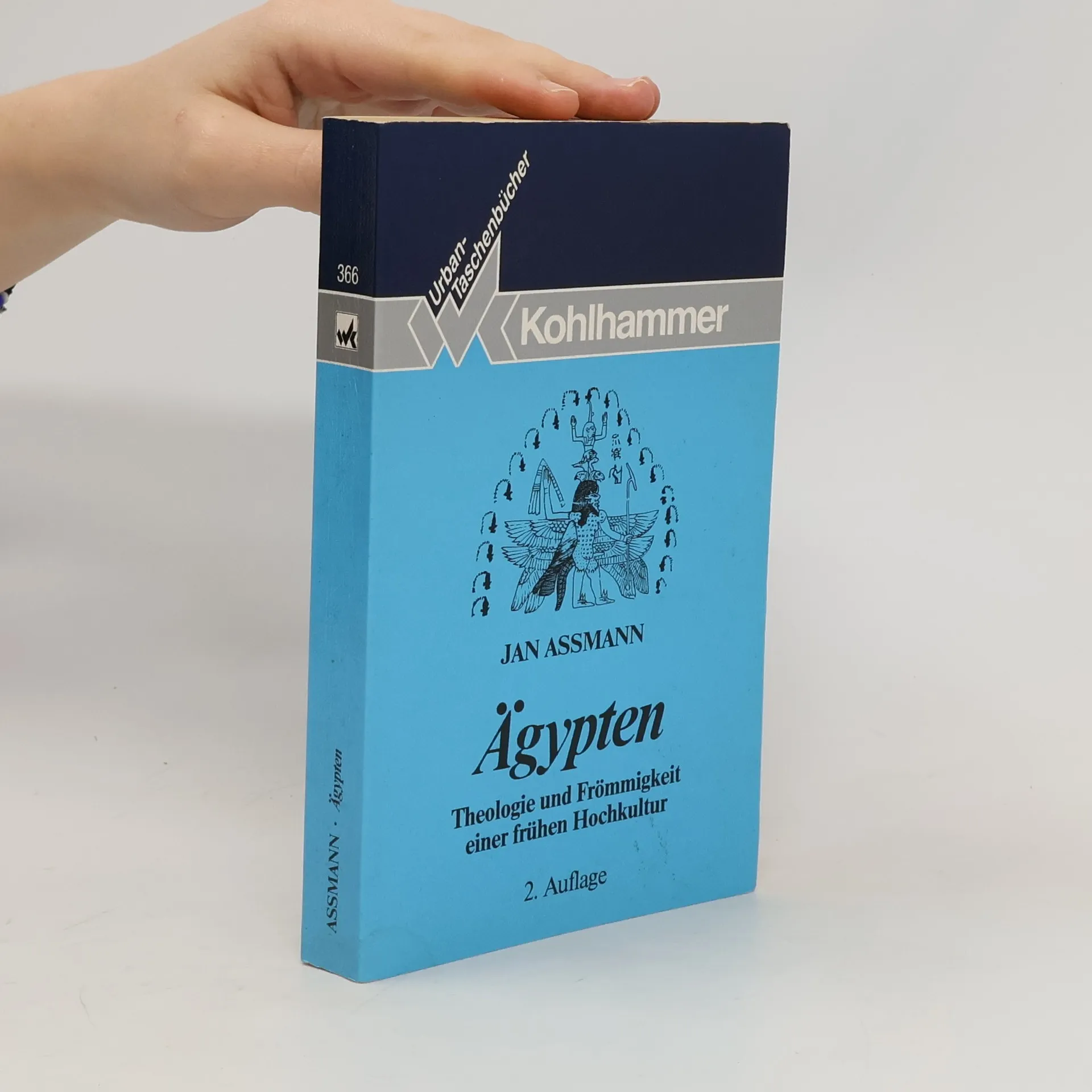
Das Buch eines der bedeutendsten Kenner der altägyptischen Religion zeigt anhand ursprünglicher Texte die Entwicklung des ägyptischen Verständnisses von Frömmigkeit.
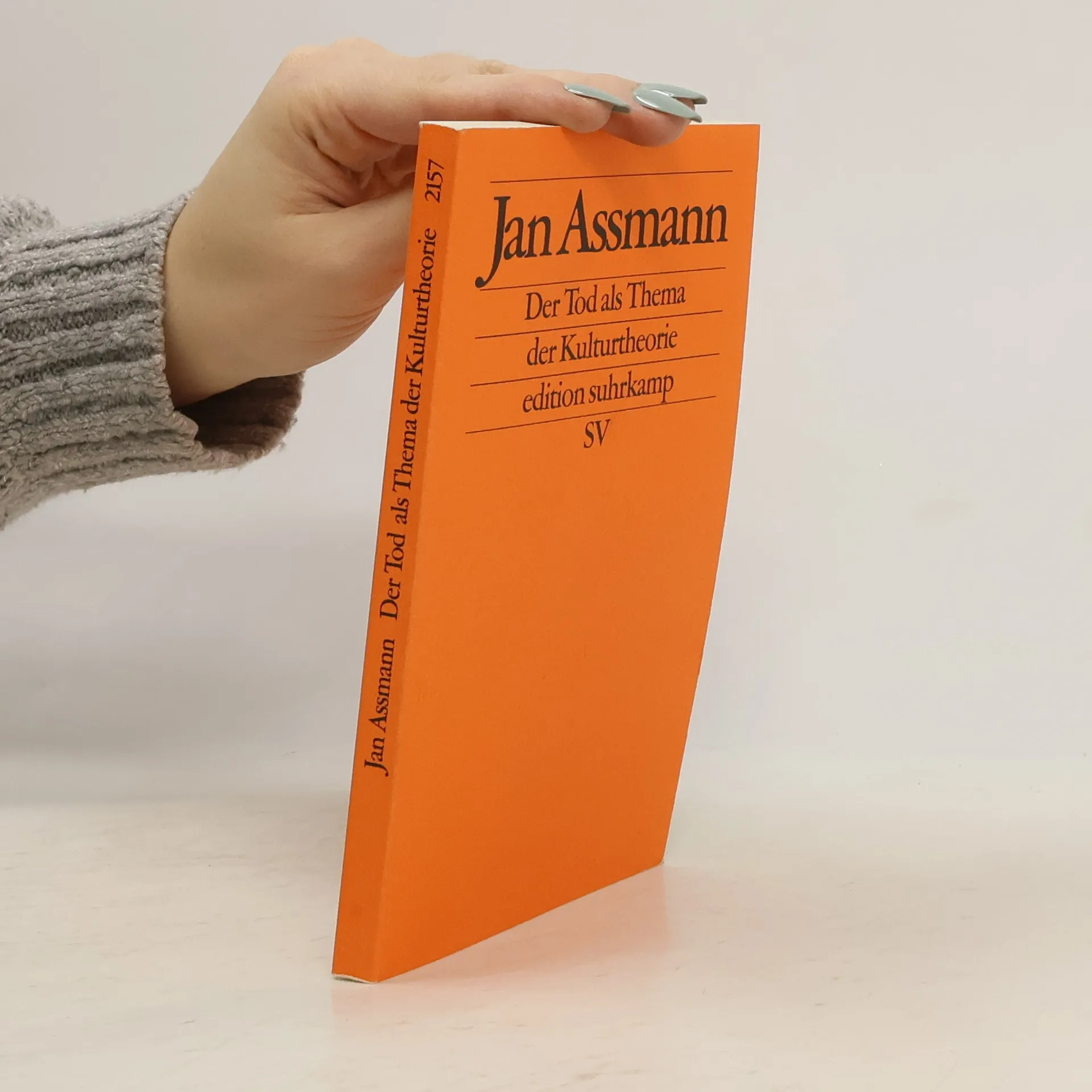
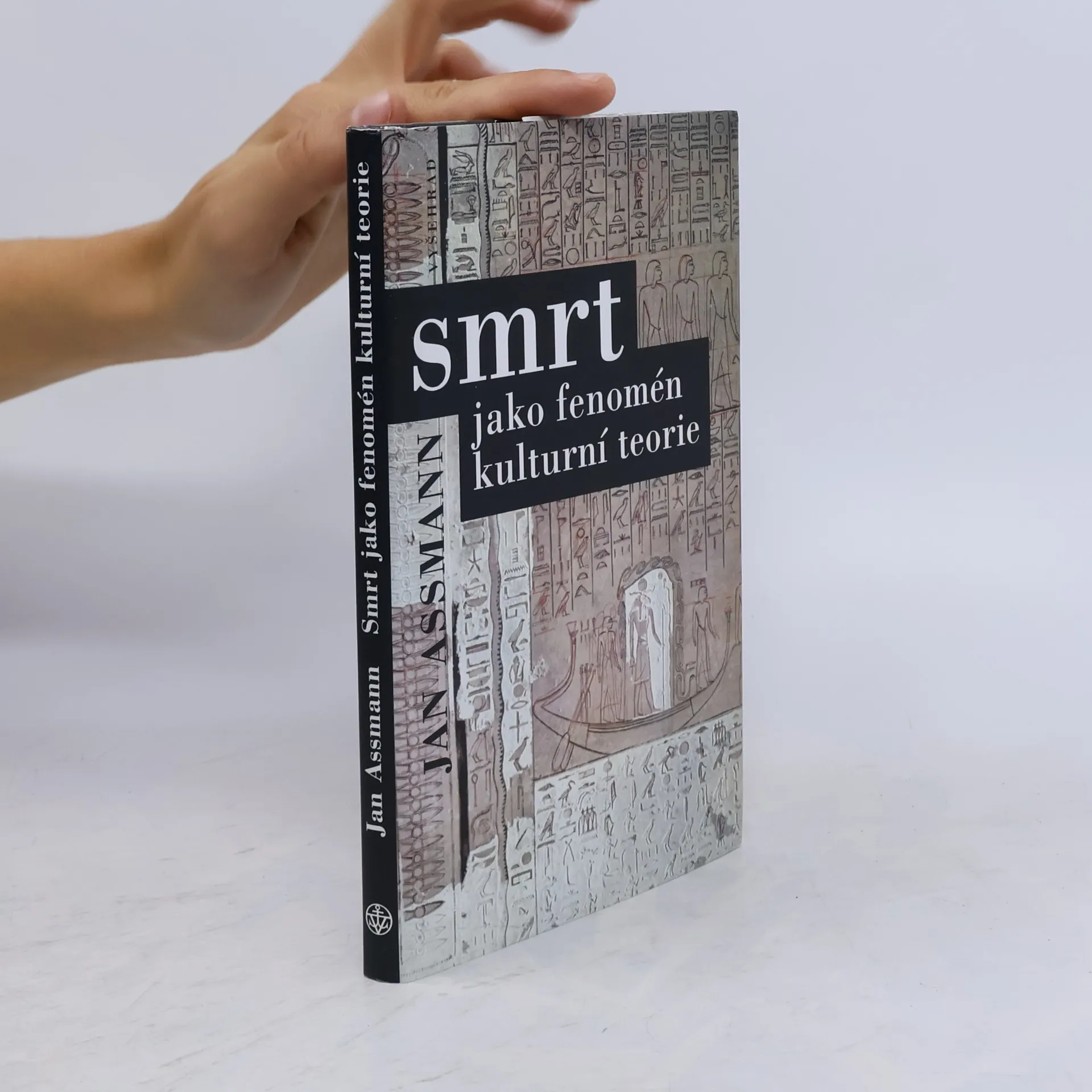
Der Tod als Thema der Kulturtheorie
Todesbilder und Todesriten im Alten Ägypten
'Assmanns grossartige Sätze - man möchte sie immerfort zitieren - schlagen gewaltige Schneisen ins Dunkel der altorientalistischen Geschichte.'§Kathrin Meier-Rust, Neue Zürcher Zeitung, 28. Juni 2015§§'Ein wahrlich gelehrtes Buch.' Friedrich Wilhelm Graf, Frankfurter Rundschau, 05. Juni 2015 'Eines der wichtigsten Sachbücher des Frühjahrs.' Stefan Nölke, MDR Figaro, 16. April 2015§
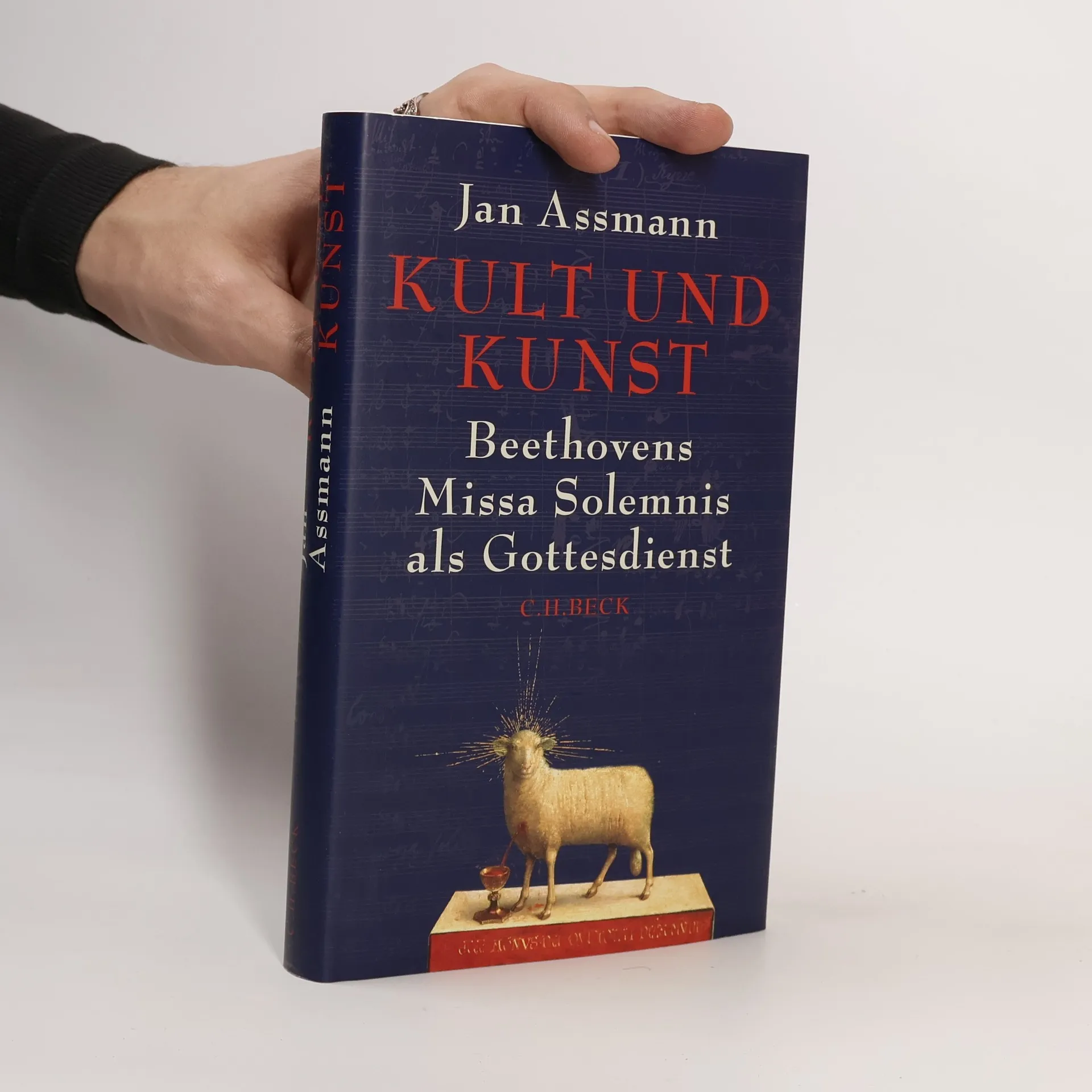
Beethovens «Missa solemnis», sein oft unterschätztes Spätwerk, ist große Kunst und feierlicher Gottesdienst in einem. Jan Assmann zeigt, warum das Werk einen Höhepunkt in der langen Geschichte des Gottesdienstes darstellt und zugleich den Punkt markiert, an dem aus religiösem Kult autonome Kunst wird. Eine meisterhafte Etüde über die Geburt der Kunst aus der Religion, die uns Beethovens Musik und zugleich den christlichen Gottesdienst besser verstehen lässt. Missa solemnis, «feierliche Messe»: So wurde seit dem Mittelalter das katholische Hochamt genannt. Jan Assmann nähert sich Beethovens «Missa» vom Ursprung des christlichen Gottesdienstes her und schlägt einen eindrucksvollen historischen Bogen über zwei Jahrtausende: vom letzten Abendmahl Jesu und den Gedächtnisfeiern der frühen Christen über die Entstehung fester liturgischer Formen, die im Hochmittelalter durch den mehrstimmigen Gesang zu Musik wurden, bis hin zu neuzeitlichen Vertonungen. Auch noch Beethovens «Missa» war für den liturgischen Gebrauch gedacht, hat diesen Rahmen aber gesprengt, nicht nur durch ihre Länge, sondern vielmehr noch durch ihre ungeheure Intensität. Es ist brillant und ein Lesevergnügen, wie Jan Assmann musikalische Details mit den großen historischen Linien in Beziehung setzt und uns anhand von Beethovens «Missa» die Geburt der Kunst aus dem Geiste des Gottesdienstes vor Augen führt, ja geradezu hörbar werden lässt.
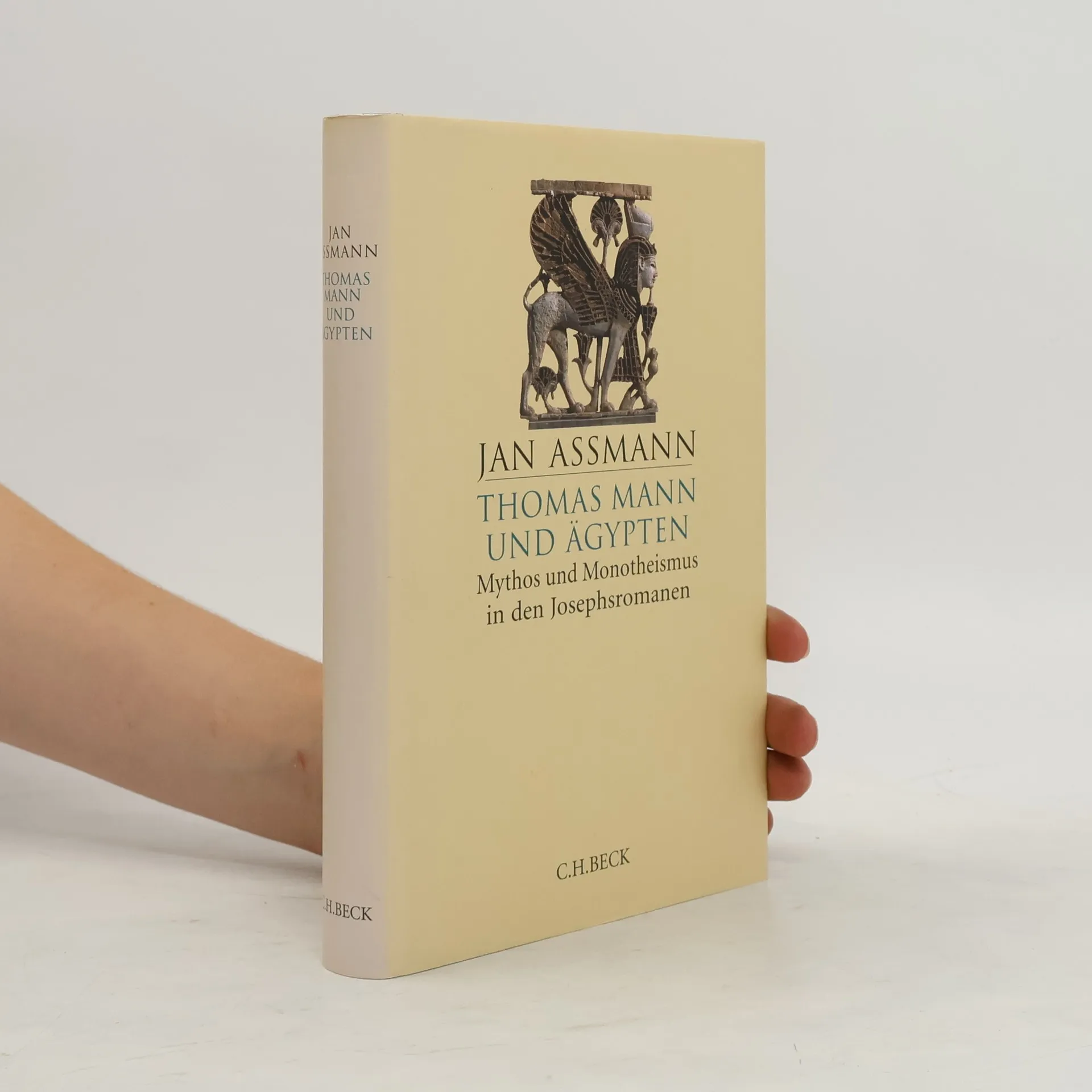
Thomas Mann und Ägypten
- 256 pages
- 9 hours of reading
Jan Assmann geht den bahnbrechenden religions- und kulturwissenschaftlichen Einsichten Thomas Manns nach, die dieser vor allem in seinem Romanzyklus Joseph und seine Brüder vermittelt. Auf faszinierende Weise läßt er seine Leser nicht nur das literarische Kunstwerk der Josephsromane mit neuen Augen sehen, sondern vor allem auch den Schriftsteller und Kulturwissenschaftler Thomas Mann. In der Begegnung mit dem Alten Ägypten erschloß sich Thomas Mann eine kulturelle Tiefendimension der Zeit. Seine Josephsromane kreisen um die Frage, die auch Proust, Bergson und Freud beschäftigte: in welcher Weise die Vergangenheit unsere Gegenwart bestimmt, und sie geben darauf einige der klügsten Antworten. Gerade in seinen Einsichten zum Wesen des Mythos, zur Entstehung des Monotheismus, zum kulturellen Gedächtnis und zur historischen Anthropologie und Psychologie erweist sich Thomas Mann als einer der bedeutendsten Kultur- und Religionswissenschaftler des 20. Jahrhunderts. Den bislang noch wenig erschlossenen Dimensionen seines Werkes geht Jan Assmann in seinem neuen Buch nach. Er beschreibt das Ägyptenbild der Josephsromane und vergleicht die Josephsgeschichte Manns mit der biblischen Erzählung sowie ihrer ägyptischen Urgestalt. Höchst aufschlußreich sind auch die abschließenden Vergleiche mit zeitgenössischen Werken wie Arnold Schönbergs Moses und Aron und Sigmund Freuds Der Mann Moses.
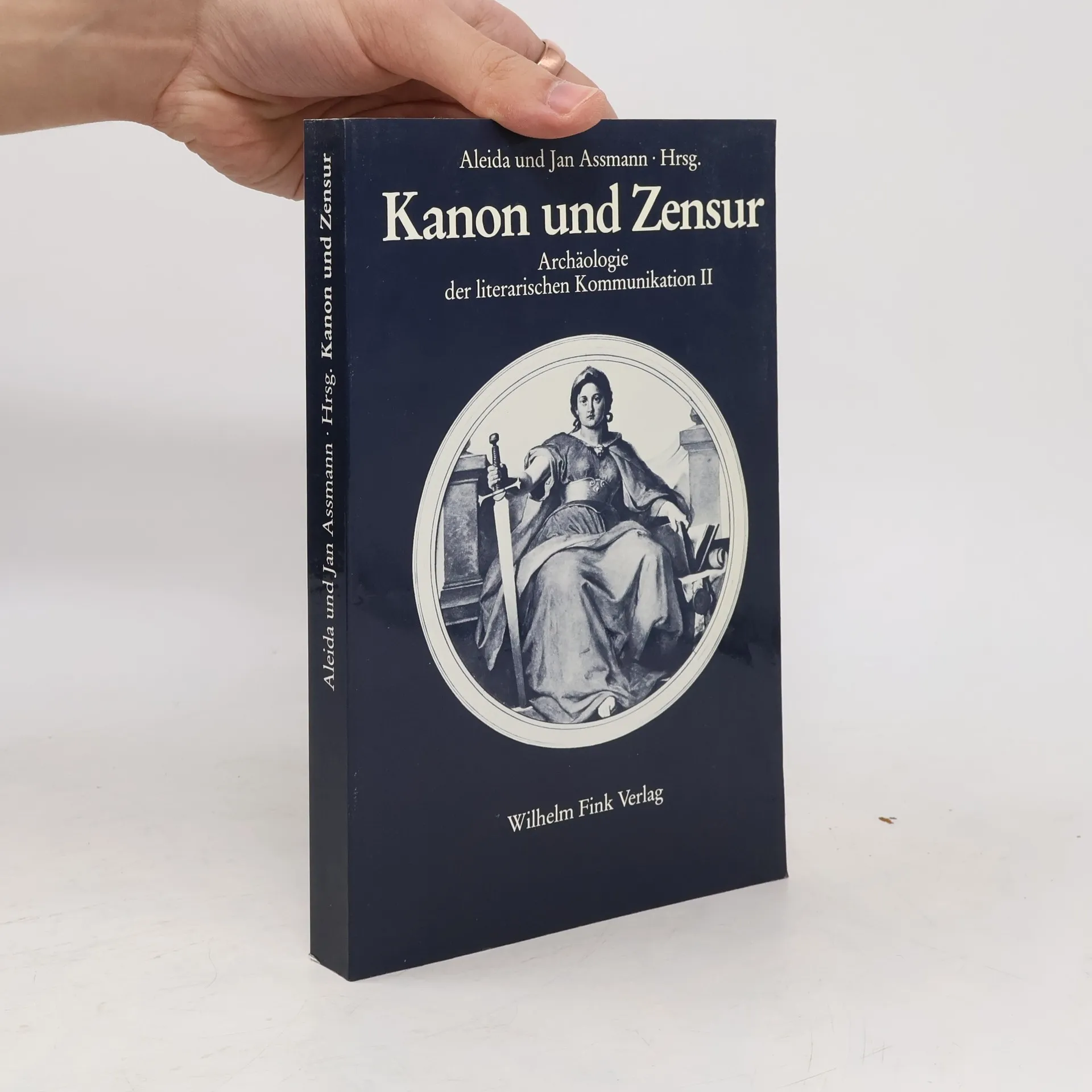
Kanon und Zensur
Beiträge zur Archäologie der literarischen Kommunikation II
- 347 pages
- 13 hours of reading
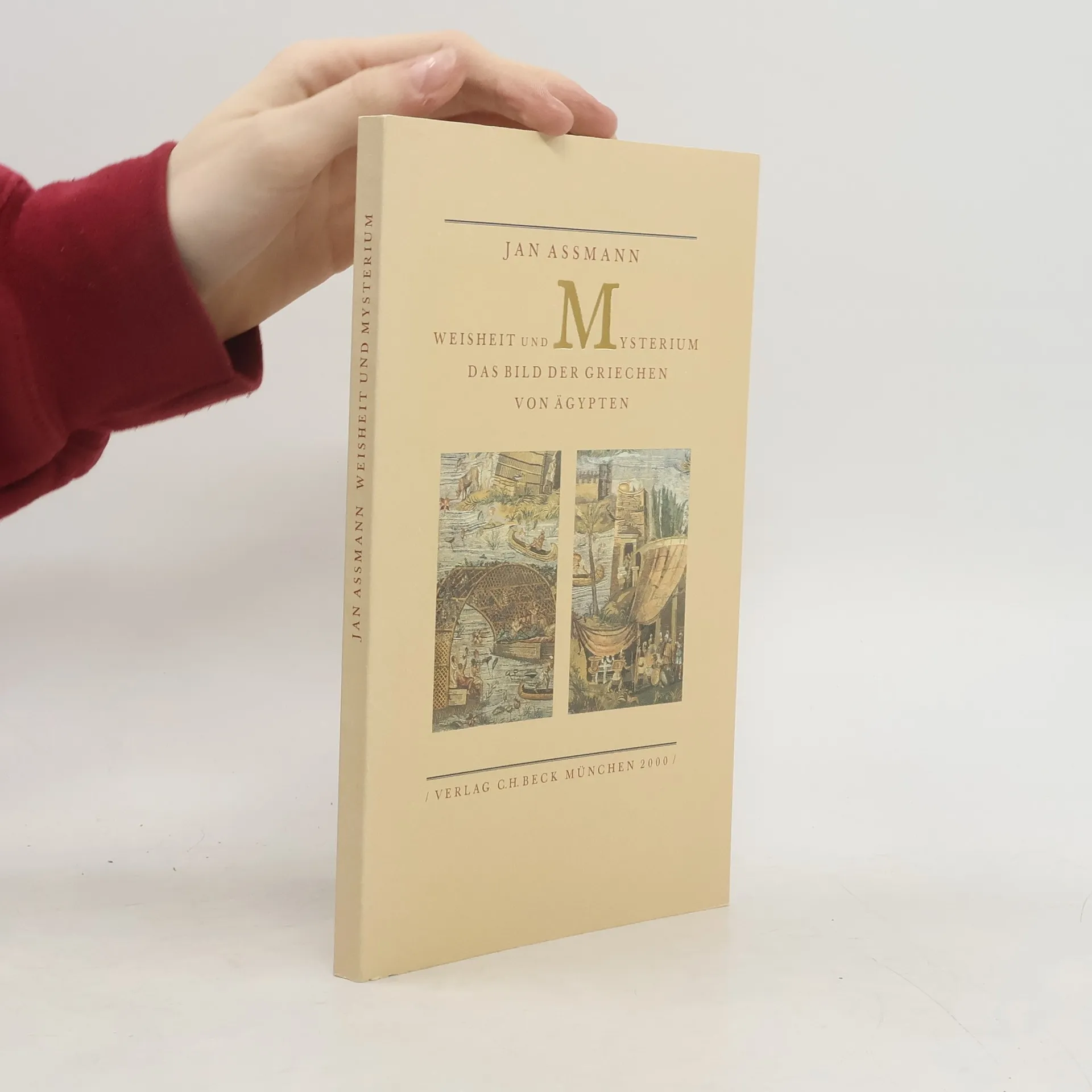
Die Griechen waren von der politischen und religiösen Kultur der Ägypter fasziniert. Das Ägyptenbild, das sie im Laufe der Jahrhunderte herausgebildet haben, hat insbesondere seit der Renaissance die europäische Geistesgeschichte zutiefst beeinflußt. Jan Assmann deckt die zum Teil verschütteten Traditionen in einem eindringlich geschriebenen Essay wieder auf und zeigt, welche Bedeutung die griechische 'Ägyptologie' für das kulturelle Gedächtnis des Abendlandes hatte.
Der Tod erzeugt in allen Kulturen Ratlosigkeit. Rituale bieten eine Möglichkeit, mit diesem universellen Phänomen umzugehen, insbesondere der Abschied von den Toten durch rituelle Trauer. Der vorliegende Band fokussiert sich auf die Toten- und Trauerriten in Südostasien und vergleicht sie mit den entsprechenden Praktiken im Alten Orient und Alten Ägypten sowie der Auseinandersetzung mit Tod und Trauer in der westlichen Moderne, insbesondere den Holocaust-Opfern in Deutschland und Israel. Diese breit angelegte Analyse verdeutlicht sowohl kulturelle Unterschiede als auch anthropologische Konstanten und beleuchtet die Herausforderungen einer transkulturellen Angleichung des Trauerverhaltens in einer globalisierten Welt. Die medial inszenierte Trauer, wie bei den Todesopfern der Tsunami-Katastrophe oder dem Tod von Papst Johannes Paul II., wird ebenfalls thematisiert. Die Beiträge behandeln verschiedene Aspekte, darunter vedische Rituale, hinduistische Bestattungen, Sikh-Rituale, buddhistische Praktiken in Sri Lanka und die Trauerkultur in Israel und Deutschland. Auch die Totenrituale im Alten Ägypten und deren Trauerriten werden umfassend betrachtet, was einen tiefen Einblick in die Vielfalt und Komplexität von Trauer und Tod in unterschiedlichen Kulturen ermöglicht.
Die Zauberflöte, eine Oper mit zwei Gesichtern
- 102 pages
- 4 hours of reading
Peter von Matt nannte die Zauberflöte »neben Hamlet und Mona Lisa das dritte große Rätselwerk unserer Kultur«. Das Rätsel liegt im Zusammenhang des Ganzen. Anfang und Ende scheinen nicht zusammenzupassen, wichtige Protagonisten ändern ihren Charakter. Haben Mozart und Schikaneder mitten in der Arbeit die Handlung herumgeworfen, wie viele bis heute glauben, weil im Juni 1791 ein Stück herauskam, das auf demselben Wieland'schen Märchen basierte? Der Kulturwissenschaftler Jan Assmann schlägt eine neue Deutung in ihrem freimaurerischen und theaterwissenschaftlichen Kontext vor: Als eine Mysterienreise, die den Initianden – Tamino – von der Oberwelt der Illusionen durch verschiedene Prüfungsstationen der Unterwelt in die Sphäre der Eingeweihten beziehungsweise Aufgeklärten führt.
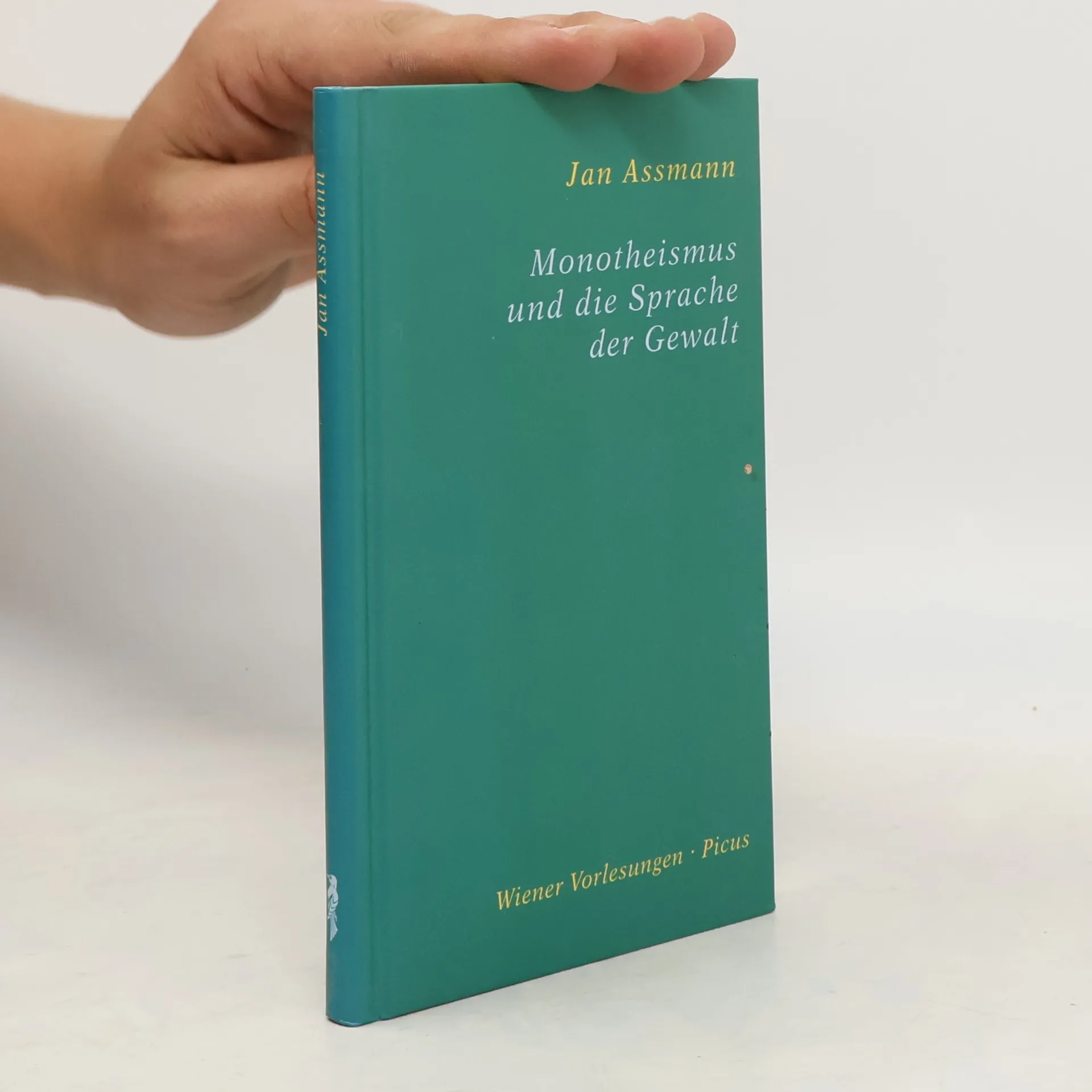
Monotheismus und die Sprache der Gewalt
- 63 pages
- 3 hours of reading
Angesichts der aktuellen Weltlage, die von einem bislang unbekannten und von niemandem vorausgesehenen Ausmass von Gewalt bestimmt wird, die sich auf Gott und die heiligen Schriften beruft, begibt sich der Ägyptologe und Kulturtheoretiker Jan Assmann auf die Suche nach dem Zusammenhang zwischen Gewaltbereitschaft und monotheistischen Religionen. Vor allem auf die Exklusivität des einen Gottes sowie das immer wieder beschworene Bild eines eifernden, zürnenden, strafenden Gottes führt der Autor mithilfe von Zitaten aus dem Alten Testament diese Disposition zur Gewalt zurück. Auch wenn es einen Zusammenhang zwischen dem ausschliesslichen Wahrheitsbegriff des Monotheismus und der Gewalt in der Sprache gibt, bestreitet Assmann, dass die Gewalt eine dem Monotheismus notwendig eingeschriebene Konsequenz darstelle. Vielmehr entstammt die Gewalt letztlich jenem politischen Druck, aus dem der Monotheismus den Einzelnen befreien will.
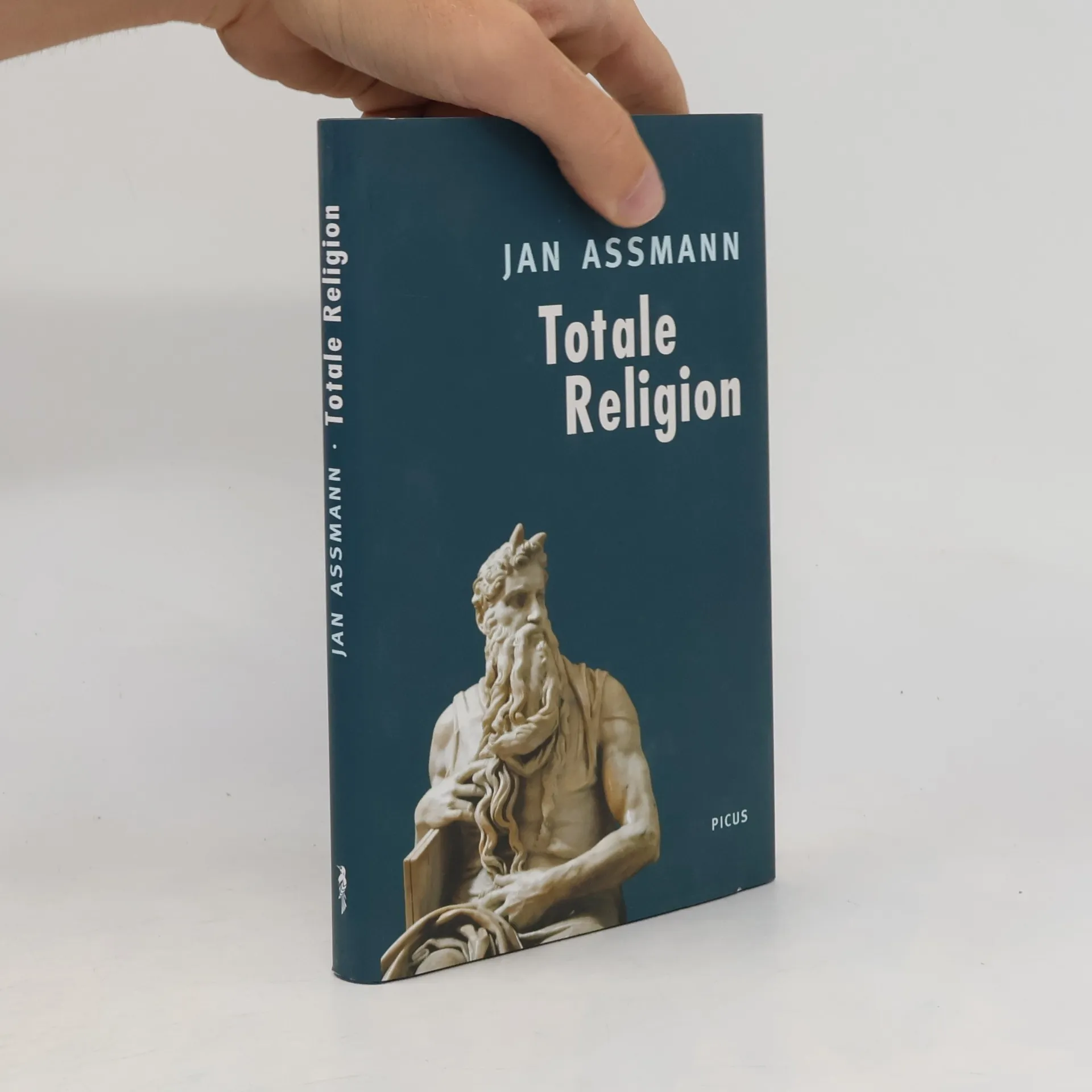
Totale Religion
Ursprünge und Formen puritanischer Verschärfung
Die weltweite Bedrohung durch religiös motivierten Terrorismus und Gewalt scheint größer zu sein als je zuvor. Kann es sein, dass das radikale Antlitz des Islamismus nicht so sehr die Eigenheit einer bestimmten Religion ist, sondern auf eine Gemeinsamkeit aller monotheistischen Varianten verweist?Der Ägyptologe und Kulturtheoretiker Jan Assmann geht dem möglichen Zusammenhang zwischen Gewaltbereitschaft und dem absoluten Wahrheitsanspruch der monotheistischen Religionen nach. Dabei geht es nicht um die Frage, ob der Monotheismus sich historisch mit Gewalt durchgesetzt hat, sondern erstens, warum er die Geschichte seiner Durchsetzung in den biblischen Texten in so brachialen Formen der Gewalt erinnert und dargestellt hat, und zweitens, unter welchen historischen Bedingungen diese Sprache der Gewalt in Taten umschlägt.
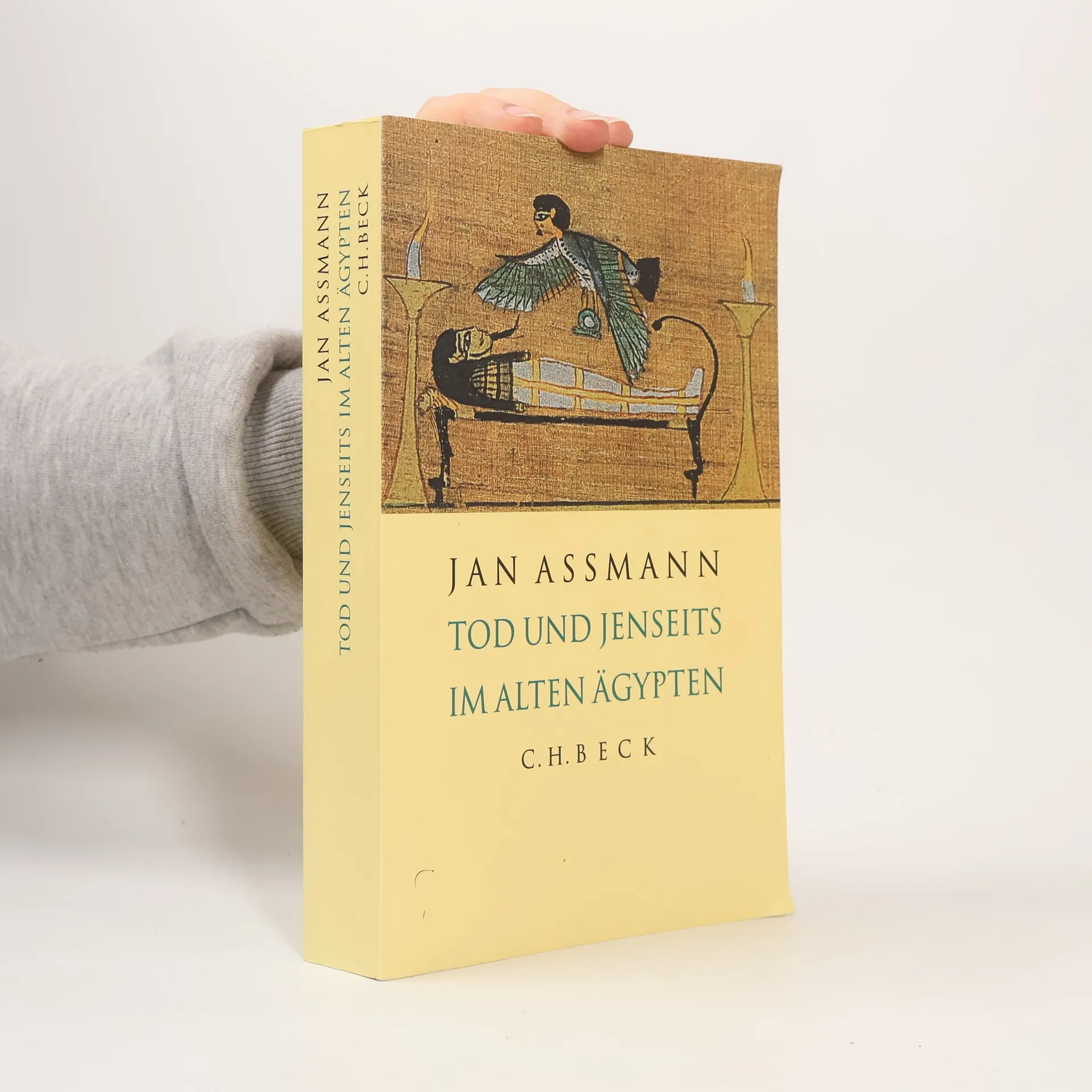
Tod und Jenseits im Alten Ägypten
- 640 pages
- 23 hours of reading
Im ersten Teil des Werkes werden neun verschiedene Todesbilder beschrieben: Der Tod als Zerrissenheit des Körpers, als soziale Isolation, die Idee des Totengerichts, Leichnam, Mumie, Seele und Ahnengeist des Toten, der Tod als Trennung und Übergang, als Heimkehr und als Geheimnis kommen hier zur Sprache. Der zweite Teil behandelt eine Auswahl von Riten, in denen solche Todesbilder in sprachliche und rituelle Handlung umgesetzt werden. Dabei ergeben sich von den Totenbildern und -riten aus immer wieder Einblicke in den Gesamtzusammenhang und die Eigenart der altägyptischen Kultur. „So erscheint uns Heutigen die ägyptische Totenreligion als das Unikum eines die gesamte Wirklichkeit bestimmenden, unendlich komplexen, differenzierten und in seinen extremen Formen geradezu abstrusen Phänomens. Dabei tritt hier nur auf eine freilich besonders elaborierte Weise in Erscheinung, was zu den typischen Formen des Totenglaubens gehört, und es ist eher unsere eigene Kultur, die mit ihrer Ab-, wenn nicht Ausblendung jeglichen Totenkults und ihrer allgemeinen Ausgrenzung des Todes aus der Kultur eine Ausnahme darstellt. Daher kann uns die Begegnung gerade mit der ägyptischen Totenreligion vor Augen führen, was wir aus dem Blick verloren haben.“ (Aus dem Vorwort)
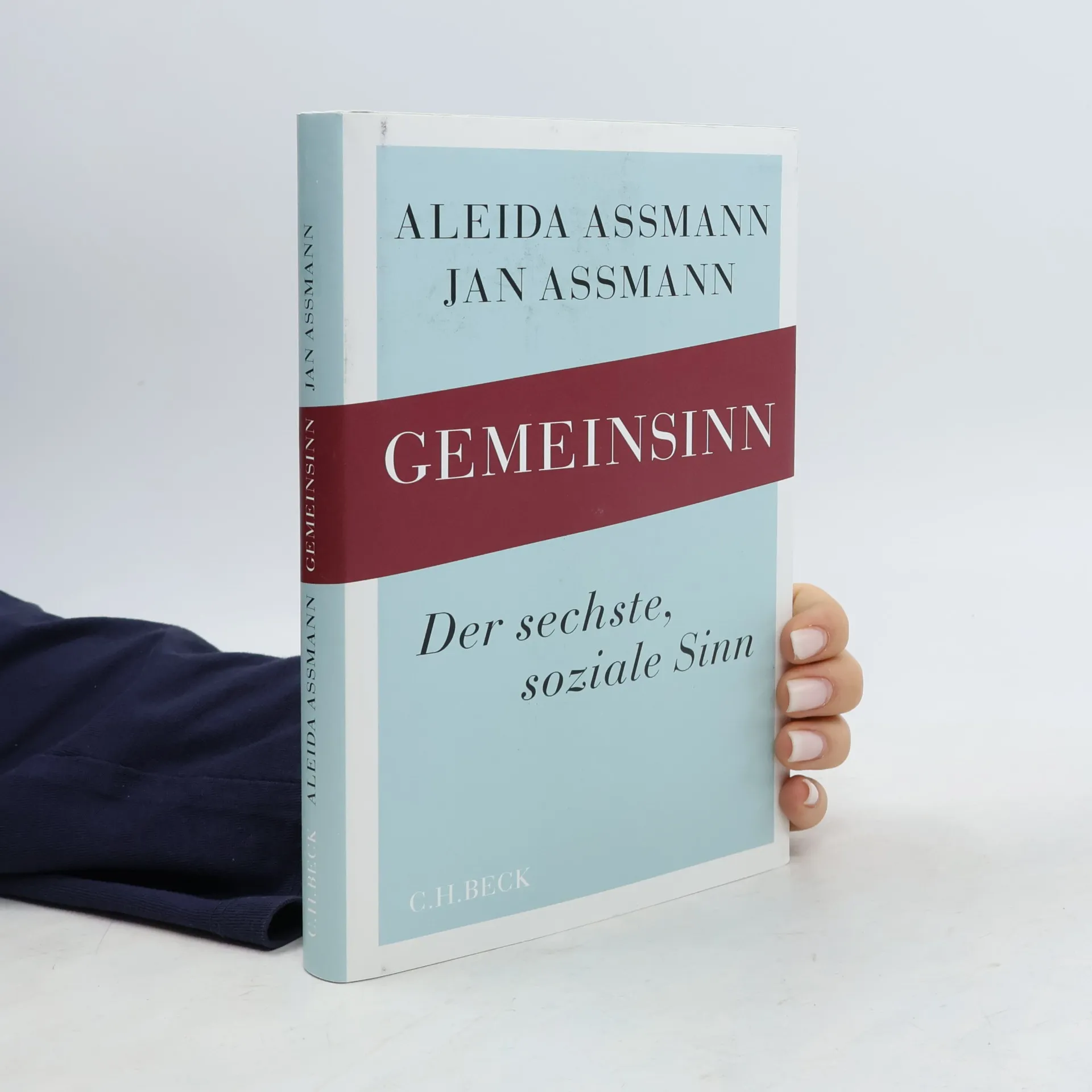
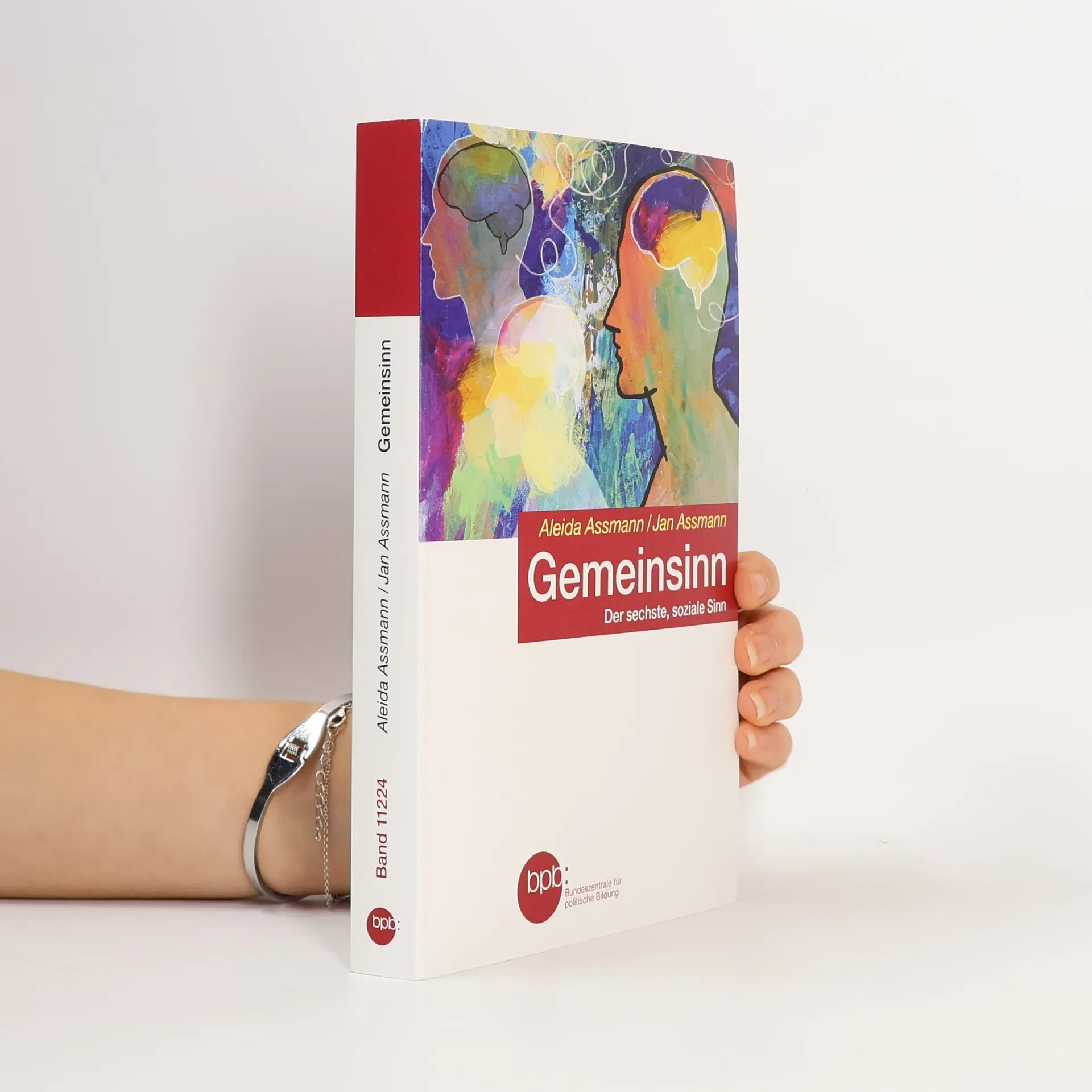
Gemeinsinn. Der sechste, soziale Sinn
- 262 pages
- 10 hours of reading
In ihrem Buch plädieren Aleida und Jan Assmann für mehr Gemeinsinn als sozialen Sinn, der Mitgefühl, Solidarität und Respekt fördert. Sie zeigen, dass universale Werte und der Respekt vor kulturellen Identitäten notwendig sind und dass zivilgesellschaftliches Engagement bestehende Strukturen verändern kann. Anhand ermutigender Beispiele erläutern sie die Bedeutung von Gemeinsinn für eine resiliente Demokratie.
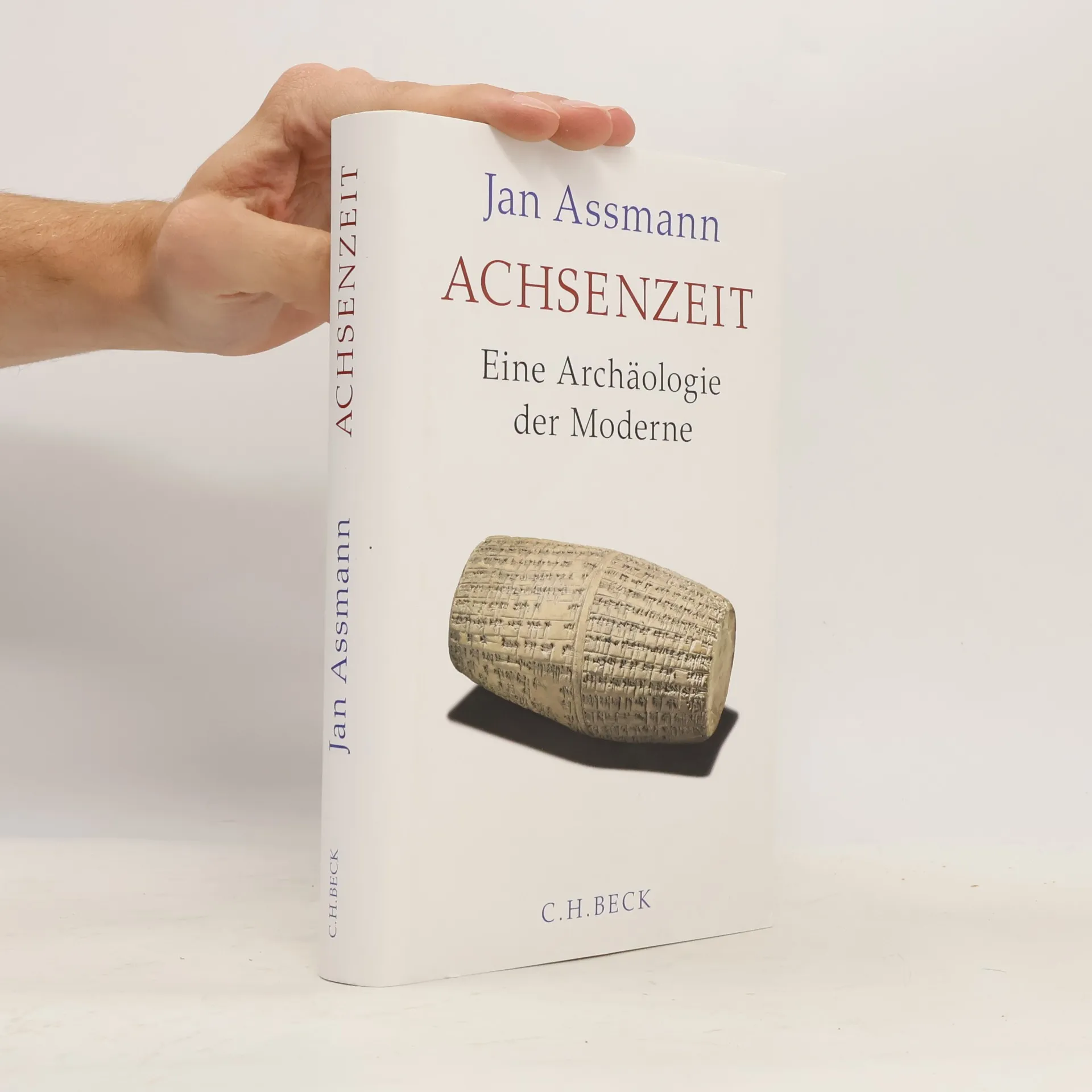
Friedenspreis des Deutschen Buchhandels für Aleida und Jan Assmann Um das 6. Jahrhundert v. Chr. traten in verschiedenen Kulturräumen der Welt unabhängig voneinander Philosophen und Propheten auf, die das bisherige mythische Denken überwanden: Konfuzius und Laotse in China, Buddha in Indien, Zarathustra in Persien, die Propheten des Alten Israel und die vorsokratischen Philosophen in Griechenland. Diese Zeit wurde von Karl Jaspers «Achsenzeit» genannt. Jan Assmann beschreibt, wie Historiker und Philosophen seit der Aufklärung die erstaunliche Gleichzeitigkeit der Achsenzeit-Kulturen erklärt und in der Achsenzeit die geistigen Grundlagen der Moderne gesucht haben. Die Annahme einer Achsenzeit der Weltgeschichte wurde so zu einem Gründungsmythos der Moderne. Sie hält einer historischen Überprüfung zwar nicht stand, wie das Buch anschaulich zeigt, aber an das damit verbundene Bestreben, eine eurozentrische Sicht auf die Geschichte zu überwinden, können wir bis heute anknüpfen.
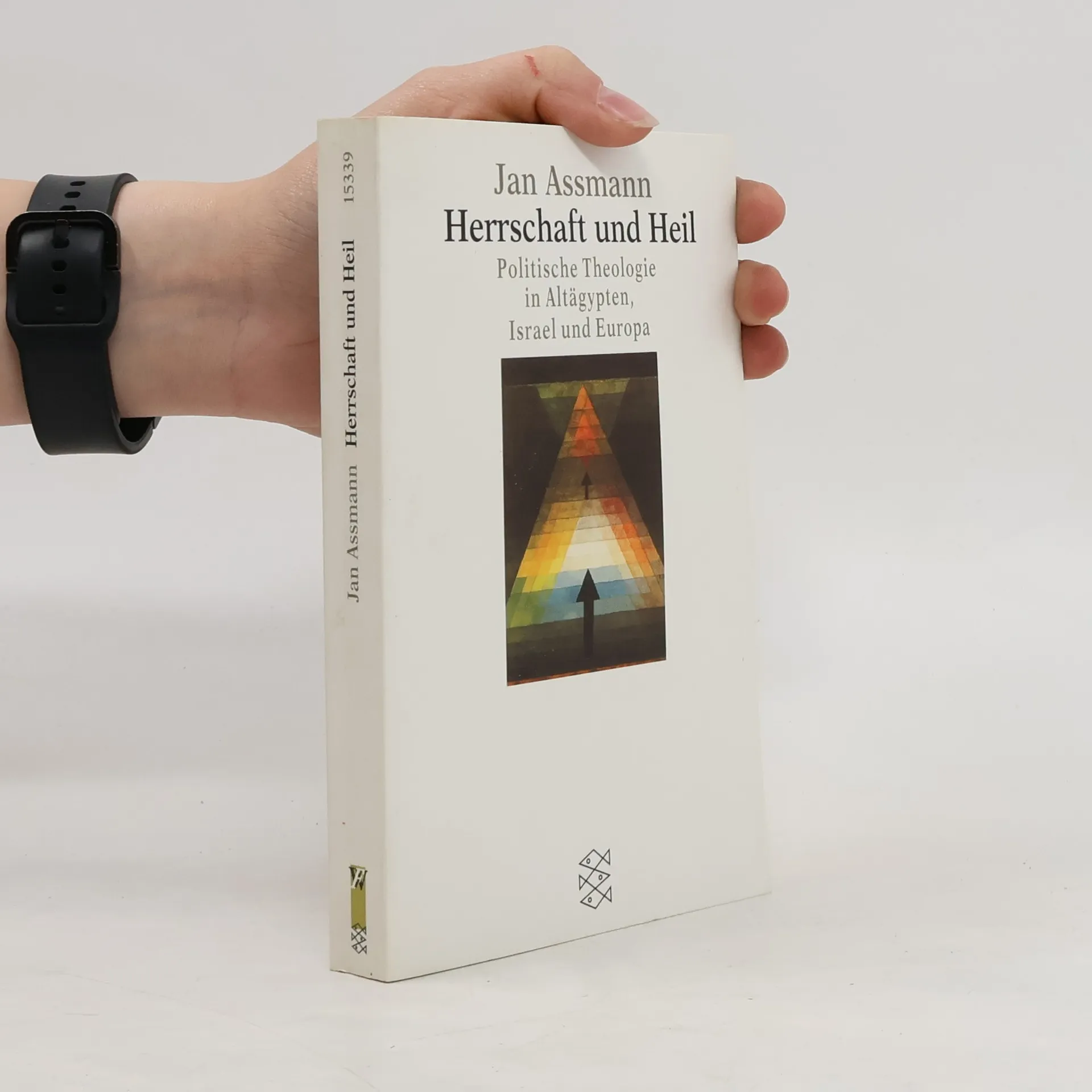
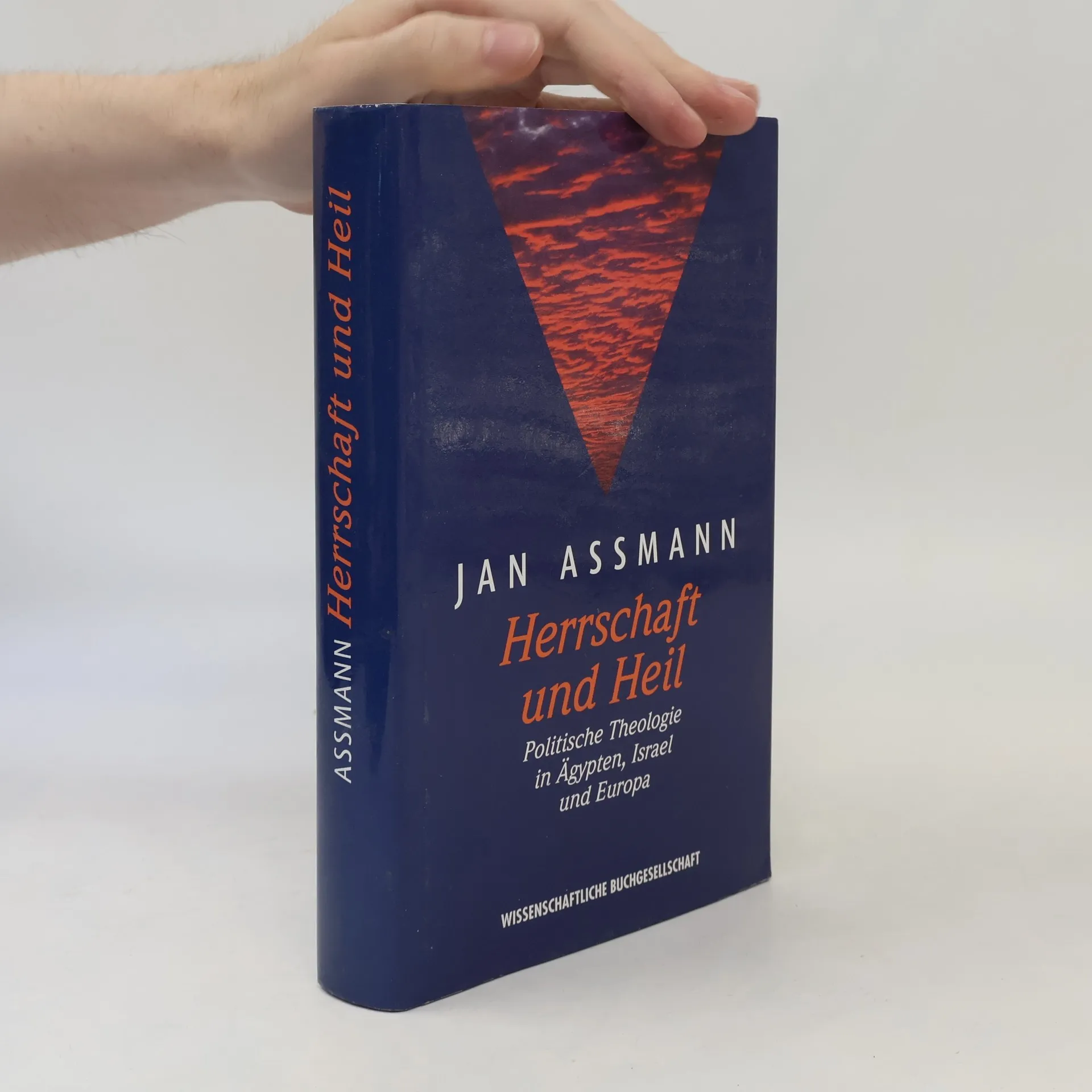
Herrschaft und Heil. Politische Theologie in Altägypten, Israel und Europa
- 339 pages
- 12 hours of reading
Jan Assmann, Ägyptologe und Kulturwissenschaftler, argumentiert, dass Religion aus dem Geist des Politischen hervorgeht, nicht umgekehrt. Seine Arbeit verbindet Ägypten und Ägyptologie mit unserer eigenen "Sinngeschichte", wie die Frankfurter Allgemeine Zeitung feststellt.
Moses Tragicus
Freud, Schönberg und der scheiternde Moses<br>Sigmund Freud Vorlesung 2019
In den frühen 1930er-Jahren widmen Sigmund Freud und Arnold Schönberg dem Thema Moses zentrale Werke, die den Kampf gegen Antisemitismus reflektieren. Freud beschreibt Moses' Scheitern in »Der Mann Moses und die monotheistische Religion«, während Schönberg dies in seiner Oper »Moses und Aron« thematisiert. Jan Assmann analysiert die zeitgenössischen Hintergründe.
Der Weg Europas von Agypten in die Gegenwart fuhrt uber drei Stufen der Auflosung einer ursprunglichen Einheit von Religion, Kultur und Staat: die Emanzipation der Religion im Fruhen Judentum, die Emanzipation der Kultur in Humanismus und Aufklarung und die Emanzipation des Staats aus der Allianz mit der Religion bzw. Kirche im Zuge der Sakularisierung. Jan Assmann zeichnet die wichtigsten Etappen dieser Entwicklung nach. Gegenuber Tendenzen, die sich nach der ursprunglichen Einheit zurucksehnen, fur die Agypten steht, pladiert Jan Assmann leidenschaftlich fur das Ideal des sakularen, freiheitlichen Staates, das Europa sich auf die Fahnen geschrieben hat. Eine wichtige Selbstvergewisserung in den aktuellen Debatten um den Weg Europas!
Der Blaue Reiter. Journal für Philosophie / Glauben
Philosophie der Religion
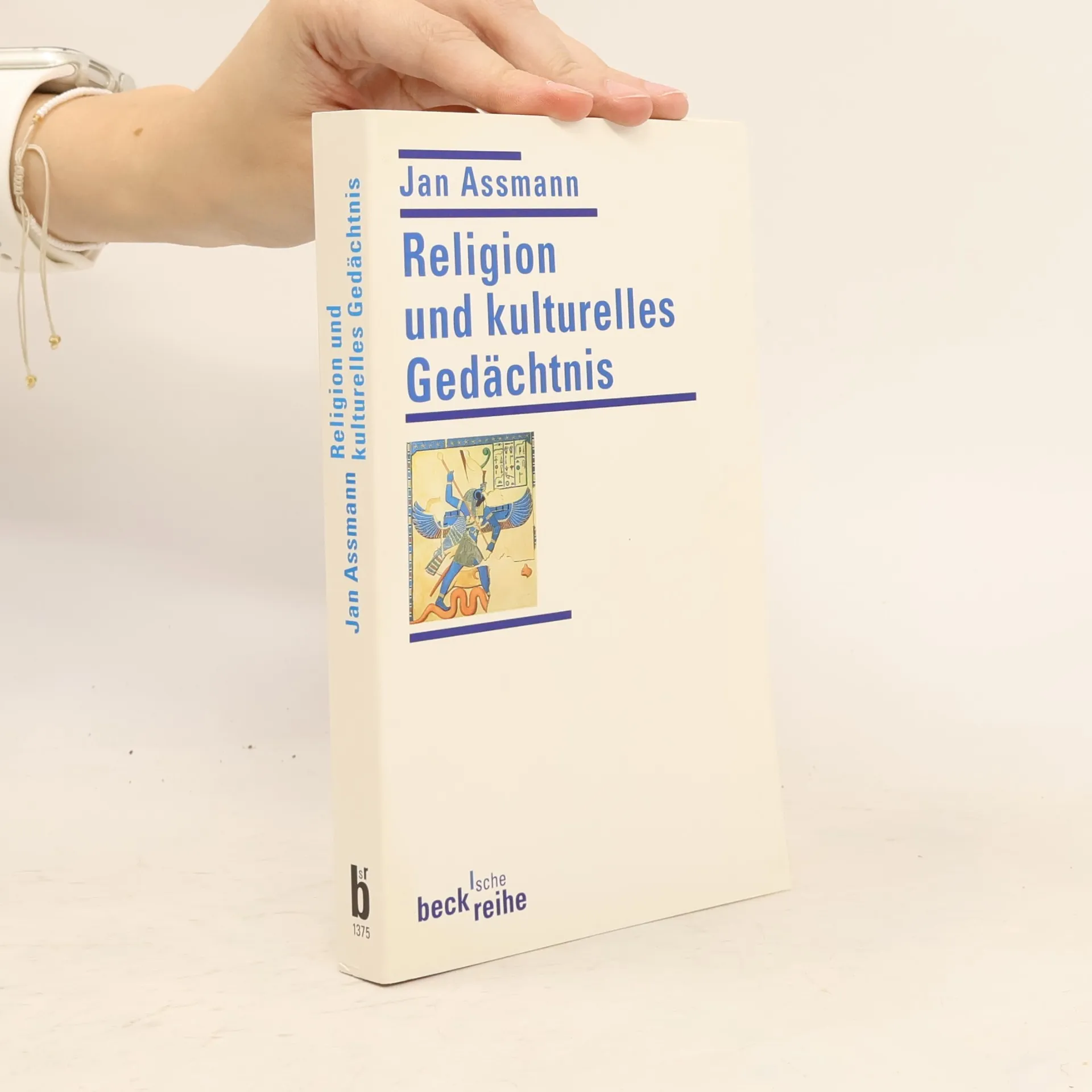
Religion und kulturelles Gedächtnis
- 256 pages
- 9 hours of reading
Religiöse Traditionen weisen eine bemerkenswerte Stabilität auf, da mündliche und schriftliche Überlieferungen über Jahrhunderte oder Jahrtausende nahezu unverändert bewahrt werden. Der Begriff des kulturellen Gedächtnisses ist entscheidend für das Verständnis dieser Dauerhaftigkeit, da er individuelle und kollektive Identität prägt. Jan Assmann untersucht in zehn brillanten Studien den Zusammenhang zwischen Religion und Gedächtnis, wobei seine Analysen nicht nur das Alte Ägypten, sondern auch die Geschichte des Judentums und die gesamte Gedächtnisgeschichte des Abendlandes umfassen. Er betrachtet Symbole, Riten, mündliche Überlieferung und Kanonbildung. Besondere Beachtung finden Sigmund Freuds Moses-Buch und Thomas Manns Josephs-Roman als bedeutende Beiträge zur Theorie des kulturellen Gedächtnisses. Jan Assmann, geboren 1938, ist Professor für Ägyptologie an der Universität Heidelberg und leitet seit 1978 ein Forschungsprojekt in Luxor. Er hat als Gastprofessor in Paris, Yale und Jerusalem gelehrt und erhielt 1998 den Preis des Historischen Kollegs. Zu seinen weiteren veröffentlichten Werken zählen Titel über Gerechtigkeit und Unsterblichkeit im Alten Ägypten sowie über politische Identität in frühen Hochkulturen.
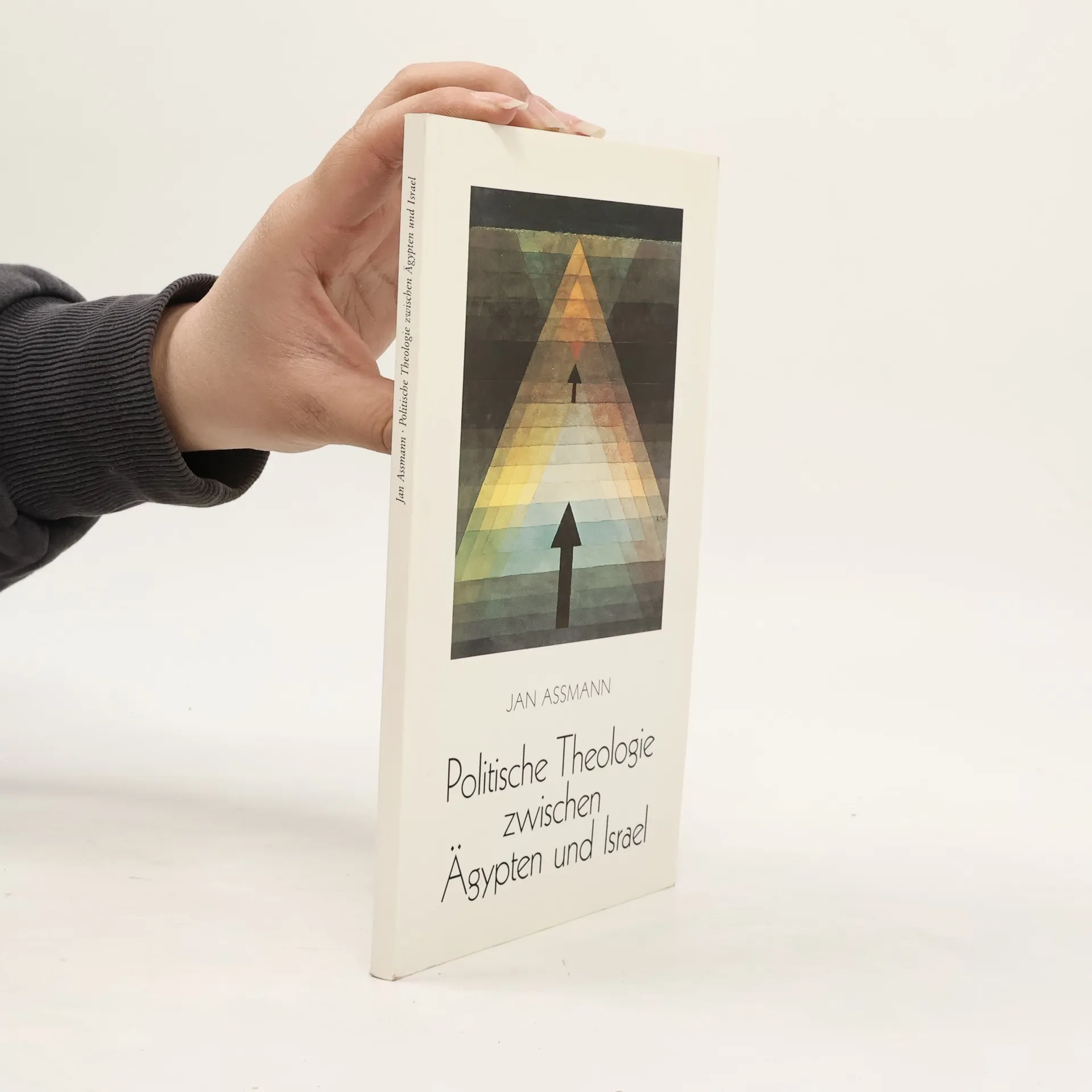
Politische Theologie zwischen Ägypten und Israel
- 137 pages
- 5 hours of reading
“Tief ist der Brunnen der Vergangenheit”. Wenn irgendwo, dann trifft dieser Satz Thomas Manns auf die altägyptische Religion zu, deren Ursprünge in der Steinzeit liegen. Die Pyramidentexte aus dem 3. Jahrtausend bilden das älteste religiöse Textkorpus der Menschheitsgeschichte. Viele dieser Texte aber waren bis in die römische Kaiserzeit in Gebrauch, so daß noch das Abendland in seinen griechischen und lateinischen Anfängen in diese Brunnentiefe blicken konnte. Herodot meinte, daß die griechischen Götter aus Ägypten stammten. Auch die biblische Überlieferung läßt Israel aus Ägypten hervorgehen, aber nicht im Sinne des Ursprungs, sondern der Konversion. Aus Ägypten mußte ausgezogen werden, um in den Monotheismus einzuziehen. Im Unterschied zur biblischen Offenbarungsreligion läßt sich die ägyptische Religion als eine “Geheimnisreligion” bezeichnen. Das Geheimnis gilt hier als der Inbegriff des Heiligen und das Heilige als Inbegriff des Geheimnisvollen. Die Aufsätze dieses Bandes sind aus jahrzehntelangen Forschungen erwachsen und wollen die ägyptische Welt in Nahaufnahmen sichtbar werden lassen.
Mythos Tutanchamun
- 104 pages
- 4 hours of reading
"Der Begriff "Altägyptische Literatur" ist vieldeutig und der Umfang der damit bezeichneten Texte wird in fast jeder einschlägigen Veröffentlichung anders bestimmt." Mit diesen Worten umschrieb Jan Assmann ein Problem der Ägyptologie. Eberhard Otto, dessen Andenken dieser Band gewidmet ist, hat sich den damit verbundenen Fragen in seiner Lehr- und Forschungstätigkeit in besonderem Maße verbunden gefühlt. Ein Seminar, das ihm durchzuführen nicht mehr vergönnt war, hatte er unter dem Titel der Gedenkschrift angekündigt. Sein letzter Aufsatz, der hier veröffentlicht wird, ist ebenfalls diesem Thema gewidmet. Dreißig Wissenschaftler, Ägyptologen, Koptologen, Demotisten und Alttestamentler stellen hier anhand von Material aus allen Perioden der ägyptischen Literaturgeschichte uns aus einer Vielzahl von Traditionsbereichen Fragen an die ägyptische Literatur und geben damit der Diskussion darüber anregende Denkanstöße.
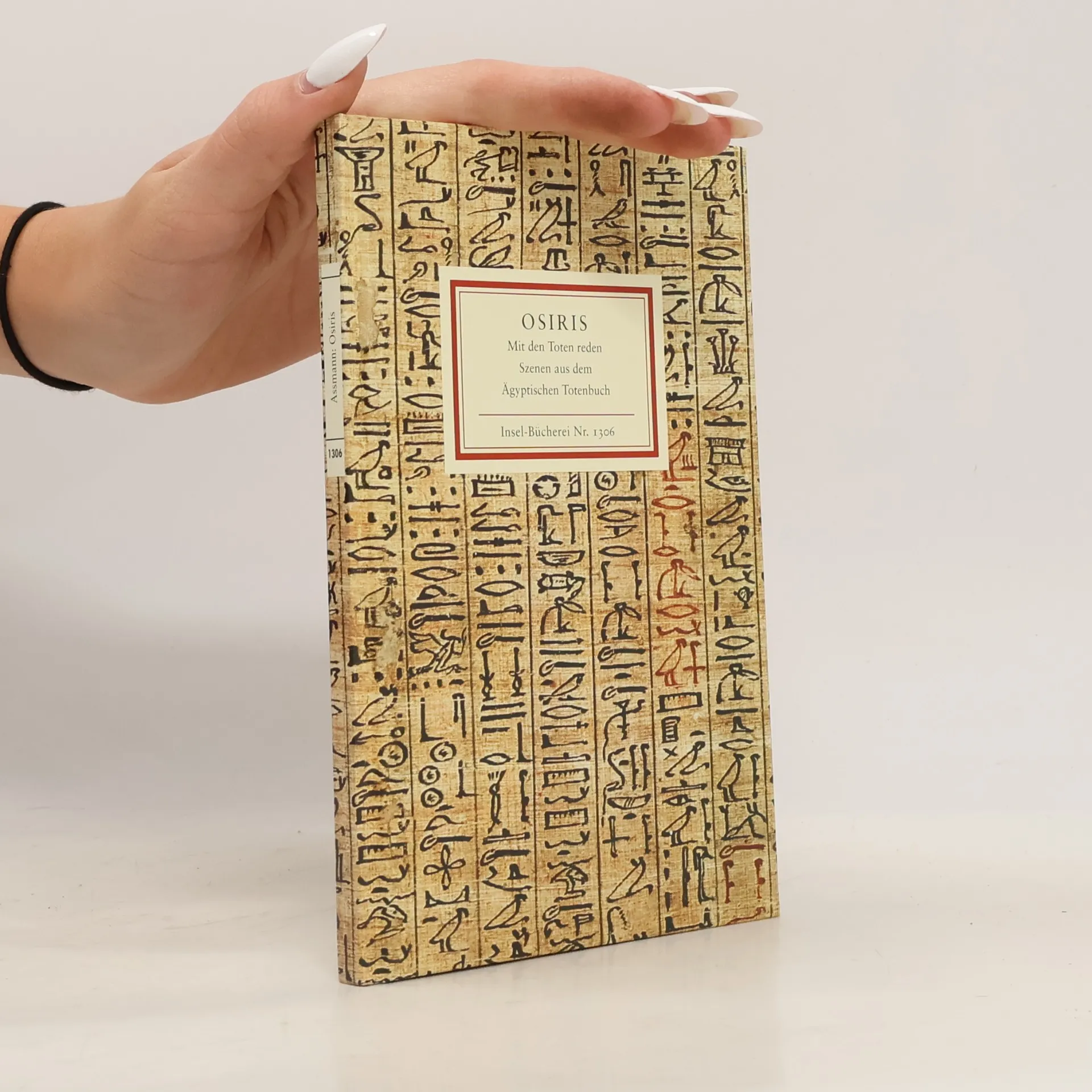
Die Ägypter gaben ihren Verstorbenen Texte mit ins Grab, um ihnen die jenseitige Existenz zu erleichtern. So entstand das ägyptische Totenbuch. Und sie setzten die Sprache ein als Mittel wiederbelebender Evokation: Mit den Toten reden – das ist die ägyptische Form, den Tod zu verarbeiten. Der weltweit bekannte Ägyptologe und Kulturwissenschaftler Jan Assmann hat Quellen, die in das dritte und zweite vorchristliche Jahrtausend zurückreichen, in eine poetische Sprache übersetzt und zu einer szenischen Handlung zusammengestellt, die sowohl den Osiris-Mythos nacherzählt als auch die zentralen Stationen des ägyptischen Totenrituals von der Mumifizierung des Leichnams über die »Rechtfertigung« im Totengericht bis zur Sarglegung ins Bild setzt. Aber auch in den beigegebenen Abbildungen aus Totenbüchern und Gräbern wird eine vergangene Kultur wieder lebendig und auf bewegende Weise faßbar.
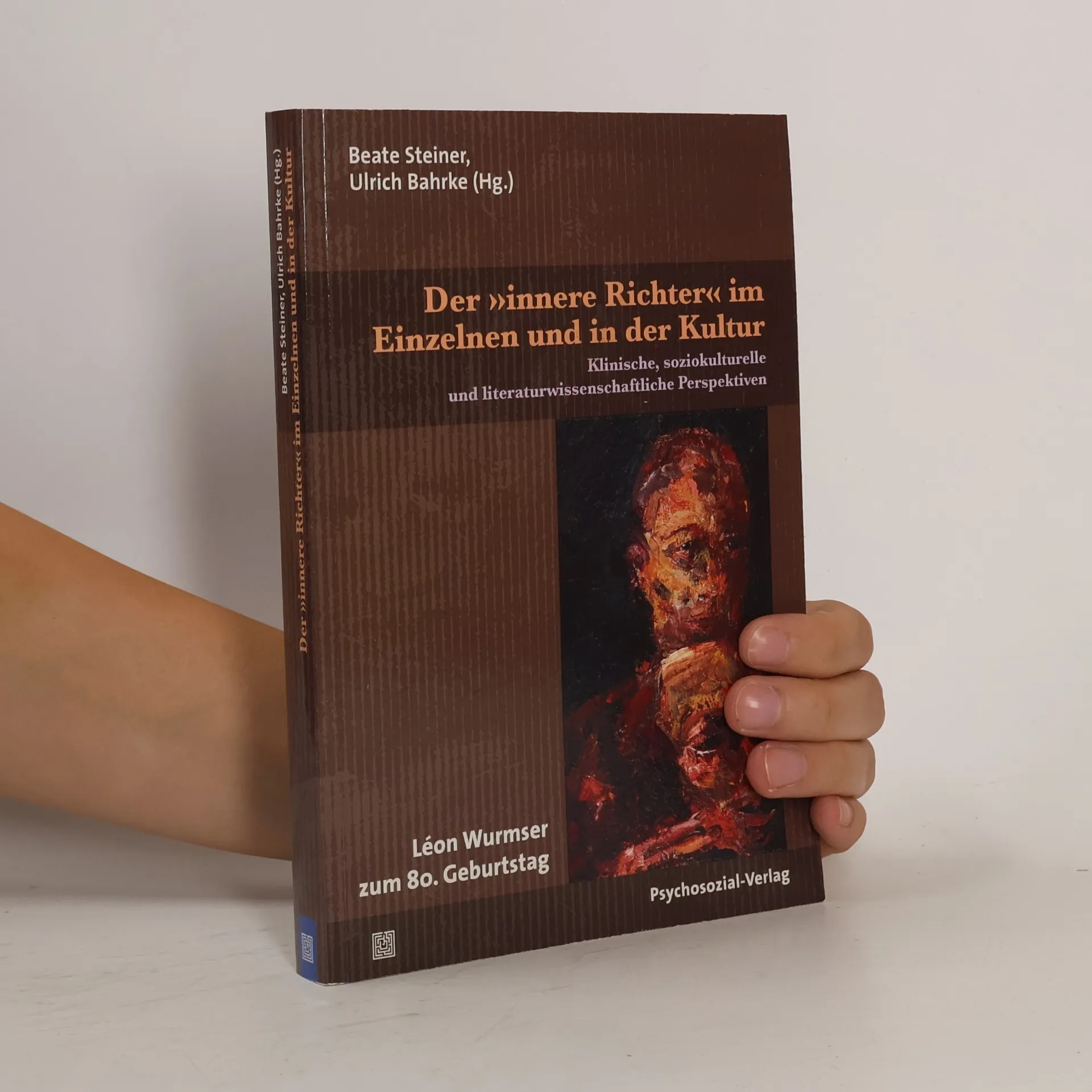
Der »innere Richter« im Einzelnen und in der Kultur
Klinische, soziokulturelle und literaturwissenschaftliche Perspektiven / Léon Wurmser zum 80. Geburtstag
- 254 pages
- 9 hours of reading
Eine der zentralen psychoanalytischen Grundannahmen Sigmund Freuds ist das Über-Ich. Dieses Konzept des »inneren Richters« entwickelte Léon Wurmser in bedeutender Weise weiter, indem er Formen und Strukturen des Über-Ichs bis in die Verzweigungen philosophischer Erörterungen und kulturell-gesellschaftlicher Aspekte hinein darstellte. Diese Herangehensweise wird der Tatsache gerecht, dass Manifestationen des Über-Ichs – wie Scham- und Schuldgefühle, Ressentiments und Wiederholungszwänge – sowohl für klinische Behandlungen als auch für das Verständnis von Kulturphänomenen eine große Bedeutung haben. Die Autorinnen und Autoren beleuchten aus ihren jeweiligen Arbeits- und Forschungsfeldern heraus psychoanalytisch-klinische, soziokulturelle und literatur- und kulturwissenschaftliche Aspekte des »inneren Richters« und lassen die tragische Wahrheit der Konfliktnatur des Menschen aufscheinen. Mit Beiträgen von Jan Assmann, Bernd Deininger, Friedrich-Wilhelm Eickhoff, Jörg Frommer, Heidi Gidion, Beata Hammerich, Elisabeth Imhorst, Heidrun Jarass, Marion M. Oliner, Günter Reich, Beate Steiner, Martin Stern, Harald Strohm und Léon Wurmser
Sonne - Brennpunkt der Kulturen der Welt
- 226 pages
- 8 hours of reading
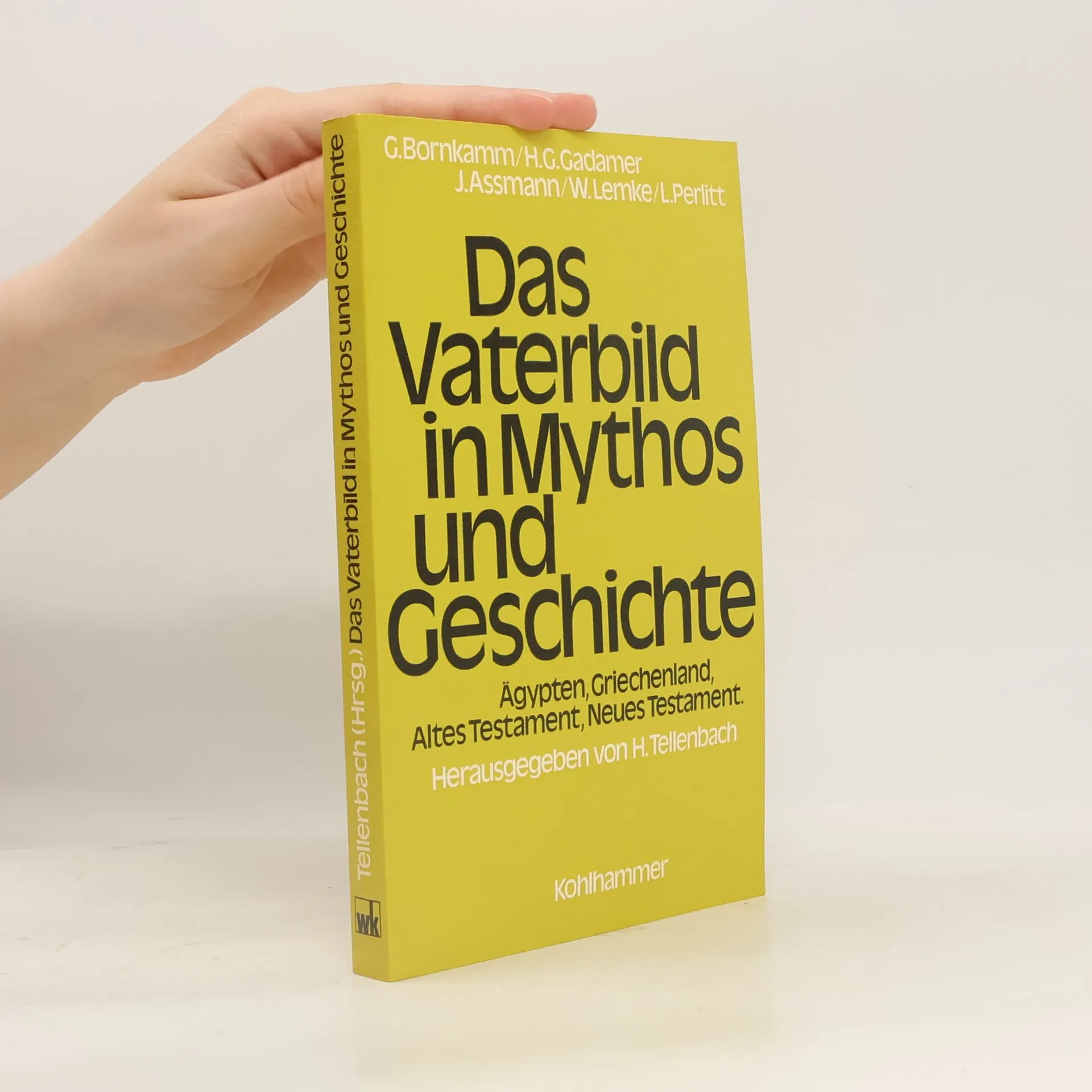
Das Vaterbild in Mythos und Geschichte
Ägypten, Griechenland, Altes Testament, Neues Testament
- 164 pages
- 6 hours of reading
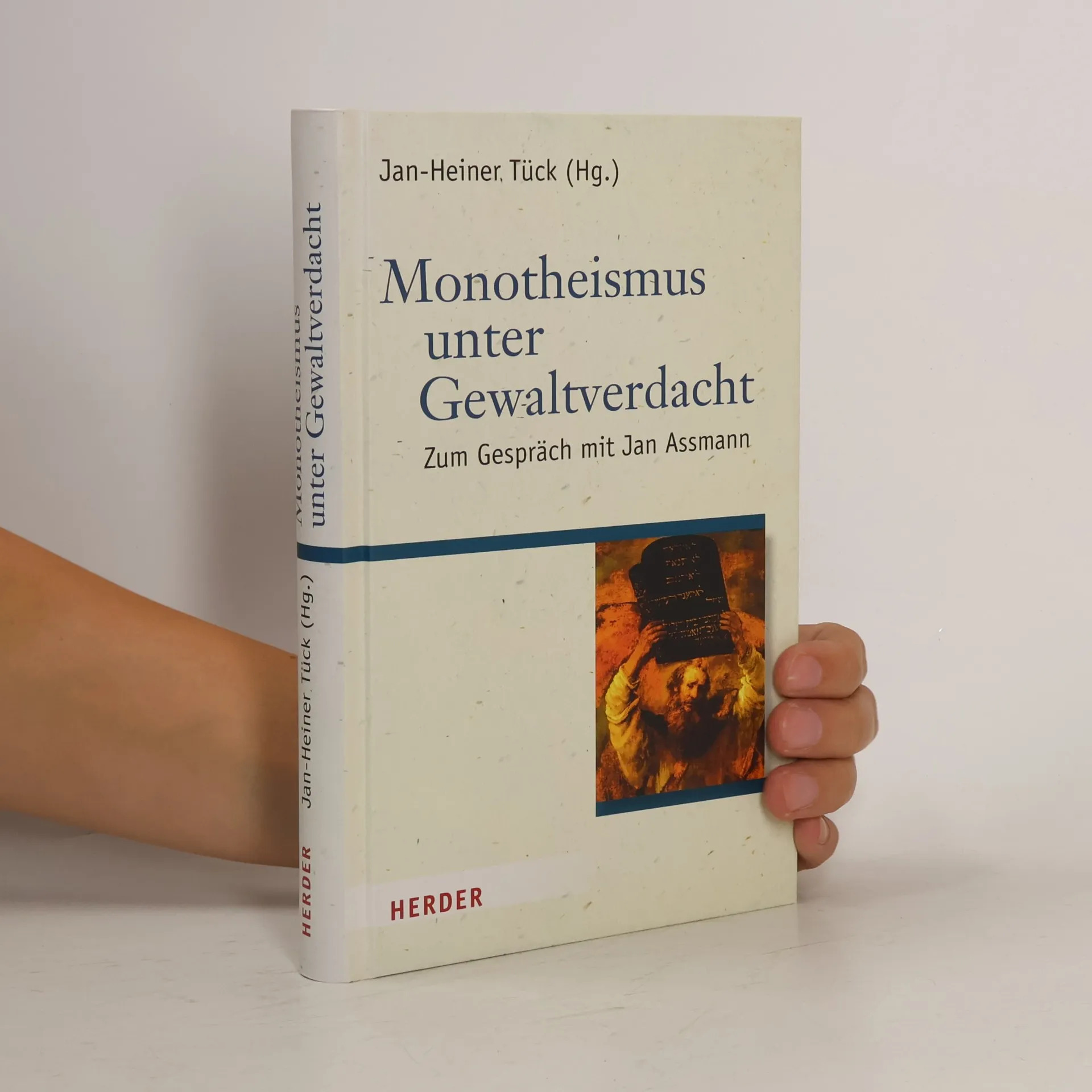
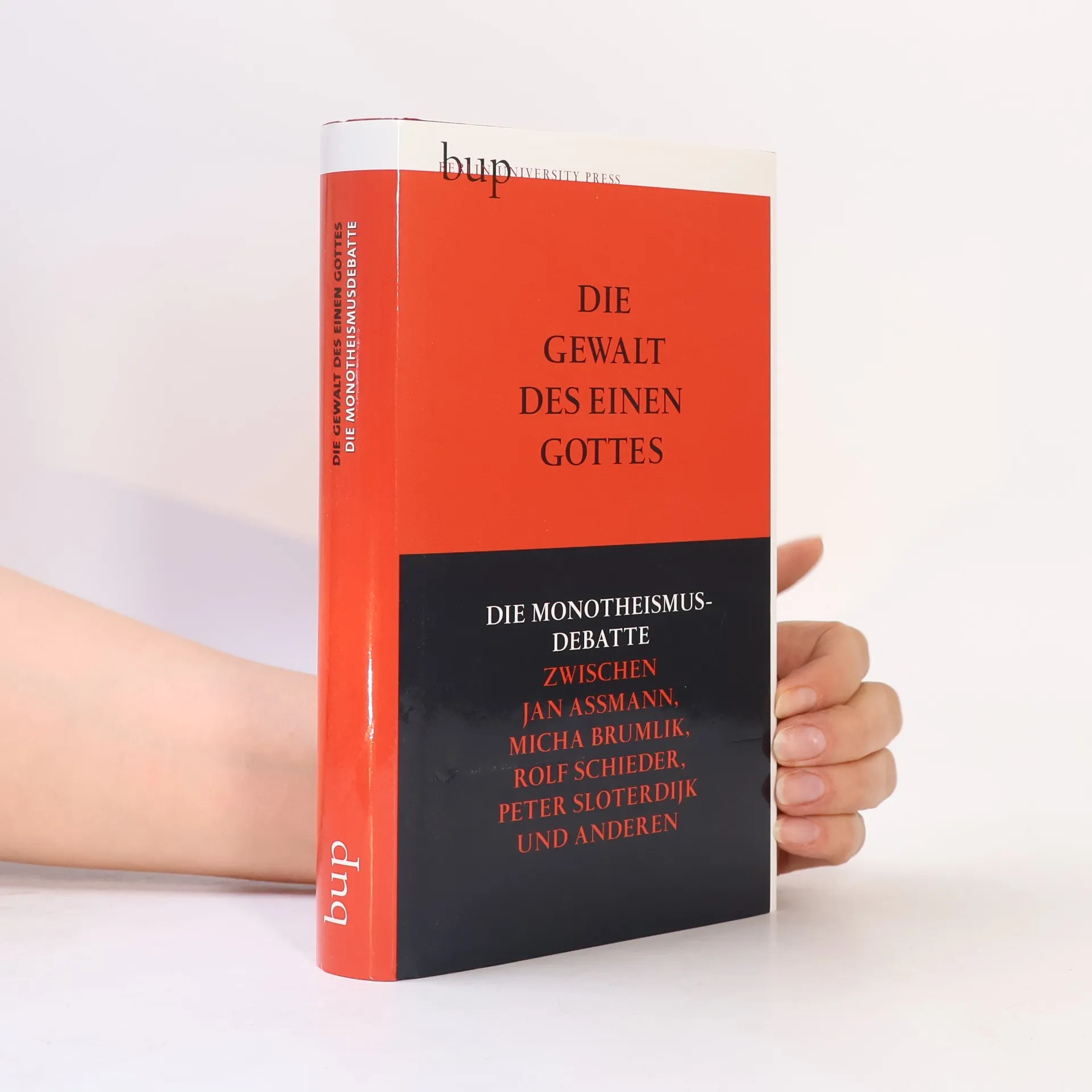
Die Gewalt des einen Gottes
Die Monotheismusdebatte zwischen Jan Assmann, Micha Brumlik, Rolf Schieder, Peter Sloterdijk und anderen
- 360 pages
- 13 hours of reading
Die Fronten zwischen Befürwortern der These, dass monotheistische Religionen notwendig gewaltbereit seine und deren Gegner schienen bis vor kurzem so verhärtet zu sein, dass mit Neuigkeiten aus dieser religionstheoretischen Kampfzone nicht gerechnet werden konnte. Doch nun gibt es Neuigkeiten zu vermelden. Es ist Bewegung in die Debattenlage gekommen. So erscheint es dem Monotheismuskritiker Peter Sloterdijk nicht mehr sinnvoll, das Gewaltproblem weiterhin vorrangig an einem religionstheoretischen Konstrukt namens > Monotheismus< festzumachen. Jan Assman weist seinerseits nachdrücklich darauf hin, dass ein eindimensionaler, monistischer Kosmotheismus ebenso problematisch sei wie ein eindimensionaler Monotheismus. Kritiker der Monotheismuskritiker konzedieren, dass das Sinai-Narrativ nicht nur für das Judentum, sondern auch für die religiöse und politische Kultur der westlichen Welt prägend geblieben ist. Das revolutionäre Potential des biblischen Gottes kann schwerlich geleugnet werden. Es gehört zu den bemerkenswerten Stärken der hier dokumentierten Monotheismusdebatte, dass die Autorinnen und Autoren über Fächer- und Konfessionsgrenzen hinweg aufeinander hörten und gerade dadurch ihre Position profilieren konnten.
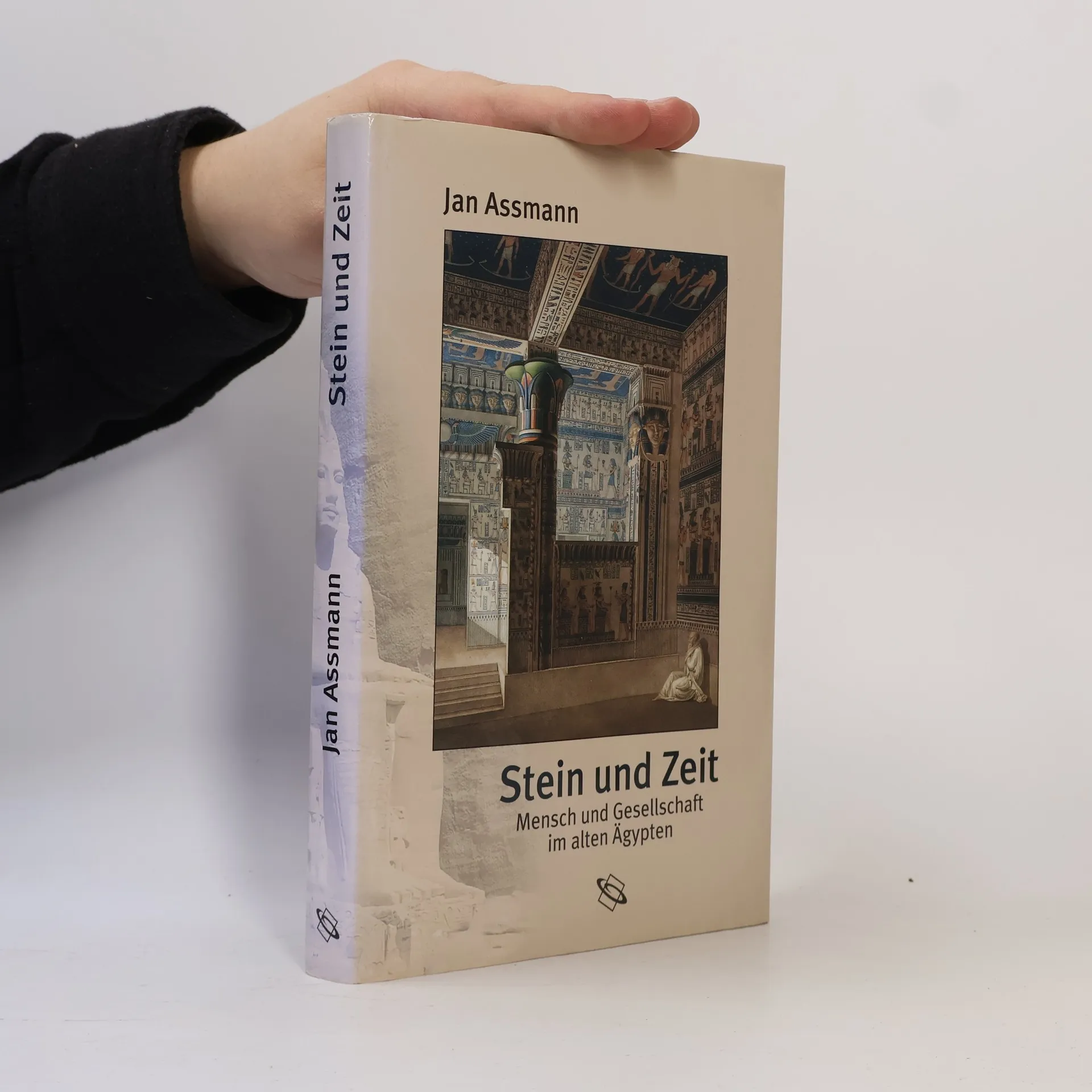
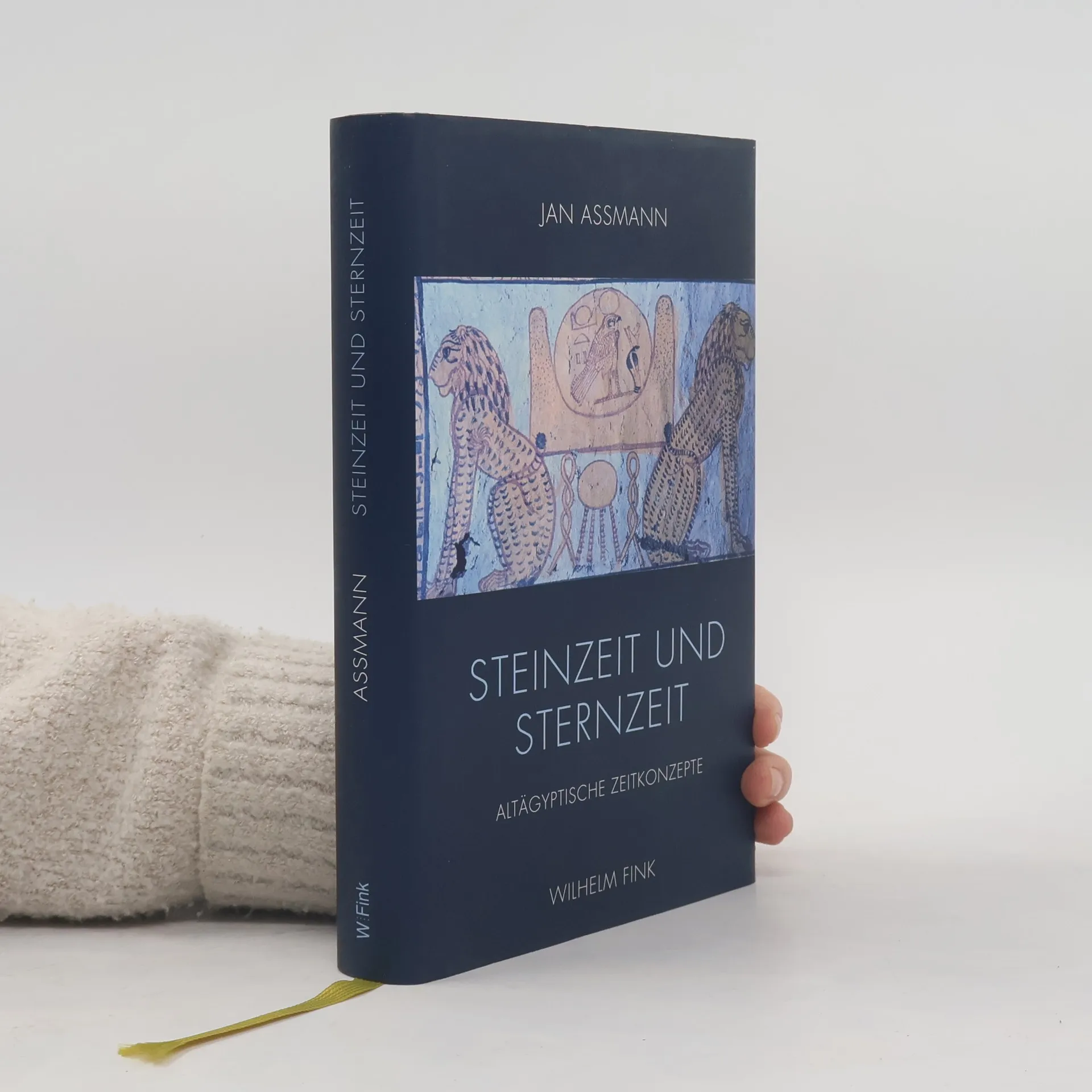
Stein und Zeit
Mensch und Gesellschaft im alten Ägypten
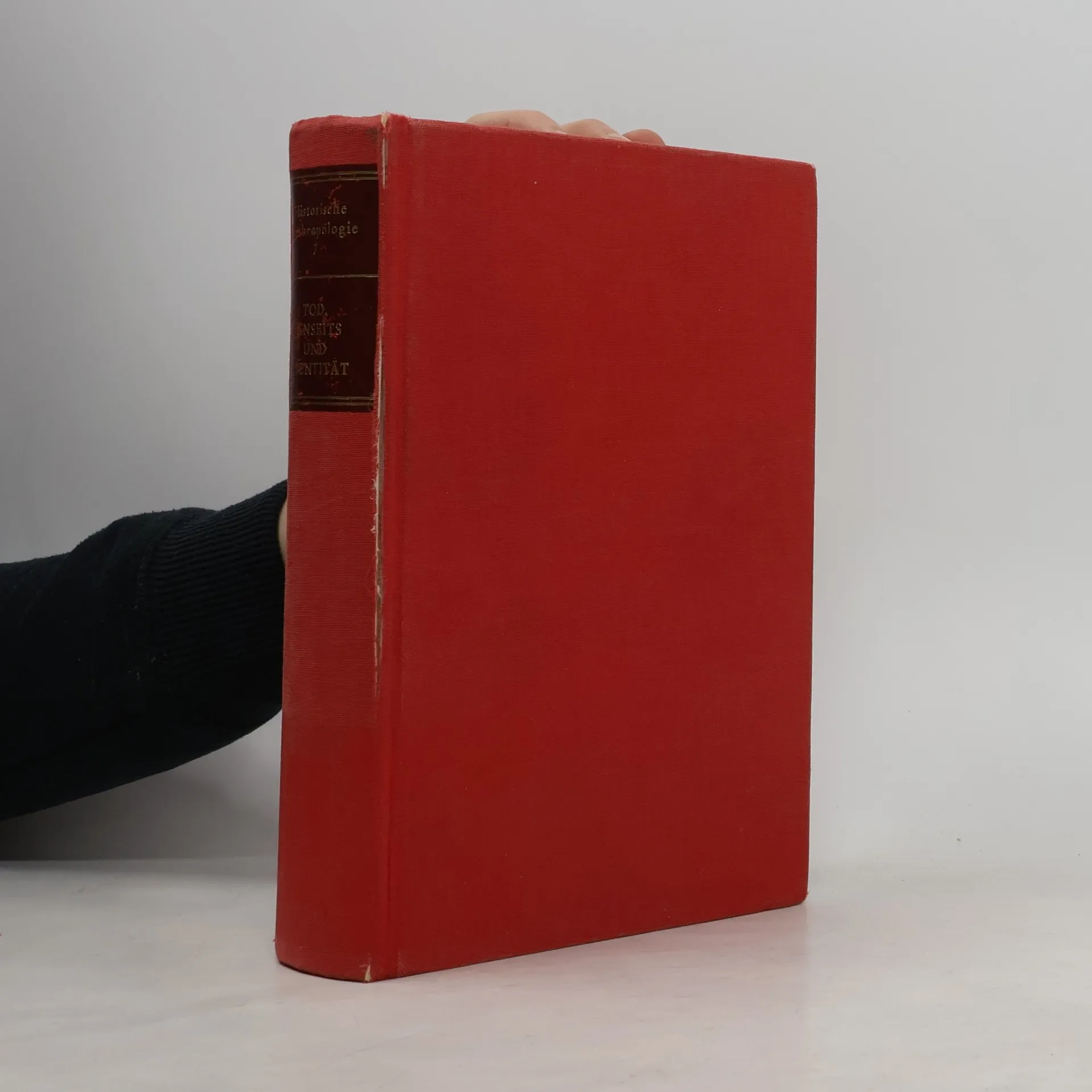
Historische Anthropologie - 7: Tod, Jenseits und Identität
- 831 pages
- 30 hours of reading
Der ägyptische Zeitbegriff weist zwei Besonderheiten auf: Es existieren nicht nur zwei Begriffe für ›Zeit‹, sondern diese können auch sowohl mit ›Zeit‹ als auch mit ›Ewigkeit‹ übersetzt werden. Diese Begriffe erfassen die Zeit in ihrer Gesamtheit und Fülle. Jan Assmann untersucht diesen dualen Zeit/Ewigkeitsbegriff in zwei Schritten. Im ersten, systematischen Teil leitet er die Zweiteilung der Zeit aus dem ägyptischen Verbalsystem ab, das sich nicht auf die drei Zeitstufen Vergangenheit, Gegenwart und Zukunft bezieht, sondern auf die Aspekte Imperfektiv und Perfektiv (unabgeschlossen und abgeschlossen). Diese Aspekte werden mit verschiedenen Symbolisierungen und Personifikationen verknüpft. Die eine Zeit, die unendlich in sich kreisende Bewegung darstellt, ist die »Sternzeit«, die Zeit des Sonnengottes, während die andere, die unwandelbare Dauer, die »Steinzeit« des Osiris ist. Im zweiten, historischen Teil analysiert Assmann den Wandel des ägyptischen Zeitdenkens in der zweiten Hälfte des 2. Jahrtausends v. Chr. Die Sternzeit, die aus der Sonnenbewegung resultiert, wird zunehmend mit Schicksal und Geschichte gefüllt. Die Zeit, das menschliche Leben und das Schicksal des Landes werden als »in Gottes Händen« gedacht. Der dritte Teil behandelt die Unterscheidung und den Zusammenhang von linearer und zyklischer Zeit sowie von Irreversibilität und Reversibilität anhand der Vorstellungen vom Ende.
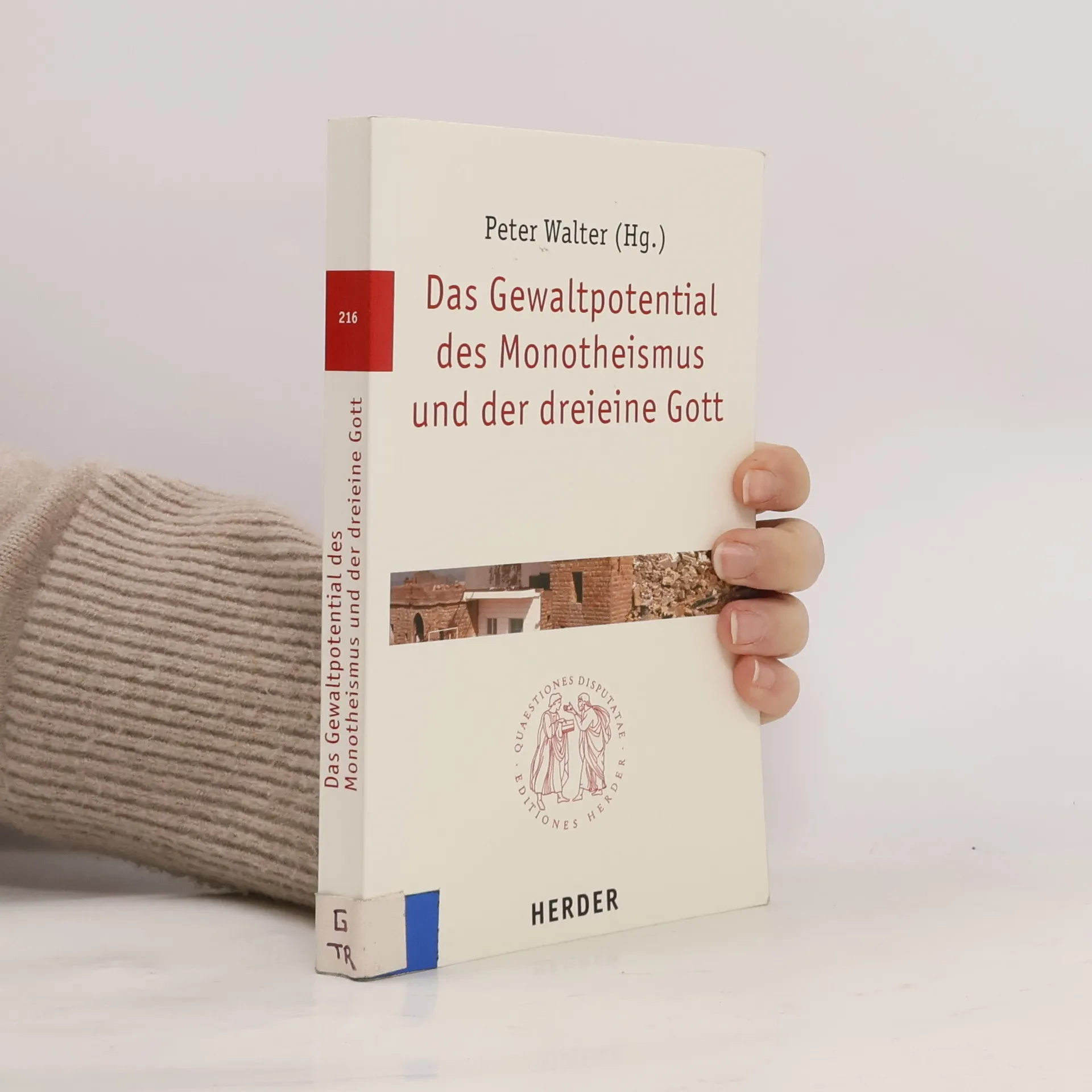
Quaestiones Disputatae - 216: Das Gewaltpotential des Monotheismus und der dreieine Gott
- 231 pages
- 9 hours of reading
Die Frage nach dem Gewaltpotential des Monotheismus, die von dem Heidelberger Ägyptologen Jan Assmann angestoßen wurde, interessiert keineswegs nur akademische Zirkel. Die mörderischen Attentate vom 11. September 2001 haben eine breite gesellschaftliche Diskussion über die angebliche Unduldsamkeit des Judentums, des Christentums und des Islam, ausgelöst. Vertreter der katholischen Theologie sowie der französische, Literaturwissenschaftler René Girard versuchen einerseits, das Profil des spezifisch christlichen Monotheismus zu schärfen und anderseits zu zeigen, dass das biblische Gottesbild nicht auf die Zeugung von Gewalt, sondern auf deren Überwindung angelegt ist.
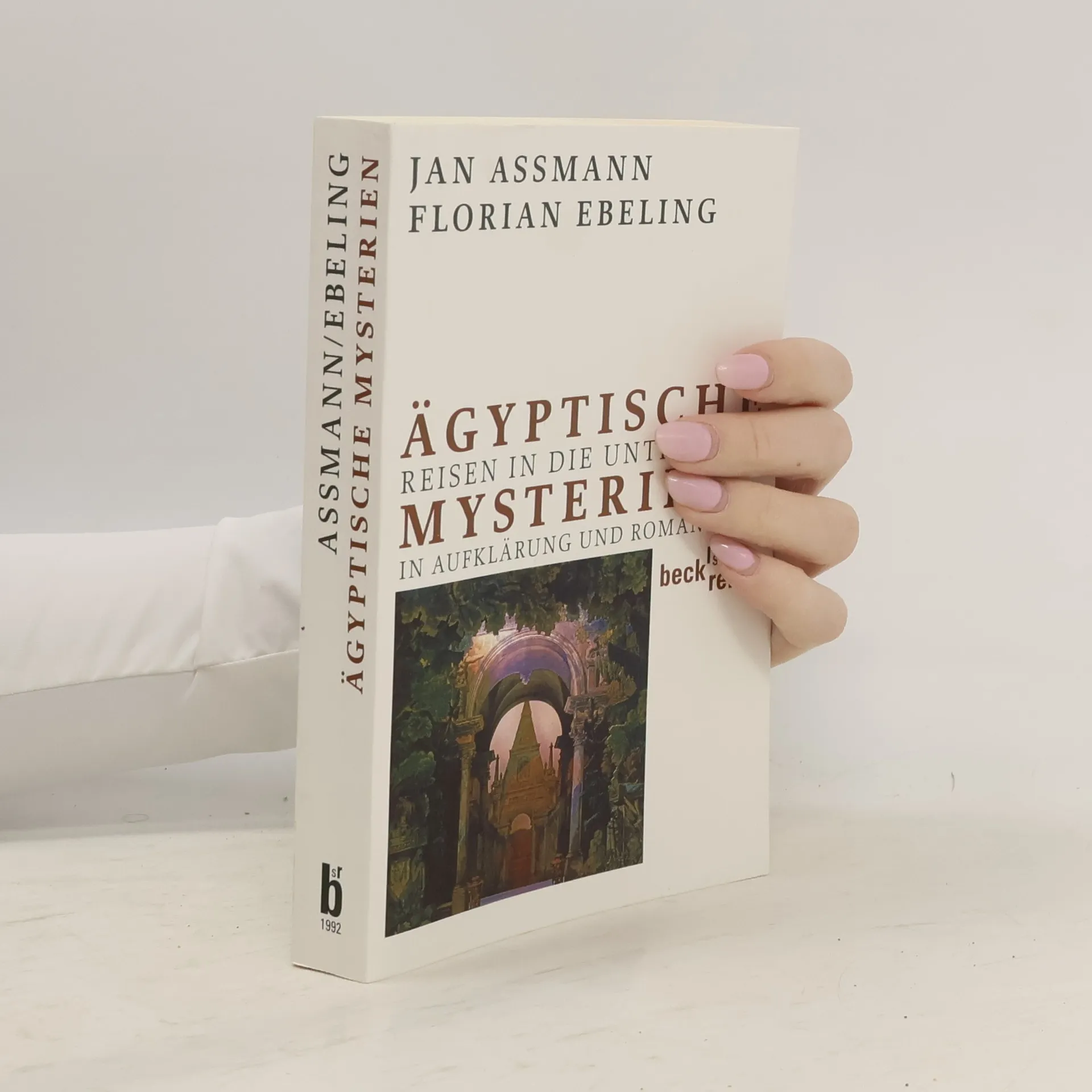
Beck'sche Reihe: Ägyptische Mysterien
Reisen in die Unterwelt in Aufklärung und Romantik: eine kommentierte Anthologie
- 348 pages
- 13 hours of reading
Unterweltsreisen sind ein zentrales Thema der abendländischen Literatur, von Homer und Vergil bis zu James Joyce und Thomas Mann. Gerade im 18. und frühen 19. Jahrhundert war das Thema beliebt: Die Aufklärung organisierte sich unter den Bedingungen politischer und kirchlicher Zensur in der Form der Geheimgesellschaft und erblickte in den antiken, insbesondere ägyptischen Mysterien ihr Vorbild. Die kurzweiligen und spannenden Schilderungen von Unterweltsreisen, die Jan Assmann und Florian Ebeling in diesem Band versammeln und erläutern, beeindrucken bis heute durch die suggestiven Bilder von einer Gegenwelt, deren Erlebnis überhaupt erst wahres Menschsein ermöglichen soll.
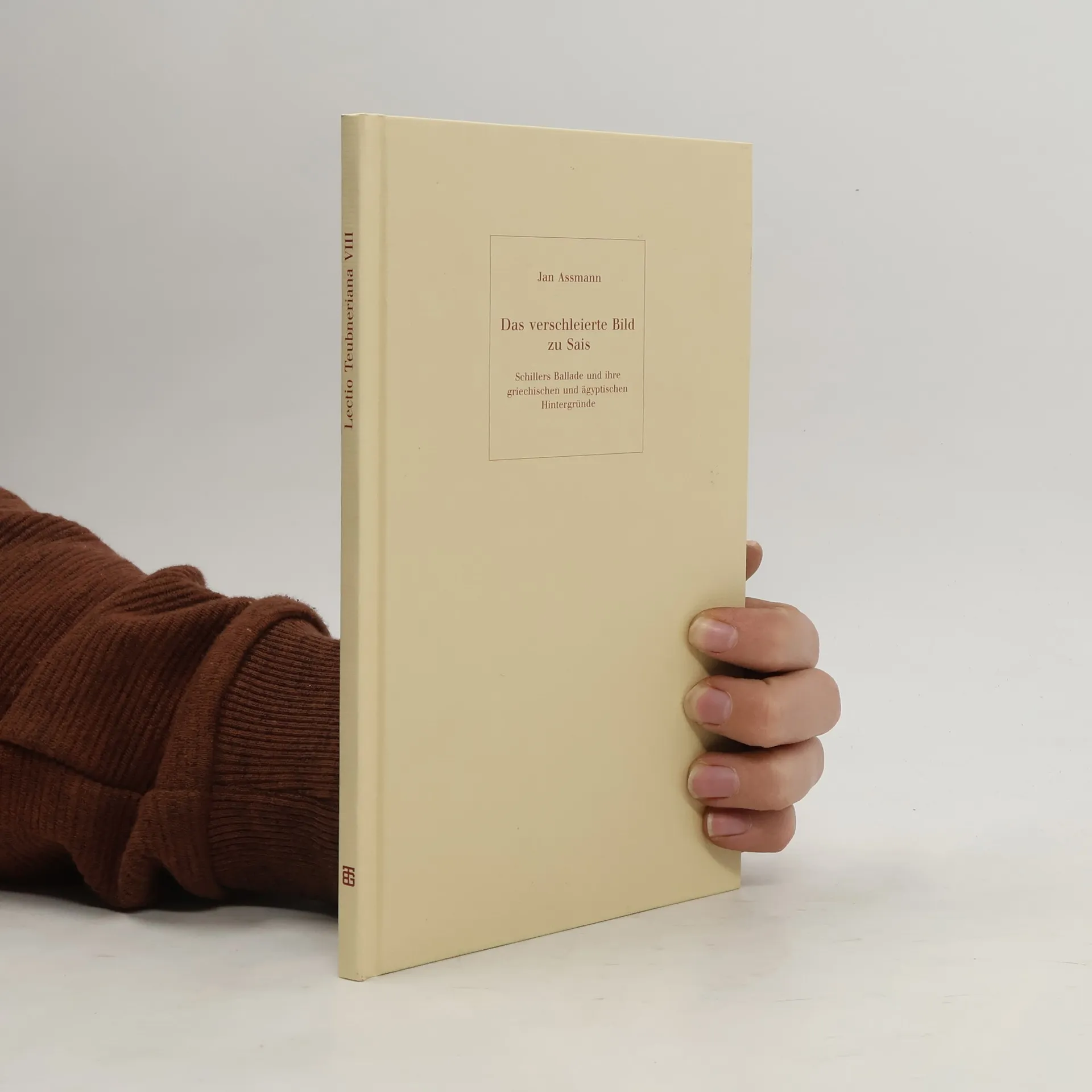
Lectio Teubneriana VIII
Das verschleierte Bild zu Sais Schillers Ballade und ihre ägyptischen und griechischen Hintergründe
- 71 pages
- 3 hours of reading
Schillers Ballade von 1795 behandelt ein ägyptisierendes Motiv: die Mysterien der Isis und die "ägyptische Einweihung". Die Handlung der Ballade ist Schillers eigene Erfindung, die auf der Kombination verschiedener klassischer Stellen beruht. Ägyptische Stoffe spielen sonst kaum eine Rolle in Schillers Werk. Die lectio versucht zu zeigen, daß das "verschleierte Bild zu Sais" für Schiller eine Allegorie des Erhabenen ist, das unlöslich verbunden ist mit den Ideen des Geheimnisvollen und der Initiation. In seiner Ballade greift er zurück auf seinen Essay von 1789 "Die Sendung Moses", worin er die ägyptische Gottesidee des anonymen All-Einen behandelt, eine geheimnisvolle, all-umgreifende und all-durch-drungene Macht, die nur die Allerwenigsten und nur nach jahrzehntelanger Initiation zu erfassen imstande sind. Sowohl dieser pantheistisch-deistische Gottesbegriff als auch die Idee einer "ägyptischen Einweihung" sind griechische Konstruktionen ägyptischer Religion, die jedoch teilweise auf authentischen ägyptischen Vorstellungen basieren. Manche der ägyptisierenden Ideen, die in den 80er und 90er Jahren des 18. Jahrhunderts die europäische Aufklärung faszinierten, lassen sich über Rom und Griechenland hinaus auf Alexandria, Memphis und Theben zurückführen.
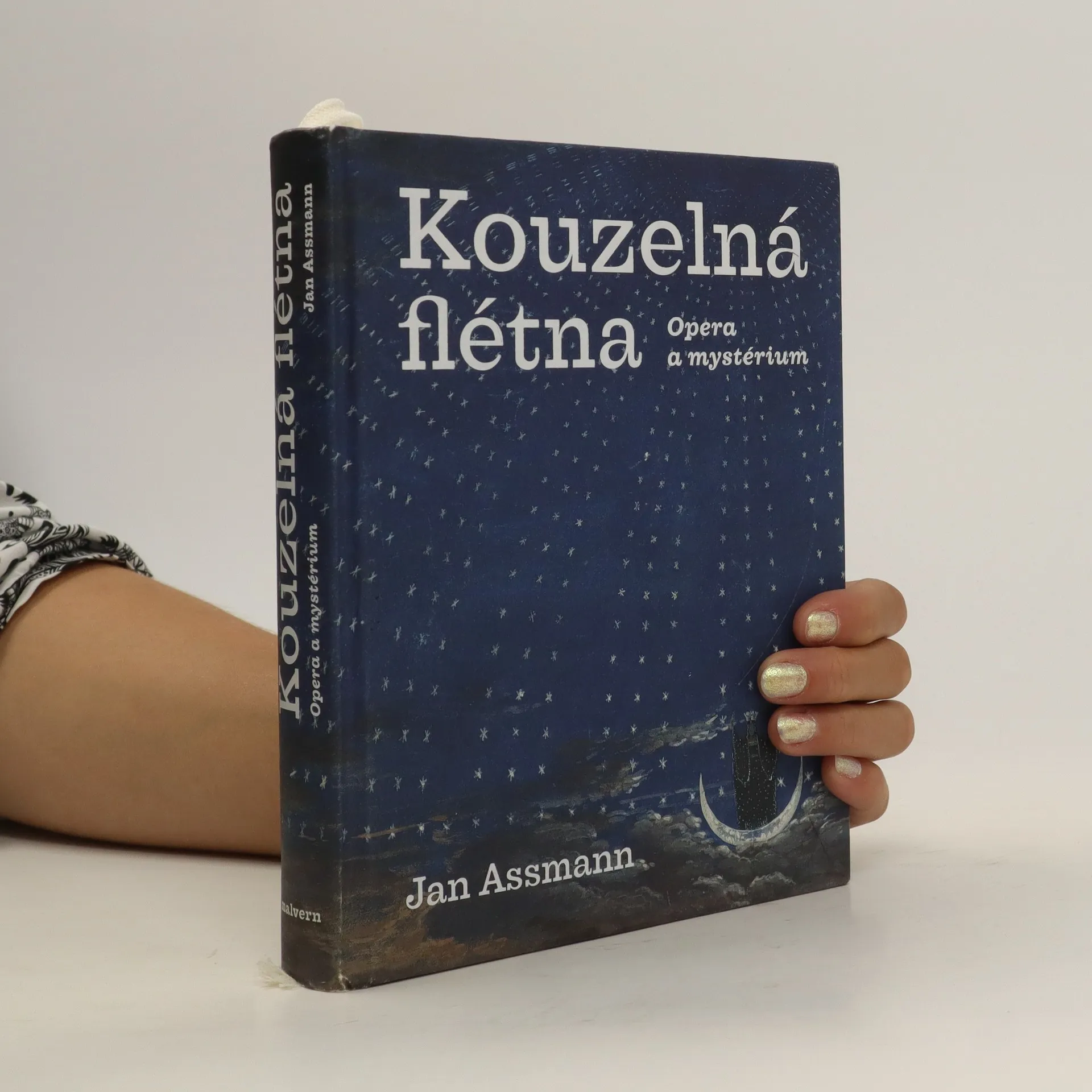
Světoznámý egyptolog a kulturolog Jan Assmann (* 1938) se přibližně od přelomu tisíciletí mimo jiné soustavně věnuje obrazům Egypta v postrenesanční evropské kultuře, zvláště na poli literatury či esejistiky (např. u Thomase Manna či Sigmunda Freuda) a v hudebně dramatické tvorbě (např. u Händela, Verdiho či Schönberga). Jeho brilantní rozbor Kouzelné flétny – „třetího velkého enigmatického díla naší kultury“ vedle Shakespearova Hamleta a Leonardovy Mony Lisy – nabízí obsahový i žánrový klíč ke zdánlivé zmatenosti operního děje a umožňuje pochopením historických souvislostí oživit plnou estetickou působivost díla pro současnost. „Kouzelná flétna uvádí na jeviště rituál, který se před diváky nejenom odvíjí, ale také je subtilně a přitom intenzivně vtahuje do rituálního dění. V tom tkví jádro estetické ideje, na níž opera spočívá a z níž vyplývá vše ostatní, tedy jazyková a hudební dramaturgie díla. Je to myšlenka jedinečná a geniální; nevím o jiné opeře, jež by byla pojata takto kompletně jako výkon rituálu – byť jsou vztahy mezi operou a rituálem obecně vzato těsné a v raných italských operách často nacházíme jednotlivé rituální scény, například výstupy zaklínání duchů nebo obětování. Přestože Kouzelná flétna v tomto propojení rituálu s operou dosahuje naprostého úspěchu, nemělo dílo v tomto ohledu žádné předchůdce a nenašlo ani následníky.“
Autor zde shrnuje výtěžky svých studií ke staroegyptským, staroizraelským a evropským představám o politickém řádu. Soustřeďuje se přitom na proměnlivé vztahy mezi politickým společenstvím a náboženskými soustavami, přičemž rozlišuje dva aspekty politické theologie. První se týká theologických implikací politických pojmů a představ, druhý politických implikací, theologických pojmů a koncepcí. Autor zdůrazňuje, že často vyzdvihovaný proces sekularizace theologických pojmů má i svůj protějšek a že některé centrální theologické pojmy jsou theologizovanými pojmy politickými. Po podrobné a bohatě členěné analýze egyptských a izraelských náboženských a politických soustav a jejich vzájemných vztahů je v závěru věnována rozsáhlá studie postavě Mojžíše.
Edice Světová náboženství. Studie významného kulturologa o třech obrazech smrti ve starém Egyptě. Drobnější, ale nesmírně poutavá publikace z pera významného egyptologa a historika kultury Jana Assmanna (*1938) se zaměřuje na chápání smrti ve starověkém Egyptě. V přehledném výkladu doplněném četnými literárními i obrazovými doklady zkoumá tři aspekty neboli „obrazy smrti“: smrt jako nepřítel, smrt jako návrat do mateřského lůna a smrt jako tajemství. Další část jeho studie je věnována kulturnímu významu písma a lidské paměti. Assmanův osobitý přístup přitom nemůžeme vnímat bez kontextu, který považuje vědomí naší smrtelnosti za významný „generátor kultury“, téma, s nímž se musí vyrovnat každé lidské společenství. Assmannova studie je doplněna příspěvkem Thomase Macha nazvaným „Smrt a truchlení v kulturologické perspektivě“.
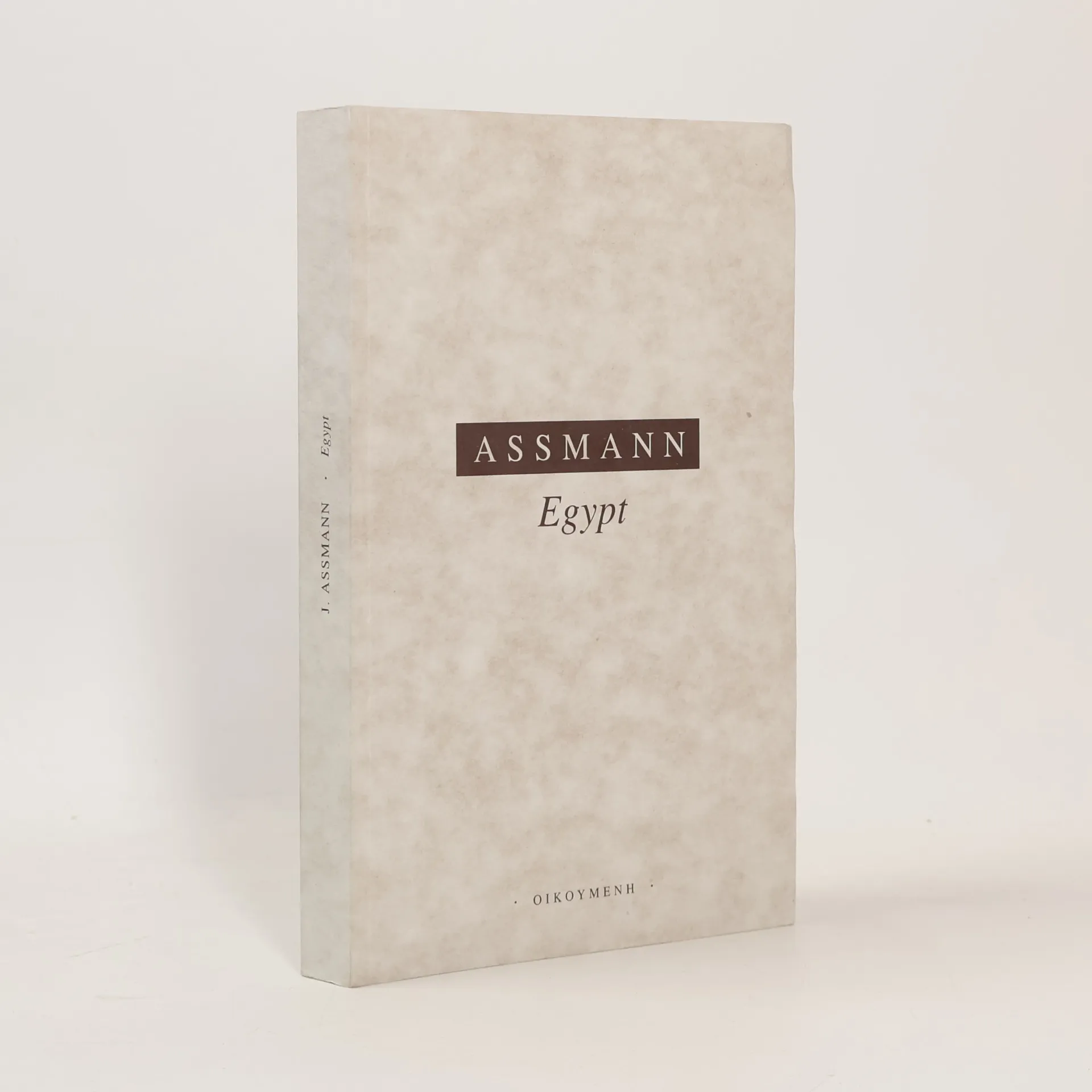
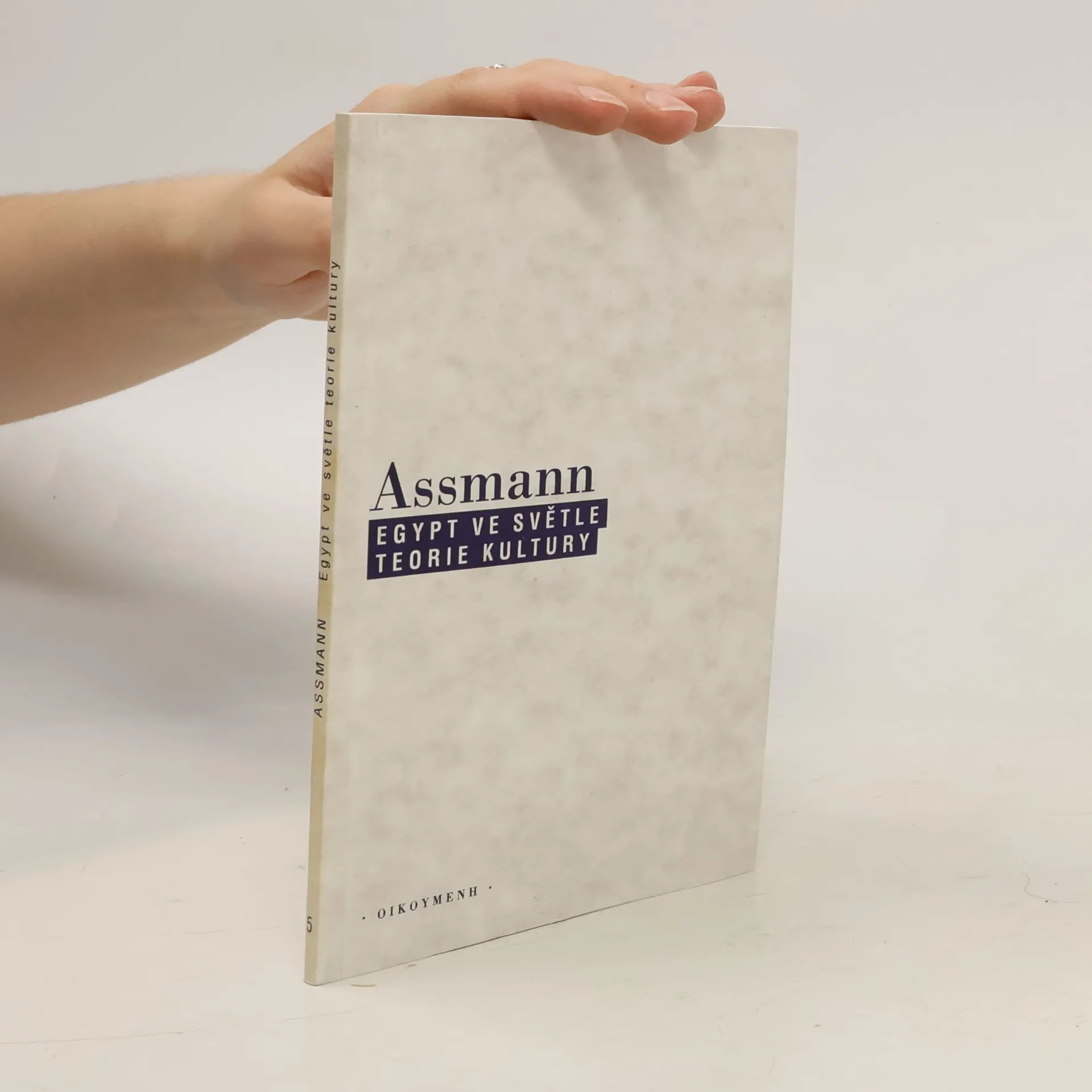
Egypt ve světle teorie kultury
- 78 pages
- 3 hours of reading
Autor podává výklad faraonské kultury v údolí Nilu z hlediska teorie kultury.