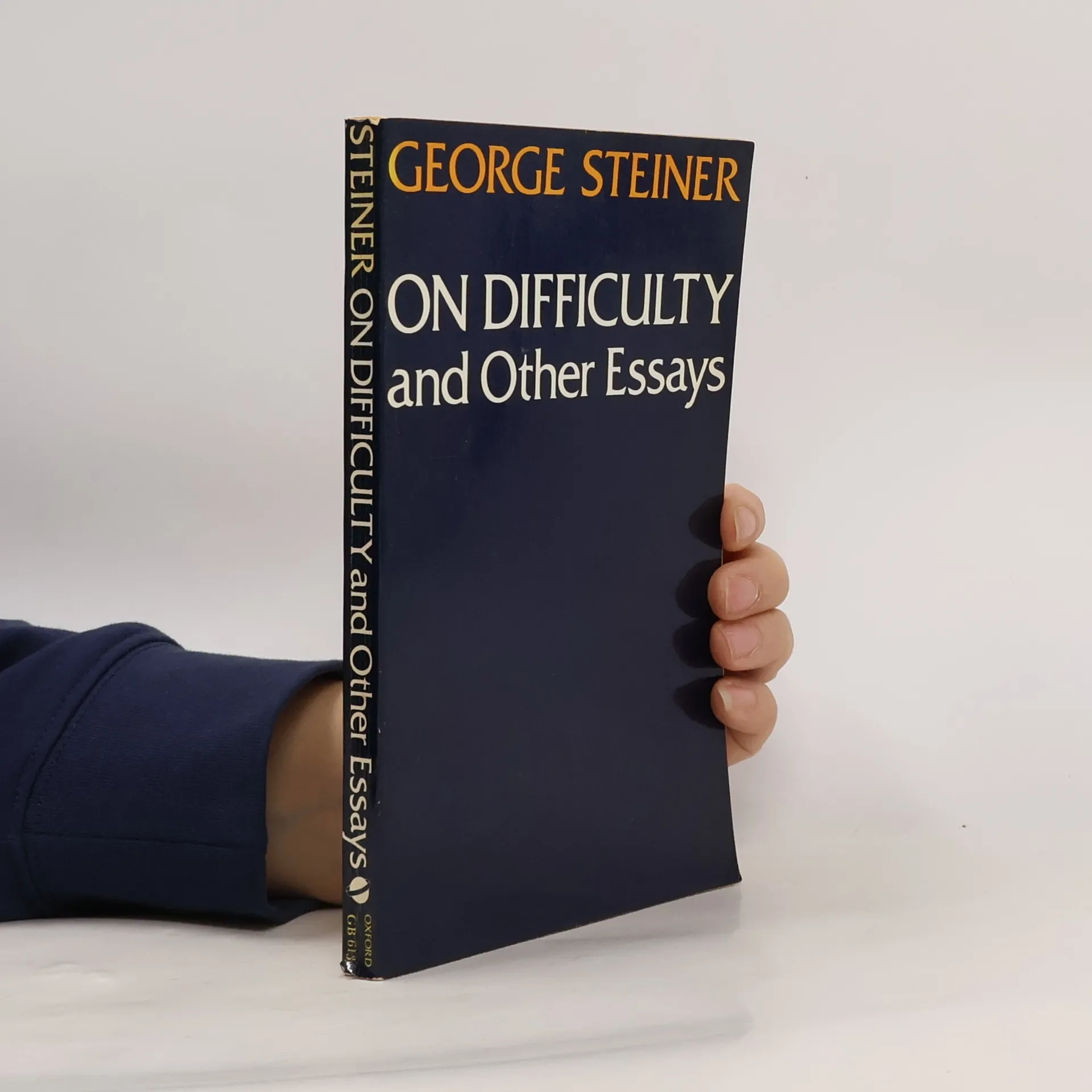
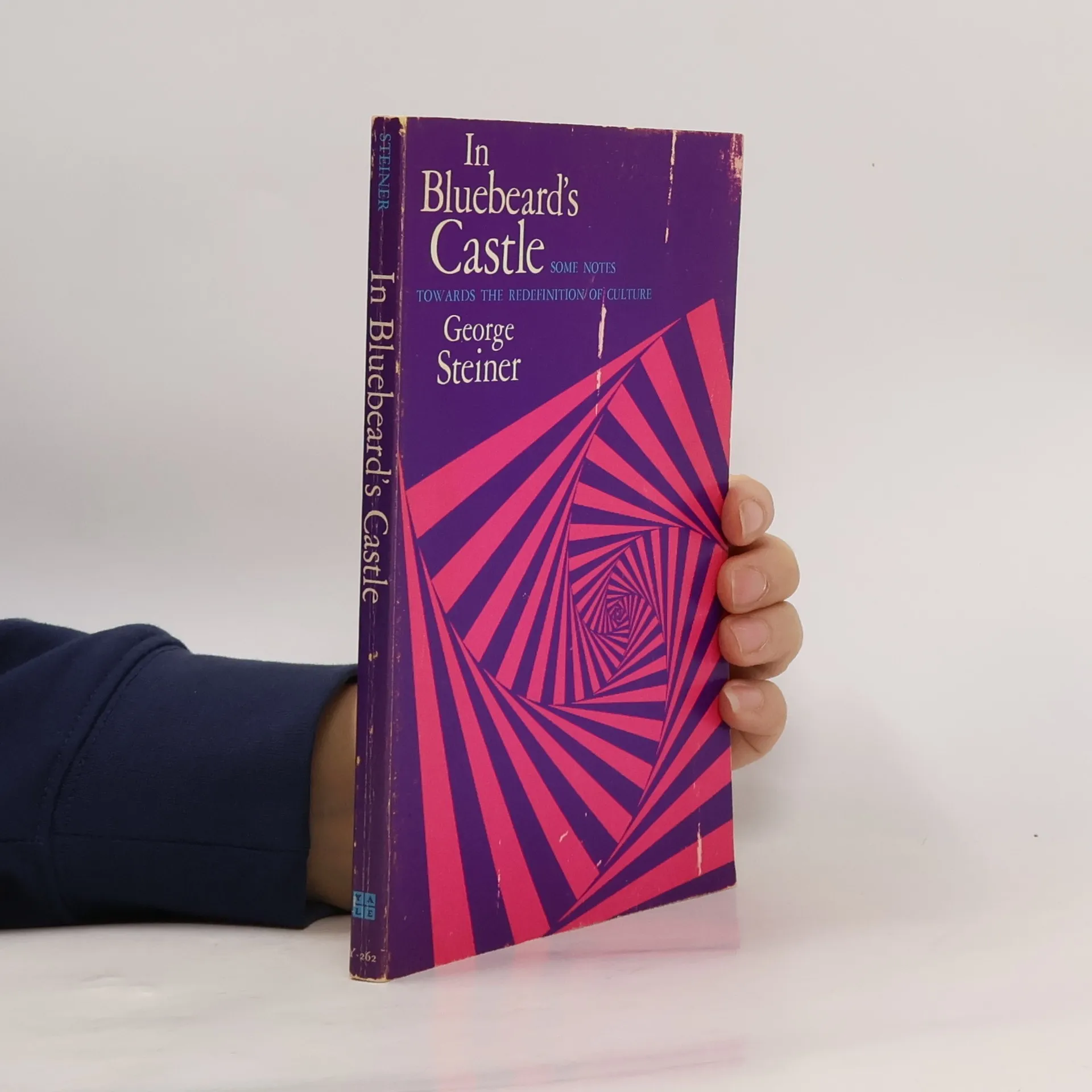
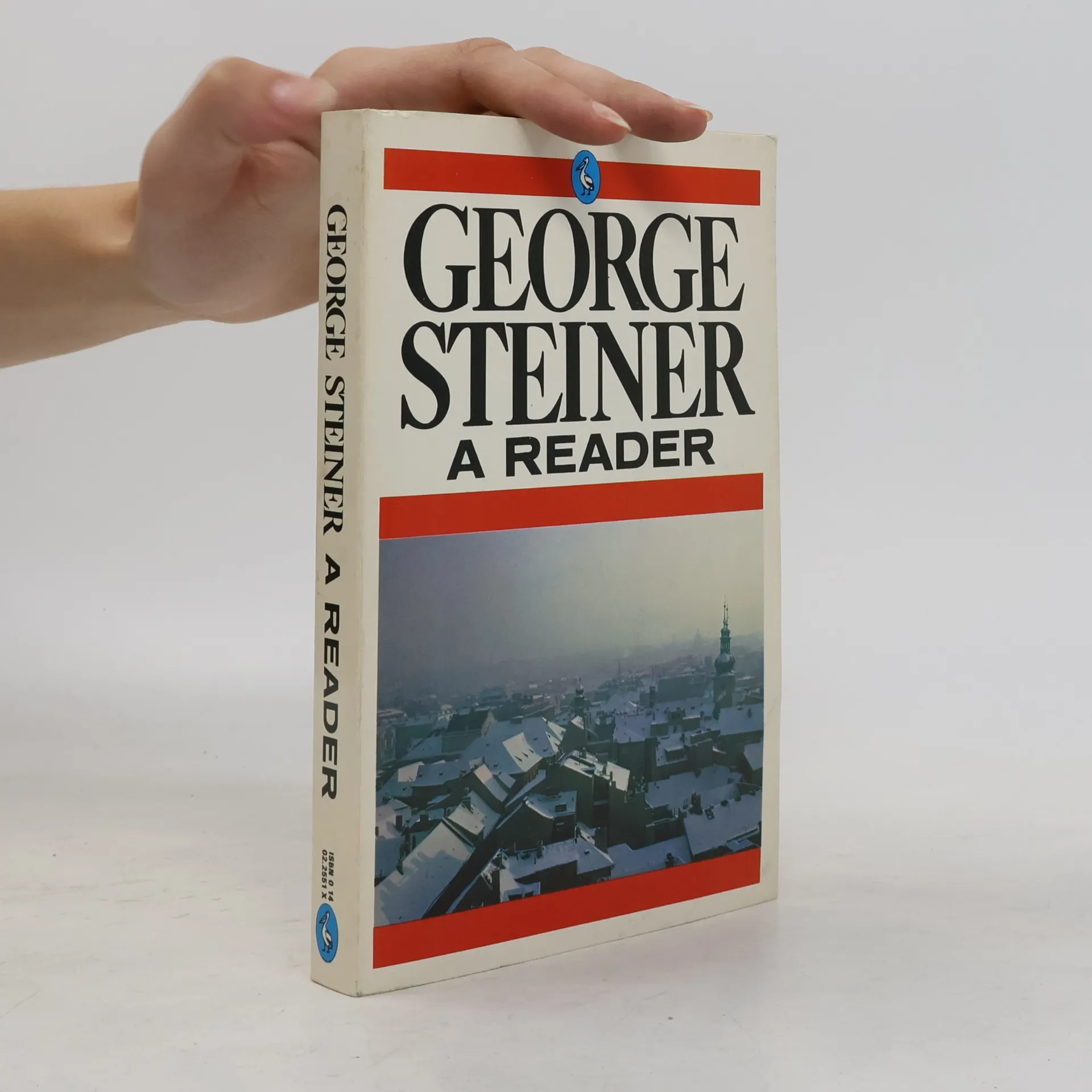
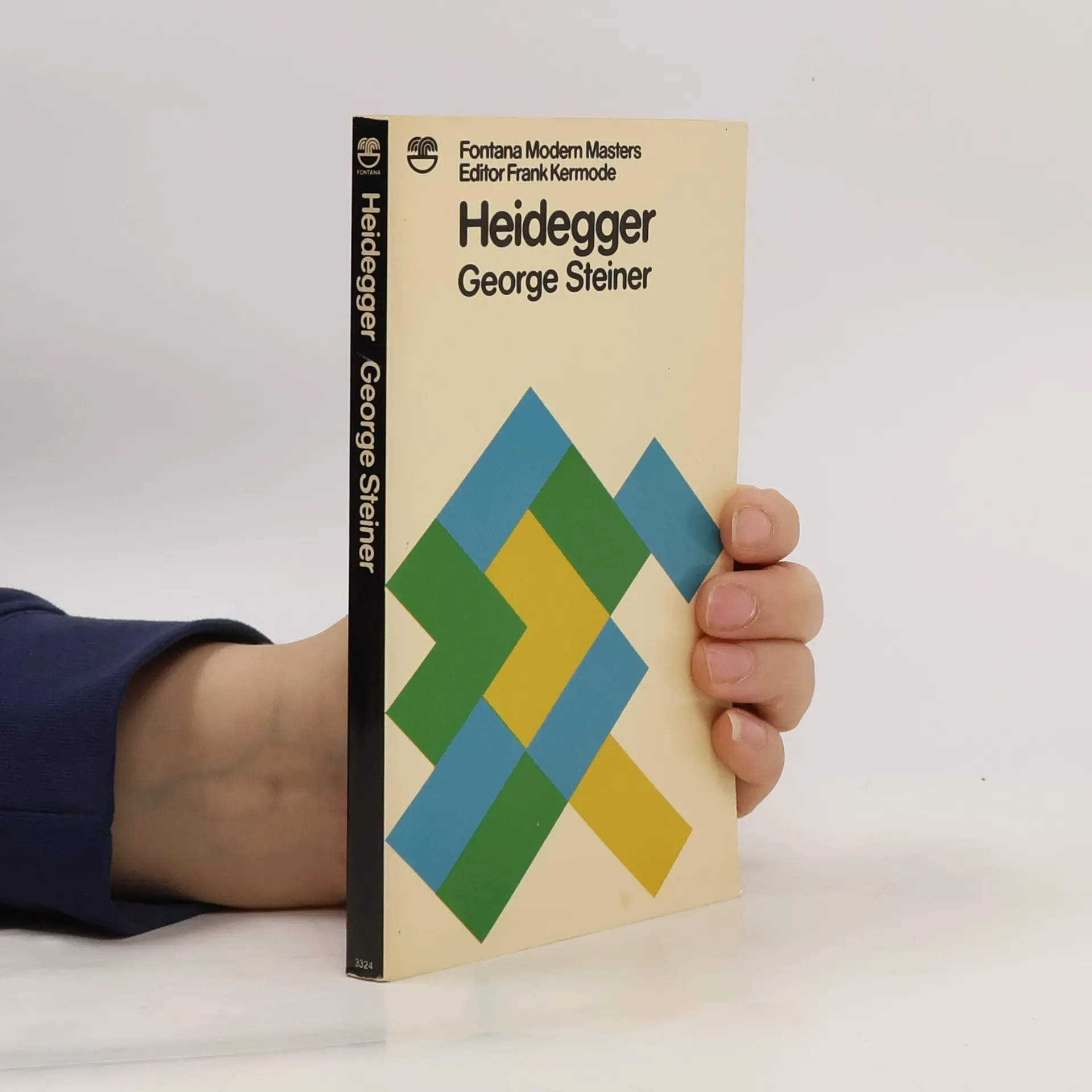
Francis George Steiner was an essayist, novelist, philosopher, literary critic, and educator. For over thirty years, he contributed to The New Yorker, publishing more than two hundred reviews. His writing often delves into profound questions of human culture, language, and existence, exploring the relationship between art and ethics. Steiner's style is recognized for its intellectual depth, rich language, and provocative approach to literary analysis.
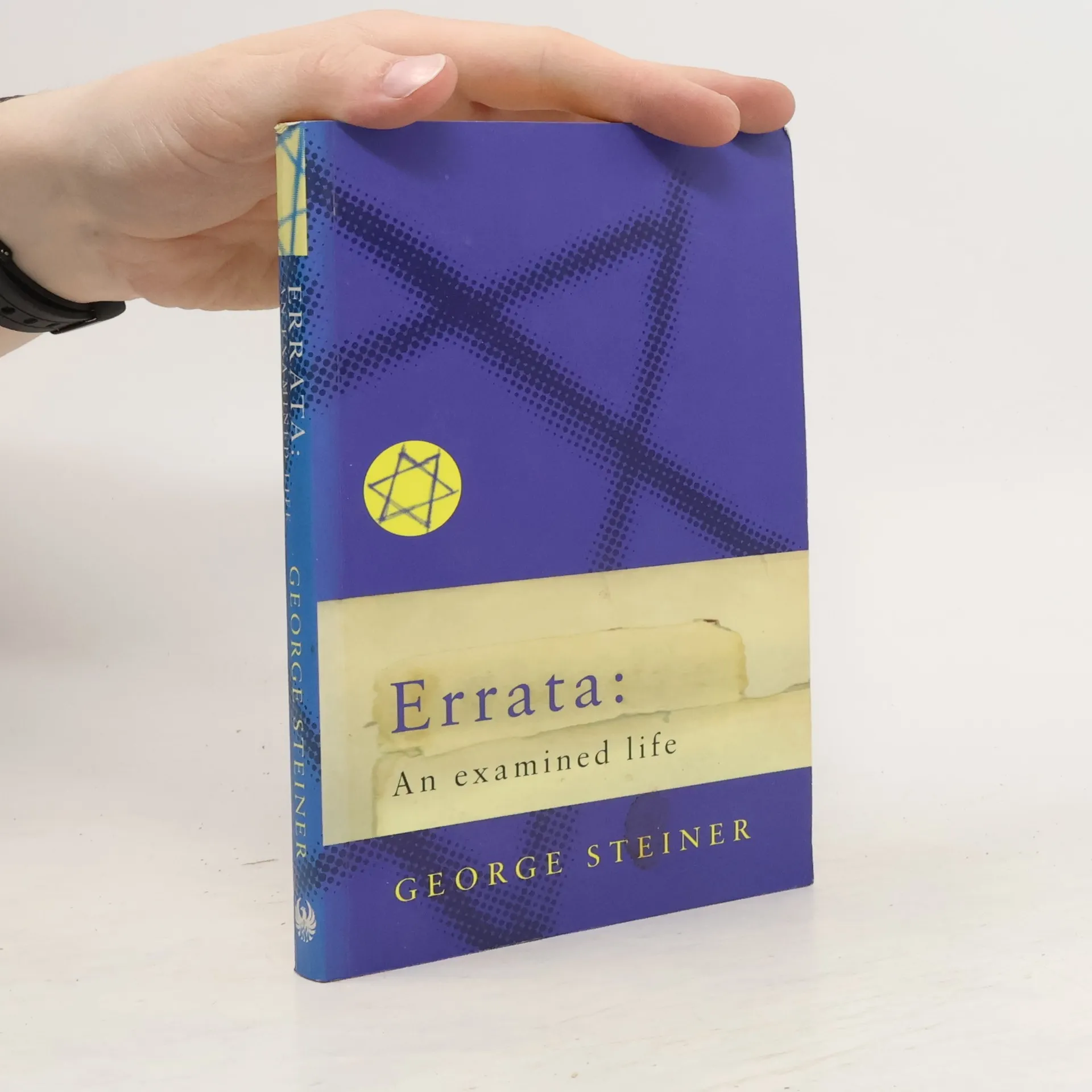
Steiner's brilliant and elegant new book draws on episodes from his life to explore the central themes and ideas of his thinking and writing over the course of much of our troubled century. An exploration of the ideas of the life of a major and brilliant thinker, the closest we will get to an autobiography.
How the Antigone Legend Has Endured in Western Literature, Art, and Thought
316 pages
12 hours of reading
This book examines the far-reaching legacy of one of the great myths of classical antiquity. According to Greek legend, Antigone, daughter of Oedipus, secretly buried her brother in defiance of the orders of Creon, king of Thebes. Creon sentenced Antigone to death, but, before the order could be executed, she committed suicide. The theme of the conflict between Antigone and Creon--between the state and the individual, between young and old, between men and women--has captured the Western imagination for more than 2,000 years. Antigone and Creon are as alive in the politics and poetics of our own day as they were in ancient Athens. Here, Steiner examines the treatment of the Antigone theme in Western art, literature and thought, leading us to look again at the unique influence Greek myths exercise on twentieth-century culture. About the Author: George Steiner, Professor of English and Comparative Literature at the University of Geneva and Extraordinary Fellow of Churchill College, Cambridge
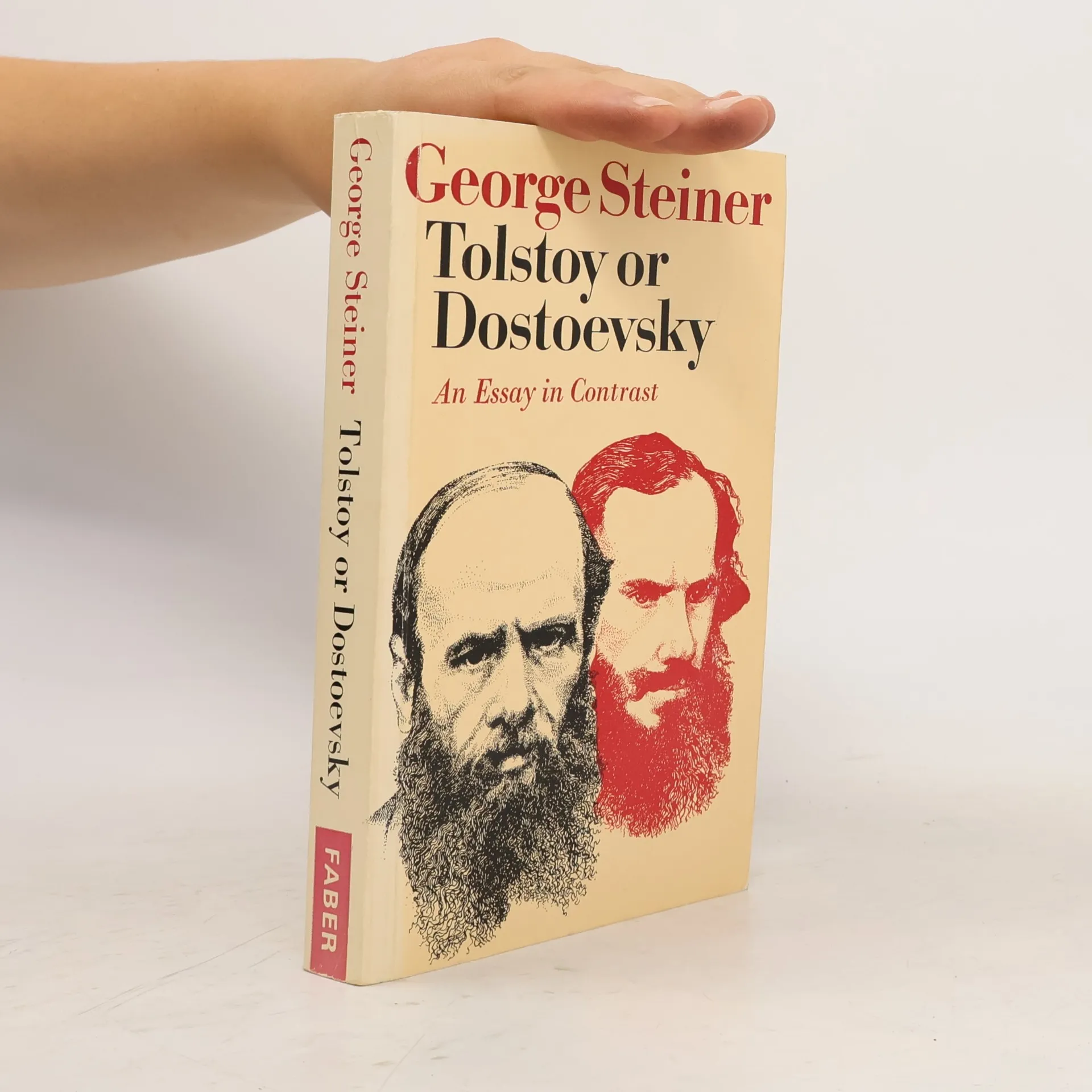
George Steiner`s Tolstoy or Dostoevsky has become a classic among scholars of Russian literature. An essay in poetic and philosophic criticism that bears mainly on the Russian masters, Tolstoy or Dostoevsky deals also with larger themes: the epic tradition extending from Homer to Tolstoy; the continuity of a "tragic world view" from Oedipus Rex to King Lear and The Brothers Karamazov; the contrasts between the epic and dramatic modes, between irreconcilably opposed views of God and of history.
I want, therefore I am. The cry of children down the ages (I want! I want!) turns out to be the cry of adults also. The things we desire — love, money, wisdom, power — have not changed since the world began, but it seems we want more of them, and now . But what if we get what we hope for? What if we don't?
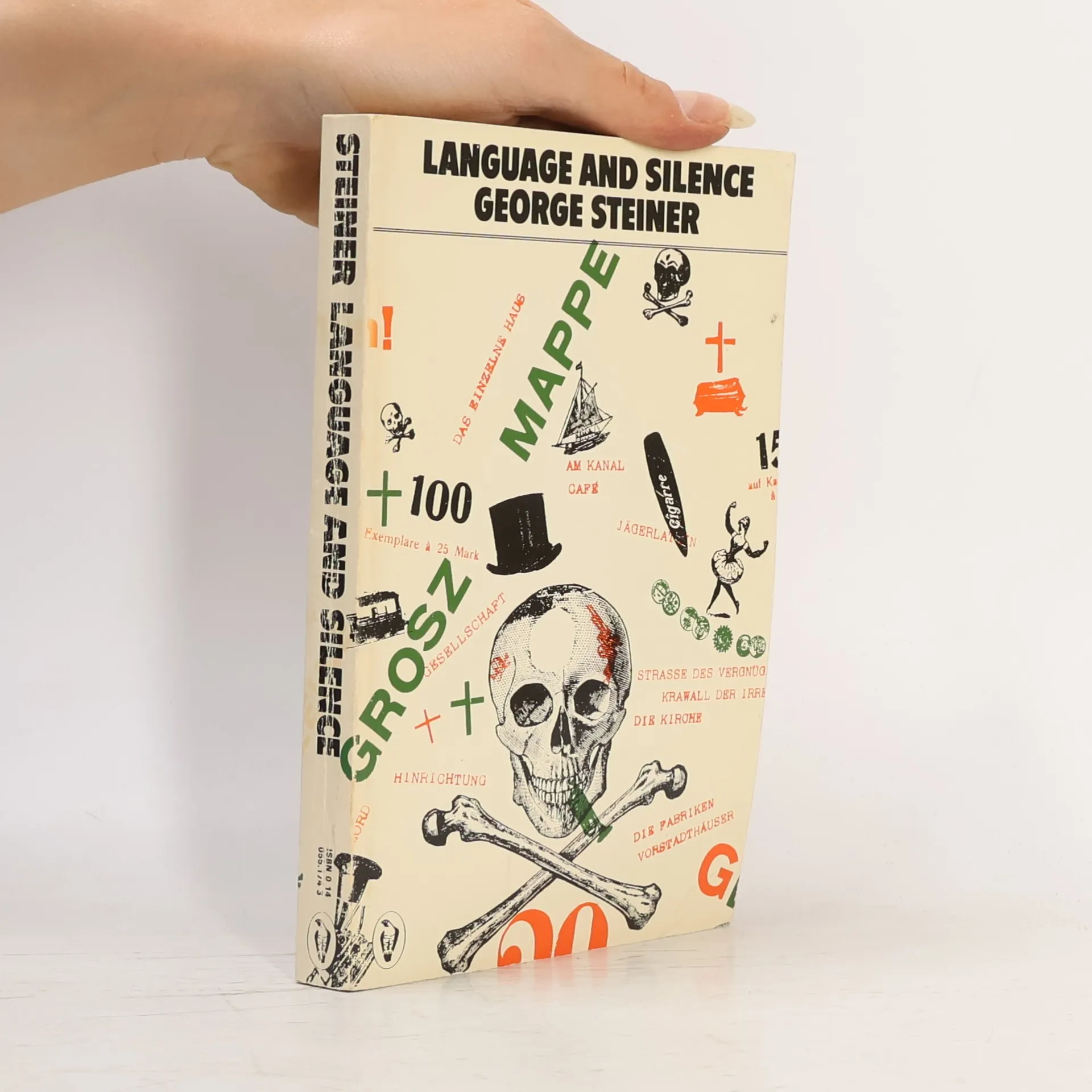
A collection of essays and articles about the life of language, and its role in a world where words are used to manipulate as often as they are used to convey meaning Language and Silence is a book about language—and politics, meaning, silence, and the future of literature. Originally published between 1958 and 1966, the essays that make up this collection ponder whether we have passed out of an era of verbal primacy and into one of post-linguistic forms—or partial silence. Steiner explores the idea of the abandonment of contemporary literary criticism, from the classics to the works of William Shakespeare, Lawrence Durell, Thomas Mann, Leon Trotsky, and more.
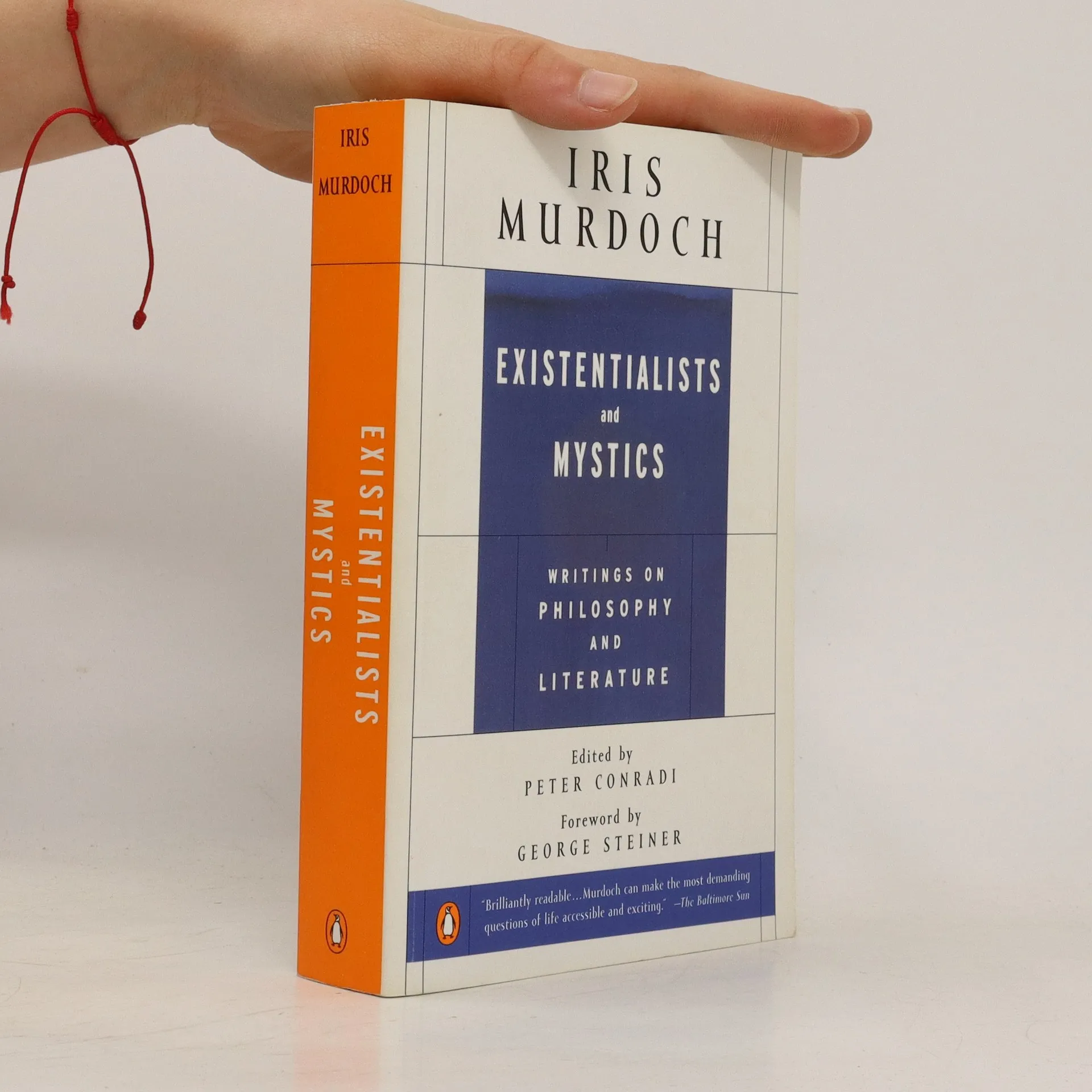
Best known as the author of twenty-six novels, Iris Murdoch also made significant contributions to the fields of ethics and aesthetics. Collected here for the first time in one volume are her most influential literary and philosophical essays. Tracing Murdoch's journey to a modern Platonism, this volume includes incisive evaluations of the thought and writings of T. S. Eliot, Jean-Paul Sartre, Albert Camus, Simone de Beauvior, and Elias Canetti, as well as key texts on the continuing importance of the sublime, on the concept of love, and the role great literature can play in curing the ills of philosophy. Existentialists and Mystics not only illuminates the mysticism and intellectual underpinnings of Murdoch's novels, but confirms her major contributions to twentieth-century thought.
\Why, over the course of history, have humans developed thousands of different languages when the social, material, and economic advantages of a single tongue are obvious? Steiner argues that different cultures’ desires for privacy and exclusivity led to each developing its own language. Translation, he believes, is at the very heart of human communication, and thus at the heart of human nature. From our everyday perception of the world around us, to creativity and the uninhibited imagination, to the often inexplicable poignancy of poetry, we are constantly translating—even from our native language.
George Steiner--one of the preeminent essayists and literary thinkers of our era--addresses issues of language and the relation of language to literature and to religion. He covers a wide range of subjects from Homer and Shakespeare to Jewish scripture, religious tradition, and the effects of the Holocaust.
Eight essays by the literary critic probe the history and formal structure of inward speech as well as the relationship between linguistics and poetics and between language and literature
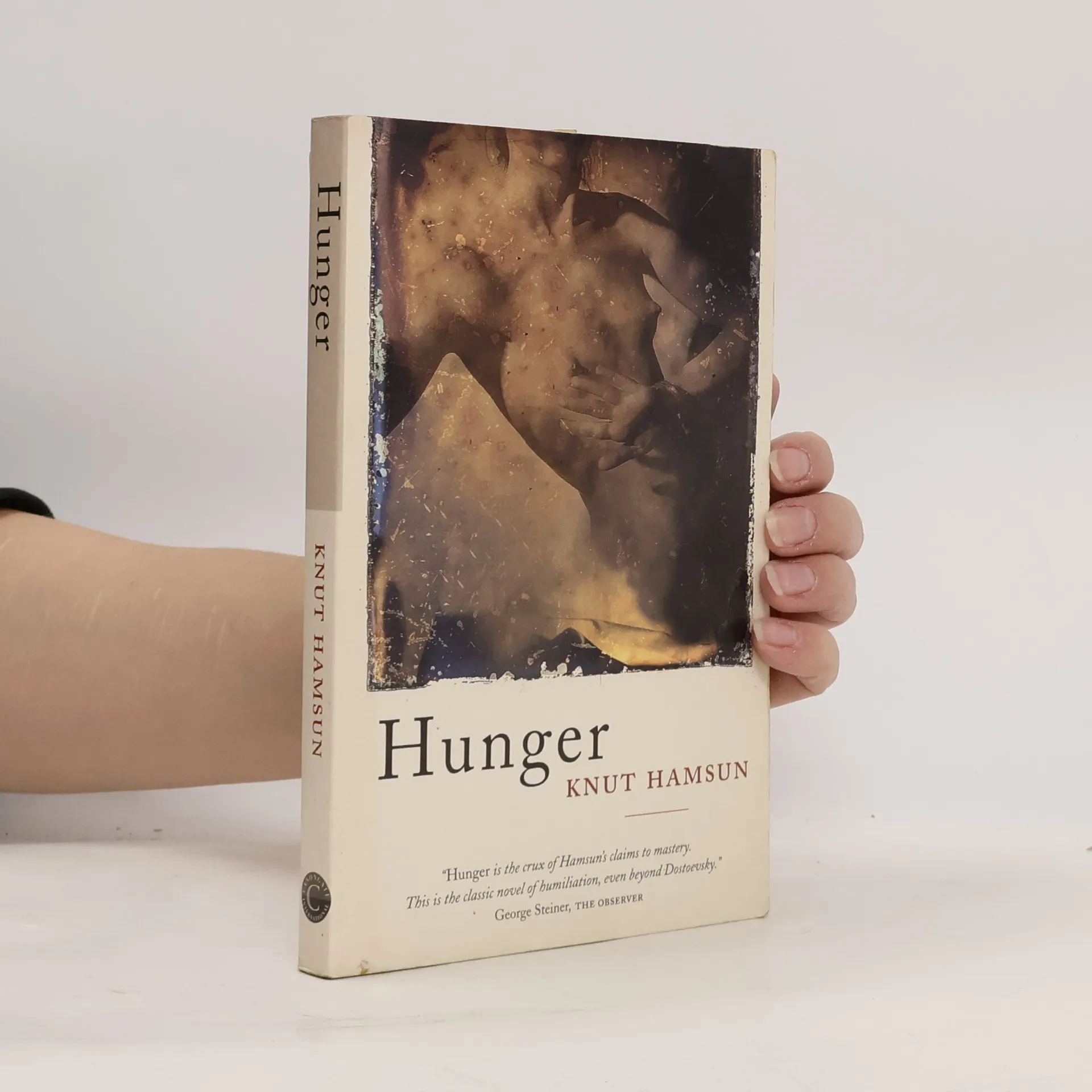
Hunger is regarded as one of the major modernist novels, anticipating and influencing much fiction that was to follow, from Joyce and Kafka to Camus and Kelman. Set in Oslo, Hunger is a compelling journey into the mind of a young writer who is driven by starvation to constantly fluctuating extremes of euphoria and despair. It is a study of the psychological hinterlands - the very edges of experience - where few writers have the courage to tread.
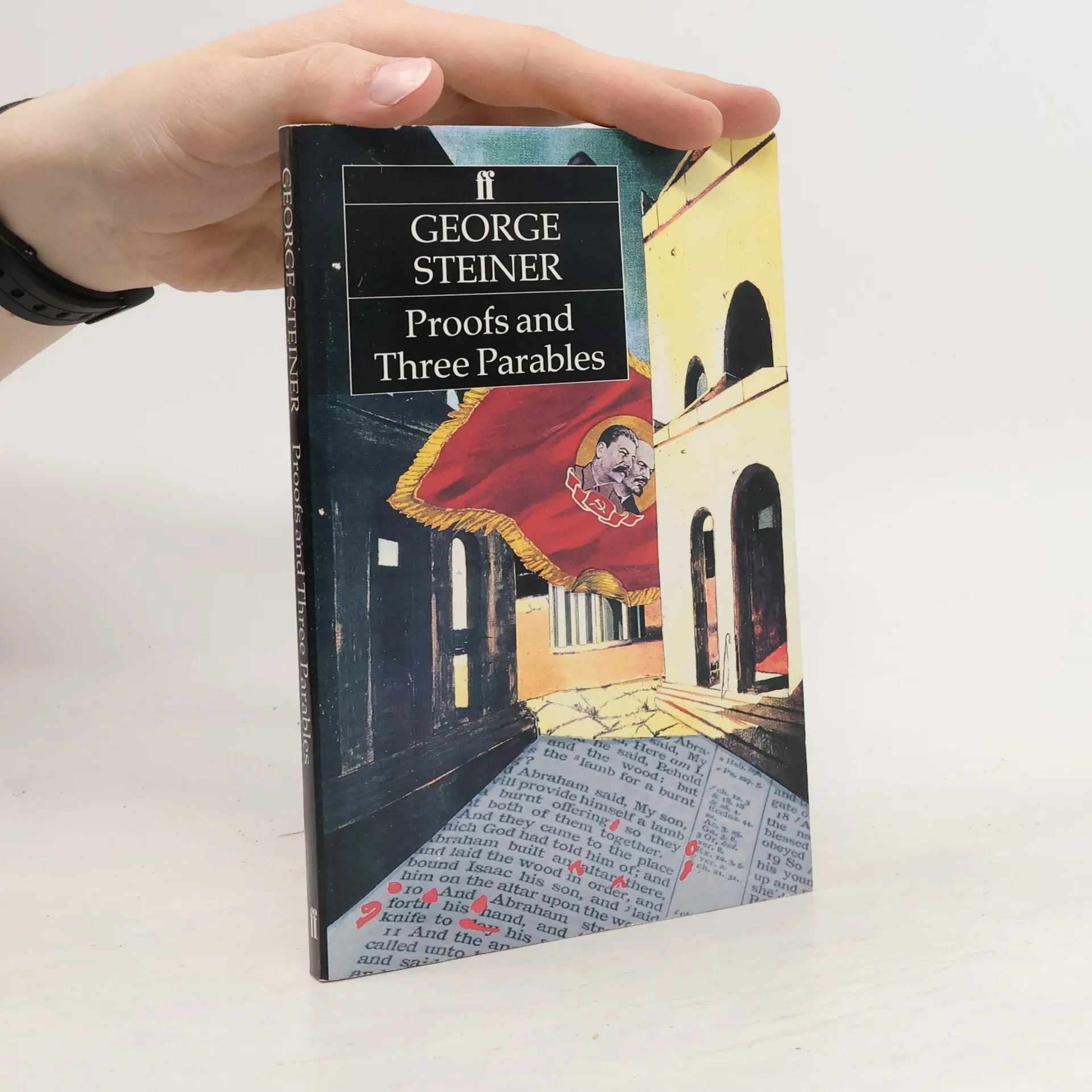
This collection of short stories includes "Proofs", a literary thriller which explores the conflict between fact and fiction in life and literature. Also included are "Noel, Noel", "Desert Island Disks" and "Conversation Piece".
In this profound and disturbing exploration of the nature of guilt and vengeance and the power of evil, Israeli Nazi-hunters, 30 years after the end of World War II, find a silent old man deep in the Amazon jungle who turns out to be Adolf Hitler.
The revision of this highly regarded, authoritative text continues to build upon the strengths of past editions, including thorough, in-depth coverage and strong, comprehensive cases. Both authors are respected scholars; the senior author is considered one of the pioneers in the field of business, government, and society. The text examines the changing interrelationships between business, government, and society, and how these changes affect the attitudes, duties, and decisions of managers, particularly those in larger corporations. In the eighth edition three new shorter chapter-opening cases have been added and six of the 22 chapter-ending cases are new. Case studies retained from the previous edition have been updated to reflect the most current information available. All chapters have been brought up to date and several have been substantially restructured. International dimensions of the subject matter have been given much greater prominence.
Three novellas explore the lives of men whose problems are rooted in World War II. In the first story, a German officer returns to the French village where he was stationed, only to find that he has arrived too soon. The second tale follows an American who visits the psychiatric institution where he had hidden as a member of the resistance, facing widespread misunderstanding. In the third story, a group of English veterans comes to the realization that they are condemned to live as the living dead in a society that no longer understands them. The narratives delve into themes of memory, trauma, and the haunting legacy of war, showcasing a profound exploration of human experience and resilience.
Fischer V Spassky - 'The World Chess Championship' and 'The Sporting Scene: White Knights of Reykjavik'
208 pages
8 hours of reading
The 1972 world chess championship in Reykjavik, featuring Boris Spassky and Bobby Fischer, stands out as the most publicized and scrutinized match in chess history. This high-stakes competition not only captivated chess enthusiasts but also drew significant global attention, highlighting the intense rivalry and the cultural impact of the game during the Cold War era. The match became a symbol of intellectual prowess and national pride, marking a pivotal moment in the sport's history.
"We have no more beginnings," George Steiner asserts in his most radical work, a profound exploration of creation in Western thought, literature, religion, and history. This volume stands as a magnum opus, reflecting on how we discuss beginnings and the pervasive "coretiredness" of our end-of-the-millennium spirit. Steiner analyzes the evolving grammar surrounding the conclusion of Western art and culture, delving into the driving forces of the human spirit and our perception of Western civilization's waning light.
Covering diverse topics such as the Hebrew Bible, the history of science and mathematics, Heidegger's ontology, and Paul Celan's poetry, Steiner questions the twentieth century's impact on our belief in a hopeful future. He acknowledges that while technology and science may have supplanted art and literature as cultural drivers, this shift has come with significant losses. The realms of technology and science alone cannot address profound human inquiries about value, faith, and meaning. Yet, Steiner suggests, it is hard to accept that the Genesis narrative has reached its conclusion. He concludes this masterful collection of reflections with a moving reminder of the perpetual nature of beginnings.
Nach seinem großen Erfolg „Warum Denken traurig macht. Zehn (mögliche) Gründe“ legt George Steiner mit diesen Essays ein weiteres Werk bei Suhrkamp vor. Darin folgt der Meister des Lesens in literarisch-philosophischen Essays einem Zug glanzvoller Namen: Beckett und Brecht, Broch und Celan, Cioran und Canetti, Nabokov und Koestler, Kraus und Bernhard, Benjamin und Scholem, Céline, Simone Weil und Lévi-Strauss, um nur einige zu nennen. Die Mehrzahl von ihnen verbindet sich mit dem von Steiner selbst geprägten Begriff der ›Suhrkamp-Kultur‹. Geheimnis und Wunder, aber auch die Abgründe künstlerischer Schöpfung sind es, die den Kritiker anziehen. Unter seinem scharfen Blick können intellektuelle Masken durchaus fallen. Und doch ist George Steiner vor allem eines: ein Liebender. Versessen auf die Lektüre, auf den physiognomischen Klang der jeweils ganz eigenen Stimme, zieht er sie hinein in einen »Raum des Geistes, wo dieser seine Flügel öffnen kann: in die Stille« (Antoine de Saint-Exupéry). Nach den vielbesprochenen und erfolgreichen englischen, französischen und italienischen Ausgaben liegen George Steiners »Lektüren«, eine Auswahl seiner brillanten Essays für den „New Yorker“, nun endlich auch in deutscher Sprache vor.
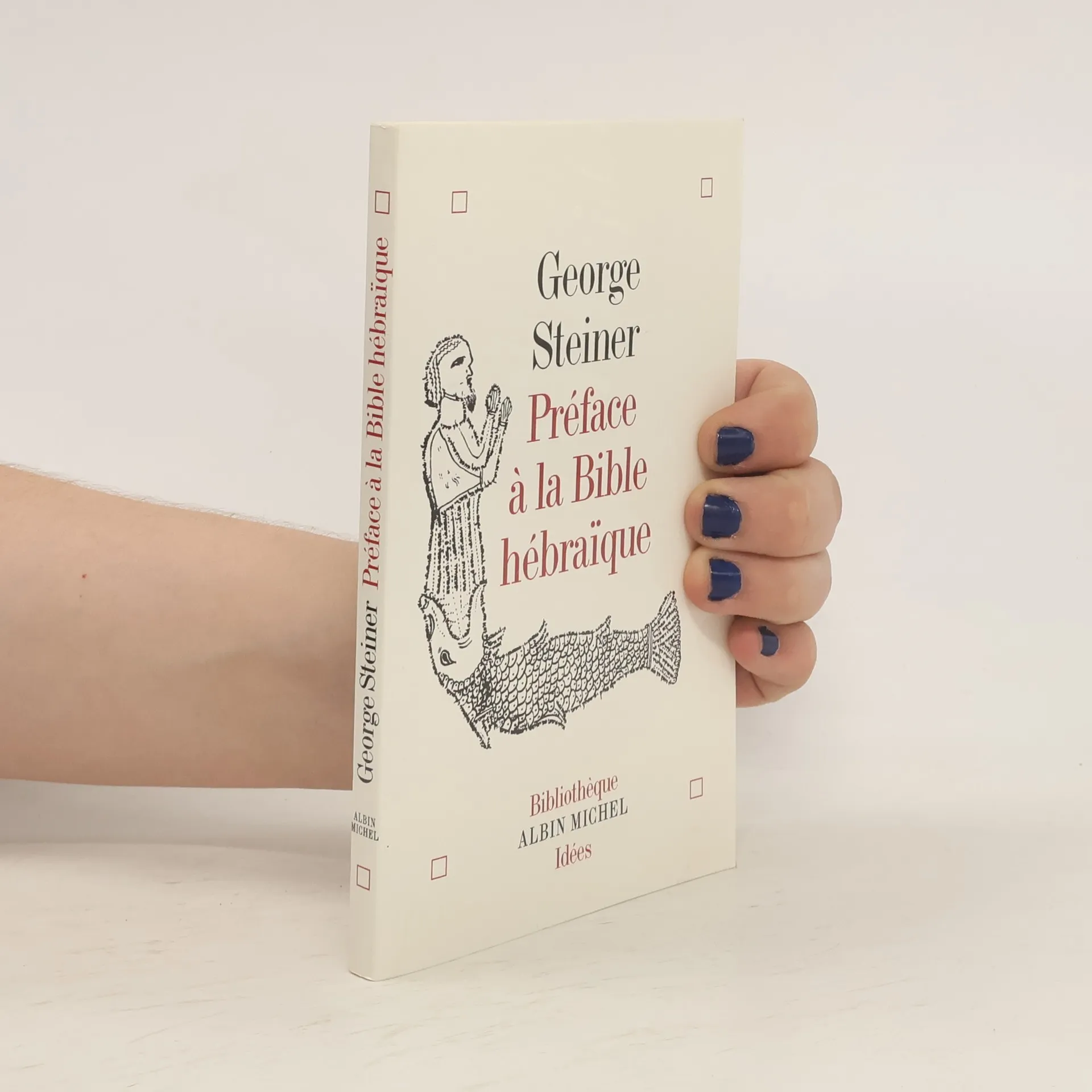
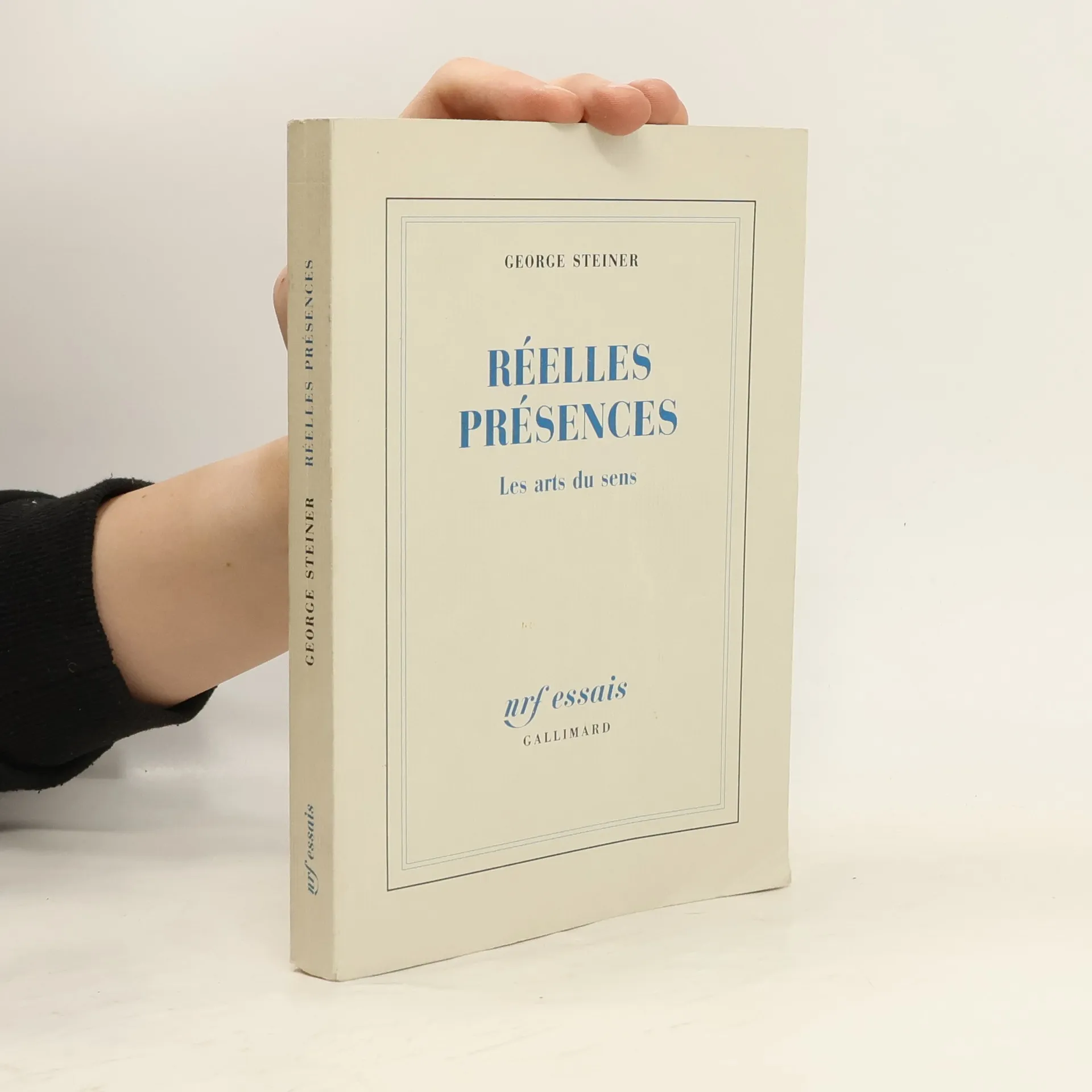
Tout au long de son œuvre, George Steiner s'est interrogé sur la poétique de la traduction et sur le sens de la lecture, ce qu'il appelle sa " responsabilité ". Dans cette Préface à la Bible hébraïque, c'est-à-dire à l'Ancien Testament des chrétiens, il se frotte au texte fondateur de notre culture et à ses diverses traductions. Prenant pour point de départ la King James Version (1611), qui fut le véritable creuset de la langue anglaise, comme la Bible de Luther le fut de la langue allemande, il offre une analyse concise mais percutante des enjeux de la traduction. Interrogeant le texte biblique à la lumière de l'histoire moderne, notamment de la Shoah, il montre en virtuose pourquoi c'est ce livre qui " pose le plus de questions à l'homme ", en quoi il a façonné notre conception même du divin, de la création, de l'inspiration, mais aussi de la littérature, de Shakespeare à Moby Dick. George Steiner nous rappelle enfin à quel point toute lecture de la Bible reste une aventure risquée. À ce titre, cette préface, qui est sans conteste l'un des textes les plus personnels de l'auteur, est aussi une méditation sur la transcendance et sur le sens même de l'écriture, qu'elle soit de Dieu ou de l'homme.
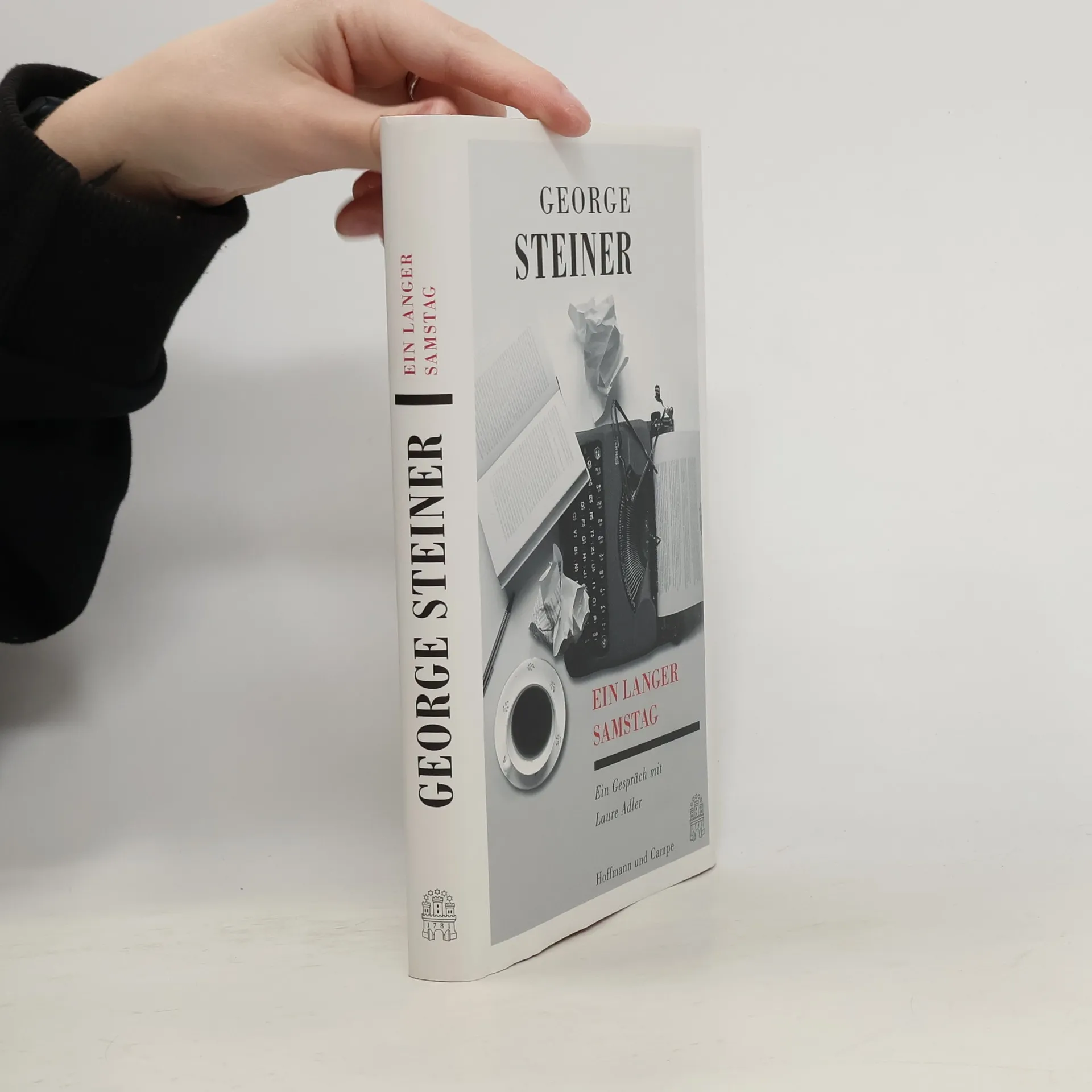
George Steiner, der unnachgiebige Denker, polyglotte Intellektuelle und scharfzüngige Kritiker, gibt im Gespräch mit Laure Adler Einblick in sein Leben und Werk. Tief verwurzelt in der europäischen Kultur, wurde für den Sohn österreichischer Juden, die 1940 aus Paris nach New York flohen, eine Frage zum Angelpunkt seines Denkens: Wie konnte das zivilisierte, kultivierte Europa diese unvorstellbare Barbarei hervorbringen? Als die Kulturjournalistin Laure Adler in einem englischen Garten zum ersten Mal George Steiner begegnet, weiß sie noch nicht, dass sie einen sehr langen Nachmittag miteinander verbringen werden: Über mehrere Jahre treffen sie sich immer wieder, um ihr Gespräch fortzusetzen. Steiner, als einer der letzten Benjaminschen Flaneure, rekapituliert das zwanzigste Jahrhundert. Seine Eltern fliehen vor dem wachsenden Antisemitismus in Wien nach Paris, 1940 schafft die Familie es gerade noch rechtzeitig, Frankreich in Richtung New York zu verlassen. Steiners Denken ist von seiner Biographie beeinflusst: seine Liebe für Sprache genauso wie seine Verachtung für die großen Mythen des vergangenen Jahrhunderts, die Psychoanalyse, der Marxismus und der Strukturalismus. Aber Steiner begleitet seine Leser nicht nur bravourös durch die Gedankenwelt des zwanzigsten Jahrhunderts, immer wieder kehrt er zu seiner großen Liebe, der Musik, zurück, die für ihn Ausdruck purer Lebenslust ist.
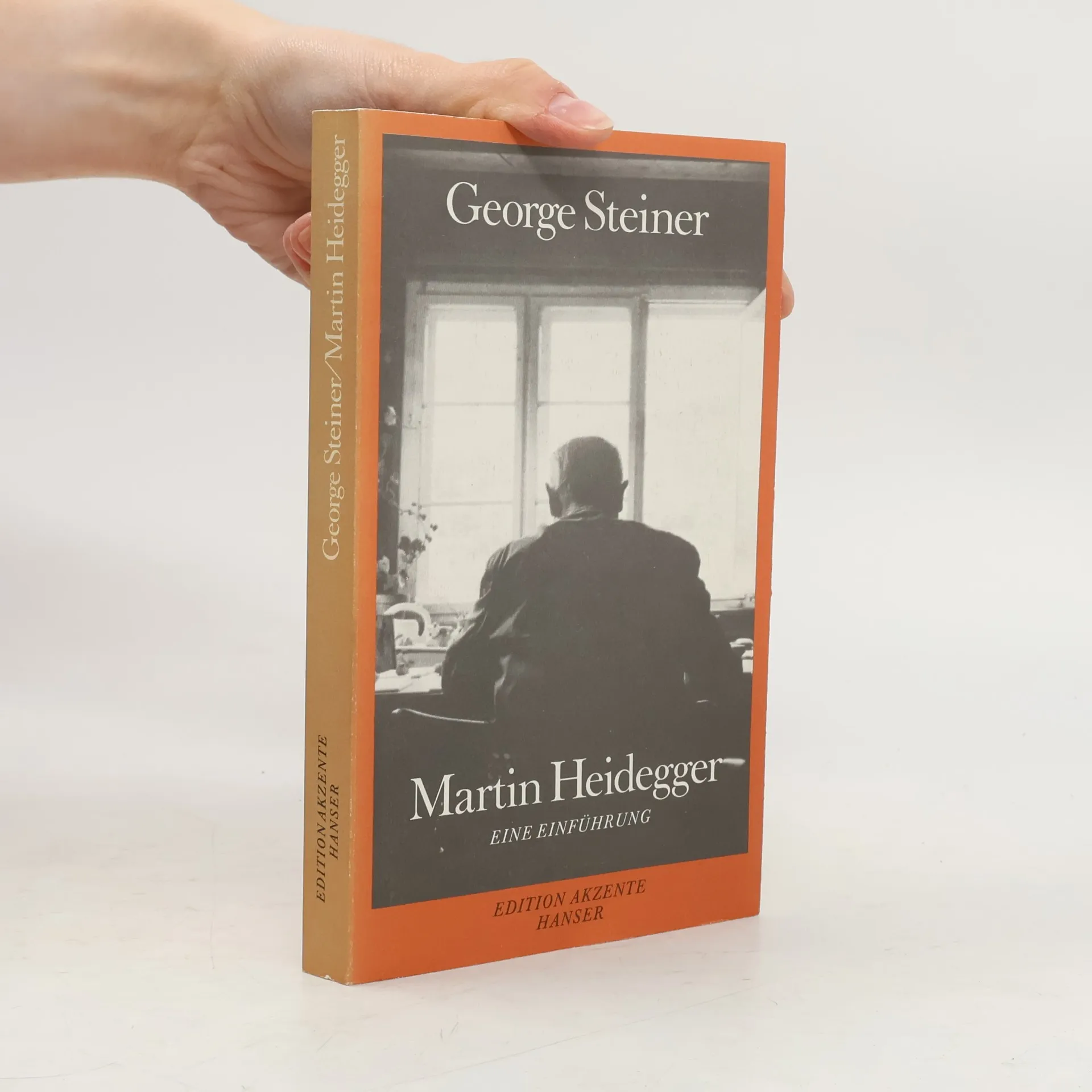
Das vorliegende Werk ist eines der scharfsinnigsten Einführungsbücher zu dem meistumstrittenen Philosophen der Moderne. Durch das Idiom der englischen Originalsprache zu größter Klarheit gezwungen, hat George Steiner eine meisterhafte Studie geschaffen, in der sich tiefenscharfe Analyse und kritische Distanz verbinden.
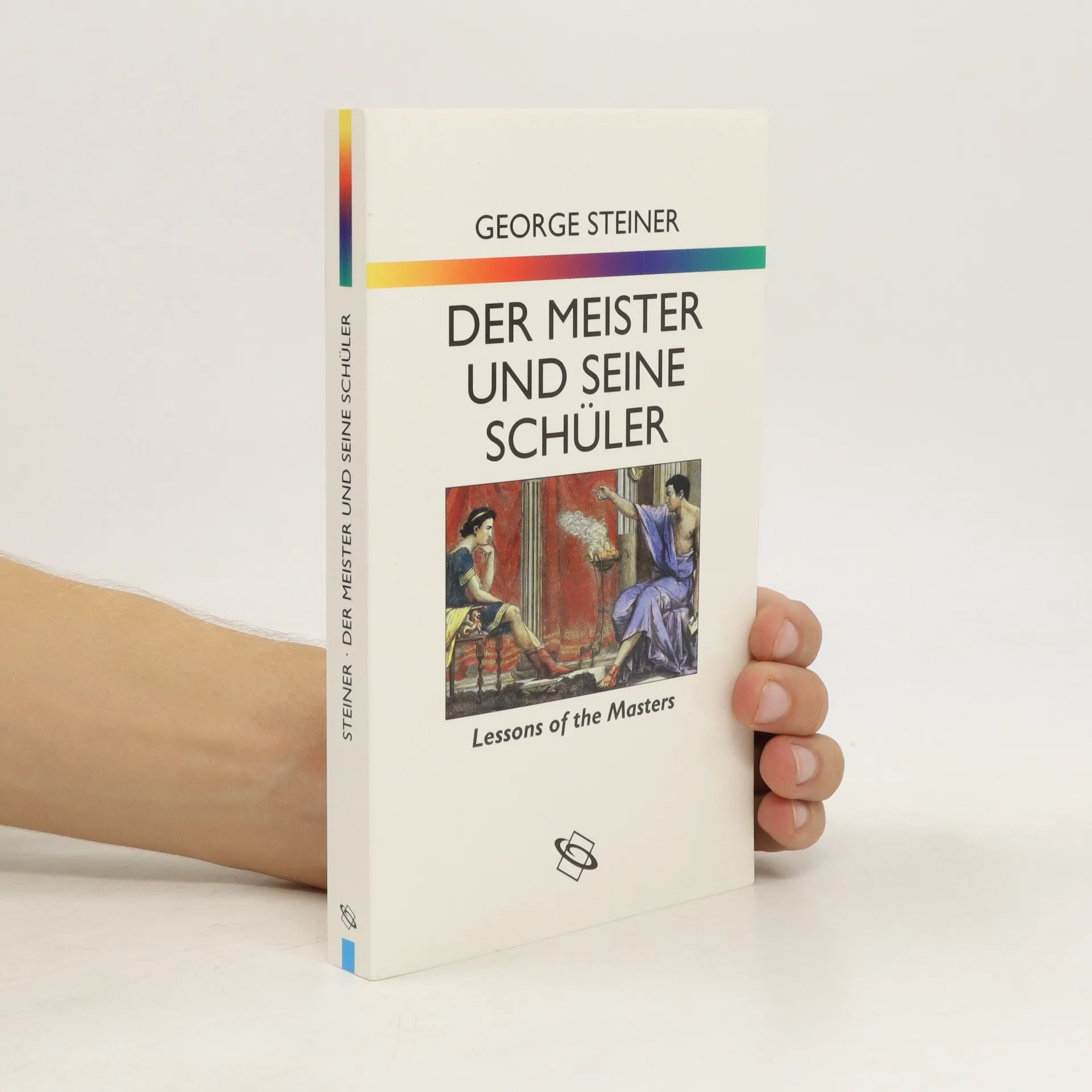
Alle Reden vom Lernen und von der Bildung. Aber jene Beziehung, aus der unser Wissen und unsere Kultur jahrhundertelang hervorging, ist dabei fast in Vergessenheit geraten: das Verhältnis zwischen dem Meister und seinem Schüler. George Steiner zeigt anhand der Beziehungen zwischen Sokrates und Platon, Jesus und seiner Jünger, Tycho Brahe und Johannes Kepler und anderen, dass sie der Ausgangspunkt aller bedeutenden Errungenschaften der Kunst, der Literatur, der Religion und der Philosophie sind.
Anwesend waren Traurigkeit, tristitia oder tristesse in George Steiners Prosa seit jeher: als Gedanke, Thema und Gestimmtheit. Nun aber stellt er sie, von Schelling ausgehend, in den Mittelpunkt einer Meditation über Glanz und Elend der Reflexion. Grundiert ist alles Denken durch Schwermut, die in jedem Gedanken vernehmbar bleibt und sich fortpflanzt – so die von Steiner gewählte kosmische Analogie – wie das Hintergrundrauschen als Echo des »Urknalls «. Zweiflerisch ist dieses Denken und durchdrungen vom Gefühl seiner Vergeblichkeit. Es ist unberechenbar und heillos individuell, verschwenderisch und kreisschlüssig, eingeschränkt in den Grenzen der Sprache, axiomatisch, neurophysiologisch determiniert. Es ist, als »Großes Denken«, weit entfernt von Mehrheitsentscheidungen und allgemeiner Anerkennung. Es ist aussichtslos, führt schließlich auf nichts. Und doch ist es die einzig menschenwürdige Anstrengung. George Steiners Schrift ist eine Variation in zehn Sätzen auf ein Thema von Schelling, das Produkt einer persönlichen Ästhetik, ein Stück Gedankenmusik, ein logisches Gedicht.
Dieses Buch ist wichtig, denn wenn es wahr ist, dass die Tragödie gestorben ist, stehen wir vor einem vitalen kulturellen Verlust. George Steiner stellt in Der Tod der Tragödie eine Frage, die auch andere wie Lukács, Kafka oder Sartre beschäftigt hat: Warum verstummt oder sinkt die Tragödie, die sich von der Antike bis zur Zeit Shakespeares und Racines entwickelt hat, seitdem im Theater? Steiner versucht zu bestimmen, woran dieser Niedergang liegt, in einer rigorosen Studie, die einen faszinierenden Bogen vom elisabethanischen Theater bis zu Brecht oder Beckett spannt.
Denken und Dichten: beide sind sie Kinder der Sprache. Eine sehr lange Zeit hat es gebraucht, bevor sich aus orphischen Gesängen, rhapsodischen Fiktionen und schamanischen Analogien autonomes Denken kristallisierte. Doch so sehr, seit der griechischen Klassik, dieses Denken sich auf Abstraktion zuspitzte – über Jahrtausende blieb es gebunden an das uralte Erbe der Dichtung: an Rhythmus, Phrasierung, Klangfarbe und Intonation, an rhetorische Figuren, Bilder und Symbole.
Eine Sprache der Sinnlichkeit, vibrierend von Bedeutung und innerer Bewegung: das ist die Ausdrucksform der größten Denker von Heraklit über Platon, Descartes und Spinoza, Hegel und Nietzsche hin zu Wittgenstein, Heidegger, Sartre. Umgekehrt drängt es die Dichter immer wieder zum gedanklichen System: Den großen Meistern und Meisterwerken solcher Synthese, der schönen Verschmelzung von Dichtung und Denken gilt Steiners neuer mit poetischem Schwung geschriebene philosophisch-historische Essay.
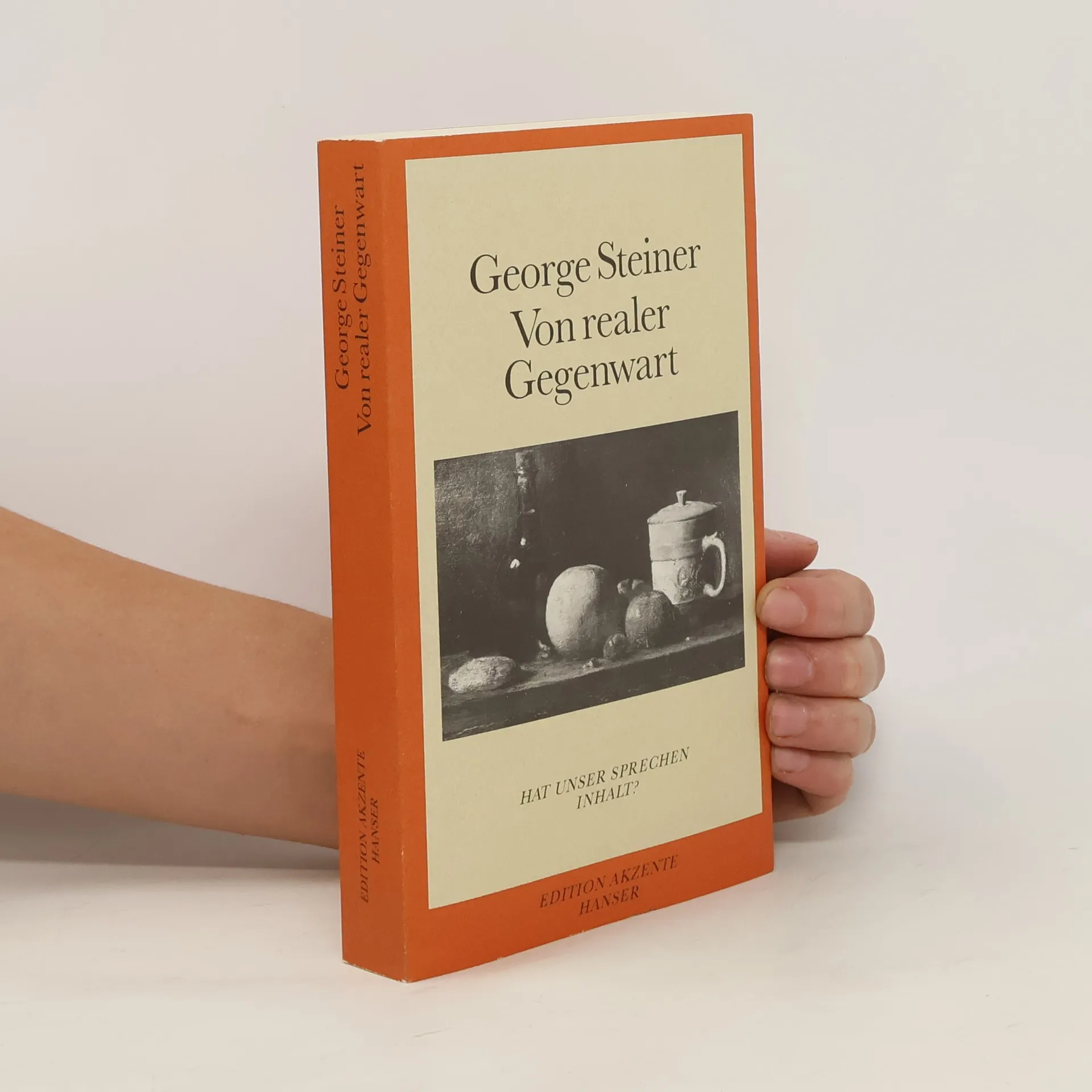
George Steiners Essay versucht eine scharfsinnige Diagnose der Misere unseres Zeitalters und dessen sekundärer, parasitärer Kultur, in der die Welt zu Tode geredet zu werden droht und in der sich Beliebigkeit und Relativismus durchsetzen. Ein europäischer Intellektueller von hohem Rang eröffnet Perspektiven einer neuen Kulturtheorie.
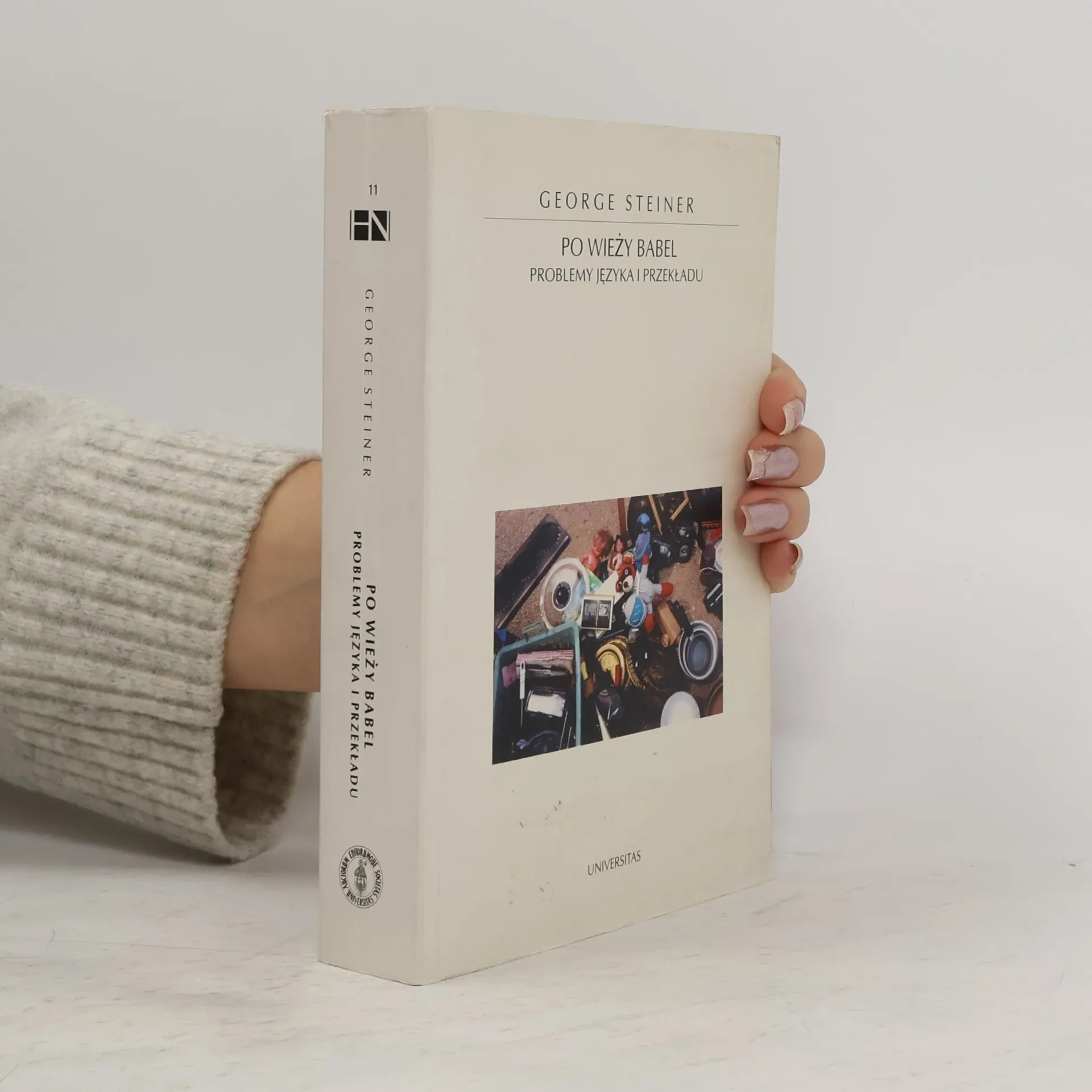
Po wieży Babel łączy starożytną retorykę, historię literatury, krytykę, językoznawstwo i filozofię języka, tworząc ogólną poetykę przekładu. W chwili wydania w 1973 roku, książka była odbierana przez wielu krytyków jako anarchiczne dzieło outsidera. Jednak po kilku wznowieniach zyskała status klasyki i stała się kamieniem milowym w interdyscyplinarnych badaniach, wyznaczając nowy dyskurs w humanistyce. Książka jest inspirującą lekturą zarówno dla tych, którzy postrzegają wieżę Babel jako symbol katastrofy, jak i dla tych, którzy widzą w różnorodności języków źródło nadziei. Kluczowe pytanie, dlaczego homo sapiens, mimo jednorodności genetycznej i fizjologicznej, posługuje się tysiącami niezrozumiałych języków, jest centralnym tematem pracy George'a Steinera, wybitnego kulturoznawcy i komparatysty, który wykładał na prestiżowych uniwersytetach. Od wczesnego dzieciństwa doświadczał fenomenu przekładu, który w książce ukazuje jako istotę każdego aktu ludzkiej komunikacji.
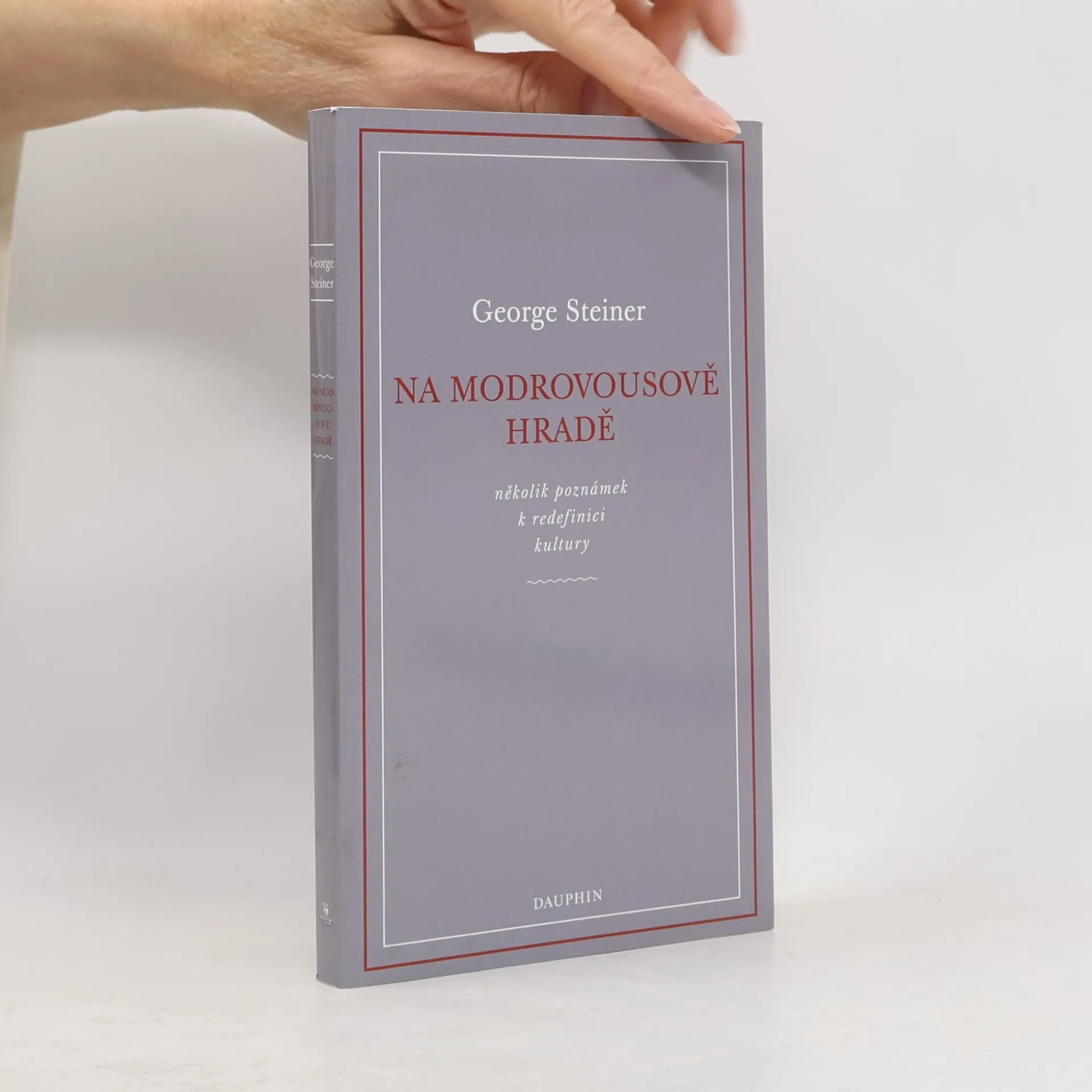
Na Modrovousově hradě je rozsahem nepříliš dlouhý, myšlenkově ovšem nesmírně hutný a po jazykové i argumentační stránce strhující esej, jímž se George Steiner zařadil mezi přední filozofy kultury své doby. Tematicky navazuje na studii T. S. Eliota z roku 1948, jež zkoumá podstatu kultury a její postavení v západní společnosti. Steiner jde však ještě o něco dál a pokládá opomíjené a v mnoha případech doposud nevyřčené otázky, jimiž „naši“ kulturu představuje ve zcela novém světle. Čtenář má tak možnost podniknout unikátní historicko-filozoficko-literární sondu do dějin západní civilizace, jež odhaluje vzrušující, ale i značně znepokojující souvislosti mezi vyspělou civilizací a kulturním barbarstvím. Ústřední tezí, kterou se Steiner snaží obhájit, je tvrzení, že holocaust nemáme chápat jako exces, nýbrž jako doprovodný jev modernity, vyvěrající z příliš velké sázky na člověka, a že určité příčiny nelidskosti a obecné krize hodnot, jež vedly k současnému přehodnocení kultury, lze paradoxně najít v samotném srdci civilizovanosti.
Eseje o Bohu, estetice, jazyku a myšlení. V této knize se setkává estetika, teologie, lingvistika, literární teorie a filozofie, ale přitom (jako u Steinera vždy) nejde o suchopárnou teoretizaci předem vytčeného problému, nýbrž o vášnivou, dobrodružnou intelektuální cestu líčenou téměř básnickým jazykem.
Jaké je to být básníkem, když se v sousedním domě nad svící sklání Dante nebo Shakespeare?
Jaké je to milovat ve čtyřech různých jazycích?
Jak by měl v 21. století vypadat základní model obecné gramotnosti?
Znamenají hranice mého jazyka skutečně hranice mého světa?
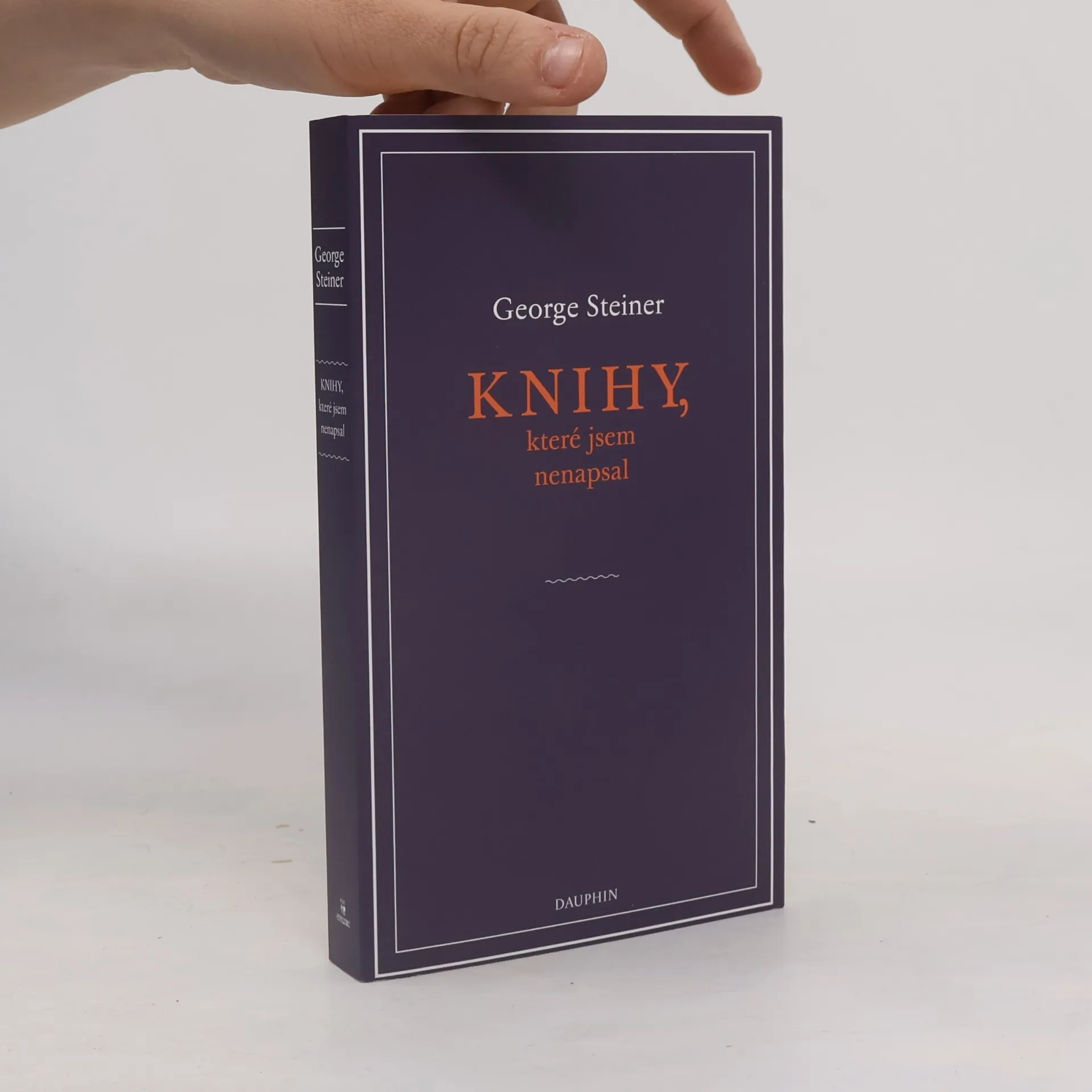
Takovéto otázky a ještě spoustu dalších otevírá George Steiner ve svém souboru sedmi esejů s poněkud ironickým názvem Knihy, které jsem nenapsal. Tento koryfej soudobé kulturní kritiky, patřící k jedněm z mála skutečně originálních myslitelů naší doby, v nich pojednává o tématech, která za svůj život promýšlel, k nimž podniknul přípravné studie, která však již nestihl dovést do hodnotné knižní podoby. Kdo by však čekal sentimentální tesknění nad omezenými možnostmi lidského života, ten musí hledat jinde. Steinera ani v pokročilém věku neopouští onen údiv, který stál na počátku veškerého filozofického tázání, a touha pochopit, porozumět. Kromě hlubokých a argumentačně mistrně vystavených úvah kniha zaujme i tím, že oproti jiným esejům zde Steiner nezvykle odkrývá své soukromí a prozrazuje důvěrnosti, na něž sám není příliš hrdý.
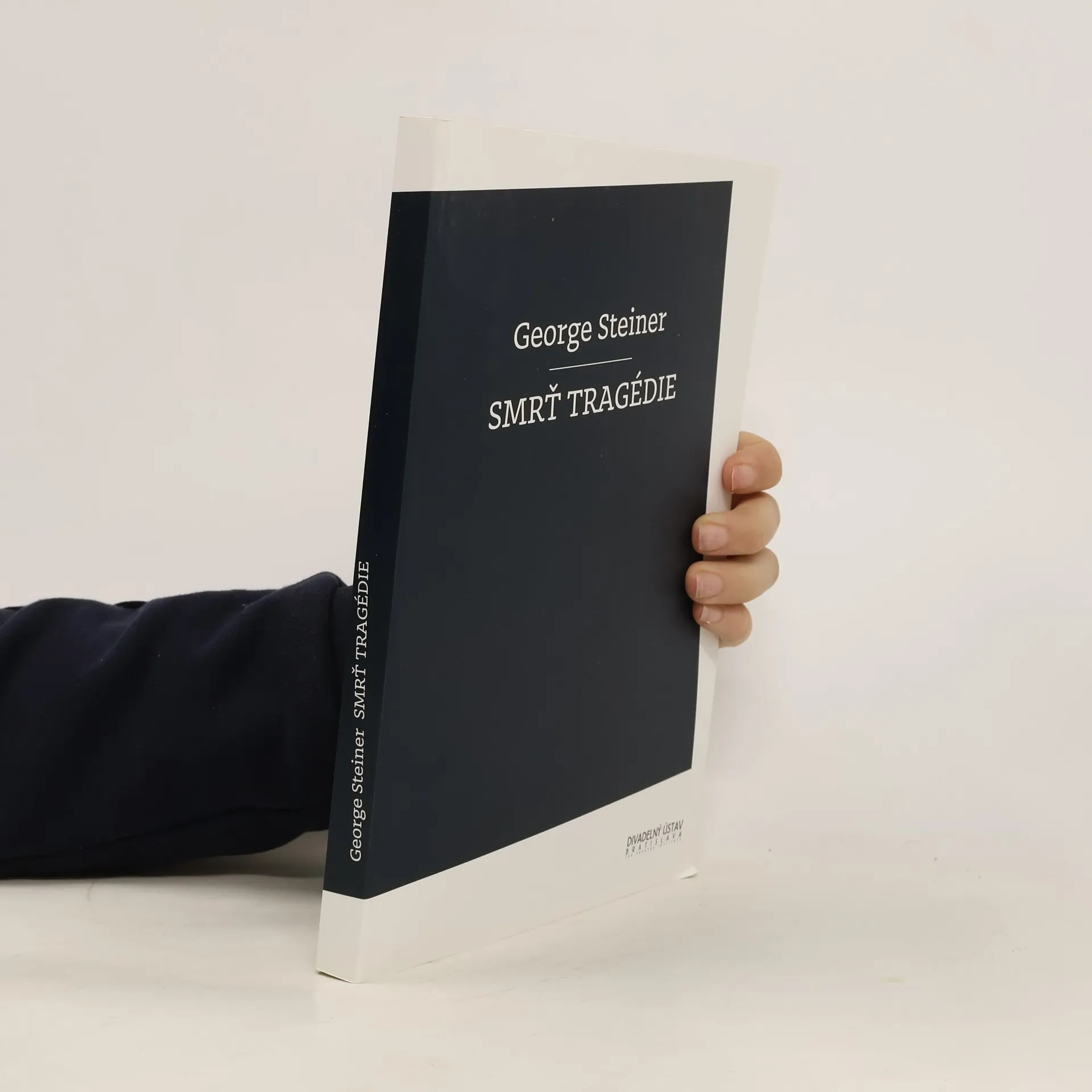
Steinerovo dielo prináša prevratné názory, ktoré sa dotýkajú viacerých vedných odborovo – teatrológie, filozofie, sociológie, antropológie... a jeho prvé sprístupnenie pre slovenských čitateľov je vydavateľský počin obrovského dosahu a významu. Kniha Smrť tragédie vyšla po prvý raz v roku 1961, neskôr vo viacerých reedíciách a v takmer dvadsiatich prekladoch. Autor v tejto eseji pracuje s pojmom tragédie na filozofickej báze, skúma základy a východiská tragického pocitu, tragického vyznenia ľudského života. S pojmom tragédie pracuje na základe dôverného a dôsledného poznania textov jednotlivých autorov od antickej tragédie až po divadelné texty šesťdesiatych rokov 20. storočia. George Steiner (1929) je profesor anglickej komparatívnej literatúry. Počas života pôsobil na mnohých prestížnych univerzitách – Yale, Oxford či Cambridge.
Steinerova prozaická tvorba míří tam, kam běžná literatura vstupuje jen zřídka - do hlubin Pacifiku, do bažin Amazonie, do vyhlazovacího tábora v Polsku i do Itálie po pádu železné opony a zhroucení marxistických ideálů. Jsou to nadčasové příběhy o strachu, o soužití lásky a nenávisti, o víře a naději, o podstatě holocaustu i o nemožnosti zapomenout. Tento výbor shromažďuje pět próz napsaných v rozmezí čtyř desetiletí, v nichž se Steiner stejně jako ve svých filozoficko-estetických zkoumáních zabývá paradoxní vlastností jazyka, schopného stejnou měrou žehnat i zabíjet, vytvářet hodnotu a smysl, jakož i legitimizovat lež a nelidskost. Na povrch také znovu vyplouvá kruté a znepokojivé poznání, že ta nejobludnější zvěrstva napáchaná ve 20. století vzešla ze srdce evropské vzdělanosti a humanity. Nejdále v tomto ohledu zachází titulní novela výboru, v níž se lovci nacistů v srdci amazonského pralesa chystají soudit přeživšího Adolfa Hitlera. Jeho fiktivní obhajovací řeč, vyznačující se mimořádnou elokvencí a teologickou rafinovaností, působí i dnes značně kontroverzně.