Derek Walcott, a Nobel laureate, was a poet and playwright deeply engaged with myth and its intersection with culture. His work, developed independently of contemporary literary movements, is marked by exceptional luminosity and historical vision. He often reimagined classical epics in new contexts, forging connections between Caribbean identity and universal human experiences. Walcott's plays and poems stand as testament to his lifelong commitment to exploring the complexities of a multicultural experience.
and his late masterpieces, like the tender 'Sixty Years After,' from the 2010
collection White Egrets. Across sixty-five years, Walcott has grappled with
the themes that have defined his work as they have defined his life: the
unsolvable riddle of identity;
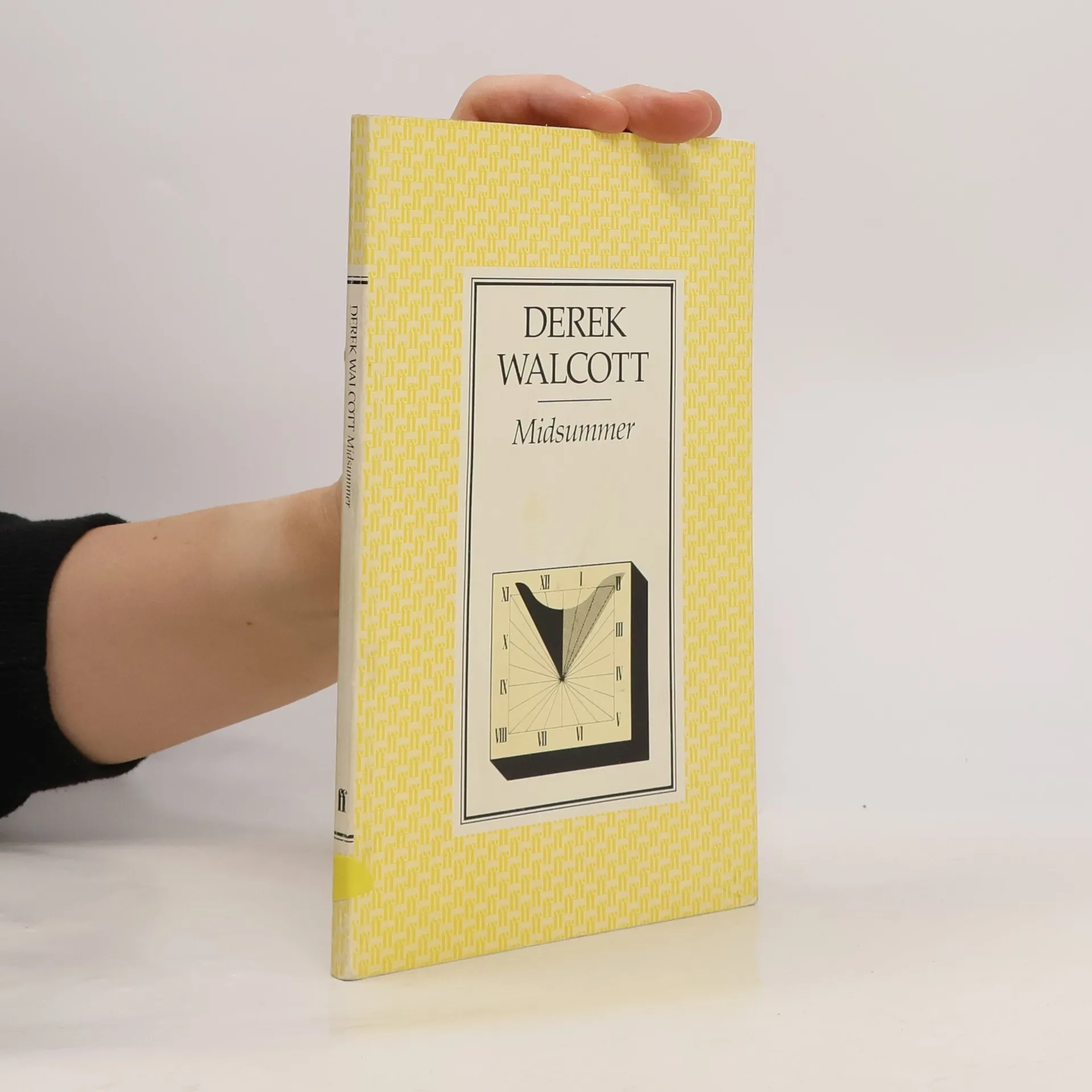
"Midsummer" is a poignant poem in fifty-four sequences, serving as a lyrical journal of a year from summer to summer. It reflects Derek Walcott's midlife and offers an assessment of the Caribbean poet and painter, written in a rich and flexible language beautifully translated by Raoul Schrott.
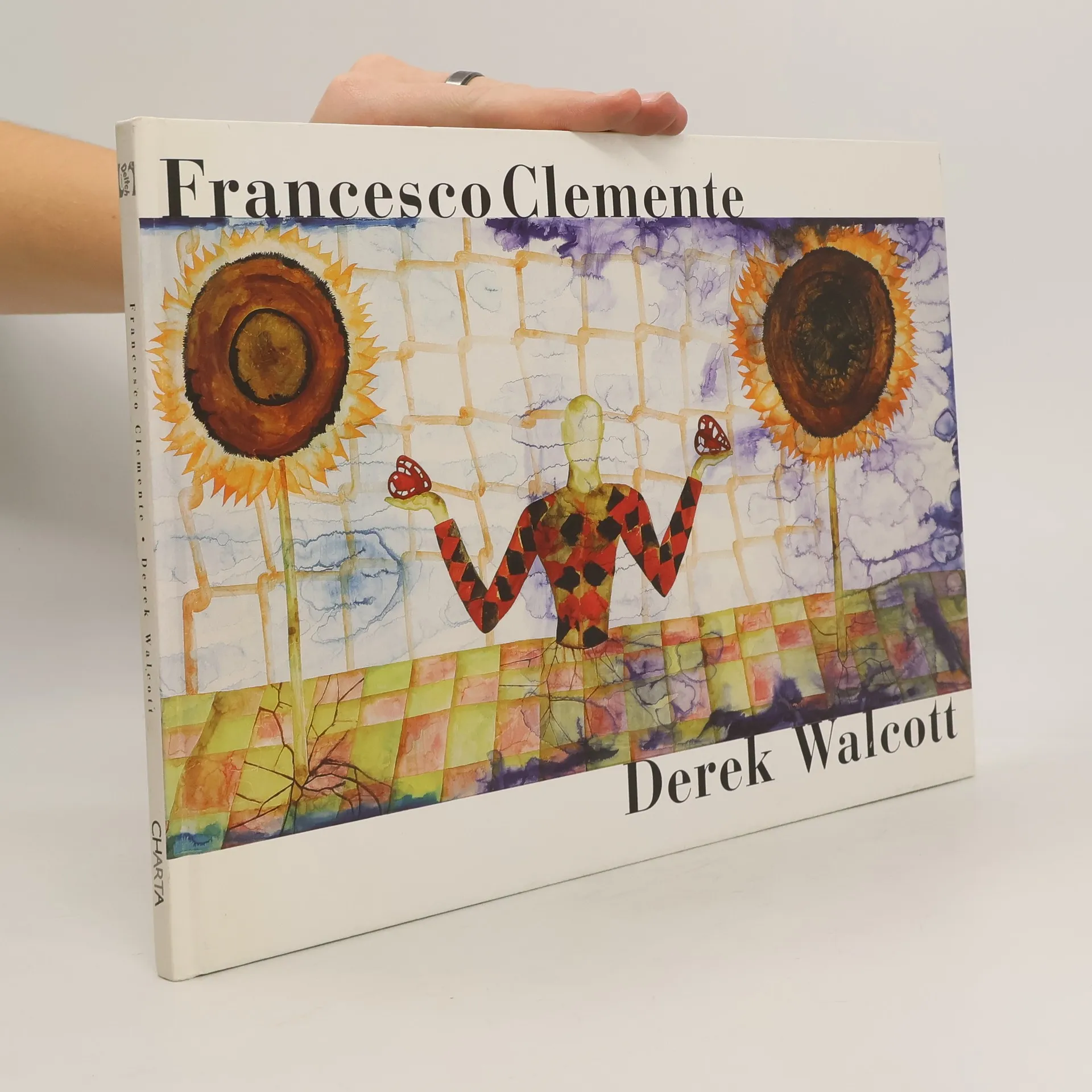
Francesco Clemente's new Three Rainbows project had a prolonged gestation; for years he had wanted to use watercolor and to paint rainbows, but only recently did the moment ripen. Three Rainbows began as three 60-foot long rainbow paintings--probably the largest watercolors ever made. For Clemente, whose attraction to given forms (such as the mandala) has long formed an integral part of his iconography, the rainbow suggests a number of important it is a bridge (and therefore a structure that brings things together), a phenomenon that occurs after a period of darkness (Clemente's works of recent years had darkened noticeably) and a reversible image capable of leading the eye in opposite directions. The artist's affinity for watercolor derives in part from the medium's immediacy--an ideal vehicle for Allen Ginsberg's "first thought, best thought"--and these works betray his spontaneity and joy in making them.
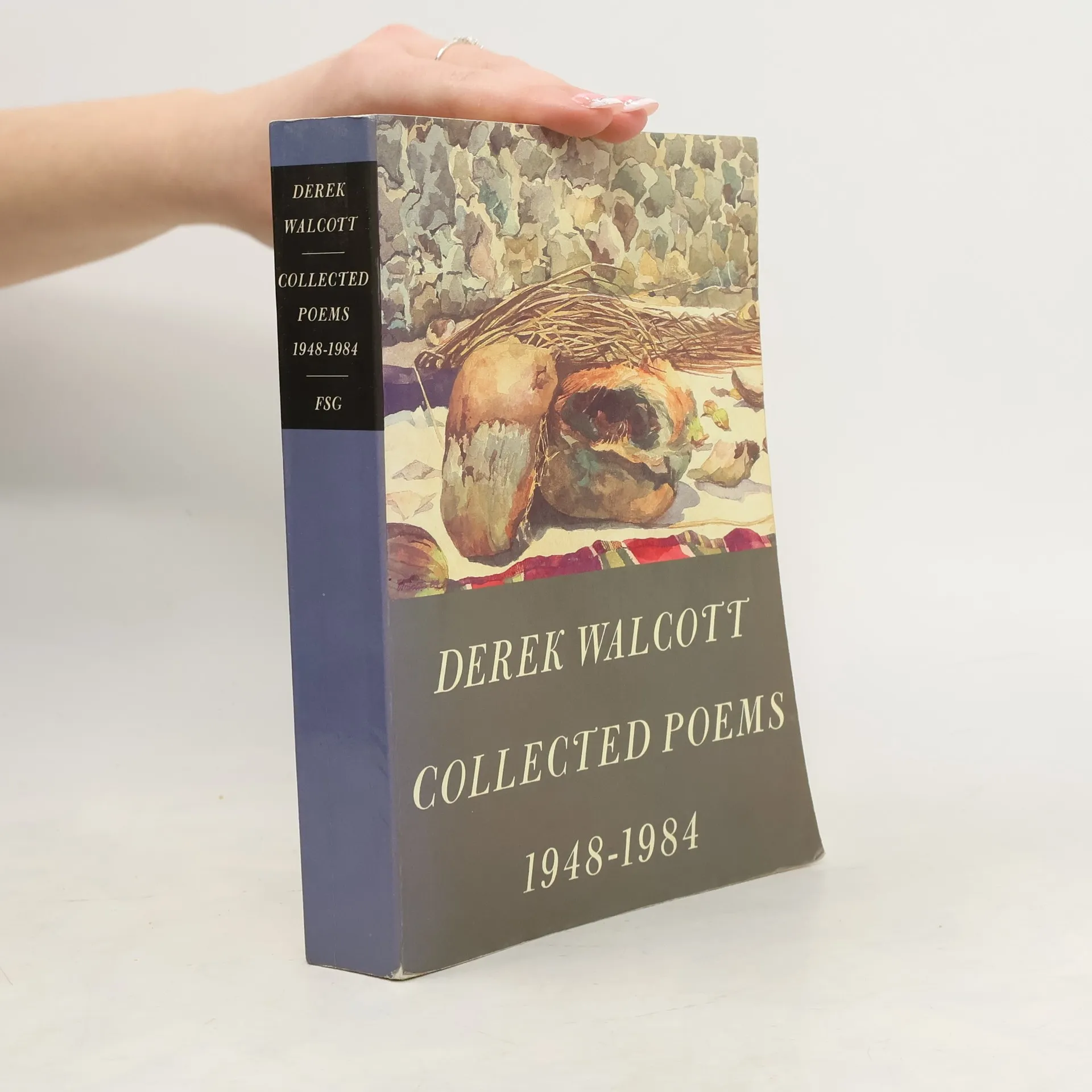
This book features a selection of poems from Derek Walcott's seven collections, along with the complete text of "Another Life," praised as an exceptional long autobiographical poem. "Collected Poems" won the 1986 Los Angeles Times Book Prize for poetry.
Three acclaimed poets delve into the myths and misunderstandings surrounding Robert Frost, offering fresh insights into his life and work. Through their unique perspectives, they challenge traditional narratives and illuminate the complexities of Frost's poetry, revealing the deeper themes and emotions that resonate within his verses. This exploration not only honors Frost's legacy but also invites readers to reconsider his impact on American literature.
The poems in this sequence of fifty-four were written to encompass one year, from summer to summer. Their principal themes are the stasis, both stultifying and provocative, of midsummer in the tropics; the pull of the sea, family, and friendship on one whose cricumstances lead to separation; the relationship of poetry to painting; and the place of a poet between two cultures. Walcott records, with his distinctive linguistic blend of soaring imagery and plainly stated facts, the experience of a mid-lief period--in reality and in memory or the imagination. As Louis Simpson wrote on the publication of Wacott's The Fortunate Traveller, "Walcott is a spellbinder. Of how many poets can it be said that their poems are compelling--not a mere stringing together of images and ideas but language that delights in itself, rhythms that seem spontaneous, scenes that are vividly there?...The poet who can write like this is a master."
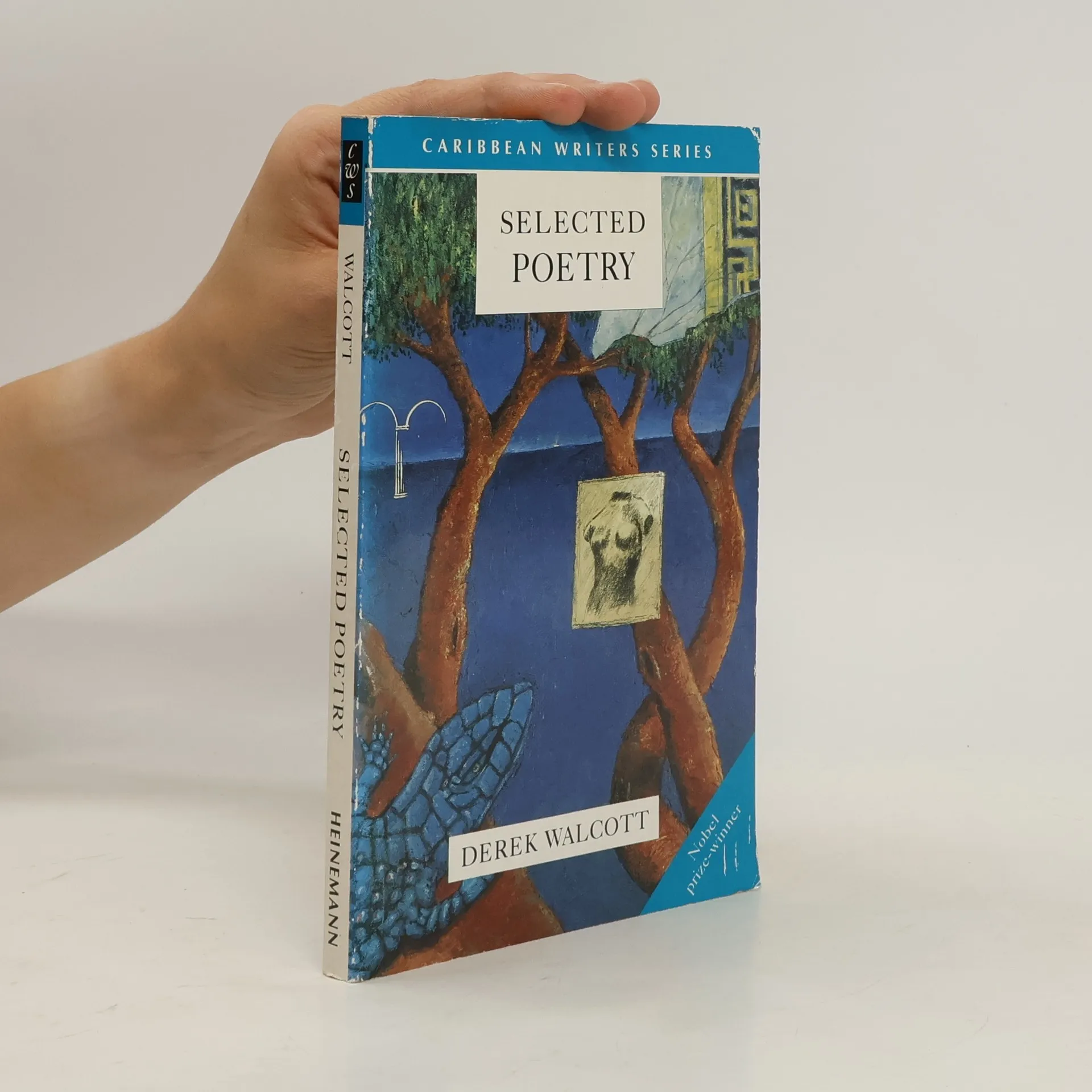
A selection of the poetry of Derek Walcott, winner of the 1992 Nobel Prize for Literature. The nature of memory and the creative imagination, the history, politics and landscape of the West Indies, Walcott's loves and marriages and his enduring awareness of time and death, are recurring themes.
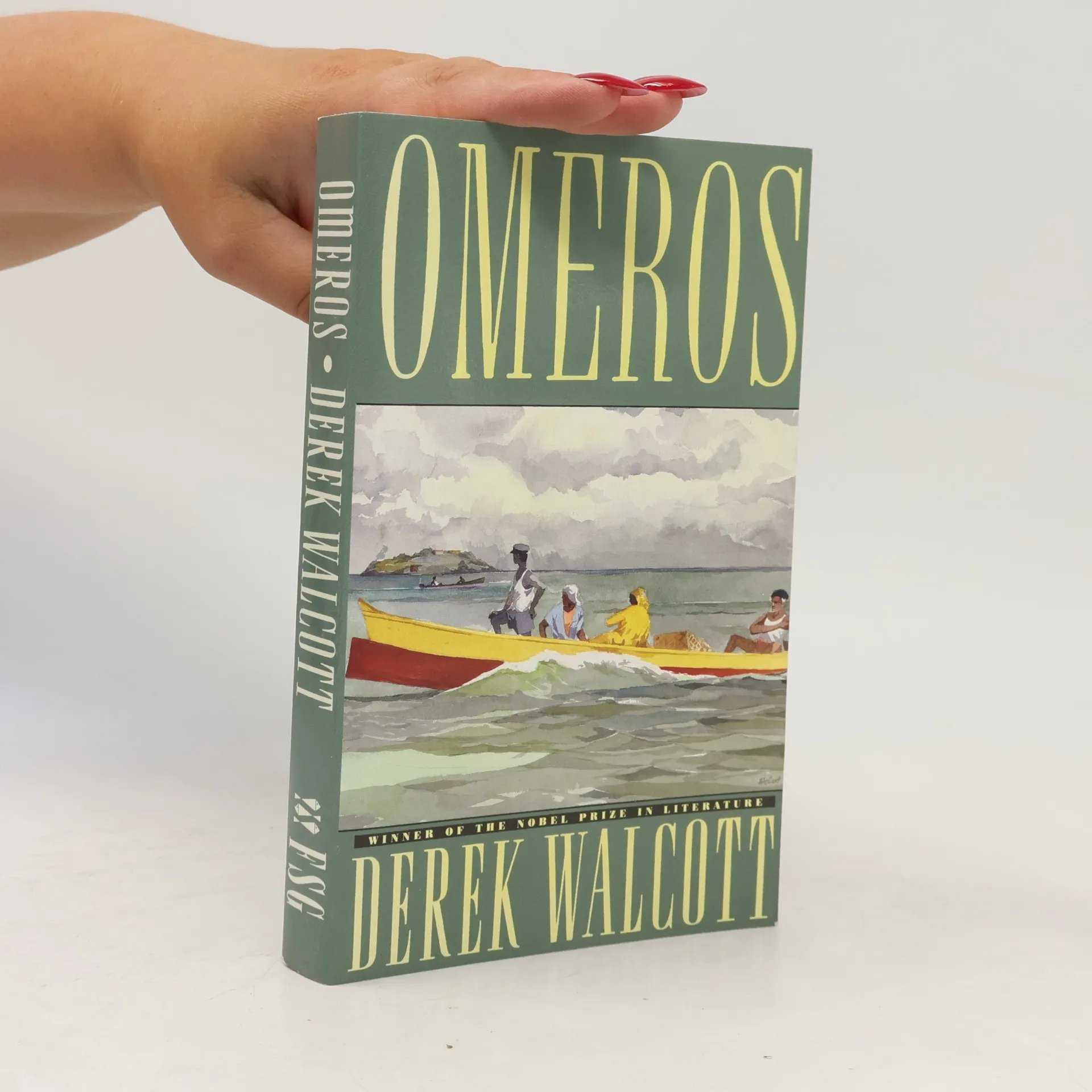
A poem in five books, of circular narrative design, titled with the Greek name for Homer, which simultaneously charts two currents of history: the visible history charted in events -- the tribal losses of the American Indian, the tragedy of African enslavement -- and the interior, unwritten epic fashioned from the suffering of the individual in exile
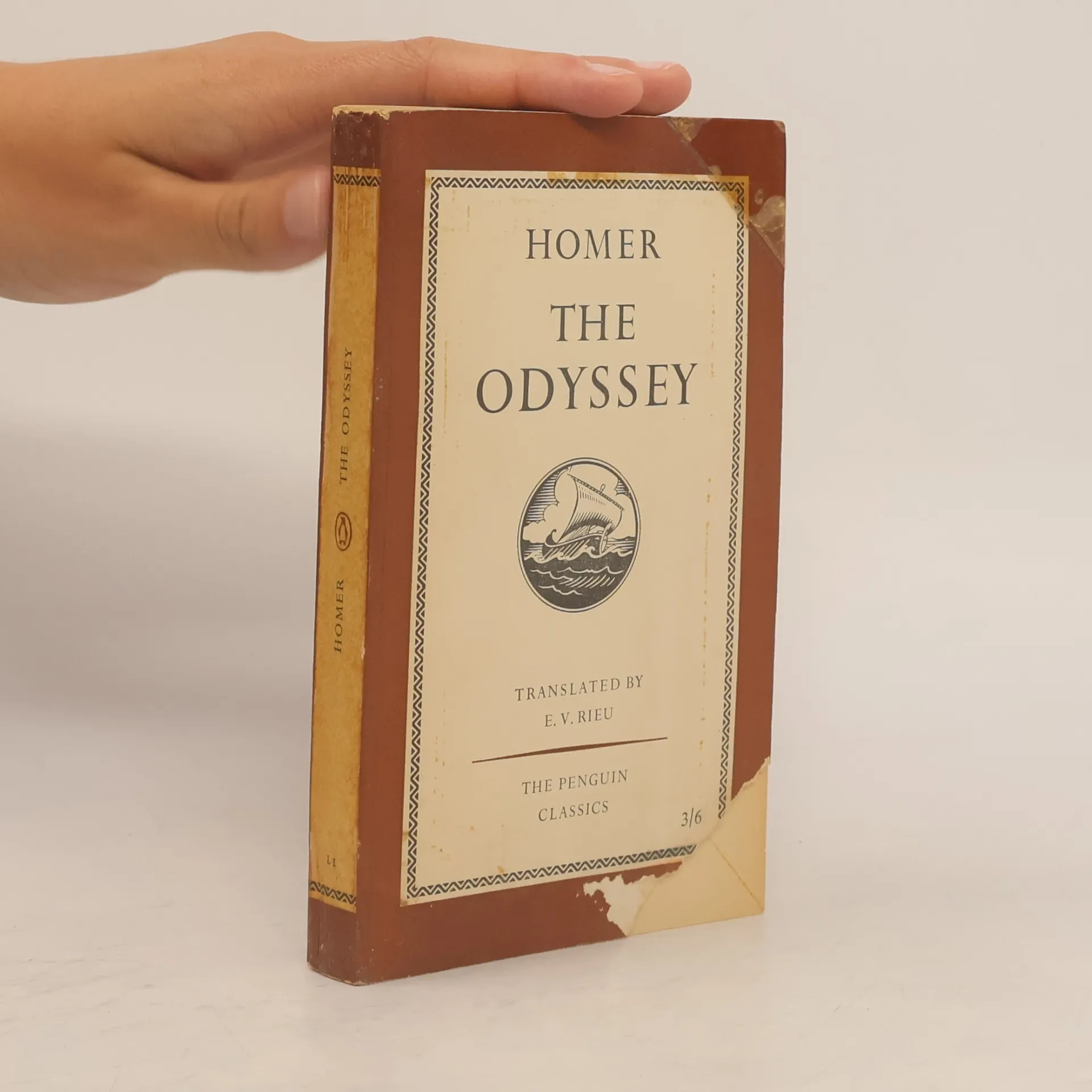
Robert Fagles's stunning modern-verse translation-available at last in our black-spine classics line A Penguin Classic The Odyssey is literature's grandest evocation of everyman's journey through life. In the myths and legends that are retold here, renowned translator Robert Fagles has captured the energy and poetry of Homer's original in a bold, contemporary idiom and given us an Odyssey to read aloud, to savor, and to treasure for its sheer lyrical mastery. This is an Odyssey to delight both the classicist and the general reader, and to captivate a new generation of Homer's students. For more than seventy years, Penguin has been the leading publisher of classic literature in the English-speaking world. With more than 1,700 titles, Penguin Classics represents a global bookshelf of the best works throughout history and across genres and disciplines. Readers trust the series to provide authoritative texts enhanced by introductions and notes by distinguished scholars and contemporary authors, as well as up-to-date translations by award-winning translators.
Tiepolo's Hound joins the quests of two Caribbean men: Camille Pisarro, who
leaves his native St Thomas to follow his vocation as a painter in Paris; and
the poet himself, longing to rediscover a detail from a Venetian painting
encountered on an early visit to New York. schovat popis
The Bounty was the first book of poems Derek Walcott published after winning the 1992 Nobel Prize in Literature.Opening with the title poem, a memorable elegy to the poet's mother, the book features a haunting series of poems that evoke Walcott's native ground, the island of St. Lucia. "For almost forty years his throbbing and relentless lines kept arriving in the English language like tidal waves," Walcott's great contemporary Joseph Brodsky once observed. "He gives us more than himself or 'a world'; he gives us a sense of infinity embodied in the language."
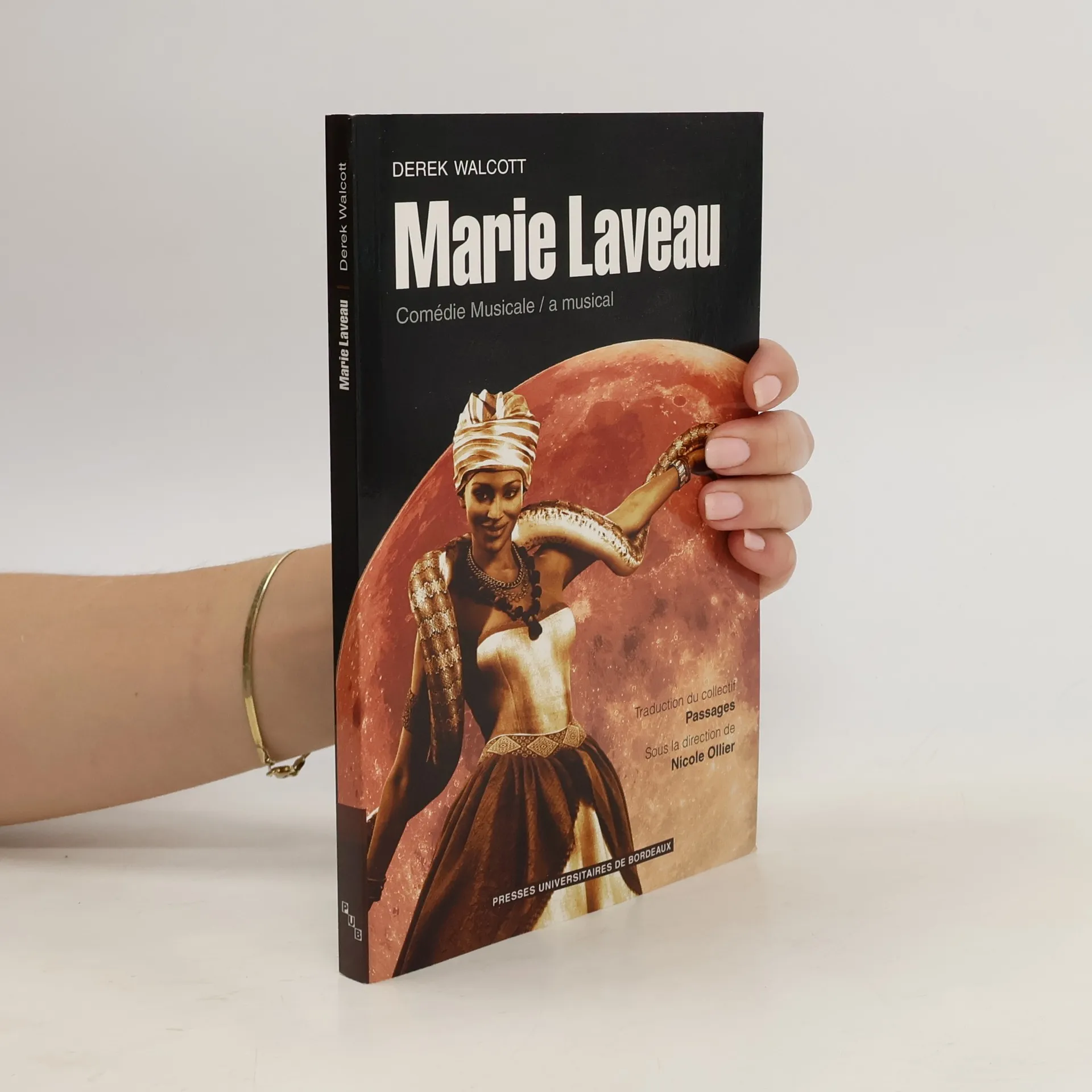
La comédie musicale du prix Nobel de Sainte Lucie (1992), Derek Walcott, a longtemps dormi dans des archives, mais la femme qui inspira le personnage demeure une célébrité en Louisiane, figure de proue d'un folklore populaire, émanation littéralement magique de contes oraux encore vivaces. A l'image de la Nouvelle-Orléans qui la vit naître, Marie Laveau (1792 ? -1881), métisse libre avec du sang européen, africain et amérindien, " bâtarde affranchie ", " Conçue entre les cuisses éméchées d'un pêcheur Cajun et d'une lavandière effarouchée ", est un personnage de Carnaval, être de musique, " négresse " qui s'invente Cléopâtre, femme de pouvoir mais aussi d'humiliation aux mains à la fois des hommes et des Blancs. Marie est tragique et comique tour à tour, shakespearienne tardive, caribéenne dans l'âme, éternellement actuelle. Jamais traduite à ce jour, cette pièce méritait absolument une traduction dans la langue de Molière.
Mit dem Königreich des Sternapfels liegt zum ersten Mal in deutscher Sprache ein Gedichtband des bedeutenden karibischen Dichters und Nobelpreisträgers Derek Walcott vor, der die innere und äußere Geographie seines Archipels neu und eindringlich beschreibt.
Brodsky fordert, dass Lyrik so allgegenwärtig und erschwinglich sein sollte wie Tankstellen und Autos. Die Reihe "Fünf-Minuten-Gedichte" erfüllt dies, indem sie auf 48 Seiten eine Auswahl der schönsten Werke von zehn großen Lyrikern, darunter Derek Walcott, präsentiert. Poesie für alle!
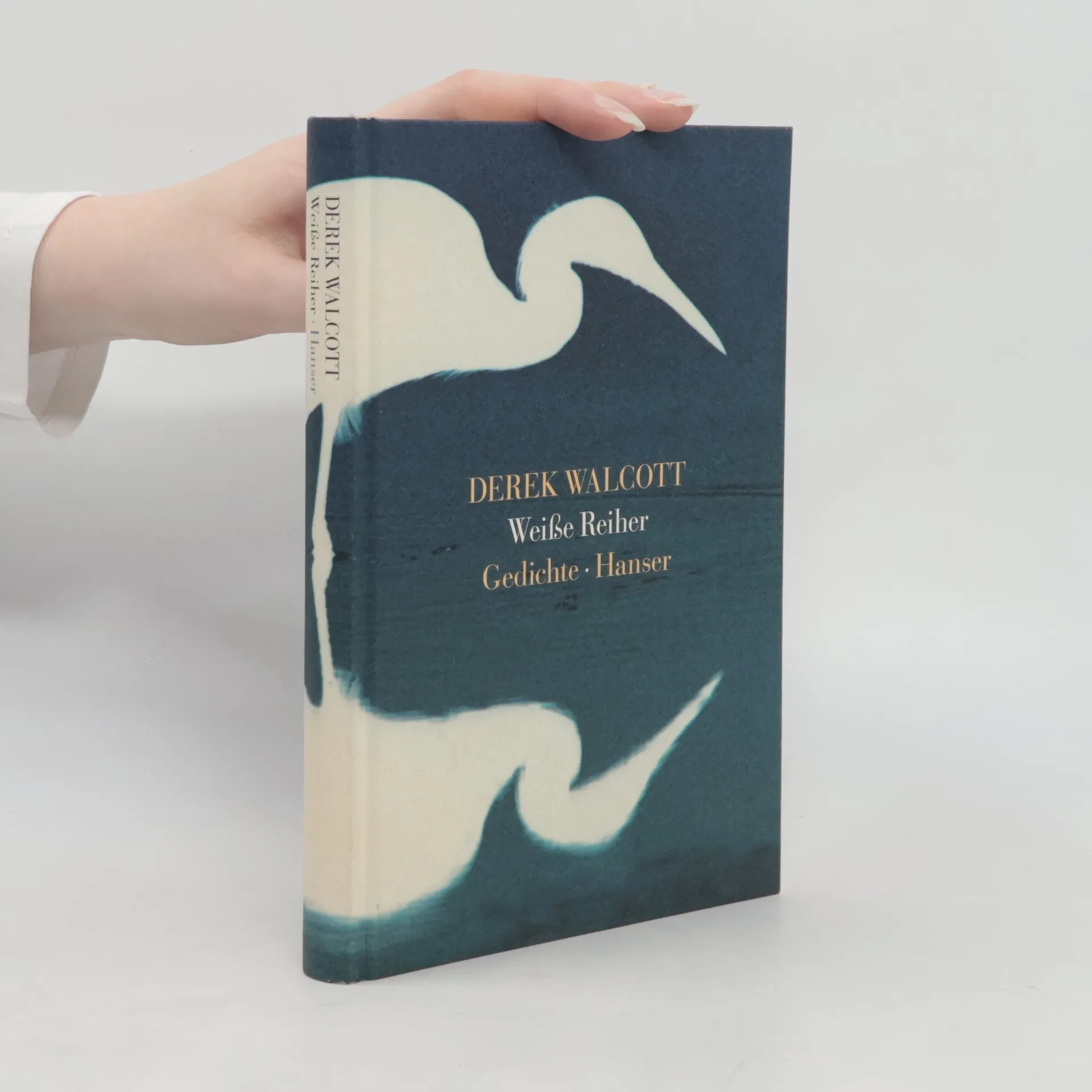
Derek Walcott, der große Dichter des 20. Jahrhunderts, spricht über die Themen, die sein ganzes Leben begleiten: seine Liebe zur westlichen Literatur, die komplexe Kolonialgeschichte der Karibik, die merkwürdige Erfahrung einer neuen Liebe und die manchmal furchteinflößende Schönheit der Natur. Dabei erweitert er die Möglichkeiten von Reim und Takt, von poetischer Form und Sprache. Entstanden ist ein bewegender Zyklus: Seine Gedichte sind ein Lobgesang auf Schönheit, Liebe, Kunst und - vielleicht am überraschendsten - das Altwerden.
Englischsprachige Lyrik im Originalton und in deutscher Übersetzung
Die größte zweisprachige Lyrik-Anthologie im Originalton versammelt 94 englischsprachige Lyrikerinnen und Lyriker und bietet seltene Sprachaufnahmen, die in mehrjähriger Recherche zusammengetragen wurden. Die Anthologie nimmt die Hörer mit auf eine zeitliche und geographische Reise durch das letzte Jahrhundert der englischsprachigen Welt. Die Übersetzungen werden von erstklassigen Schauspielern gelesen und stammen von angesehenen Lyrikern und Übersetzern. Zu den vertretenen Dichtern gehören Alfred Lord Tennyson, Robert Browning, Walt Whitman, William Butler Yeats, Rudyard Kipling, Edgar Lee Masters, James Weldon Johnson, Walter de la Mare, Gertrude Stein, Robert Frost, Carl Sandburg, Wallace Stevens, James Joyce, William Carlos Williams, Ezra Pound, H.D. (Hilda Doolittle), Robinson Jeffers, Edith Sitwell, Marianne Moore, T. S. Eliot, Conrad Aiken, Edna St. Vincent Millay, Archibald Macleish, Dorothy Parker, E. E. Cummings, Robert Ranke Graves, Louise Bogan, Ernest Hemingway, Langston Hughes, Ogden Nash, Louis Zukofsky, Patrick Kavanagh, Samuel Beckett, W. H. Auden, Louis MacNeice, Elizabeth Bishop, John Cage, Karl Shapiro, Delmore Schwartz, Muriel Rukeyser, Dylan Thomas, James Laughlin, Robert Lowell, Gwendolyn Brooks, Lawrence Ferlinghetti, Charles Bukowski, Richard Wilbur, Jack Kerouac, Philip Larkin, Denise Levertov, Michael Hamburger, Kenneth Koch, Robert Creeley, Robert Bly, Allen Ginsberg, Frank O'Hara, Charles Tomlinson
Derek Walcott's late masterpiece begins with an autumn train journey, triggering an inner exploration across diverse landscapes from Greenwich Village to the Alps and beyond. Central to this journey is the image of his homeland, St. Lucia, as Walcott weaves an epic that contrasts exhausted Europe with the new world, where the wanderer seeks to reclaim his poetic identity.
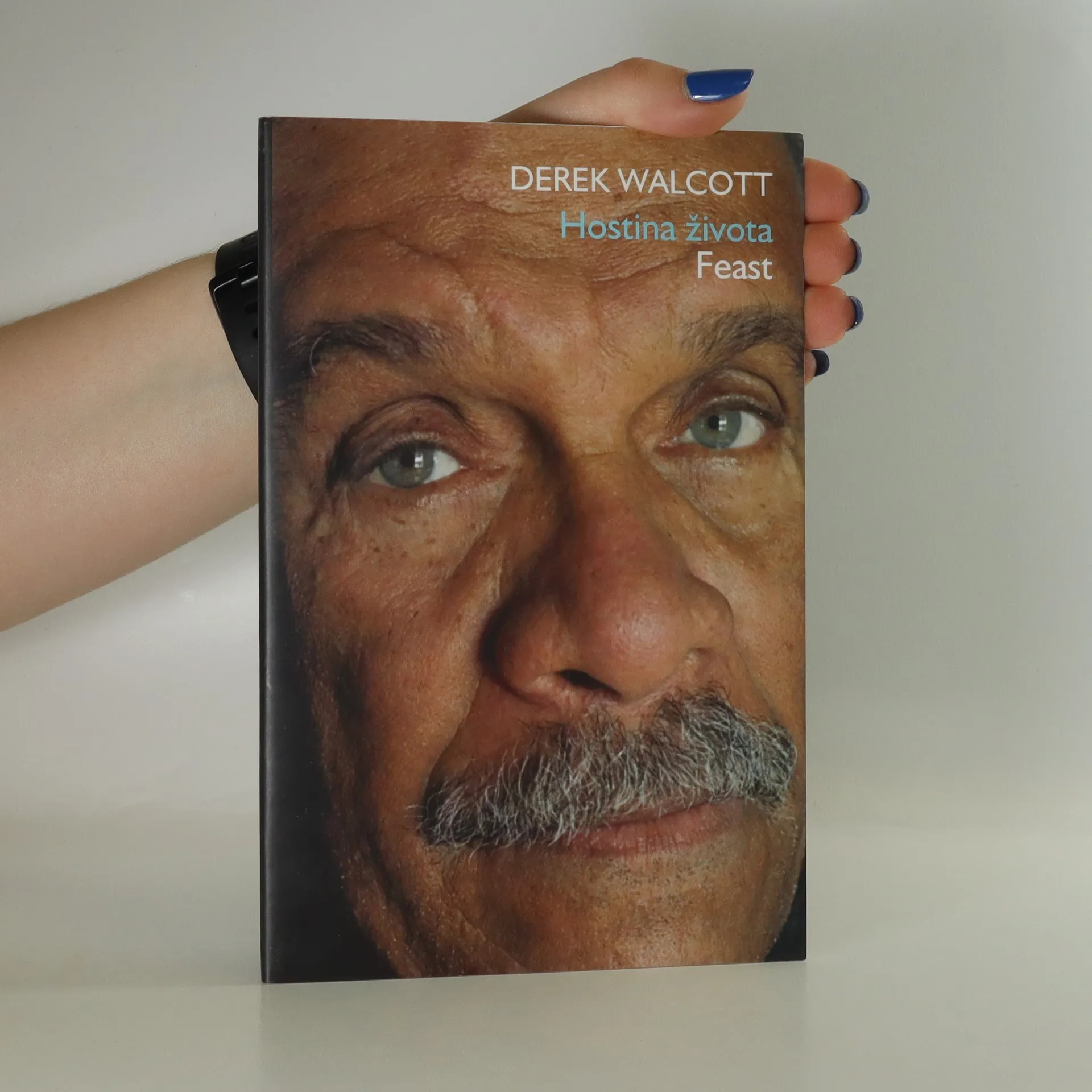
Hostina života je první sbírkou karibského básníka, která vychází česky. V básních Dereka Walcotta, ovlivněných historií evropské kolonializace západoindické kultury i rodinnou minulostí potomka někdejších otroků, se prolínají odkazy k anglické básnické tradici se symbolikou a imaginací, jež čerpají z vnitřního umělcova světa i jeho karibských kořenů.V roce 1992 byla tomuto básníkovi, dramatikovi a malíři udělena Nobelova cena "za poetické dílo neobyčejné zářivosti opírající se o historickou vizi, jež vychází z multikulturní angažovanosti."Derek Walcott dokázal přetvořit rodnou kulturu, historii a společnost v mýtus dnešní doby, epos, který se stal nedílnou součástí dějin západní literatury.
Výber z poézie nositeľa Nobelovej ceny za literatúru. Básne do tejto knihy zo súborného diela vybrala a preložila Jana Kantorová-Báliková. Sú plné krásnej nostalgie a nesú pečať ostrovov, z ktorých autor pochádza. Knihu sprevádzajú farebné olejomaľby Daniela Brunovského, ktoré podčiarkujú celkovú náladu diela. Kniha vychádza bilingválne t. j. v anglickej pôvodine a slovenskom preklade.