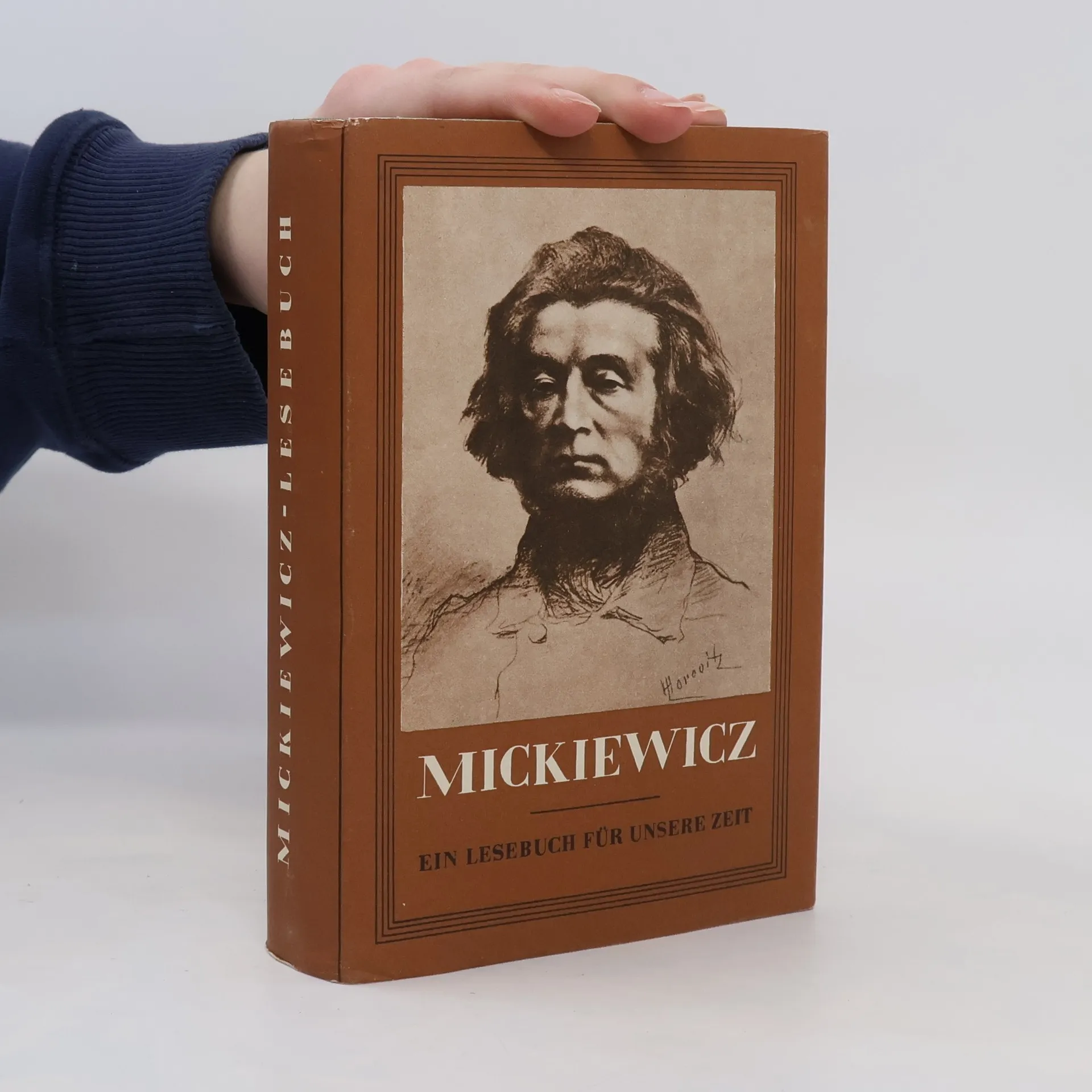
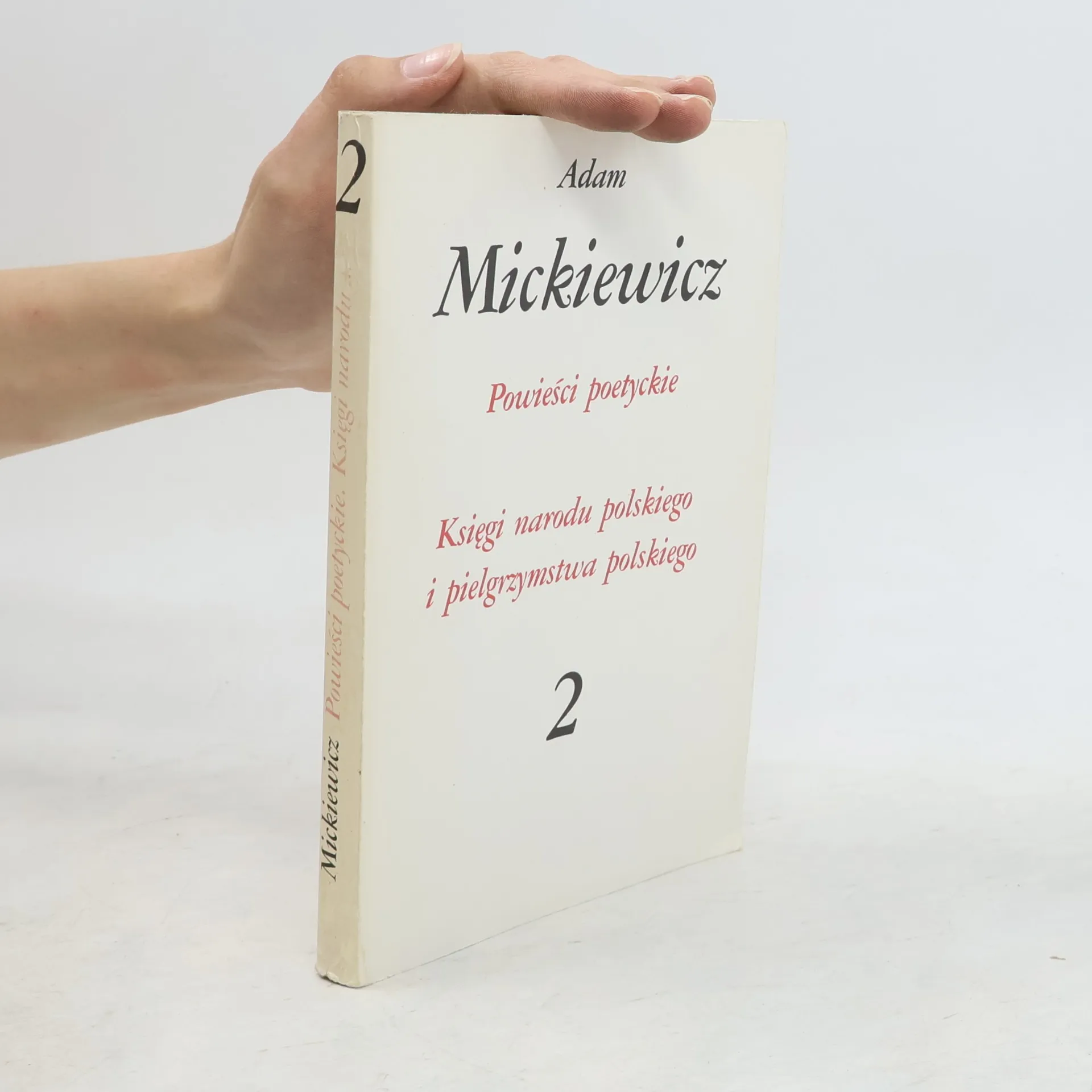
Adam Mickiewicz is a towering figure in Polish literature and national consciousness, often compared to Homer for the Greeks or Shakespeare for the British. He was not only a celebrated writer but also a significant political leader whose works animated the Polish spirit during times of oppression. While his public image was carefully cultivated, recent scholarship has delved into the more mysterious aspects of his life, including his mystical leanings and his mother's Jewish heritage. His writings offered hope and spiritual sustenance to a nation striving for identity and freedom.
Set against the backdrop of 2022, the Year of Romanticism in Poland, this book explores the cultural and historical significance of the Romantic movement in Polish literature and art. It delves into the works of key figures, their influence on national identity, and how Romantic ideals resonate in contemporary society. Through a blend of analysis and reflection, the narrative highlights the enduring legacy of Romanticism in shaping Poland's artistic landscape and its relevance in today's world.
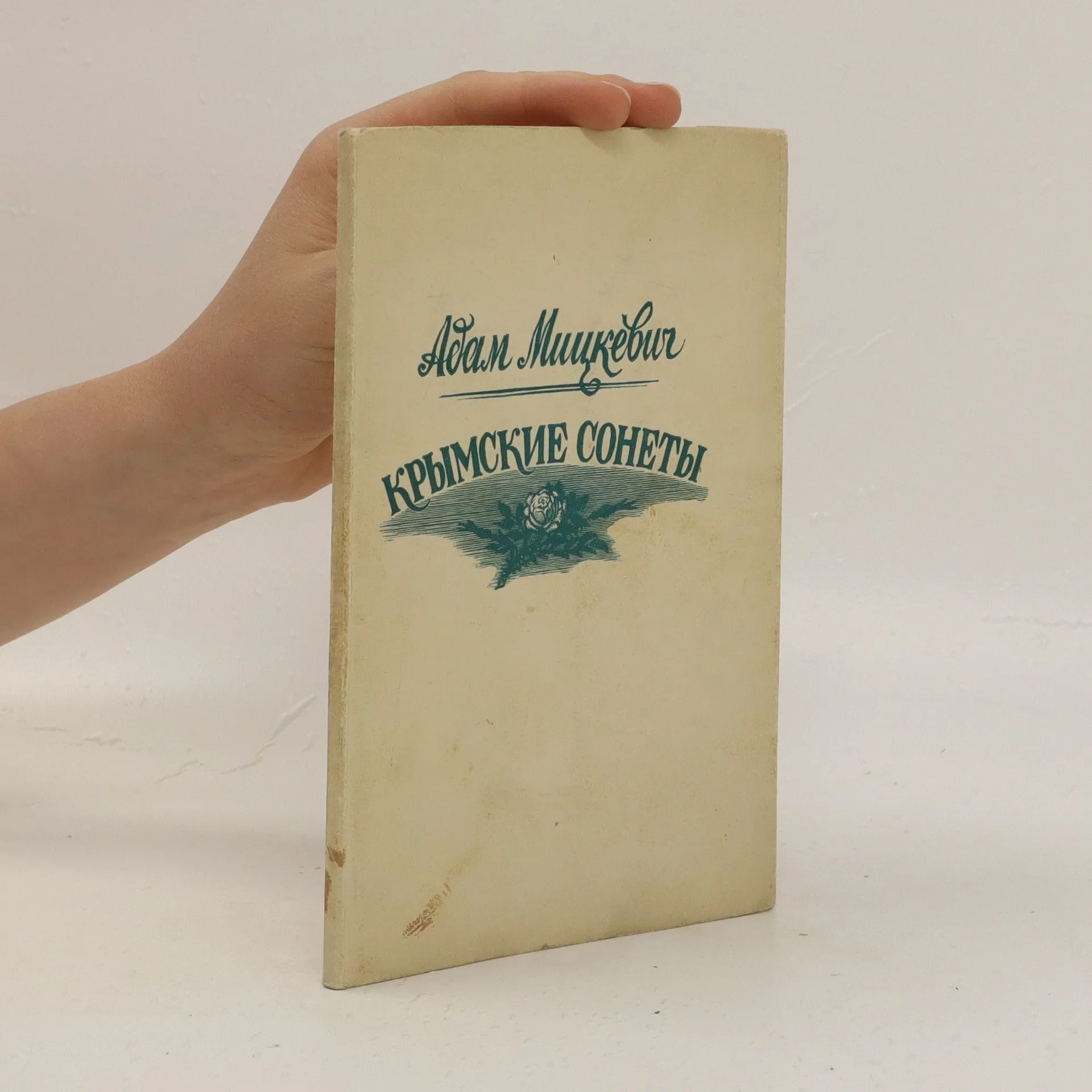
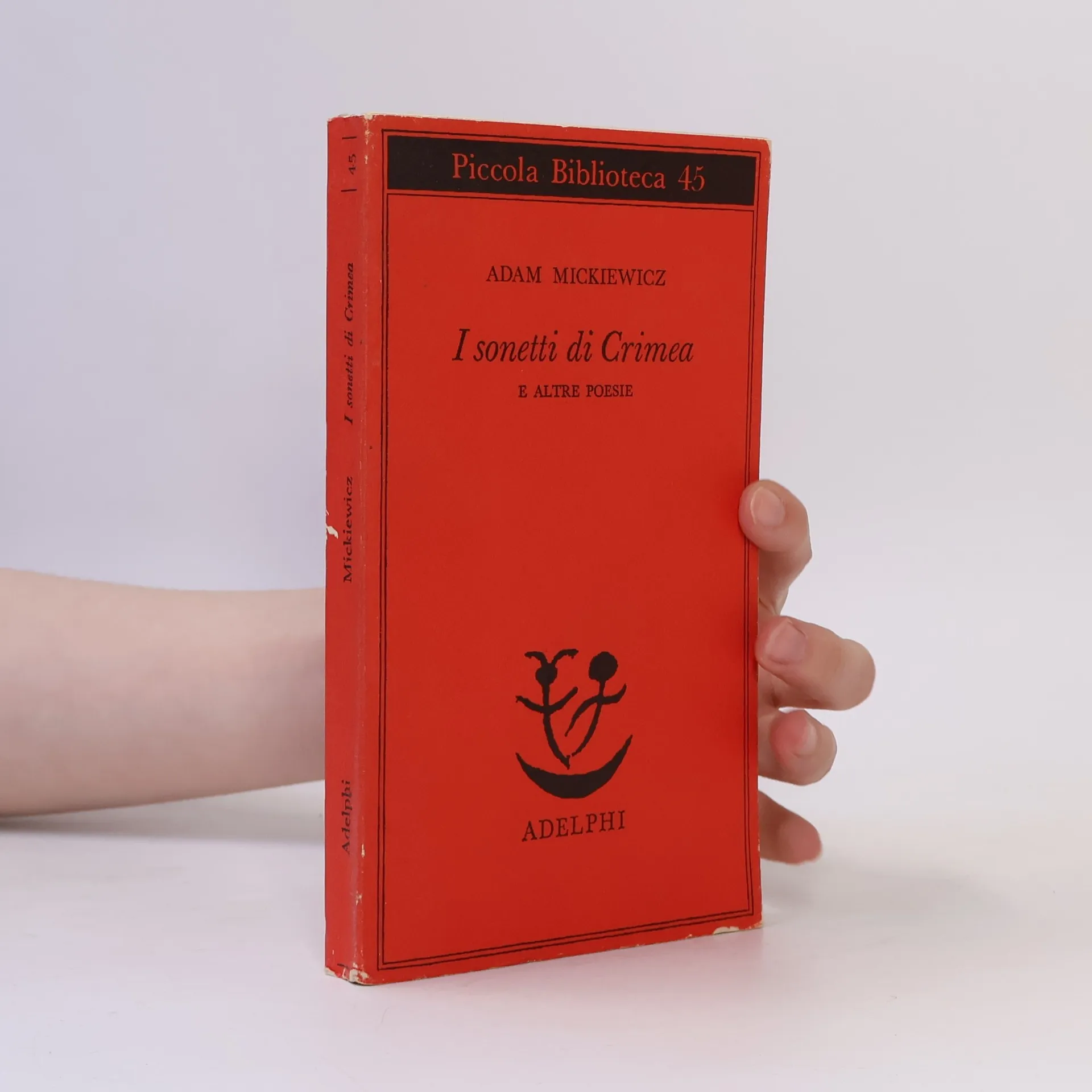
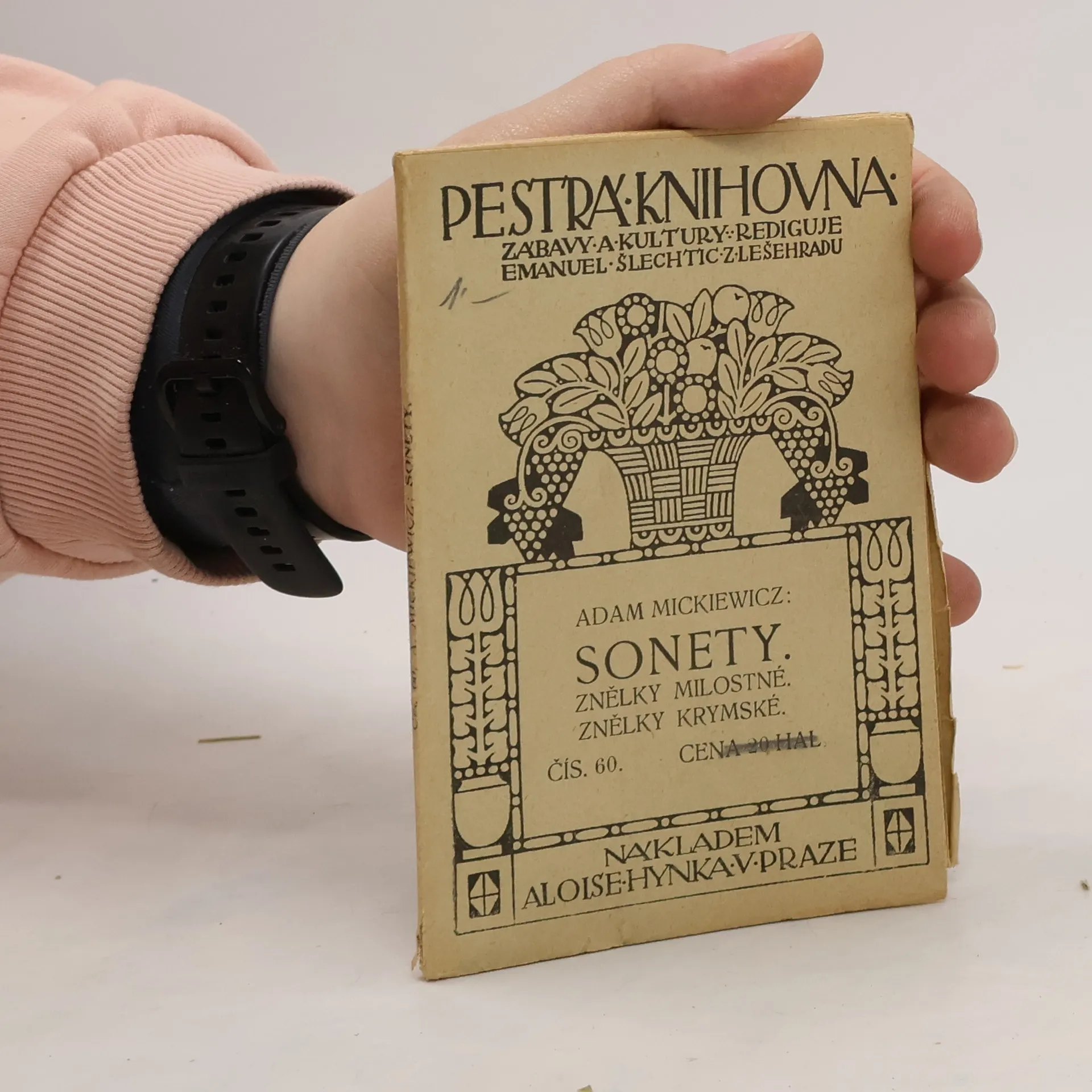
Including The Erotic Sonnets, The Crimean Sonnets, and Uncollected Sonnets
190 pages
7 hours of reading
The collection showcases Adam Mickiewicz's mastery of the Petrarchan sonnet form, revealing the emotional depth of his Erotic Sonnets that explore a love affair's evolution with sardonic wit. The Crimean Sonnets offer vivid descriptions of Mickiewicz's travels in the picturesque Crimean Peninsula, marking them as a significant achievement in descriptive poetry. Presented in both Polish and English translations, this comprehensive volume includes additional "loose" sonnets, critical insights, and textual notes, enriching the reader's understanding of Mickiewicz's poetic legacy.
Karl Dedecius, 1921 in Lodz geboren, galt als bedeutendster Mittler polnischer Literatur und Kultur in Deutschland. Als Übersetzer hunderter Bücher, Autor zahlloser Reden und Aufsätze, Herausgeber der Polnischen Bibliothek , Gründer des Deutschen Polen-Instituts in Darmstadt wurde er vielfach gewürdigt und ausgezeichnet, u. a. mit dem Friedenspreis des Deutschen Buchhandels (1990), dem Orden des Weißen Adlers (1999) in Polen und dem Deutschen Nationalpreis (2010). Karl Dedecius starb am 26. Februar 2016 im Alter von 94 Jahren in Frankfurt am Main. Karl Dedecius, 1921 in Lodz geboren, galt als bedeutendster Mittler polnischer Literatur und Kultur in Deutschland. Als Übersetzer hunderter Bücher, Autor zahlloser Reden und Aufsätze, Herausgeber der Polnischen Bibliothek , Gründer des Deutschen Polen-Instituts in Darmstadt wurde er vielfach gewürdigt und ausgezeichnet, u. a. mit dem Friedenspreis des Deutschen Buchhandels (1990), dem Orden des Weißen Adlers (1999) in Polen und dem Deutschen Nationalpreis (2010). Karl Dedecius starb am 26. Februar 2016 im Alter von 94 Jahren in Frankfurt am Main.
Kolekcja POEZJA POLSKA jest zbiorem klasycznych poezji wybitnych polskich poetów, mi. in. Mickiewicza, Norwida czy Tuwima. Prezentujemy wyjątkowe poezje z panteonu najznamienitszych polskich poetów.
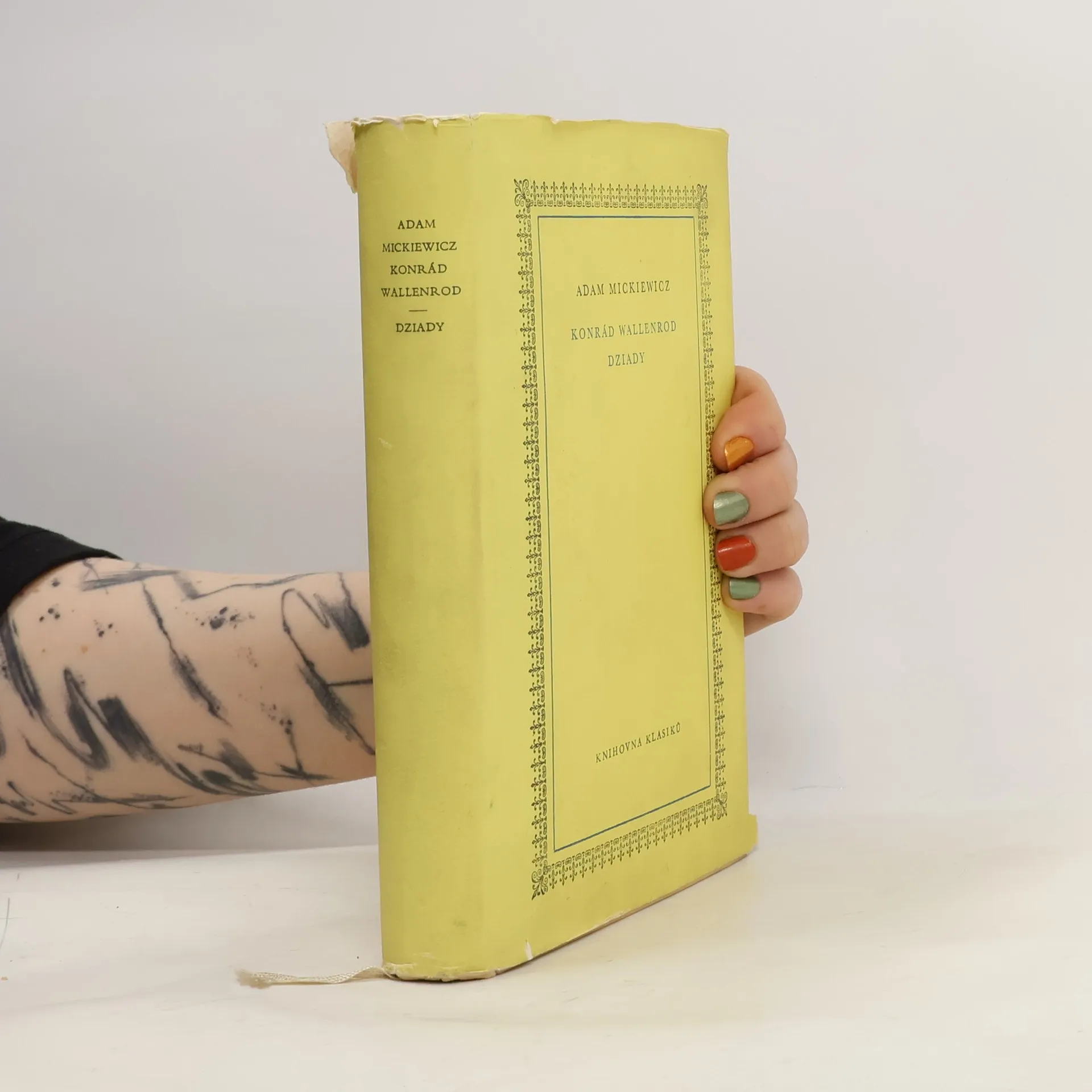
Dziady w�serii Kolorowa Klasyka to�najpiękniejsze kolorowe wydanie tej powieści na�rynku! Książka zawiera wspaniałe, barwne ilustracje, jej atutem jest duża, ułatwiająca szybkie czytanie czcionka. Edycja na�szlachetnym papierze, bardzo trwała i�estetyczna. Dziady Adama Mickiewicza to jeden z najbardziej znanych utwor�w w literaturze polskiej i jednocześnie jedno z dzieł najbardziej reprezentatywnych dla polskiego romantyzmu. Od lat regularnie wystawiane na deskach teatr�w całej Polski, czytane przez kolejne pokolenia czytelnik�w, inspirujące tw�rc�w i niosące wciąż aktualne treści. Każda z części utworu porusza inne tematy, ale razem tworzą sp�jną wizję świata rządzonego przez niezmienne prawa boskiej sprawiedliwości i miłosierdzia. Wydanie w serii Kolorowa Klasyka przygotowano ze szczeg�lną dbałością o estetykę - kanoniczne XIX-wieczne ilustracje podkreślają atmosferę utworu, a doskonała okładka autorstwa znanego grafika Roberta Konrada przyciągnie oko każdego czytelnika. Wydanie w twardej oprawie jest niezwykle trwałe i eleganckie, może stanowić ozdobę każdej biblioteki. Zapraszamy do zakupu!
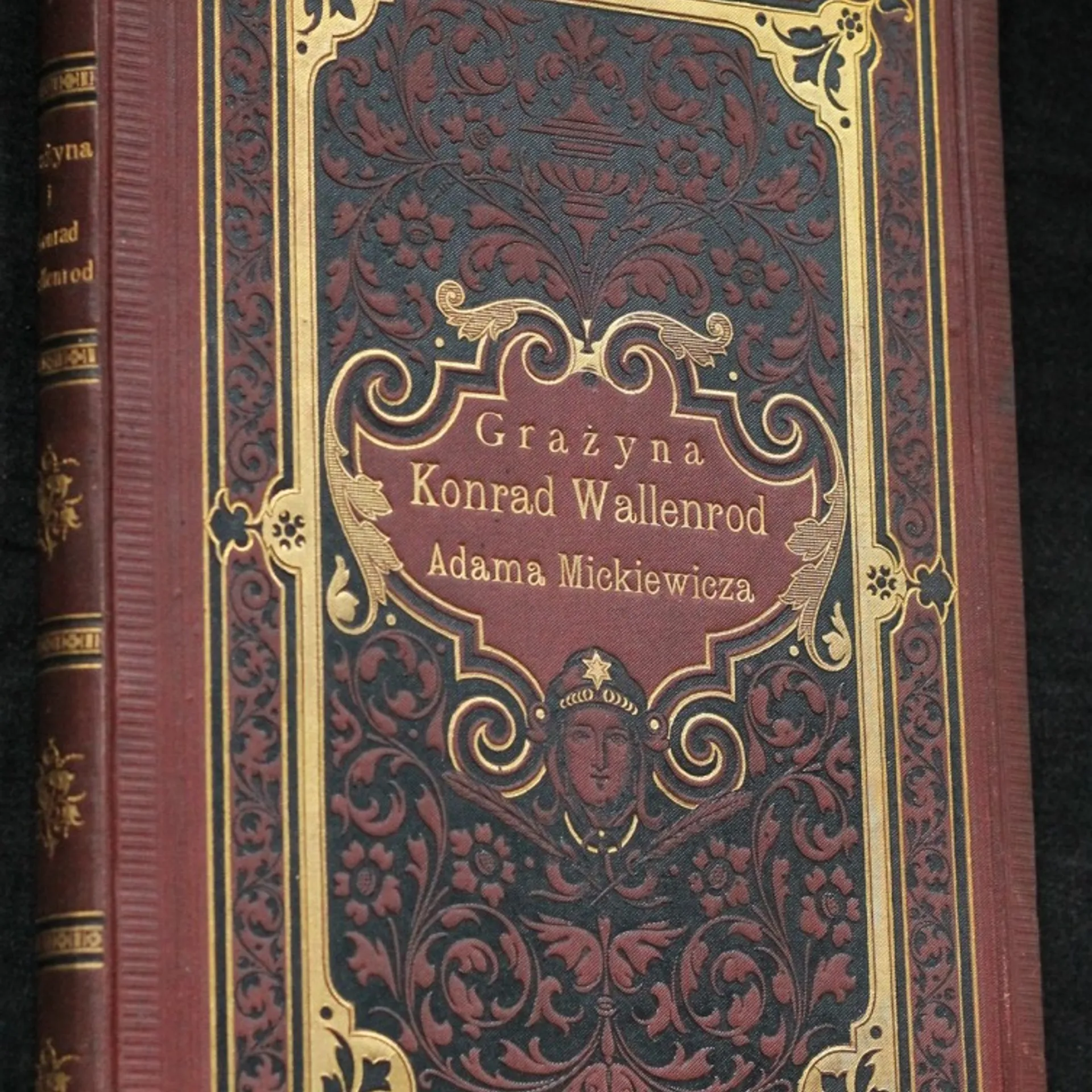
Romantyczna powieść poetycka Konrad Wallenrod została stworzona według wzorca,
jaki w literaturze za prezentował George Byron. To gatunek synkretyczny,
łączący w sobie elementy należące do różnych rodzajów literackich - epiki i
liryki, a dzięki dialogom i dramatycznym, pełnym napięcia sytuacjom, również
do dramatu. W utworze wyróżnia się kilka głównych wątków: konflikt między
rycerskimi zasadami honoru i etyką chrześcijańską a obowiązkiem patriotycznym,
konflikt między miłością do ojczyzny a szczęściem osobistym czy konflikt
między wolnością człowieka a zniewoleniem ideą. Mickiewicz w tym utworze wy
kreował nowy typ postawy, nazywanej wallenrodyzmem.
Novým mistrem Řádu německý rytířů se stává po Evropě vyhlášený rytíř a hrdina. Je původem Litevec, avšak o jeho původu rytíři vůbec nic nevědí. Hrdina ale na svou rodnou zem nezapomíná, ba naopak. Musí totiž splnit dávný úkol, jež si kdysi předsevzal, aby ochránil Litvu před řádem, který ohrožoval její existenci a způsoboval jí neustálá příkoří. Využívá proto svého důležitého postavení v hierarchii a pokouší se vojska, kterým velí, zlikvidovat. Je pro to ochoten obětovat naprosto vše, i vlastní život.
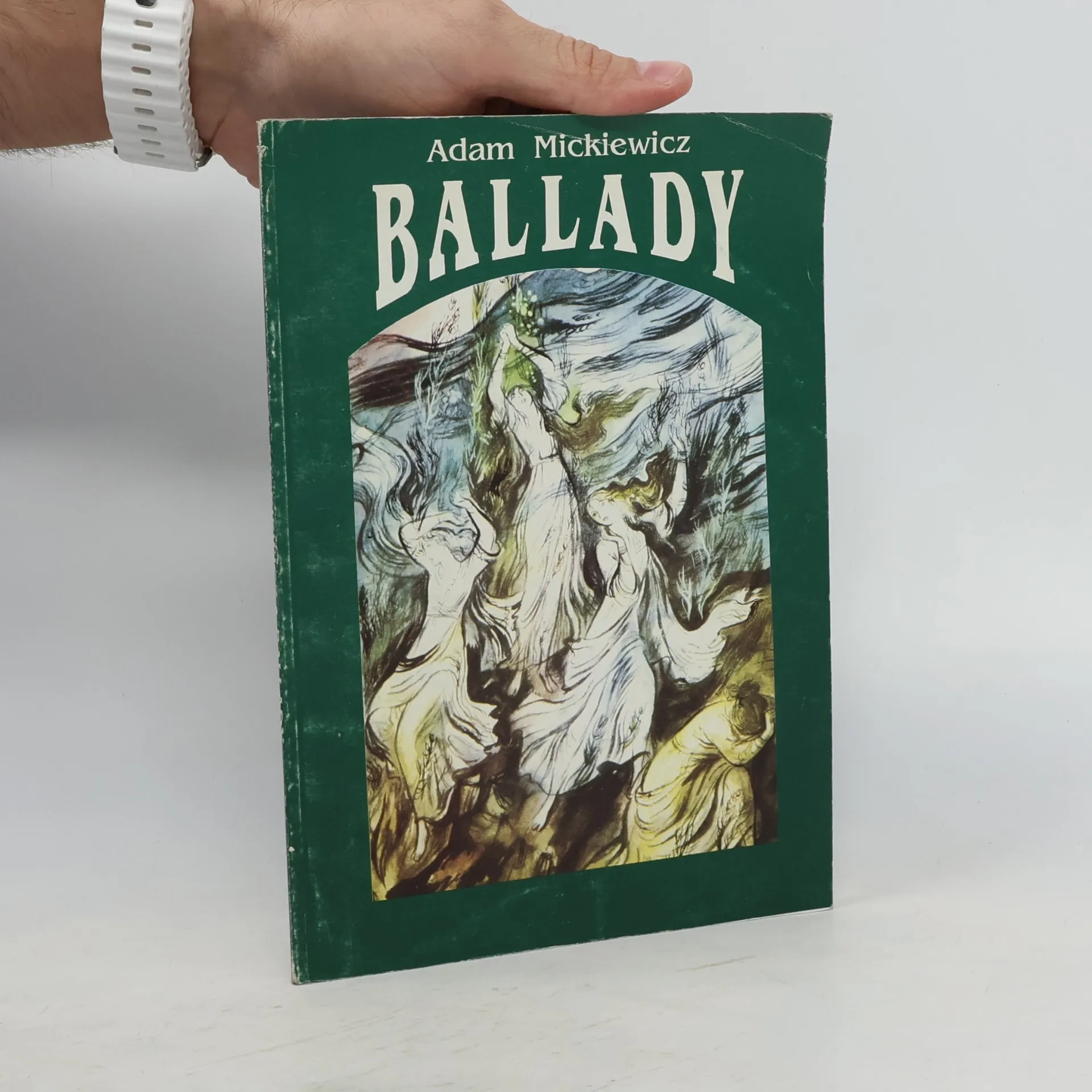
"Kruk i lis" to fables La Fontaine'a, które ilustrują pochlebstwo i podstęp. Kruk, siedzący na drzewie z serem, zostaje oszukany przez lisa, który go pochlebia, aby ukraść jego cenny ser. Lekcja o próżności i ostrożności.
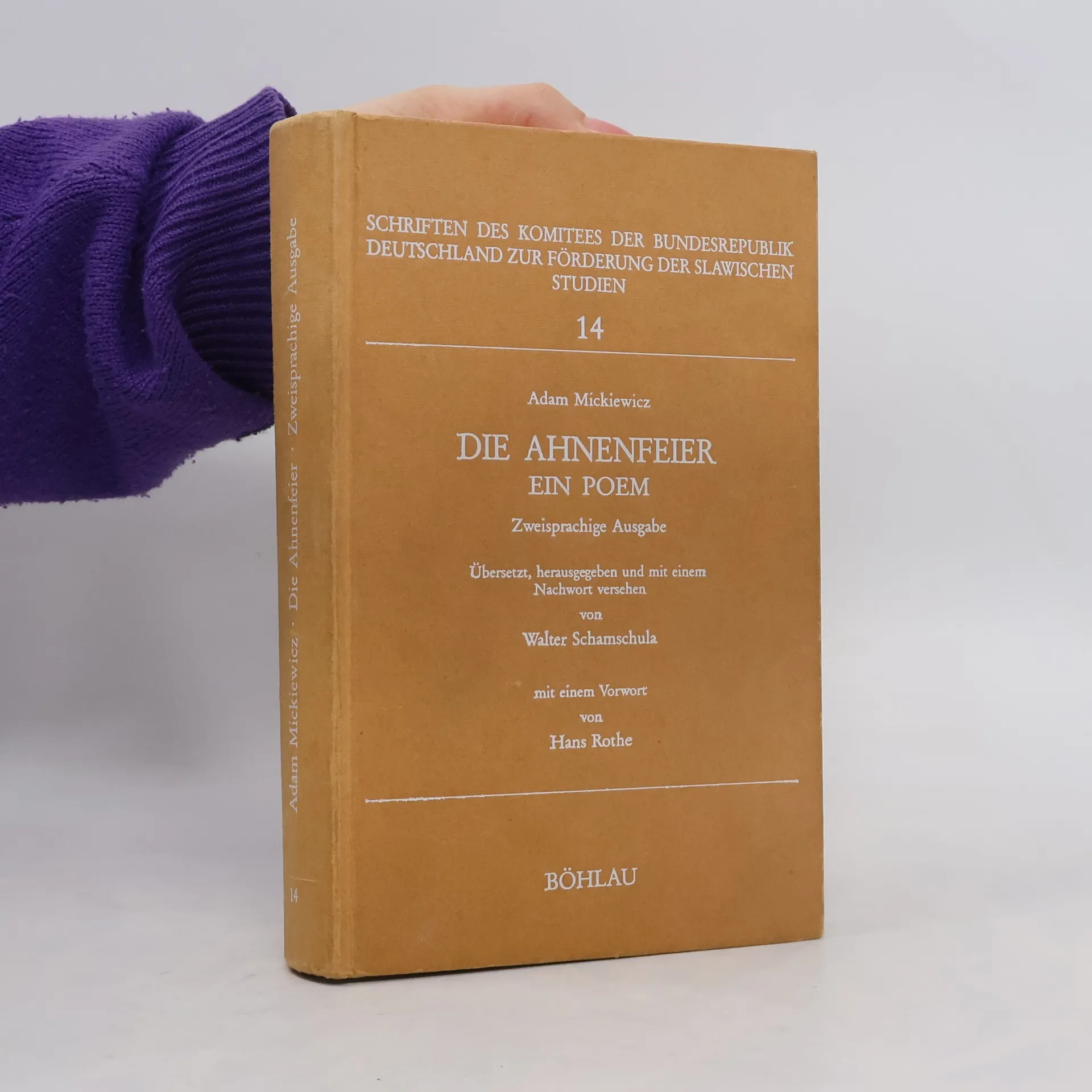
Hrsg. von Walter Schamschula, umfasst diese Veröffentlichung 506 Seiten und gehört zur Reihe der Schriften der Kommission der BRD zur Förderung der Slawistischen Studien, Band 14.
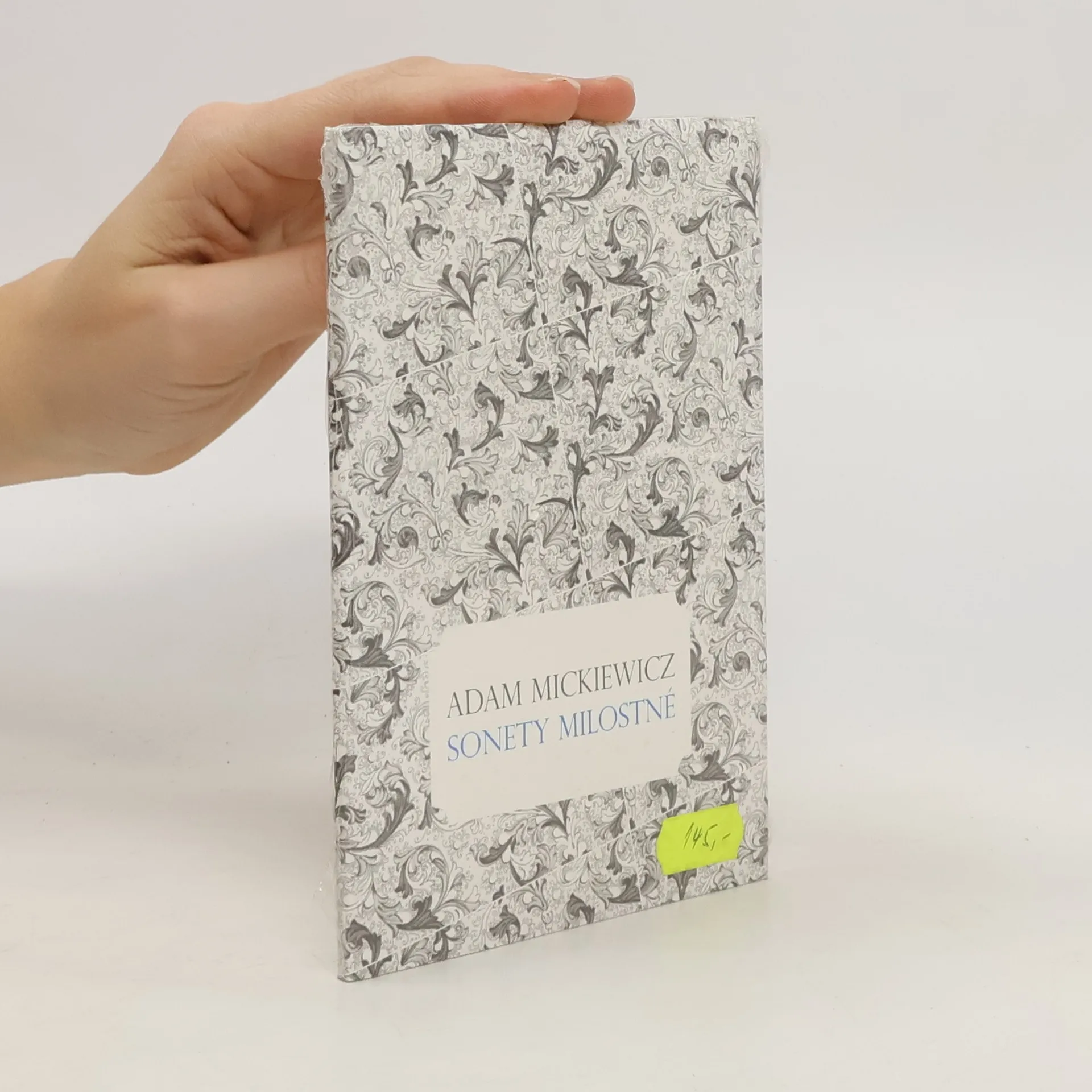
Do prvního vydání Sonetů roku 1826 v Moskvě nezařadil Mickiewicz báseň Připomenutí, která poprvé vyšla už ve svazku Poezje I. ve Vilně roku 1822. Autor ji zařadil až do pozdějších vydání Sonetů v Petrohradě a v Paříži jako báseň úvodní. Zachováváme tuto verzi.
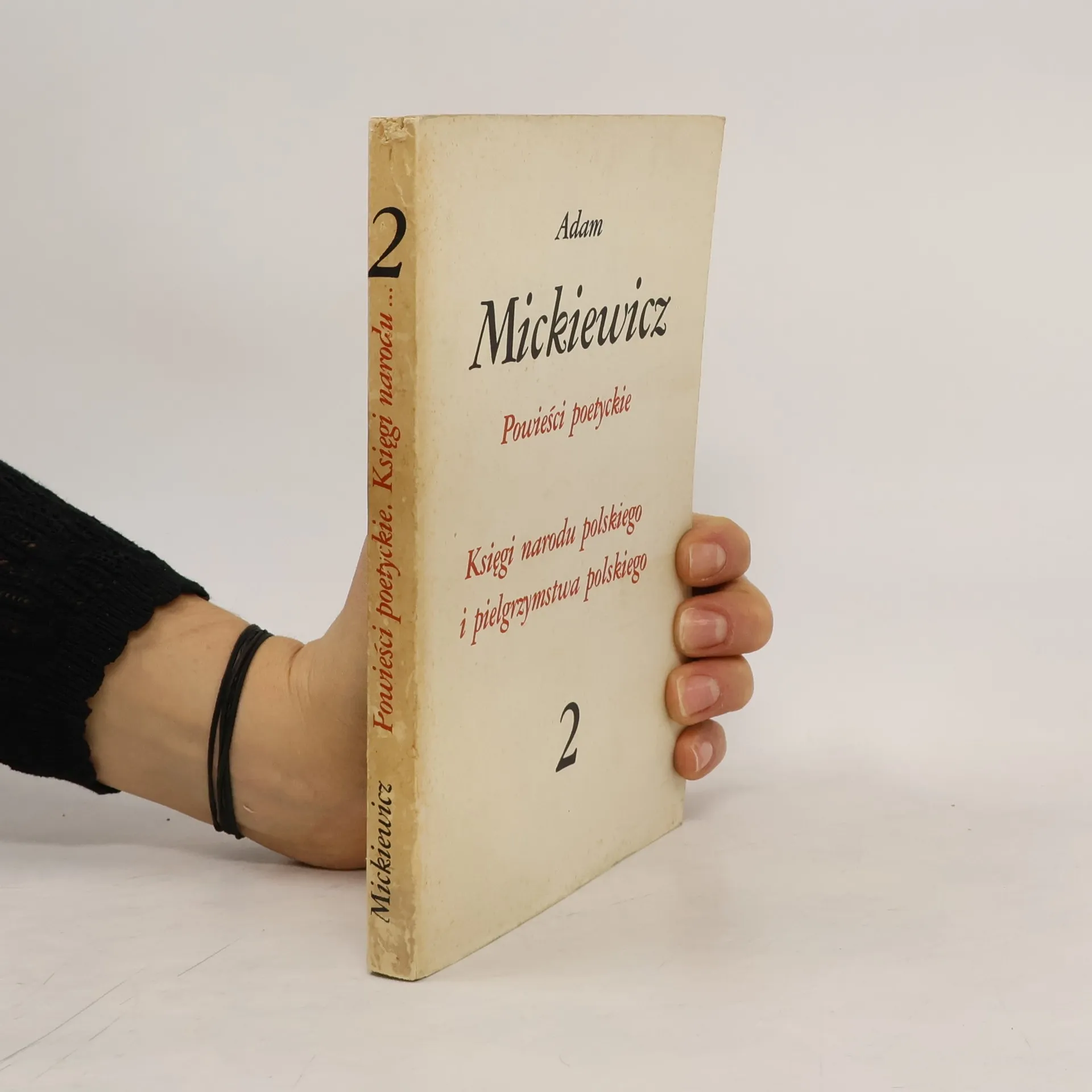
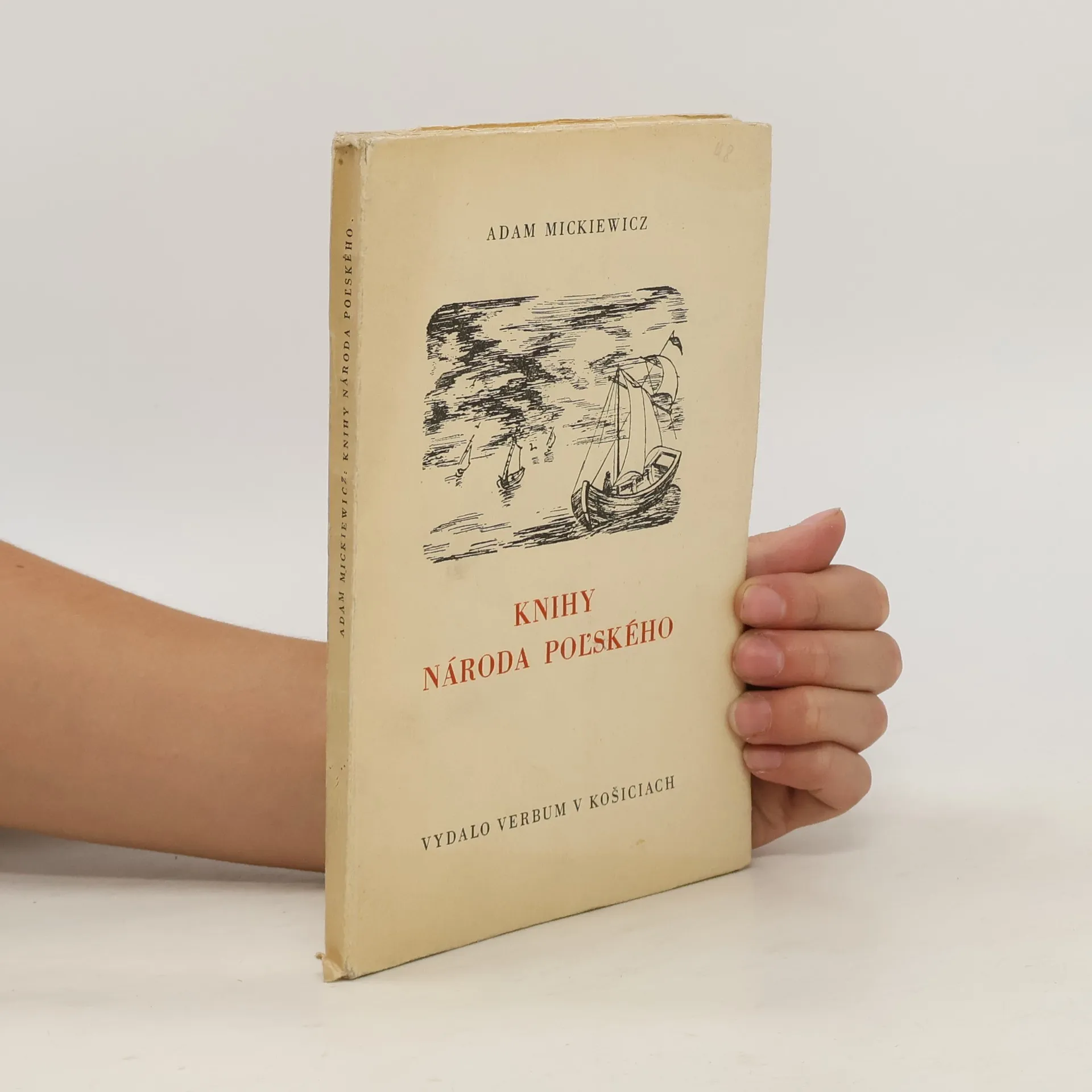
Prozaické práce Adama Mickiewicze jsou nedílnou součástí básníkova literárního odkazu nejen proto, že dokumentují jeho ideový vývoj a ukazují jeho názory na otázky literárního i politického života, ale že mnohdy průbojně zasahují přímo do dění své doby ... Mickiewiczův portrét dokreslují jeho velmi četné dopisy, z nichž mnohé mají přímo charakter historických dokumentů, jako např. dopisy oficiálním osobnostem a memoranda, týkající se zřízení a akce jeho římské legie. Vedle statí drobnějších jsou do tohoto výboru pojaty Knihy národa polského a poutnictva polského, z pařížských přednášek a statí v Tribune des peuples byl pořízen výbor, přihlížející jednak k thematům zásadním a pak k těm, která mají zvláštní zajímavost pro českého čtenáře. (Z předmluvy.) Předmět. heslo
Epos Konrad Wallenrod oživuje polohistorickou, pololegendární postavu Litvína, který vstoupí do křižáckého řádu, skrývaje své pravé smýšlení dosáhne hodnosti velmistra a záměrně vede boje, v nichž jsou křižáci rozdrceni. Báseň byla nejen odrazem spikleneckého hnutí pokrokové šlechtyv období děkabristického povstání, ale stala se i pobídkou k další revoluční činnosti. Uveřejněné fragmenty Dziadů jsou označeny jako II. a IV. část většího celku. Z první se zachovaly zlomky. Úvodní balada naznačuje, že námětem je lidová víra v duchy zemřelých, kteří nemají v hrobě pokoje a musí se vracet mezi lidi. Básník vychází tu opětně ze svého nadšení pro lidovou poesii a přechází k bolestné zpovědi své zklamané lásky. V závěrečných básních jsou lyricko-epickou formou zachyceny Mickiewiczovy dojmy z cesty do Ruska. Dílo zůstalo velkým torsem, nicméně však podává ucelený obraz šlechtického polského revolucionáře v období listopadového povstání i společenského prostředí, v němž se rozvíjela jeho činnost. - Obě revoluční poemata mladého Mickiewicze jsou úzce vnitřně spjata a jejich umělecká hodnota plně zachována mistrným překladem Halasovým. (Podle K. Krejčího.)
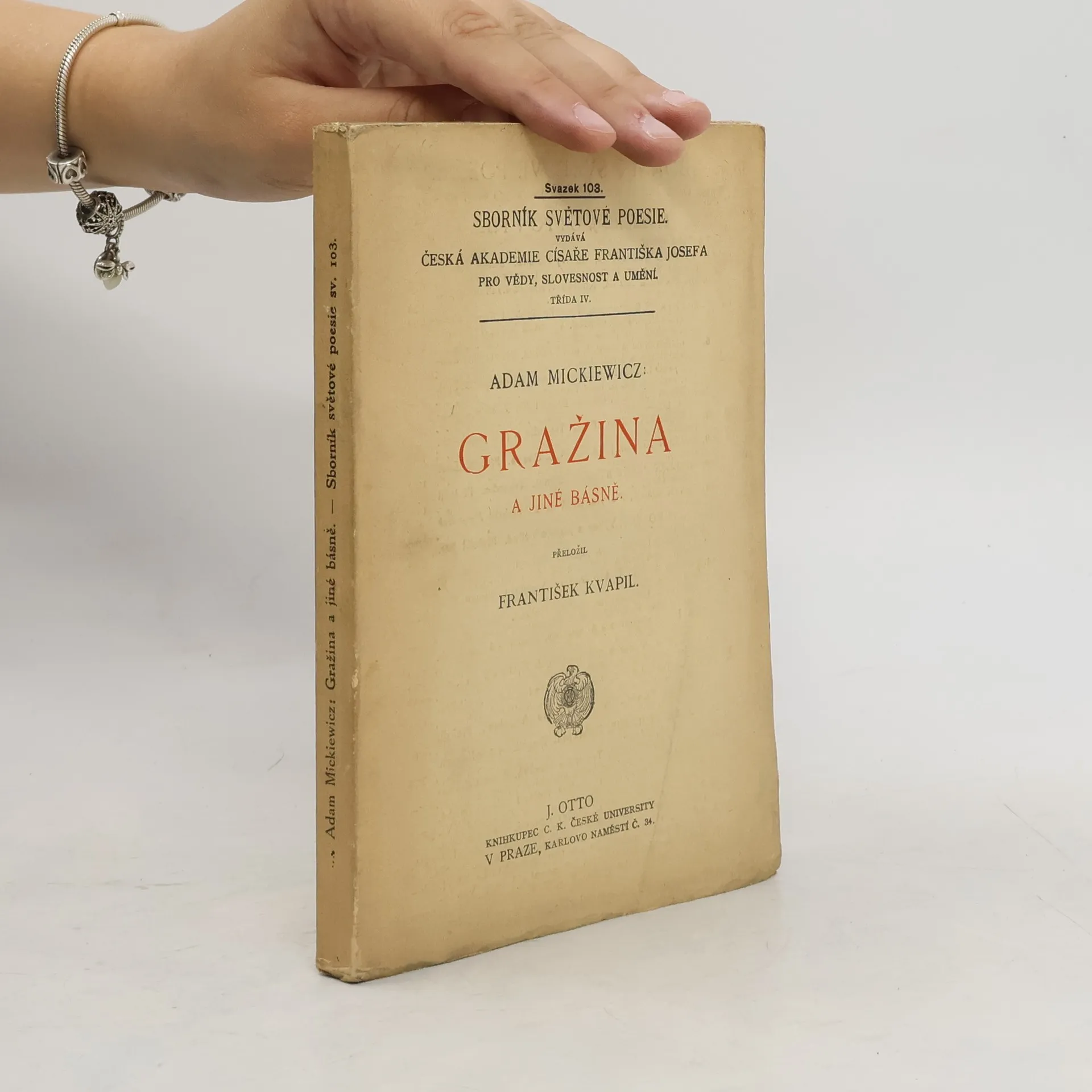
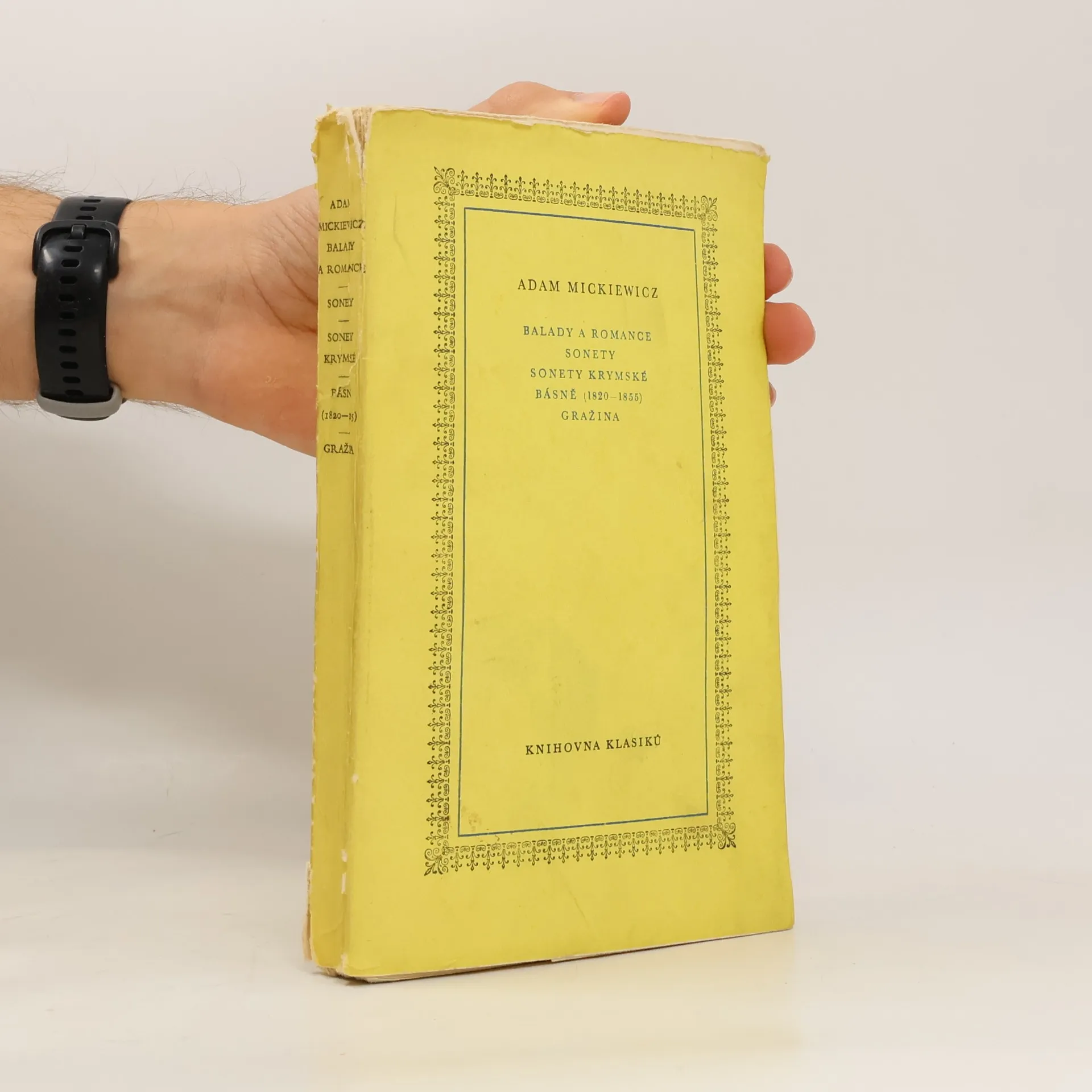
Prvním dílem Mickiewiczovým a zároveň i zahájením slavné epochy polského romantismu jsou Balady a romance (1822, přel. J. Závada). Doznívá v nich ještě tón poesie klasické a osvícenská ironie, avšak programová báseň Romantika volá po poesii citu a srdce. Plodem básníkova pobytu v Rusku jsou dva cykly sonetů (1826 v Moskvě, přel. V. Holan): první má obsah erotický. Sonety krymské čerpají z exotické přírody a historických vzpomínek. Oddíl Básně 1820-1855 (E. Sojka a H. Jechová.) je uveden slavnou Ódou na mladost (1820, J. Závada), v níž vítá Mickiewicz "jitřenku svobody" a účtuje se starými společenskými řády. Veršovaná povídka Gražina (1823, F. Halas) je obrazem z dějin polsko-křižáckých. Hrdinná Litvínka zabrání manželovi ve zradě, v mužském přestrojení bojuje s křižáky a umírá. - Bělinskij nazval Mickiewicze "jedním z největších básníků světa".
Korespondence, výzvy, projevy, články a úvahy z let 1845-1855 dávají nahlédnout do myšlenkového světa velkého polského básníka, svérázného myslitele a neúnavného bojovníka za svobodu a demokracii národů. Hlavní část sborníku vyplňují Mickiewiczovy články otiskované od března do listopadu 1849 v pařížském deníku Tribuna národu, jehož byl hlavním redaktorem. Mickiewicz se v nich vyjadřoval k aktuálním mezinárodním otázkám, útočil proti reakci, liberalismu a vyzýval ke společnému boji utlačovaných národů