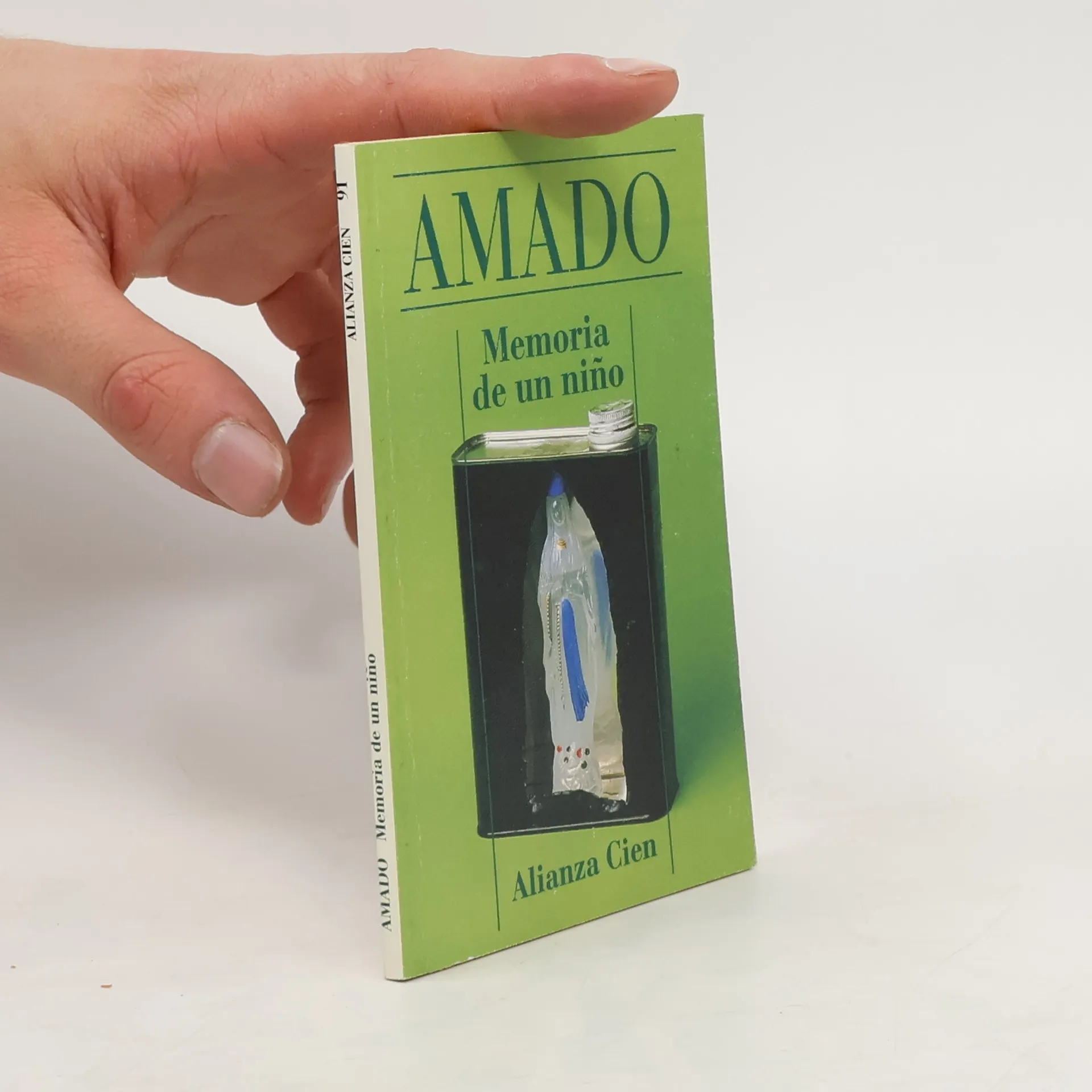
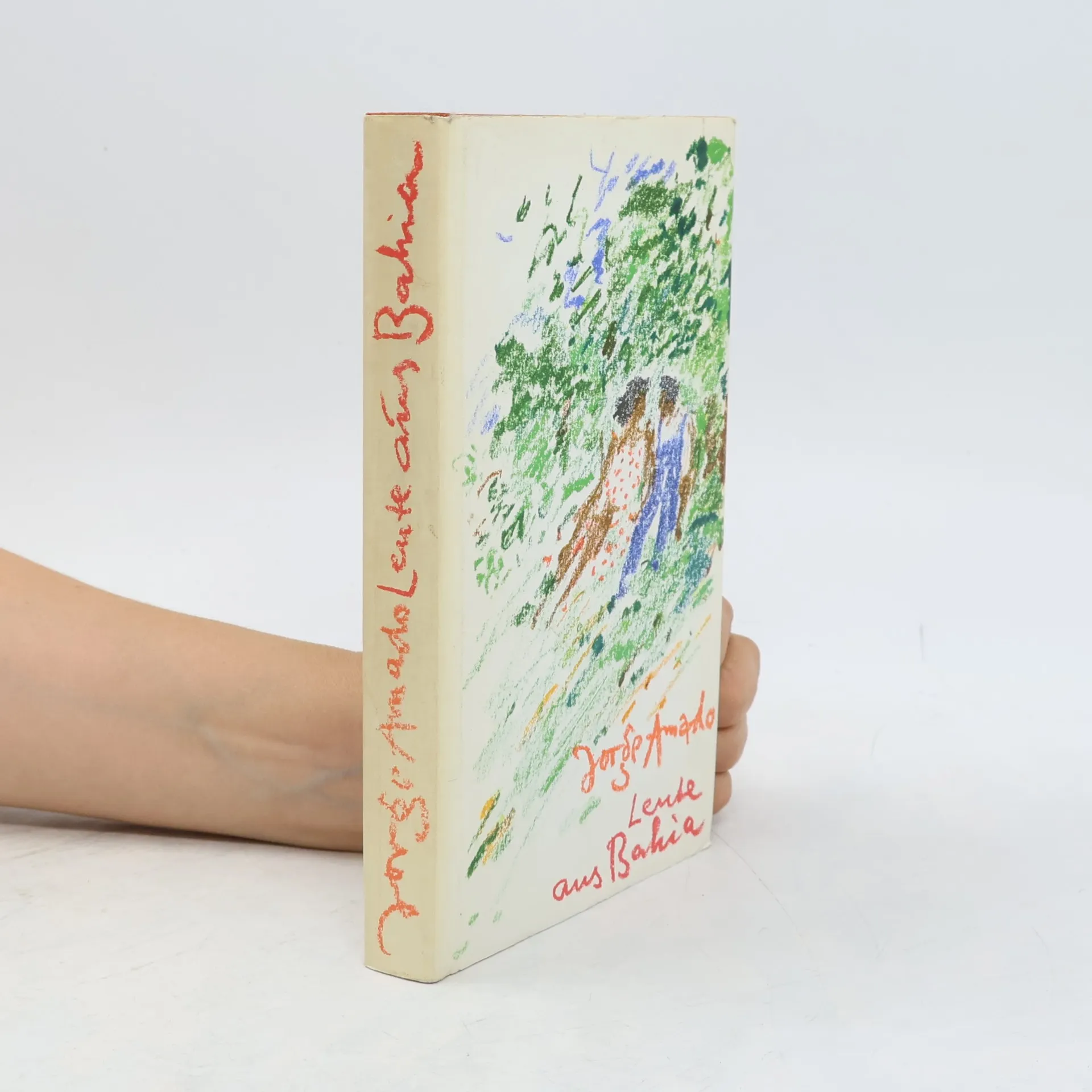
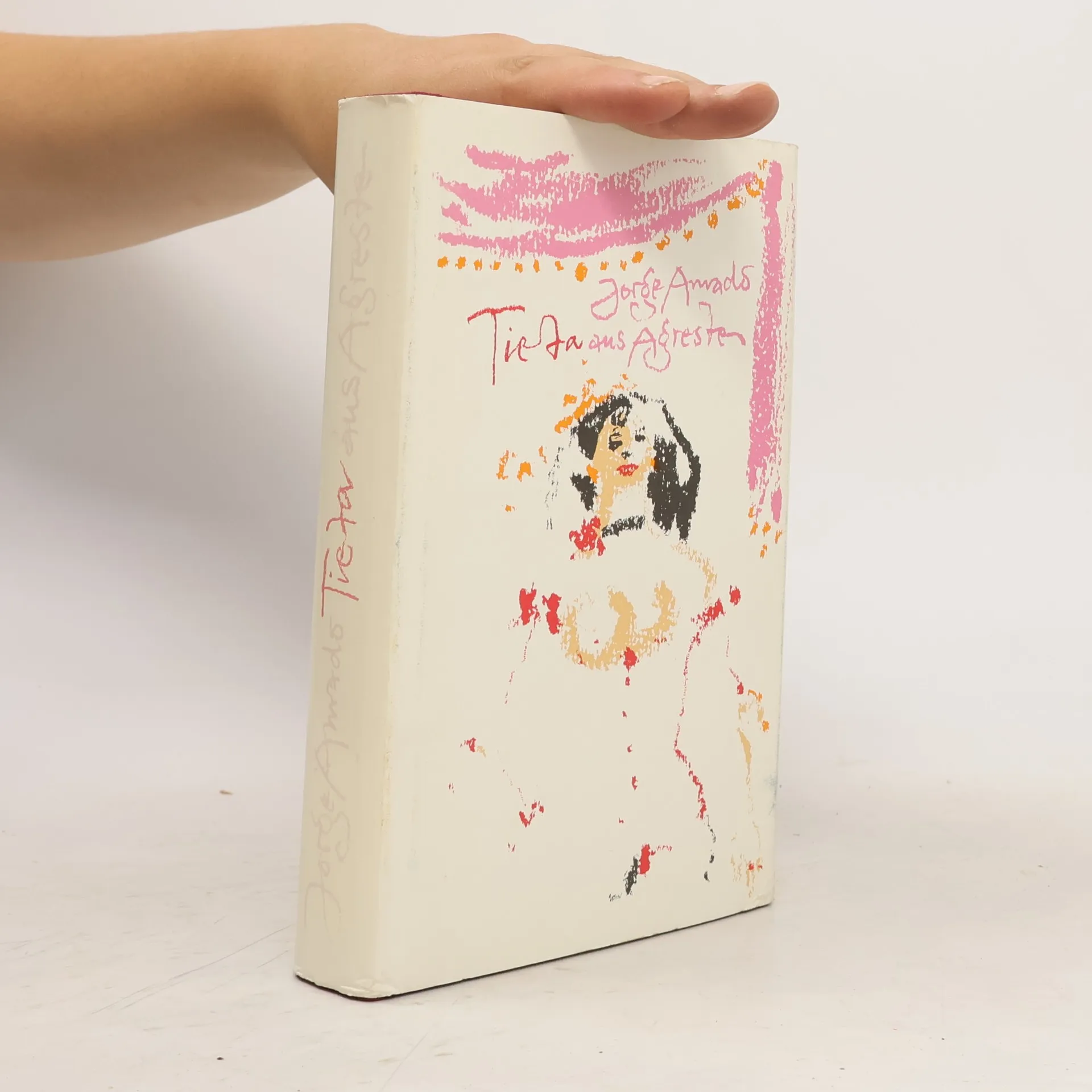
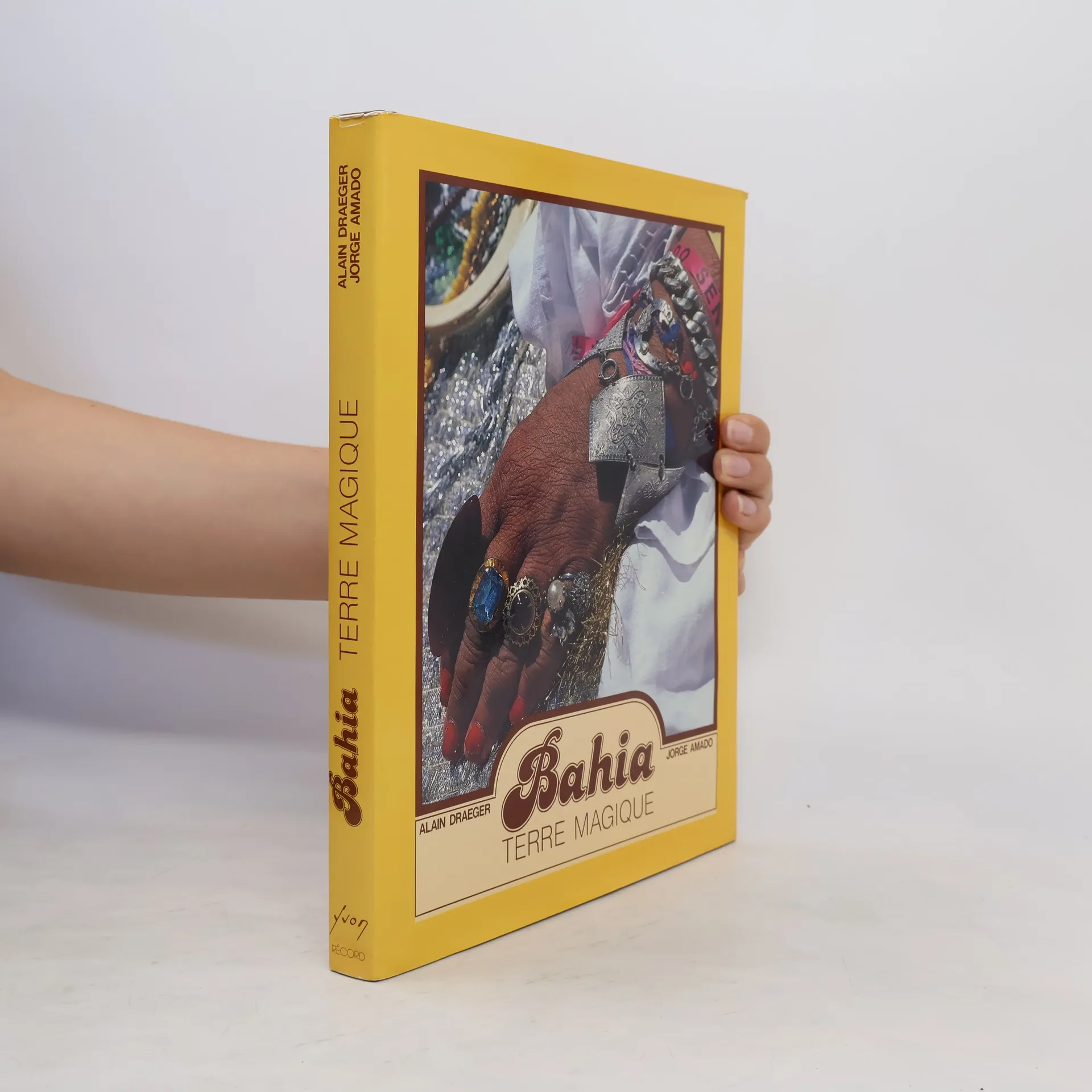
Bahia. Mystery Land
- 202 pages
- 8 hours of reading


Jorge Amado, the most renowned of modern Brazilian writers, dedicated his extensive literary output primarily to the impoverished, urban Black and mulatto communities of Bahia. His style, characterized by rich, vivid portrayals and a strong social conscience, delves into the heart of Brazilian culture. Amado masterfully captures the daily lives, passions, and dreams of these communities, often with a subtle humor and a profound understanding of human nature. His works, translated into numerous languages and frequently adapted for film and television, offer readers a compelling glimpse into the vibrant tapestry of Brazil.


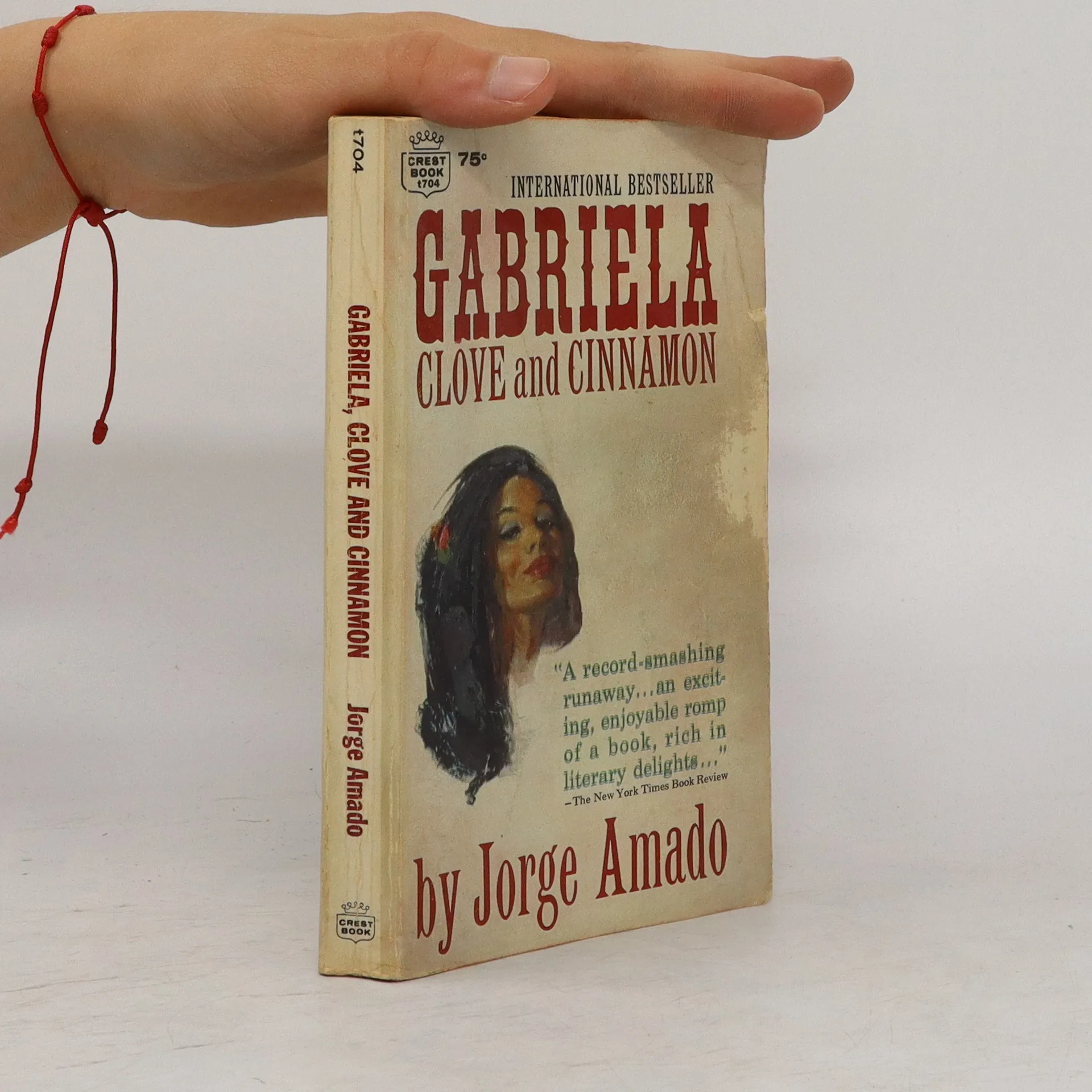
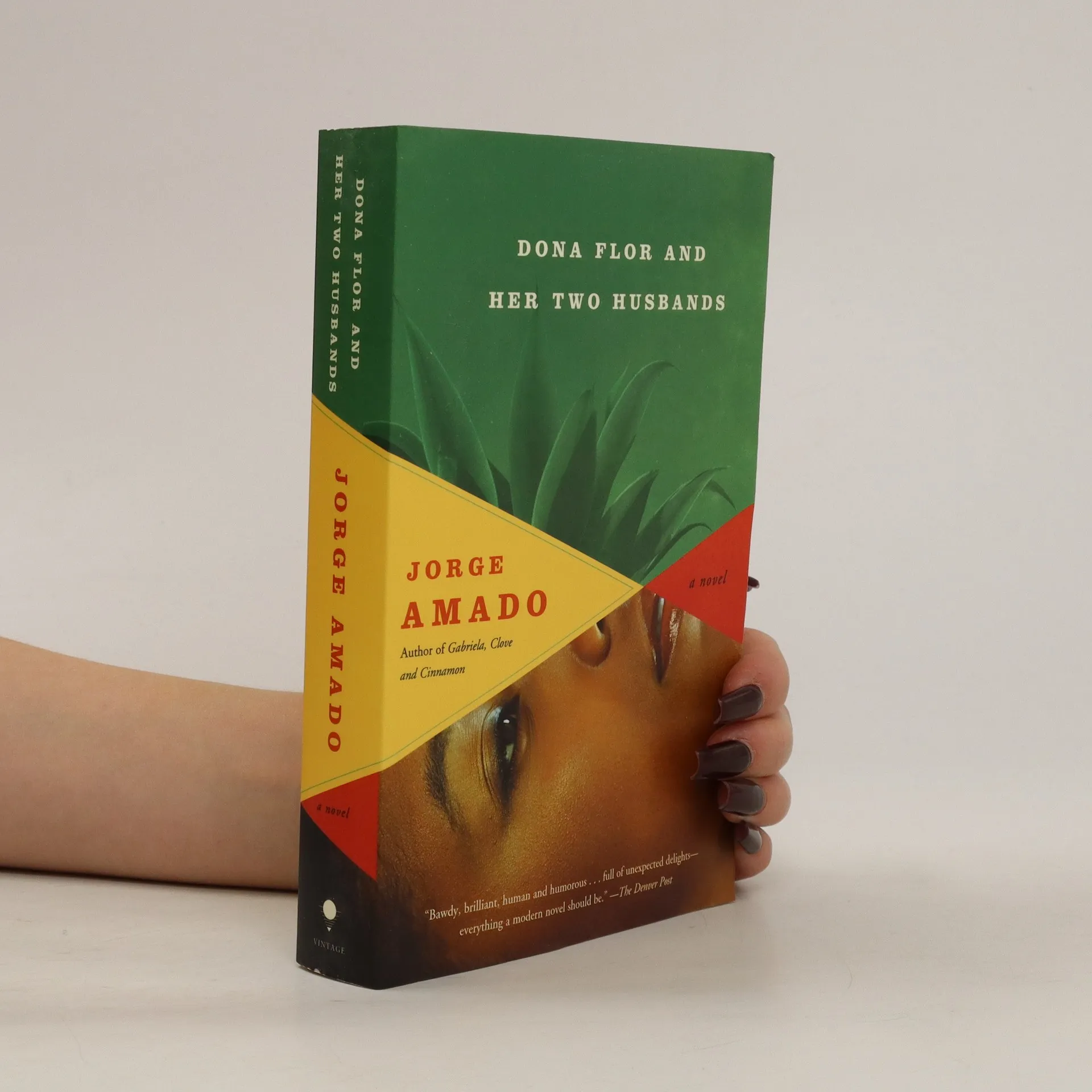
It surprises no one that the charming but wayward Vadinho dos Guimaraes–a gambler notorious for never winning—dies during Carnival. His long suffering widow Dona Flor devotes herself to her cooking school and her friends, who urge her to remarry. She is soon drawn to a kind pharmacist who is everything Vadinho was not, and is altogether happy to marry him. But after her wedding she finds herself dreaming about her first husband’s amorous attentions; and one evening Vadinho himself appears by her bed, as lusty as ever, to claim his marital rights.
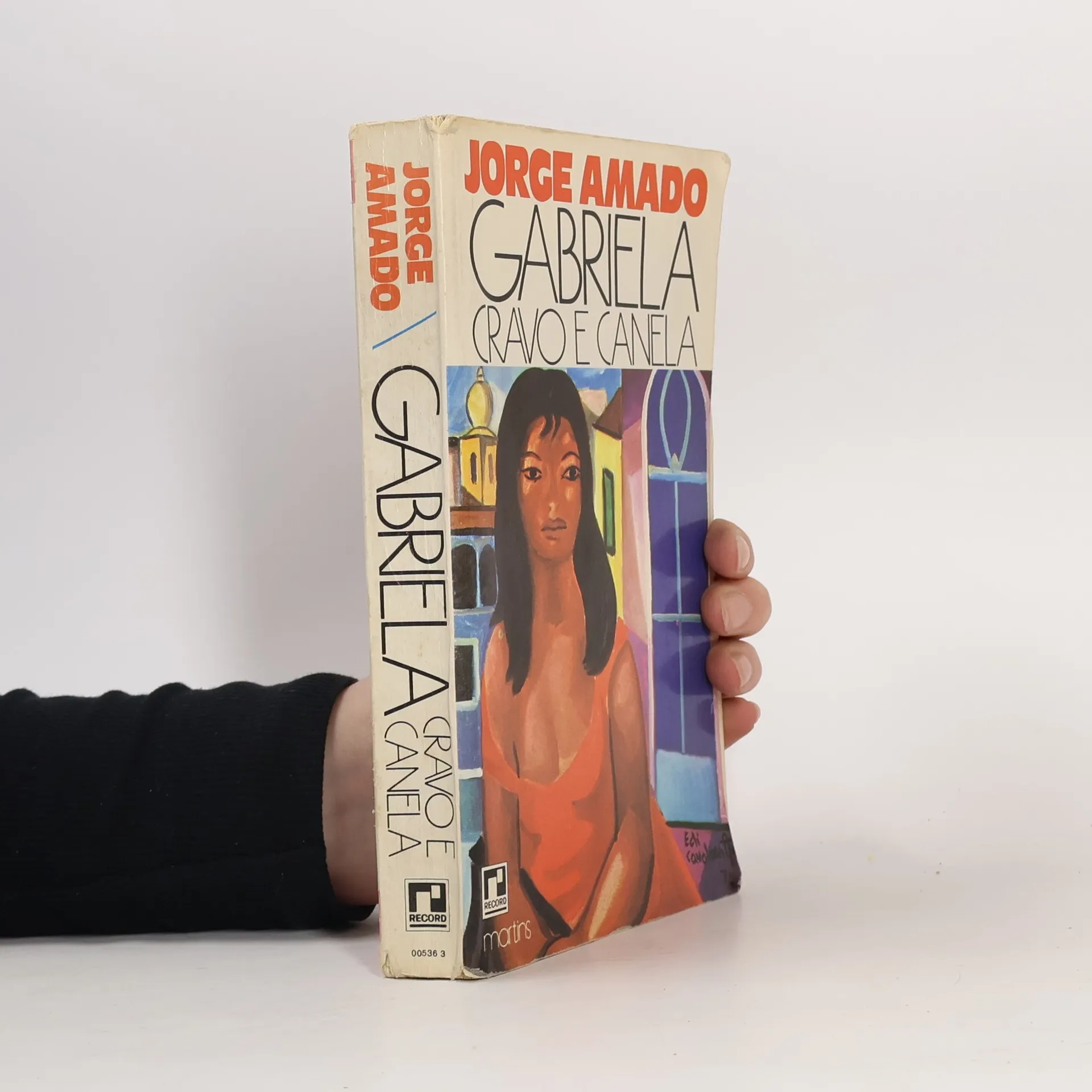
Ilhéus in 1925 is a booming town with a record cacao crop and aspirations for progress, but the traditional ways prevail. When Colonel Mendonça discovers his wife in bed with a lover, he shoots and kills them both. Political contests, too, can be settled by gunshot... No one imagines that a bedraggled migrant worker who turns up in town–least of all Gabriela herself–will be the agent of change. Nacib Saad has just lost the cook at his popular café and in desperation hires Gabriela. To his surprise she turns out to be a great beauty as well as a wonderful cook and an enchanting boon to his business. But what would people say if Nacib were to marry her? Lusty, satirical and full of intrigue, Gabriela, Clove and Cinnamon is a vastly entertaining panorama of small town Brazilian life.
A MORAL AND AMOROUS TALE
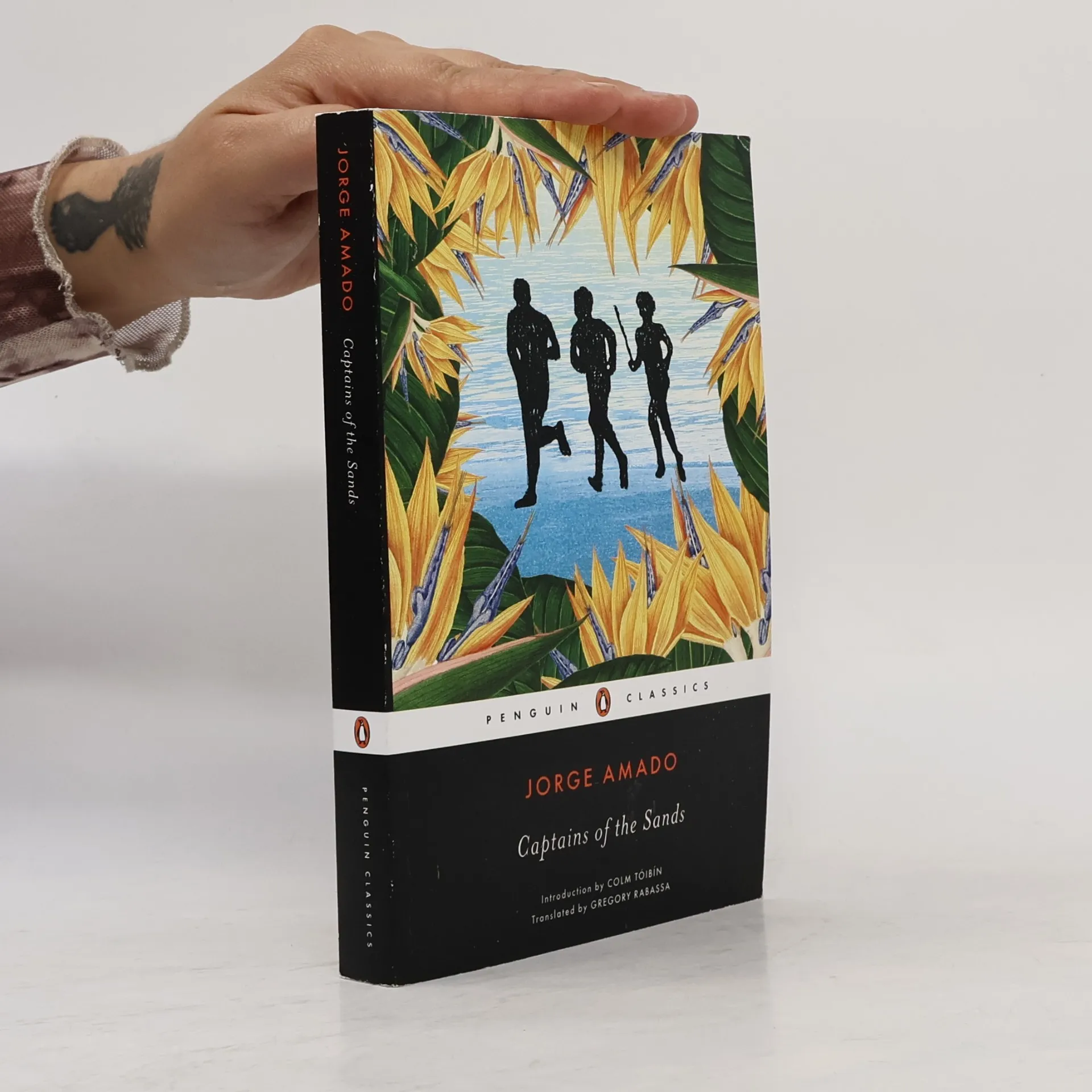
A Brazilian Lord of the Flies, about a group of boys who live by their wits and daring in the slums of Bahia They call themselves “Captains of the Sands,” a gang of orphans and runaways who live by their wits and daring in the torrid slums and sleazy back alleys of Bahia. Led by fifteen-year-old “Bullet,” the band—including a crafty liar named “Legless,” the intellectual “Professor,” and the sexually precocious “Cat”—pulls off heists and escapades against the right and privileged of Brazil. But when a public outcry demands the capture of the “little criminals,” the fate of these children becomes a poignant, intensely moving drama of love and freedom in a shackled land. Captains of the Sands captures the rich culture, vivid emotions, and wild landscape of Bahia with penetrating authenticity and brilliantly displays the genius of Brazil’s most acclaimed author.
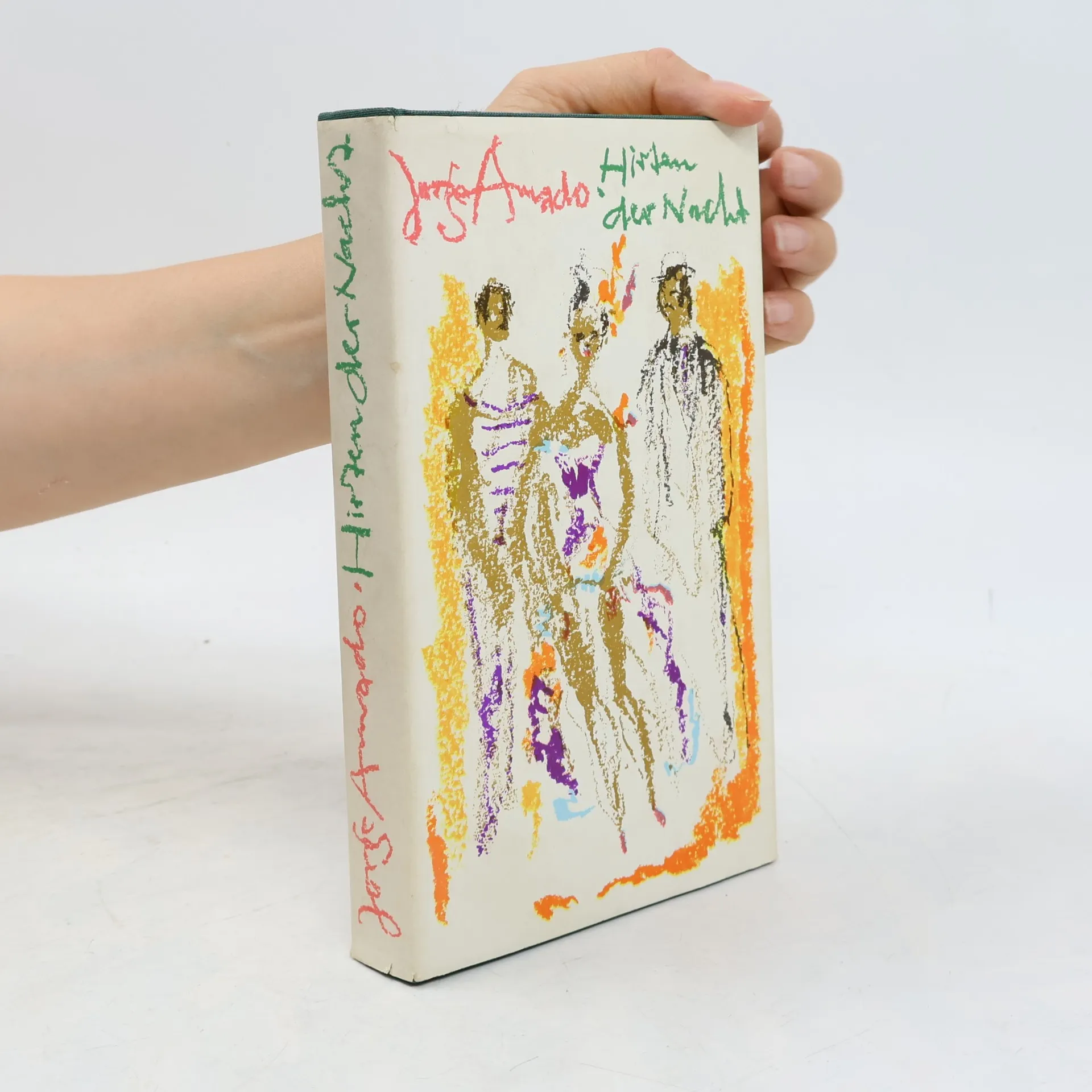
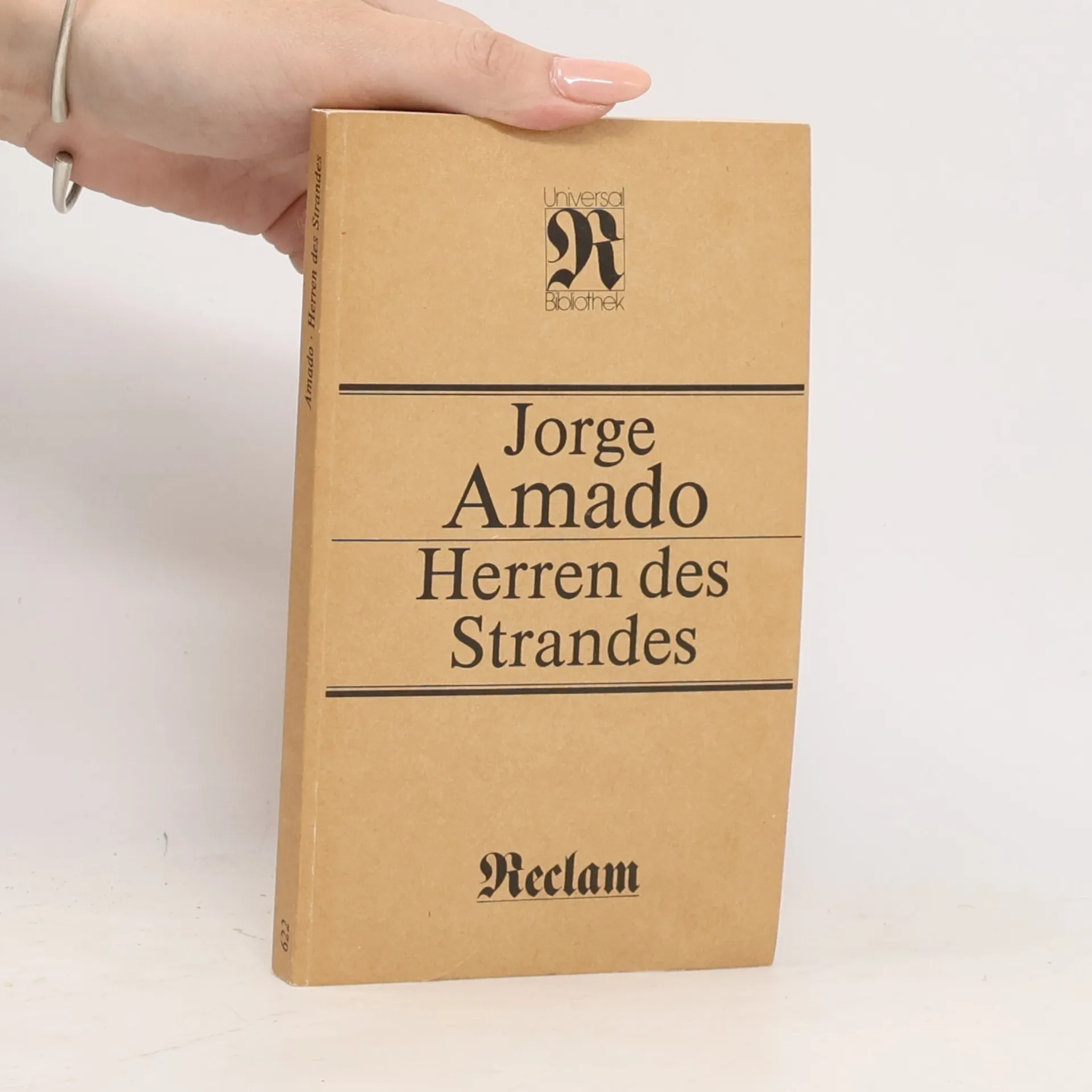
Belletristik : Brasilien/Bahia ; Nachtleben - soziale Gerechtigkeit.
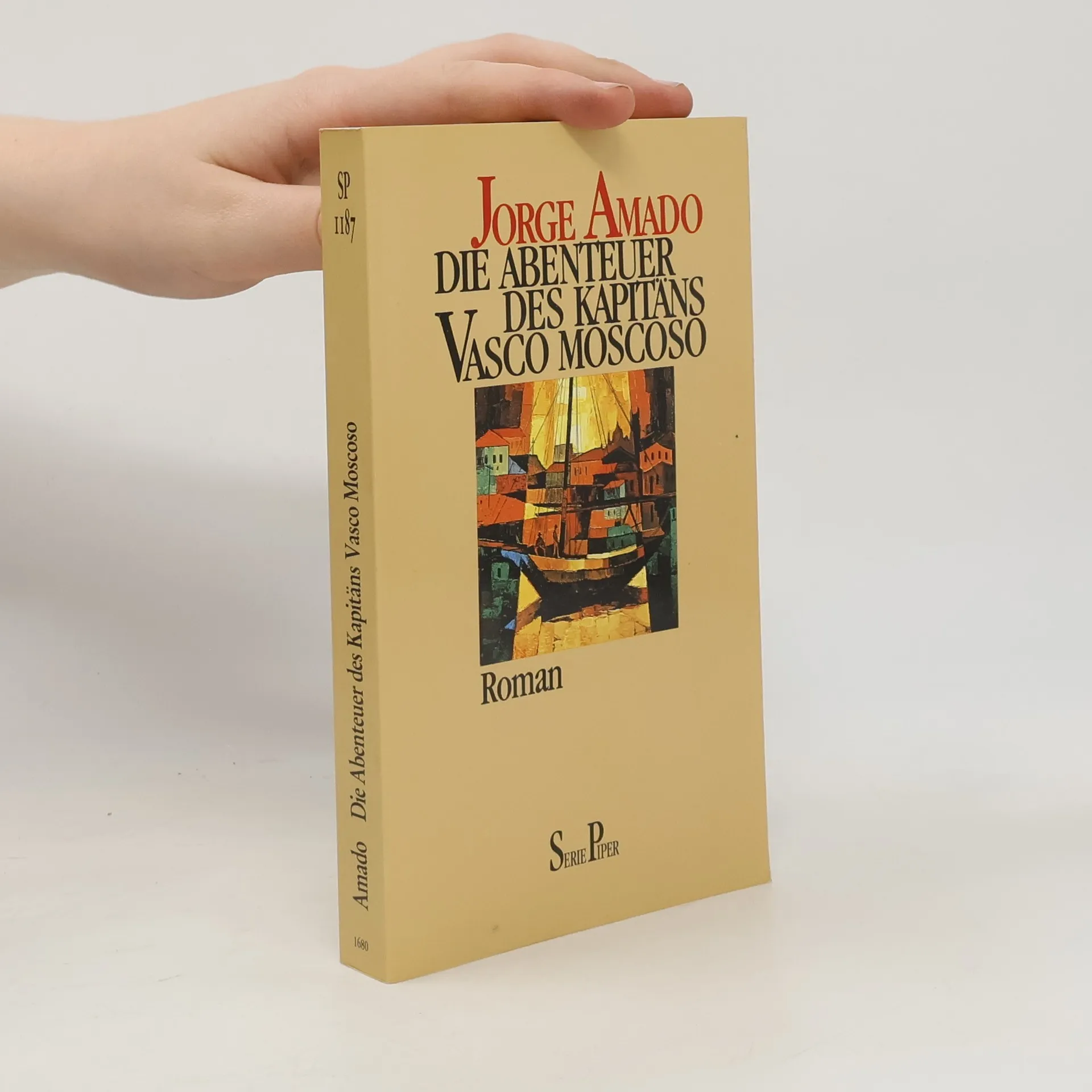
Meine Absicht, meine einzige Absicht, glauben Sie mir!, ist es, nur die Wahrheit wiederherzustellen. Die vollständige Wahrheit, sodass kein Zweifel an dem Kommandanten Vasco Moscoso de Aragão und seinen außergewöhnlichen Abenteuern besteht. Die Wahrheit liegt am Grund eines Brunnens, las ich einmal, ich erinnere mich nicht mehr, ob in einem Buch oder einem Zeitungsartikel. Auf jeden Fall in Druckschrift, und wie könnte man einer gedruckten Aussage widersprechen? Ich jedenfalls diskutiere nicht, geschweige denn leugne ich, die Literatur und den Journalismus. Und als wäre das nicht genug, haben mir mehrere angesehene Personen den Satz wiederholt, ohne auch nur einen Spielraum für einen Korrekturfehler zu lassen, um die Wahrheit aus dem Brunnen zu holen und sie an einen besseren Ort zu bringen...
Belletristik : Brasilien ; Kleinbauer - Emigration - soziale Gerechtigkeit.
Es ist die Geschichte von Guma, einem Kind, das am Kai von Bahia aufwächst, und seiner Liebe zu Lívia, der sanften Lívia, die nach dem Tod des Geliebten selbst Meisterin des Saveiro wird und über das Wasser gleitet. Zu Beginn des Buches weist Jorge Amado seine Leser darauf hin: "Jetzt möchte ich die Geschichten vom Kai von Bahia erzählen. Die alten Seeleute, die Segel reparieren, die Meister der Saveiros, die tätowierten Schwarzen, die Gauner kennen diese Geschichten und Lieder. Ich habe sie in den Mondnächten am Kai des Marktes, auf den Märkten, in den kleinen Häfen des Recôncavo, neben den riesigen schwedischen Schiffen an den Brücken von Ilhéus gehört. Das Volk von Iemanjá hat viel zu erzählen." In diesem Buch begegnen wir, ohne jegliche Zugeständnisse an die Rhetorik der Demagogie, einer aufregenden Fülle von Leben, bevölkert von einer schrecklich malerischen und tragischen menschlichen Fauna. Doppelt bittere Geschichten, die den Leser fesseln und ihn in ein exotisches und grandioses Universum ziehen.
Jubiabá ist ein sozialer Roman aus dem brasilianischen schwarzen Milieu. Die zentrale Figur ist der schwarze Antonie Balduíro, ein Kraftprotz mit einem sensiblen Herzen und der Seele eines Kindes. Wir verfolgen sein Schicksal und sein unbewusstes Tappen nach dem Sinn des Lebens. Der Anführer einer umherziehenden Bettlergruppe von Kindern schlägt die Laufbahn eines berühmten Boxers, Zirkuswrestlers und Liedermachers ein. Allmählich wird er sich seiner Rolle als kämpfendes Mitglied der Arbeiterklasse bewusst. Die Frau, die er liebt, erwidert seine Liebe nicht und sinkt bis auf den Grund der menschlichen Gesellschaft. Sie stirbt vor Balduíros Augen. Doch er hat bereits einen Grund zu leben gefunden: Er kämpft für den Sieg der Ausgebeuteten.
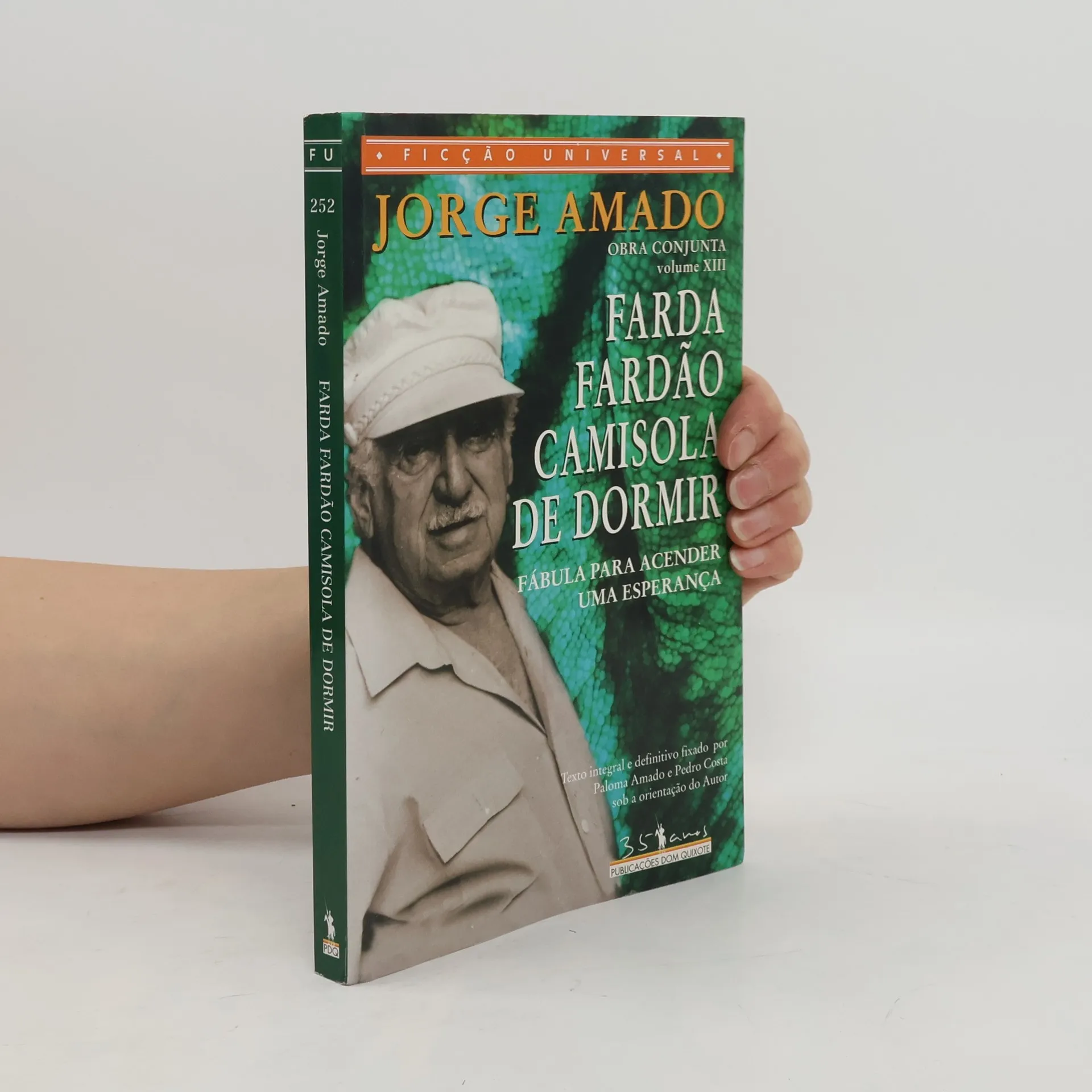
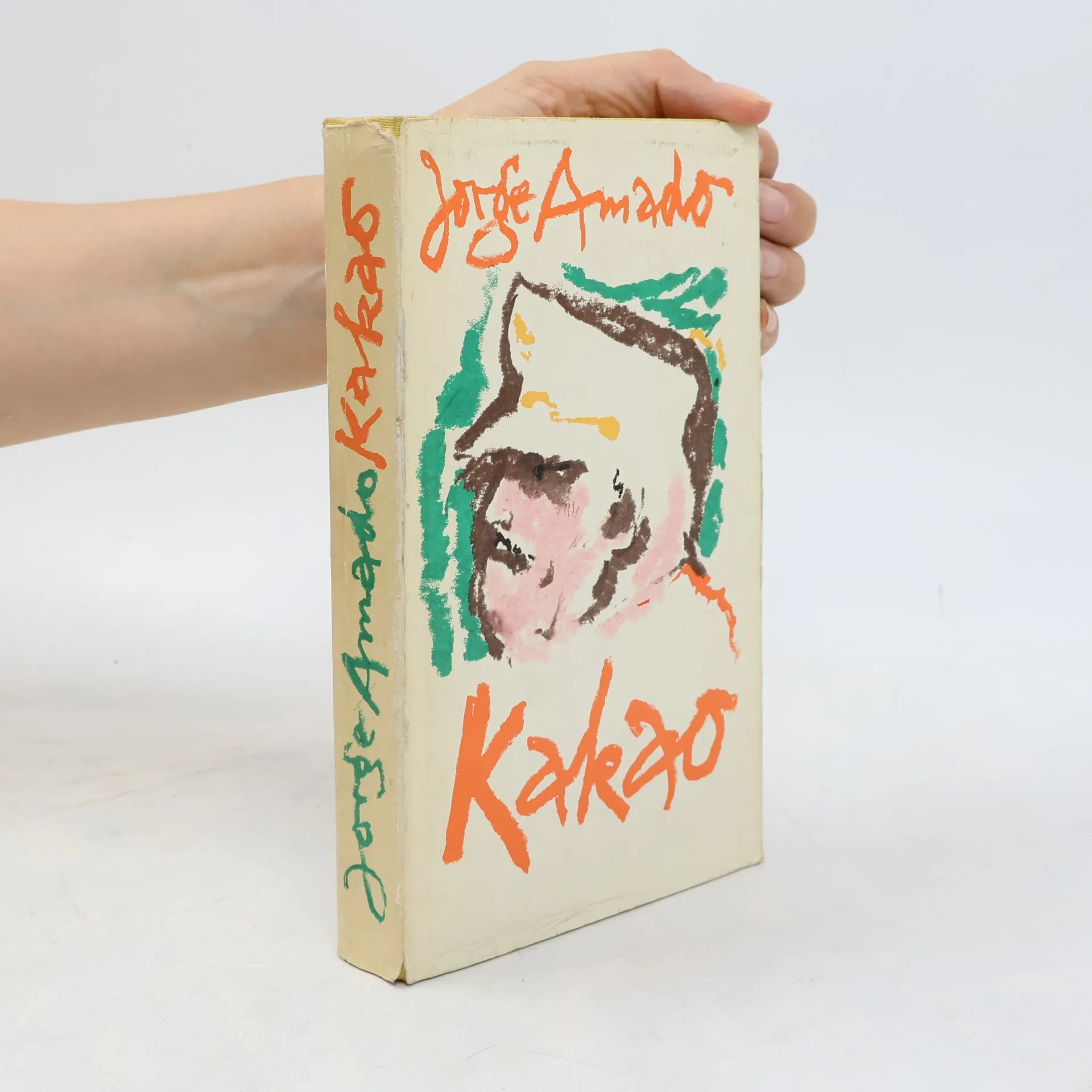
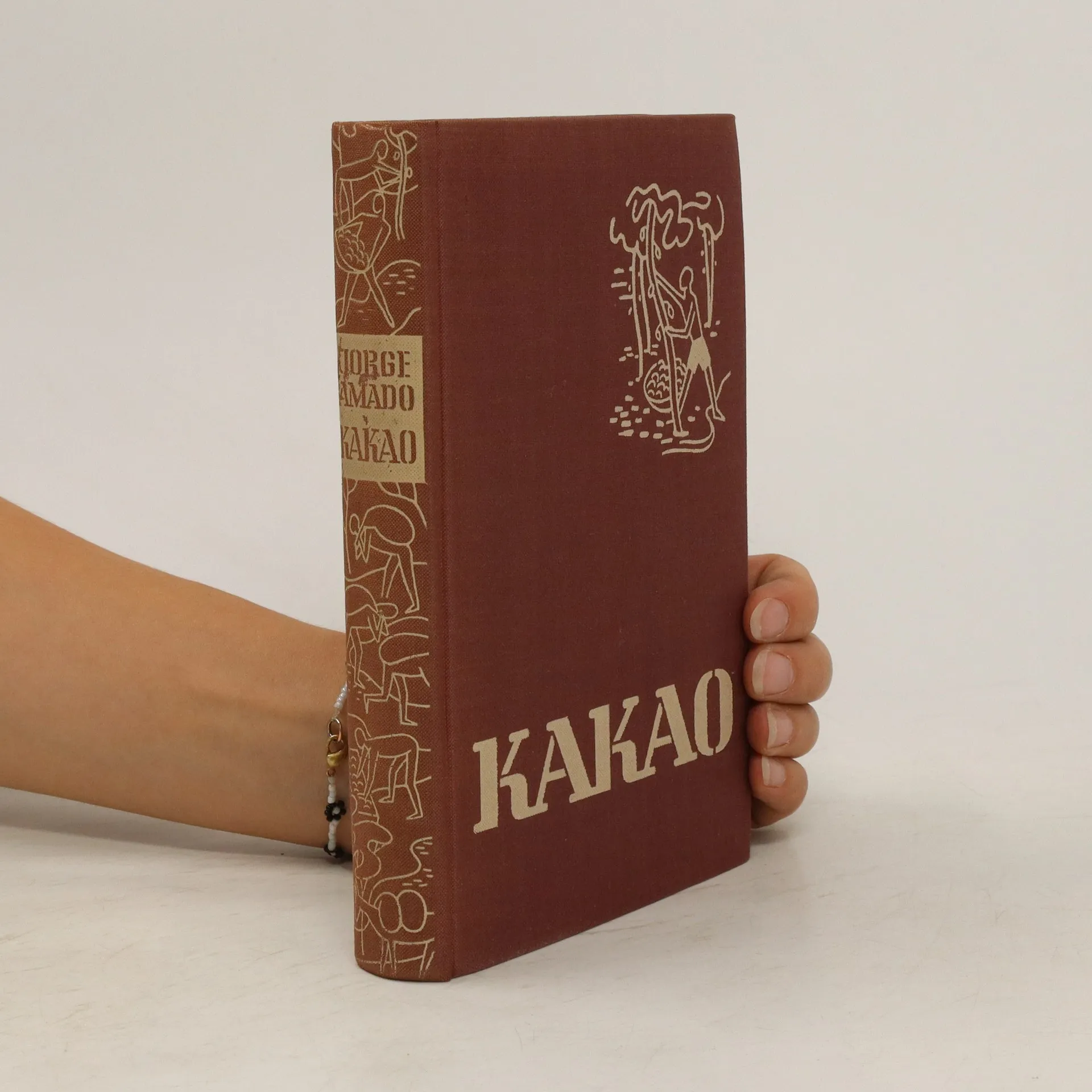
Colecção Unibolso, #75 O País do Carnaval. 1930. Em meio a um Brasil agitado, o estudante Jorge Amado, já morando no Rio de Janeiro e cursando Direito, escreve seu primeiro romance aos 18 anos. O livro, bem recebido, retrata uma juventude inquieta em busca de verdades e caminhos, através das experiências de Paulo Rigger nas rodas boêmias da Bahia no início do século XX. Rigger, insatisfeito e desencantado, parte para a Europa, deixando para trás uma cidade vibrante pelo carnaval. Em 1932, a segunda edição do romance chega às livrarias, seguida pelo impactante Cacau, que, sob a influência do "socialismo literário", choca com seu tom e tema. A obra é apreendida pela polícia, mas rapidamente liberada, esgotando-se em um mês. Cacau narra as aventuras de José Cordeiro, que, recusando-se a casar-se com a filha do patrão, persegue um sonho revolucionário. Nesse período, Amado se engaja na militância comunista. Em 1934, publica Suor, um romance naturalista que retrata a vida miserável em um cortiço da Bahia. A história de Linda, que se une a um líder operário, destaca-se quando ele é morto pela polícia, mas ela persevera em sua missão revolucionária, distribuindo panfletos em busca de transformação social.
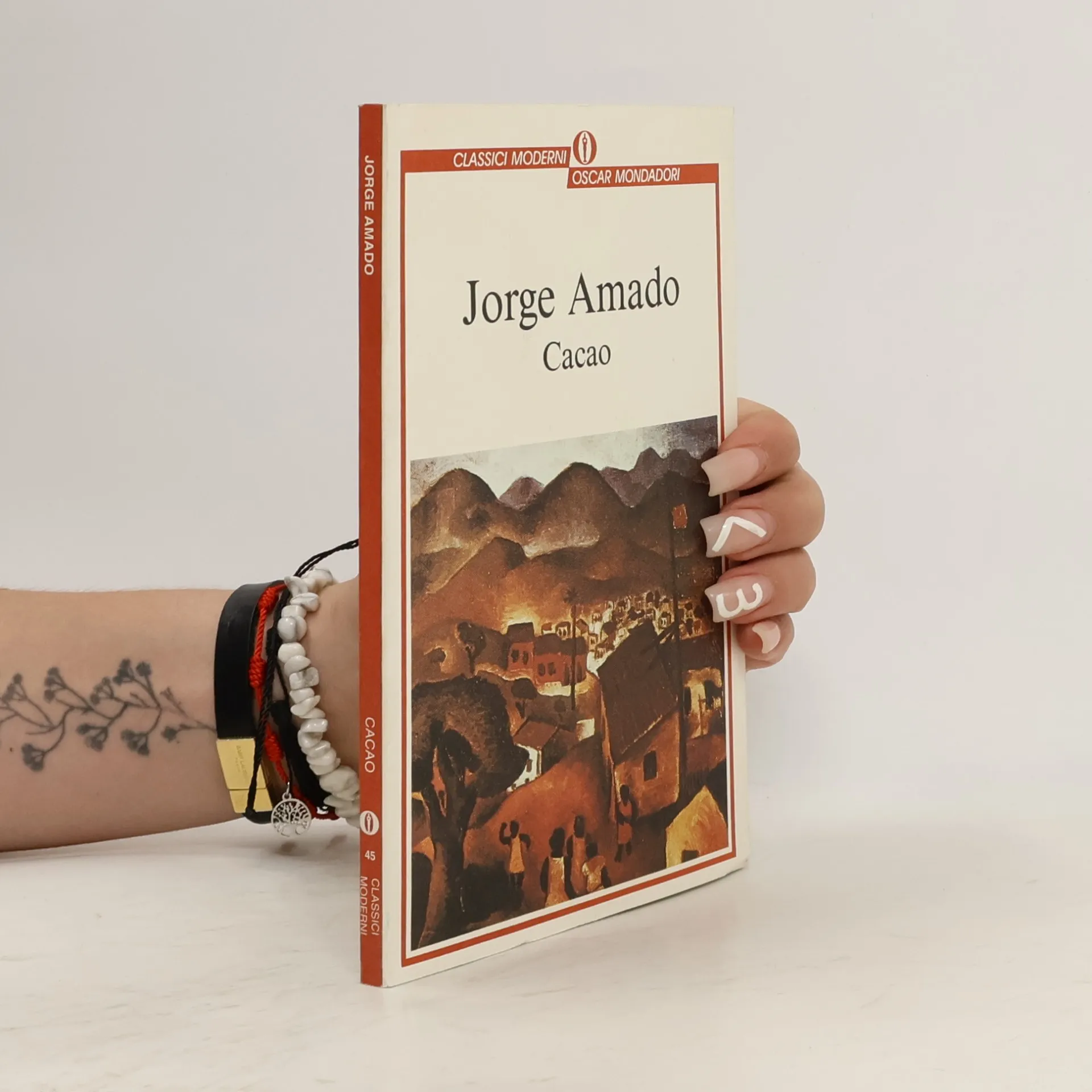
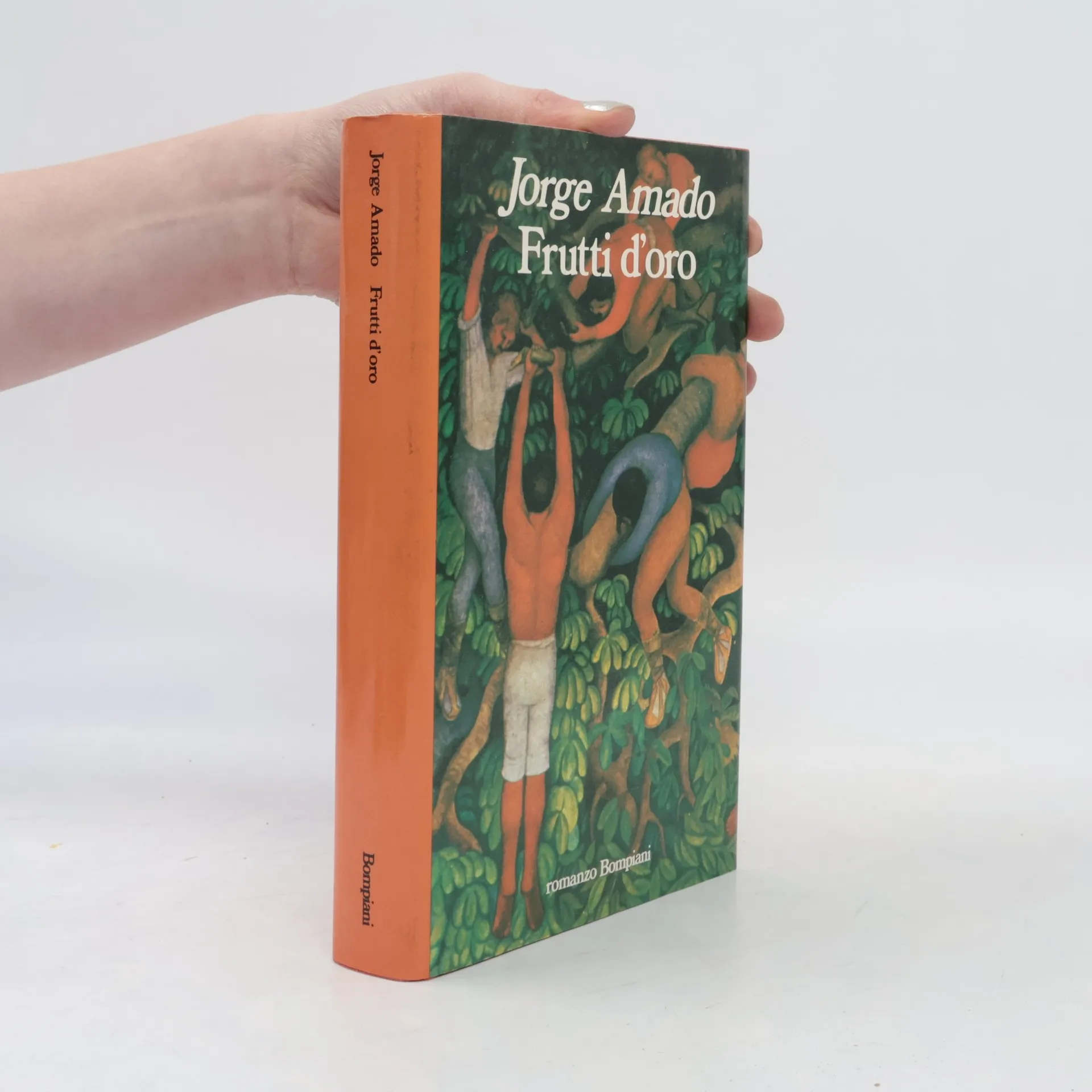
Negli anni '30 lo stato di Bahia, terra di cacao e di grandi latifondisti, diviene il miraggio per migliaia di diseredati che accorrono alla ricerca di un lavoro. Amado ha visto, ha studiato quella realtà con l'intelligenza di un etnologo o di un antropologo, e ha poi trasfuso in queste pagine tutta la sua capacità di raccontare, da autentico cantastorie della vita brasiliana. Mettendosi lui stesso nella parte di un bracciante, alfabetizzato ma incolto, nato da famiglia benestante però costretto da un rovescio finanziario a cercare lavoro, Amado racconta di fatiche disumane e di amori travolgenti e sensuali, di crudele violenza e di altruismo, di ingenuità e di fede, di morte e di sofferenza, di prepotenze dei fazendeiros e di spensierata allegria dei giovani, dipingendo con i suoi forti e coinvolgenti colori il quadro di un mondo e di tante vite.
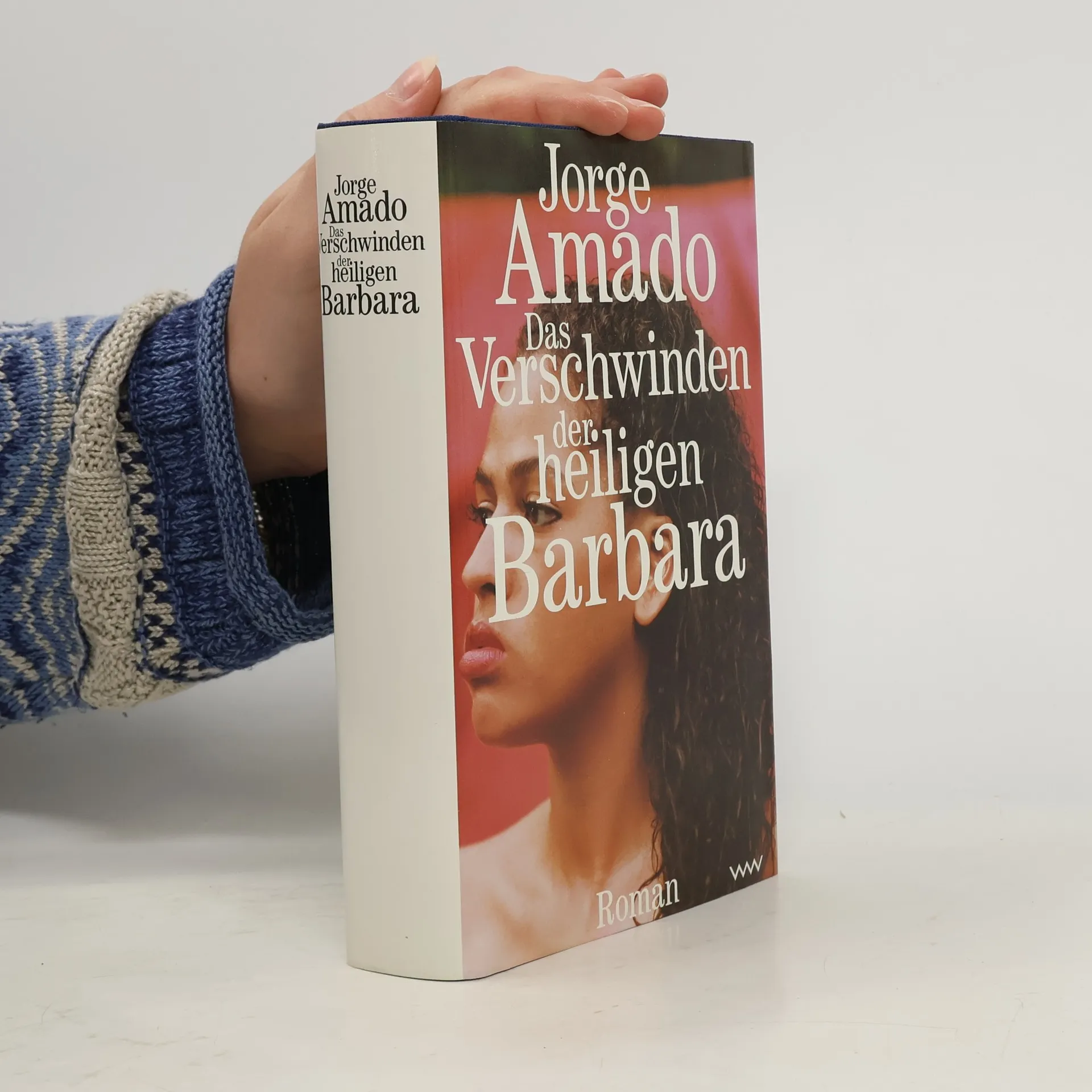
Das Bild der heiligen Barbara verlässt die Kirche von Santo Amaro da Purificação für eine Ausstellung in Bahia. Auf dem Boot Viajante sem Porto, gesteuert von Meister Manuel, wird die Statue zur Präsentation im Museu de Arte Sacra transportiert, wo Dom Maximiliano von Gruden, ein deutscher Mönch, stolz auf seine Forschung zur Urheberschaft ist. Doch bei ihrer Ankunft verwandelt sich Santa Bárbara in Iansã, steigt die Rampe des Marktes hinauf, nimmt den Weg zum Elevador Lacerda und verschwindet in der Menge. In Salvador möchte sie eine begonnene Aufgabe vollenden: die Befreiung der jungen Manela von ihrer strengen Tante Adalgisa, die sie zuvor beim Reinigen der Kirchentreppen unterstützt hatte. Mit ansteckendem Humor und exquisitem Stil nimmt die katholische Heilige die Identität des Candomblé an, um den Menschen, die sie trifft, Freude und Toleranz zu lehren. Die Geschichte entfaltet sich in der einzigartigen Kulisse Bahias, wo sich Tugend und Sünde, gesunder Menschenverstand und Absurdität, Glauben und Zauberei vermischen.
Jorge Amado is the most international of Brazilian writers.Expert and master of stories written of great dramatic power and lyrical,the characters of his novels are now counter unforgettable figures.
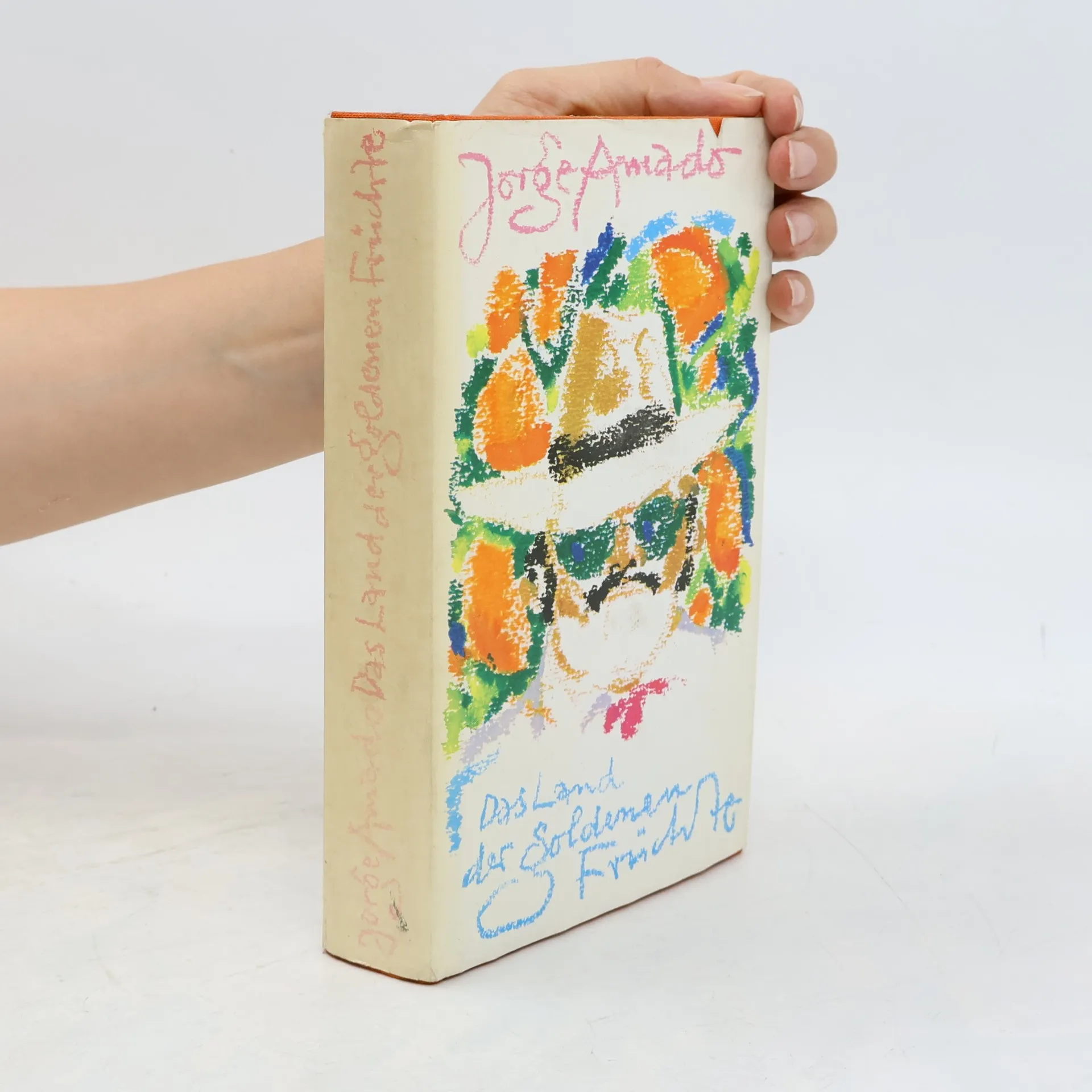
In diesem Roman-Ballade erzählt Jorge Amado eine so seltsame Geschichte, dass sie wahr sein könnte. Es ist die Geschichte eines so schönen Ortes, dass er dem Garten Eden ähnelt: ein fruchtbares Tal, durchzogen von einem klaren Fluss. Dieses Land wird von den Menschen Tocaia Grande (Große Hinterhalt) genannt, da es von den Kämpfen grausamer Caciques, die um Land und Macht ringen, blutgetränkt ist. Die Bewohner, die nach und nach dort ankommen, sind arabische Händler, geflohene Schwarze, zurückkehrende Abenteurer, Zigeuner und Prostituierte, europäische Einwanderer und landlose Mestizen. Nur eines fehlt, dessen Bedürfnis die Bewohner nicht verspüren: das Gesetz, der Staat. Doch darüber denken die multinationalen Kakaounternehmen, die Militärs und fanatischen Priester, die von weit her gekommen sind.
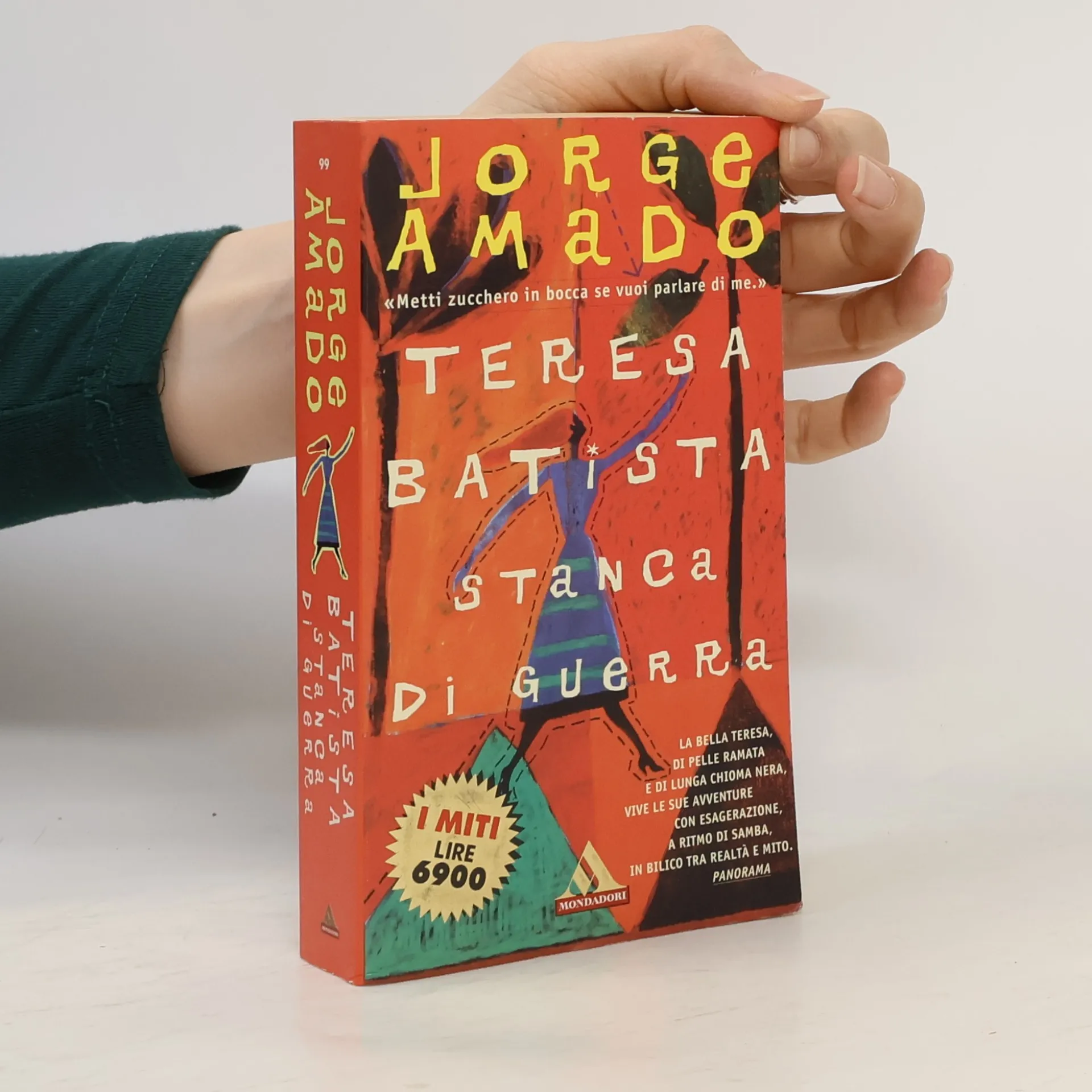
E' bella, Teresa: lunghi capelli neri e pelle color ambra. La sua storia è allo stesso tempo cruda e straordinaria, realistica e... magica. Venduta ancora bambina a un padrone senza scrupoli, si libera, e diventa coraggiosa vendicatrice di tutti i torti, protettrice di umili e malati, nonché amante appassionata. Nel libro, che è fra i capolavori della letteratura brasiliana contemporanea, la storia di una donna appassionata e della sua gente.
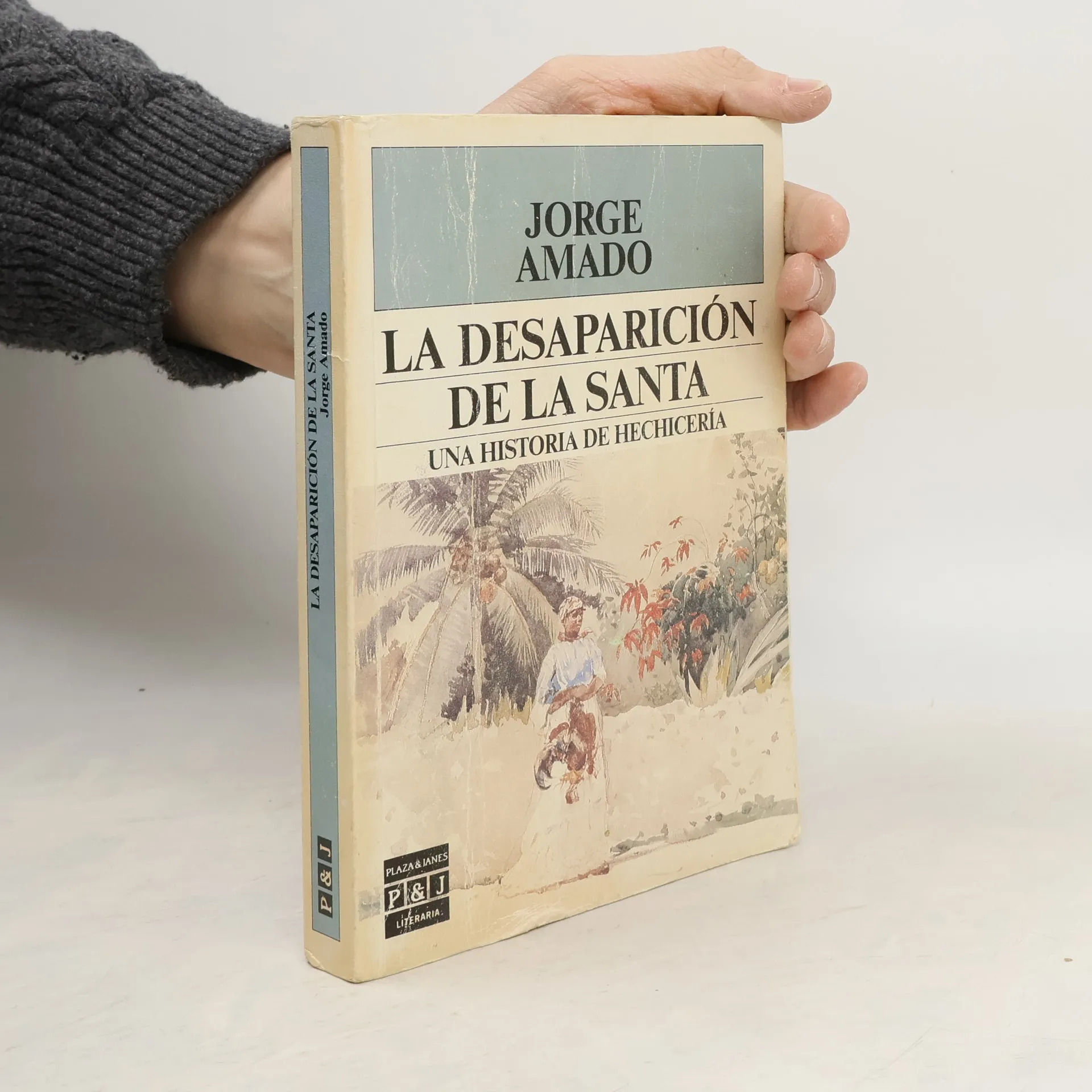
A imagem de Santa Bárbara nunca havia saído da igreja matriz de Santo Amaro da Purificação. Mas, requisitada para figurar em uma exposição de arte religiosa, deixou o altar e empreendeu viagem até a cidade da Bahia. O saveiro Viajante sem Porto, conduzido por Mestre Manuel, adentrou a Bahia de Todos os Santos levando a santa católica. Destino da escultura: o Museu de Arte Sacra, onde o diretor, dom Maximiliano von Gruden, um frade alemão, programara exibi-la aos jornalistas e à população, orgulhoso do estudo que desenvolvera sobre a autoria da escultura. Para surpresa geral, ao chegar, Santa Bárbara se transmuta em Iansã, sobe a rampa do Mercado, toma o rumo do elevador Lacerda e some no meio do povo. Em Salvador, ela quer finalizar um trabalho iniciado meses antes, numa Quinta-feira do Bonfim, quando ajudara a jovem e formosa Manela na lavagem das escadarias da igreja. Agora, a divindade aproveita para livrar o espírito de Manela do controle da severa tia Adalgisa. Neste livro de humor contagiante e estilo primoroso, uma santa católica assume sua identidade do candomblé para ensinar aos que encontra pelo caminho o melhor da vida - a alegria e a tolerância -, em uma história que só poderia transcorrer na Bahia de Jorge Amado: lugar onde tudo se mistura e não há separação entre a virtude e o pecado, o bom-senso e o absurdo, a fé e a feitiçaria, a oferenda e o milagre.
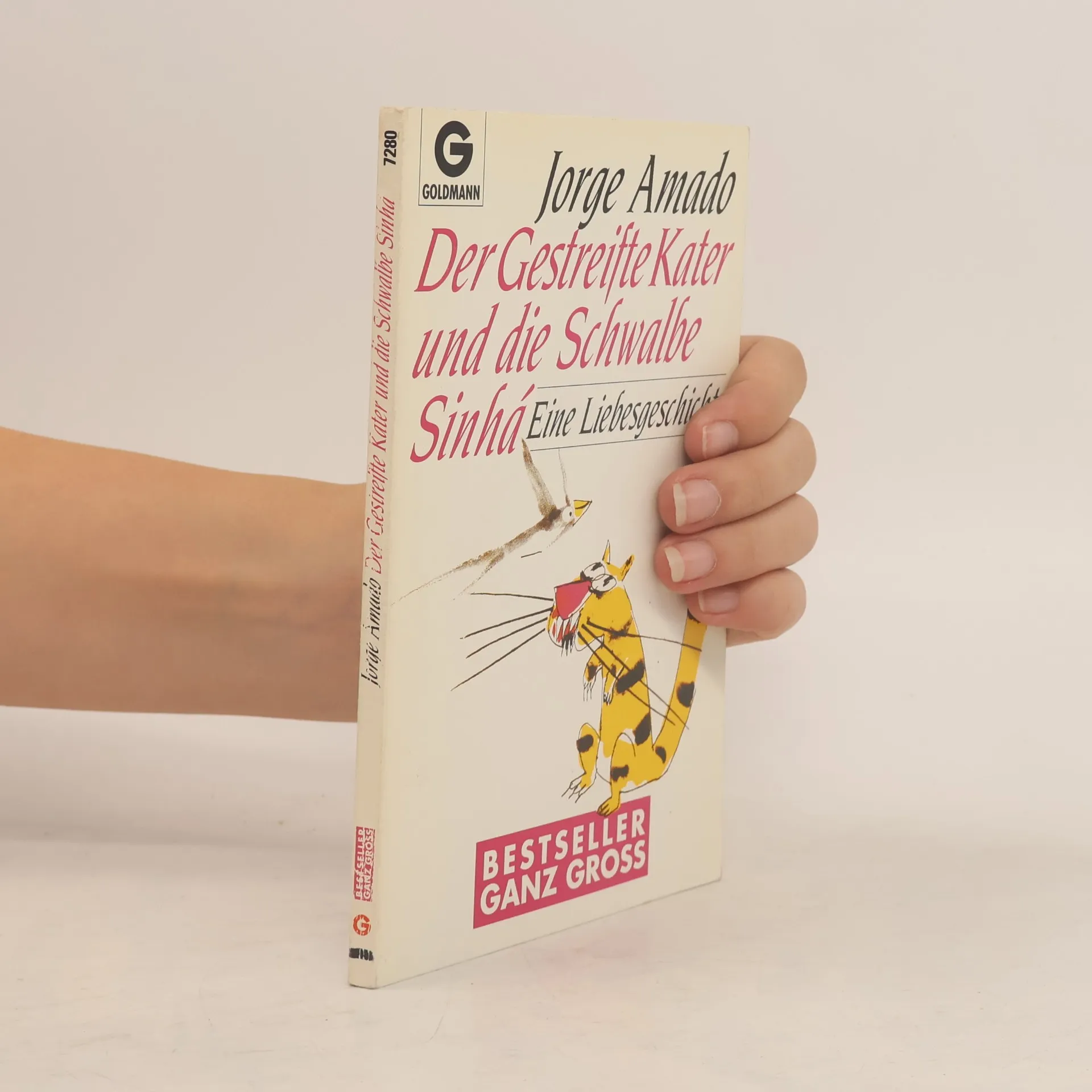
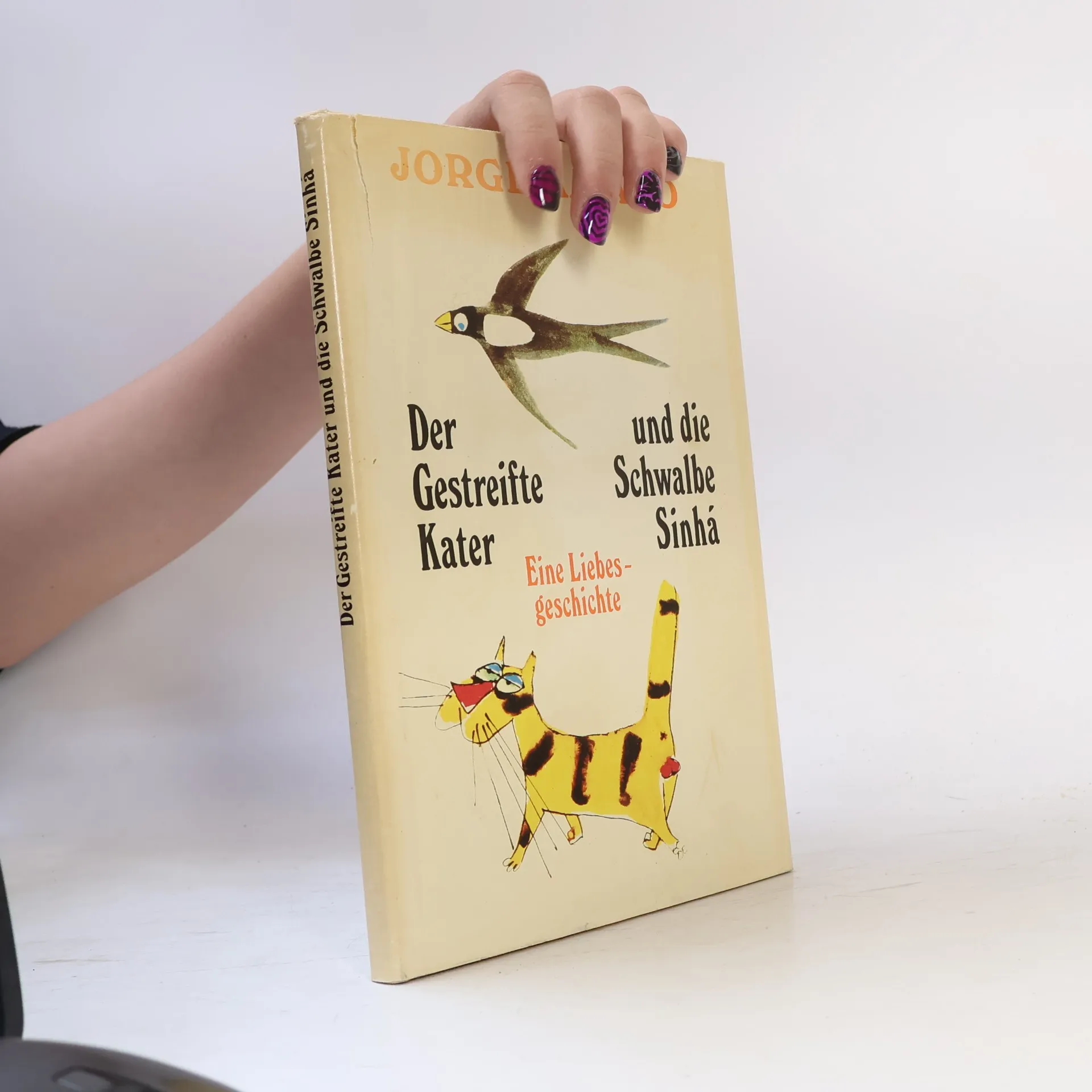
Um eine blaue Rose zu gewinnen, erzählt die Morgenfrühe dem Herrn der Zeit die Liebesgeschichte vom Gestreiften Kater und der Schwalbe Sinhá: Der Gestreifte Kater, im ganzen Park gefürchtet und verachtet, weil er böse sei und hässlich, erlebt einen zweiten Frühling, als die junge, neugierige Schwalbe Sinhá sich allen Warnungen der Parkbewohner zum Trotz mit ihm anfreundet. Im Sommer sind sie miteinander glücklich, aber der Sommer geht schnell vorbei – wie jede glückliche Zeit. Diese Fabel schrieb Amado 1948 in Paris für seinen Sohn – eine kleine Geschichte, die sich Pausen gönnt, zum Plaudern, zum Philosophieren. Eine Geschichte voller Poesie, die von Vorurteilen und Ängsten handelt, vor allem indes von einer Liebe, die das Leben erst lebenswert macht. »Zum Leben wunderschönWär diese WeltKönnte es einst geschehenDass ein gestreifter Kater mitEiner Schwalbe Hochzeit hältUnd beide flögen davonGlücklich zu zweitFür alle Zeit.«
Dans le Brésil du Nord-est, le picaresque Antonio Balduino incarne la peine et les rêves du peuple noir. Enfant perdu, mauvais garçon, boxeur professionnel, initié des " macumbas ", travailleur sur les plantations de tabac, docker, employé de cirque, Antonio cherche toujours " le chemin de la maison ". Il a des amours - irréelles - avec la blanche Lindinalva et une liaison avec la trépidante Rosenda Roseda. Une grève lui permettra de découvrir ce qu'est la solidarité et donnera un sens à sa vie : la lutte pour la libération.
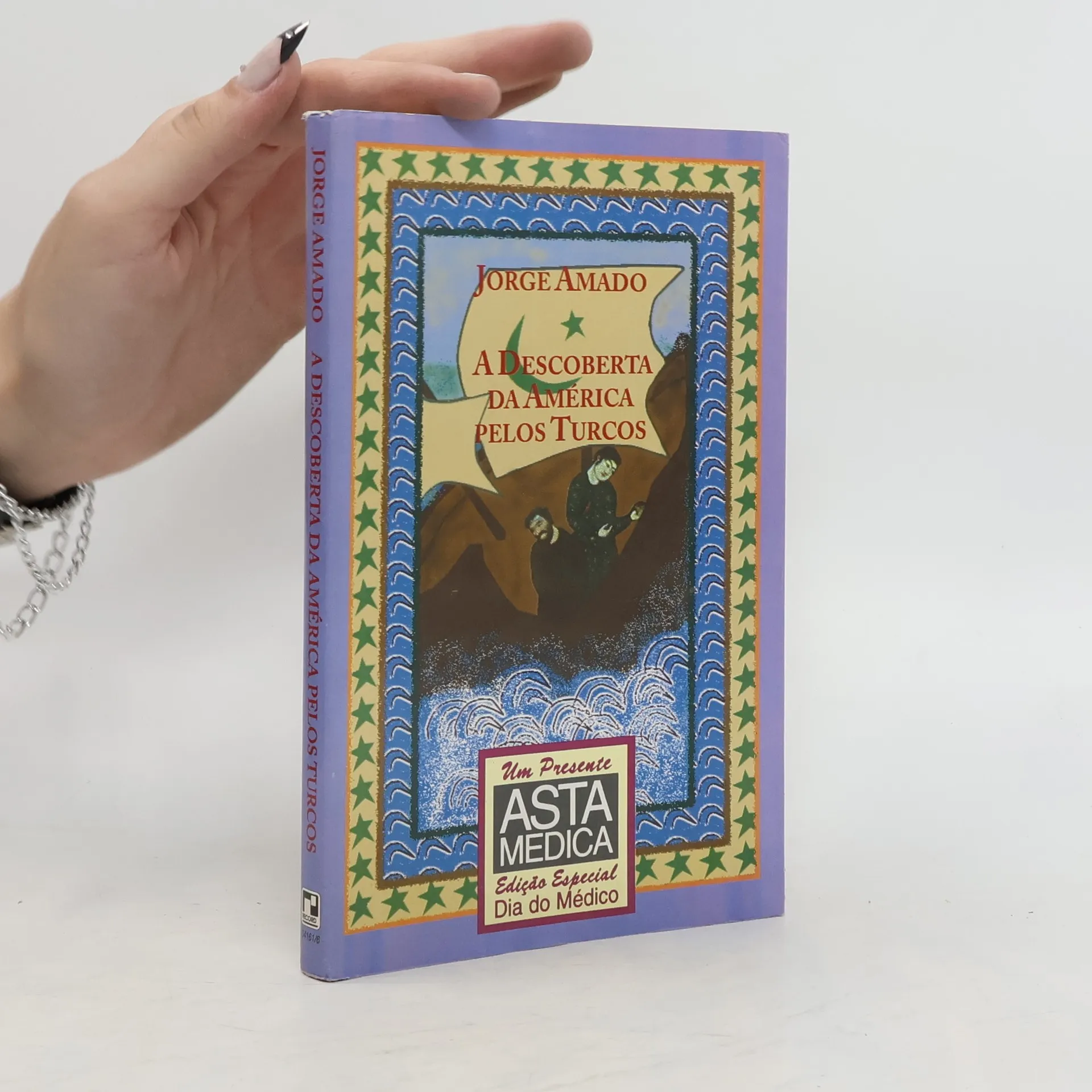
Na verdade, a América, nos sugere Jorge Amado neste sorridente romance breve, não foi descoberta por Cristóvão Colombo. E nem pelos vikings. Na realidade, na experiência cotidiana, o Novo Mundo foi descoberto pelos milhões de emigrantes que chegaram a essas terras distantes: muitas vezes em busca de felicidade, para dar corpo às suas esperanças, para escapar de um velho mundo que se tornara pequeno demais. Assim, aqui estão Jamil Bichara e Raduan Murad, dois turcos que não são de fato turcos, chegando ao alvorecer deste século à Bahia de Todos os Santos. Com afeto e ironia, Jorge Amado conta a invenção e conquista pessoal da América deles: entre desejo de lucro e sonhos de amor, lampejos de felicidade e embriaguez sensual, antiga sabedoria e novas astúcias. Como sempre, o destino brinca com o imprevisível. Até que, ao final da aventura, entre desventuras e sortes, os novos amigos turcos descobrirão que também se tornaram brasileiros.
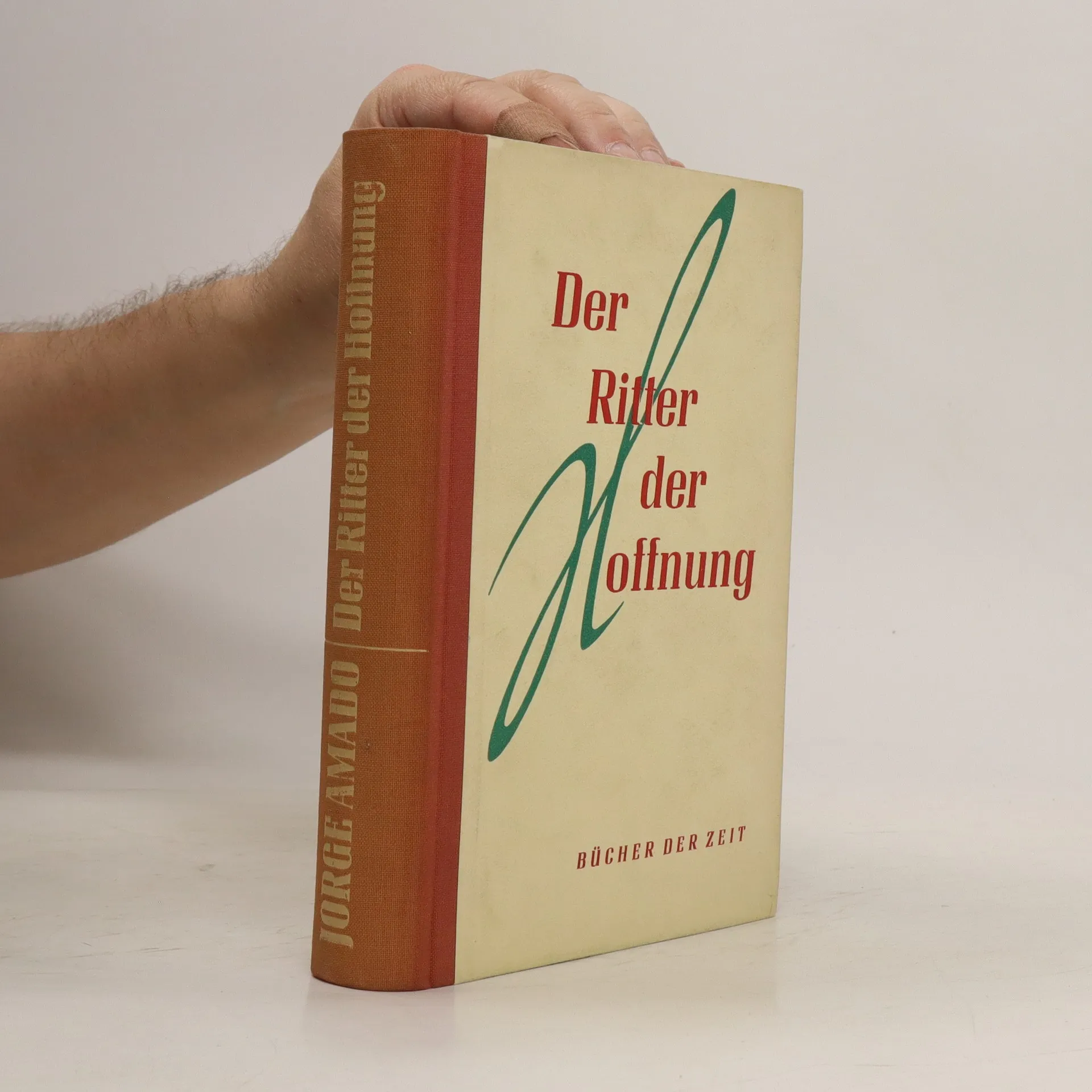
Das Leben von Louis Carlos Prestes
Introduzione di Luciana Stegagno Picchio. Una nota di Jorge Amado. Completamente illustrato con foto a colori di Patrizia Giancotti . 4to pp. 144 Molto Buono (Very Good) "Noi, baiani, dobbiamo ringraziare Patrizia per aver scoperto punti di concentrazione di una bellezza così nostra e che lasciamo si disperda nel caos di una vita che sembra essere di tutti e corre il rischio di non essere di nessuno. Patrizia vede la Bahia che io sento e sente la Bahia che vede. I colori nitidi e la religiosità diffusa, l'uomo del popolo che sembra un santo e suggerisce erotismo, la bambina ancora totalmente innocente e già totalmente consapevole, infine, tutto ciò che è Bahia è qui". Caetano Veloso
A Face Obscura
Joaquim Soares da Cunha, ein verdienter Beamter, guter Vater und guter Ehemann, beschließt, alles aufzugeben, um durch die Straßen von Bahia zu streifen, die sozialen Konventionen hinter sich lassend, um sich den Freuden des Vagabundierens hinzugeben. Er wird so zu Quinquin-la-Flotte.
Quattro piani, un sottotetto e un cortile con una panetteria araba clandestina ospitano oltre seicento persone, creando un mondo fetido e senza igiene. Qui vivono operai, militari, arabi, venditori ambulanti, ladri, prostitute e gente di tutte le nazionalità. Ogni famiglia ha a disposizione una sola stanza, con un rubinetto per l'acqua a ogni piano, mentre l'afa e la sporcizia invadono scale e corridoi. Le esistenze sono misere, segnate dalla lotta quotidiana per un pasto, un lavoro, una medicina. Le occasioni di svago sono rare, limitate a baldorie con chitarre e acquavite, che talvolta sfociano in risse. Nella vita condivisa, una lettera di dona Risoleta attira l'attenzione degli inquilini, mentre il suono del violino di Massenet riempie la soffitta, facendo quasi svanire il tanfo. Tra gli abitanti c'è anche un ebreo errante che porta notizie di mondi diversi e operai che investono il loro salario in libri. Man mano, il passatempo preferito diventa ascoltare un gruppo di uomini che parlano di compagni, socialismo e lotta di classe. Jorge Amado, con affetto per la sua gente, intreccia storie di sofferenza e morte a vicende d'amore, altruismo, ingenuità e fede in questo mondo privo di morale e educazione.
Roman aus dem Brasilianischen Urwald
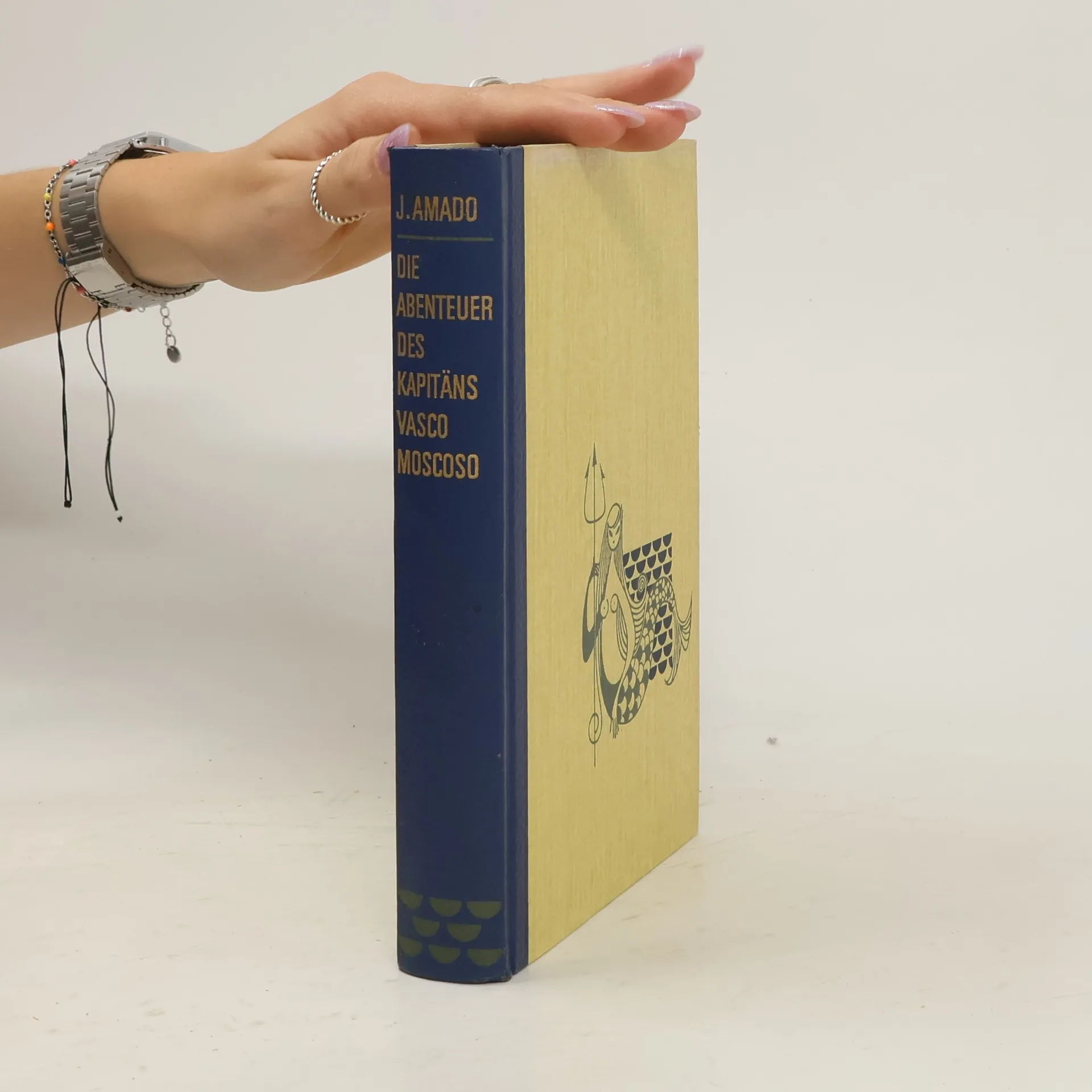
Der Tod und der Tod des Quincas Wasserschrei. Die Abenteuer des Kapitäns Vasco Moscoso
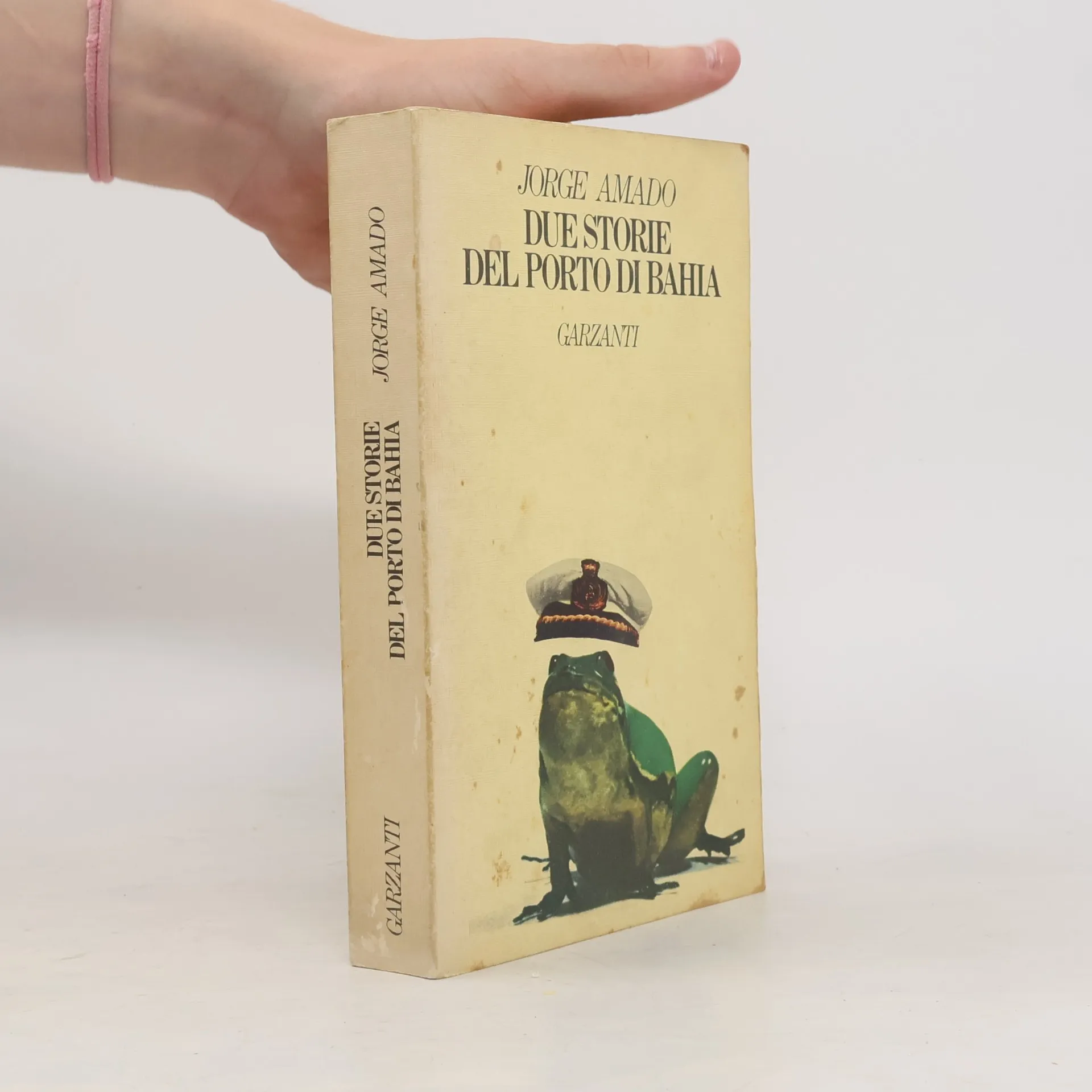
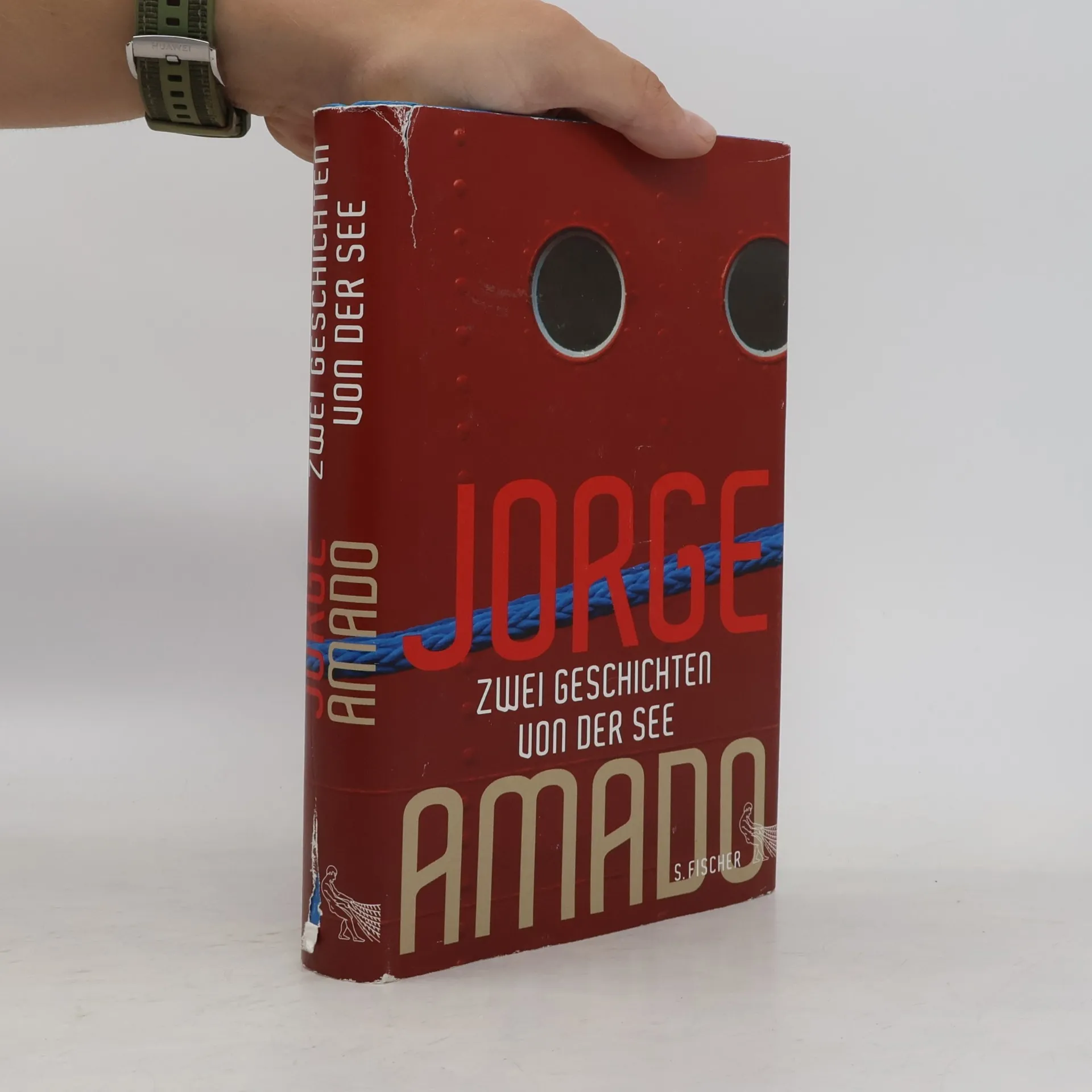
Zwei Meisterwerke des großen brasilianischen Erzählers Jorge Amado: bunt, lebensprall, anarchisch ›Zwei Geschichten von der See‹ präsentiert zwei der berühmtesten Werke Jorge Amados: die Erzählung ›Der Tod und der Tod des Quincas Wasserschrei‹ in neuer Übersetzung und den Roman ›Die Abenteuer des Kapitäns Vasco Moscoso‹. Jorge Amados Helden erträumen sich ihr Leben. In der anständigen Bürgergesellschaft Brasiliens wird es ihnen zu eng, es zieht sie aufs Meer, und solange das nicht zu haben ist, in die Bars und Spelunken an der Küste, in denen reichlich Seemannsgarn gesponnen wird. Vasco Moscoso sticht schließlich in See, Quincas Wasserschrei verlegt nur einen seiner Tode dorthin. Beide aber werfen die Frage auf: Worin liegt die Wahrheit eines gelebten Lebens, in unseren Tagen oder in unseren Träumen?
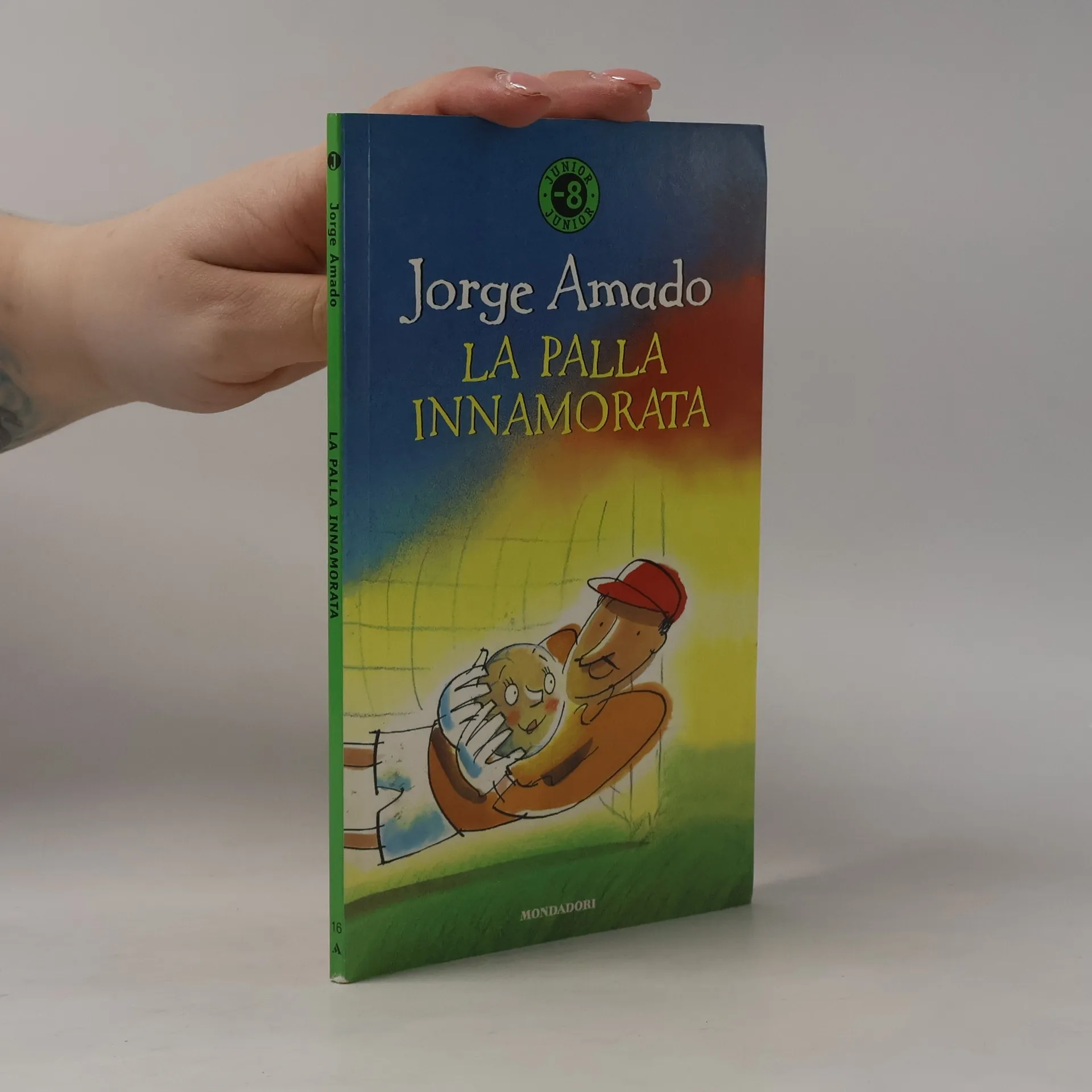
Buca-reti è la palla più amata del Brasile, celebre per i suoi gol a effetto, a foglia morta, a palombella; una campionessa che non manca mai di infilare la porta. Go-Gol, invece, è il portiere più fischiato del Brasile, un brocco che non ne azzecca una. Ed ecco che un giorno il povero Go-Gol diventa un asso, il migliore in campo. Ma com'è successo? Semplice; la palla Buca-reti si è innamorata di lui, e l'unico modo per finire tra le braccia del bel portiere è quello di... farsi parare! Peccato che questo amore clandestino sia destinato a creare un bel po' di problemi.