This study offers a unique exploration of Shelley's ideas, connecting them to themes of diet, consumption, and the human body within the context of nature and culture. It delves into how these elements intersect with Shelley's philosophy, providing fresh insights into his work and its relevance to contemporary discussions on these topics.
Timothy Morton Books
June 19, 1968
Timothy Morton is a leading thinker whose work engages with the complex relationship between humanity and ecology in the contemporary world. His writing, often provocative and deeply philosophical, explores concepts such as hyperobjects and dark ecology to reframe our present existence. Morton's analysis challenges us to consider our place within the ecosystem and to find new ways of coexisting with the world around us. His innovative approach to ecological crisis offers readers fresh perspectives and prompts for deeper reflection.


The book presents a transformative vision that combines elements of Christianity and biology to address the urgent crisis of global warming. It advocates for a radical shift in perspective, aiming to transcend destructive societal norms and envision a future that fosters ecological harmony and inclusivity. Through this unique approach, the author seeks to inspire a spiritual awakening that challenges prevailing ideologies and promotes a more sustainable and equitable world.
Mary Shelley's Frankenstein : a sourcebook
- 220 pages
- 8 hours of reading
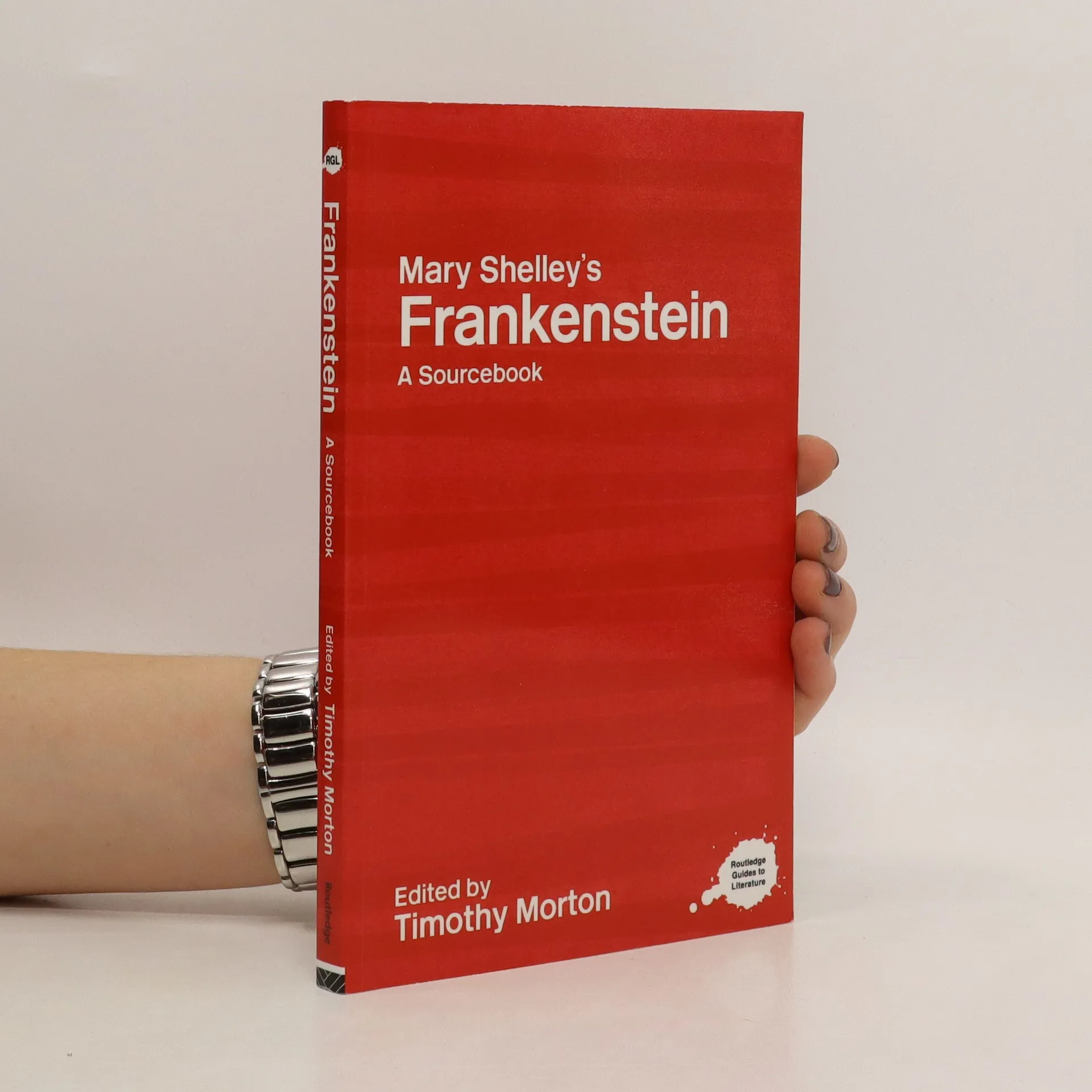
Mary Shelley's Frankenstein is one of the most widely studied works of English literature, and Frankenstein's creature is a key figure in the popular imagination.This sourcebook examines Mary Shelley's novel within its literary and cultural contexts, bringing together material *the contexts from which Frankenstein emerged*the novel's early reception*adaptation and performance of the work (from theatre to pop music)*recent criticism.All documents are discussed and explained. The volume also includes offers carefully annotated key passages from the novel itself and concludes with a list of recommended editions and further reading, to allow readers to pursue their study in the areas that interest them most. This sourcebook provides an ideal orientation to the novel, its reception history and the critical material that surrounds it.
The Ecological Thought
- 184 pages
- 7 hours of reading
Argues that various forms of life are connected in a vast, entangling mesh and this interconnectedness penetrates different dimensions of life. This title investigates the profound philosophical, political, and aesthetic implications of the fact that these life forms are interconnected.
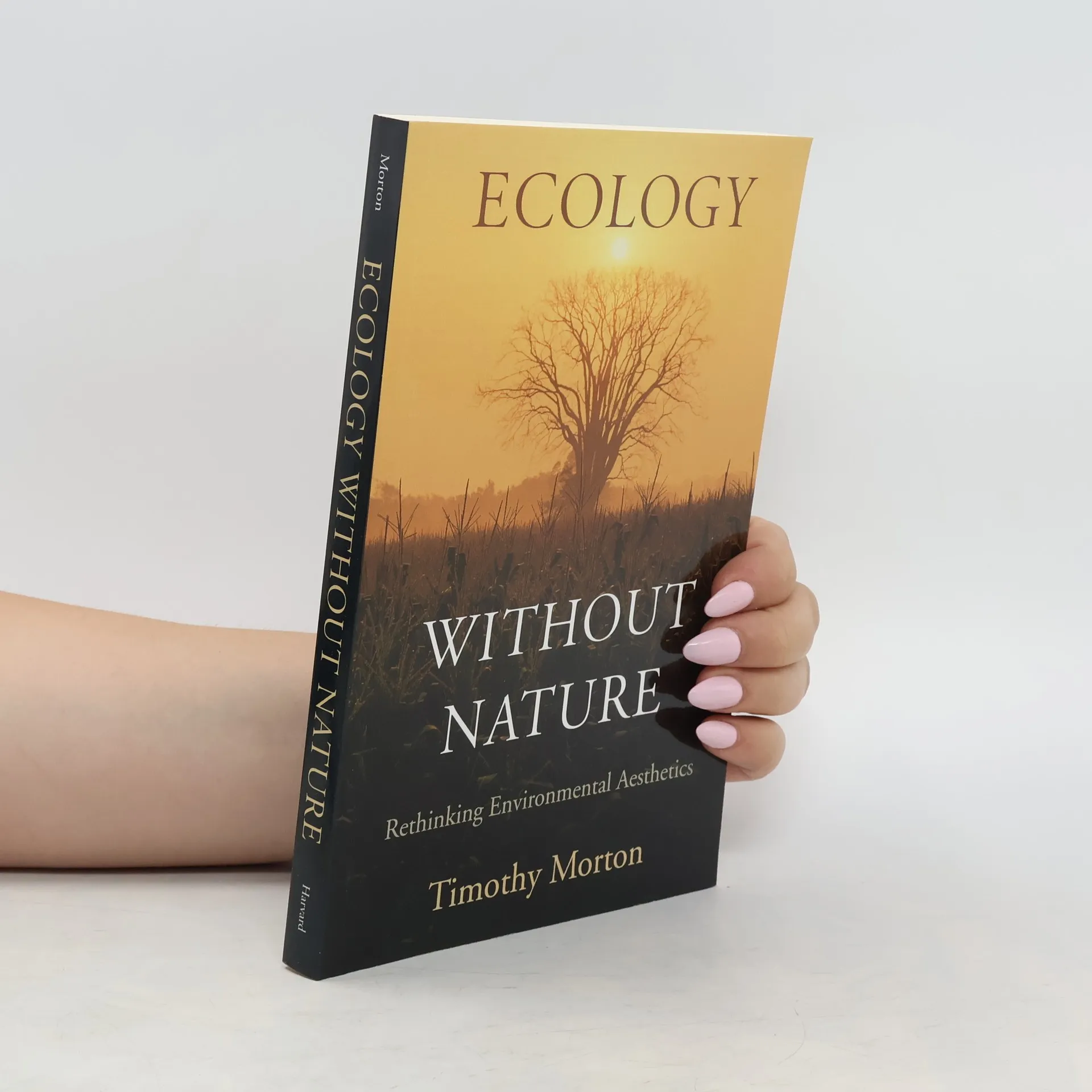
In Ecology without Nature, Timothy Morton argues that the chief stumbling block to environmental thinking is the image of nature itself. Ecological writers propose a new worldview, but their very zeal to preserve the natural world leads them away from the "nature" they revere. The problem is a symptom of the ecological catastrophe in which we are living. Morton sets out a seeming paradox: to have a properly ecological view, we must relinquish the idea of nature once and for all. Ecology without Nature investigates our ecological assumptions in a way that is provocative and deeply engaging. Ranging widely in eighteenth-century through contemporary philosophy, culture, and history, he explores the value of art in imagining environmental projects for the future. Morton develops a fresh vocabulary for reading "environmentality" in artistic form as well as content, and traces the contexts of ecological constructs through the history of capitalism. From John Clare to John Cage, from Kierkegaard to Kristeva, from The Lord of the Rings to electronic life forms, Ecology without Nature widens our view of ecological criticism, and deepens our understanding of ecology itself. Instead of trying to use an idea of nature to heal what society has damaged, Morton sets out a radical new form of ecological criticism: "dark ecology."
Humankind
- 224 pages
- 8 hours of reading
A radical call for solidarity between humans and non-humans
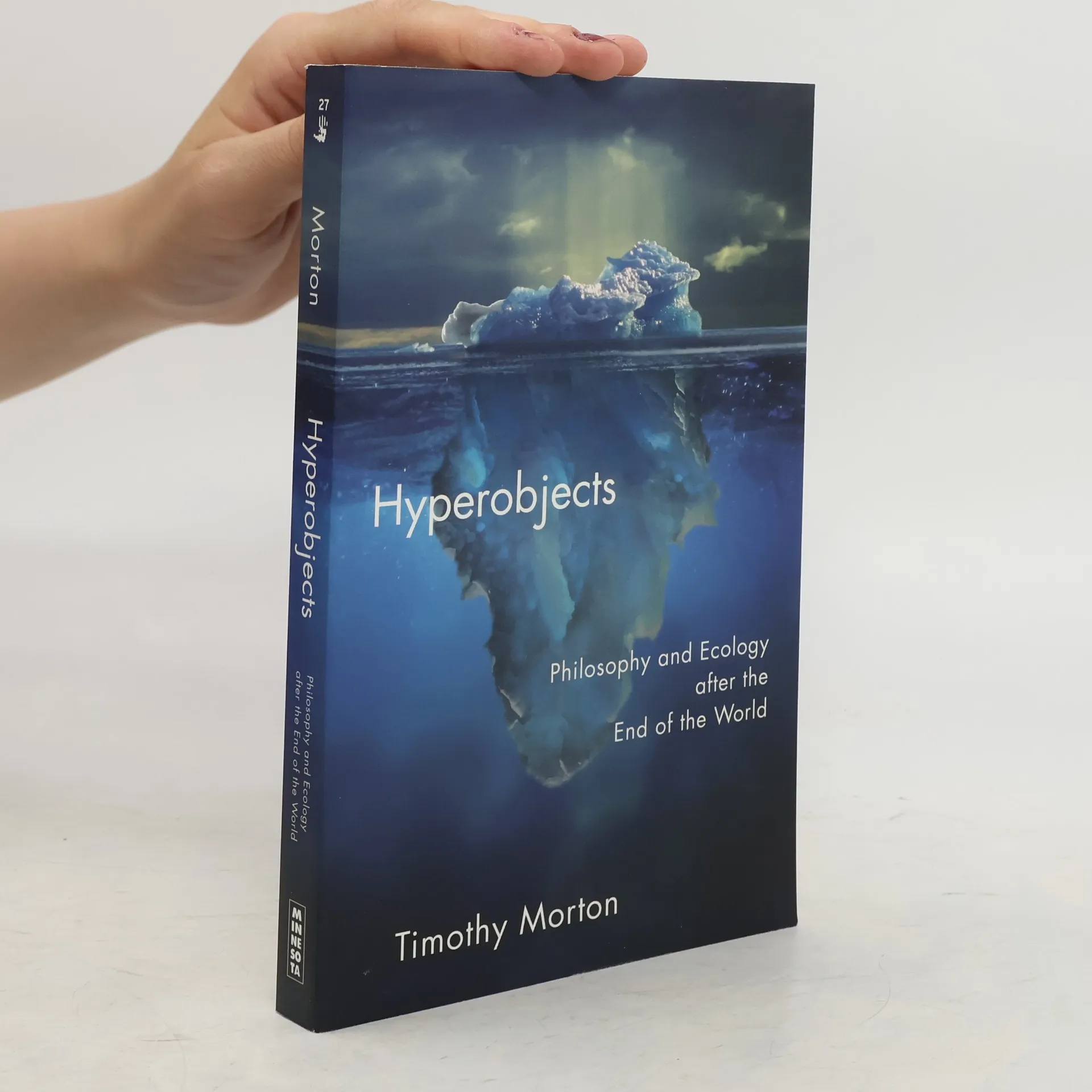
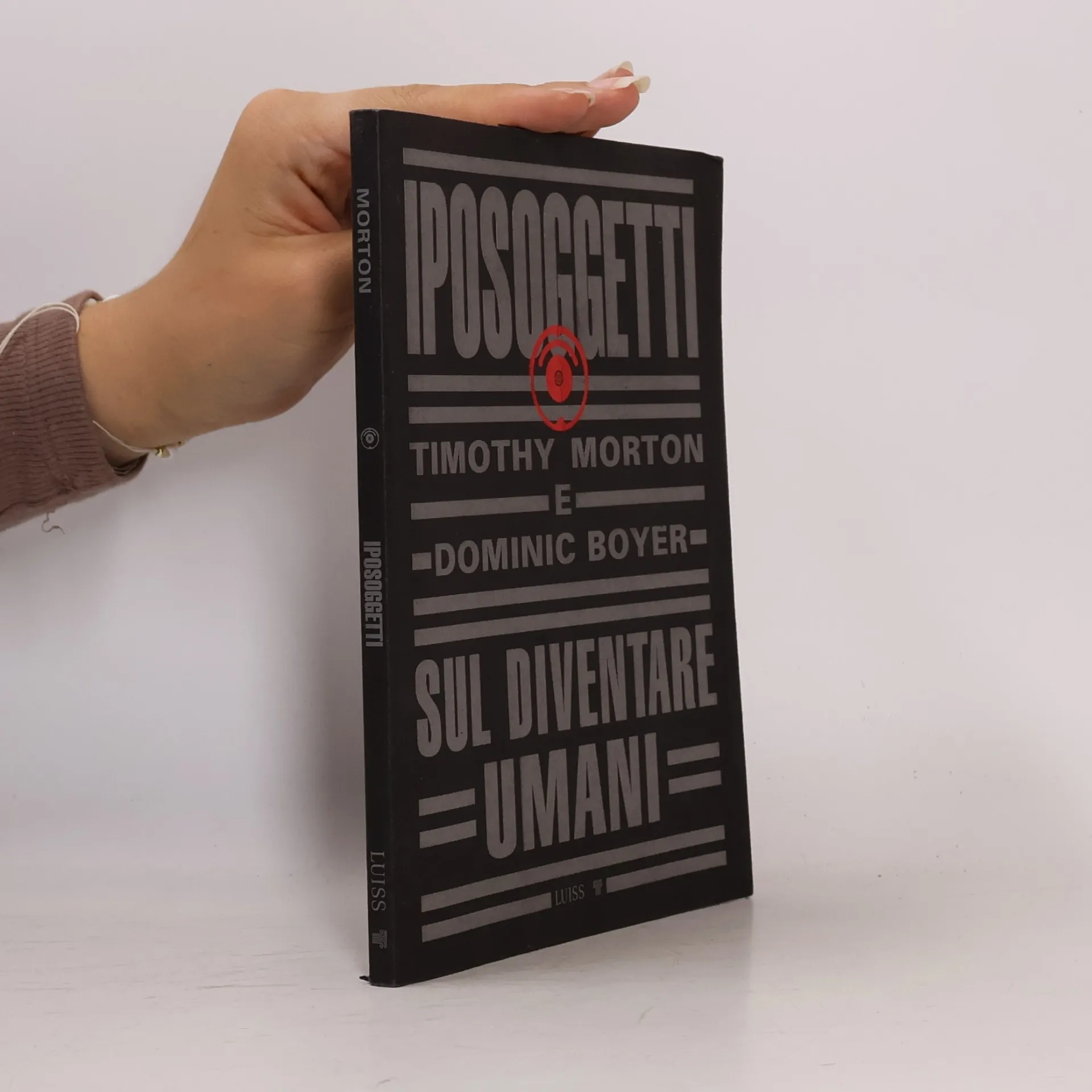
Hyperobjects
- 240 pages
- 9 hours of reading
A Quake in Being: An Introduction to Hyperobjects Part I. What Are Hyperobjects? Viscosity Nonlocality Temporal Undulation Phasing Interobjectivity Part II. The Time of Hyperobjects The End of the World Hypocrisies The Age of Asymmetry.
Dark Ecology
- 208 pages
- 8 hours of reading
Morton commands readers' attention with his free-form style.... (Dark Ecology) extends his previous work to offer a seismically different vision of the future of ecology and humankind. Publishers Weekly
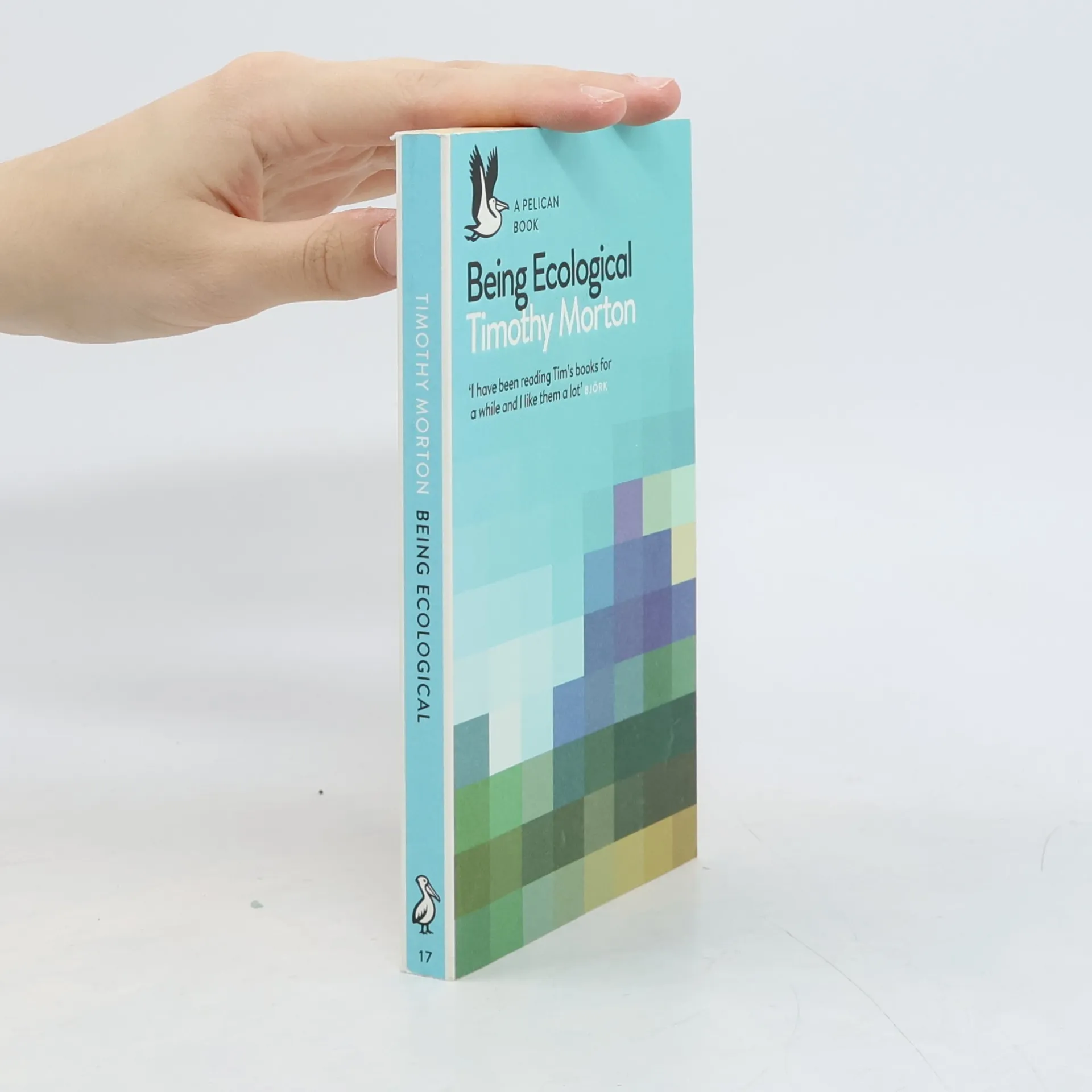
Being Ecological
- 240 pages
- 9 hours of reading
'To read Being Ecological is to be caught up in a brilliant display of intellectual pyrotechnics' P.D.Smith, Guardian Why is everything we think we know about ecology wrong? Is there really any difference between 'humans' and 'nature'? Does this mean we even have a future? Don't care about ecology? This book is for you. Timothy Morton, who has been called 'Our most popular guide to the new epoch' (Guardian), sets out to show us that whether we know it or not, we already have the capacity and the will to change the way we understand the place of humans in the world, and our very understanding of the term 'ecology'. A cross-disciplinarian who has collaborated with everyone from Björk to Hans Ulrich Obrist, Morton is also a member of the object-oriented philosophy movement, a group of forward-looking thinkers who are grappling with modern-day notions of subjectivity and objectivity, while also offering fascinating new understandings of Heidegger and Kant. Calling the volume a book containing 'no ecological facts', Morton confronts the 'information dump' fatigue of the digital age, and offers an invigorated approach to creating a liveable future.
In twenty short books, Penguin brings you the classics of the environmental movement. Provocative and playful, All Art is Ecological explores the strangeness of living in an age of mass extinction, and shows us that emotions and experience are the basis for a deep philosophical engagement with ecology. Over the past 75 years, a new canon has emerged. As life on Earth has become irrevocably altered by humans, visionary thinkers around the world have raised their voices to defend the planet, and affirm our place at the heart of its restoration. Their words have endured through the decades, becoming the classics of a movement. Together, these books show the richness of environmental thought, and point the way to a fairer, saner, greener world.
La pensée écologique
- 272 pages
- 10 hours of reading
Si l'agent spécial Dale Cooper (Twin Peaks) prenait la plume, voici le livre qu'il pourrait écrire. Car, à l'image du personnage de David Lynch dont le rapport au monde est bouleversé, Timothy Morton propose une philosophie radicale et troublante. Le réchauffement climatique, phénomène irréversible dû à l'activité humaine, a déclenché la sixième extinction de masse. Le constat est simple : nous manquons d'outils conceptuels pour penser cette ère de l'Anthropocène. Et si nous nous affranchissions du concept de Nature ? Si, enfin, nous pensions grand (global plutôt que local) ? Et que dire du maillage, de l'interconnectivité de tout avec tout ? Avec intelligence et humour, Timothy Morton nous libère des discours bien-pensants : adieu écologie verte, économie circulaire et développement durable. Tous ces petits pas pour un monde plus « vert » servent trop souvent à soulager les consciences et verdir les programmes électoraux. Il nous faut changer profondément notre manière de penser, notre manière d'être au monde. De Charles Darwin à Emmanuel Levinas, de William Wordsworth à Percy Shelley, Timothy Morton illustre ses bases théoriques d'exemples aussi concrets que l'art contemporain ou le cinéma de science-fiction - à l'image de Blade Runner ou Solaris. Voici un texte radical qui change notre regard sur le monde, à la fois très accessible et totalement nouveau dans le champ de la philosophie contemporaine.
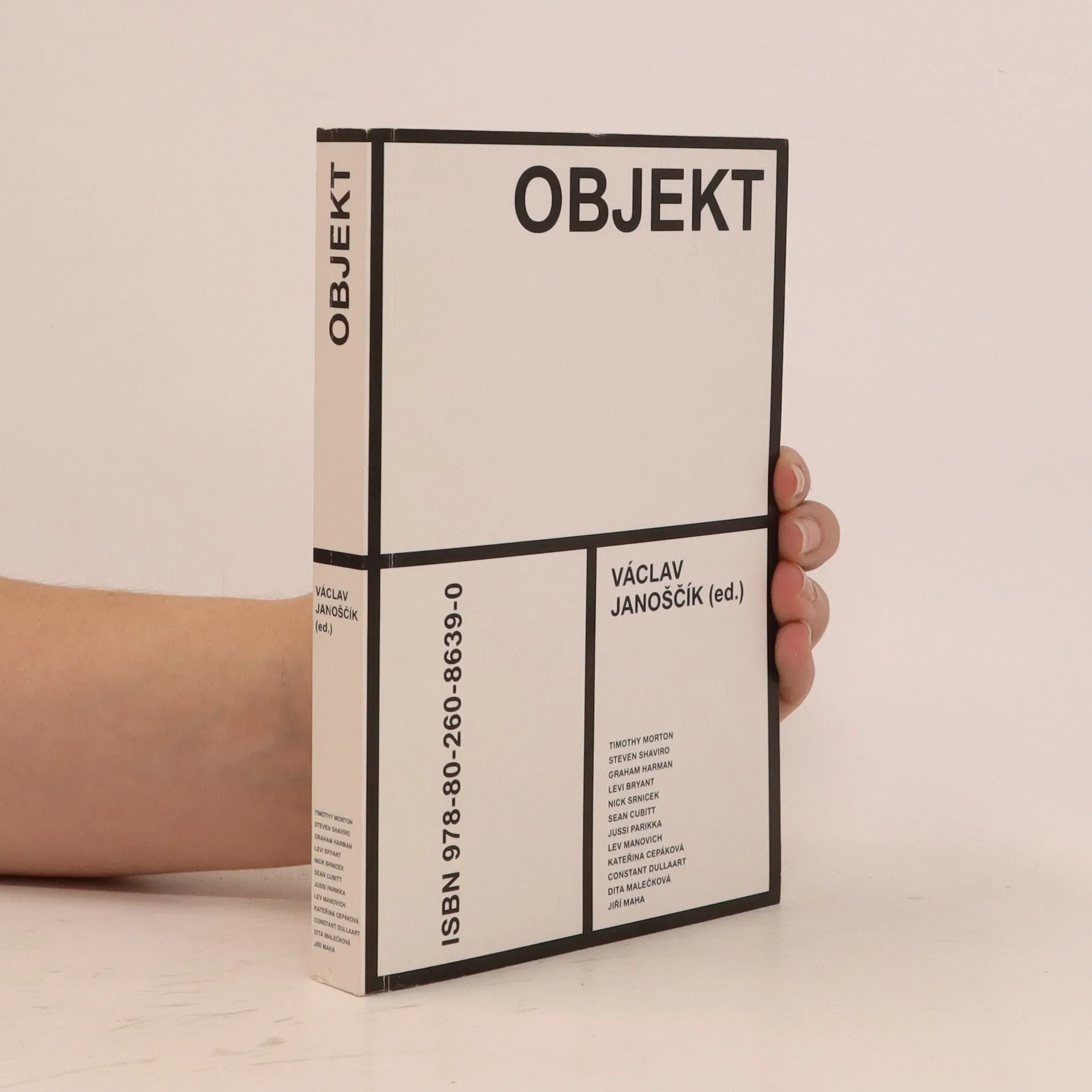
Jedná se o první a zásadní publikaci, která se zabývá aktuálním tématem post - internetového umění. Náš svět je světem objektů a možná si to uvědomujeme více než kdy dřív. Právě v éře globálního oteplování, umělé inteligence, masově vyráběných a neustále inovovaných či individualizovaných výrobků jsme konfrontováni s tím, že nejen lidé existují, jednají a mají práva. Také objekty, naše planeta, živočišné druhy, počítačové aplikace i nám blízké každodenní předměty se hlásí o své slovo. Kniha s charakteristickým názvem Objekt se snaží z pozic filosofie a teorie médií shrnout různé pohledy na tuto explozi objektů. Snaží se objektům propůjčit hlas. Kniha tak představuje první soubor textů z proudu spekulativního realismu, objektově orientované ontologie, akceleracionismu a nového materialismu dostupný v českém překladu.
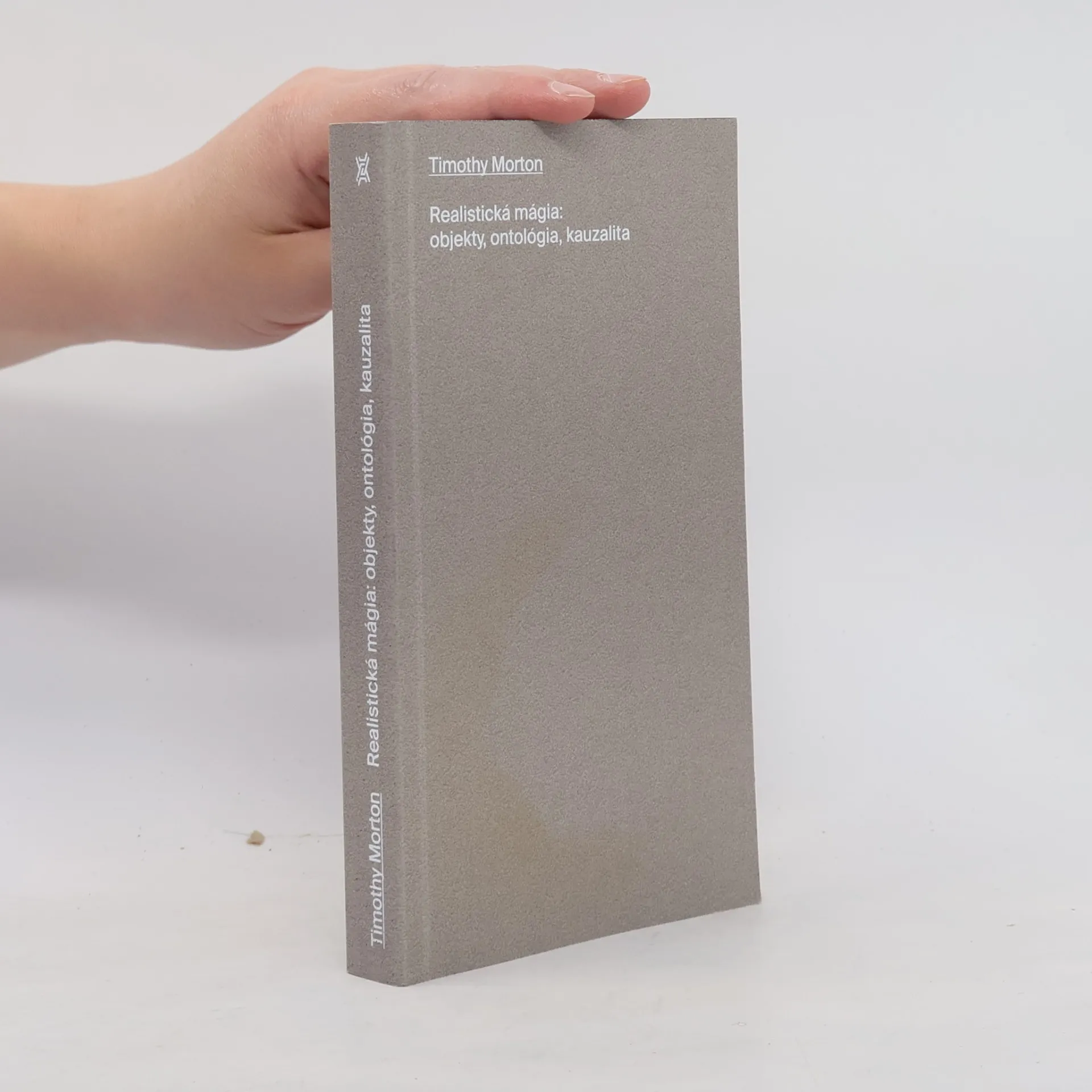
Timothy Morton, významná postava na poli ekológie, literárnej kritiky a objektovo-orientovanej filozofie, nás v tejto knihe láka do magickej noci objektov. Ak veci iskria neprítomnosťou a nedajú sa redukovať na ich využitie, vzťahy či vnímanie, môžu na seba navzájom pôsobiť len nepriamo, v zvláštnej oblasti stôp a odtlačkov. Táto oblasť je estetickou dimenziou. Zmyslové veci sú elégiami na miznutie objektov. Možno preto filozofia často považovala estetickú dimenziu za ríšu zla? Timothy Morton patrí ku kľúčovým postavám objektovo orientovanej ontológie, ktorá sa pokúša o formulovanie radikálne posthumanistickej a neantropocentrickej teórie bytia. Dlhodobo pôsobí na Rice University v Texase a okrem filozofie píše najmä o ekológii, umení a populárnej kultúre. Na svojom konte má viac ako dvadsať kníh vrátane titulov ako Hyperobjects, Dark Ecology a Ecology Without Nature. Mimo akadémie spolupracuje na kreatívnych projektoch s osobnosťami ako napríklad Laurie Anderson či Björk. Kniha vychádza v preklade Magdalény Kobzovej a s doslovom Lukáša Makovického.