
Last War of the World-Island
- 170 pages
- 6 hours of reading
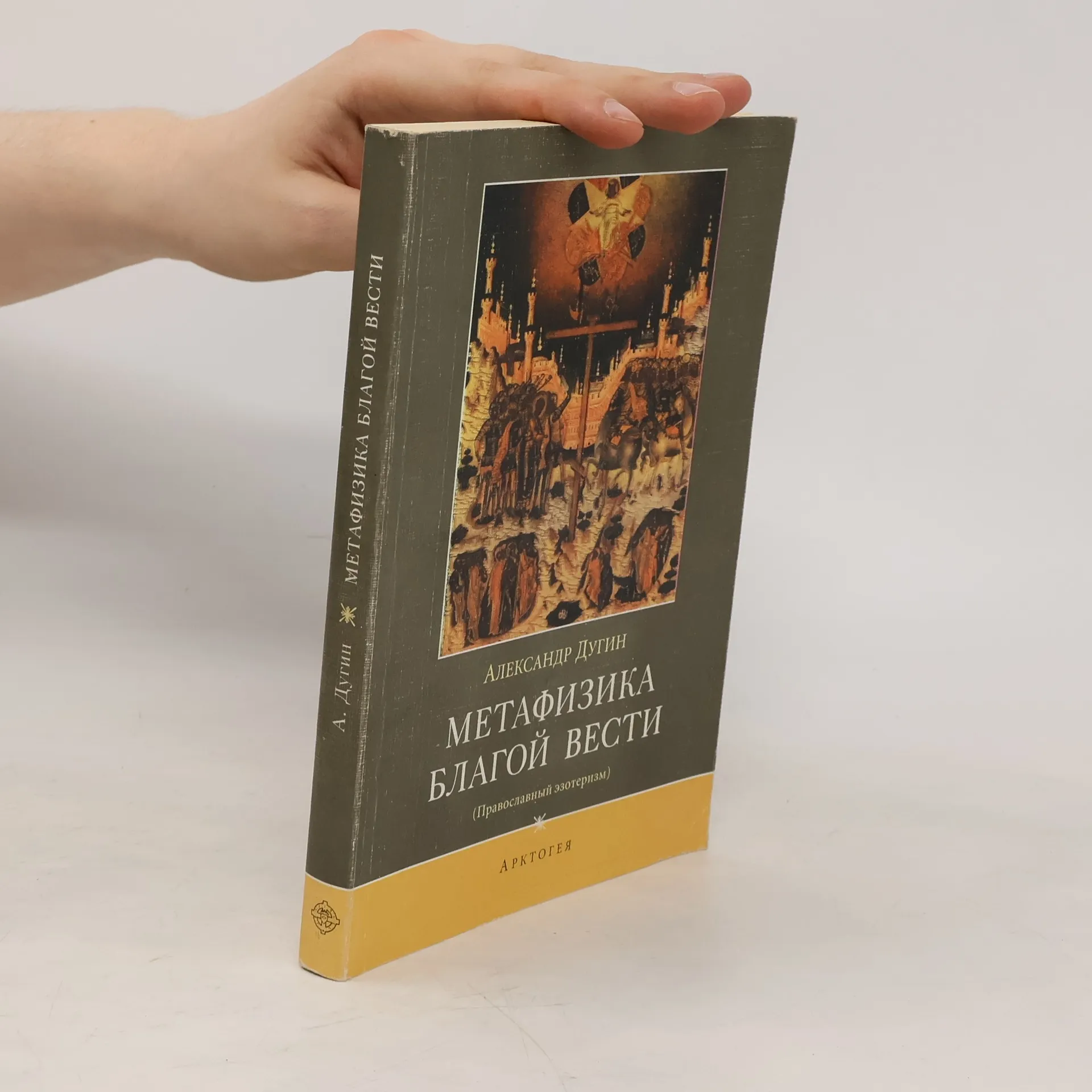
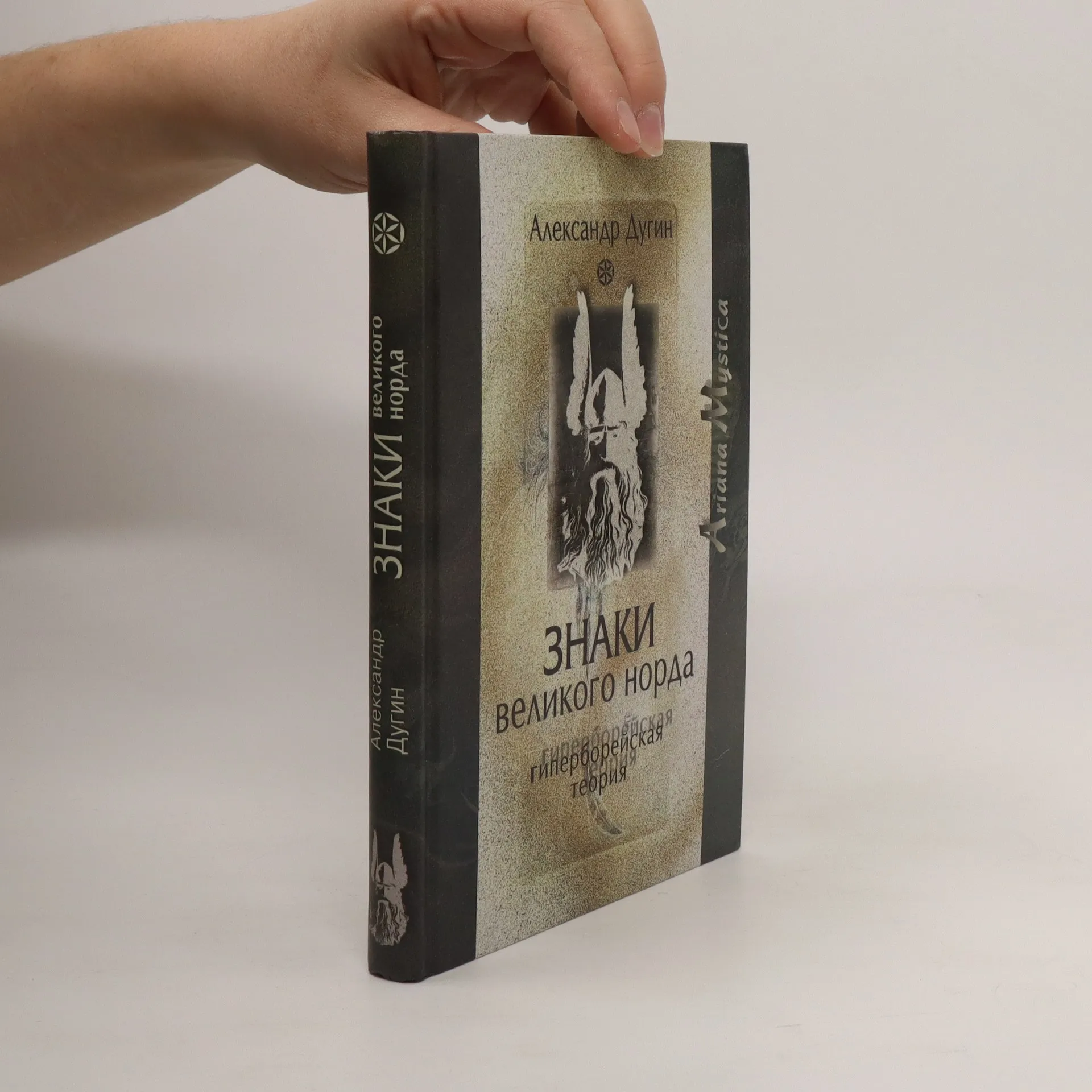
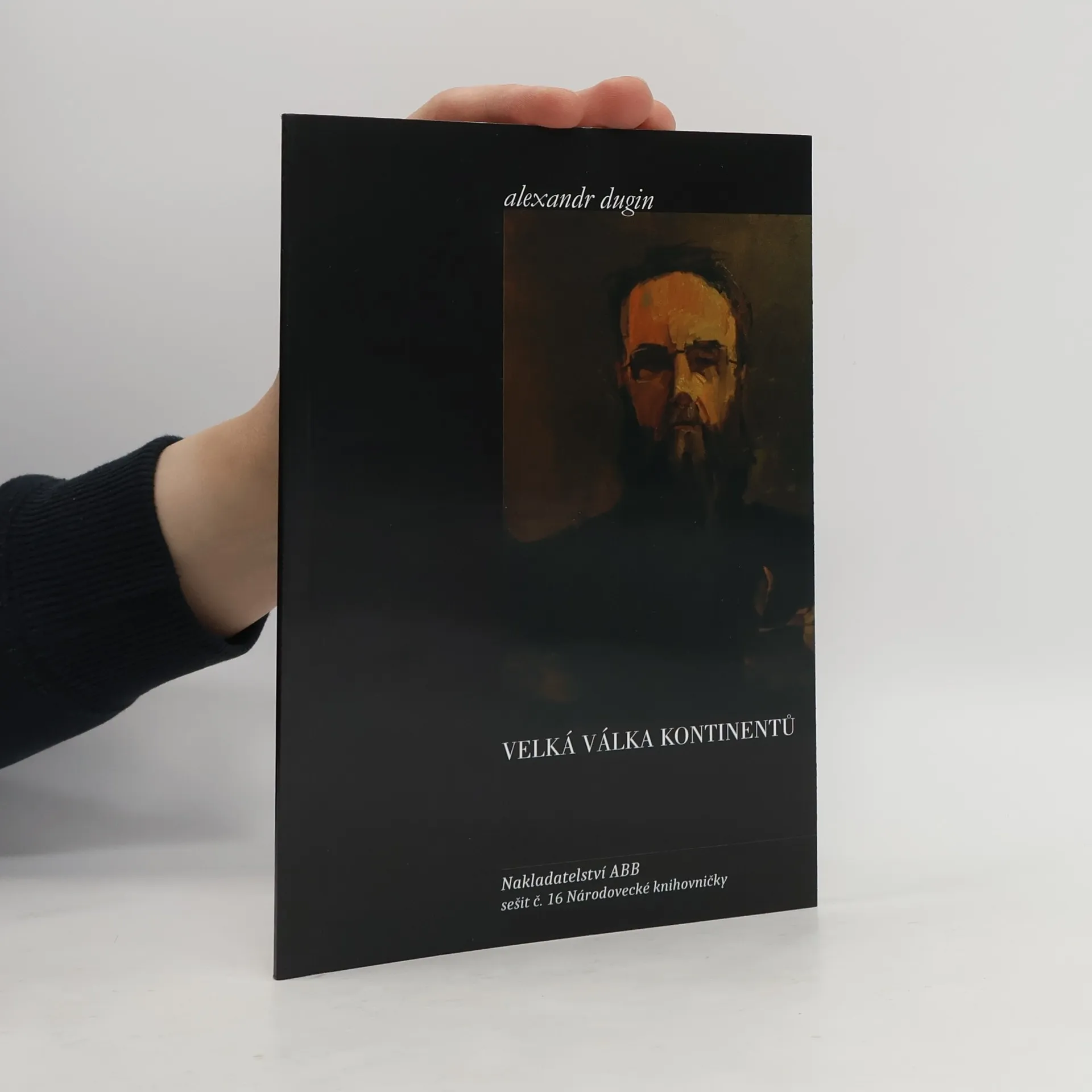
Aleksandr Gelyevich Dugin is a political scientist and traditionalist whose ideas focus on the restoration of Russian power and influence. He is known as one of the leading ideologists for the creation of a Eurasian empire that would oppose North Atlantic interests. His political activities are directed toward the restoration of the Russian Empire through the unification of Russian-speaking territories. Dugin's work is characterized by an effort to re-establish Russian dominance through territorial ambitions and ideological resistance to Western powers.


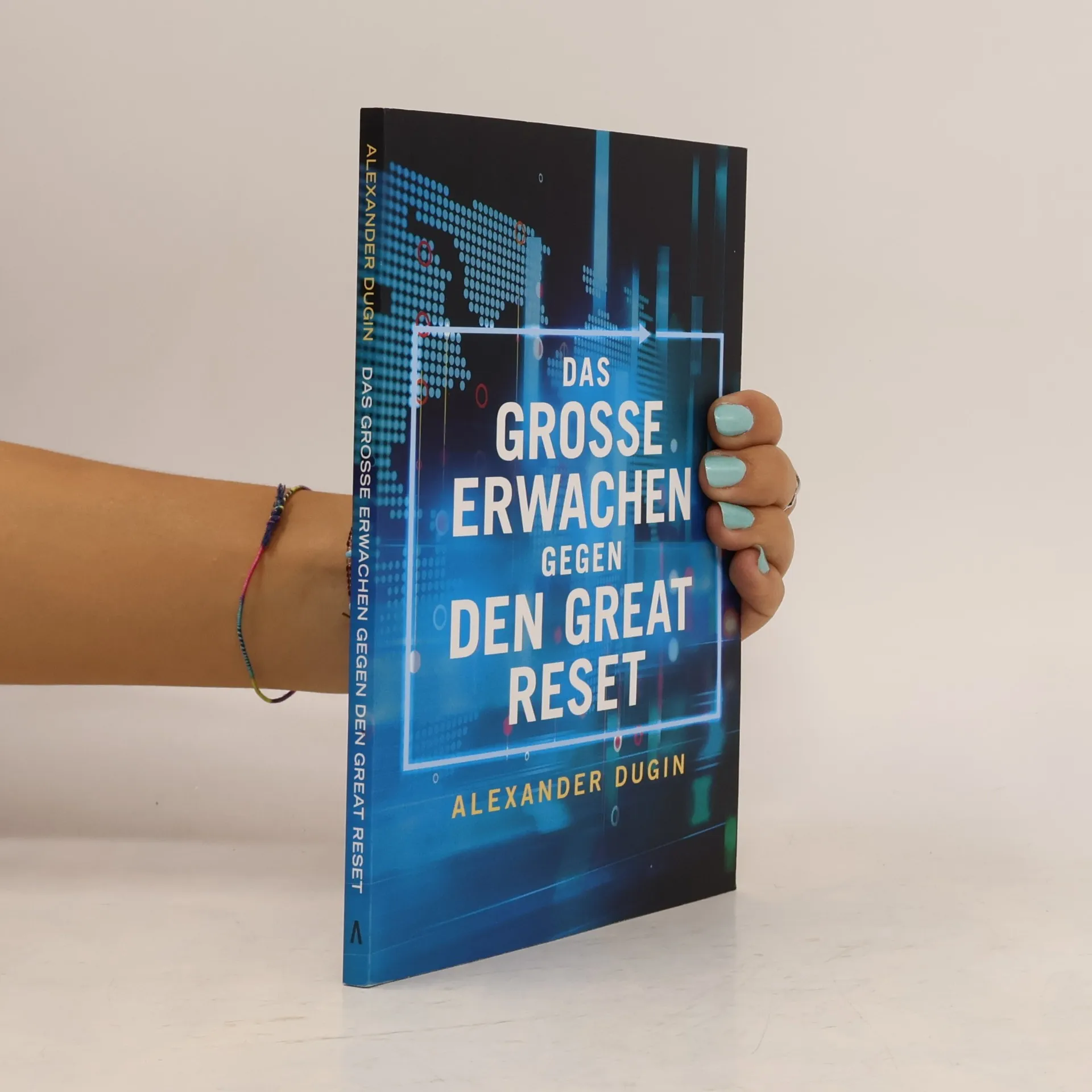
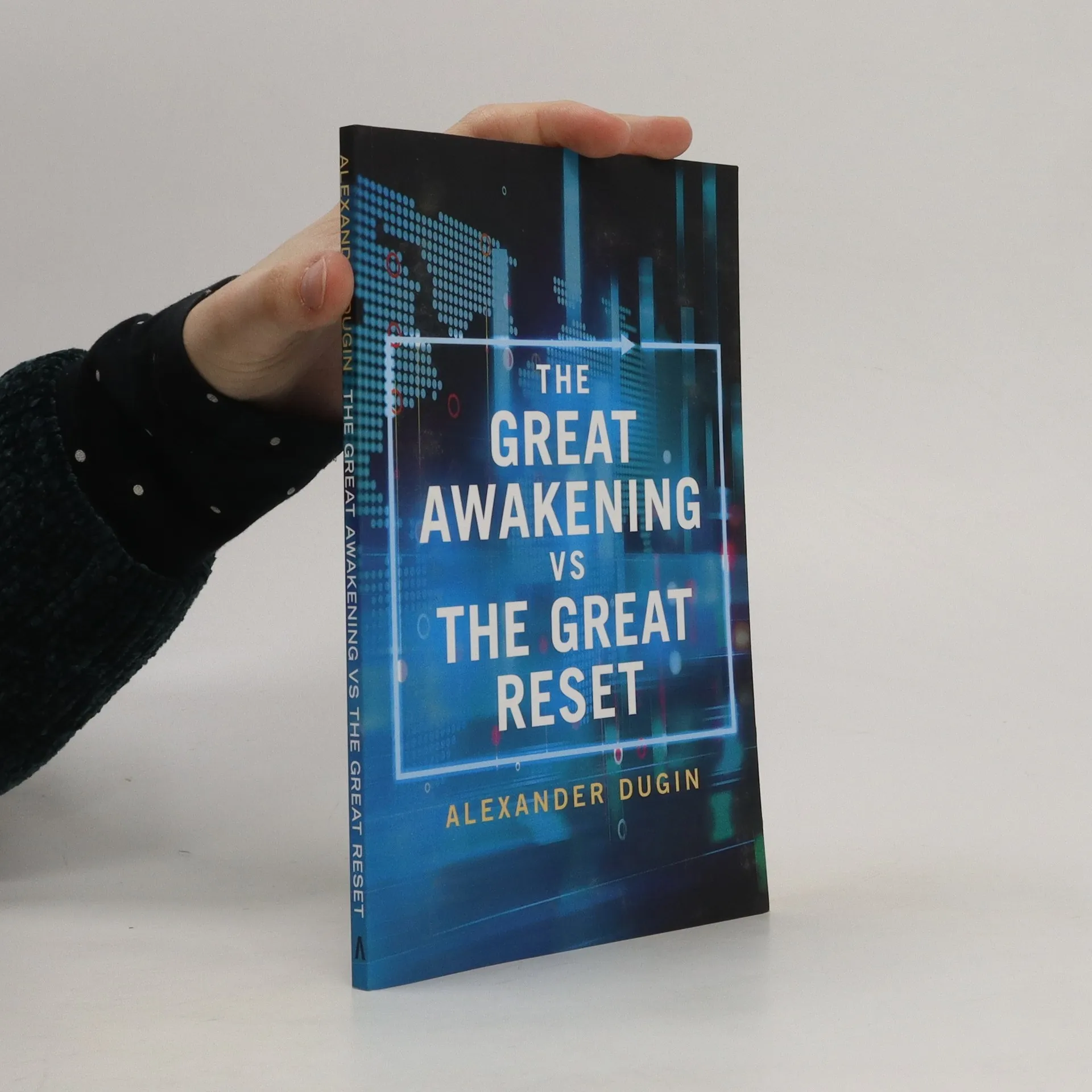
Alexander Dugin's The Great Awakening vs the Great Reset is an open declaration of war against the twin diseases of liberalism and Western political modernity. Dugin calls upon the inhabitants of the Heartland to relentlessly attack, on all theoretical and practical fronts, the global elites of the coastlands, who try to impose their perverse, anti-human ideals by ruthlessly eradicating the long-standing cultures and traditions of all peoples in the world. The demented usurper Joe Biden and his slavish Democrat acolytes are opposed by the Trumpists, who represent normal America and do not want to see their country submerged in a one-world, transhumanist dystopia. Just like the other rooted societies, they want to preserve their time-honoured way of life amidst the strangling tentacles of hysterical trans- and homosexuals, treacherous anti-White agitators and murderous Black Lives Matter grifters and terrorists. Thus the stage is set for a showdown of truly apocalyptic proportions, pitting the forces of righteous anger, those who want to preserve traditions and the true richness of human diversity, against the Antichrist and his Soros-backed minions of insidious degeneracy and evil, who want to erase all bonds and communities - down to the human race itself.
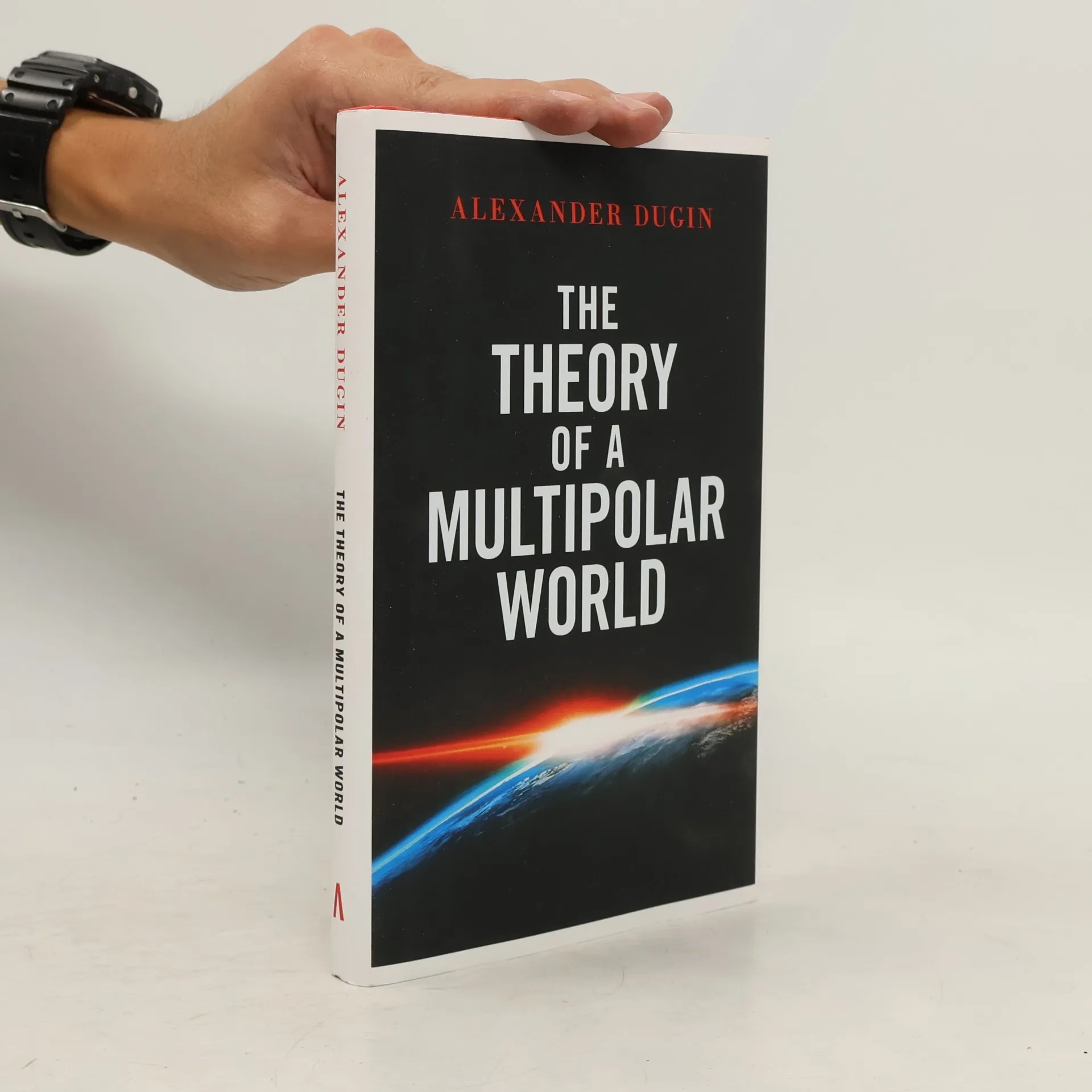
According to Alexander Dugin, the twenty-first century will be defined by the conflict between Eurasianists and Atlanticists. The Eurasianists defend the need for every people and culture on Earth to be allowed to develop in its own way, free of interference, and in accordance with their own particular values. Eurasianists thus stand for tradition and for the blossoming variety of cultures, and a world in which no single power holds sway over all the others. Opposing them are the Atlanticists. They stand for ultra-liberalism in both economics and values, stopping at nothing to expand their influence to every corner of the globe, unleashing war, terror, and injustice on all who oppose them, both at home and abroad. This camp is represented by the United States and its allies around the world, who seek to maintain America's unipolar hegemony over the Earth. The Eurasianists believe that only a strong Russia, working together with all those who oppose Atlanticism worldwide, can stop them and bring about the multipolar world they desire. This book introduces their basic ideas. Eurasianism is on the rise in Russia today, and the Kremlin's geopolitical policies are largely based on its tenets, as has been acknowledged by Vladimir Putin himself. It is reshaping Russia's geopolitics, and its influence is already changing the course of world history.
In this monograph, Dugin provides an overview of the primary foreign and Russian sources and schools that influenced the establishment of ethnosociology as an independent and original scientific discipline. Dugin offers a profoundly philosophical approach to the categories of the "ethnos," "narod," "nation" and "society," providing clear definitions of these concepts, and expounding a broader ethnosociological taxonomy. For the first time in the field, this work brings a consistent approach to a broad spectrum of knowledge, as well as elucidating various methodologies of ethnosociological analysis, bringing everything together into a single, easily applicable system. This volume is an invaluable manual for those specializing in sociology, philosophy, political science, cultural studies, ethnology, international relations, state, and law, as well as being of interest to those who follow the current developments in the humanities.
Alexander Dugins Werk ist eine kraftvolle Kritik an Liberalismus und der westlichen politischen Moderne, die er als Zwillingskrankheiten betrachtet. Er mobilisiert die Bewohner des Kernlandes, um gegen die globalen Eliten der Küstenländer zu kämpfen, die ihrer Meinung nach traditionelle Kulturen und Werte durch aggressive Ideologien bedrohen. Dugin fordert zu einem umfassenden Widerstand auf, sowohl theoretisch als auch praktisch, um die bestehenden kulturellen und traditionellen Identitäten zu verteidigen.
Julius Evola, ein Vertreter der Tradition und Reaktionär, war in seiner Jugend einer der führenden Dadaisten in Italien. Seine Schriften offenbaren einen „Anarchisten von rechts“, dessen antibürgerliche Haltung sich erheblich von der konventionellen politischen Rechten unterscheidet. Der Leser begegnet einem Evola, der scheinbar im Widerspruch zu den reaktionären Standpunkten steht, auf die sein Denken oft reduziert wird. Alexander Dugin, Vordenker der „Bewegung Eurasien“, fordert in seinem Aufsatz eine „Neuentdeckung des Revolutionären“ in Evolas Denken. Dugin hebt hervor, dass der „revolutionäre“ Aspekt in Evolas Schriften stark ausgeprägt ist und als „das Linke“ in seiner Botschaft bezeichnet werden könnte. Falk Liepke diskutiert in seinem Aufsatz „Metaphysisches Weltbild und antibürgerlicher Geist“ die gegen das Establishment gerichteten „linken“ Aspekte von Evolas Denken und fordert eine radikale Umkehr innerhalb der Rechten. Evola selbst kommt in seinem Aufsatz „Unsere antibürgerliche Front“ von 1934 zu Wort, in dem er sich vehement gegen die bourgeoise, fortschrittsgläubige Haltung im damaligen faschistischen Italien wendet. Abgerundet werden diese Texte durch eine Buchrezension mit Anmerkungen zur Marx’schen Kapitalismuskritik.