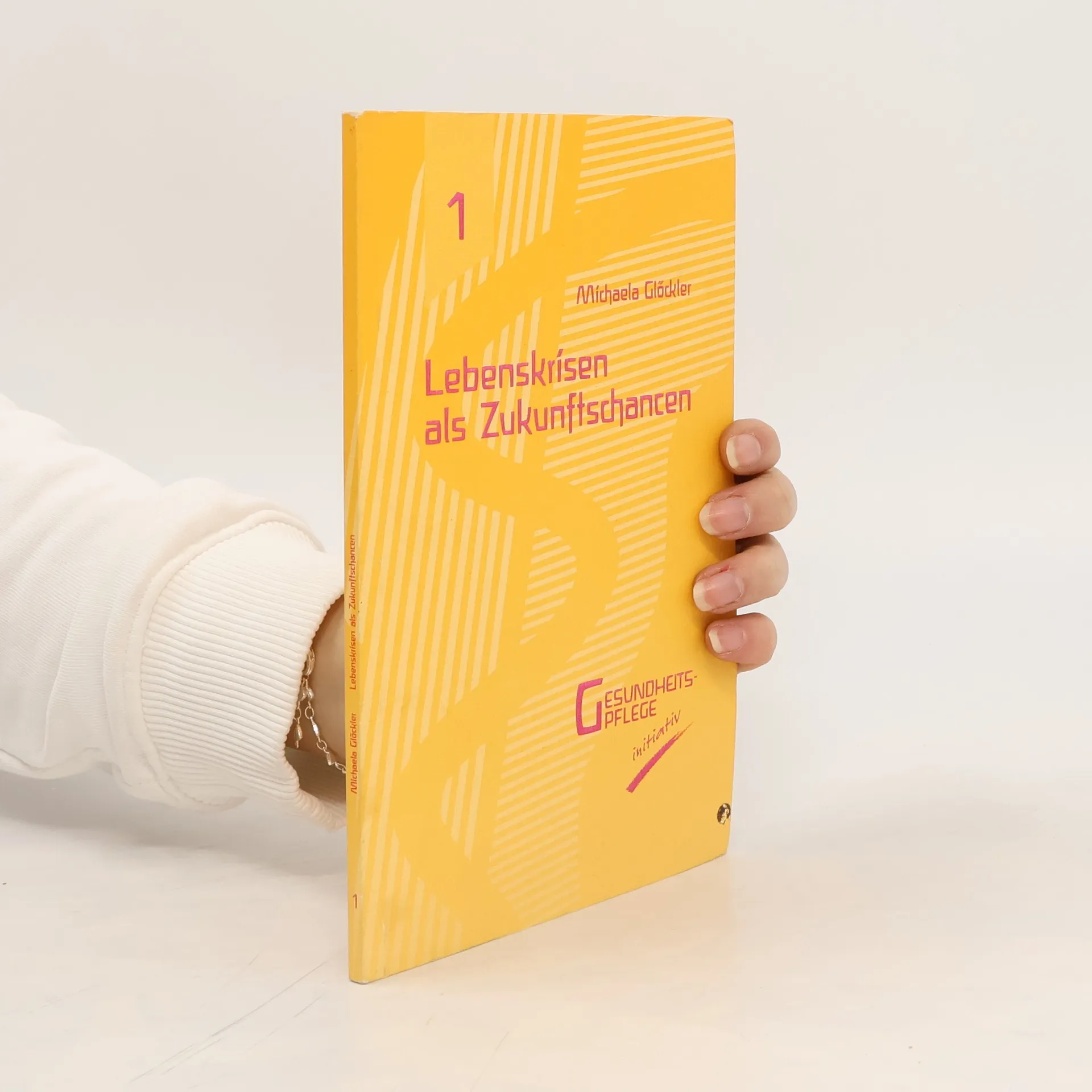
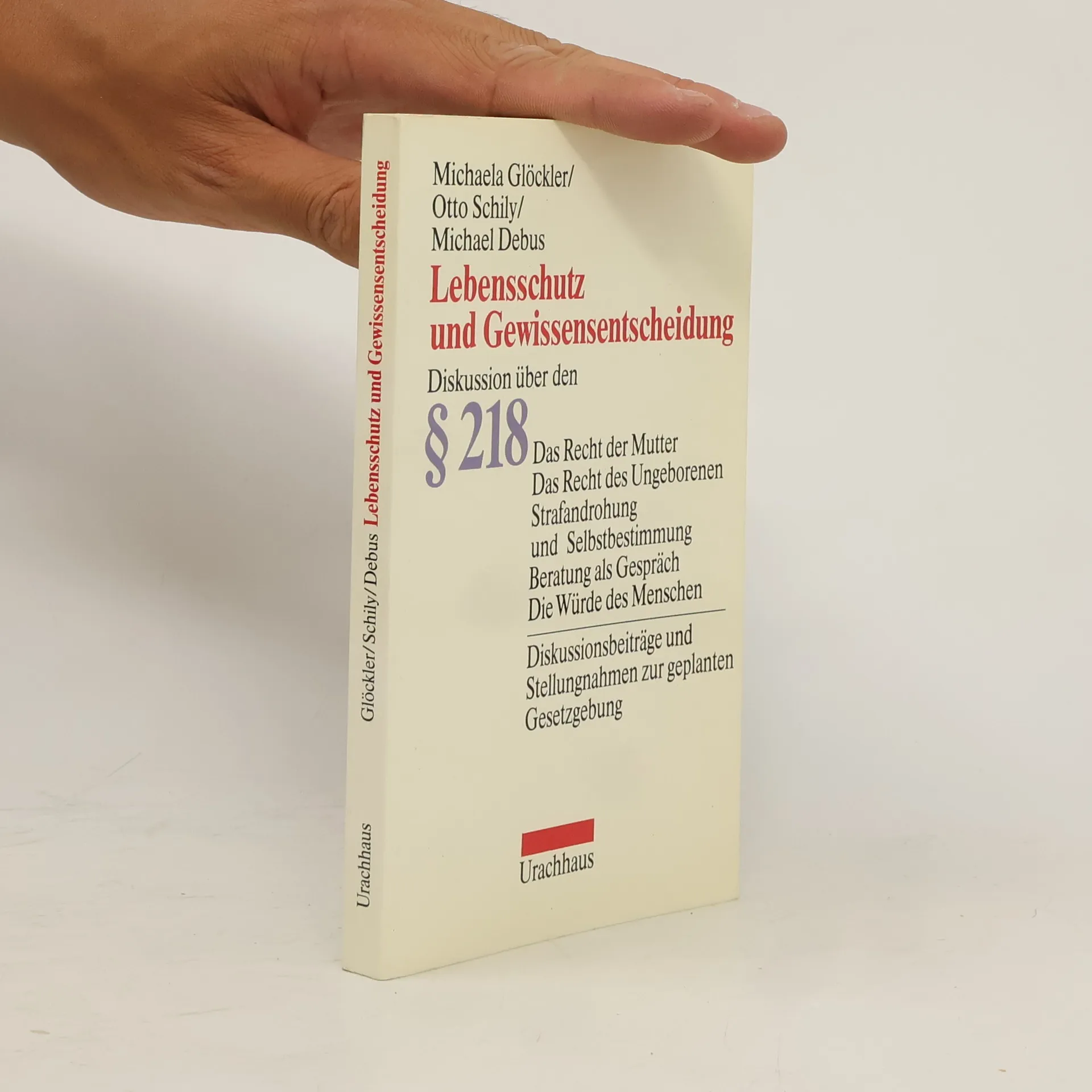
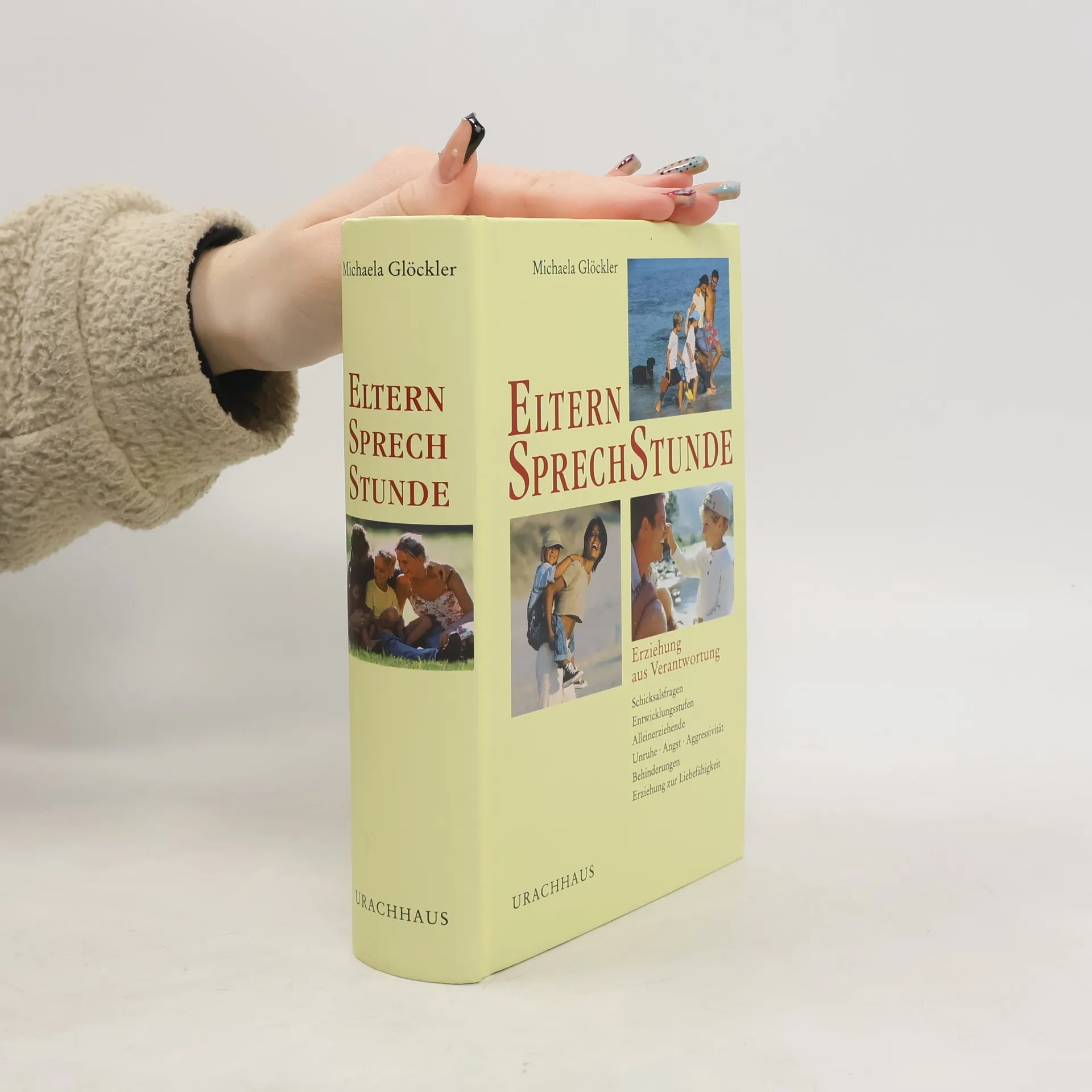
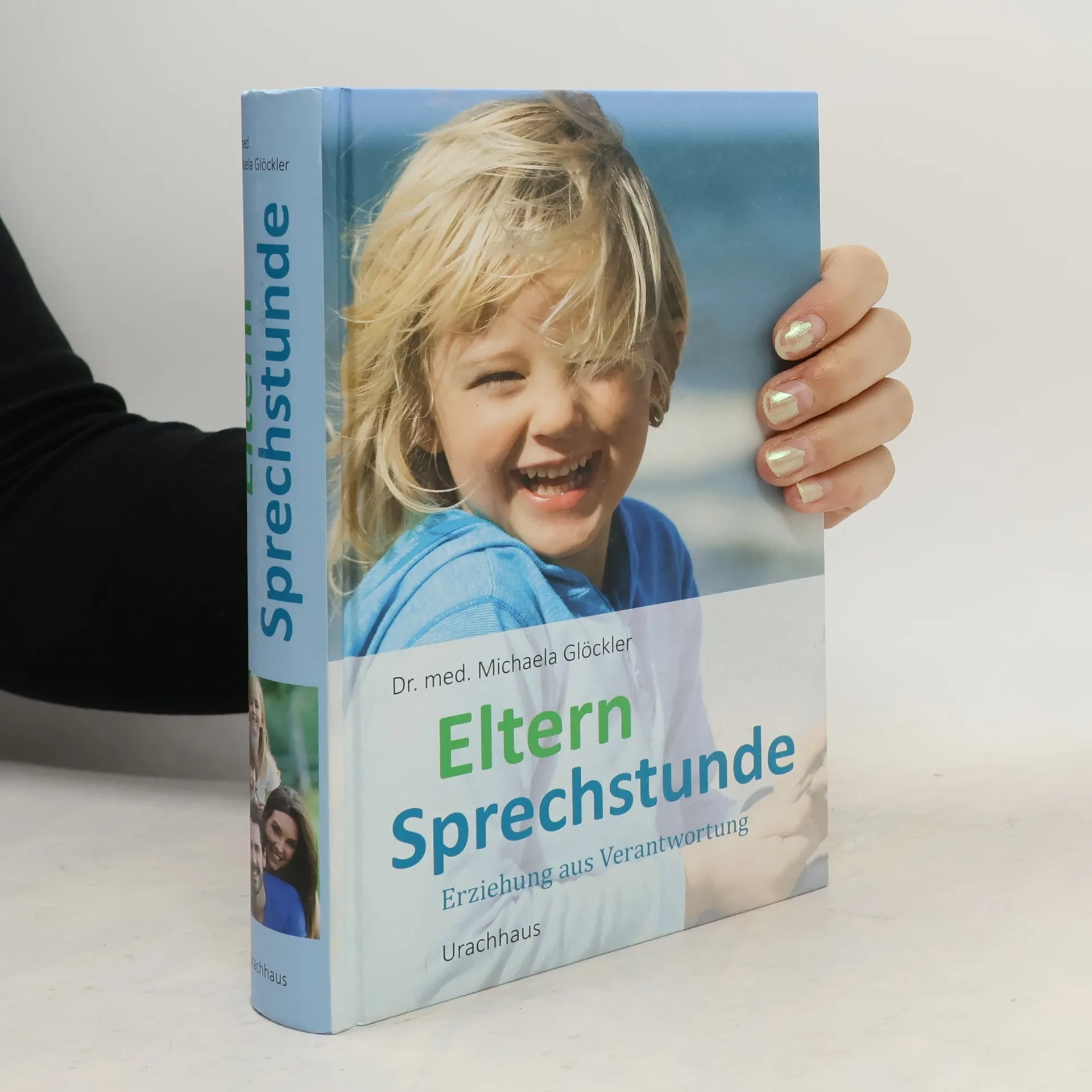
A definitive guide to children's health and wellness includes first aid, how to treat common complaints and illnesses, and advice on when to seek medical help. Based on the bestselling A Guide To Child Health.
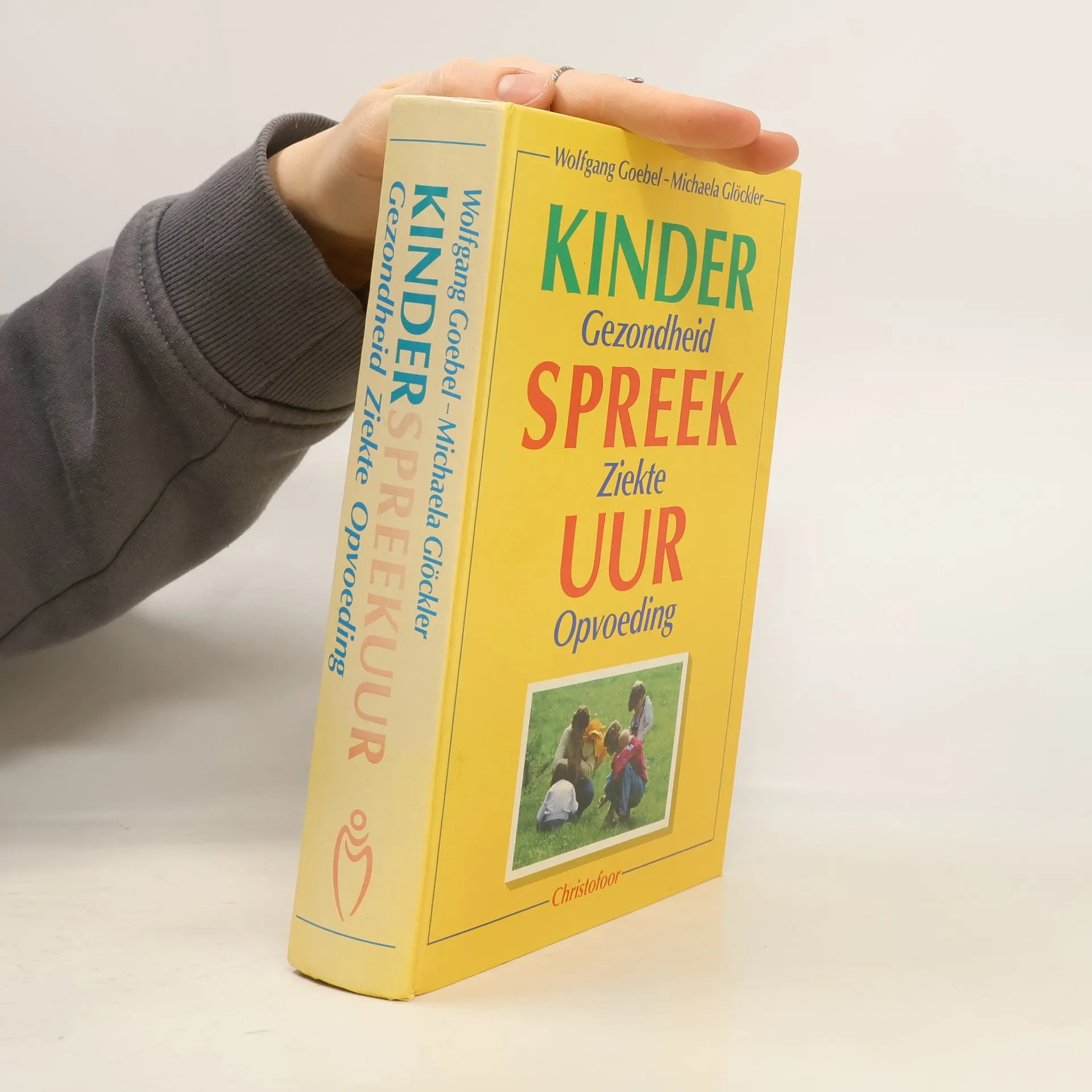
This acclaimed guide to children's physical, psychological and spiritual development is now available in a third revised edition. Combining medical advice with issues of upbringing and education, this is a definitive guide for parents.This book outlines the connection between education and healing, with all that this implies for the upbringing and good health of children. Medical, educational and religious questions often overlap, and in the search for the meaning of illness it is necessary to study the child as a whole -- as body, soul and spirit.The authors based their theory and practice on 17 years' experience in the children's out-patient department of the Herdecke Hospital in Germany, which is run along anthroposophical lines.The first section covers childhood ailments and home-nursing. The second part looks at the healthy development of the child and how to create the best conditions for it. The authors go on to examine issues of upbringing and education, and their consequences for later life. Throughout, the book is extremely practical, with example situations of conflict and crisis presented, along with possible solutions. This new edition also includes medical and health practices in North America, Southern Africa, Australia and New Zealand.
FIVE LECTURES Dr. Michaela Glöckler begins by focusing on the “pedagogical law” as suggested by Rudolf Steiner in his lecture course Education for Special Needs . She illumines the comprehensiveness of that law―the insight it offers into the functions of our fourfold human nature and the karmic effects of our fourfold activity from one life to another. She then takes us on a path that starts with the physical body, pointing to some of the wonders of embryological development, and then brings to our consciousness further growth rhythms of the brain and other organs. She demonstrates the difference between human and animal and shows how, in animals, wisdom and intelligence have formed the physical body and express themselves through instinct. Dr. Michaela Glöckler opens new doors of understanding for teachers that lead to a deeper understanding of the significance of releasing intelligence from the body for human development.
In this concise summary and introduction, Michaela Gloeckler presents the
therapeutic spectrum of anthroposophic medicine - its scientific basis,
diagnostic methods and potential for practice. She gives numerous practical
examples of its application and suggestions for treating patients at home.
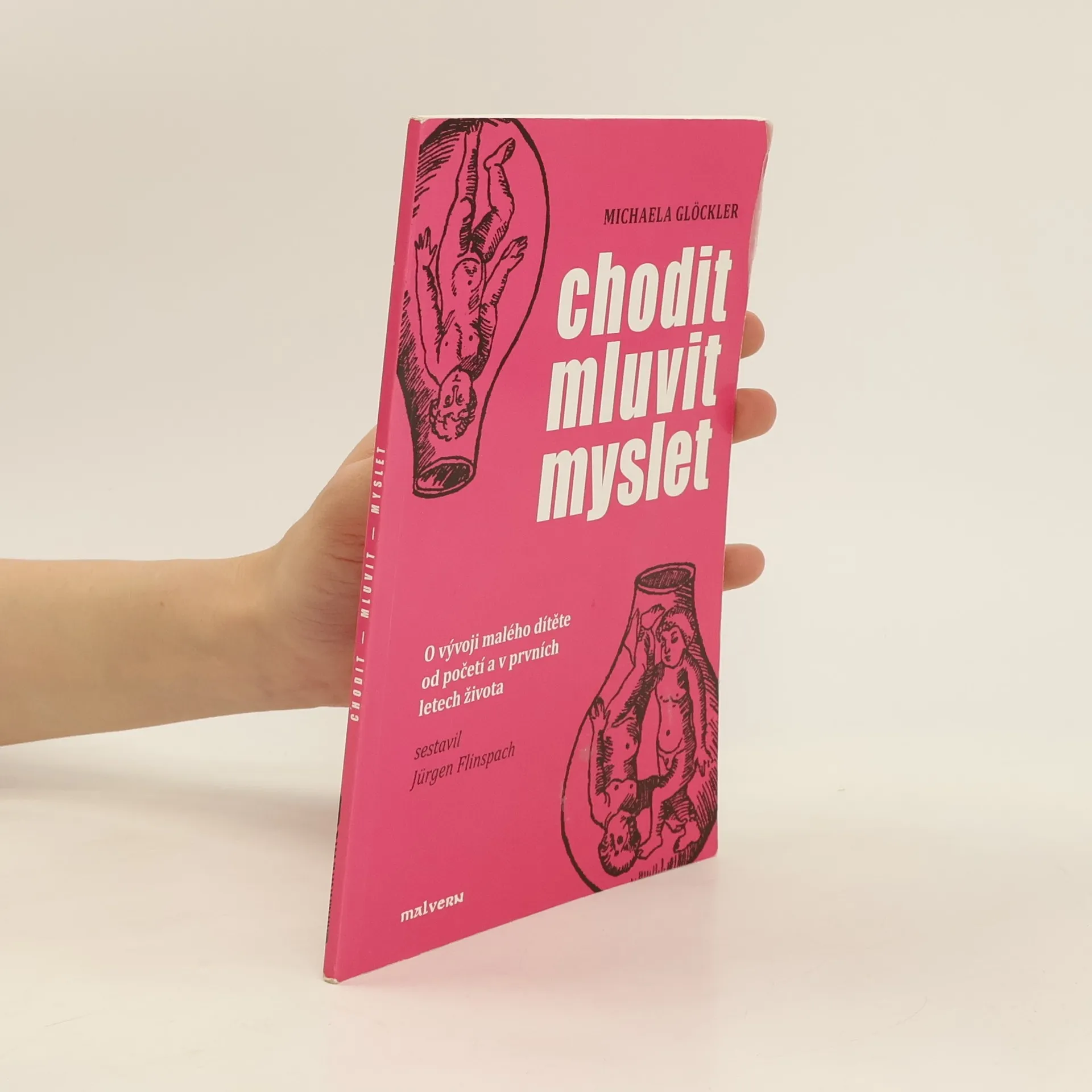
This book offers new insights into the care and upbringing of children in their first three years, focusing on the process of incarnation during this critical period. It addresses key questions about how to support a child's natural development in areas such as walking, speaking, and thinking. The contributions draw from anthroposophic perspectives and Emmi Pikler's research. Essential inquiries include: How can we provide children with the freedom to develop their innate abilities? How can we nurture their autonomous will to learn, fostering personality growth rooted in trust and security? What role does attentive, trusting interaction in care situations play in developing relationship skills? Additionally, how should the environment be structured to facilitate both the child's self-exploration and the self-development of parents and educators? The responses to these questions reflect current knowledge and practical experience, emphasizing the importance of an interdisciplinary approach that combines medical, psychological, and pedagogical research. This collaboration aims to create a supportive atmosphere for children in a world that can often be unwelcoming, aligning with the goals of the Association of Waldorf Kindergartens and the Medical Section at the Goetheanum.
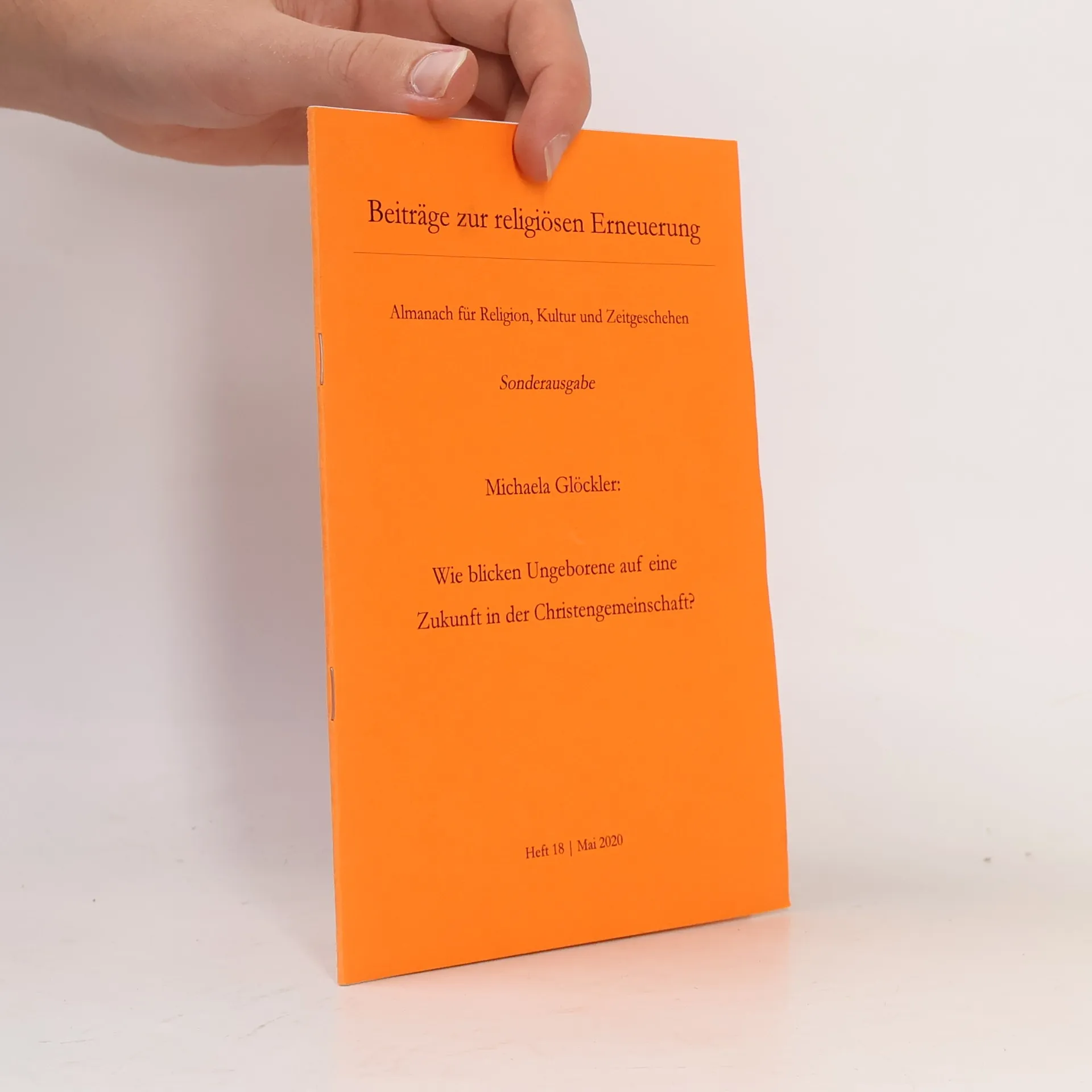
In drei Beiträgen geht Michaela Glöckler der Frage nach, welche Aufgabe die Religion menschheitlich, persönlich, sozial und somit auch in Heilkunst und Erziehung hat. Aus dem Inhalt: Welchen Auftrag hat die Religion in Erziehung und Heilkunst? / Wege spiritueller Gemeinschaftsbildung / Die Aufgabe der Kirche heute
In huwelijk, opvoeding, vriendschap en samenleving
220 pages
8 hours of reading
Je kunt het teven tussen mensen zien als een samenspel. Met evenveel recht kun je het ook een krachtmeting noemen. Het vermogen om te gaan met eigen en andermans macht en onmacht is essentieel voor de kwaliteit van onze relaties. Michaela Glöcklers benadering van dit thema is buitengewoon veelzijdig. De verschillende hoofdstukken zijn gewijd aan het omgaan met gevoelens (in het bijzonder woede en agressie), aan waarheid en teugen, de ontwikkeling van moed, de relatie tussen vrouwen en mannen, inzicht in de eigen biografie, de omgang met andersdenkenden, het hanteren van conflicten en de problematiek van sturing, leiding en begeleiding.Zelfkennis en zelfontwikkeling zijn de steutelbegrippen van het boek. Een belangrijk aandachtsgebied van de auteur is de opvoeding: de omgang met kinderen en jongeren, thuis en op school.
Die 21. Auflage dieses Standardwerkes erscheint in vollkommen neuer Gestalt - inhaltlich wie äußerlich. In ansprechender, übersichtlicher Weise ist diese vollständig überarbeitete Neuausgabe noch anwendungsfreundlicher als bisher. Die Kindersprechstunde ist das Standardwerk in allen Fragen nicht nur der Gesundheit, sondern auch der Erziehung. Entscheidend dabei ist der ganzheitliche Ansatz der Autoren: Erziehung und Gesundheit des Kindes lassen sich nicht voneinander trennen. Eine gesunde Erziehung wirkt sich bis tief in die körperliche Entwicklung aus.
Viele Menschen fragen sich heute: Wohin entwickelt sich die Menschheit? Wie gestaltet sich die Zukunft unseres Planeten? Was kann der Einzelne zu einem positiven Fortgang beitragen? Gibt es so etwas wie große Entwicklungsperspektiven die sowohl für den Einzelnen als auch für die Menschheit als Ganzes gelten? Rudolf Steiner hat solche Entwicklungs- und Kulturfragen immer wieder erforscht. Er fand dabei sieben charakteristische Lebensprozesse die das individuelle und soziale Leben prägen, ebenso sieben große Entwicklungsgeheimnisse der Menschheit. Die Autorin hat sich jahrzehntelang mit Steiners Forschungsergebnissen beschäftigt und diese sowohl für das eigene Selbstverständnis als auch den praktischen Umgang mit sozialen Problemen als ausgesprochen hilfreich erlebt. Das Buch möchte mit seinen praktischen Tipps und Lebenserfahrungen in dem komplexen individuellen und menschlichen Entwicklungsgeschehen der Gegenwart eine Orientierungshilfe sein.
Wie gestalte ich den letzten Lebensabschnitt meiner Biografie?
Noch nie durften so viele Menschen so alt werden wie heute. Das ist einerseits schön aber andererseits auch eine große Herausforderung. Wie kommt man mit der Einsamkeit zurecht? Oder mit der neuen sozialen Umgebung in einer Einrichtung für SeniorInnen? Was, wenn Krankheit und Schmerz die letzte Lebenszeit belasten oder man mit Gefühlen von Schuld und Reue zu kämpfen hat? Die Autorin beschreibt mit vielen praktischen Hinweisen und Ideen, wie gerade der letzte Abschnitt der Biografie eine besondere Zeit für die individuelle und soziale Entwicklung ist – für die Reifung der Persönlichkeit, für das, was uns nach dem Tod bleibt.
Dieses dreibändige Werk bietet eine systematische Darstellung von Rudolf Steiners Aussagen zur Menschenkunde der Sprache in Kunst, Pädagogik und Medizin. Band eins enthält Suchbegriffe und Zusammenfassungen, Band zwei die vollständigen Textstellen, und Band drei eine praxisnahe Übersicht für Interessierte. Steiners komplexe Sprache fordert aktives Nachvollziehen.
Lebendige Reize von innen und außen sind Voraussetzung für eine gesunde Entwicklung des kindlichen Gehirns. Was bedeutet es für diese Entwicklung, wenn – durch die zu frühe Nutzung digitaler Endgeräte – die bildende Lebendigkeit der Sinneseindrücke nur simmuliert und damit der ganzkörperliche Lernhunger der Kinder umfänglich und systematisch getäuscht wird? Wie entwickeln sich, unter solchem Einfluß, die Kreativität und die Sinne – allen voran der Wahrheitssinn? Wird der zu frühe und massenhafte, digitale Einfluss die künftige Entwicklung von Autokratien begünstigen? Wie finden Familien und Lehrer heute ein waches Bewusstsein für möglichst optimale Entwicklungsbedingungen? Wie kann im Sinne der Kinder gehandelt werden, dass sie – möglichst ungestört – eine souveräne Persönlichkeit entwickeln können?
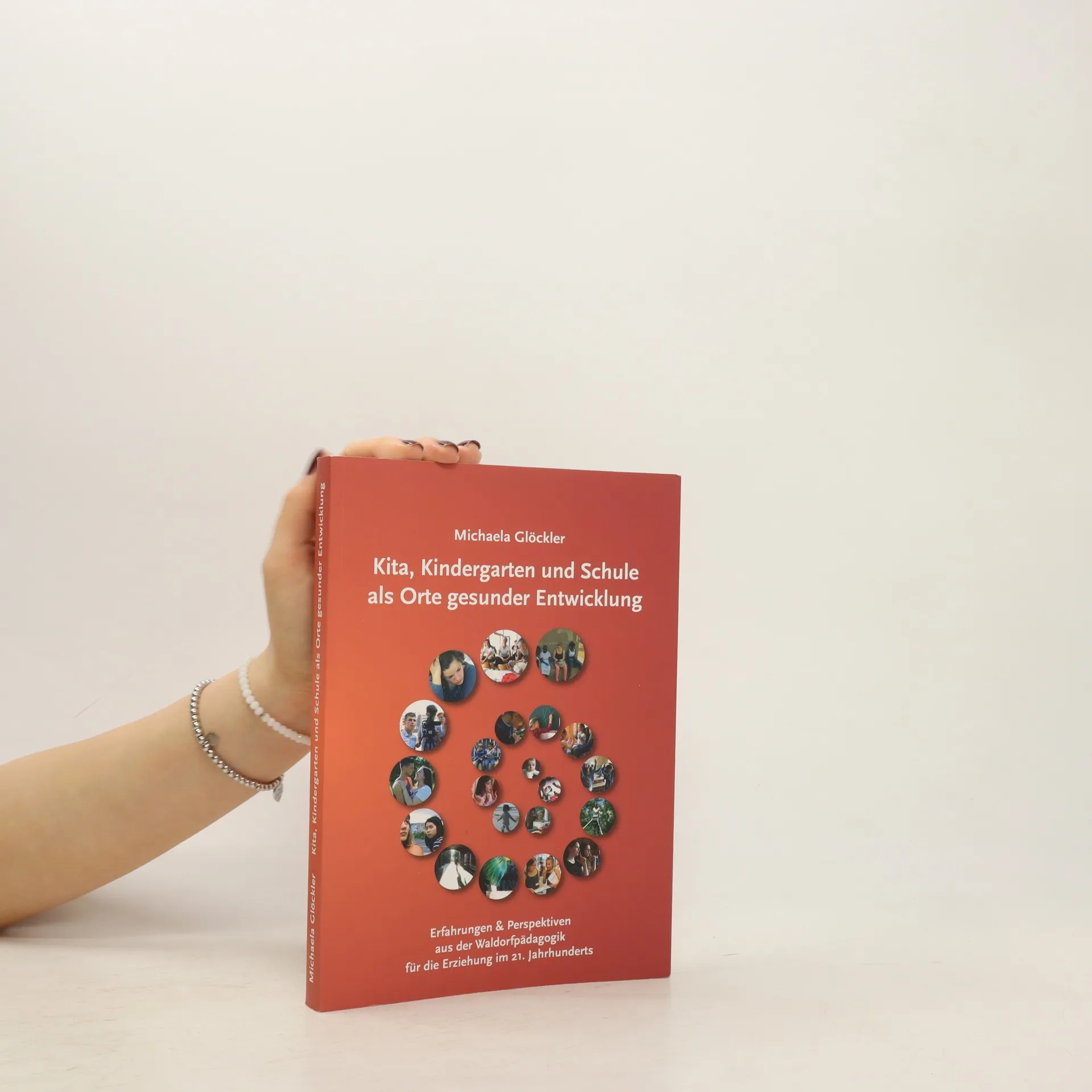
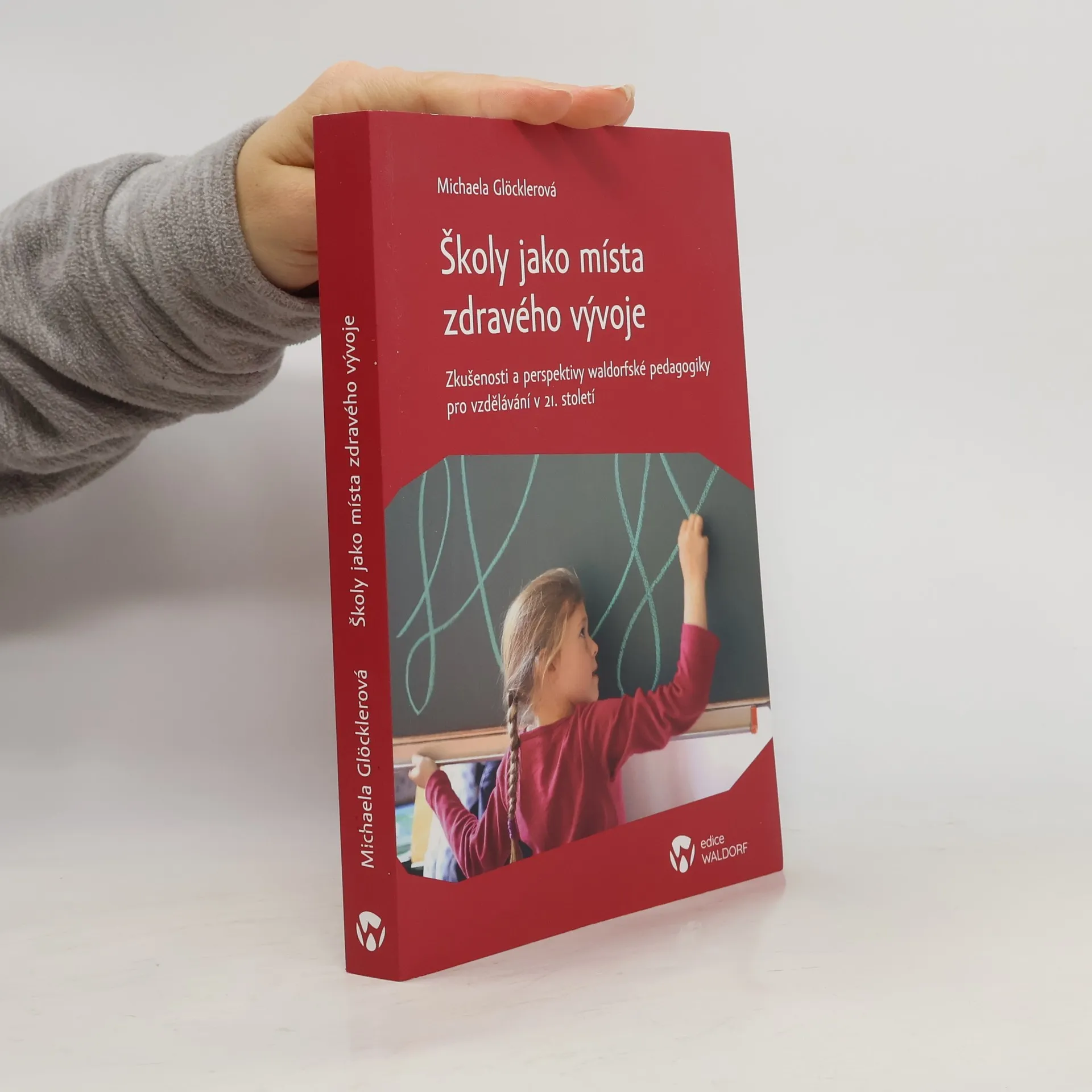
Erfahrungen und Perspektiven aus der Waldorfpädagogik für die Erziehung im 21. Jahrhundert
Dieses Buch plädiert dafür, Erziehung und Bildung radikal an den Bedürfnissen der gesunden Entwicklung von Kindern und Jugendlichen auszurichten. Angesichts der steigenden psychischen Störungen und der wachsenden Zahl betroffener Pädagog*innen wird deutlich, dass das bestehende Bildungssystem eine neue Orientierung benötigt. Dies ist besonders wichtig in Anbetracht der weltweit steigenden Lebenserwartung, da eine gesunde körperlich-seelisch-geistige Reifung die beste Voraussetzung für ein kreatives Leben im Alter darstellt. Die Jahresmeilensteine der menschlichen Entwicklung stehen im Fokus, und es wird betont, dass jeder Mensch in den ersten 18 Jahren seines Lebens das Recht auf Bildung haben sollte, unabhängig vom angestrebten Schulabschluss. Das Anliegen hat sich als bedeutender herausgestellt, als ursprünglich angenommen: Die erste Auflage war schnell ausverkauft, und es gab Anfragen für Übersetzungen in mehrere Sprachen. Das Buch ist eine wertvolle Ressource für Lehrer*innen, die Elternabende oder pädagogische Konferenzen vorbereiten, sowie für Eltern von Kindern jeden Alters. Diese Breite der Darstellungen spiegelt sich auch im Titel wider, der für die zweite Auflage erweitert wurde.
Verständnishilfen und medizinisch-therapeutische Anregungen aus der Anthroposophie
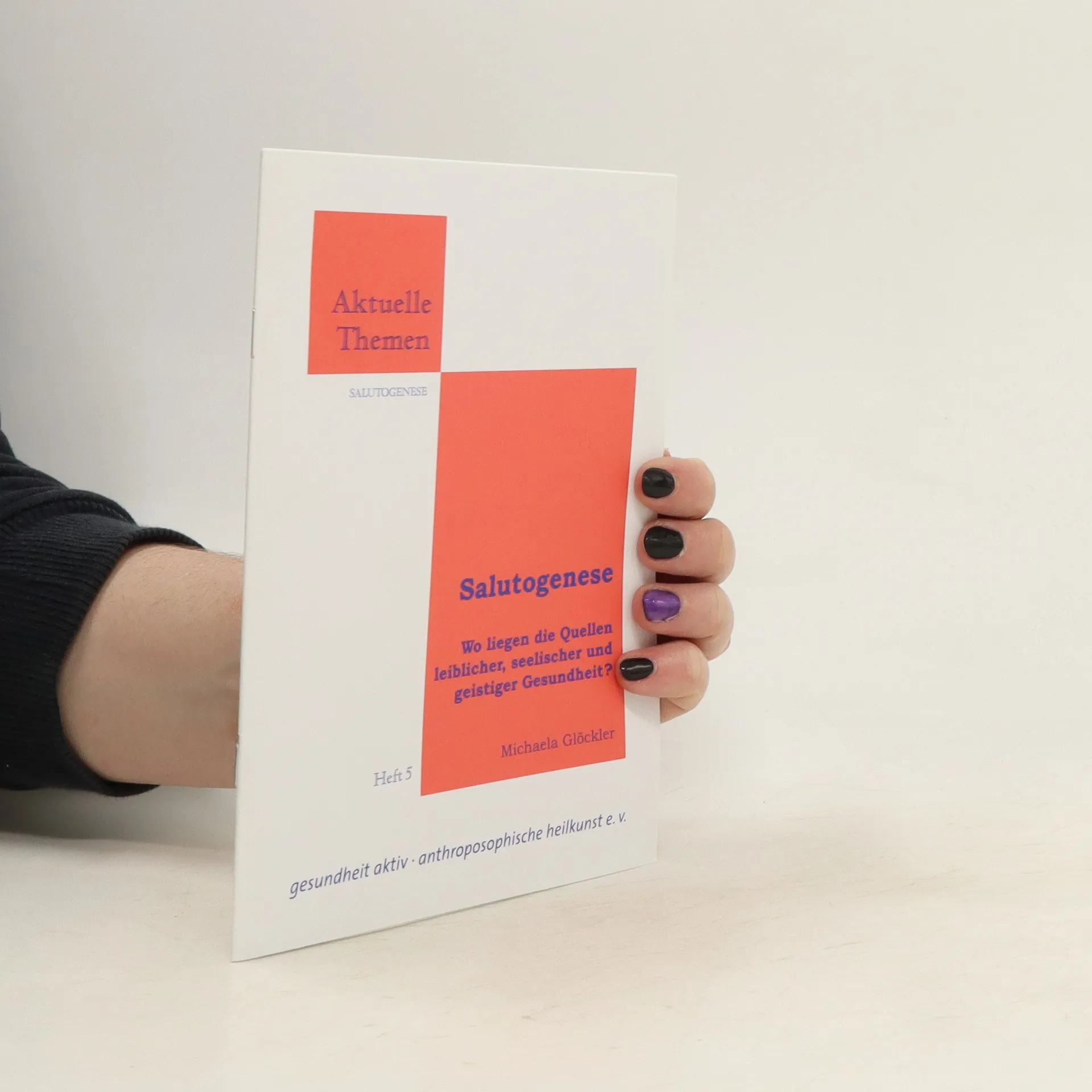
Dieses Buch möchte ein wirklichkeitsgemäßes Denken über die eigentlichen Ursachen solcher Epidemien wie der jetzigen Corona-Erkrankung anregen und ein therapeutisch wirksames Handeln zur Überwindung der Krankheit fördern.
Dabei dienen die Verständnishilfen aus der anthroposophischen Geisteswissenschaft und Medizin zu den Hintergründen epidemischer Erkrankungen sowie der jedem Menschen zur Verfügung stehende gesunde Menschenverstand als Leitfaden.
Ein Netzwerk der Menschlichkeit: Ethik ist keine Spezialdisziplin, sondern Ausdruck der Freude am Menschsein und an der Weiterentwicklung. Ein 'Netzwerk Ethik' ist gefragt, das nach innerer Autonomie und äußerer Mitverantwortung suchende Menschen verbindet über alle Einzel- und Gruppeninteressen hinweg. Diesem Anliegen sind die vorliegenden Beiträge gewidmet. Sie wenden sich an alle, welche die Herausforderung des Ethisch-Moralischen in ihrem Lebens- und Berufsfeld erleben und bearbeiten wollen. Die Beiträge: Das neue Gewissen und die Möglichkeiten, frei zu handeln (M. Debus) 'Als es nie recht war.'. Ethik des Augenblicks (U. Neuhaus) Am Anfang steht Begegnung (Chr. Pflug) Steine, die uns treffen; Realitätsverlust und seine Konsequenzen (F. Vogt) Erstaunen, Mitgefühl und Gewissen; Chancen und Gefährdungen der Alltagsethik in den helfenden Berufen (R. Grimm) Die spirituelle Dimension der Ethik in der Berufsausbildung (Rolf Heine) Fragen im Umkreis der Ethik (M. Glöckler) Wie lässt sich Menschlichkeit lernen?
Praktische Hinweise für Erziehungs- und Schicksalsfragen
165 pages
6 hours of reading
Begabung und Behinderung können im Rahmen schulischer Erziehung zum Problem in der Verständigung zwischen Eltern und Lehrern werden. Hier möchte Michaela Glöckler mit ihrem neuen Buch weiterhelfen und durch die anthroposophische Menschenkunde neue Perspektiven aufzeigen. Ein Buch also sowohl für Lehrer und Erzieher als auch für Eltern.
Auf welchen Wegen kann ich das Bewusstsein meiner geistigen Identität stärken und dadurch - u.a. - auch unabhängiger vom Wohl und Wehe der Lebensverhältnisse werden? Wie kann ich mein Leben mehr in die Hand nehmen, dabei gelassener werden und mir hinsichtlich meiner Intentionen tiefer vertrauen lernen? Was sind geistige Gesetze im menschlichen Leben?
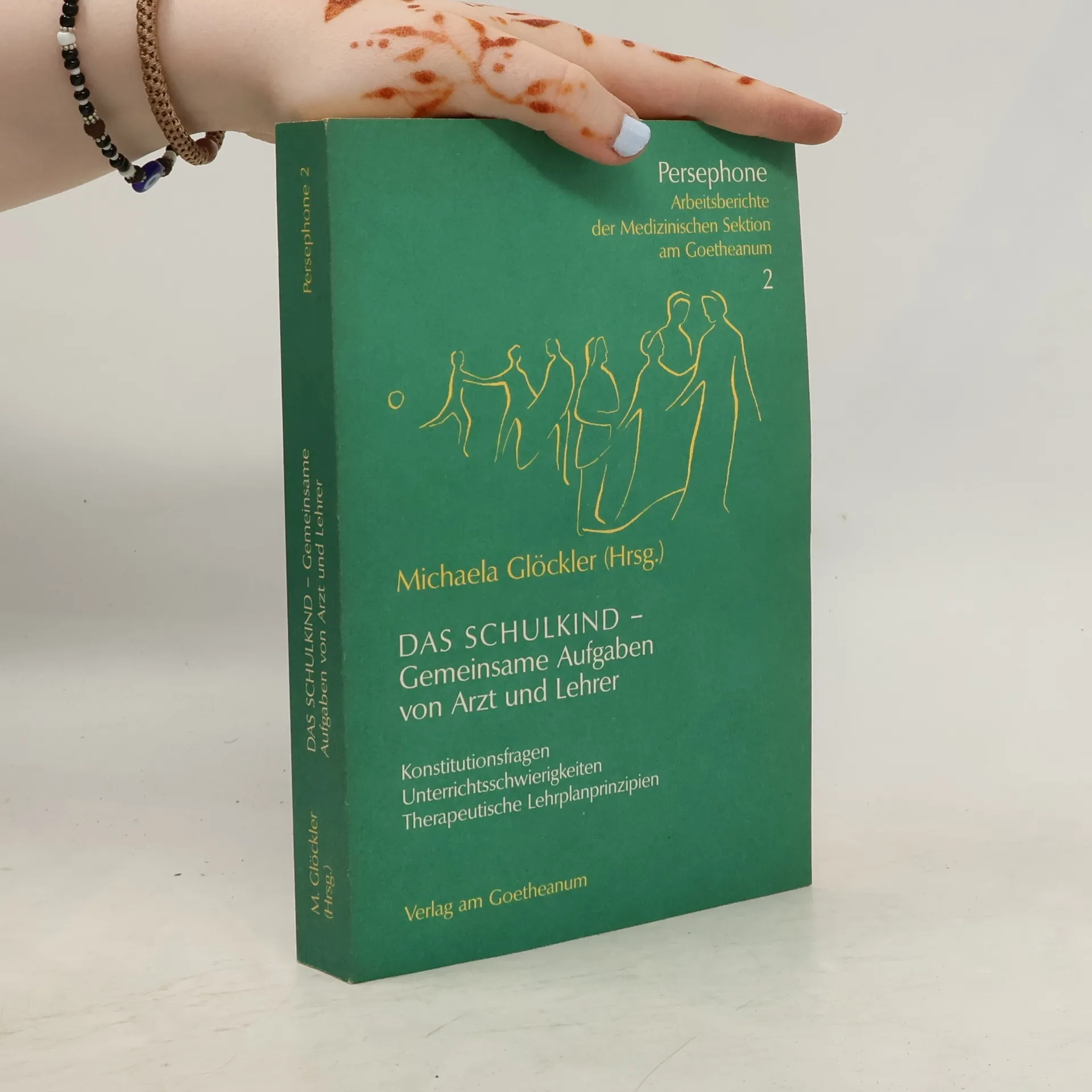
Im Herbst 1989 trafen sich erstmals auf internationaler Ebene Ärzte, die an Waldorf- und Rudolf-Steiner-Schulen beratend tätig sind, sowie Waldorflehrer aller Unterrichtsfächer und Altersstufen. In Vorträgen und Kursen wurde über die gemeinsame Aufgabe von Arzt und Lehrer beraten. Der Dialog stellte sich als außerordentlich fruchtbar heraus, und es wurde der dringende Wunsch geäußert, die Vorträge und Arbeitsgruppenberichte einem größeren Interessentenkreis zugänglich zu machen. Dies ist nun für die Beiträge, wo dies möglich war, geschehen, in der Hoffnung, dass das schulärztliche und pädagogische Bemühen dadurch Anregungen und Förderung erfährt.
Neben Fragen um Familiengründung oder den Umgang mit Temperamentseigenschaften werden auch Schicksalsfragen angesprochen, für die eine Sinngebung gesucht wird.
Dieser Ratgeber behandelt Themen aus dem Alltagsgeschehen ebenso wie Fragen nach den spirituellen Hintergründen der Erziehung. Der Vater in der Erziehung / Die alleinstehende Mutter / Engel / Angst im Kindesalter und Ihre Überwindung / Aggression und Aggressivität in Kindesalter / Zum Hyperkinetischen Syndrom im Kindesalter / Nonverbale Erziehung / Altersentsprechendes Lernen / Was ist Waldorfpädagogik / Strafe - Belohnung - Gewissen / Erziehung zur Liebesfähigkeit / Idealismus als Frage der Selbsterziehung.
Erstmals wurden diese drei virtuosen Vorträge vonMichaela Glöckler in einem Buch vereint: Vom Wirken der Engel im menschlichen Leben Liebe als Verwandlungs- und Heilkraft Wie erkenne ich meinen Engel? Nicht nur des spirituellen Themas oder der AnmutGlöcklers freigehaltener Reden wegen, auch aufgrund der vielen lebenspraktischen Bezüge, werden diese Ausführungen bis heute sehr geschätzt. Neu hinzugefügt wurde der lange vergriffene Vortrag: Wie erkenne ich meinen Engel?
Michaela Glöckler shows that we can understand the culmination of materialism as a point of passage in evolution. In the Apocalypse of John we get to know the realm of Ahriman, the dragon, the subhuman – beastly developmental possibilities, and on the other hand the Michael-Christ revelation. And we are asked to decide freely in which direction our own path should go. Rudolf Steiner describes the essence of the Trinity in such a way that he says: Ahriman stands today before the Father-God. We have to overcome materialism as a disease to really get to the Father and understand that this world is not an accidental product of material existence, but “born of God”. Matter is the end, not the beginning of creation.
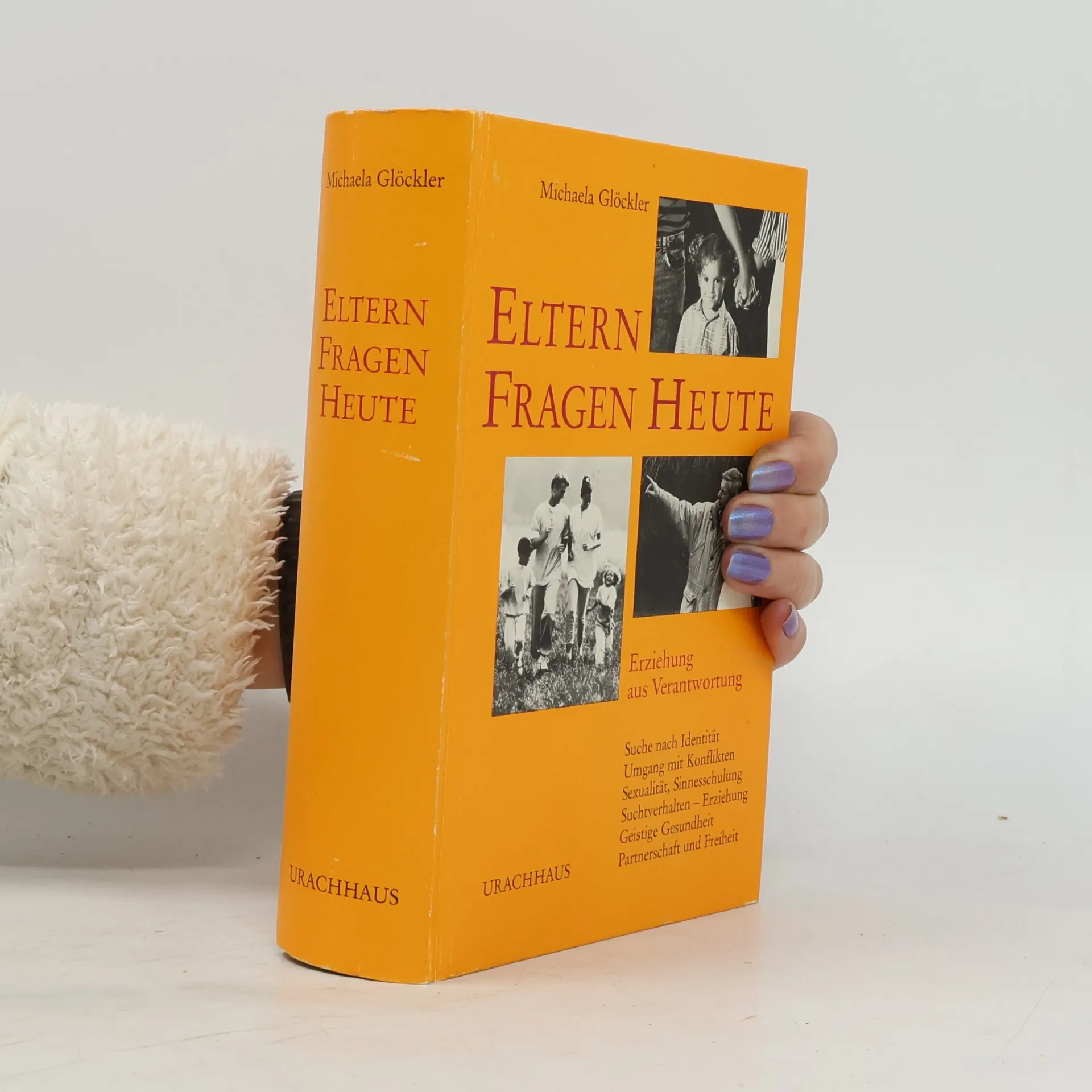
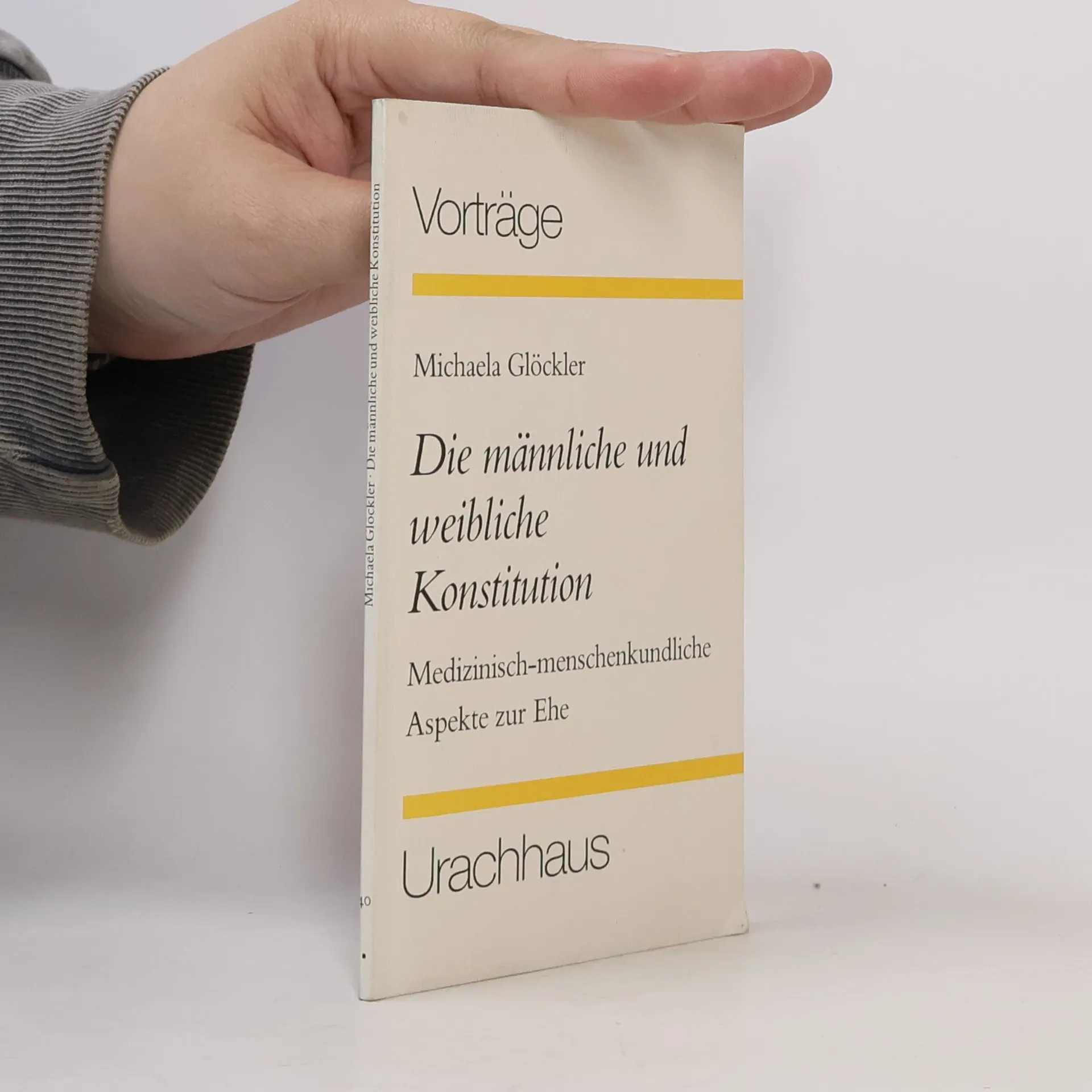
Familienleben ist in den letzten Jahrzehnten nicht einfacher geworden: die Familienstruktur, das Rollenverständnis, die Vorstellungen von einem erfüllten Leben, die gesellschaftlichen Rahmenbedingungen und nicht zuletzt die Menschen selbst haben sich verändert. Michaela Glöckler, Autorin der Kindersprechstunde, gibt Antworten auf viele praktische und grundlegende Fragen, die Eltern heute bewegen.
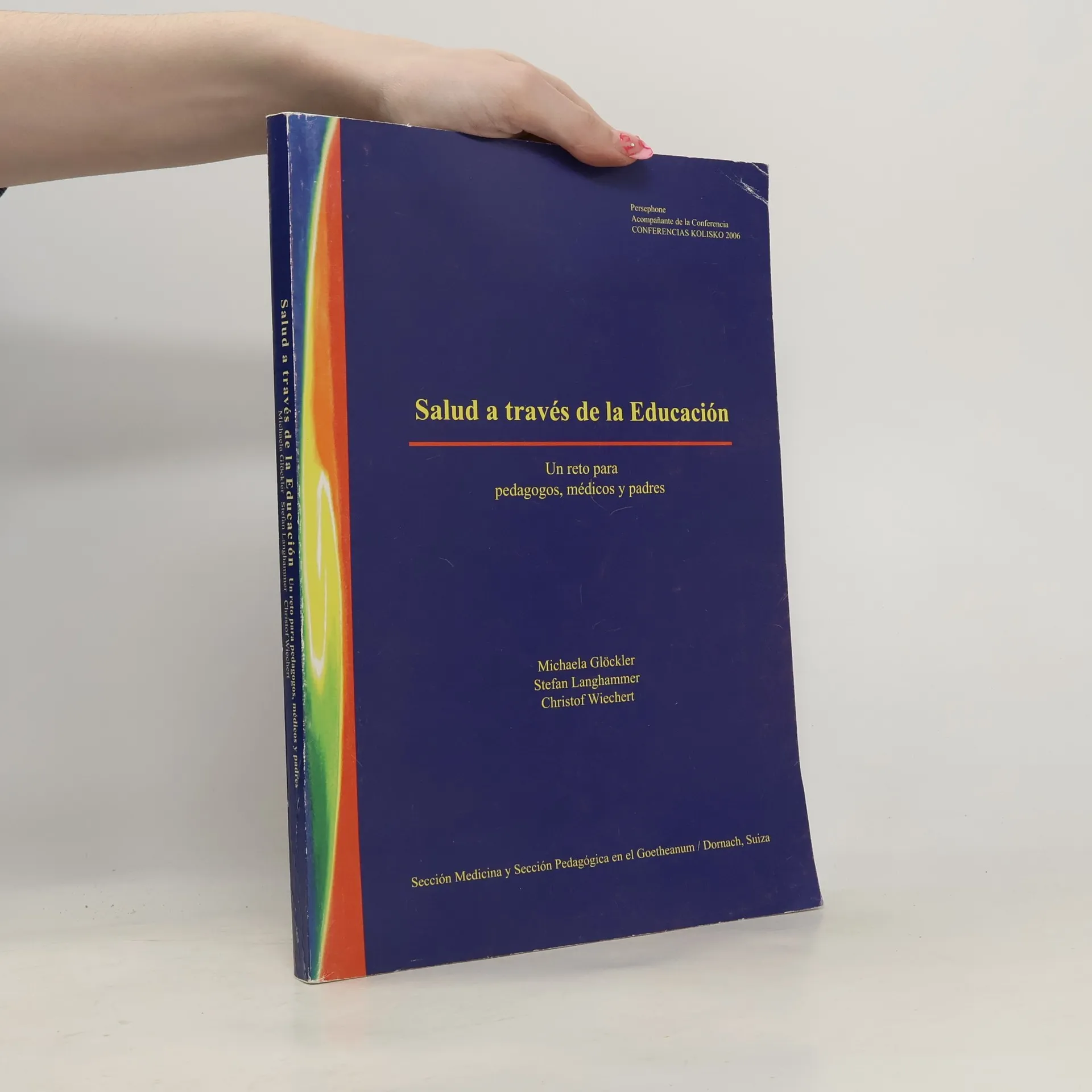
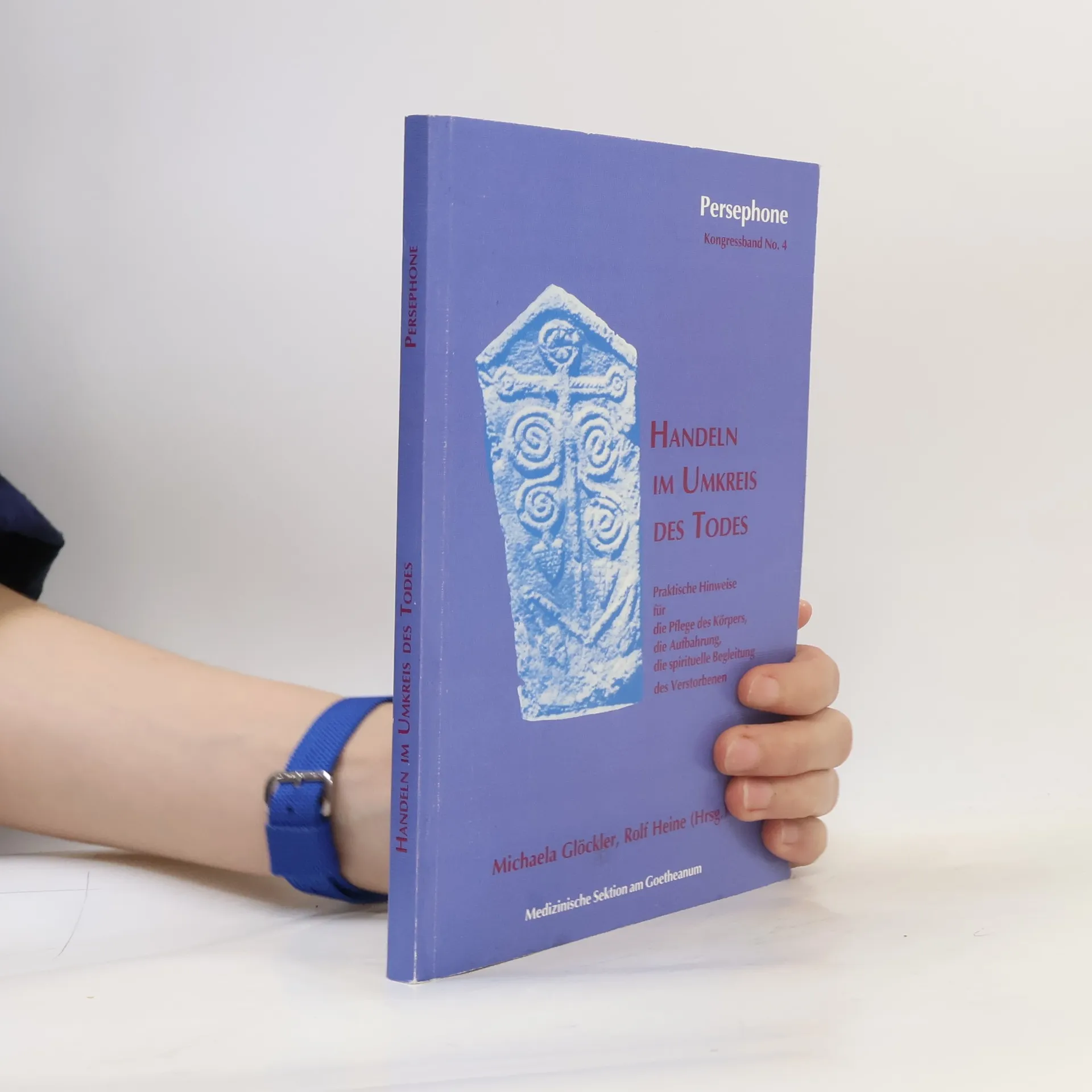
Persephone Kongressband zu den weltweit 9 Kolisko Konferenzen 2006. Angesichts der Eskalation von mobbing und Gewalt an den Schulen, der Aufgabe kultureller Verständigung über ethische und religiöse Grenzen hinweg, der zunehmenden Konzentrationsschwäche von Kindern und Jugendlichen, der vielfältigen Lernstörungen und Entwicklungskrisen brennt die Frage, wie Elternhaus und Schule diesen Herausforderungen begegnen können. Die in diesem Kongressbegleiter zusammengestellten Beiträge und Informationen möchten nicht nur oft gestellte Fragen zum Tagungsthema aufgreifen, sondern auch Lösungsansätze und Arbeitsperspektiven aufzeigen.
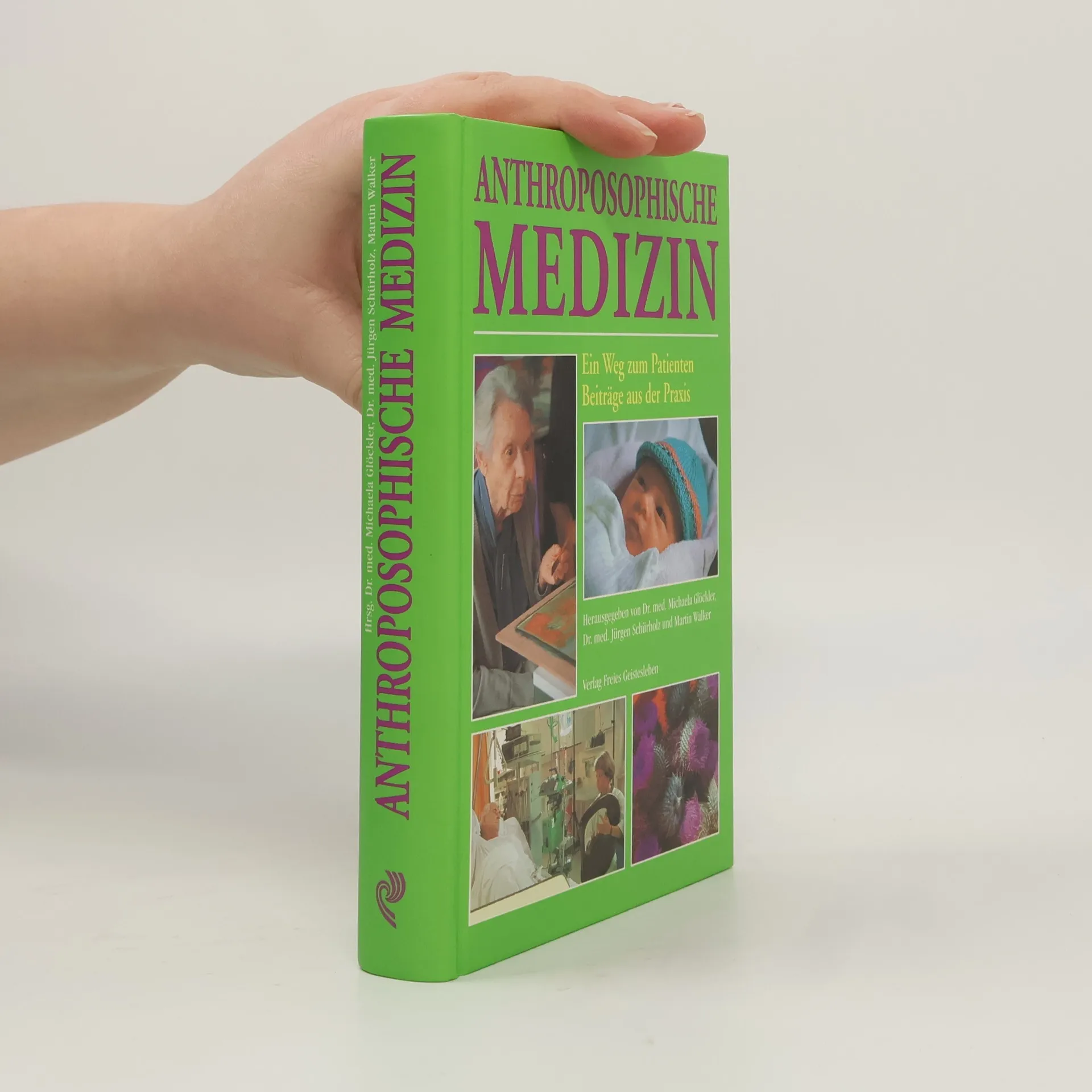
Die anthroposophische Medizin stellt den Patienten und seine Gesundheit in den Mittelpunkt. Je mehr Einsicht der Patient in seine Krankheit, ihre Ursachen und Heilungsmöglichkeiten hat, desto stärker ist er selbst am Heilungsprozess beteiligt. Die Autoren - anthroposophische Ärzte, Therapeuten, Pflegende und Pharmazeuten - bieten mit diesem Buch einen einzigartigen Überblick über Grundlagen und Praxis der anthroposophischen Medizin.
Ein Praxisbuch fuer Aerzte, Therapeuten, Pflegende und Patienten
274 pages
10 hours of reading
„Endlich erscheint dieses Buch, in dem Praktikerinnen und Praktiker der anthroposophischen Heilkunde ihre Erfahrungen mit Meditationen darstellen, die Rudolf Steiner zu seinen Lebzeiten für den Dienst am Kranken zur Verfügung stellte. Sie sind sowohl für Patientinnen und Patienten hilfreich als auch zur Hygiene und Stärkung derjenigen, die selbst in Heilberufen arbeiten. Ich hoffe sehr, dass die Fachwelt mit diesem Buch die praktische Arbeit und deren Hintergründe wahrnimmt und würdigt.“ Prof. Dr. Friedrich Glasl
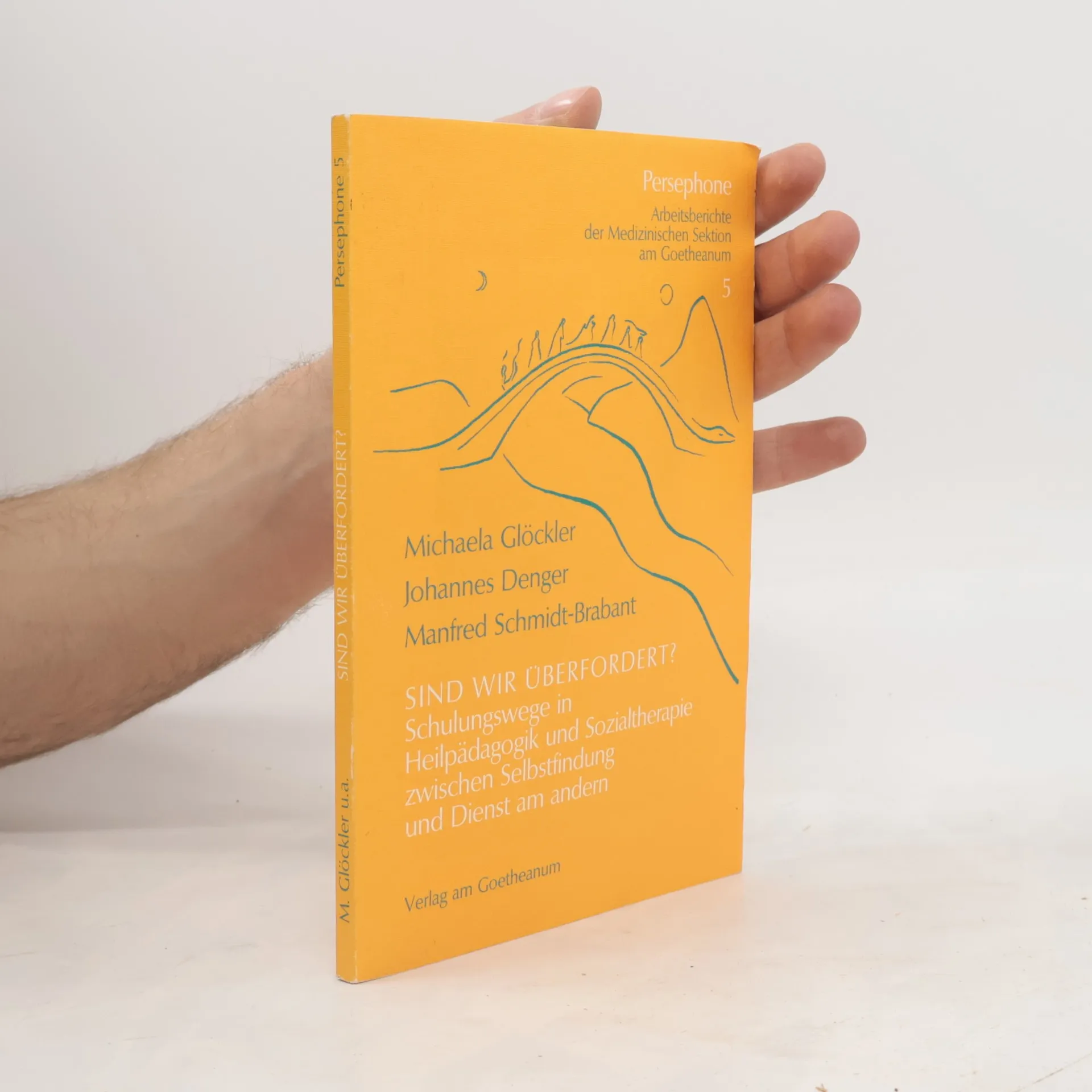
Schulungswege in Heilpädagogik und Sozialtherapie zwischen Selbstfindung und Dienst am andern: Vortragsnachschriften der Internationalen Tagung für Heilpädagogik und Sozialtherapie am Goetheanum
Lékařka Michaela Glöckler sestavila tuto knihu jako pomůcku pro všechny lékaře, terapeuty a příslušníky pomáhajících profesí, kteří chtějí navazovat na dávné mysterijní lékařství a cítí se být spřízněni s Rafaelovým duchem a jeho spirituální školou. Čtenář má možnost nahlédnout v knize hlouběji do podstaty nemoci a jejího léčení. Texty vycházejí z anthroposofie Rudolfa Steinera.
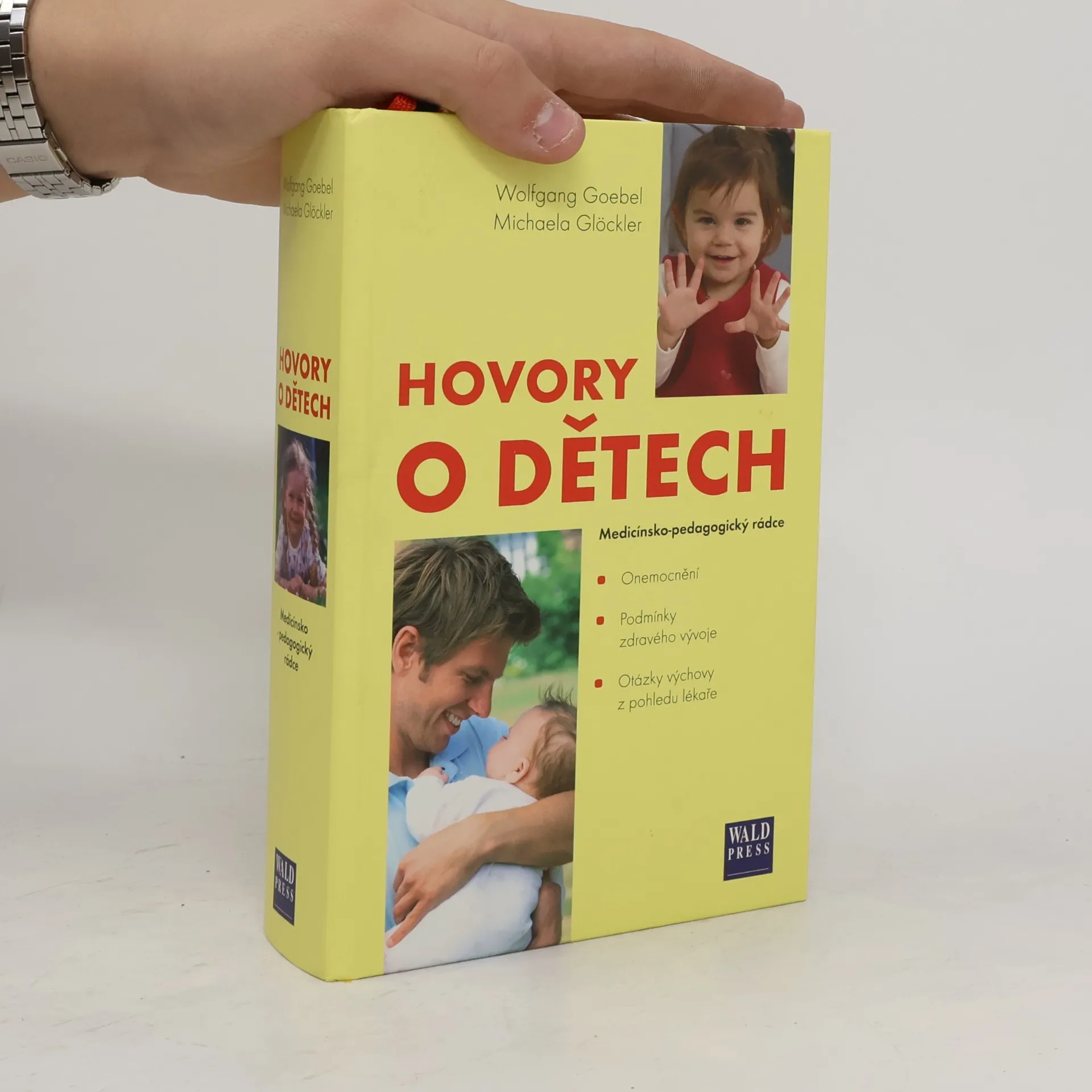
Vážení čtenáři, dostává se vám do rukou výjimečná kniha Hovory o dětech. Německý originál znám určitě přes dvacet let. Tato kniha mi pomáhala nejen ve výchově a lékařském vedení vlastních dětí, ale čerpal jsem z ní nápady a postřehy i později pro stovky dalších dětí, ať přátel či pro pacienty v lékařské praxi. Má totiž v sobě jednu úžasnou přednost. Nepředkládá dogmata, nediktuje šablony, ale formou sokratovského dialogu pomáhá navádět rodiče k pochopení dětského vývoje, jeho úskalím, ukazuje jej z více stránek a pomáhá hledat a formovat náhled na většinu otázek, které se při výchově, tedy při provázení vývoje dětí vyskytnou. / Výňatek z předmluvy MUDr. Tomáše Bouzka /. Poznámka vydavatele: Kniha byla dosud přeložena do 23 jazyků. V Německu bylo prodáno do současné doby 430 000 výtisků a pro letošní vánoční trh se připravuje její již 19. vydání.
Tato kniha chce apelovat na to, aby se výchova a vzdělávání řídily výhradně potřebami zdravého vývoje dětí a ne ekonomicky a politicky motivovanými výkonnostními cíli, které jsou se zákonitostmi zdravého vývoje v rozporu. To je naléhavý úkol také tváří v tvář celosvětově stoupající průměrné délce života, neboť zdravé tělesně-duševně-duchovní zrání je nejlepším předpokladem kreativního života ve stáří. Nárůst psychiatrických poruch u dětí a dospívajících a rostoucí počet pedagogů postižených syndromem vyhoření jasně ukazují, že stávající systém potřebuje nový směr. Autorčinou snahou je k tomu přispět.