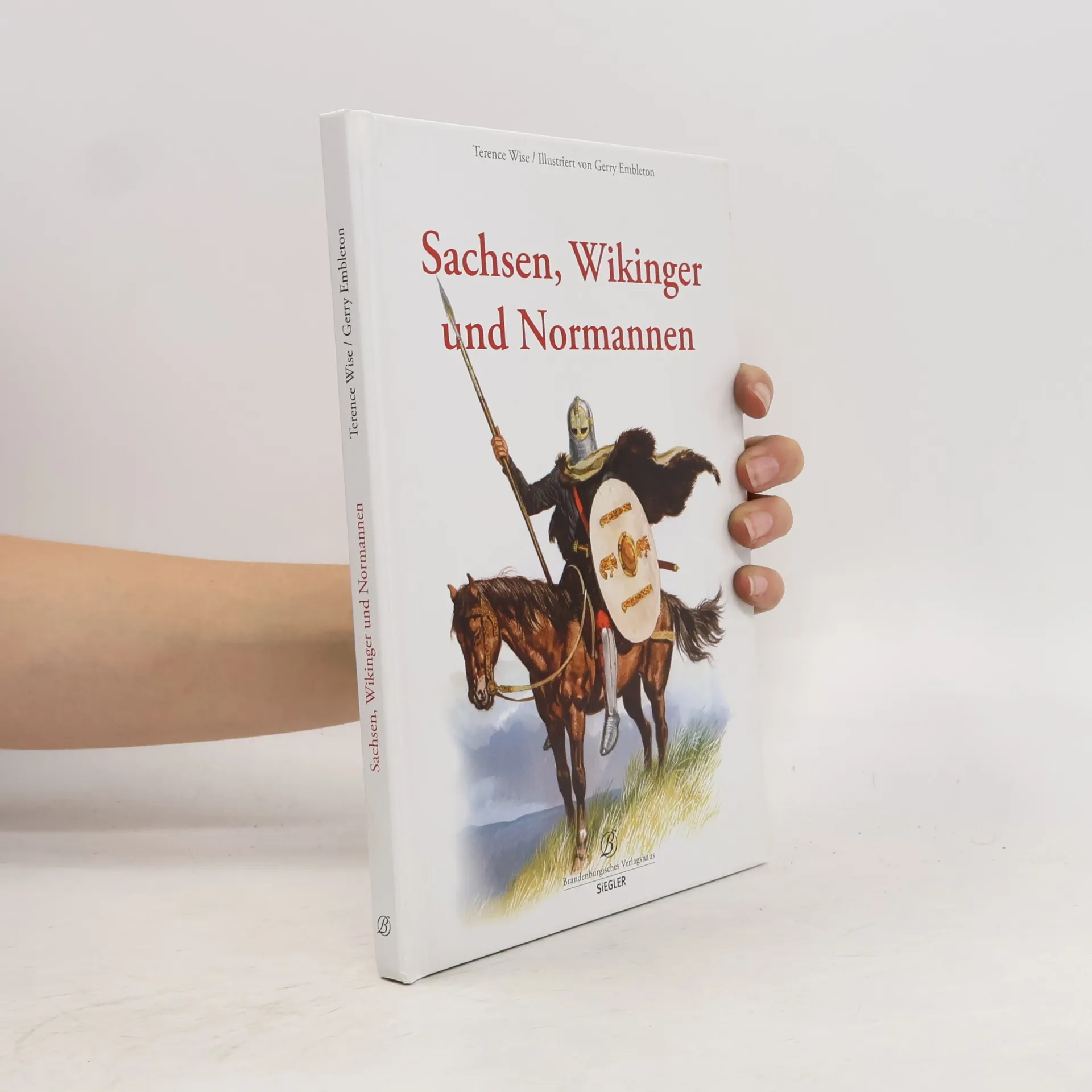
Über die Stämme der Sachsen, Wikinger und Normannen, die das Mittelalter bevölkern, lässt sich vielen sagen und schreiben, eine Sache steht jedoch fest: Ihre Kultur und ihre Lebensweise waren in vielfacher Hinsicht moderner, als uns dies zahllose Schmöker und Filme über die Jahrzehnte vermittelt haben. In diesem Werk wird nun erstmalig ein umfassender Überblick über die Geschichte, die Organisationen, die Waffen und die Kleidung dieser drei faszinierenden Völker geboten.
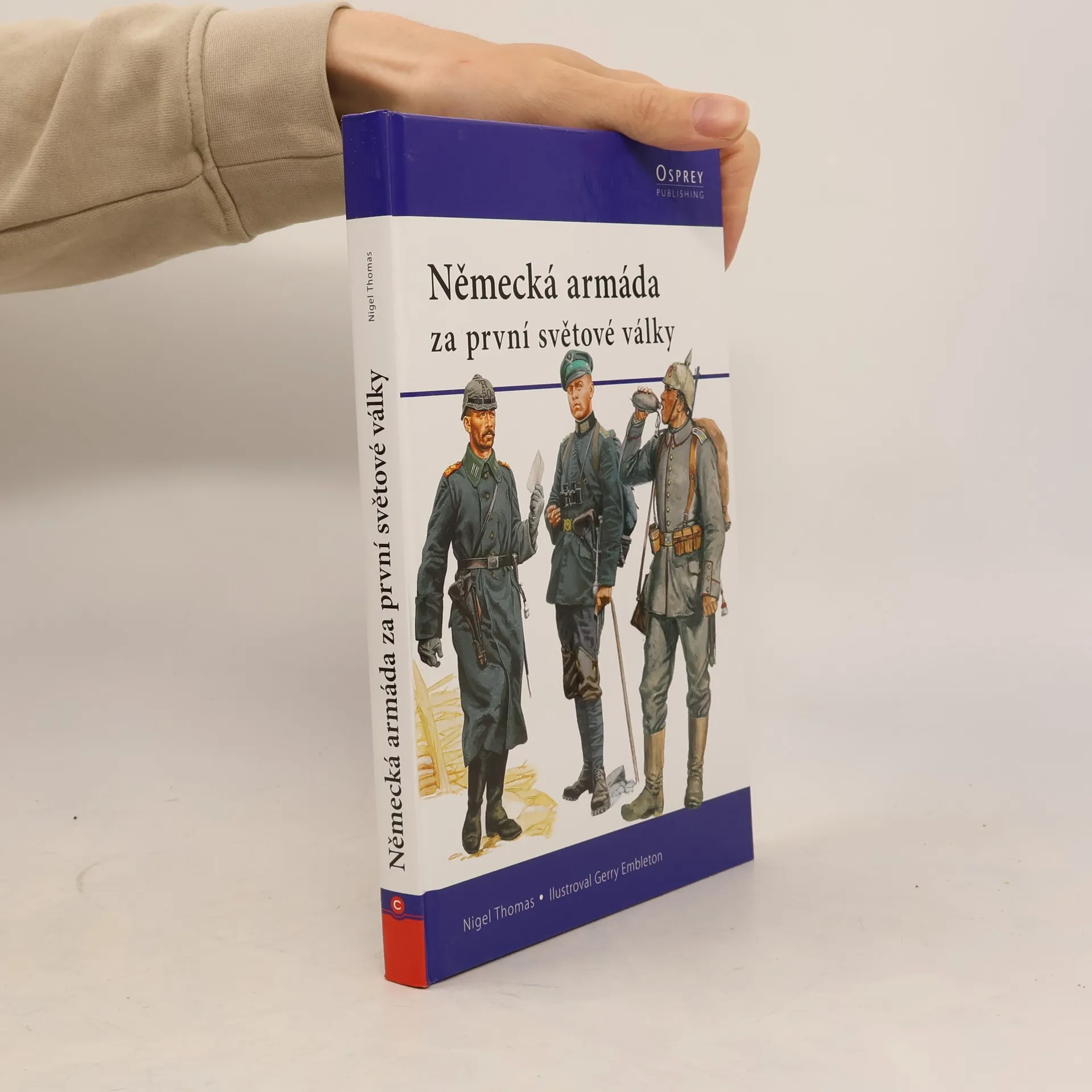
Knihu o účasti německé armády v první světové válce vydalo v anglickém originále světoznámé nakladatelství Osprey. Publikace mapuje historii, strukturu a výzbroj německých jednotek a hlavních druhů zbraní v období let 1914 až 1918, spolu se shrnutím vývoje na tehdejších válečných frontách. Kniha přináší mnoho podrobných informací, které o tomto tématu v ČR dosud nebyly publikovány.
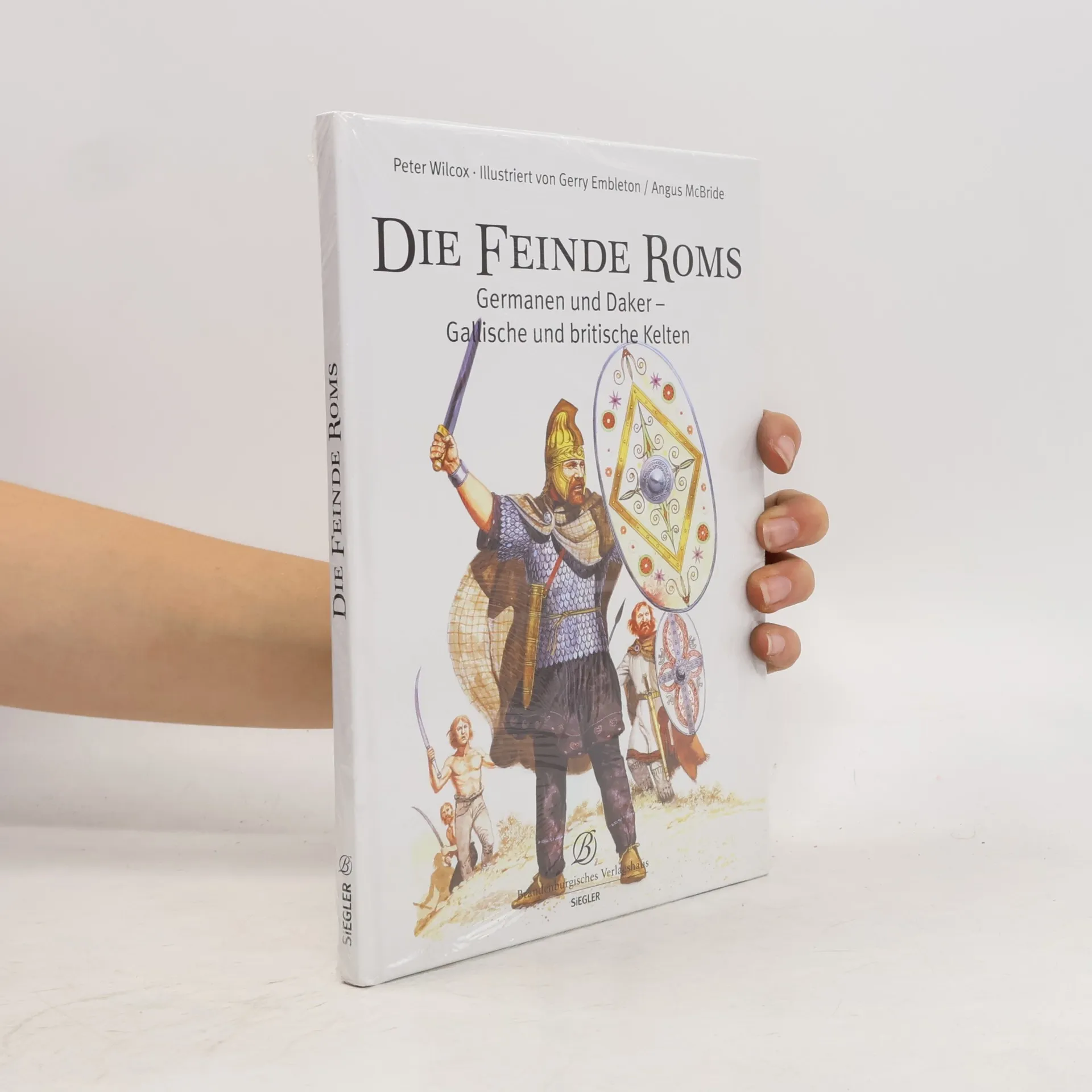
Germanen und Daker – Gallische und britische Kelten
93 pages
4 hours of reading
Die Germanen und Daker, diese energischen Barbaren aus dem Norden, zerstörten die westlichen Teile des römischen Imperiums. Sie waren es, die dem sterbenden Koloss im Süden den Gnadenstoß erteilten und anschließend das mittelalterliche Europa errichteten, das Feudalsystem und das Rittertum. Ihre direkten Nachfahren waren die Ritter und Krieger. In jeglicher Hinsicht waren sie die Erschaffer der modernen Welt, und es scheint ironisch, dass die meisten Menschen so gut wie nichts über sie wissen. Im Jahr 390 vor Christus zog eine gallische Armee gegen Rom ins Feld. Eine zuversichtliche römische Armee von 15.000 Mann, die ihr den Weg blockieren wollte, wurde besiegt. Drei Tage nach dieser Schlacht eroberten die Gallier Rom, von dem sie einen Großteil niederbrannten, und sie forderten viel Gold, wenn sie die Stadt verlassen sollten. Während dieses gewogen wurde, warf Brennus, der Anführer der Gallier, sein Schwert auf die Waage mit den Worten Vae victis, Schmerz den Besiegten so sagt man. Ein Gefühl, welches die Gallier unmittelbar danach eigenhändig erleben sollten
In 1914, Canada, with a regular army of just 3,110 men, was unprepared for World War I. Yet, thousands of young Canadians volunteered to support the Allied cause, resulting in nearly 700,000 Canadians serving, a remarkable effort for a nation of 8 million. Tragically, nearly one in ten who fought did not return. Canadians participated in all major battles on the Western Front, enduring the first gas attack in 1915 and fighting at Ypres and the Somme. The Canadian Corps is notably remembered for its victory at Vimy Ridge, marking a significant national milestone as all four divisions attacked together for the first time, solidifying a distinct Canadian identity. This identity was further reinforced by their unique uniforms, insignia, and equipment, all beautifully illustrated in this book. Additionally, it features a comprehensive listing of units, detailing their proud service records throughout the war, including contributions on land, at sea, and in the air. The poignant photographs, commissioned artwork, and detailed service records provide a unique insight into the experiences of Canadian soldiers, ultimately fostering a deeper sense of Canadian national identity.
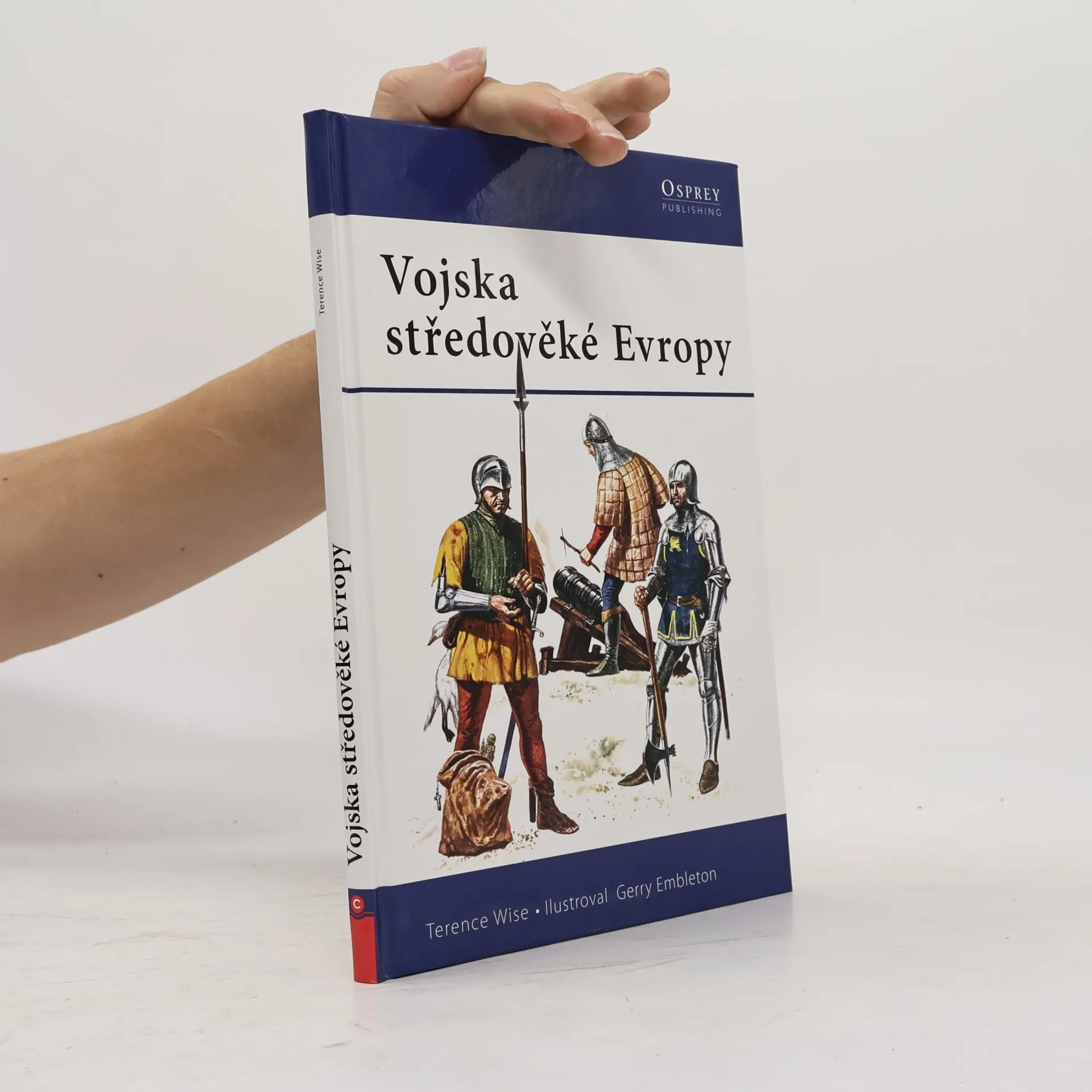
Kniha zkoumá organizaci, zbraně a vybavení středověkých vojsk napříč evropským kontinentem od Stoleté války až do bojů proti Maurům ve Španělsku a francouzské invaze do Itálie.
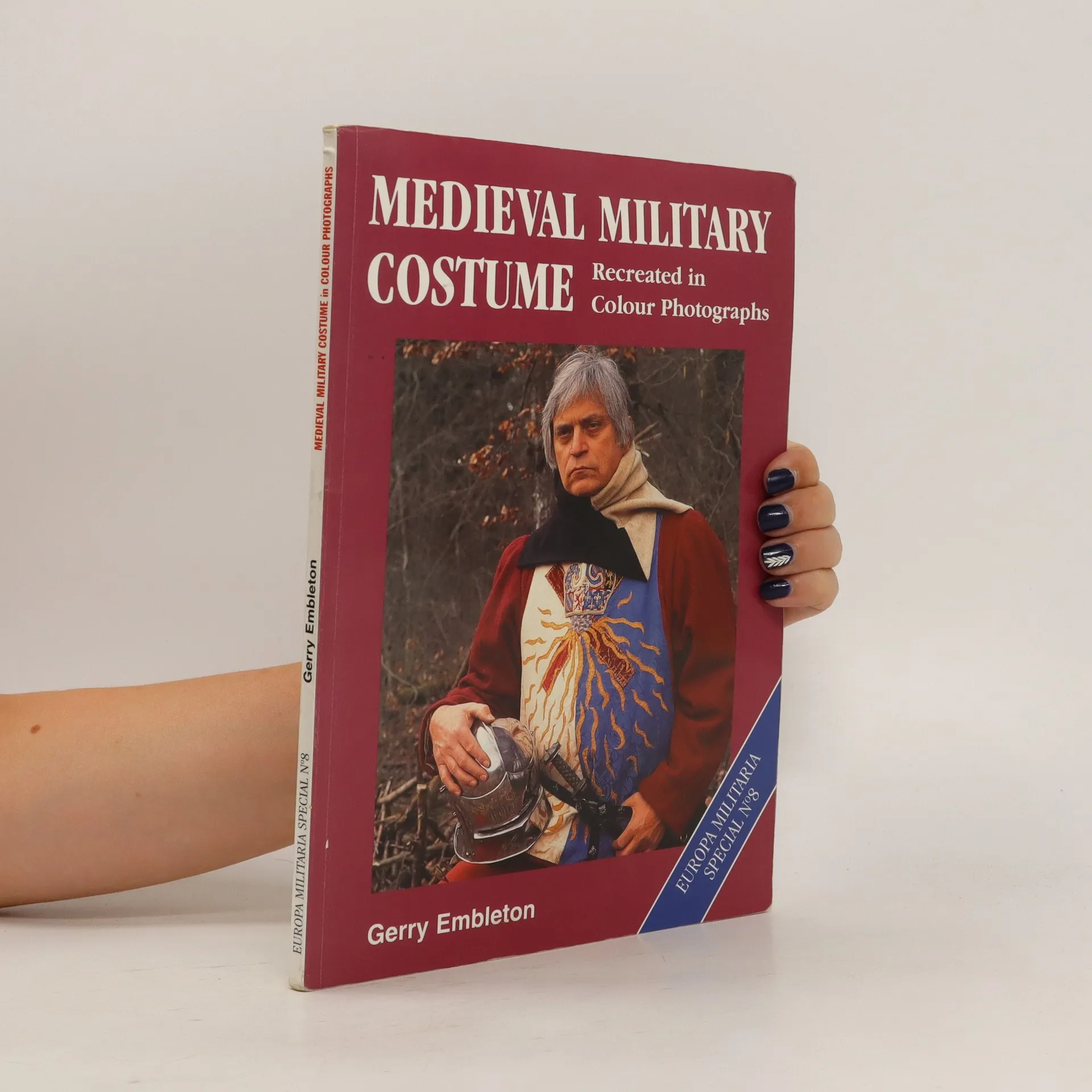
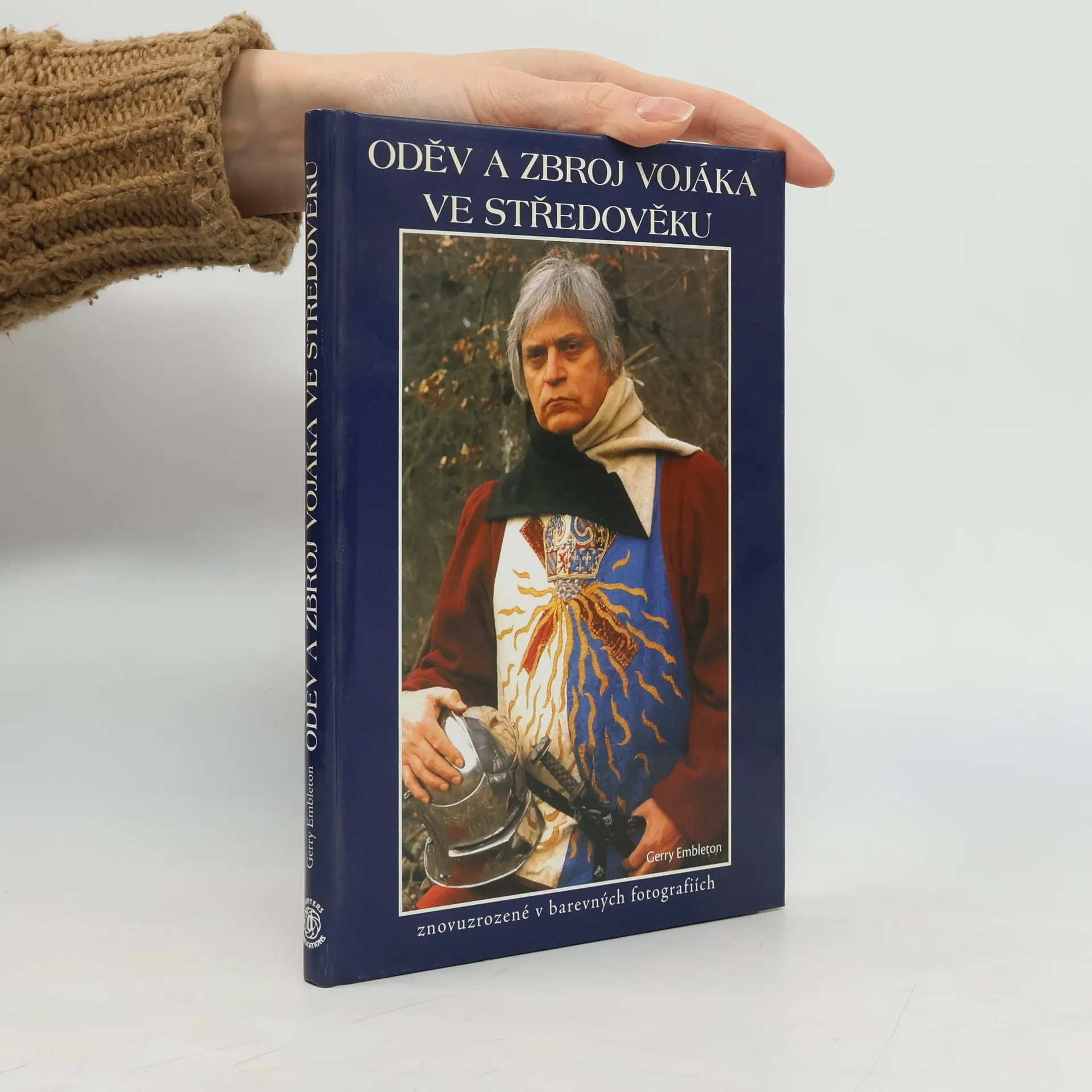
Fotografická publikace rekonstruje a dokumentuje vývoj středověkého vojenského oděvu a zbroje.
Kniha prezentuje historické vojenské kostýmy, aranžované na živých modelech a v autentickém prostředí. Snímky vojáků (střelců, lučištníků) rytířů a žen na válečném tažení předvádějí bojové odění (gambesony, prošívanice, brigantiny), ochranný oděv a zbroj z období let 1300 až 1500.
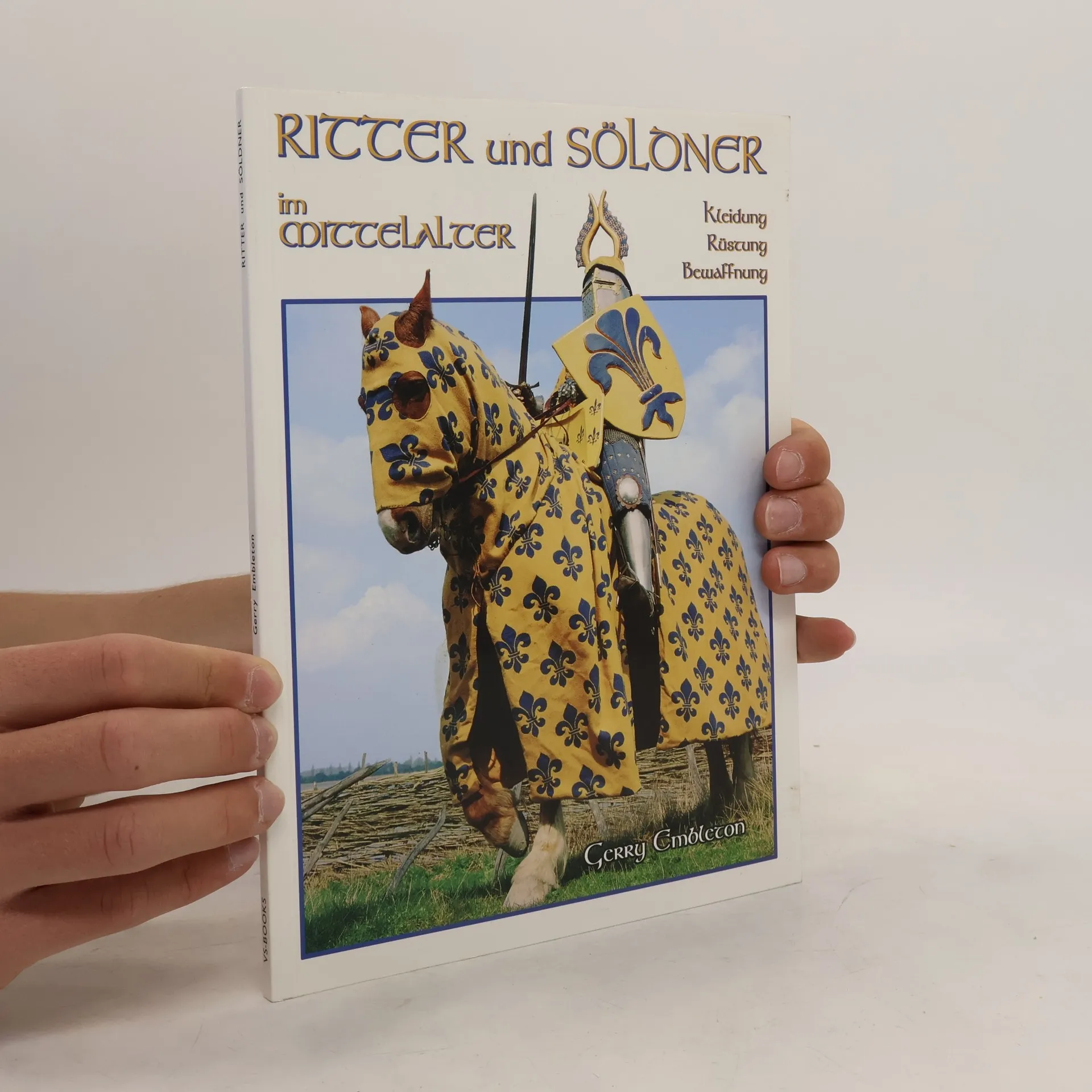
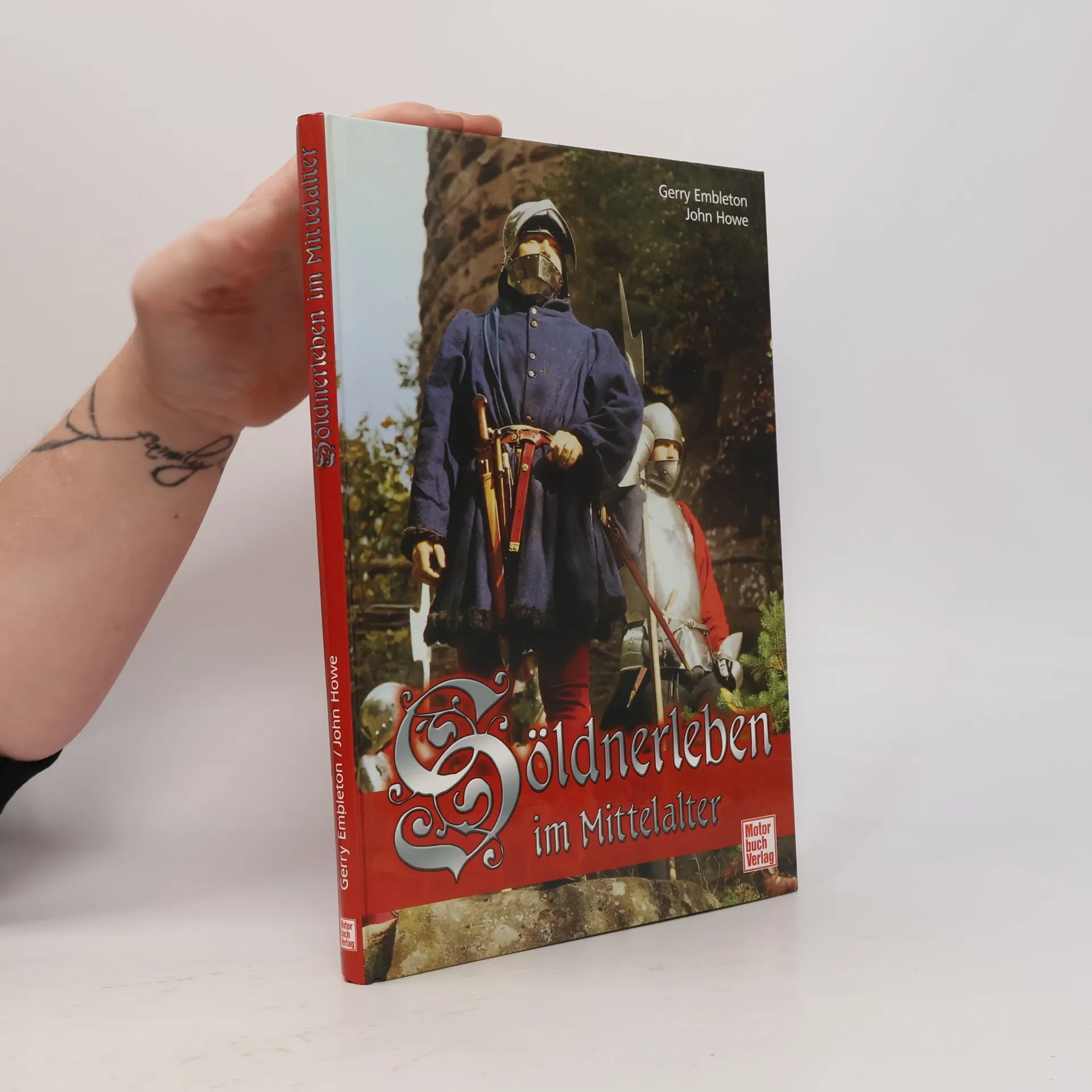
Hochmittelalterliches Militärwesen vom 11. bis zum frühen 16. Jahrhundert mit Einblicken in das tägliche Leben des einfachen Kriegsvolkes. Neben brillianten Farbfotos enthält dieser Band auch 11 eigens von Gerry Embleton angefertigte Farbtafeln zu Bekleidung und Ausrüstung.
Reenactors wearing carefully created costumes, photographed in authentic settings, provide a snapshot of spear men, archers, crossbow men, gunners, and knights from the period 1300-1500. Detailed photographs are supported by artwork showing scores of original images from period paintings, carvings and manuscript illustrations revealing what it was like to live, work, and fight during the Middle Ages. Europa Militaria Special No. 8.
Dieser einzigartige Titel war jahrelang vergriffen und erfährt auf vielfachen Leserwunsch jetzt eine Neuauflage. Wie wohl kein zweites Werk stellt es das Leben der Menschen im späten Mittelalter wirklichkeitsnah und lebendig dar. Den Mittelpunkt bildet jene Gattung von Kriegern, die das 15. Jahrhundert entscheidend prägten - Söldner und Fußknechte. Der Leser begegnet zudem Damen von Stand und Dirnen und erfährt viel über Ernährung, Reisen und Medizin dieser Zeit. Zahlreiche brillante Farbaufnahmen und fundierte Begleittexte machen dieses Buch zu einer spannenden Zeitreise durch alle Aspekte des Lebens im 15. Jahrhundert.
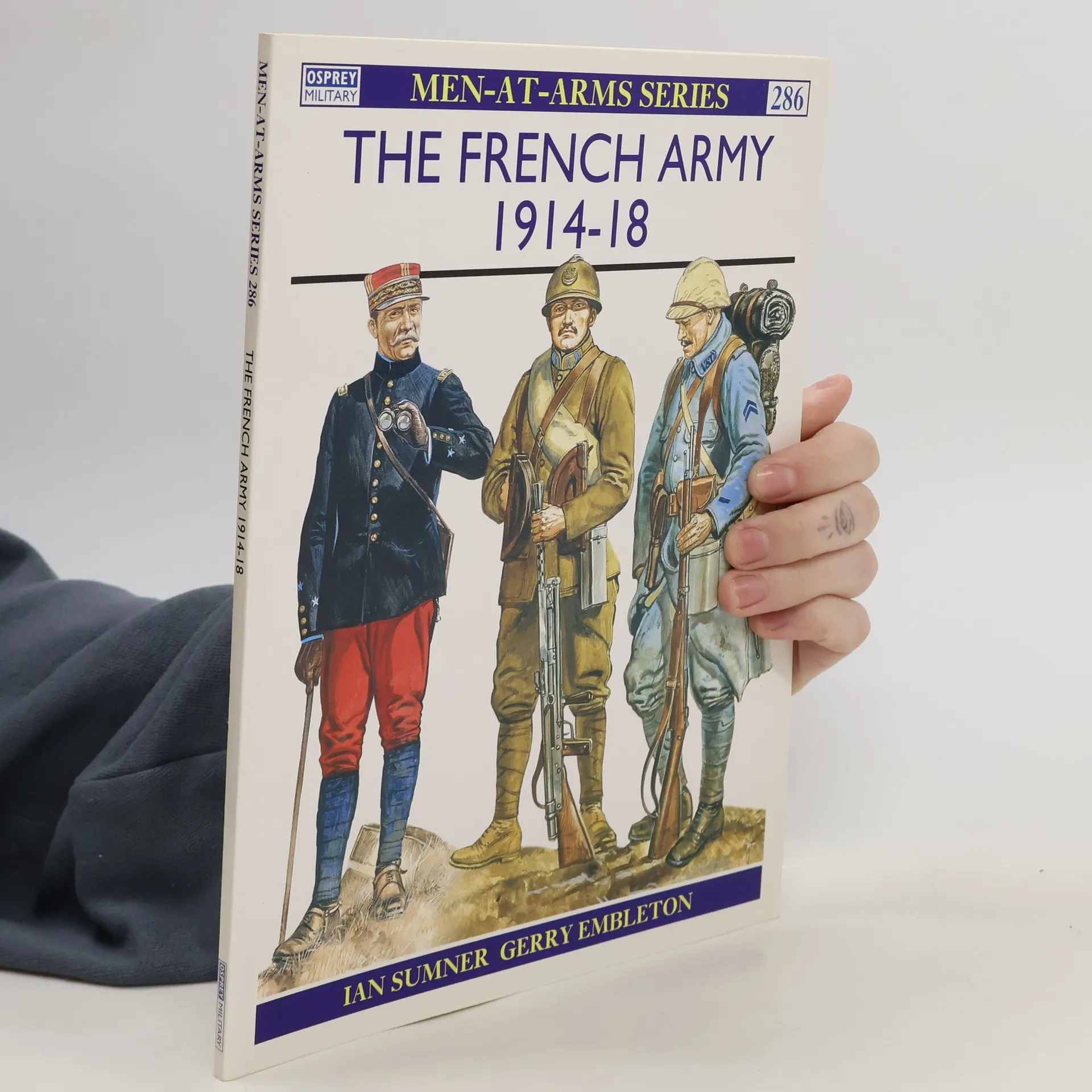
Initially the strongest of all the Allied armies, France's metropolitan and colonial units bore the greatest burden during the first two years of the Great War, and made a great contribution to the final victory. In common with most European countries, the pre-war French Army was based on a system of national military service providing conscripts who could be subject to recall as reservists for several years after. However, the advent of war, the crisis in manpower, and the development of new tactics and weapons brought radical changes. The influence of these factors on the organisation, equipment, uniforms and tactics of the French Army during World War I is examined in detail in this title.
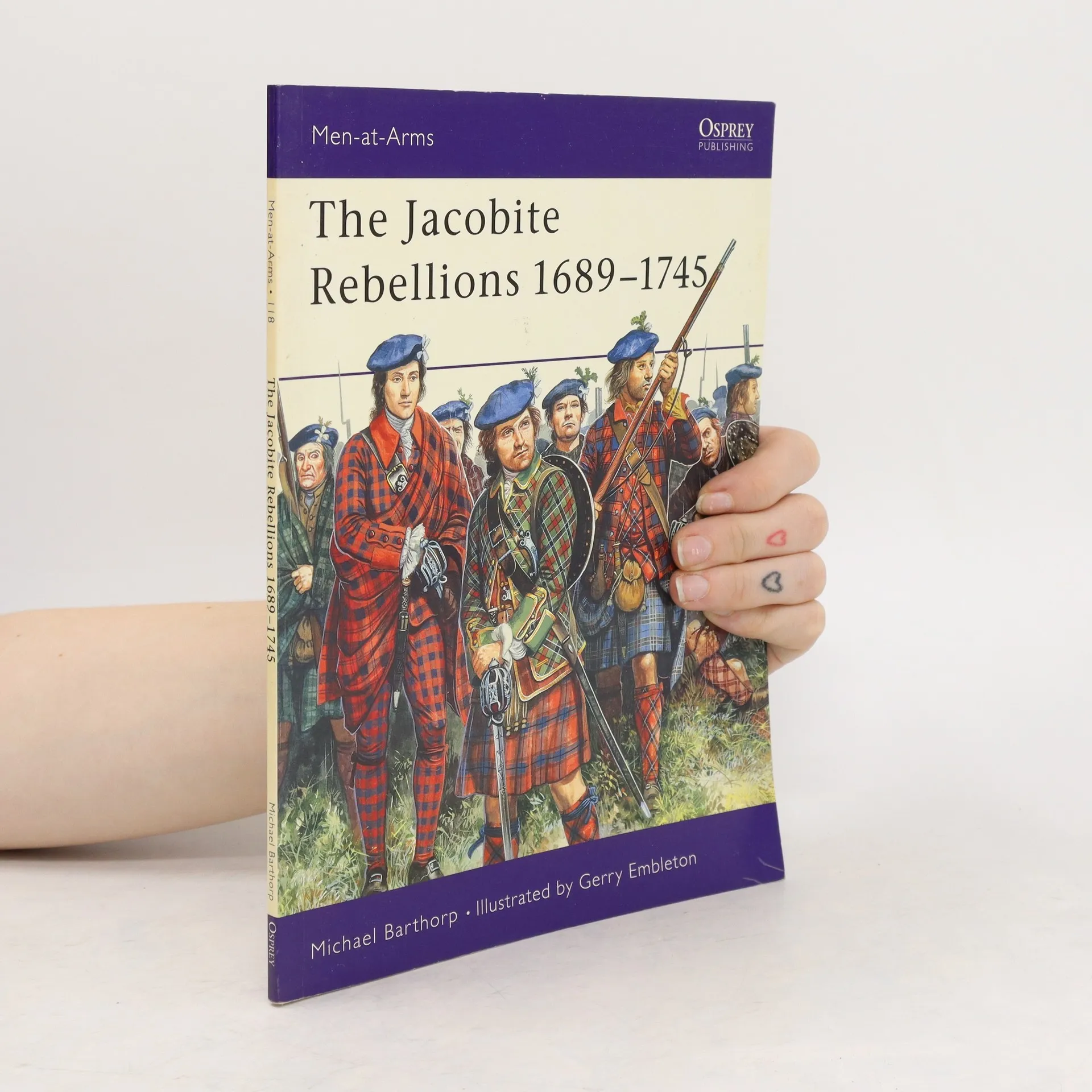
Between the first Jacobite rising in 1689 and the final collapse of the cause in 1746, the hopes of the House of Stuart were centred chiefly on Scotland. It is often wrongly assumed that the Jacobite rebellions were a contest between England and Scotland. In fact many Lowland Scots share the feelings of the English, and had cause to hate and fear their fellow countrymen in the Highlands. Thus it was to the Highland clans that the Jacobites looked to for their most reliable manpower. In this book Michael Barthorp details the events of the Jacobite rebellions, and the organisation and uniforms of the forces of both sides.
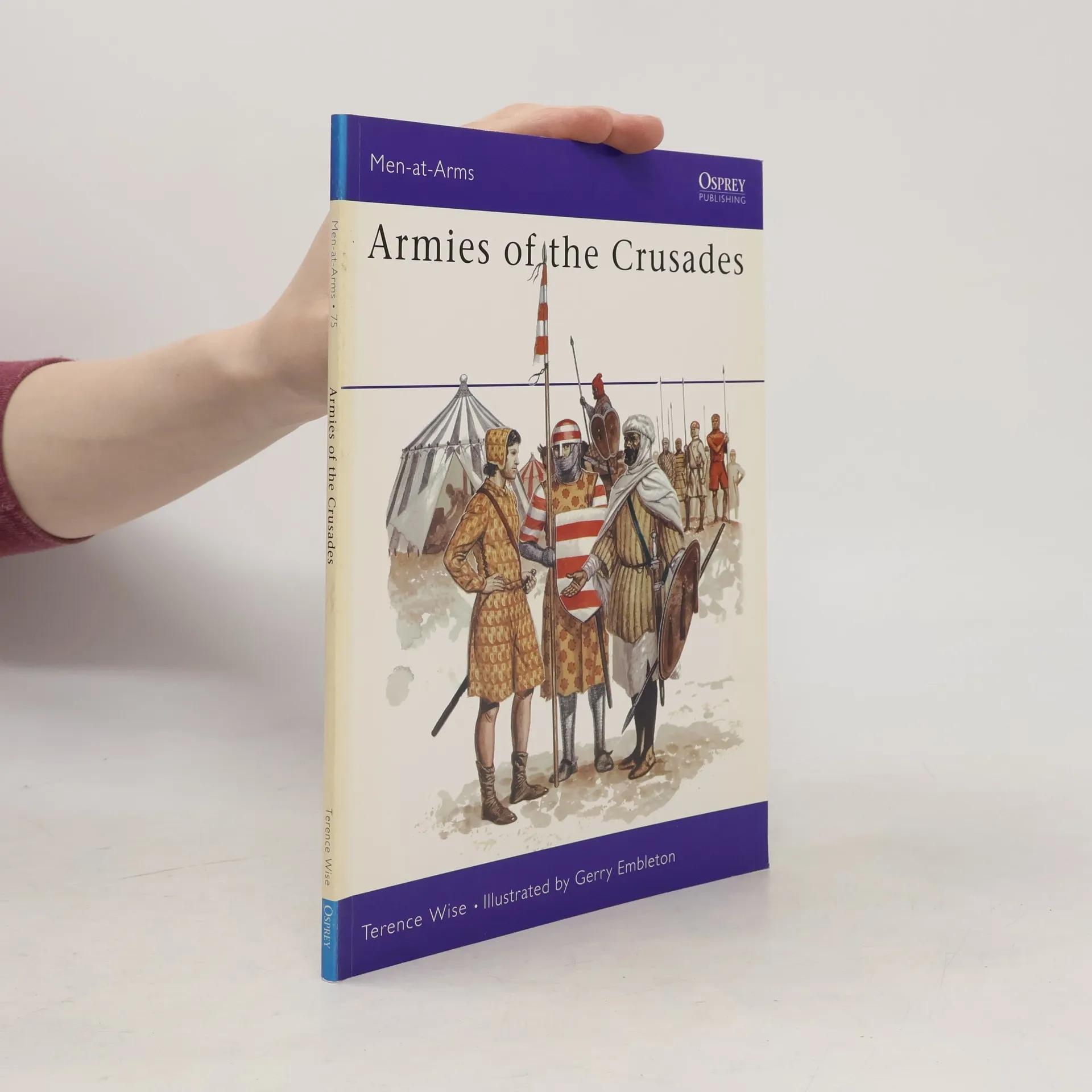
In the early crusades men of all ranks from all over Europe took the cross and went to fight Islam as volunteers. Some went out of religious fervour, others to escape the plagues and famine which were rife at the time, still others in search of land or a fortune in loot. Fighting alongside all of these were the armies raised in Outremer, the Holy Land itself. Together they waged a bloody religious war, the participants of which included such forces as the Knights Templar, the Teutonic Knights, and the Byzantine Army.
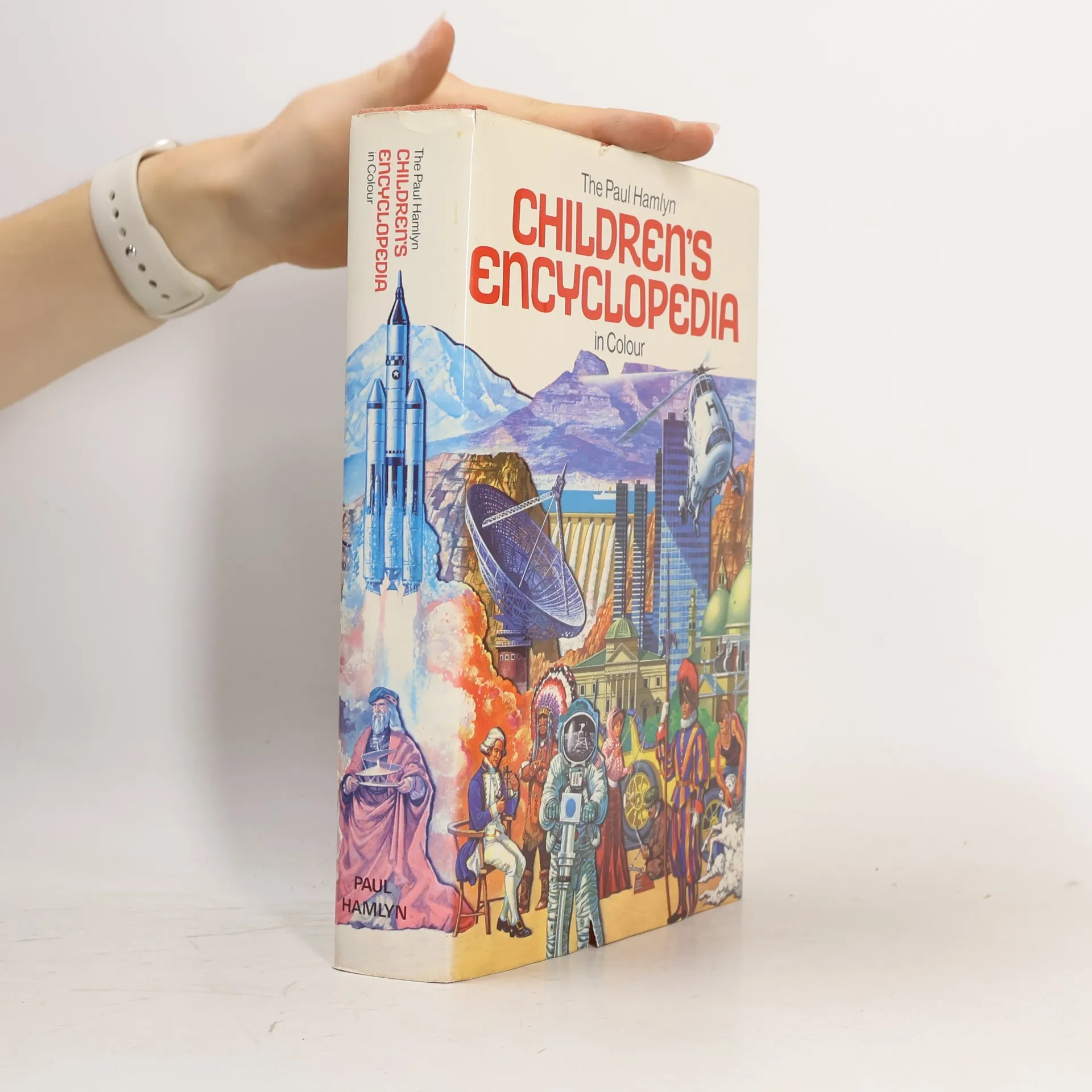
This exciting encyclopedia contains Over 500 pages of lively informative text More than 1,000 colourful illustrations Six sections covering the many aspects of the world we live in Wide-ranging appeal for children with enquiring minds