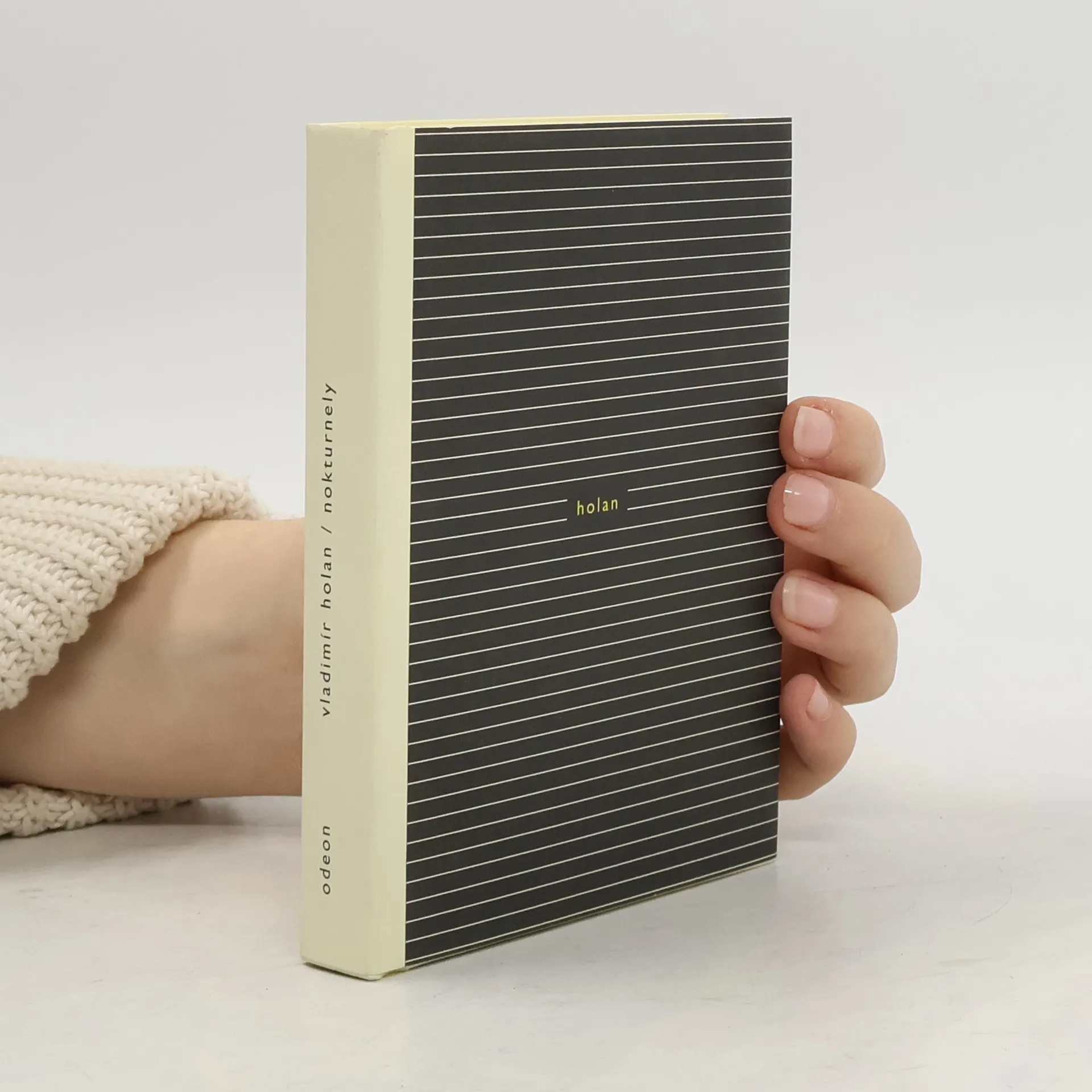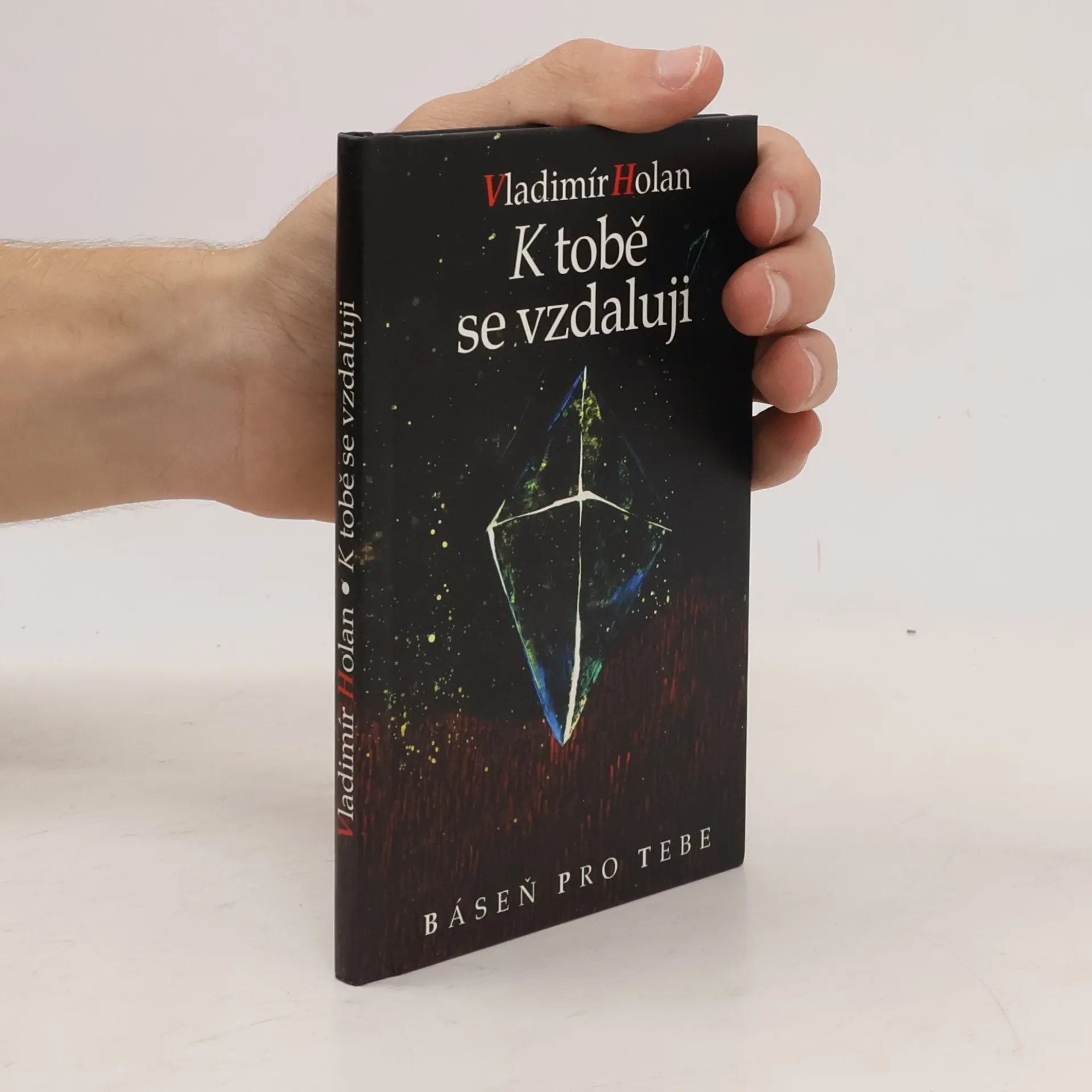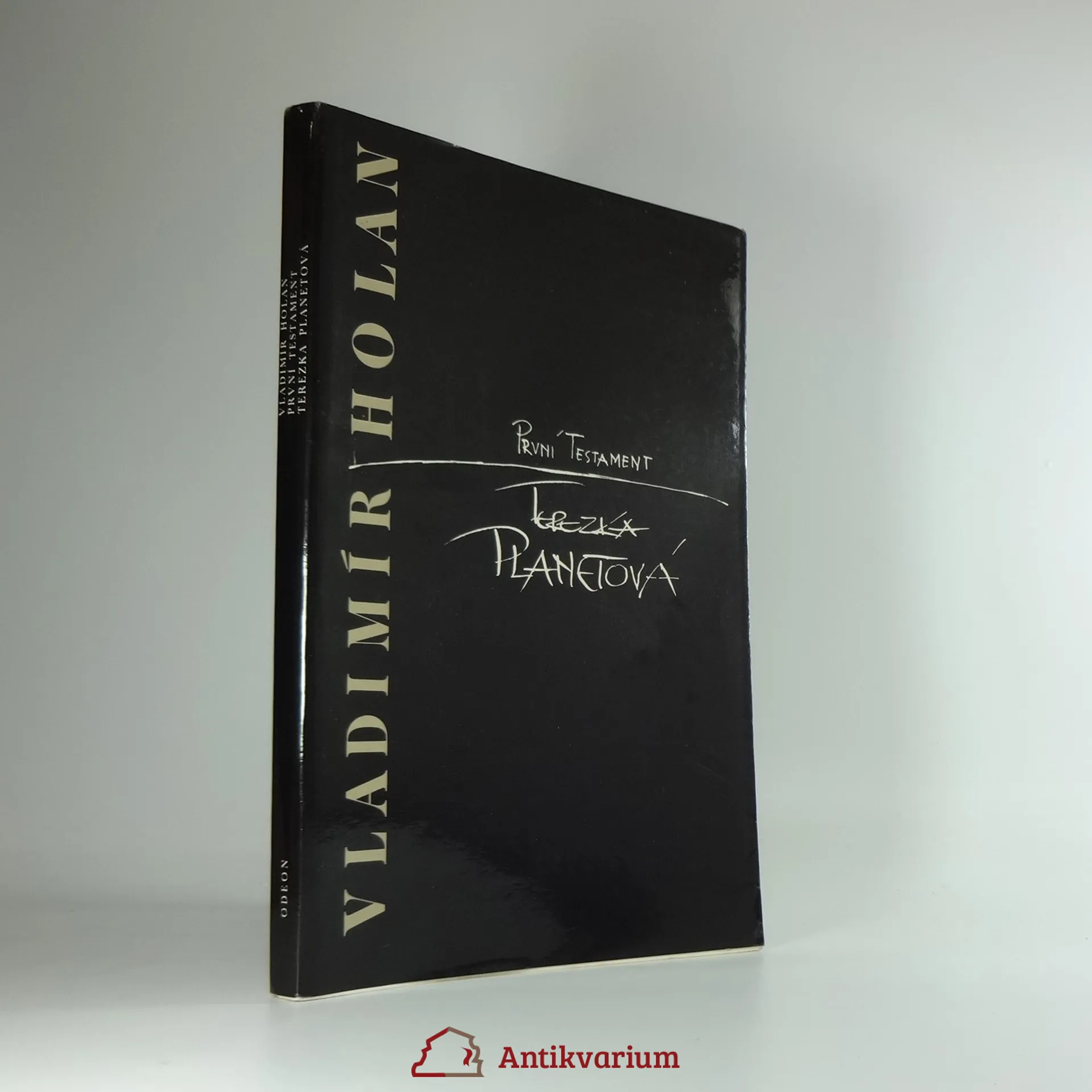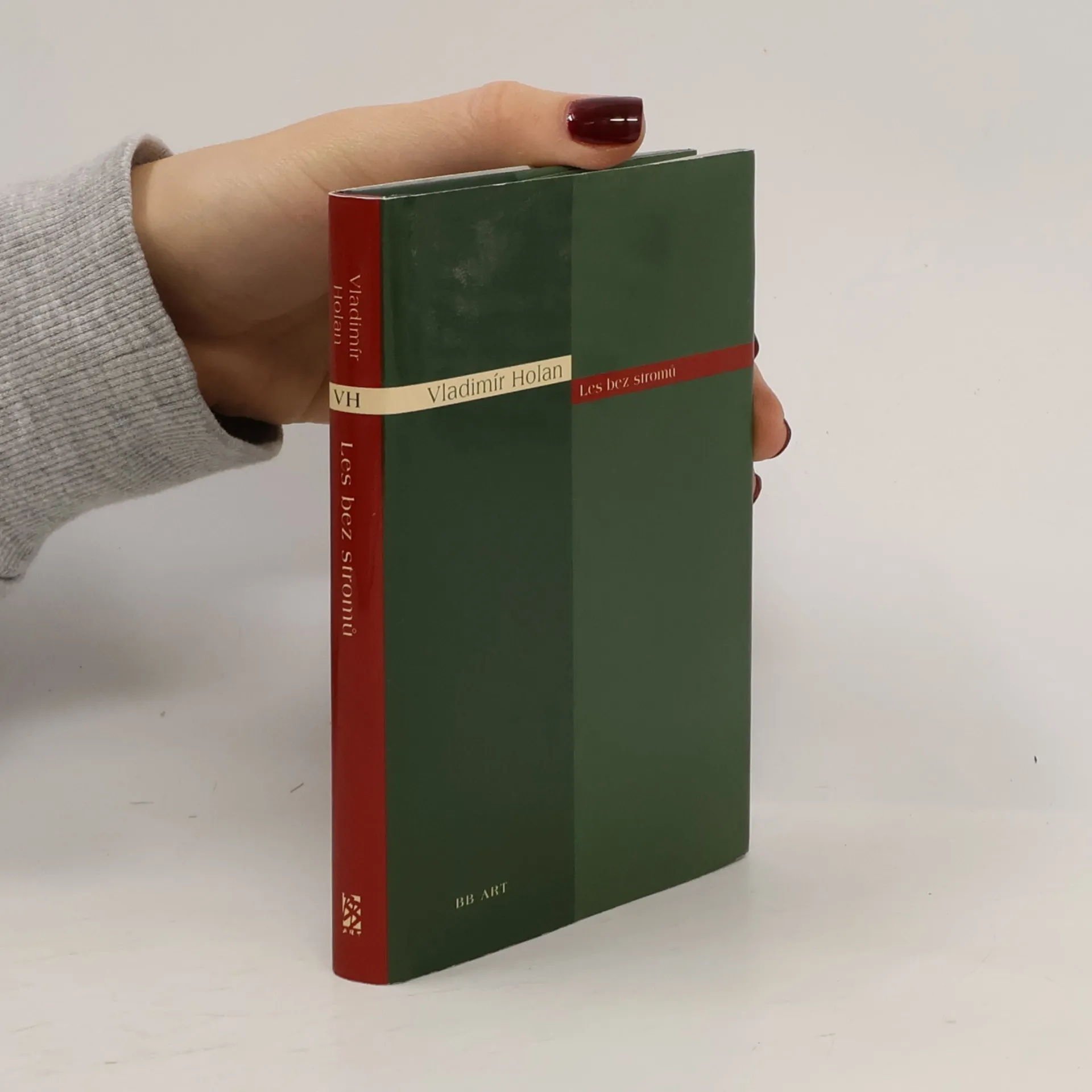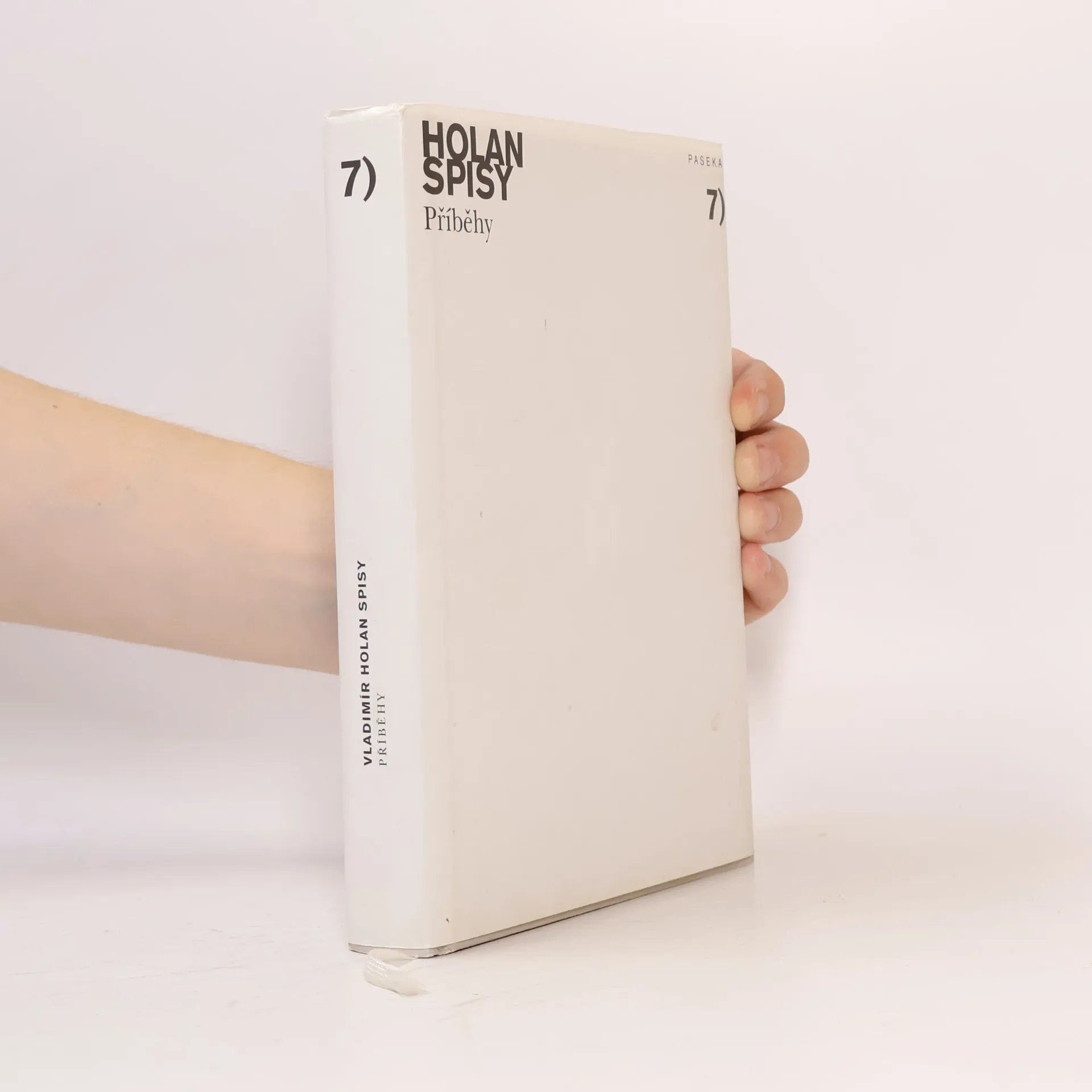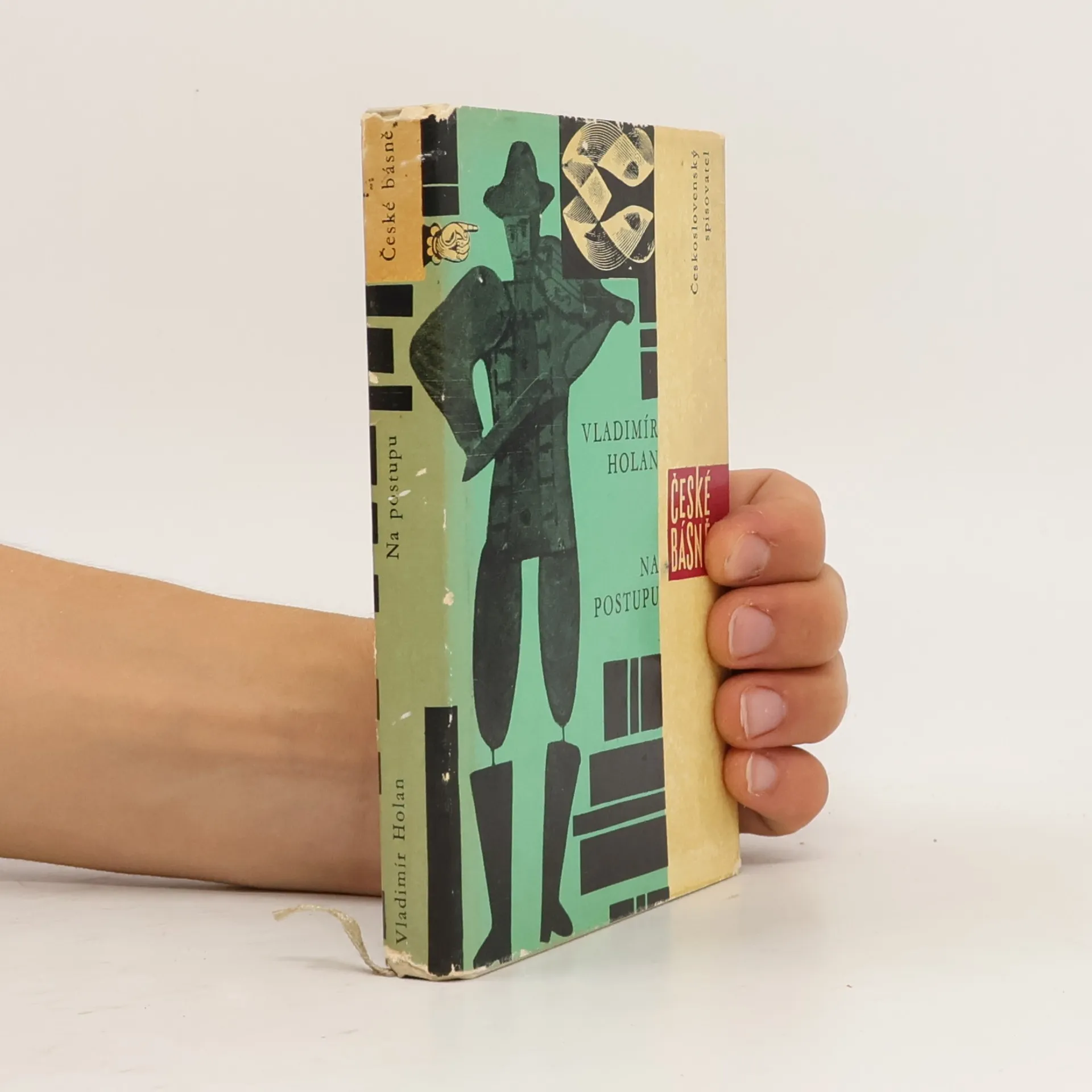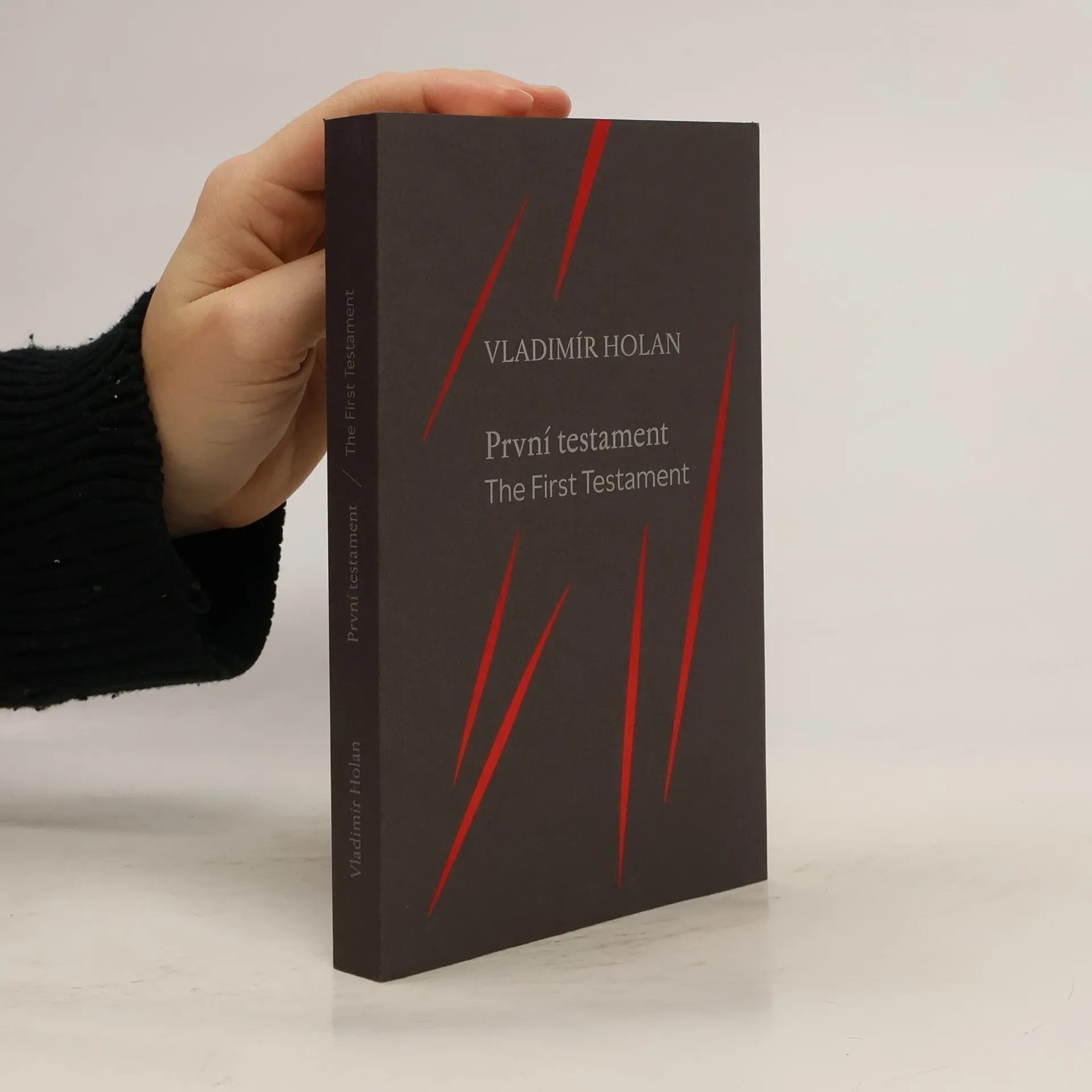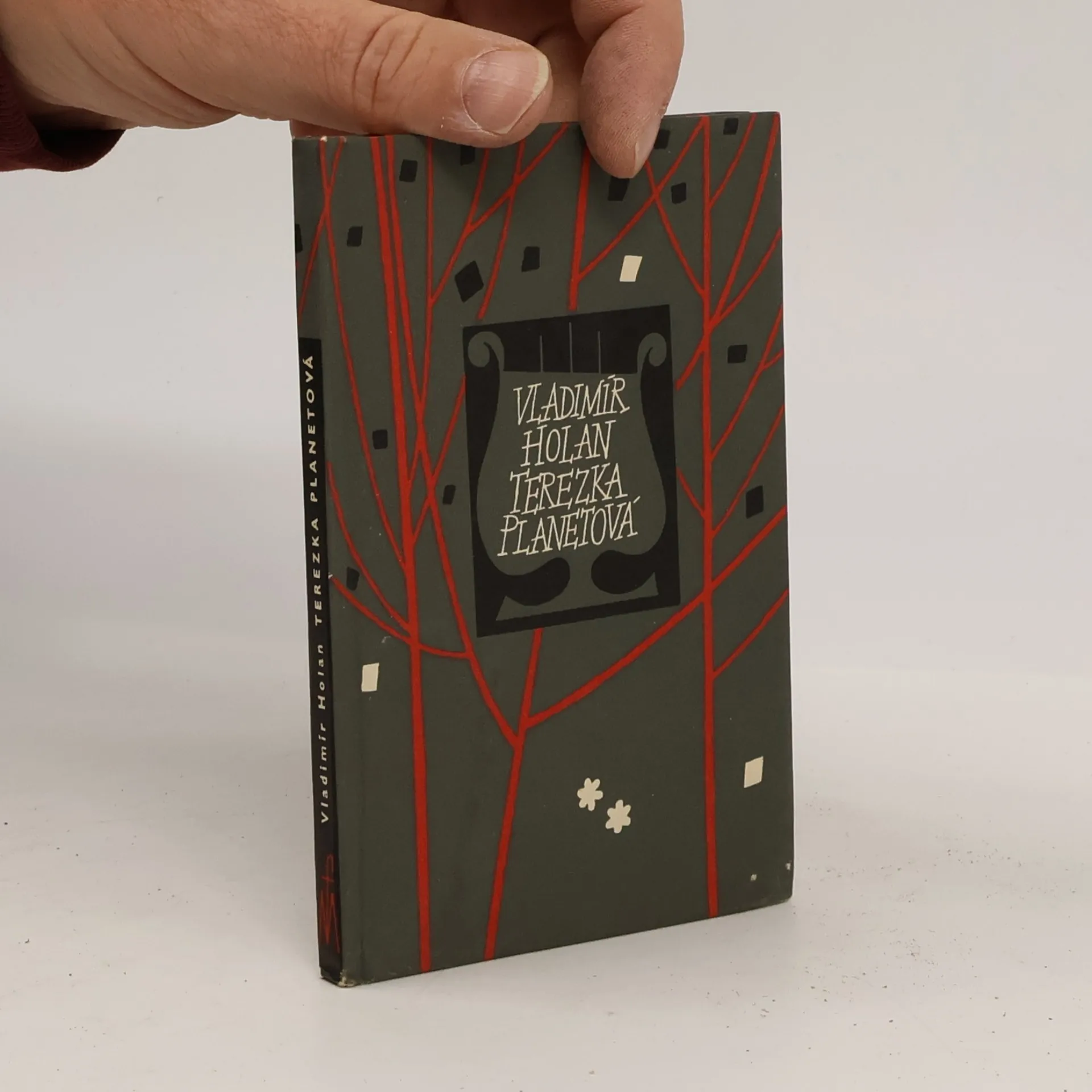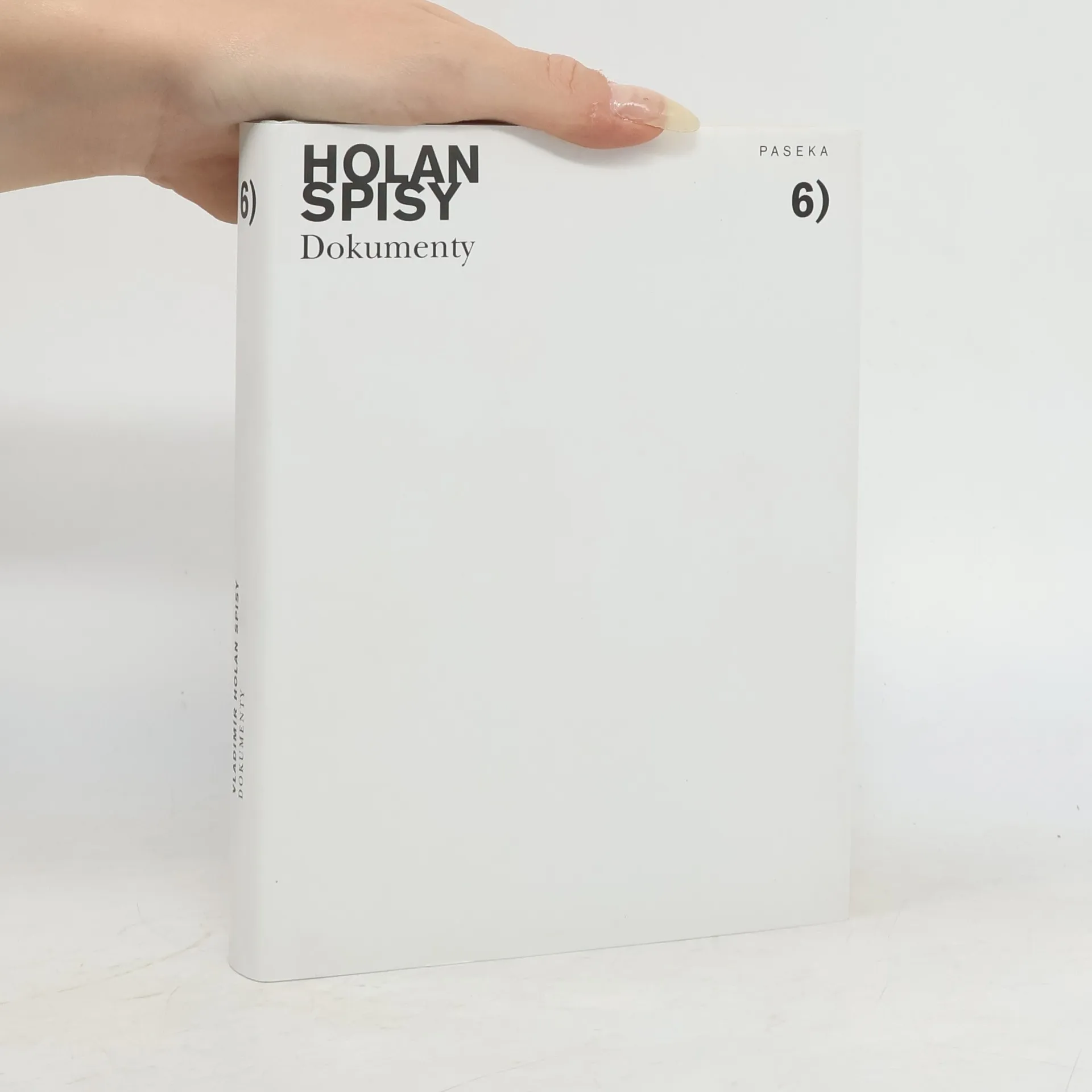
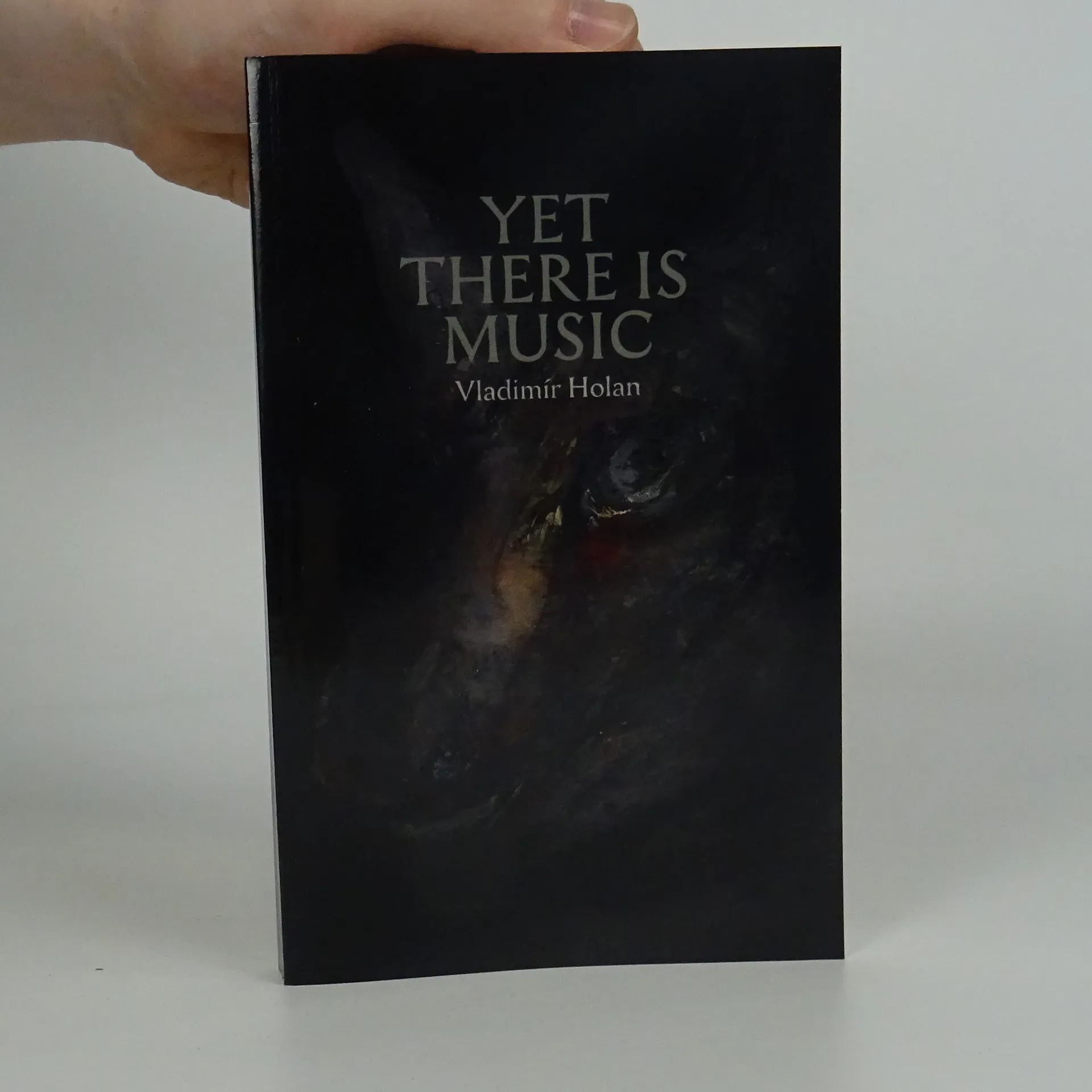
Vladimir Holan, a significant yet underrecognized poet, emerged from the tumultuous backdrop of early 20th-century Prague. His powerful and vivid poetry captures the despair and complexity of his era, resonating with contemporary global anxieties surrounding terrorism and conflict. This collection features two apocalyptic poems that reflect his profound insights into human suffering and turmoil, offering a poignant commentary that remains relevant today.
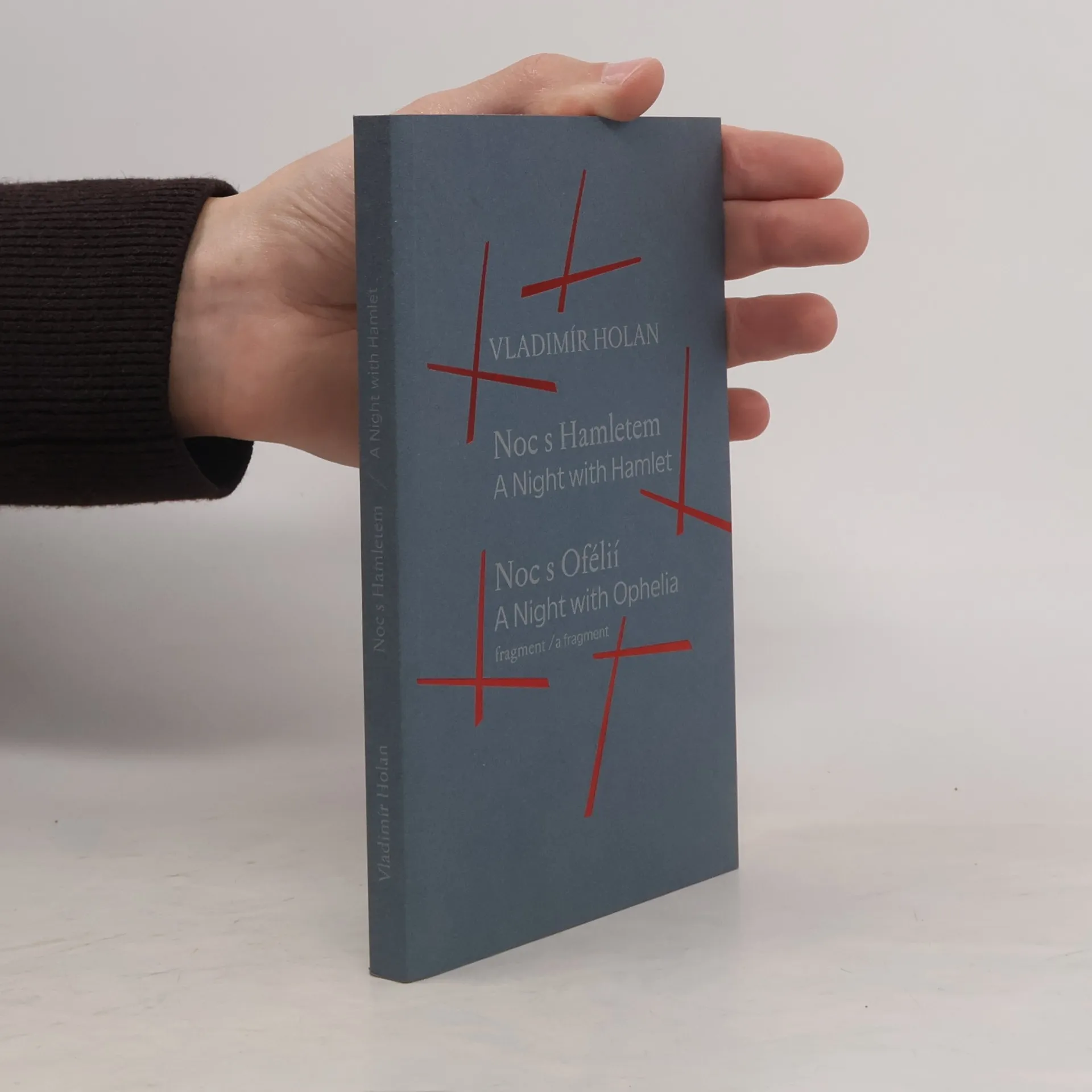
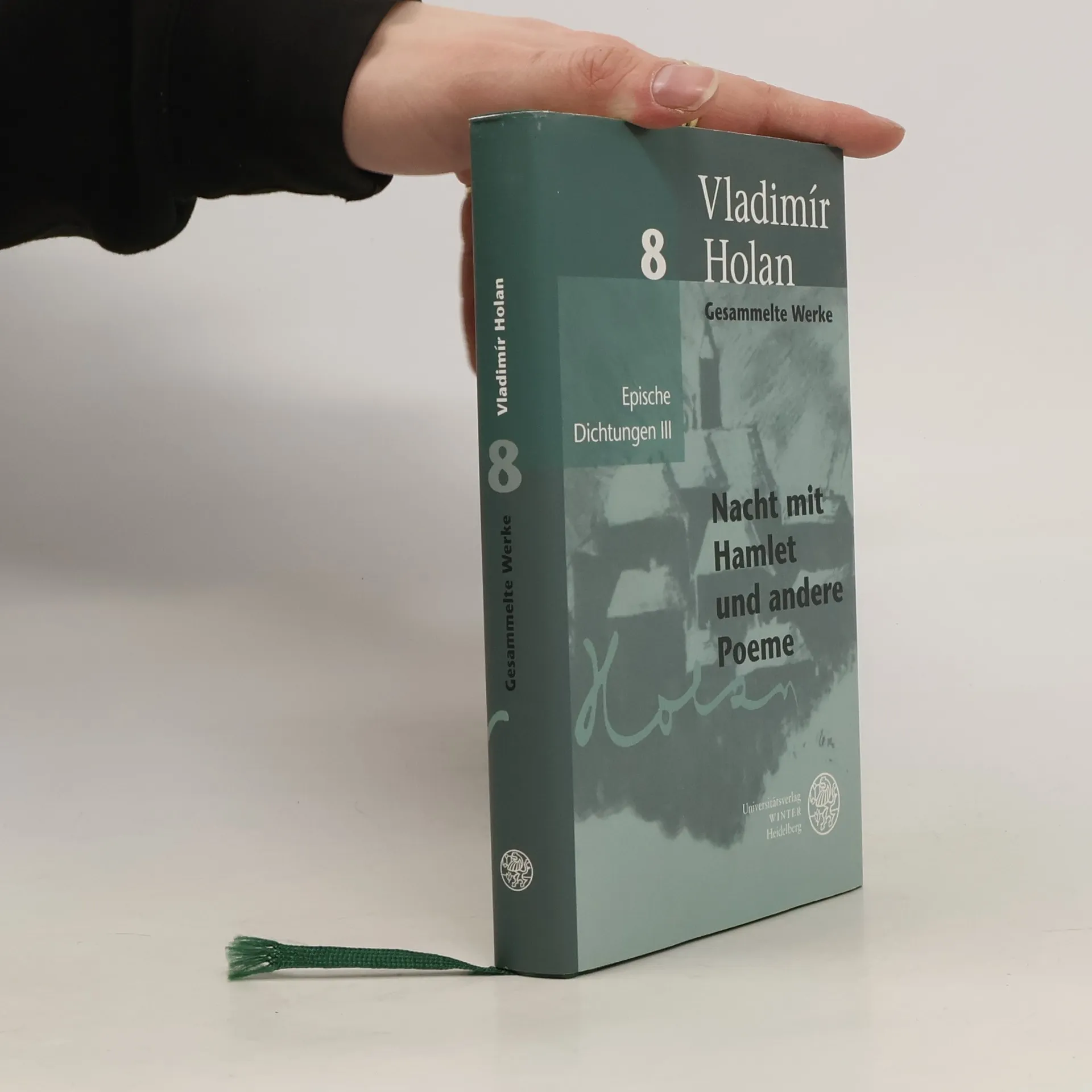
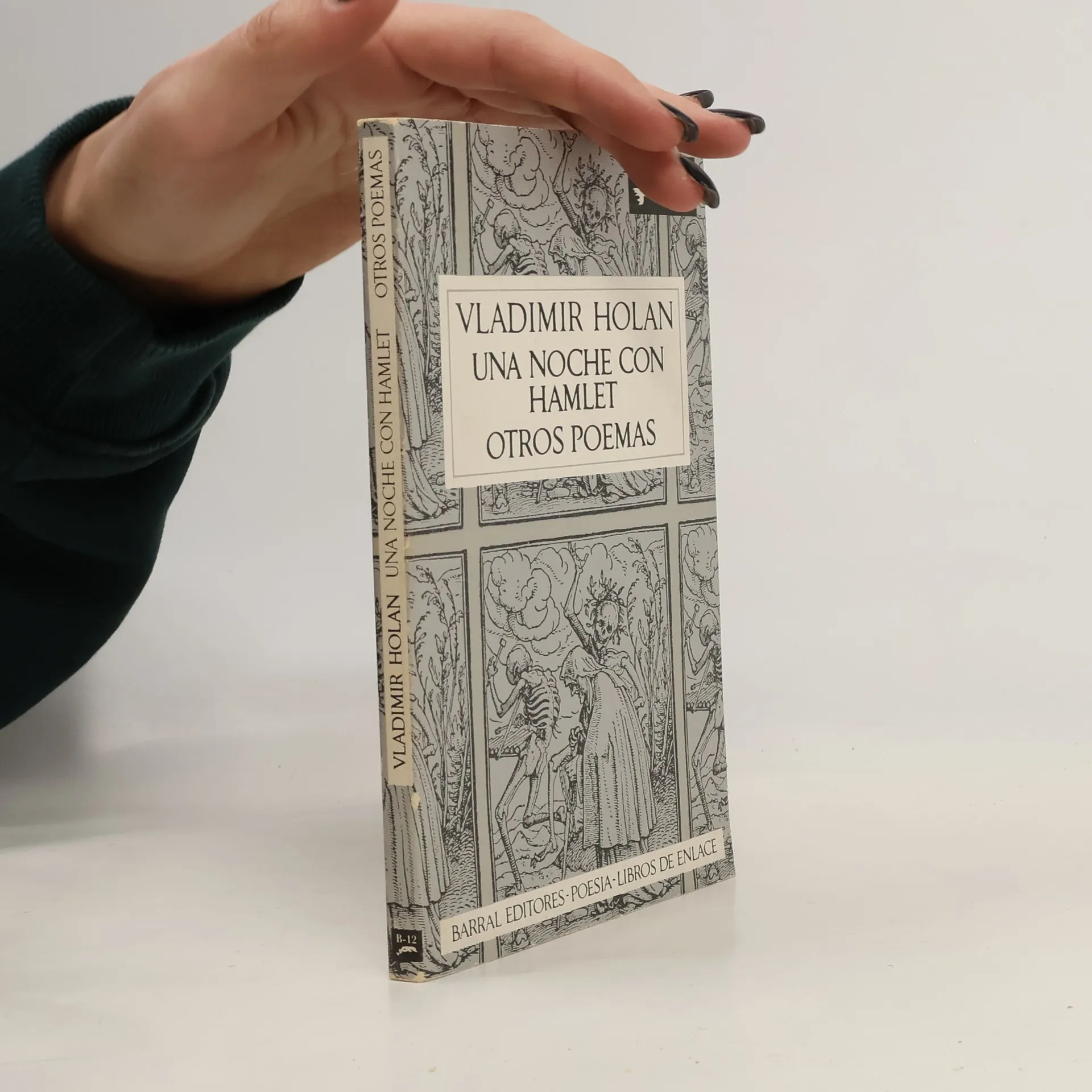
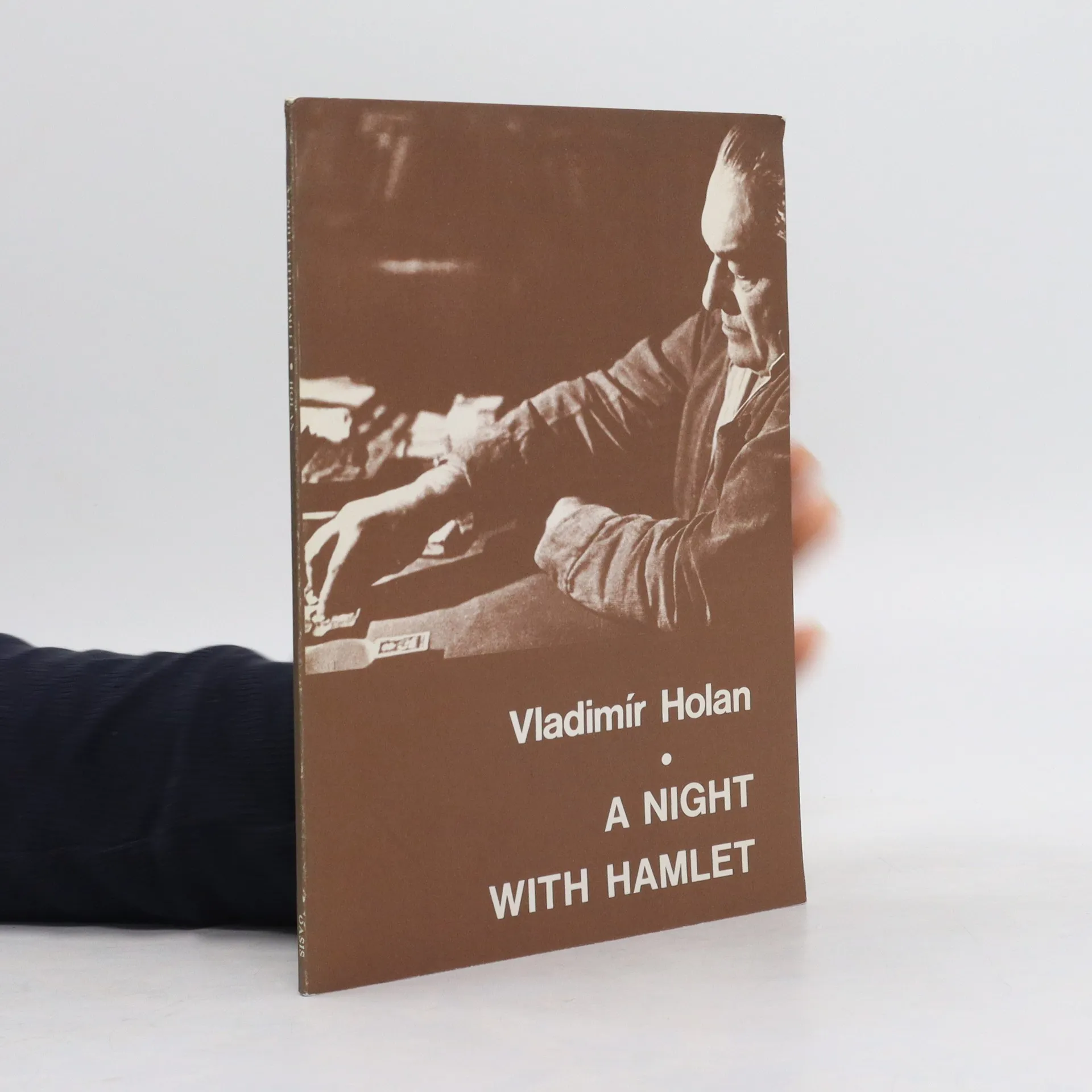
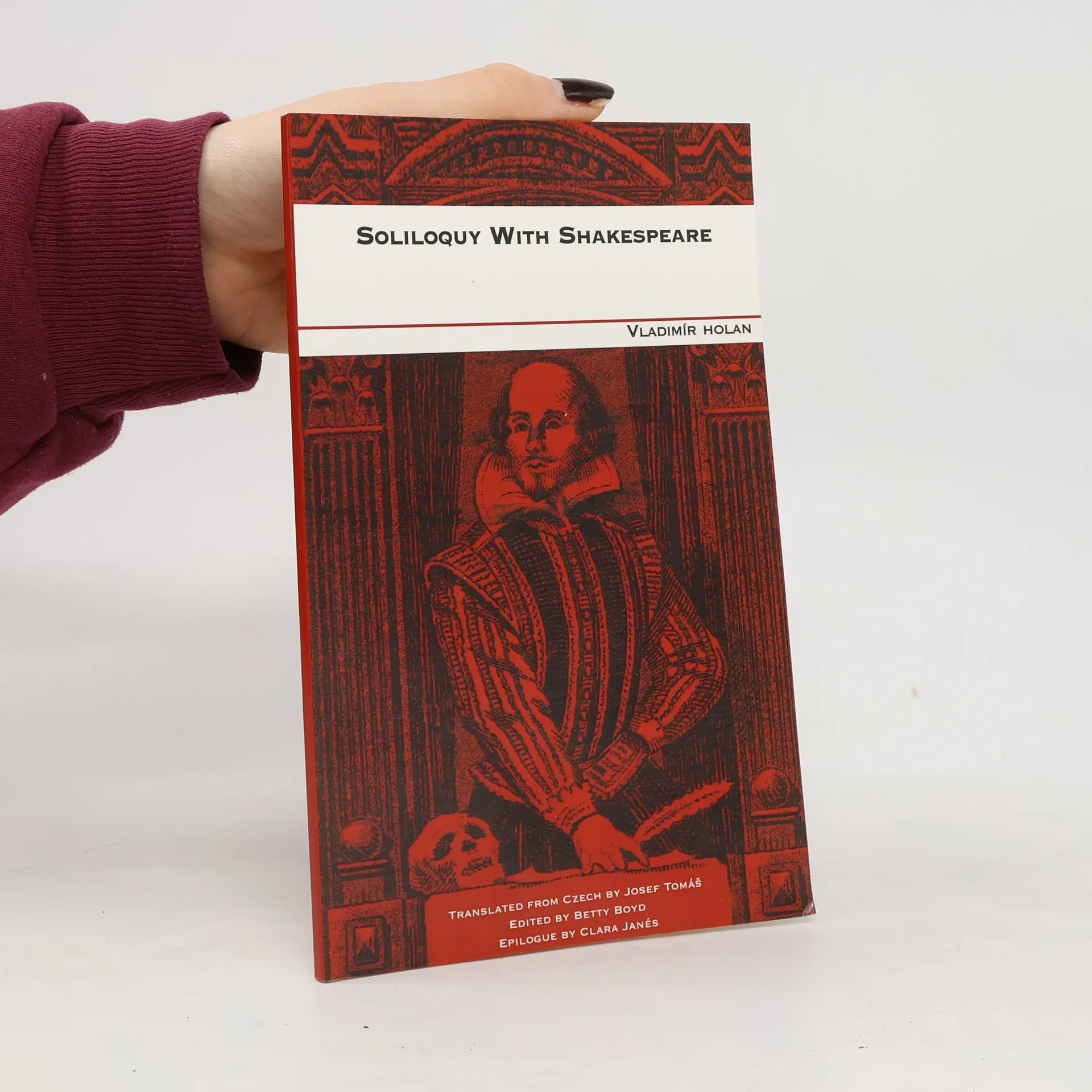
Vladimir Holan esteemed Shakespeare as the greatest poet of all time and wrote this soliloquy as a dignified tribute to the genius of the Bard of Avon. As in all Holan's writings, love, sex, religion, fear and death form the constant thematic make-up of this soliloquy. His clever allegory, which he often repeats, as if to reinforce its impact, and the prolific use of the double entendr and Shakespearean-style impertinence are absolutely fascinating. A Night with Hamlet is Holan at his best - "chatting" away to Hamlet. Then, after a long verse about fear, he introduces the conversation between Orpheus and Eurydice, when Eurydice - contrary to Greek mythology - is allowed to join Orpheus, as if some hope for life and love still remained. Alas, not for long, because the Stygian soliloquy soon returns. Holan refers to A Night with Ophelia as a "fragment," which makes us wonder whether he ever intended to finish this work, or whether he always wanted it to be just that - a fragment. We shall never know.
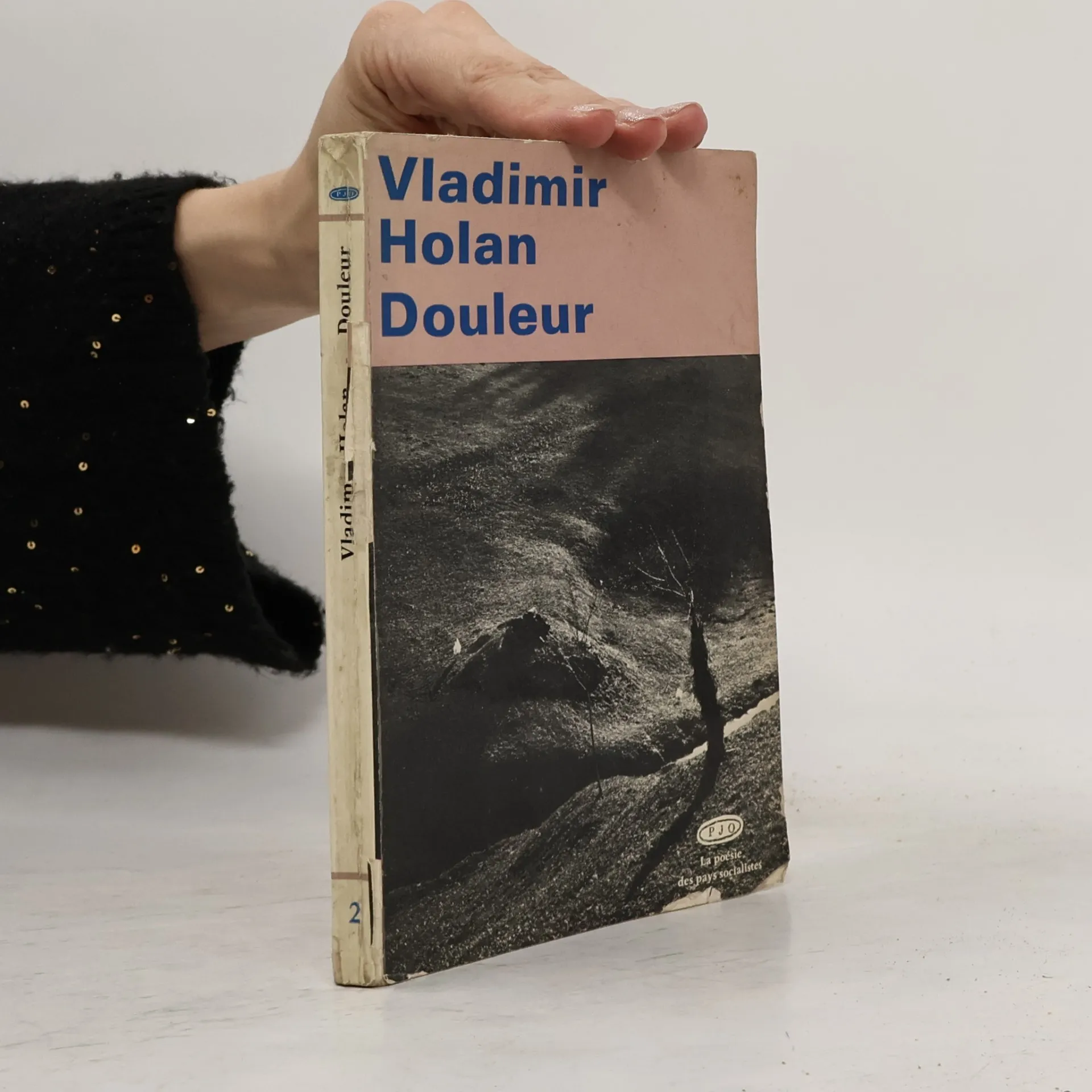
Reading Dolour is like looking into the most private depths of Holan's soul. Some of his poems are so simple that they are almost child-like; some are cruel and harsh, while others border on pornography. One can easily call him a wordsmith - he uses words as thoughts to convey his every written nuance. Sometimes, he purposefully chooses archaic and totally obsolete Czech words, which are virtually untranslatable. He was obsessed with women and sex, as well as his belief in God, Satan, Hell and Heaven. Both his sensuality and spirituality appear in most of his works and his intensity of emotion is almost tangible. Yet, he was so sentimental that he saw romance in every situation - even a glimpse of a woman's face in a passing train or encountering a woman in an elevator, or wondering what book that girl in a tram was reading. When the Communist Party took over Czechoslovakia, Holan was utterly devastated by their totalitarian regime, but his polemic was but a grain of sand in the oyster of hope. Reading Dolour is an experience you will never forget!
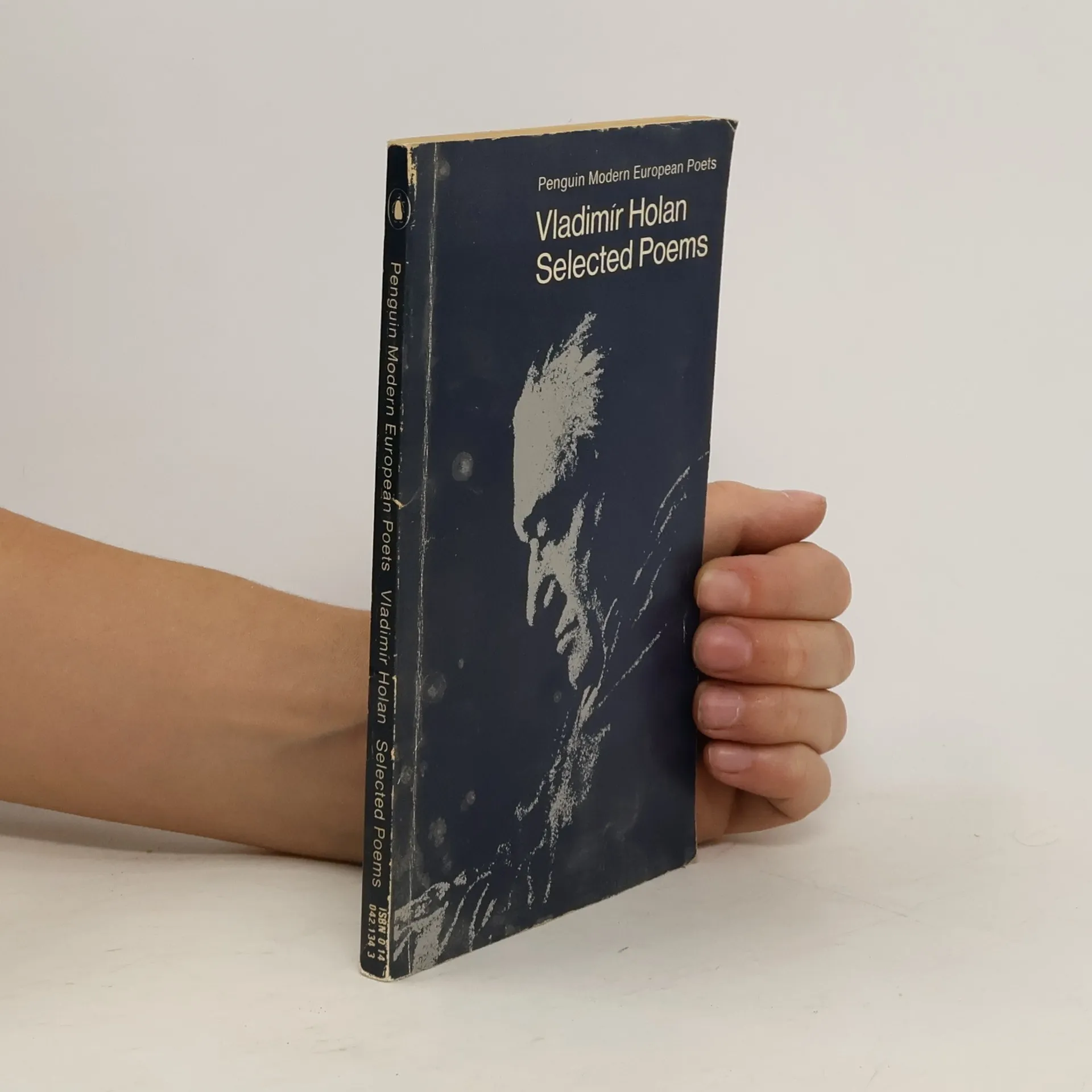
Vladimír Holan is now regarded in Czechoslovakia as one of the most outstanding living poets. Yet fom 1948 until 1963 official disapproval of his poetry forced him to live in isolation. Those grim years inspired his finest work: he developed themes of man's suffering, is lost innocence and the frustration of life in a world of ambiguities. Originally influenced by surrealism, he makes use of the justaposition of unexpected images to evoke in the reader his owns sense of the strangeness of human existence.
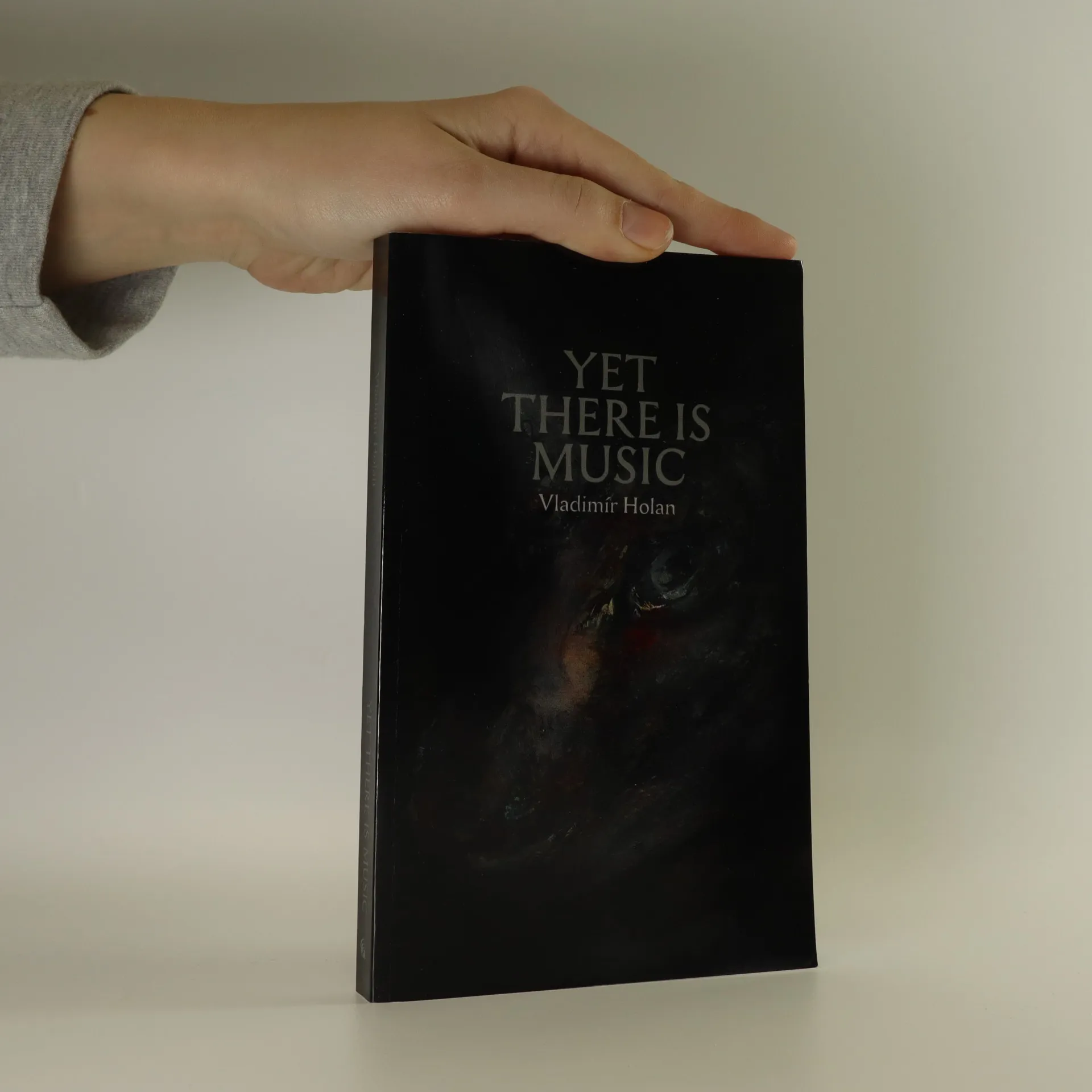
The poems collected in this book, "Yet There is Music," are the entirety of Holan's lyrics from the period of 1939-1948. These poems were only published in book form well after that time, because of Holan's poetry being listed in the communist index of forbidden books. For Holan, the lyrics were always a realm of questioning the sense of human existence and the mystery of human existence in the world. His consciousness of the instability of the godless world, the impossibility of anchoring human existence, the ambiguity and delusiveness of all phenomena that surround humans, all led Holan to state: "we come from ruins, with love besmeared ..." His poetry reveals the drama of a poet led by a time of crises and wars into the abyss of human existence: "the picture that is not an abyss here / can't be a sign." The dread of the void, however, is accompanied, even if only slightly, by a faith in discovering a purposeful life. There are verses in which Holan uses the image of light appearing in the midst of shadows, as if the way towards a fuller, deeper, more complete humanity was not lost forever: "O life - yes, you! Still only you. / You, in a friendly conversation and a kindly shaken hand, / you, in the deeds of good will because of heart's hope ... "