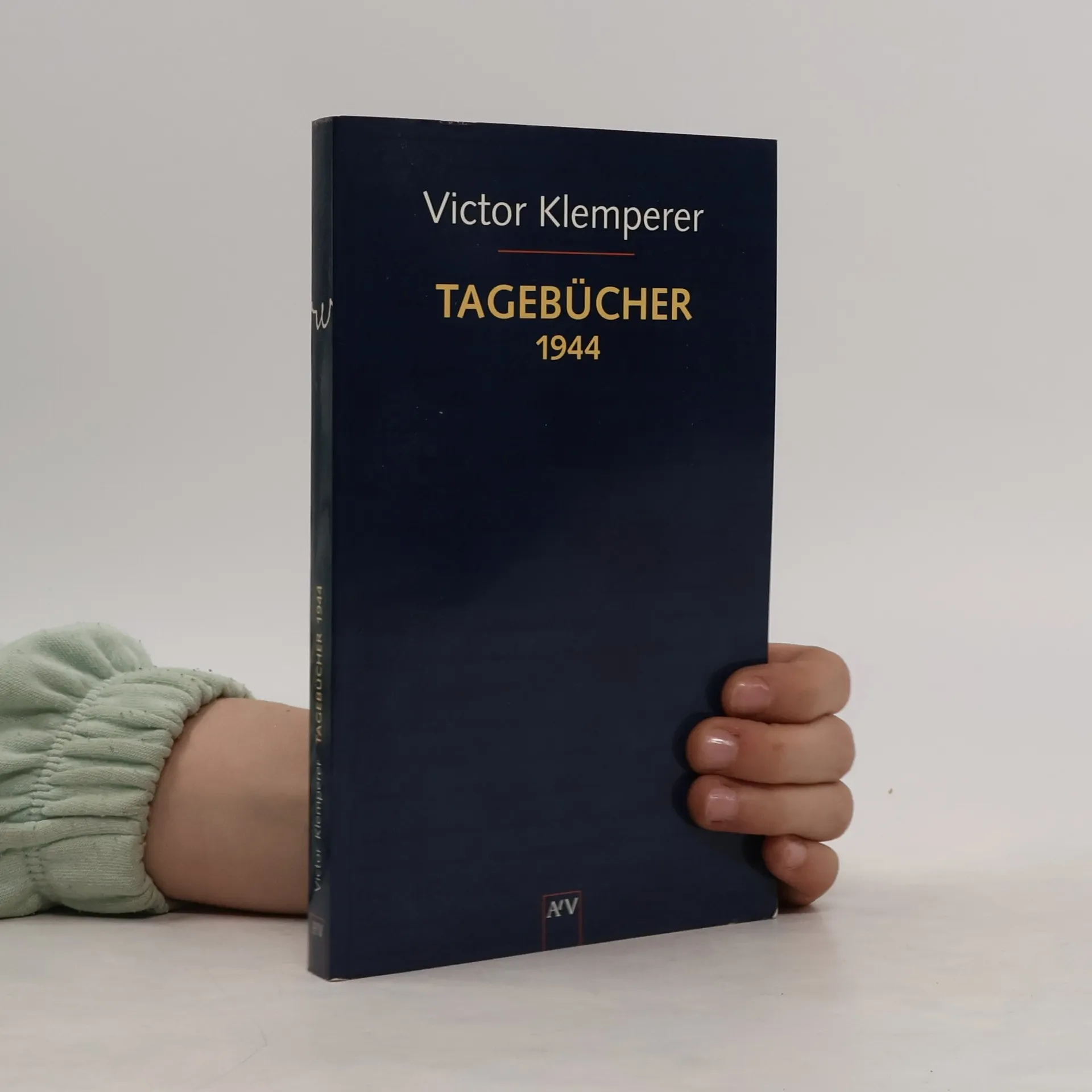
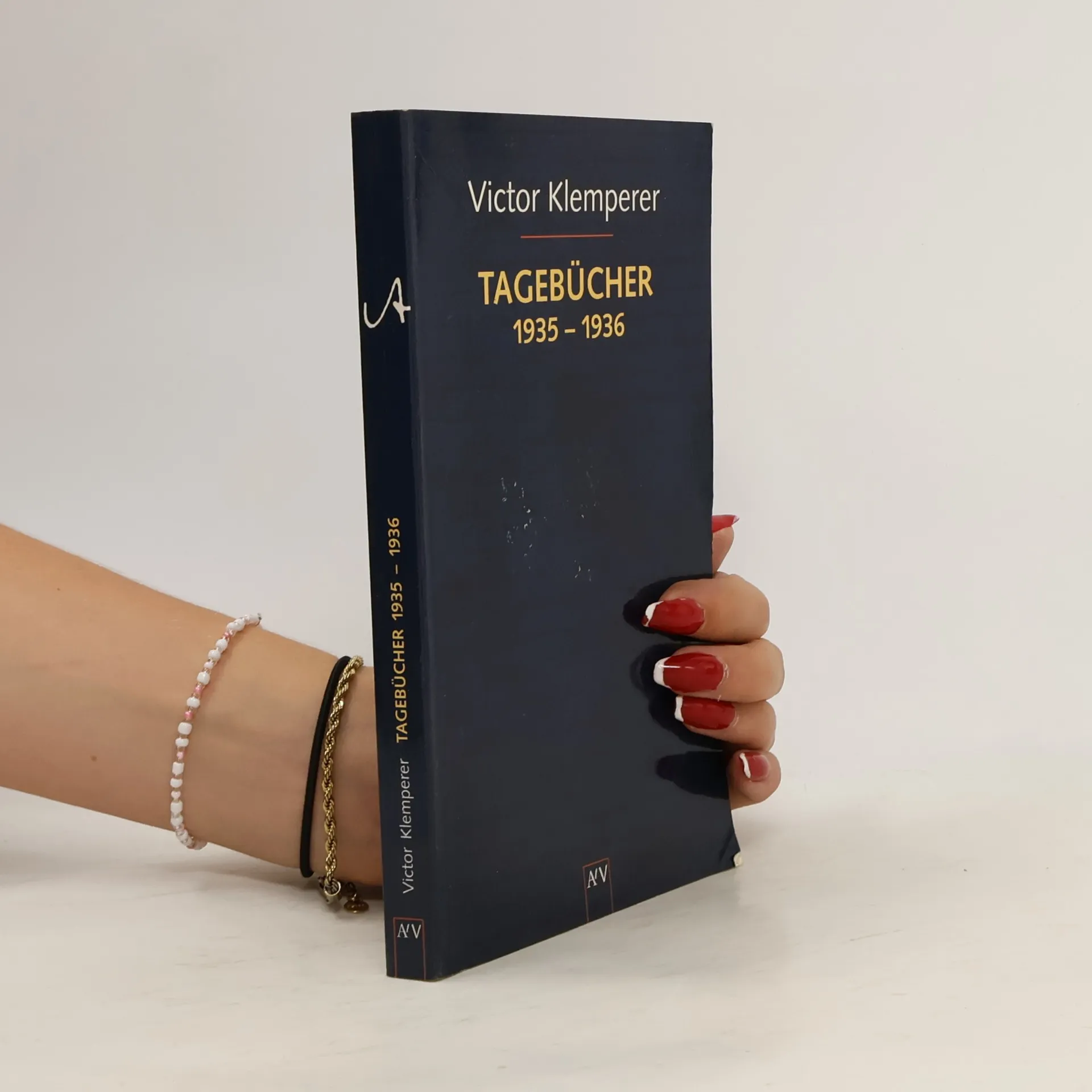
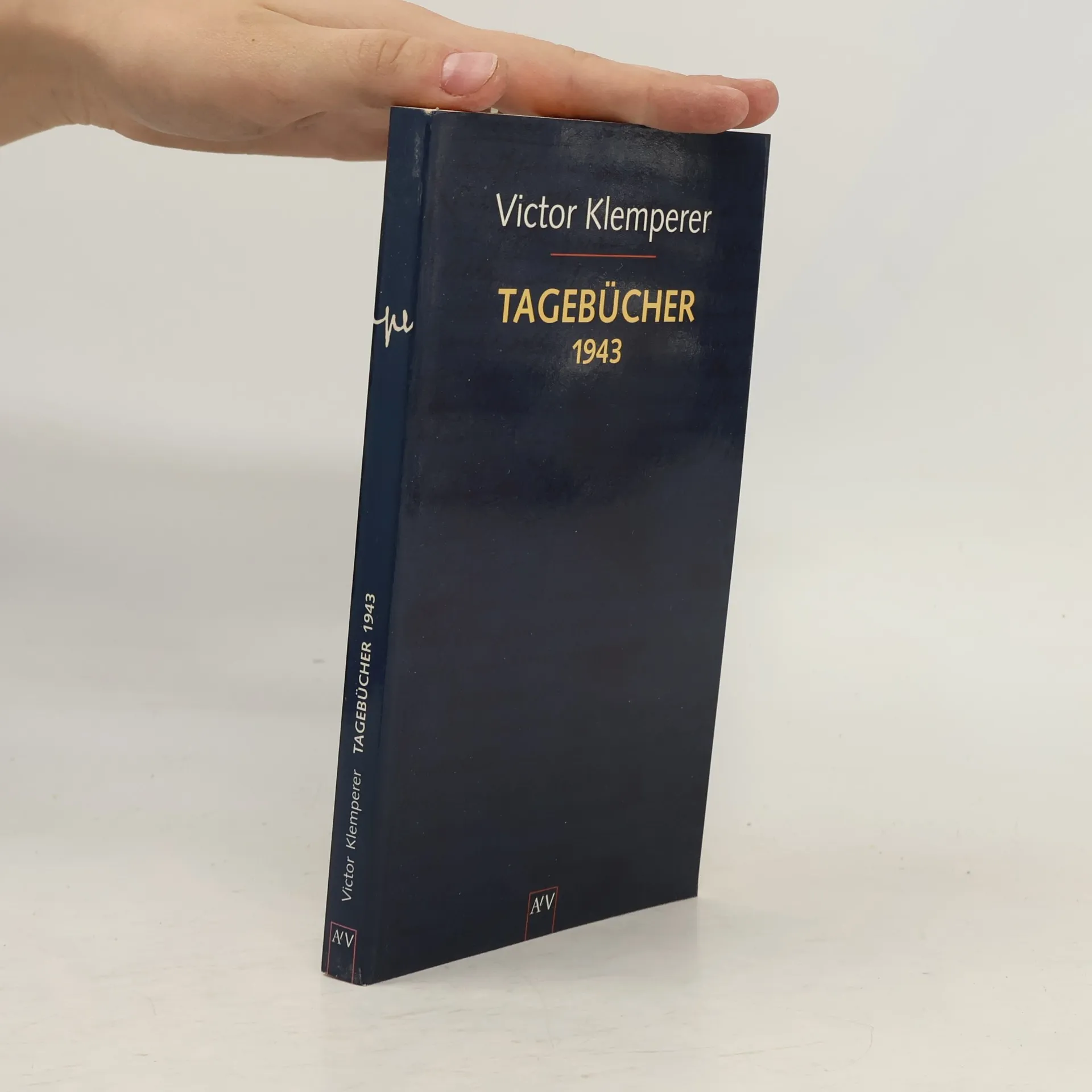
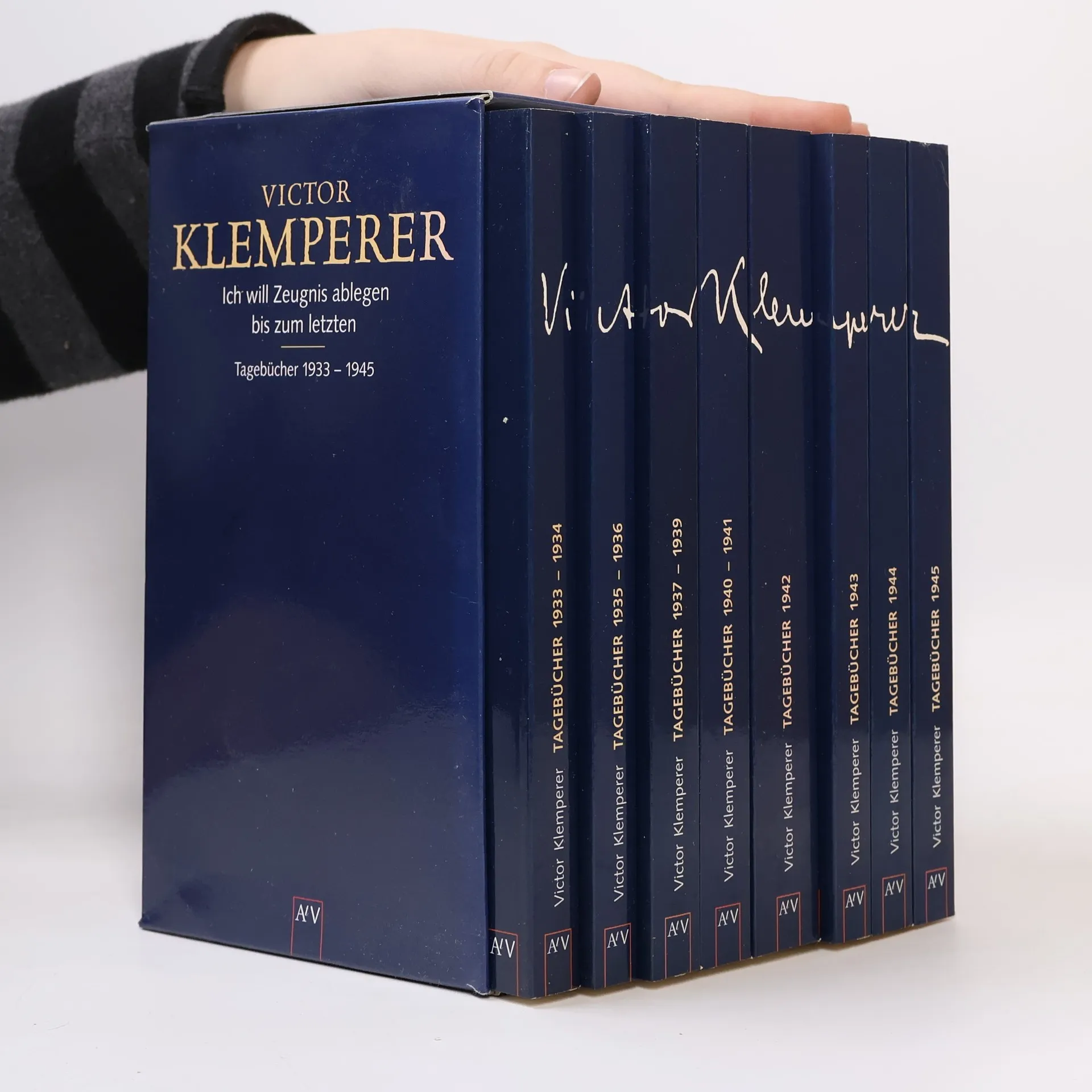
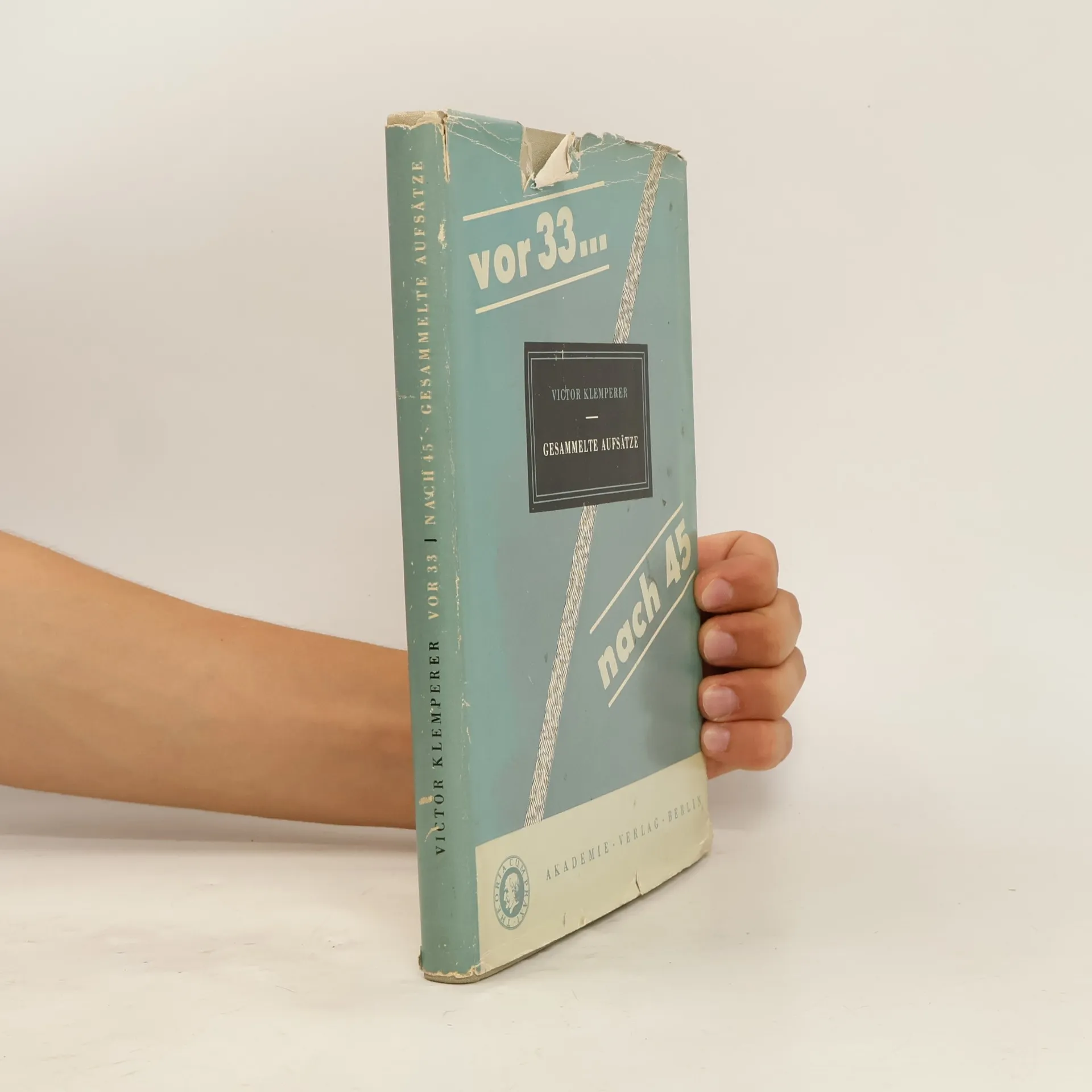
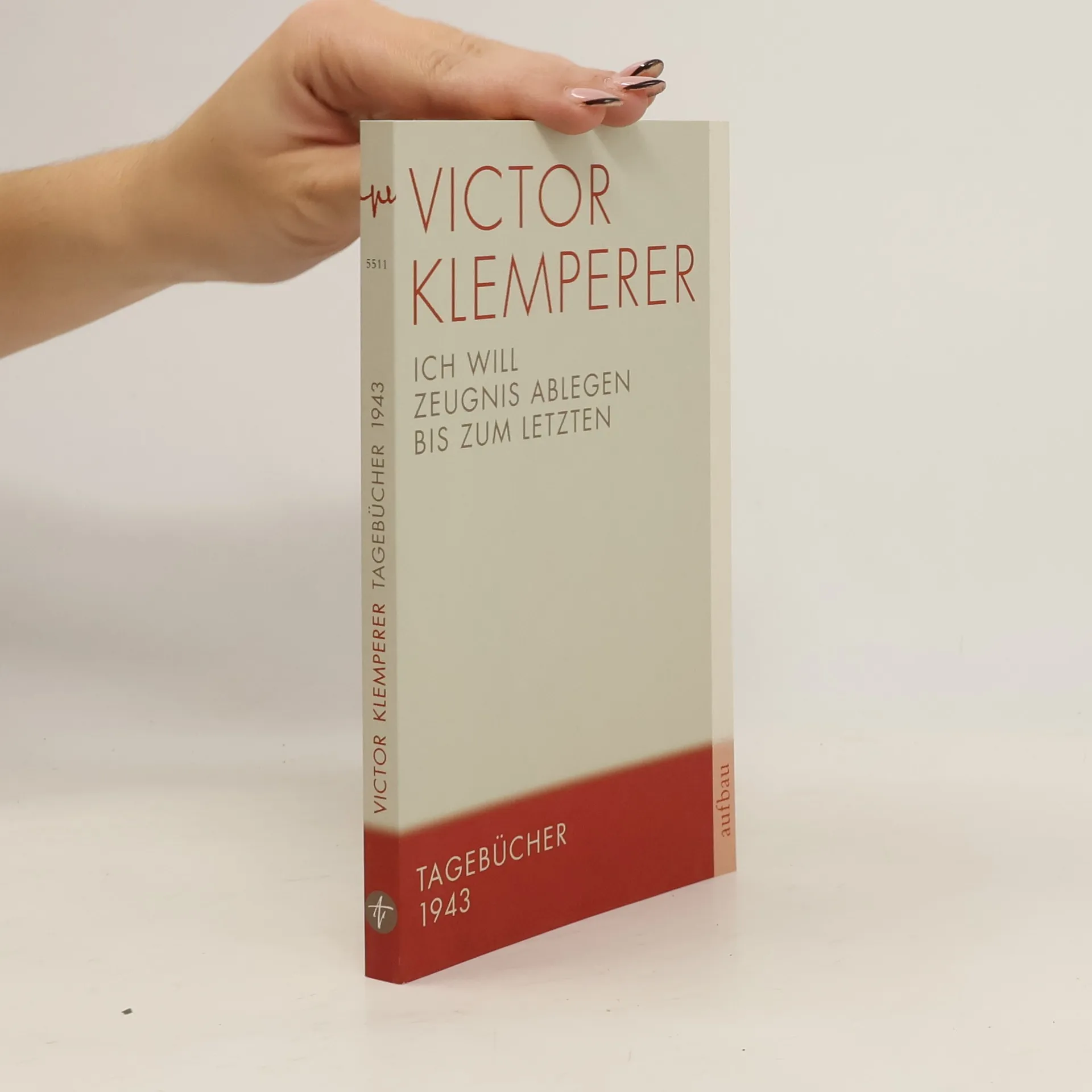
Victor Klemperer was a professor of literature specializing in the French Enlightenment. His diaries chronicle his life under successive German regimes, from the Empire through the Weimar Republic to Nazi Germany and the GDR. His recollections of the Third Reich have become seminal sources for historians studying the era. Klemperer's work offers a unique perspective on survival and mentality during tumultuous times.
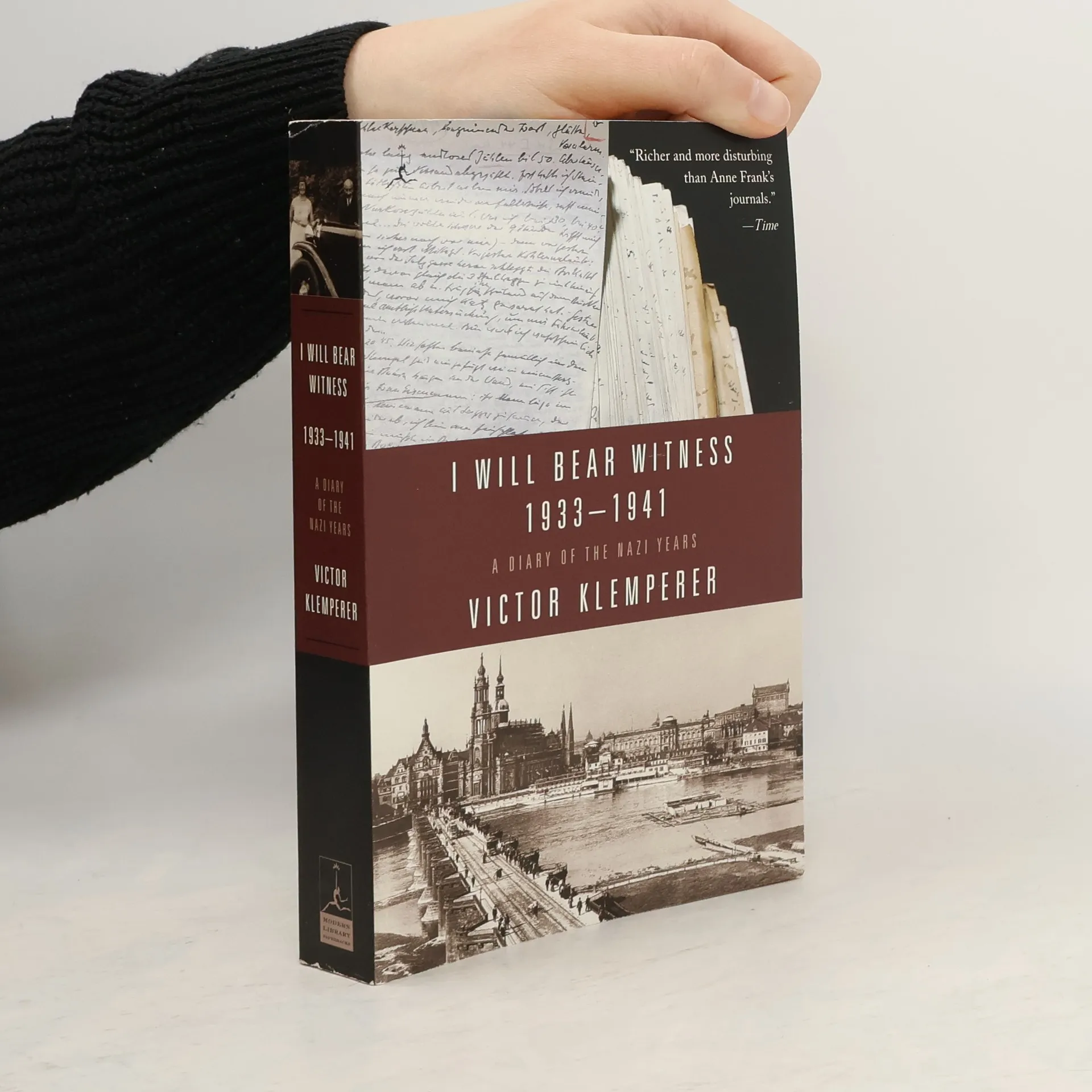
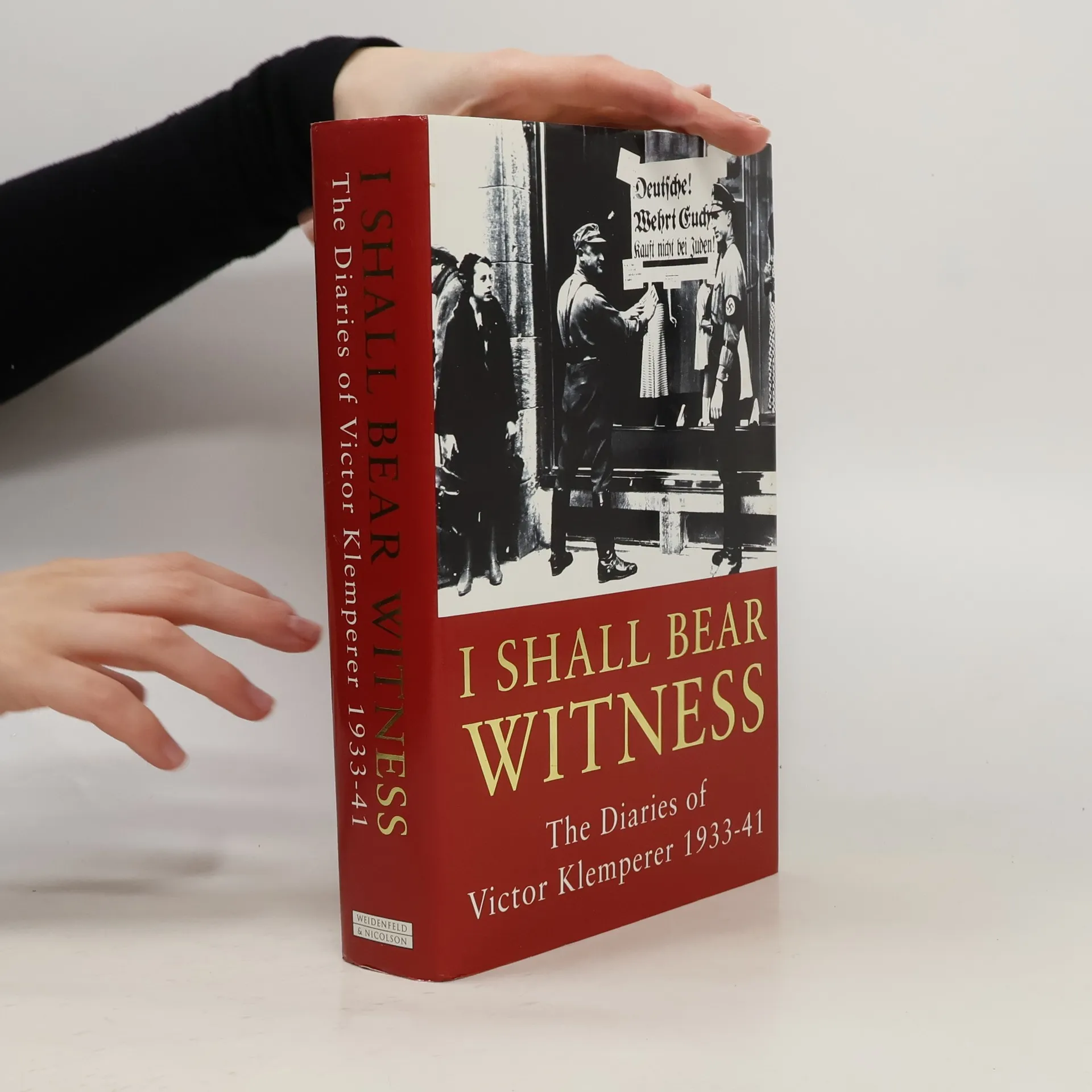
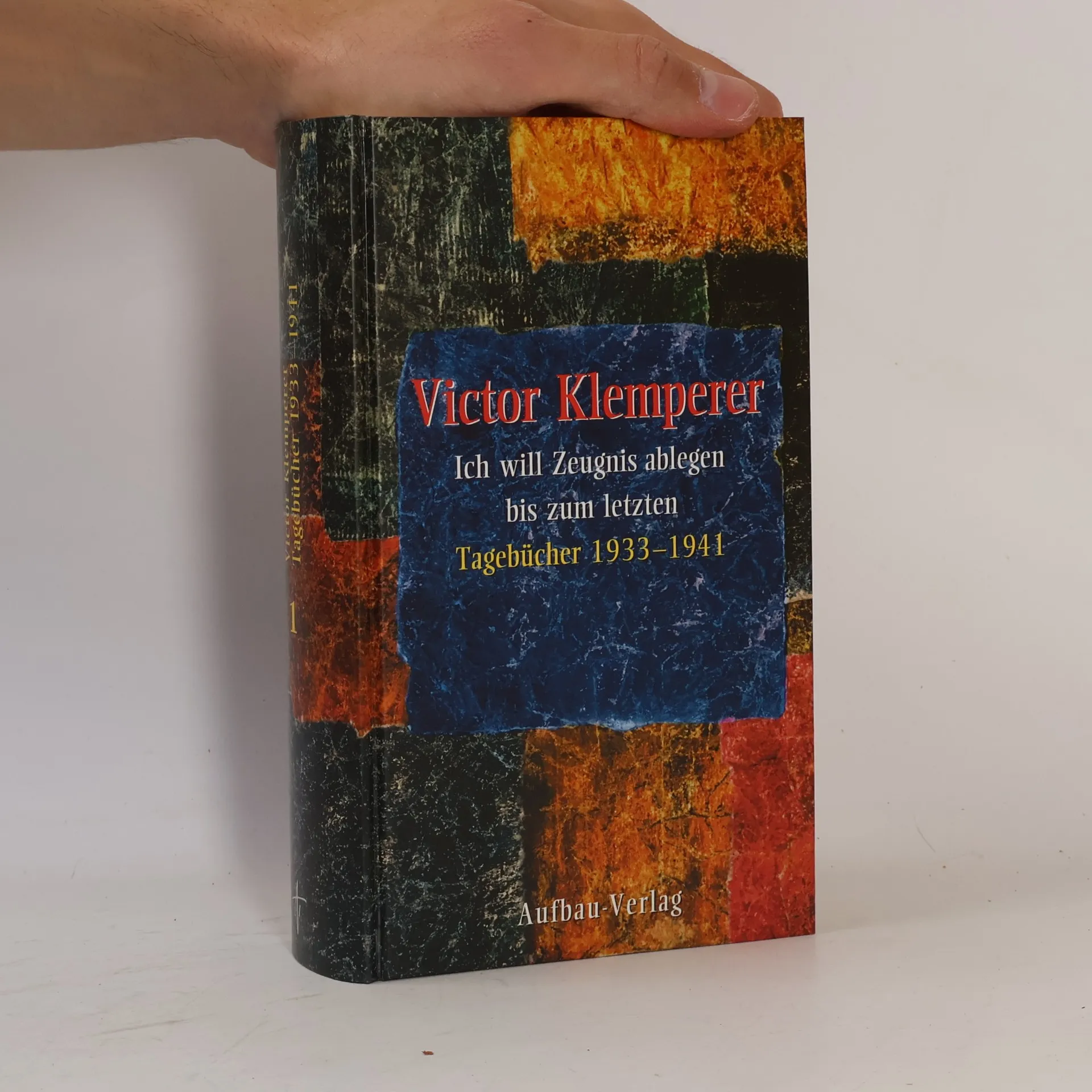
The diaries of a Jew in Nazi Germany; the most important document to emerge from the period since the publication of The Diary Of Anne Frank. The first of two volumes, this covers the period from Hitler's election to the beginning of the Holocaust.
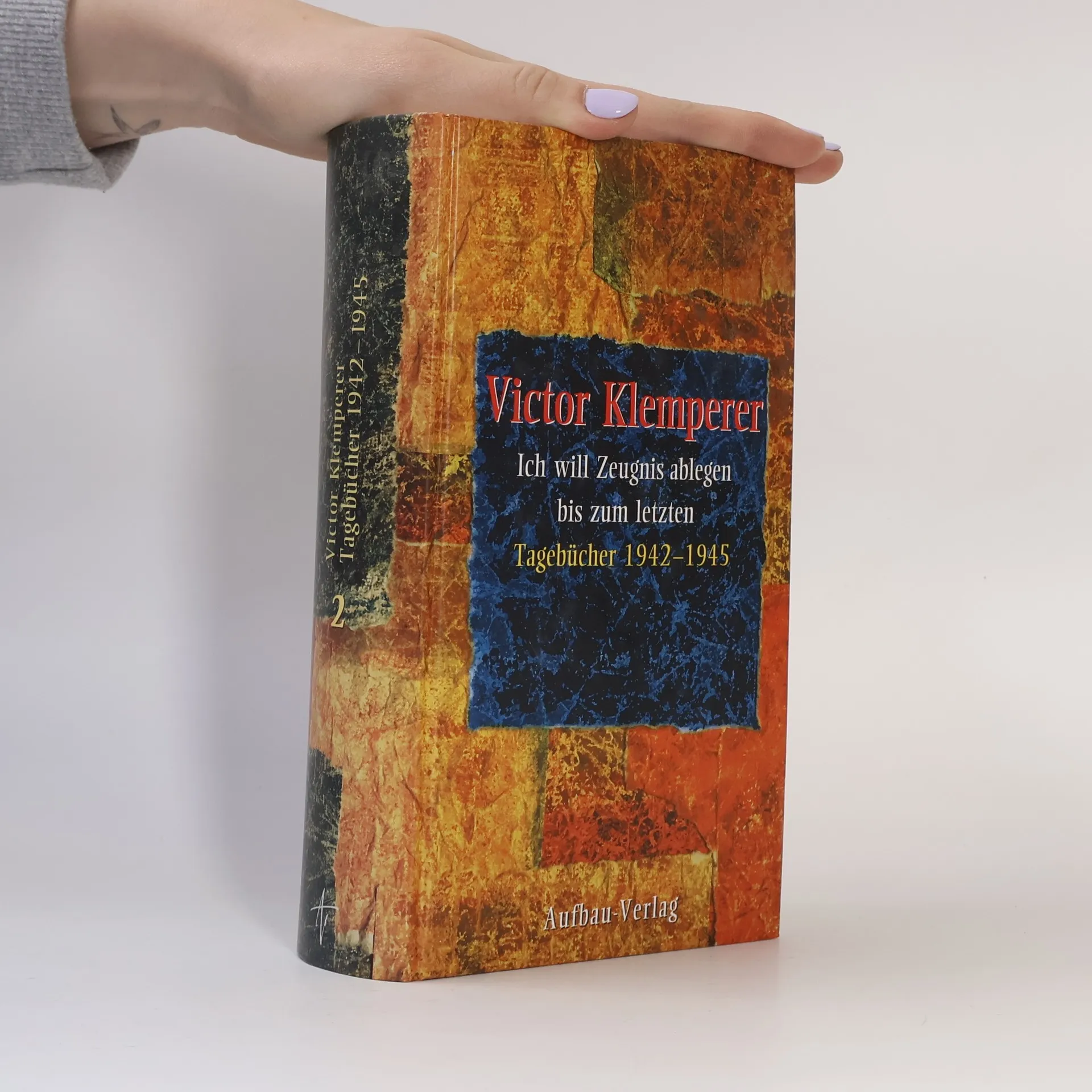
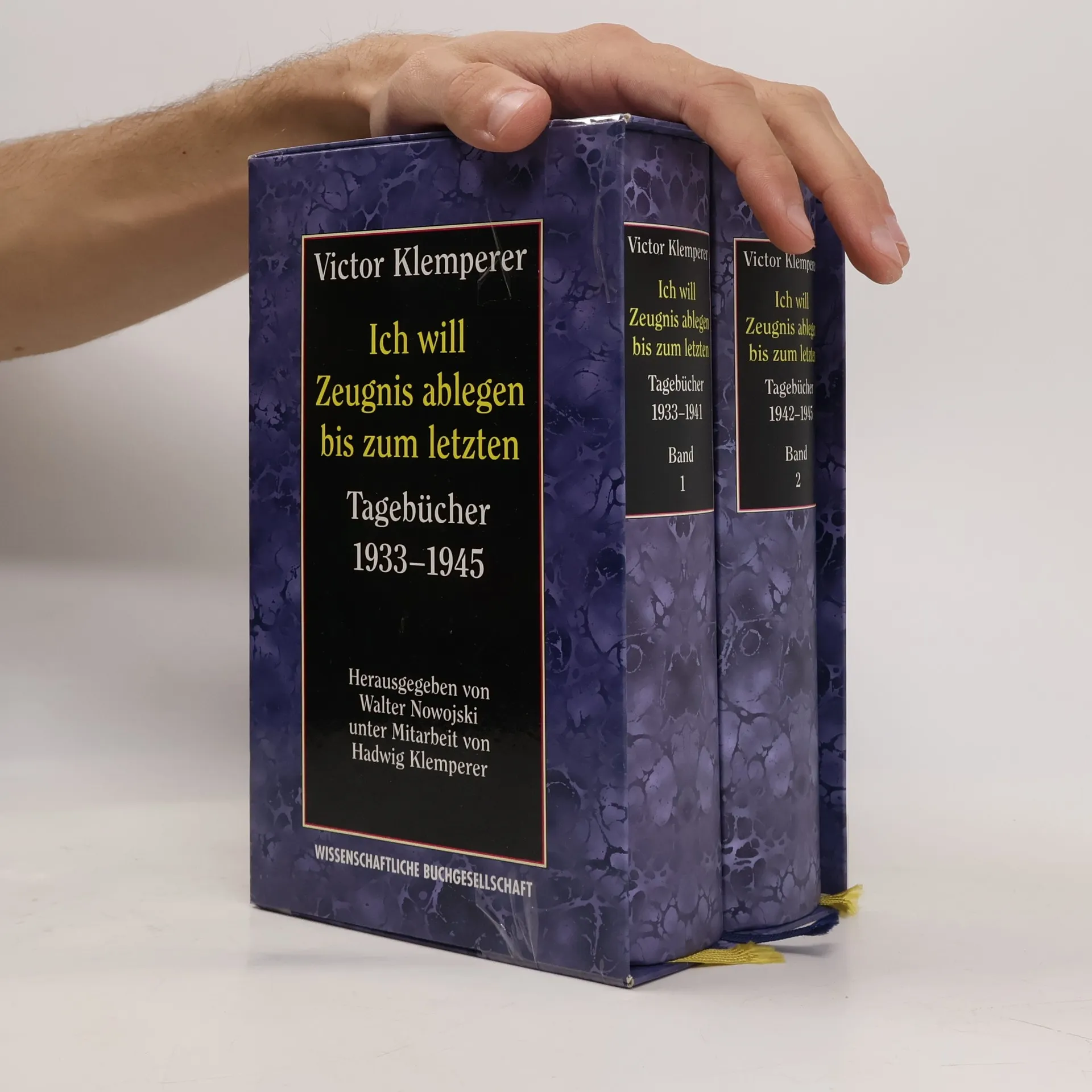
The second volume of the diaries of Victor Klemperer, a Jew in Dresden who
survived the war and whose diaries between 1933 and 1945 have been hailed as
one of the most important chronicles of Nazi Germany ever published. schovat
popis
Munich 1919 is a vivid portrayal of the chaos that followed World War I and the collapse of the Munich Council Republic by one of the most perceptive chroniclers of German history. Victor Klemperer provides a moving and thrilling account of what turned out to be a decisive turning point in the fate of a nation, for the revolution of 1918-9 not only produced the first German democracy, it also heralded the horrors to come. With the directness of an educated and independent young man, Klemperer turned his hand to political journalism, writing astute, clever and linguistically brilliant reports in the beleaguered Munich of 1919. He sketched intimate portraits of the people of the hour, including Erich Mühsam, Max Levien and Kurt Eisner, and took the measure of the events around him with a keen eye. These observations are made ever more poignant by the inclusion of passages from his later memoirs. In the midst of increasing persecution under the Nazis he reflected on the fateful year 1919, the growing threat of antisemitism, and the acquaintances he made in the period, some of whom would later abandon him, while others remained loyal. Klemperer's account once again reveals him to be a fearless and deeply humane recorder of German history. Munich 1919 will be essential reading for all those interested in 20th century history, constituting a unique witness to events of the period.
This text is a linguistic diary kept secretly by Klemperer from 1933-45 in which he recorded the characteristic literary forms and usages of the Nazi regime and analyzed the impact of Nazism on German language, life and culture.
The publication of Victor Klemperer's secret diaries reveals an extraordinary account of daily life during the Nazi period. Described as the best-written and most evocative record of the Third Reich, it combines literary merit with a stark portrayal of the horrors of the era. A Dresden Jew and World War I veteran, Klemperer recognized the dangers posed by Hitler as early as 1933. His clandestine diaries vividly document the experiences of everyday life under Nazi rule, focusing on the thoughts and actions of ordinary Germans, such as the greengrocer and the fishmonger, who share their perspectives on the war's progress.
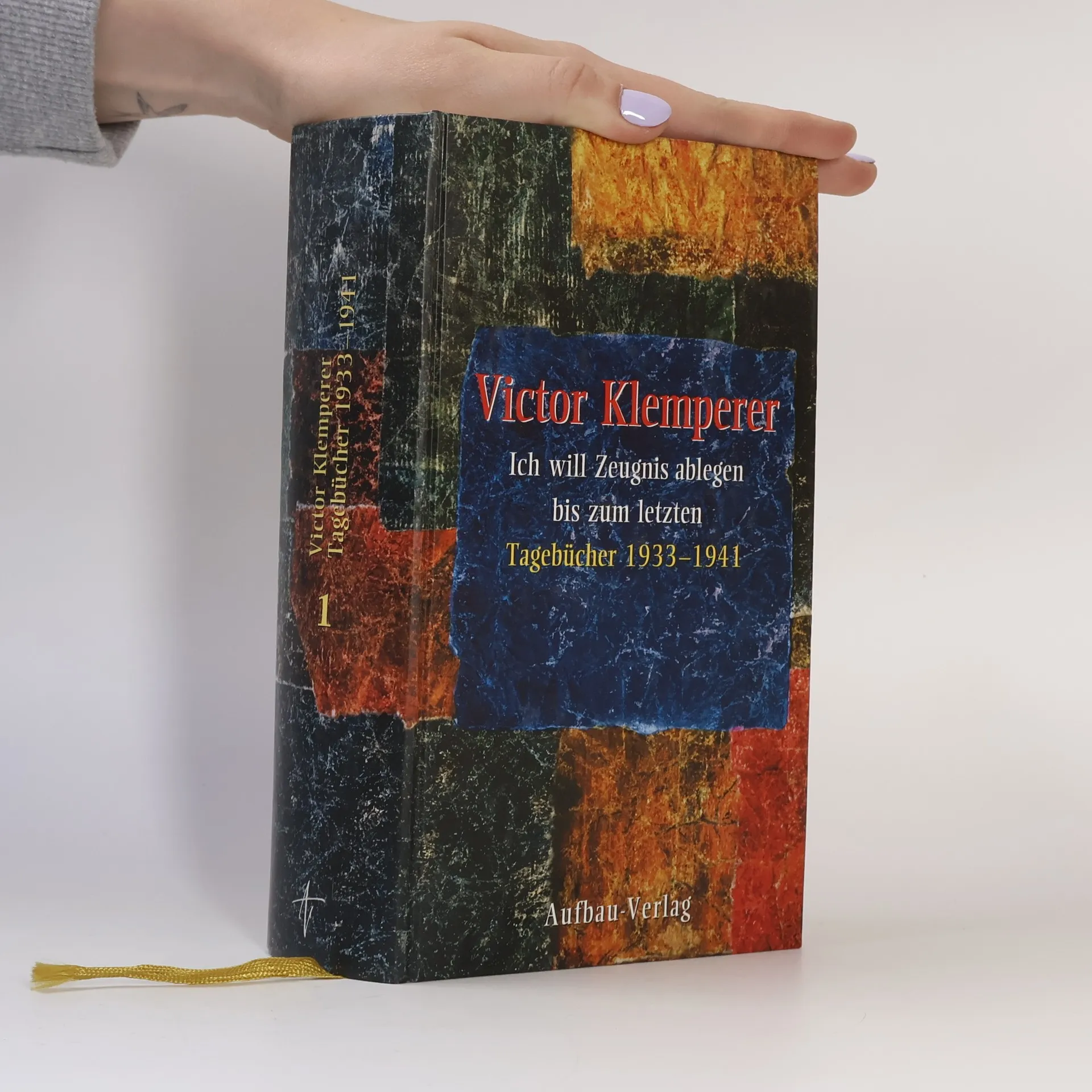
Klemperer, a brilliant historian, struggles to complete his work on eighteenth-century France while witnessing the tightening grip of the regime. He faces the loss of his professorship, his possessions, and ultimately his home, forced into a Jews' House—the last step before the camps. Despite the risks of keeping a diary, he feels compelled to record the unfolding events, stating, "This is my heroics. I want to bear witness, precise witness, until the very end." Klemperer emphasizes the significance of documenting the everyday life of tyranny, asserting that "a thousand mosquito bites are worse than a blow on the head." This volume covers the years from 1933 to 1941, with a second volume planned for 1999.
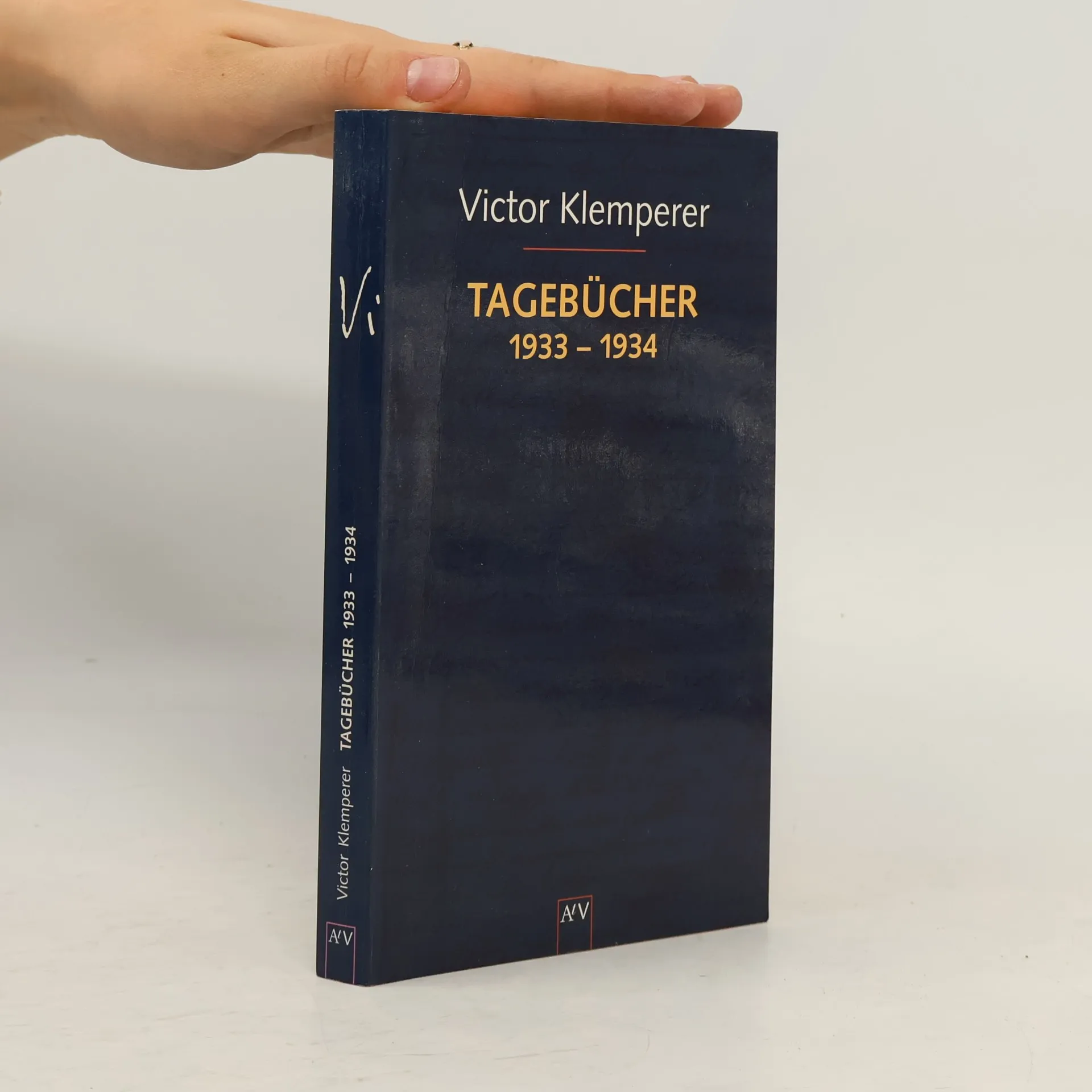
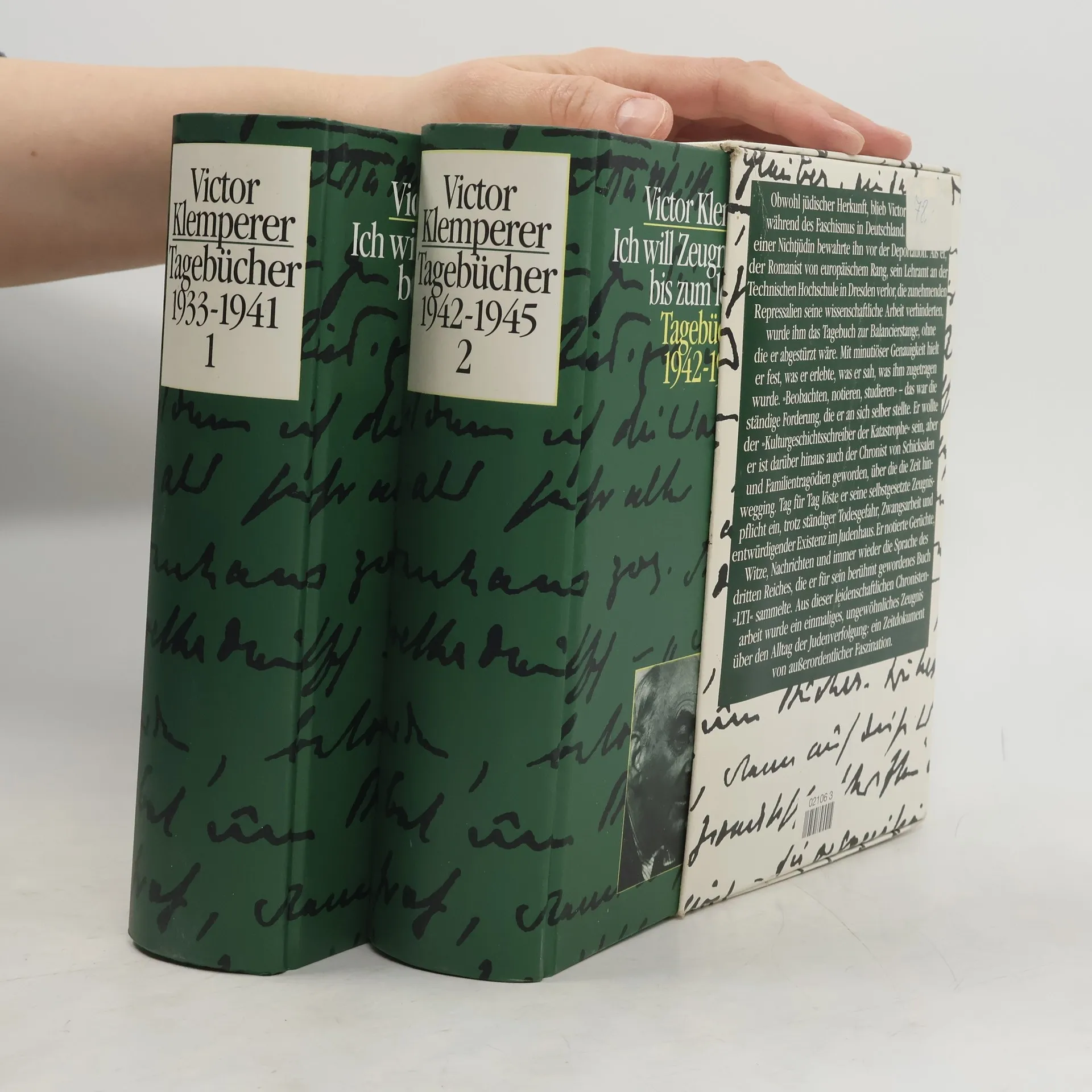
Obwohl jüdischer Herkunft, blieb Victor Klemperer während des Faschismus in Deutschland. Die Ehe mit einer Nichtjüdin bewahrte ihn vor der Deportation. Als er sein Lehramt an der Technischen Hochschule in Dresden verlor, die zunehmenden Repressalien seine wissenschaftliche Arbeit verhinderten, wurde ihm das Tagebuch zur "Balancierstange", ohne die er abgestürzt wäre. Mit minutiöser Genauigkeit hielt er fest, was er erlebte, was er sah, was ihm zugetragen wurde. "Beobachten, notieren, studieren" - das war die ständige Forderung, die er an sich selbst stellte. Er wollte der "Kulturgeschichtsschreiber der Katastrophe" sein, aber er ist darüber hinaus auch der Chronist von Schicksalen und Familientragödien geworden, über die die Zeit hinwegging. Tag für Tag löste er seine selbstgesetzte Zeugnispflicht ein, trotz ständiger Todesgefahr, Zwangsarbeit und entwürdigender Existenz im "Judenhaus". Er notierte Gerüchte, Witze, Nachrichten und immer wieder die Sprache des Dritten Reiches, die er für sein berühmt gewordenes Buch "LTI" sammelte. Aus dieser leidenschaftlichen Chronistenarbeit wurde ein einmaliges, ungewöhnliches Zeugnis über den Alltag der Judenverfolgung: ein Zeitdokument von außerordentlicher Faszination.
Der jüdische Romanist Victor Klemperer, Gelehrter von Weltruf, blieb, weil seine Auswanderungspläne scheiterten, in Nazi-Deutschland. Sein Überleben verdankt er der nichtjüdischen Ehefrau. "Für die Zeit danach" hielt er seinen Alltag fest, schrieb auf, was er sah und hörte: Gerüchte, Witze, Frontnachrichten. Immer erbärmlicher wurden die Bedingungen, unter denen er seiner Chronistenpflicht nachkam: Er litt an der zunehmenden Vereinsamung, an Hunger, an dem entwürdigenden Dasein im Judenhaus, aus dem ein Mitbewohner nach dem anderen verschwand
Der jüdische Romanist Victor Klemperer, Gelehrter von Weltruf, blieb, weil seine Auswanderungspläne scheiterten, in Nazi-Deutschland. Sein Überleben verdankt er der nichtjüdischen Ehefrau. "Für die Zeit danach" hielt er seinen Alltag fest, schrieb auf, was er sah und hörte: Gerüchte, Witze, Frontnachrichten. Immer erbärmlicher wurden die Bedingungen, unter denen er seiner Chronistenpflicht nachkam: Er litt an der zunehmenden Vereinsamung, an Hunger, an dem entwürdigenden Dasein im Judenhaus, aus dem ein Mitbewohner nach dem anderen verschwand
Der jüdische Romanist Victor Klemperer, Gelehrter von Weltruf, blieb, weil seine Auswanderungspläne scheiterten, in Nazi-Deutschland. Sein Überleben verdankt er der nichtjüdischen Ehefrau. "Für die Zeit danach" hielt er seinen Alltag fest, schrieb auf, was er sah und hörte: Gerüchte, Witze, Frontnachrichten. Immer erbärmlicher wurden die Bedingungen, unter denen er seiner Chronistenpflicht nachkam: Er litt an der zunehmenden Vereinsamung, an Hunger, an dem entwürdigenden Dasein im Judenhaus, aus dem ein Mitbewohner nach dem anderen verschwand
Der jüdische Romanist Victor Klemperer, Gelehrter von Weltruf, blieb, weil seine Auswanderungspläne scheiterten, in Nazi-Deutschland. Sein Überleben verdankt er der nichtjüdischen Ehefrau. "Für die Zeit danach" hielt er seinen Alltag fest, schrieb auf, was er sah und hörte: Gerüchte, Witze, Frontnachrichten. Immer erbärmlicher wurden die Bedingungen, unter denen er seiner Chronistenpflicht nachkam: Er litt an der zunehmenden Vereinsamung, an Hunger, an dem entwürdigenden Dasein im Judenhaus, aus dem ein Mitbewohner nach dem anderen verschwand
Der jüdische Romanist Victor Klemperer, Gelehrter von Weltruf, blieb, weil seine Auswanderungspläne scheiterten, in Nazi-Deutschland. Sein Überleben verdankt er der nichtjüdischen Ehefrau. "Für die Zeit danach" hielt er seinen Alltag fest, schrieb auf, was er sah und hörte: Gerüchte, Witze, Frontnachrichten. Immer erbärmlicher wurden die Bedingungen, unter denen er seiner Chronistenpflicht nachkam: Er litt an der zunehmenden Vereinsamung, an Hunger, an dem entwürdigenden Dasein im Judenhaus, aus dem ein Mitbewohner nach dem anderen verschwand
Der jüdische Romanist Victor Klemperer, Gelehrter von Weltruf, blieb, weil seine Auswanderungspläne scheiterten, in Nazi-Deutschland. Sein Überleben verdankt er der nichtjüdischen Ehefrau. "Für die Zeit danach" hielt er seinen Alltag fest, schrieb auf, was er sah und hörte: Gerüchte, Witze, Frontnachrichten. Immer erbärmlicher wurden die Bedingungen, unter denen er seiner Chronistenpflicht nachkam: Er litt an der zunehmenden Vereinsamung, an Hunger, an dem entwürdigenden Dasein im Judenhaus, aus dem ein Mitbewohner nach dem anderen verschwand
Obwohl jüdischer Herkunft, blieb Victor Klemperer während des Faschismus in Deutschland. Die Ehe mit einer Nichtjüdin bewahrte ihn vor der Deportation. Als er, der Romanist von europäischem Rang, sein Lehramt an der Technischen Hochschule in Dresden verlor, die zunehmenden Repressalien seine wissenschaftliche Arbeit verhinderten, wurde ihm das Tagebuch zur "Balancierstange", ohne die er abgestürzt wäre. Mit minutiöser Genauigkeit hielt er fest, was er erlebte, was er sah, was ihm zugetragen wurde. "Beobachten, notieren, studieren" - das war die ständige Forderung, die er an sich selbst stellte. Er wollte der "Kulturgeschichtsschreiber der Katastrophe" sein, aber er ist darüber hinaus auch der Chronist von Schicksalen und Familientragödien geworden, über die die Zeit hinwegging. Tag für Tag löste er seine selbstgesetzte Zeugnispflicht ein, trotz ständiger Todesgefahr, Zwangsarbeit und entwürdigender Existenz im "Judenhaus". Er notierte Gerüchte, Witze, Nachrichten und immer wieder die Sprache des Dritten Reiches, die er für sein berühmt gewordenes Buch "LTI" sammelte. Aus dieser leidenschaftlichen Chronistenarbeit wurde ein einmaliges, ungewöhnliches Zeugnis über den Alltag der Judenverfolgung: ein Zeitdokument von außerordentlicher Faszination.
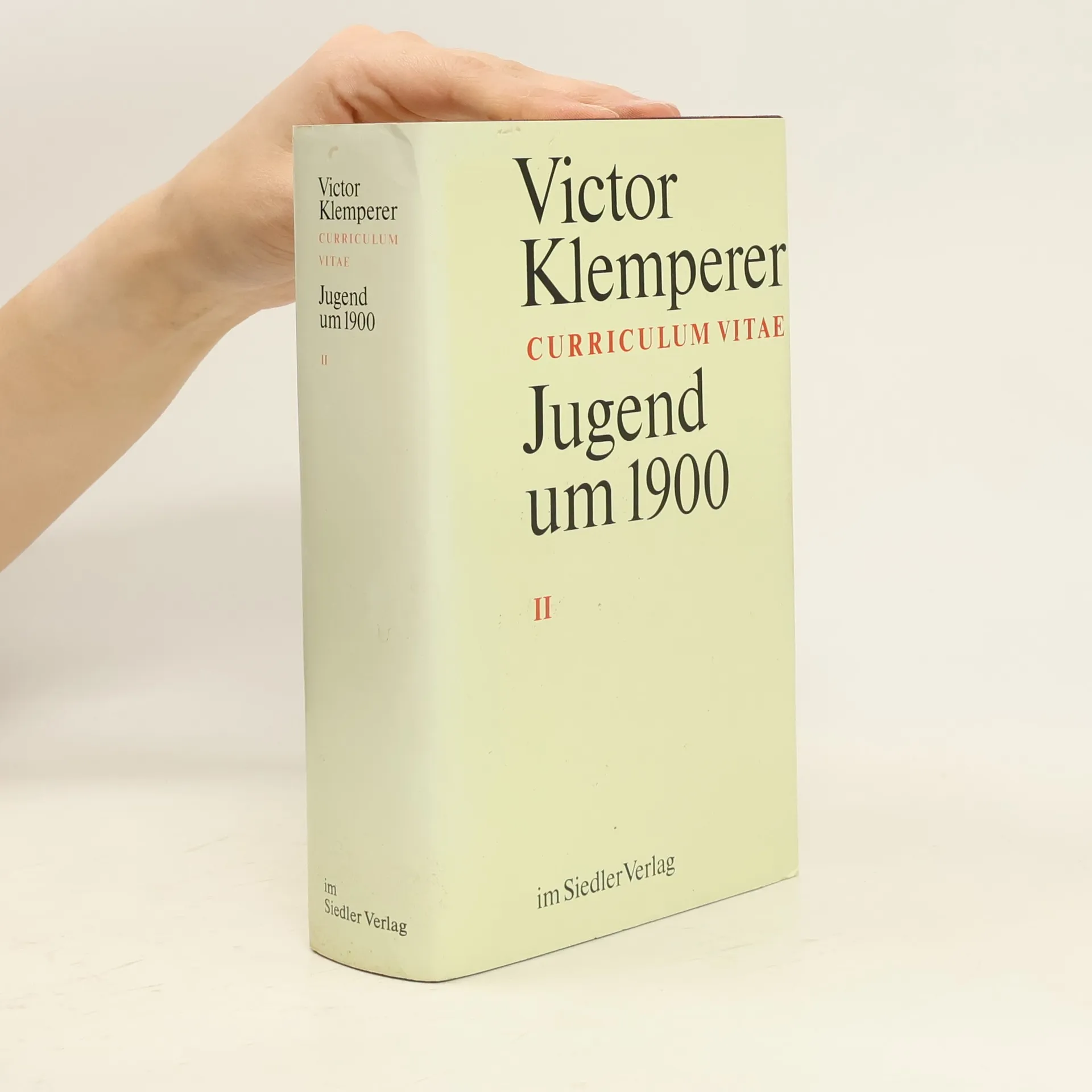
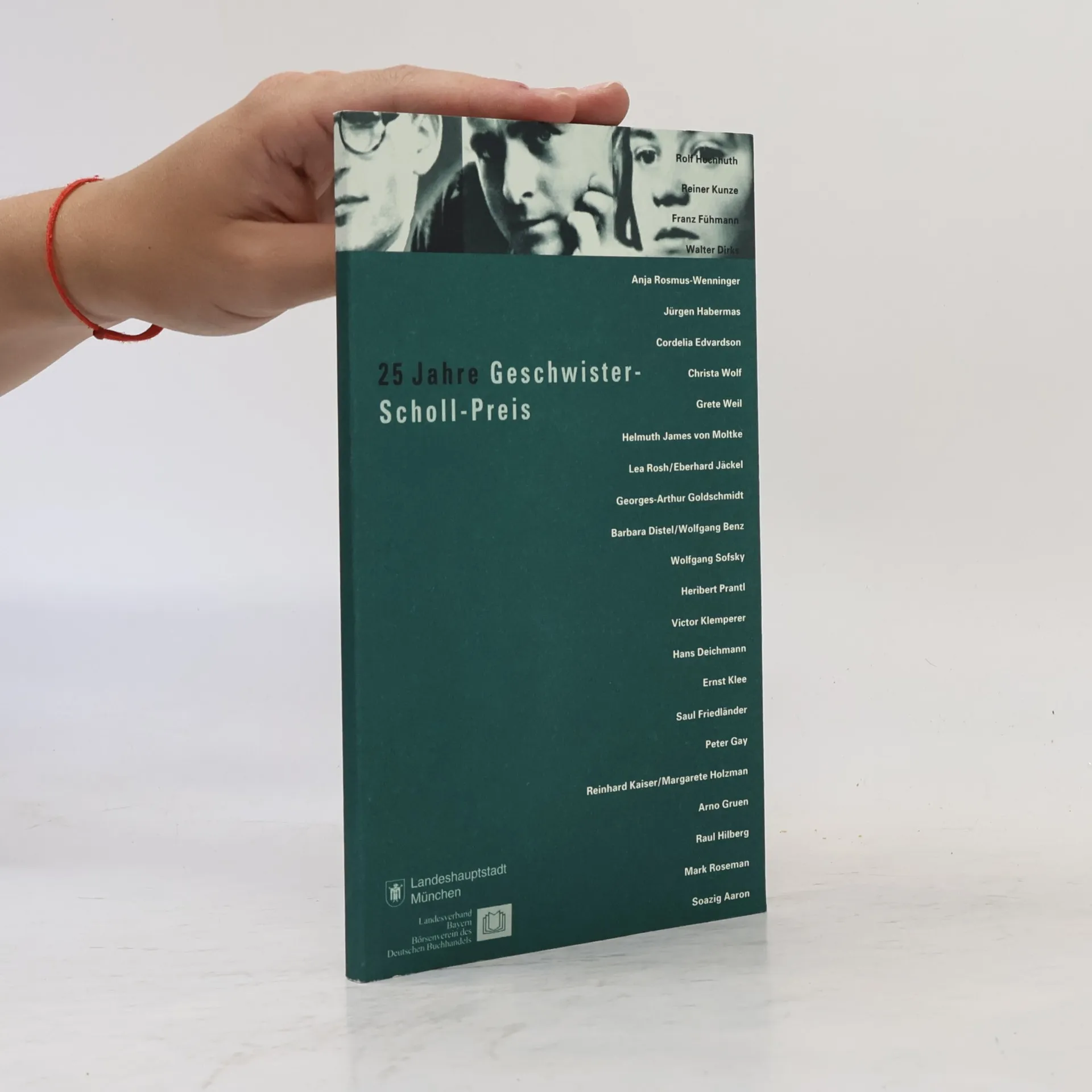
Zwangsweise emeritiert und durch zahlreiche Verbote in seiner wissenschaftlichen Arbeit eingeschränkt, begann der Dresdner Romanist Victor Klemperer 1939 mit seiner Autobiographie. In seinen Tagebüchern hielt er die entwürdigenden Umstände fest, unter denen die „Vita“ entstand, ein präzises Bild des deutschen Mittelstands vor und nach der Jahrhundertwende, ohne Sentimentalität oder Bitterkeit. Klemperers Prosa zeichnet sich durch eine unerschütterliche Genauigkeit aus, die oft zu einer Unerbittlichkeit ihm selbst gegenüber führt, wie Martin Walser in seiner Laudatio zur Verleihung des Geschwister-Scholl-Preises 1995 bemerkte. Klemperers Lebenslauf ist ein Ozean komplexer Beziehungen zwischen alltäglichen Erfahrungen, historischen Begegnungen und der Auseinandersetzung mit Kunst und Literatur. Diese ungeschönte Mobilisierung der Lebenszusammenhänge eines deutsch-nationalen jüdischen Mitbürgers von der Jahrhundertwende bis zum Ende des Ersten Weltkriegs erweckt vergangene Lebensbezüge zum Leben und belebt ein sprachliches Medium, das als tot und vergessen galt. Der Text ist nicht nur ein außergewöhnliches Werk, sondern auch ein unverzichtbarer Bestandteil der deutschen Literatur.
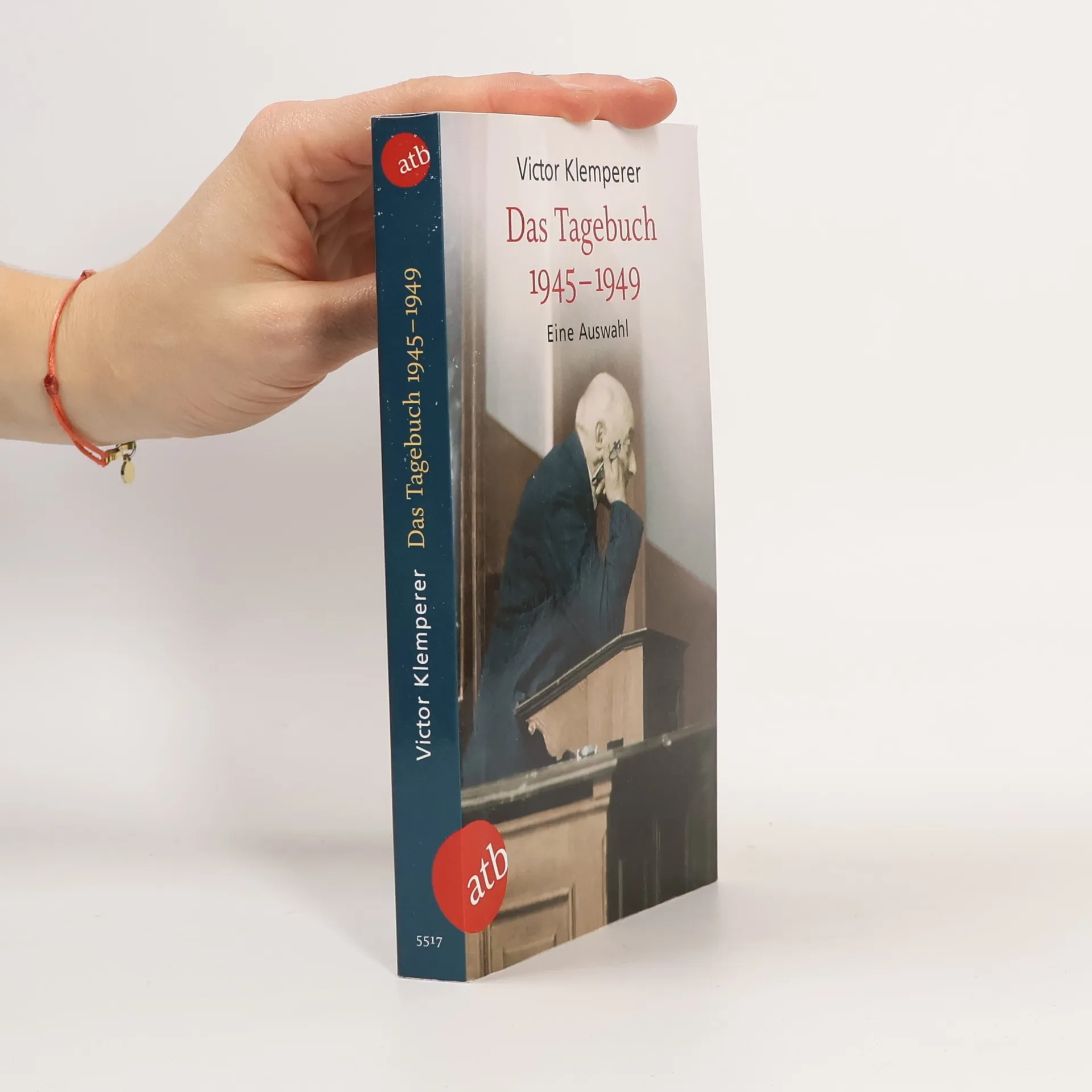
Die Tagebücher Victor Klemperers, des in Dresden lebenden, zwangsemeritierten jüdischen Professors, sind ein einmaliges Dokument. Über erste Schikanen bis hin zu den großen Deportationen beschreibt Klemperer minutiös, wie sich der Vernichtungsplan der Nationalsozialisten vor aller Augen entwickelte. Zu dieser Ausgabe: Die vorliegende Ausgabe übernimmt die Auslassungen der ersten zweibändigen Edition, die sich vor allem auf ausführliche Lektüre- und Film-Notate, Auszüge aus der Tages- und Wochenpresse sowie auf Wiederholungen beziehen. In diesem Sinne sind die Kürzungen für diese Auswahl fortgeführt. Es wurde vor allem auf die ausführliche Darstellung der wissenschaftlichen Arbeit Klemperers, seiner Lektüre und deren Analyse verzichtet. Die Auswahl konzentriert sich auf Klemperers Alltag. Die Auslassungen, sowohl die übernommenen der zweibändigen Edition als auch die neuen, durch die Auswahl bedingten, sind nicht gekennzeichnet.
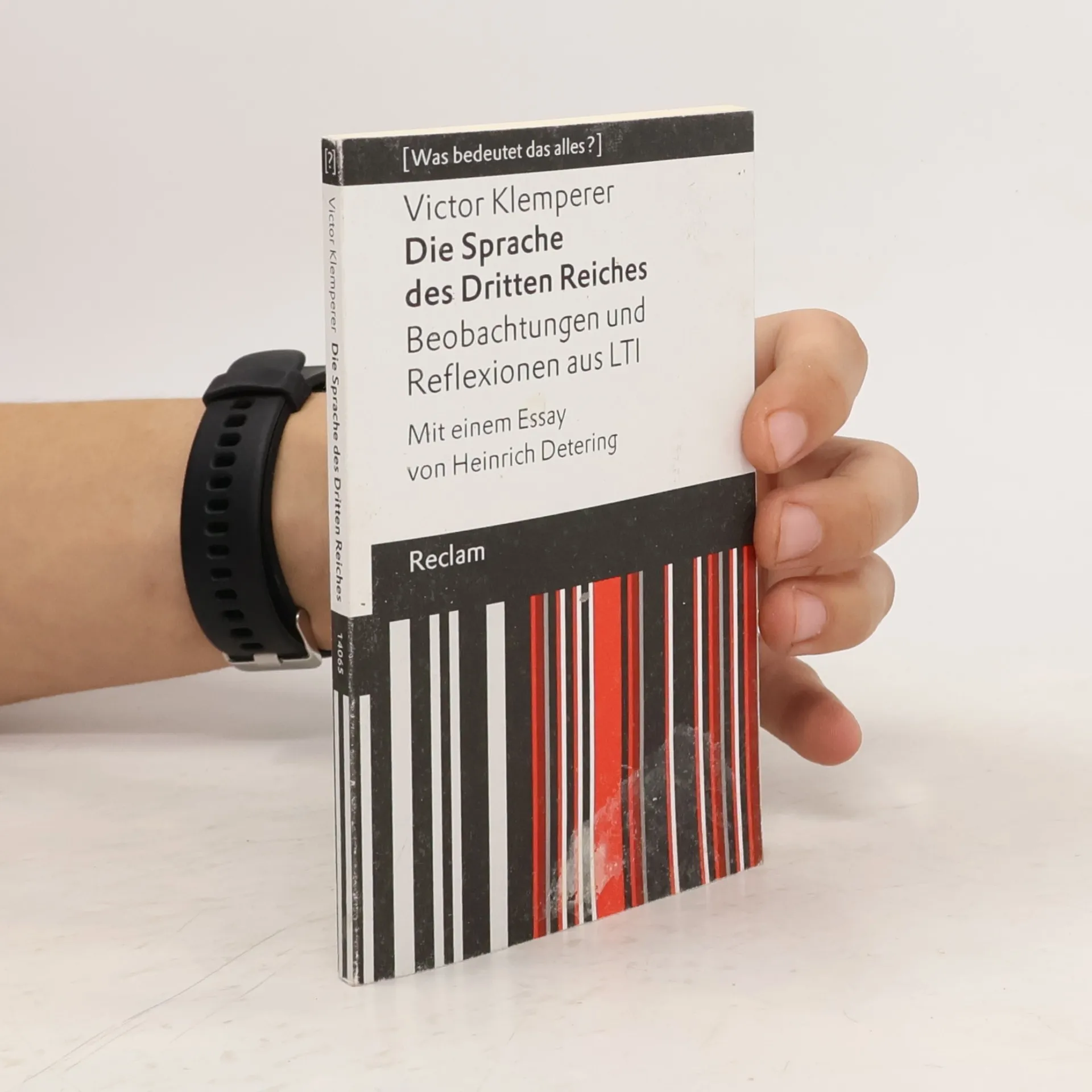
"Was jemand willentlich verbergen will, sei es nur vor andern, sei es vor sich selber, auch was er unbewußt in sich trä die Sprache bringt es an den Tag." Viktor Klemperers Analyse der Sprache des Nationalsozialismus dokumentiert in bewegender Weise auch die Selbstrettung eines Sprach- und Literaturwissenschaftlers in hoffnungsloser Zeit. Heinrich Detering hat die zentralen Teile aus Klemperers "LTI" ausgewählt und stellt in einem Nachwort die Brisanz und beunruhigende Aktualität heraus.
Obwohl jüdischer Herkunft, blieb Victor Klemperer während des Faschismus in Deutschland. Die Ehe mit einer Nichtjüdin bewahrte ihn vor der Deportation. Als er, der Romanist von europäischem Rang, sein Lehramt an der Technischen Hochschule in Dresden verlor, die zunehmenden Repressalien seine wissenschaftliche Arbeit verhinderten, wurde ihm das Tagebuch zur "Balancierstange", ohne die er abgestürzt wäre. Mit minutiöser Genauigkeit hielt er fest, was er erlebte, was er sah, was ihm zugetragen wurde. "Beobachten, notieren, studieren" - das war die ständige Forderung, die er an sich selbst stellte. Er wollte der "Kulturgeschichtsschreiber der Katastrophe" sein, aber er ist darüber hinaus auch der Chronist von Schicksalen und Familientragödien geworden, über die die Zeit hinwegging. Tag für Tag löste er seine selbstgesetzte Zeugnispflicht ein, trotz ständiger Todesgefahr, Zwangsarbeit und entwürdigender Existenz im "Judenhaus". Er notierte Gerüchte, Witze, Nachrichten und immer wieder die Sprache des Dritten Reiches, die er für sein berühmt gewordenes Buch "LTI" sammelte. Aus dieser leidenschaftlichen Chronistenarbeit wurde ein einmaliges, ungewöhnliches Zeugnis über den Alltag der Judenverfolgung: ein Zeitdokument von außerordentlicher Faszination.
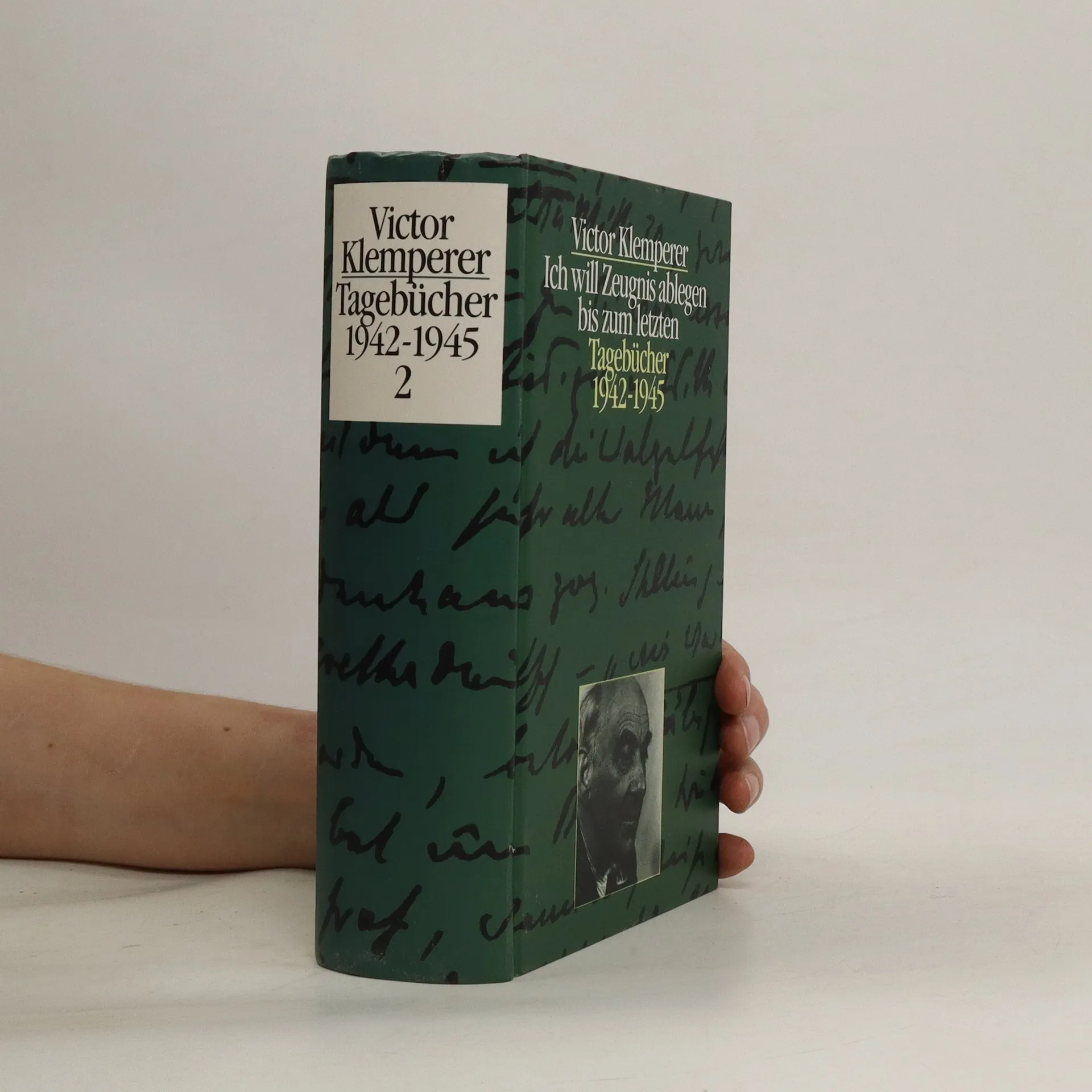
Die Journale von Klemperer sind ein unverzichtbares zeithistorisches Dokument, das ein authentisches Bild der täglichen Realität des Nationalsozialismus vermittelt. Sie gehören zu den bleibenden Zeugnissen deutscher Geschichte und Kultur. Die Aufzeichnungen zeigen, wie die Geschichte selbst mitgeschrieben hat und vermitteln eine unerwartete Wirkung seit ihrer Veröffentlichung. Diese Tagebücher, die wahrscheinlich neben dem Tagebuch der Anne Frank das bedeutendste Werk aus dieser dunklen Epoche sind, vereinen präzise Beobachtungen, sprachliche Meisterschaft und menschliche Größe. Klemperers Notizen, unter Todesgefahr verfasst, bieten eine dramatische Nähe zum Zerfall der deutschen Gesellschaft und übertreffen viele bedeutende Geschichtswerke in ihrer Authentizität. Sie dokumentieren das Leben der Opfer im Terrorstaat und beantworten Fragen, die von jeder Generation neu gestellt werden: Wie erlebten die Zeitgenossen den Holocaust? Als Jude und zwangsemeritierter Professor hielt Klemperer täglich fest, was er im „Judenhaus“ beobachtete: den Terror, neue Verbote, Gesten der Solidarität und Gerüchte. Sein minutiöser Bericht ist ein einzigartiges Dokument über den Alltag der Judenverfolgung in einer deutschen Großstadt. Ergänzt werden die Texte durch Vorschläge für die Unterrichtsgestaltung.
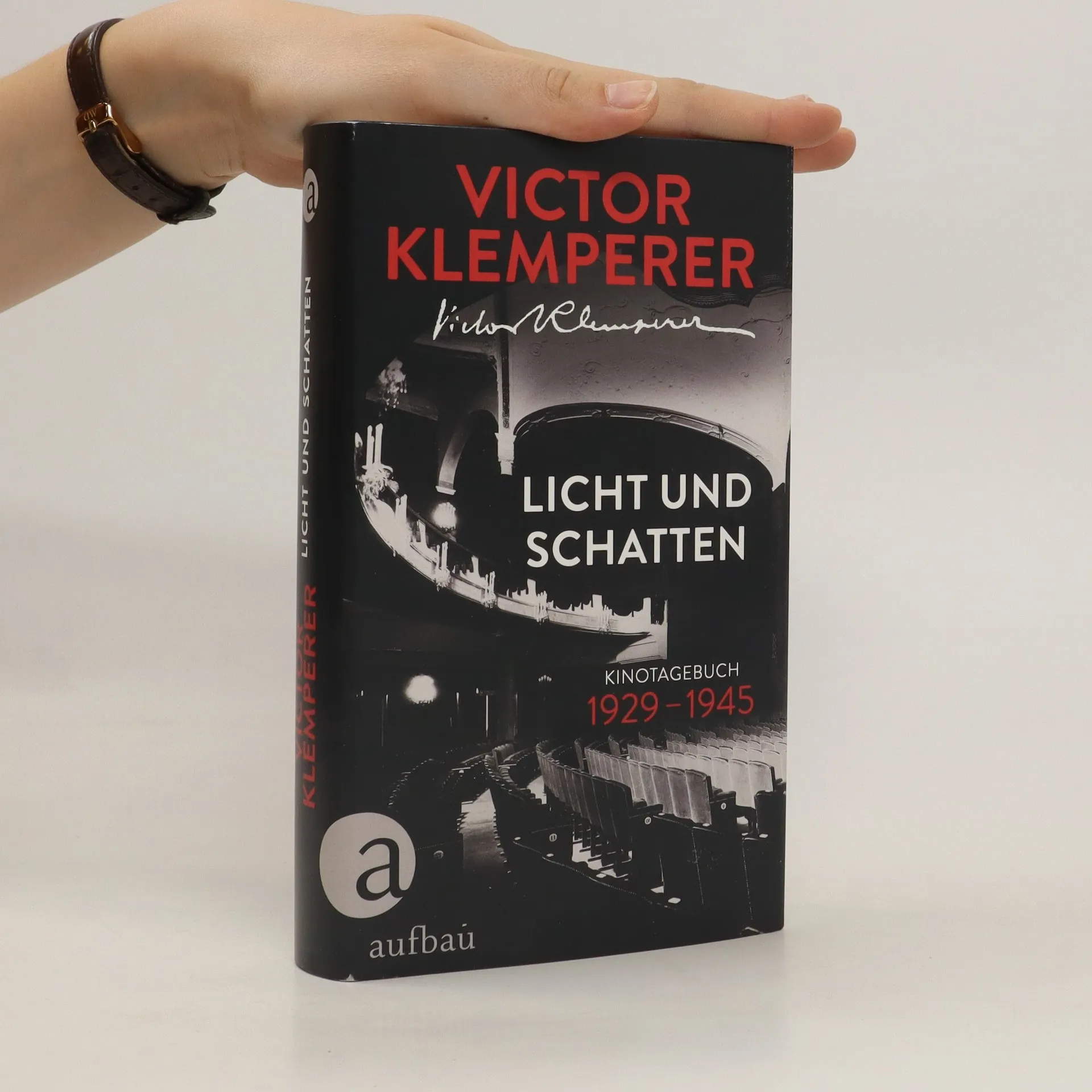
Eine bemerkenswerte Erstveröffentlichung: der große Chronist über seine Filmleidenschaft. Erstmals vollständig gedruckt: Victor Klemperers Tagebuchnotizen über seine Kinobesuche zu Beginn der Tonfilm-Ära. Von Anfang an erlebt der Cineast mit, wie die technische Neuerung 1929 in Deutschland Einzug hält. Nicht selten geht er mehrmals pro Woche ins Kino. Zunächst kritisch, lässt er sich schon bald von den neuen Möglichkeiten mitreißen. Von den Nationalsozialisten aber wird das Medium immer weiter vereinnahmt, Klemperer schließlich durch das Kinoverbot für »Nichtarier« 1938 ganz aus den Lichtspielhäusern verbannt. Doch nicht einmal das kann ihn fernhalten. Das leidenschaftliche Bekenntnis eines Kinomanen, der uns den Tonfilm als Spiegel deutscher Geschichte mit allen Licht- und Schattenseiten vorführt. »Klemperer ist ein Meister der pointierten Kurzkritik, dessen Filmbetrachtungen heute jedes Stadtmagazin zieren könnten.« KNUT ELSTERMANN in seinem Vorwort »Aus der Geschichtsschreibung über den Alltag der Judenverfolgung im ›Dritten Reich‹ ist das Zeugnis Victor Klemperers nicht mehr wegzudenken.« DIE ZEIT. Zu einer Schattenexistenz gezwungen, erlebte Klemperer im Kino Lichtmomente: »So viel Musik, Humor, Schauspielkunst y todo. Es war mir eine richtige Erlösung.« Victor Klemperer, 1933.
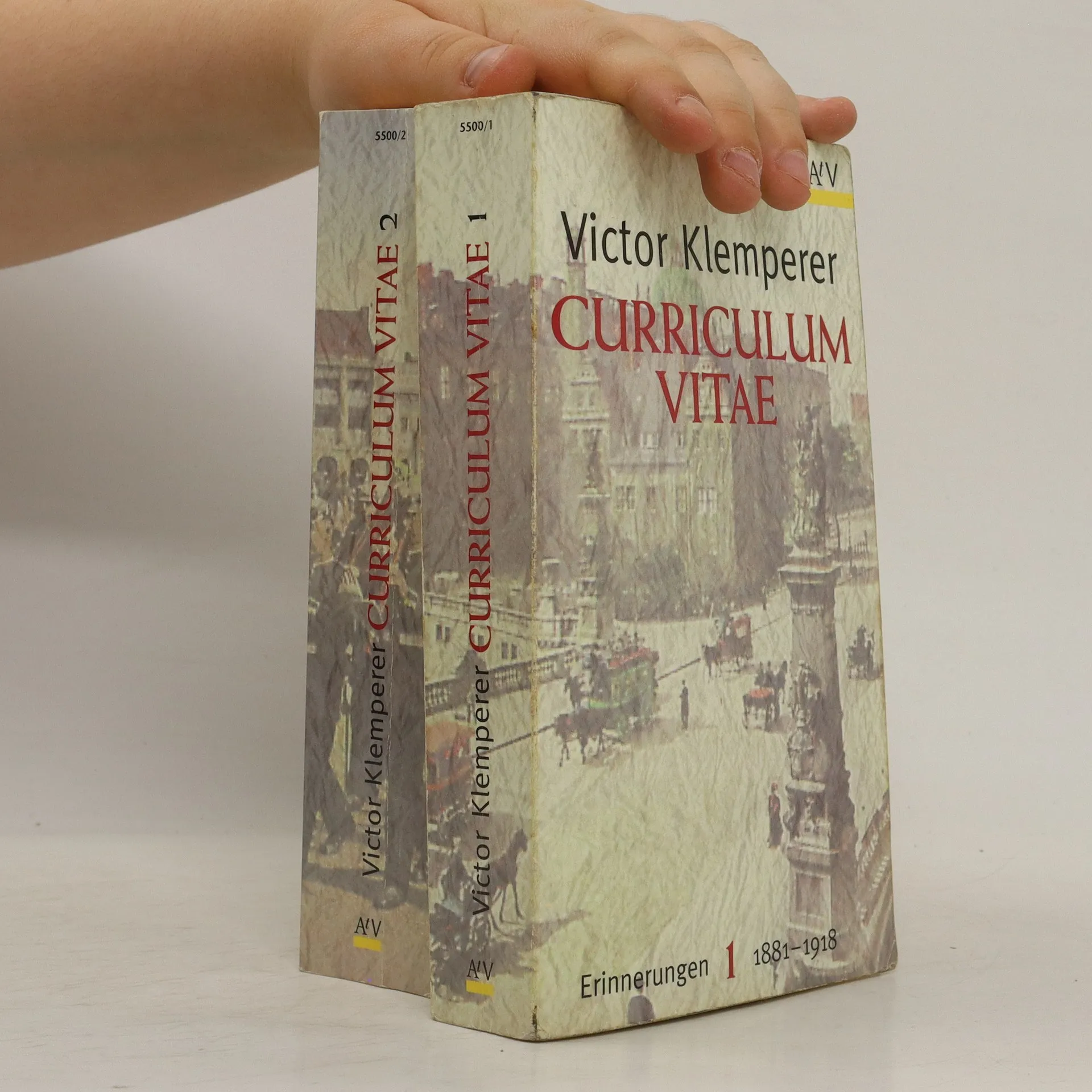
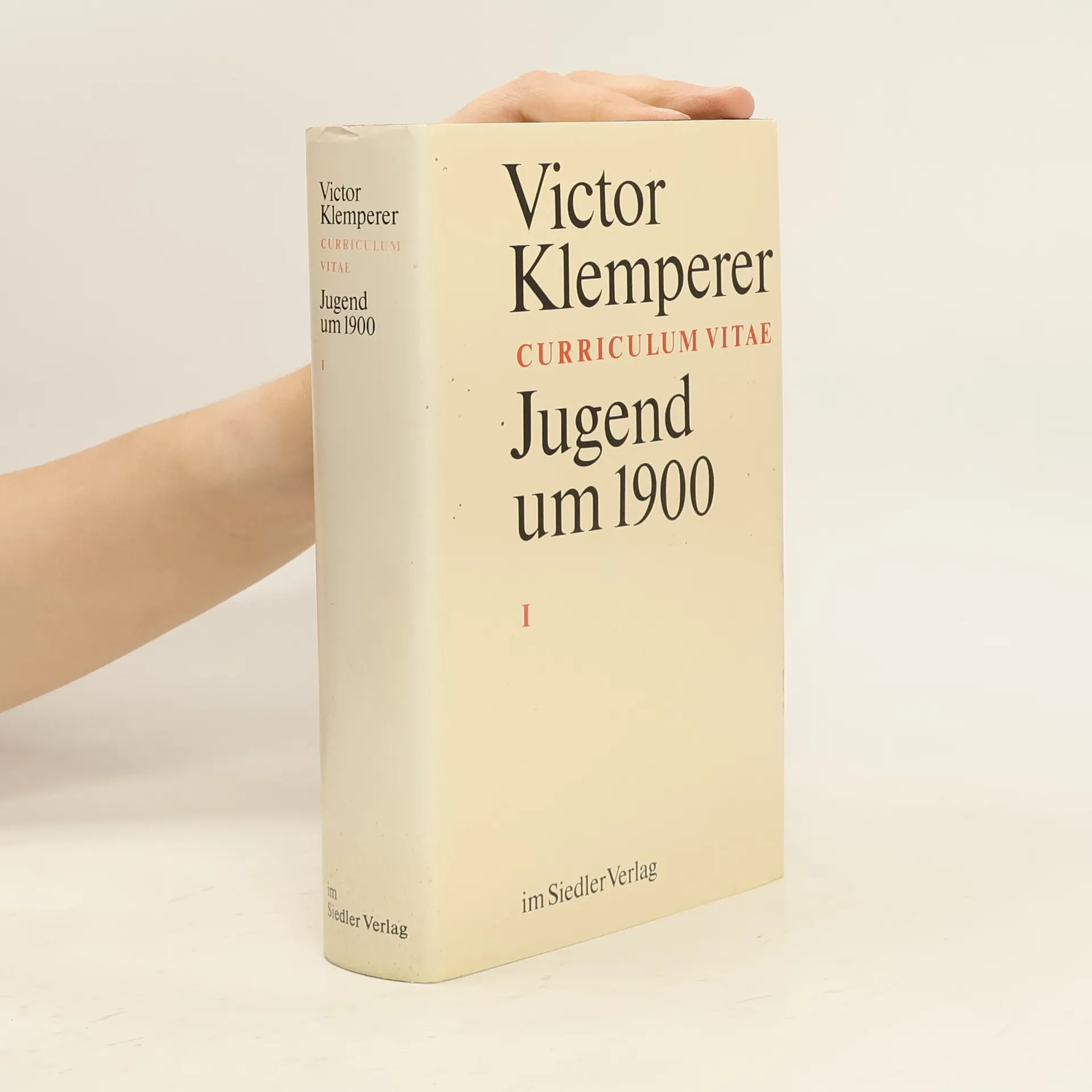
Am Ende der dreißiger Jahre wird Victor Klemperer von den Nazis nahezu vollständig kaltgestellt: als Jude darf er kaum noch sein Haus in Dresden verlassen, nicht mehr lehren, kein Auto mehr fahren, keine Bibliothek mehr besuchen. In seiner Isolation führt er nicht nur sein mittlerweile weltberühmtes Tagebuch, sondern beginnt auch, seine Autobiografie zu schreiben. In Curriculum vitae erzählt er vom jüdischen Familienleben am Ende des neunzehnten Jahrhunderts, von seiner Schulzeit und seinen hilflosen Jahren im Geschäftsleben, seinem Studium in Berlin, München und Paris, seiner journalistischen Laufbahn, seiner wissenschaftlichen Karriere. Ausführlich wird sein Leben als deutscher Soldat, unter anderem an der flämischen Front, behandelt. Klemperer ruft die gesamte faszinierende Welt vor und während des Ersten Weltkriegs ins Gedächtnis. Durch dieses Buch zieht sich als roter Faden seine Haltung gegenüber dem Judentum und der deutschen Gesellschaft: anders als seine Brüder möchte er seine jüdische Herkunft zu keinem Zeitpunkt leugnen – aber gleichzeitig will er als Deutscher betrachtet werden. Der zunehmende Antisemitismus in Deutschland macht es ihm immer schwerer, doch er hält verbissen an dem fest, was er ist: jemand, der in der deutschen Kultur verwurzelt ist und das Beste davon mit Feuer und Schwert verteidigt. Curriculum vitae ist der erschütternde Bericht über ein Leben, das immer mehr unterdrückt wird.
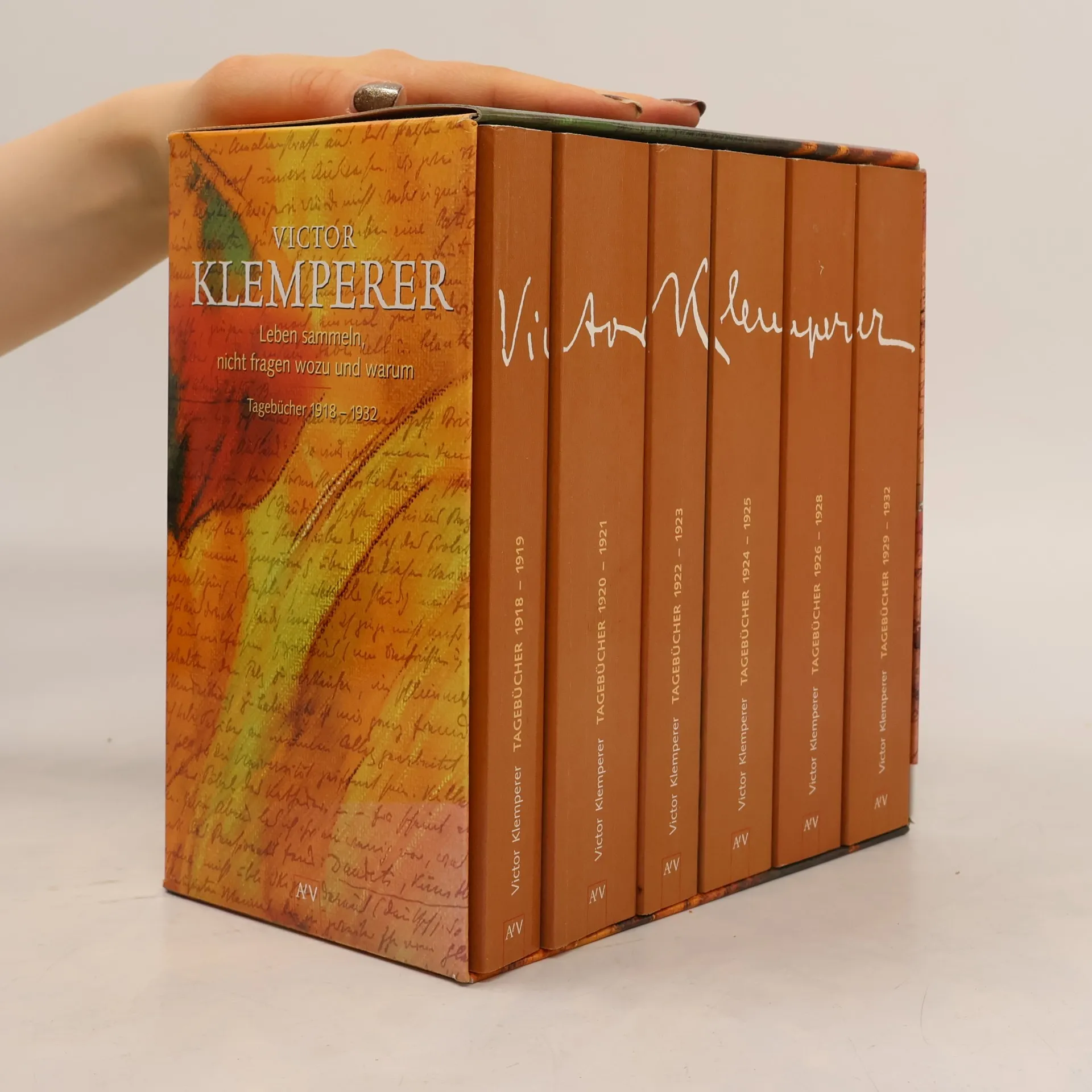
"Nur Leben sammeln. Eindrücke, Wissen, Lektüre, Geschehenes, alles. Und nicht fragen wozu und warum. Ob ein Buch daraus wird oder Memoiren oder gar nichts, ob es in meinem Gedächtnis haftet oder verdirbt wie eine schlechte photographische Platte. Nicht fragen, nur sammeln." In der brillanten Verbindung von Persönlichem und Historischem, die Klemperers Tagebücher auszeichnen, beschreibt die vorliegende Edition die Zeit der Weimarer Republik bis zu den Vorboten kommender Katastrophen.
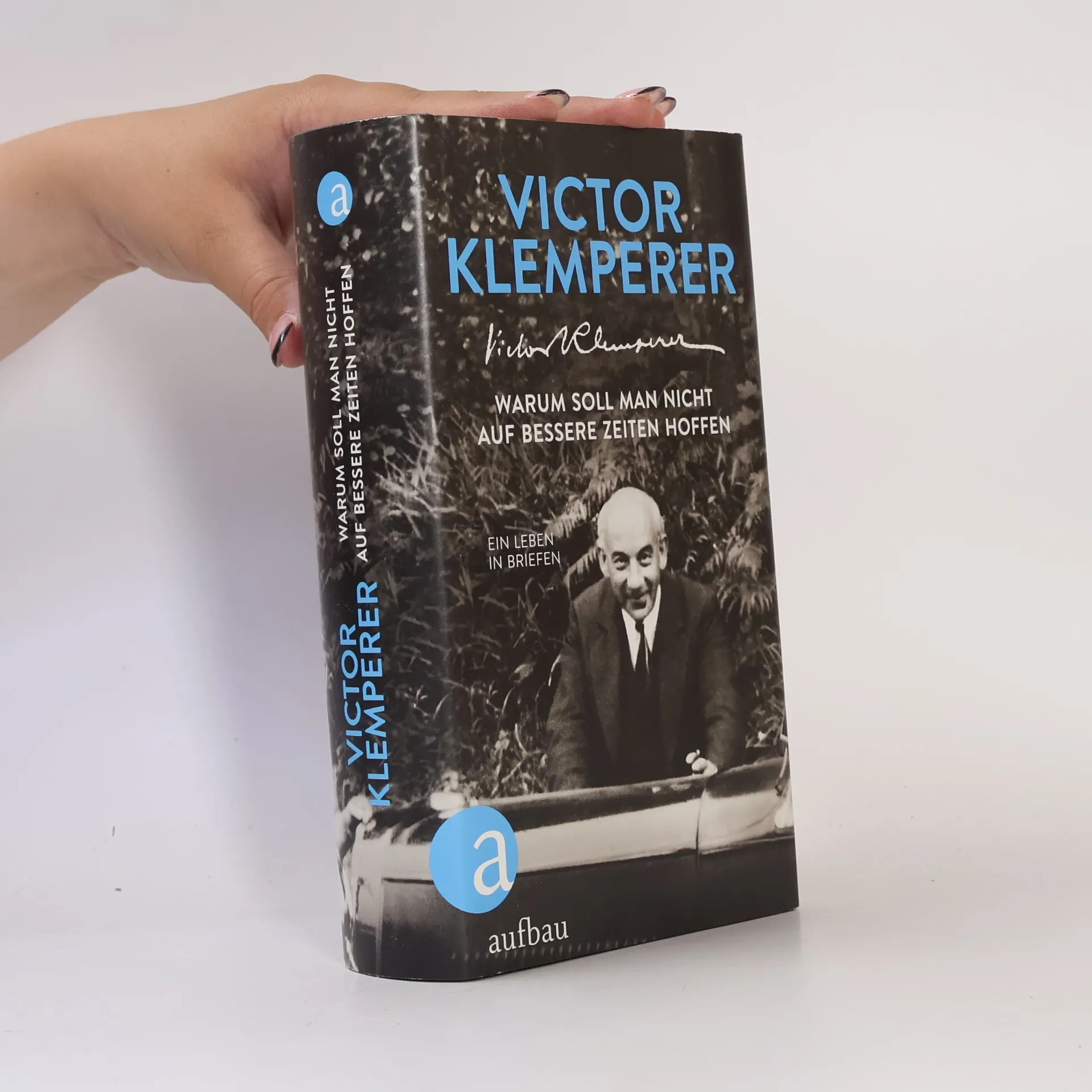
Ein außergewöhnliches Leben in unveröffentlichten Briefen Unvergleichliche Zeugnisse zum ersten Mal gedruckt: Victor Klemperer, weltberühmt geworden durch seine Tagebücher der Jahre 1933 bis 1945, kämpfte als Publizist, Professor, Politiker sein ganzes Leben lang für eine humane Gesellschaft. Was ihn antrieb, erfahren wir nun in seinen Briefen. Sie eröffnen einen neuen Blick auf ein halbes Jahrhundert deutscher Geschichte und auf das Leben eines Mannes, der nicht müde wurde, für seine Überzeugungen einzutreten. Sein Beispiel macht bis heute Mut. Briefwechsel mit Lion Feuchtwanger, Stephan Hermlin, F. C. Weiskopf, Marie von Ebner-Eschenbach u. v. m.
Eine sensationelle Erstveröffentlichung eines scharfsichtigen Chronisten deutscher Geschichte über die „wilden Münchner Tage“ 1919. Zum ersten Mal gedruckt: Victor Klemperers eindringliche Schilderung des Chaos nach dem Ersten Weltkrieg und des Scheiterns der Münchner Räterepublik. Solch präzise, anschauliche Momentaufnahmen aus der belagerten Stadt sind einzigartig. Es entsteht ein bewegendes Gesamtbild von diesem entscheidenden Wendepunkt der deutschen Geschichte, aus dem die erste deutsche Demokratie hervorging, während zugleich das kommende Unheil angedeutet wird. Mit einem Vorwort von Christopher Clark und einem historischen Essay von Wolfram Wette. Klemperer wird mit Heine verglichen, dessen Artikel über die Revolution ebenso nah und genau sind. Diese Berichte sind ein wahrhaftiger Spiegel ihrer Zeit und zeichnen sich durch eine liberale, an Montesquieu geschulte Perspektive aus. Klemperer gelingt es, berührende Charakteristiken selbst von Personen zu erfassen, deren politische Überzeugungen ihm fremd waren. Die Veröffentlichung wird als sensationelles Zeugnis beschrieben, das einen neuen Victor Klemperer entdecken lässt.
Als Victor und Eva Klemperer an 10. Juni 1945 ins zerstörte Dresden zurückkehrten, lag die Odyssee ihrer Flucht und zwölf Jahre Todesgefahr und Erniedrigung hinter ihnen. Klemperers zweibändiger Tagebuch-Report von 1933 bis zu diesem Tage legt davon Zeugnis ab. In den nachfolgenden Notizen hielt er ebenso minutiös und authentisch Ereignisse der ersten Nachkriegsmonate fest: als Beobachter und Betroffener, dessen Empfindungen zwischen Hoffnung, Skepsis und Angst schwanken.
Die Jubiläums-Anthologie beleuchtet die Lebenswelt von Antoine de Saint-Exupery und thematisiert Fliegen, Einsamkeit, menschliche Solidarität und den Kampf gegen Totalitarismus. Seine Prosatexte werden mit Werken von Zeitgenossen wie Camus, Lorca und Hemingway verglichen. Saint-Exupery wurde im Juni 2000 hundert Jahre alt.
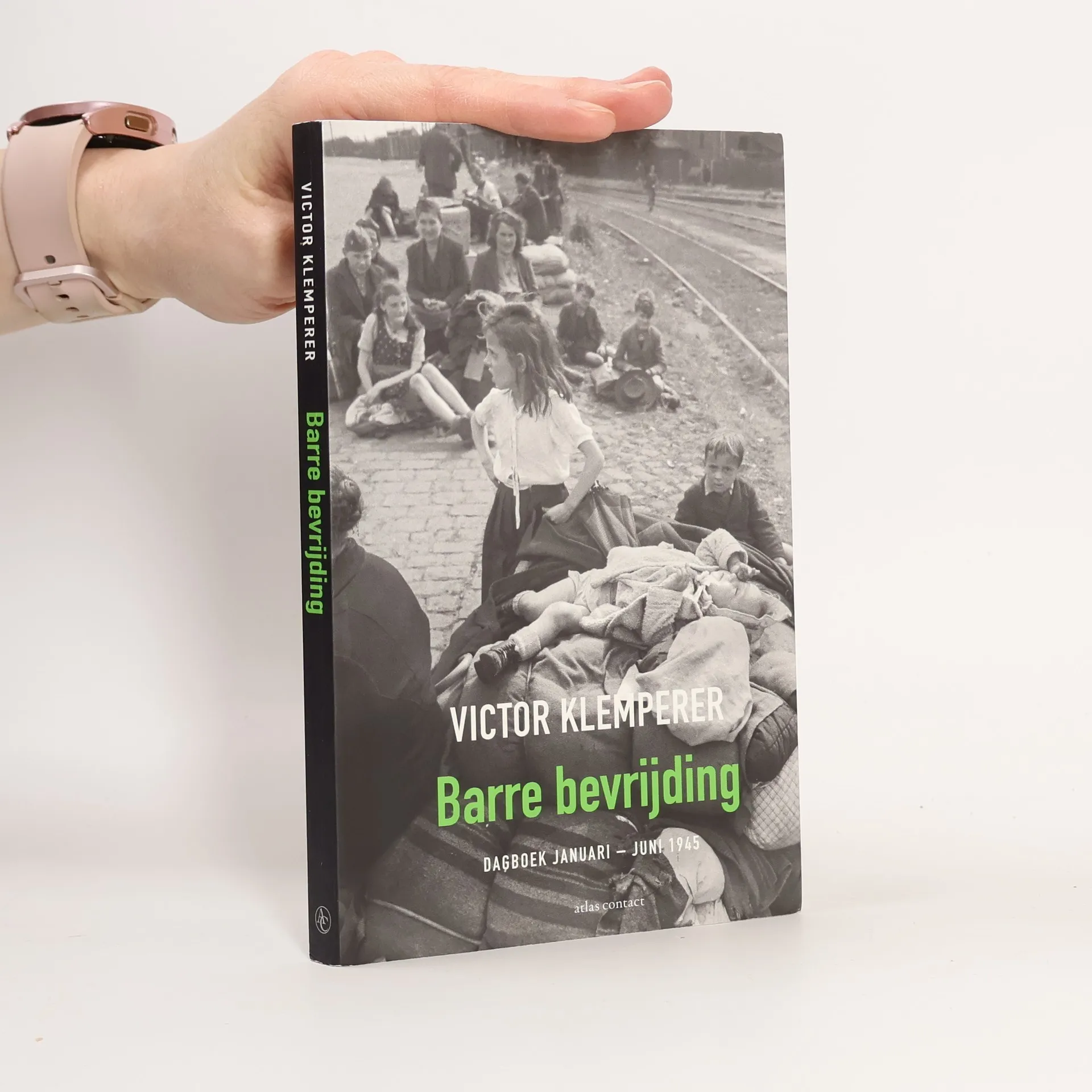
In ‘Barre bevrijding’ geeft de Joodse schrijver Victor Klemperer een beeld van hoe de bevrijding er in 1945 in Duitsland uitzag. In de nacht waarin Dresden met de grond gelijk wordt gemaakt, februari 1945, weet hij met zijn vrouw Eva uit de stad te vluchten. Te voet beginnen zij aan een chaotische zwerftocht, dwars door de ondergaande nazistaat. In mei 1945 wordt Zuid-Duitsland door de Amerikanen bevrijd, en begint voor De Klemperers een helse tocht terug door een verwoest Duitsland. Krioelende massa’s vluchtelingen, soldaten en nazi’ iedereen zit op de rand van uitputting en is op zoek naar voedsel en onderdak. In juni 1945 bereiken ze hun huis in Dresden, dat wonderlijk genoeg bijna onaangetast is gebleven. Pas dan begint hun bevrijding.
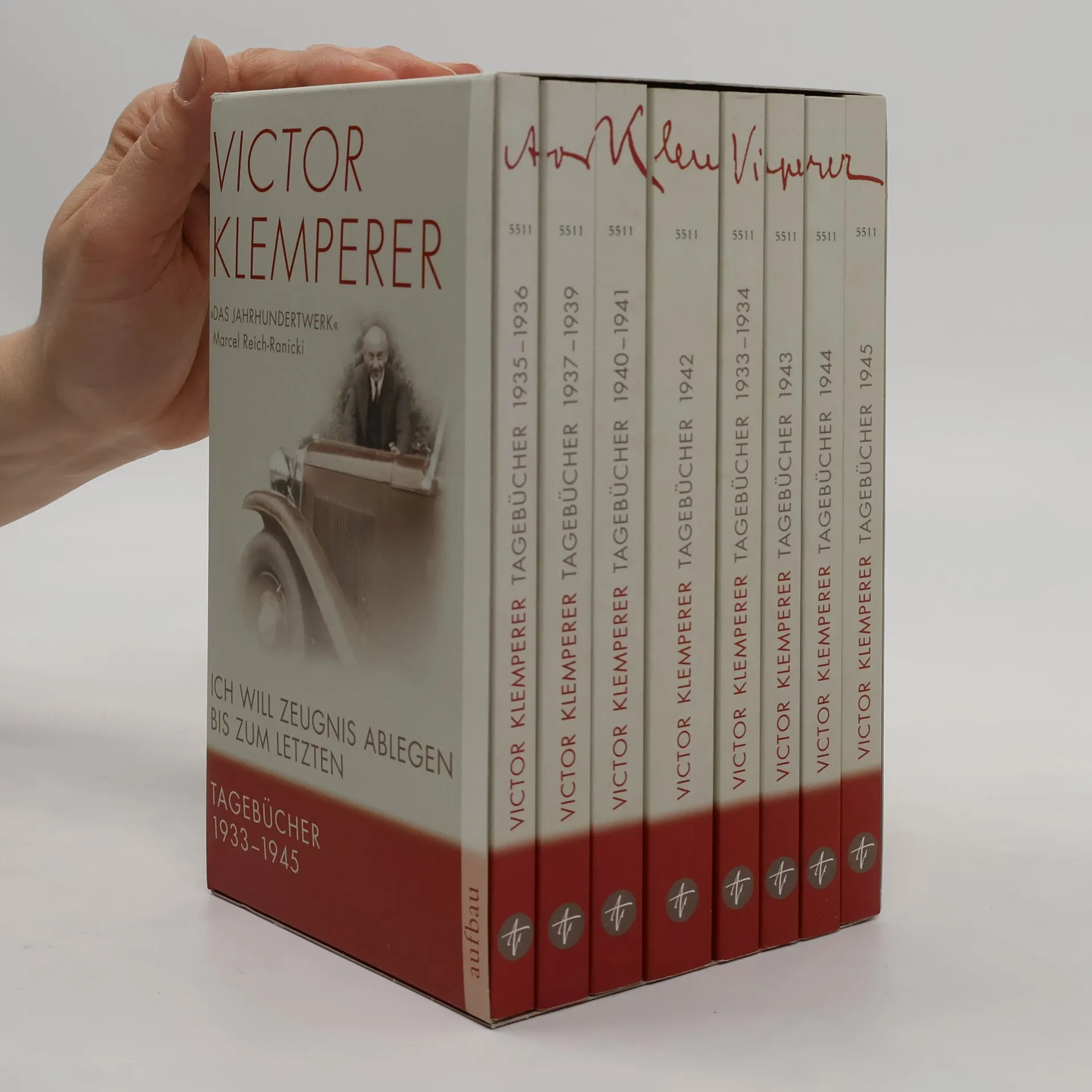
Victor Klemperes Tagebücher 1933 bis 1945 über die Judenverfolgung in Deutschland haben sich als unverzichtbares Zeitdokument von außergewöhnlicher Faszination erwiesen. Zum 60. Jahrestag des Kriegsendes legt der Aufbau-Verlag diese einzigartige Chronik in einer preiswerten Sonderausgabe vor. "Die Tagebücher, in denen genaueste Beobachtungsgabe, sprachliche Meisterschaft, aufklärerische Skepsis und menschliche Größe sich aufs glücklichste vereinen, stellen alles in den Schatten, was jemals über die Zeit des Nationalsozialismus geschrieben wurde." Die Zeit
Victor Klemperes Tagebücher 1933 bis 1945 über die Judenverfolgung in Deutschland haben sich als unverzichtbares Zeitdokument von außergewöhnlicher Faszination erwiesen. Zum 60. Jahrestag des Kriegsendes legt der Aufbau-Verlag diese einzigartige Chronik in einer preiswerten Sonderausgabe vor. "Die Tagebücher, in denen genaueste Beobachtungsgabe, sprachliche Meisterschaft, aufklärerische Skepsis und menschliche Größe sich aufs glücklichste vereinen, stellen alles in den Schatten, was jemals über die Zeit des Nationalsozialismus geschrieben wurde." Die Zeit
Am Ende der dreißiger Jahre wird Victor Klemperer von den Nazis nahezu vollständig kaltgestellt: als Jude darf er kaum noch sein Haus in Dresden verlassen, nicht mehr unterrichten, kein Auto mehr fahren, keine Bibliothek mehr besuchen. In seiner Isolation führt er nicht nur sein inzwischen weltberühmtes Tagebuch, sondern beginnt auch, seine Autobiografie zu schreiben. In Curriculum vitae erzählt er vom jüdischen Familienleben am Ende des neunzehnten Jahrhunderts, von seiner Schulzeit und seinen hilflosen Jahren im Geschäftsleben, seinem Studium in Berlin, München und Paris, seiner journalistischen Laufbahn, seiner wissenschaftlichen Karriere. Ausführlich wird sein Leben als deutscher Soldat, unter anderem an der flämischen Front, behandelt. Klemperer ruft die ganze faszinierende Welt vor und während des Ersten Weltkriegs ins Gedächtnis. Durch dieses Buch zieht sich als roter Faden seine Haltung gegenüber dem Judentum und der deutschen Gesellschaft: anders als seine Brüder möchte er seine jüdische Herkunft zu keinem Zeitpunkt leugnen – gleichzeitig will er als Deutscher angesehen werden. Der zunehmende Antisemitismus in Deutschland macht es ihm immer schwerer, aber er hält verbissen an dem fest, was er ist: jemand, der in der deutschen Kultur verwurzelt ist und das Beste davon mit aller Kraft verteidigt. Curriculum vitae ist der erschütternde Bericht eines Lebens gegen immer mehr Unterdrückung.
Am Ende der dreißiger Jahre wird Victor Klemperer von den Nazis nahezu vollständig kaltgestellt: Als Jude darf er kaum noch sein Haus in Dresden verlassen, nicht mehr lehren, kein Auto mehr fahren, keine Bibliothek mehr besuchen. In seiner Isolation führt er nicht nur sein mittlerweile weltberühmtes Tagebuch, sondern beginnt auch, seine Autobiografie zu schreiben. In Curriculum vitae erzählt er vom jüdischen Familienleben am Ende des neunzehnten Jahrhunderts, von seiner Schulzeit und seinen hilflosen Jahren im Geschäftsleben, seinem Studium in Berlin, München und Paris, seiner journalistischen Laufbahn, seiner wissenschaftlichen Karriere. Ausführlich wird sein Leben als deutscher Soldat, unter anderem an der flämischen Front, behandelt. Klemperer ruft die ganze faszinierende Welt vor und während des Ersten Weltkriegs ins Gedächtnis. Durch dieses Buch zieht sich wie ein roter Faden seine Haltung gegenüber dem Judentum und der deutschen Gesellschaft: Anders als seine Brüder möchte er seine jüdische Herkunft zu keinem Zeitpunkt leugnen – gleichzeitig will er als Deutscher angesehen werden. Der zunehmende Antisemitismus in Deutschland macht es ihm immer schwerer, aber er hält verbissen an dem fest, was er ist: jemand, der in der deutschen Kultur verwurzelt ist und das Beste davon mit aller Kraft verteidigt. Curriculum vitae ist der erschütternde Bericht über ein Leben, das immer mehr unterdrückt wird.
Victor Klemperes Tagebücher 1933 bis 1945 über die Judenverfolgung in Deutschland haben sich als unverzichtbares Zeitdokument von außergewöhnlicher Faszination erwiesen. Zum 60. Jahrestag des Kriegsendes legt der Aufbau-Verlag diese einzigartige Chronik in einer preiswerten Sonderausgabe vor. "Die Tagebücher, in denen genaueste Beobachtungsgabe, sprachliche Meisterschaft, aufklärerische Skepsis und menschliche Größe sich aufs glücklichste vereinen, stellen alles in den Schatten, was jemals über die Zeit des Nationalsozialismus geschrieben wurde." Die Zeit
Geschichte der französischen Literatur im achtzehnten Jahrhundert ab 34.9 € als Taschenbuch: . Aus dem Bereich: Bücher, Wissenschaft, Sprachwissenschaft,
Victor Klemperes Tagebücher 1933 bis 1945 über die Judenverfolgung in Deutschland haben sich als unverzichtbares Zeitdokument von außergewöhnlicher Faszination erwiesen. Zum 60. Jahrestag des Kriegsendes legt der Aufbau-Verlag diese einzigartige Chronik in einer preiswerten Sonderausgabe vor. "Die Tagebücher, in denen genaueste Beobachtungsgabe, sprachliche Meisterschaft, aufklärerische Skepsis und menschliche Größe sich aufs glücklichste vereinen, stellen alles in den Schatten, was jemals über die Zeit des Nationalsozialismus geschrieben wurde." Die Zeit
Victor Klemperes Tagebücher 1933 bis 1945 über die Judenverfolgung in Deutschland haben sich als unverzichtbares Zeitdokument von außergewöhnlicher Faszination erwiesen. Zum 60. Jahrestag des Kriegsendes legt der Aufbau-Verlag diese einzigartige Chronik in einer preiswerten Sonderausgabe vor. "Die Tagebücher, in denen genaueste Beobachtungsgabe, sprachliche Meisterschaft, aufklärerische Skepsis und menschliche Größe sich aufs glücklichste vereinen, stellen alles in den Schatten, was jemals über die Zeit des Nationalsozialismus geschrieben wurde." Die Zeit
Victor Klemperes Tagebücher 1933 bis 1945 über die Judenverfolgung in Deutschland haben sich als unverzichtbares Zeitdokument von außergewöhnlicher Faszination erwiesen. Zum 60. Jahrestag des Kriegsendes legt der Aufbau-Verlag diese einzigartige Chronik in einer preiswerten Sonderausgabe vor. "Die Tagebücher, in denen genaueste Beobachtungsgabe, sprachliche Meisterschaft, aufklärerische Skepsis und menschliche Größe sich aufs glücklichste vereinen, stellen alles in den Schatten, was jemals über die Zeit des Nationalsozialismus geschrieben wurde." Die Zeit
Victor Klemperes Tagebücher 1933 bis 1945 über die Judenverfolgung in Deutschland haben sich als unverzichtbares Zeitdokument von außergewöhnlicher Faszination erwiesen. Zum 60. Jahrestag des Kriegsendes legt der Aufbau-Verlag diese einzigartige Chronik in einer preiswerten Sonderausgabe vor. "Die Tagebücher, in denen genaueste Beobachtungsgabe, sprachliche Meisterschaft, aufklärerische Skepsis und menschliche Größe sich aufs glücklichste vereinen, stellen alles in den Schatten, was jemals über die Zeit des Nationalsozialismus geschrieben wurde." Die Zeit
Victor Klemperes Tagebücher 1933 bis 1945 über die Judenverfolgung in Deutschland haben sich als unverzichtbares Zeitdokument von außergewöhnlicher Faszination erwiesen. Zum 60. Jahrestag des Kriegsendes legt der Aufbau-Verlag diese einzigartige Chronik in einer preiswerten Sonderausgabe vor. "Die Tagebücher, in denen genaueste Beobachtungsgabe, sprachliche Meisterschaft, aufklärerische Skepsis und menschliche Größe sich aufs glücklichste vereinen, stellen alles in den Schatten, was jemals über die Zeit des Nationalsozialismus geschrieben wurde." Die Zeit
Victor Klemperes Tagebücher 1933 bis 1945 über die Judenverfolgung in Deutschland haben sich als unverzichtbares Zeitdokument von außergewöhnlicher Faszination erwiesen. Zum 60. Jahrestag des Kriegsendes legt der Aufbau-Verlag diese einzigartige Chronik in einer preiswerten Sonderausgabe vor. "Die Tagebücher, in denen genaueste Beobachtungsgabe, sprachliche Meisterschaft, aufklärerische Skepsis und menschliche Größe sich aufs glücklichste vereinen, stellen alles in den Schatten, was jemals über die Zeit des Nationalsozialismus geschrieben wurde." Die Zeit
Victor Klemperes Tagebücher 1933 bis 1945 über die Judenverfolgung in Deutschland haben sich als unverzichtbares Zeitdokument von außergewöhnlicher Faszination erwiesen. Zum 60. Jahrestag des Kriegsendes legt der Aufbau-Verlag diese einzigartige Chronik in einer preiswerten Sonderausgabe vor. "Die Tagebücher, in denen genaueste Beobachtungsgabe, sprachliche Meisterschaft, aufklärerische Skepsis und menschliche Größe sich aufs glücklichste vereinen, stellen alles in den Schatten, was jemals über die Zeit des Nationalsozialismus geschrieben wurde." Die Zeit
Der jüdische Romanist Victor Klemperer, Gelehrter von Weltruf, blieb, weil seine Auswanderungspläne scheiterten, in Nazi-Deutschland. Sein Überleben verdankt er der nichtjüdischen Ehefrau. "Für die Zeit danach" hielt er seinen Alltag fest, schrieb auf, was er sah und hörte: Gerüchte, Witze, Frontnachrichten. Immer erbärmlicher wurden die Bedingungen, unter denen er seiner Chronistenpflicht nachkam: Er litt an der zunehmenden Vereinsamung, an Hunger, an dem entwürdigenden Dasein im Judenhaus, aus dem ein Mitbewohner nach dem anderen verschwand
Obwohl jüdischer Herkunft, blieb Victor Klemperer während des Faschismus in Deutschland. Die Ehe mit einer Nichtjüdin bewahrte ihn vor der Deportation. Als er, der Romanist von europäischem Rang, sein Lehramt an der Technischen Hochschule in Dresden verlor, die zunehmenden Repressalien seine wissenschaftliche Arbeit verhinderten, wurde ihm das Tagebuch zur "Balancierstange", ohne die er abgestürzt wäre. Mit minutiöser Genauigkeit hielt er fest, was er erlebte, was er sah, was ihm zugetragen wurde. "Beobachten, notieren, studieren" - das war die ständige Forderung, die er an sich selbst stellte. Er wollte der "Kulturgeschichtsschreiber der Katastrophe" sein, aber er ist darüber hinaus auch der Chronist von Schicksalen und Familientragödien geworden, über die die Zeit hinwegging. Tag für Tag löste er seine selbstgesetzte Zeugnispflicht ein, trotz ständiger Todesgefahr, Zwangsarbeit und entwürdigender Existenz im "Judenhaus". Er notierte Gerüchte, Witze, Nachrichten und immer wieder die Sprache des Dritten Reiches, die er für sein berühmt gewordenes Buch "LTI" sammelte. Aus dieser leidenschaftlichen Chronistenarbeit wurde ein einmaliges, ungewöhnliches Zeugnis über den Alltag der Judenverfolgung: ein Zeitdokument von außerordentlicher Faszination.
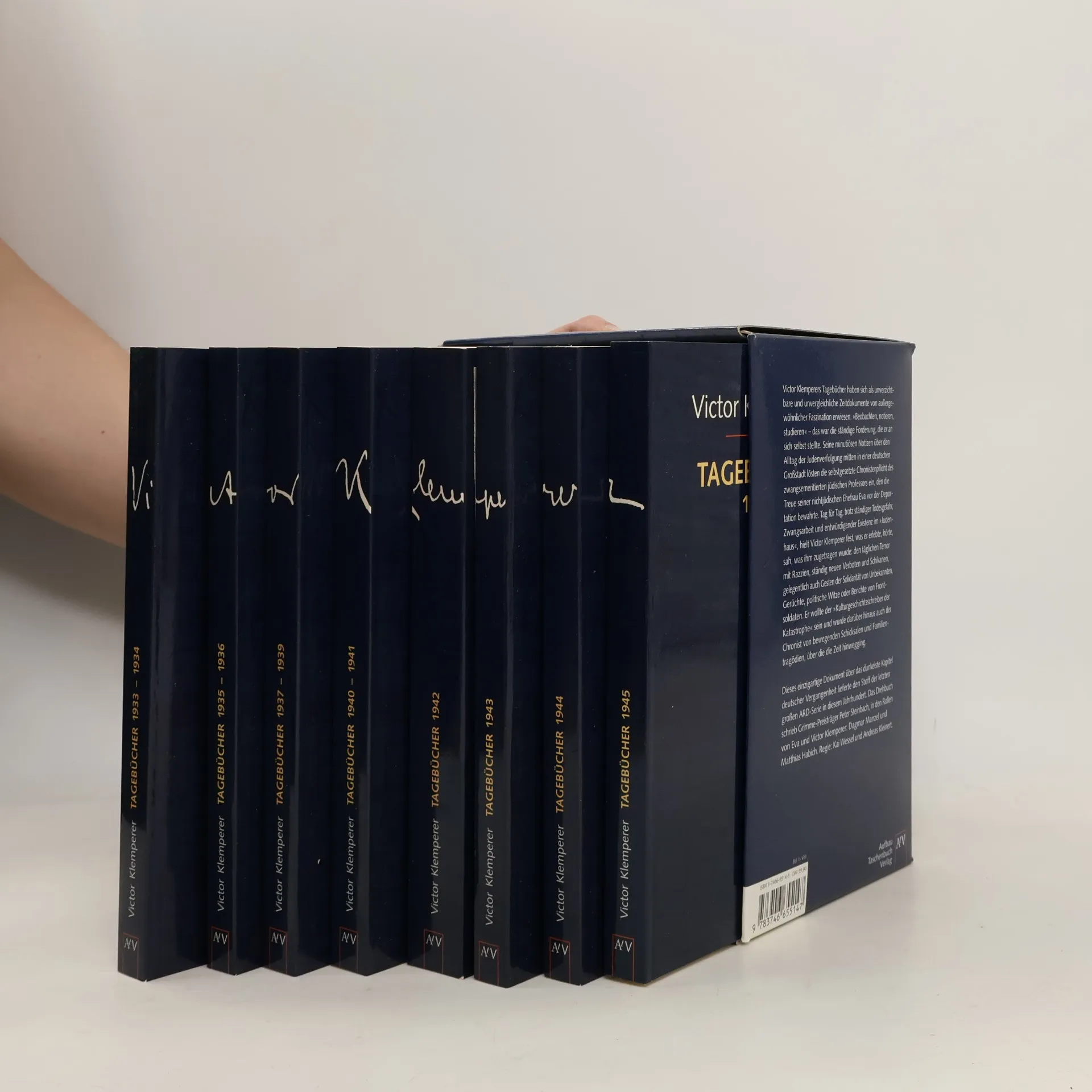
„Die Tagebücher stellen alles in den Schatten, was jemals über die NS-Zeit geschrieben wurde.“ Die Zeit Der Weltbestseller, dessen Bedeutung nur noch mit dem Tagebuch der Anne Frank zu vergleichen ist, erscheint 70 Jahre nach dem Ende des Zweiten Weltkriegs in neuer, bibliophiler Ausstattung und in revidierter Textgestalt. Victor Klemperers Aufzeichnungen aus der Zeit des NS-Terrors haben sich als unverzichtbare und unvergleichliche Zeitdokumente erwiesen. „Beobachten, notieren, studieren“ – diese ständige Forderung an sich selbst löste er mit seinen minutiösen Notizen über den Alltag der Judenverfolgung ein. Er sah sich als „Kulturgeschichtsschreiber der Katastrophe“ und wurde darüber hinaus zum Chronisten von Schicksalen und Familientragödien, die sonst vergessen wären. Tagtäglich schrieb er, trotz ständiger Todesgefahr, Zwangsarbeit und entwürdigender Existenz im „Judenhaus“. Er notierte Gerüchte, Witze, Nachrichten. Immer öfter mussten seine Frau Eva und er von vertraut gewordenen Menschen Abschied nehmen, immer öfter fiel im Zusammenhang mit Judentransporten der Name Theresienstadt. 1942 hörte Klemperer zum ersten Mal vom Ort des Grauens schlechthin: Auschwitz.
"Nur Leben sammeln. Eindrücke, Wissen, Lektüre, Geschehenes, alles. Und nicht fragen wozu und warum. Ob ein Buch daraus wird oder Memoiren oder gar nichts, ob es in meinem Gedächtnis haftet oder verdirbt wie eine schlechte photographische Platte. Nicht fragen, nur sammeln." In der brillanten Verbindung von Persönlichem und Historischem, die Klemperers Tagebücher auszeichnen, beschreibt die vorliegende Edition die Zeit der Weimarer Republik bis zu den Vorboten kommender Katastrophen.
Die Tagebuchaufzeichnungen Viktor Klemperers aus den Jahren 1933-1945 waren von einer Eindringlichkeit, wie selten zeitgenössische Berichte über das Leben in Deutschland unter den Nazis. Die jetzt veröffentlichten Tagebücher dokumentieren den Zeitraum von 1945-1959. Sie zeigen einen verletzten, psychisch angeschlagenen Menschen, der aber bereit ist, einen radikalen Neubeginn zu wagen.
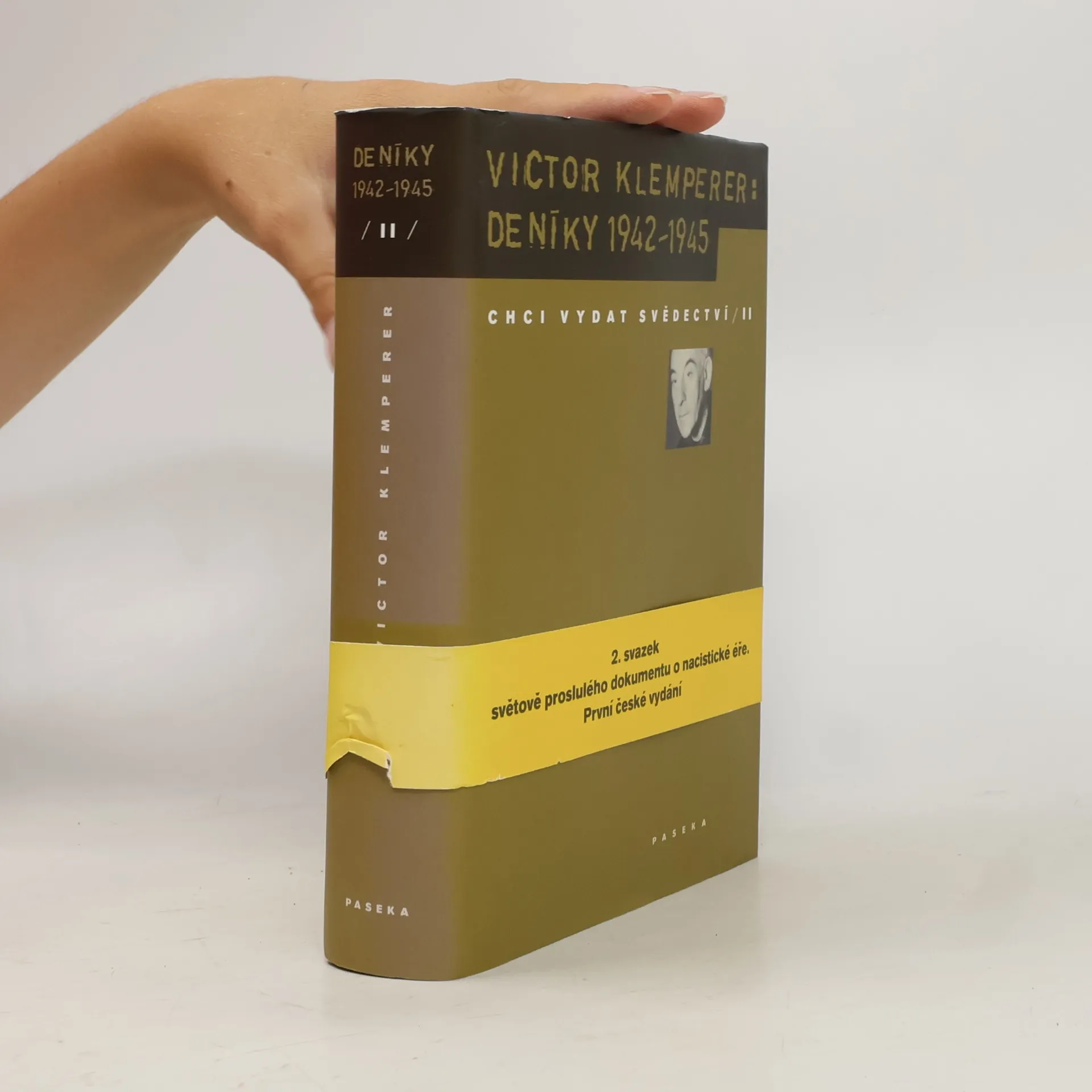
Kronikářem století, zachycujícím drama německé rozpolcenosti a německých katastrof, tak je nazýván Victor Klemperer (1881–1960), německý romanista a humanista, jehož deníky vznikaly během celého autorova pohnutého života, stráveného převážně v Drážďanech, a jsou jak svým rozsahem (9 dílů, dohromady cca 5 000 stran, všechny vyšly v berlínském nakladatelství Aufbau teprve v 90. letech), tak svým obsahem unikátním a autentickým svědectvím německé reality několika generací a dvou světových válek. Dva díly nazvané „Chci vydat svědectví“ zachycují přesným a výmluvným způsobem pronásledování Židů v Německu za nacistické krutovlády v letech 1933–45 z pohledu oběti. Deníky měly nebývalý ohlas a staly se přímo literárním šlágrem (mj. byl podle nich natočen dvanáctidílný seriál televize ARD).