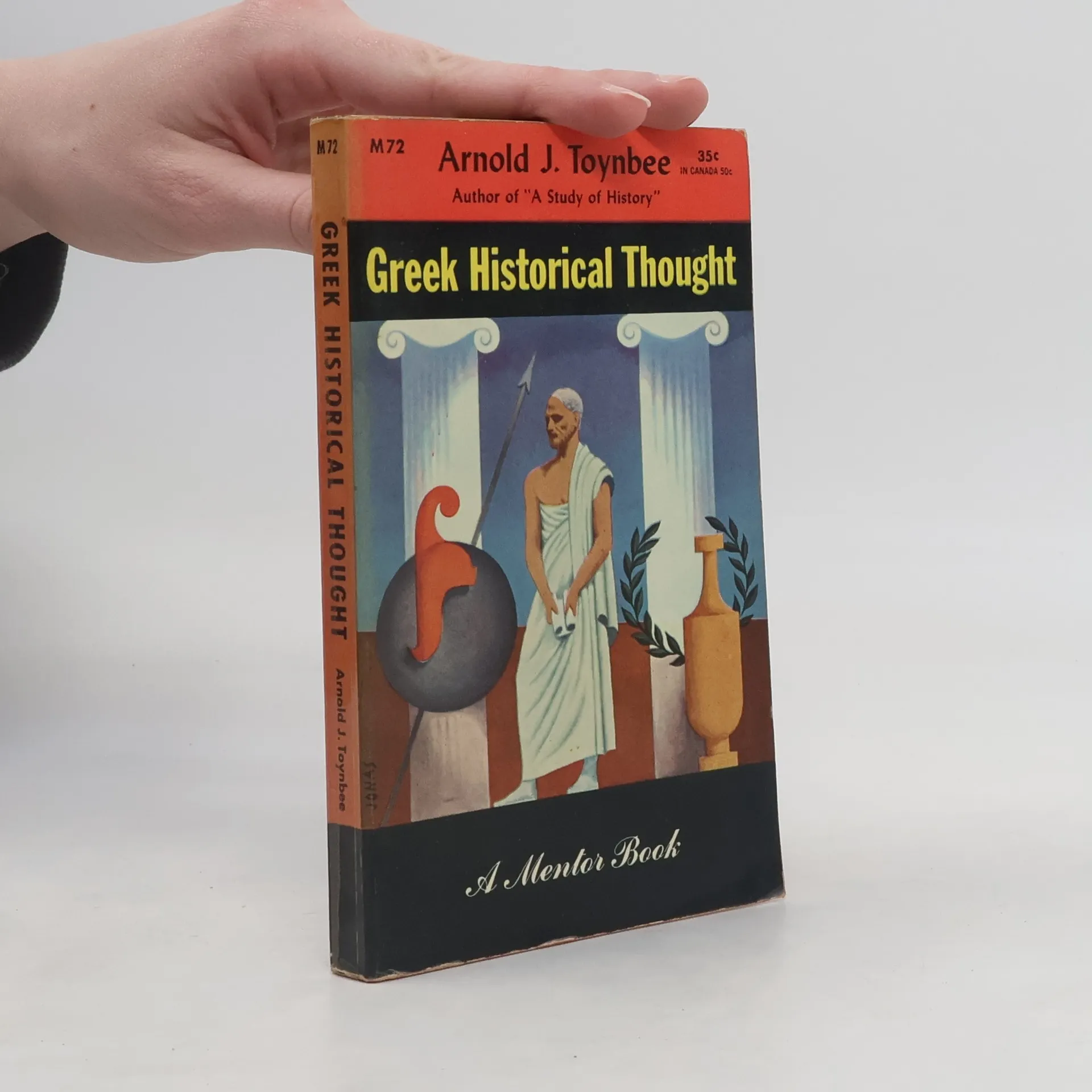
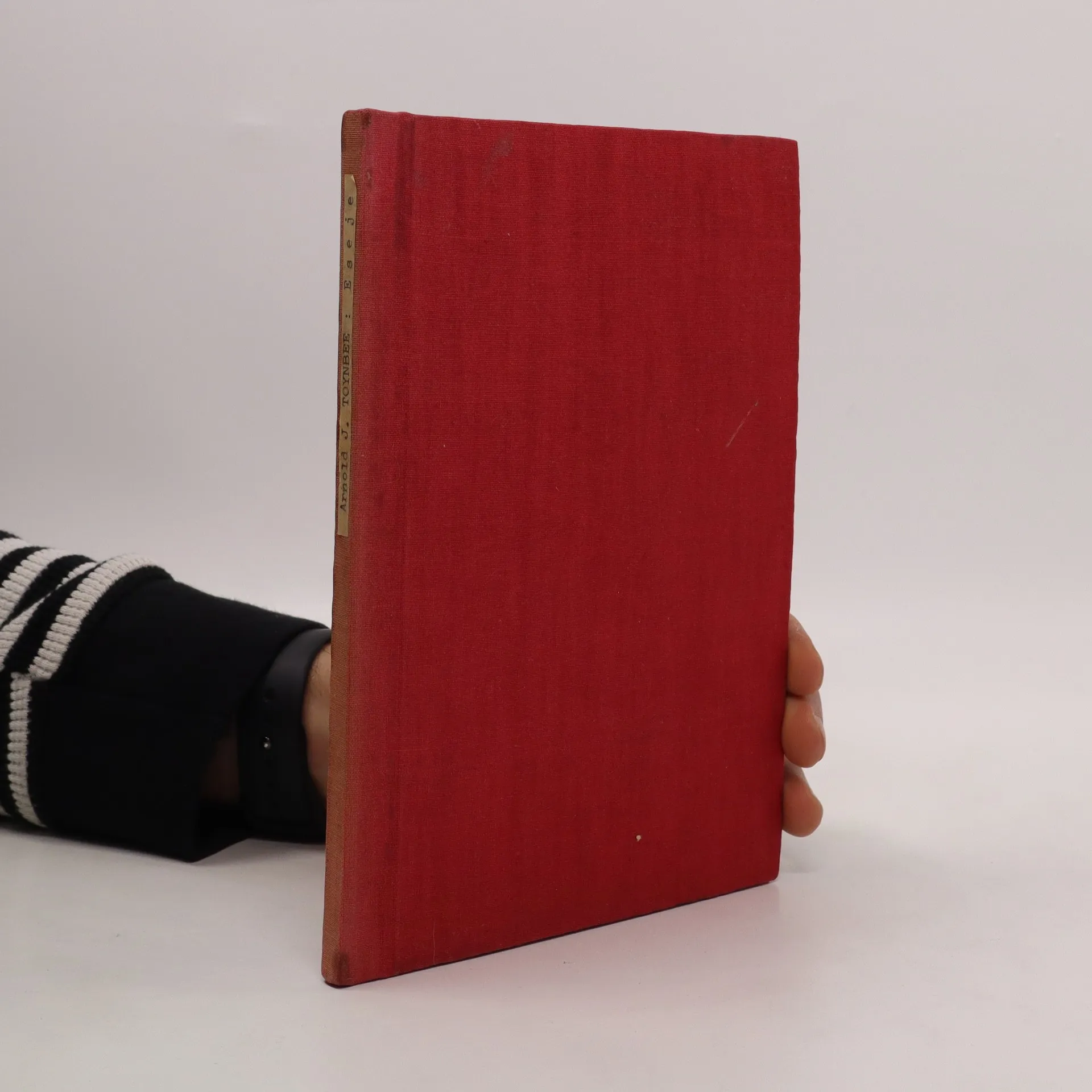
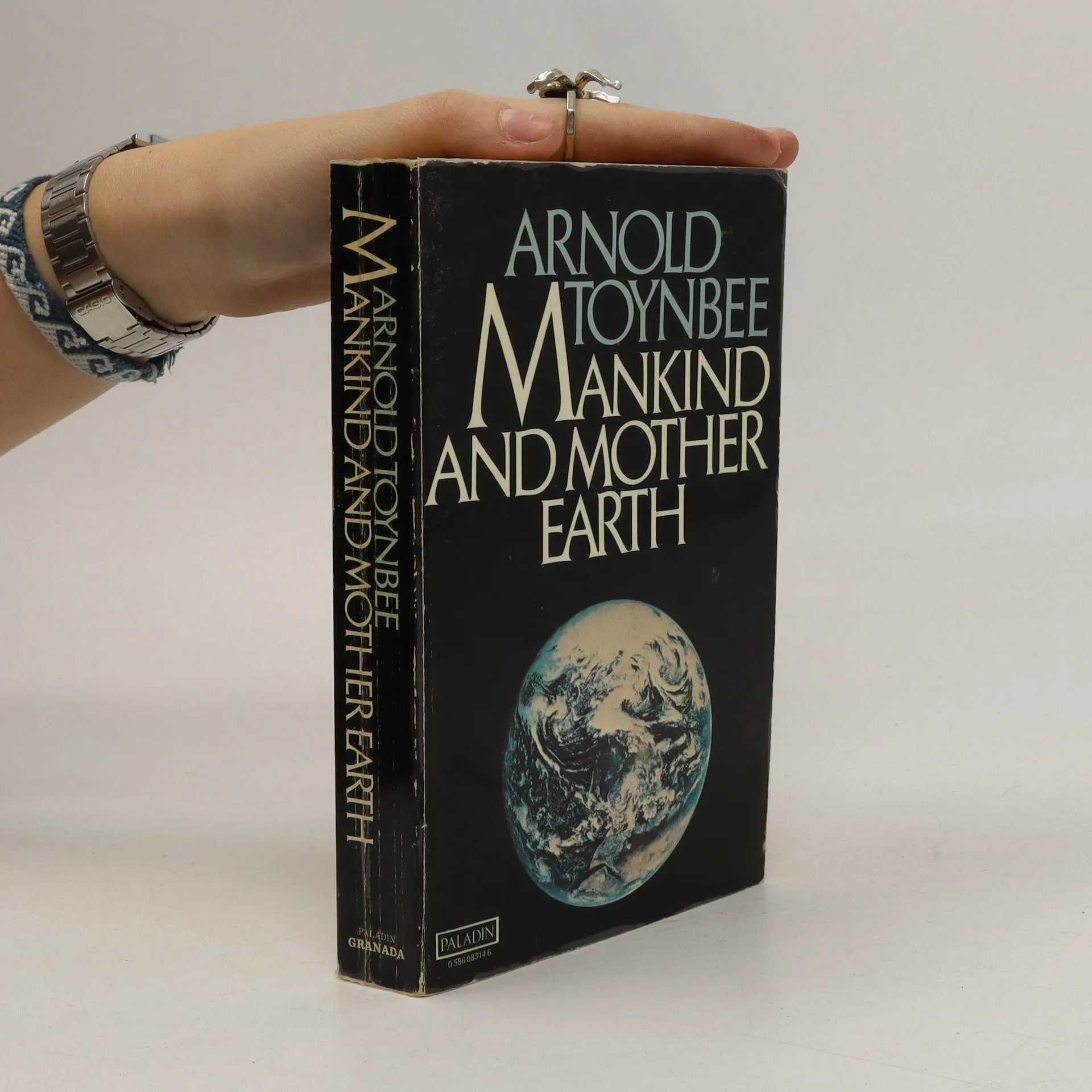
Indonesian version of Mankind and Mother Earth: A Narrative History of the World (Oxford University Press, 1976). Ini buku klasik karangan Arnold Toynbee yang diterbitkan pertama kali sekitar tahun 70an tapi masih sangat relevan dengan keadaan sekarang.
Arnold J. Toynbee Books
April 14, 1889 – October 22, 1975
Arnold J. Toynbee was a British historian best known for his monumental work, 'A Study of History.' This vast undertaking examined the rise, development, and decay of civilizations. He posited history as a grand cycle of civilizations ascending and falling, rather than focusing on nation-states or ethnic groups. Toynbee's core analysis suggests that a civilization's well-being hinges on its capacity to successfully confront challenges. His profound insights offer a unique perspective on the dynamic forces driving civilizational progress and decline.

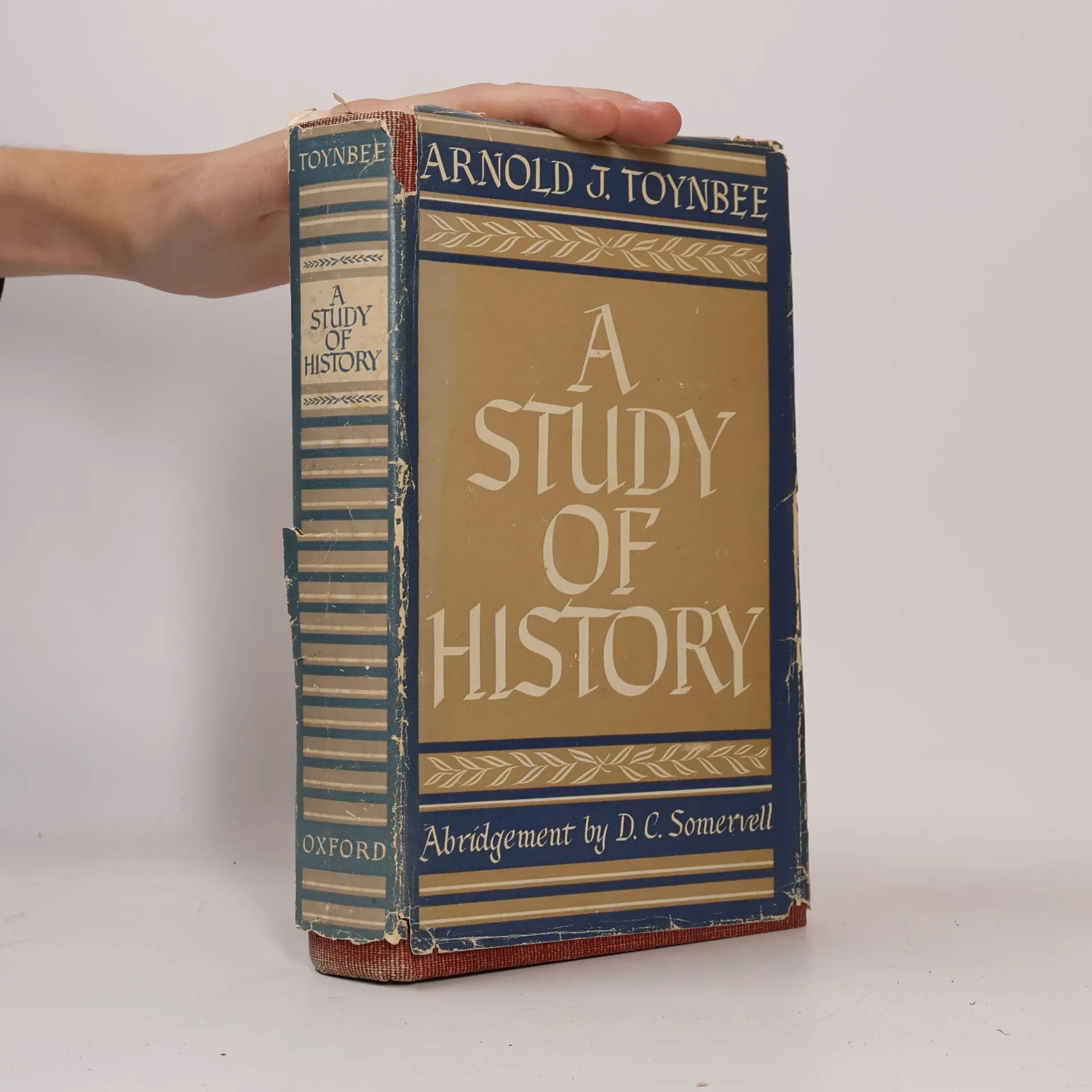


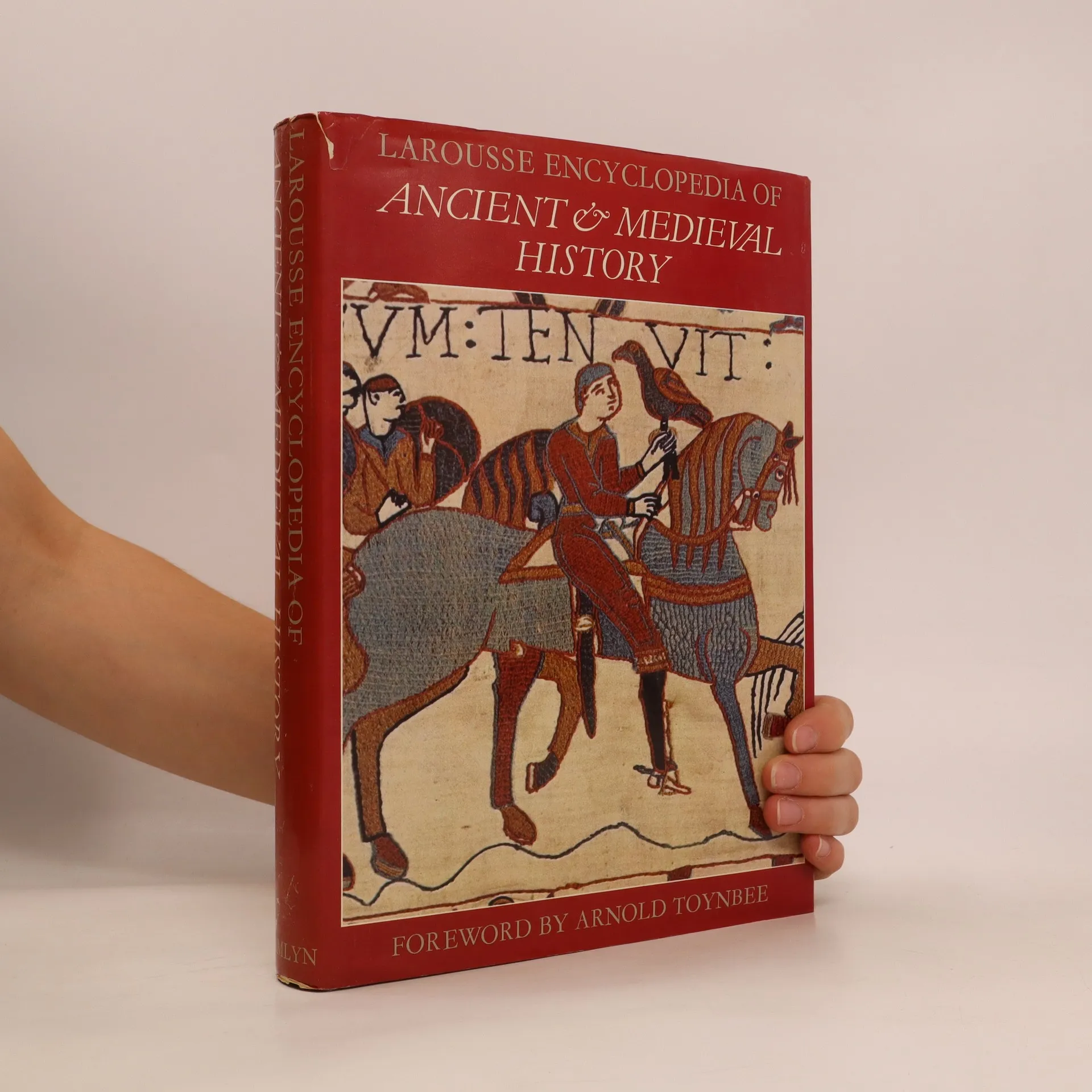
Larousse Encyclopedia of Ancient and Medieval History
- 413 pages
- 15 hours of reading
SEE OUR PHOTOS! This large 411-page hardcover was published in 1963 by Harper & Row (1st edition). This volume appears to be unread and in new condition in every way internally. There is no dustcover. The blue hardcover looks very nice, with sharp edges and corners, and minimal shelf wear on hardcover surfaces. The gold lettering on the spine is very good. Overall, this is an impressive volume. Please see our 2 photos of our book (on a white sheet).
Arnold J. Toynbee, a historian renowned for his 12-volume work, offered a grand synthesis of world history, focusing on the rise and fall of civilizations rather than nation-states. He was regarded as an 'international sage' alongside figures like Einstein and Russell. Daisaku Ikeda, a prominent spiritual leader of a global lay Buddhist organization, engaged in discussions with Toynbee from 1971 to 1974 about pressing societal issues that remain relevant today. Topics such as pollution, dwindling resources, conflict, the role of religion, and population growth are even more urgent now than they were decades ago. This volume, reissued for a new generation, captures the inspiring challenge posed by both men: will humanity choose to revolutionize its thinking and morals to salvage its destiny, or will it face disaster through self-destruction and environmental degradation? The text acknowledges the threat posed by the imbalance between human immaturity and technological advancement, yet it conveys an optimistic message: the evils created by humanity can be addressed with human solutions.
Himalayas
- 128 pages
- 5 hours of reading
A discussion of the formation, history, and peoples of the Himalayas supplements a leading Japanese photographer's depictions of the awesome grandeur of peaks
A new edition revised and abridged by the author and Jane Caplan.This one-volume 576-page edition of A STUDY OF HISTORY puts the essence of the great work into easily accessible and most attractive form. (The original totals more than 7,000 pages.) Moreover, as Dr. Toynbee's foreword makes clear, the new book is more than an abridgment of the original. He has extensively redrafted, revised, and updated his history, to take note of new historical events and discoveries and to include his own 'reconsiderations' of his concepts. The new edition is also the first to be illustrated. There are more than 500 historical pictures, many reproduced in color and all selected by Dr. Toynbee with the assistance of Jane Caplan, his collaborator on the project. Miss Caplan has written the excellent captions for the pictures, which are closely coordinated with the text. Here, in sum, is a brilliant history and great scholarly work, in wonderfully readable form.
The German Terror in France: An Historical Record
- 300 pages
- 11 hours of reading
A vivid and harrowing account of the atrocities committed by occupying German forces in France during World War I. Draws on eyewitness testimony and documentary evidence to paint a detailed picture of the horrors endured by French civilians and the resistance movement. A powerful indictment of war and tyranny.
The Balkans
- 164 pages
- 6 hours of reading
Nationality & the War, Part 523
- 558 pages
- 20 hours of reading
Armenian Atrocities, the Murder of a Nation
- 128 pages
- 5 hours of reading
In 1915 Arnold J. Toynbee, a young historian of high academic distinction, as Lord Bryce described him, brought together pieces of evidence which graphically illustrated the details of the attempted extermination of an entire nation - a nation with a centuries-old historical existence. This edition is a reprint by the Armenian Apostolic Church of America of the original 1915 volume published by Hodder & Stoughton of London.
Reminiscences And Letters Of Joseph And Arnold Toynbee. Edited By Gertrude Toynbee
- 228 pages
- 8 hours of reading
This book is a collection of the reminiscences and letters of Joseph and Arnold Toynbee, two prominent British intellectuals of the late 19th and early 20th centuries. The book provides a unique insight into the life and work of the Toynbee family, including their views on education, social reform, and politics. It is edited by Gertrude Toynbee, Arnold's wife, who herself was a writer and social reformer.
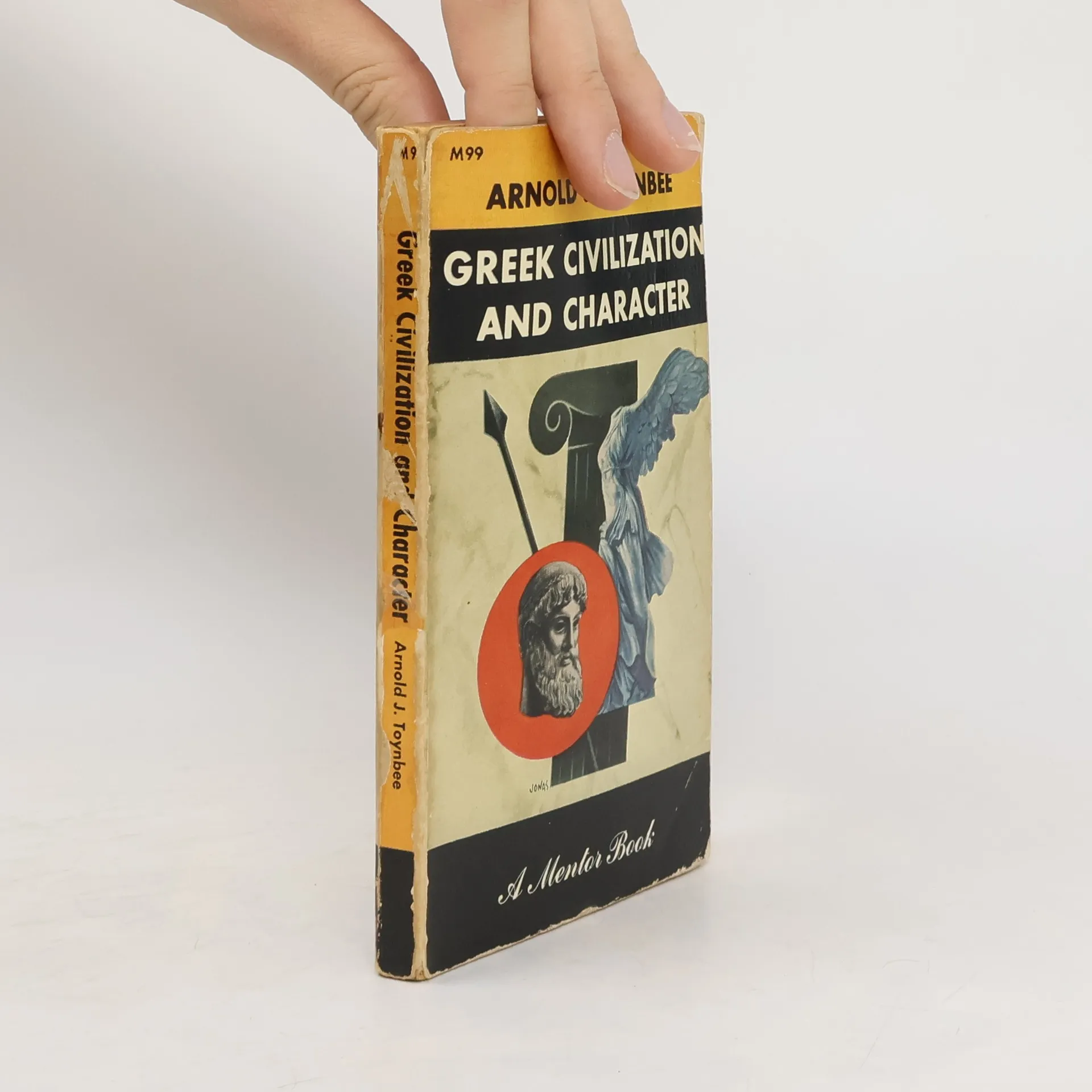
Greek Civilization and Character; the Self-revelation of Ancient Greek Society
- 164 pages
- 6 hours of reading
This work has been selected by scholars as being culturally important and is part of the knowledge base of civilization as we know it. This work is in the public domain in the United States of America, and possibly other nations. Within the United States, you may freely copy and distribute this work, as no entity (individual or corporate) has a copyright on the body of the work. Scholars believe, and we concur, that this work is important enough to be preserved, reproduced, and made generally available to the public. To ensure a quality reading experience, this work has been proofread and republished using a format that seamlessly blends the original graphical elements with text in an easy-to-read typeface. We appreciate your support of the preservation process, and thank you for being an important part of keeping this knowledge alive and relevant.
The Murderous Tyranny of the Turks
- 24 pages
- 1 hour of reading
Focusing on the historical significance of its content, this classical work examines the oppressive rule of the Turks, highlighting its impact on human history. Alpha Editions has republished it in a modern format, ensuring the text is clear and readable, as it has been reformatted and retyped rather than scanned. This effort aims to preserve the book's importance for both present and future generations.
Progress and Poverty
- 56 pages
- 2 hours of reading
Man's Concern with Death
- 280 pages
- 10 hours of reading
A contemporary appraisal by representatives of several disciplines: medicine, psychiatry, theology, philosophy, anthropology, literature and psychical research.
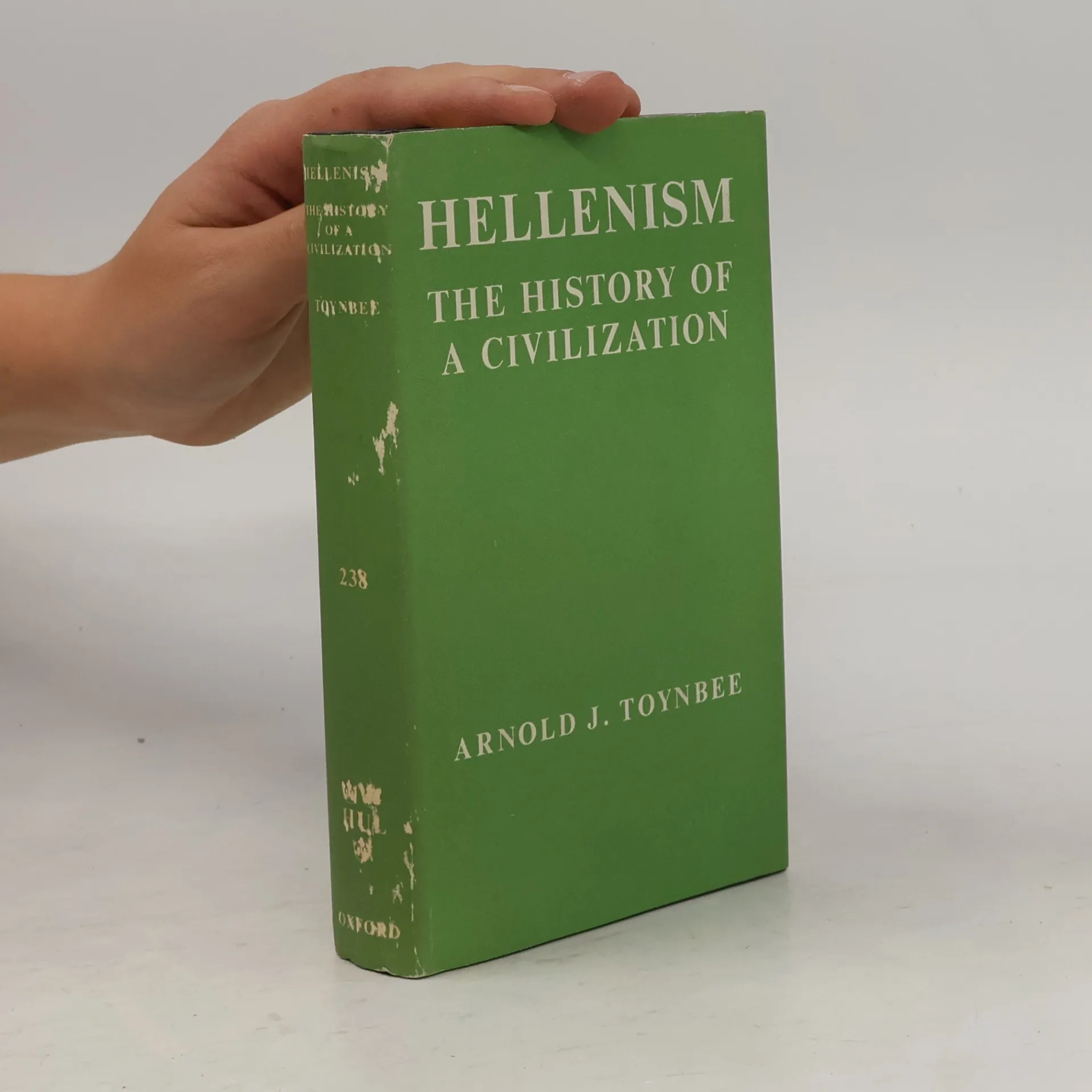
Hellenism
The History of a Civilization
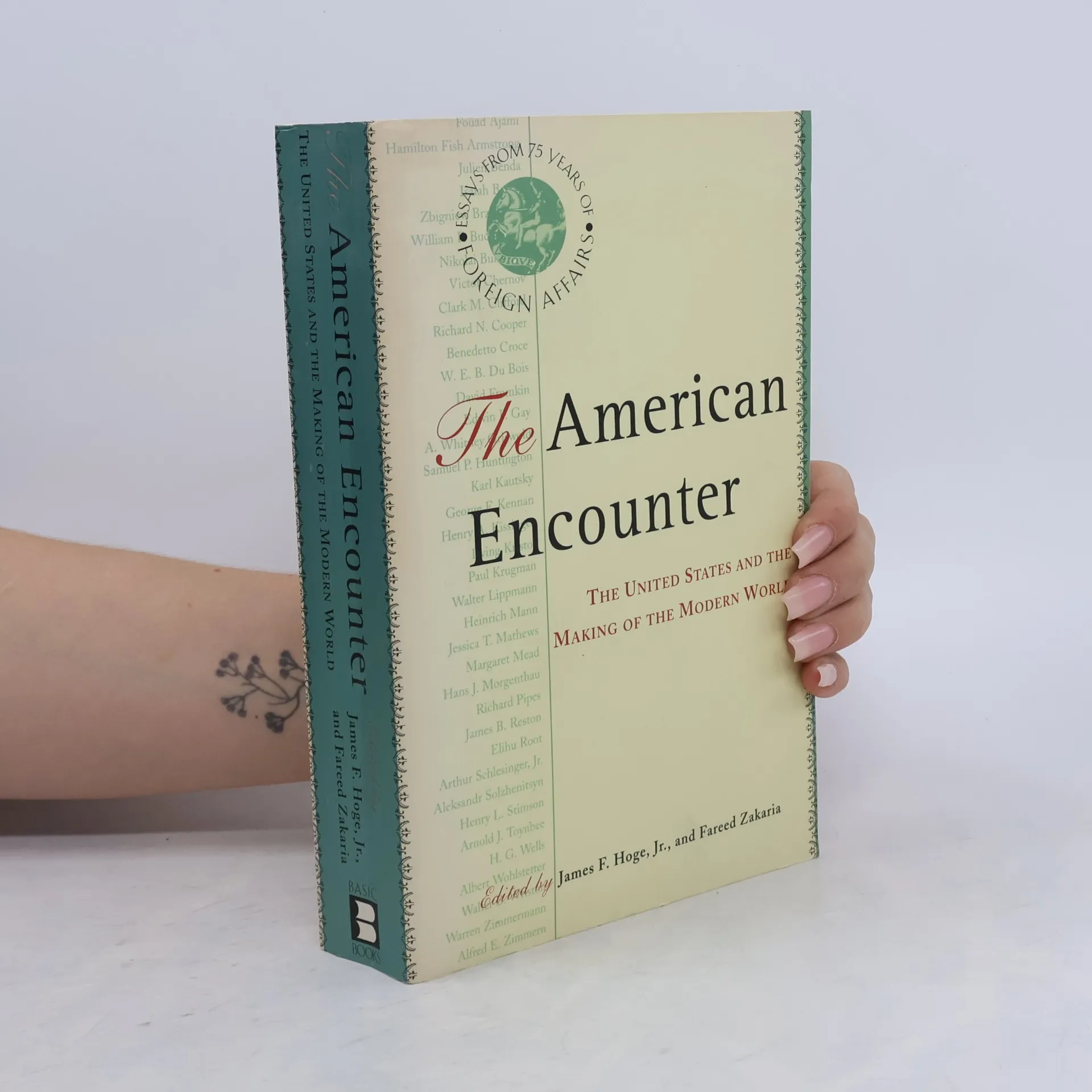
The American Encounter
The United States and the Making of the Modern World: Essays from 75 Years of Foreign Affairs
- 672 pages
- 24 hours of reading
Since its founding in 1922, Foreign Affairs has established itself as the premier journal of international relations, offering profound commentary on global politics and economic policy. America's significant role in world events—military, political, economic, and ideological—has been central to discussions within its pages. Notably, it was here that George Kennan introduced the containment policy, shaping U.S. Cold War strategy. The journal has hosted debates among statesmen-scholars like Henry Kissinger and Arthur Schlesinger on critical issues such as nuclear weapons and human rights, while journalists like Walter Lippmann and James Reston have provided insightful analyses of American foreign policy. Thinkers like Isaiah Berlin and Samuel Huntington have explored the evolving dynamics of the world. In The American Encounter , readers will discover landmark essays that reflect a unique intellectual history of the past century and America's extraordinary influence within it. This collection stands apart, as there is no other publication like Foreign Affairs . The American Encounter serves as a vital connection to historical giants—visionaries whose insights and warnings resonate today, enhancing our understanding of America's role on the global stage.
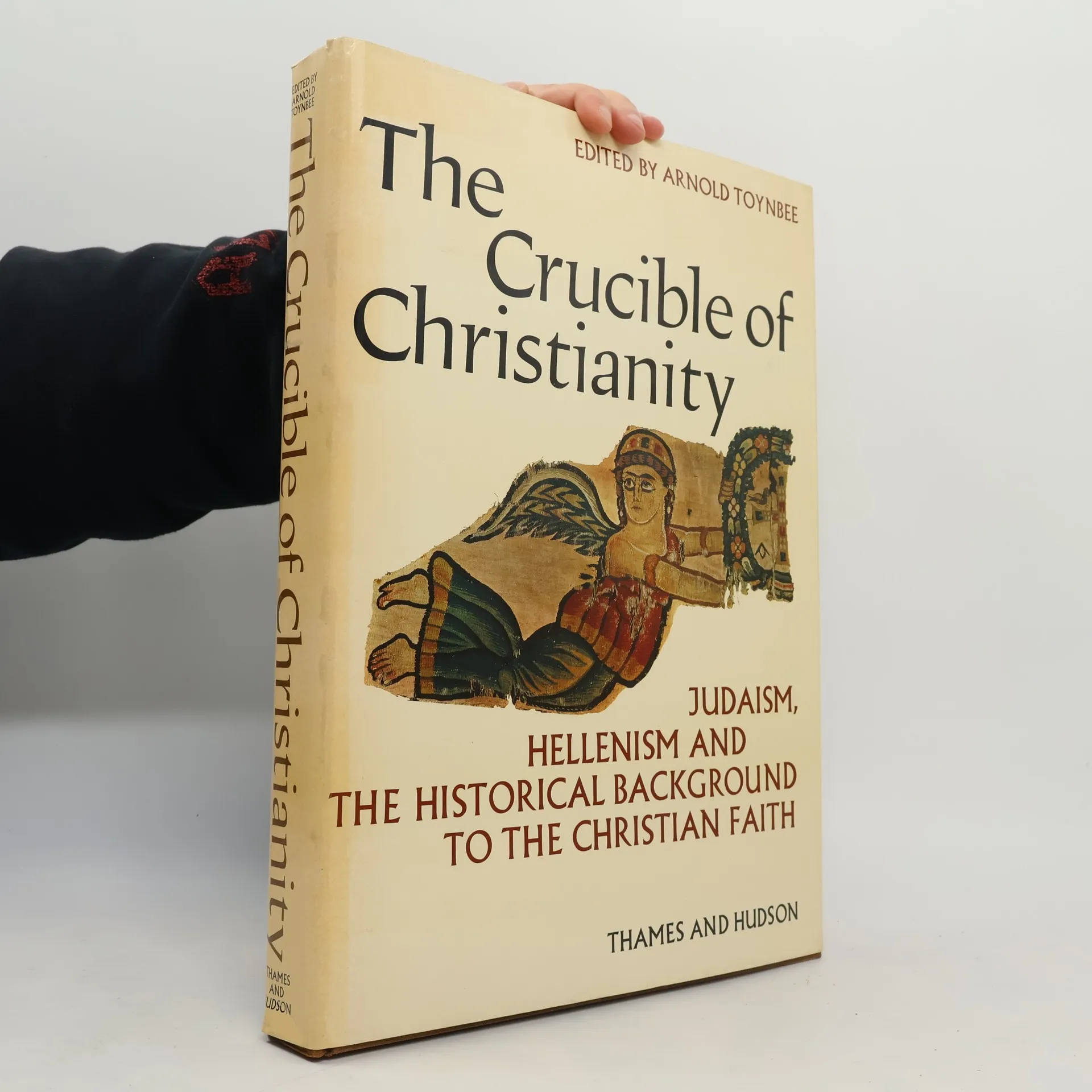
The Crucible of Christianity
Judaism, Hellenism and the Historical Background to the Christian Faith
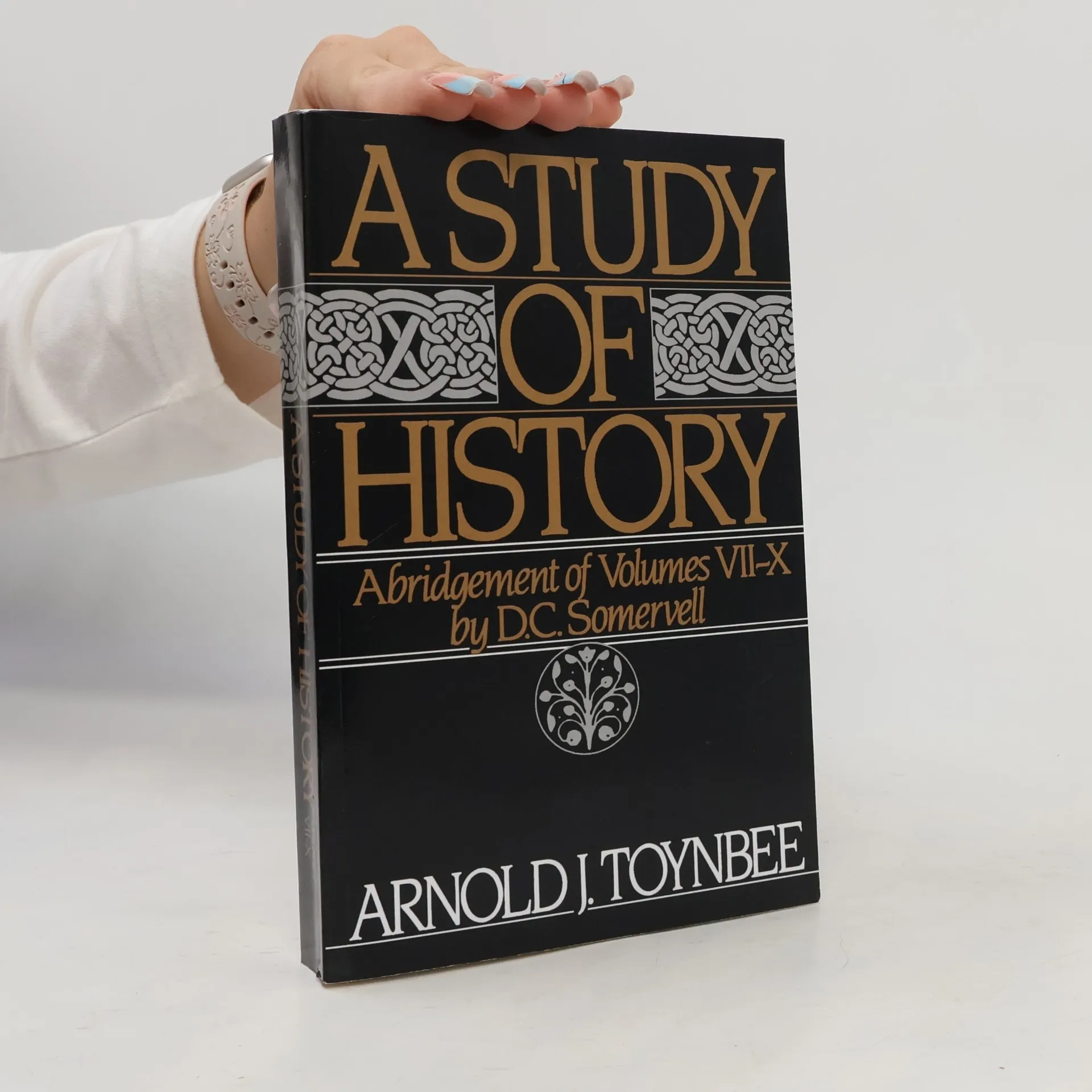
A Study of history. Abridgement of volumes VII-X by D.C. Somervell
- 426 pages
- 15 hours of reading
Toynbee's analysis of the rise and fall of civilizations has been acknowledged as an achievement without parallel in modern scholarship. This abridgement, while reducing the work to one-sixth of its original size, preserves its method, atmosphere, texture, and for the most part, the author's very words.
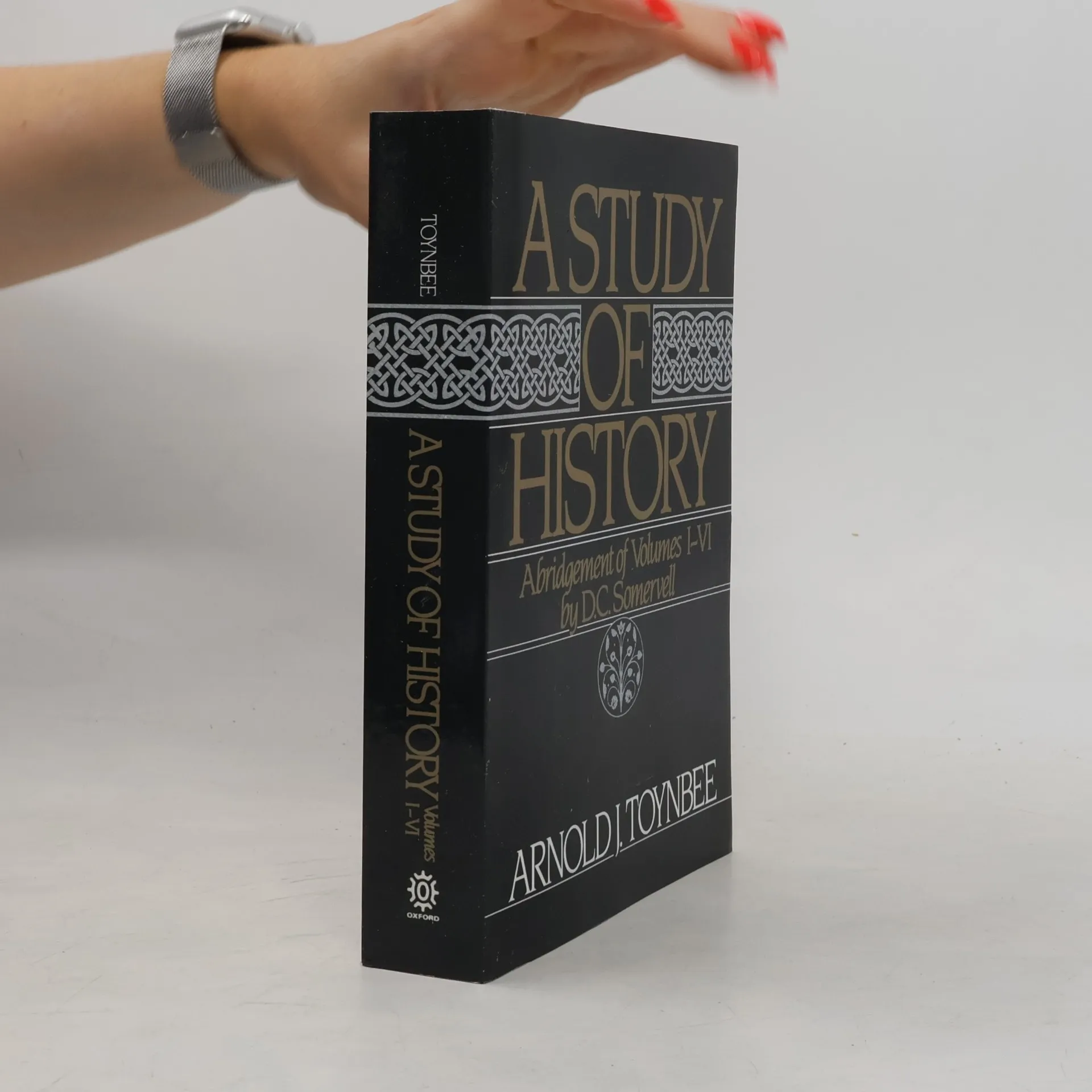
A Study of History. Abridgement of Volumes I-VI
- 630 pages
- 23 hours of reading
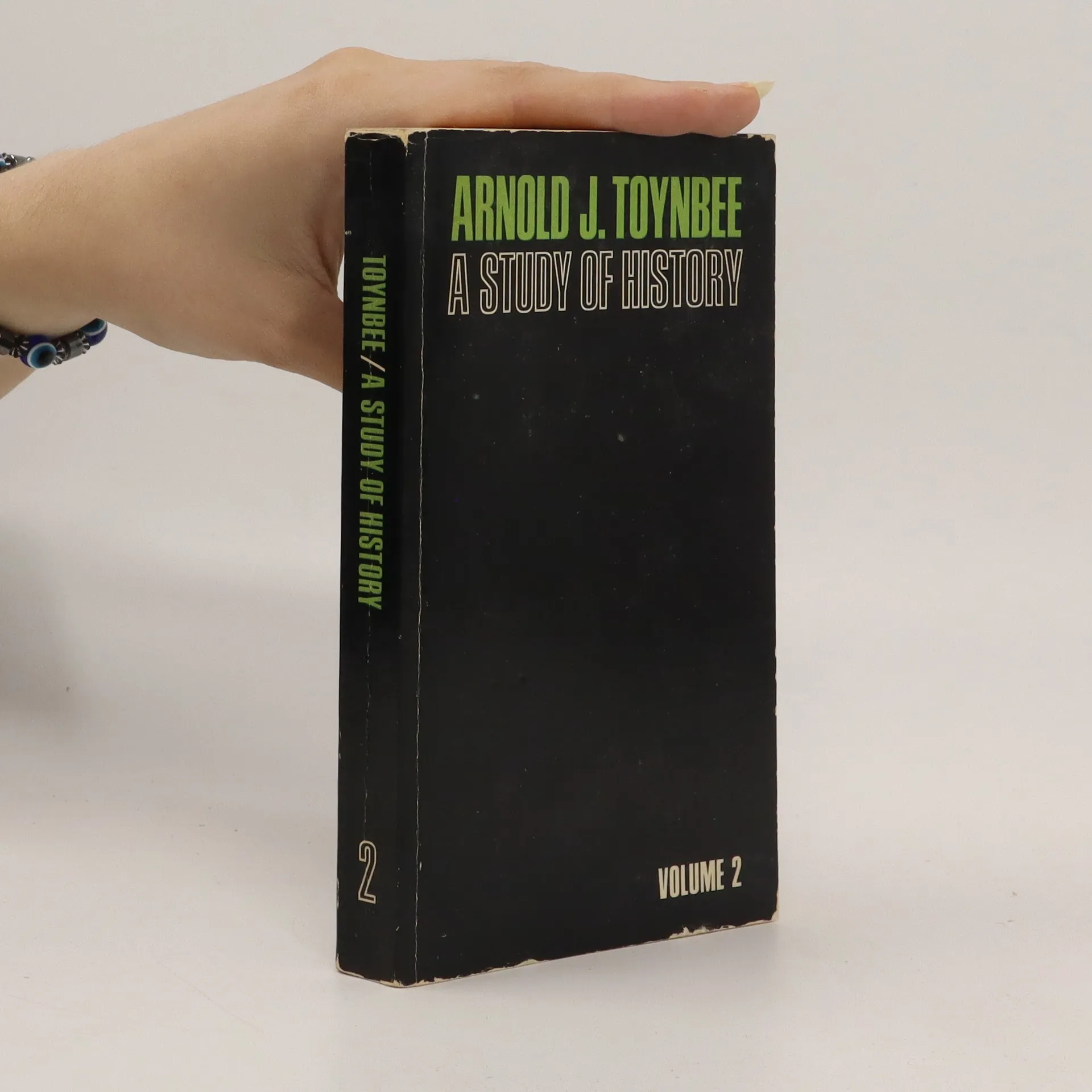
Arnold Toynbee's analysis of the rise and fall of civilizations has been acknowledged as one of the great achievements of twentieth-century scholarship. D.C. Somervell's abridgement of this monumental work is a great achievement in its own right. While reducing the work to one sixth of its original size, he has succeeded in preserving its method and character. The first volume of the abridgement presents Toynbee's philosophy of history as it appears in the first six volumes of the original work. This volume includes the Introduction; The Geneses of Civilizations; The Growth of Civilizations; The Breakdowns of Civilizations; and The Disintegrations of Civilizations. The second volume comprises volumes 7-10 of the original, including Universal States; Universal Churches; Heroic Ages; Contacts Between Civilizations in Space; Contacts Between Civilizations in Time; Law and Freedom in History; The Prospects of the Western Civilization; and Conclusion.
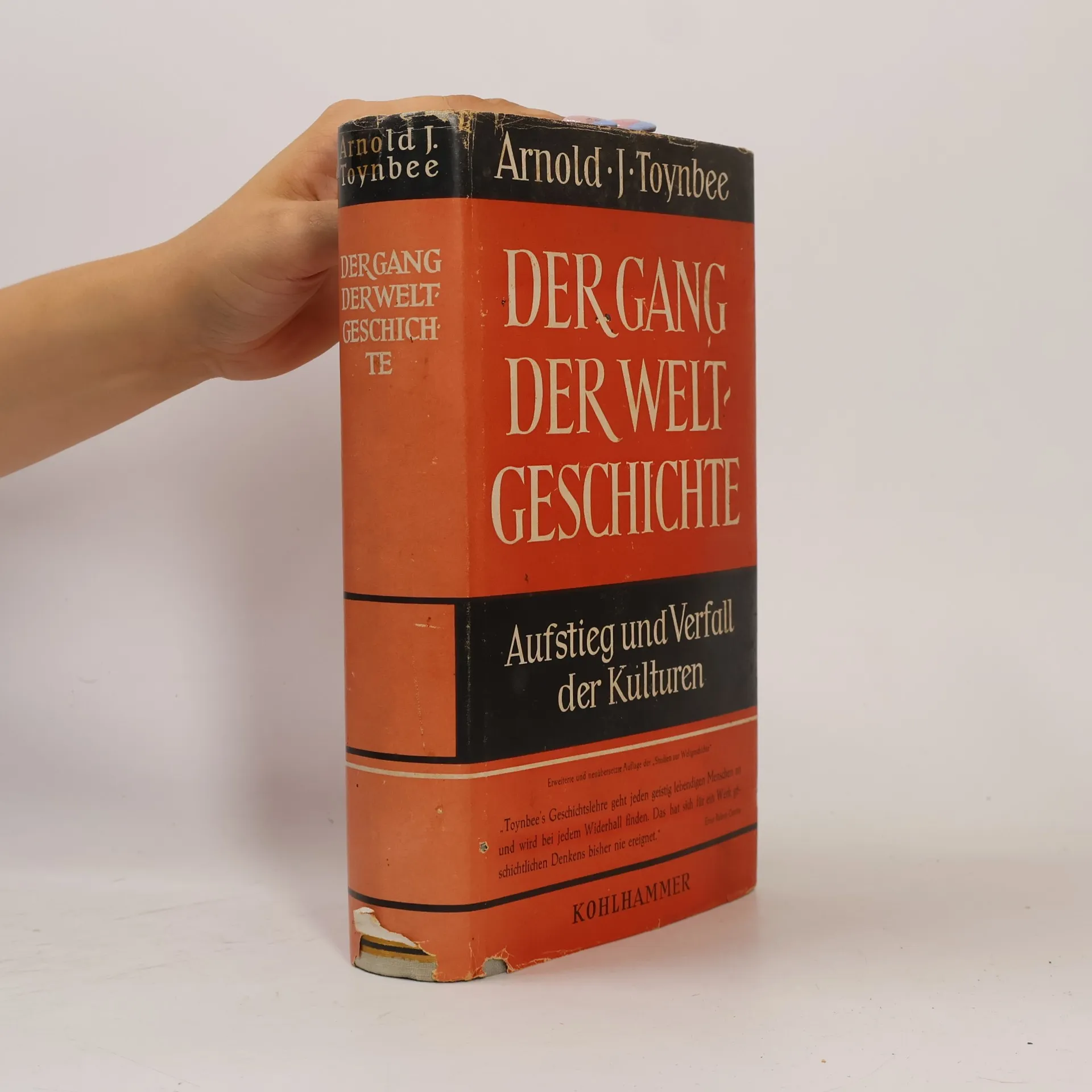
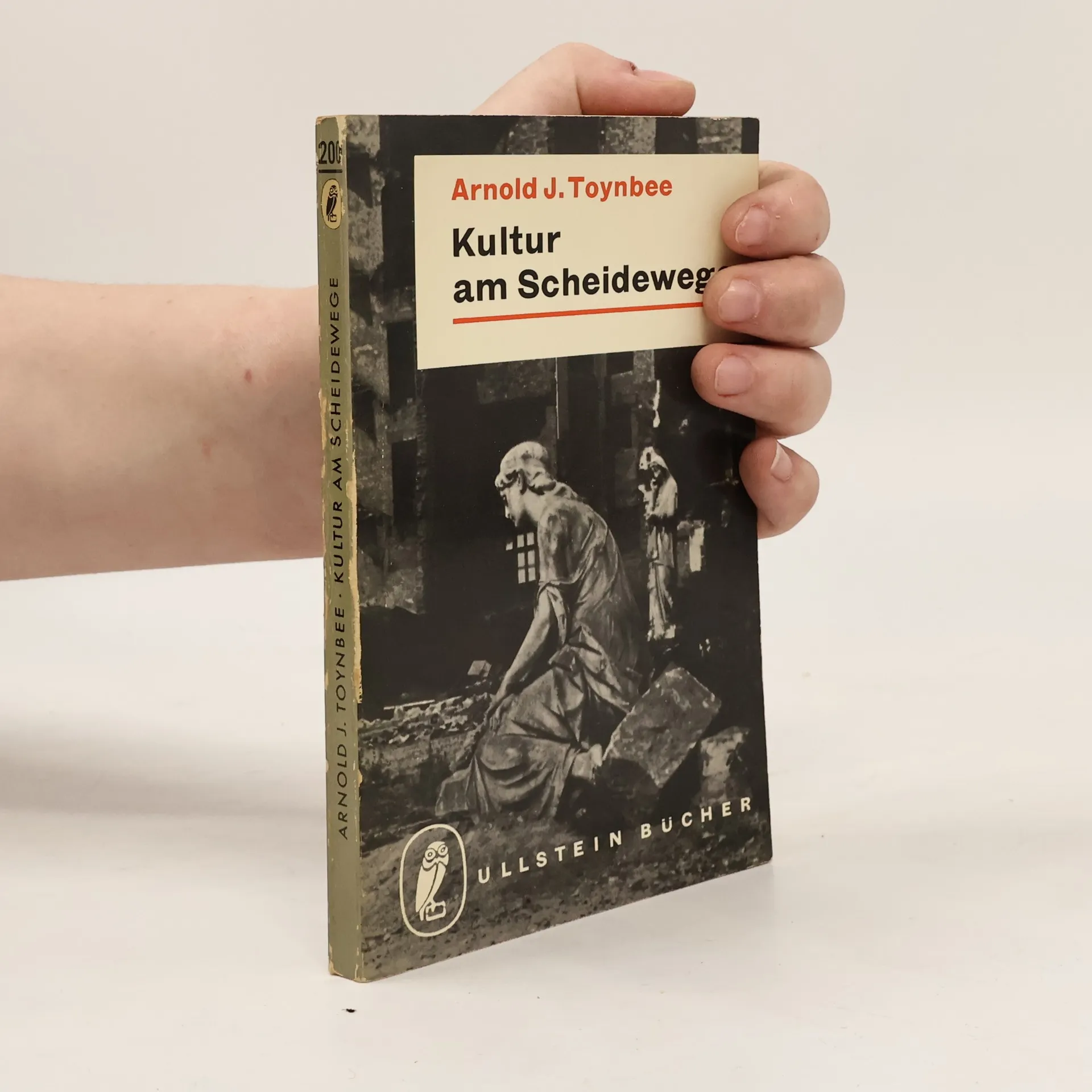
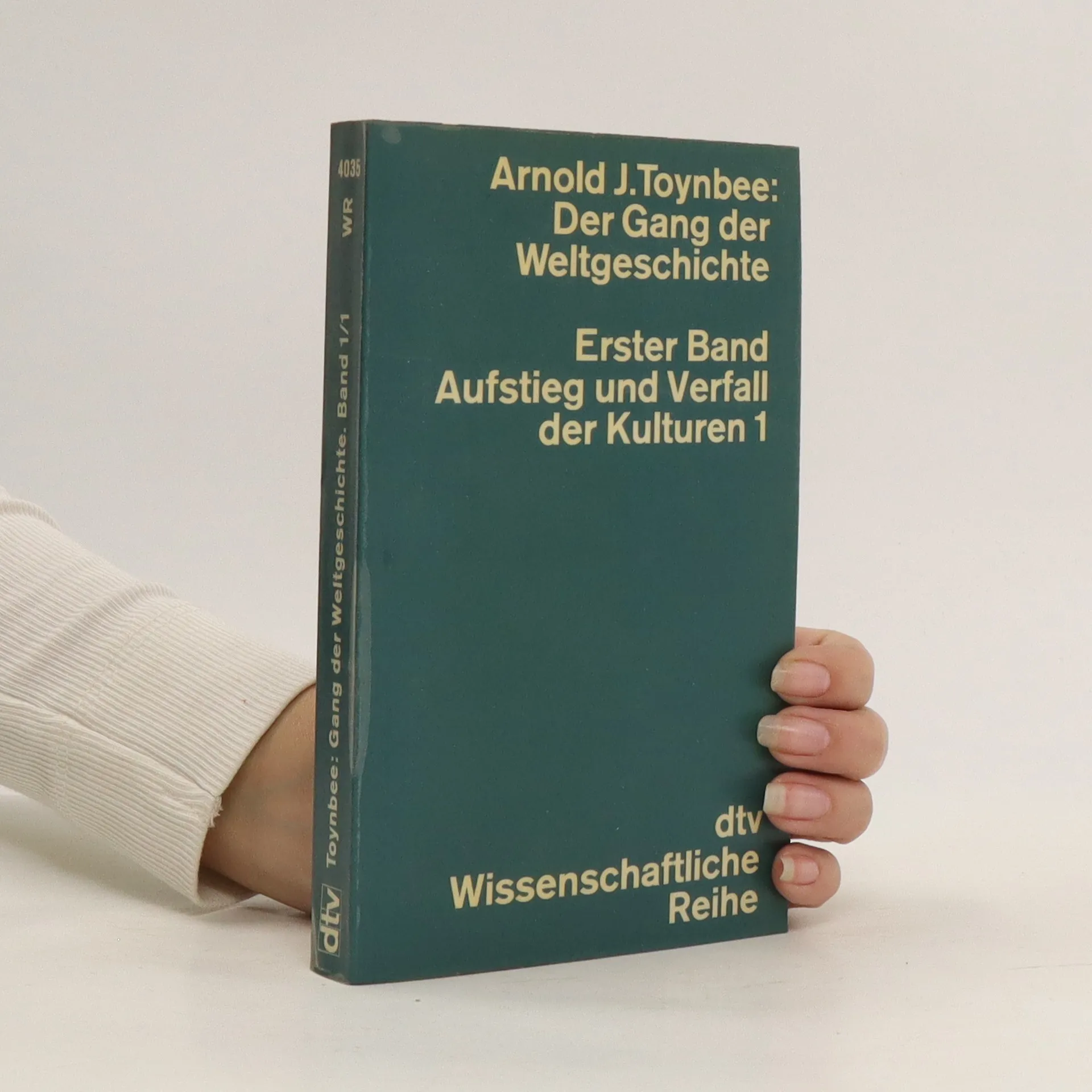
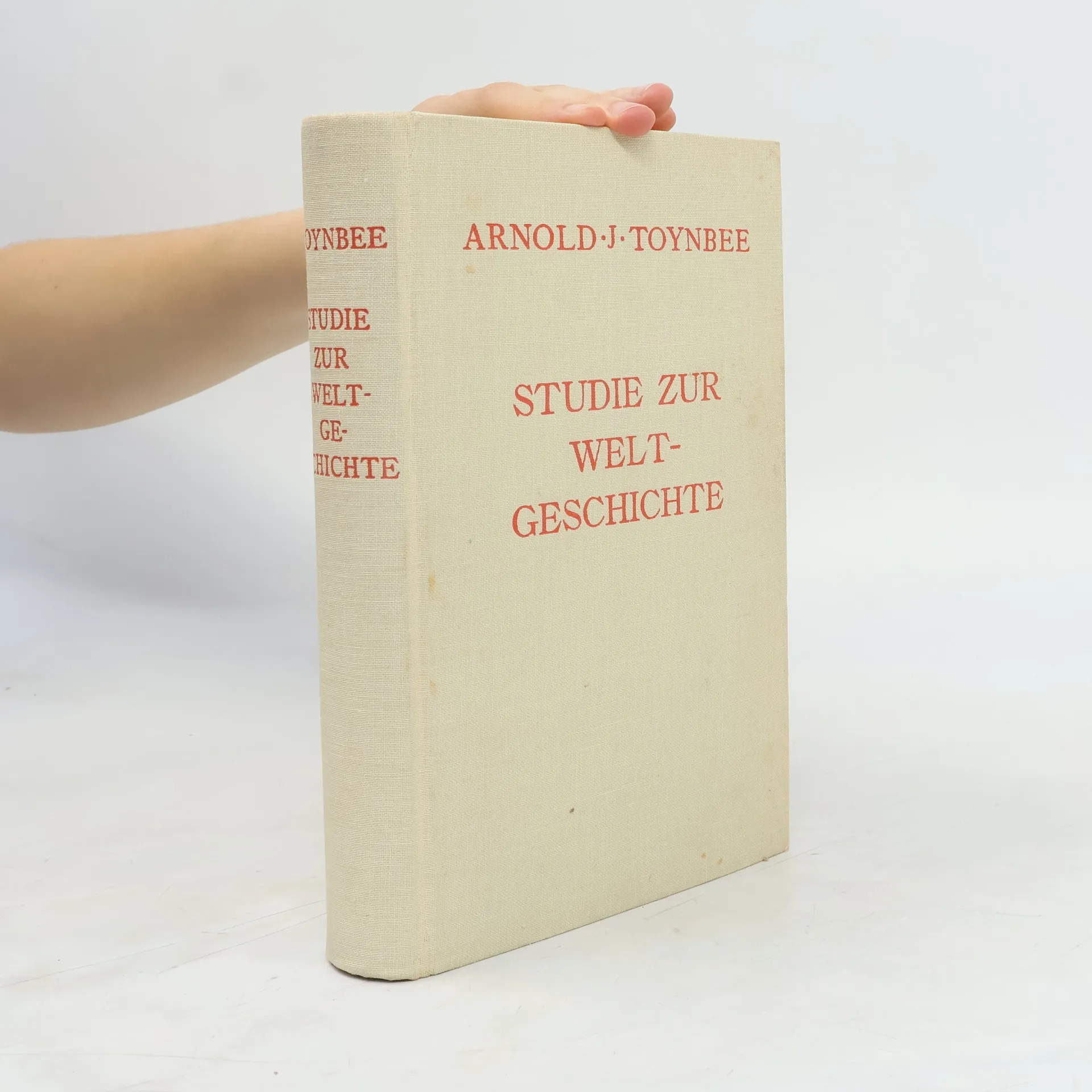
Arnold J. Toynbee untersucht in seinem umfassenden Werk die Bedingungen, unter denen Hochkulturen entstehen und untergehen. Er stellt Fragen zu den Gründen für den Aufstieg und Fall von Zivilisationen und analysiert, warum einige Kulturen in Krisenzeiten scheitern, während andere aufblühen. Toynbee, ein bedeutender Historiker des 20. Jahrhunderts, betont, dass nicht Staaten, sondern Kulturen die entscheidenden historischen Faktoren sind. Seine Forschung, die auch außereuropäische Kulturen einbezieht, markiert eine Abkehr von der eurozentrischen Sichtweise und positioniert ihn als einen der großen Universalhistoriker. Toynbee beschreibt die Entwicklung der Geschichte als einen Prozess, der von der Dialektik von „Herausforderung und Antwort“ geprägt ist. Ähnlich wie im Universum gibt es Phasen von Bewegung und Stillstand, die auch die menschliche Geschichte bestimmen. Er argumentiert, dass Rezessionen den menschlichen Geist zu Innovationen anregen. In seinen Analysen berücksichtigt er geografische Faktoren, religiöse Bewegungen, ethnische Minderheiten sowie kulturelle und technische Revolutionen. Darüber hinaus bietet Toynbee eine tiefgehende Analyse der Weltordnung nach dem Zweiten Weltkrieg und zeigt auf, dass viele Kulturen aufgrund fehlender gesellschaftlicher Erneuerungen scheiterten. Seine Erkenntnisse bieten wertvolle Lehren, um Fehlentwicklungen zu vermeiden und Krisen als Chancen zur Weiterentwicklung zu begreifen.
Der Gang der Weltgeschichte
Aufstieg und Verfall der Kulturen
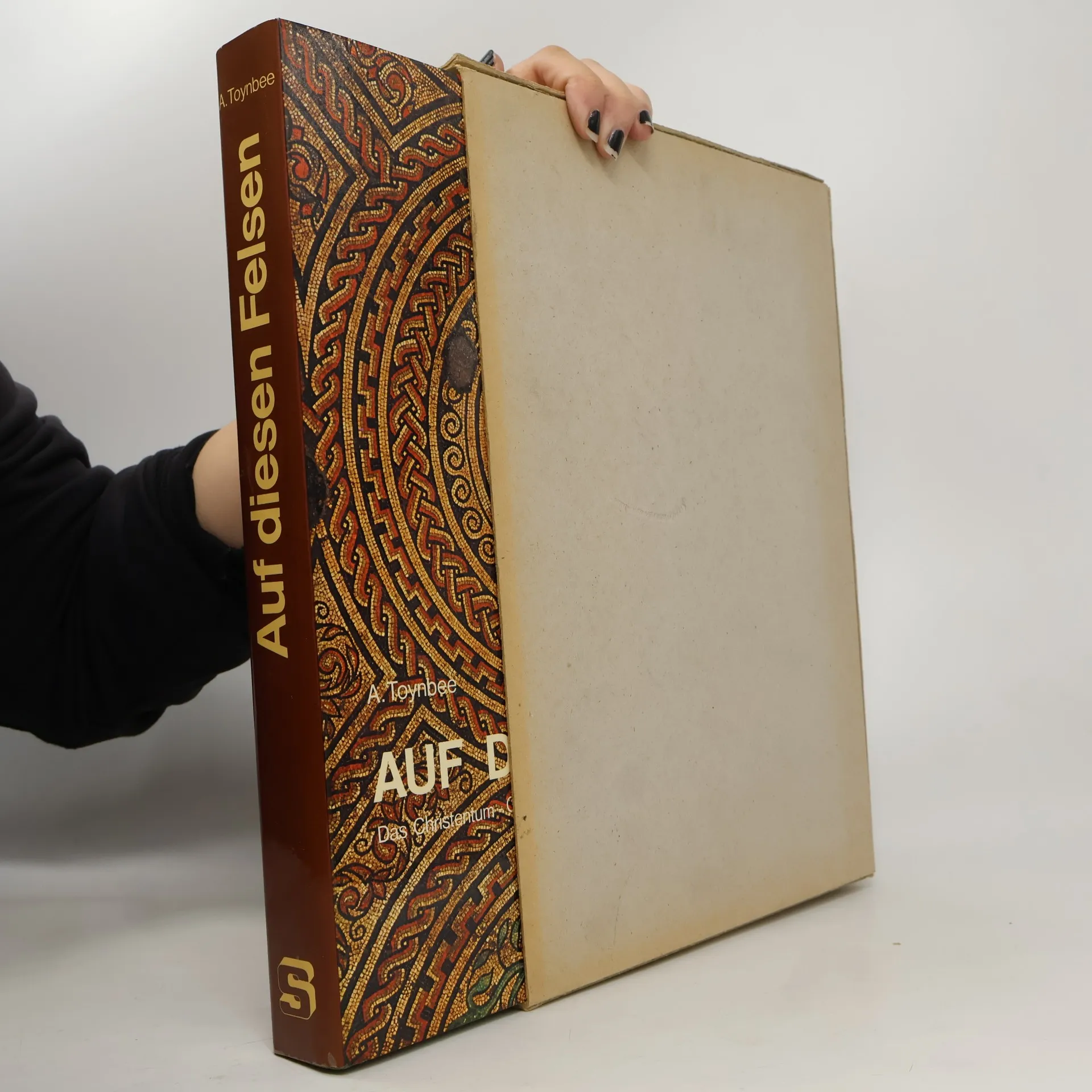
Auf diesen Felsen
Das Christentum. Grundlagen und Weg zur Macht
Religion ohne Zukunft?
- 215 pages
- 8 hours of reading
Wähle das Leben!
- 416 pages
- 15 hours of reading
Der Ferne Osten
- 368 pages
- 13 hours of reading
O stosunku historyka do religii
- 261 pages
- 10 hours of reading
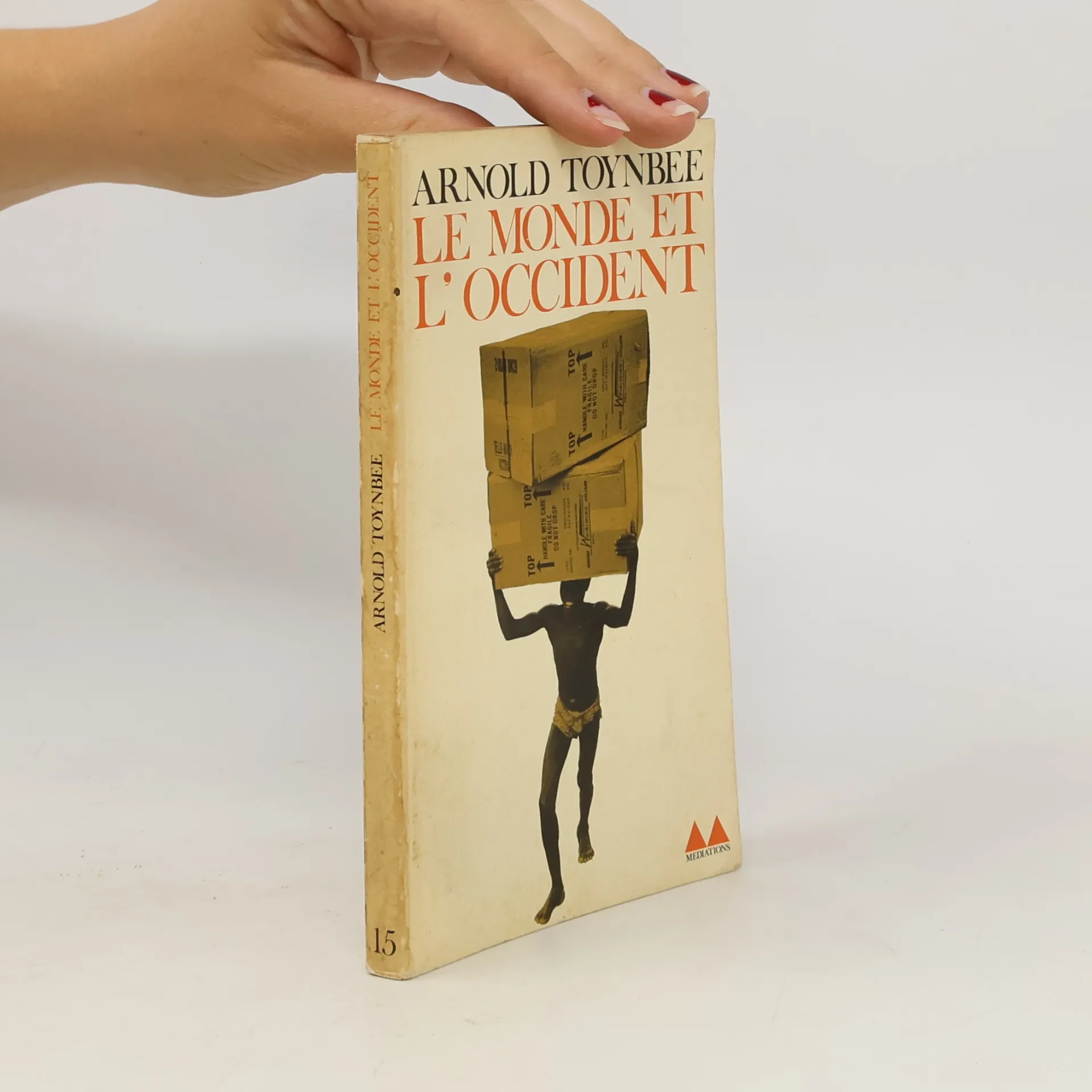
Le Monde et l'Occident
- 189 pages
- 7 hours of reading
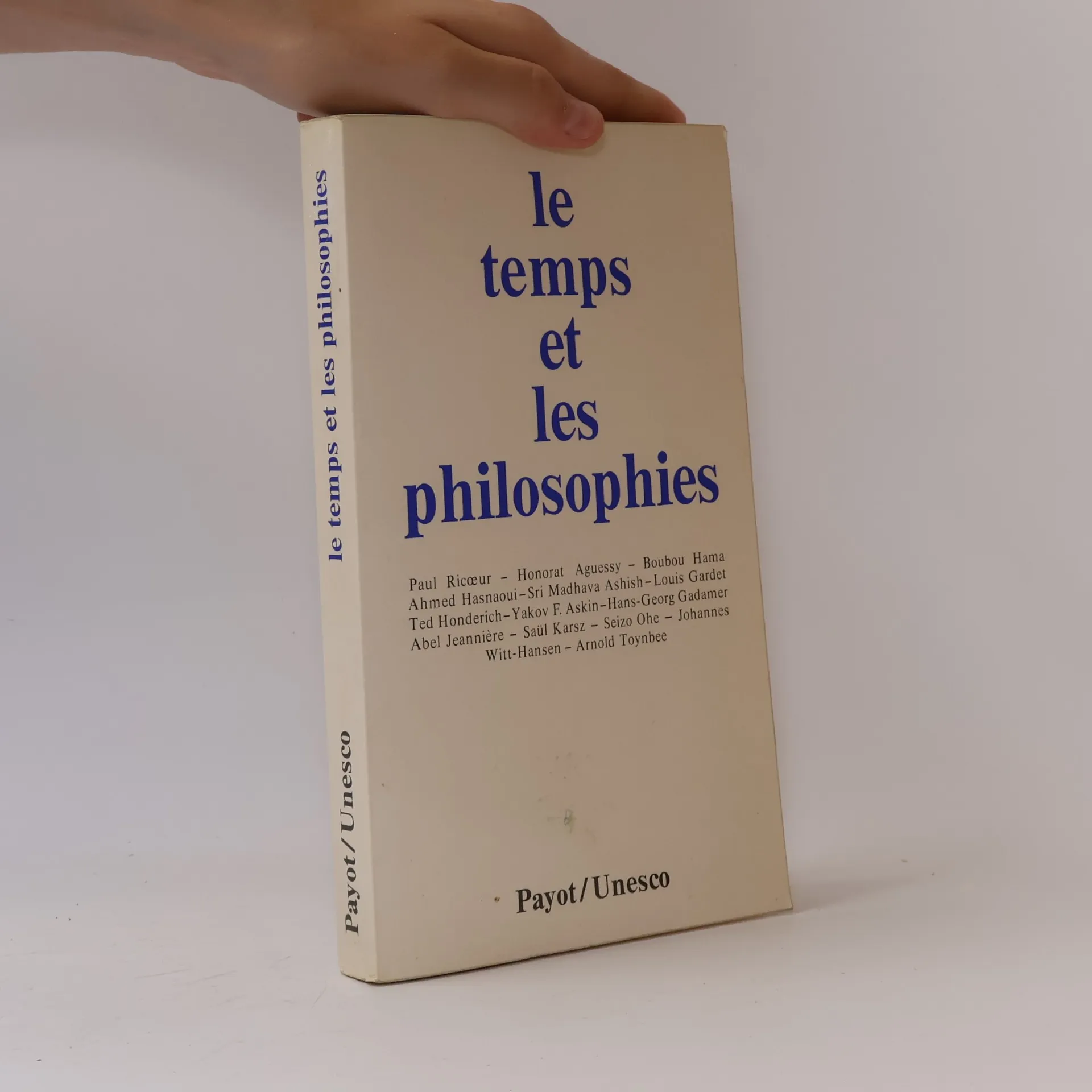
Qu'est-ce que le temps? La philosophie traditionnelle n'a jamais fourni de réponse définitive à cette question, malgré des spéculations approfondies. Ce livre choisit de ne pas y répondre directement, mais plutôt de présenter une expérience du temps ancrée dans des contextes sociaux, historiques et intellectuels précis. Les essais rassemblés ici explorent le temps à partir de diverses situations culturelles, offrant une variation sur un thème commun, abordé sous des angles et des approches différents. Bien que ces méthodes analytiques puissent sembler disséminantes, elles sont souvent éclairées par la philosophie sous-jacente qui les inspire. Cela est particulièrement pertinent dans l'examen du rôle de la langue et de ses relations avec les références temporelles. Certaines réflexions vont au-delà des simples références pour considérer comment le temps se manifeste et comment ses structures immanentes s'organisent, ce qui est essentiel pour une compréhension spécifique de l'histoire. Ces investigations reconnaissent également les apories souvent engendrées par la réflexion sur le temps. Elles interrogent les insuffisances des images spatiales courantes du temps, posant la question de la mesure du temps lui-même. Enfin, elles soulignent que la relativité, en émancipant la problématique du temps, exige une connaissance de sa nature, qui se réalise dans l'accomplissement des communautés humaines et le mouvement de leur vie histor
Vor der Linie
Der moderne Mensch und der Tod
Hat die Religion Zukunft?
- 361 pages
- 13 hours of reading
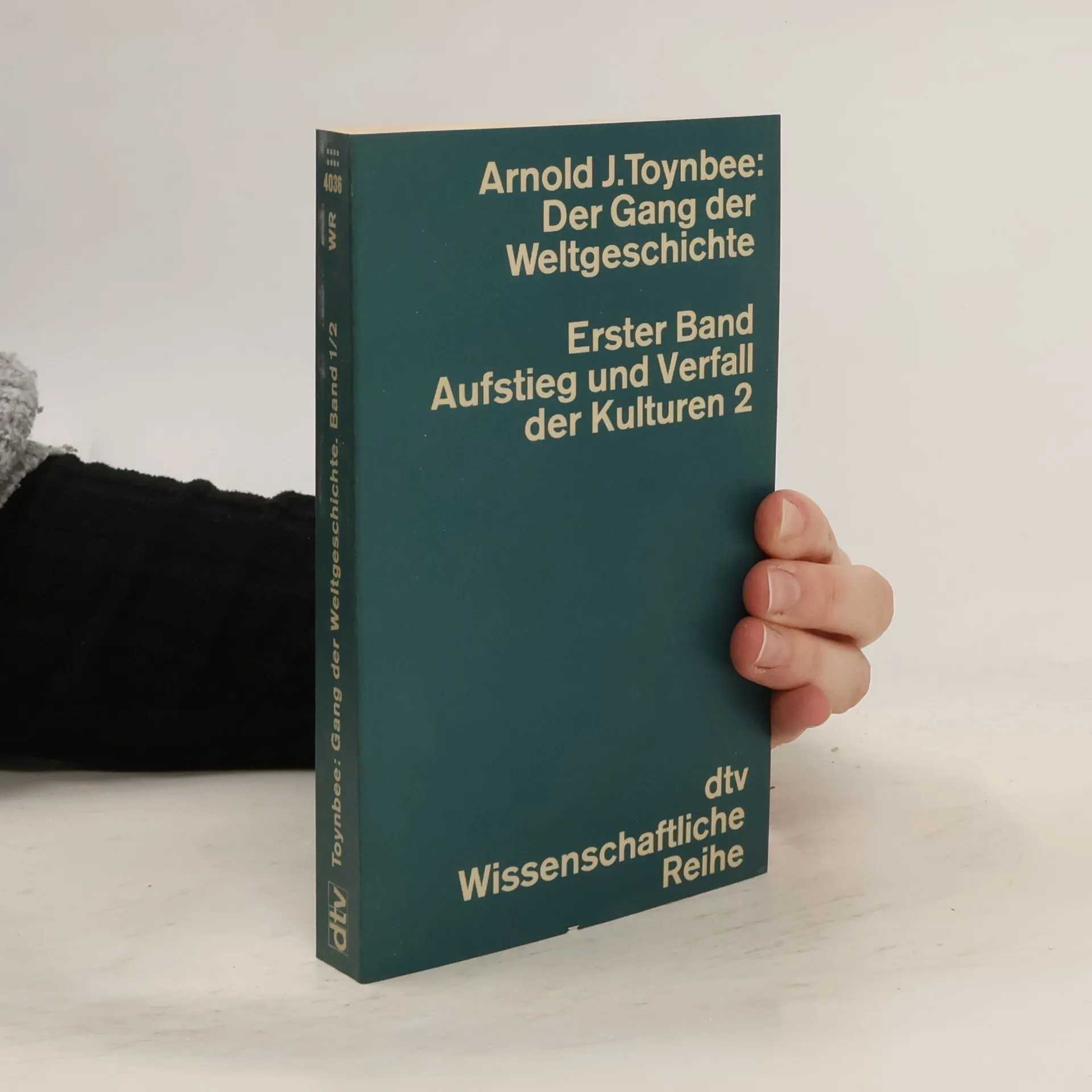
Der Gang der Weltgeschichte
Aufstieg und Fall der Kulturen 2
Rozhovory dvou velkých světových osobností o sociálních, politických, filozofických i náboženských aspektech současnosti.