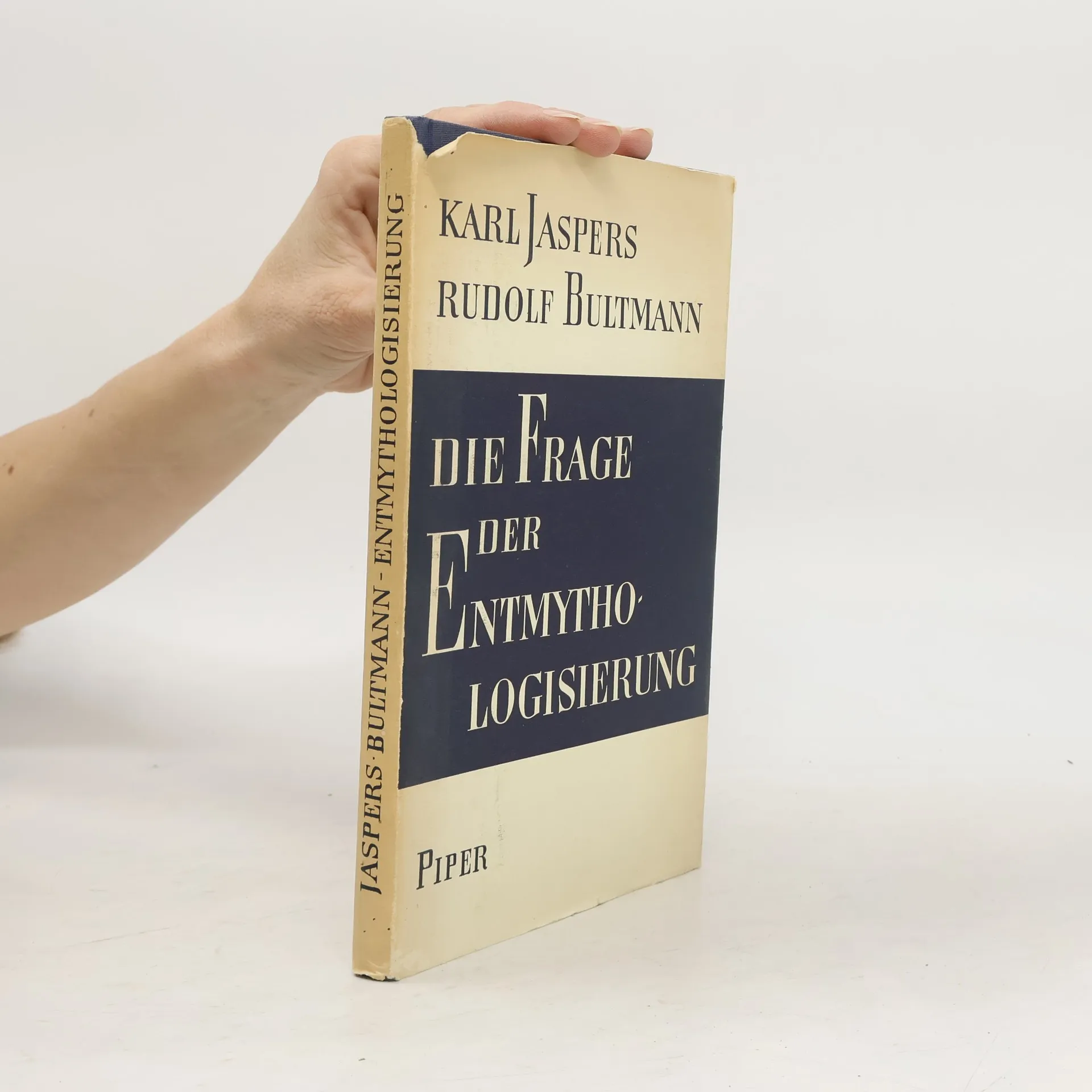

Explore the latest books of this year!
Bookbot

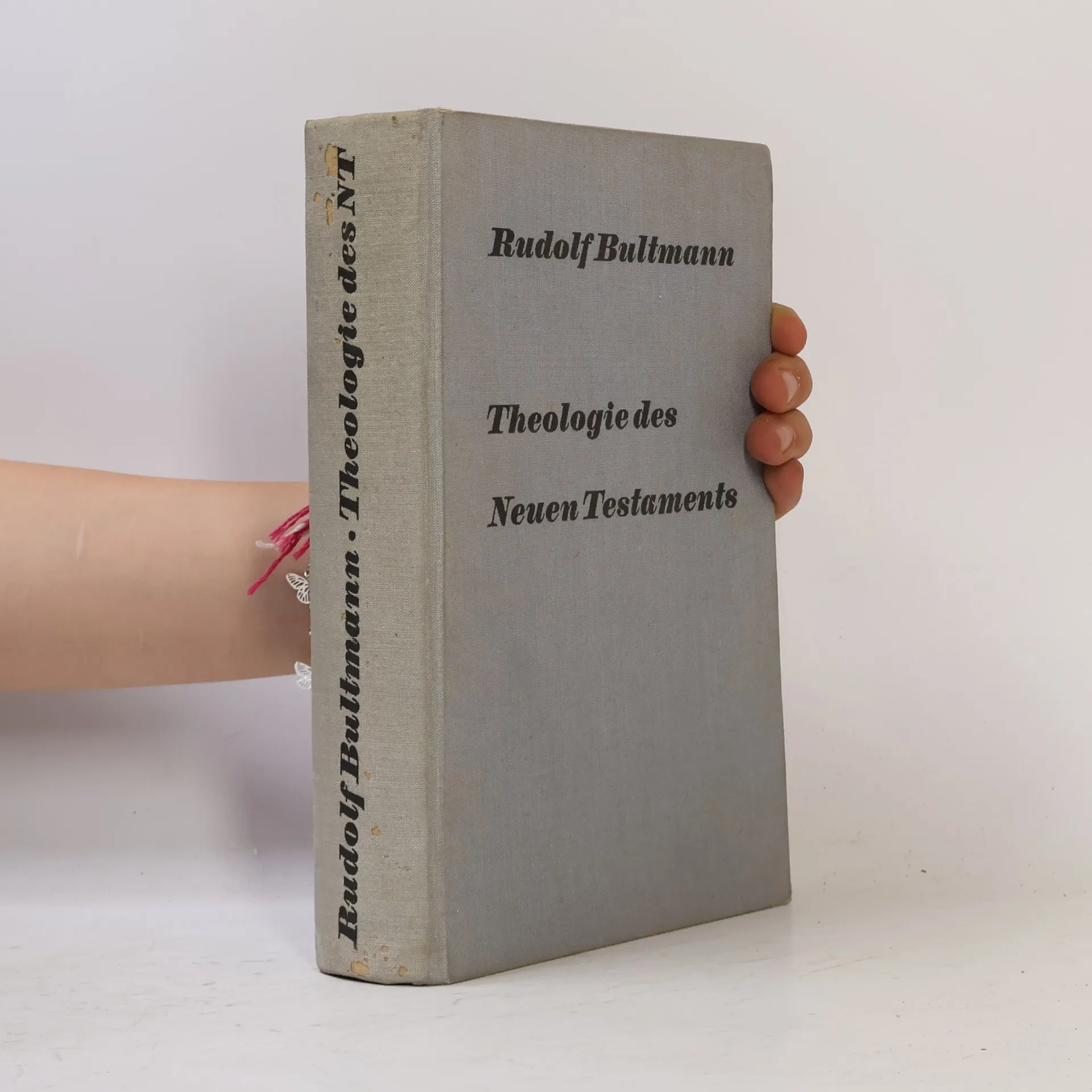
Rudolf Bultmann

    August 20, 1884 – July 30, 1976

    Rudolf Bultmann was a German theologian who questioned the necessity of historical analysis of the New Testament. He argued that only the existence of Jesus, his preaching, and crucifixion mattered for Christian faith, not the specifics of his life. Bultmann focused on demythologization, an approach that interpreted the biblical myths existentially. He believed that faith in the kerygma, or proclamation, of the New Testament was the key to Christian belief, not specific historical facts.

    Rudolf Bultmann
    Das Evangelium des Johannes. Kritisch-exegetischer Kommentar über das Neue Testament, Bd.2.
    Jesus
    The Gospel of John
    Existence and Faith; Shorter Writings of Rudolf Bultmann
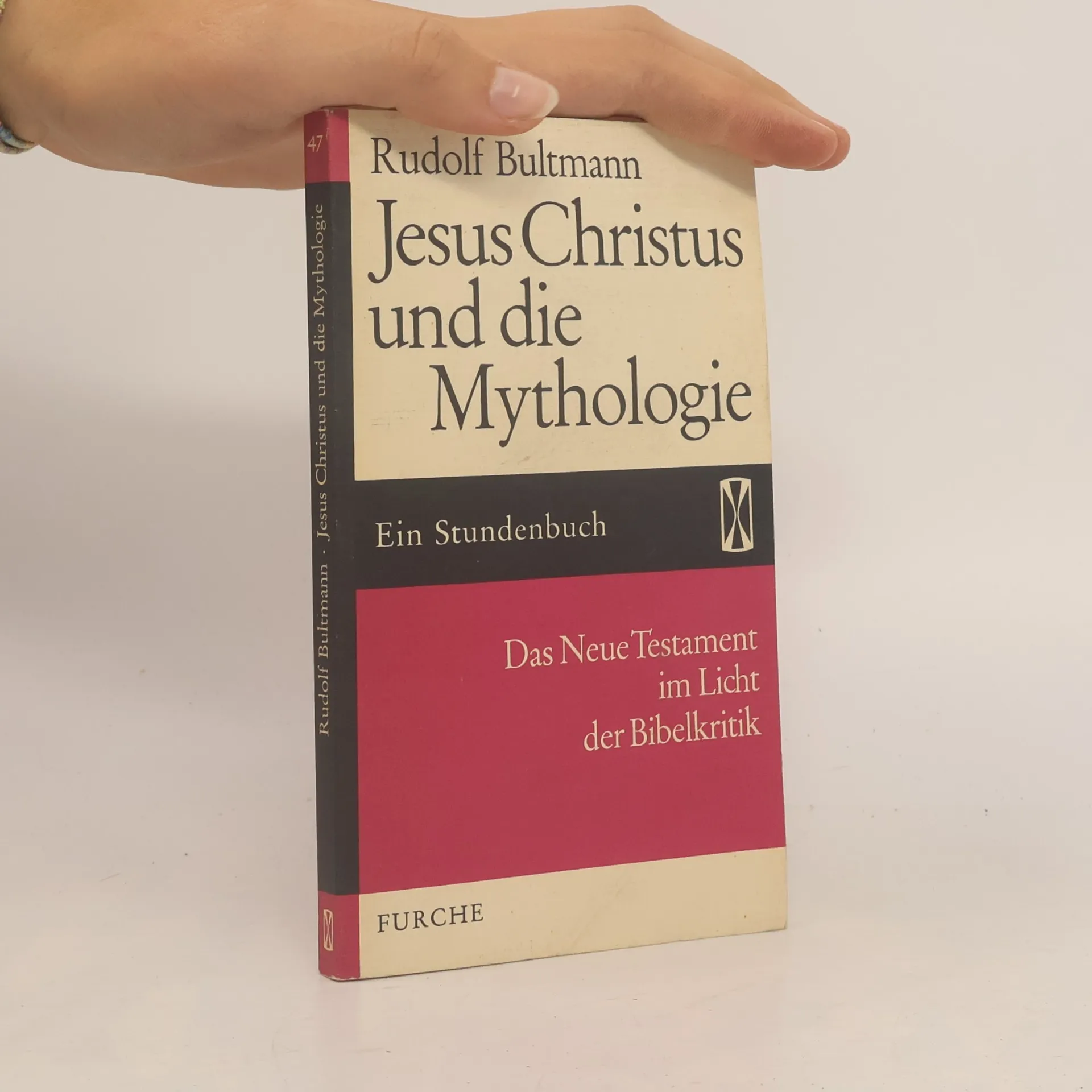
    Jesus Christ and Mythology
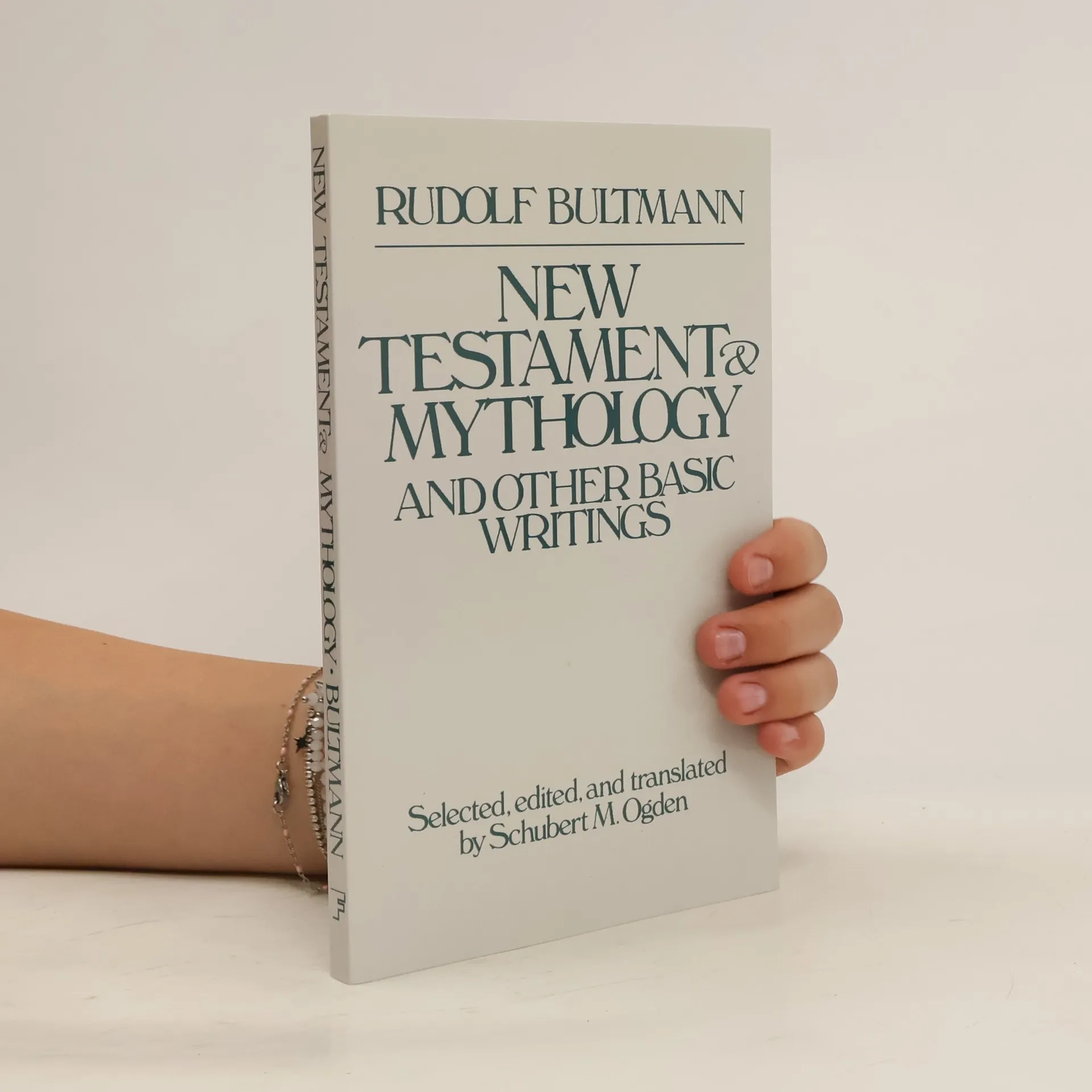
    New Testament and Mythology and Other Basic Writings
    • Aside from the fact that it is perhaps the single most discussed and controversial theological writing of the century, no one knowledgeable of Bultmann's work could doubt its basic importance for his entire contribution. Although the position is for which it argues was hardly new, having already taken shape in several of his theological essays written during the 1920s, it is nevertheless the classic formulation of this position and as such incomparable in the Bultmann corpus.

      New Testament and Mythology and Other Basic Writings
    • Jesus Christ and Mythology

      • 98 pages
      • 4 hours of reading
      3.5(206)Add rating

      Dr. Bultmann addresses criticisms regarding his approach to Christianity, emphasizing his efforts to reinterpret the faith without relying on first-century myths. This concise work serves as a guide for those seeking to understand how Christianity can be redefined in a modern context, offering both clarity and encouragement for readers navigating these complex theological discussions.

      Jesus Christ and Mythology
    • The Gospel of John

      • 792 pages
      • 28 hours of reading

      Rudolf Bultmann's commentary on the Gospel of John stands as a pivotal work in New Testament scholarship, noted for its technical rigor and originality. It is often regarded as the most significant monograph of the twentieth century, rivaled only by Albert Schweitzer's work. Bultmann's approach contrasts sharply with other paradigms, showcasing his dominance in early-Christianity studies. Ernst Haenchen famously likened the commentary to a giant oak tree, highlighting its overwhelming influence on Continental Protestant scholarship for many years.


      The Gospel of John