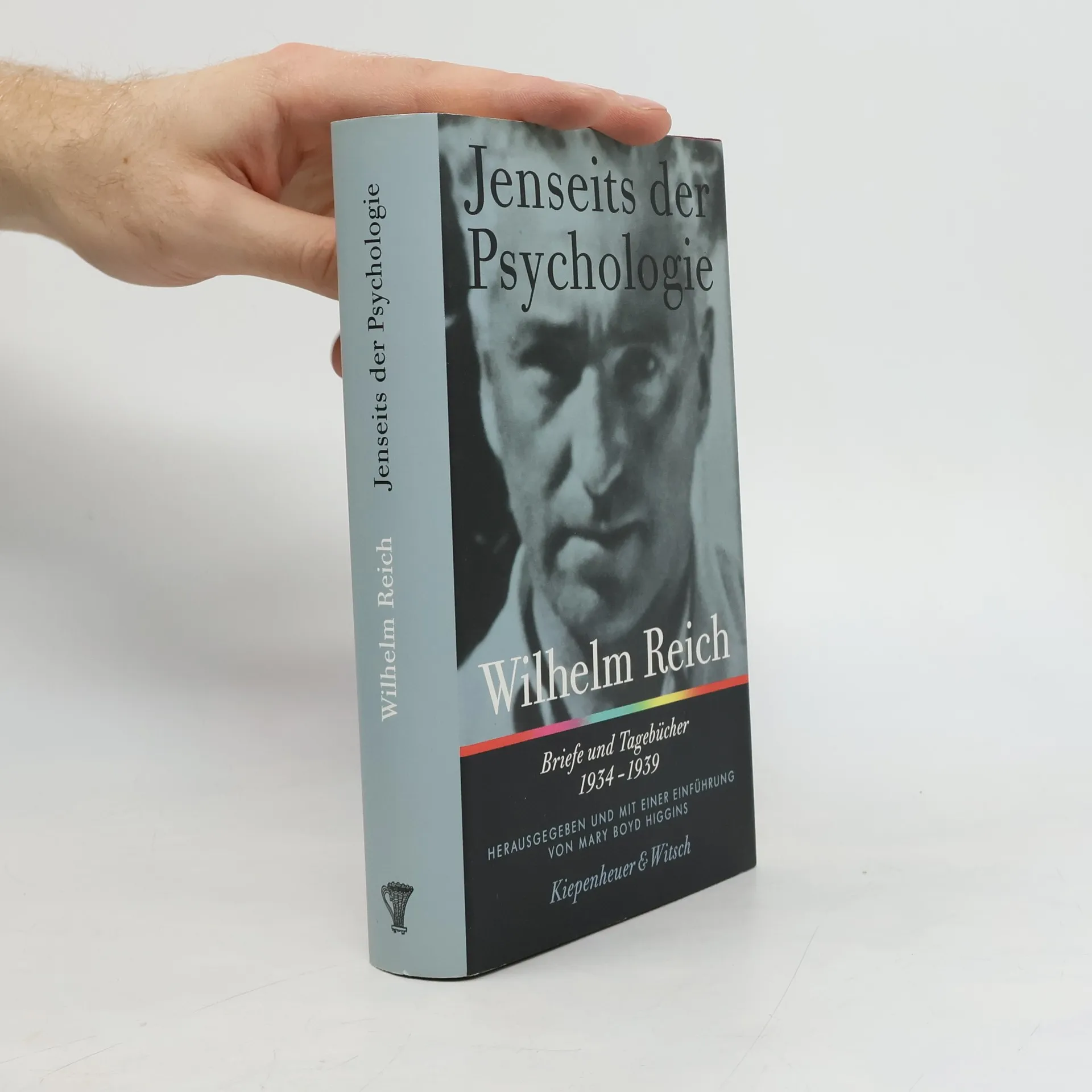

Explore the latest books of this year!
Bookbot

Wilhelm Reich

    March 24, 1897 – November 3, 1957

    This author explored the link between sexuality and neurosis, emphasizing "orgastic potency" as the foremost criterion for psycho-physical health. His work, though rooted in psychoanalysis, synthesized insights from cultural anthropology, economics, and sociology. Throughout his career, he was a controversial figure, particularly for his theories on "orgone" energy and his "orgone accumulators," which led to a significant rift with the psychoanalytic establishment. Despite the controversy, his writings influenced numerous thinkers and continue to provoke reflection on the complex relationship between the body and mind.

    Wilhelm Reich
    Listen, Little Man
    The Murder of Christ
    Character Analysis
    Ether, God & Devil & Cosmic Superimposition
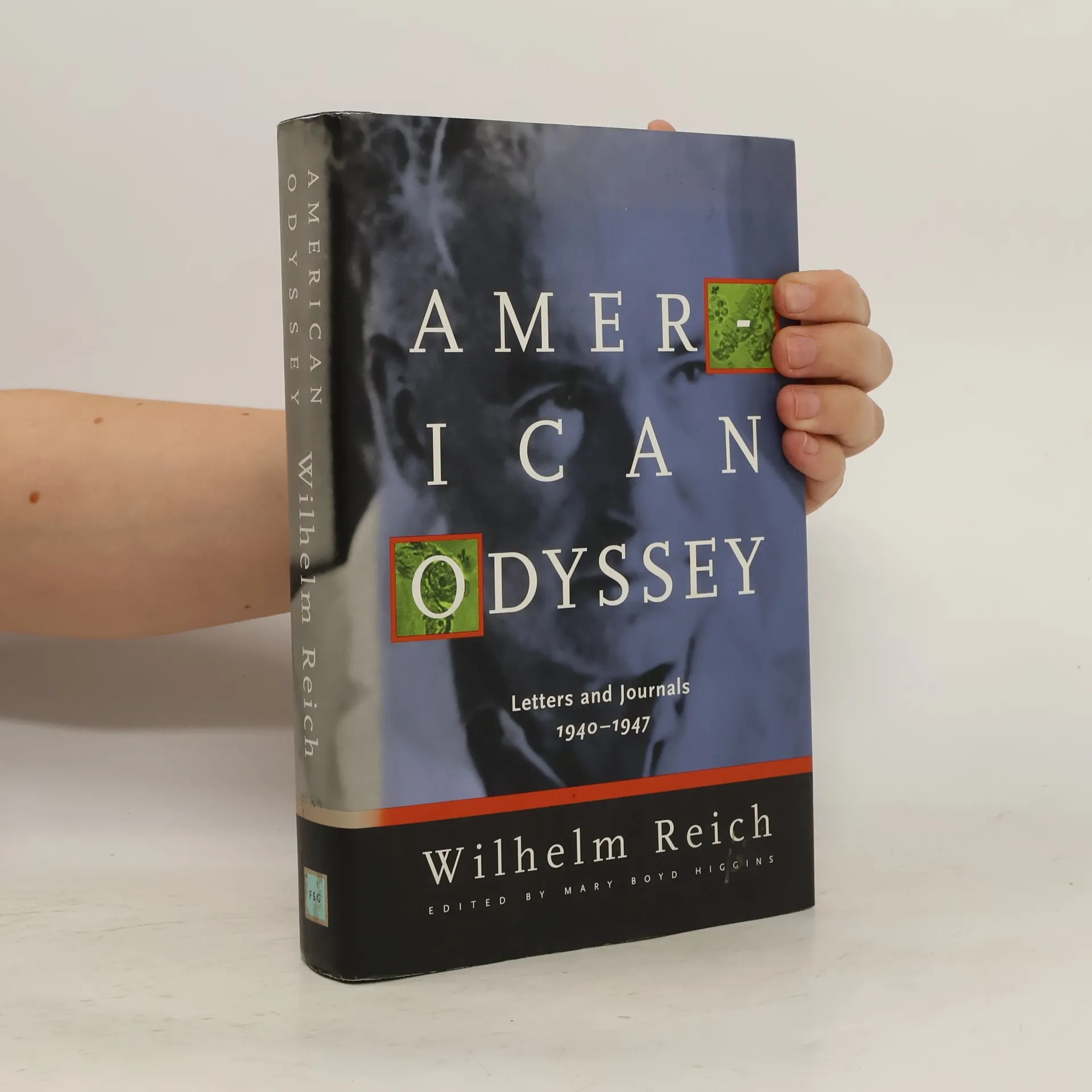
    American odyssey
    The Invasion of Compulsory Sex-Morality
    • 2023

      The Cancer Biopathy

      • 492 pages
      • 18 hours of reading

      Cancer is traditionally viewed as an invasive tumor that emerges in a healthy body, leading to complex medical interventions aimed at eradication. However, these approaches have shown mixed results, highlighting the need for a deeper understanding of the disease beyond just treating the tumor and its complications.

      The Cancer Biopathy
    • 2023

      Focusing on the intersection of physiology and psychology, this work presents Wilhelm Reich's groundbreaking experiments from 1935-36 that explore the connection between orgasm, sexuality, and anxiety. It includes three key contributions that delve into the electrophysiological aspects of these themes. Compiled in 1945, the book features Reich's original findings along with his notes and corrections, offering readers a unique insight into his theories and the scientific context of his research.

      The Bioelectrical Investigation of Sexuality and Anxiety
    • 2023

      People In Trouble

      • 304 pages
      • 11 hours of reading

      The book offers an autobiographical account of the author's evolution in sociological thought between 1927 and 1937. Through a straightforward narrative, it highlights personal experiences intertwined with significant social and political events. The author reflects on how these experiences informed his understanding of the profound impact of human character structure on social dynamics, revealing the intricate relationship between individual psychology and societal processes.

      People In Trouble
    • 2023

      The Function of the Orgasm

      • 416 pages
      • 15 hours of reading

      Focusing on the evolution of Wilhelm Reich's theories, the book explores his journey from a prominent psychoanalyst in Freud's circle to a pioneer in understanding the connection between emotional and physical health through the concept of orgone energy. It delves into his innovative ideas about the psyche-soma relationship and the significance of orgasm in achieving emotional and physical balance. The narrative serves as a scientific autobiography, chronicling his formative experiences and intellectual developments over two transformative decades.

      The Function of the Orgasm
    • 2023

      Selected Writings

      • 576 pages
      • 21 hours of reading

      Selected Writings - An Introduction to Orgonomy serves as an accessible entry point for readers new to Wilhelm Reich's work. It compiles key concepts and theories related to orgonomy, offering insights into Reich's innovative ideas on psychology and energy. First published in 1960, this collection is designed to introduce the fundamental principles of Reich's thought, making it an essential read for those interested in exploring his contributions to the fields of psychology and alternative medicine.


      Selected Writings
    • 2023

      The Invasion of Compulsory Sex-Morality

      • 248 pages
      • 9 hours of reading
      4.3(69)Add rating

      Exploring the historical roots of sexual suppression, this 1931 study delves into the emergence of compulsory sexual morality and its impact on human neuroses. Reich connects his clinical insights with ethnological research, particularly drawing from Bronislaw Malinowski's studies of Trobriand Islanders, to illuminate the origins of sexual disturbances. This work serves as a precursor to Reich's later influential writings on mass psychology and sexual revolution, positioning it as a critical examination of societal norms surrounding sexuality.

      The Invasion of Compulsory Sex-Morality
    • 2020

      Mit seiner "Massenpsychologie des Faschismus" (1933) schuf Wilhelm Reich (1897-1957) eines der Referenzwerke für die kritische Auseinandersetzung mit alten wie neuen faschistischen Bewegungen. Der streitbare Psychoanalytiker und Soziologe war der Erste, der mit scharfem analytischen Blick den grundlegenden Zusammenhang zwischen autoritärer Triebunterdrückung und faschistischer Ideologie durchschaute. In seinen Augen entspringt der Faschismus einer irrationalen Charakterstruktur des modernen Menschen, die, so steht zu vermuten, auch im dritten Jahrtausend weiter fortbesteht.

      Die Massen - psychologie des Faschismus
    • 2020

      Massenpsychologie des Faschismus

      Der Originaltext von 1933

      Wilhelm Reichs Massenpsychologie des Faschismus (1933) ist eine tiefgründige Untersuchung der psychosozialen Hintergründe des deutschen und internationalen Faschismus. Zugleich ist es ein Zeitzeugenbericht: Ein marxistischer Psychoanalytiker jüdischer Herkunft erlebt, kommentiert und analysiert das Ende der Weimarer Republik und den Siegeszug des Nationalsozialismus. Die hier dargestellte Sichtweise ist so nur noch in Reichs eigener späterer Version der Massenpsychologie (1946) nachzulesen IBM allerdings deutlich verändert, teils weniger klar formuliert, auf jeden Fall: weniger psychoanalytisch. Reichs Originaltext von 1933 erscheint hier ergänzt um das Nachwort der zweiten Auflage von 1934 sowie versehen mit einem Glossar und einer biografisch-zeitgeschichtlichen Einordnung von Andreas Peglau. (Verlagswerbung)

      Massenpsychologie des Faschismus
    • 2019

      Nachdruck der Originalausgabe von 1936. Wilhelm Reich beschreibt in seinem Werk die Bedeutung der Sexualität bei den sozialistischen Versuchen zur Schaffung eines neuen Menschen.

      Die Sexualität im Kulturkampf
    • 2018

      Vražda Krista

      • 280 pages
      • 10 hours of reading

      Vražda Krista obohacuje Reichovy psychosexuální analýzy o rozměr literární a historický. Napříč dějinami tu sledujeme chronickou tragédii lidstva – instinktivní eliminaci osobností, snažících se zacelit “propast mezi snem o životě a schopností tento život žít”. Ježíš Kristus je v tomto textu symbolem svobodně prožívaného života, vřelosti bez patologických a neurotických blokací. Spontánním, celistvým člověkem, který zůstává v kontaktu s vlastními emocemi i širokým kosmem. Právě pro tyto vlastnosti musel být zavražděn. Kristovský princip v sobě nesou všechny novorozené děti, které během vývoje mrzačí výchovné metody společnosti postižené “emočním morem”. Tak je Kristus znovu vražděn v každém dítěti, kterému je systematicky bráněno v tom, aby dosáhlo plné potence života a lásky.

      Vražda Krista