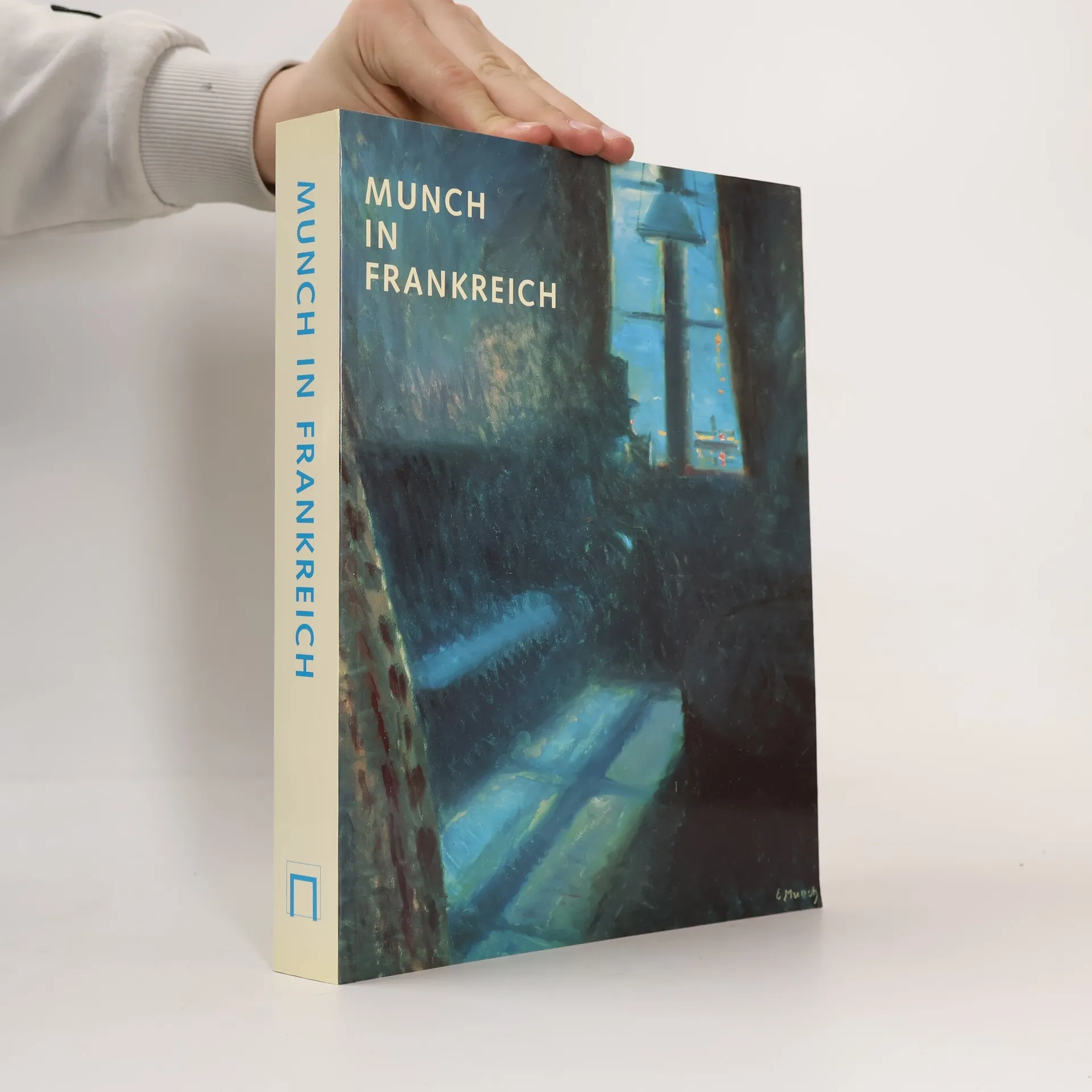
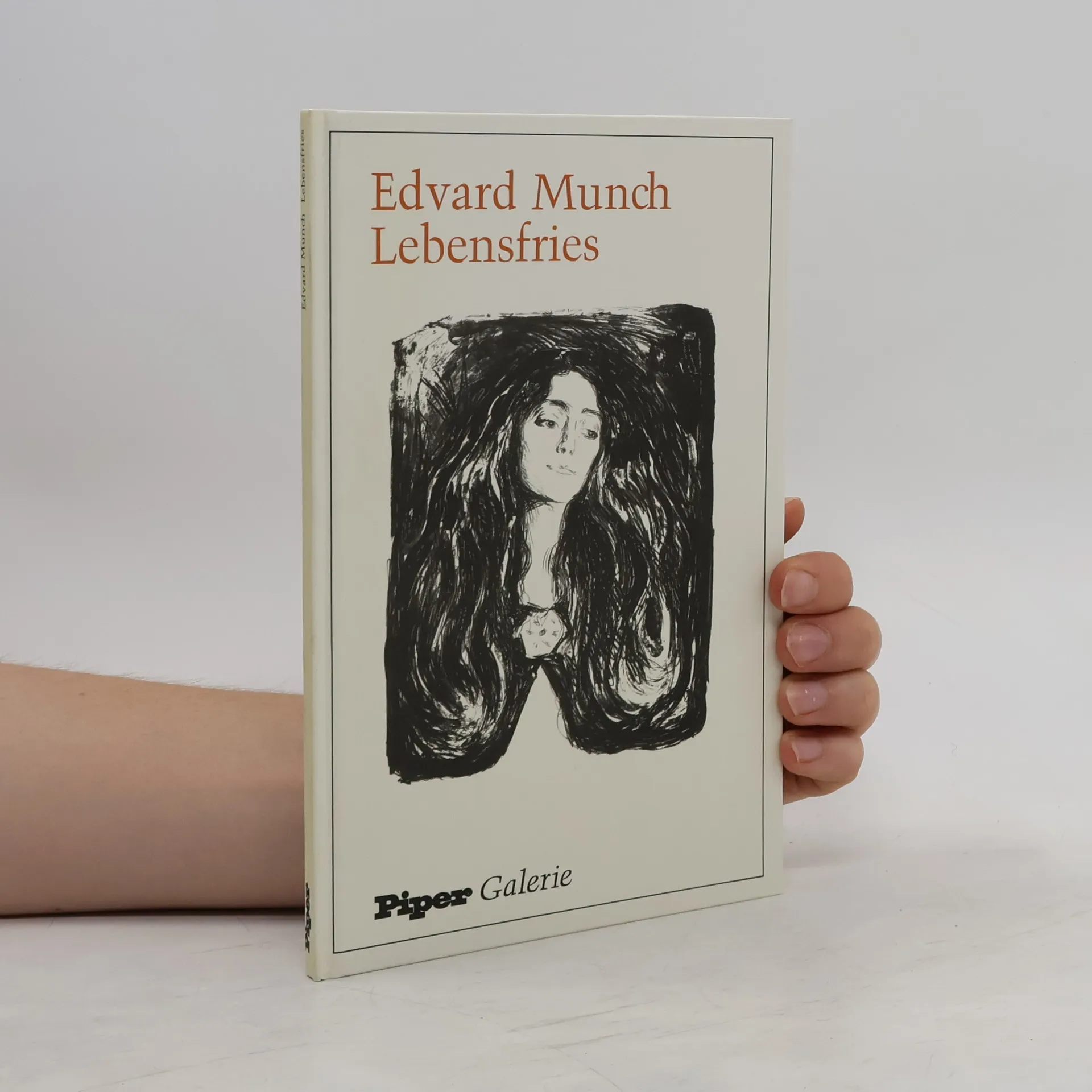
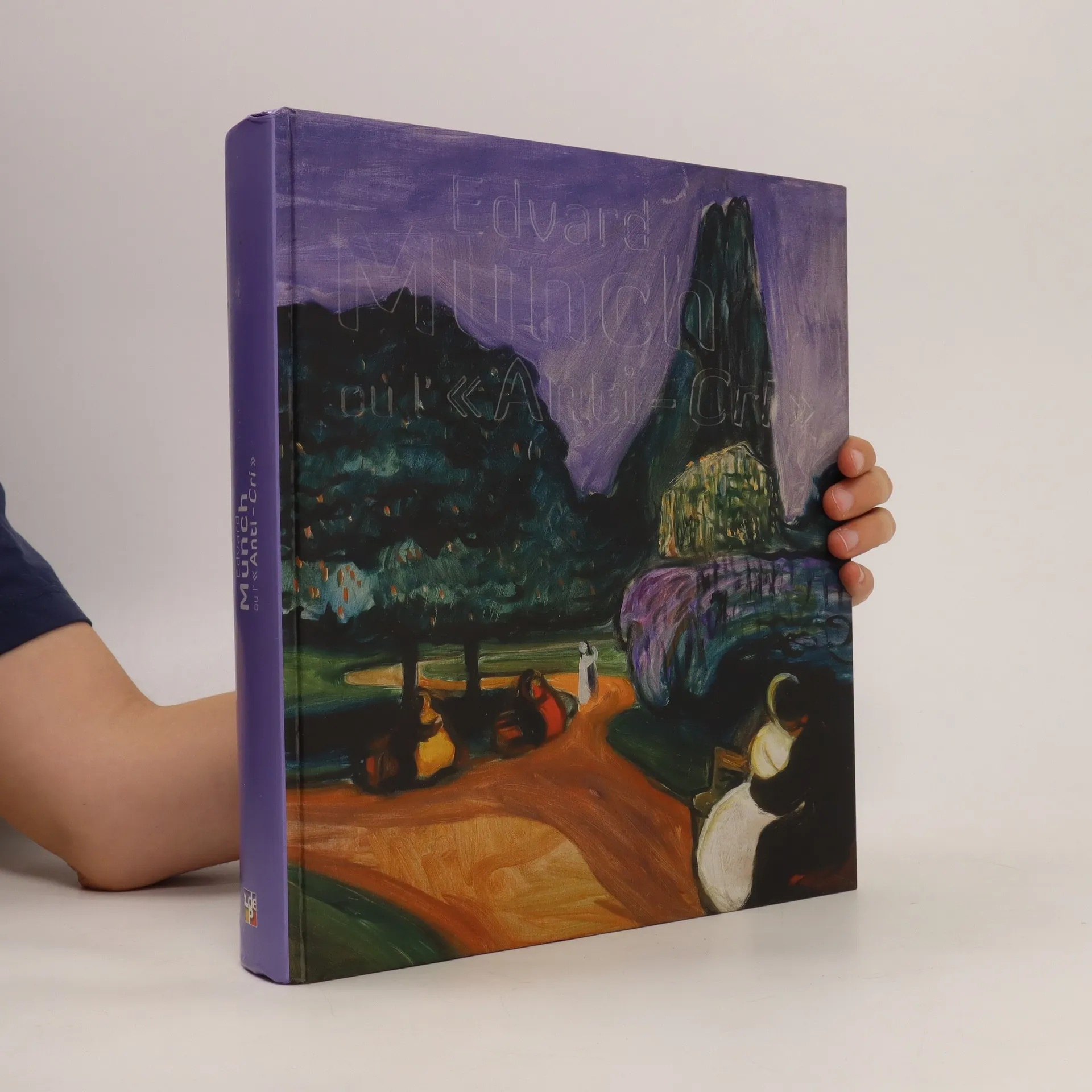
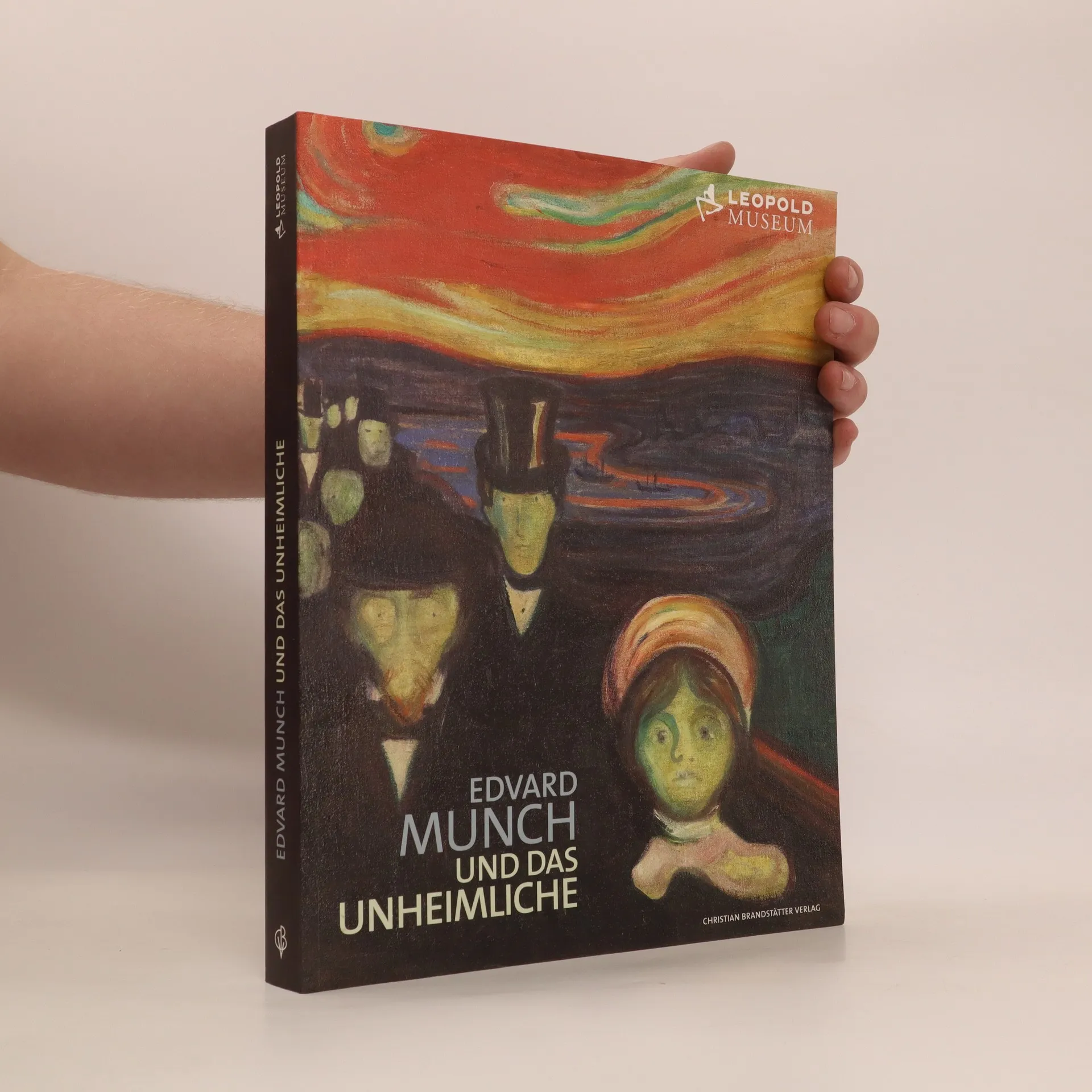
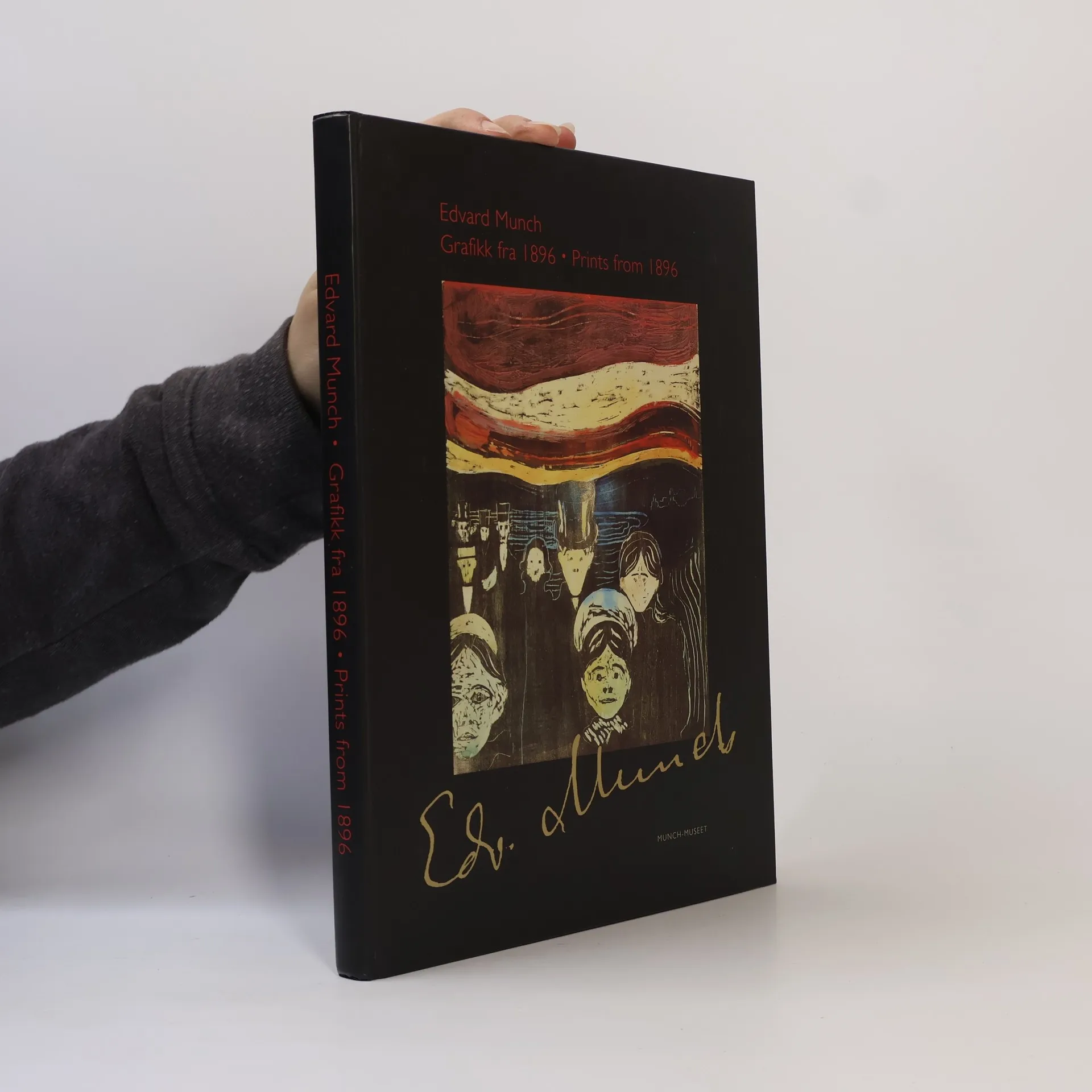
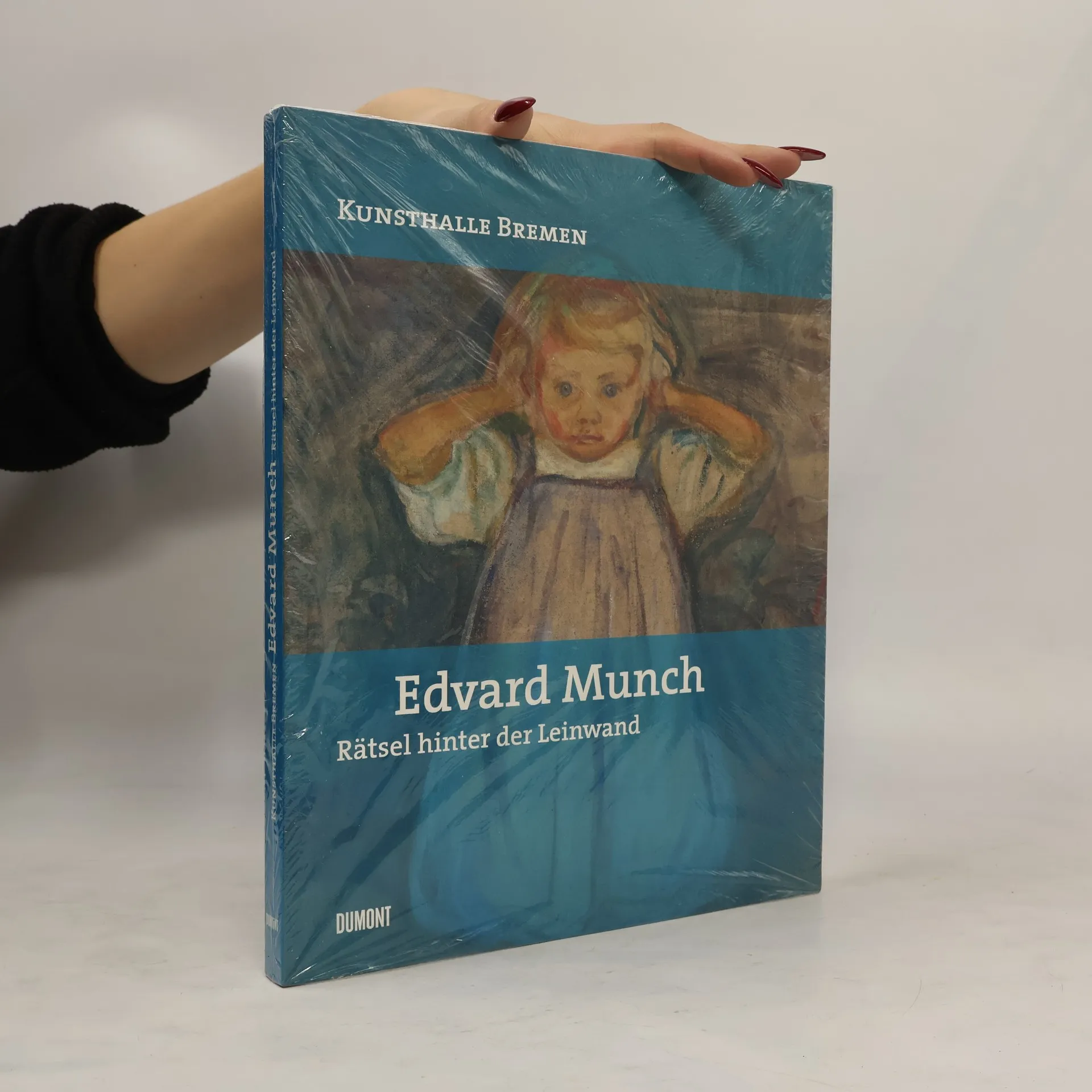
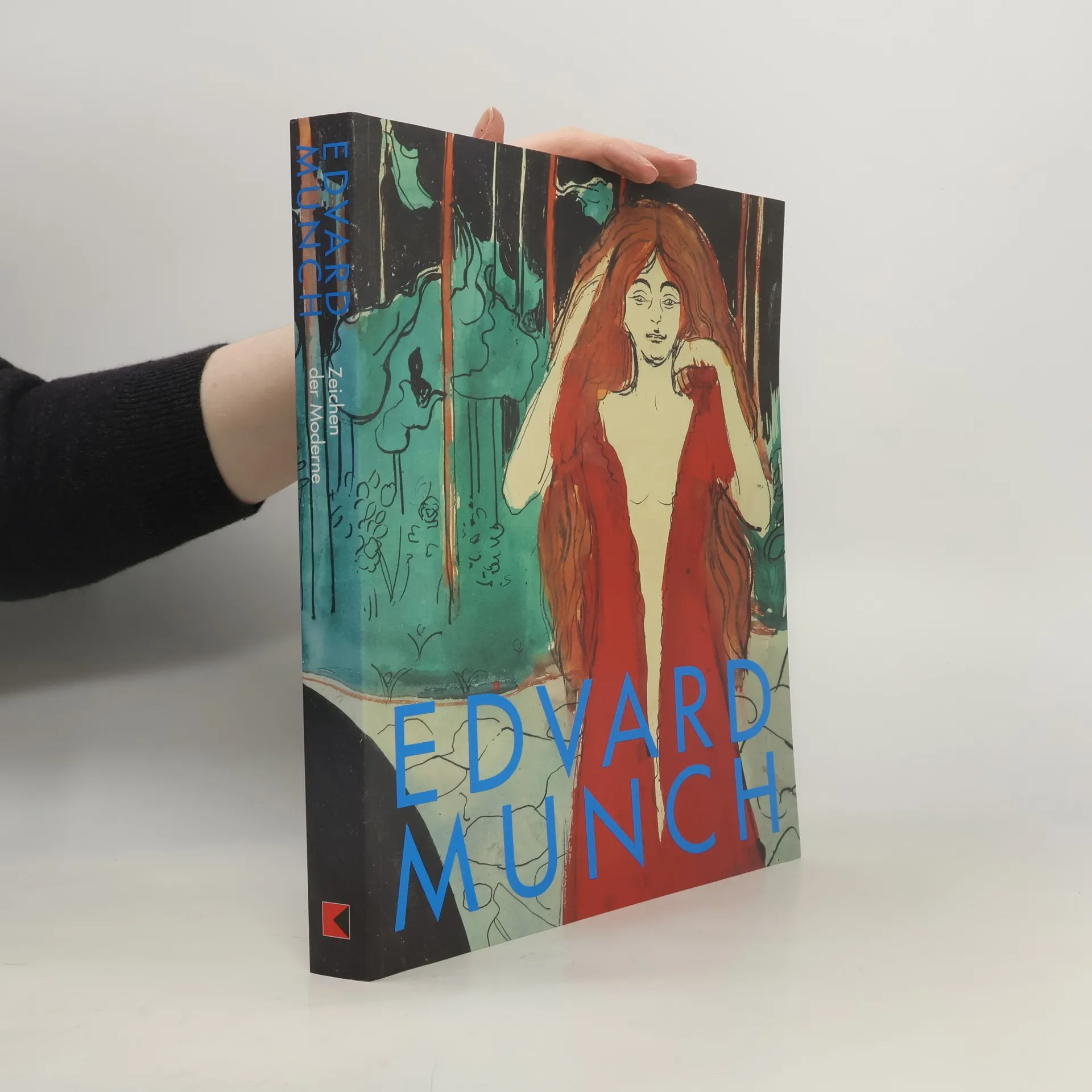
Edvard Munch was a Norwegian painter and printmaker whose intensely evocative treatment of psychological themes built upon some of the main tenets of late 19th-century Symbolism and greatly influenced German Expressionism in the early 20th century. His work is characterized by a profound exploration of the human psyche, anxiety, and existential questions. Munch's artistic journey was pivotal in the development of modern art, and his influence remains evident today.
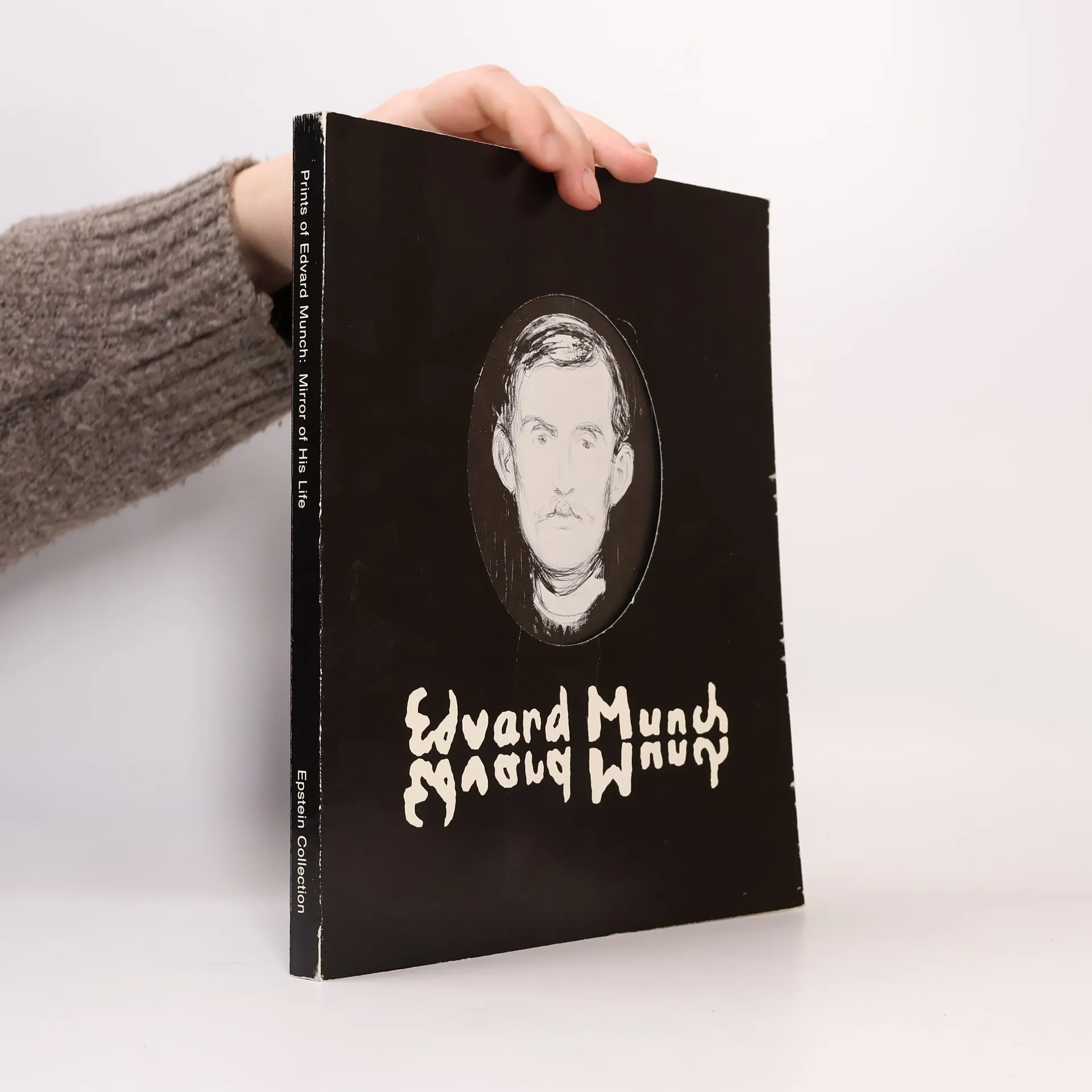
An Exhibition of Prints from the Collection of Sarah G. and Lionel C. Epstein
208 pages
8 hours of reading
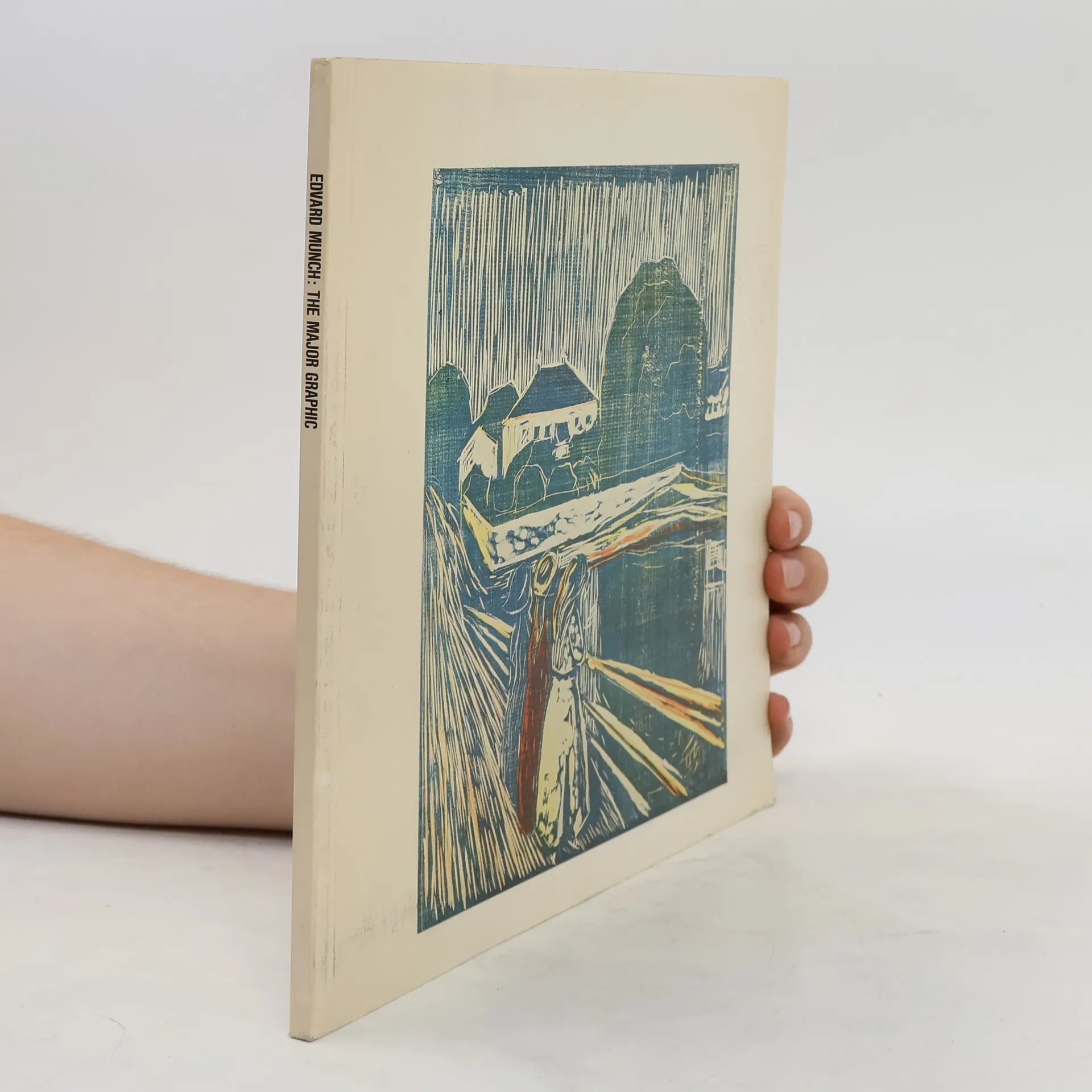
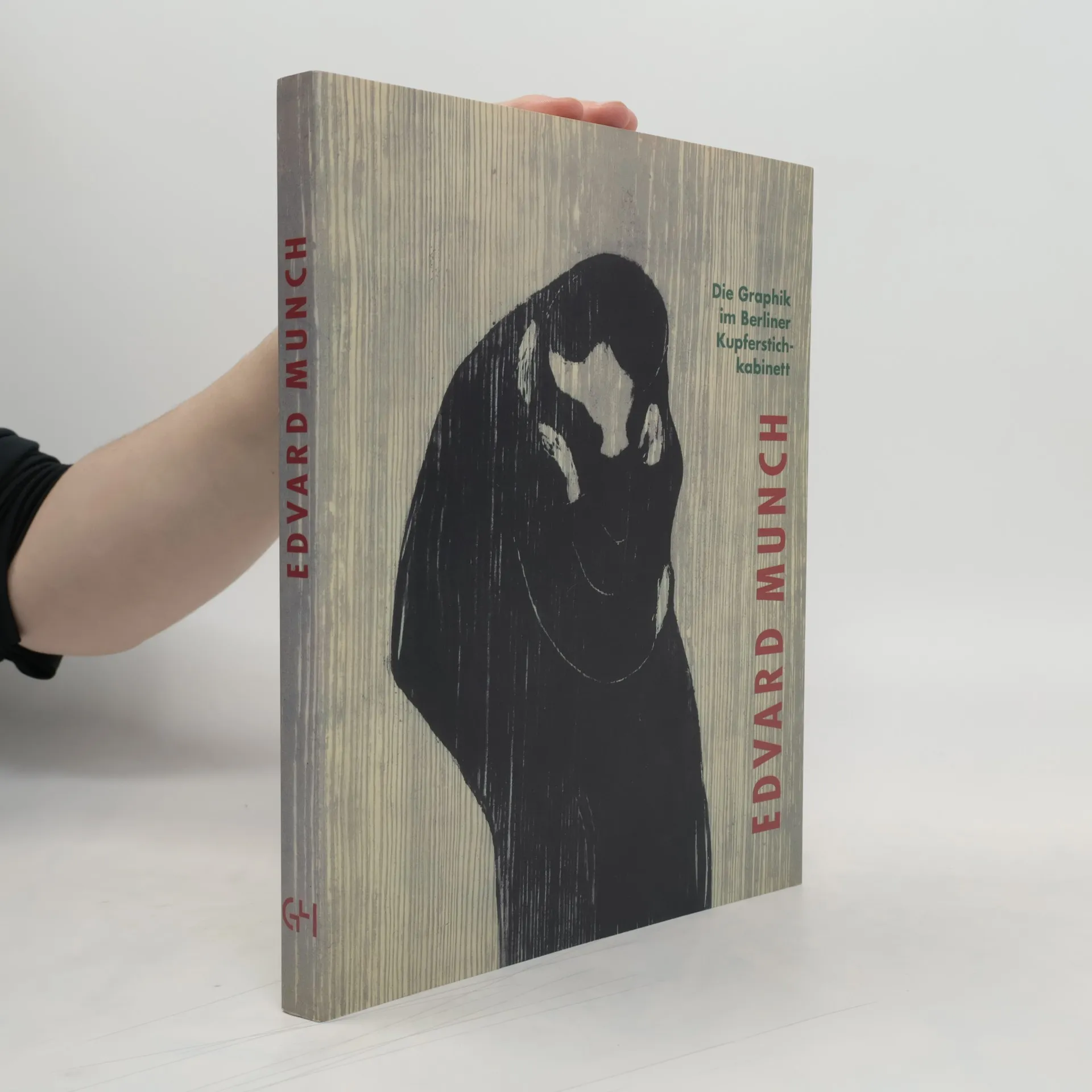
Very Good Paperback Oberlin College, 1983. Book. Very Good. Soft cover. With 270 illustrations, including prints and photos of the artist. Clean tight insides. Covers with rubbing to edges and a few scuffs to surfaces. .
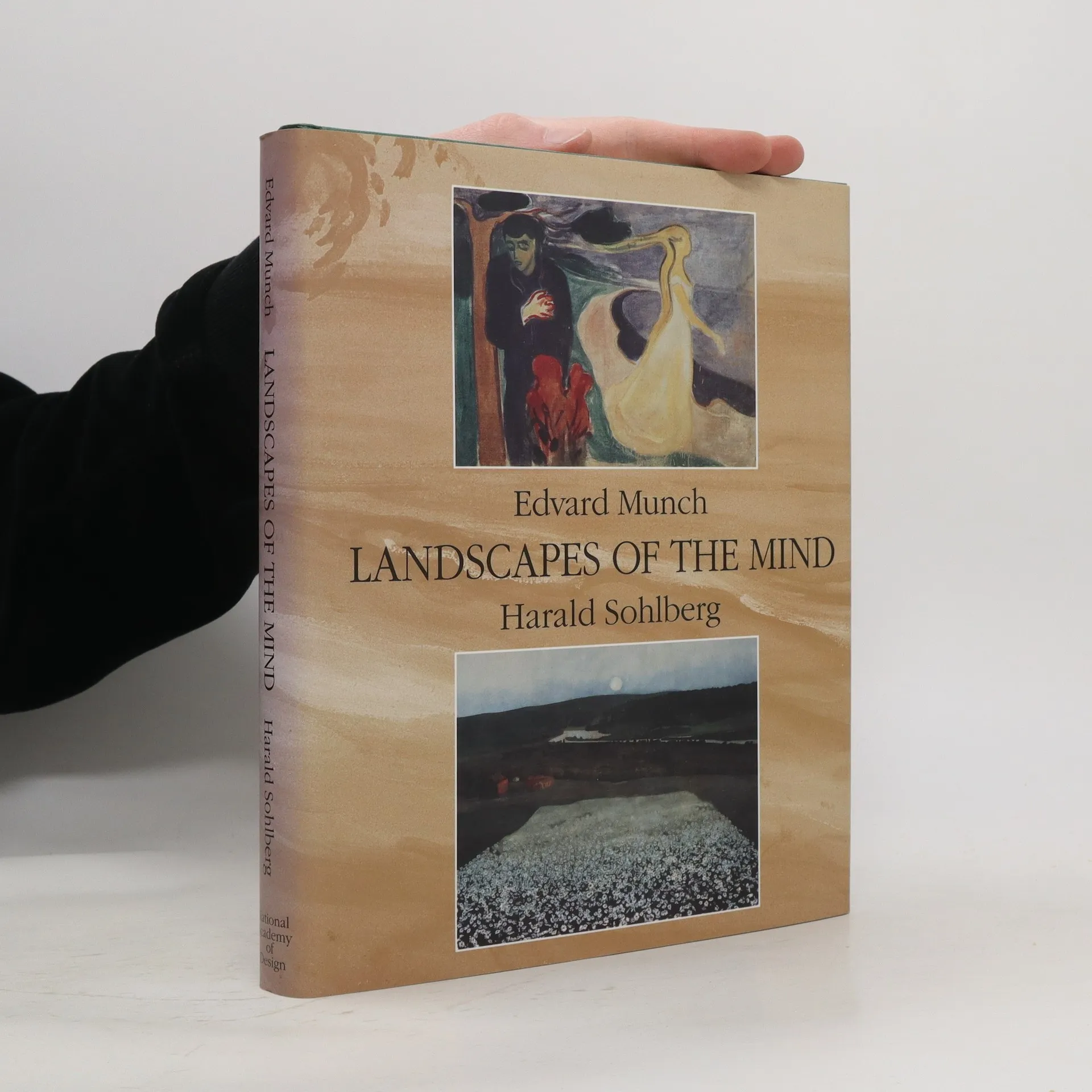
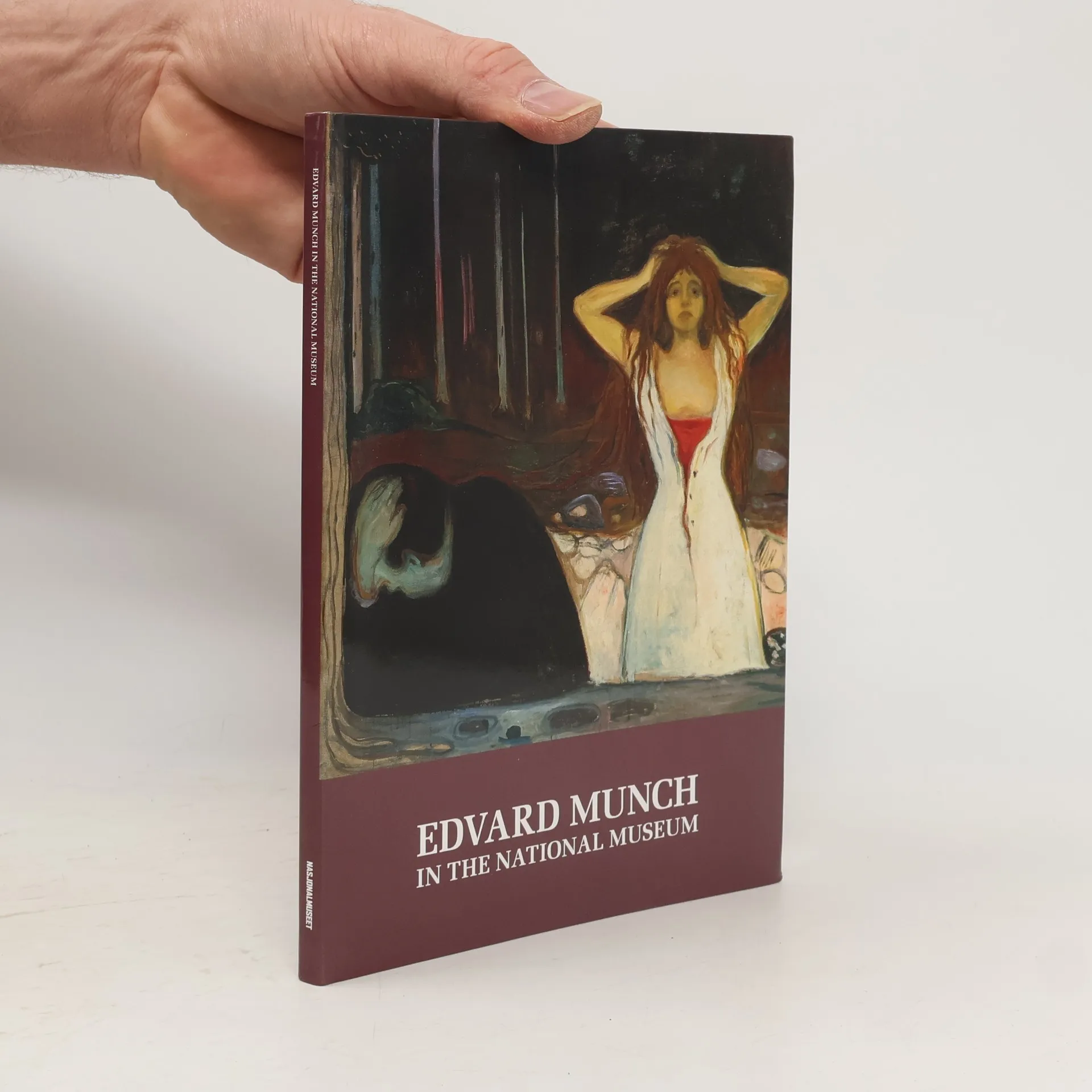
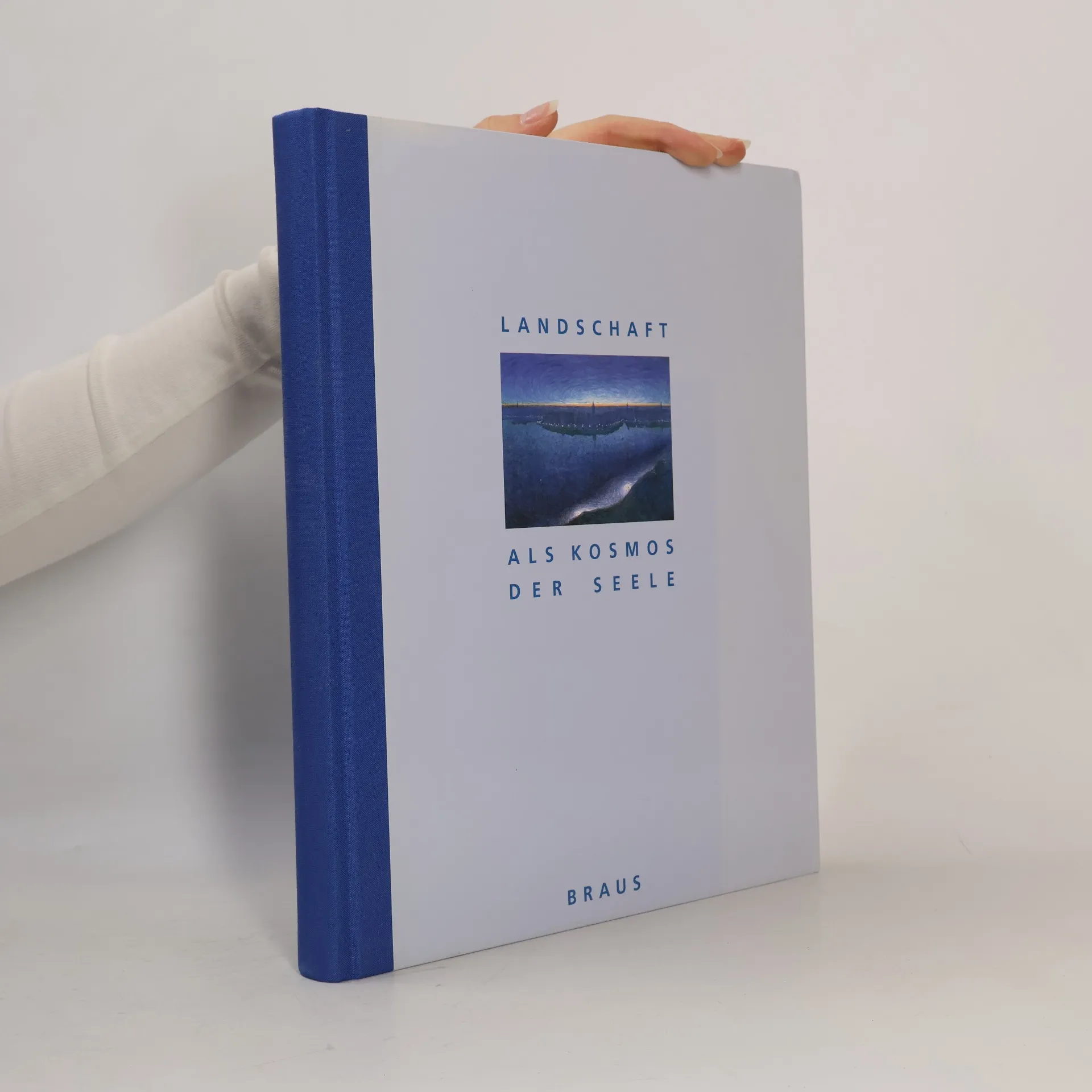
Published to accompany an exhibition of the same name at the National Academy of Design in Norway, Edvard Munch and Harald Sohlberg: Landscapes of the Mind compares the two symbolist painters' landscape works. Sadly, Sohlberg is not as recognizable a name to U.S. audiences as is Munch, but in placing his work opposite that of his countryman, a rich understanding of the psychic arena in which each moved emerges. The mostly color reproductions of the art in the exhibition are of remarkable quality.
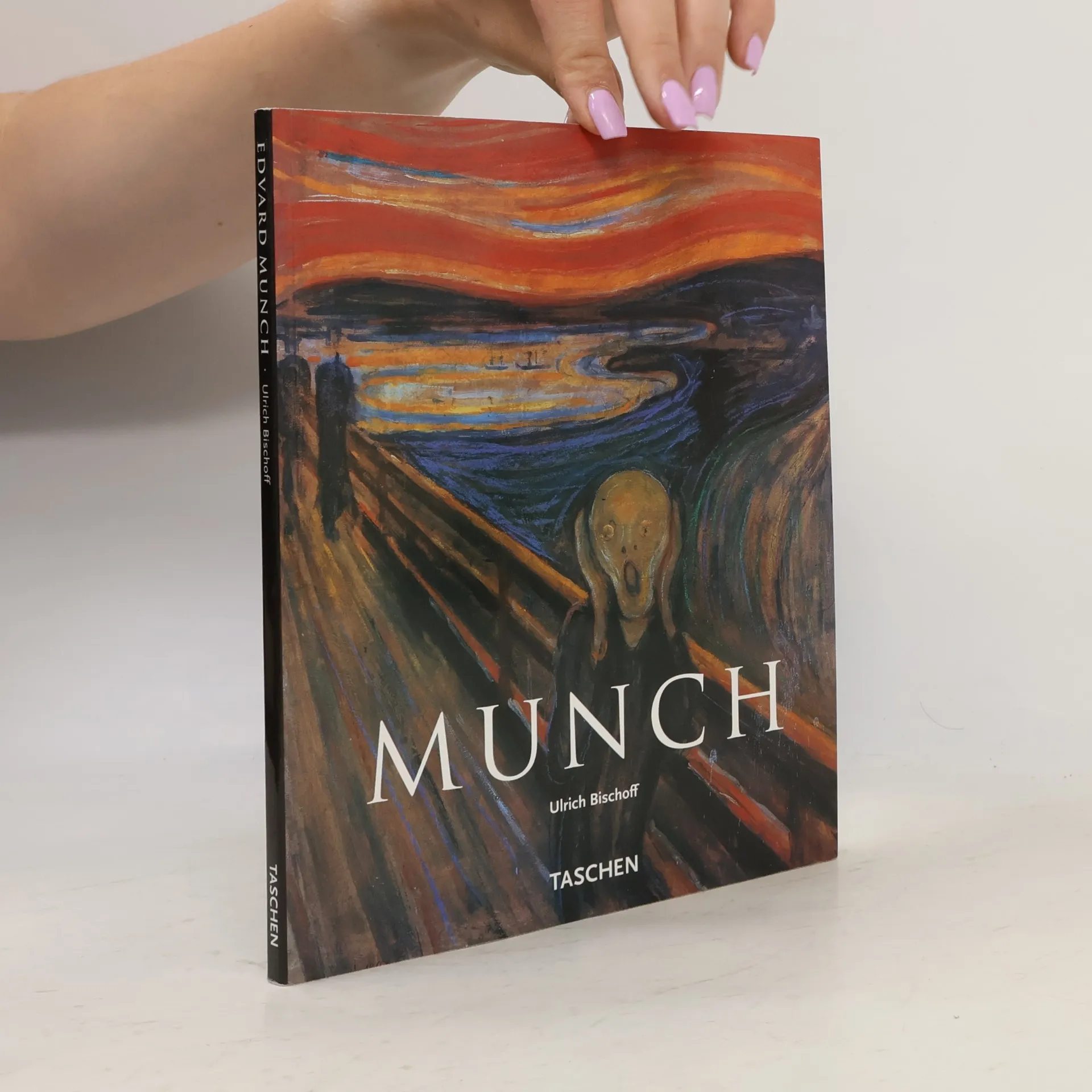
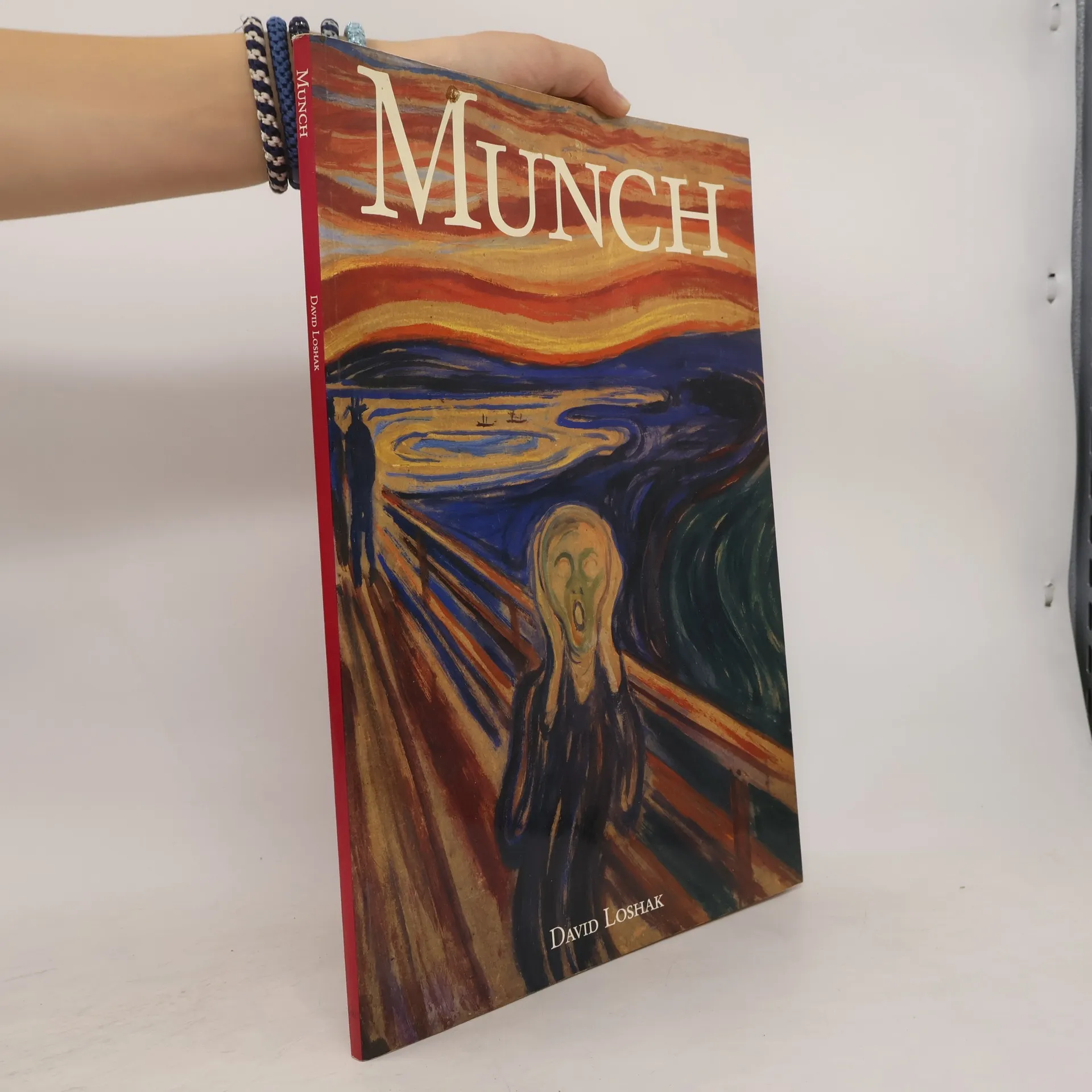
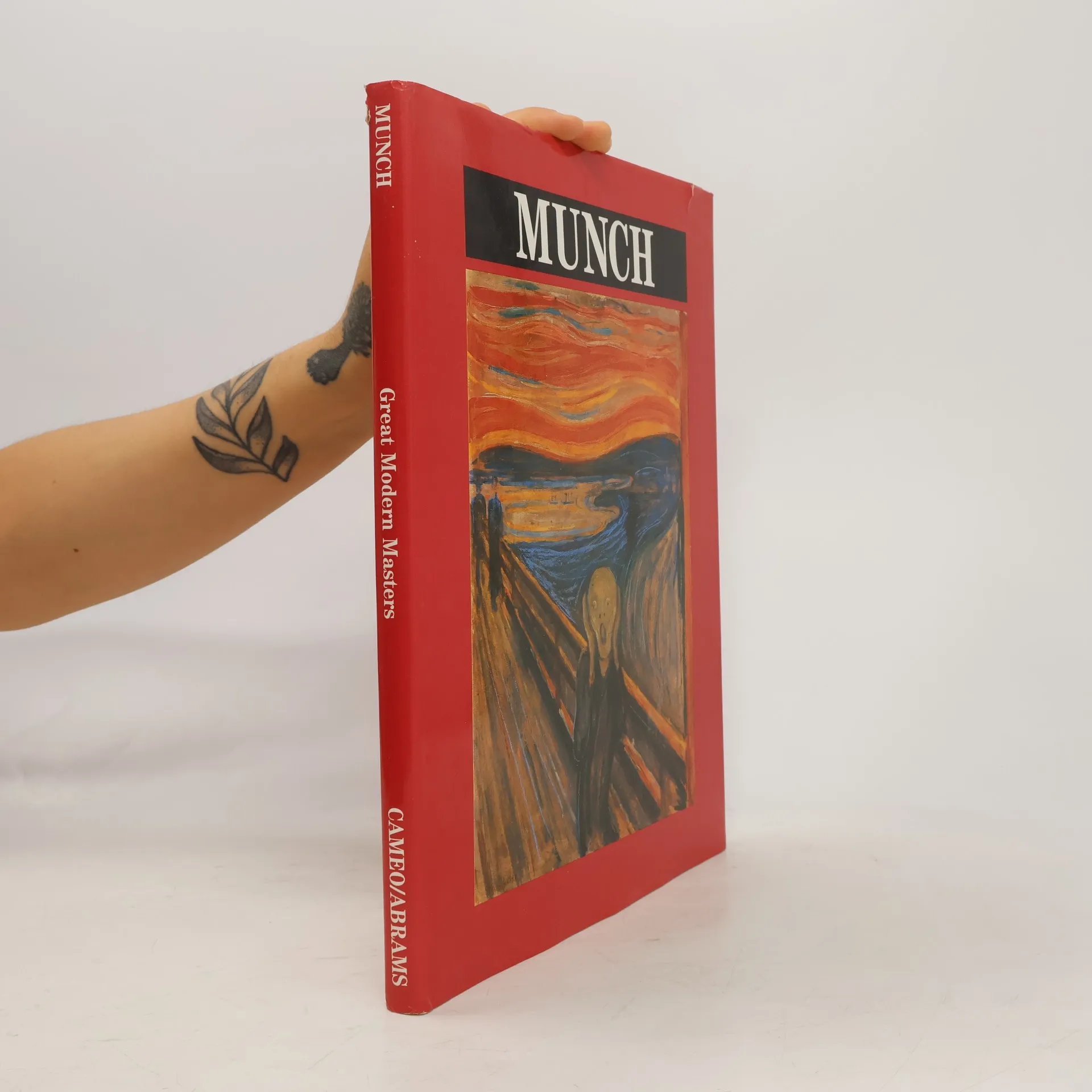
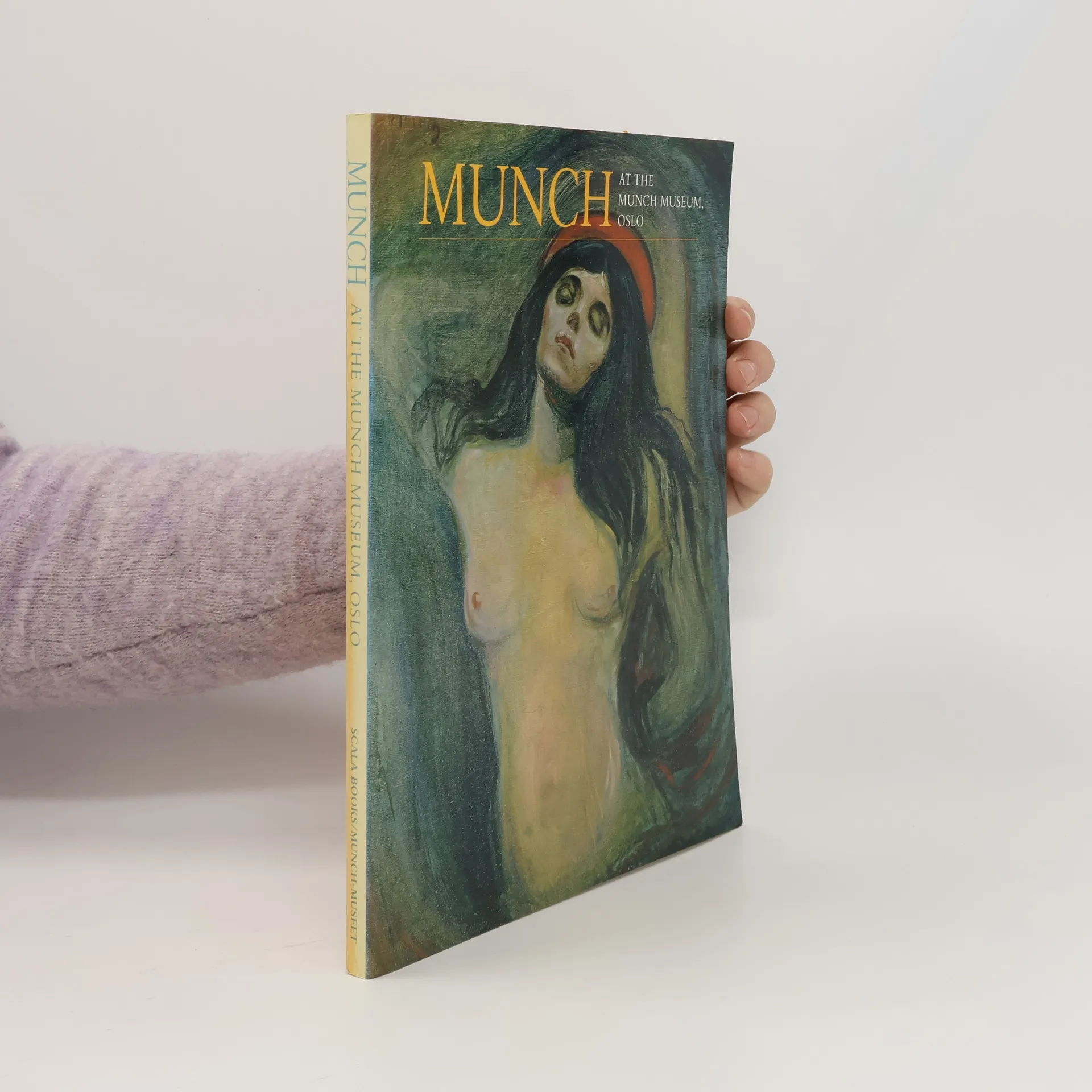
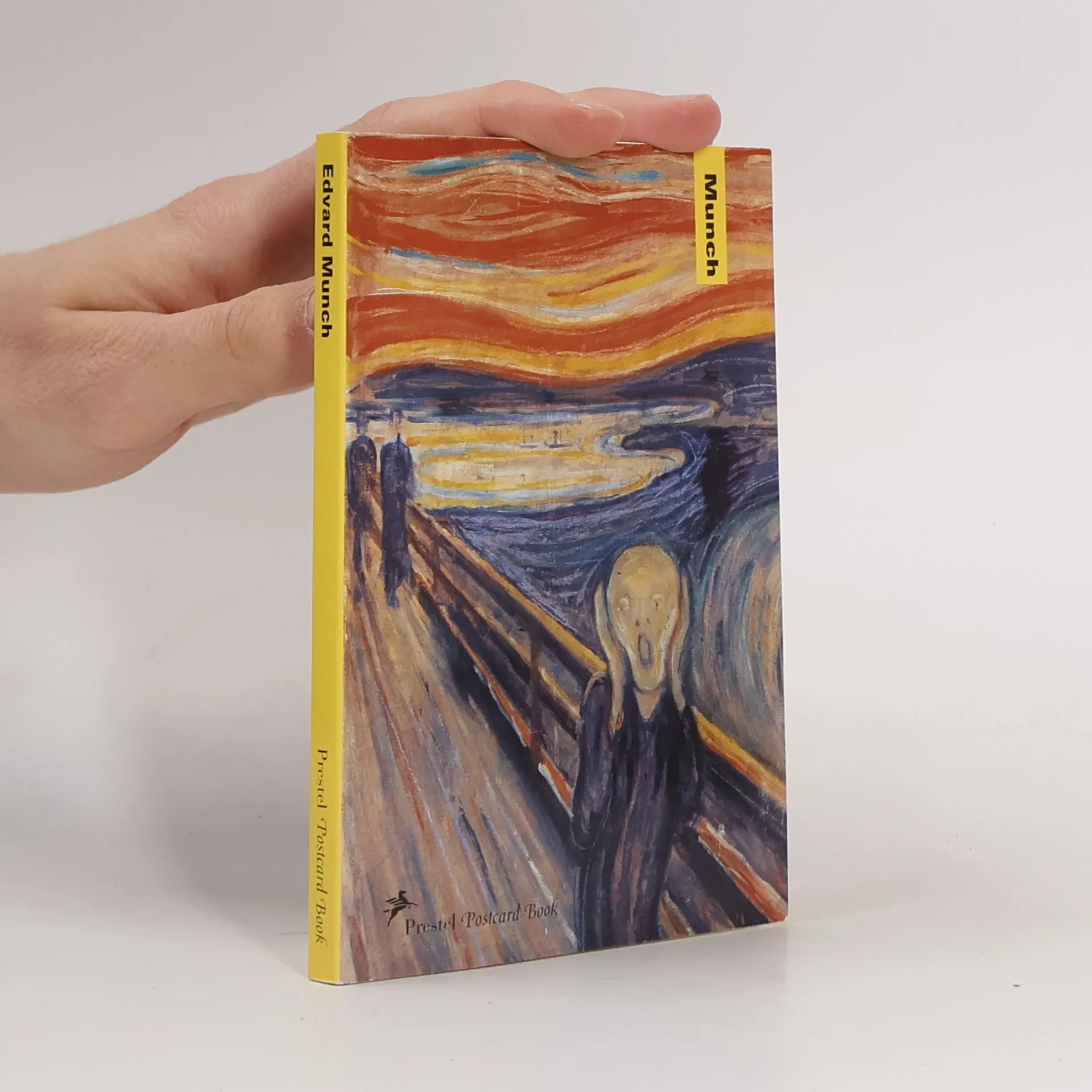
For Edvard Munch (1863-1944), painting was an act of self-liberation. His explorations of fear, despair, and death continue to exert a strong visual and psychological impact on modern viewers. Among all of Munch's paintings, The Scream (1893), which depicts a figure tormented by horror, is the most famous and certainly one of the most expressive. The artist reflected his innermost feelings in his work: In reality, my art is a free confession, an attempt to clarify my own relationship with life. Although Edvard Munch cannot be clearly assigned to a single movement, he is considered a pioneer of Expressionism.
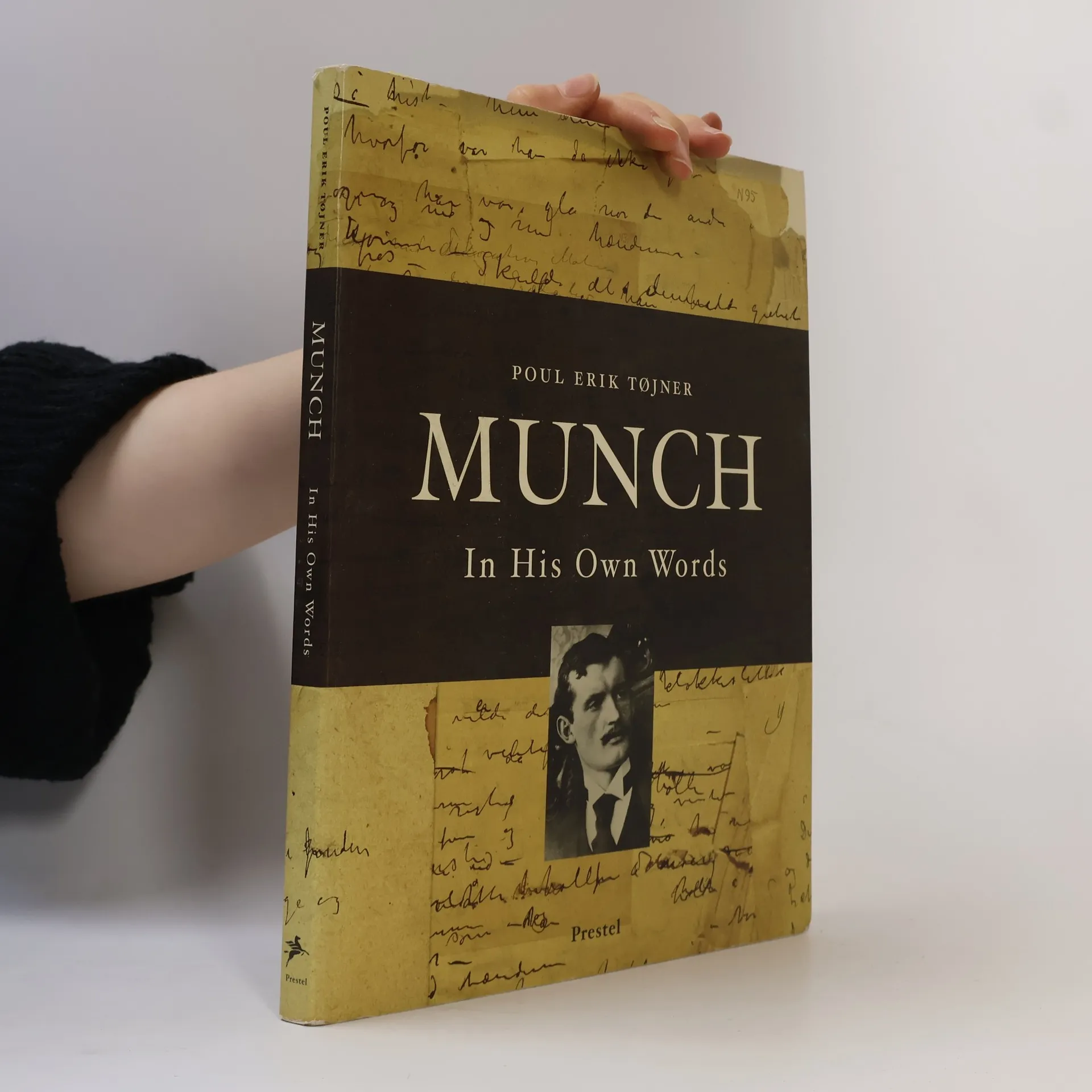
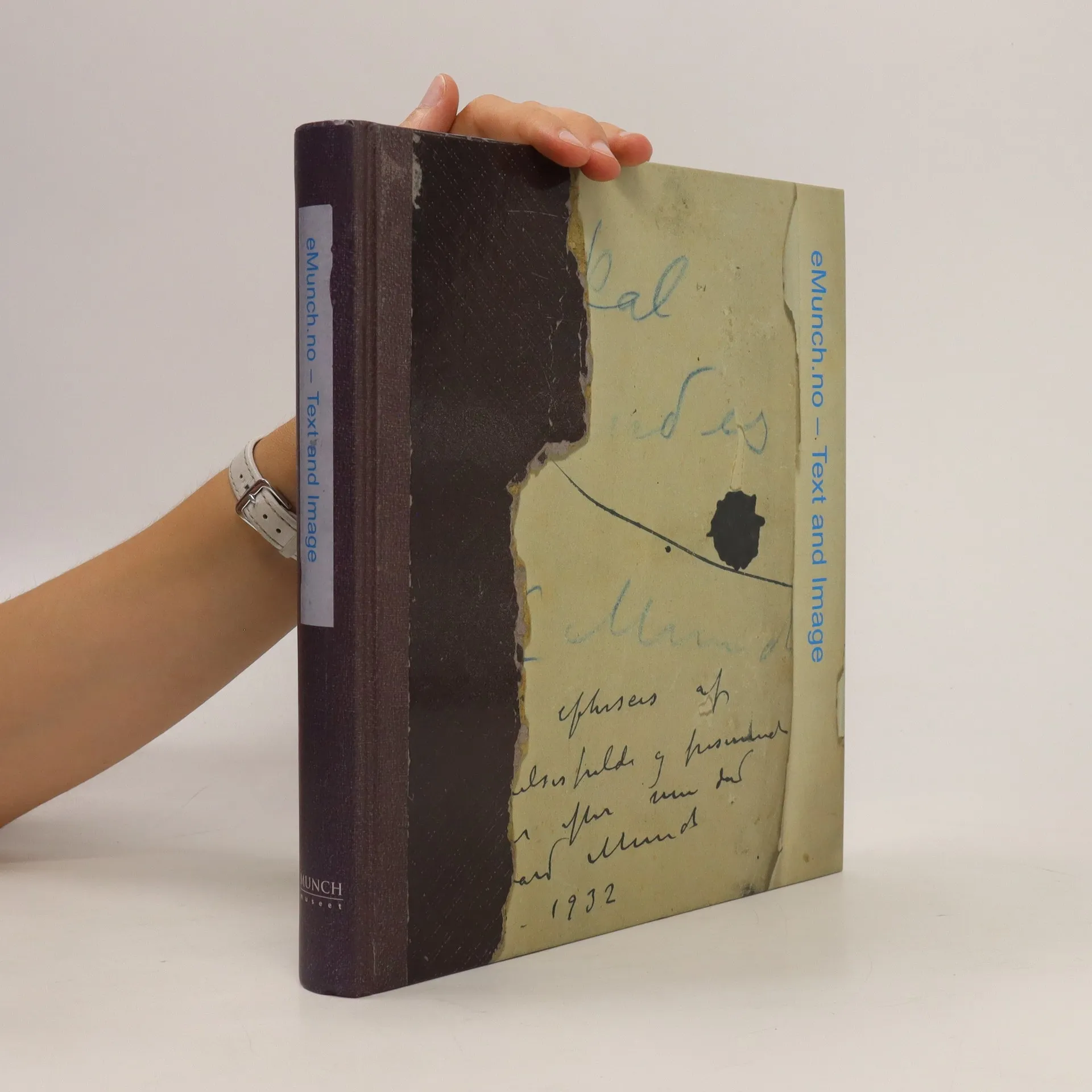
The book offers a deep exploration of Edvard Munch's thoughts through a collection of his letters, drafts, notes, and literary texts. It provides valuable insights into the artist's mindset and creative process, enhancing the understanding of his most iconic images. Readers will discover the connections between Munch's written reflections and his visual art, revealing the emotional and intellectual depths that shaped his work.
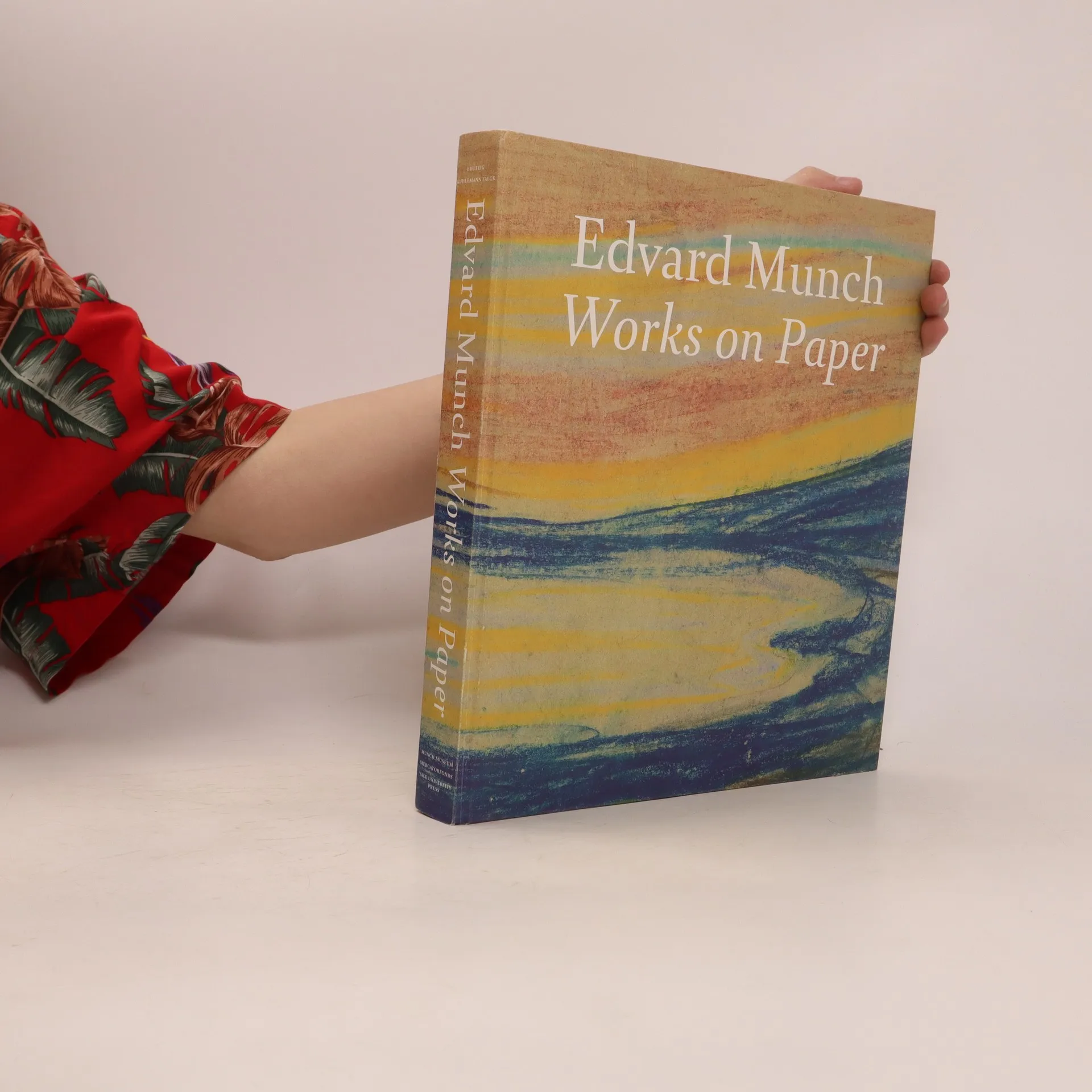
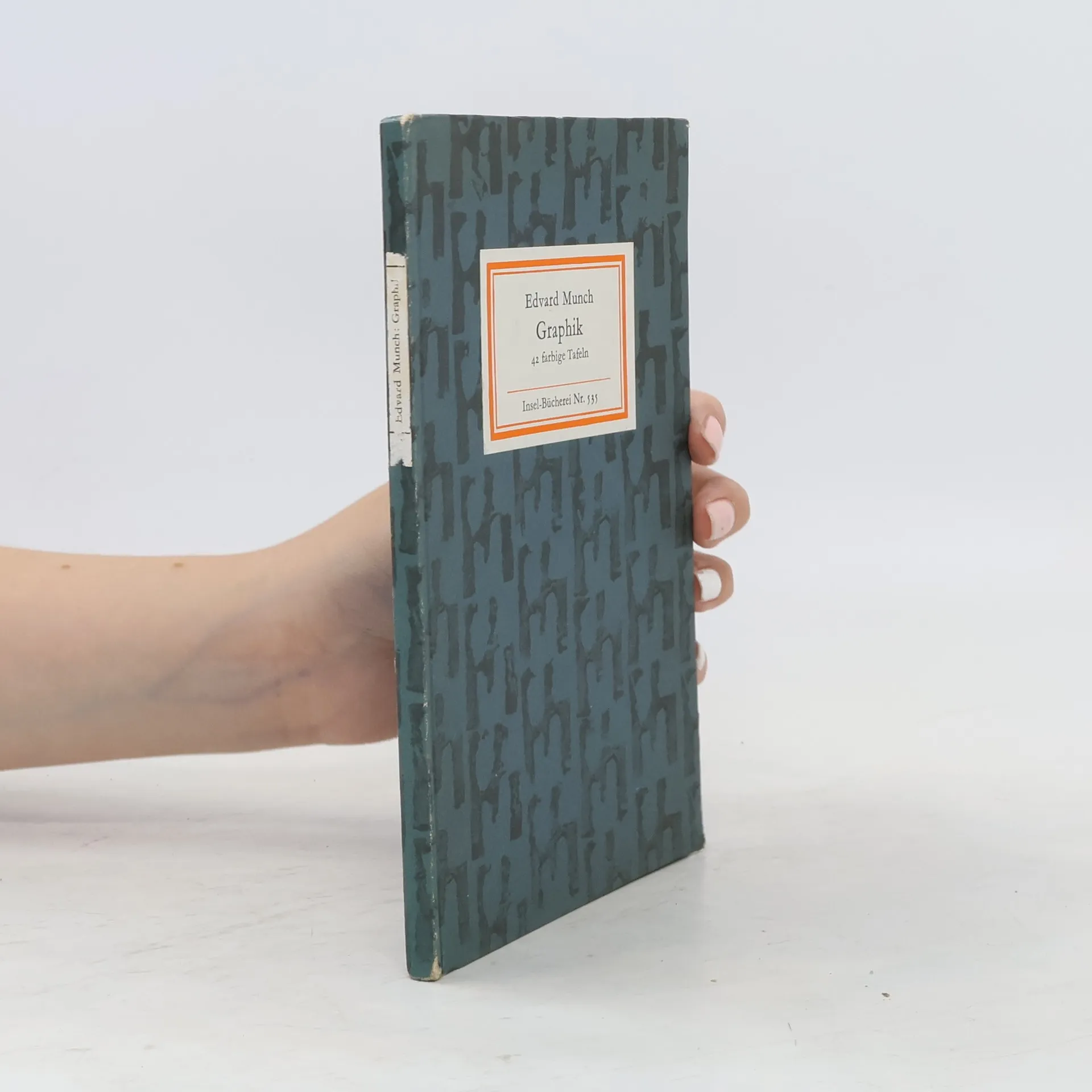
This text is dedicated to Edvard Munch's vast and fascinating oeuvre of works on paper. Featured in beautiful colour reproductions are key images related to well-known prints and drawings, as well as lesser known works, such as childhood drawings and caricatures.
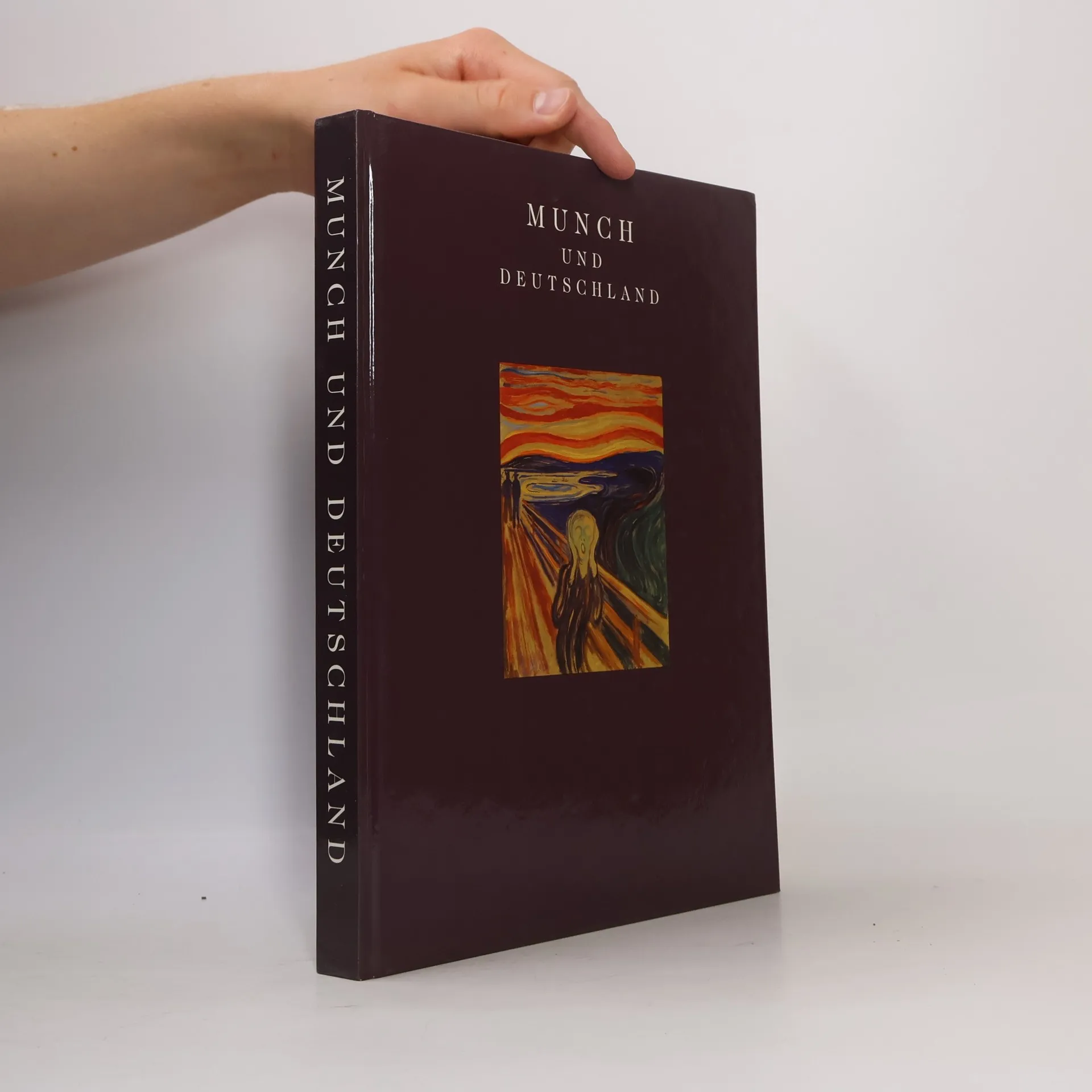
Munch begann in einer Zeit zu malen, als die Kunst dem Kult der schönen Form huldigte. Doch Munch interessierte die dunkle Seite der Seele, ihn beschäftigte die Entfremdung, Sündhaftigkeit und Verwundbarkeit des Menschen. In seinen Bildern griff er die Farbigkeit der damaligen Kunst auf, verlieh ihr jedoch neue Dimensionen des Gefühlsausdrucks. Der große Einfluss des Norwegers auf seine Zeitgenossen in Österreich und Deutschland wird erstmals in diesem Buch thematisiert. Ausgewiesene Experten analysieren Munchs Bedeutung für die Kunst des Expressionismus im deutschsprachigen Raum. Munchs Impulse in einzelnen Gebieten, etwa der Druckgrafik, werden ebenso gewürdigt wie die stilistischen und thematischen Leitmotive seines Werks, seine Selbstporträts und Stadtszenen, seine Landschaften und Paarbilder sowie Darstellungen vom Künstler und seinem Modell. Exzellente Farbreproduktionen nicht nur von bekannten Hauptwerken wie „Der Schrei“, „Madonna“ und „Der Kuss“ machen aus diesem Band eine einmalige Einführung in das Werk Edvard Munchs, die zugleich wichtige neue Denkansätze zur Beschäftigung mit dem europäischen Expressionismus bereithält.
This fascinating exploration of the life and art of Edvard Munch draws from the artist's copious journal entries, notes, letters, literary exercises, and photographs to present a groundbreaking approach to understanding one of the most compelling Expressionist painters. Like many artists, Munch did not limit himself to visual expression. For much of his career, he wrote almost as much as he painted, and many of his major art works began as literary sketches. However, as this gorgeous and unusual volume makes clear, Munch did not write to explain his art, but as an extension of it. Poul Erik Tojner's careful and insightful analysis of Munch's writings, many of which have been preserved in the Munch Museum in Oslo, reveals the deep connection between writing and painting in Munch's life. Ingeniously organized by themes, the book presents beautiful reproductions of paintings, prints, and journal excerpts as they deepen our understanding of this compelling artist and provide interesting clues to the themes he returned to again and again.
Edvard Munch's (1863-1944) letters, notes, journals, and a number of other documents have always been a key wellspring for the appreciation of his exceptional art. Munch's literary journals and notes on art have qualities that make them artistic expressions in their own right.no - Text and Image has been published. The book contains thought-provoking essays by fifteen scholars.
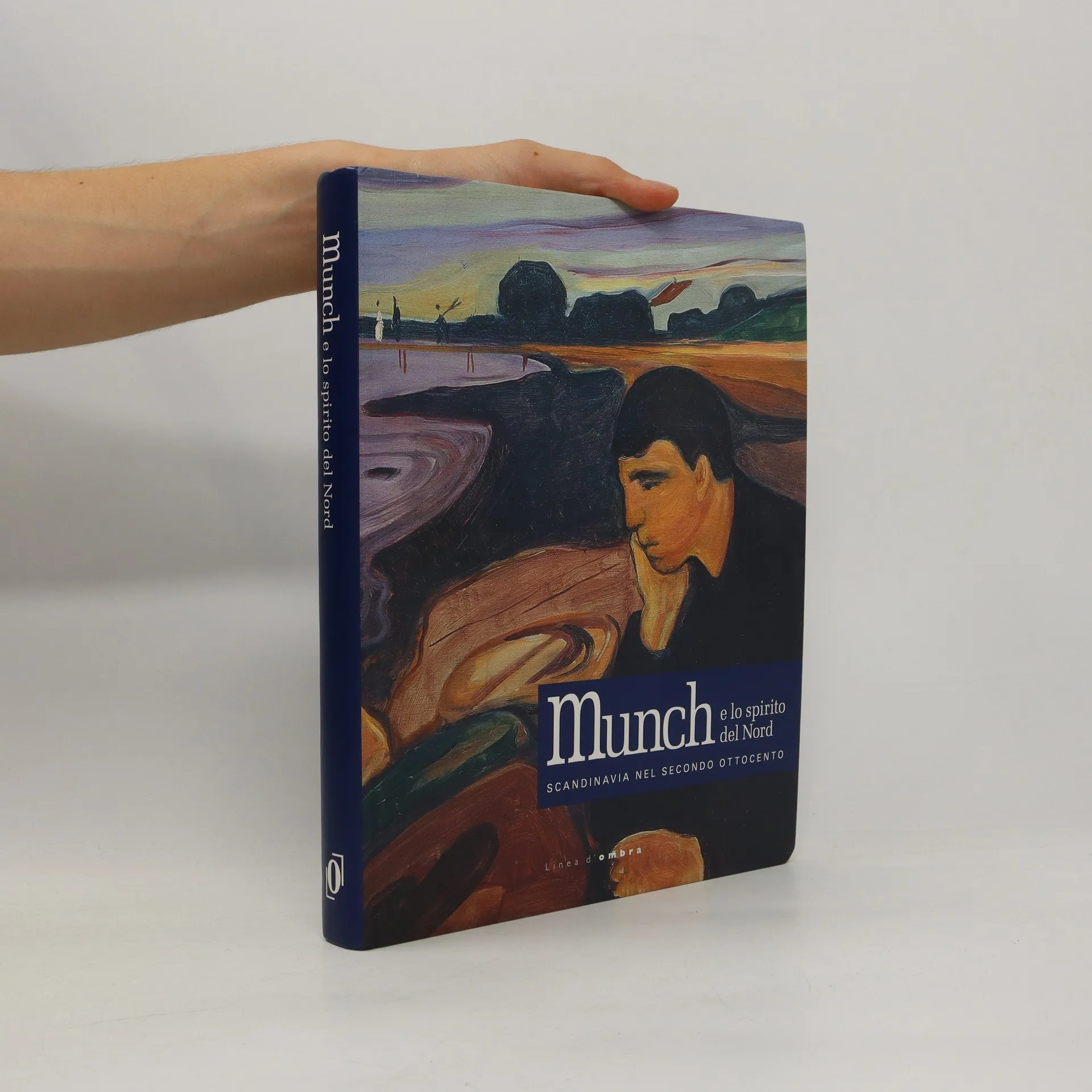
Edward Munch (1863-1944) stands out as the foremost artist from Scandinavia in modern history. His early years in Christiana, Norway, exposed him to influential artists and intellectuals, while his time in Paris introduced him to groundbreaking innovations. A pivotal exhibition in Berlin in 1892 established him as a distinctive and provocative figure in the art world. Munch's work significantly impacted the development of Expressionism, a movement that continues to resonate in contemporary Europe. Throughout his extensive career, he explored themes of death, love, and sex, aiming to visually express the complexities of human emotions. His sensitivity to emotional experiences allows his art to connect deeply with viewers' innermost feelings.
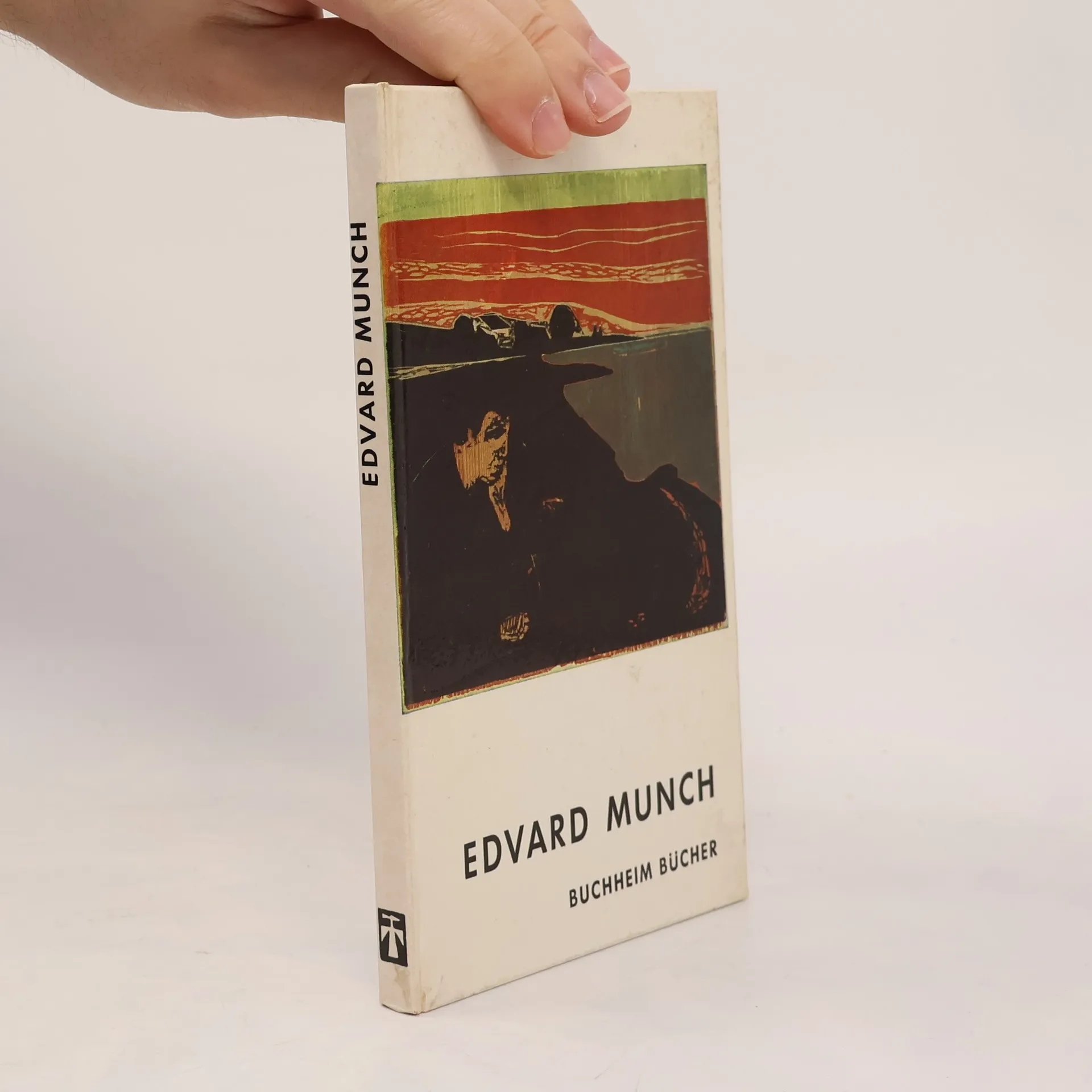
In an introductory essay and accompanying commentaries on forty color plates, Thomas M. Messer, Director of the Solomon R. Guggenheim Foundation, examines Munch's artistic evolution within his historical context. He highlights the familial and familiar influences that permeate Munch's art, as well as the relationships with writers, poets, and patrons that supported him during challenging times. Renowned as a master of graphic arts, Munch's prints and drawings are presented alongside his paintings, illustrating the intensity with which he explored his themes across different mediums. His work powerfully conveys the psychic realities of his era through striking forms and images.
Zum ersten Mal wird in der vorliegenden Publikation das Leben Curt Herrmanns und seine Entwicklung als Künstler detailliert untersucht. Thomas Föhls brillanter und gewissenhafter Forschung in zahlreichen Archiven ist die Wiederentdeckung von längst verloren geglaubtem Dokumentationsmaterial zu verdanken; so behandelt er Herrmanns Jugend, sein Studium und seine bewegte Karriere in München. Neben einer Auswahl an Briefen von Zeitgenossen an Curt Herrmann enthält das Buch eine Reihe von Illustrationen, die die Stärke seines Werkes sowie sein ausgeprägtes Gespür für Farben unter Beweis stellen.
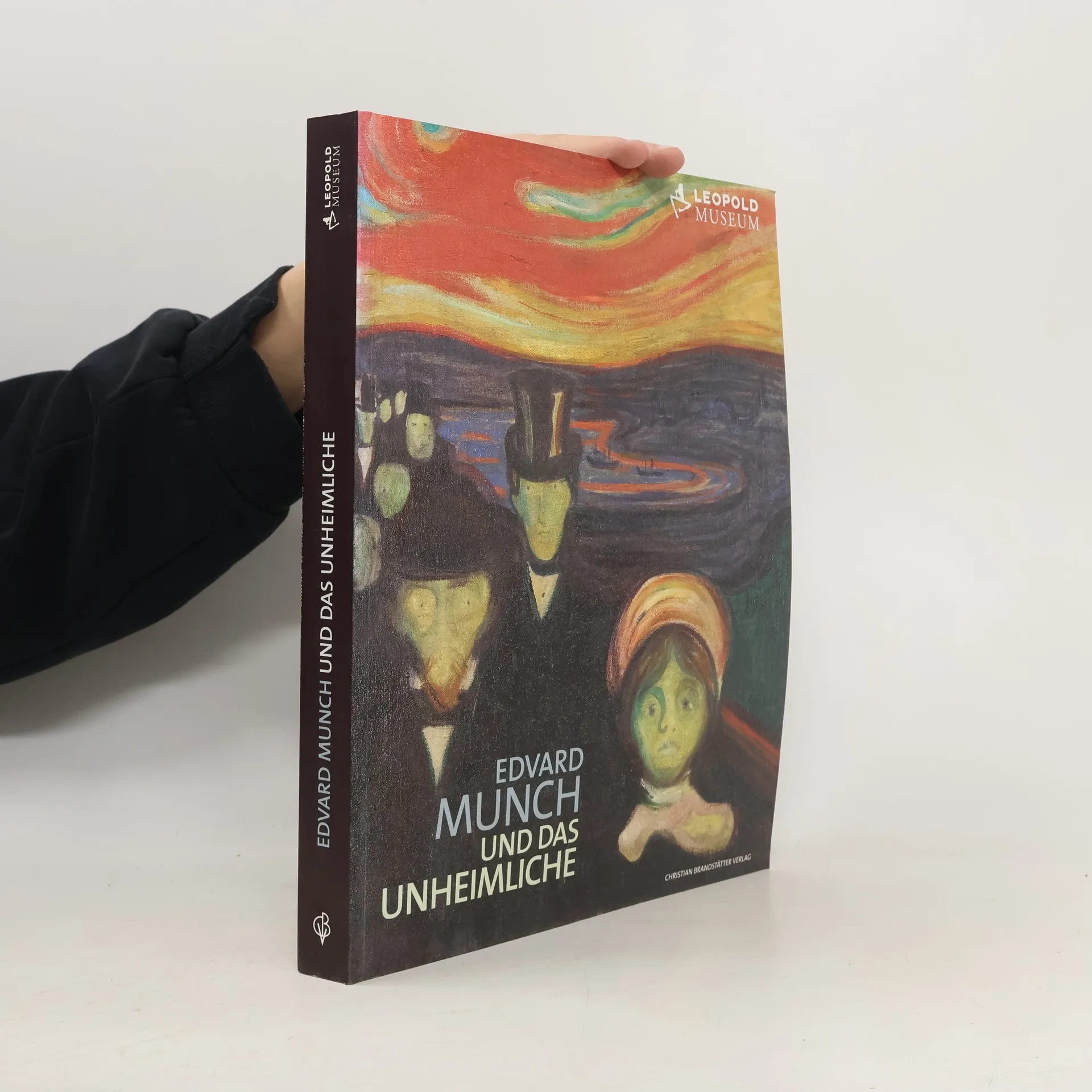
Under the title "Edvard Munch and the Uncanny," this volume gathers over 200 works by Edvard Munch, James Ensor, Francisco de Goya, Arnold Böcklin, Franz von Stuck, Gustave Moreau, Egon Schiele, and other artists from the 19th and early 20th centuries. It explores themes of the subconscious, dreams and nightmares, ghosts, and visions, inviting readers to delve into the question: What is the uncanny in art? Beginning with Johann Heinrich Füssli and Francisco de Goya around 1800, the portrayal of the uncanny and the inexplicable became an obsession for artists across Europe. This development culminates in Edvard Munch's expressive images from the 1890s. The volume focuses on French, Belgian, and German symbolism, as well as early traces of psychological insights in the works of Munch, Ensor, Schiele, Alfred Kubin, and other turn-of-the-century artists. It also features paintings, drawings, and graphics by Odilon Redon, Max Klinger, Otto Modersohn, Fernand Khnopff, Victor Hugo, and Franz von Stuck, alongside works by lesser-known artists like Charles Meryon and Alberto Martini, inviting rediscovery.
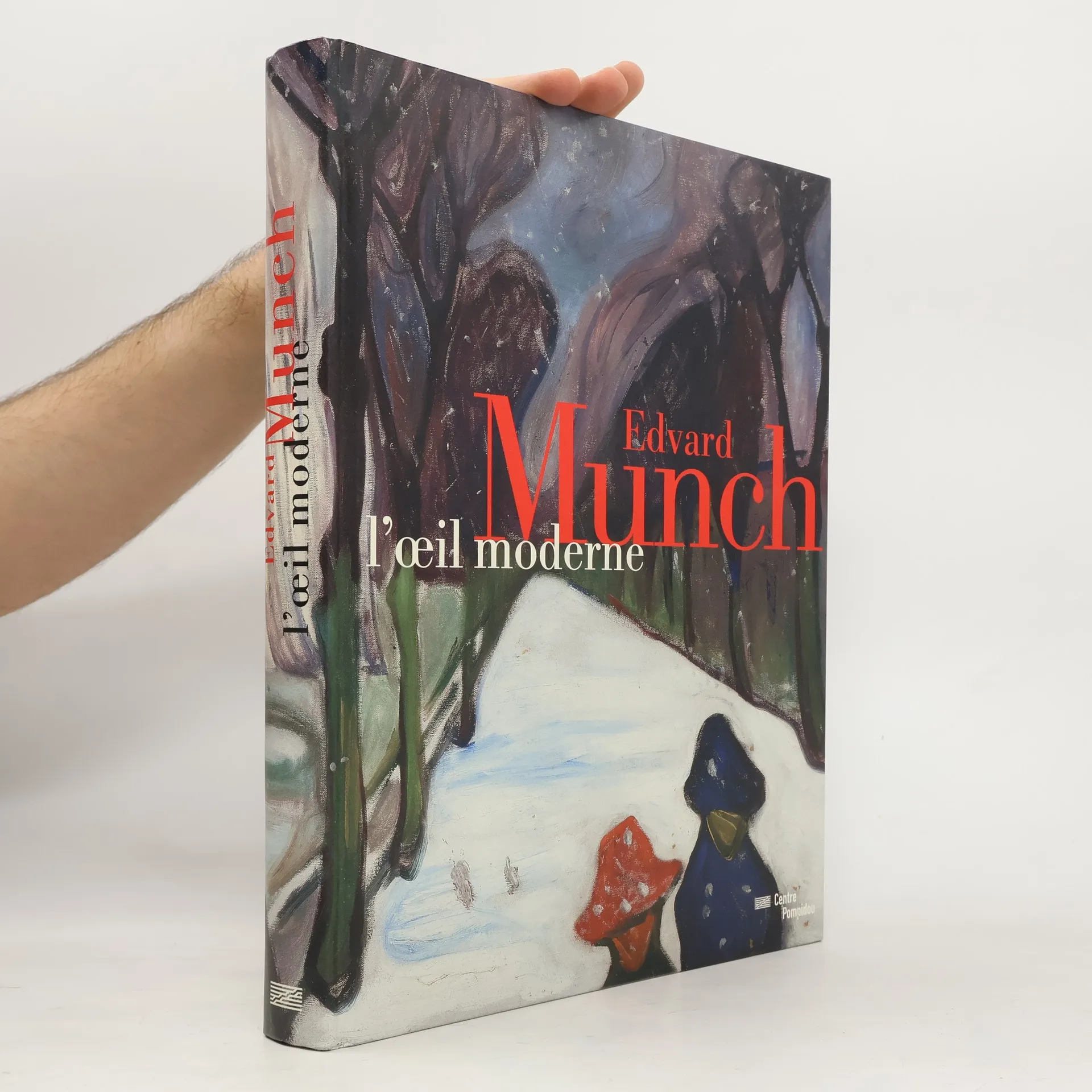
"Organisée en collaboration avec le Munch-museet d'Oslo, l'exposition "Edward Munch, l'oeil moderne" propose un dialogue novateur entre la célèbre oeuvre picturale de l'artiste au XXe siècle et son intérêt pour les formes de représentation les plus modernes : la photographie, le cinéma, mais aussi le renouveau de la scène théâtrale. Avec près de 270 illustrations, 16 essais de spécialistes internationaux ainsi que des traductions de textes de Munch inédits en français, cette publication révèle la modernité du grand artiste-norvégien et s'impose comme la nouvelle référence éditoriale sur le sujet."--P. [4] of cover.
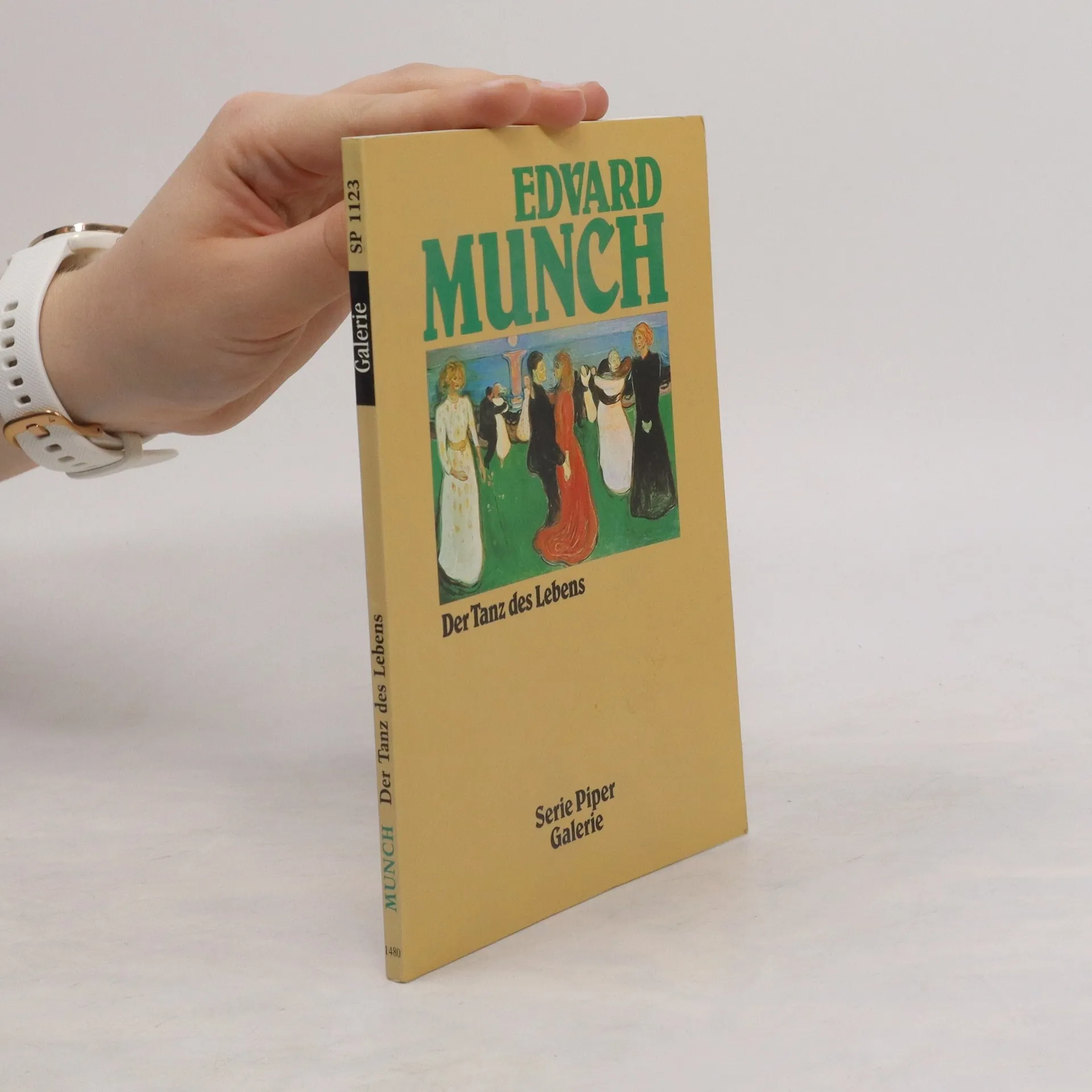
Munch, Edvard. Der Tanz des Lebens. Einführung von Walter Urbanek. Mit 16 Farbtafeln und 2 Schwarzweißabbildungen im Text. München / Zürich, Piper, 1990. 12,5 x 19cm. 64 Seiten. Originale Broschur. Sehr guter Zustand, neuwertig. [Serie Piper, Band 1123]. Edvard Munch, Wegbereiter derpsychologischen Malerei, wird hier mit einigen seiner eindrucksvollsten Gemälde vorgestellt. Bilder und einführende Worte wurden von Walter Urbanek so aufeinander abgestimmt, daß jedermann spürt, auf welch schmalem Grat der Tanz des Lebens stattfindet. [Piper]
Edvard Munch is Norway's most important painter and graphic artist and the only one to exercise a decisive influence on European art. A forerunner of Expressionism, his works were influenced by an early life tortured by sickness, insanity, rejection and
Der Nachdruck von 1894 bietet vier fundierte Beiträge zur Kunst von Edvard Munch, einem der bedeutendsten Maler des Expressionismus. Die Texte beleuchten verschiedene Aspekte seines Schaffens und bieten tiefere Einblicke in seine Werke und deren Bedeutung. Leser erhalten eine wertvolle Perspektive auf Munchs Einfluss auf die Kunstwelt und die Themen, die seine Arbeiten prägen.
Unsere Kalender sind auf umweltfreundlichem Papier gedruckt und vom FSC
zertifiziert. 16-Monats-Kalender mit internationalen Feiertagen und den
Feiertagen der wichtigsten Weltreligionen. Broschürenkalender - Fine Arts
30x30 cm (geöffnet 30x60 cm)
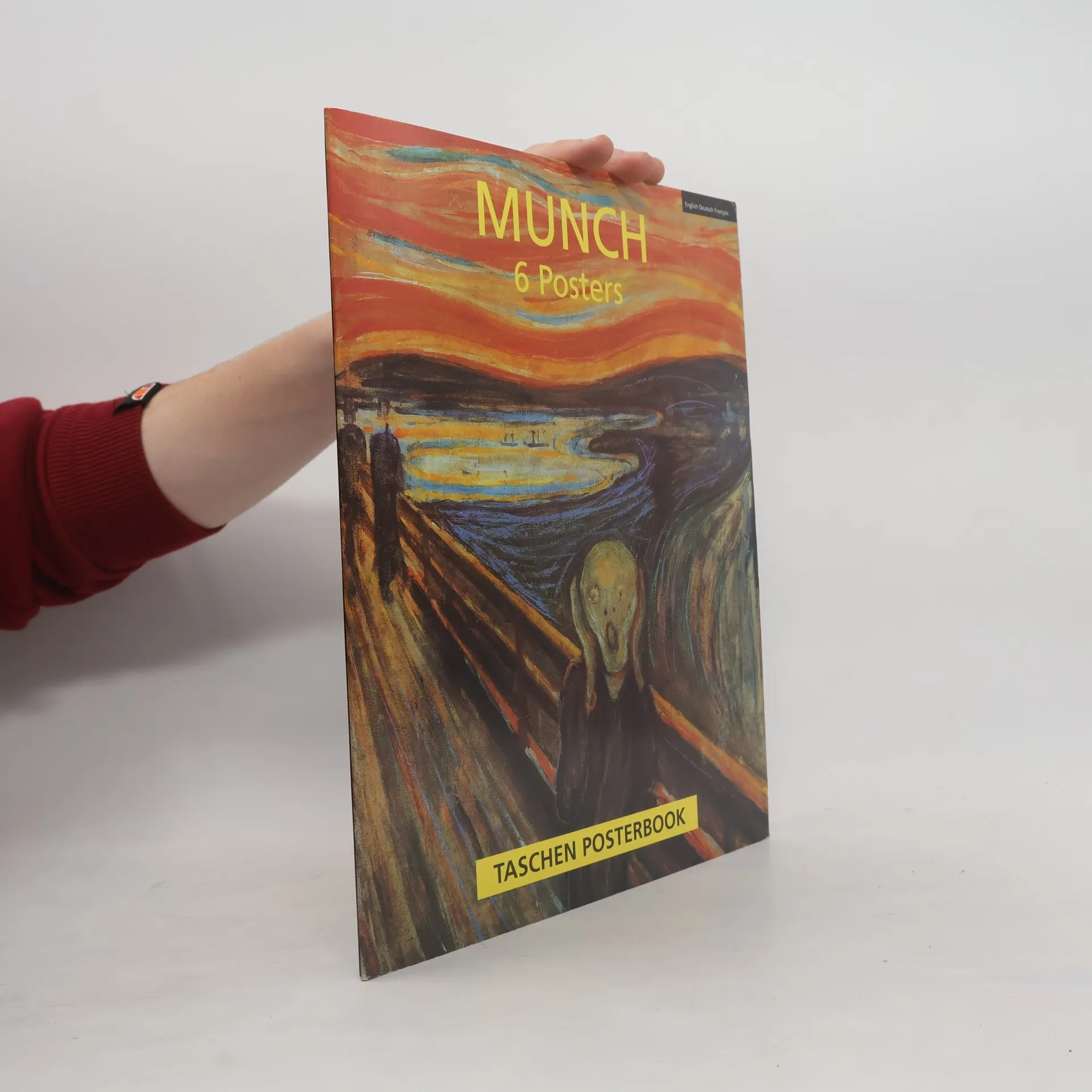
Der Schrei, das verstörendste und heute berühmteste Gemälde des Norwegers Edvard Munch (1863–1944), entstand wie fast alle seiner wichtigen, stilbildenden Werke in der ersten Hälfte seines Lebens. Genau genommen ist es die Zeitspanne von 1885 bis 1900, in denen er jene Bilder malte, die, so Joseph Beuys, »den anstehenden Beginn einer neuen Epoche« signalisieren. Geprägt von Naturalismus, Impressionismus und Jugendstil entwickelte Munch in diesen Jahren eine eigenständige nordische Variante der modernen Malerei, die u. a. dem deutschen Expressionismus den Weg bereiten sollte. Unseren 1988 erstmals erschienen Band mit einem Essay und Bilderläuterungen des Kunsthistorikers Uwe M. Schneede bieten wir als preiswertes Geschenkbuch an.
Edvard Munchs Werke sind heute allgemein bekannt, darunter „Das kranke Kind“, „Madonna“ und „Der Schrei“. Selbst seine Grafiken, die normalerweise nur Liebhaber interessieren, sind Teil des kollektiven Bildwissens geworden. Munchs Bildsprache ist sowohl virtuos als auch elementar, als würde die Kunst hier neu erfunden. Bei seinem ersten Auftreten spaltete sein Stil das Publikum: Traditionelle Künstler brandmarkten seine technische Unvollkommenheit als Schmiererei und seine Sinnlichkeit als anstößig, während progressive Geister von der Intensität seiner Darstellungen des menschlichen Seelenlebens fasziniert waren. In seiner Radikalität ist er mit Vincent van Gogh vergleichbar, der ebenfalls die Kunst neu definierte. Während Van Goghs biografische Aspekte früh ins Interesse rückten, blieb Munchs Leben, trotz seiner dramatischen Erlebnisse, lange im Schatten. Extreme Seelenzustände und Selbstverstümmelung umgaben ihn, während er in einer Bohème lebte, die Selbstdestruktion durch Alkohol und Drogen propagierte. Munchs Wesen schien finster und melancholisch, und obwohl er von Kindern geliebt wurde, war er als Skandalkünstler bekannt und lebte oft zurückgezogen. Die Zeugnisse über sein Leben sind zahlreich, jedoch selten auf Deutsch und nie gesammelt erschienen. Der neue Band der Reihe „en face“ bietet überraschende Einblicke in das Leben eines Künstlers, den viele kennen, den aber nur wenige wirklich verstehen.
1905 malte Edvard Munch (1863–1944) mehrere Bildnisse der Familie des Chemnitzer Textilindustriellen Herbert Esche. Die meisten dieser Bilder befinden sich seit Längerem als Dauerleihgabe der Herbert Eugen Esche-Stiftung im Kunsthaus Zürich. 2015 konnte ein weiteres zentrales Werk der Gruppe, das Porträt der Mutter Hanni Esche – ein Meilenstein in der Entwicklung von Munchs farbigem reifem Stil –, erworben werden. Entstanden sind die Gemälde für die berühmte Villa Esche, die der belgische Meister des Jugendstils Henry van de Velde 1902/03 für die Familie erbaut hatte. Das Buch präsentiert und erläutert Munchs Esche-Bildnisse und dokumentiert deren Platz in der Chemnitzer Villa fotografisch. Es illustriert zudem den Kontext der Familiensammlung, die ein für den avantgardistischen Geschmack um 1900 paradigmatisches Ensemble bildet, wie es sich nur selten erhalten hat.
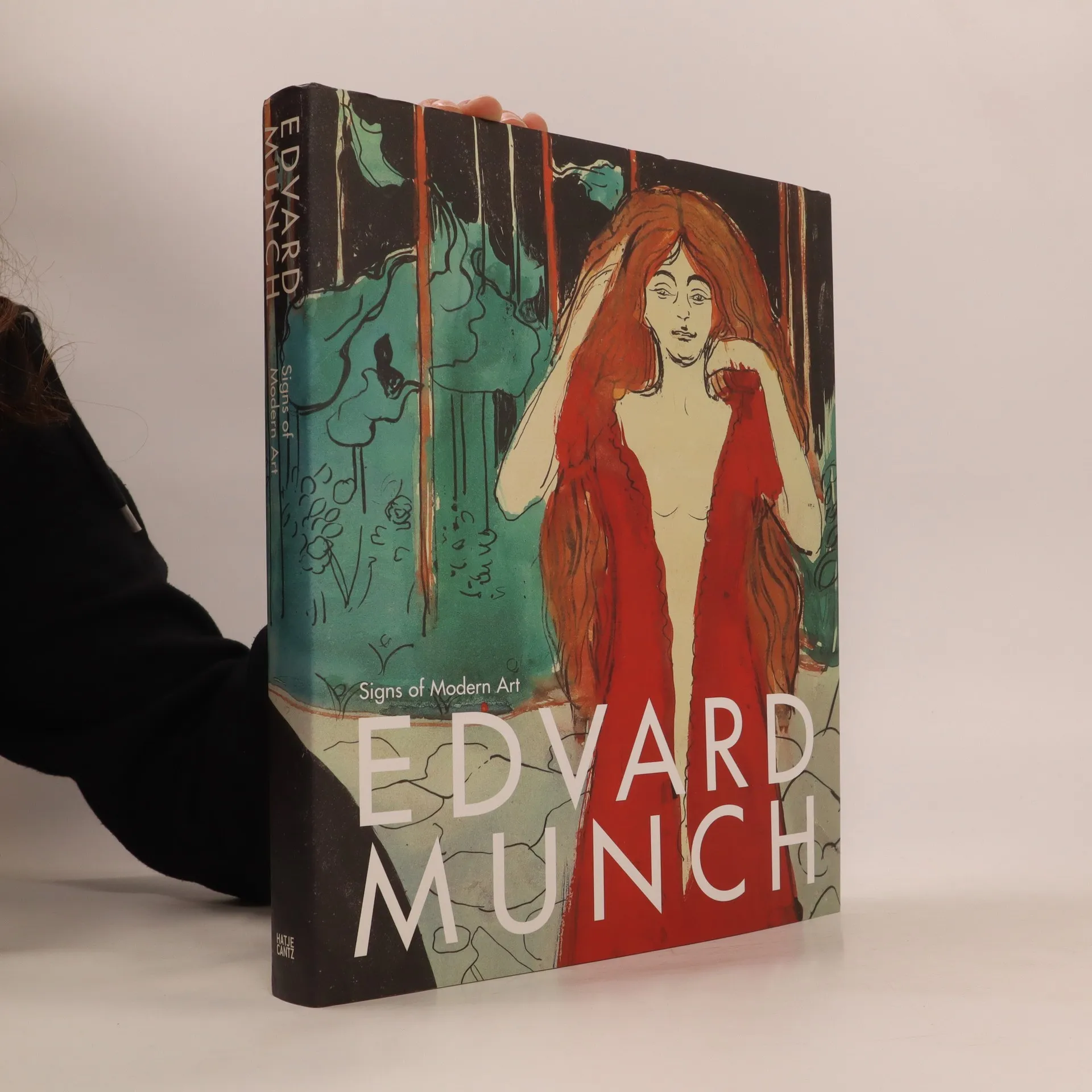
Edvard Munch (1863–1944) zählt zu den Pionieren der Moderne. Seine Werke kreisen um die großen menschlichen Tragödien zwischen Eros und Tod, die der Vorläufer und Begründer des Expressionismus in einer bis dahin nicht gesehenen psychologischen Direktheit in der Bildsprache variierte. Im Mittelpunkt des Bandes steht die Bedeutung von Munchs Œuvre als höchst eigenwilligem Beitrag zur Moderne. Anhand von mehr als 130 Gemälden sowie 85 Arbeiten auf Papier wird dabei als zentrale Besonderheit erstmals das Verschwinden wie das Neuentstehen des Motivischen vor dem Hintergrund seiner materialbasierten Modernität beleuchtet. So integrierte der Künstler beispielsweise mit der sogenannten Rosskur, bei der er seine Arbeiten der Witterung aussetzte, nicht nur den Zufall, sondern auch den natürlichen Zerfall als Werkkomponente in seinen Schaffensprozess. Munchs konsequentes Überschreiten der historischen Gattungsgrenzen zwischen Malerei und Druckgrafik, seine Arbeit mit Fotografie und Film sowie seine Betonung des Prozessualen öffnen bereits zur Jahrhundertwende einen Ausblick ins 20. Jahrhundert. (Amazon.de)
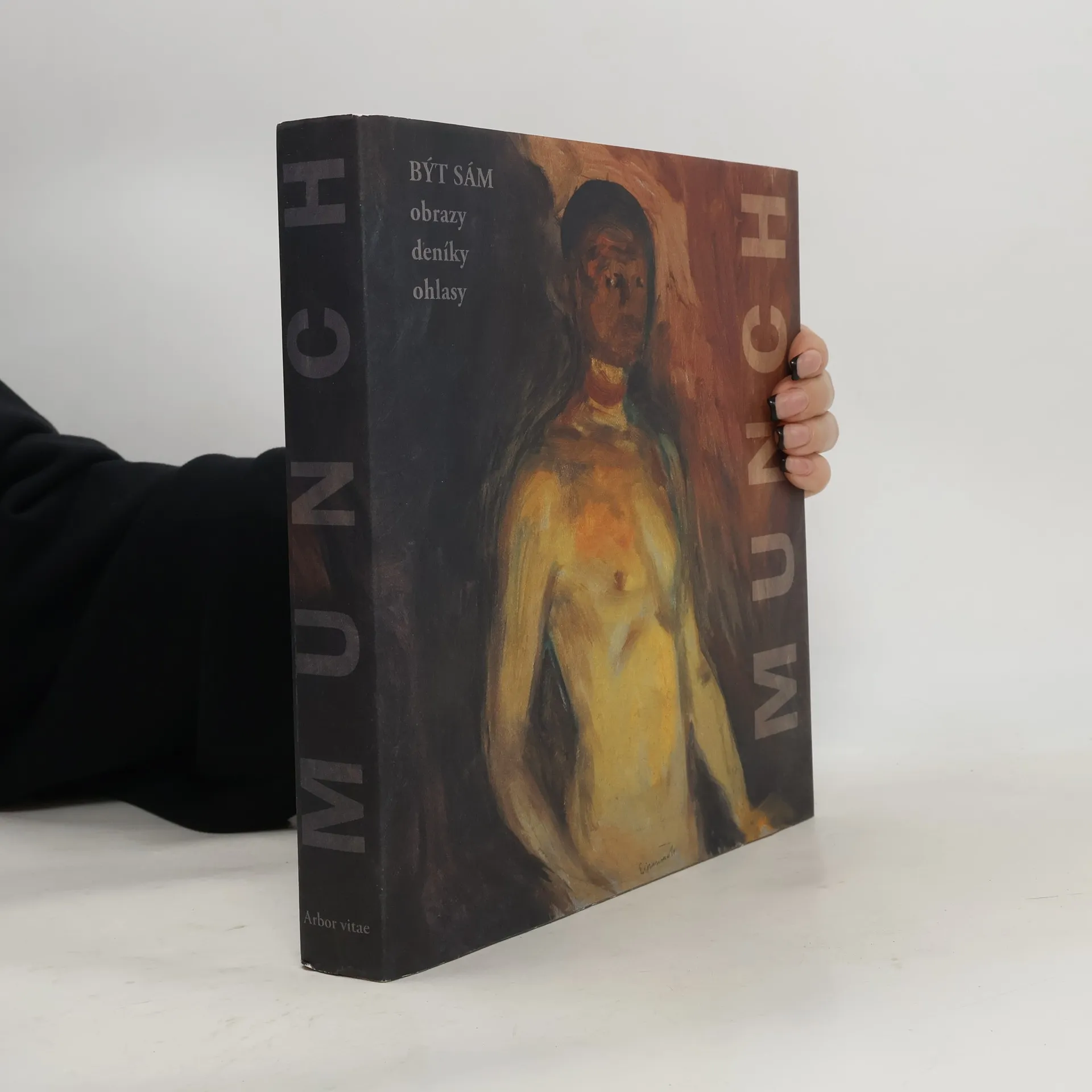
Kniha kterou autorsky připravili Otto M. Urban, Jarka Vrbová a Tomáš Vrba je složena ze tří částí: studie o norském malíři jako zásadní postavě světové kultury 20. století, prvního takto obsáhlého mimo Norsko vyšlého výběru z jeho fascinujících ilustrovaných deníků a konečně ze studie o Munchově iniciačním vlivu na české výtvarné umění po úspěšné výstavě, která se v Praze uskutečnila v roce 1905 a zásadně poznamenala vývoj českého moderního umění. Textová monografie vychází jako 4. svazek edice Vera effigies zaměřené na klíčové osobnosti přelomu 19. a 20. století. Obsahuje 223 reprodukcí umělcových olejomaleb, grafiky a fotografií zapůjčených Munchovým muzeem v Oslo. Kniha se stává nejen první velikou českou knihou o Munchovi, ale i příručkou ke kulturním dějinám přelomu 19. a 20. století. Počet ilustrací a příloh: 223