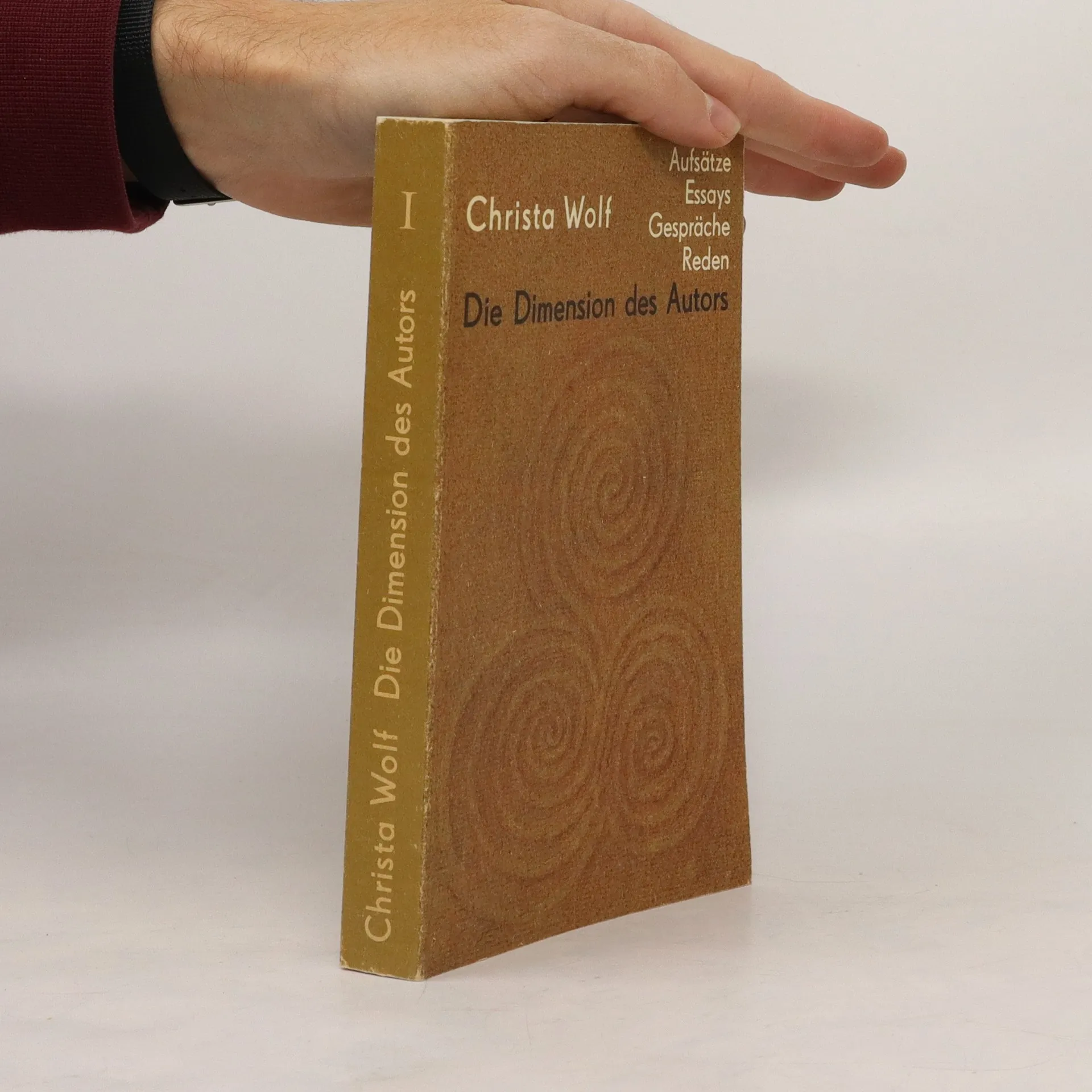
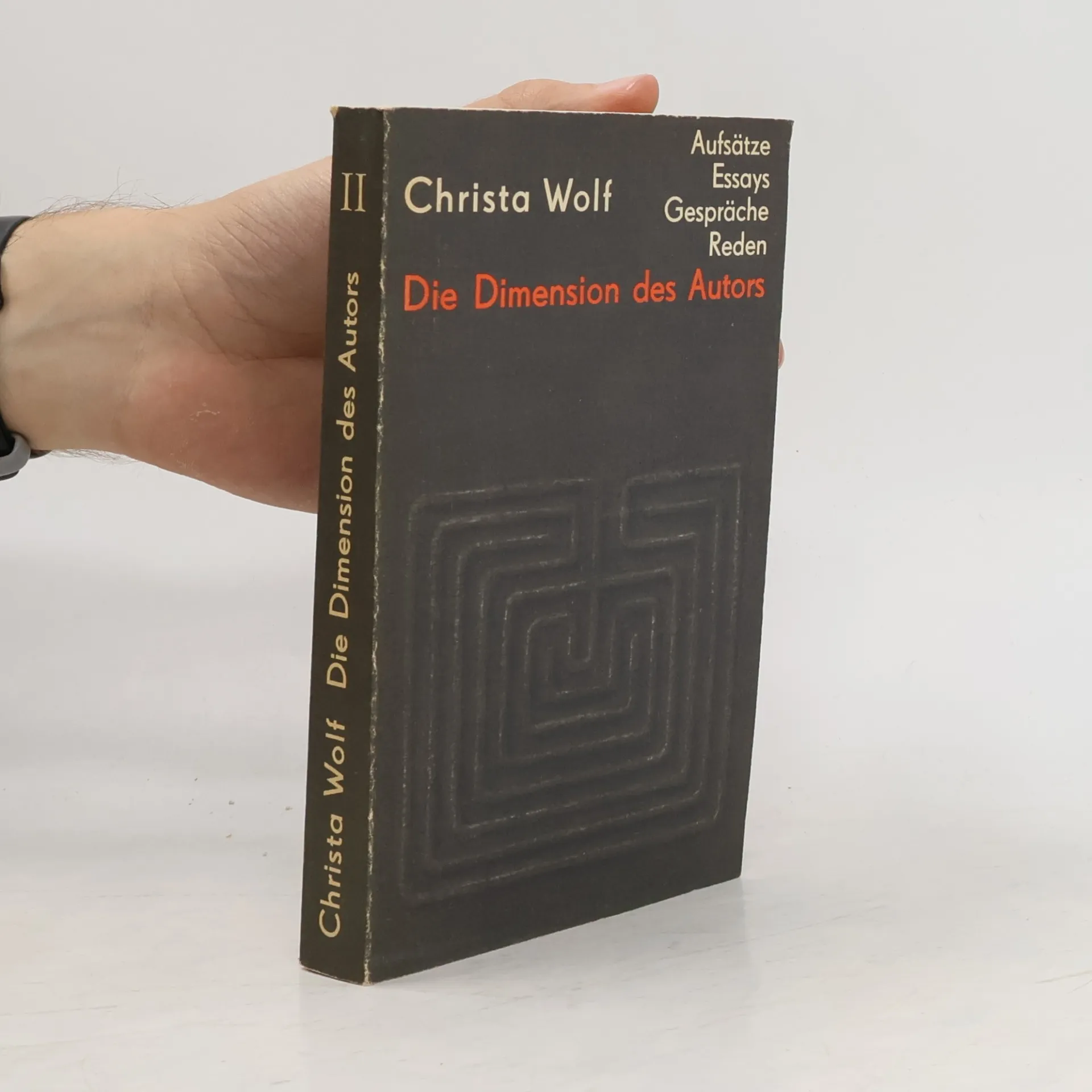
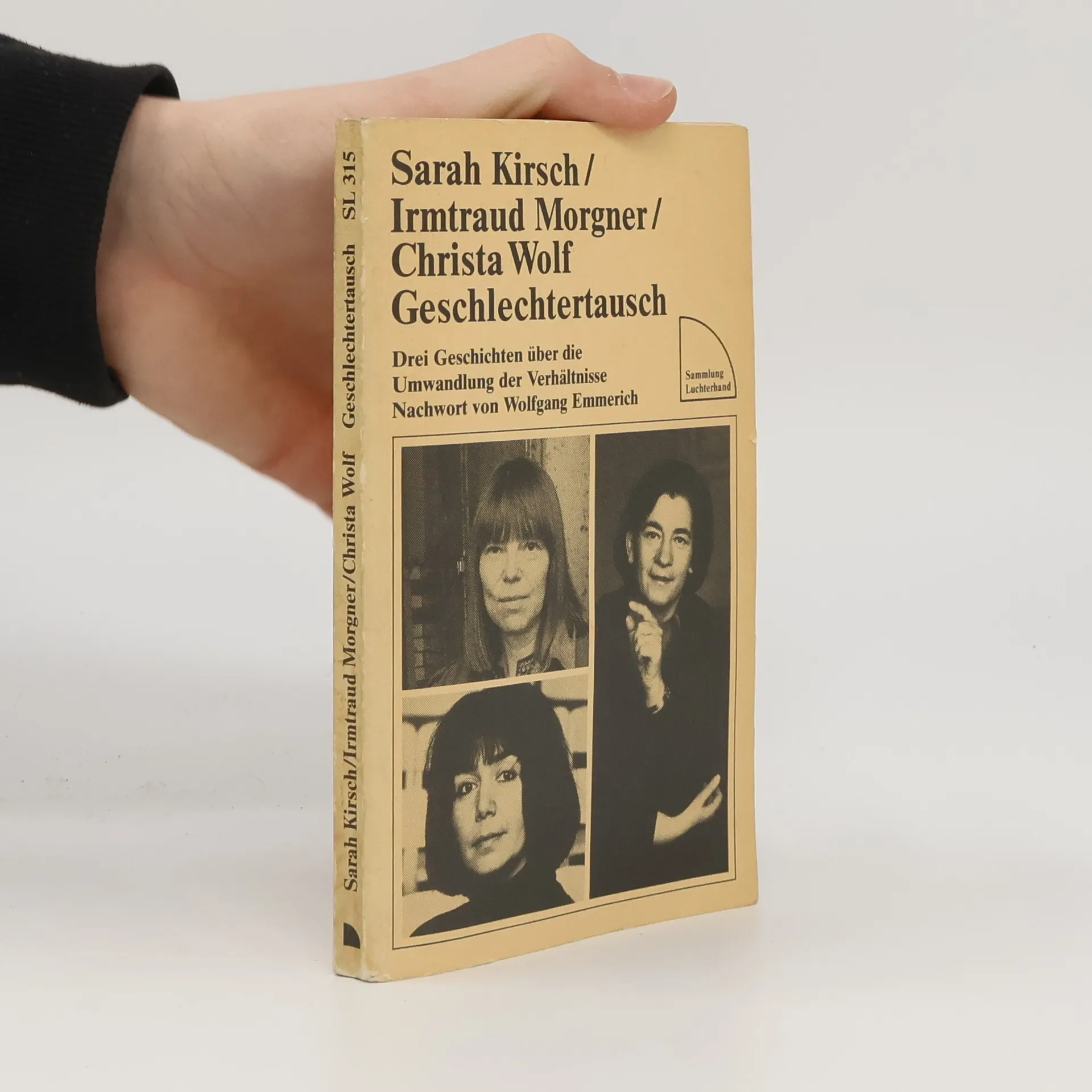
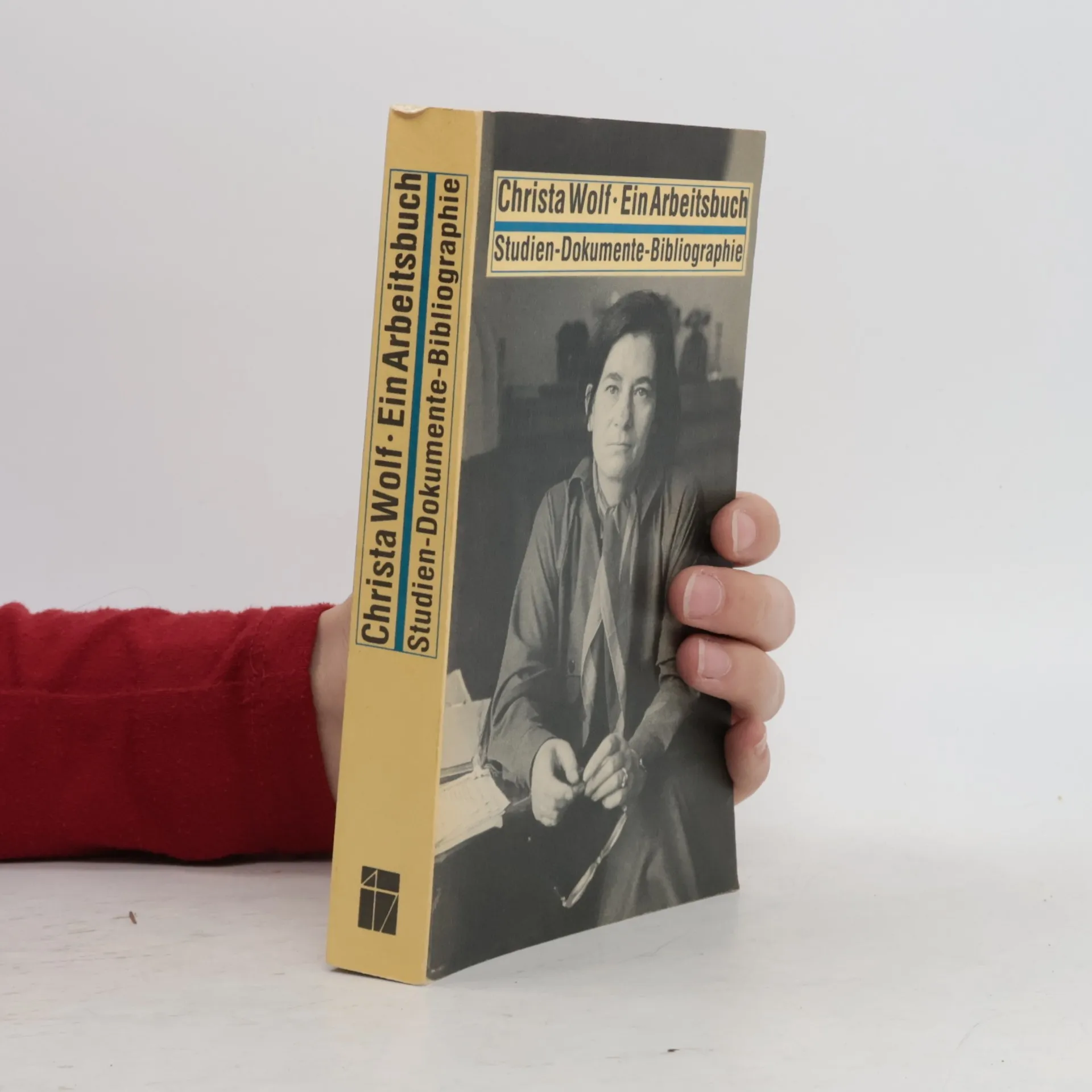
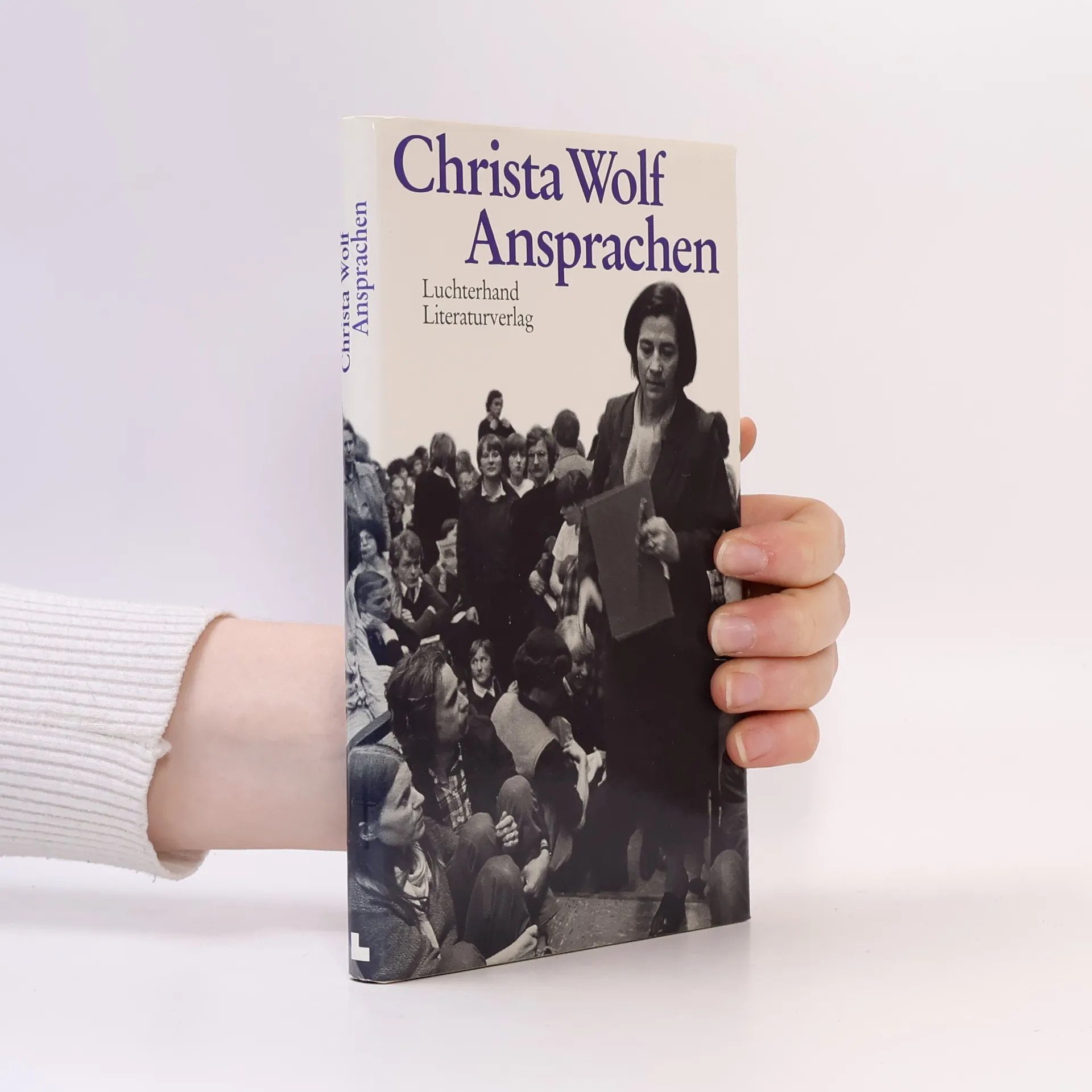
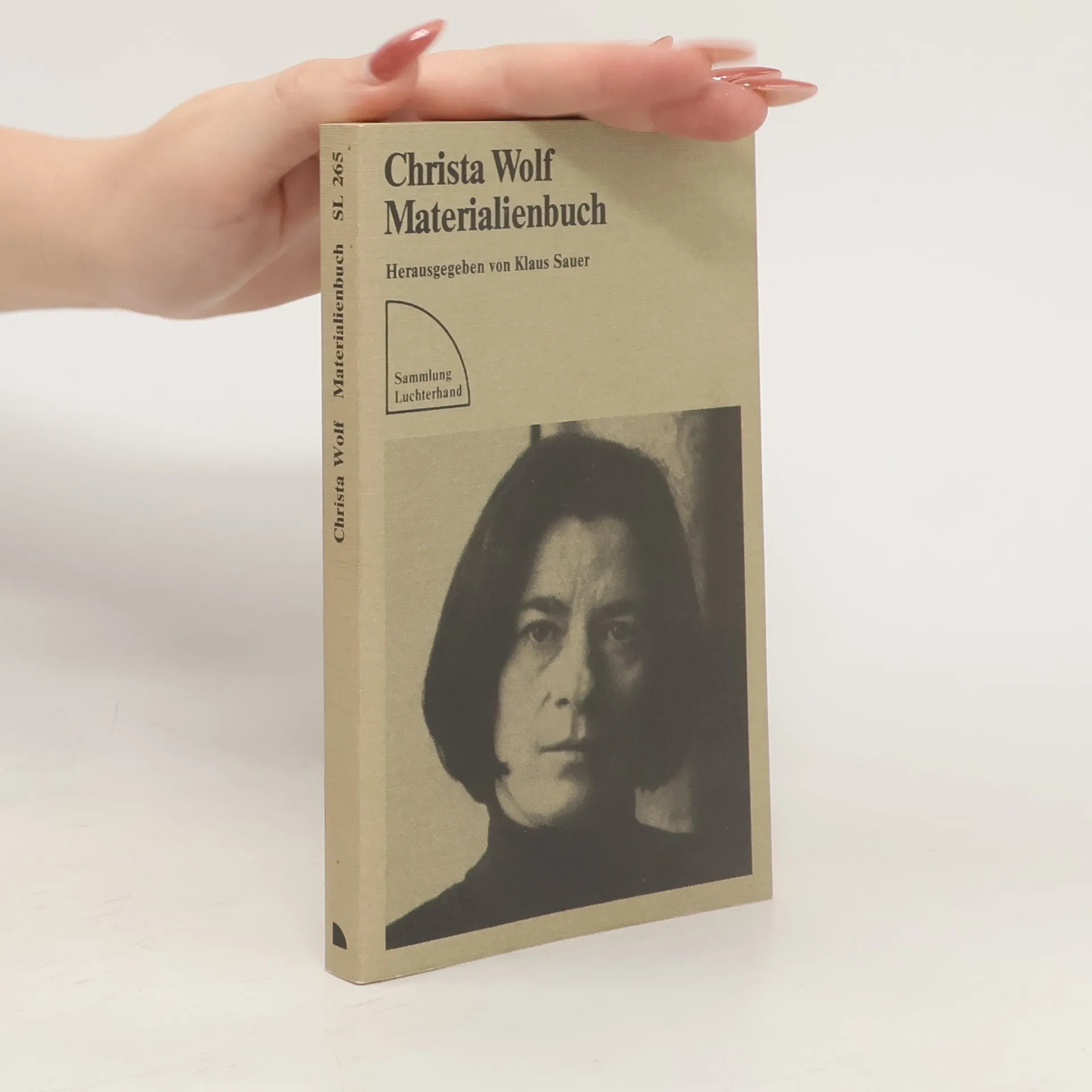
Christa Wolf was a novelist who maintained a critical distance from the communist regime while remaining a committed socialist. Her work often explored themes of societal division and the individual's internal conflicts, characterized by deep moral seriousness and narrative power. Wolf bravely questioned the hopes and errors of her time, earning acclaim for her uncompromising intellectual honesty and literary skill. Her writings offer profound insights into the human condition within a complex political landscape.
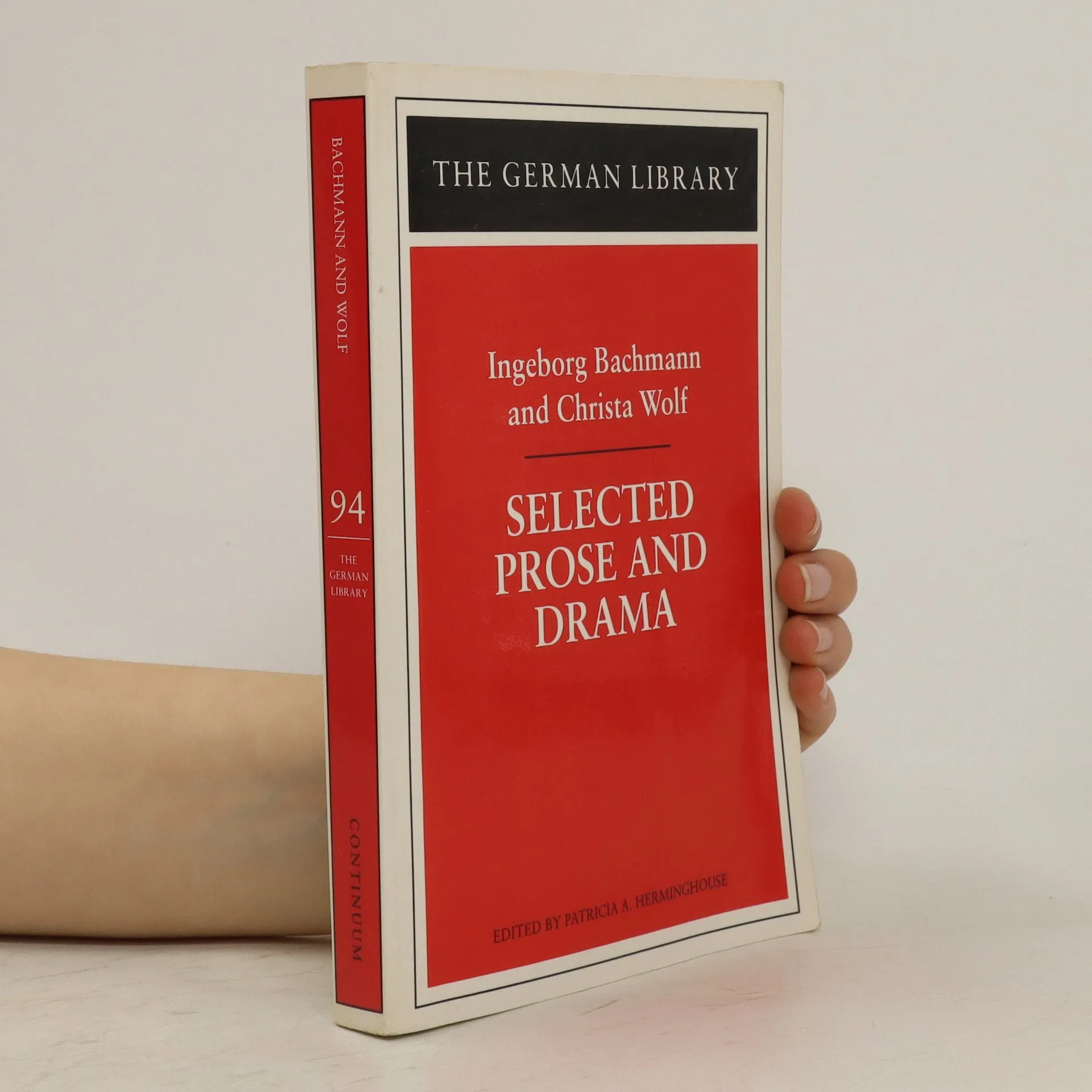
This volume brings together the two most important women writers of postwar literature: Ingeborg Bachmann and Christa Wolf. Both grew up during the National Socialist era and have remained critical of their respective societies' failure to confront the history of this era.
* This will be the only complete virtualization reference on the market; brings all virtualization technologies together * Microsoft has shifted its training strategy to include virtual machine technology in all new ALS/MOC courses, which leads to high demand for knowledge about this technology * Covers both Microsoft and Linux environments
Parting from Phantoms is a window into the soul of the most prominent writer of the German Democratic Republic and its most famous export, Christa Wolf. The essays, diary entries, and letters in this book document four agonizing years in Wolf's personal history and paint a vivid portrait of the cultural and political situation in the former German Democratic Republic. This collection stands as an important testimony to the personal and cultural costs of German reunification. "The works in this book constitute an essential document of the history of reunified Germany, and this alone recommends it to scholars and those interested in current European events."— Publishers Weekly "Christa Wolf was arguably the most influential writer of a nation that no longer exists. . . . Parting from Phantoms traces the fever chart of her anguish. . . . In some ways, the rawness of the present volume is its greatest contribution, and its bona fides—testifying to the human cost of deception and self-deception."—Todd Gitlin, Nation "A thrilling display of ideological soul-searching."—Ilan Stavans, Newsday, Favorite Books of 1997
"August" is Christa Wolf s last piece of fiction, written in a single sitting as an anniversary gift to her husband. In it, she revisits her stay at a tuberculosis hospital in the winter of 1946/47, which makes up the closing scenes of her 1976 novel "Patterns of Childhood." This time, however, the perspective is a very different one: that of August, a young patient who has lost both parents to the war. He adores the older girl Lilo, a rebellious teenager who holds things together on the wards. Sixty years later, August thinks back on his life and the things that she taught him. Written in taut, affectionate prose, "August "offers a new entry into Christa Wolf s work and, incidentally, her first and last male protagonist. Yet, it is more than a literary artefacta perfectly constructed story of a quiet life well lived. For August as for Christa Wolf, the past was never dead."
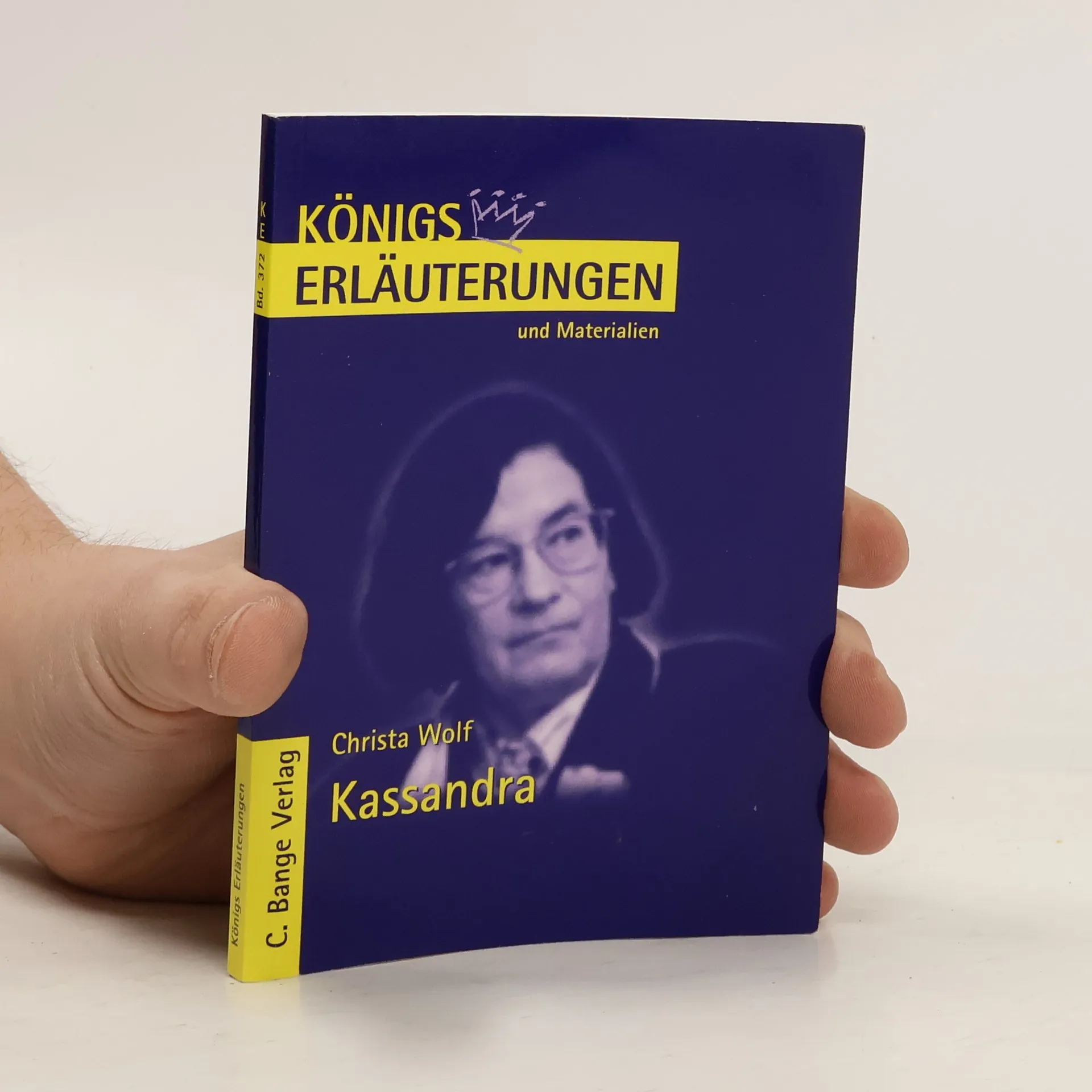
Cassandra, daughter of the King of Troy, is endowed with the gift of prophecy but fated never to be believed. After ten years of brutal war, Troy has fallen to the Greek army, and Cassandra is now a prisoner of war, shackled outside the gates of a foreign fortress, Agamemnon's Mycenae. Through memories of her childhood and reflections on the long years of conflict, Cassandra pieces together the legendary fall of her city. A woman living in an age of heroes, Cassandra reveals the untold personal story that has been lost among the triumphs of Achilles and Hector.
When The Quest for Christa T. was first published in East Germany in 1968, there was an immediate storm: bookshops in East Berlin were given instructions to sell it only to well-known customers professionally involved in literary matters; at the annual meeting of East German Writers Conference, Mrs Wolf's new book was condemmed. Yet the novel has nothing explicitly to do with politics.Praise for The Quest for Christa T.On the surface we merely have the story of a sensitive woman as recalled by her friend. On this level Christa T. was a good citizen who did as she was told and lived a seemingly unexceptional life. But between the lines lies the real story of Christa T. -- the story of an individual crushed by the pressures of uniformity. If you bear in mind it is the first novel of any consequence to emerge from Ulbricht's East Germany, then it becomes something of a literary landmark. - John Barkman, New York PostThe contours of silence and the outline of things articulately left unsaid loom large in the muted brilliance of this novel. - Ernst Pawek, The New York Review of BooksIt is a courageous book that breaks taboos and, as we have come to expect from Christa Wolf, it is infused with an integrity and a deep moral concern. . . - The (London) Times Literary Supplement
During a 1960 interview, East German writer Christa Wolf was asked a curious question: would she describe in detail what she did on September 27th? Fascinated by considering the significance of a single day over many years, Wolf began keeping a detailed diary of September 27th, a practice which she carried on for more than fifty years until her death in 2011. The first volume of these notes covered 1960 through 2000 was published to great acclaim more than a decade ago. Now translator Katy Derbyshire is bringing the September 27th collection up to date with One Day a Year--a collection of Wolf's notes from the last decade of her life. The book is both a personal record and a unique document of our times. With her characteristic precision and transparency, Wolf examines the interplay of the private, subjective, and major contemporary historical events. She writes about Germany after 9/11, about her work on her last great book City of Angels, and also about her exhausting confrontation with old age. One Day a Year is a compelling and personal glimpse into the life of one of the world's greatest writers.
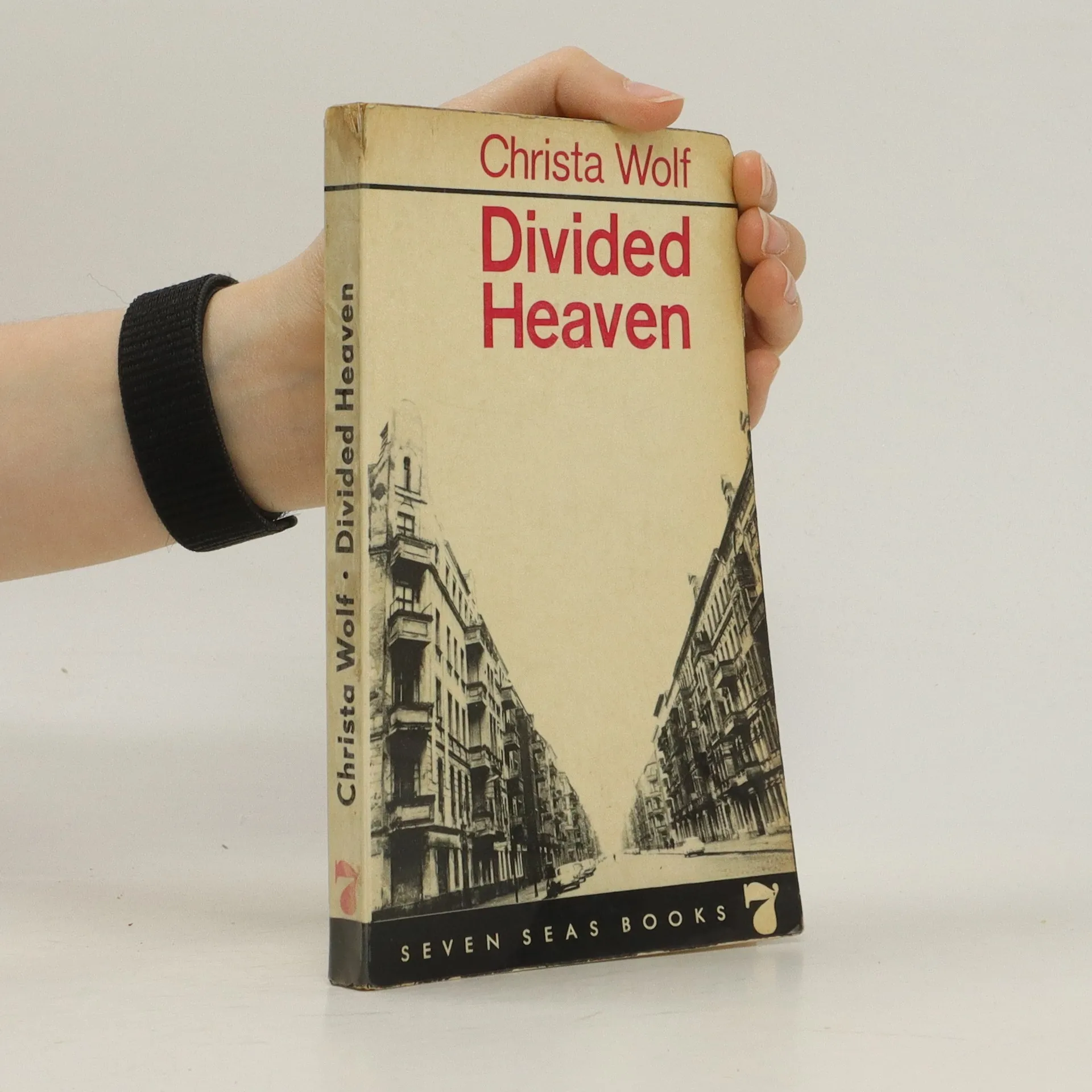
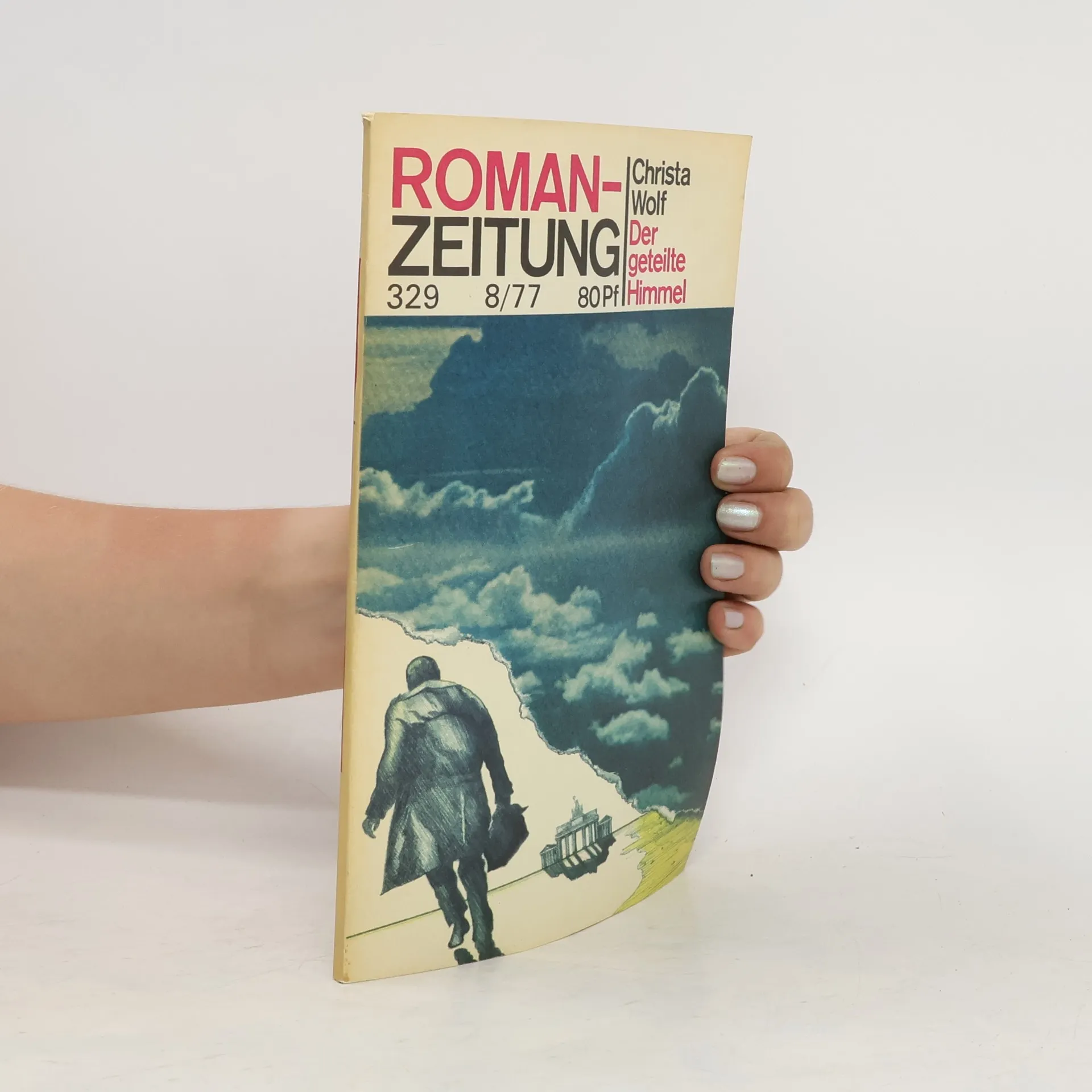
The story is set in 1960 and 1961, a moment of high political cold war tension between the East Bloc and the West, a time when many thousands of people were leaving the young German Democratic Republic (the GDR) every day in order to seek better lives in West Germany, or escape the political ideology of the new country that promoted the "farmer and peasant" state over a state run by intellectuals or capitalists.
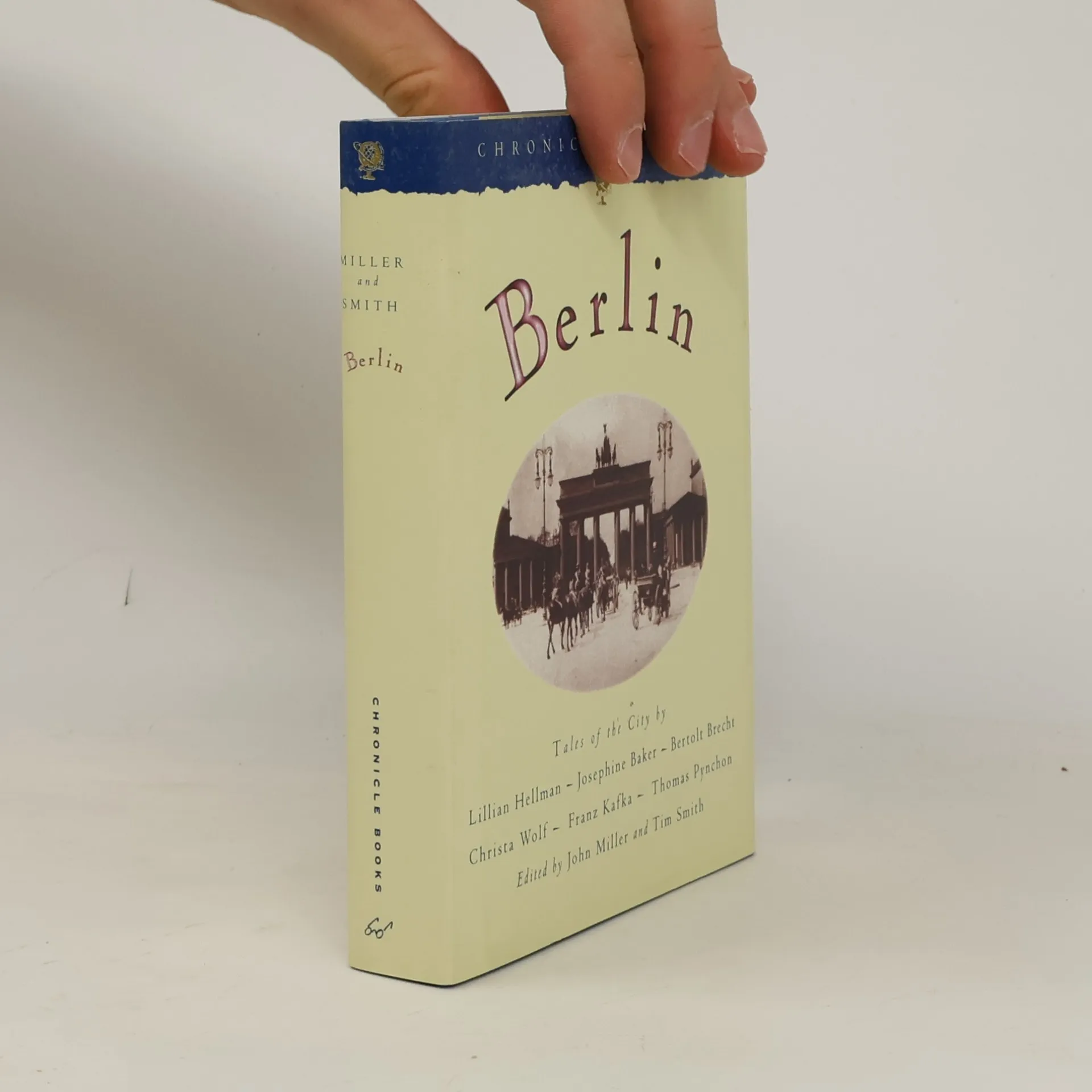
Berlin is one of the most intriguing cities in Europe. Despite its tumultuous history, it has remained the heart of Germany, even when the heart was divided in four. In one pocket-sized volume, Berlin collects the best fiction and nonfiction about the city from an array of writers of international stature. From chanteuse Josephine Baker on her second adopted home to playwright Bertolt Brecht on the decline of the Weimar Republic, and including an excerpt from Thomas Pynchon's Gravity's Rainbow, a resident's 1989 account of the fall of the Berlin Wall, and a description of Berlin from the 1912 edition of a Baedeker guide (written by Karl Baedeker himself), Berlin is an engaging literary stroll through a remarkable city. contents Preface / Vladimir Nabokov --The job / Bertolt Brecht --The Berlin diaries / Marie Vassiltchikov --Berlin Alexanderplatz / Alfred Doblin --Gravity's rainbow / Thomas Pynchon --Picture postcard, Berlin / Franz Kafka --The lavender lay / Marcellus Schiffer --The party at the wall / Bennett Owen --Julia / Lillian Hellman --Berlin's general aspect / Karl Baedeker --A Berlin diary / Christopher Isherwood --From Berlin to the Folies-Bergere / Josephine Baker --Berlin letter / Rainer Maria Rilke --Ritter Gluck / E. T. A. Hoffmann --The quest for Christa T. / Christa Wolf.
1960 erging an die Schriftsteller der Welt ein Aufruf der Moskauer Zeitung Iswestija, sie mögen den 27. September dieses Jahres so genau wie möglich beschreiben. Maxim Gorki hatte 1936 damit begonnen, „Einen Tag der Welt“, wie es damals hieß, zu porträtieren - mit großer Resonanz. Christa Wolf reizte diese Idee, sie hat dann aber nicht nur den 27. September 1960 beschrieben, sondern von diesem Jahr an jeden darauffolgenden 27. September genau beobachtet und festgehalten, „mehr als die Hälfte ihres erwachsenen Lebens“ - ein einmaliges literarisches Projekt, das nun veröffentlicht werden kann.
„Christa Wolfs Romane, Erzählungen, Essays gehören zu den bedeutendsten und schönsten Werken der gegenwärtigen Weltliteratur.“
Lew Kopelew
„Grelle Töne sind Christa Wolfs Sache nie gewesen; nicht als Autorin, nicht als Zeitgenossin hat sie je zur Lautstärke geneigt und doch nie Zweifel an ihrer Haltung gelassen.“
Heinrich Böll
„Christa Wolfs Sprache hat mit der Zeit Nebensätze verloren, womit ihre Hauptsätze an Kraft gewonnen haben. Die Gradlinigkeit ihres Erzählens ist ein selten gewordener literarischer Wert.“
Günter Gauß
Die Bilanzierung aus der Sicht des Leasingnehmers und des Leasinggebers - Praxisleitfaden zur internationalen Rechnungslegung (IFRS) spezial
123 pages
5 hours of reading
Der neue Standard zur Leasingbilanzierung (IFRS 16) führt zu einer Revolution der Bilanzierung von Leasingverhältnissen aufseiten des Leasingnehmers, verbunden mit erheblichen Herausforderungen im Rahmen der Erstellung von IFRS-Abschlüssen und wesentlichen Auswirkungen auf Unternehmenskennzahlen (KPIs). Dieses Buch beschäftigt sich umfassend mit dem neuen Standard, sowohl aus der Perspektive des Leasingnehmers als auch aus der Sicht des Leasinggebers. Neben einer Darstellung der relevanten Vorschriften tragen vor allem die zahlreichen Fallbeispiele zum Verständnis bei. Praxishinweise runden jedes Kapitel ab.
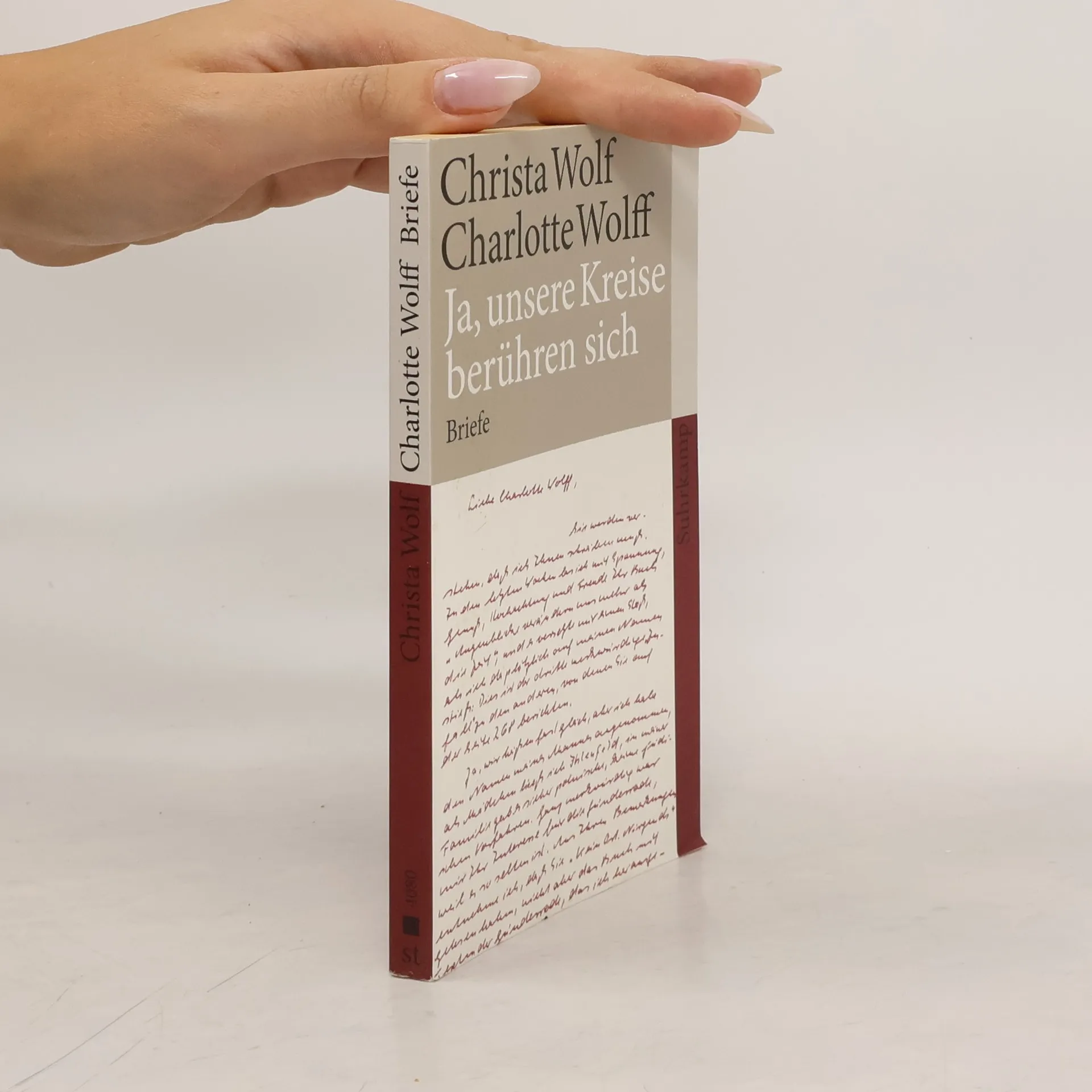
Im Frühjahr 1983 hat Christa Wolf gerade die aufsehenerregenden Frankfurter Poetikvorlesungen und ihre große Erzählung Kassandra veröffentlicht. Zur gleichen Zeit arbeitet die Psychologin und Ärztin Charlotte Wolff – eine deutsche Jüdin, die 1933 zuerst nach Paris und dann nach London emigrierte – an einer umfangreichen Monographie zu Magnus Hirschfeld, dem Pionier der Erforschung menschlicher Sexualität. Zwei Frauen, die sich nie persönlich begegnen werden. Aber in den drei Jahren ihres Austauschs entsteht ein so engagierter wie anrührender Briefwechsel über Arbeitsvorhaben, über den Alltag, über die Stellung der Künstlerin in einer männlich bestimmten Gesellschaft – und es ergibt sich das Bild einer stetig wachsenden Freundschaft.
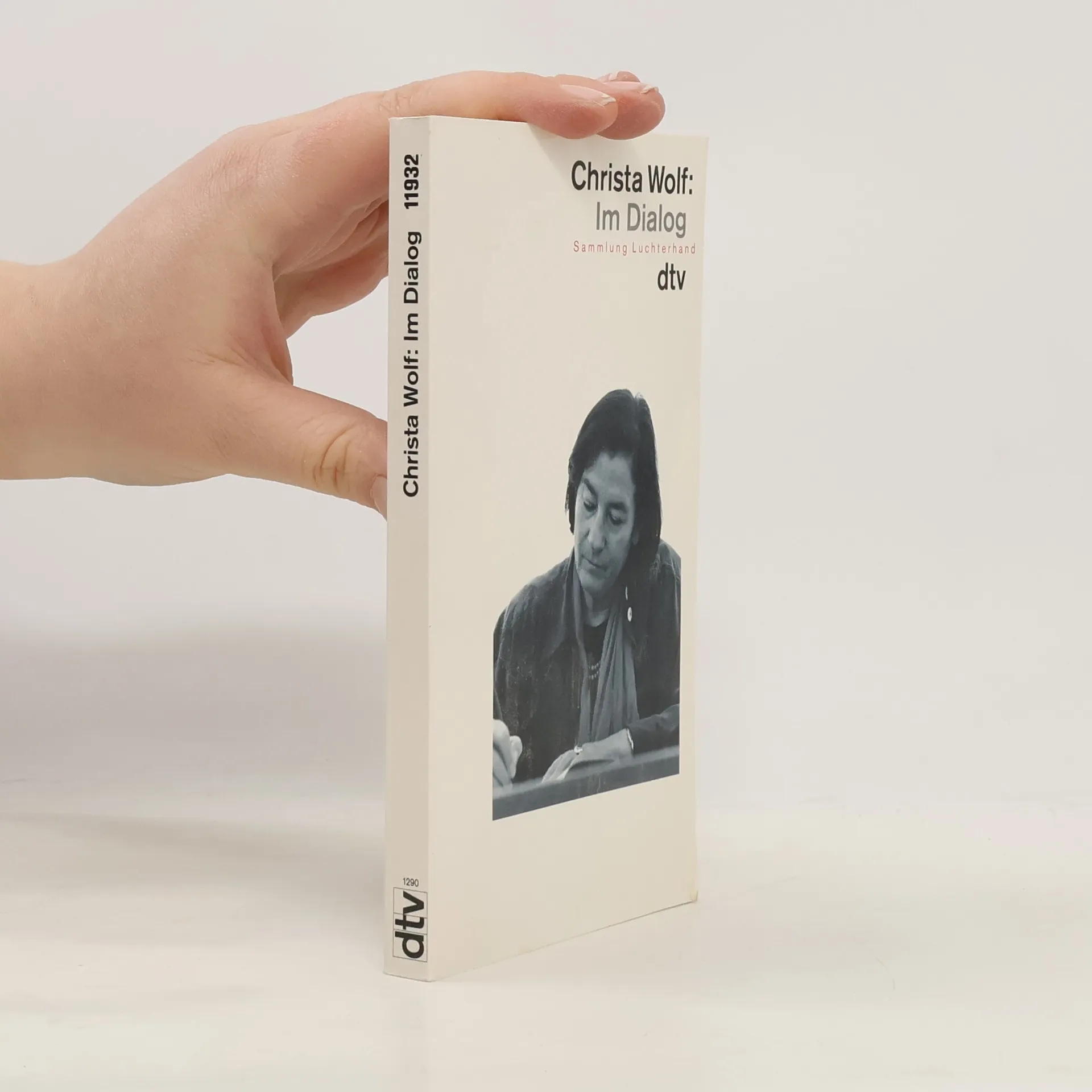
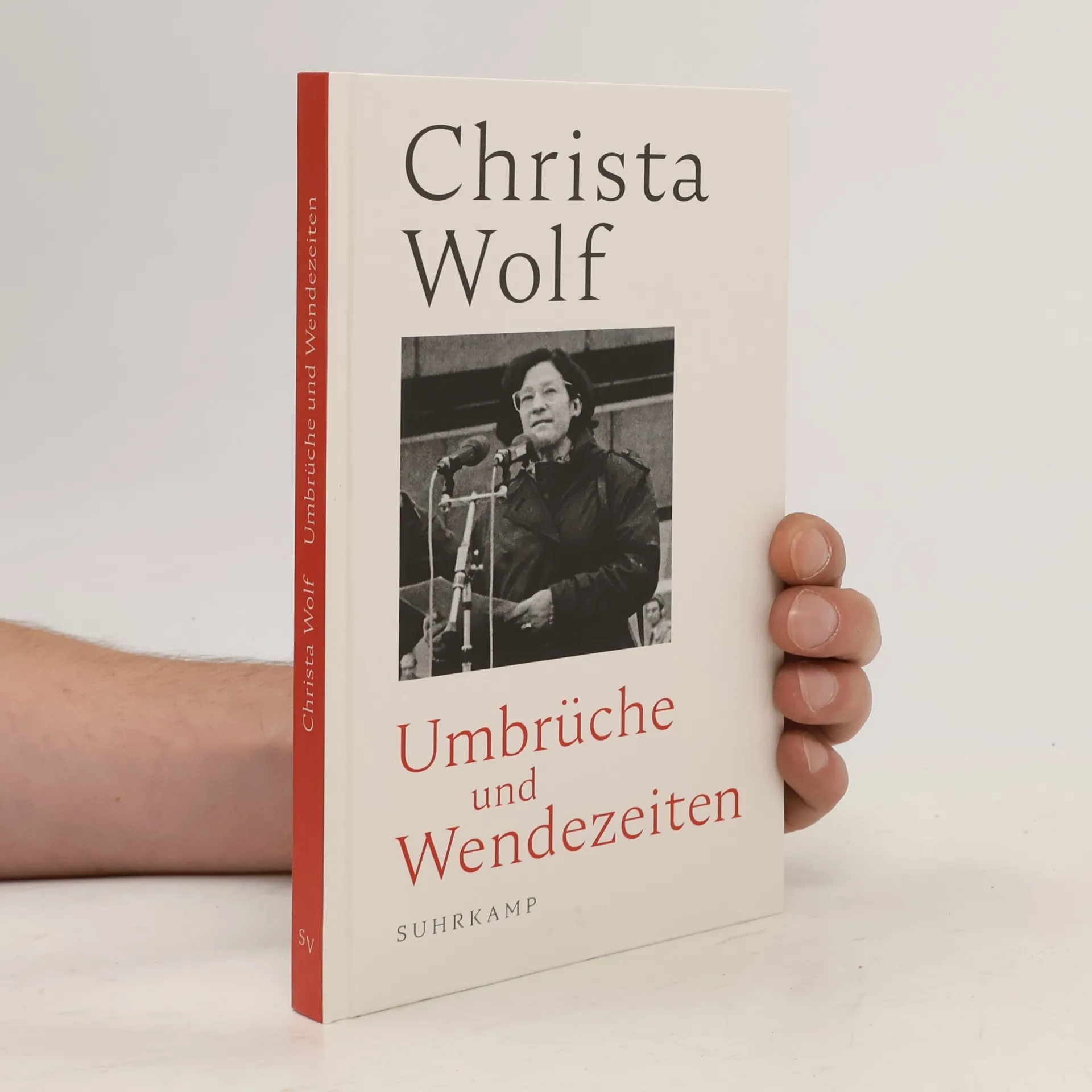
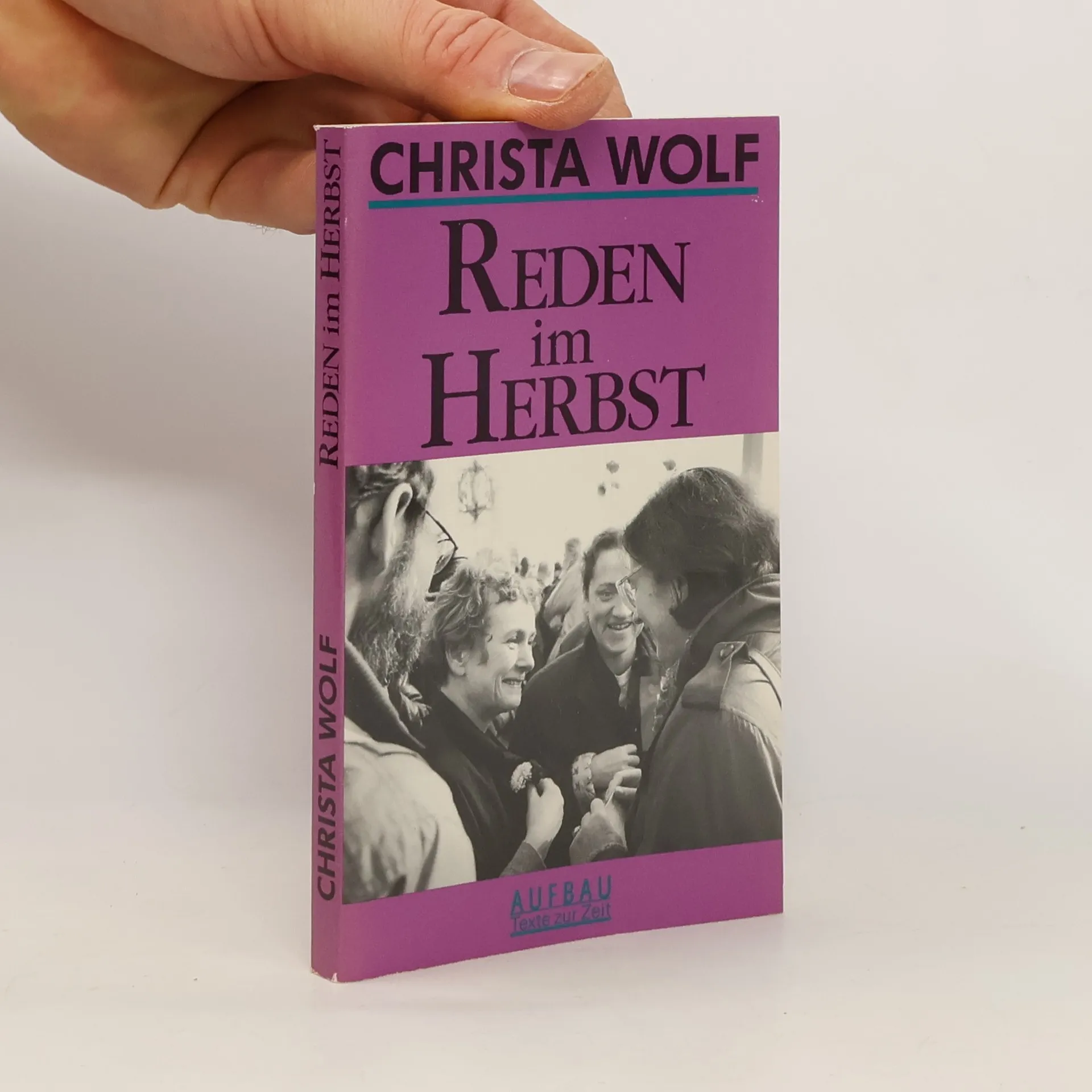
»Wir staunen, was wir offenbar schon lange gedacht haben und was wir uns jetzt laut zurufen: Demokratie jetzt oder nie!« Als Christa Wolf am 4. November 1989 diese Worte den versammelten Menschen am Alexanderplatz zuruft, steht die weltberühmte Schriftstellerin im Zentrum politischer Umbrüche. Sogar das Staatspräsidentenamt wird ihr angeboten. Wie hat die engagierte Autorin die DDR, den Mauerfall und die Wiedervereinigung erlebt? Im Jahr 2008 führte Thomas Grimm ein Interview mit Christa Wolf und ihrem Mann Gerhard Wolf. Christa Wolf erinnert sich in dem Gespräch an den Alltag in der DDR, die Überwachung durch die Stasi und die friedliche Revolution von 1989, zu deren wichtigsten Stimmen sie gehörte. Sie spricht über ihre vergebliche Hoffnung auf einen wirklich demokratischen Sozialismus in der DDR, über die Wiedervereinigung und ihre Eindrücke des sich verändernden Kunst- und Kulturbetriebs. Ihre gesellschaftlichen Diagnosen sind ihrer Zeit weit voraus, ob es den Wegzug junger Leute aus Ostdeutschland, die Ausbreitung rechter Gesinnungen oder die drohenden Folgen des Klimawandels betrifft. Christa Wolf zeigt sich als scharfsinnige Analytikerin der Wendezeit und couragierte Zeitgenossin und gibt ganz persönliche Einblicke in ihr Leben.
In Selbstbetrachtungen und in der Auseinandersetzung mit Frauen und Männern, deren Leben von Hoffnung und Verzweiflung geprägt ist, ergründet Christa Wolf die tiefen Auswirkungen der Verwerfungen des Jahrhunderts auf das individuelle Schicksal. Frida Kahlo, die Malerin, war durch einen Autounfall in ein Stahlkorsett gezwungen, während Irmtraud Morgner versuchte, die starren Verhältnisse der DDR mit weiblicher Phantasie zu transformieren. Franz Führmann teilte mit Wolf die Hoffnung auf eine bessere Welt und die Überzeugung, dass Schriftsteller sich der Gegenwart stellen und die Geschichte sowie den Mythos nach Zeugen der Humanität und des Widerstands durchforschen sollten. Wolf zeigt, wie Kassandra und Medea ihr halfen, die heutigen Gesellschaftsstrukturen zu durchschauen. Anhand einer Messe von Joseph Haydn betont sie die Notwendigkeit von Utopien, denn „dünn ist die Decke der Zivilisation“. Mit dem Wort „Brot“ eröffnet sie das Verständnis für Heinrich Böll. Die Menschen, die Wolf würdigt und deren Werke sie einfühlsam betrachtet, werden zu Figuren ihres eigenen Schaffens, als versammelten sie sich alle „Im Stein“. Während einer Operation sind zwar die Schmerzen der Ich-Erzählerin ausgeschaltet, doch die Empfindungen und das Bewusstsein umkreisen das gesamte Leben und den Sinn desselben.
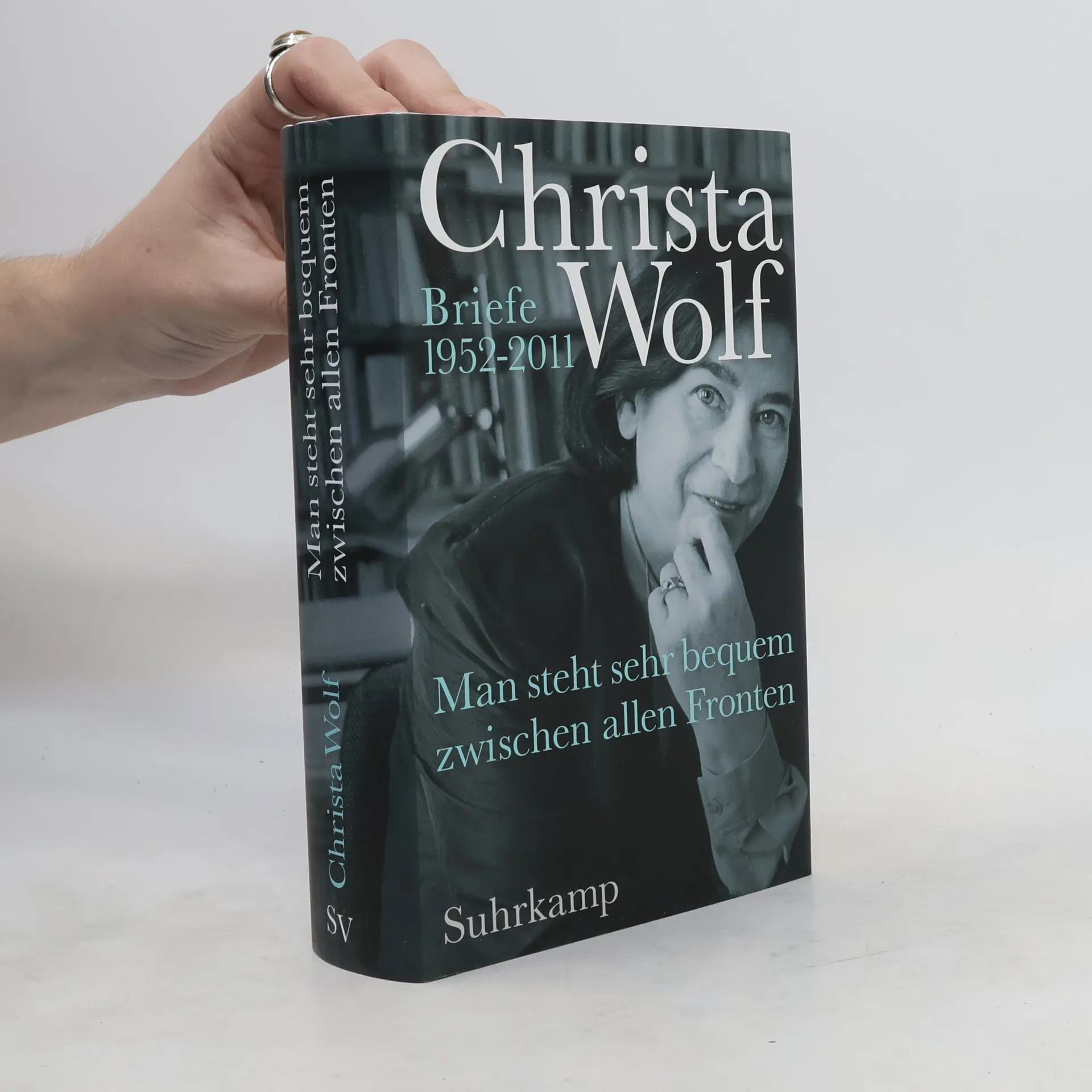
»Post, Post, Post«. Dieser Stoßseufzer, notiert im Kalender unter dem Datum vom Sonntag, dem 4. März 1990, kommt nicht von ungefähr: Christa Wolf war eine ungeheuer produktive Korrespondentin. Ihre Briefe an Verwandte und Freunde, Kollegen, Lektoren, Politiker, Journalisten geben faszinierende Einblicke in ihre Gedankenwelt, ihre Schreibwerkstatt, ihr gesellschaftliches Engagement. Ob sie an Günter Grass oder Max Frisch schreibt, von Joachim Gauck Einsicht in ihre Stasi-Akte fordert oder sich mit Freundinnen wie Sarah Kirsch und Maxie Wander austauscht, wir sind Zeuge von Freundschaften und Zerwürfnissen, Auseinandersetzungen und von Bestätigung, von der Selbstfindung einer der wichtigsten Autorinnen des 20. Jahrhunderts. Nicht zuletzt beeindruckt ihr Umgang mit der Flut von Leserbriefen, die sie mit zunehmendem schriftstellerischen Erfolg erreicht und auf die sie geduldig und kundig – und manchmal auch mit der gebotenen Direktheit – eingeht.
Der Band versammelt die großen Erzählungen Christa Wolfs aus der Zeit zwischen 1960 und 1980 : von ihrer ersten Prosaveröffentlichung Moskauer Novelle, einer Liebesgeschichte zwischen einer Deutschen und einem Russen, über Juninachmittag bis zu Selbstversuch. Auch die Protagonistin dieser vieldiskutierten Erzählung handelt im Namen der Liebe - ebenso wie im Dienste der Forschung -, als sie in den wissenschaftlichen Versuch einwilligt, sich in einen Mann verwandeln zu lassen.
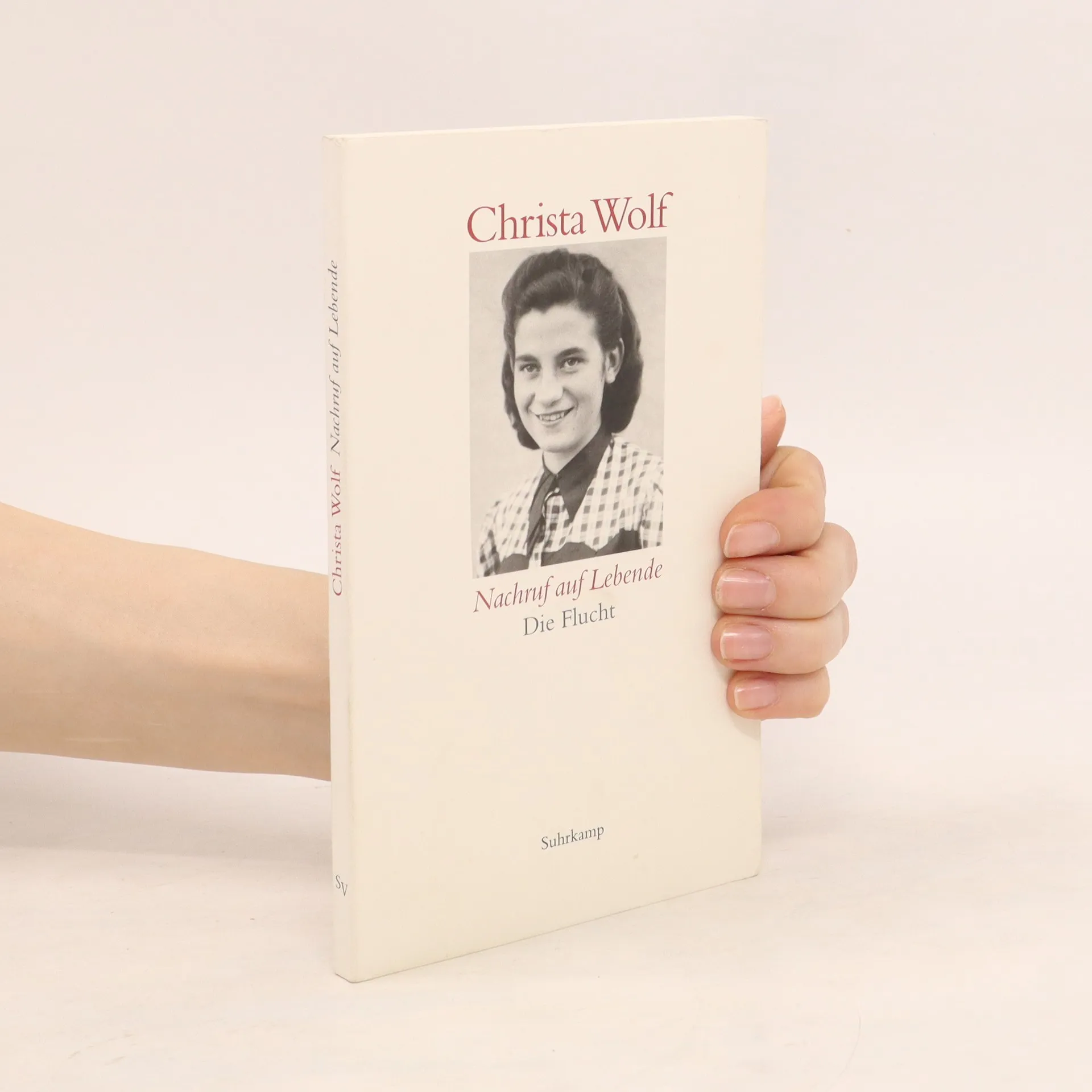
Für die fünfzehnjährige Ich-Erzählerin ist ihre Mutter Charlotte der Mittelpunkt der Familie, geliebt, alles beherrschend und geradeheraus. Das Offensichtliche aber wird auch von Charlotte totgeschwiegen: dass die Nachrichten von der Front beunruhigen und die Flüchtlingstrecks aus dem Osten in immer kürzeren Abständen durch die Stadt ziehen. Bis zu dem Januarmorgen 1945, an dem plötzlich vollgestopfte Bettensäcke im Flur bereitstehen, vom Führerbild an der Wand nur noch ein heller Fleck zu sehen ist und die Mutter ihren Silberfuchs mit einer endgültigen Geste, die ihre Tochter nicht mehr vergessen wird, in den Schrank zurücklegt. Mitreißend, anrührend und mit liebevoller Ironie erzählt Christa Wolf von den inneren Verflechtungen einer Familie, von einer Fünfzehnjährigen, die erwachsen wird, vom Trauma der Flucht. 1971 entstanden, ist diese Erzählung der Auftakt zum späteren, weit ausholenden Kindheitsmuster, dem autobiographischen Meisterwerk, das bis heute ein Weltecho hat.
Christa Wolf war, obwohl im wesentlichen regimekonform, auch westlichen Literaturkritikern Lobeshymnen und Preise wert. Doch mit der Wende fiel ihr Marktwert; "Was bleibt", ihr erstes Buch nach der Wiedervereinigung, wurde in den Medien verrissen, als dann bekannt wurde, daß Christa Wolf gegen Ende der fünfziger Jahre vom Staatssicherheitsdienst drei Jahre lang als inoffizielle Mitarbeiterin geführt wurde, war der Skandal perfekt. Mit der Veröffentlichung der "Täter-Akte" der Christa Wolf, ergänzt durch Stimmen aus den Medien und Briefe von und an Christa Wolf, versucht Hermann Vinke die Diskussion um die Autorin zu versachlichen; dem Leser wird die Möglichkeit gegeben, zu einem eigenen Urteil über das Verhalten der Autorin zu gelangen.
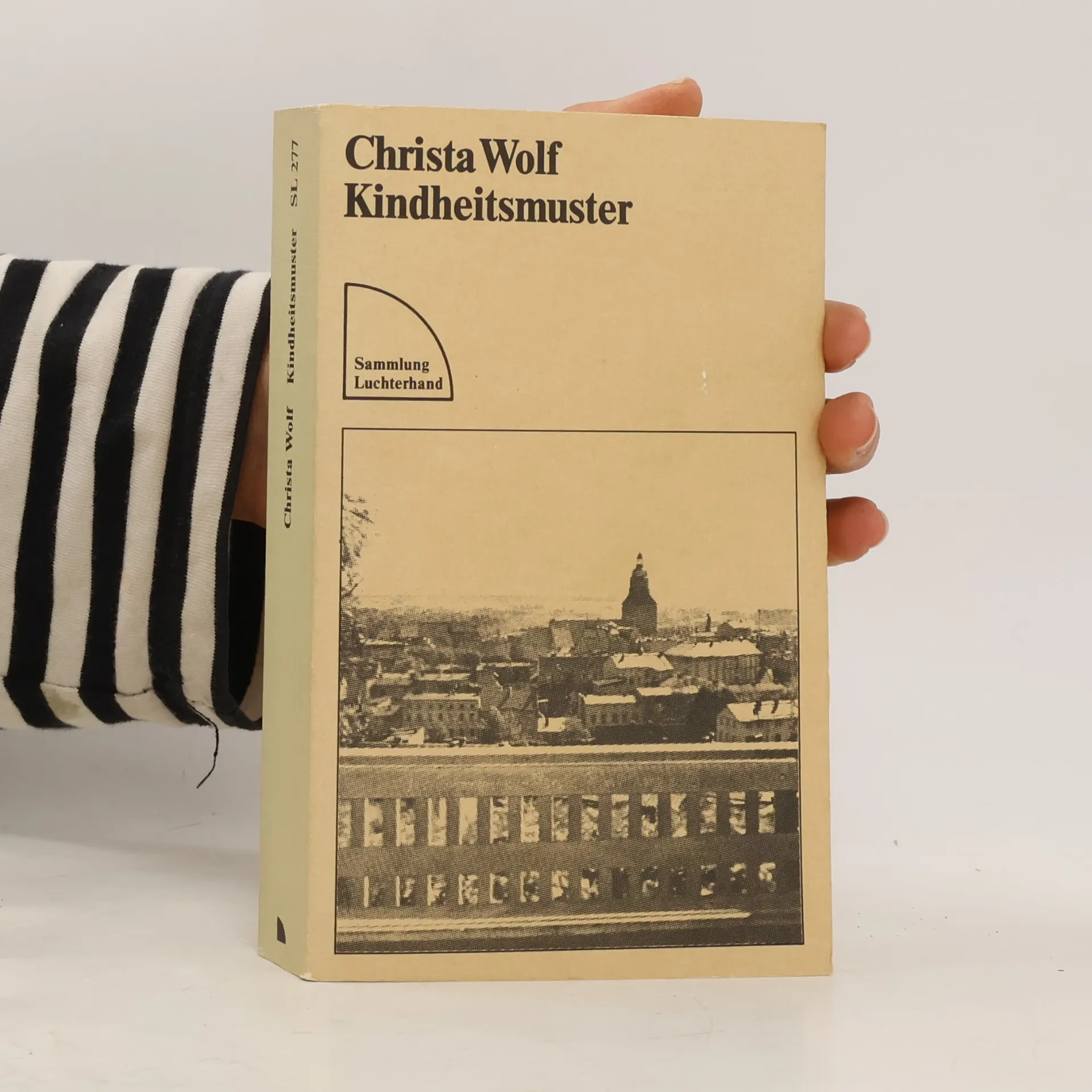
Wie versetzt man sich in die eigene Kindheit zurück, wie stellt man die eigene Lebensgeschichte dar? In Kindheitsmuster entwickelt Christa Wolf eine neue Art des autobiographischen Schreibens. Sie erzählt von Nelly Jordan, die in den Jahren zwischen 1933 und 1947 heranwächst und Krieg und Flucht erlebt, aber auch von der erwachsenen Frau, die Jahrzehnte später an einem heißen Sommertag ihre nun polnische Heimatstadt besucht und sich an das Kind erinnert, das sie einmal war.
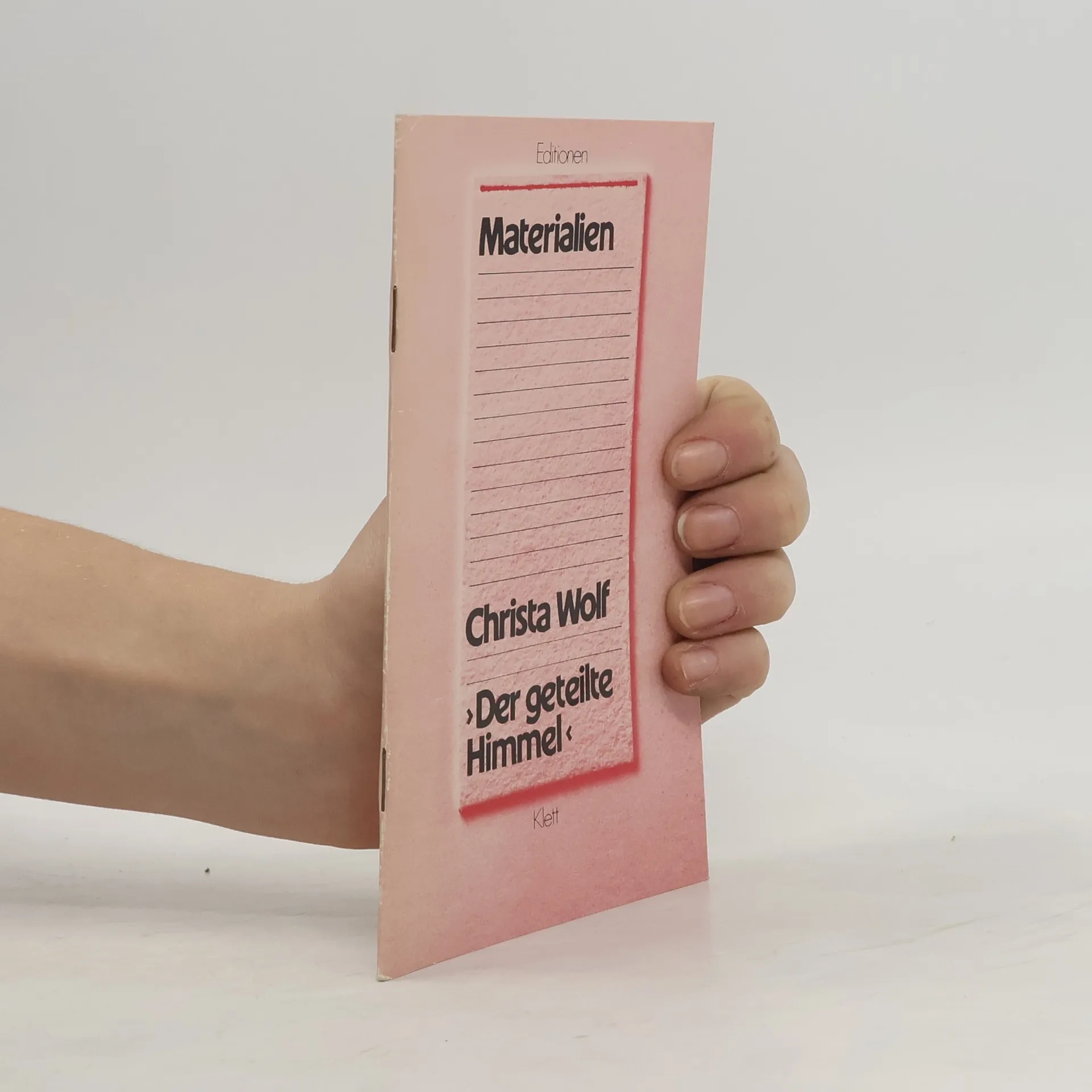
159 Bände umfasst die Reihe Königs Erläuterungen und Materialien, von antiken über klassische bis hin zu zeitgenössischen modernen Werken, allesamt wichtige Schullektüren und Schlüsselwerke. Königs Erläuterungen bieten Band für Band verlässliche Lernhilfen für Schüler und weiterführende Informationsquellen für Lehrer und andere Interessierte, sie sind verständlich und prägnant geschrieben und in unserem neuen Lay-out noch übersichtlicher gestaltet. Schematische Darstellungen, Hinweise in Textkästchen am Rand der Erläuterungen und in Kopf- und Fußleisten ermöglichen eine schnelle Orientierung.
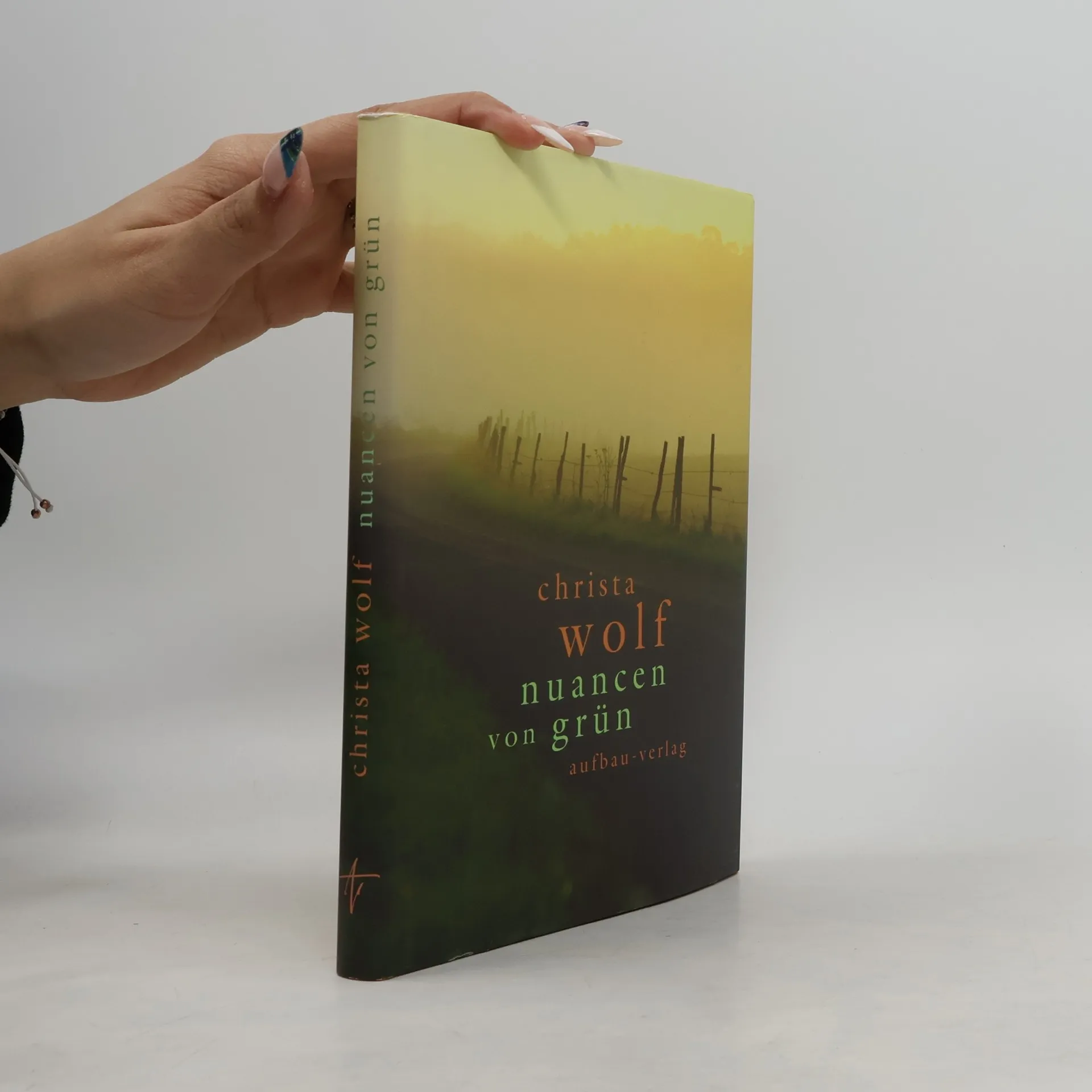
Vielleicht wird man besonders sensibel für Landschaften und Orte, wenn man wie Christa Wolf in jungen Jahren und unfreiwillig den Landstrich seiner Kindheit verlassen musste. Landschaften bilden denn auch häufig den Hintergrund ihrer Bücher, sei es als befreiende Erfahrung, als bedrohter Lebensraum oder nur als Blick einer Person aus dem Fenster, als Gartenszene, als Beobachtung.§Solche federleichten nachdenklichen bis ironischen Impressionen von Natur und Landschaft sind zu einem Gang durch Tages- und Jahreszeiten arrangiert, der mit stimmungsvollen Fotografien bebildert wird.
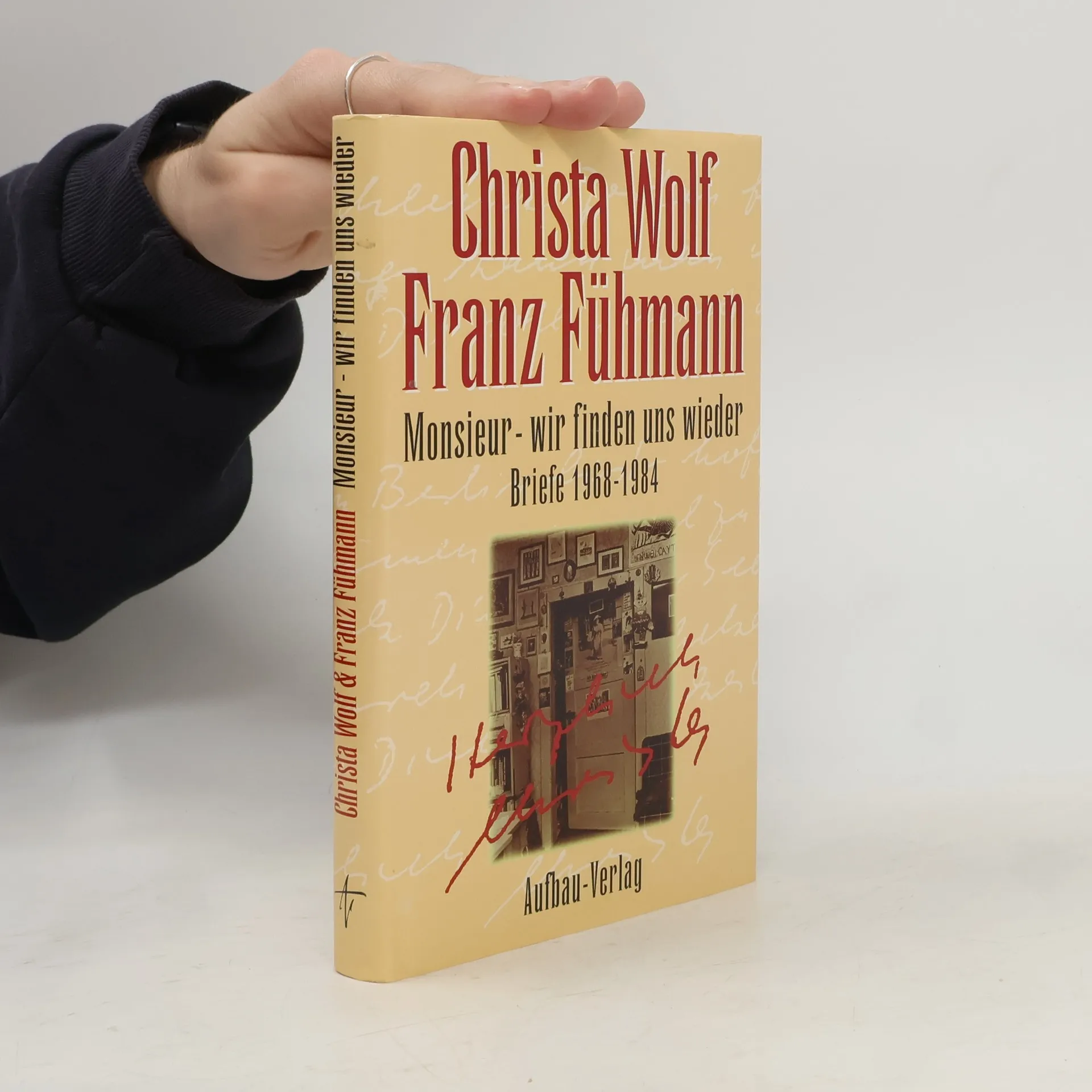
In den Briefen, die Christa Wolf und Franz Fühmann zwischen 1968 und 1984 wechselten, geht es vor allem um Politik und die schriftstellerische Arbeit. Der Briefwechsel dokumentiert die Schwierigkeiten, mit denen kritische Intellektuelle in der DDR zu kämpfen hatten.
Bald nach der Wende verbrachte Christa Wolf längere Zeit in Santa Monica als Fellow des Getty Center, Los Angeles. Weit im Westen, unter für sie fremden gesellschaftlichen Verhältnissen, blickt sie auf ihr Leben in der DDR zurück und läßt Erinnerungen aufsteigen. Die Themen und Motive, die Christa Wolfs Arbeiten berühmt gemacht haben, stehen in diesen neun Erzählungen ebenso im Mittelpunkt wie die – heiter-ironische – Auskunft darüber, was ihre Welt im Innersten zusammenhält.
Zum 100. Geburtstag am 19.11.2000 Über die Autorin des weltberühmten "Siebten Kreuzes" ist viel geschrieben und gestritten worden. Bekannt sind die Daten ihrer Biographie, aber kaum, wie sie gelebt wurden. Dieser Band vermittelt mit wenig bekanntem Foto- und Dokumentarmaterial ungewöhnliche Einblicke in die Lebensumstände der Netty Reiling, die sich Anna Seghers nannte: Jugend in Mainz, Heidelberger Studentenzeit, die Jahre in Berlin nach der Heirat mit Laszlo Radvanyi, Exil in Frankreich und Mexiko, Rückkehr nach Deutschland, Leben in der DDR. Der Band eröffnet einen aufregend neuen Zugang zur Persönlichkeit der Autorin. Er zeigt sie in ihrem Umkreis: mit den Eltern, den Großeltern, mit Freunden, als Studentin in chinesischer Kostümierung, als stillende Mutter, als charmante Gastgeberin, im Krankenhaus nach dem schweren Unfall in Mexiko, als allmählich alternde Frau, in deren schönem Gesicht die Zerreißproben ihres Lebens eingeschrieben sind, die Spuren von Enttäuschungen, von unterdrücktem Kummer und Zweifel.
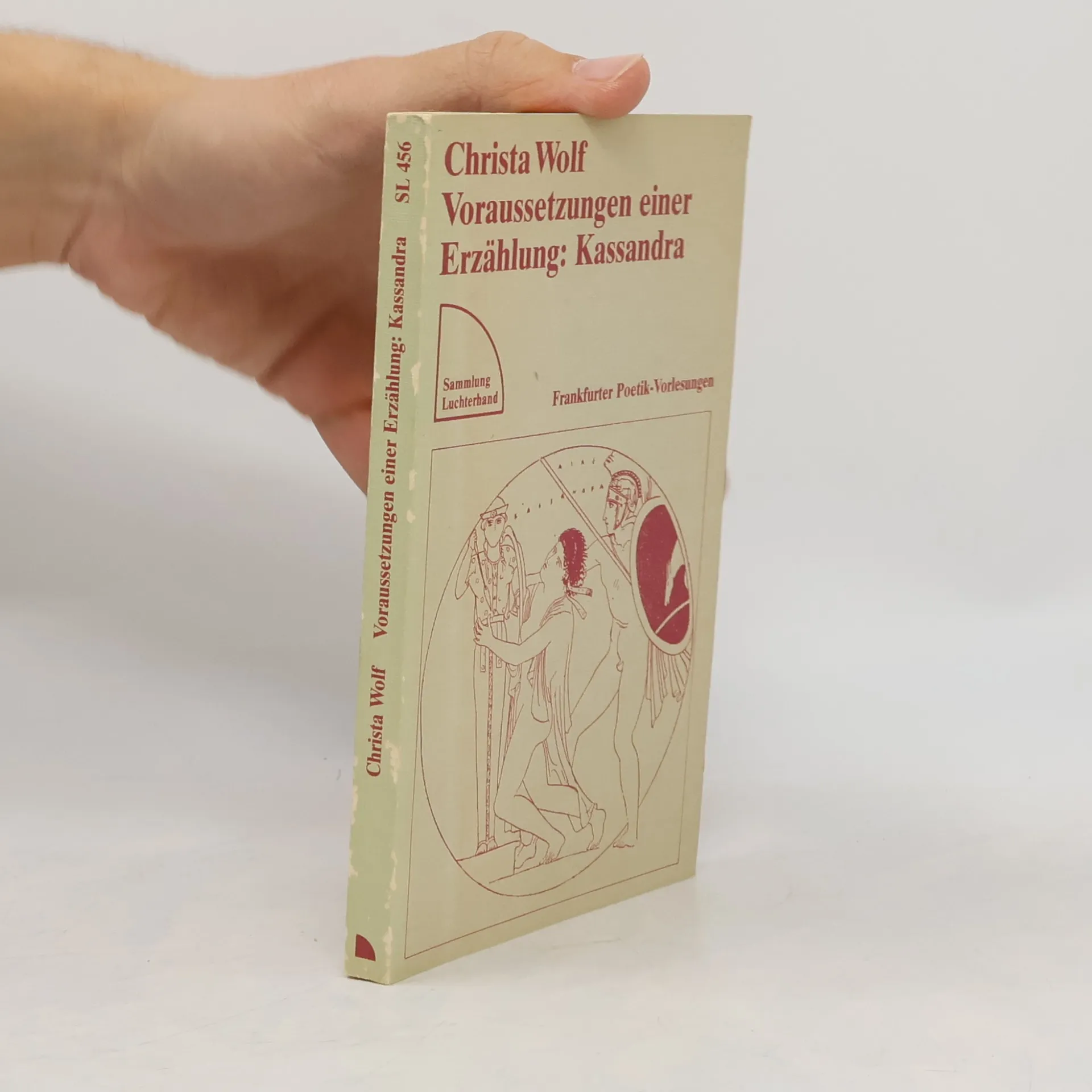
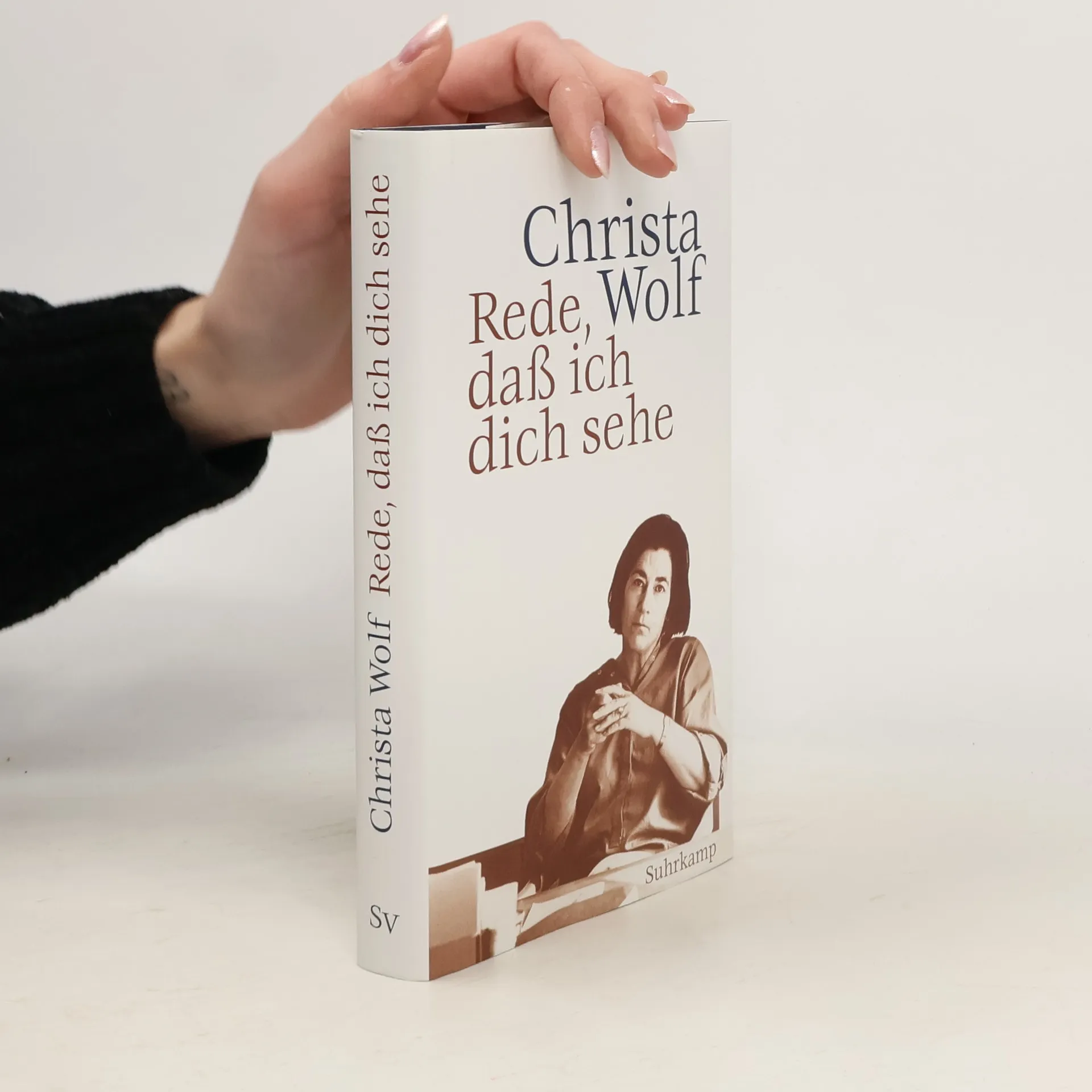
Rede, daß ich dich sehe – die sokratische Aufforderung deutet an, welches Ziel Christa Wolf mit ihren Büchern verfolgt: sich zu erkennen zu geben, »an die Wurzeln unserer Existenz vorzudringen«. In diesem Band sind es die Werke von Schriftstellerkollegen und bildenden Künstlern, denen sie sich zuwendet. Sie schreibt über Doktor Faustus und Thomas Manns Exil in Los Angeles, Schauplatz ihres großen Romans »Stadt der Engel oder The Overcoat of Dr. Freud«. Sie erzählt von den Kassandra-Radierungen der Malerin Nuria Quevedo, von den Aschebildern Günther Ueckers zu Tschernobyl und vom legendären Carl friedrich Claus, der seine Sprachblätter in einer Aktentasche mit sich herumtrug. Sie zeichnet ein liebevolles Porträt von Uwe Johnson, ist streitbar für Günter Grass und entwirft beim Nachdenken über den »blinden Fleck« eine kurze Mentalitätsgeschichte der Deutschen und ihres Verhältnisses zur Literatur. In den Essays, Reden und Gesprächen der letzten Jahre, von Christa Wolf selbst ausgewählt, viele davon hier erstmals veröffentlicht, webt eine große Autorin unserer Zeit ein dichtes Netz des künstlerischen Dialogs, in dessen Zentrum wir ihr eigenes Werk sehen. Und wie nebenbei entsteht über den Weg der Kunst ein Bild unserer Verhältnisse, wie sie sind und wie sie auch sein könnten.
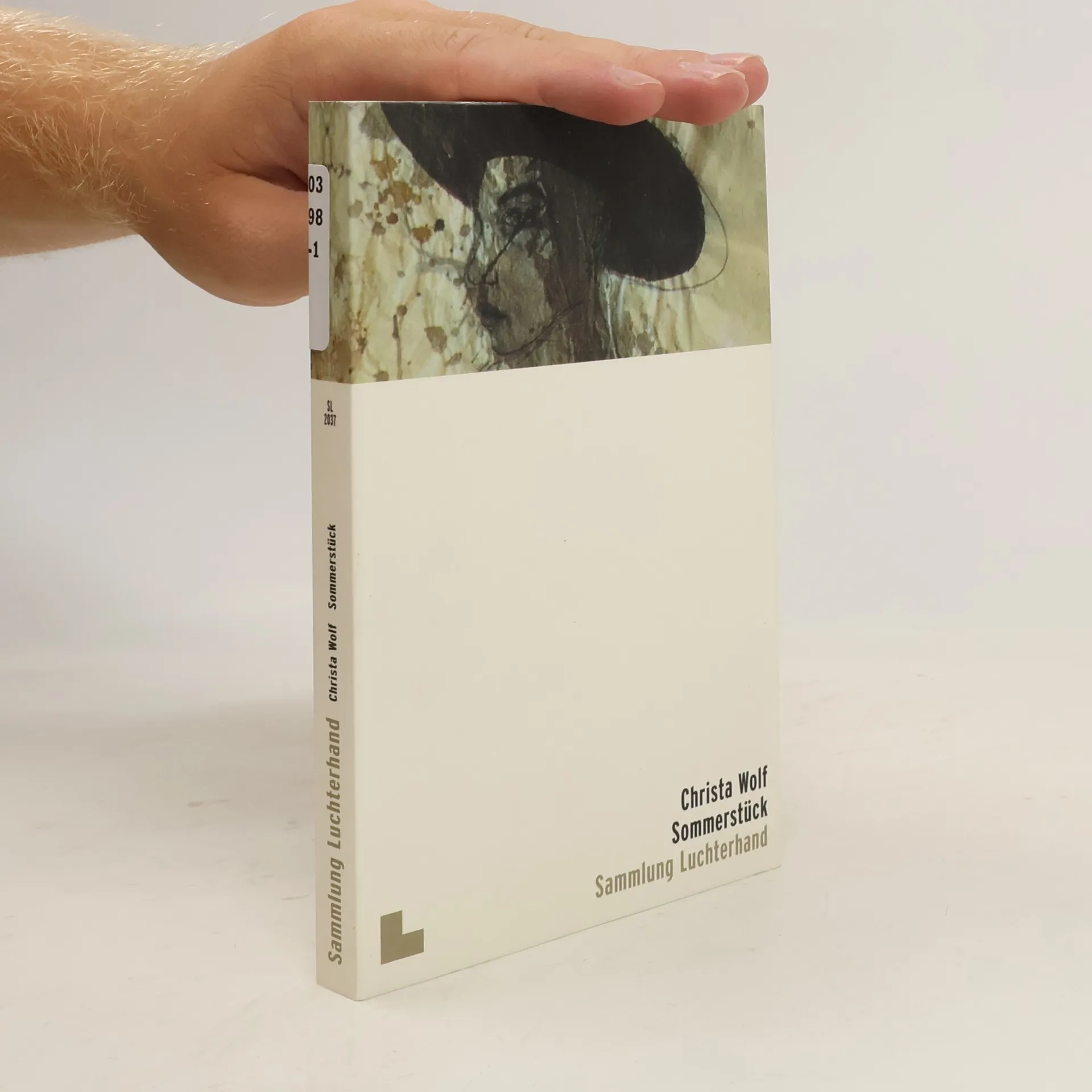
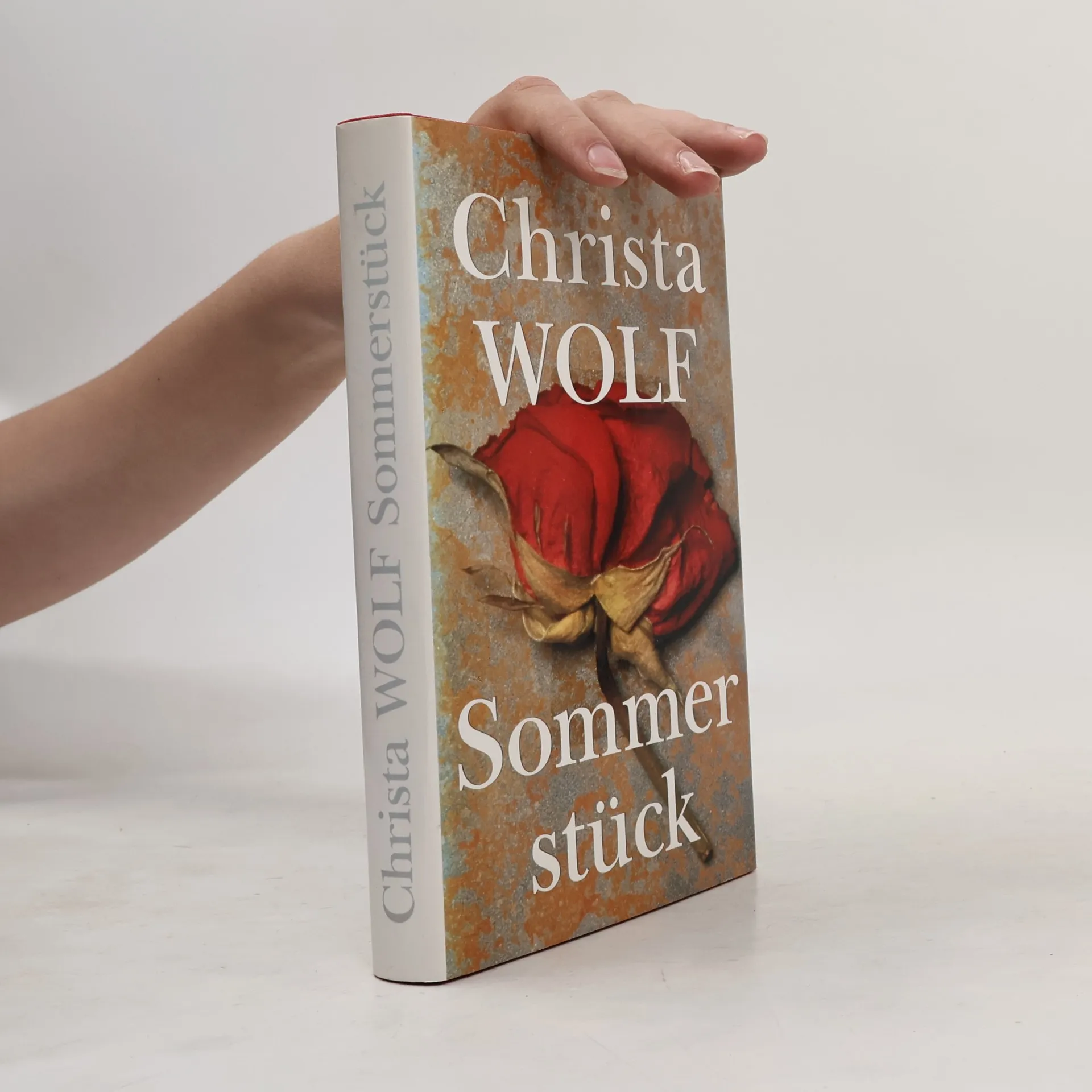
Einen Sommer auf dem mecklenburgischen Land erlebt die Schriftstellerin Ellen, zusammen mit Familie und Freunden. Der gesellschaftliche Stillstand ist Ende der siebziger Jahre deutlich zu spüren, aber für die Dauer einiger weniger Monate, die in der Erinnerung einmalig und endlos scheinen, entsteht hier eine lebendige Gemeinschaft. Sommerstück ist die Geschichte eines Jahrhundertsommers und zugleich der Abgesang auf eine politische Utopie.
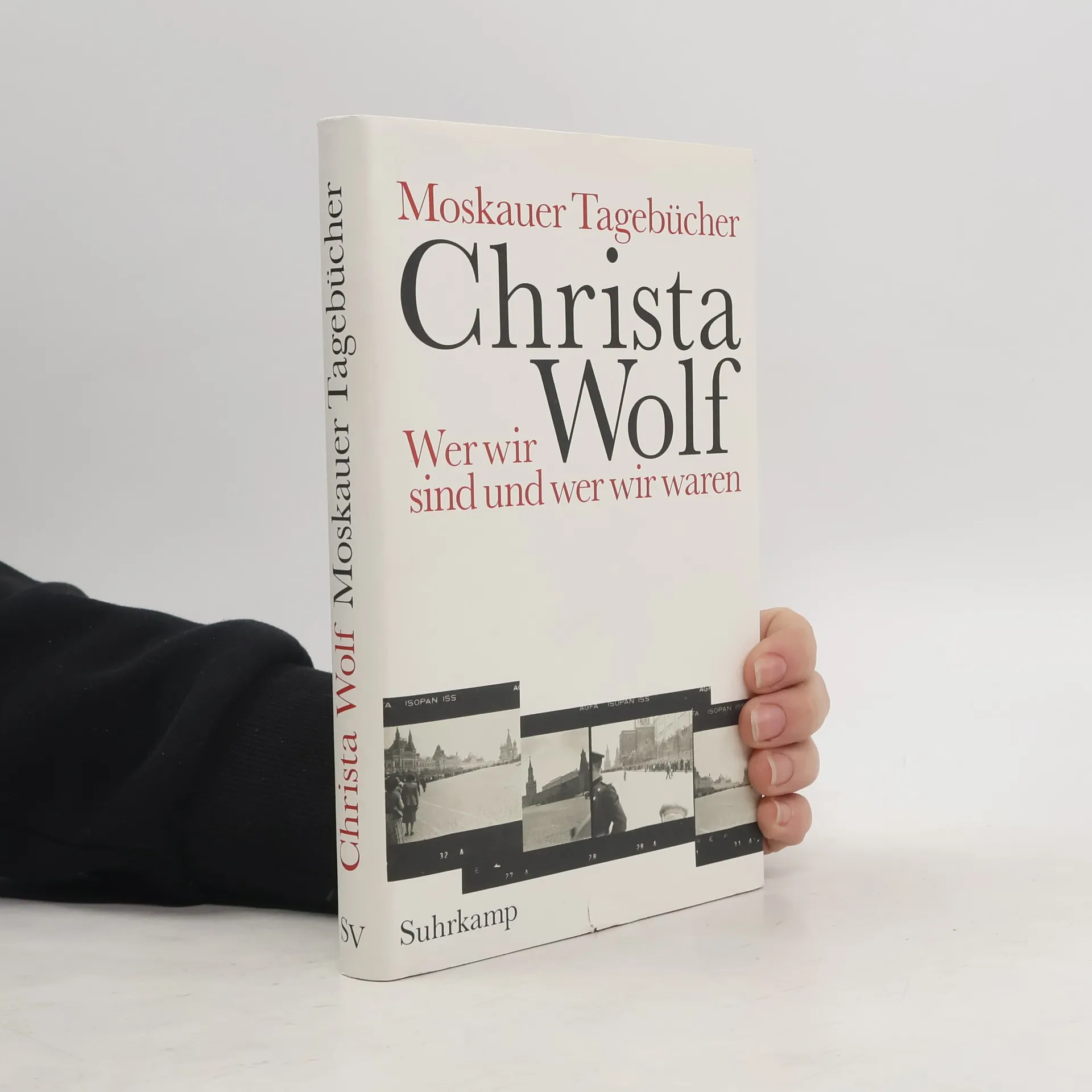
»Moskau! Ich hatte mich vorher gefragt, was wohl in Moskau mich als erstes beeindrucken würde.« So beginnen Christa Wolfs Aufzeichnungen über eine Stadt, die sie 1957 zum ersten Mal besucht. Im Oktober 1989, mitten in den Wochen des Umbruchs, tritt sie ihre letzte Reise in die Sowjetunion an. Insgesamt zehnmal ist sie dort, von den Sicherheitsdiensten der UdSSR wie der DDR beobachtet.
Sie folgt als Touristin zusammen mit Dostojewskis Enkel den Spuren des großen Russen in Sankt Petersburg. Fährt mit Max Frisch auf der Wolga nach Gorki. Trifft in Gagra am Schwarzen Meer eine schlagfertige Moskauer Rechtsanwältin. Besucht Vilnius und Riga und steht in Komarowo am Grab Anna Achmatowas. Vor allem aber ist sie eine scharfe Beobachterin der sozialen und politischen Verhältnisse, die die Freundschaft verfolgter Dissidenten wie Lew Kopelew gewinnt.
In den Tagebuchnotizen entsteht ein facettenreiches Bild des Riesenreichs im Wandel, bis hin zu den Tagen des dramatischen Endes, und gleichzeitig erleben wir Christa Wolf im persönlichen Dialog mit sich selbst und den russischen Freunden. Ergänzt werden ihre Aufzeichnungen durch Begleittexte ihres Mannes Gerhard Wolf sowie durch Briefe, zeitgenössische Fotos und Dokumente.
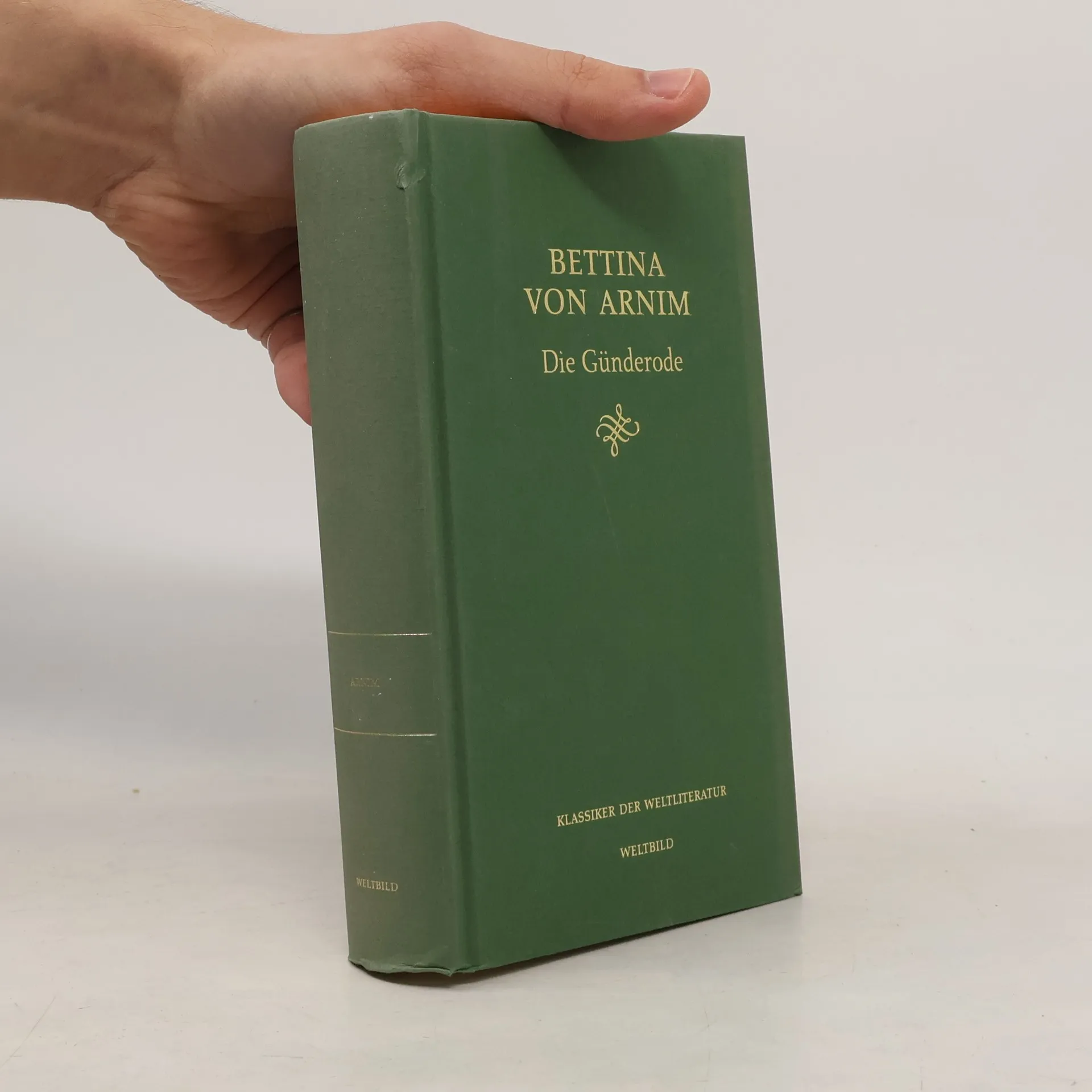
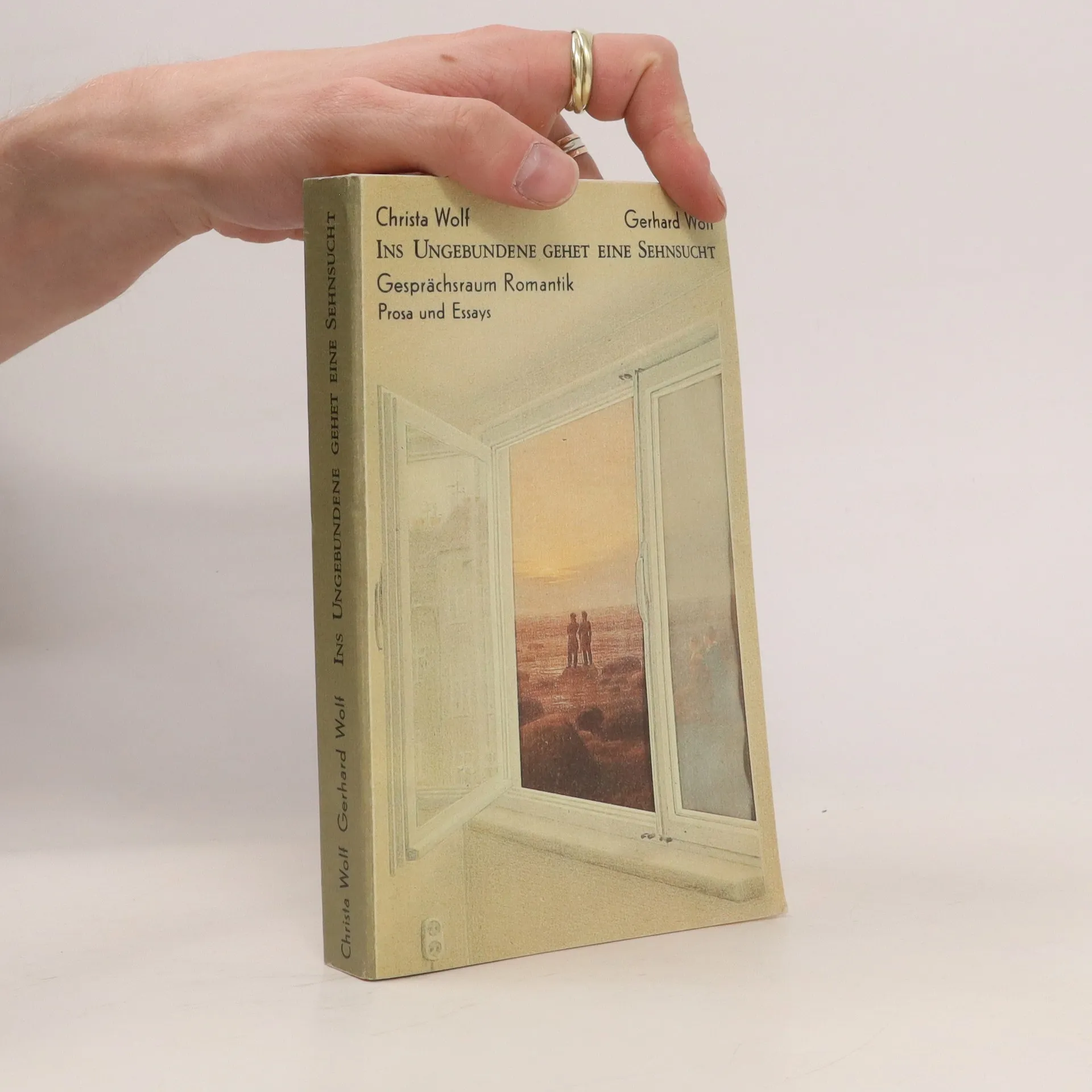
1804 sind sich Karoline von Günderrode und Heinrich von Kleist bei einer Teegesellschaft in Winkel am Rhein begegnet – oder hätten sich zumindest dort begegnen können. Christa Wolf läßt die beiden Außenseiter aufeinandertreffen, läßt sie nachdenken über den fehlenden Freiraum, das nicht lebbare Leben und zeigt die Parallelen zu ihrer eigenen Gegenwart.
Christa Wolf, geboren 1929 in Landsberg/Warthe (Gorzów Wielkopolski), lebt in Berlin und Woserin, Mecklenburg-Vorpommern. Ihr Werk wurde mit zahlreichen Preisen, darunter dem Georg-Büchner-Preis und dem Deutschen Bücherpreis für ihr Gesamtwerk, ausgezeichnet.
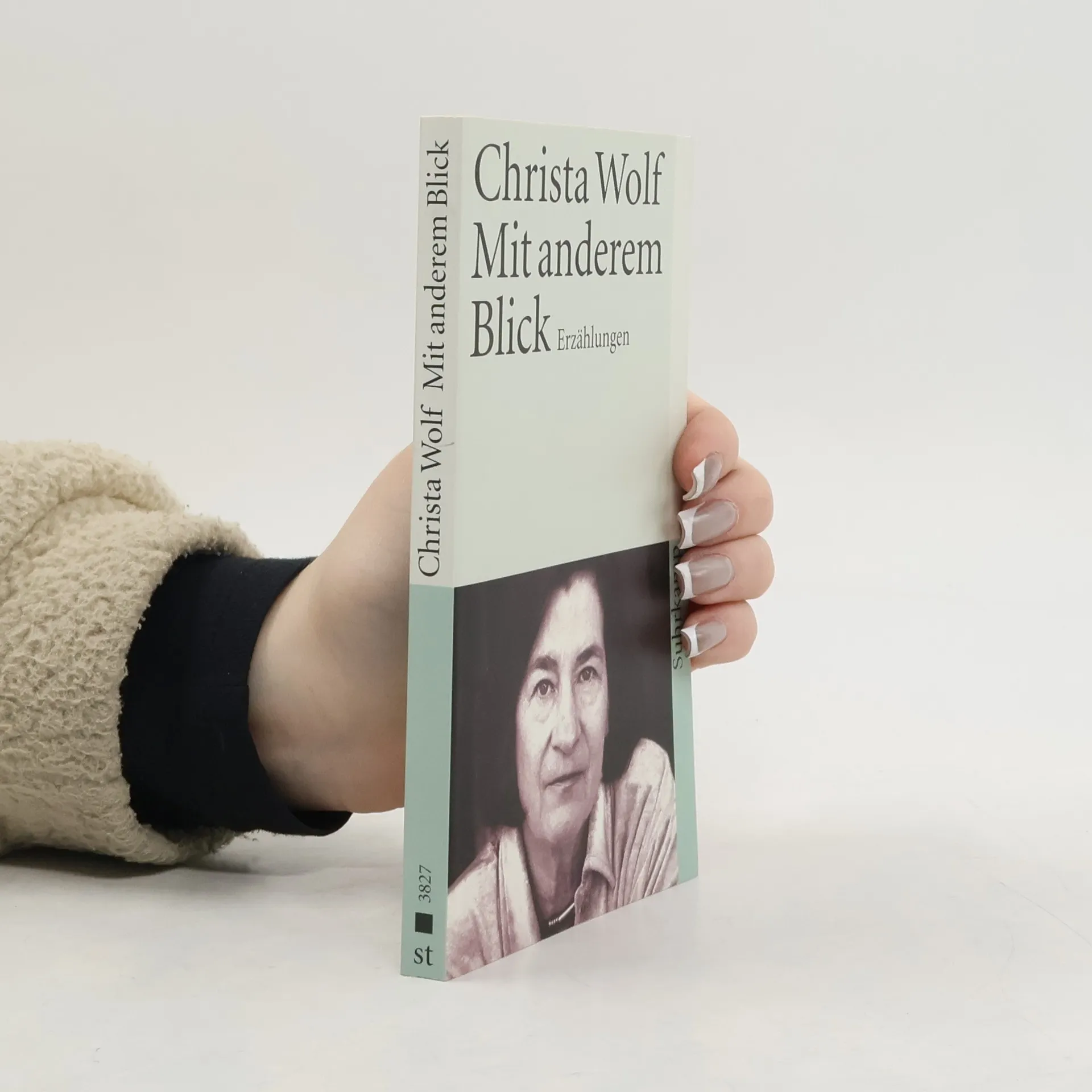
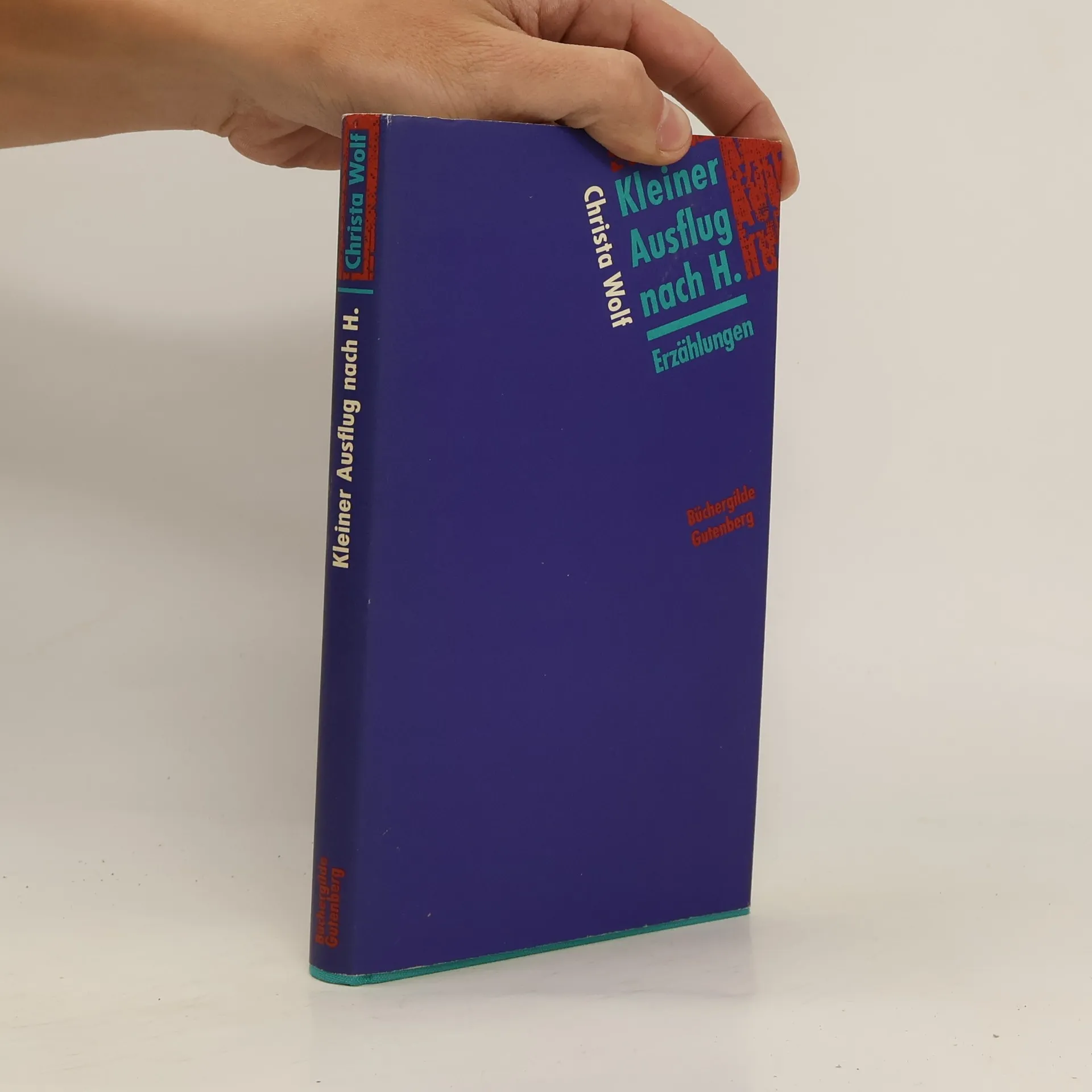
Christa Wolfs gesammelte Erzä Blickwechsel -- Dienstag, der 27. September -- Juninachmittag -- Unter den Linden -- Neue Lebensansichten eines Katers -- Kleiner Ausflug nach H. -- Selbstversuch.
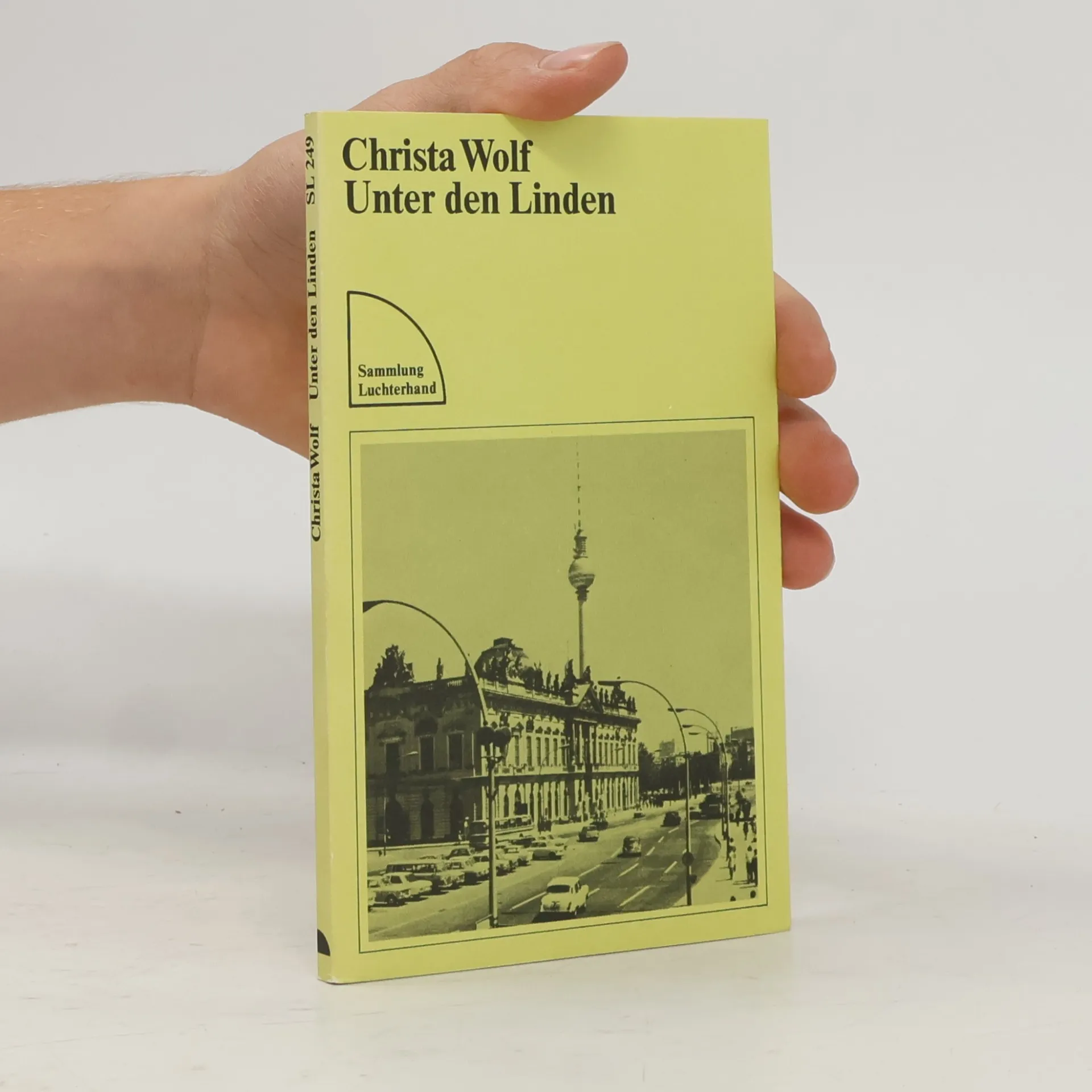
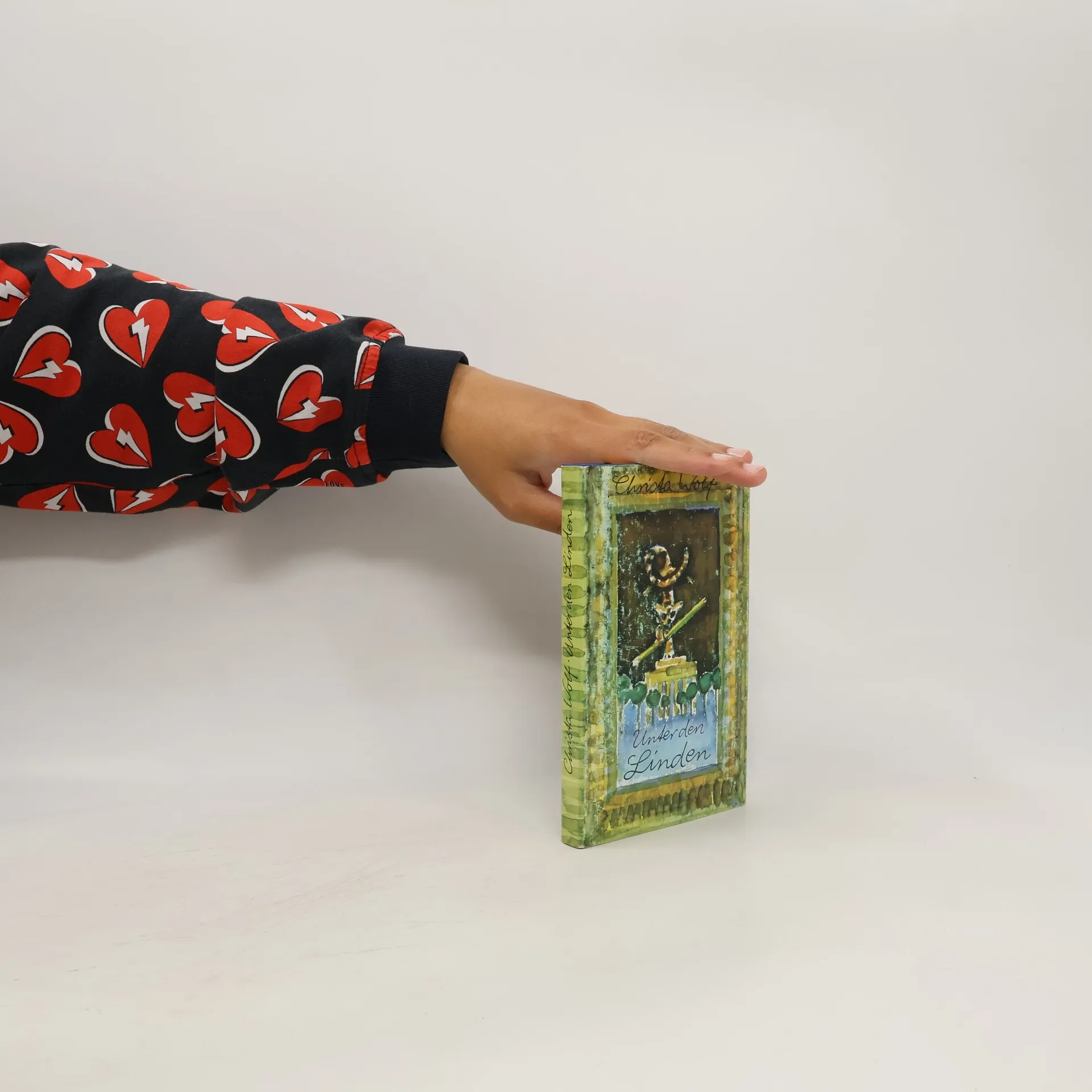
„Unter den Linden bin ich immer gerne gegangen. Am liebsten, du weißt es, allein. Neulich, nachdem ich sie lange gemieden hatte, ist mir die Straße im Traum erschienen. Nun kann ich endlich davon berichten.“ In Christa Wolfs großer Erzählung führt der Gang über Berlins Prachtstraße eine Frau durch die eigene Erinnerung – an eine leidenschaftliche Liebe und den Kampf darum, sich nicht selbst zu verlieren. Der Maler Harald Metzkes stellt der Erzählung neue, eigens für die vorliegende Ausgabe geschaffene Aquarelle zur Seite. Das Werk von Christa Wolf wurde mit zahlreichen Preisen ausgezeichnet, u. a. dem Georg-Büchner-Preis und dem Thomas-Mann-Preis. Zuletzt erschien der große autobiographische Roman »Stadt der Engel oder The Overcoat of Dr. Freud« (2010).
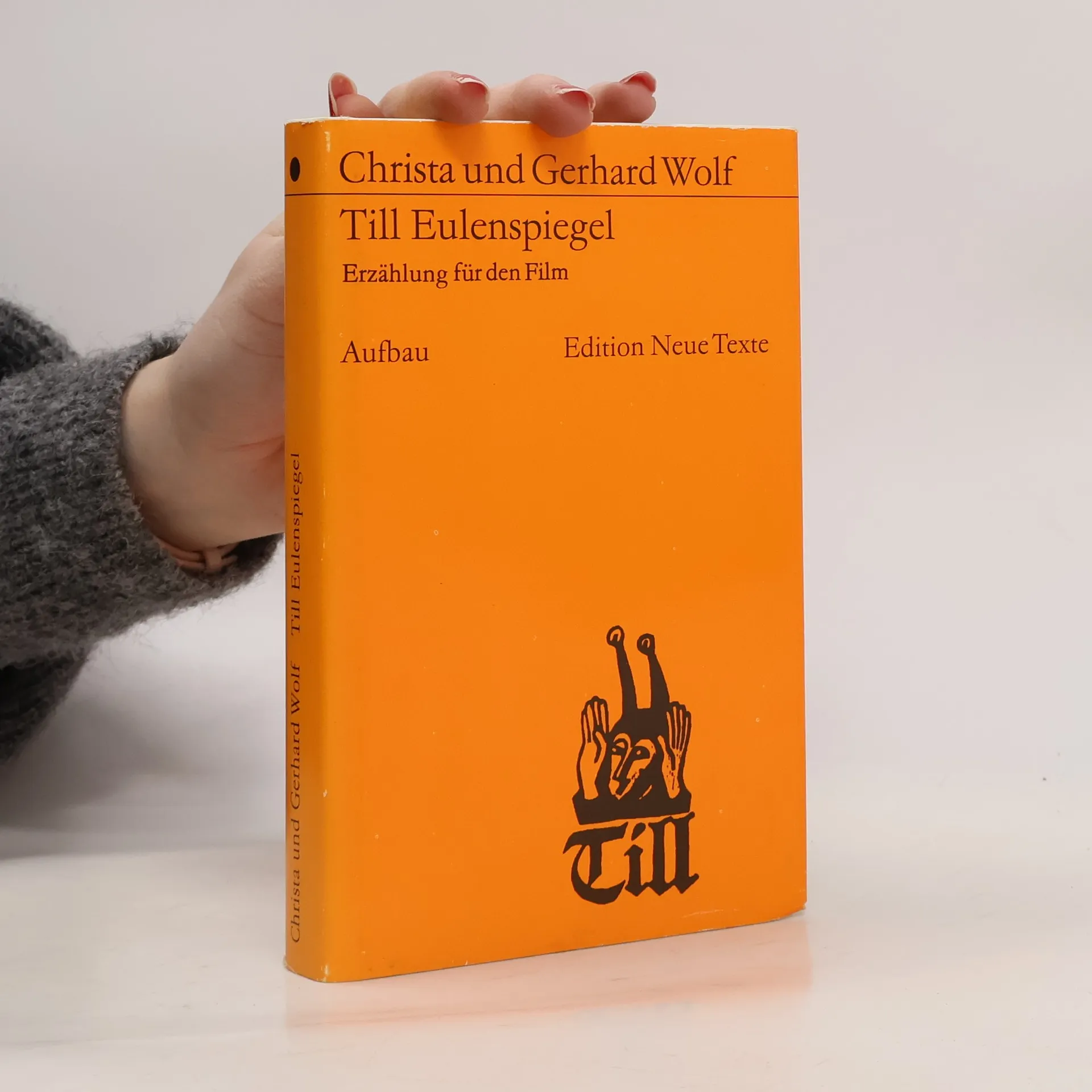
Till Eulenspiegel, seine Wahrheit und sein Lachen - Christa und Gerhard Wolf sehen diese unsterbliche Volksfigur auf eigene und doch so ganz vertraute Weise. Till Eulenspiegel ist ein schlagfertiger, aufgeweckter Bauernjunge, der von seinem kleinen Anwesen vertrieben wird. Als Fahrender muß er nun, am Vorabend des Bauernkriegs, durch die bunte Welt des Mittelalters ziehen. Oft verdankt er seinem Witz das Leben. Selbst aus bitteren Erfahrungen gewinnt er listige und derbe, schockierende und kluge Späße. Beim Junker, beim großen Kaufmann und kleinen Zunftmeister hält Till Eulenspiegel sich auf; er lebt beim Kaiser und kennt den Bischof und ist zuhause doch nur beim Volk. Till Eulenspiegel hat es gelernt, die "List der Schwachen" in die "Kunst des Narren" zu verwandeln. Er ist ein weiser Narr, der die Welt durchschaubarer macht, weil er sie menschlicher haben will.
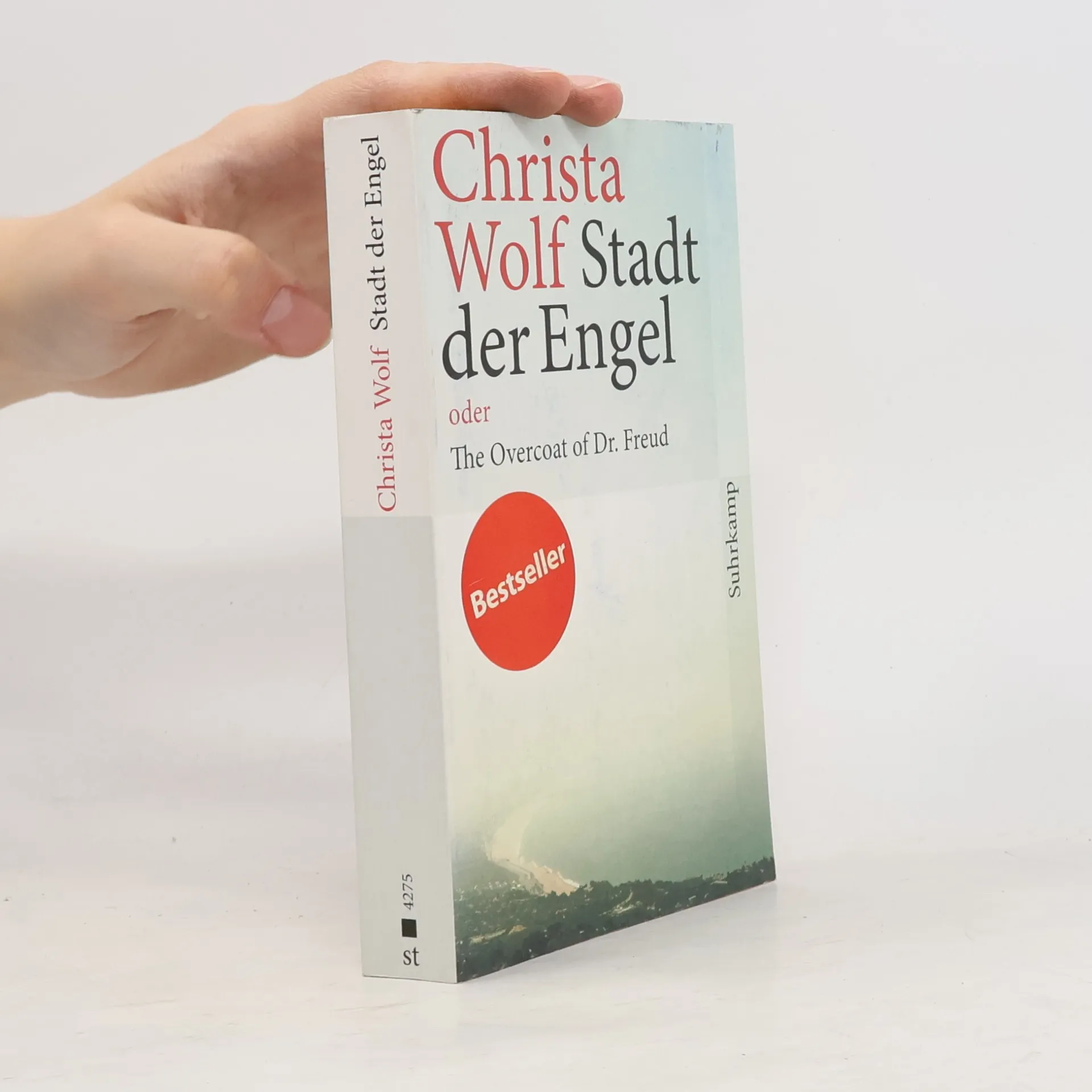
Los Angeles, die Stadt der Engel: Dort verbringt die Erzählerin Anfang der Neunziger einige Monate auf Einladung des Getty Center. Sie spürt dem Schicksal einer gewissen L. nach, die aus dem nationalsozialistischen Deutschland in die USA emigrierte. Ein ums andere Mal wird sie über die Lage im wiedervereinigten Deutschland verhört: Wird der »Virus der Menschenverachtung« in den neuen, ungewissen deutschen Zuständen wiederbelebt? In der täglichen Lektüre, in Gesprächen, in Träumen stellt sich die Erzählerin einem Ereignis aus ihrer Vergangenheit, das sie in eine existentielle Krise bringt und zu einem Ringen um die Wahrhaftigkeit der eigenen Erinnerung führt. Der neue große Roman von Christa Wolf ist auch autobiographische Prosa: Sie erzählt von einem Menschenleben, das drei deutschen Staats- und Gesellschaftsformen standhält, von einer Auseinandersetzung mit der eigenen Geschichte, von der Kunst, sich zu erinnern. »Du bist dabei gewesen. Du hast es überlebt. Du kannst davon berichten.«
Bettina von Arnim: Die Gunderode Edition Holzinger. Taschenbuch Berliner Ausgabe, 2013 Vollstandiger, durchgesehener Neusatz mit einer Biographie der Autorin bearbeitet und eingerichtet von Michael Holzinger Erstdruck: Charlottenburg (Egbert Bauer) 1844. Textgrundlage ist die Ausgabe: Bettina von Arnim: Werke und Briefe. Herausgegeben von Gustav Konrad, Bde. 1-5, Frechen: Bartmann, 1959. Herausgeber der Reihe: Michael Holzinger Reihengestaltung: Viktor Harvion Umschlaggestaltung unter Verwendung des Bildes: Bettina von Arnim (Medaillon, um 1810) Gesetzt aus Minion Pro, 9 pt.
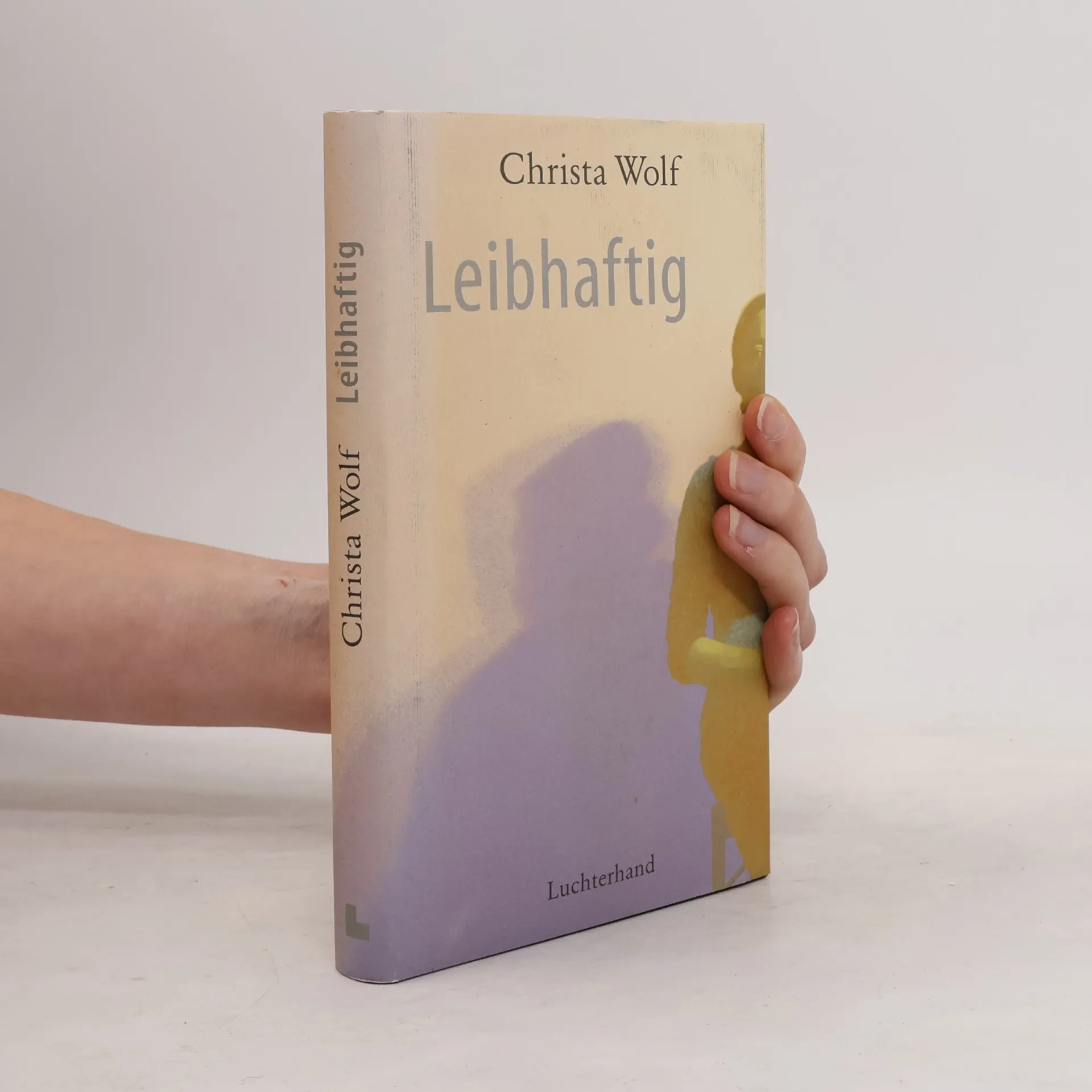
Sechs Jahre nach dem Roman „Medea. Stimmen“ legt Christa Wolf wieder eine große Erzählung vor. Sie kehrt zurück aus der antiken Mythologie in unsere gegenwärtige Geschichte und beschreibt meisterhaft - wie vor Jahren in ihrem weltberühmten Text Nachdenken über Christa T. - die lebensbedrohliche Krankheit einer Frau. Leibhaftig ist die namenlose Heldin ihrer neuen Erzählung einer existentiellen Krise ausgesetzt: die Krankheit bringt sie an den Rand des Todes, macht ihren Körper zum Seismographen eines allgemeinen Zusammenbruchs und damit auch zum Schauplatz für Wolfs ureigenes Thema: den Konflikt zwischen Individuum und Gesellschaft.
. ein großes, ein wichtiges Buch.
Die Zeit
Christa Wolf beschreibt mitreißend und mit schwarzem Humor den Alptraum eines Krankenhausaufenthalts in der Endzeit der DDR.
Der Spiegel
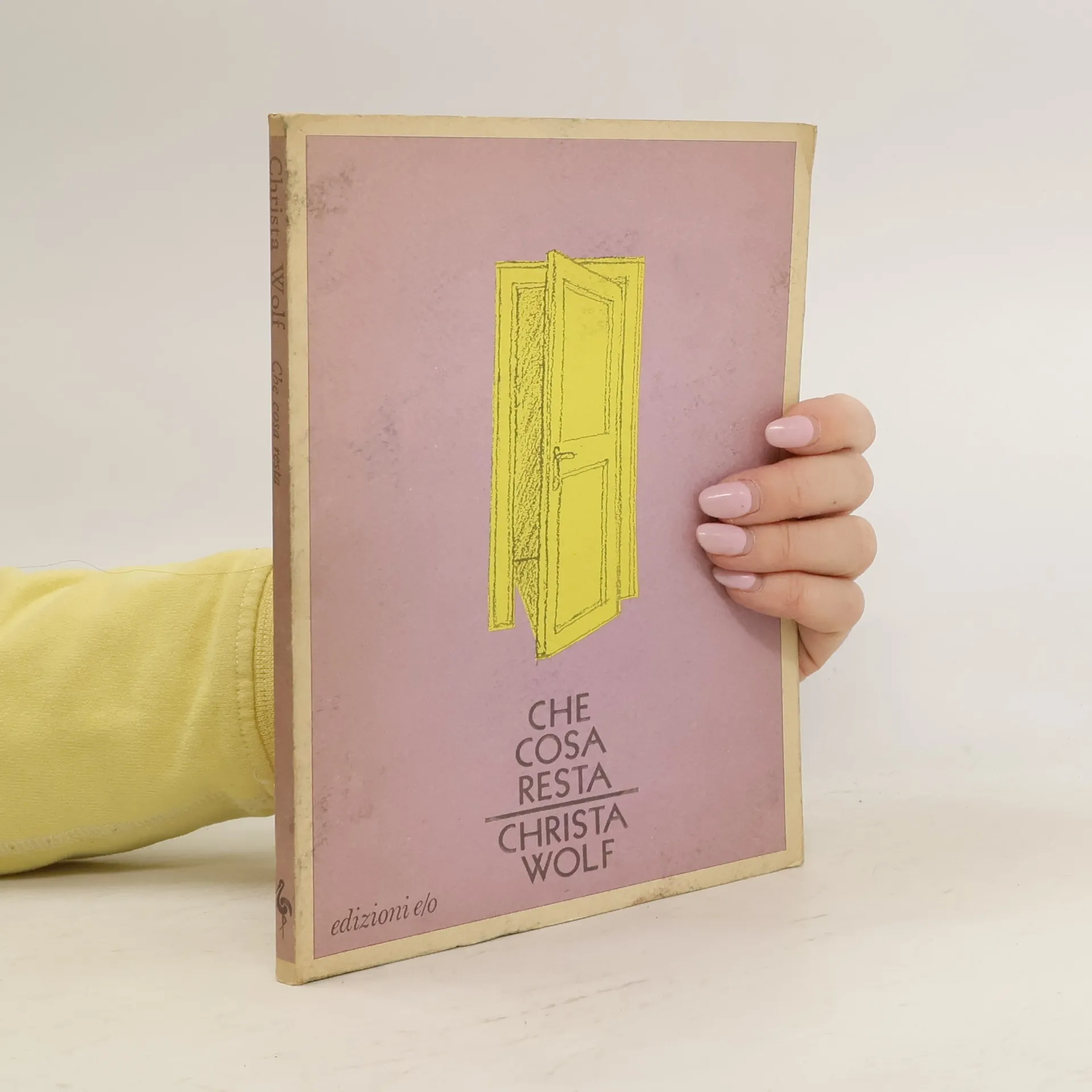
Questo racconto della giornata di una donna sorvegliata dalla polizia segreta, tormentata da dubbi sulla fedeltà anche degli amici più cari, pressata dagli avvenimenti a prendere tremende decisioni, questo racconto di una donna sola di fronte alla propria coscienza somiglia in modo straordinario a Cassandra, altra storia di donna concepita e scritta negli stessi anni in cui andava prendendo forma questo Che cosa resta. In ambedue i testi - fa notare Anita Raja nell'introduzione - il tema centrale è quello di una persona che non riconosce più la propria città, il proprio mondo, le cose e la gente in cui ha creduto, divenute ormai estranee. La grandezza tragica di Cassandra, infatti, sta proprio nel fatto che il suo distacco da Troia e da Priamo, il suo apprendistato al no, è tanto più intenso e sofferto, quanto più essa ha amato la città e il padre, tanto più ha creduto nella loro diversità. Ora, questa tragedia ritorna in Che cosa resta, senza più il velo del mito: adesso Troia è Berlino, è il socialismo, è tutto ciò che Christa Wolf ha amato e in cui ha creduto.
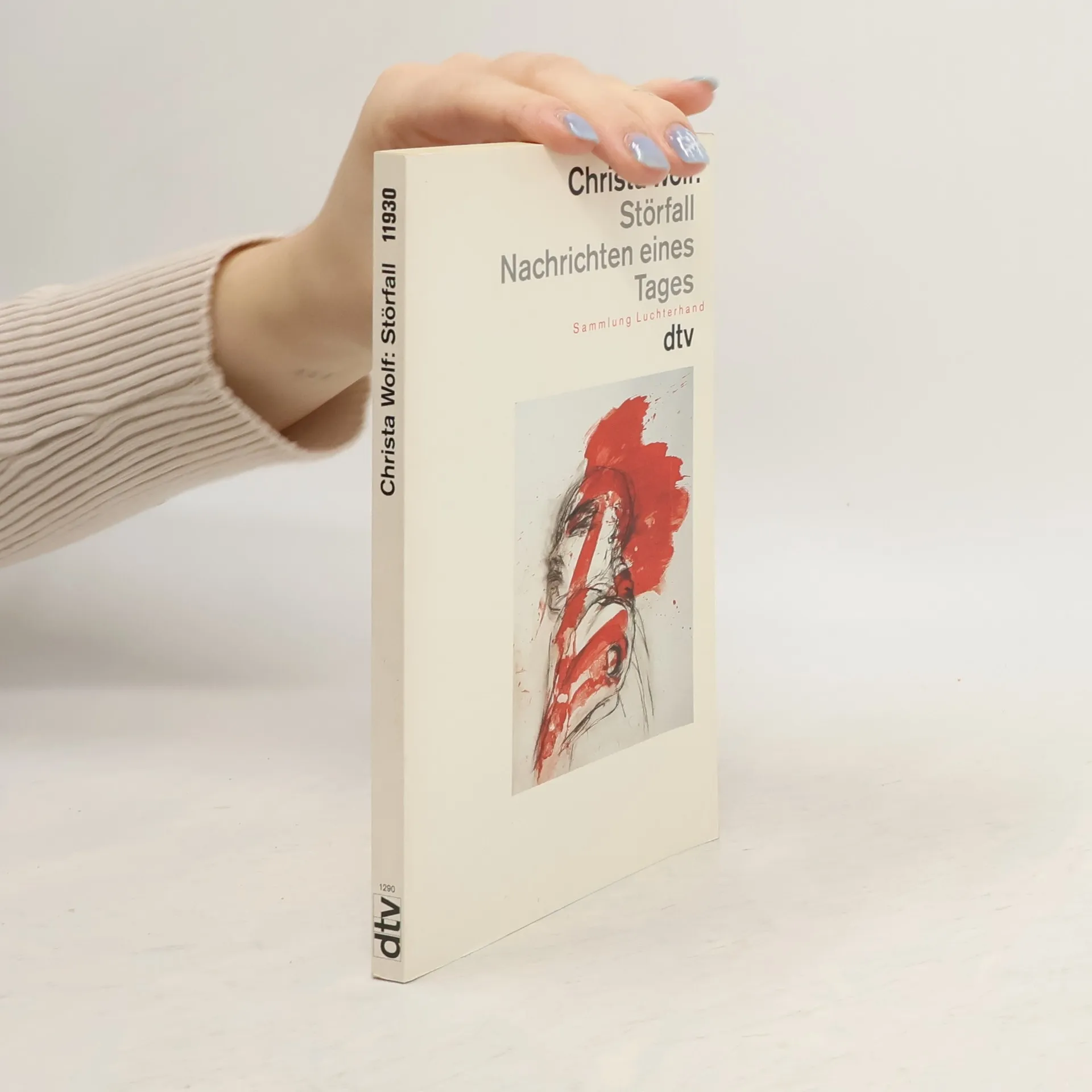
Im Frühling 1986, auf dem mecklenburgischen Land, sind die Blüten an den Kirschbäumen förmlich explodiert – aber das Wort vom Explodieren wagt man nicht einmal mehr zu denken, seit die Nachricht sich verbreitet: Im Kernreaktor von Tschernobyl hat eine Explosion stattgefunden. Und während die Erzählerin den stündlichen Warnungen im Radio lauscht, muß sich ihr Bruder einer riskanten Gehirnoperation unterziehen. Zwei Störfälle, eine kollektive und eine individuelle Katastrophe, an einem Tag: Christa Wolfs Erzählung schildert den Einbruch des Unfaßbaren in das menschliche Leben, entfesselte Kräfte, über die wir keine Kontrolle mehr haben.
Till Eulenspiegel, seine Wahrheit und sein Lachen - Christa und Gerhard Wolf sehen diese unsterbliche Volksfigur auf eigene und doch so ganz vertraute Weise. Till Eulenspiegel ist ein schlagfertiger, aufgeweckter Bauernjunge, der von seinem kleinen Anwesen vertrieben wird. Als Fahrender muß er nun, am Vorabend des Bauernkriegs, durch die bunte Welt des Mittelalters ziehen. Oft verdankt er seinem Witz das Leben. Selbst aus bitteren Erfahrungen gewinnt er listige und derbe, schockierende und kluge Späße. Beim Junker, beim großen Kaufmann und kleinen Zunftmeister hält Till Eulenspiegel sich auf; er lebt beim Kaiser und kennt den Bischof und ist zuhause doch nur beim Volk. Till Eulenspiegel hat es gelernt, die "List der Schwachen" in die "Kunst des Narren" zu verwandeln. Er ist ein weiser Narr, der die Welt durchschaubarer macht, weil er sie menschlicher haben will.
Im Mittelpunkt der Geschichte stehen die beiden Jungen Alexander und Bernhard, die trotz finanzieller Schwierigkeiten in ihrer Familie fleißig und hilfsbereit sind. Als ein Wettbewerb vom König ausgerufen wird, sehen sie die Chance, ihre Lebensumstände zu verbessern. Um zu gewinnen, benötigen sie ein spezielles Fensterputzmittel. Die Erzählung thematisiert den Einfallsreichtum und die Entschlossenheit der beiden Jungen, die sich mit einer kreativen Lösung ihren Traum von einer besseren Zukunft erhoffen.
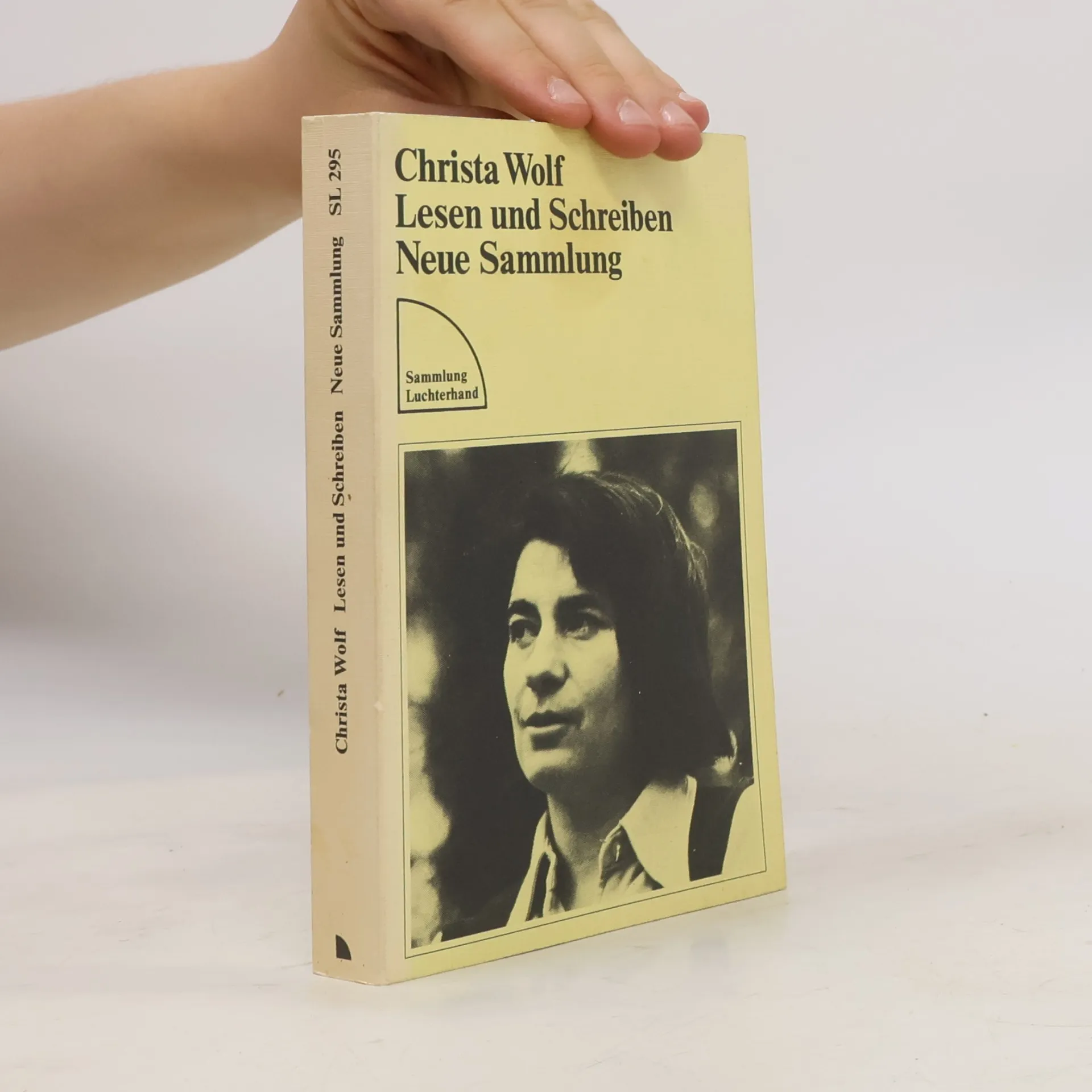
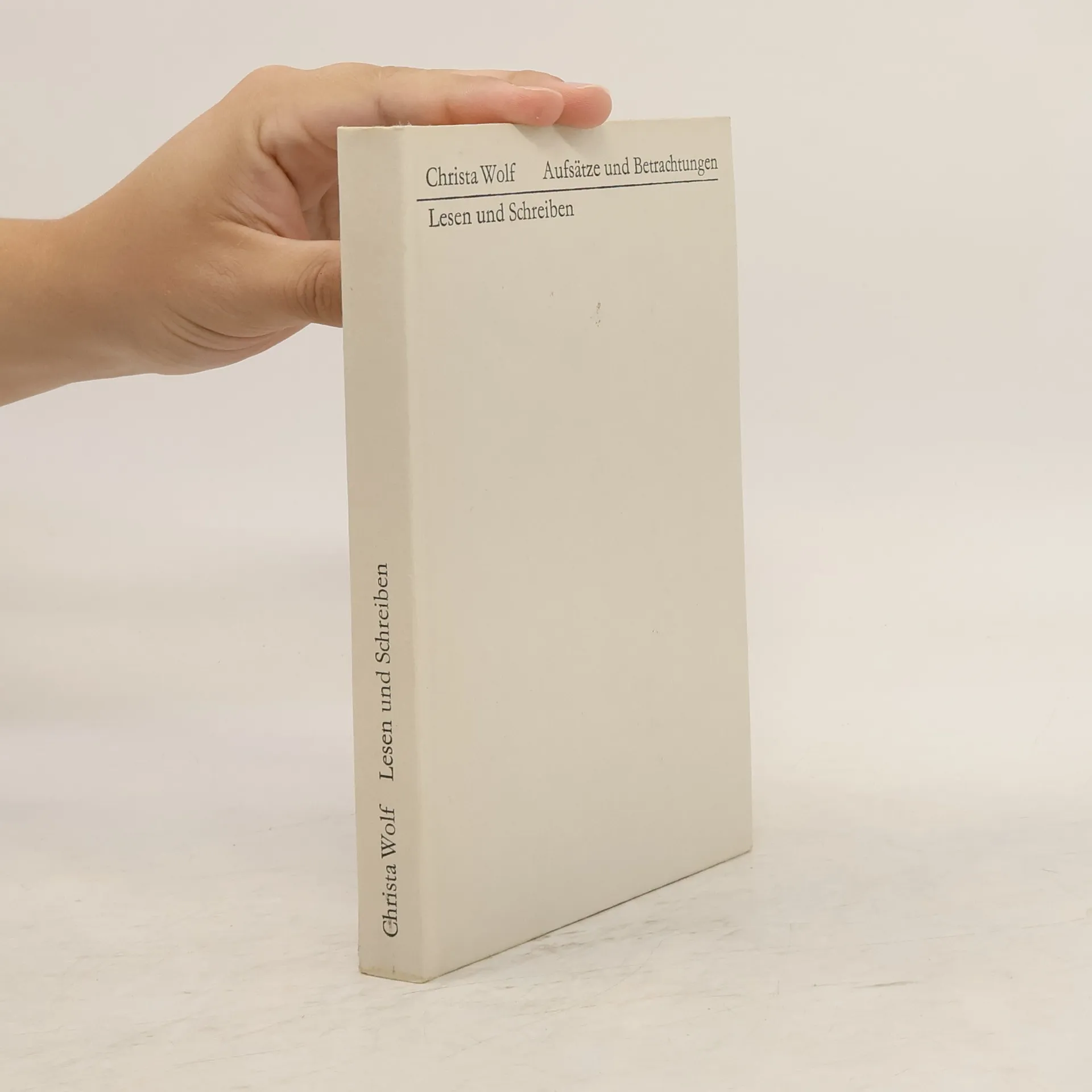
Band 1: Lesen und Schreiben (1961-1980) // Band 2: Wider den Schlaf der Vernunft (1981-1990) // Band 3: Nachdenken über den blinden Fleck (1991-2010)
1973 erklärte Christa Wolf, dass für sie kein grundsätzlicher Unterschied bestehe zwischen ihrer Prosa und ihrer Essayistik, denn deren gemeinsame Wurzel sei »Erfahrung, die zu bewältigen ist: Erfahrung mit dem ›Leben‹, mit mir selbst, mit dem Schreiben, das ein wichtiger Teil meines Lebens ist, mit anderer Literatur und Kunst. Prosa und Essay sind unterschiedliche Instrumente, um unterschiedlichem Material beizukommen«. Das sind auch die Themen ihrer Essays und Reden, die in der chronologischen Reihenfolge ihres Entstehens in dieser Ausgabe versammelt sind. Christa Wolf bezieht als kritische Zeitgenossin Position, setzt sich mit poetologischen Reflexionen über ihr Selbstverständnis als Autorin auseinander und nähert sich über wesentliche Berührungspunkte Gefährt:innen und Kolleg:innen an.
Als sein Sohn ins Visier der Stasi gerät, muss der DDR-Stabsoffizier Gerhard Wolf Stellung beziehen. Soll er sich von seinem Kind lossagen? Anekdotenreich und humorvoll schildert Wolf Szenen aus seinem bewegten Leben zwischen drei Staaten und drei Frauen.
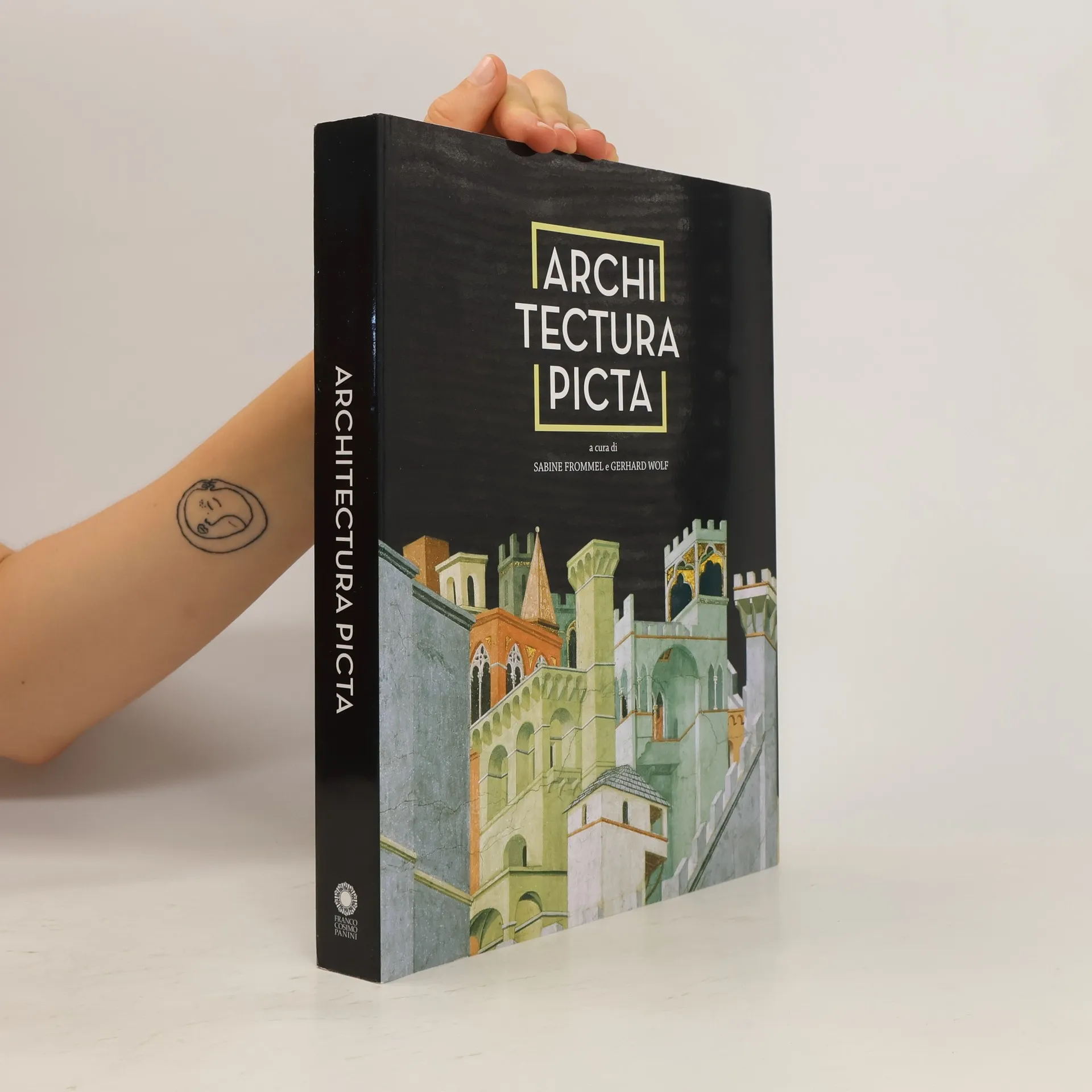
Il tema dell'architectura picta, per quanto ricco di esempi notevoli, non è stato ancora indagato propriamente. Eppure in esso sono molteplici i punti d'incontro tra la storia dell'architettura e quella della pittura e numerose le sue sfaccettature, declinazioni e sperimentazioni. Ripercorrendo la grande tradizione pittorica italiana, da Giotto a Leonardo, da Tiziano a Vasari, si vede come gli artisti abbiano dialogato con l'architettura classica e a volte quella orientale, o ricercato fantasiosi edifici 'impossibili', oppure progettato e rinnovato forme architettoniche esistenti, che diventarono fonte di ispirazione per opere edificate. Sulla superficie pittorica, l'architettura si relaziona con lo spazio, i corpi, la natura e la visione prospettica; essa assimila, ripropone, cambia, reinterpreta, crea, innova; è al contempo sfondo e protagonista della narrazione. Questo volume, che nasce da un dialogo tra storici dell'architettura e storici della pittura, è una finestra aperta sul vasto e variegato mondo dell'architectura pictà, per esplorarlo, studiarlo e comprenderlo, o semplicemente osservarlo ammirati
Verändert euch! Nach Fukushima steht die Welt an einem Wendepunkt. Der energiepolitische Neubeginn ist unvermeidlich und kann nur gelingen, wenn es eine Abkehr von unbegrenztem Wachstum auf Kosten der nächsten Generationen gibt. Dieses Buch liefert alle Argumente, zeigt einen realistischen Weg für dieses entscheidende Zukunftsprojekt auf - und dass deshalb keineswegs alle Lichter ausgehen werden. Autoren und Verlag unterstützen das SOS-Kinderdorf Fukuoka in Japan. Mit Beiträgen von Christa Wolf Hans Leyendecker Egmont R. Koch Christian Friege Richard David Precht Friedrich Schorlemmer Franz Alt Jakob Augstein Robert Misik Landolf Scherzer Günter Kunert Claudia Kemfert Sven Giegold Christiane Grefe Christine Anlauff Gayle Tufts Jakob Augstein Gayle Tufts