The first full account of the crucial work done at Fort Hunt, Virginia during World War II, where the highest-level German prisoners were interrogated, and captured documents analyzed.
Robert I. Sutton Books
Robert Sutton is a leading expert on organizational behavior and innovation. His work delves into how organizations acquire and leverage knowledge, effective management practices, and the fostering of innovative environments. Sutton emphasizes the importance of evidence-based strategies for creating more civilized and productive workplaces. His writings offer readers deep insights into how companies function and how leaders can cultivate superior work settings.

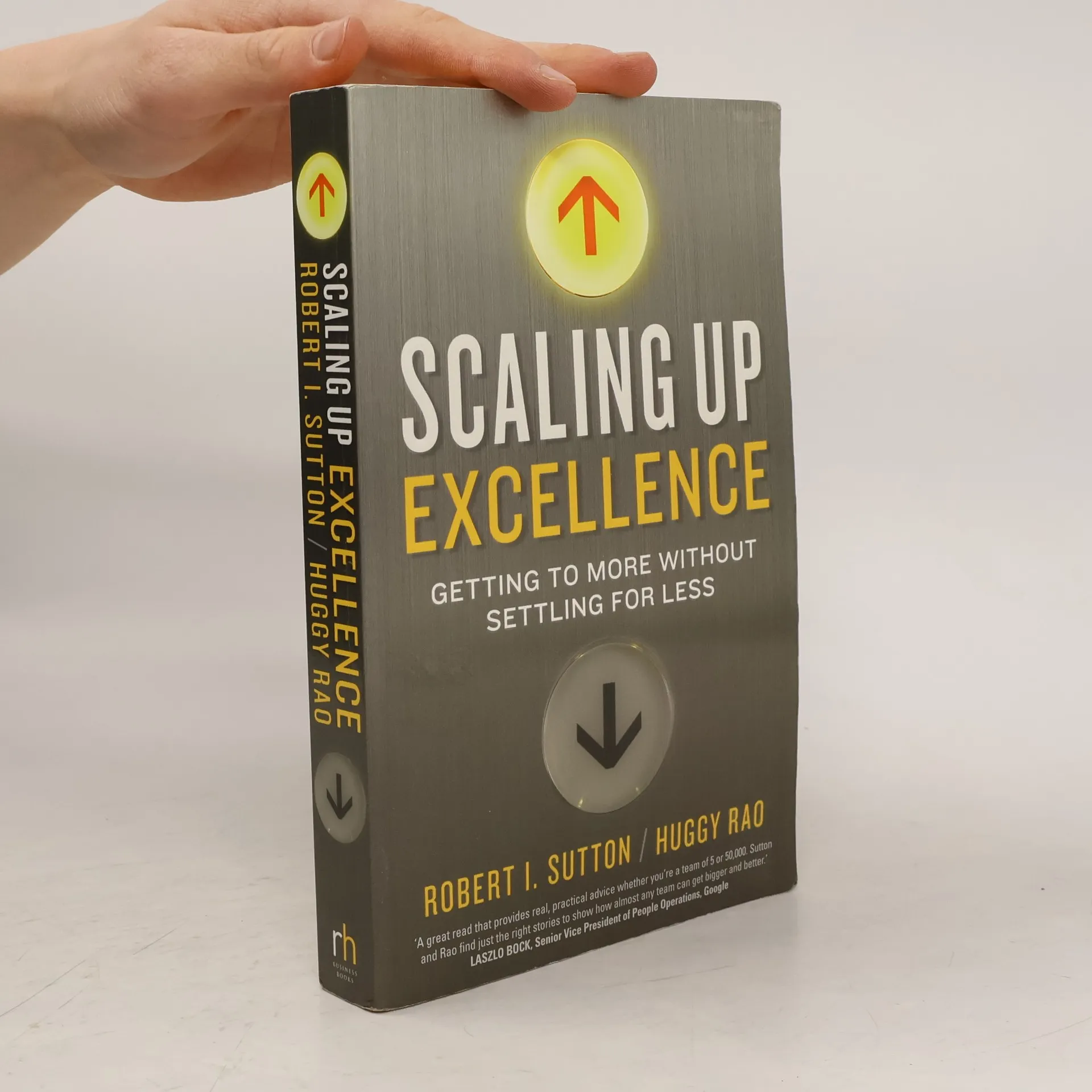

Scaling Up Exellence
- 368 pages
- 13 hours of reading
Drawing on case studies that range from Silicon Valley enterprises to non- profit organisations, this book provides crucial insights into corporate cultures, both good and bad, and offer a road map for establishing and stimulating excellence.
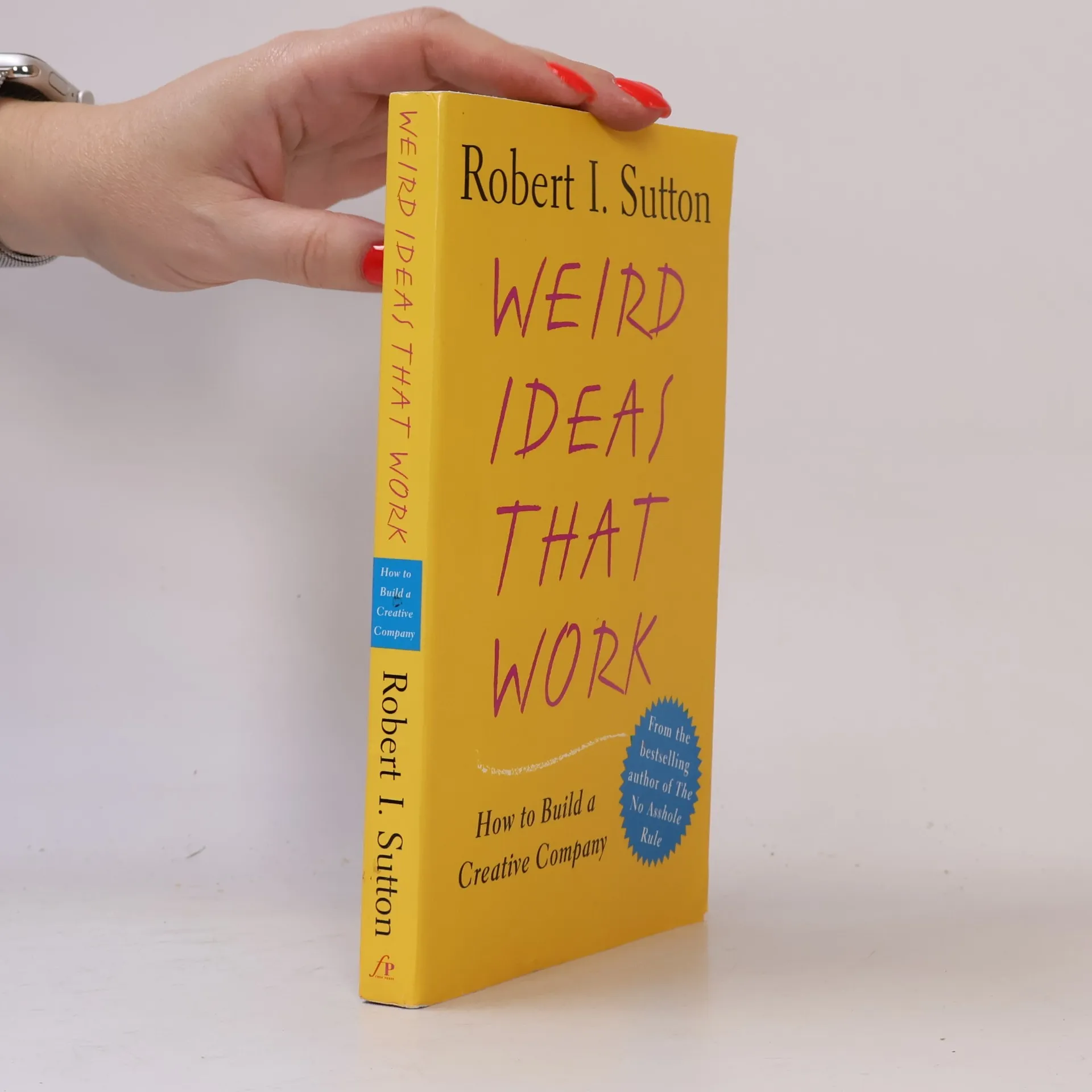
Introduces the proven rules that a company can use to promote innovation, arguing that the corporate world should hire misfits and encourage them to defy the existing culture and actively consider ideas that appear ridiculous or impractical
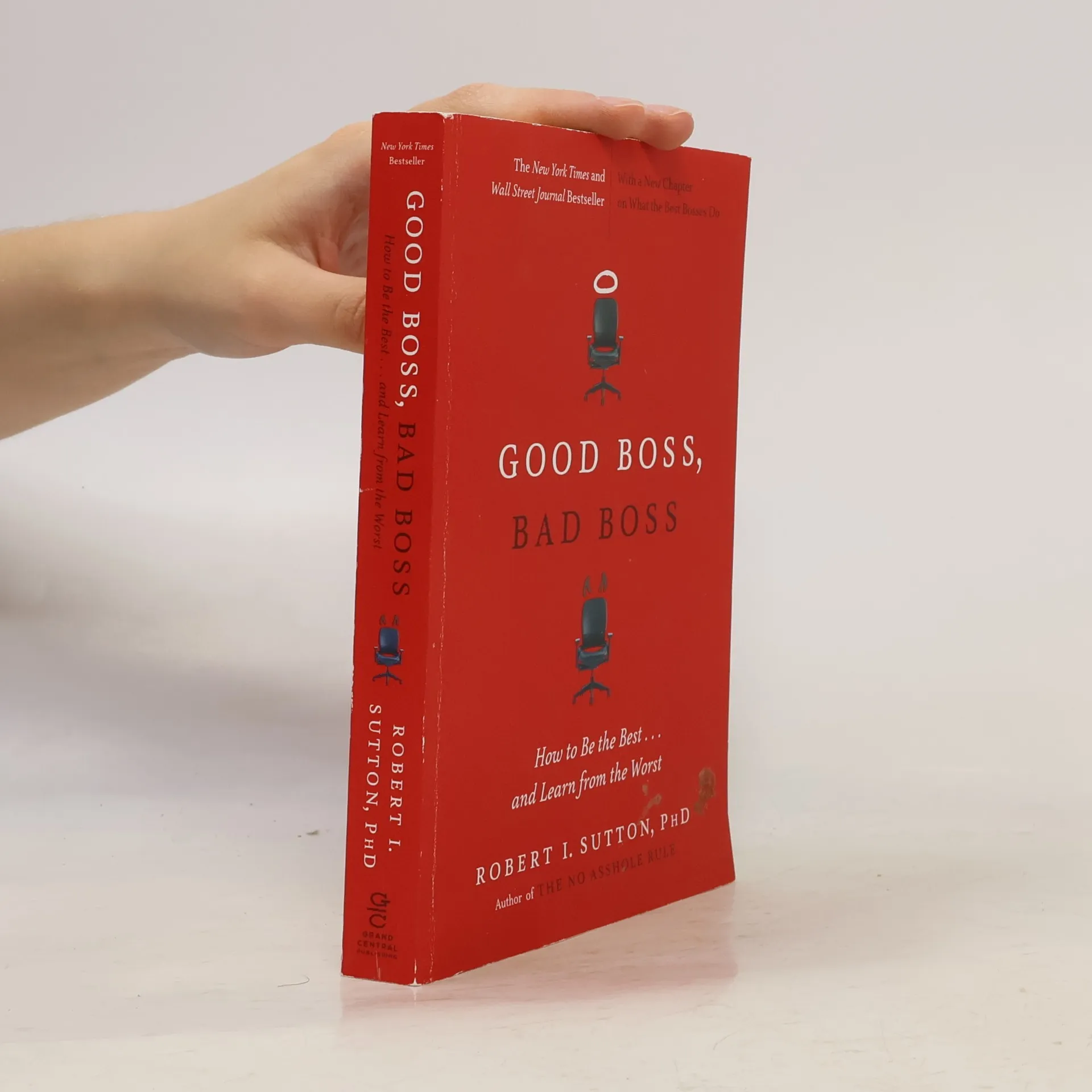
Good Boss, Bad Boss
- 352 pages
- 13 hours of reading
Now featuring a new chapter on what great bosses truly do, Dr. Sutton shares insights gained since his previous work. He discusses legendary figures like Ed Catmull and Steve Jobs, offering techniques for aspiring bosses. This book addresses the question: what can you do to excel as a boss? Dr. Sutton, a Stanford Professor, combines psychological and management research with engaging stories to illustrate the behaviors of both effective and ineffective bosses. The inspiration for this book came from the numerous emails and conversations he had after his bestseller, The No Asshole Rule, which revealed a common focus: the boss. Many stories highlighted a desire for more than just a pleasant workplace; they reflected a yearning for great leadership that fosters commitment and dignity. As Dr. Sutton explores the actions of the best and worst bosses, a central theme emerges: great bosses strive to understand how their words and actions affect their teams, peers, and customers. They recognize that their success hinges on self-awareness, the ability to manage their emotions, and the skill to adapt in ways that inspire effort and pride among their employees.
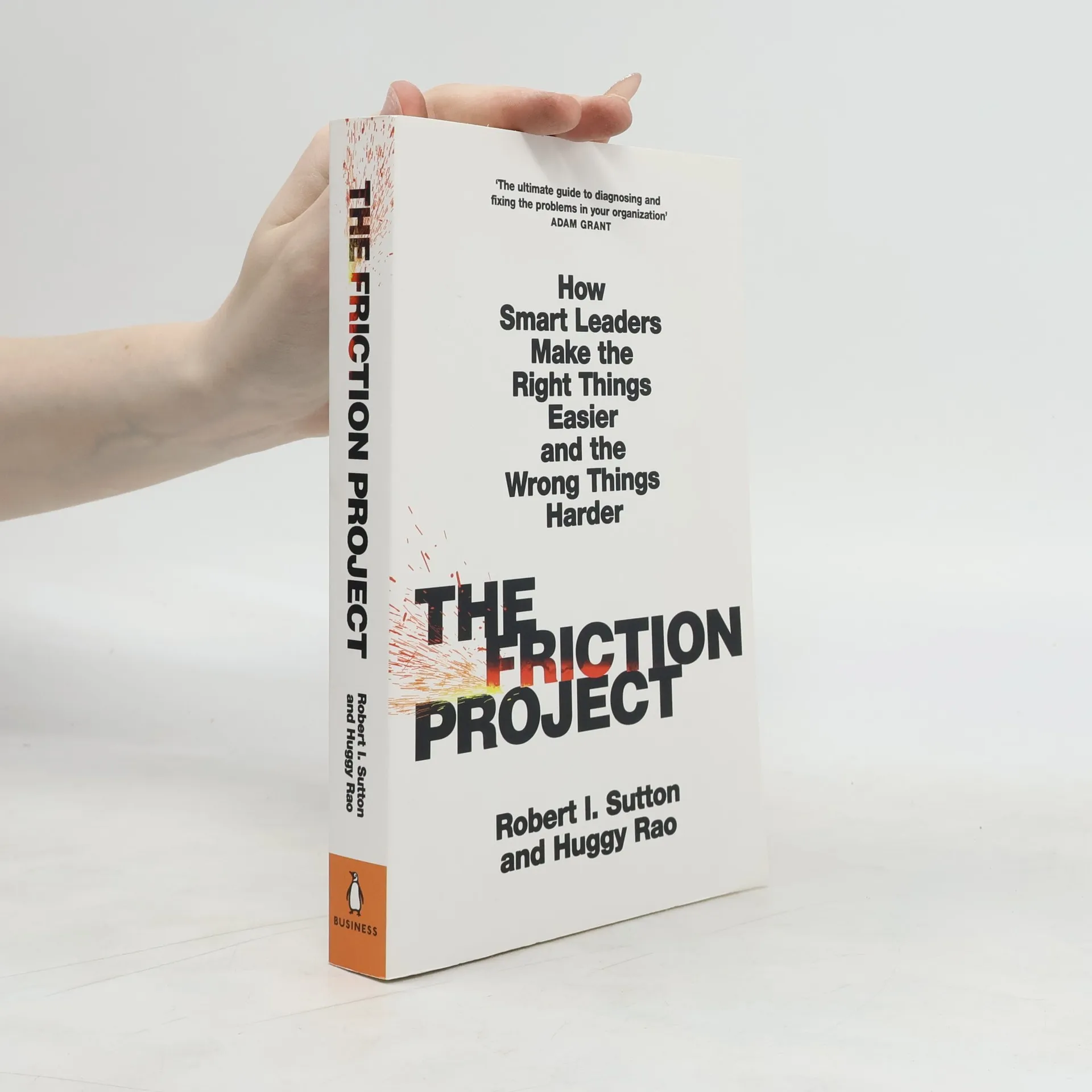
The Friction Project
- 304 pages
- 11 hours of reading
All too often, getting important things done at work is hard, soul crushing and convoluted. Too much precious time is spent wading through corporate gunk. Friction eats away at our energy, creativity and productivity and makes business slow and unproductive. And yet so frequently, organisations make the wrong things easier to do, taking down guardrails when they should in fact hit the brakes. Over the past decade, Stanford professors Robert Sutton and Huggy Rao have made it their mission to understand this phenomenon. Now, in this no-nonsense guide, they have assembled the very best of their collective wisdom. They show how to cut down unnecessary bureaucracy, overcome obstacles and banish the unhelpful systems that avert real progress. The Friction Project is essential reading, whether you're the CEO of a multinational, an employee dealing with difficult colleagues, or a freelancer seeking to streamline the way you operate.
The Asshole Survival Guide
- 224 pages
- 8 hours of reading
Sutton starts with diagnosis: what kind of asshole problem, exactly, are you dealing with? From there, he provides field-tested, evidence-based, and sometimes surprising strategies for dealing with assholes-- avoiding them, outwitting them, disarming them, sending them packing, and developing protective psychological armor. By helping you develop an outlook and personal plan that will help you preserve the sanity in your work life, Sutton also help you prevent all those perfectly good days from being ruined by some jerk.
The definitive guide to working with -- and surviving -- bullies, creeps, jerks, tyrants, tormentors, despots, backstabbers, egomaniacs, and all the other assholes who do their best to destroy you at work. What an asshole! How many times have you said that about someone at work? You're not alone! In this groundbreaking book, Stanford University professor Robert I. Sutton builds on his acclaimed Harvard Business Review article to show you the best ways to deal with assholes...and why they can be so destructive to your company. Practical, compassionate, and in places downright funny, this guide offers: Strategies on how to pinpoint and eliminate negative influences for goodIlluminating case histories from major organizationsA self-diagnostic test and a program to identify and keep your own inner jerk from coming out The No Asshole Rule is a New York Times, Wall Street Journal, USA Today and Business Week bestseller.
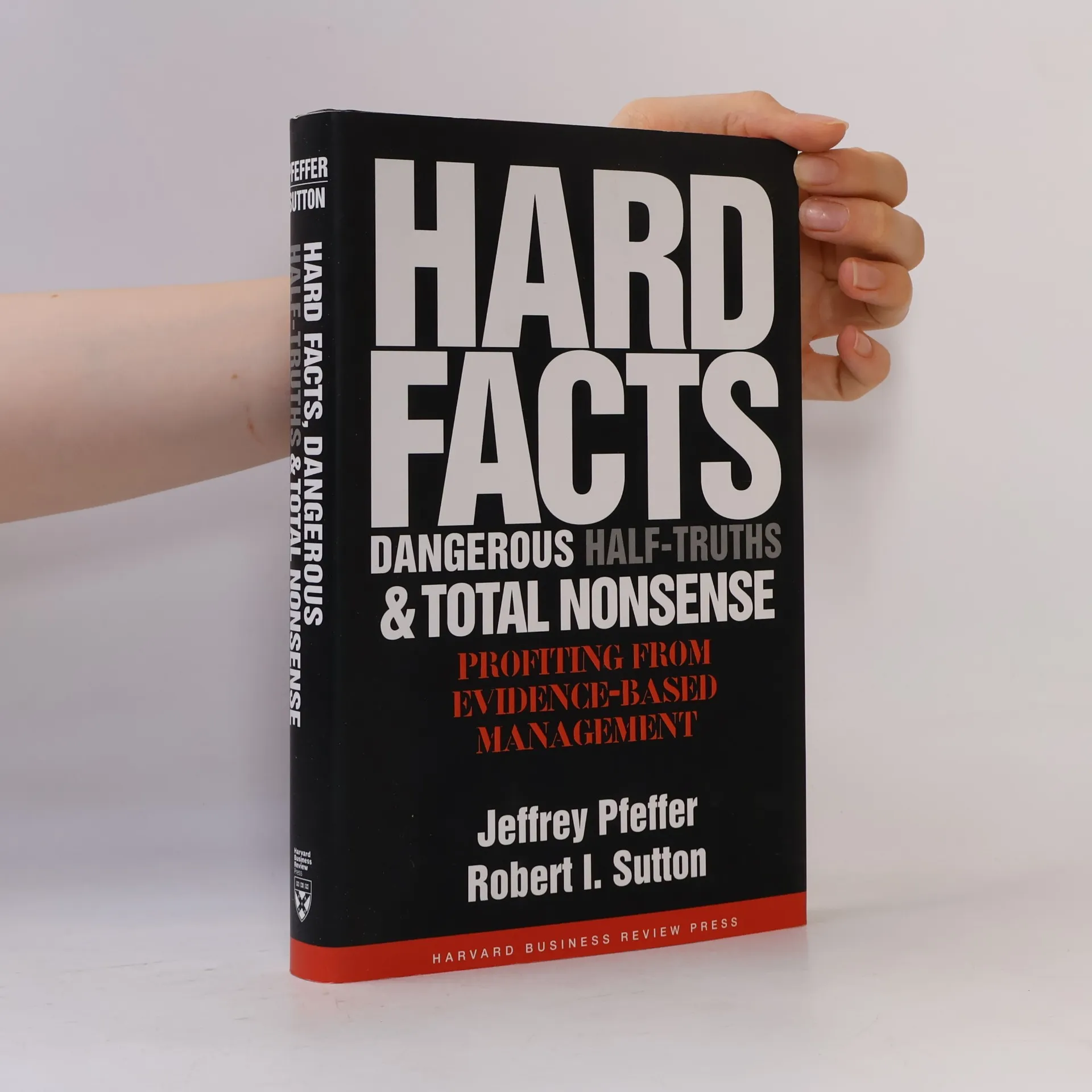
Hard Facts, Dangerous Half-Truths, and Total Nonsense
Profiting from Evidence-Based Management
- 288 pages
- 11 hours of reading
Challenges leaders to commit to evidence-based management as a way of organizational life - and shows how to turn this common sense into common practice.
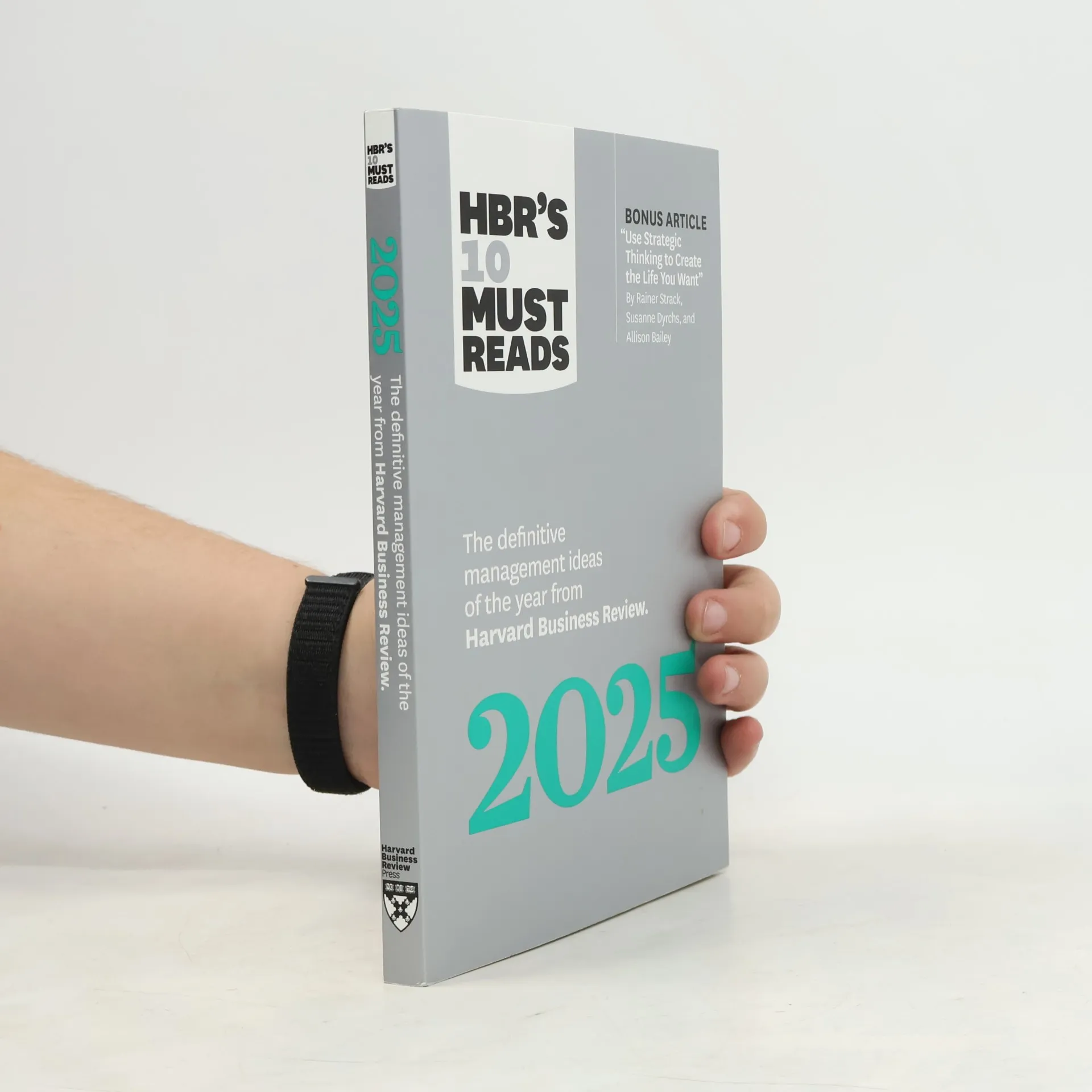
HBR's 10 Must Reads 2025
The Definitive Management Ideas of the Year from Harvard Business Review
- 192 pages
- 7 hours of reading
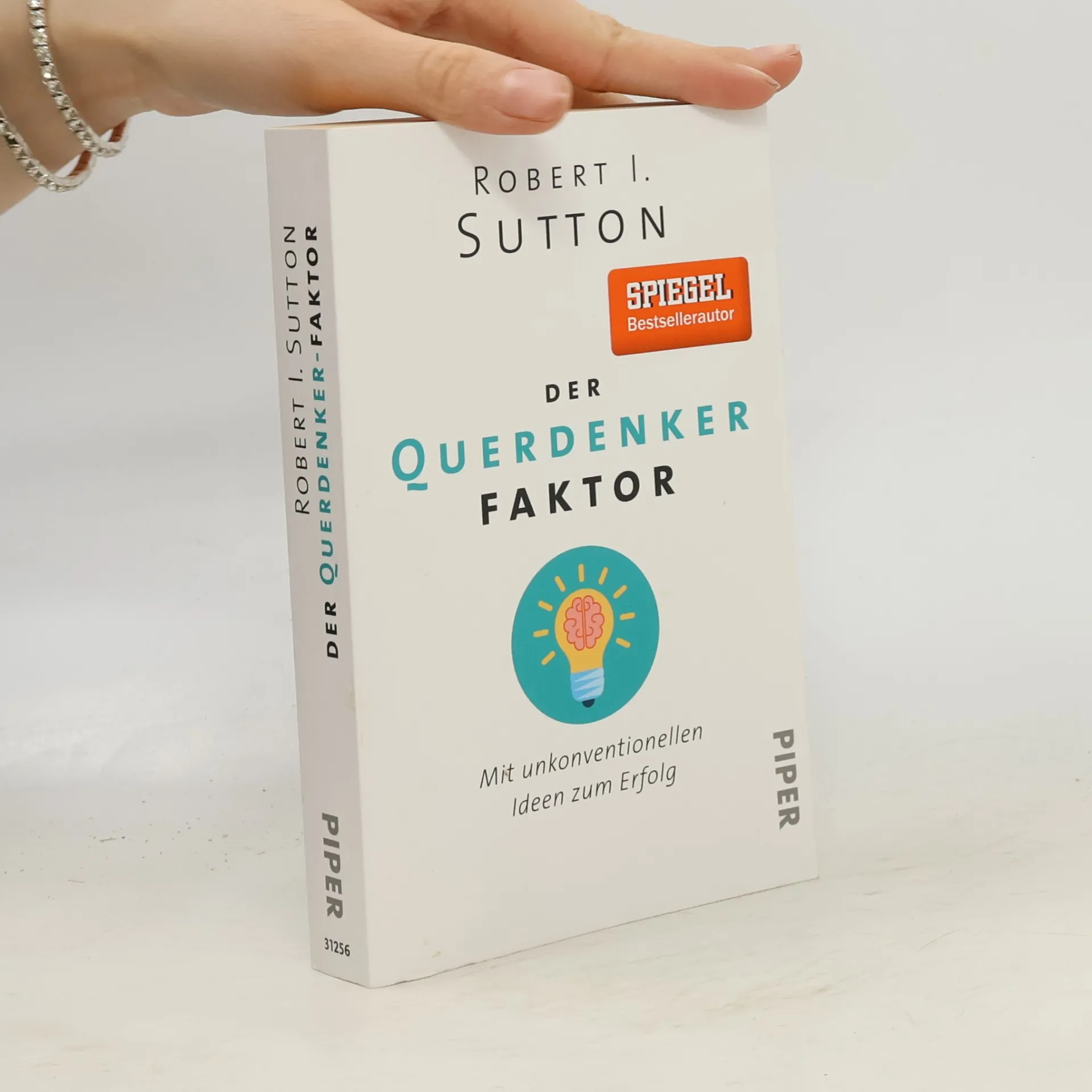
Robert Suttons Vorschläge sind nicht nur schräg, sie klingen verrückt: Seien Sie in Ihrem Unternehmen ein Querdenker, haben Sie Mut zur Eigenwilligkeit – egal, ob Sie Chef oder Angestellter sind! Denn erst unkonventionelle Ideen setzen innovatives Potential frei, generieren neue Projekte und führen langfristig zu Optimierung und Wettbewerbsfähigkeit. Robert I. Sutton erläutert elf Querdenker-Ideen, die ein Unternehmen zum Erfolg führen können. Dazu gehört ganz grundsätzlich, dass Unternehmen experimentieren, einen neuen Typus von Mitarbeiter einstellen und neue Technologien entwickeln müssen. Sie müssen neue Ideen zulassen, um Kundenbedürfnisse zu befriedigen, in neuen Märkten Fuß zu fassen oder Wettbewerber zu überholen. Folgt man Suttons Regeln, werden schlummernde Innovationskräfte freigesetzt.
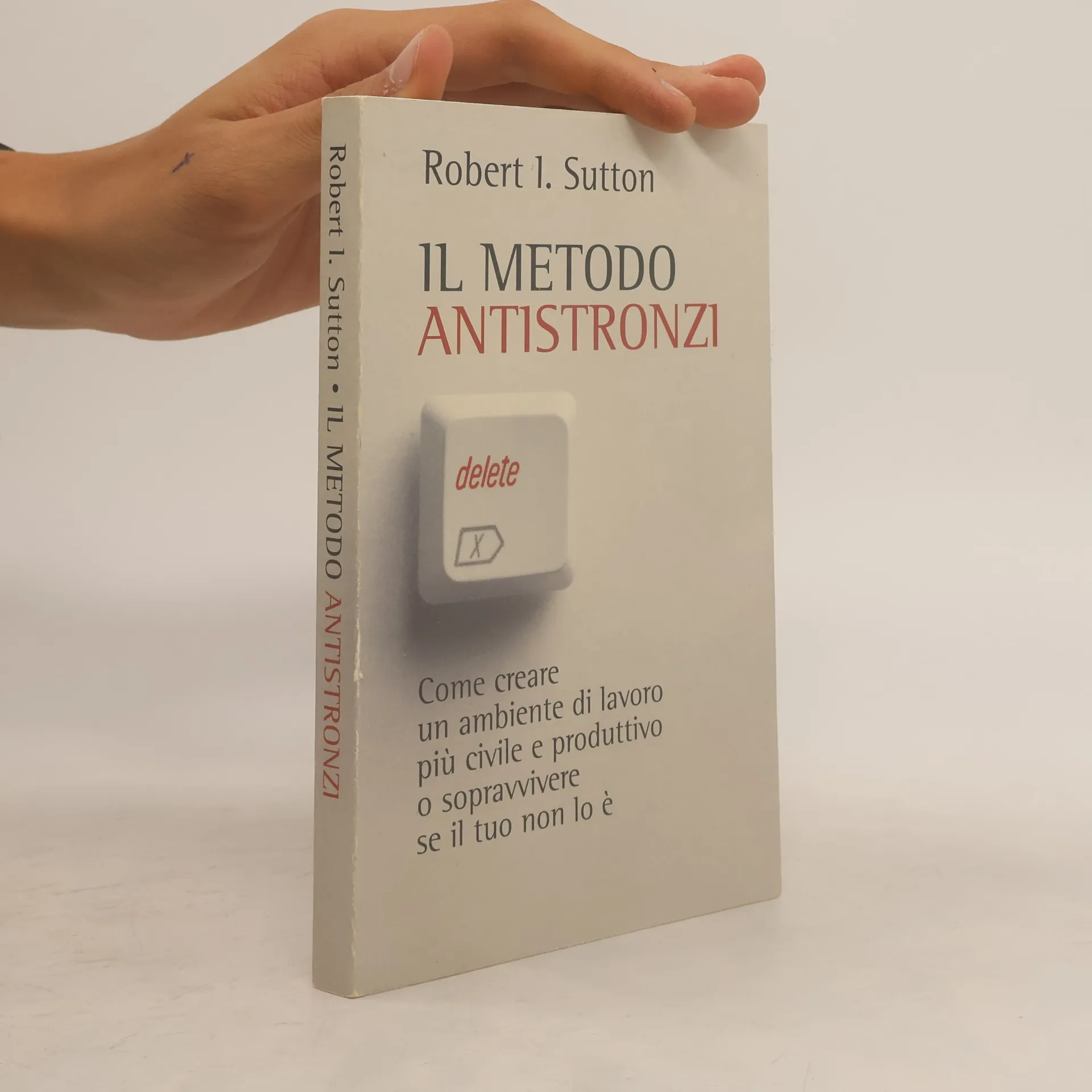
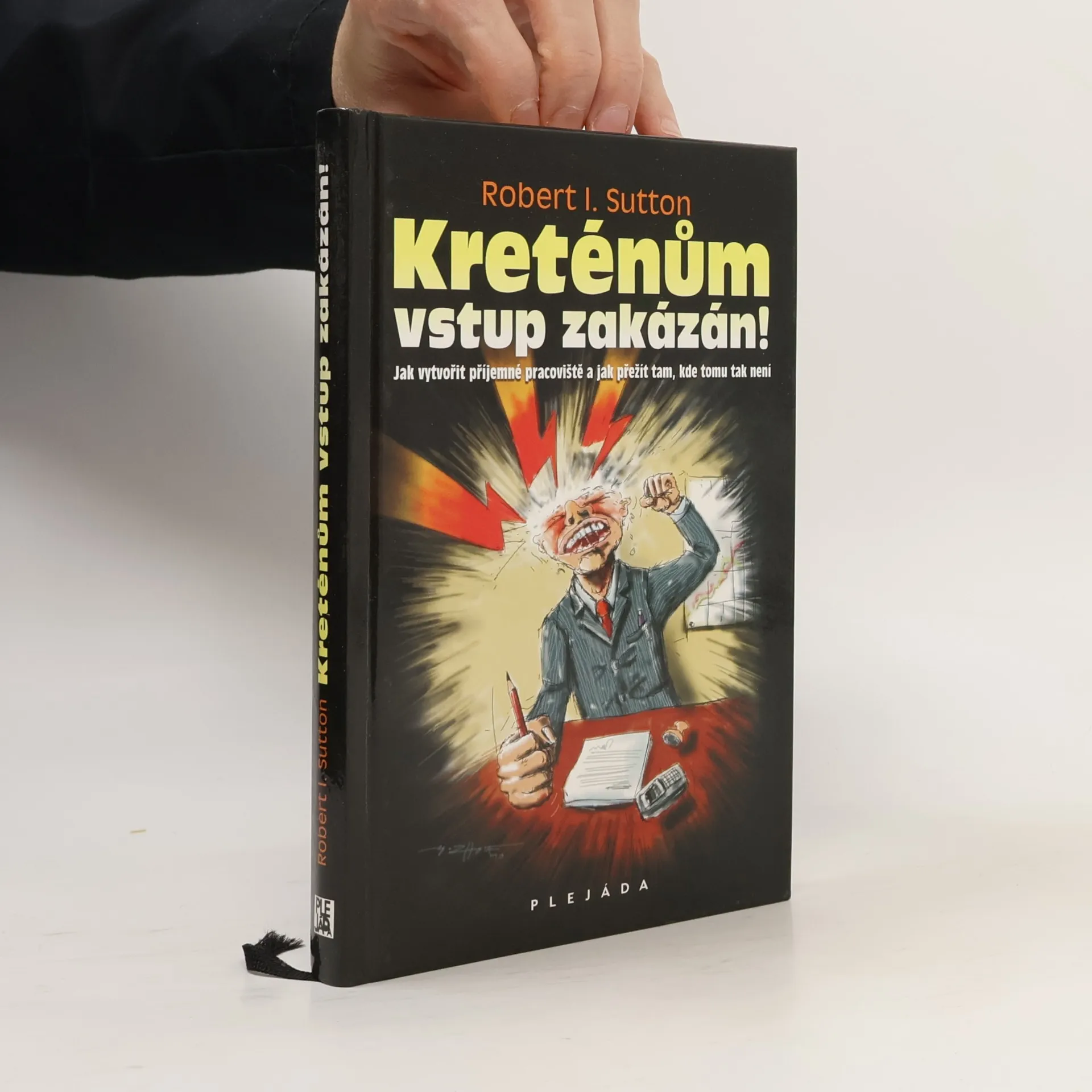
Kniha \"Kreténům vstup zakázán\" s podtitulem \"Jak vytvořit příjemné pracoviště a jak přežít tam, kde tomu tak není\", se zabývá v současnosti široce diskutovaným tématem - vztahům na pracovišti a v tomto případě konkrétně těm vyhroceným, vedeným nepříjemným šéfem, v knize titulovaným jako kretén. Studie doprovázená řadou konkrétních příkladů z nejrůznějších pracovišť a podpořená citacemi ze studií na toto téma napsaných je členěna do kapitol, které čtenářům radí, na základě jakých měřítek kreténa ropoznat a definovat, vyčísluje jím způsobené škody, radí, jak se ho zbavit, pokud je to vůbec možné, jak přežít na pracovišti, které ovládá, jaké jsou jeho kladné vlastnosti a jak se nestát jedním z nich.