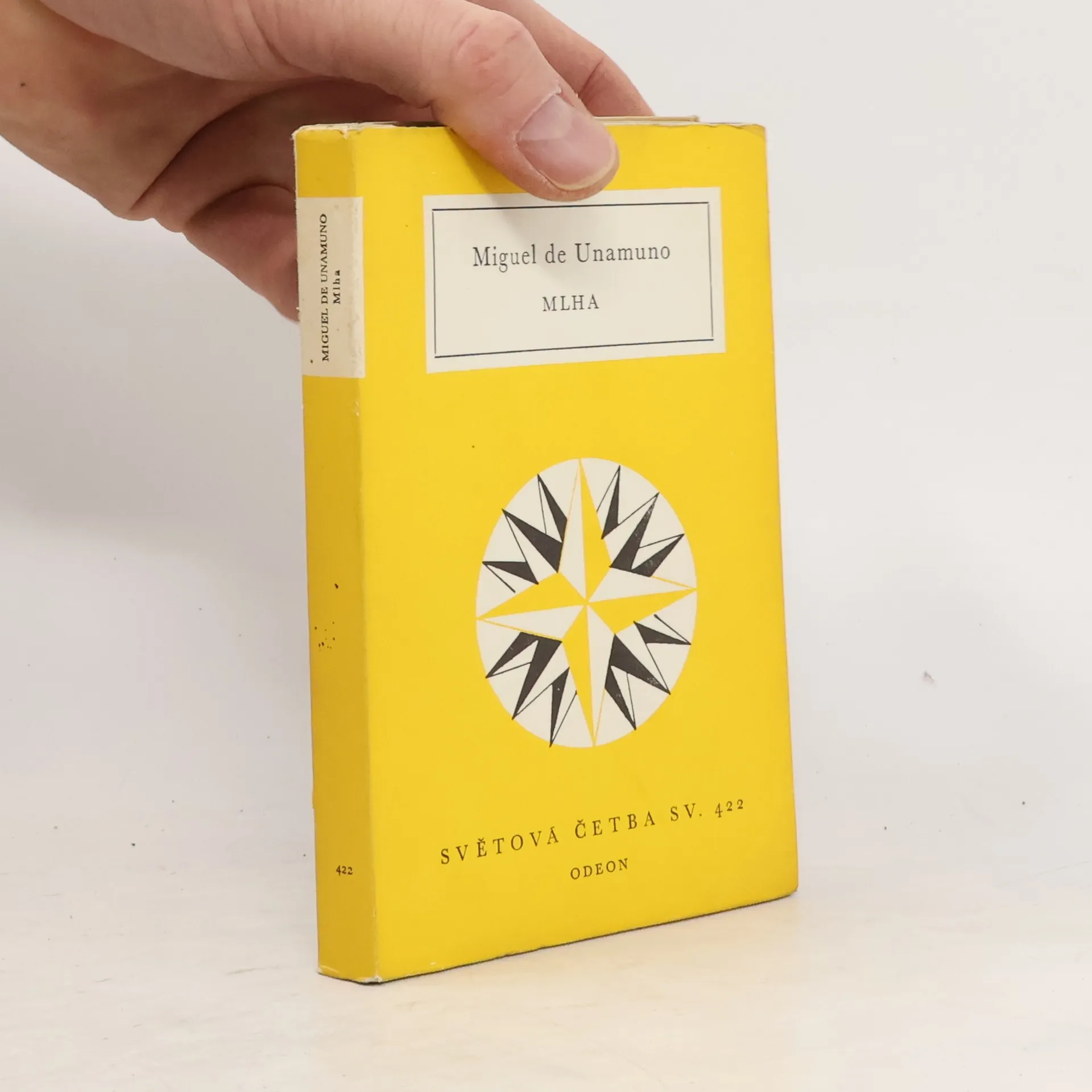
A novel that features Augusto Perez, the pampered son of a recently deceased mother; the deceitful, scheming Eugenia, whom Augusto obsessively idealizes; and, Augusto's dog Orfeo, who gives a funeral oration upon his master's death. schovat popis
Miguel de Unamuno Books
September 29, 1864 – December 31, 1936
Miguel de Unamuno was a significant Spanish modernist writer, masterfully blending essays, novels, poetry, and drama to blur the lines between genres. His work delves into profound philosophical questions, exploring the nature of human existence, faith, and doubt. Unamuno often focused on the internal conflicts and existential dilemmas of his characters. His unique style and intellectual depth make him a pivotal figure in 20th-century Spanish literature.


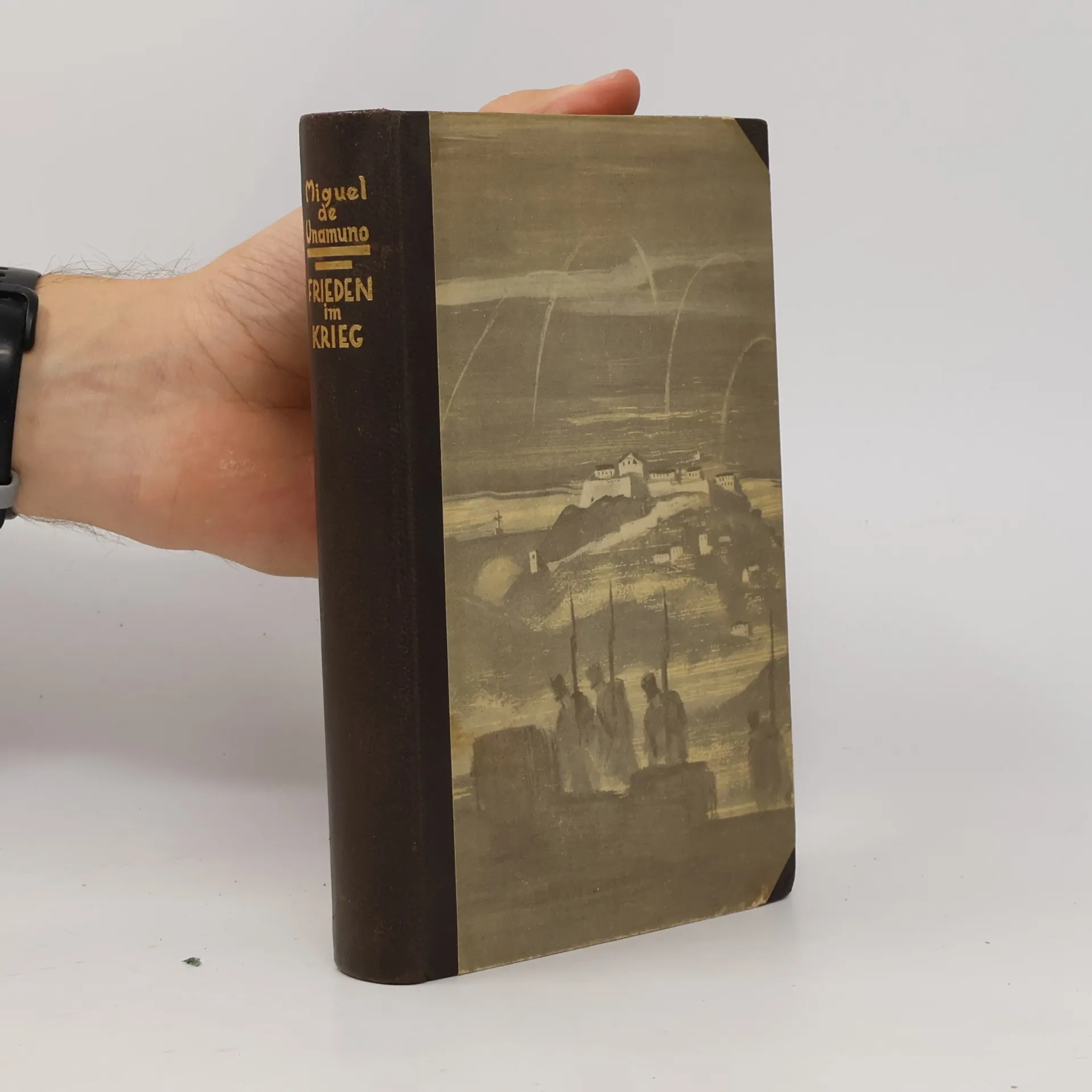
The first English translation of Unamuno's first novel, published in 1897, when he was 33. Its setting is the Basque country of northern Spain during the Second Carlist War (1874--1876), a conflict he lived through as a child. Originally published in 1983. The Princeton Legacy Library uses the latest print-on-demand technology to again make available previously out-of-print books from the distinguished backlist of Princeton University Press. These editions preserve the original texts of these important books while presenting them in durable paperback and hardcover editions. The goal of the Princeton Legacy Library is to vastly increase access to the rich scholarly heritage found in the thousands of books published by Princeton University Press since its founding in 1905.
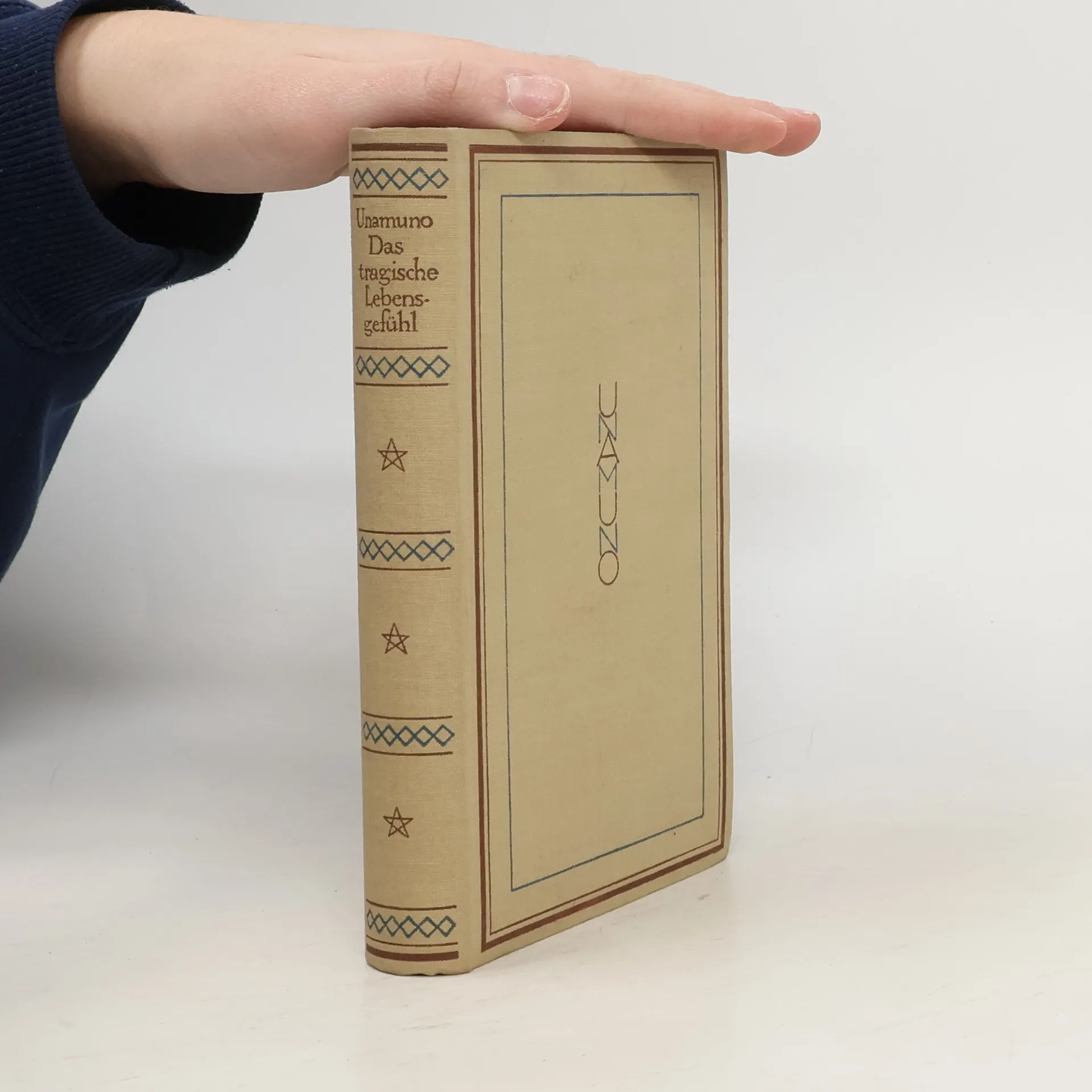
Tragic Sense of Life
- 388 pages
- 14 hours of reading
The acknowledged masterpiece of Unamuno expresses the anguish of modern man as he is caught up in the struggle between the dictates of reason and the demands of his own heart.
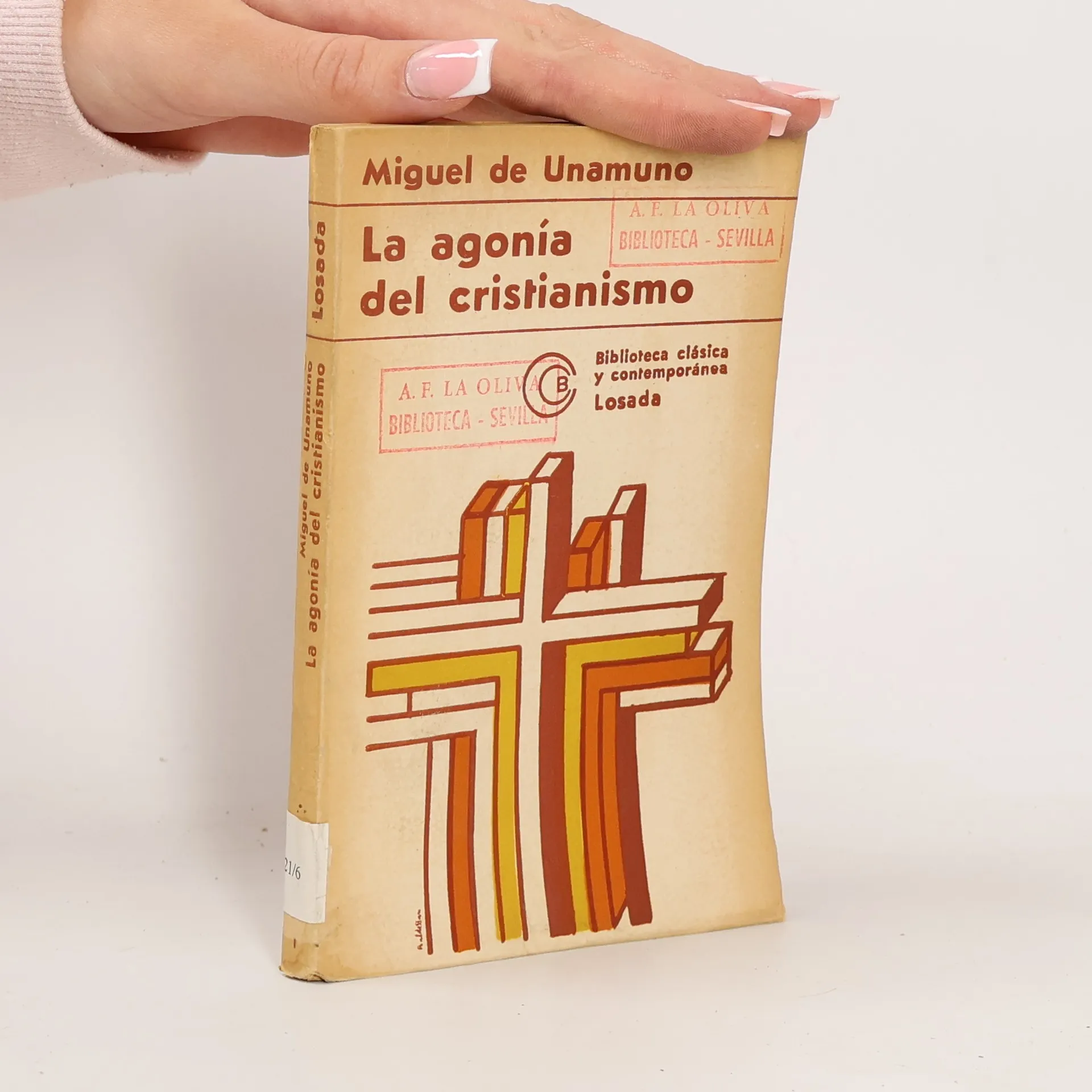
The Agony of Christianity
and Essays on Faith
Wie man einen Roman macht
- 140 pages
- 5 hours of reading
Die Entstehungsgeschichte dieses postmodern anmutenden Textes ist einigermaßen komplex: Der 61jährige Miguel de Unamuno schrieb 1925 im selbstgewählten Exil in Paris eine Erzählung namens Wie man einen Roman macht, die er aber wegen der herrschenden Militärzensur nicht in Spanien veröffentlichen wollte, sondern 1926 in der Übersetzung von Jean Cassou in der Zeitschrift ›Mercure de France‹ publizierte, eingeleitet von einem Unamuno-Portrait aus der Feder Cassous. Zwei Jahre später denkt er doch an eine spanische Ausgabe (die dann auch 1927 erscheint, allerdings in Argentinien), die nun allerdings mehrfach gebrochen ist: mehr als die Hälfte des Buches besteht aus einem neuen Vorwort, dem erwähnten Portrait Unamunos und seinem Kommentar zu diesem Portrait, und der Text selbst ist nicht die Originalfassung, sondern Unamunos Rückübersetzung der französischen Fassung. Der ursprüngliche Essay aus den bitteren Jahren der Verbannung wird so zu einer einzigartigen Mischform aus Autobiografie, Tagebuch, Dialog und Reflexion über das Wesen von Literatur und realer Biografie.
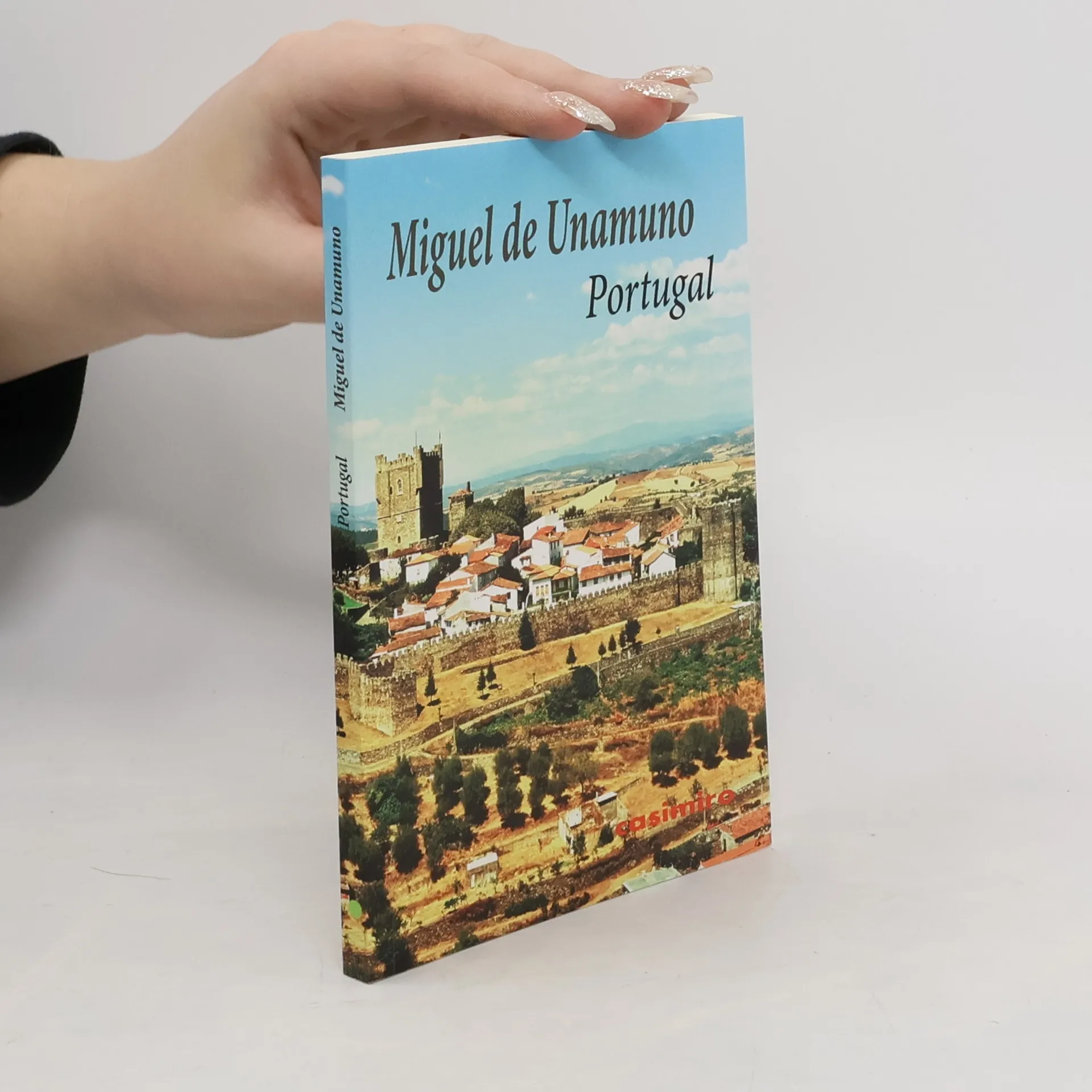
Portugal
- 120 pages
- 5 hours of reading
"¡Portugal, mi Portugal, ese gran pequeño pueblo que tanto me dio que sentir, que pensar y que soñar y que me inspiró tantas impresiones! Y es que muchas cosas, y de las más íntimas, de mi España no cabe comprenderlas si no se conoce Portugal."
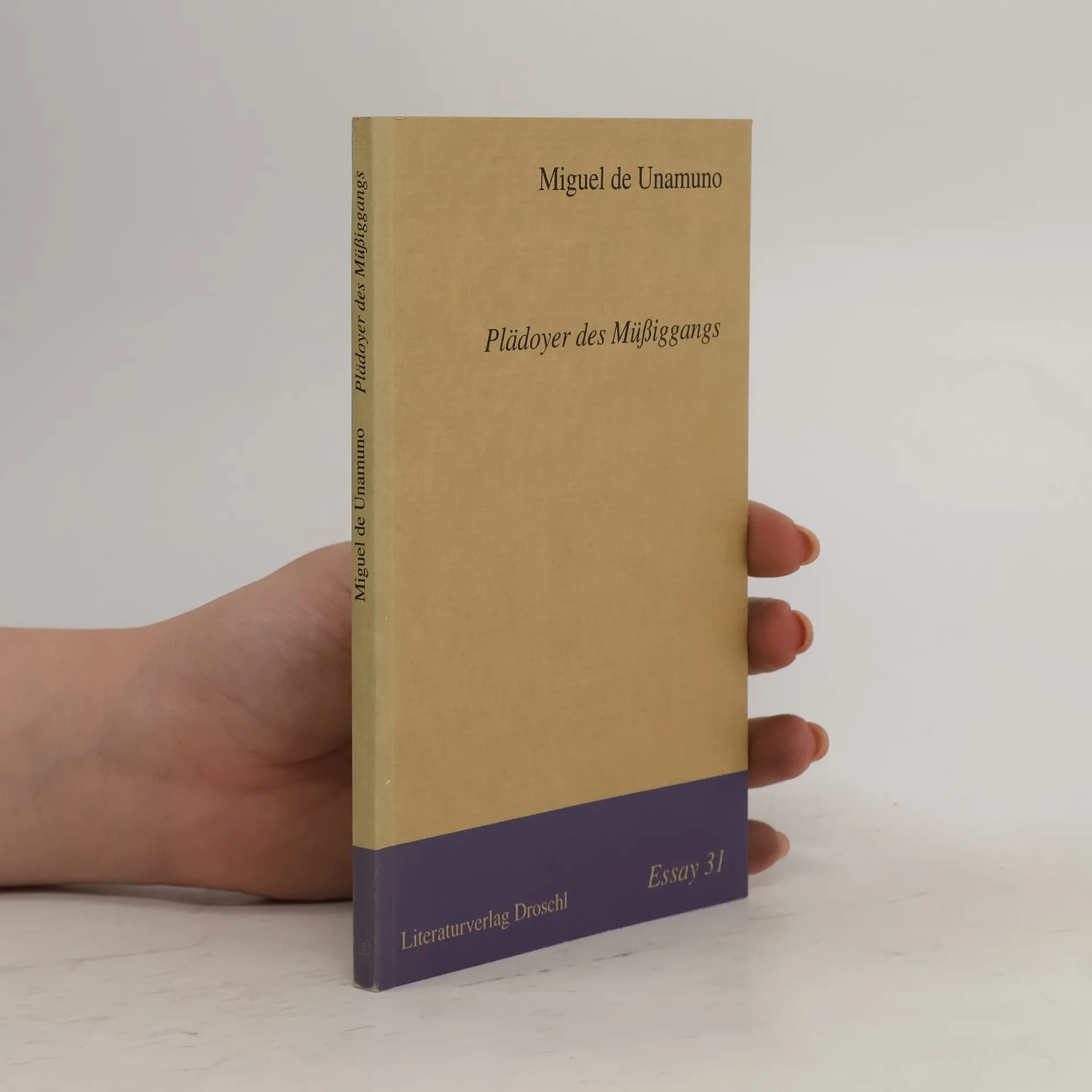
Die Essays stammen aus den Jahren 1908 bis 1916 und zeigen den Autor als Träumer und Spaziergänger, der seinem Hang zur streitbaren Polemik nur selten nachgibt, wie z. B. in dem Essay 'Die Pflicht und die Pflichten', wo er nahezu wütend mit Tugenden wie Dogmatismus, Intoleranz und blindem Gehorsam aufräumt. Unamuno 'ist eine Herausforderung, die auch sechzig Jahre nach seinem Tod nichts von ihrer Radikalität verloren hat, ein Autor, der sich Auseinandersetzung und Widerspruch geradezu verdient hat, will man ihm in seiner Heterodoxie gerecht werden, aber auch ein Autor, der nach wie vor und immer wieder mit großem Genuß zu lesen ist.' (Erna Pfeiffer im Vorwort)
Relatos Breves - 2: La gitanilla
- 90 pages
- 4 hours of reading
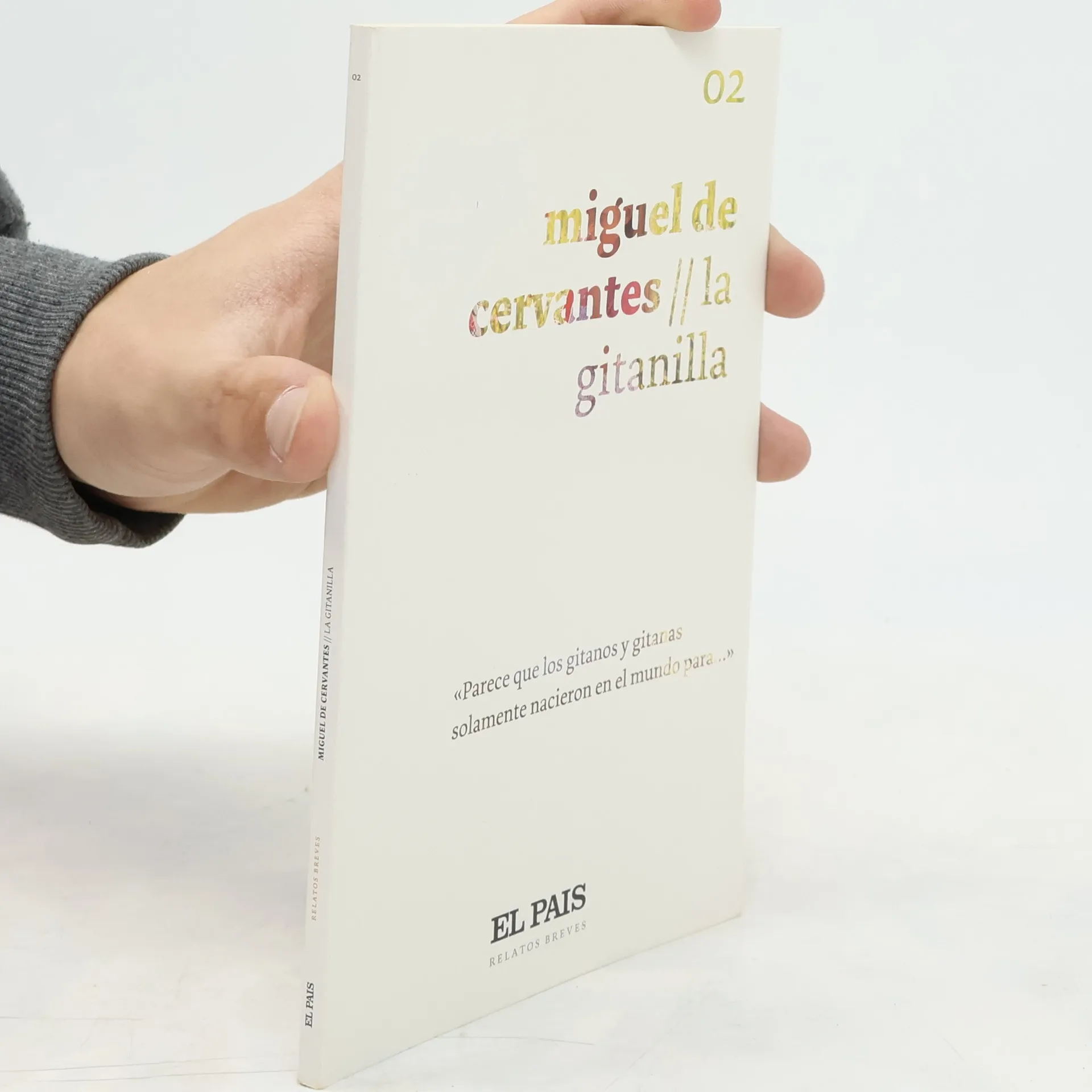
Asi empieza este relato, en el que los topicos sobre los gitanos se mezclan en un juego de identidades. Poco a poco la trama revela que todo lo que se dice sobre la gitanilla es infundado y aparece una espiral de enredos y confusiones desplegadas en una trama cerrada y mordaz. La gitanilla es tambien un retrato de las diferencias etnicas de la epoca cervantina.
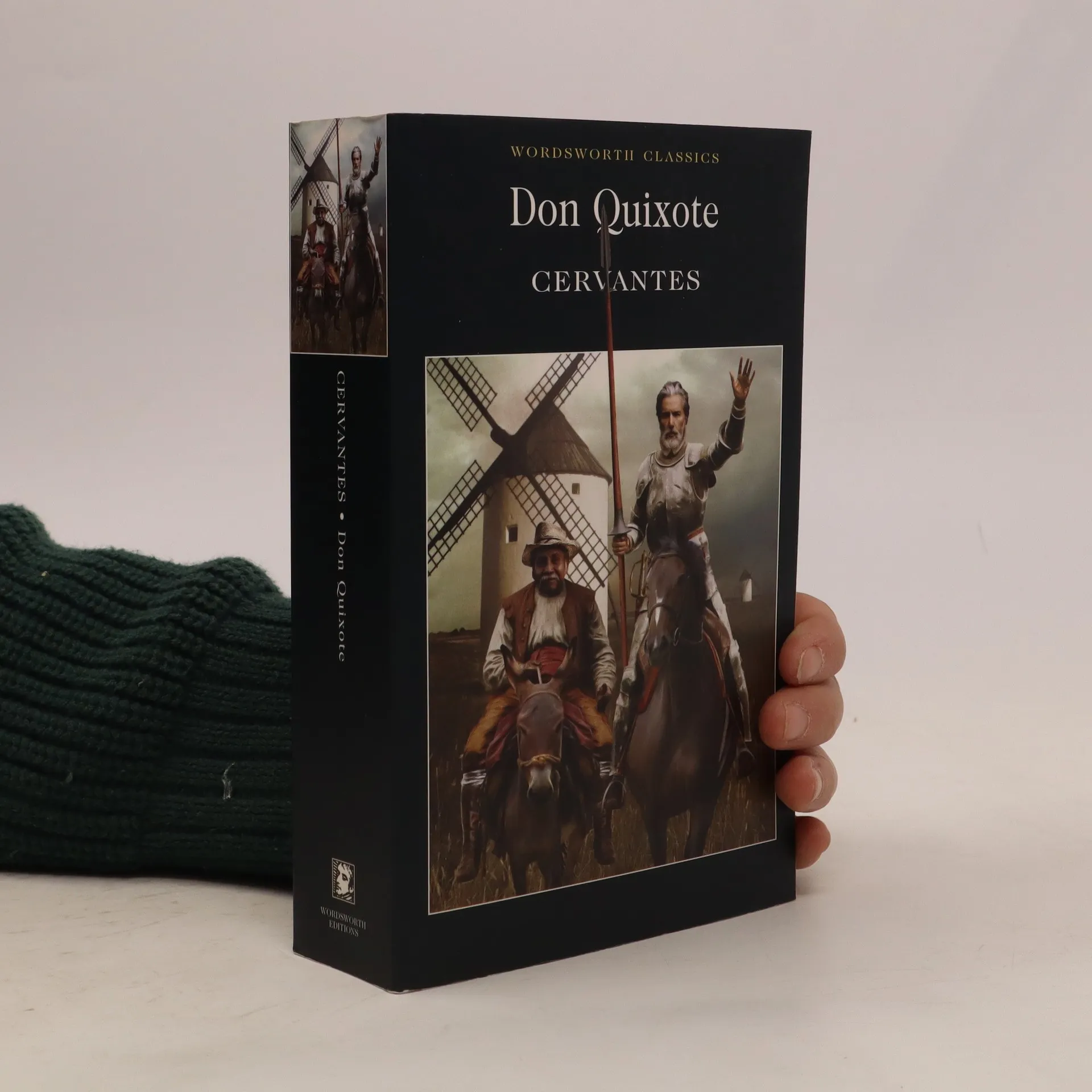
Cervantes' tale of the deranged gentleman who turns knight-errant have found its way into films, cartoons and even computer games. Intended as a parody of the most popular escapist fiction, the 'books of chivalry', this precursor of the modern novel broadened and deepened into a sophisticated, comic account of the contradictions of human nature.
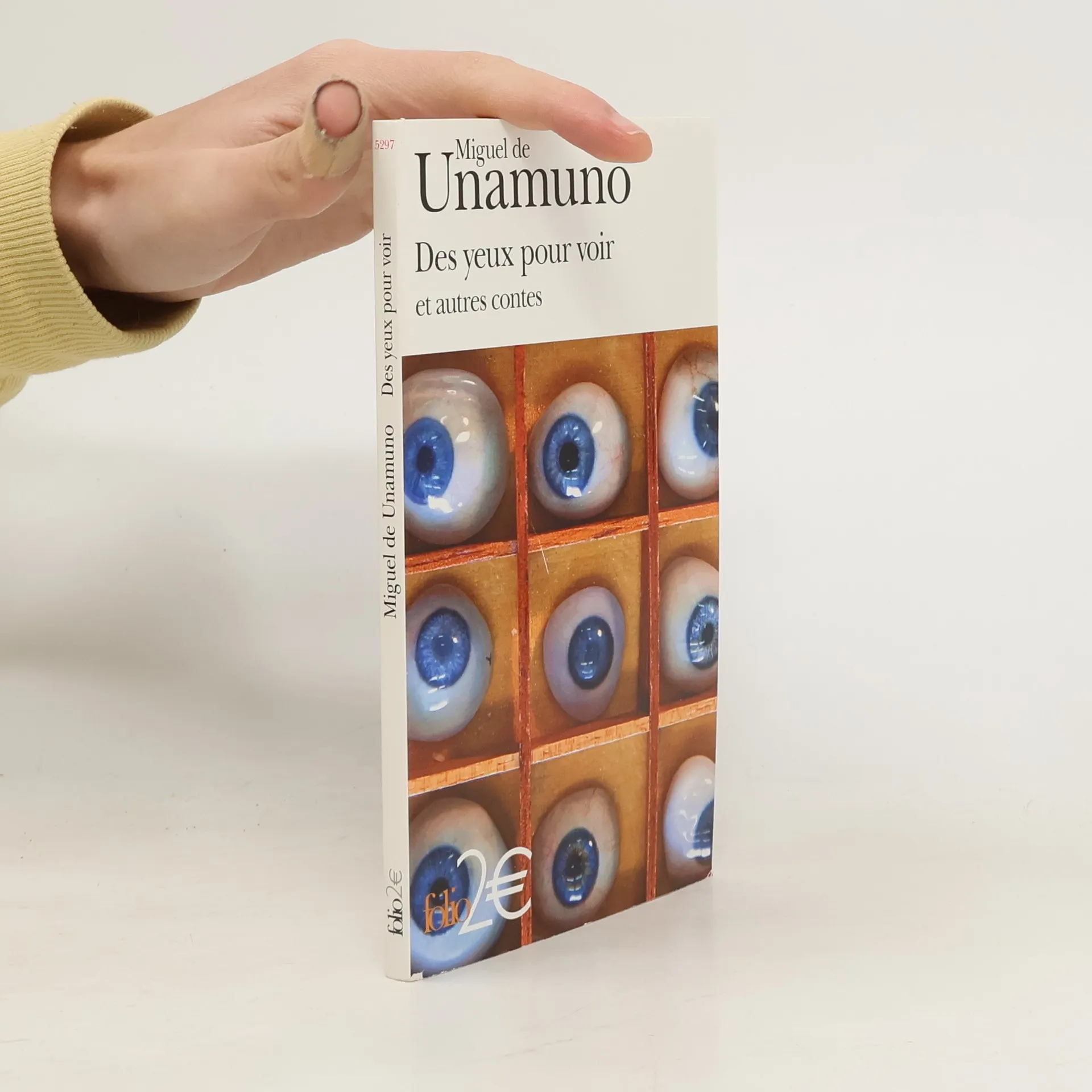
Folio: Des yeux pour voir et autres contes
- 108 pages
- 4 hours of reading
Que se passe-t-il quand un idiot rencontre un autre idiot ? Que faire lorsqu’on a une horreur superstitieuse de la superstition ? Contes légers, poétiques, pétillants sur les mystères de la vie, l’amour, l’amitié.
San Manuel Bueno, Märtyrer - Spanisch/Deutsch
- 119 pages
- 5 hours of reading
Miguel de Unamuno y Jugo was born in Bilbao on 29th September 1864. He wrote novels, essays, poems and plays, and in addition to these he played an important part in the political and intellectual life of Spain - an involvement that led to his exile to Fuerteventura in 1924. San Manuel Bueno, matir (1930) was his last novel before his death in 1936. It tells the story of a heroic priest who has lost his faith in immortality, a theme that had interested Unamuno for many years. The setting of the novel is atmospheric and significant, the characters shadowy and symbolic. The book overall is a synthesis of Unamuno's philiosophy.
La novela Ábel Sánchez refleja la filosofía del autor a través v de los profundos sentimientos del protagonista. En el trasfondo de una trama relativamente simple, se retrata el sufrimiento vital de J. Monegro, quien constantemente busca y encuentra a Caín en su interior. Día tras día, Monegro vive en un estado de inquietud y descontento, sintiéndose ignorado, experimentando envidia hacia su amigo y avergonzándose por esa envidia. Su vida se convierte en una búsqueda constante de su propia identidad y de su lugar en el mundo. Esta temática resuena con los sentimientos universales del ser humano en cualquier época, haciendo de la novela una reflexión atemporal sobre la lucha interna y la búsqueda de sentido.
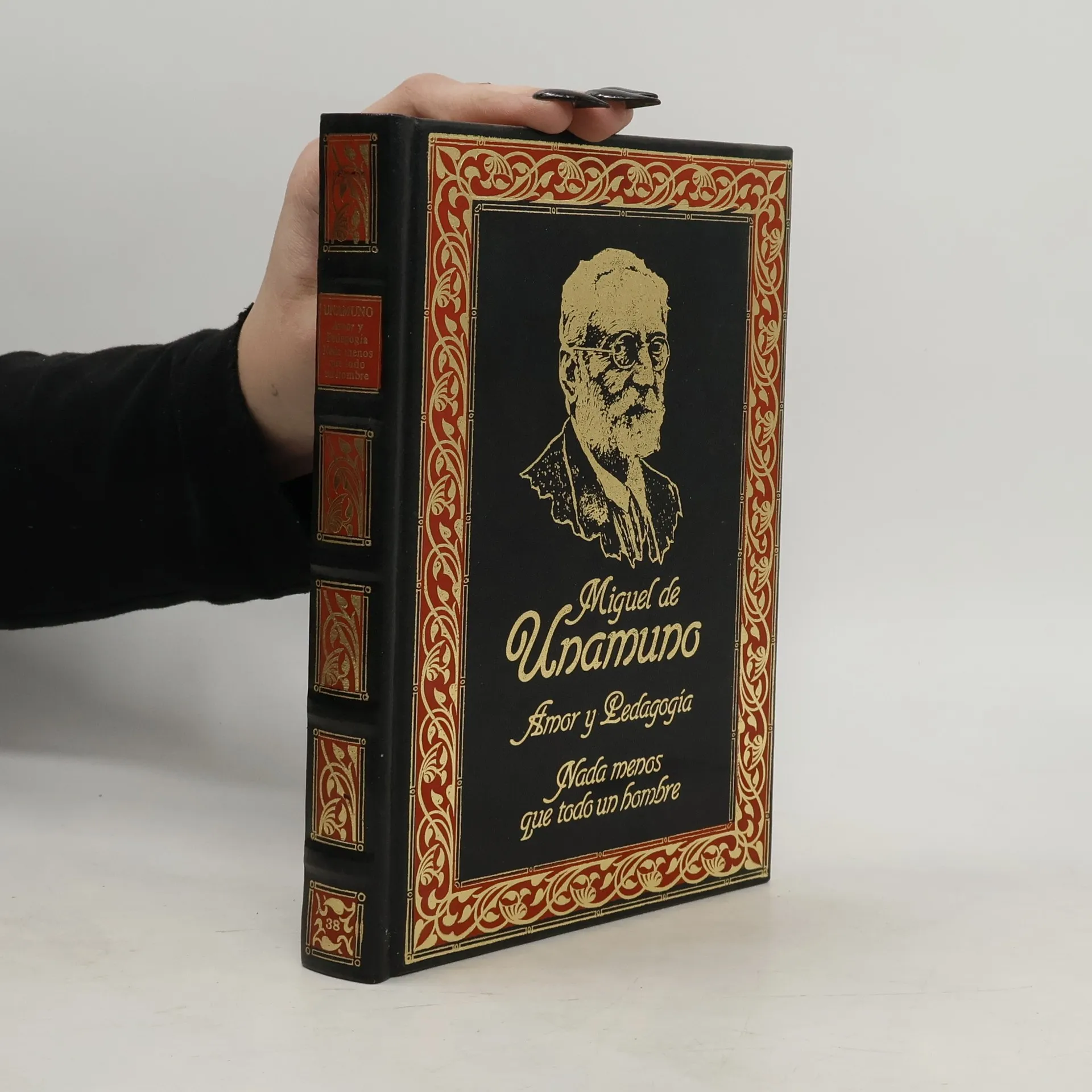
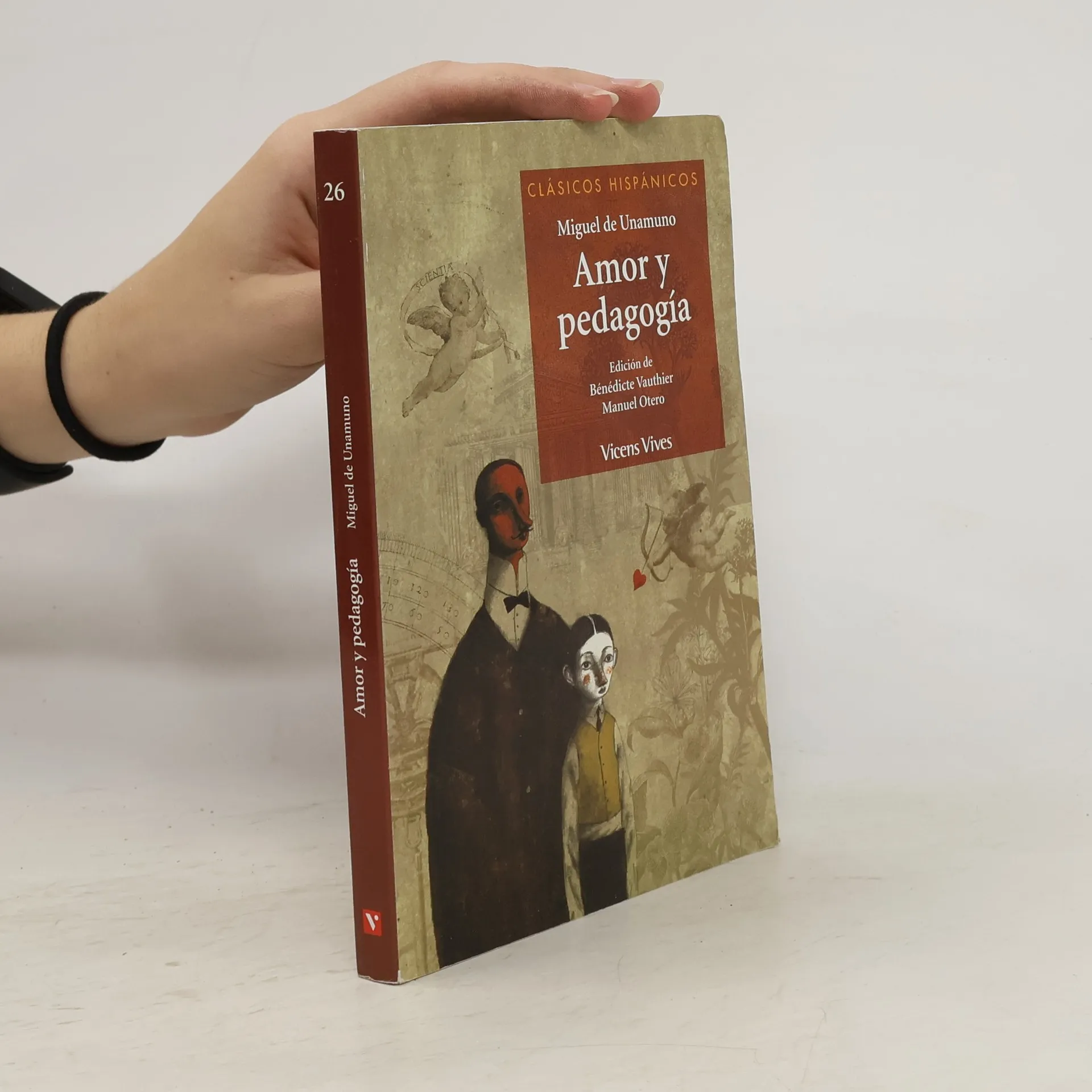
Con esta novela, publicada en 1902, Unamuno decidió romper con los esquemas de la novela realista, seguidos por él en sus primeros trabajos. Es, sin duda, su primer esfuerzo por lograr la 'nivola', término que él empleó para diferenciar su trabajo de la novela convencional y que vería su culminación en "Niebla". Este artificio, además, sirvió de vehículo a Unamuno para poder introducir ciertas ideas estridentes en boca de personajes disparatados, con lo cual rebajaba en solemnidad opiniones que él temía afirmar. El propósito de la obra es claro: ridiculizar la pedagogía que se presenta como científica y que pretende organizar la vida entera, en todos sus aspectos, de un modo racionalista. A fin de cuentas, la realidad no permanece impasible. El racional y mesurado Apolodoro es abandonado por Clarita, quien irá tras el apasionado Federico.
More popular in their day than "Don Quixote, " Cervantes's "Exemplary Stories" (1613) surprise, challenge and delight. This new translation captures the full vigor of Cervantes's wit and makes available two rarely printed gems, "The Illustrious Kitchen Maid" and "The Power of Blood."
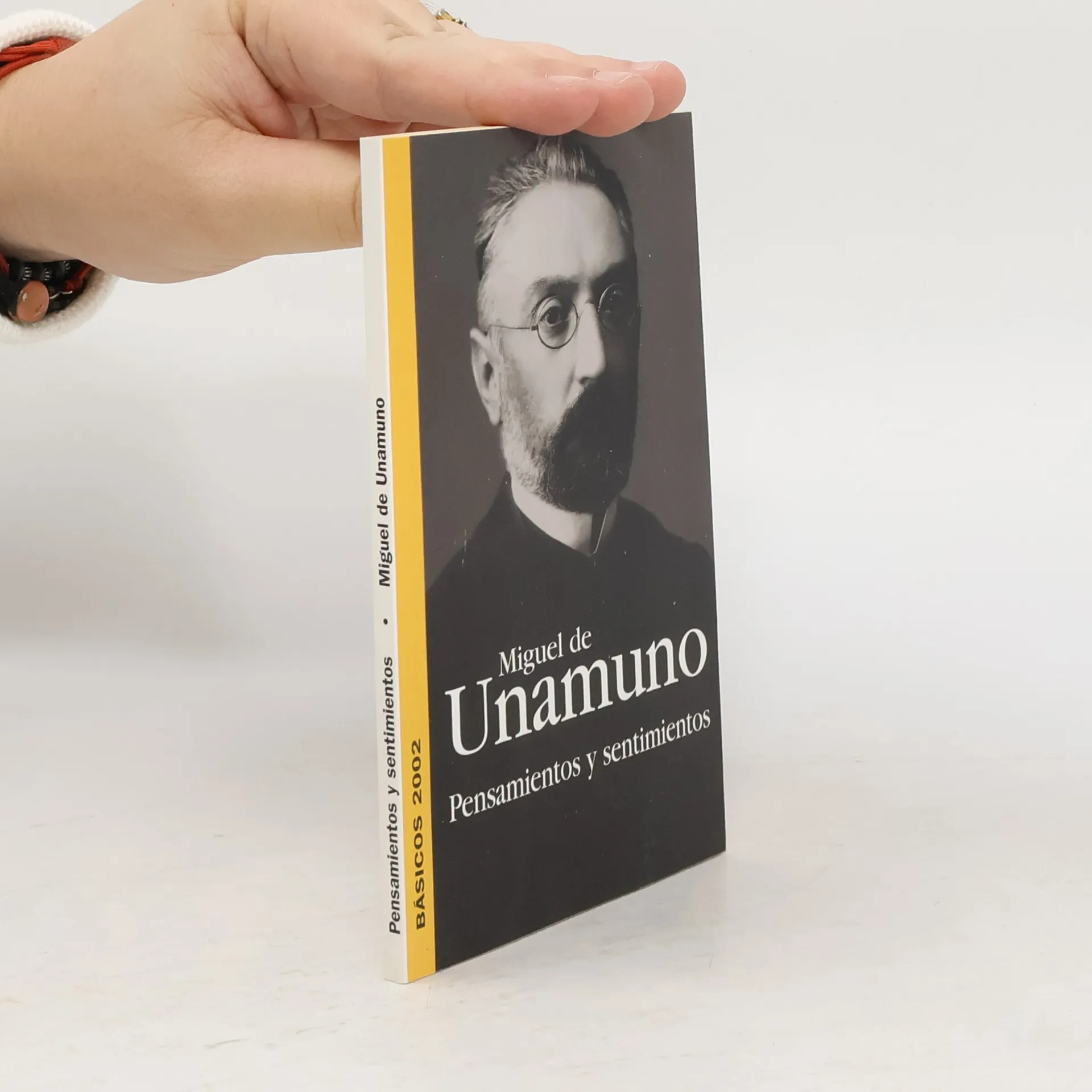
Tanto por la lucidez de sus intuiciones, que han salvado la prueba del tiempo, como por la poderosa originalidad de su estilo, rebelde a las modas y a las escuelas, Unamuno sigue de actualidad, pasados ya los cincuenta años de su muerte y cuando su obra empieza a ser centenaria. Como todo gran creador, Unamuno, que anticipó muchas de las ideas y de las actitudes que nos parecen más modernas, ofrece estos elementos de interés y de gozo que exigimos a los libros que se incorporan a la cultura de todos los tiempos. En torno al casticismo, que se adelantó a las reflexiones inducidas por el desastre del 98 y que influiría largamente en el pensamiento español de todo el siglo, abordó el tema de la formación y la caracterización de España desde una perspectiva abierta, dialéctica y conflictiva, que todavía no ha perdio ninguna de sus incitaciones, ni ninguno de sus riesgos. Luciano González Egido, autor de dos libros sobre la vida de Unamuno (Salamanca, la gran metáfora de Unamuno, 1983, y Agonizar en Salamanca, 1986), nos propone en esta edición una revisión semántica y una lectura actual de este escritor, ya clásico. Luciano González Egido nos propone en esta edición una revisión semántica y una lectura actual de este escritor, ya clásico.
Las 100 mejores novelas del siglo XX en castellano - 17: La tía Tula
- 126 pages
- 5 hours of reading
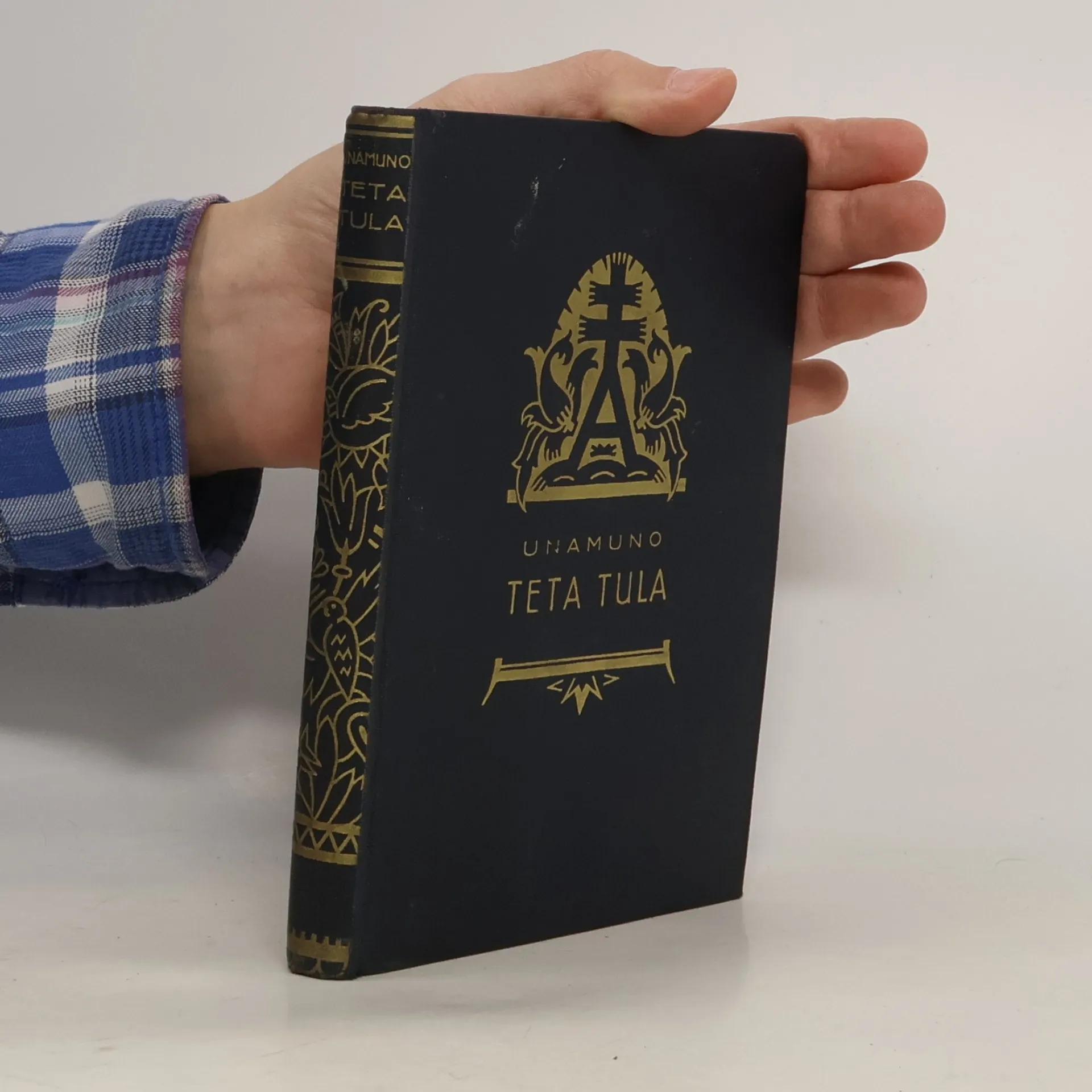
Esta novela narra la vida de Gertrudis, también llamada la Tía Tula, y los sacrificios que realiza durante su vida para satisfacer sus ansias de maternidad.Es una de las novelas más conocidas de Unamuno. Aunque comparte con otras novelas el estilo y las preocupaciones habituales del autor, esta novela incluye como factor diferencial el erotismo, un erotismo sutil y sólo en escasos momentos explicitado.
Ein ganzer Mann. Drei Nivolas.
- 157 pages
- 6 hours of reading
Bask Miguel de Unamuno gehört zu den bekanntesten Vertretern der spanischen Literatur an der Wende vom 19. zum 20. Jahrhundert und zu den führenden Persönlichkeiten der spanischen Generation 98, die nach dem frustrierenden Generationserlebnis des verlorenen spanisch-amerikanischen Krieges benannt ist. In der Novelle „Ein ganzer Mann“ entwickelt Unamuno auf originelle Weise seine Vorstellungen von Leidenschaft und Eifersucht.
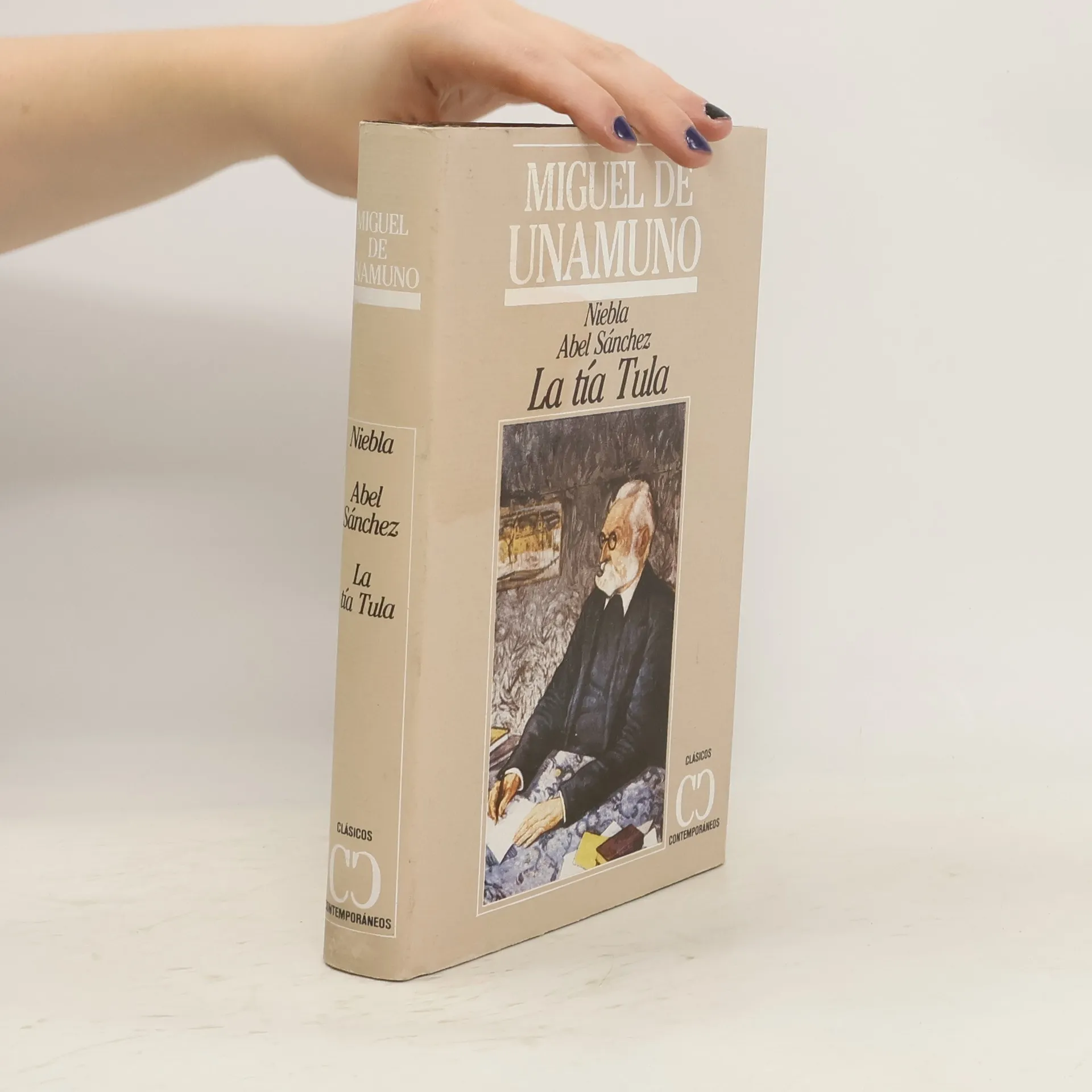
Niebla. Abel Sánchez. La tía Tula
- 347 pages
- 13 hours of reading
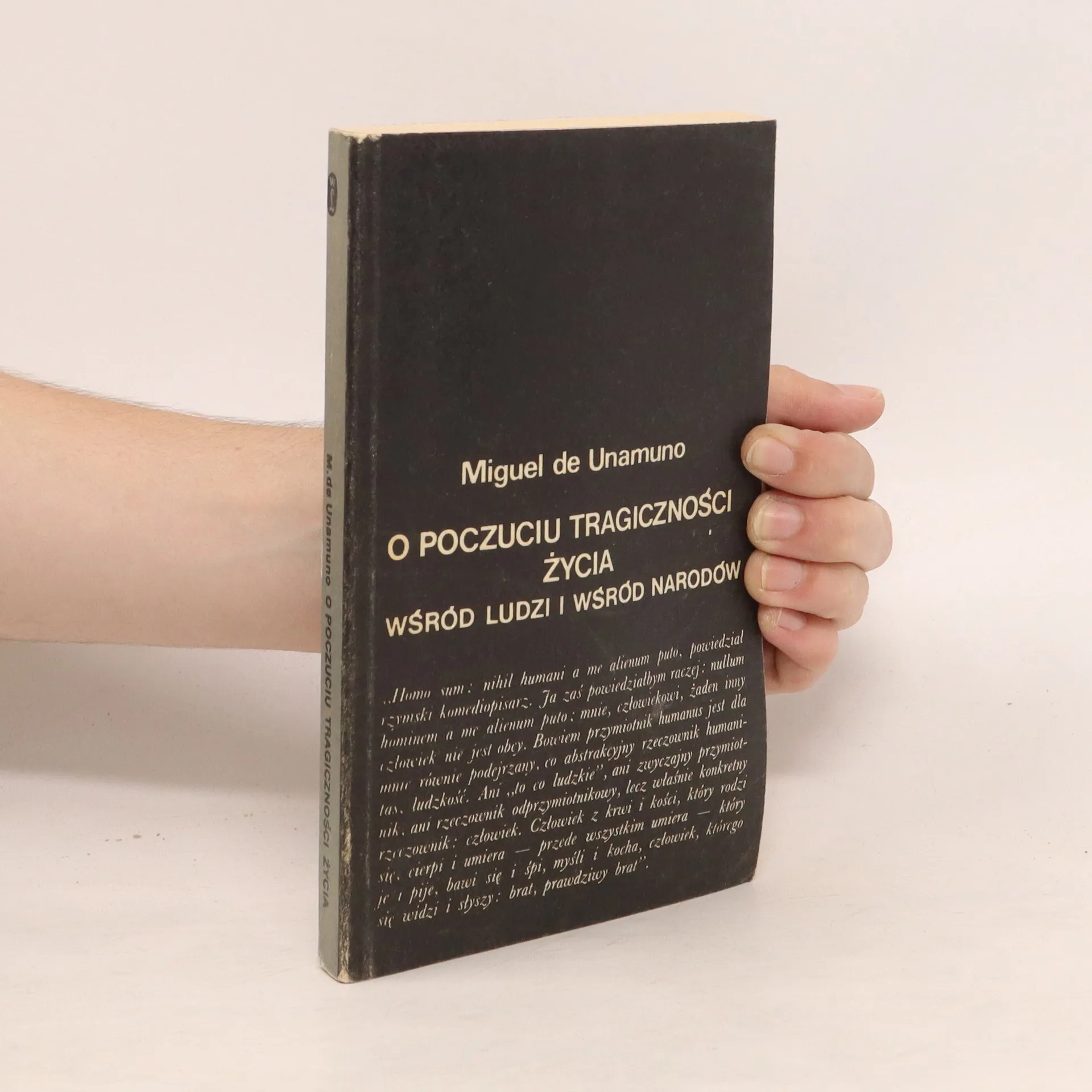
O poczuciu tragiczności życia wśród ludzi i wśród narodów
- 352 pages
- 13 hours of reading
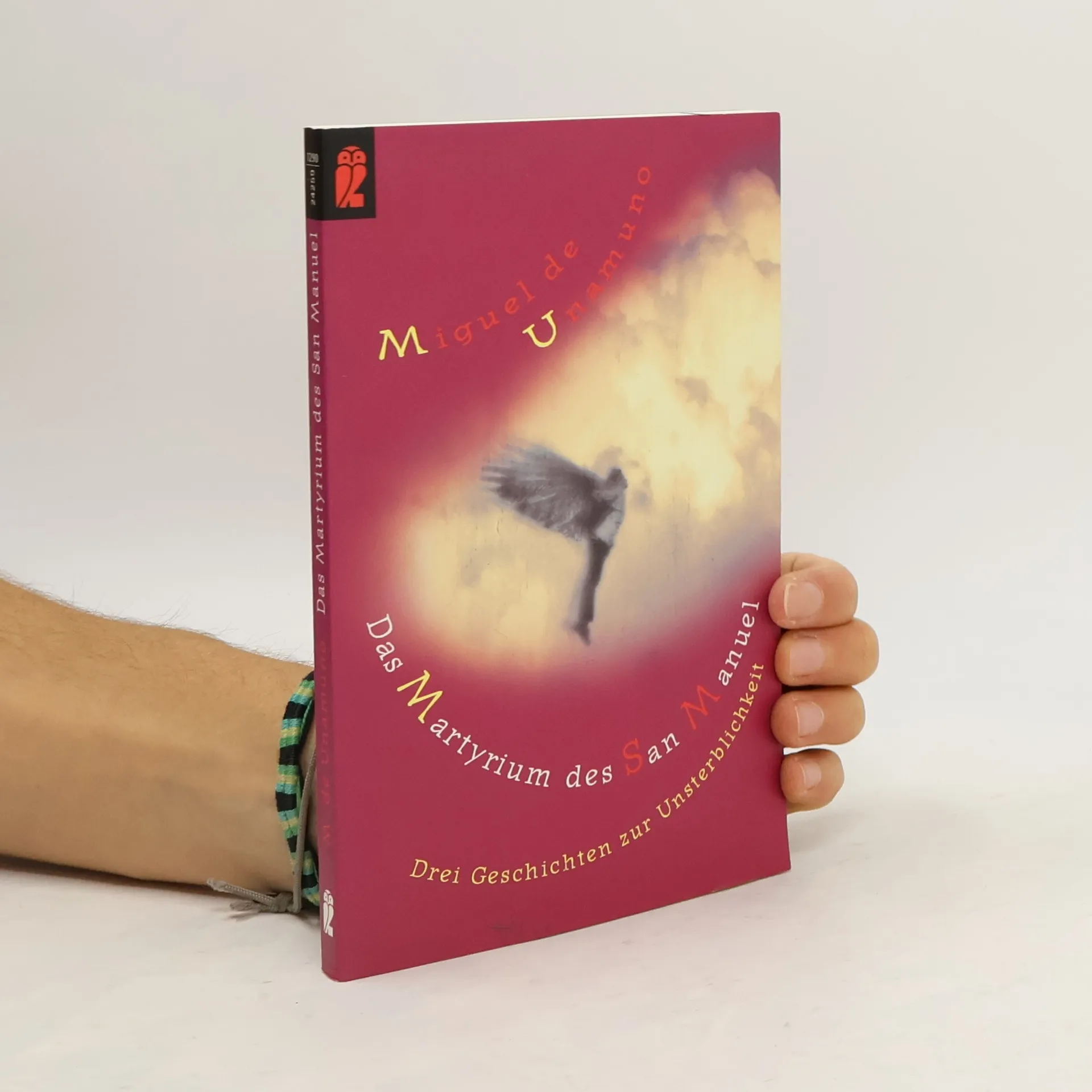
Das Martyrium des San Manuel. Drei Geschichten zur Unsterblichkeit. Nachw. v. Erna Pfeiffer
- 140 pages
- 5 hours of reading
Unamuno untersucht in "Don Miguel" die tragische, aber sinnvolle menschliche Existenz durch die Perspektiven eines ungläubigen Priesters, eines Bankangestellten und zweier Liebender. Der Autor stellt Fragen nach Glauben und Bestimmung und zeigt, dass die Wahrheit letztlich unerreichbar bleibt.
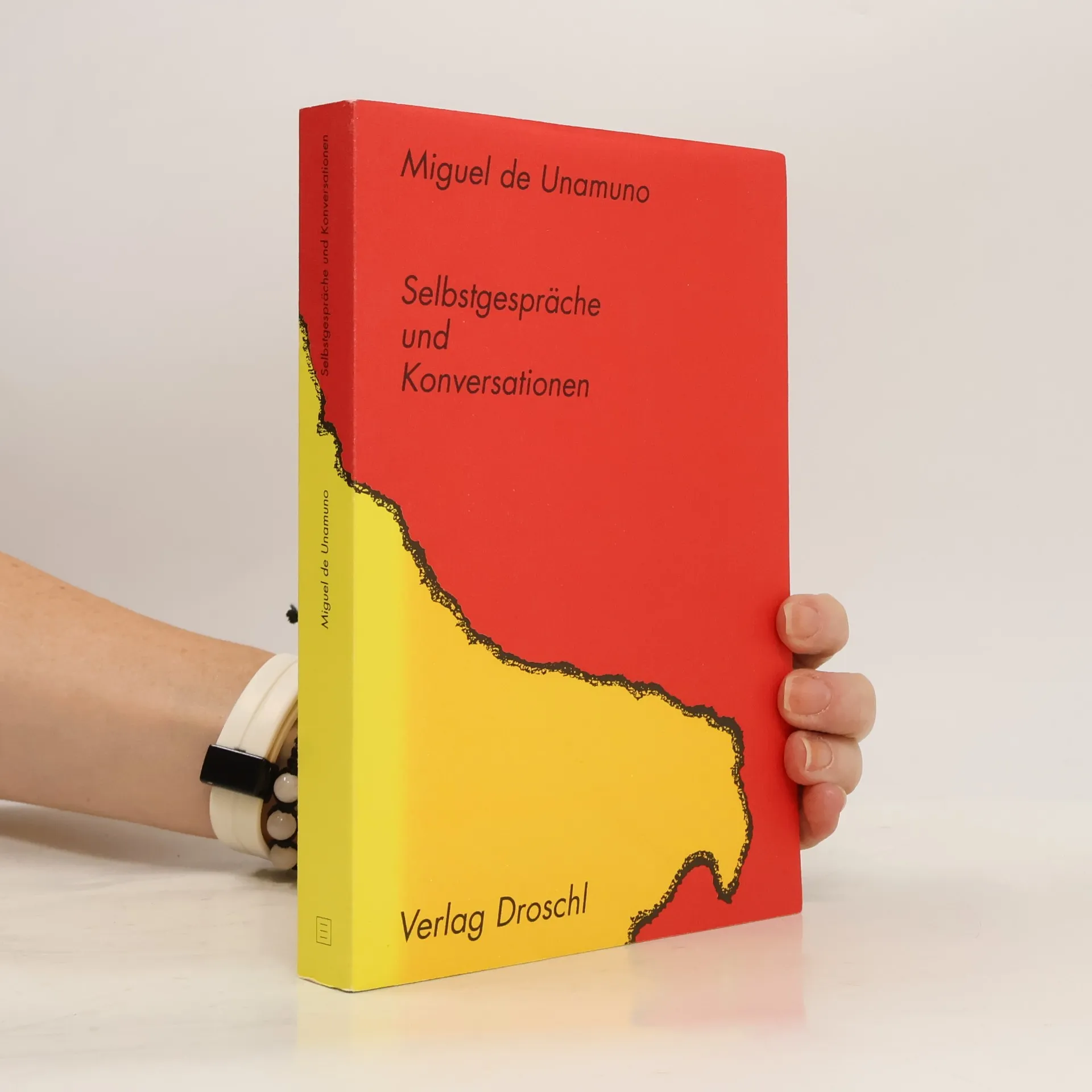
Eine größere Sammlung an Essays, die das so quer gegen alle Ideologien liegende Denken von Miguel de Unamuno repräsentativer vorstellt. Erna Pfeiffer hat für diesen Band hauptsächlich Texte über Spanien und die Spanier, über das Reisen und das Schreiben ausgesucht. Wer in dem derzeit neu aufflammenden Interesse an diesem spanischen Schriftsteller insbesondere den Polemiker, den engagierten Bürger und immer eigenständigen Intellektuellen Unamuno kennenlernen möchte, der findet in Selbstgespräche und Konversationen eine Fülle von unkonventionellem, klugem – und hervorragend übersetztem – Material.
Novellen und Erzählungen
- 166 pages
- 6 hours of reading
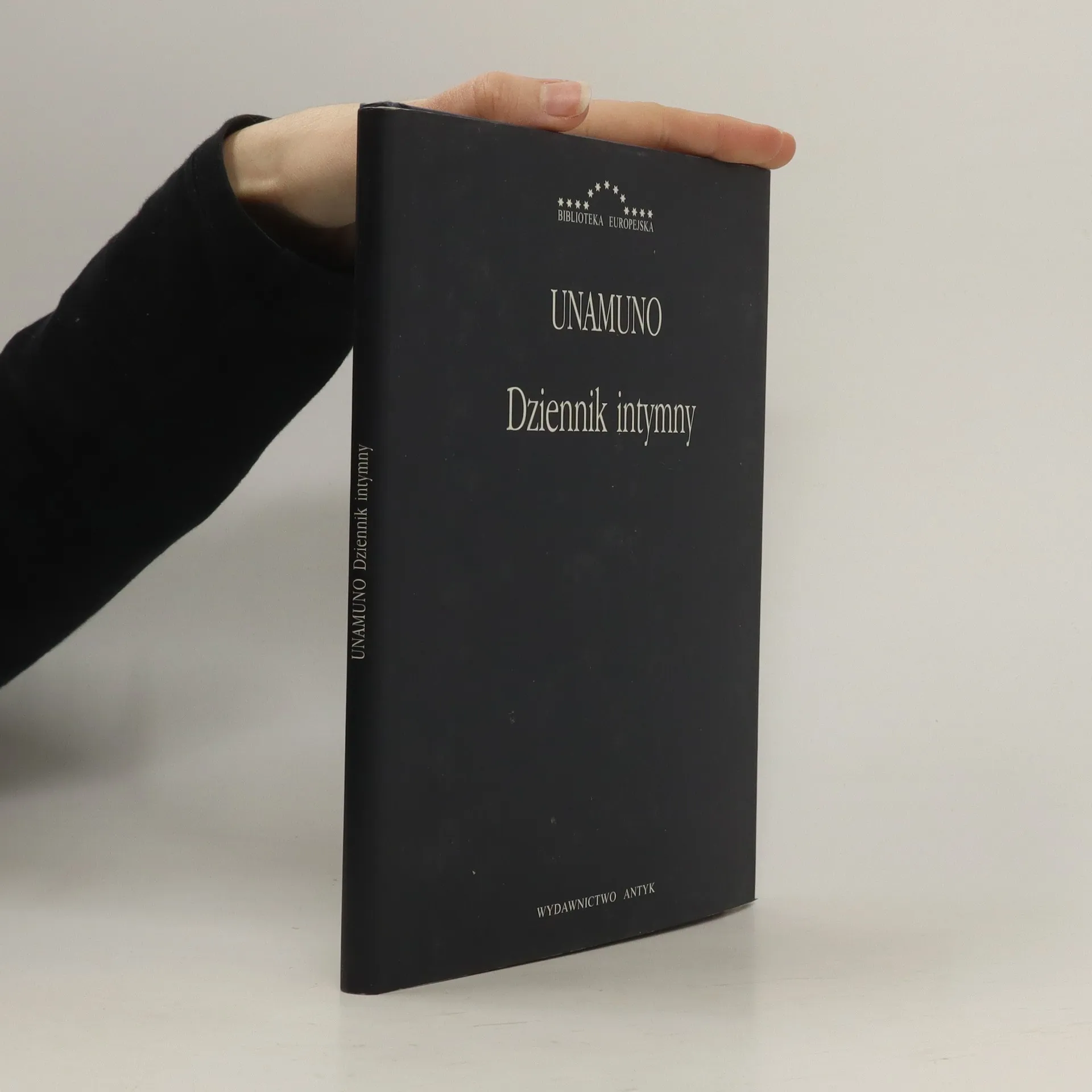
Dziennik intymny
- 143 pages
- 6 hours of reading
Stajemy przed jednym z mniej znanych dzieł klasycznych Unamuno. Filozof oferuje nam swoje najbardziej osobiste, intymne i szczere refleksje. Mamy do czynienia z książką fundamentalną dla zrozumienia innych tytułów jego autora, takich jak na przykład "O tragicznej naturze życia" i "Agonia chrześcijaństwa".
Chrystus Velazqueza
- 112 pages
- 4 hours of reading
Agonia chrystianizmu
- 103 pages
- 4 hours of reading
Yaman Adam
- 176 pages
- 7 hours of reading
"Bazıları vardır, sevmedikleri halde sevilmek isterler; kendini feda eden kadından uçsuz bucaksız bir sevgi ve sadakat beklemekte haklı olduklarını sanırlar. Bazıları vardır, meşhur bir güzelle evlenirler; niçin? Onunla böbürlenmek, onu yanlarında bulundurmak, ehlileşmiş bir dişi aslan gezdirir gibi onu beraberlerinde gezdirmek ve - işte benim kraliçem! Bakın, bana ne kadar da itaatli, ne kadar bağlı, diyebilmek isterler de onun için. Hiç bu kafada bir insan, kraliçesini sevebilir mi?" Miguel de Unamuno'nun Behçet Necatigil tarafından çevrilen on hikayesini bir araya getiren Yaman Adam, yazarın çok yönlü dünyasına açılan bir pencere niteliğinde. Aşk, felsefe, psikoloji, inanç, kadın erkek ilişkileri gibi konuların öne çıktığı bu öykülerde Unamuno'nun varoluşçu sorgulamaları da sıklıkla yer buluyor.
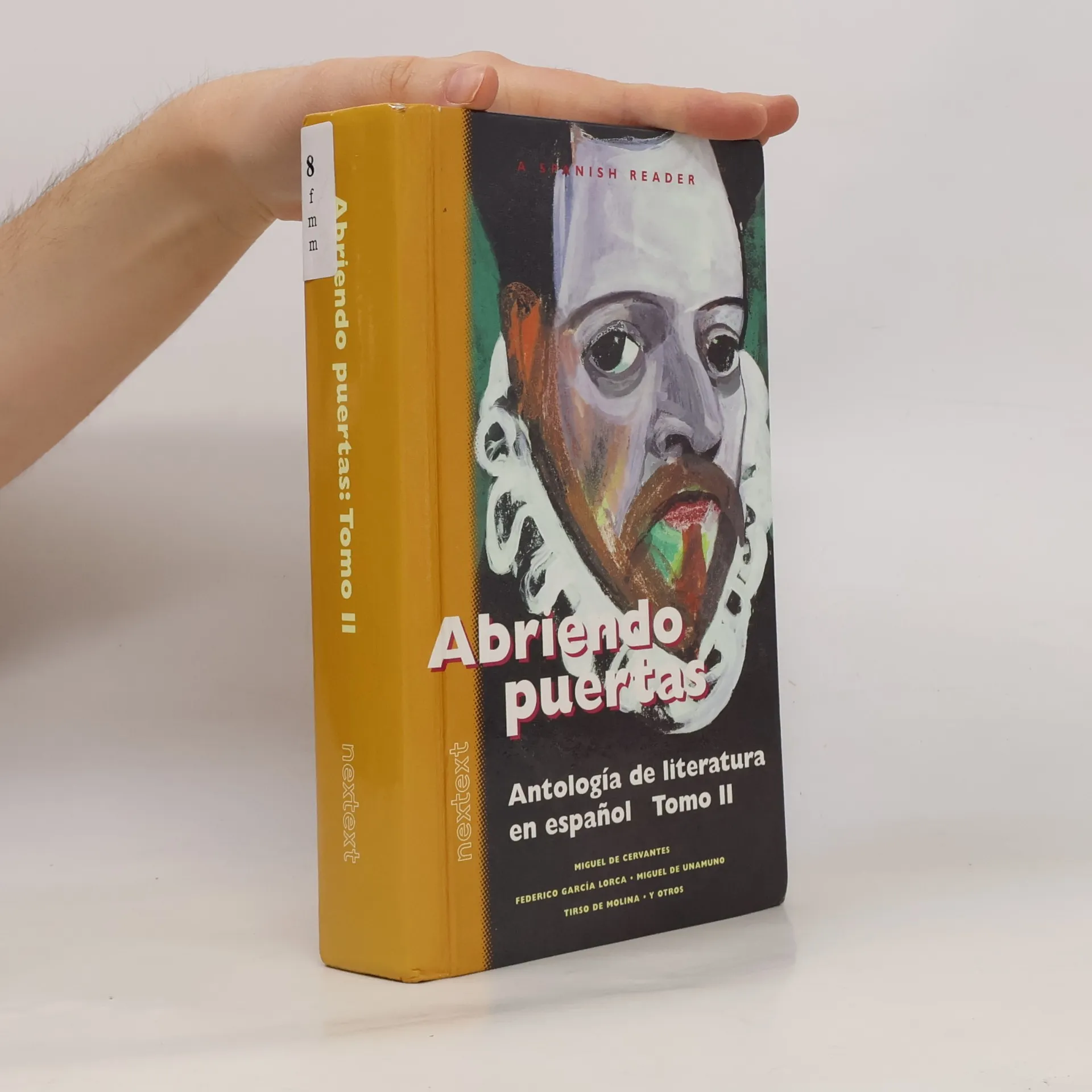
Presents a reader for advanced placement Spanish language classes that includes works of fiction and poetry from several important Spanish and Spanish American writers, along with questions to consider for each story or section of poems.
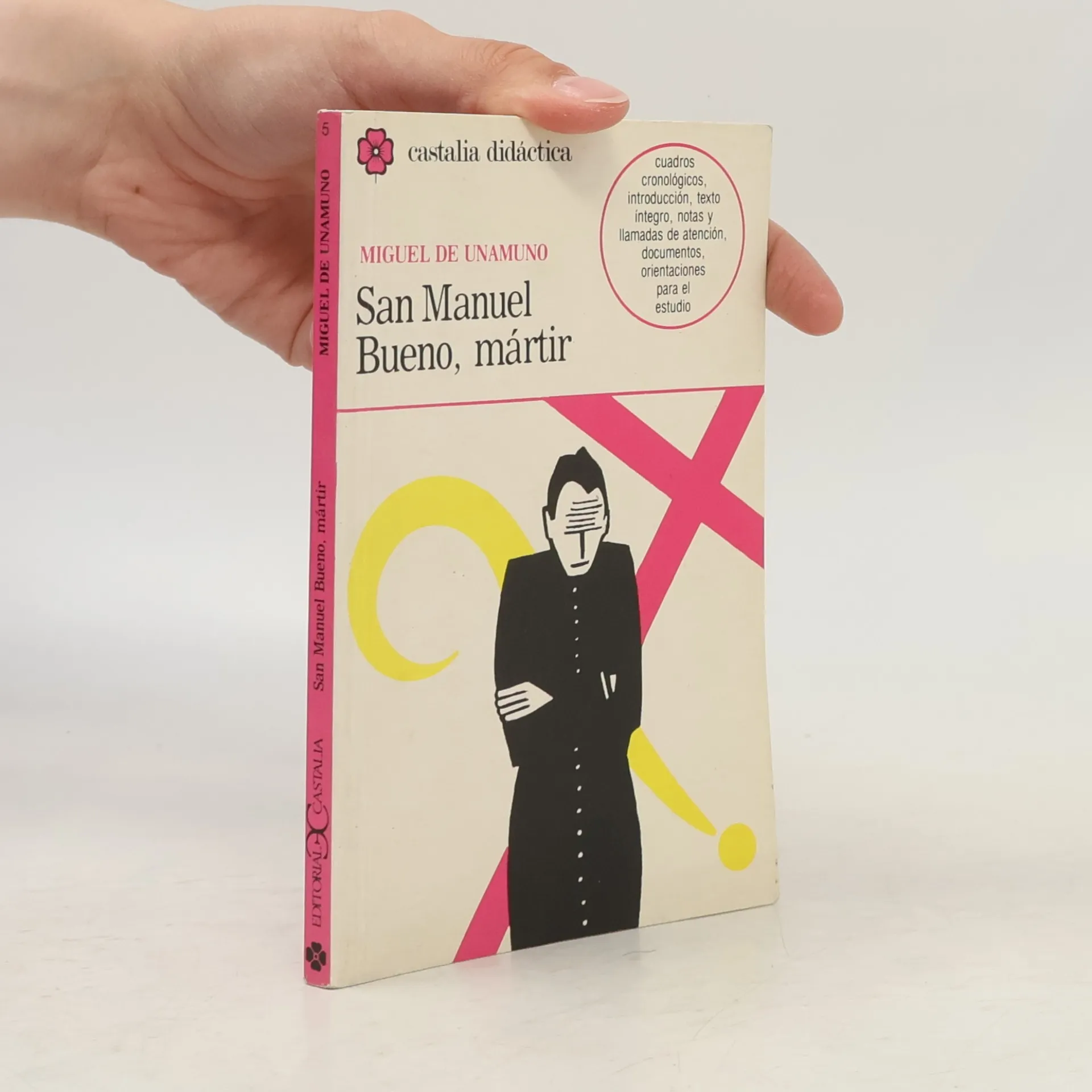
Castalia Didáctica - 5: San Manuel Bueno, Mártir
Cuadros cronológicos, introducción, texto íntegro, notas y llamadas de atención, documentos, orientaciones para el estudio
- 144 pages
- 6 hours of reading
Miguel de Unamuno y Jugo was born in Bilbao on 29th September 1864. He wrote novels, essays, poems and plays, and in addition to these he played an important part in the political and intellectual life of Spain - an involvement that led to his exile to Fuerteventura in 1924. San Manuel Bueno, matir (1930) was his last novel before his death in 1936. It tells the story of a heroic priest who has lost his faith in immortality, a theme that had interested Unamuno for many years. The setting of the novel is atmospheric and significant, the characters shadowy and symbolic. The book overall is a synthesis of Unamuno's philiosophy.
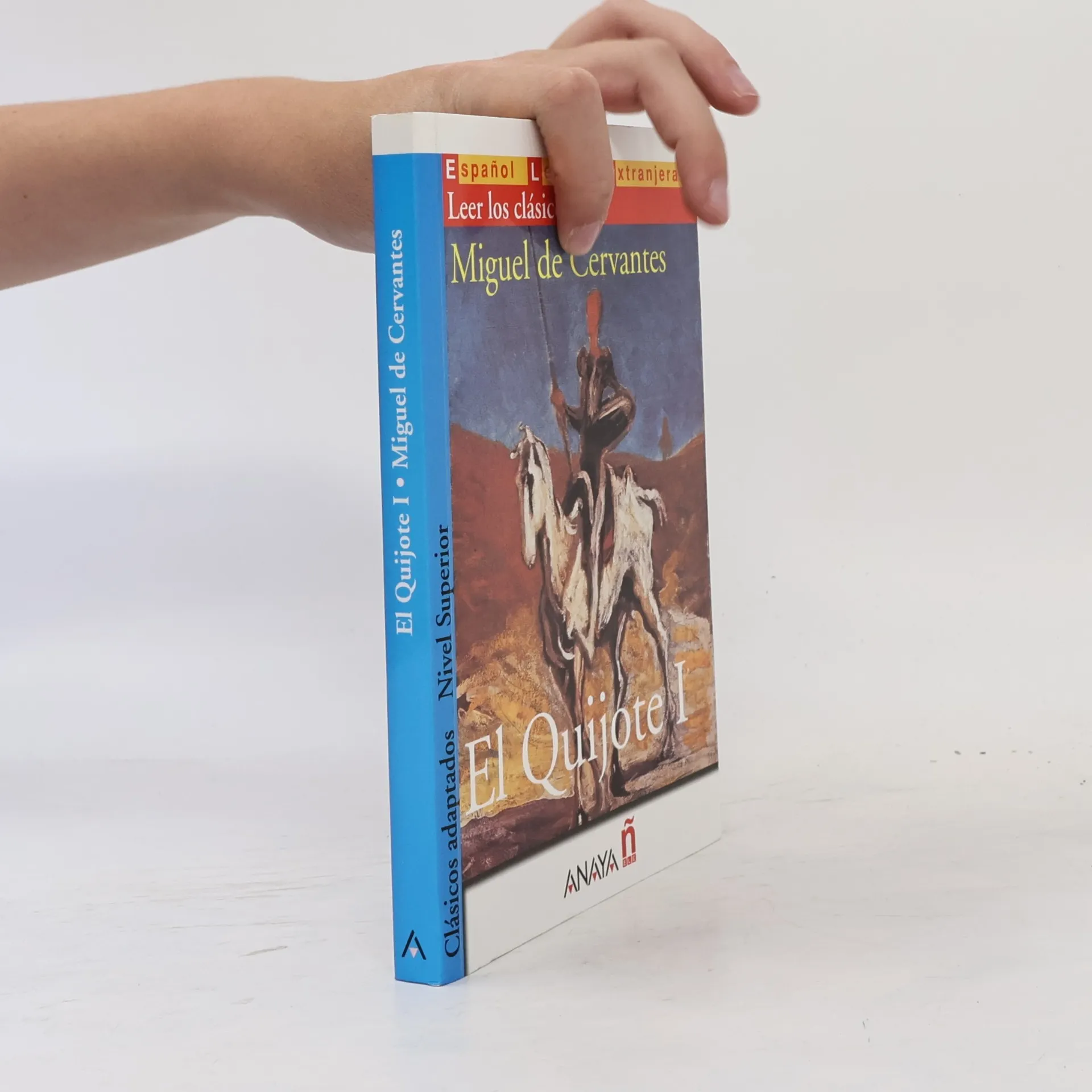
Clásicos adaptados - 1: El Quijote. Primera parte - Nivel superior
- 176 pages
- 7 hours of reading
Bilingual edition Spanish/Portuguese.
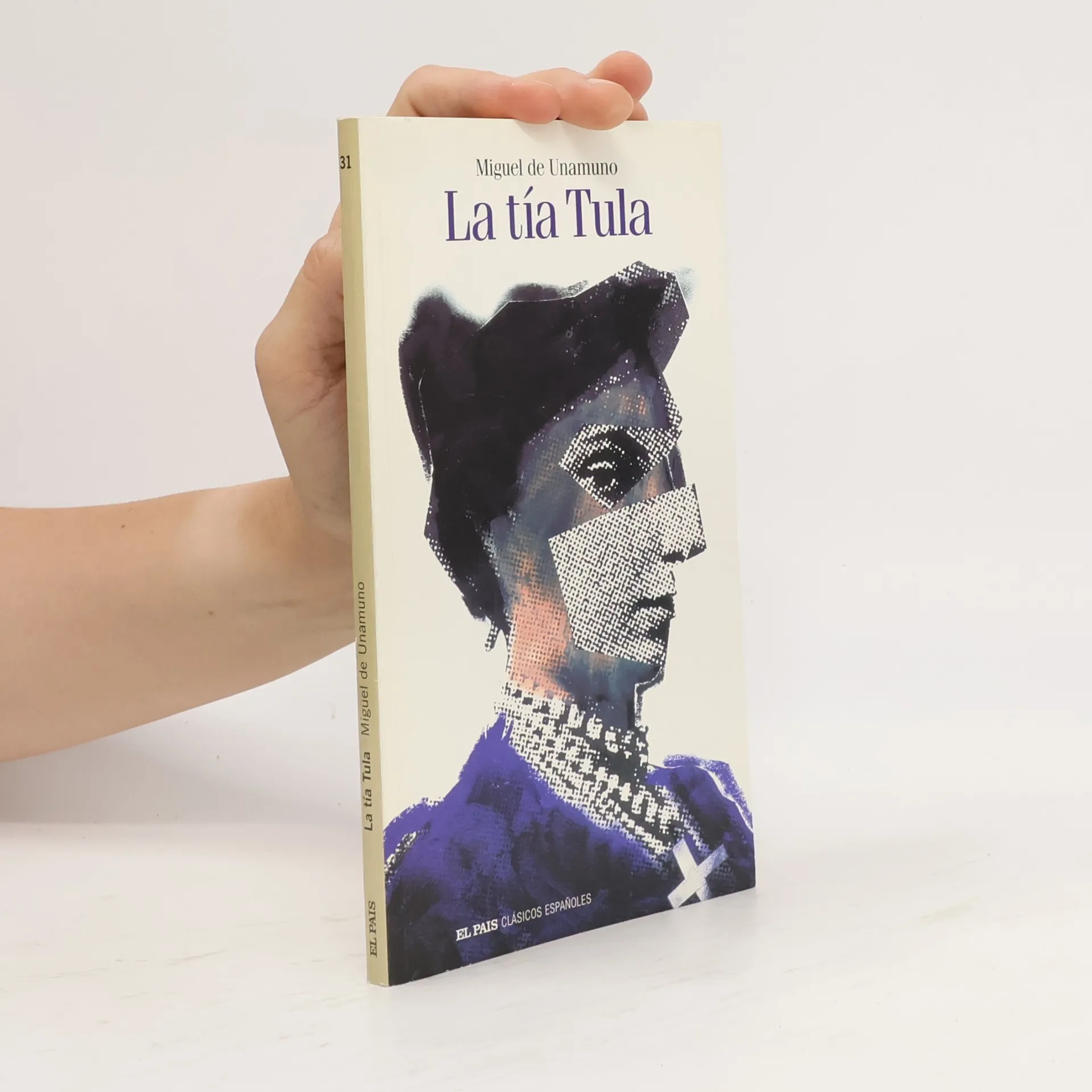
Clásicos Españoles - 31: La tía Tula
- 141 pages
- 5 hours of reading
El conflicto entre el anhelo de maternidad y la aversión hacia el amor carnal lo afronta La Tía Tula con voluntad de hierro, rasgo acorde con su conducta católica donde el alma significa pureza y el cuerpo pecado. Cuando muere su hermana, se hace cargo de su cuñado y sobrinos a los que siempre llamará hijos. Renuncia a tener una vida propia, pero se adueña de los destinos de los otros, manteniendo la unidad familiar con su severo temperamento, fruto de una exacerbada castidad.
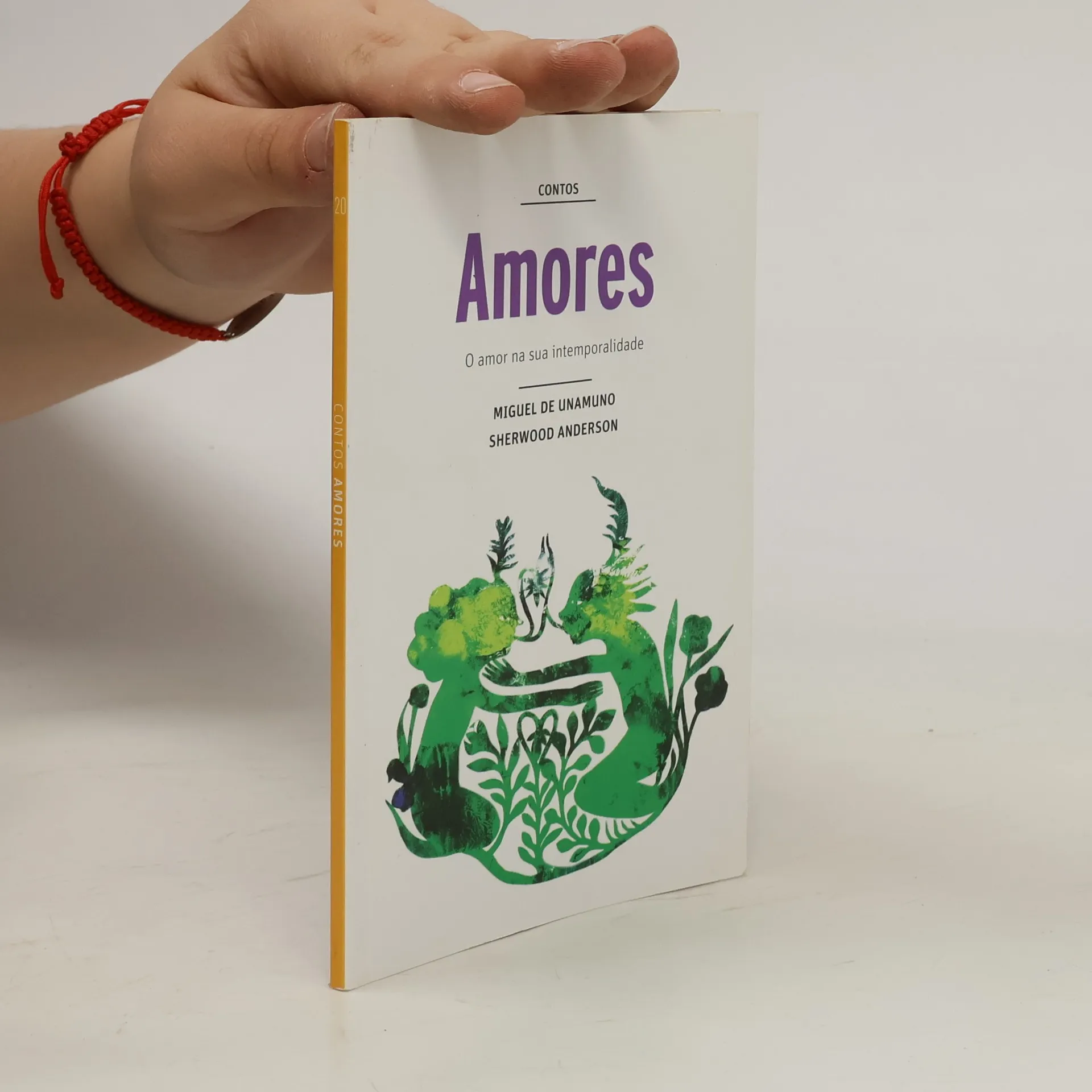
Contos Amores
O amor na sua intemporalidade
Uma História de Amor (Miguel de Unamuno), A Outra Mulher (Sherwood Anderson)
Este libro es, principalmente, una colección de ficciones literarias, de invenciones de la imaginación hechas con palabras escritas, y ahí está su sentido y su verdadera sustancia. Una perfecta combinación para disfrutar de un género que podemos llamar contemporá el cuento literario.
Zohar. Revelaciones del Libro del Esplendor
- 141 pages
- 5 hours of reading
Tres Novelas Ejemplares
- 144 pages
- 6 hours of reading
Publicadas unitariamente en 1920, los admirables relatos que forman este volumen —«Dos madres», «El marqués de Lumbría» y «Nada menos que todo un hombre»— fueron escritos por Miguel de Unamuno (1864-1936) en la segunda década del siglo XIX. Se caracterizan por la exploración del mundo interior, la escasez de los elementos descriptivos, el desarrollo interno de la trama en un tiempo psicológico y la importancia de los diálogos, rasgos que comparte con las corrientes expresionistas vigentes en la época.
Almanach für Literatur und Theologie - 9: Die Stadt
- 203 pages
- 8 hours of reading
Španělské essaye
- 108 pages
- 4 hours of reading
Podstata tohoto ideového pojetí spočívá v náboženském přístupu ke světu, který určitou myšlenku postupným rozvíjením dostává do niterného rozporu. Méně významné (ale zajímavé) dílo výrazné osobnosti španělského duchovního prostředí. Tematicky různorodé eseje španělského spisovatele a filozofa přibližují českému čtenáři autorovo pojetí "náboženské dialektiky".
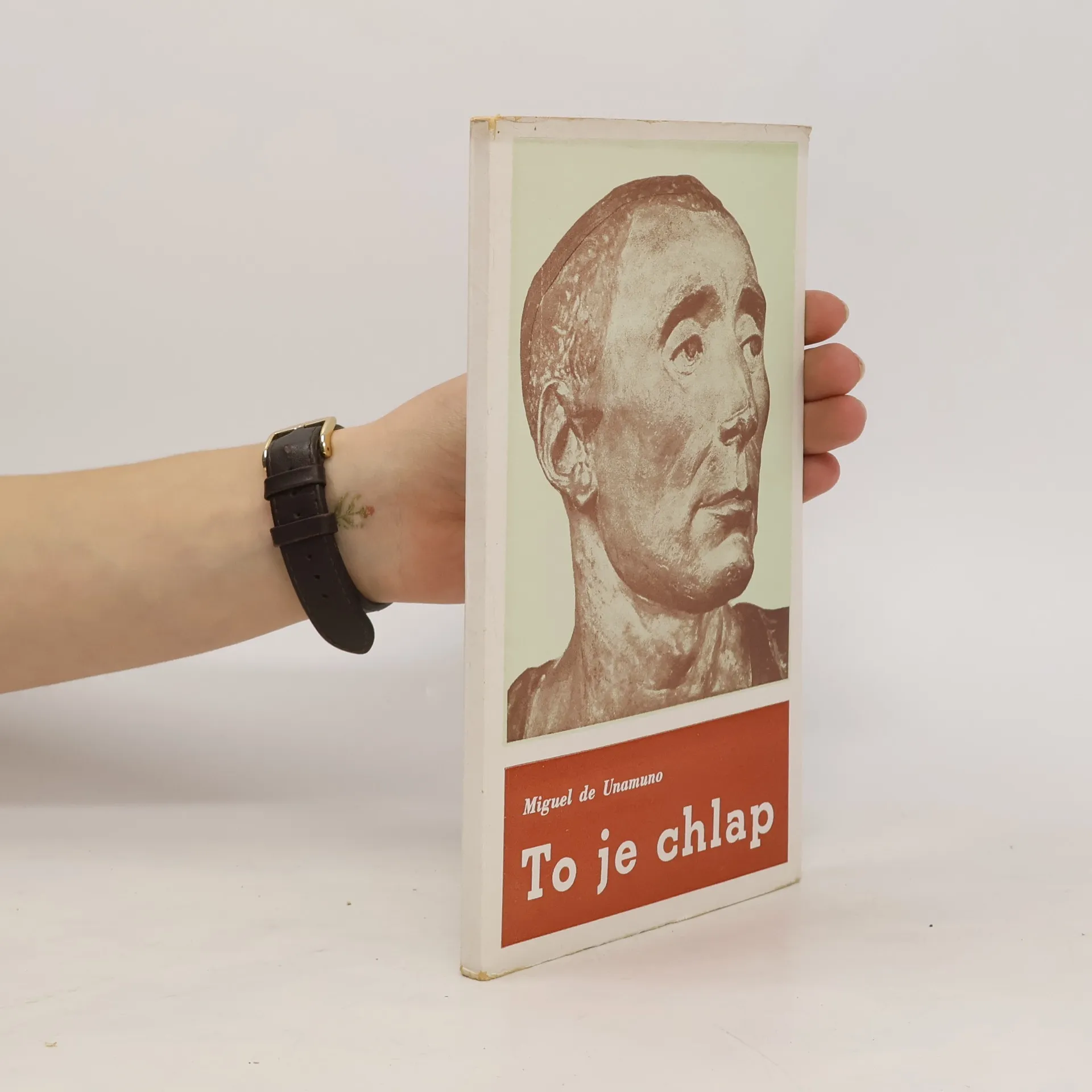
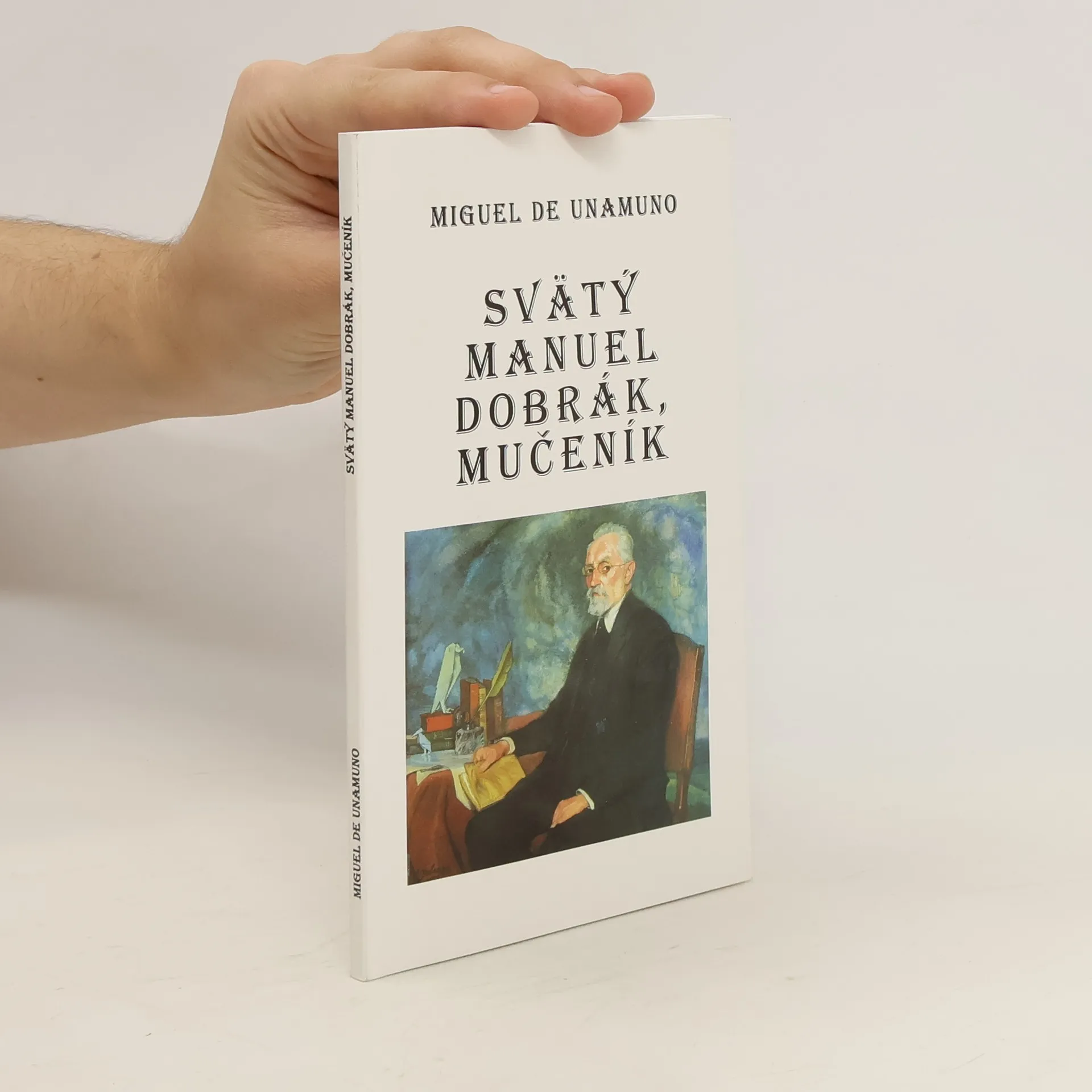
(Štyri príkladné novely) Štyri novely pod názvom: V zrkadle života a smrti. Protagonistov próz, ktoré sám autor nazval „krátkymi románmi a či dlhými poviedkami“, spája bytostná túžba po autentickom živote a sebarealizácii. Carolina z „Markíza z Lumbríe“ je posadnutá materinským pudom, Alejandro Gómez z románu „To je chlap“ v zanovitom voluntarizme zničí vlastnú ženu i seba, neveriaci kňaz z románu „Svatý Manuel Dobrý, mučeník“ sa uskutočňuje v komunikácii s veriacimi, ktorým ponecháva ilúziu viery, aby v ich spáse našiel zmysel vlastného života. Protipólom týchto postáv, prežívajúcich tragický životný pocit, je Emeterio z „Bohatého chudáka“, stelesňujúci komický pocit života a uskutočňujúci sa vo svojom neautentickom, úbohom živote iba v snoch.
V tomto svém románu předvedl proslulý španělský filosof a spisovatel v ústřední postavě dona Augusta Péreze, „muže s duší utkanou ze snových mlžin vlastních i cizích“, onen existenční typ, u něhož rozum bez jakékoli dávky vůle a citu je schopen způsobit pouze pochyby o svém bytí atragikomickou frašku namísto v plném smyslu slova prožitého, a tím hodnotově potvrzeného života. Autor tu opět jedinečně exponuje svůj pocitový problém, vycházející z voluntarismu a lidské konečnosti.
Meditace španělského filozofa na téma smyslu lidského života, umění a náboženství.