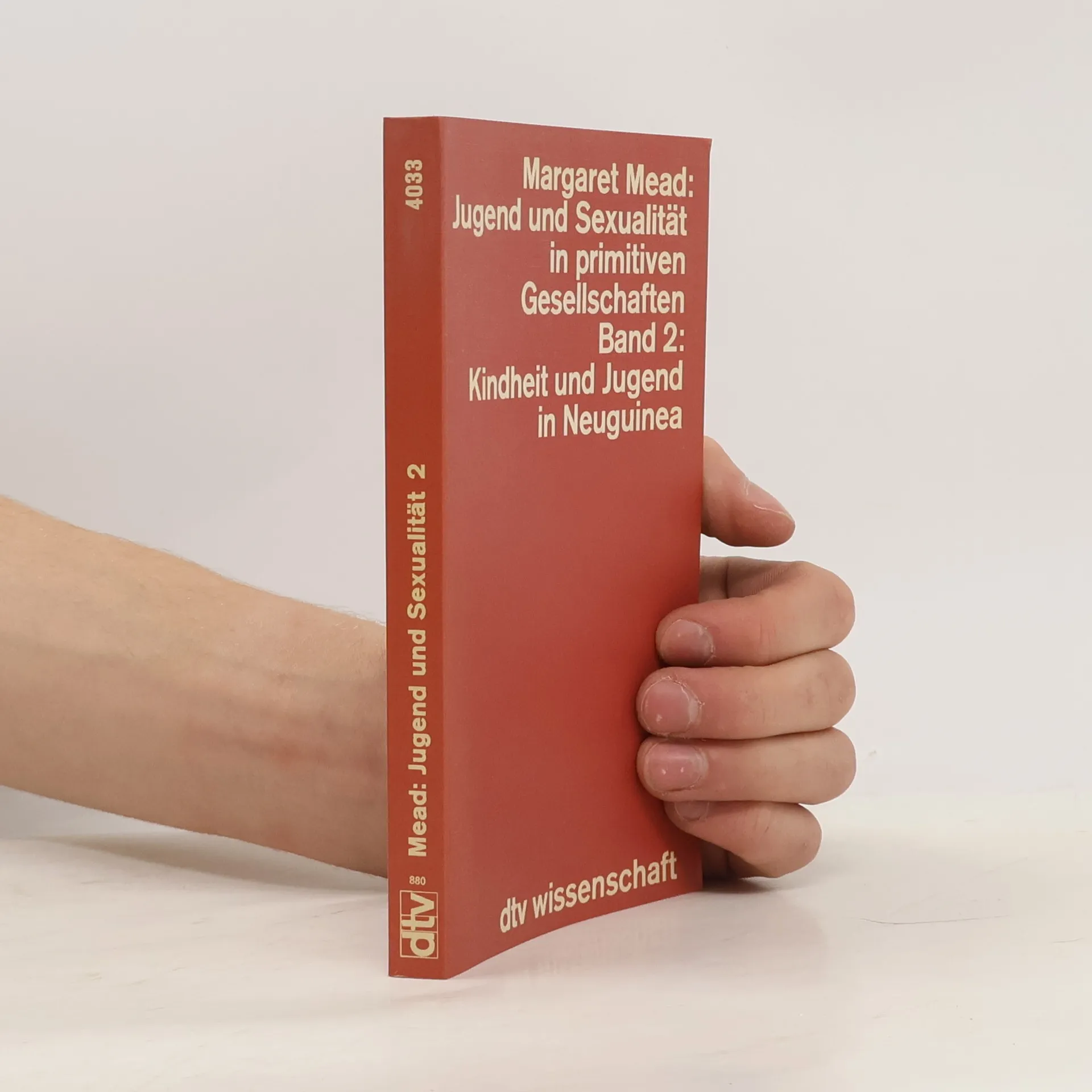
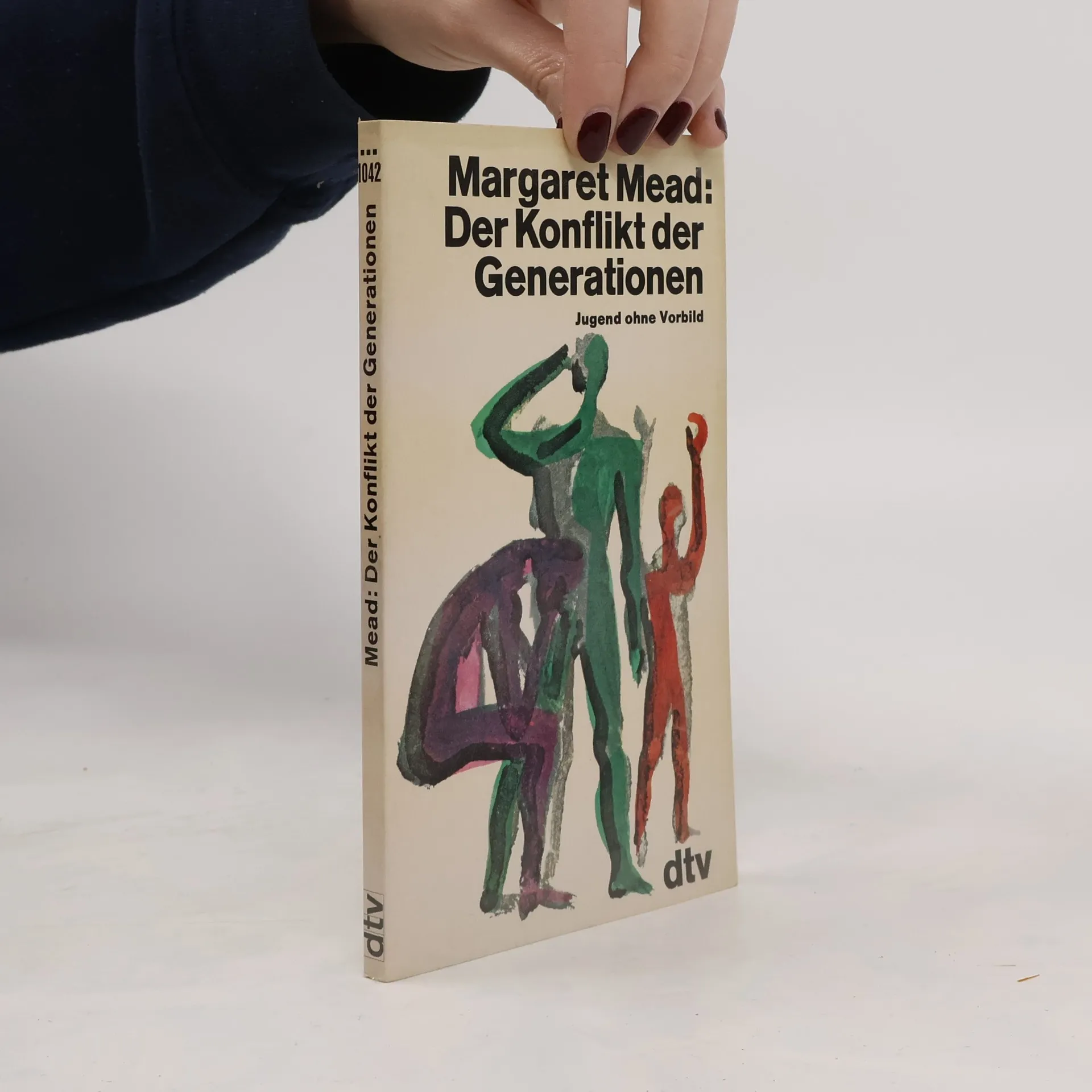
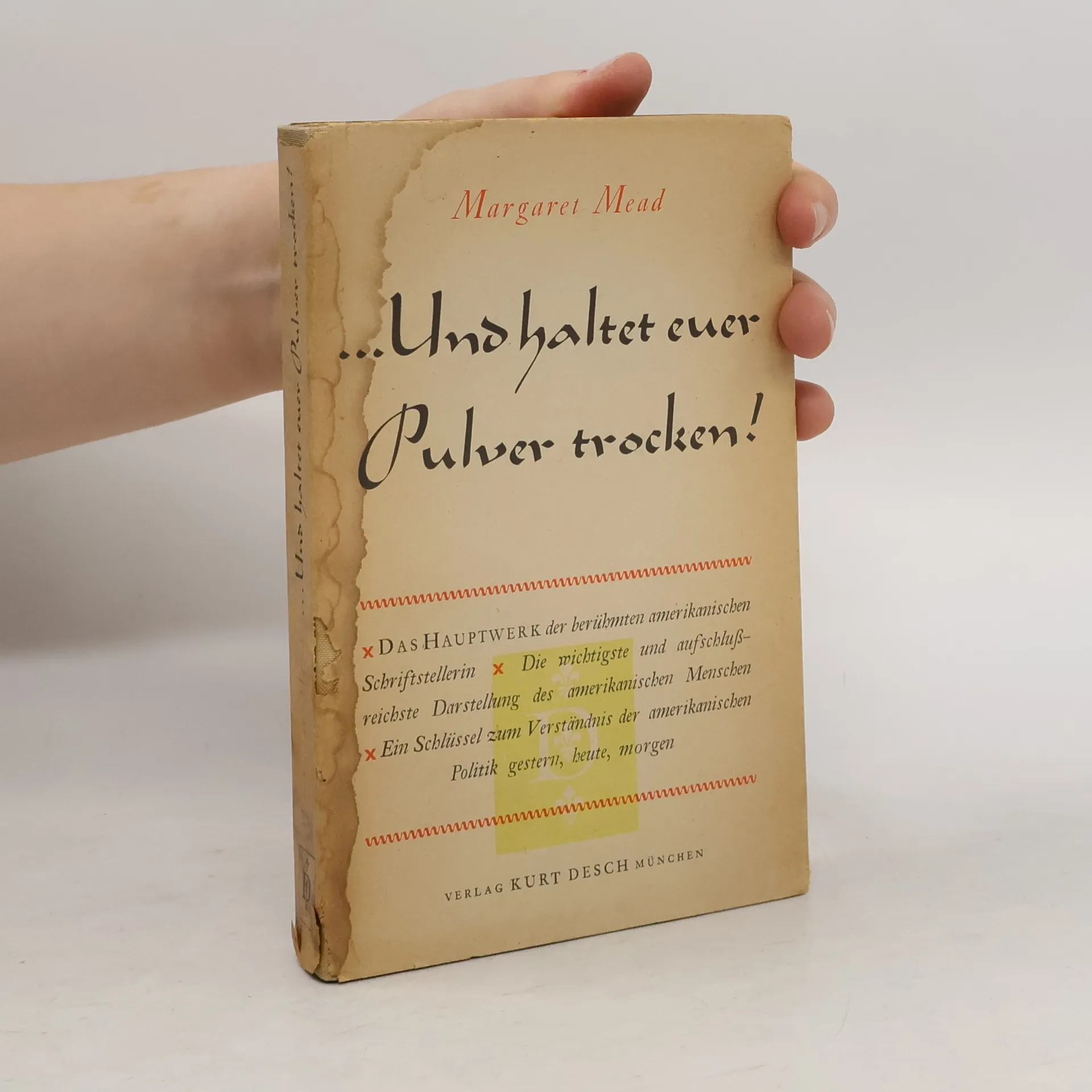
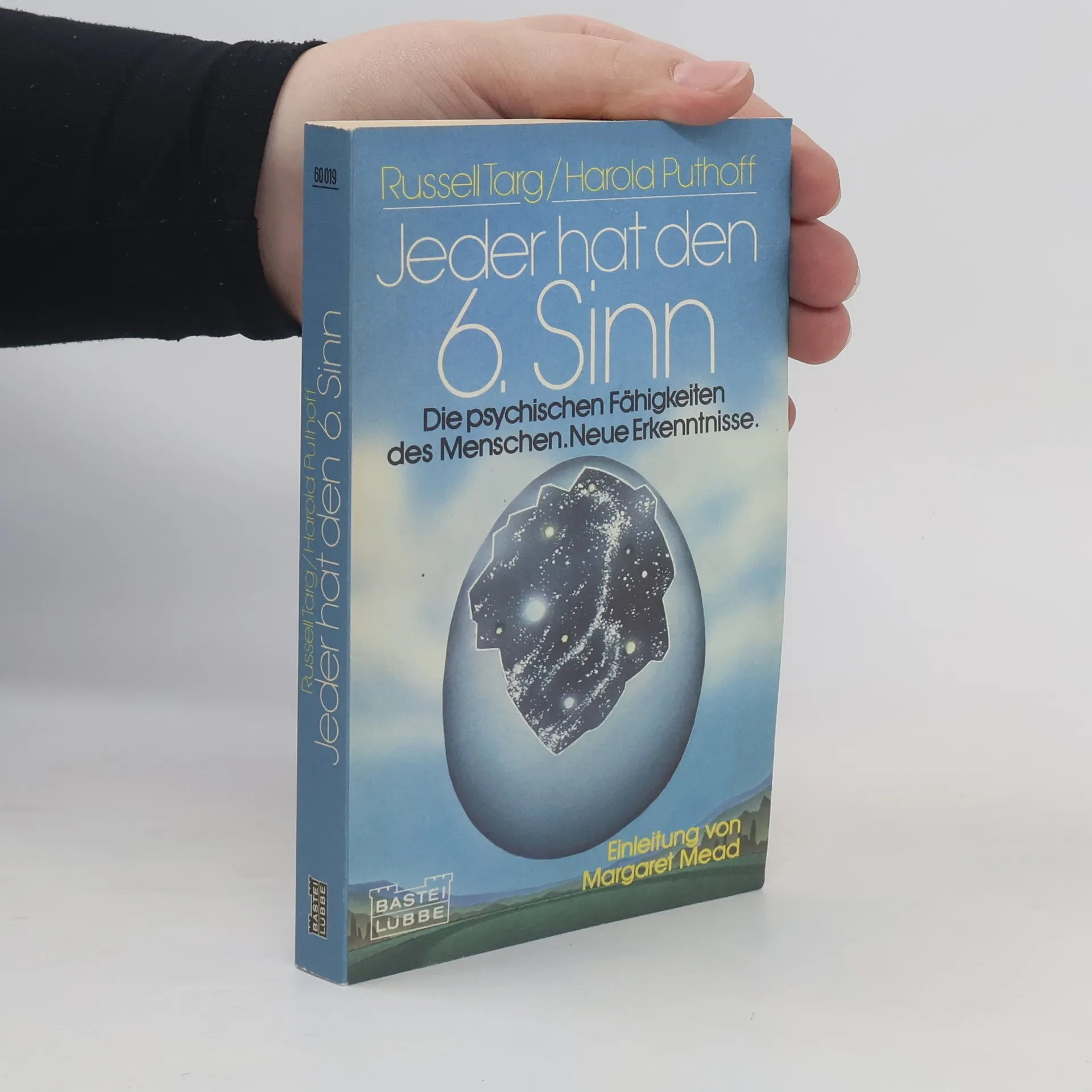
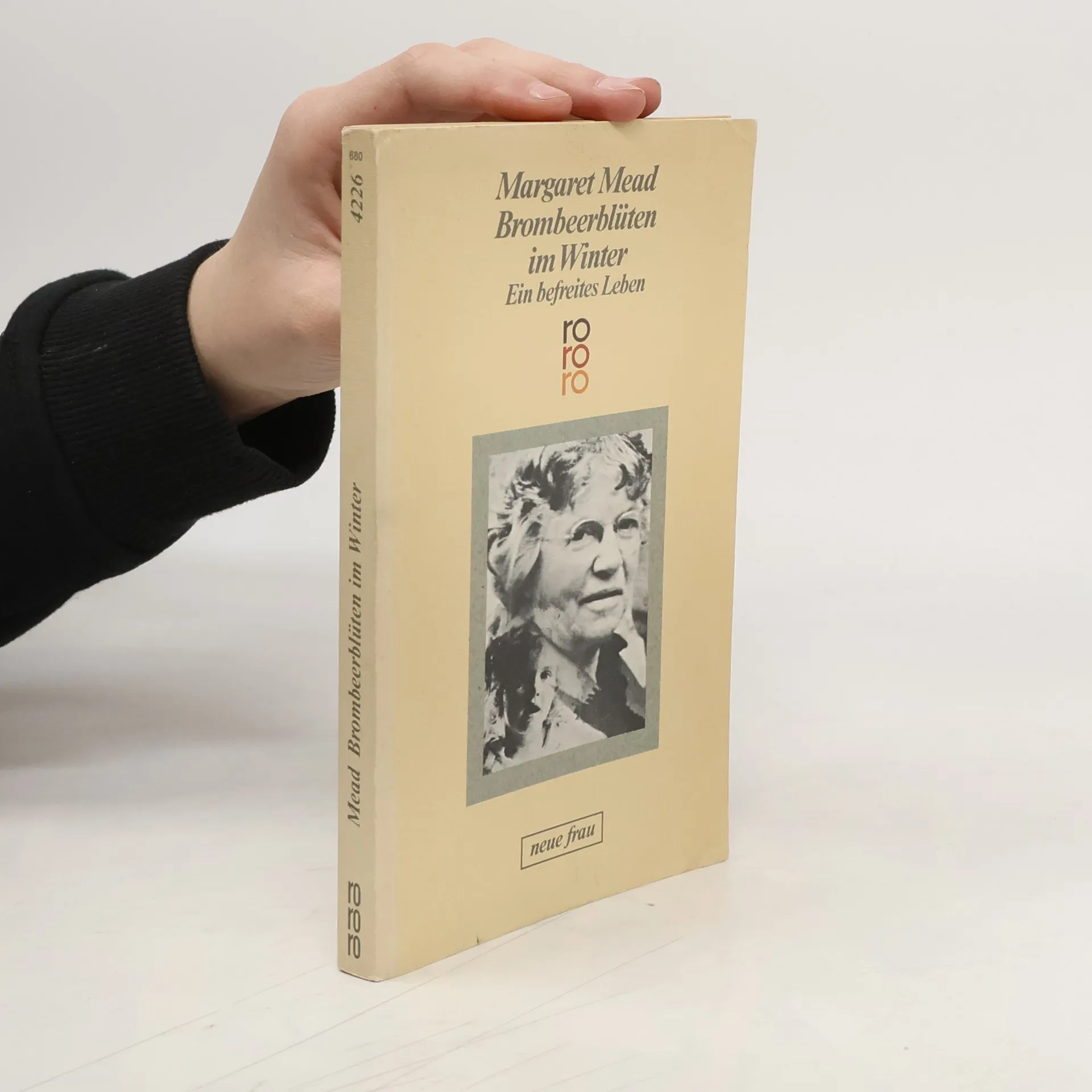
Margaret Mead was an American cultural anthropologist, frequently featured in mass media as a popularizer of anthropological insights for modern Western life. She was a champion of broadened sexual mores within the context of Western religious life. Her reports on the purportedly healthy attitude towards sex in traditional South Pacific and Southeast Asian cultures significantly informed the '60s "sexual revolution." Though a respected academic, her work was eventually, and controversially, challenged.
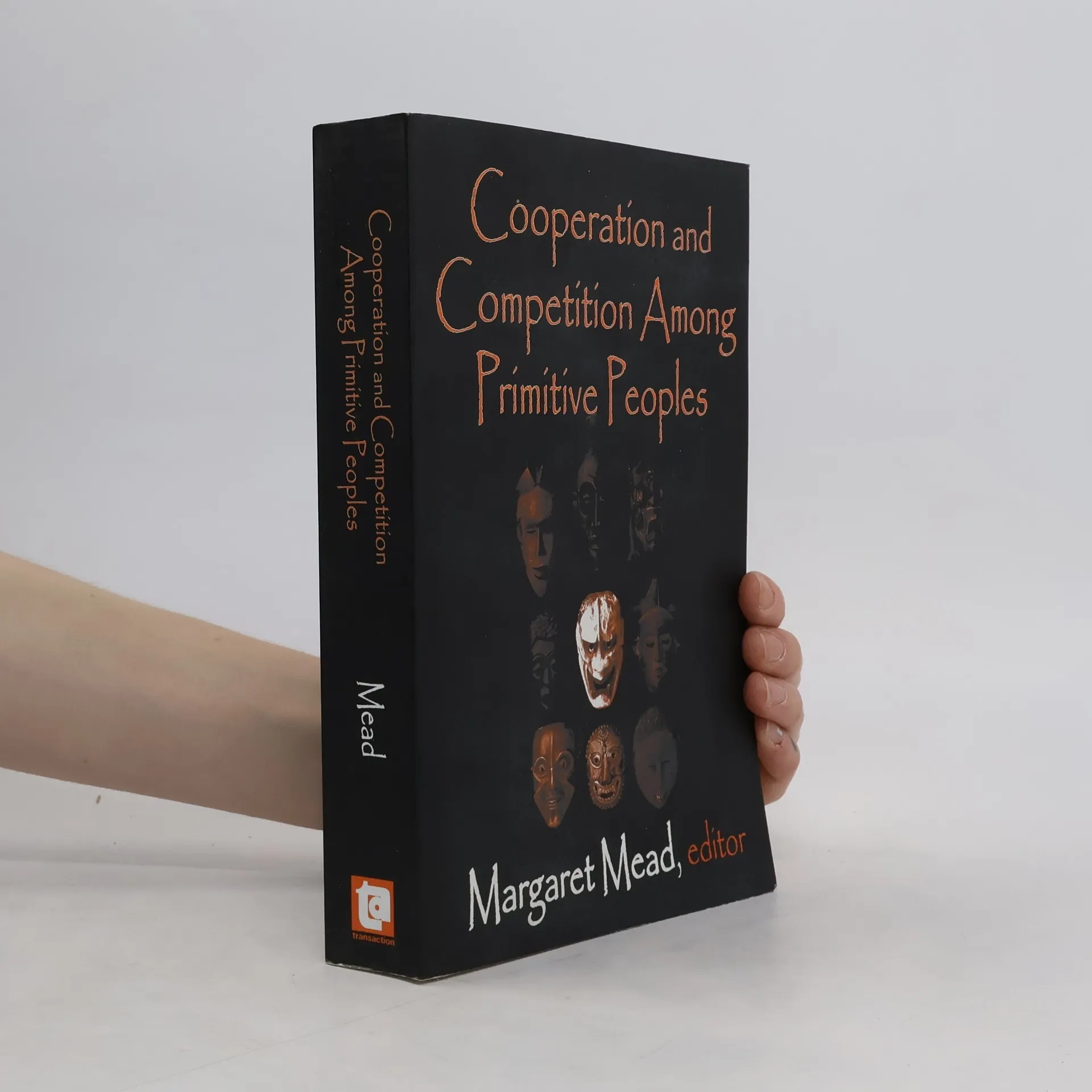
Focusing on cultural relativism, this collection of essays offers a framework for future ethnological surveys in anthropology. It aims to deepen understanding and provide a basis for planning research within contemporary society. The assembled statements serve as a guide for scholars looking to explore and analyze cultural contexts more effectively.
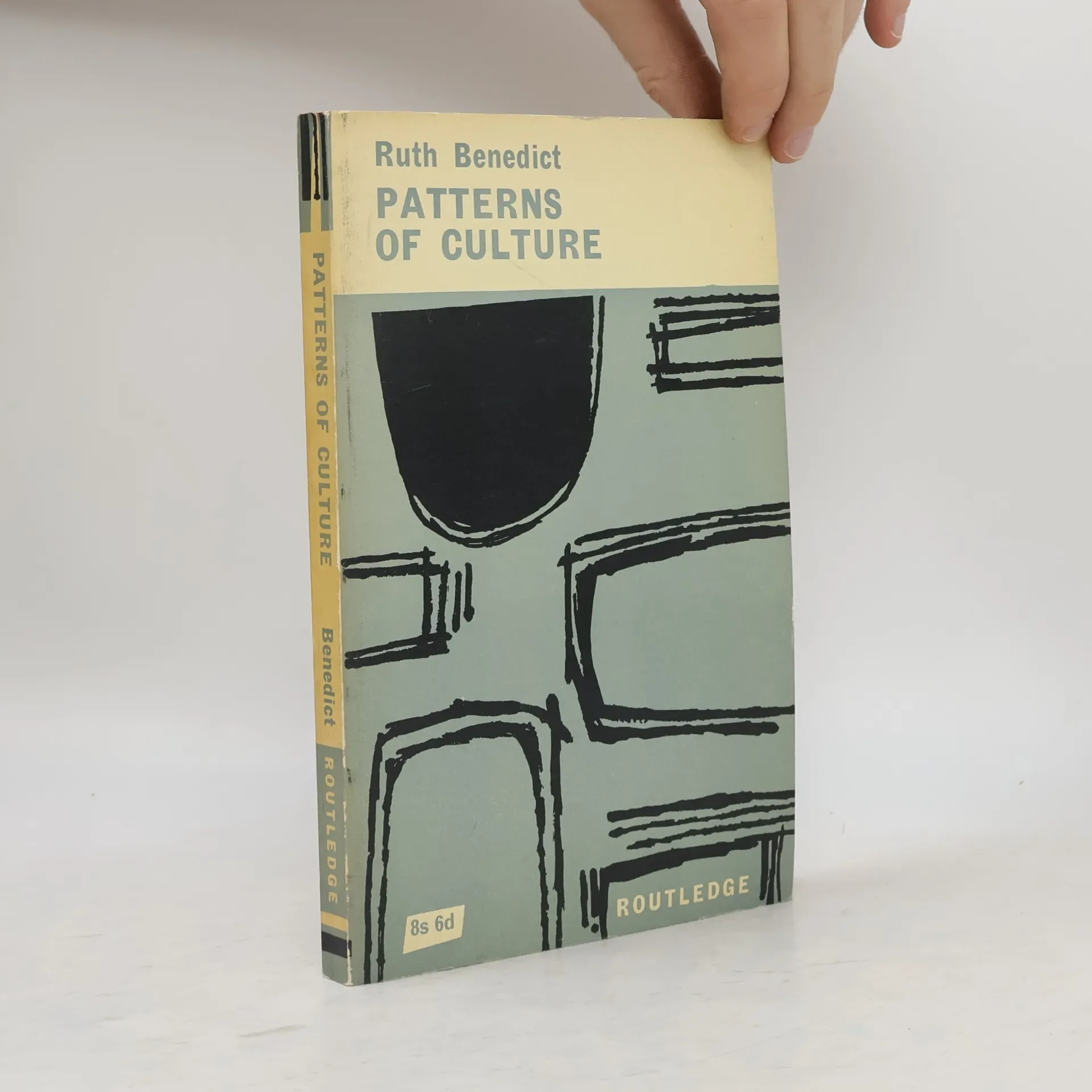
Focusing on a unique approach to anthropological study, Dr. Benedict emphasizes the importance of understanding the distinct 'configuration' of various cultures. Published in 1935, the work advocates for a deeper exploration of cultural diversity, urging investigators to uncover the underlying patterns that shape different societies. This perspective challenges traditional methods and highlights the significance of individual cultural contexts in anthropological research.
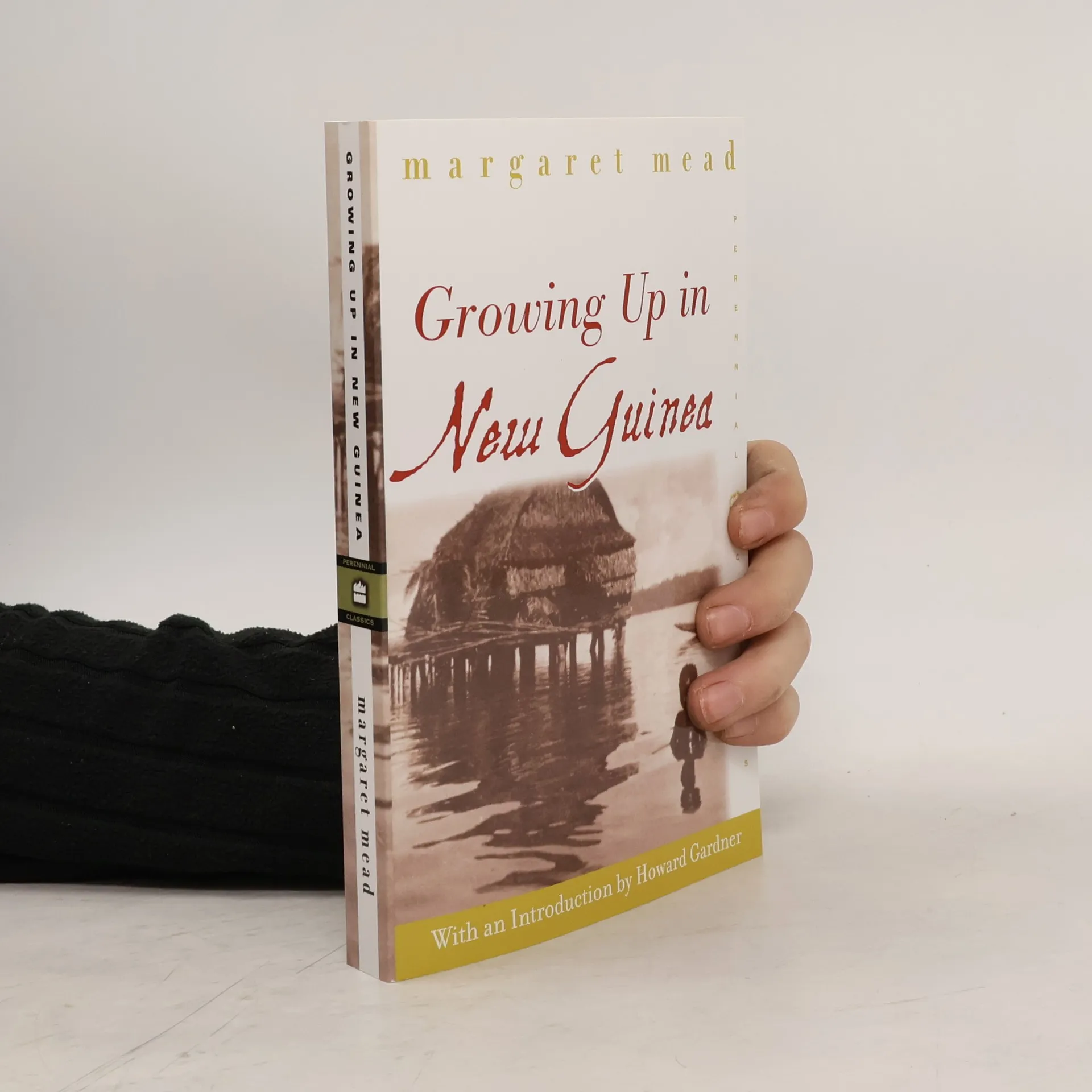
Margaret Mead's exploration of the Manus people in New Guinea reveals their family dynamics, views on sex, marriage, child-rearing, and spirituality during a transformative period in 1928. Living in a remote fishing village, she documented a culture untouched by modern influences, drawing parallels to contemporary Western society. This reissue, celebrating her centennial, includes introductions by Howard Gardner and her daughter, Mary Catherine Bateson, highlighting its significant anthropological contributions and the vivid portrayal of a lost way of life.
The book offers a profound exploration of gender dynamics through the lens of renowned anthropologist Margaret Mead. It provides insightful analysis relevant to contemporary discussions on the battle of the sexes. The new introduction by Helen Fisher, Ph.D., enhances its relevance, connecting Mead's findings to modern societal issues. This classic work remains a vital resource for understanding the complexities of gender roles and relationships.
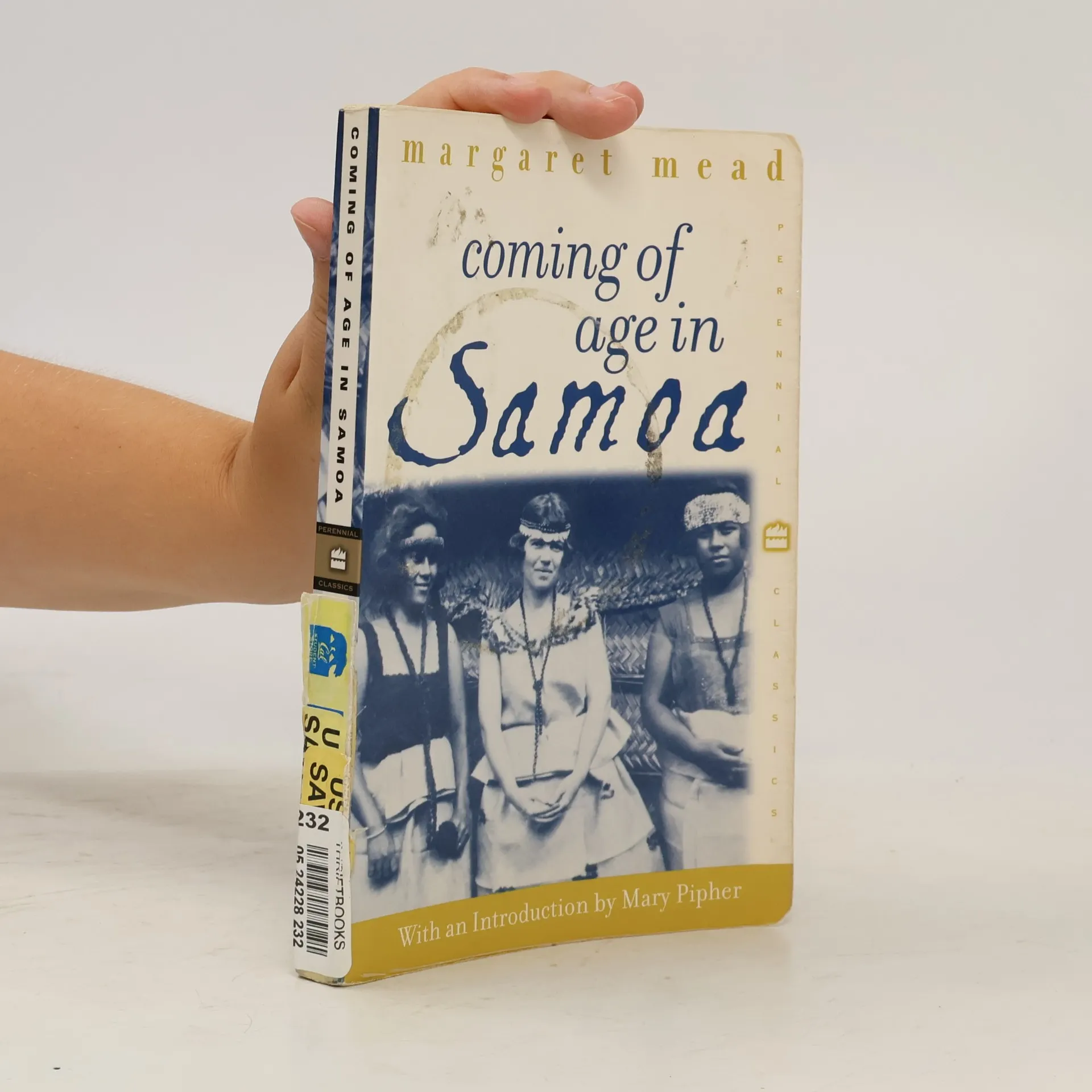
Rarely do science and literature come together in the same book. When they do -- as in Charles Darwin's On the Origin of Species, for example -- they become classics, quoted and studied by scholars and the general public alike.Margaret Mead accomplished this remarkable feat not once but several times, beginning with Coming of Age in Samoa. It details her historic journey to American Samoa, taken where she was just twenty-three, where she did her first fieldwork. Here, for the first time, she presented to the public the idea that the individual experience of developmental stages could be shaped by cultural demands and expectations. Adolescence, she wrote, might be more or less stormy, and sexual development more or less problematic in different cultures. The "civilized" world, she taught us had much to learn from the "primitive." Now this groundbreaking, beautifully written work as been reissued for the centennial of her birth, featuring introductions by Mary Pipher and by Mead's daughter, Mary Catherine Bateson.
During her life, Margaret Mead embodied many roles for the American public: sage, scientist, nonconformist, peace crusader, and archetypal grandmother. As a cultural icon, she represented a new kind of woman who balanced marriage and motherhood with a career, emphasizing the importance of scholarship in everyday life. Even today, memoirs of successful women scientists are rare, making this autobiography, first published in '72, a unique insight into a pioneering woman's journey. In chapters like "On Being a Granddaughter" and "The Pattern My Family Made Me," Mead reflects on the wisdom imparted by her maternal grandmother and the legacy of her ancestors, which fueled her desire for a meaningful career aligned with her values. The narrative includes vivid depictions of bohemian life in 1920s NYC, her early experiences at the American Museum of Natural History with mentor Franz Boas and friend Ruth Benedict, and her first field trip to Samoa to study adolescent girls. Toward the end, in "On Being a Grandmother," she contemplates the legacy she leaves for her descendants and humanity. This reissued autobiography will resonate with those eager to learn about a remarkable woman who navigated a world often unwelcoming to women's dreams and achievements.
In 1970 James Baldwin & Margaret Mead met for an extraordinary seven-&-a-half-hour discussion about race & society. Mead brought her knowledge of racism as practiced in remote societies around the world. Baldwin brought his personal experience with the legacy of black American history. They talked with candor, passion, rage & brilliance, & their discussion became this unique volume. Here is Baldwin's creativity & fire. Here is Mead's scholarship & reason. Here, for all to see, are their prejudices, their pain, & finally, their shared desire to find the thread that binds us all. "This book...traces a curve beginning in formal statements, moving thru wary affection & intellectual intimacy, ending with a raw confrontation."--� Newsweek . "Margaret Mead and James Baldwin are no ordinary people...their conversation...takes us along to places to which we could not otherwise go."--� Times Literary Supplement (London)
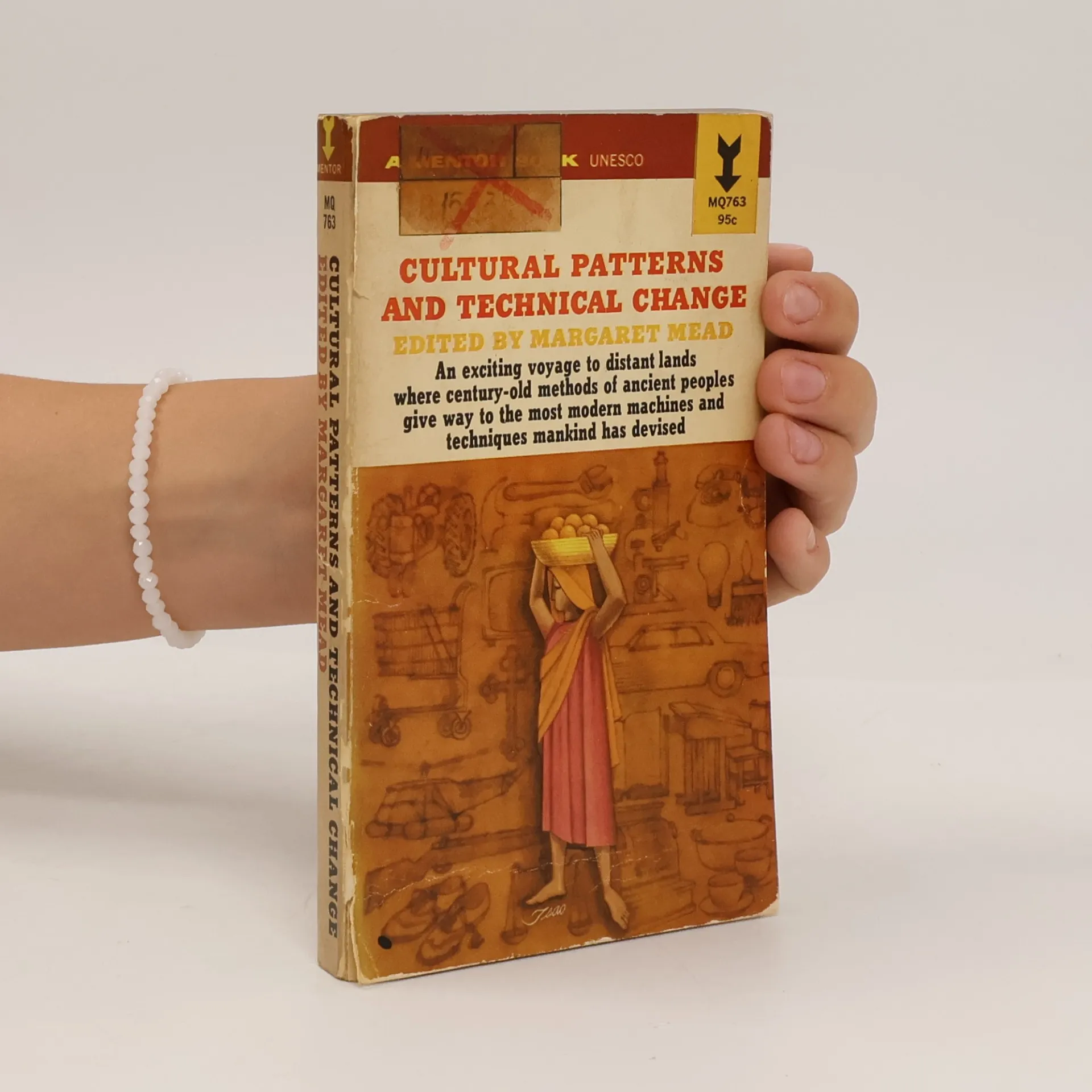
An Exciting Voyage to Distant Lands Where Century-Old Methods of Ancient Peoples Give Way to the Most Modern Machines and Techniques Mankind has Devised
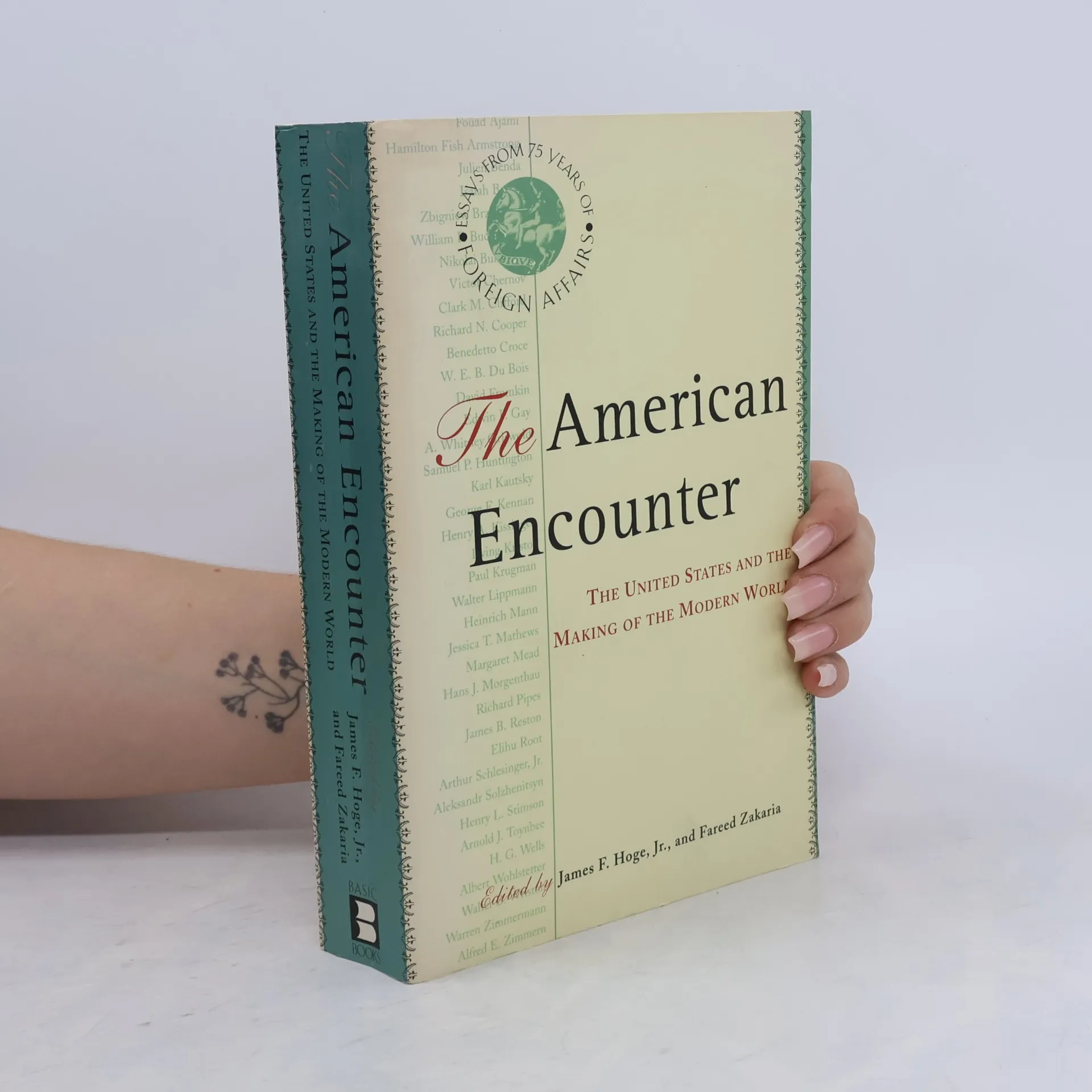
The United States and the Making of the Modern World: Essays from 75 Years of Foreign Affairs
672 pages
24 hours of reading
Since its founding in 1922, Foreign Affairs has established itself as the premier journal of international relations, offering profound commentary on global politics and economic policy. America's significant role in world events—military, political, economic, and ideological—has been central to discussions within its pages. Notably, it was here that George Kennan introduced the containment policy, shaping U.S. Cold War strategy. The journal has hosted debates among statesmen-scholars like Henry Kissinger and Arthur Schlesinger on critical issues such as nuclear weapons and human rights, while journalists like Walter Lippmann and James Reston have provided insightful analyses of American foreign policy. Thinkers like Isaiah Berlin and Samuel Huntington have explored the evolving dynamics of the world. In The American Encounter , readers will discover landmark essays that reflect a unique intellectual history of the past century and America's extraordinary influence within it. This collection stands apart, as there is no other publication like Foreign Affairs . The American Encounter serves as a vital connection to historical giants—visionaries whose insights and warnings resonate today, enhancing our understanding of America's role on the global stage.
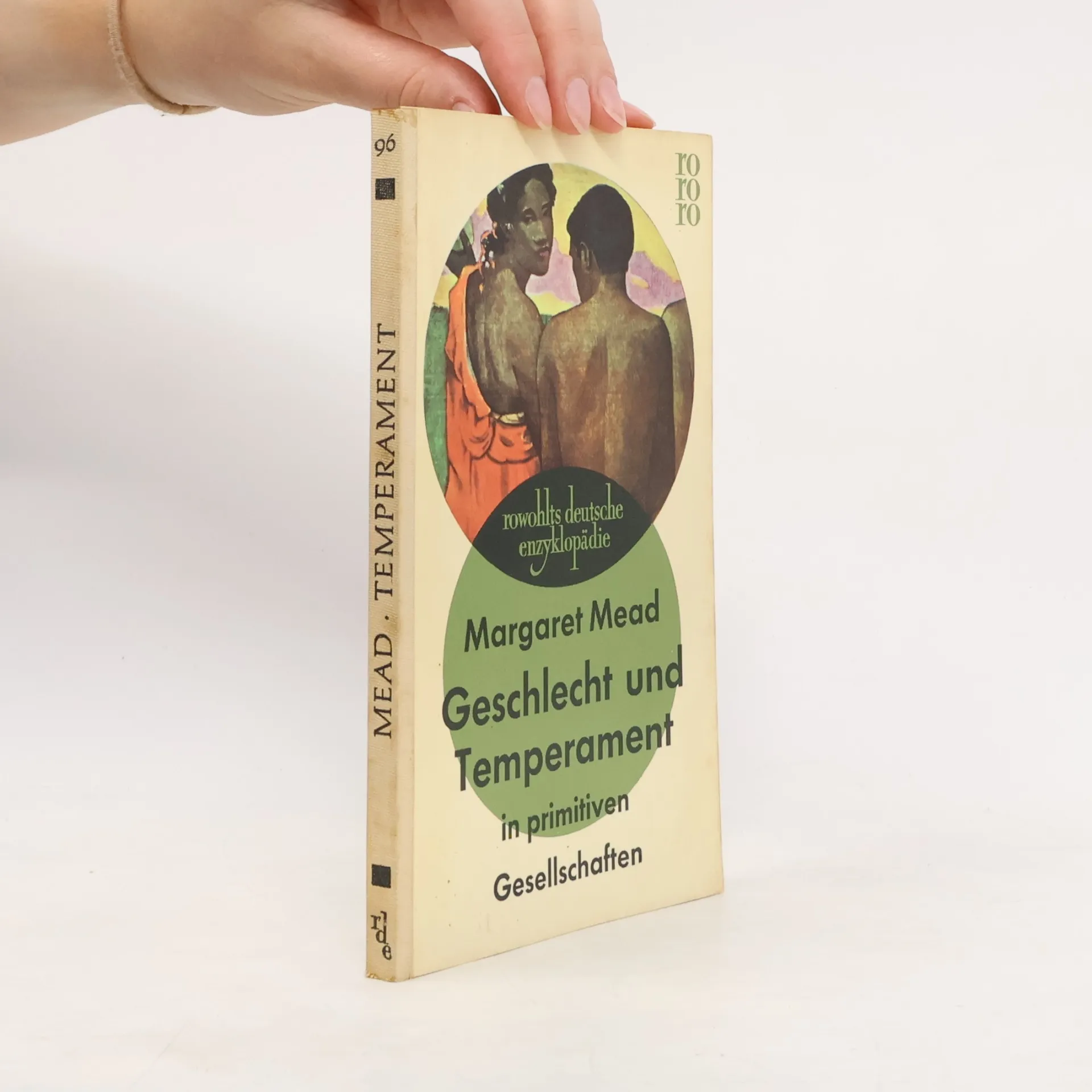
"Das Verhältnis der Geschlechter zueinander bleibt ein heftig debattiertes Thema. Da sollte man zu den Klassikern greifen: Bereits in den zwanziger Jahren dieses Jahrhunderts sammelte die Anthropologin Margaret Mead bei Feldforschungen auf Samoa, Neu-Guinea und Bali Material für das vorliegende Werk, das noch immer Bewegung bringt in festgefahrene Diskussionen. Denn Mead stellte schon damals fest, daß Eigenheiten und Charakter jedes Individuums unabhängig von seiner Geschlechtszugehörigkeit in jeder Gesellschaft anerkannt werden sollten. Eine unerläßliche Lektüre für alle, die sich weiterhin über "Männer" und "Frauen", wie sie wirklich sind -- und warum das so ist --, streiten wollen."--Back cover
Unter Forschern wuchs sie auf: Margaret Mead ist 1901 in New Jersey als erste Tochter eines Wirtschaftsprofessors und einer Solziologin geboren. Forschungsaufenthalte in Samoa, Neu-Guinea und Bali brachten ihr als Ethnologin, kaum dreißigjährig, weltweiten Ruhm. Seitedem hat sie immer wieder weise und engagiert zum Verhältnis zwischen Frau, Mann und Kind in Amerika wie Europa Stellung bezogen. So einfühlsam und leidenschaftlich klar, wie Margaret Mead ferne Kulturen geschildert hat, erzählt sie in "Brombeerblüten im Winter" ihr prall gefülltes Leben. Wissenschaftlerin oder Frau? Für Margaret Mead war dies nie eine Entscheidungsfrage: die eine Ebene bereichert die andere. Drei Ehen, Mutter- und Großmutterwerden: für sie Stationen eines unaufhörlichen emotionalen und intellektuellen Wachstums, das sie, eine wahrhaft befreite Frau, ihren Lesern hier noch einmal farbig vorlebt.
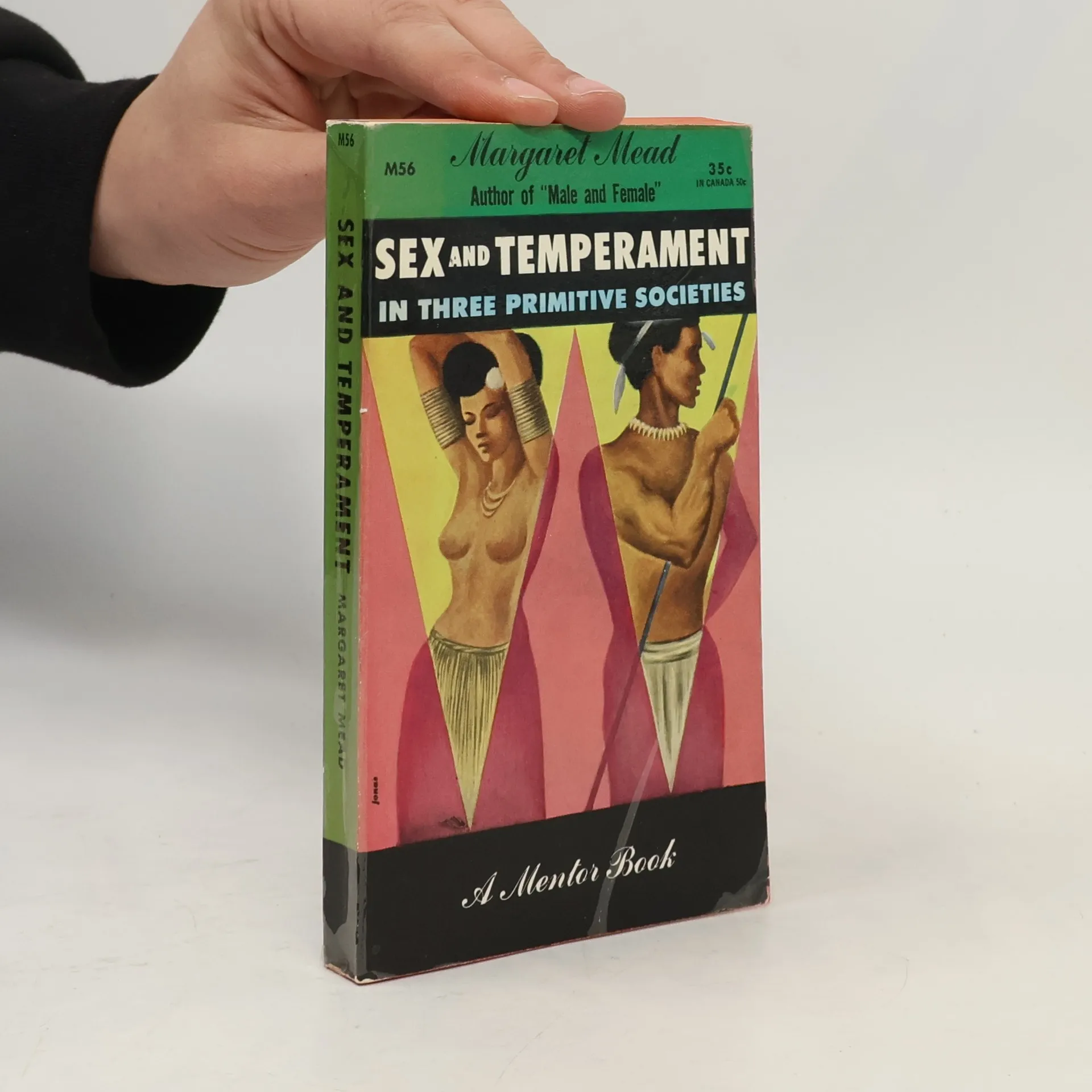
Dílem o pohlaví a temperamentu se uzavírá i vrcholí oceánský, „jihomořský“ cyklus, trilogie, jež z Meadové učinila jednou provždy nejen autoritativní antropologickou osobnost, nýbrž otevřela cestu i k mediální, veřejné dimenzi své autorky. Tato práce je zkoumáním, jak tři primitivní společenství seskupují své sociální postoje podle temperamentu (tedy podle rysů připsaných každému pohlaví jako příslušně „maskulinních“ nebo „femininních“), aby nakonec vyústila v často citovaný ultrarelativistický závěr, že mnohé, ne-li všechny osobnostní rysy, ať už mužské, nebo ženské, jsou s pohlavím spojeny právě tak málo jako oděv, mravy nebo pokrývka hlavy.
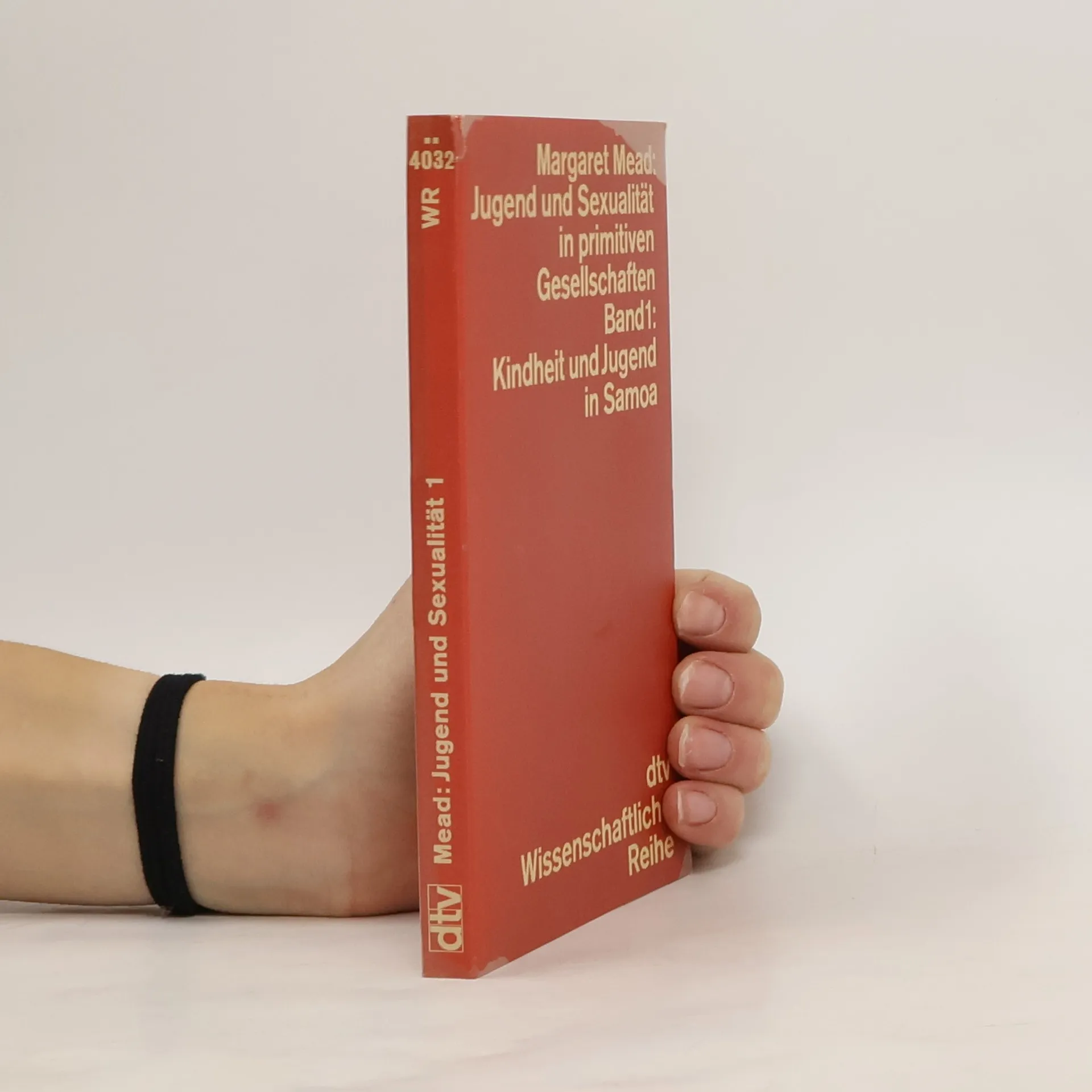
Kniha patří k nejvýznamnějším klasickým dílům moderní antropologie. Margaret Mead v ní na základě svého terénního výzkumu mezi obyvateli tichomořského souostroví Samoa zkoumá, jak společenské a kulturní prostředí utváří dospívání, vztahy mezi generacemi i formování lidské osobnosti. Autorka si klade zásadní otázku, zda jsou obtíže a konflikty spojované v západní společnosti s dospíváním přirozenou a univerzální součástí lidského života, nebo zda jsou především výsledkem konkrétních společenských a kulturních podmínek. Při svém výzkumu sledovala, za jakých okolností vstupují samoánské dívky do dospělosti, a došla k závěru, že mnohé problémy považované na Západě za nevyhnutelné nejsou univerzálním rysem lidského dospívání. Kniha, která při svém prvním vydání vyvolala mimořádný ohlas a později se stala předmětem ostrých odborných sporů, se dotýká jedné ze základních otázek antropologie: nakolik jsme utvářeni biologickou daností a nakolik prostředím a kulturou, v nichž vyrůstáme. Bez ohledu na pozdější kontroverze zůstává dílo Margaret Mead zásadním příspěvkem k poznání kulturní podmíněnosti lidského života a inspirativní výzvou ke kritickému pohledu na to, co ve vlastní společnosti považujeme za samozřejmé.