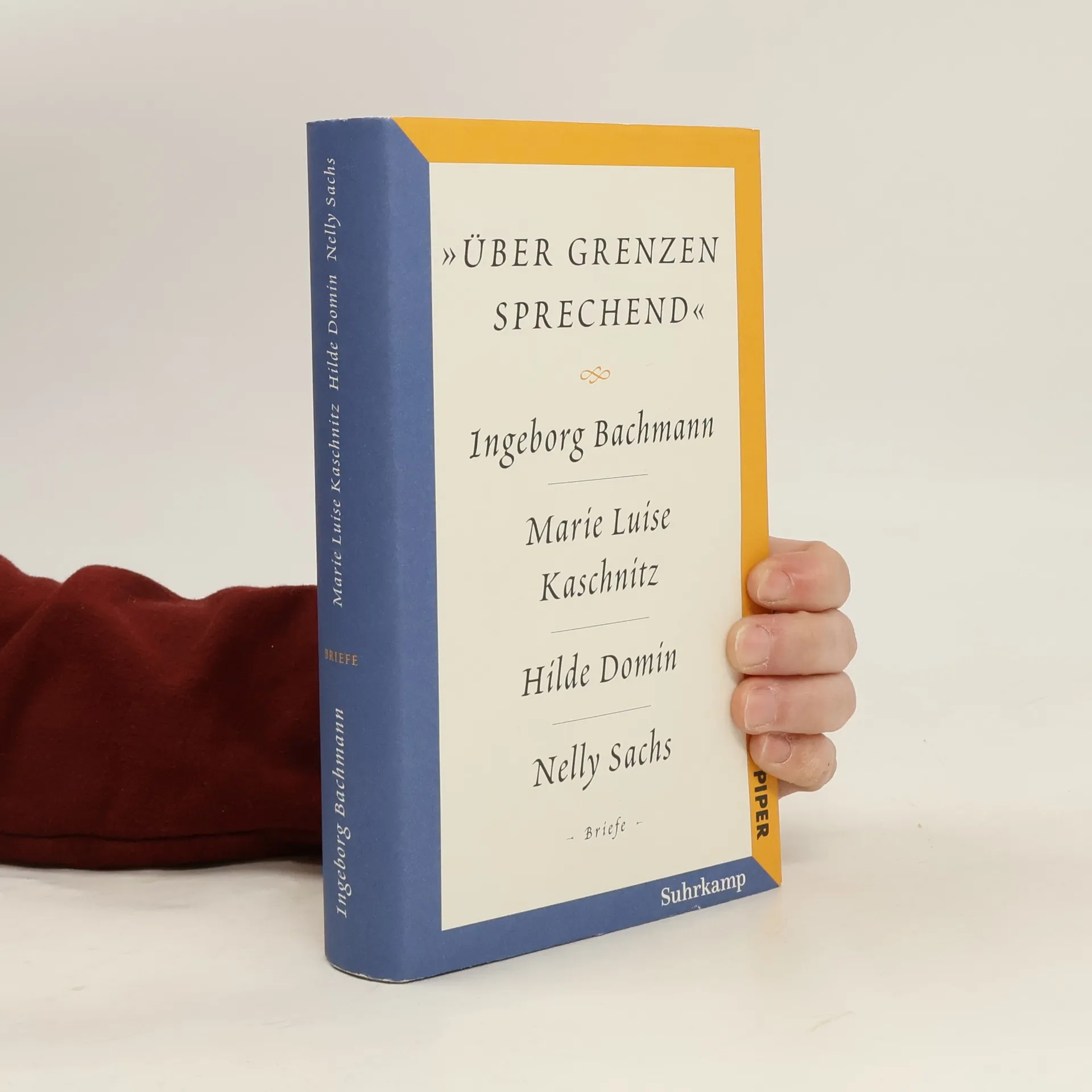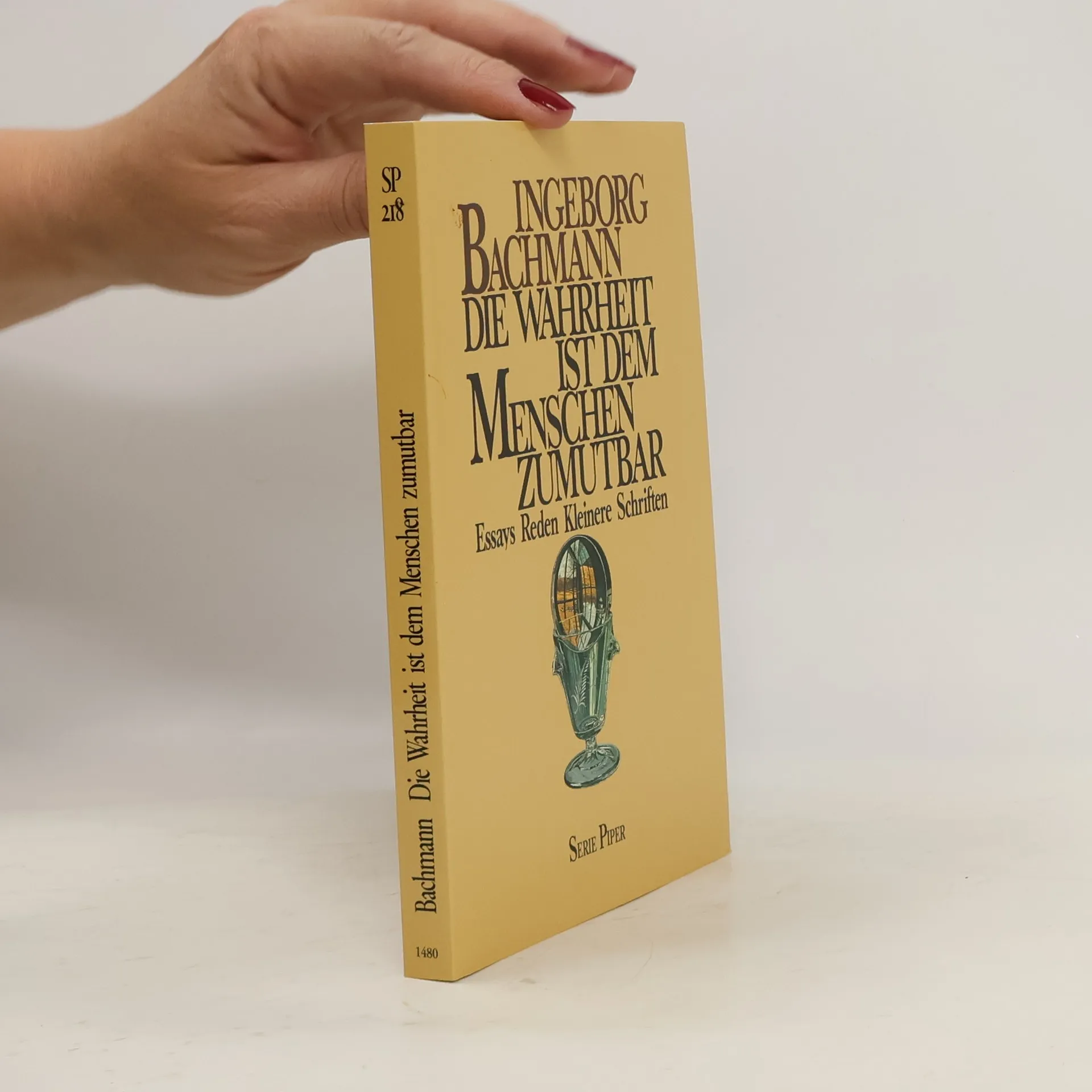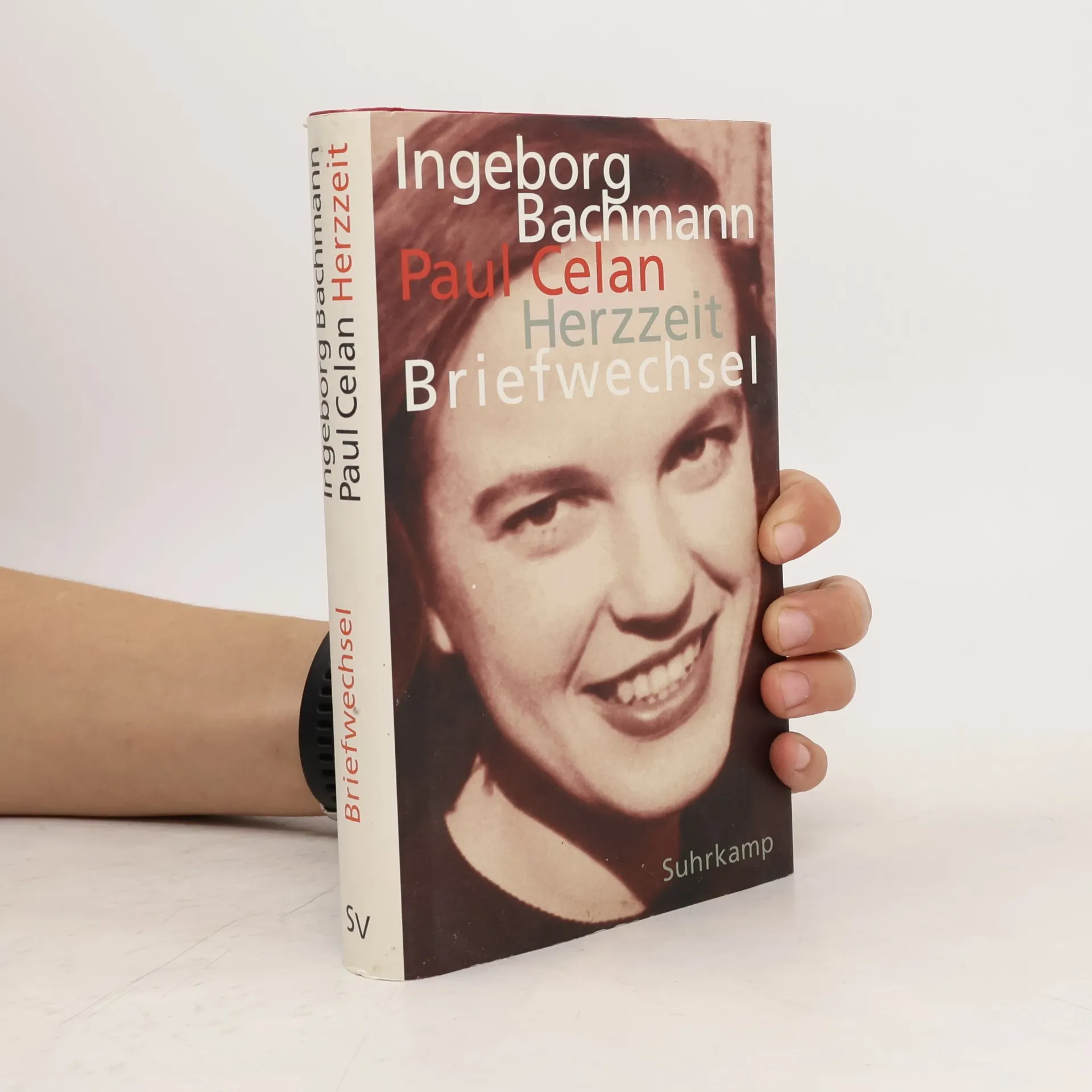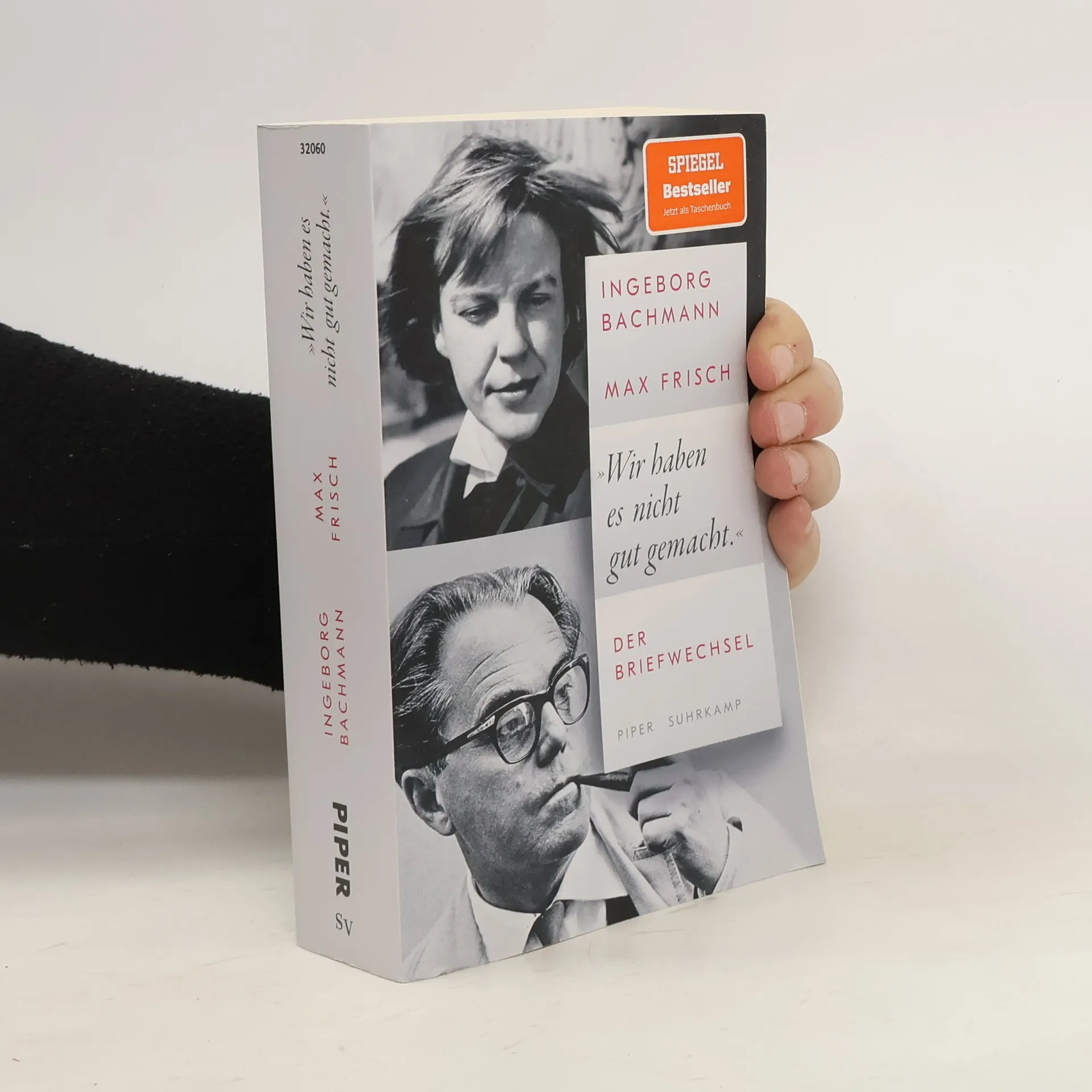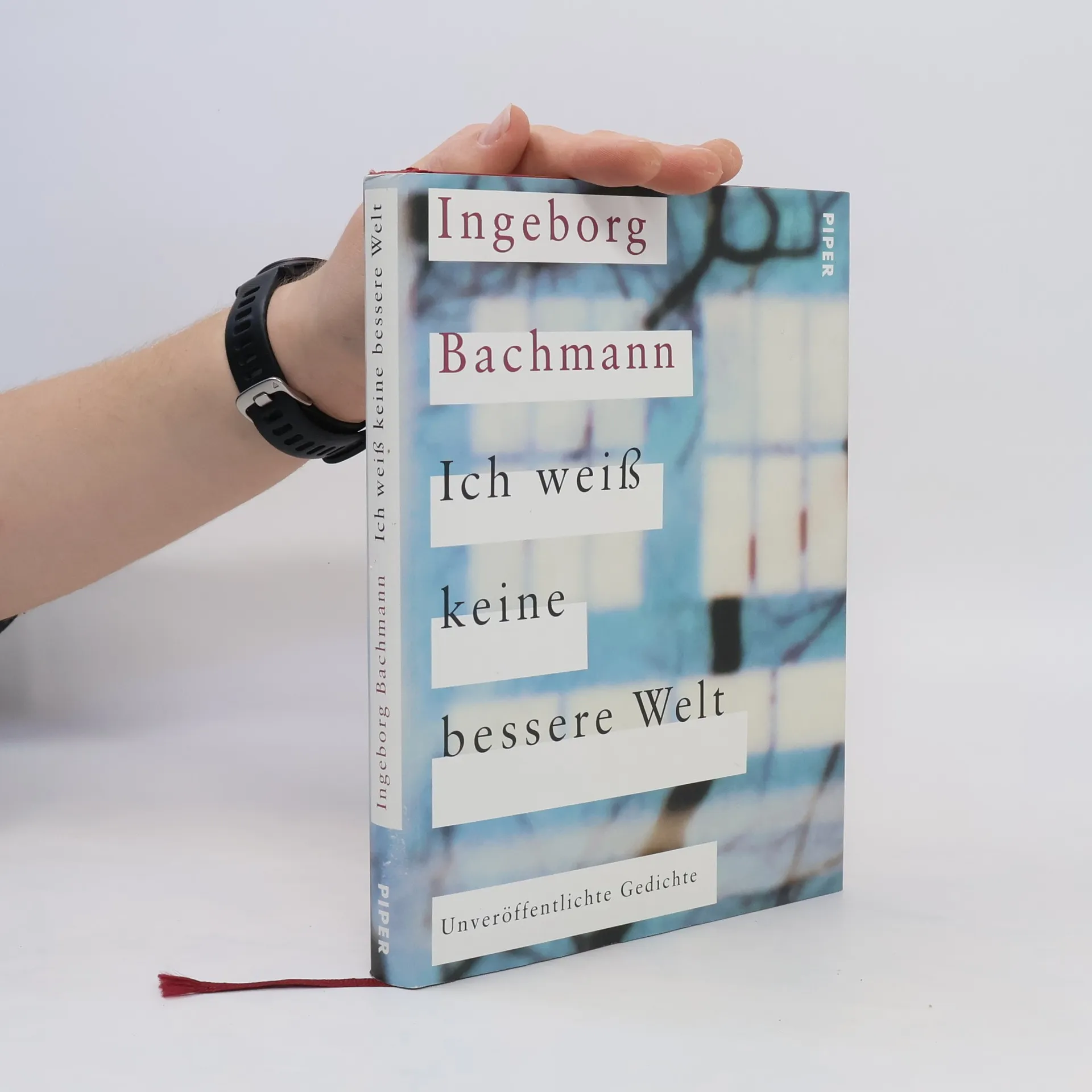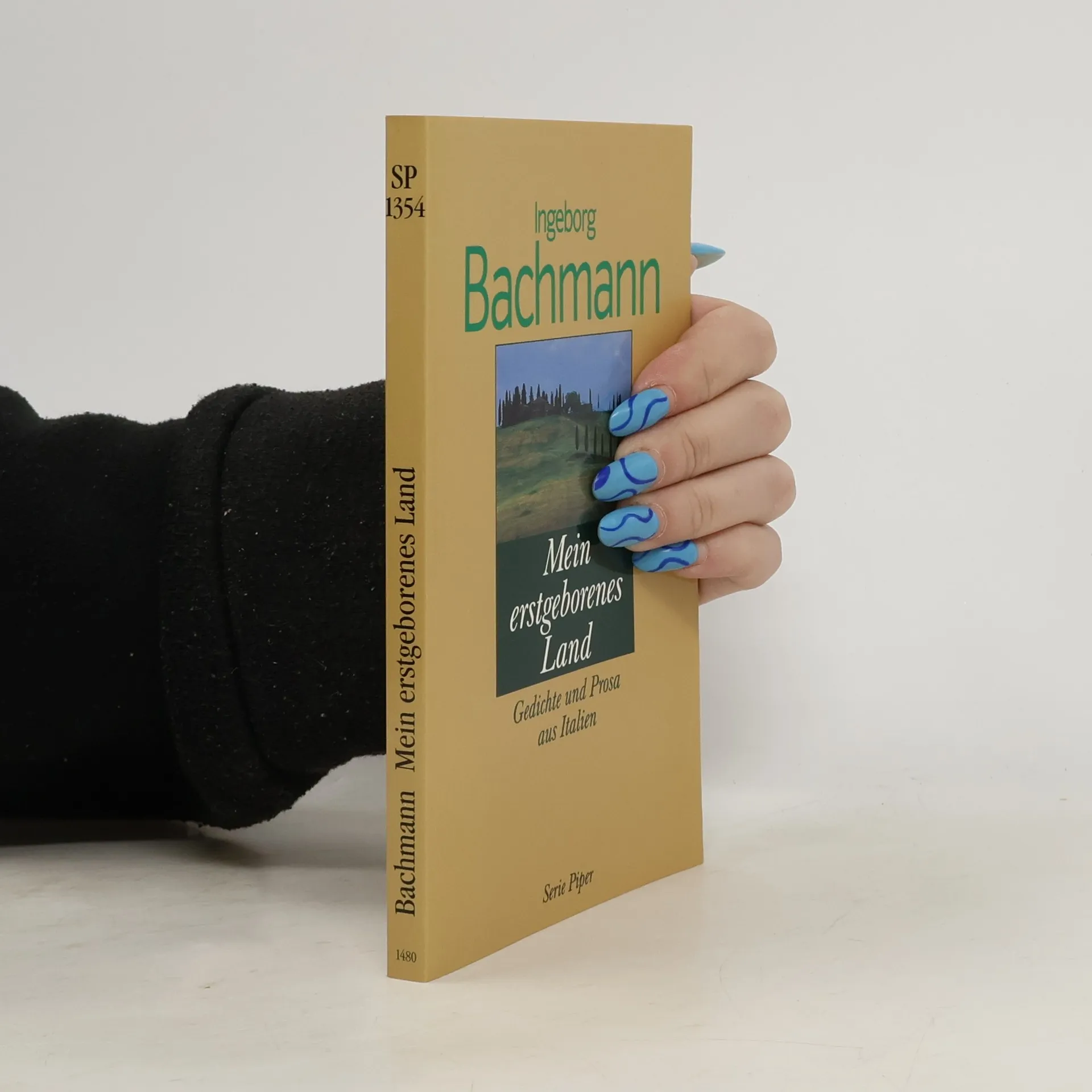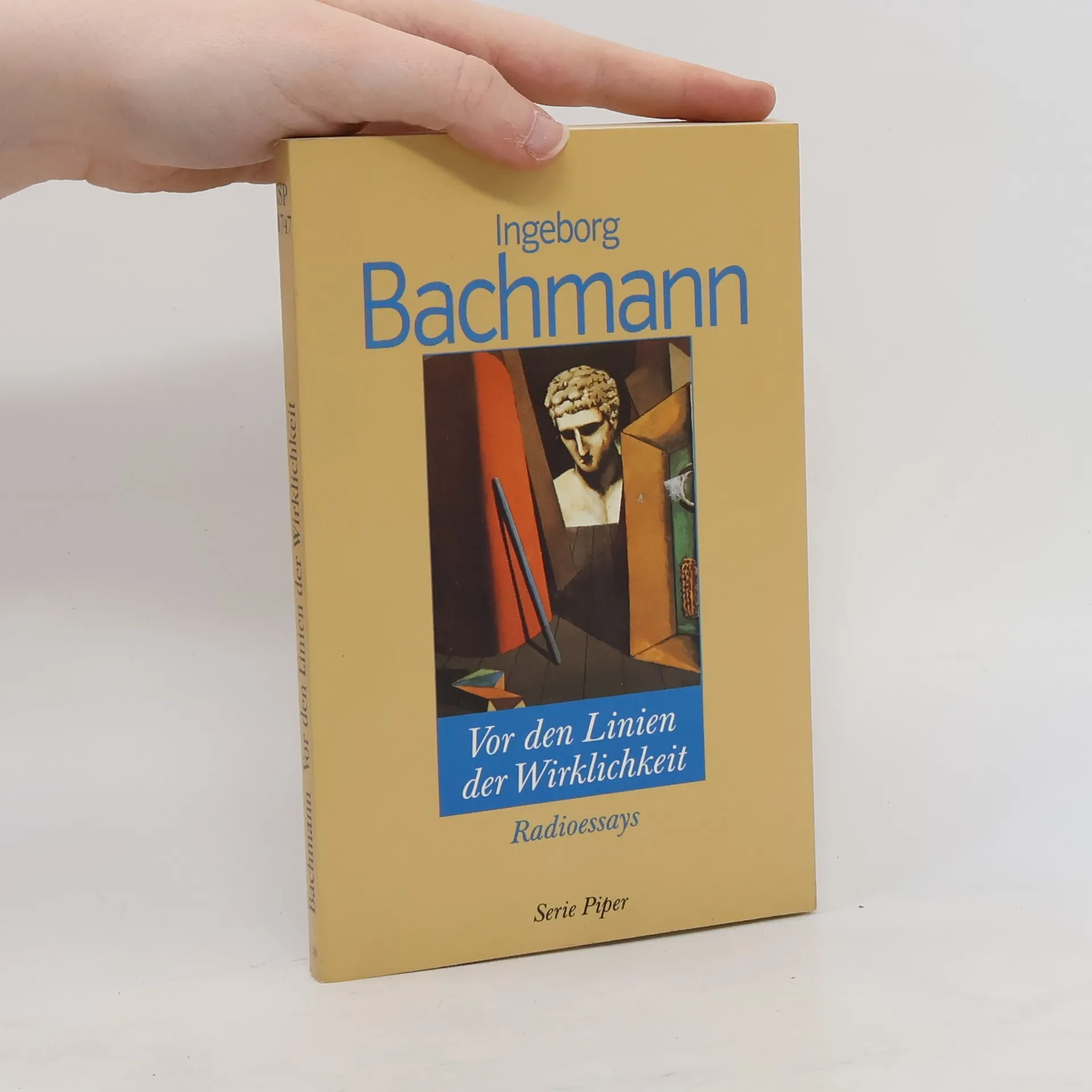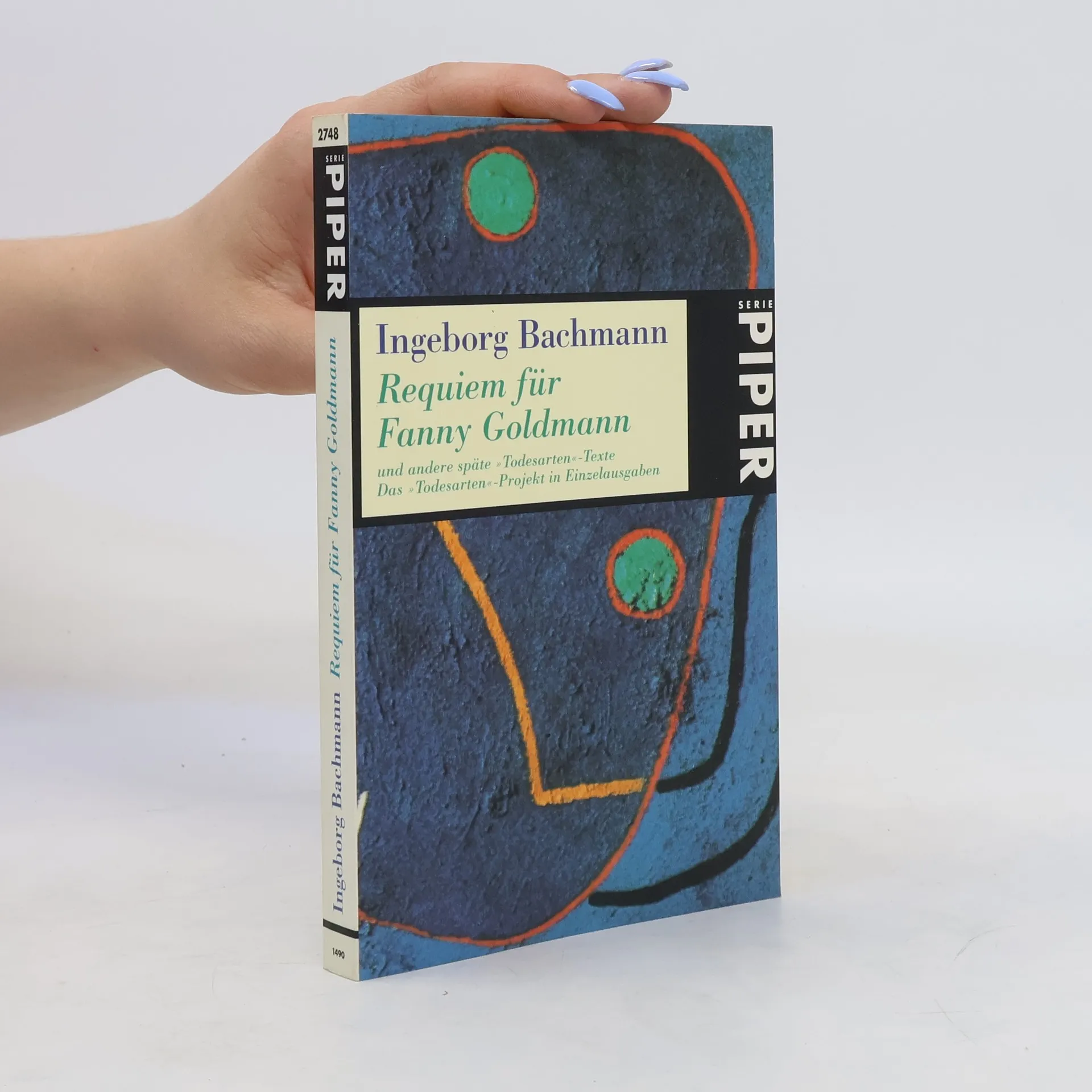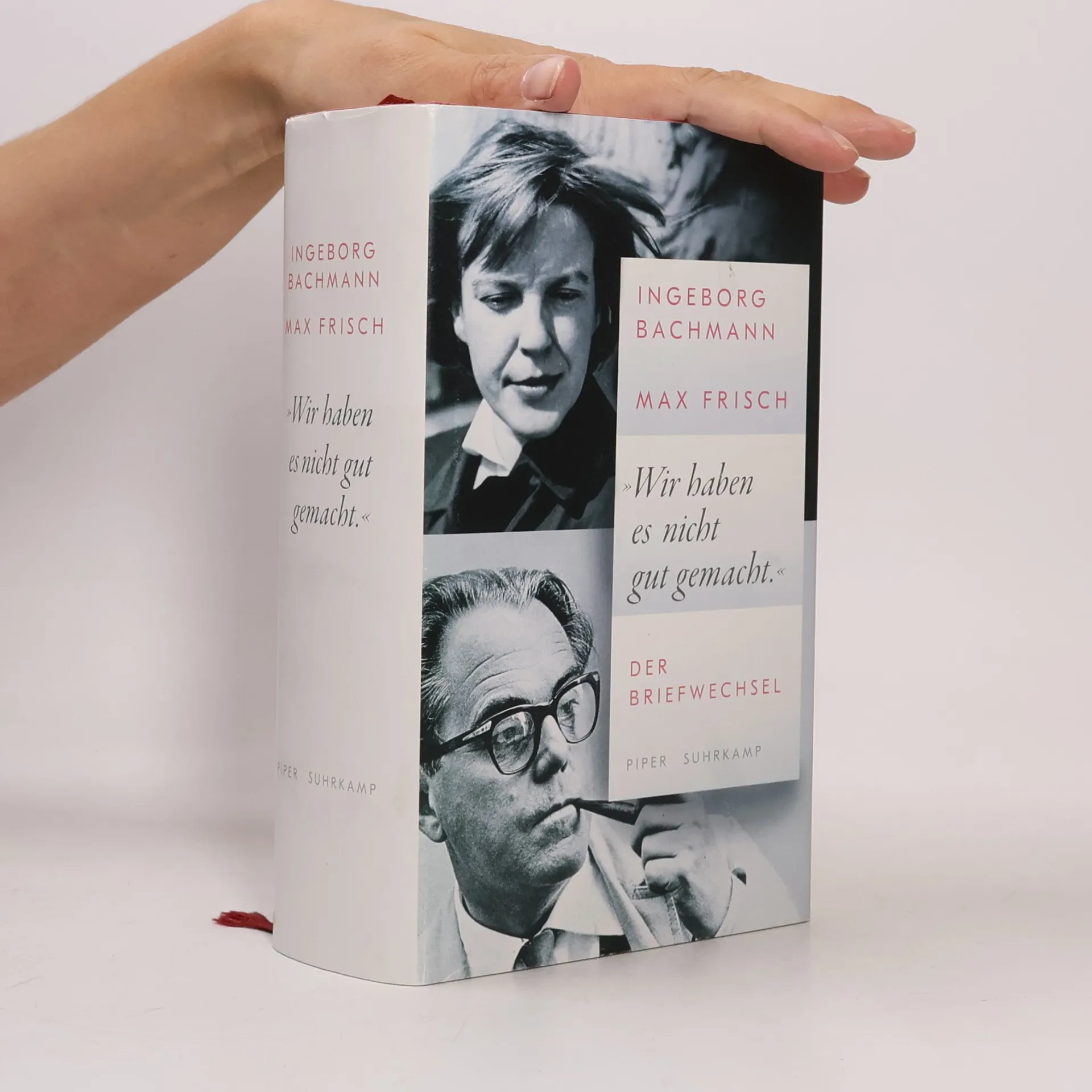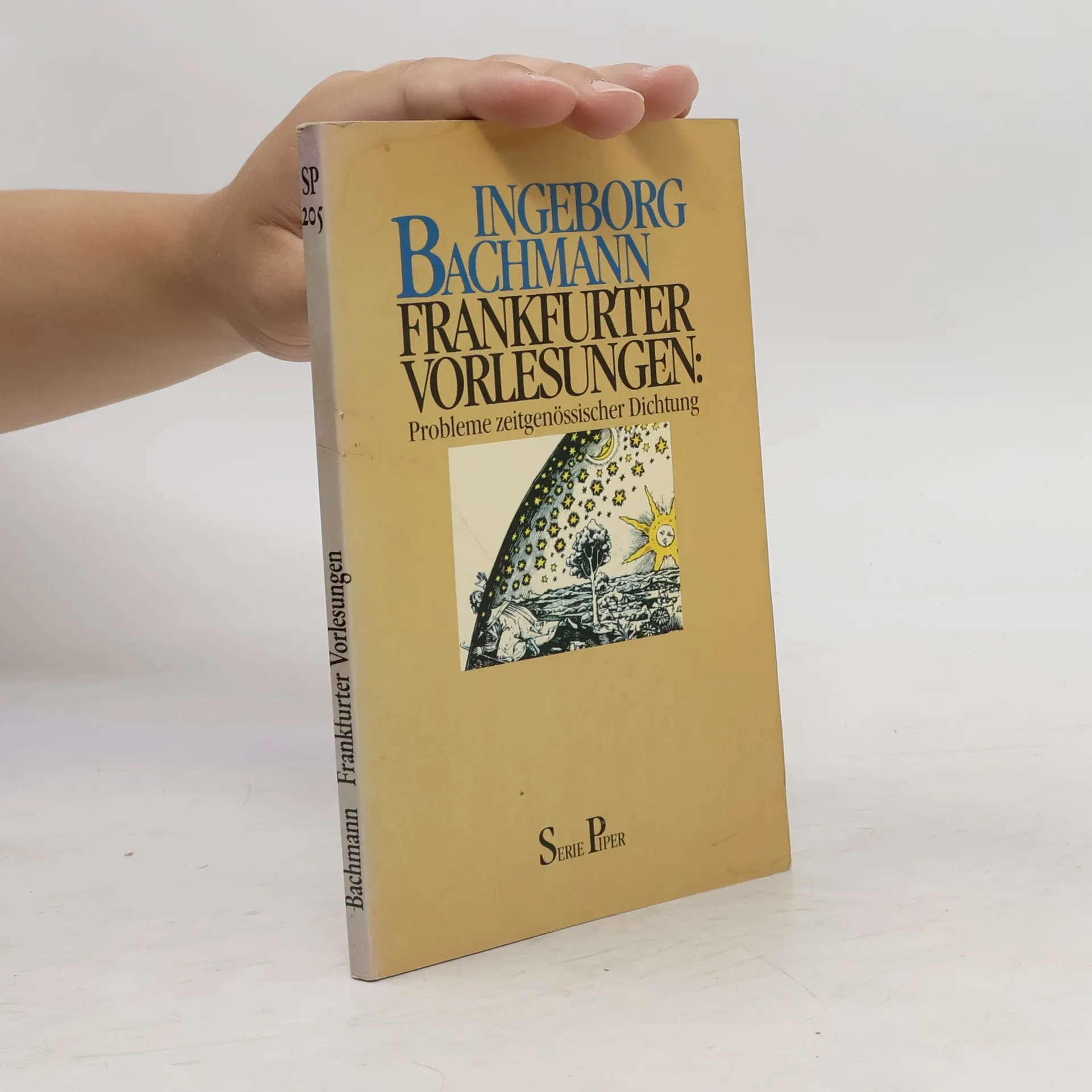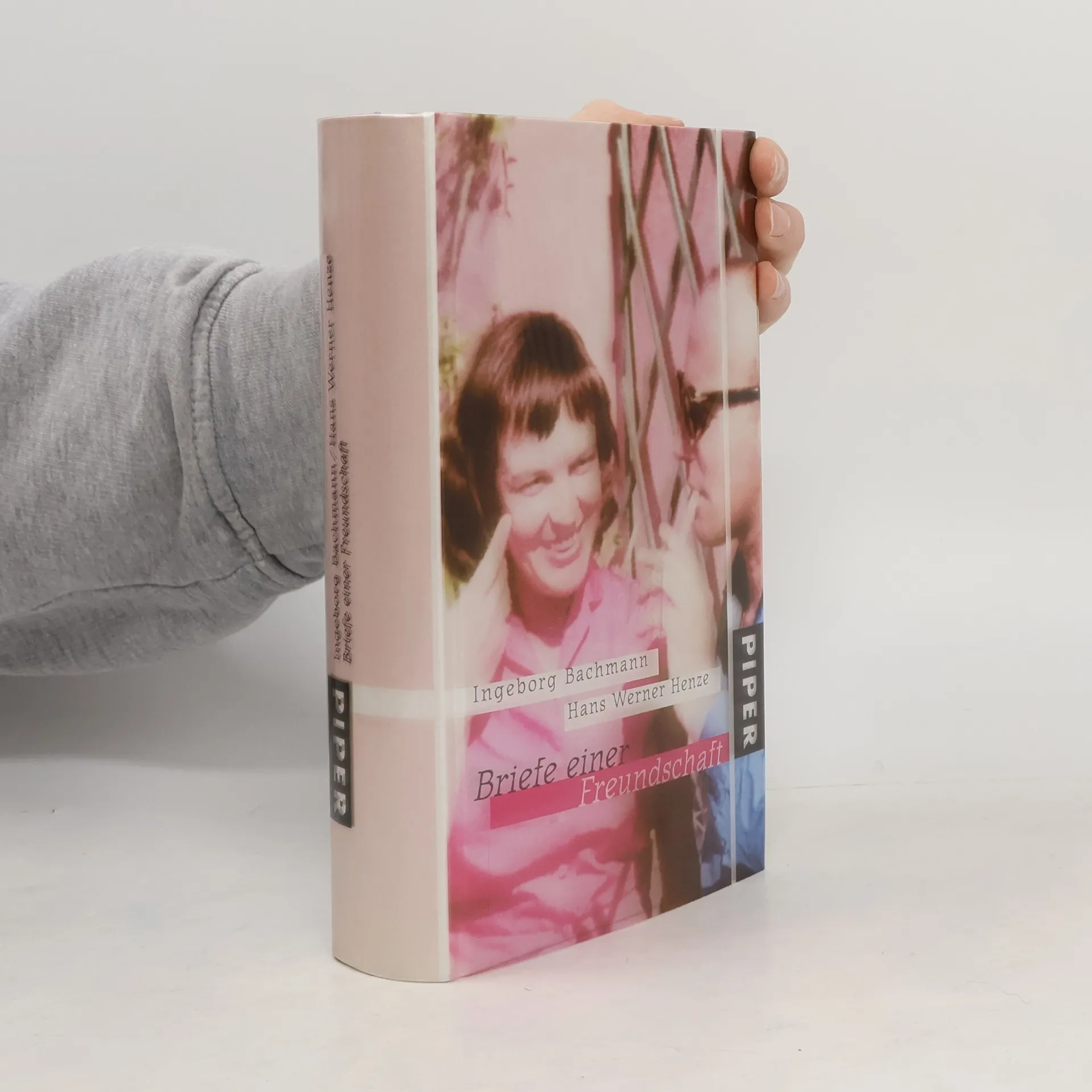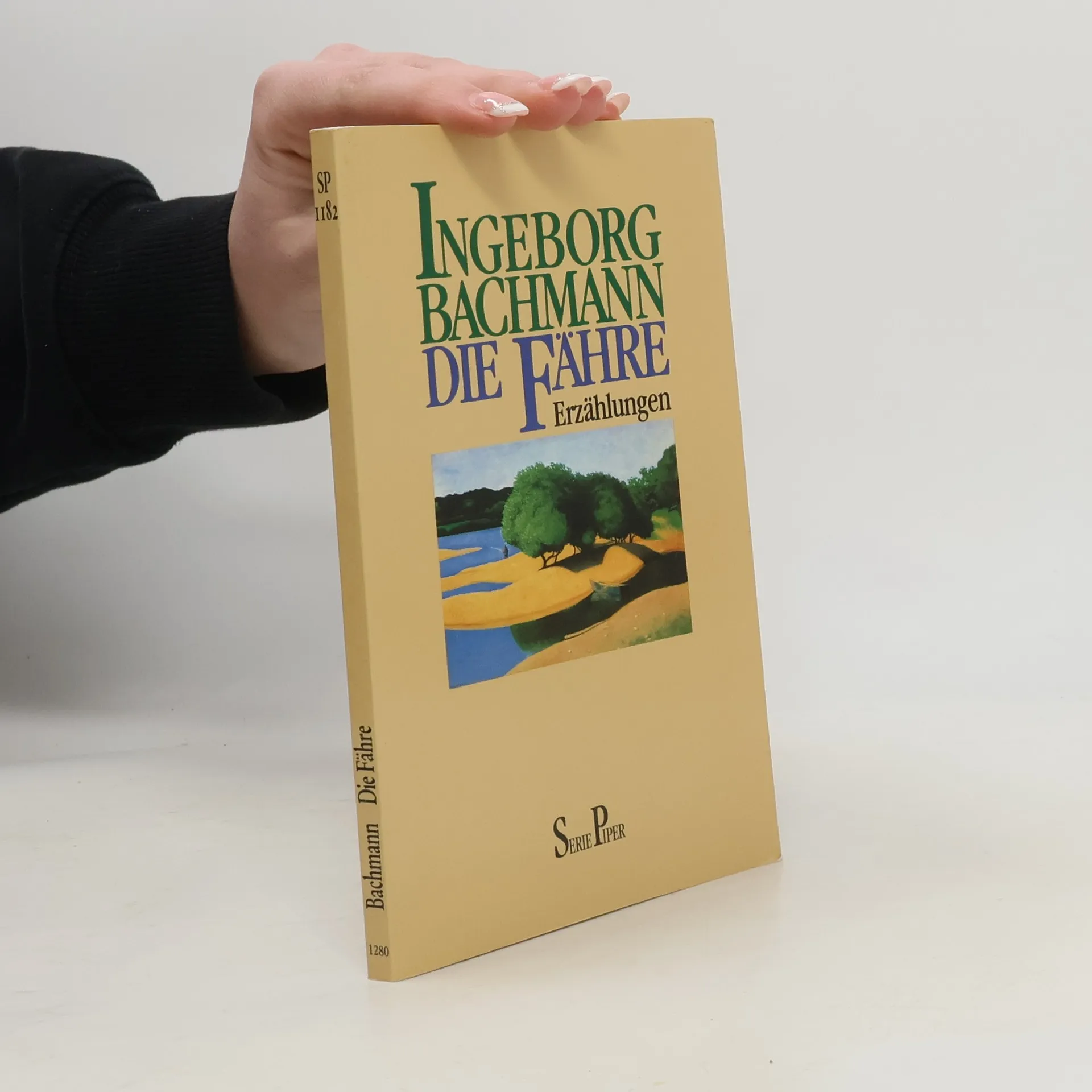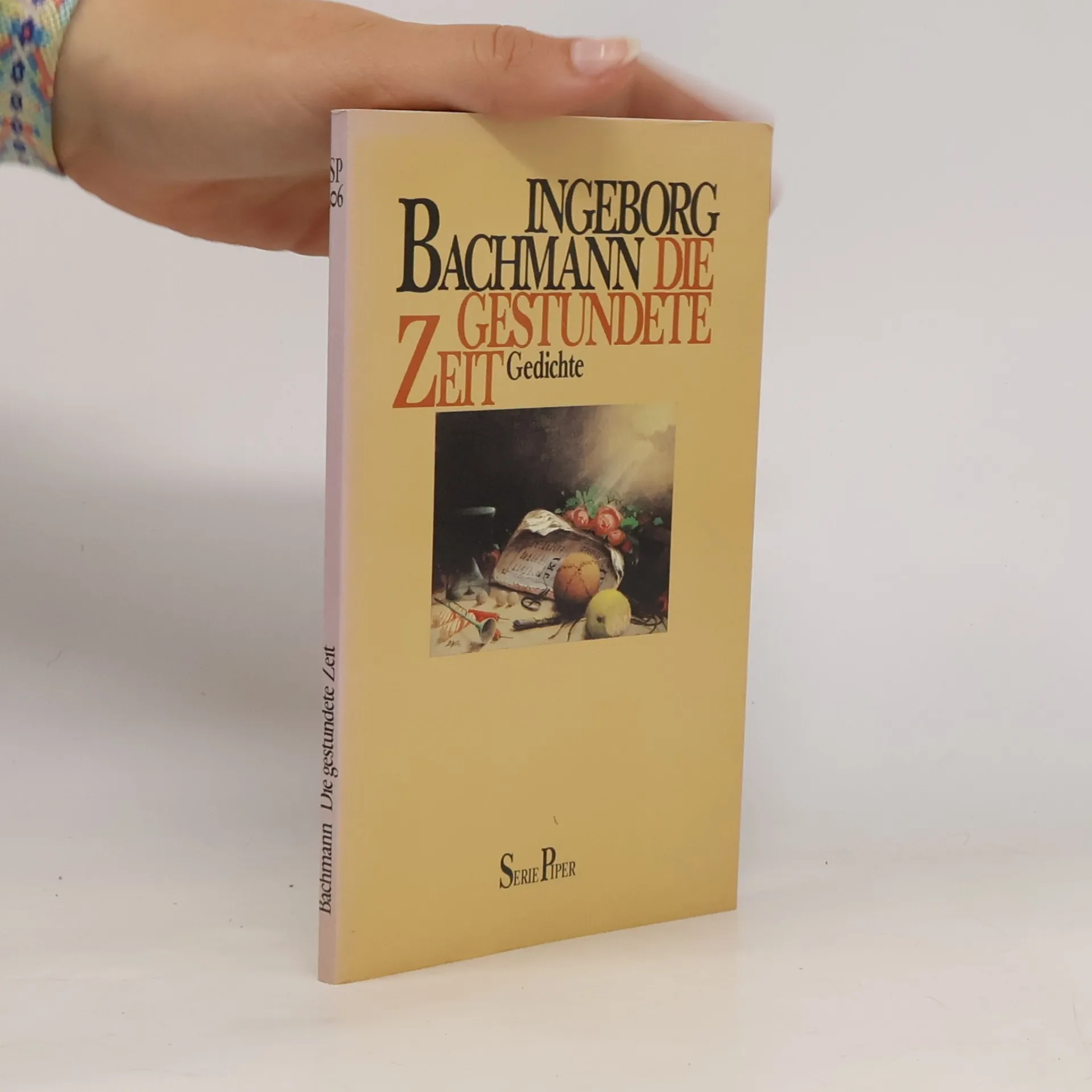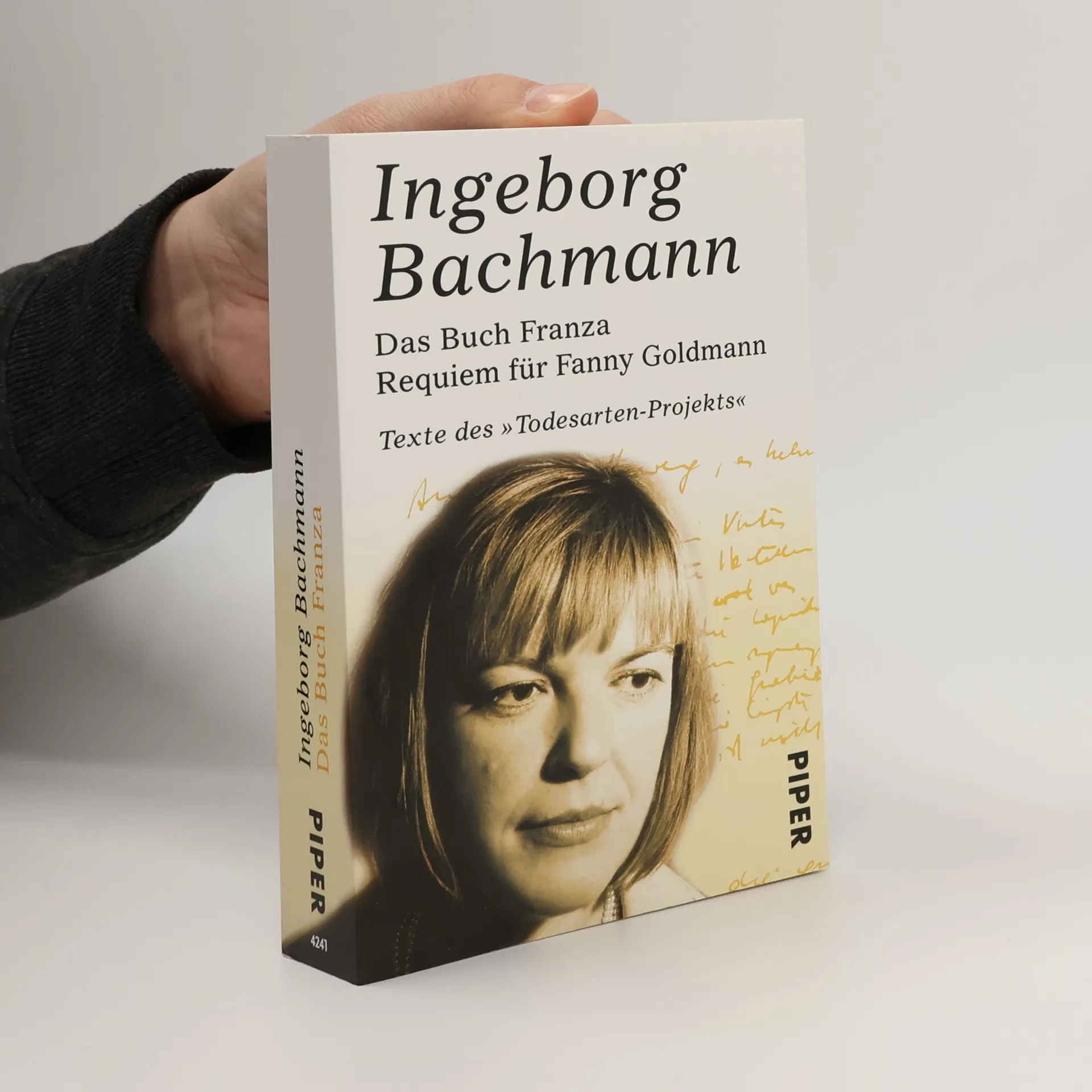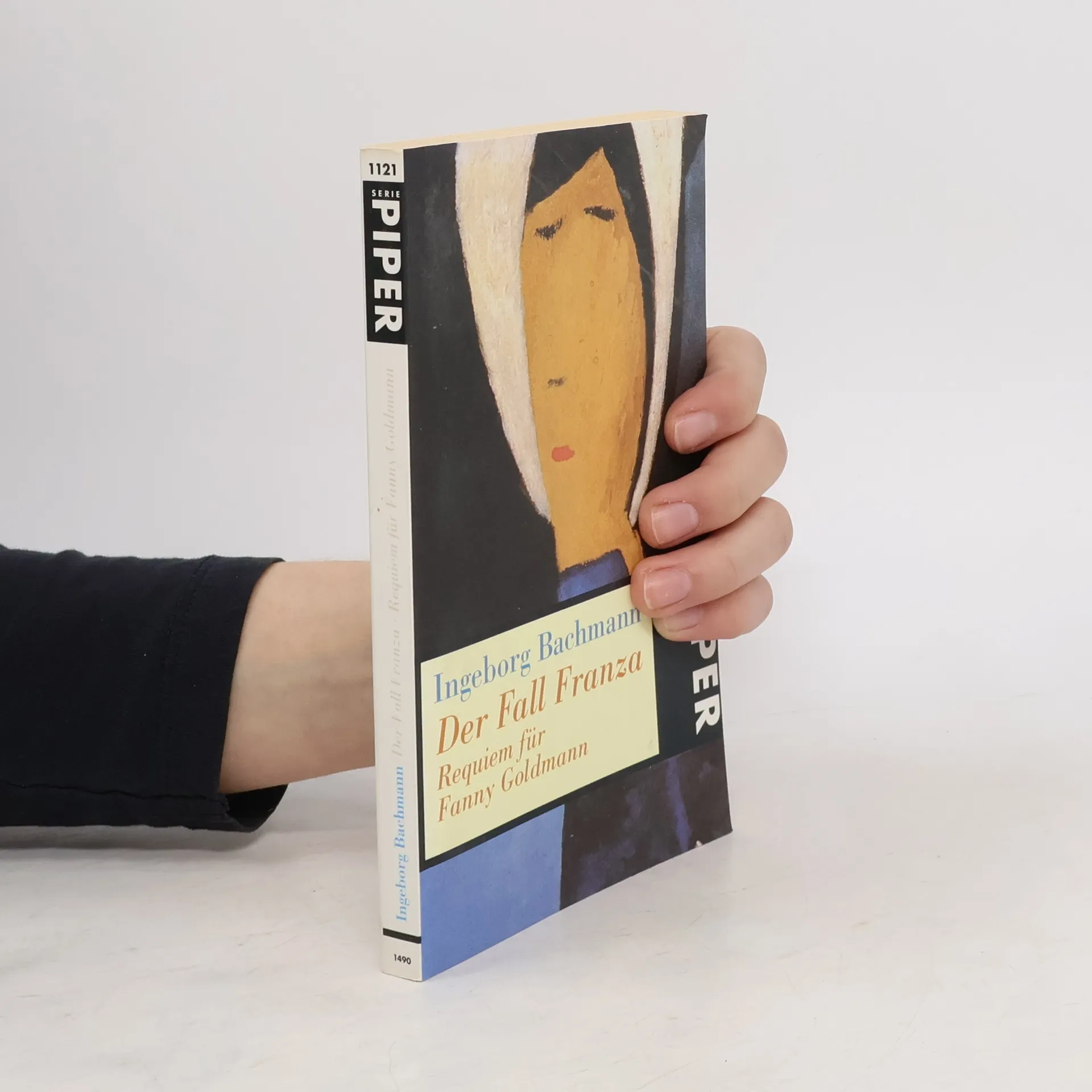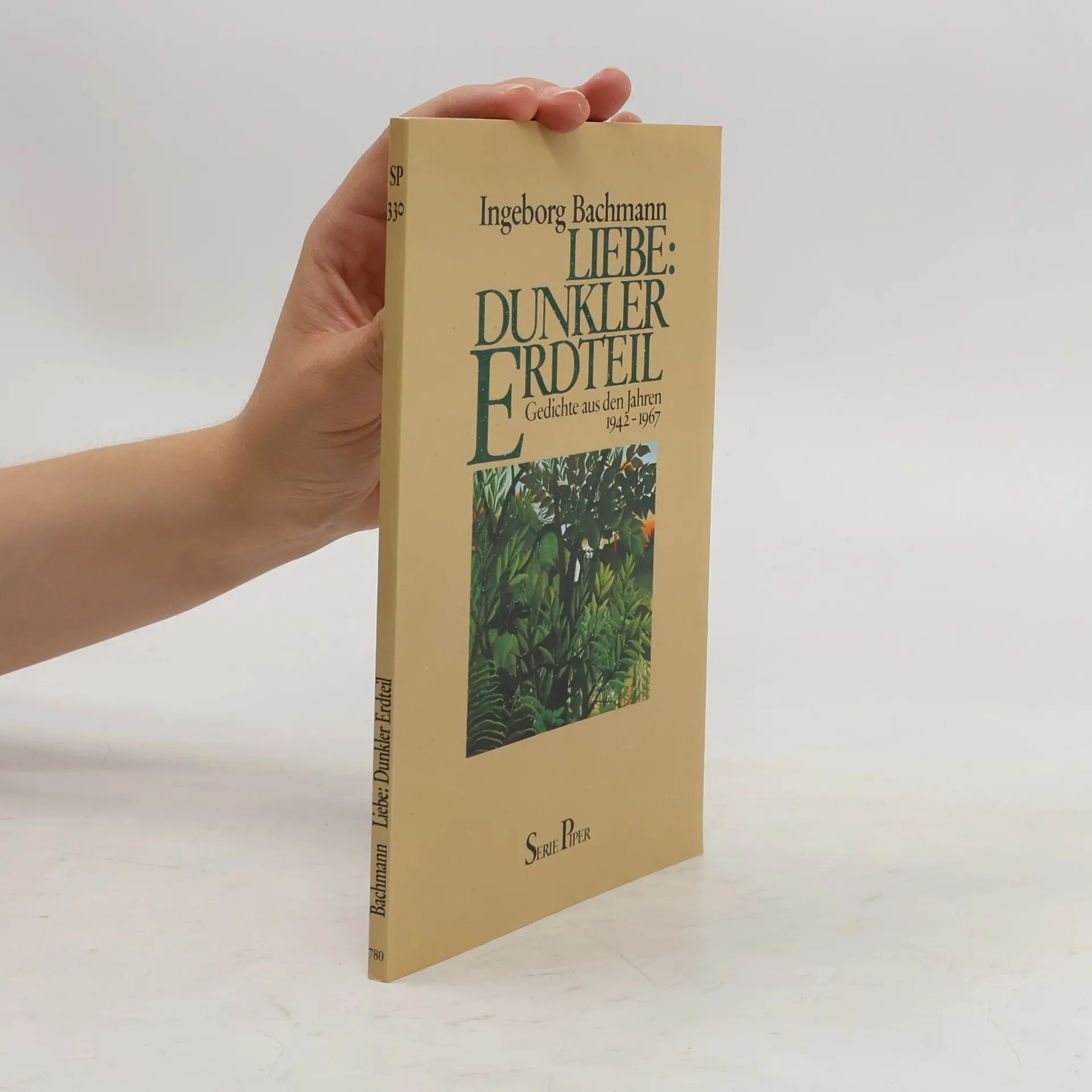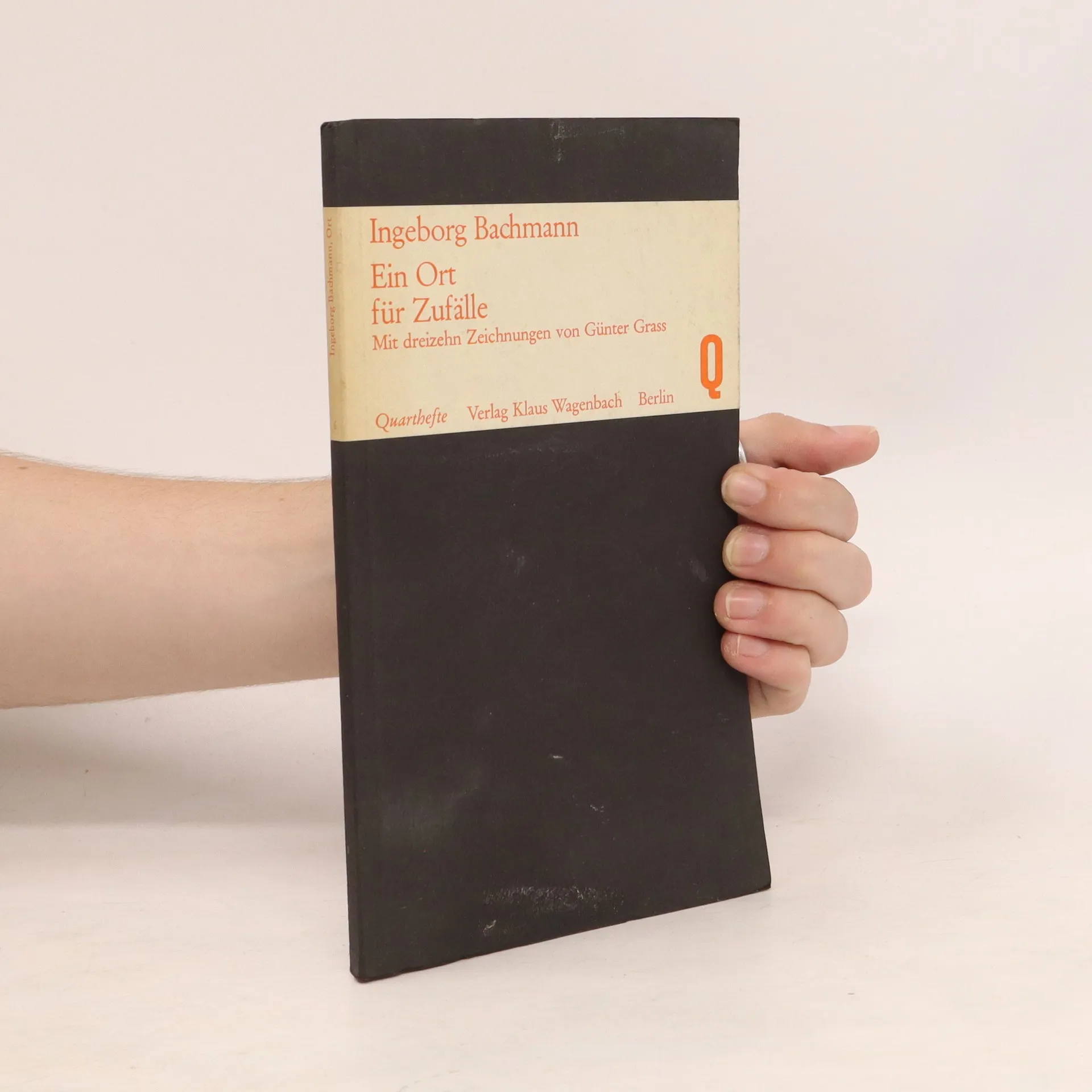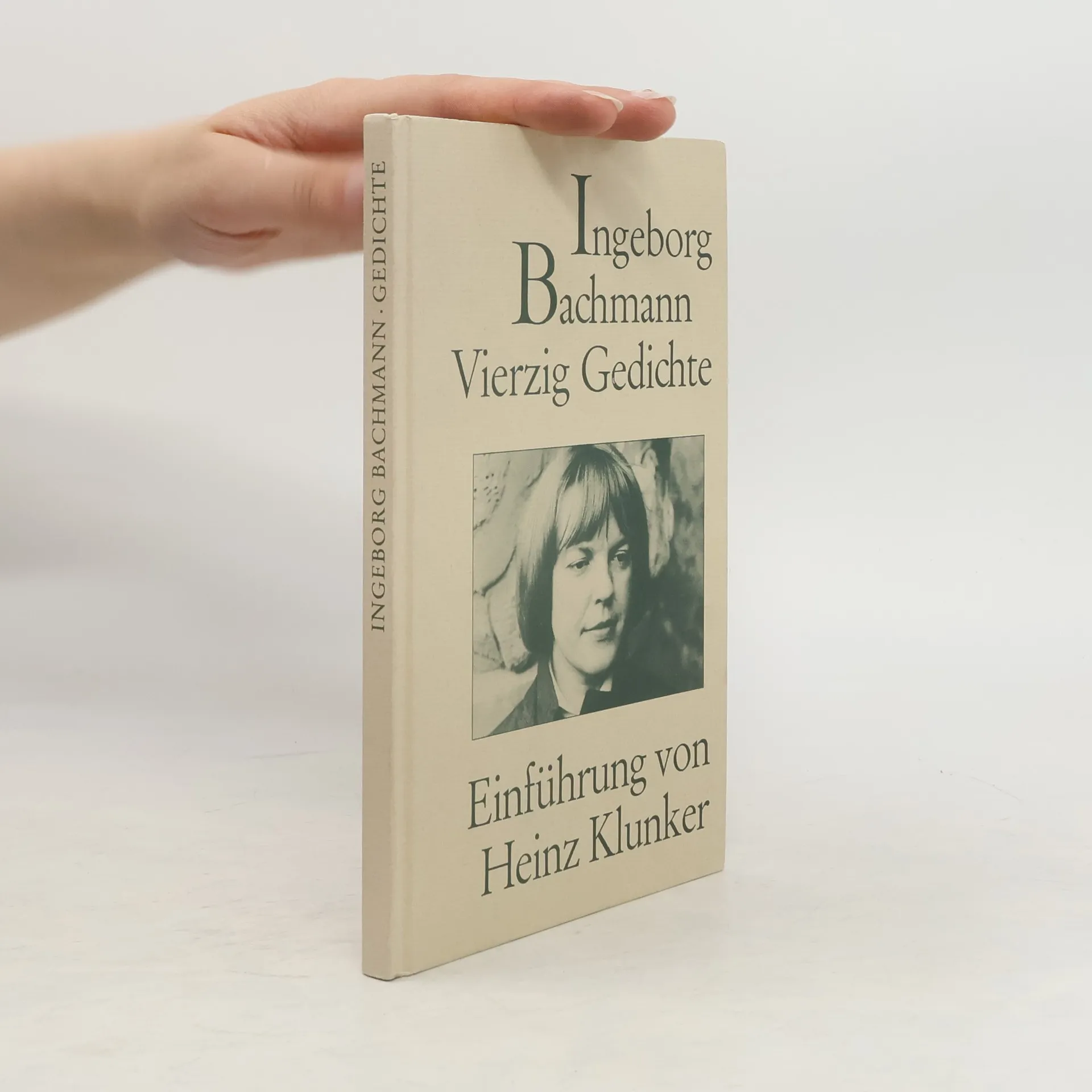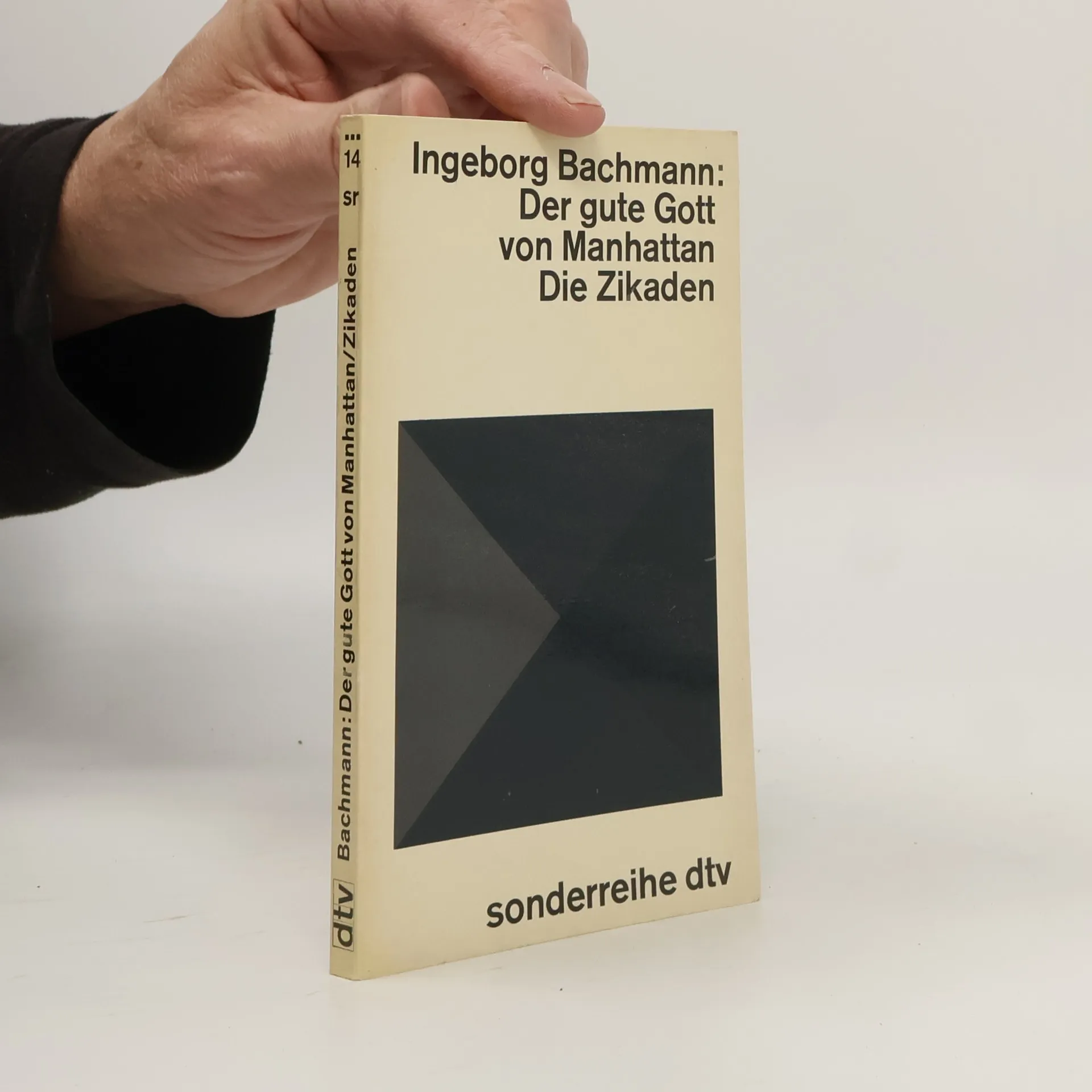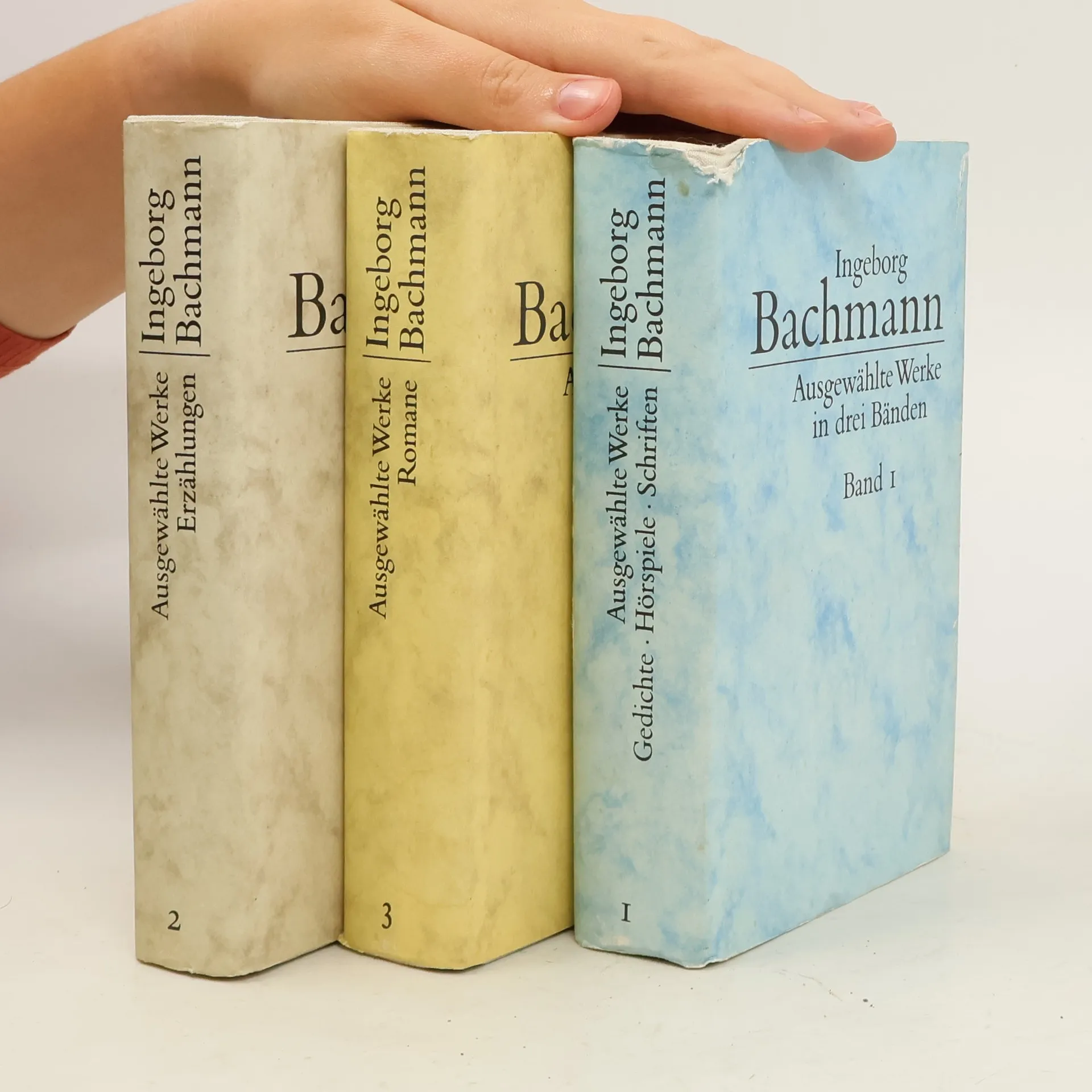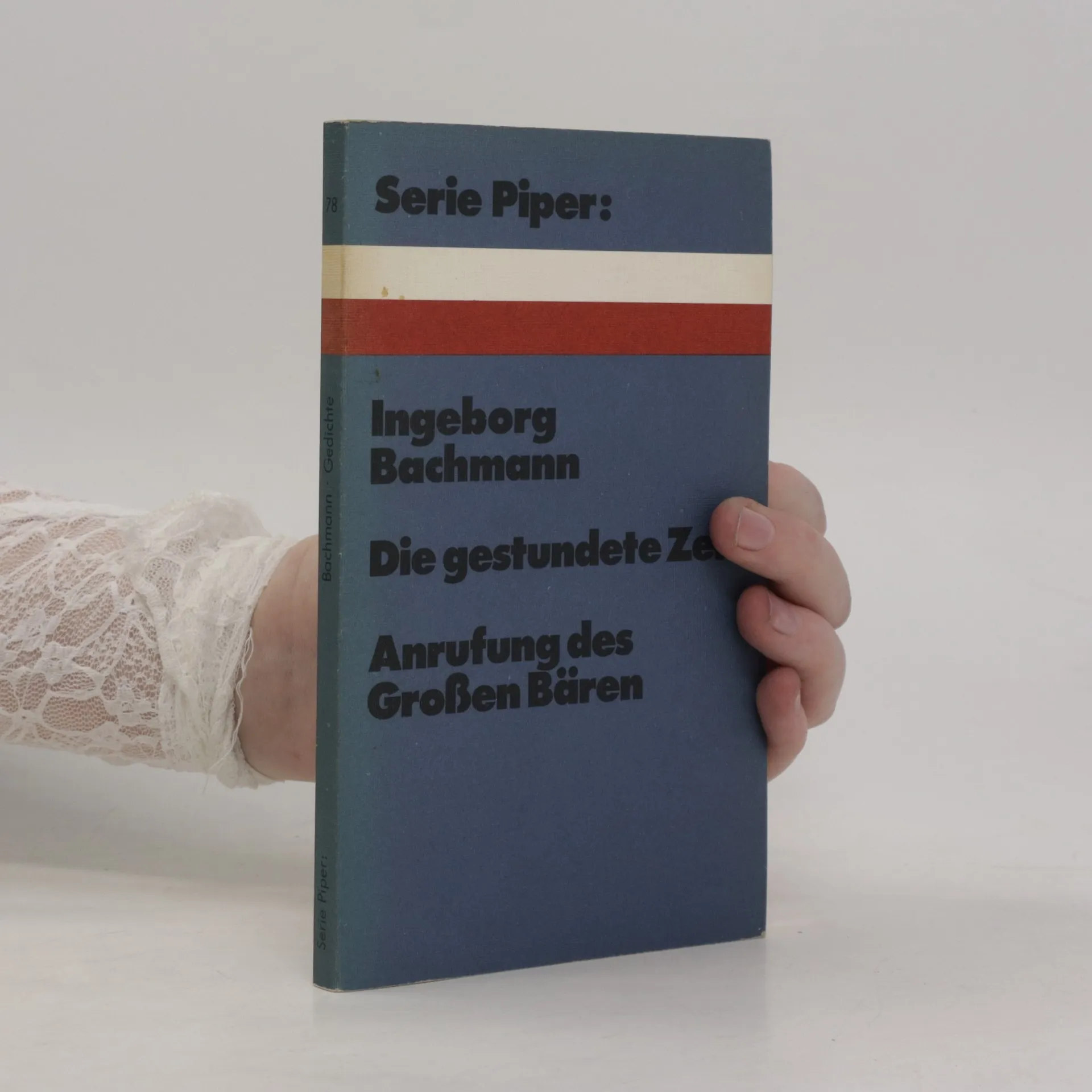
Ingeborg Bachmann Books
Ingeborg Bachmann's literary endeavors, spanning poetry, prose, radio plays, and essays, aimed at transforming perception and consciousness, drawing readers into new experiences, including those of suffering. Her penetrating depiction of female subjectivity within a male-dominated society sparked a significant shift in how her work was received. While initially celebrated for her lyric poetry, Bachmann increasingly turned to prose, exploring the inadequacy of the world and the yearning for a new, truer order. Her experimental works often reveal women damaged by patriarchal structures, diagnosing the era's ills and positing that fascism originates in interpersonal relationships.


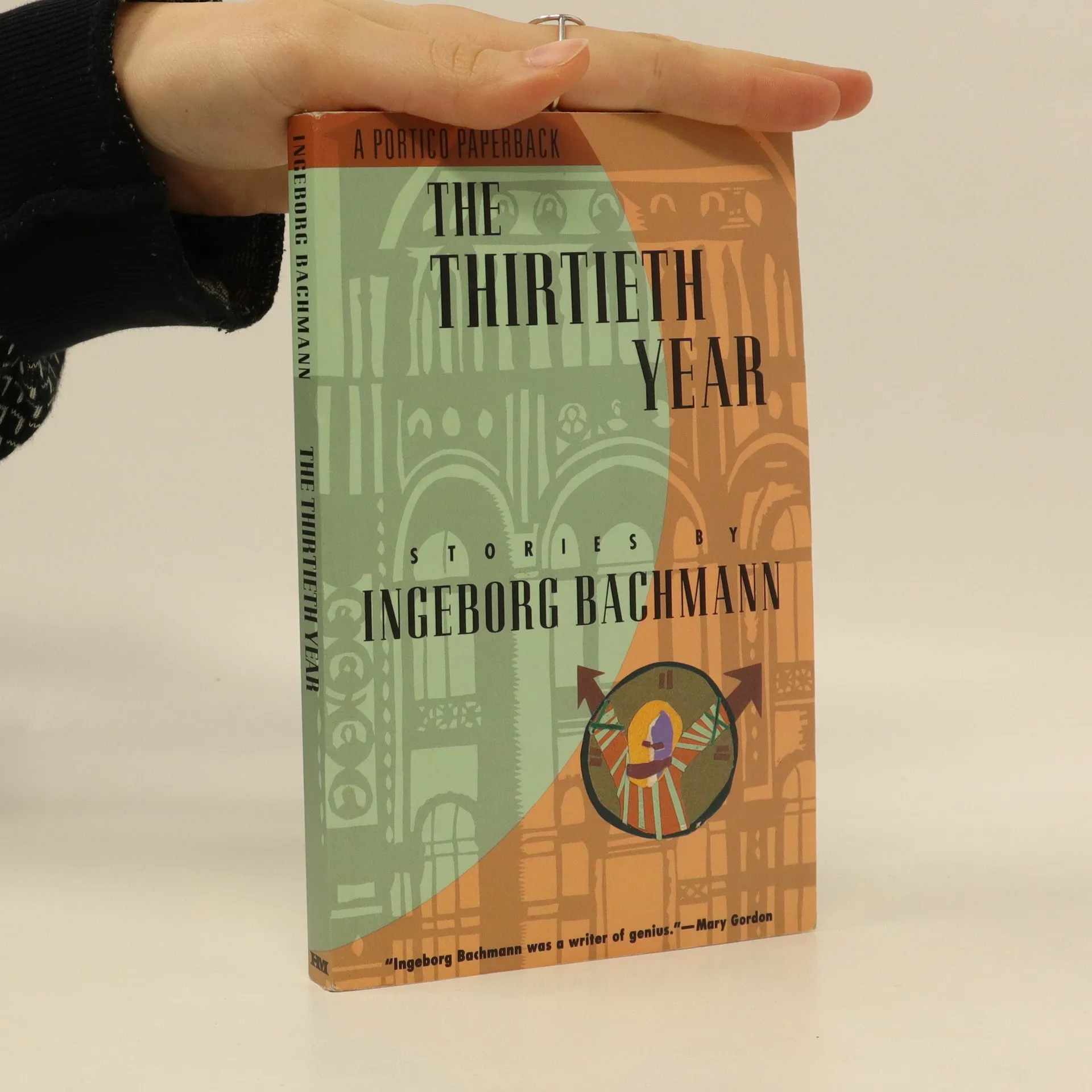
The thirtieth year
- 181 pages
- 7 hours of reading
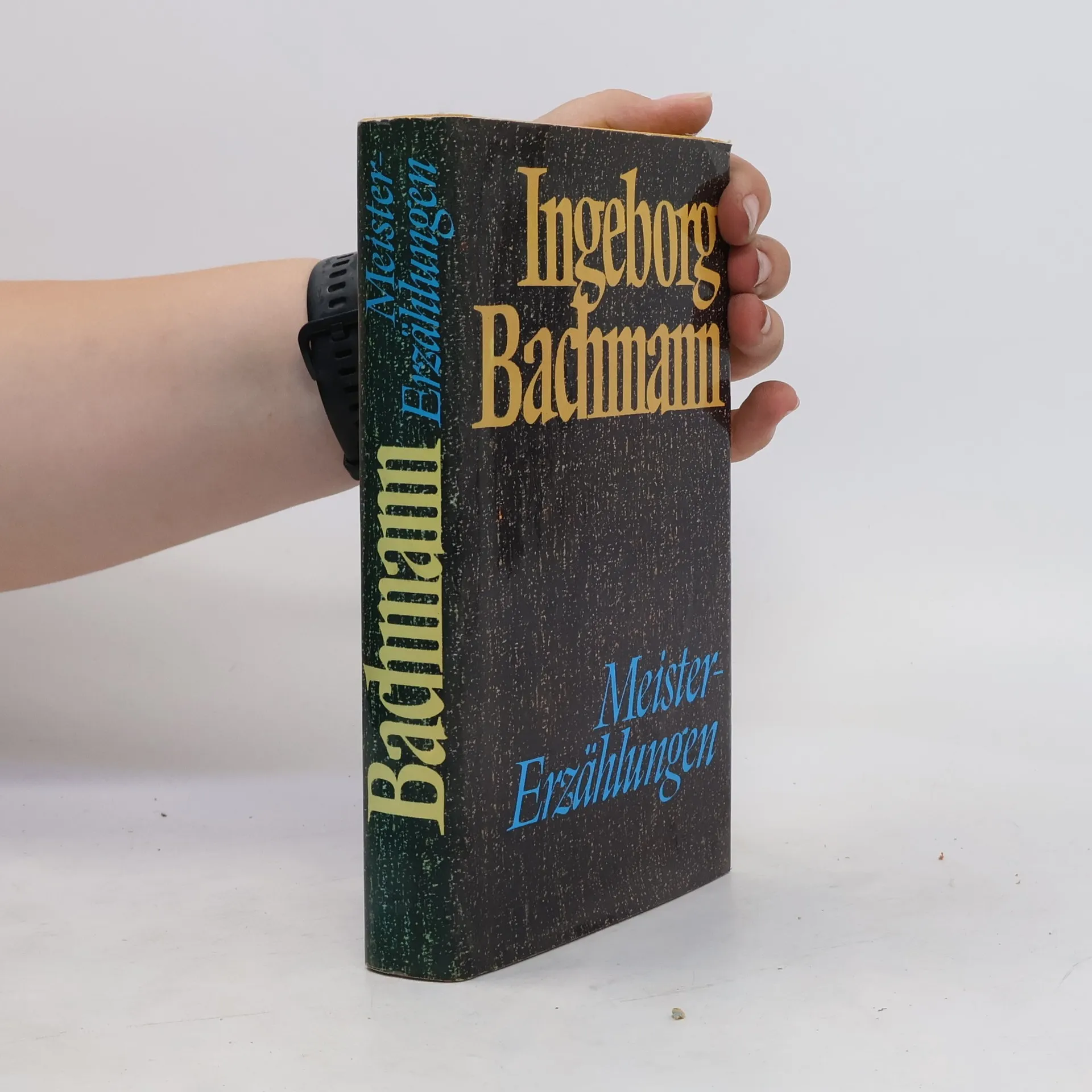
This is collection of the stories written by a distinguished Austrian author who died in 1973. Reading these stories entails abandoning the terms of one's own comfort. The author's relentless vision demands that readers allows themselves to be hypnotised, taken over by her repetitive cadences and burning images of grief and loss. And yet, in the beauty of her images there is a tremendous affirmation of the world.
First published by Zephyr Press in 2006, Darkness Spoken is the most complete volume of Ingeborg Bachmann's poetry in English and German. Considered one of the premiere poets of her generation, Bachmann's various awards include the Georg Büchner Prize, the Berlin Critics Prize, the Bremen Award, and the Austrian State Prize for literature. Darkness Spoken collects her two celebrated books of poetry, as well as the early and late poems not collected in book form. This volume also contains 129 poems released from Bachmann's archives that had never been translated before 2006. Twenty-five of them also appeared in German for the first time. Continued research by Peter Fikins on Bachmann's writing since 2006 as well as his current work on Bachmann's biography (forthcoming, Yale University Press), has afforded him the opportunity to draw even closer to Bachmann's poems and appreciate more deeply their context and meaning. For this second revised edition, roughly a quarter of the poems collected here have benefitted from revisions in word choice for the purposes of greater clarity, better syntax or rhythm, or in a few instances, corrections in punctuation and of interpretive errors. A few lacunae in the German have also been corrected, allowing this volume to remain the most complete edition of Bachmann's poetry.
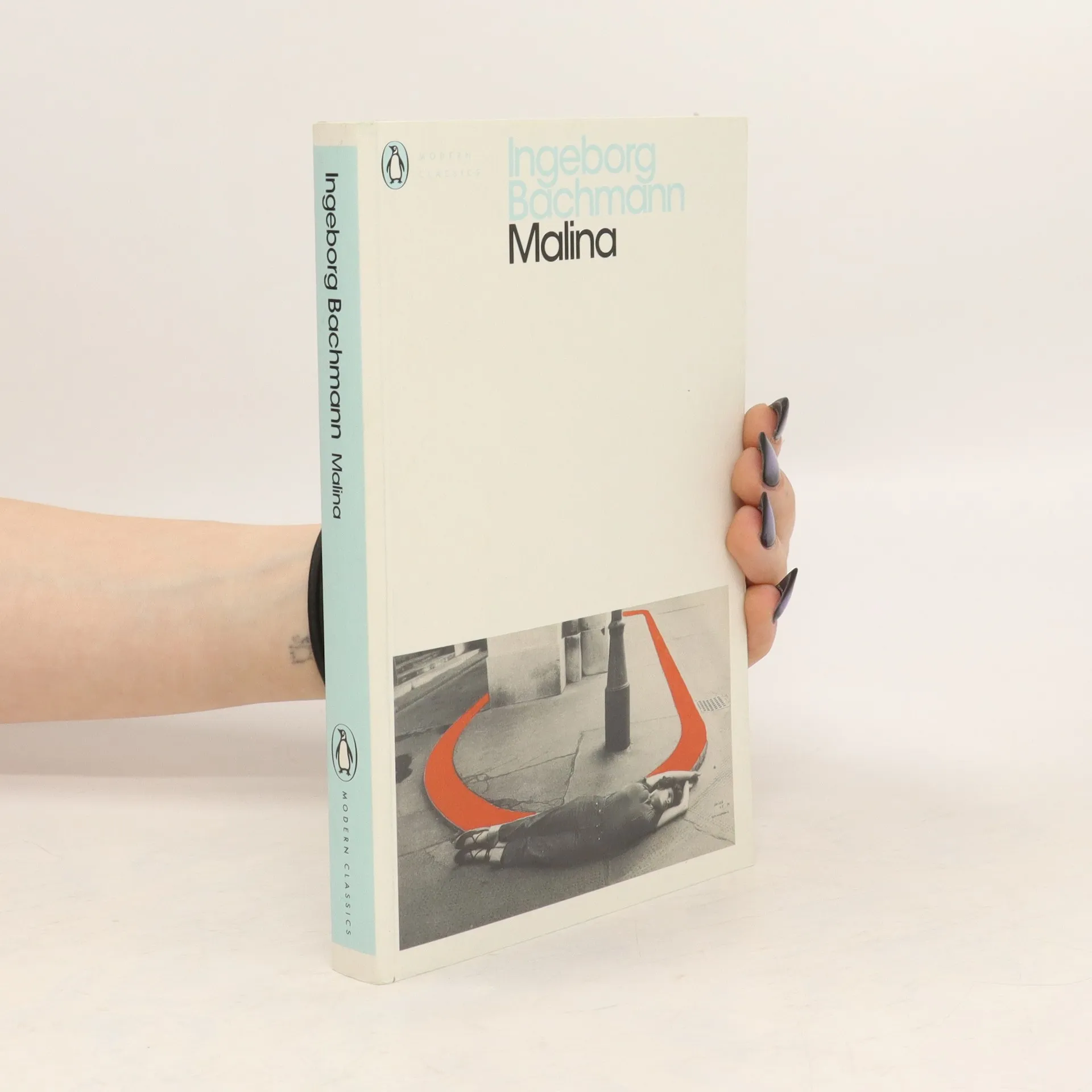
Malina
- 304 pages
- 11 hours of reading
A woman in Vienna walks a tightrope between the two men in her life. There is her lover Ivan, beautiful and unavailable, who obsesses her. And there is Malina, the civil servant with whom she shares an apartment: reserved, fastidious, exacting, chillingly calm. As the balance of power between them starts to shift, she feels her fragile identity unravelling, gradually revealing the dark, bruised heart of her past. Part detective novel, part love story, part psychoanalytic case study, Bachmann's 1971 masterpiece brings us to the broken heart of human experience, eros, neurosis and history.
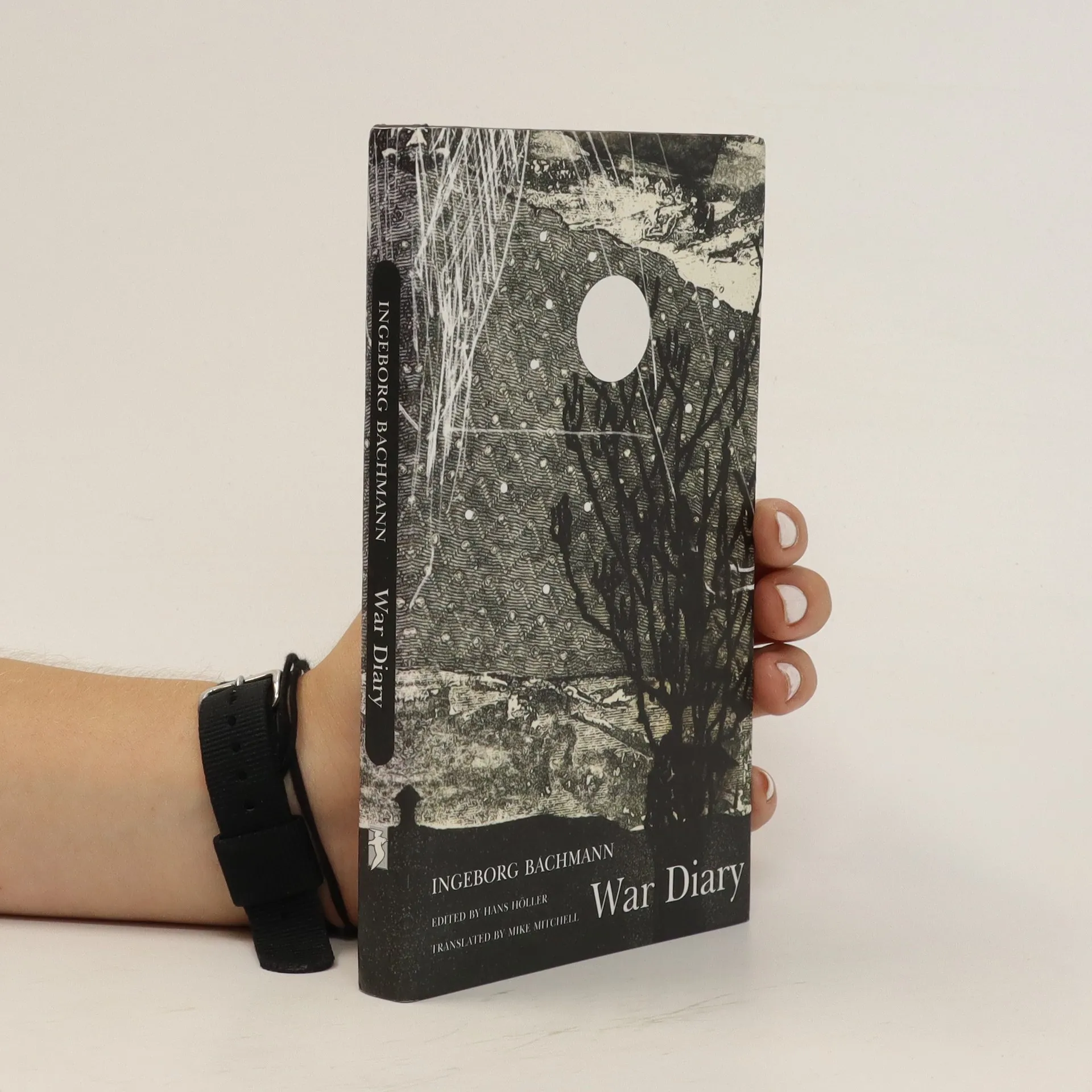
War Diary
- 108 pages
- 4 hours of reading
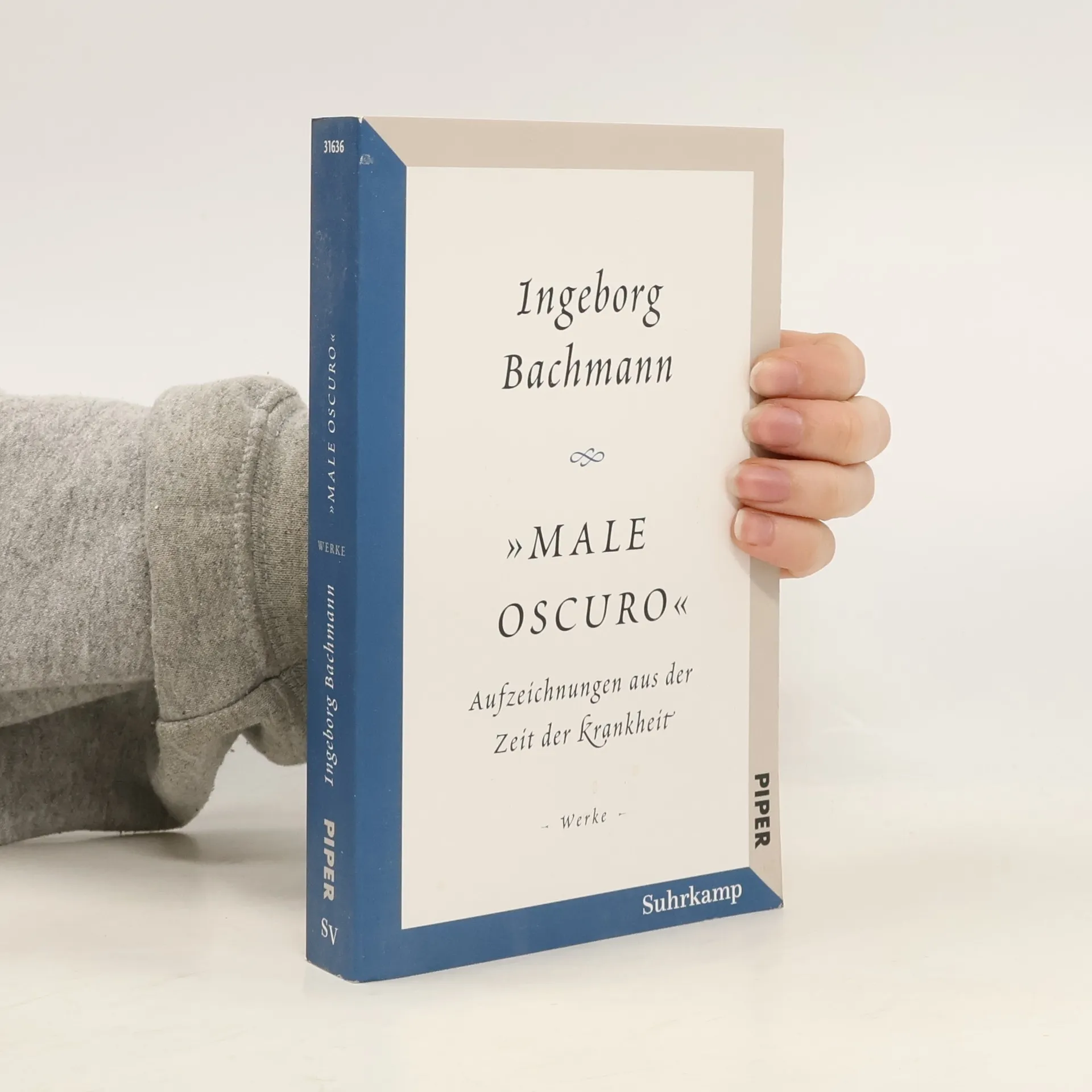
Austrian writer Ingeborg Bachmann (1926-73) is a key figure in postwar German literature, known for her novels, poetry, and plays. Her War Diary is a collection of sketches rather than a traditional journal, reflecting the final months of World War II and the early British occupation of Austria. These powerful entries, remarkable for her young age, express her deep disdain for war and Nazism as she navigates the fervent nationalism in Klagenfurt. The British occupation introduces her to Jack Hamesh, a British officer and Jewish refugee from Vienna, who is surprised to meet an Austrian girl familiar with banned authors like Mann and Schnitzler. Their correspondence, particularly Hamesh's letters to Bachmann during his time in Israel in 1946, reveals his struggles with rootlessness after the war. War Diary offers a unique perspective on Bachmann's development as a writer and serves as a poignant reflection on life in post-war Austria. The insights from both Bachmann and Hamesh extend beyond their personal narratives, touching on broader themes of loss and recovery. The German edition has been praised for its critical commentary, highlighting the historical context and the emotional resonance of Bachmann's experiences.
The Critical Writings of Ingeborg Bachmann
- 370 pages
- 13 hours of reading
This collection features the first English translation of critical writings by a renowned Austrian poet and novelist, highlighting his impact as a leading postwar German intellectual. The essays and lectures delve into his profound insights on literature and society, showcasing his influential perspectives and contributions to the cultural landscape of the time.
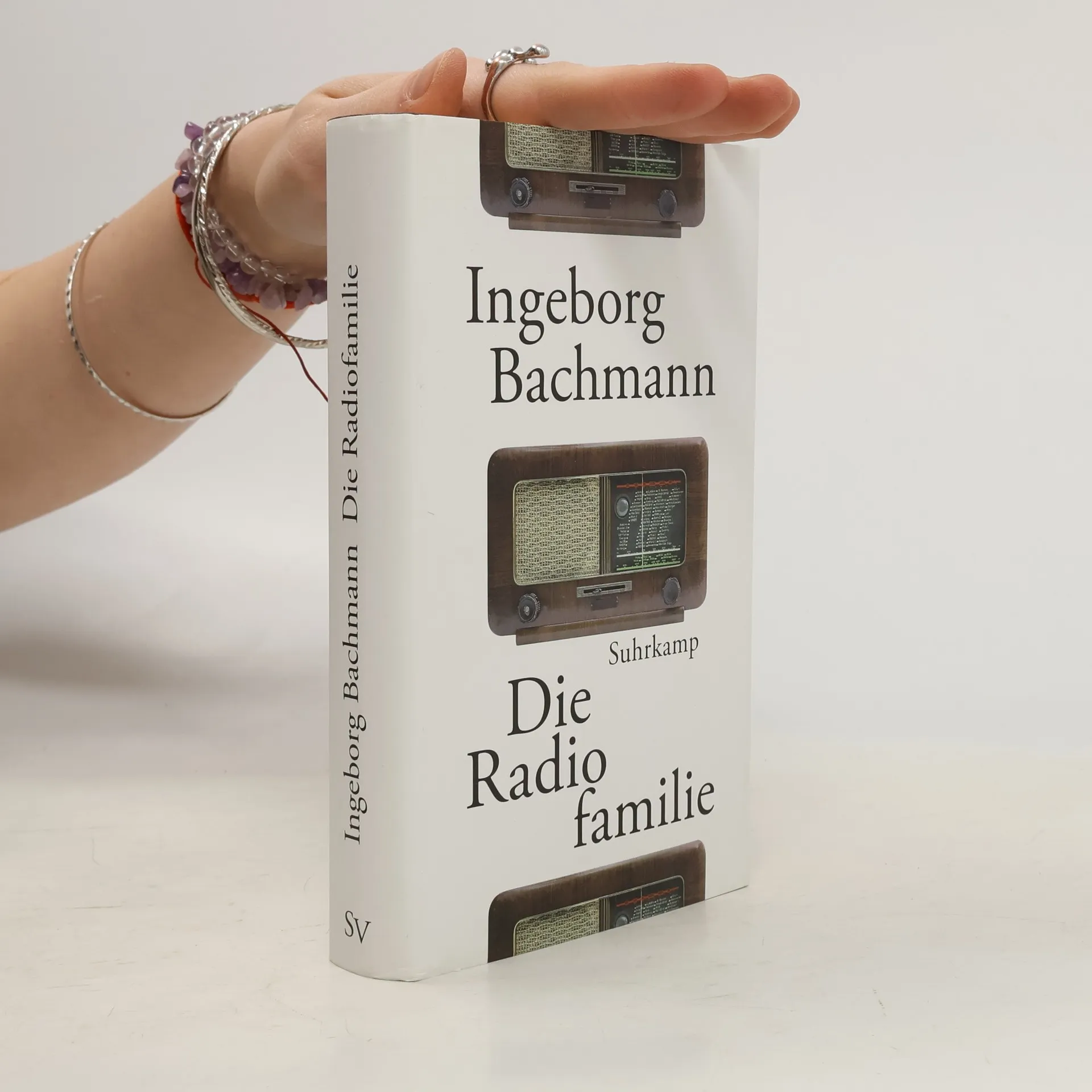
Radio Family
- 400 pages
- 14 hours of reading
German
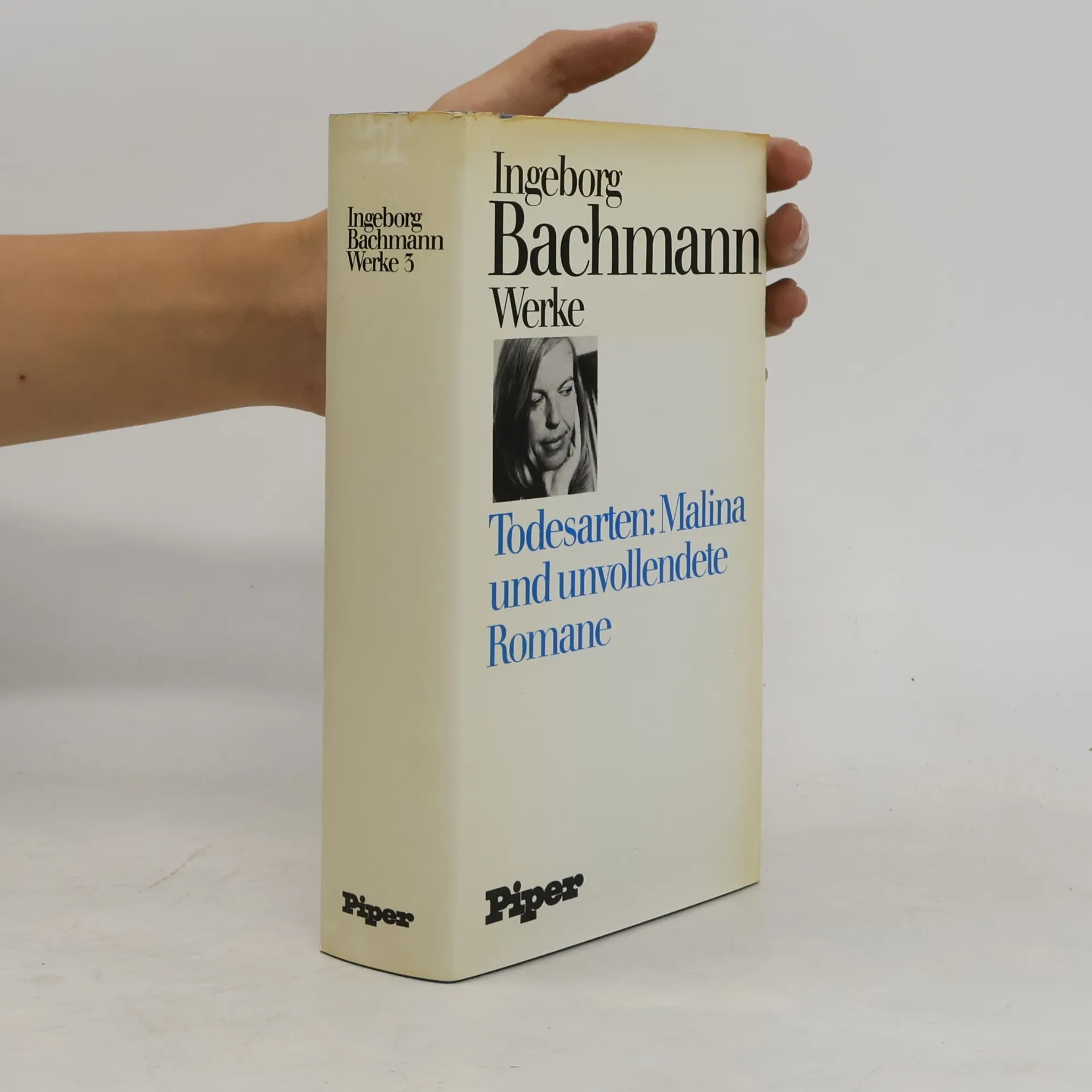
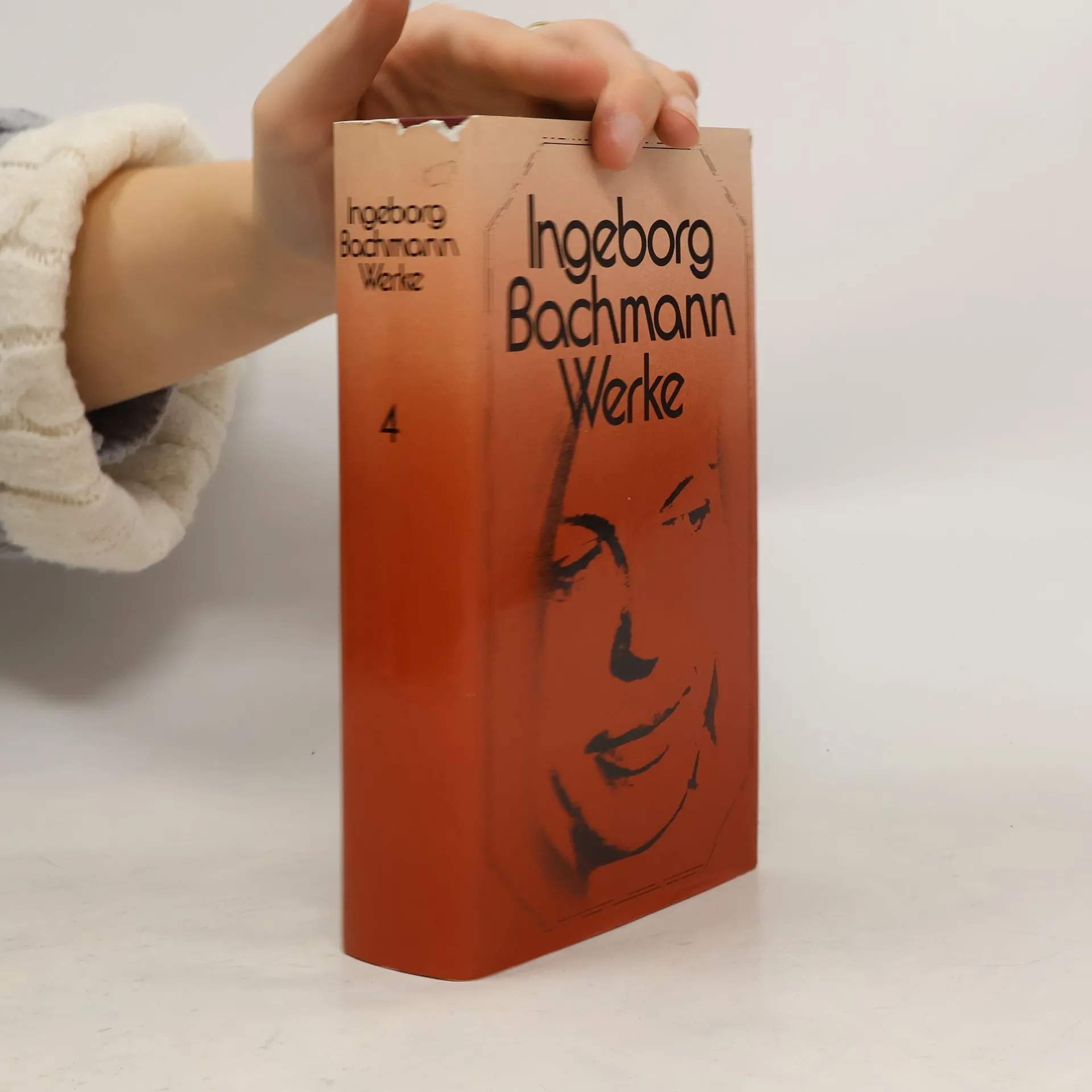
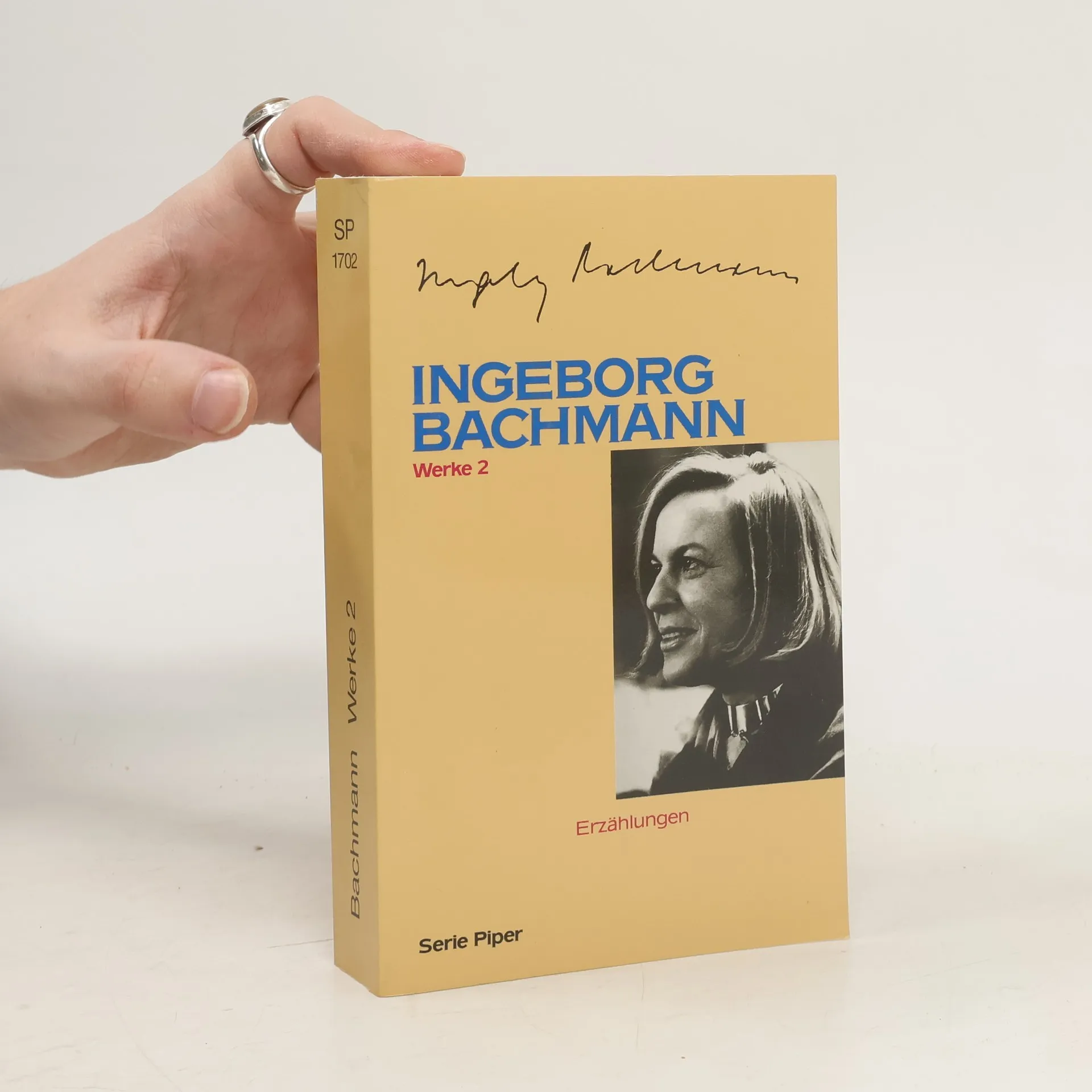
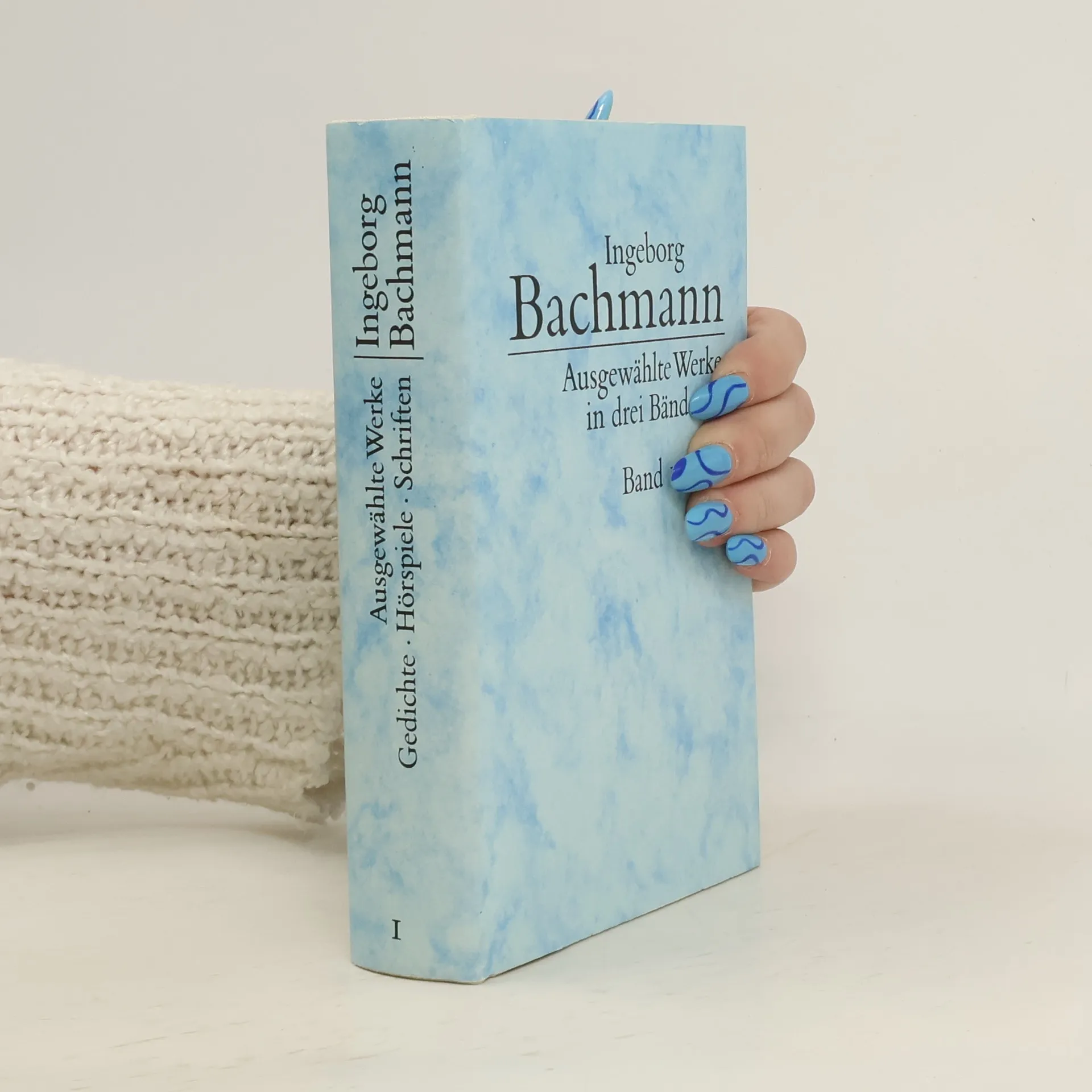
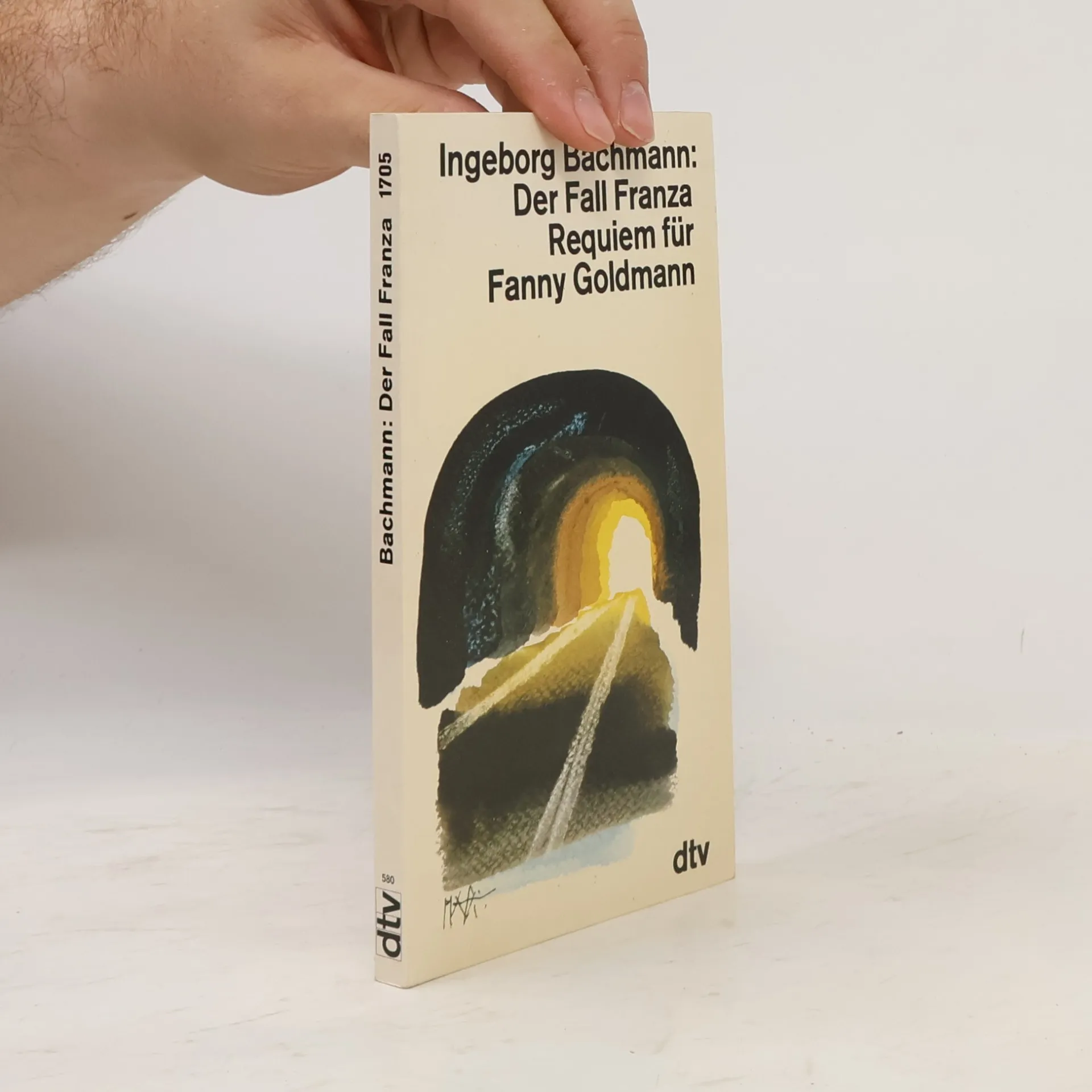
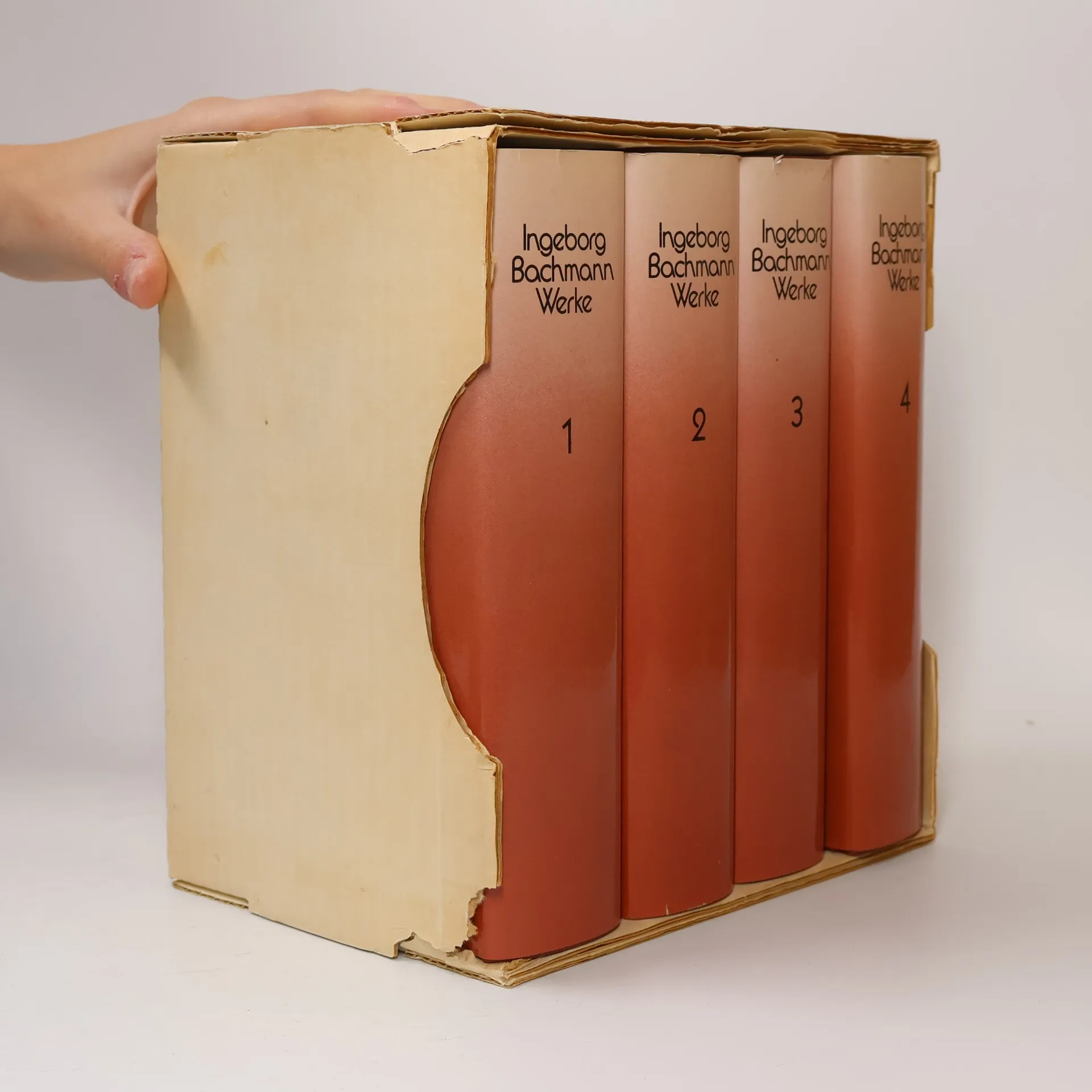
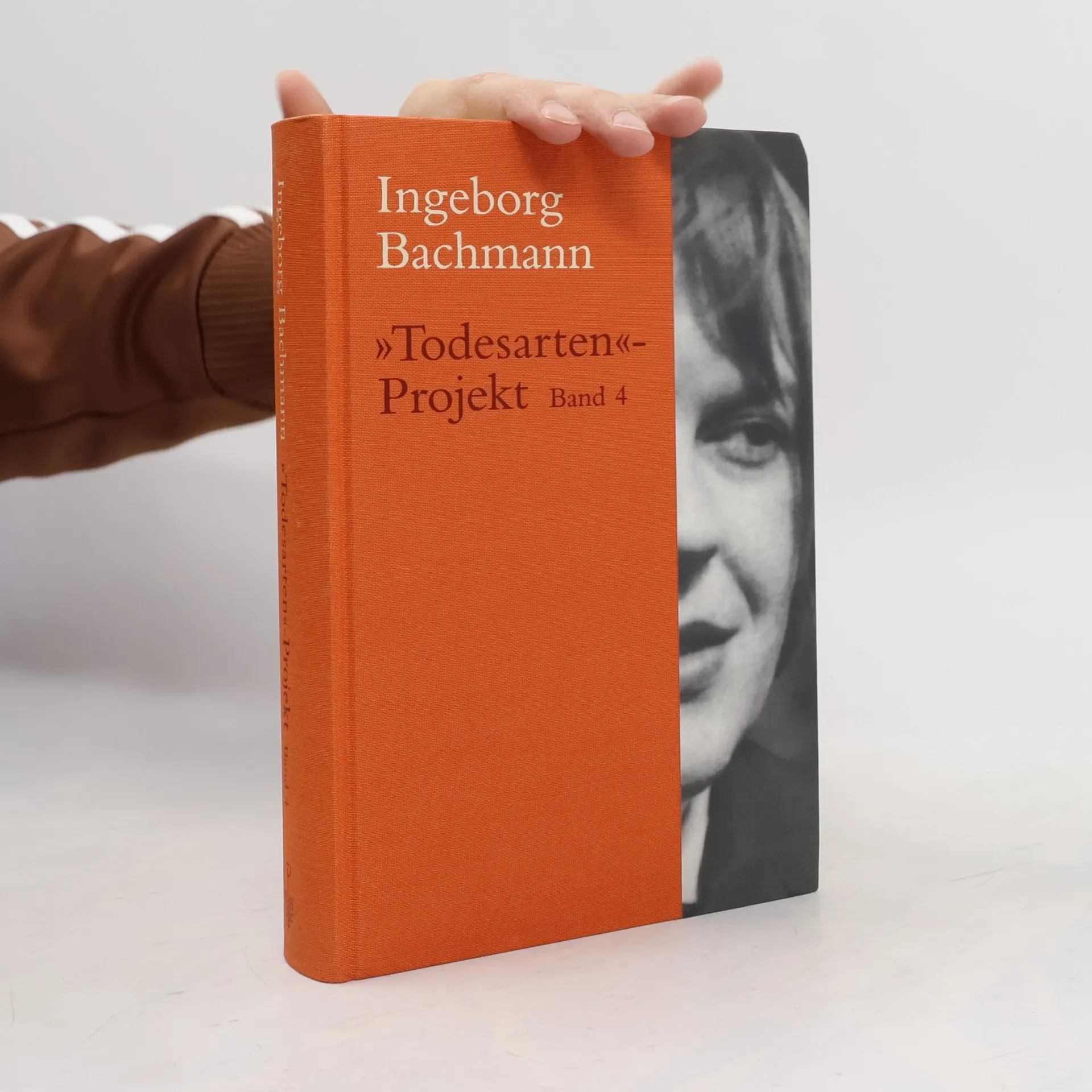
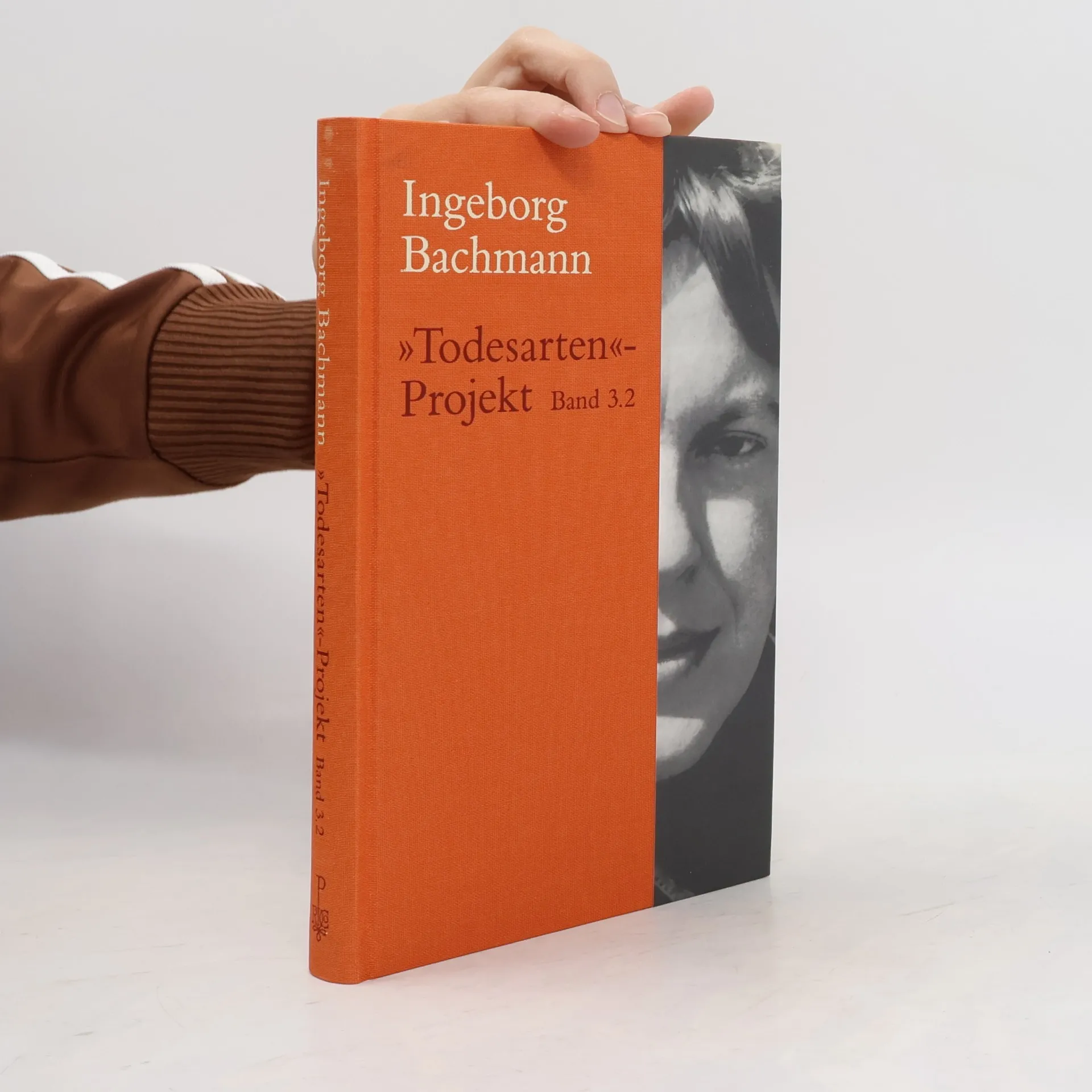
Werke 1.-4.
- 4 volumes
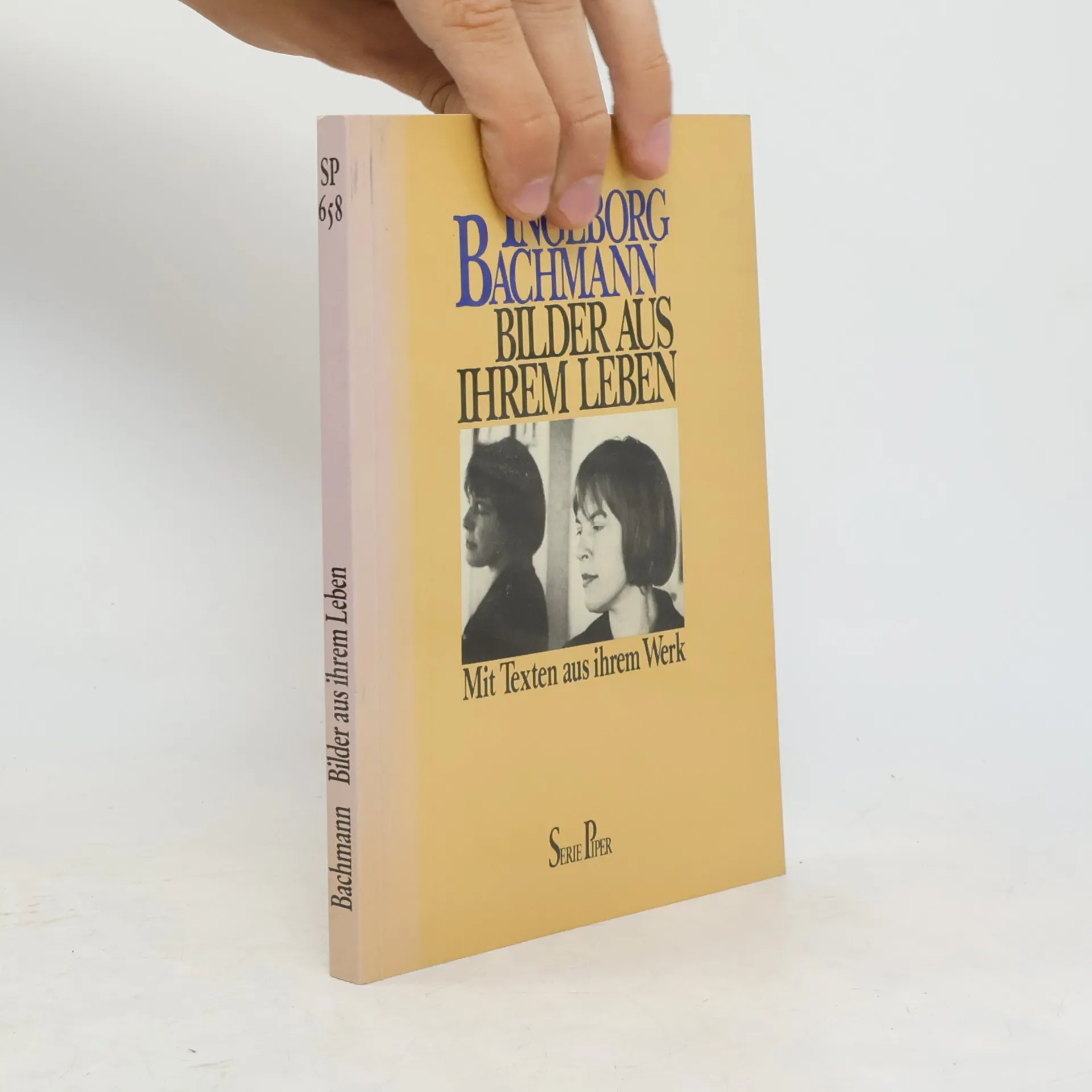
Ingeborg Bachmann, geb. 1926 in Klagenfurt, zählt zu den bedeutendsten Schriftstellerinnen der deutschsprachigen Nachkriegsgeneration. Ihr Werk umfaßt Romane, Kurzprosa und Lyrik, aber auch Übersetzungen aus dem Italienischen. 1964 wurde ihr der Georg-Büchner-Preis verliehen. Sie starb 1973 in Rom.
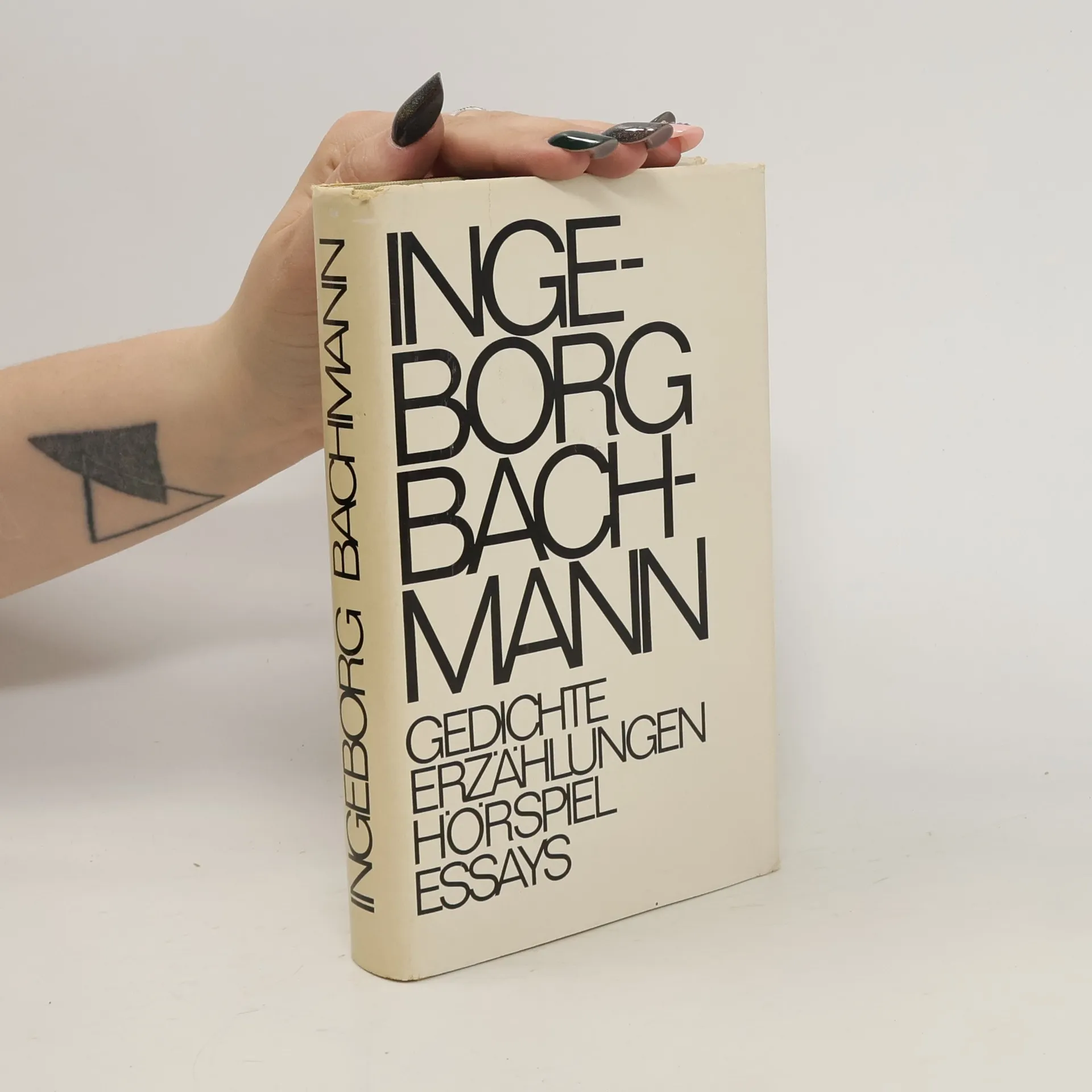
Vom dichterischen Schaffen Ingeborg Bachmanns nicht zu trennen sind ihre essayistischen Texte. Philosophische Reflexionen, Reden anlässlich ihrer Preisverleihungen, Städteimpressionen und Porträts ihrer Zeitgenossen geben im Skizzenhaften Einblick in die »Werkstatt« der Schriftstellerin. Die essayistischen Texte geben ein eindrucksvolles Zeugnis unermesslicher Belesenheit.