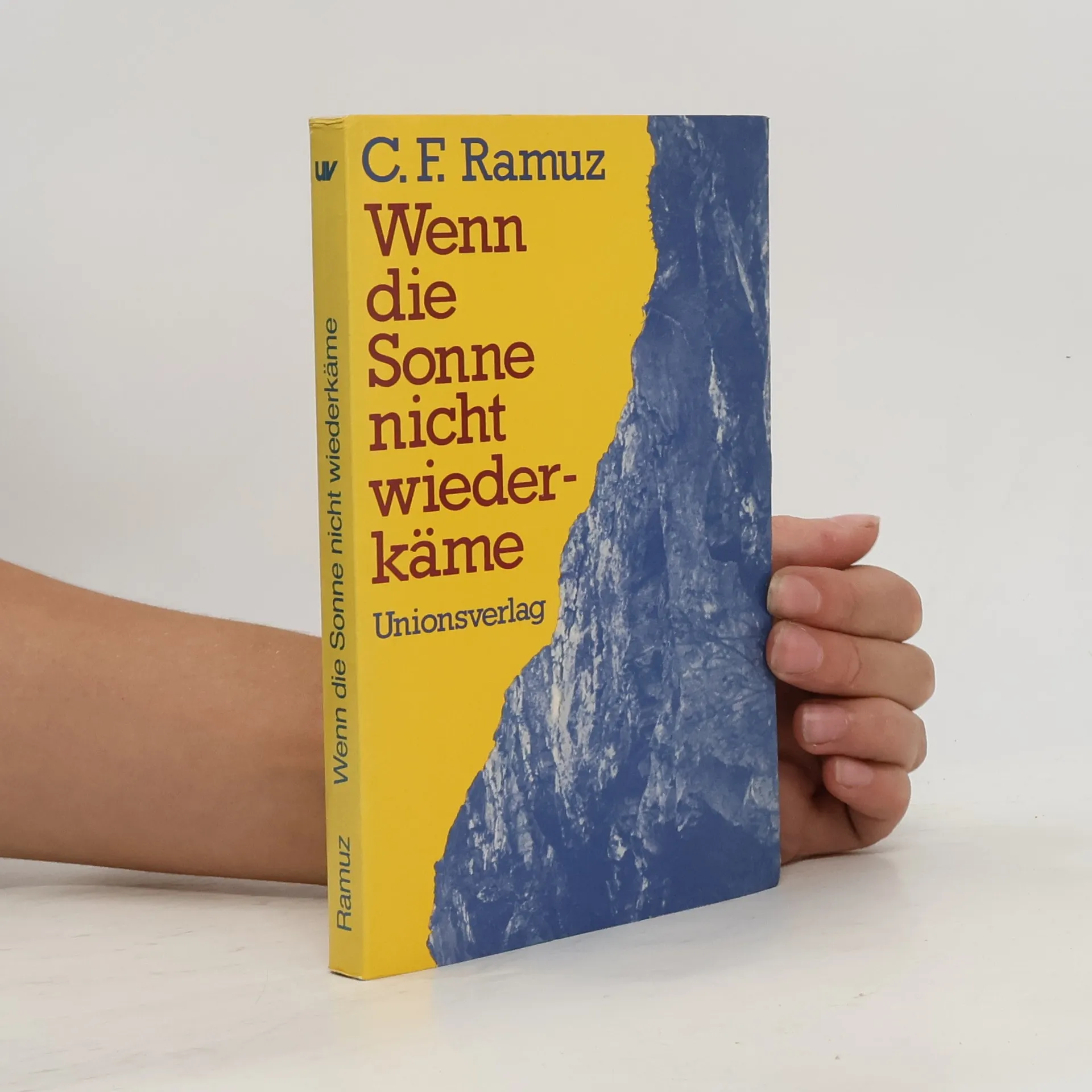
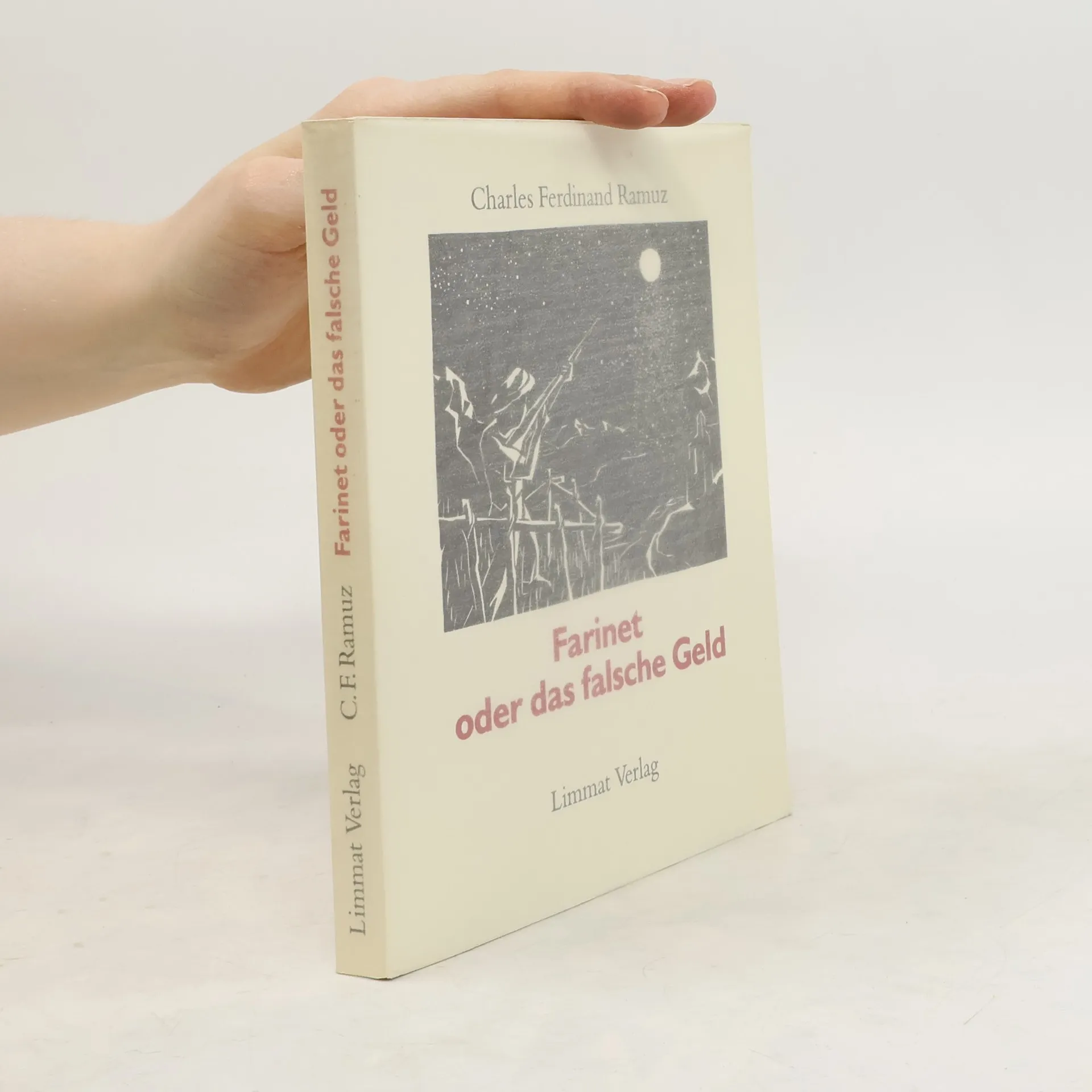
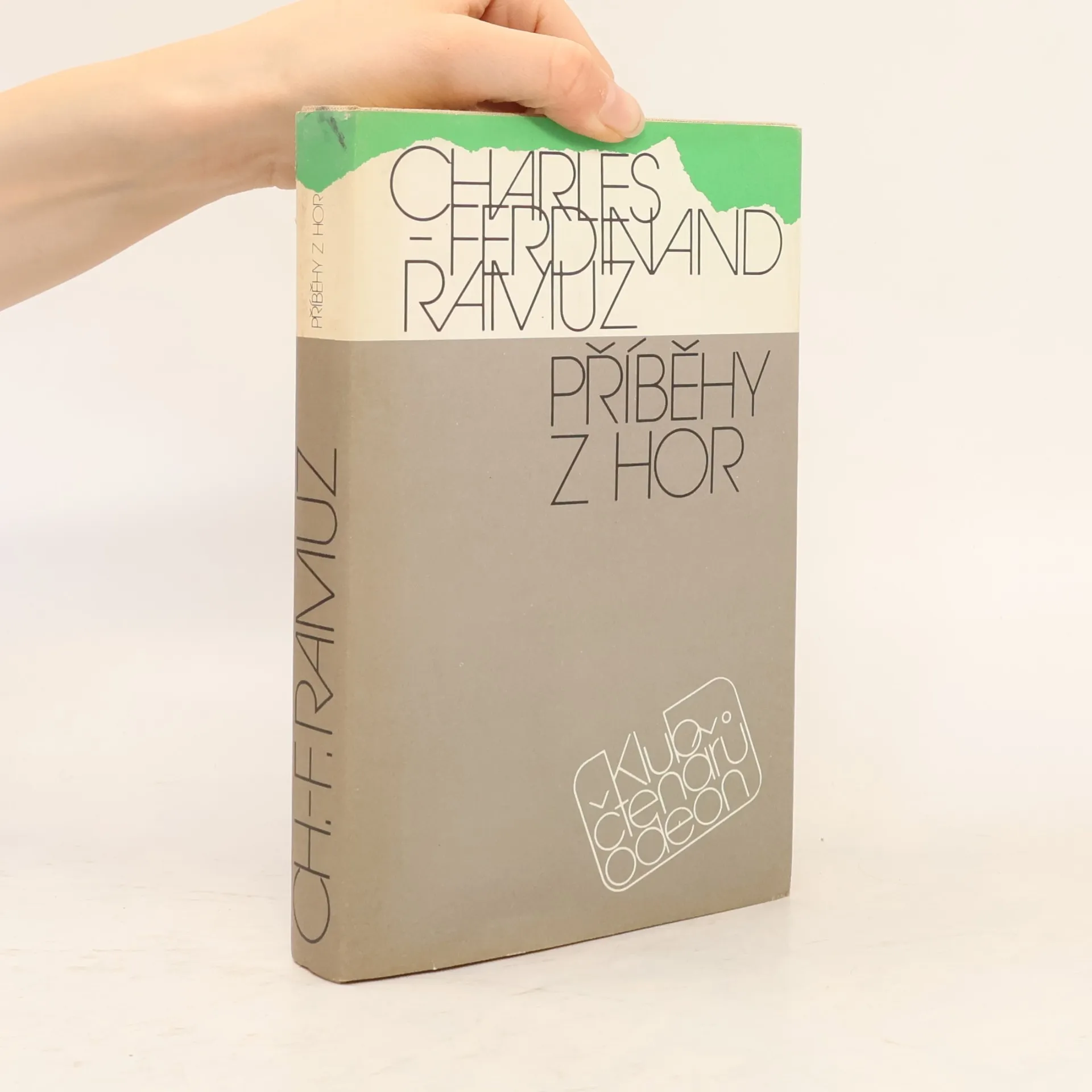
A haunting, allegorical Swiss masterpiece centered around a posse of villagers as they brave dark elements to ascend a mountain, thicketed with lore Teeming with tension, this immersive, rhapsodic story transports readers to the Swiss mountainside, bringing to mind the writing of Thomas Mann while offering character studies as vivid and bracing as Eudora Welty’s. Feed is running low in a rural village in Switzerland. The town council meets to decide whether or not to ascend a chimerical mountain in order to access the open pastures that have enough grass to “feed seventy animals all summer long.” The elders of the town protest, warning of the dangers and the dreadful lore that enfolds the mountain passageways like thick fog. They’ve seen it all before, reckoning with the loss of animals and men who have tried to reach the pastures nearly twenty years ago. The younger men don’t listen, making plans to set off on their journey despite all warnings. Strange things happen. Spirits wrestle with headstrong young men. As the terror of life on the mountain builds, Ramuz’s writing captures the rural dialog and mindsets of the men. One of the most talented translators working today, Bill Johnston captures the careful and sublime twists and turns of the original in his breathtaking translation.
Charles Ferdinand Ramuz Books

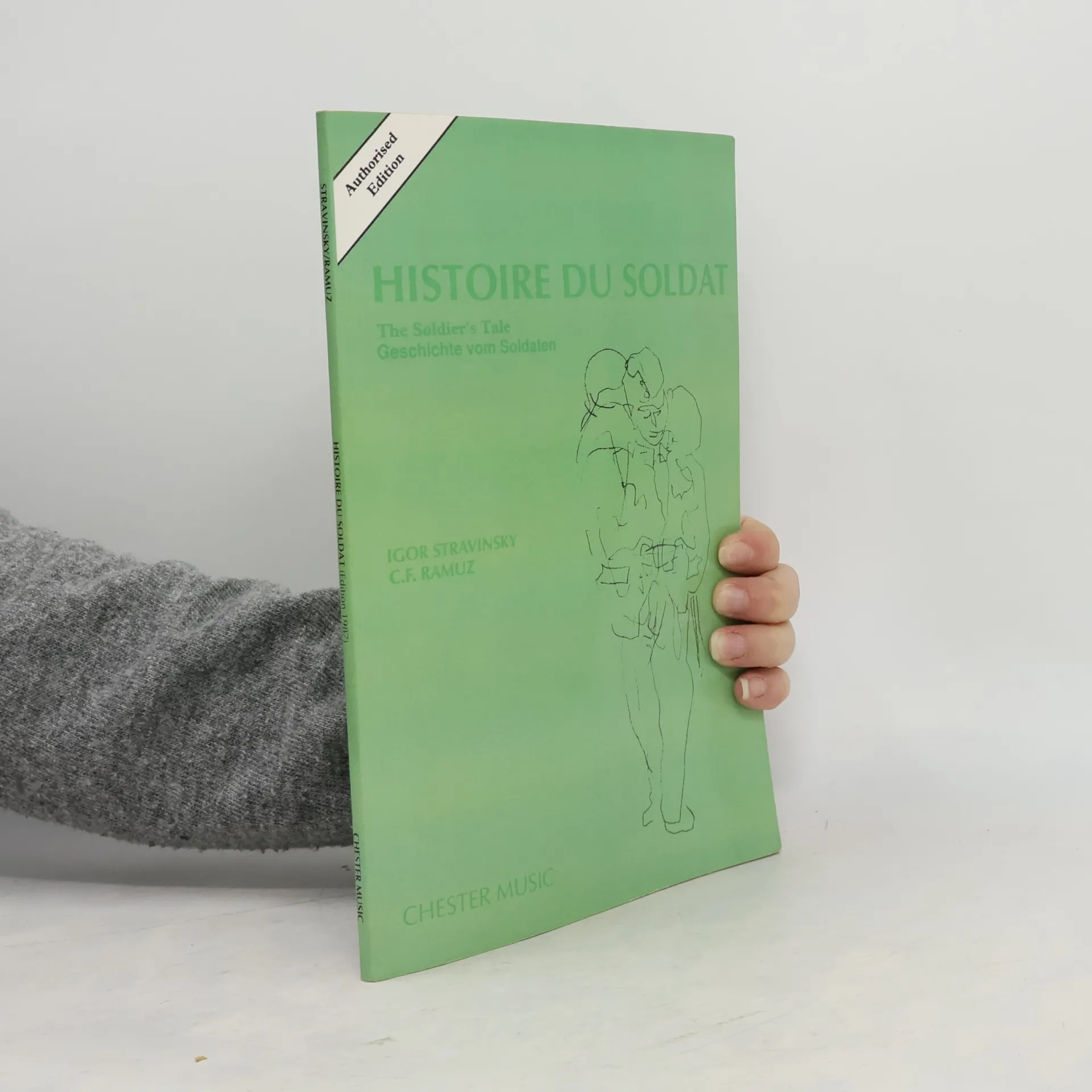

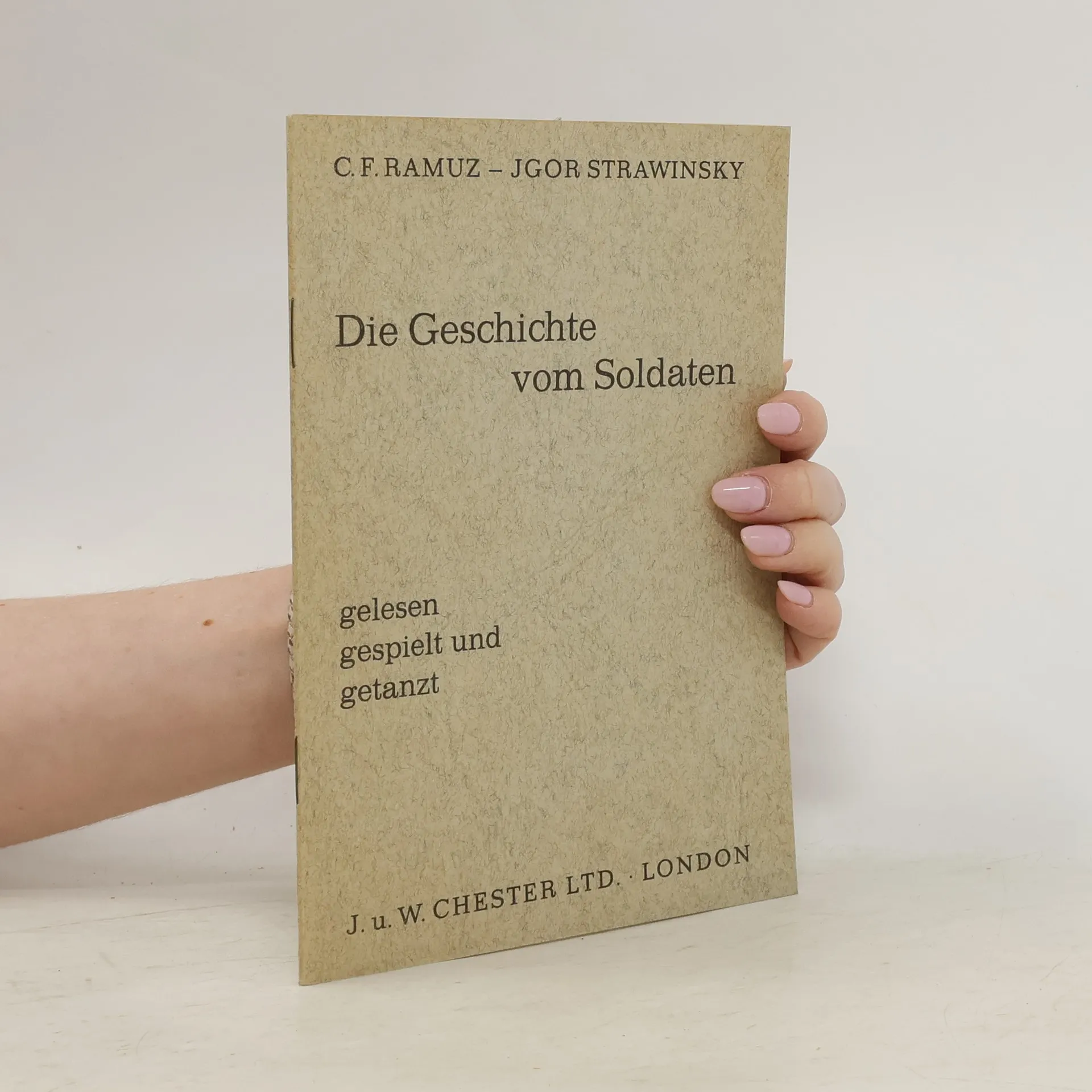
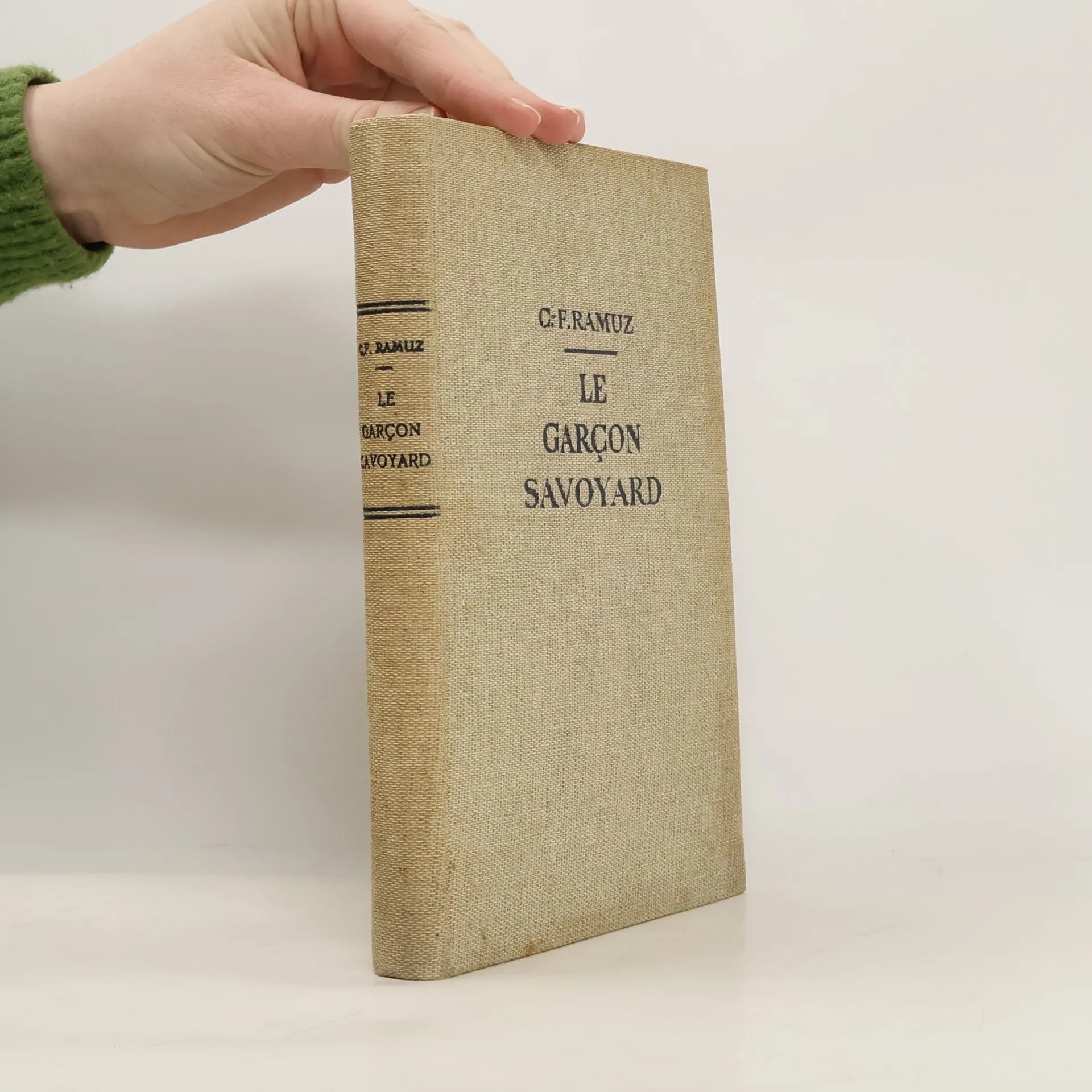
Histoire du soldat
Lue, jouée et dansée en deux parties = The Soldier's Tale - Authorized Edition
- 88 pages
- 4 hours of reading
(Music Sales America). In this authoritative new edition of Stravinsky's dramatic masterpiece, Histoire du Soldat , the publishers have sought to rationalise all the various, and sometimes conflicting, amendments made by the composer during his life time. This edition is for all who have an interest in the great musical masterpieces of the twentieth century. To be read, played and danced in two parts. Scored for clarinet, bassoon, cornet, trombone, violin, double bass and percussion.
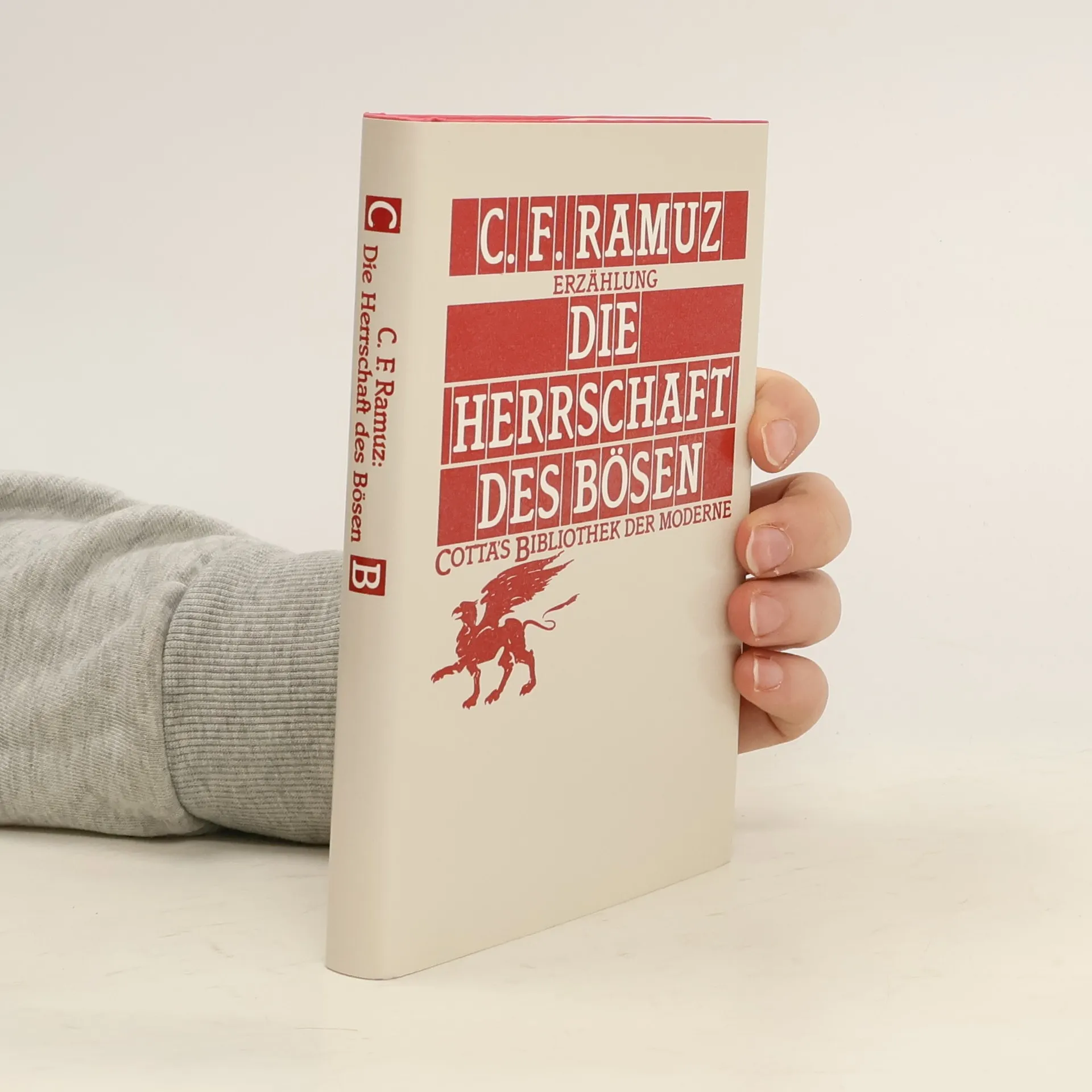
Die Herrschaft des Bösen
- 144 pages
- 6 hours of reading
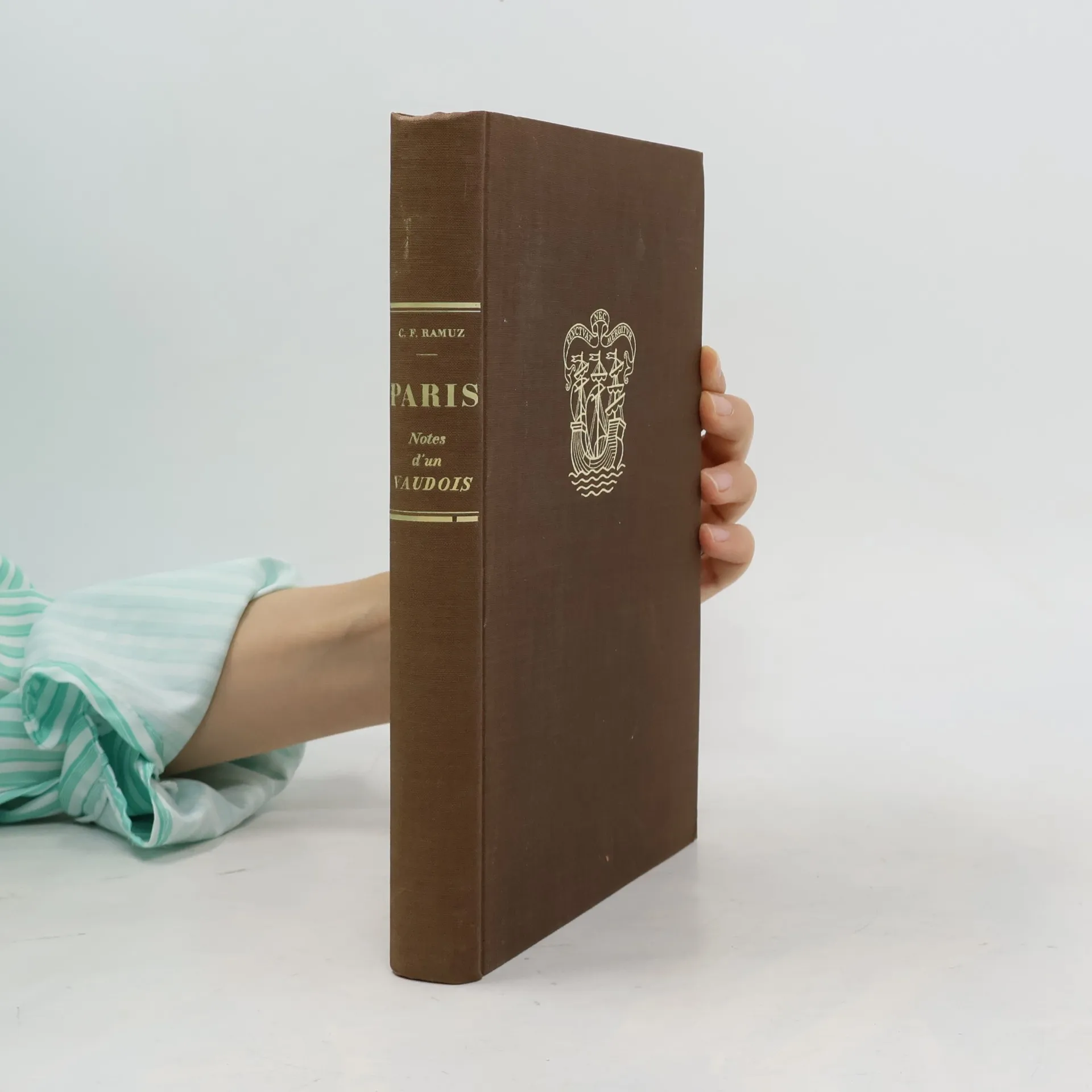
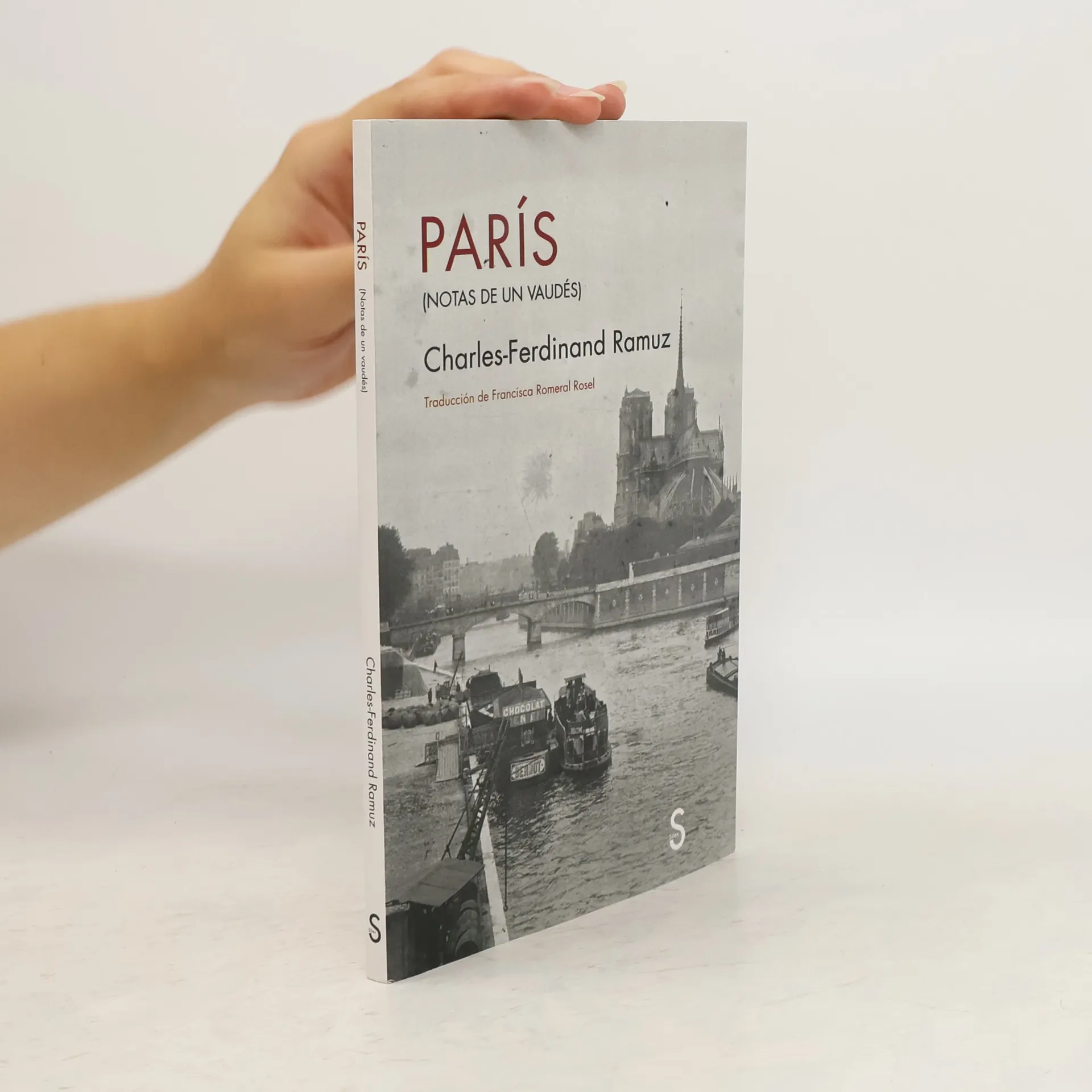
El joven Charles-Ferdinand Ramuz llega por vez primera a París en 1901 con el fin de preparar una tesis de doctorado. Se baja del tren en la estación de Lyon y apenas ha soltado la maleta en la habitación del sórdido hotel de la calle del Odeón, que se echa a la calle, cediendo al hechizo de la capital. Además de las descripciones, aún de actualidad, de los espacios emblemáticos y sitios monumentales, Ramuz expone su visión poco romántica de los suburbios obreros y de las poblaciones aledañas, como Ménilmontant, que irían anexándose a la capital. Rememora la historia de los orígenes de París y retrata a sus personajes más populares: la portera, el artista bohemio, los libreros de la orilla del Sena o los vagabundos. París no solo es el “París del capitalismo (…) internacional que afluye a París como si fuera el único lugar del universo donde se pudiera sacar plenamente provecho de las ventajas que tiene la riqueza”, sino también la metrópoli de inagotables curiosidades.
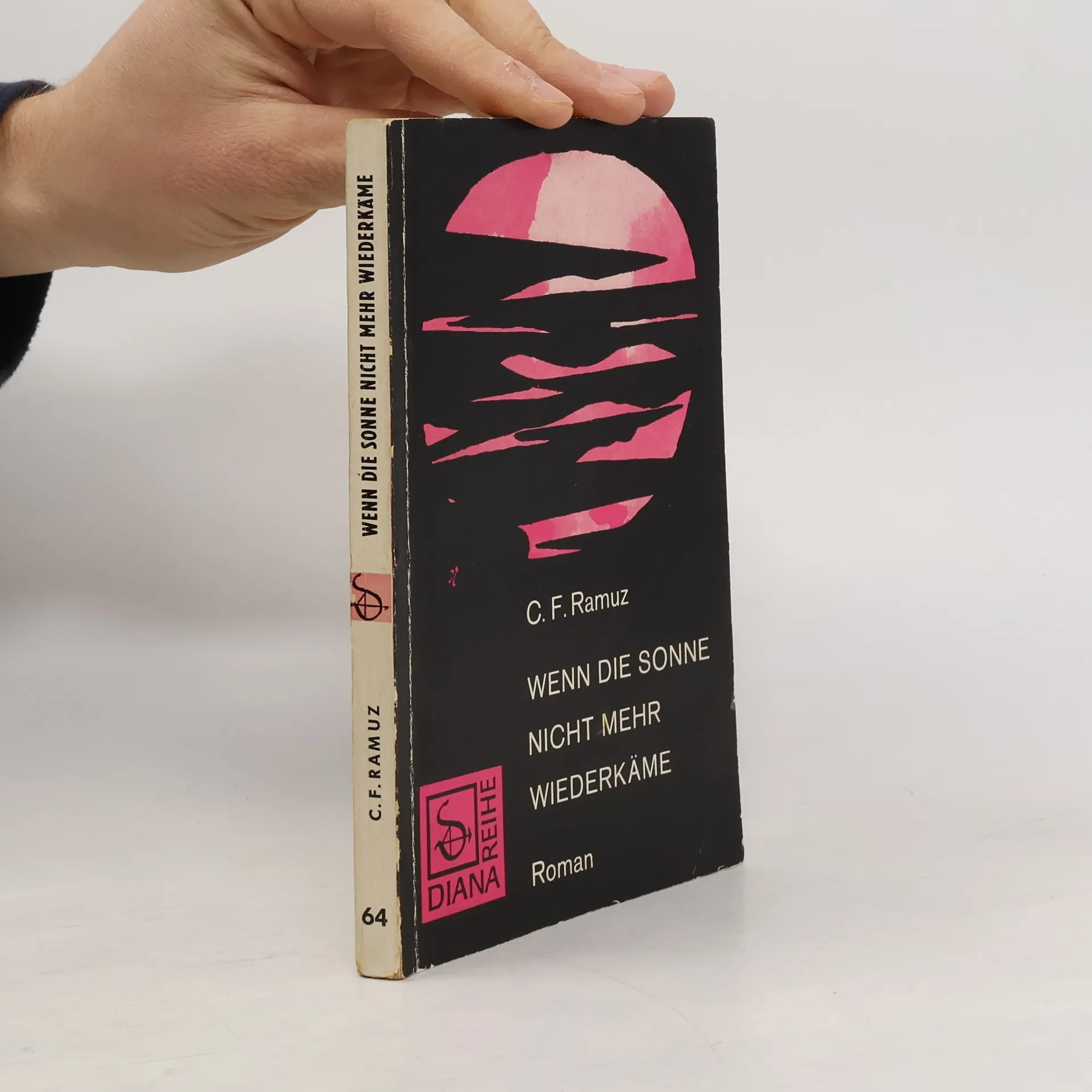
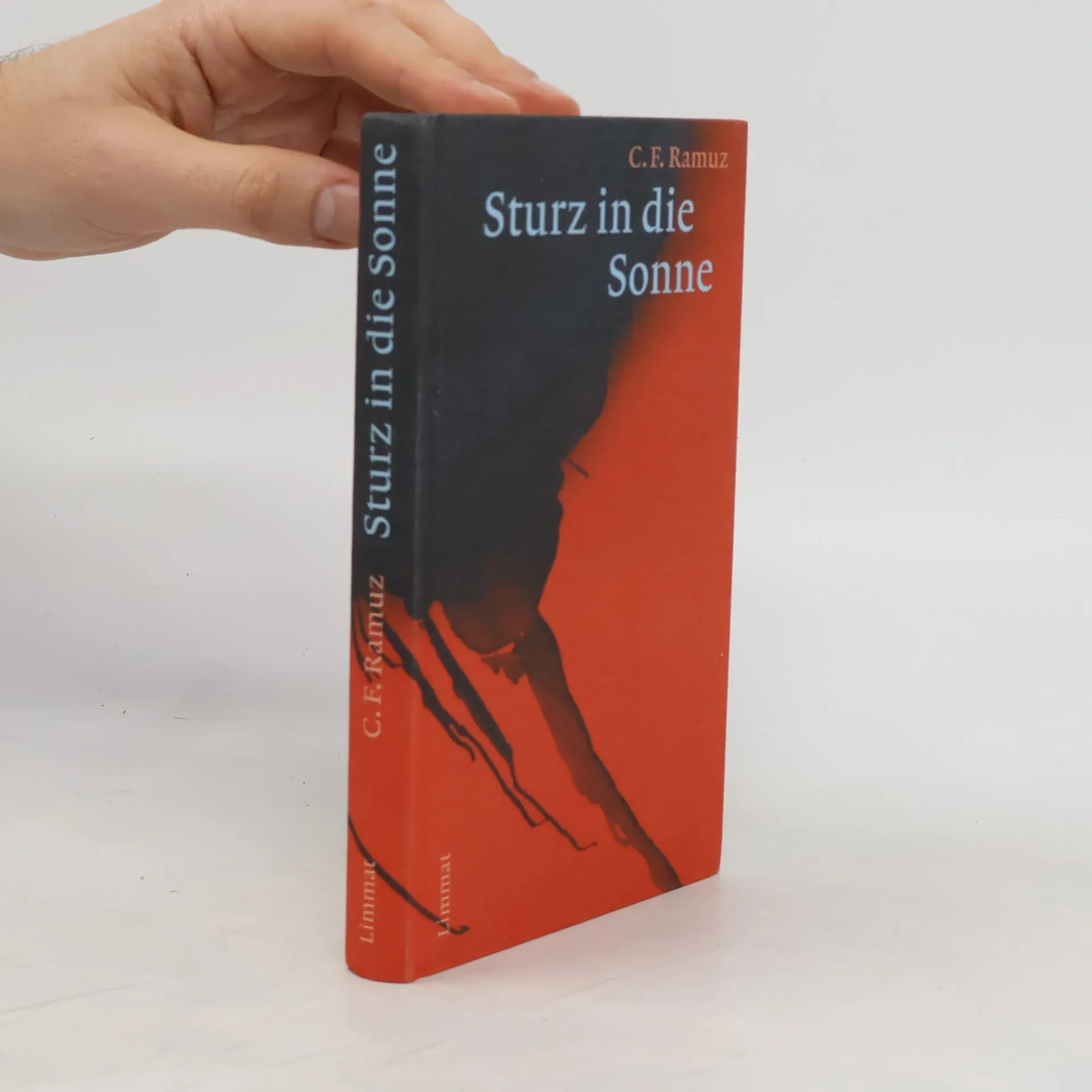
Am Anfang steht eine wissenschaftliche Entdeckung: Wegen eines Unfalls im Gravitationssystem stürzt die Erde in die Sonne zurück. «Es wird immer heisser werden, und schnell wird alles sterben», schreibt C. F. Ramuz lakonisch dazu. Die Menschen am Ufer des Genfersees wollen das erst nicht glauben und erfreu en sich am schönen Wetter. Aber dann wird klar, dass es vor der Hitze kein Entkommen gibt, die Freude schlägt um in Angst, als die Bäume verdorren, die Gletscher schmelzen und die soziale Ordnung zu zerfallen beginnt. 1922, als der Roman erstmals erschien, wusste C. F. Ramuz noch nichts von der Bedrohung der globalen Erwärmung, der wir heute gegenüberstehen. Doch das düstere Bild, das er in diesem visionären Text in seiner einzigartig verdichteten Sprache zeichnet, liest sich wie eine Prophezeiung. «Eine echte Trouvaille, das beste Beispiel für die Kraft der Literatur: Mit Sprache und Imagination schafft Ramuz eine eigene Welt und leuchtet ins Wesen der Menschen hinein.» NZZ
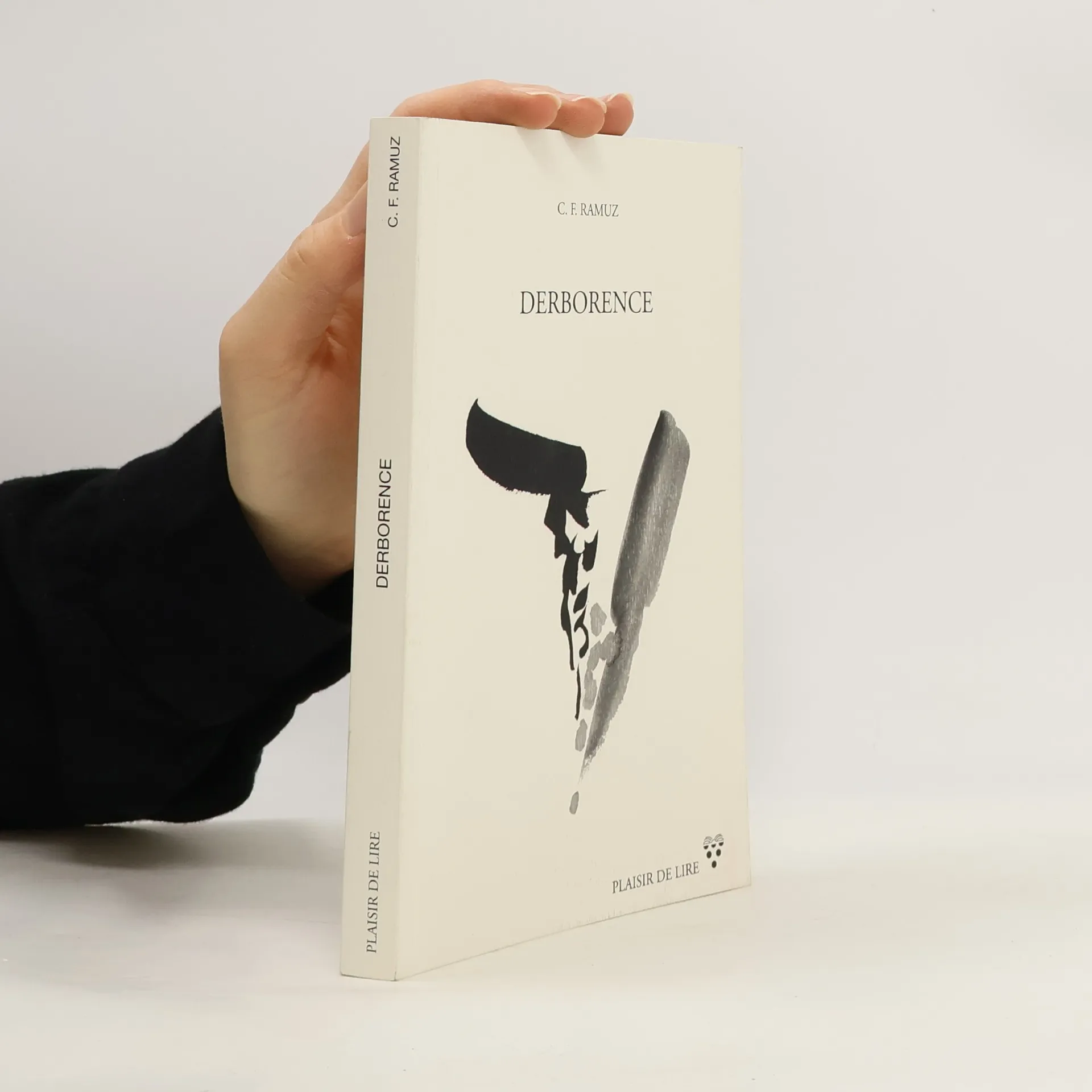
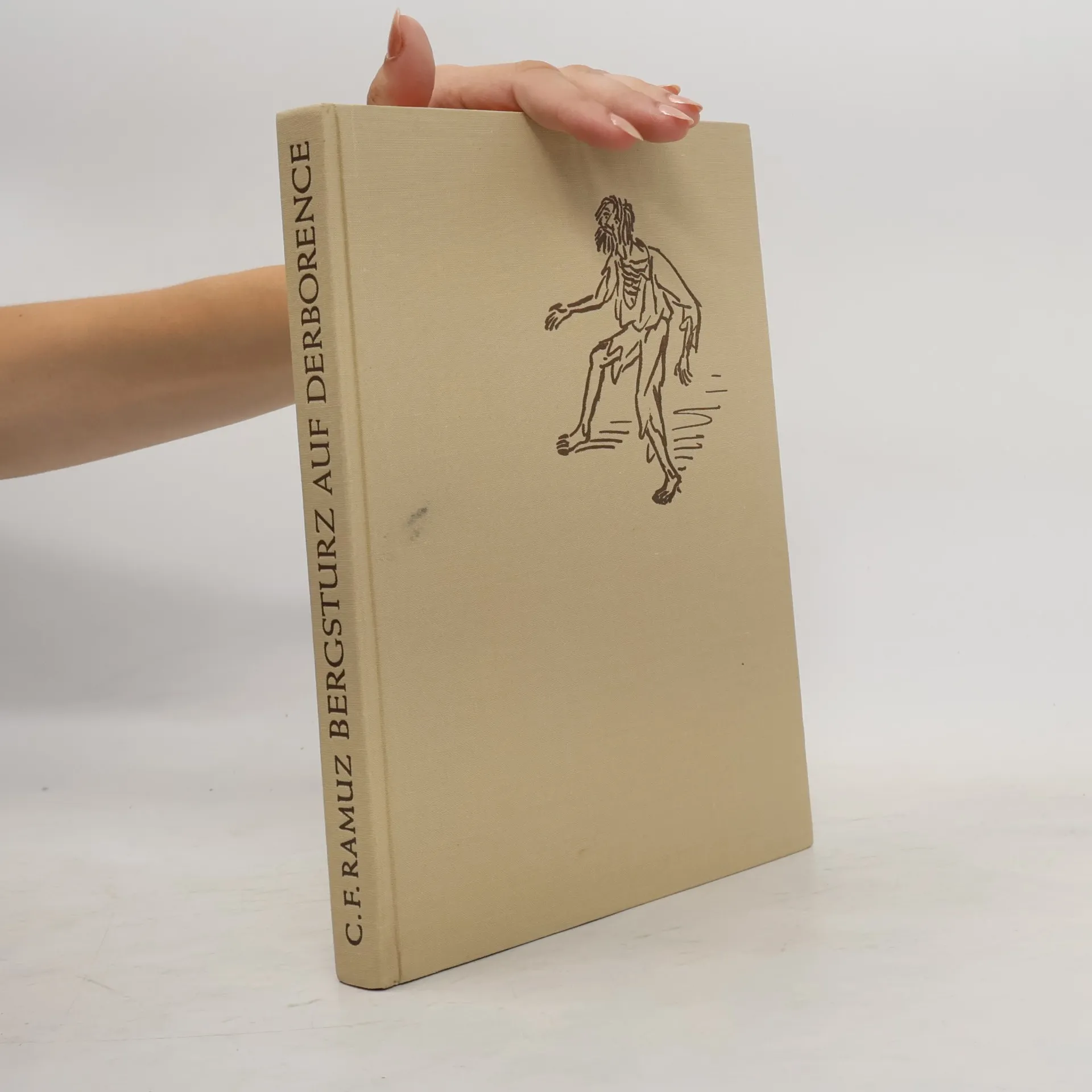
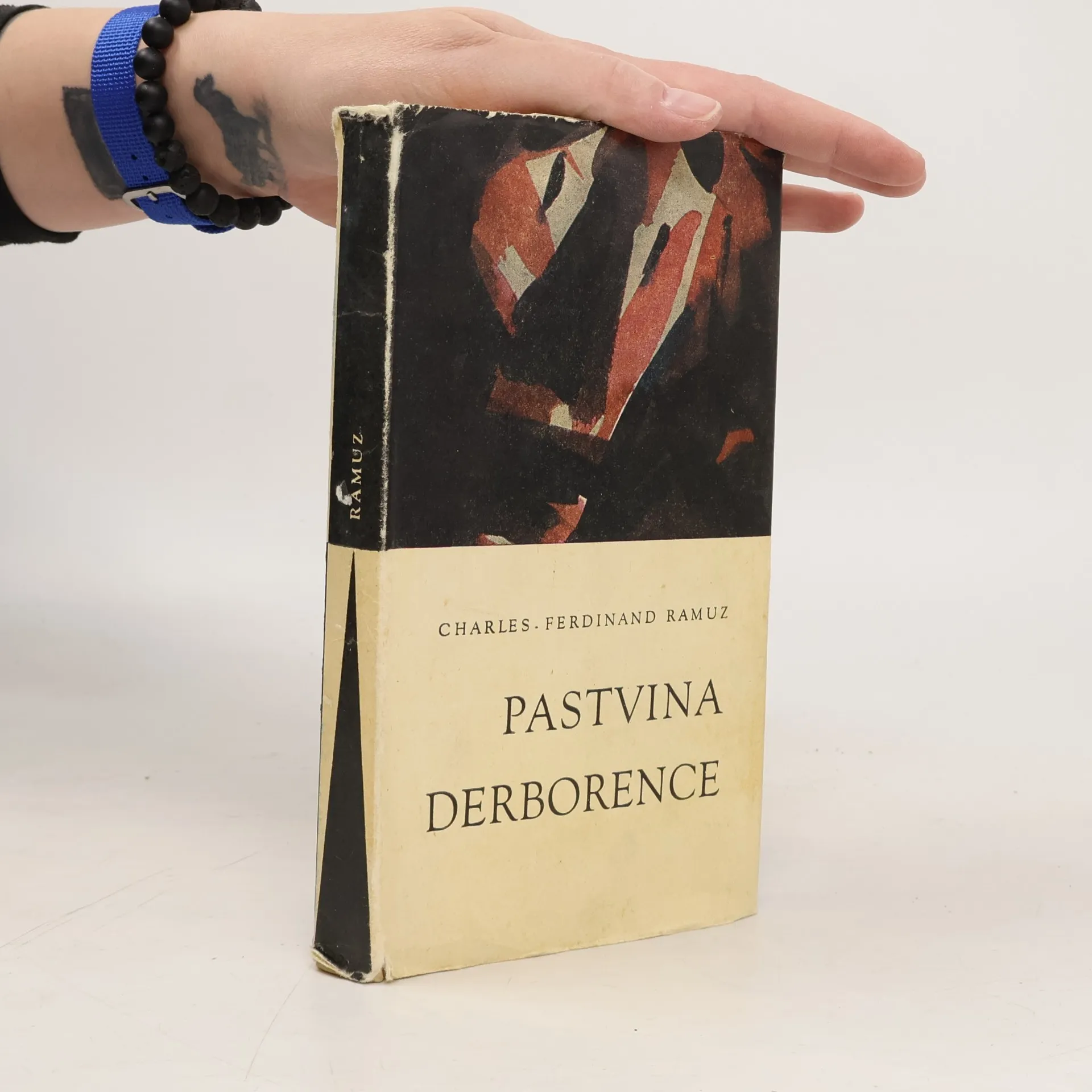
Derborence
- 176 pages
- 7 hours of reading
Antoine Pont et son oncle par alliance Séraphin se trouvent à la montagne. Antoine commence cependant à s’ennuyer rapidement car sa femme Thérèse – avec laquelle il n’est marié que depuis deux mois – lui manque beaucoup. Un soir, un énorme éboulement survient et, dans cet éboulement, Antoine et Séraphin trouvent apparemment la mort. Lorsque les gens du village apprennent la nouvelle, tous sont attristés par la mort non seulement d’Antoine et de Séraphin mais également de tous les hommes et de toutes les bêtes qui étaient montés à l’alpage. En plus de cela, Thérèse, la femme d’Antoine, découvre qu’elle est enceinte. Elle déprime à la seule idée que son fils naîtra orphelin. Un jour et sept semaines après l’éboulement, nous apprenons qu’Antoine n’est pas mort. Lorsqu’il essaie de retourner vers son village, tous le prennent pour un revenant. Il finit par convaincre Thérèse qu’il est bel et bien vivant. Lorsqu’il apprend que Séraphin n’a pas eu sa chance et qu’il est déclaré mort, Antoine – qui le croit en vie, comme lui, sous les rochers – décide de remonter vers l’éboulement afin de le retrouver. Lorsque Thérèse apprend son départ, elle part à sa recherche afin de le raisonner et de le ramener vers le village et vers la vie. Elle y parvient finalement à la fin de l'œuvre, non sans peine.
Avec une postface "Une tragédie ordinaire" rédigée par Stéphane Pétermann, p. [119-128] suivie de C.F. Ramuz, éléments biographiques p. [129-139].
Werke 2
- 6 pages
- 1 hour of reading
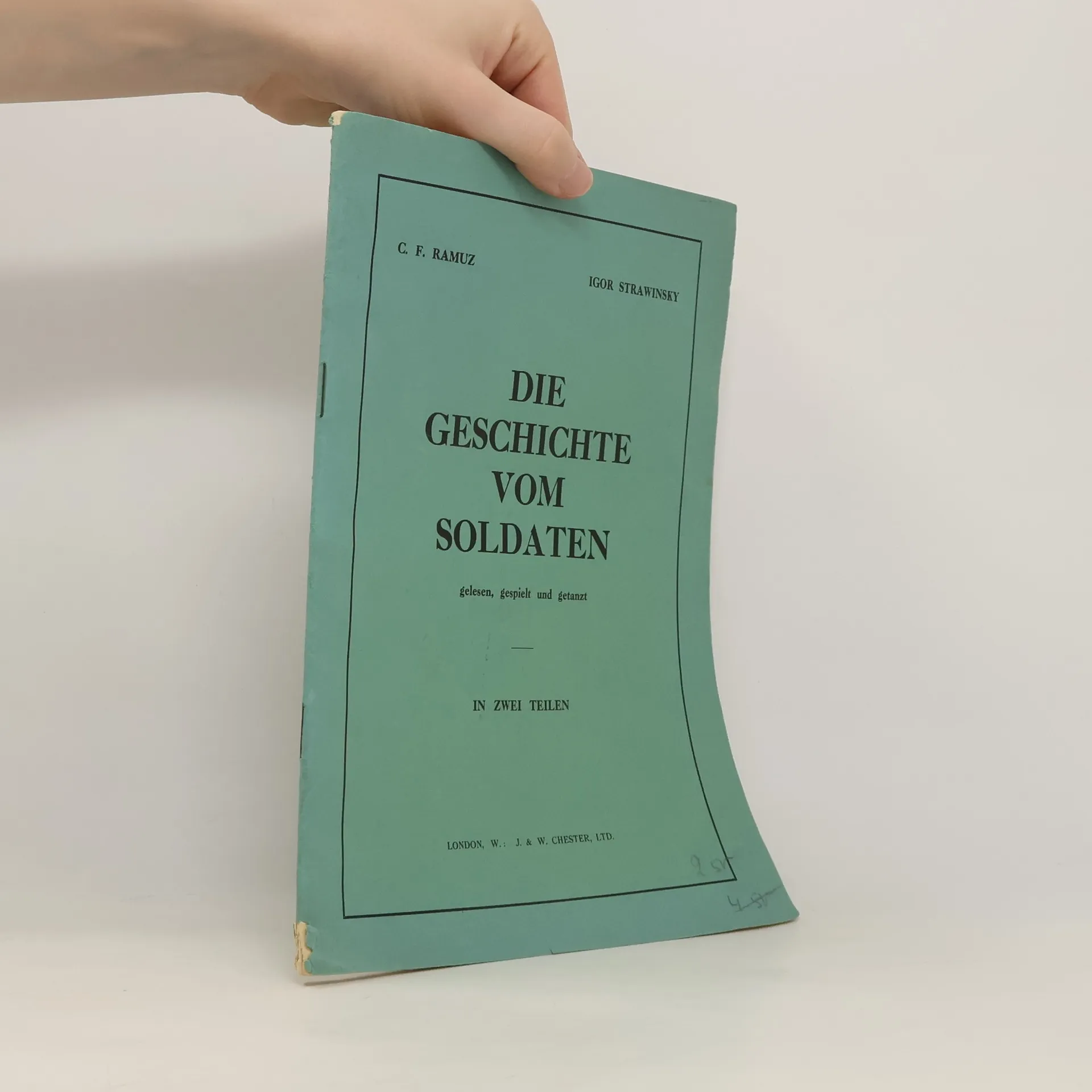
Die Geschichte vom Soldaten
In zwei Teilen
Die drei ausgewählten Novellen und der Abdruck aus dem Essay
Amour - La Fille endormie - Trois Vallées - Taille de l'Homme
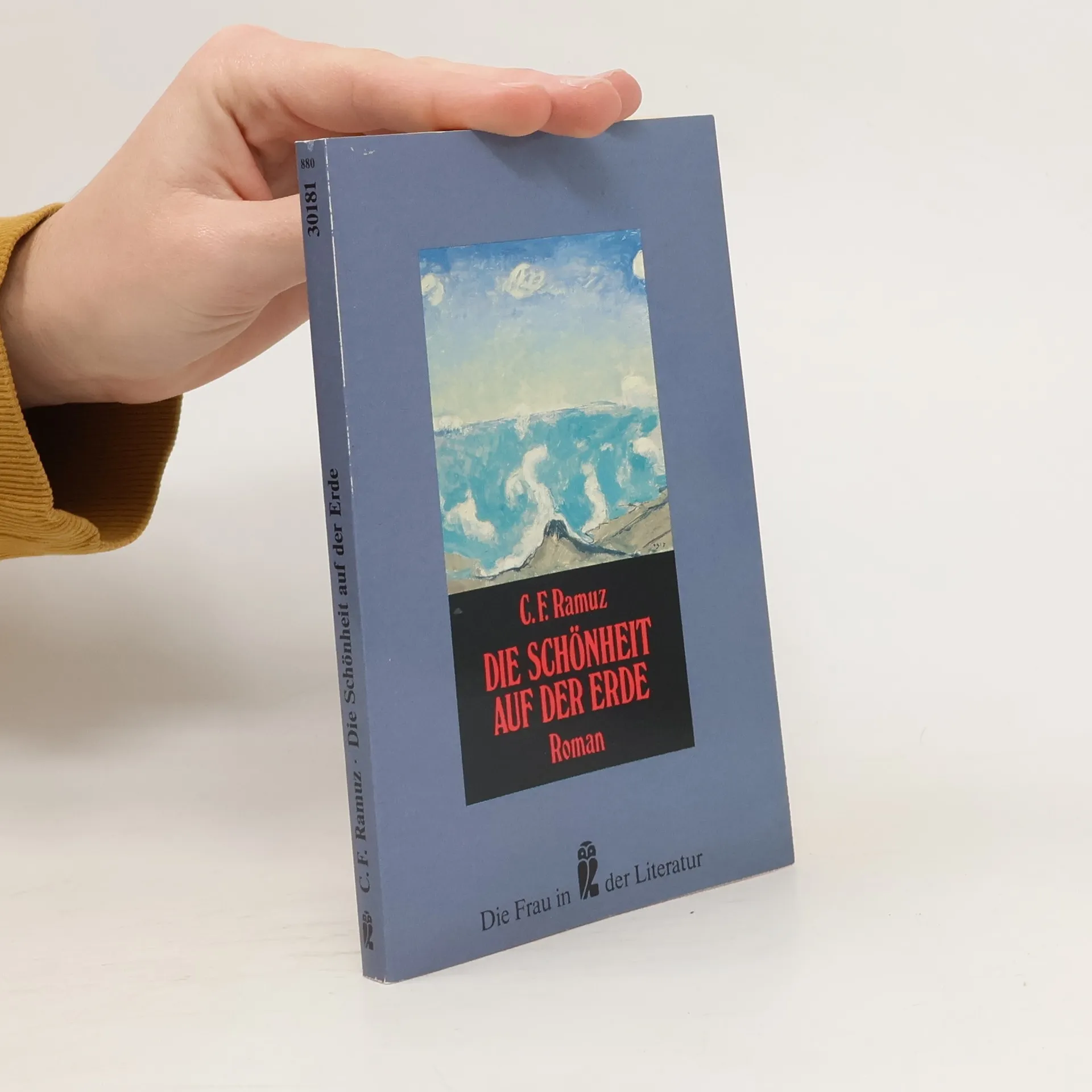
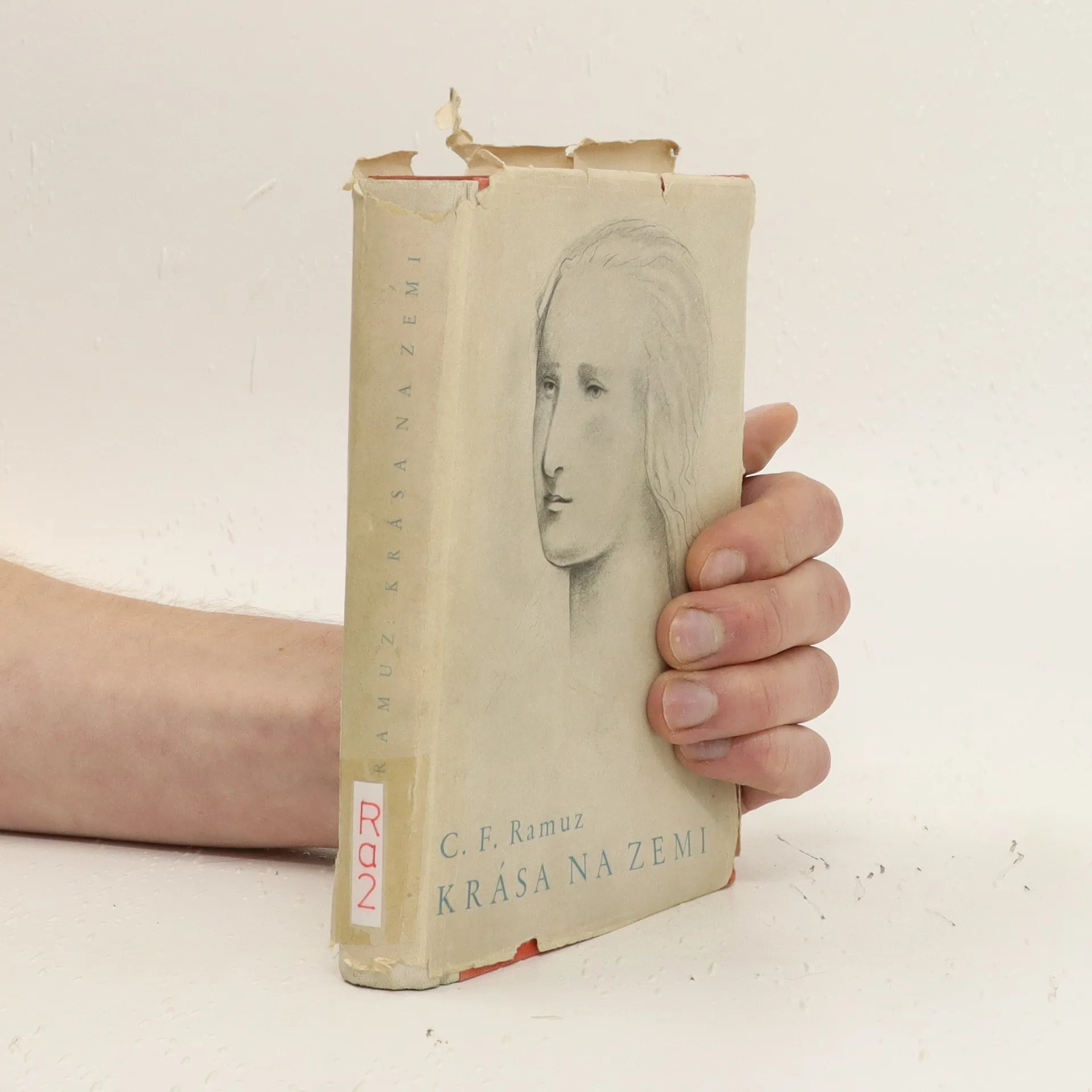
Die Schönheit auf der Erde
- 182 pages
- 7 hours of reading
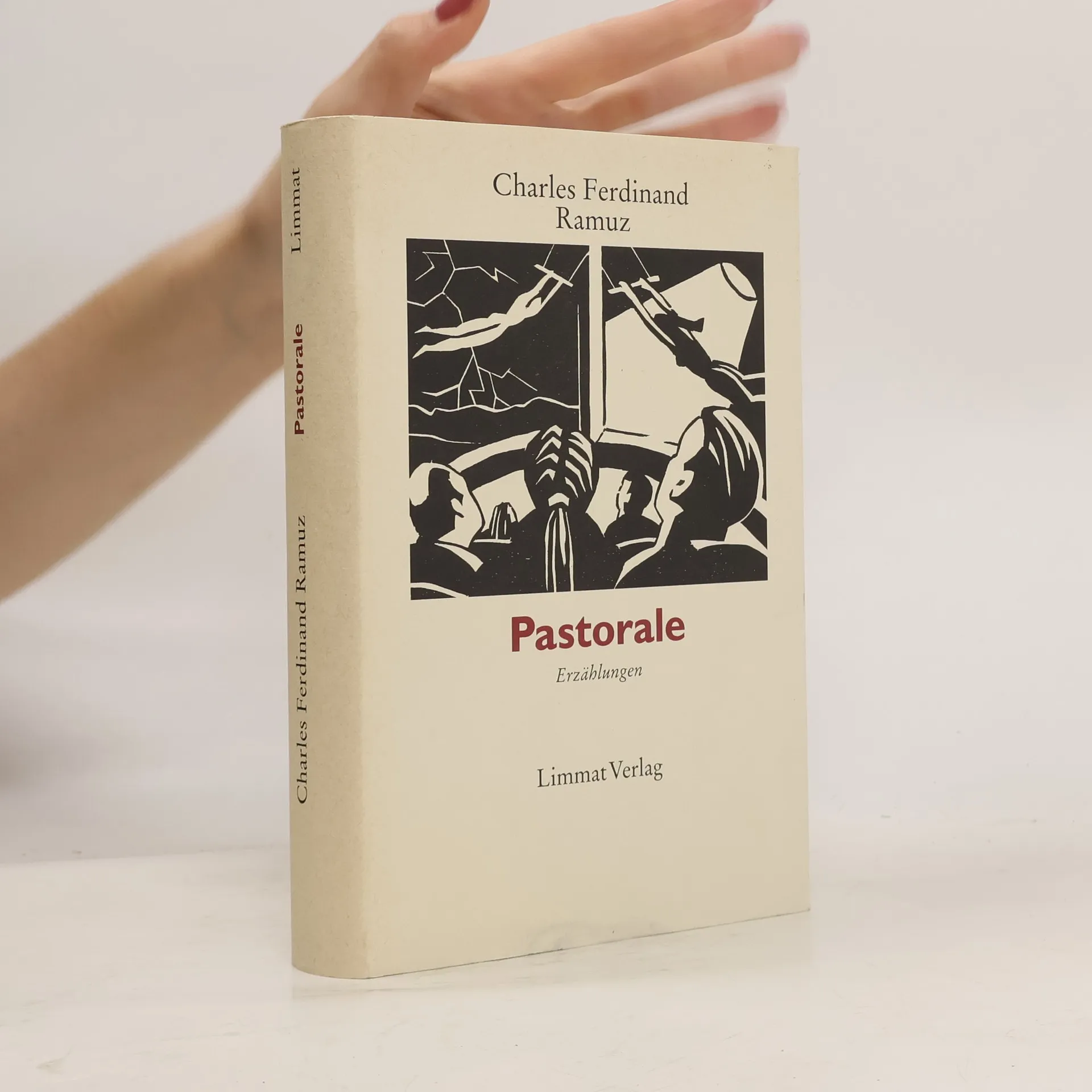
An einem regnerischen Frühlingstag empfängt Milliquet, ein Wirt, seine junge Nichte Juliette, die nach dem Tod ihres Vaters aus Kuba zurückgekehrt ist. Ihre Anwesenheit weckt die Begierde der einen und die Eifersucht der anderen. Von der Wirtin entlassen, verbringt sie den Sommer mit Fischern, was bei den Männern des Dorfes Unruhe stiftet und sie dazu bringt, von ihrer Entführung zu träumen. Aber kann man die Schönheit wirklich in Besitz nehmen? Wie im Wechsel der Jahreszeiten, in der Ordnung der Welt und ihrer manchmal wilden Natur gilt: "Nichts währt auf der Erde, nirgends hat die Schönheit lange ihren Platz."
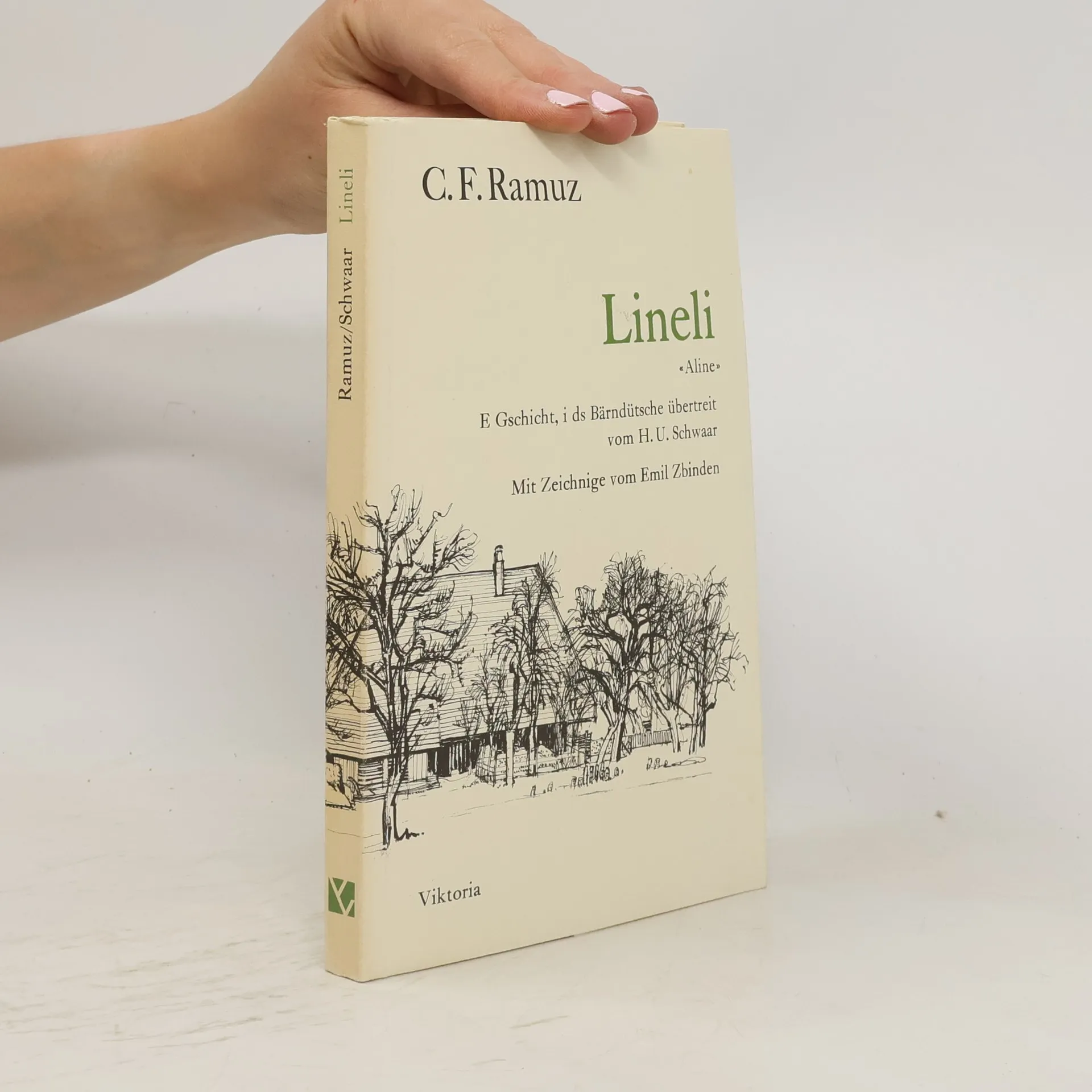
Aline
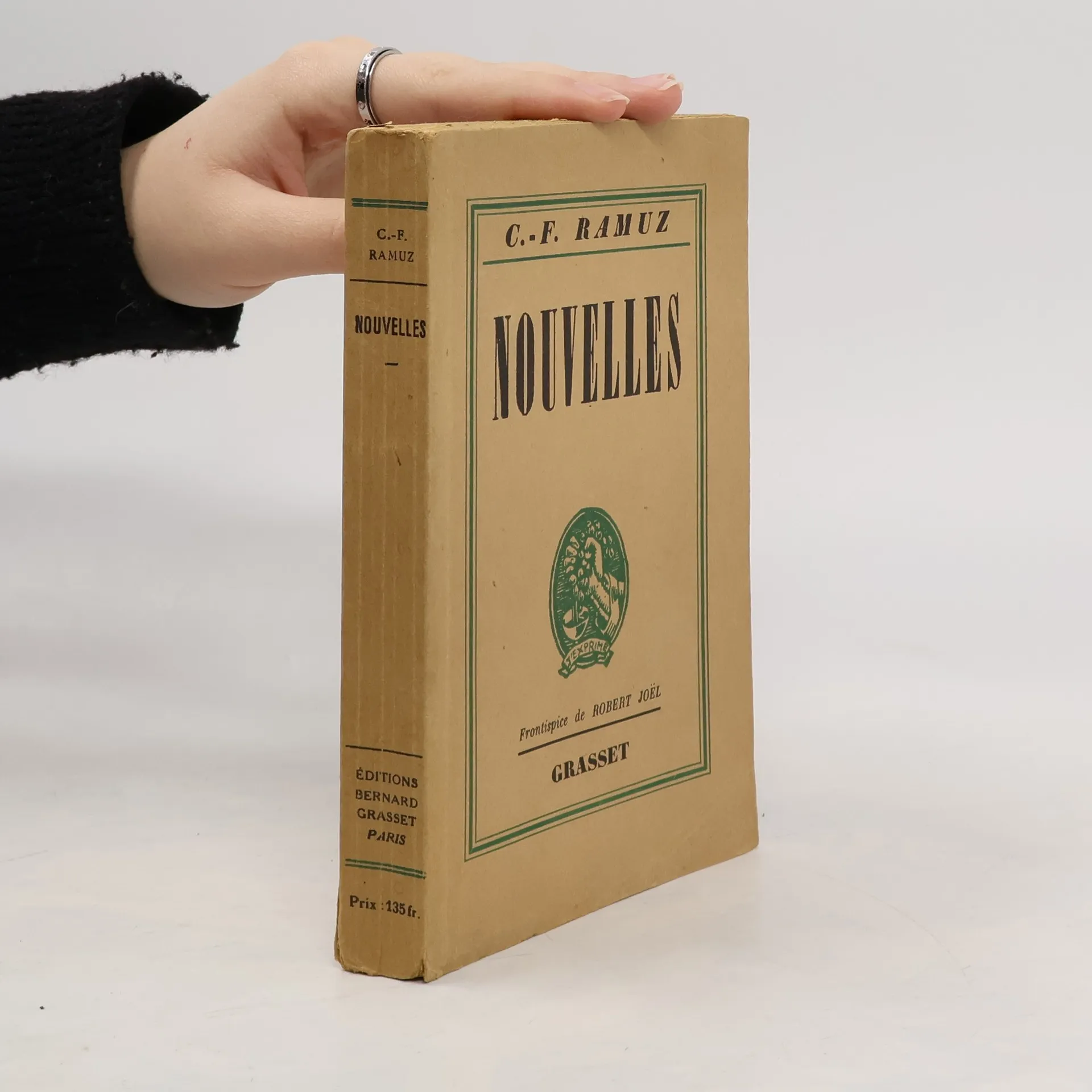
Nouvelles
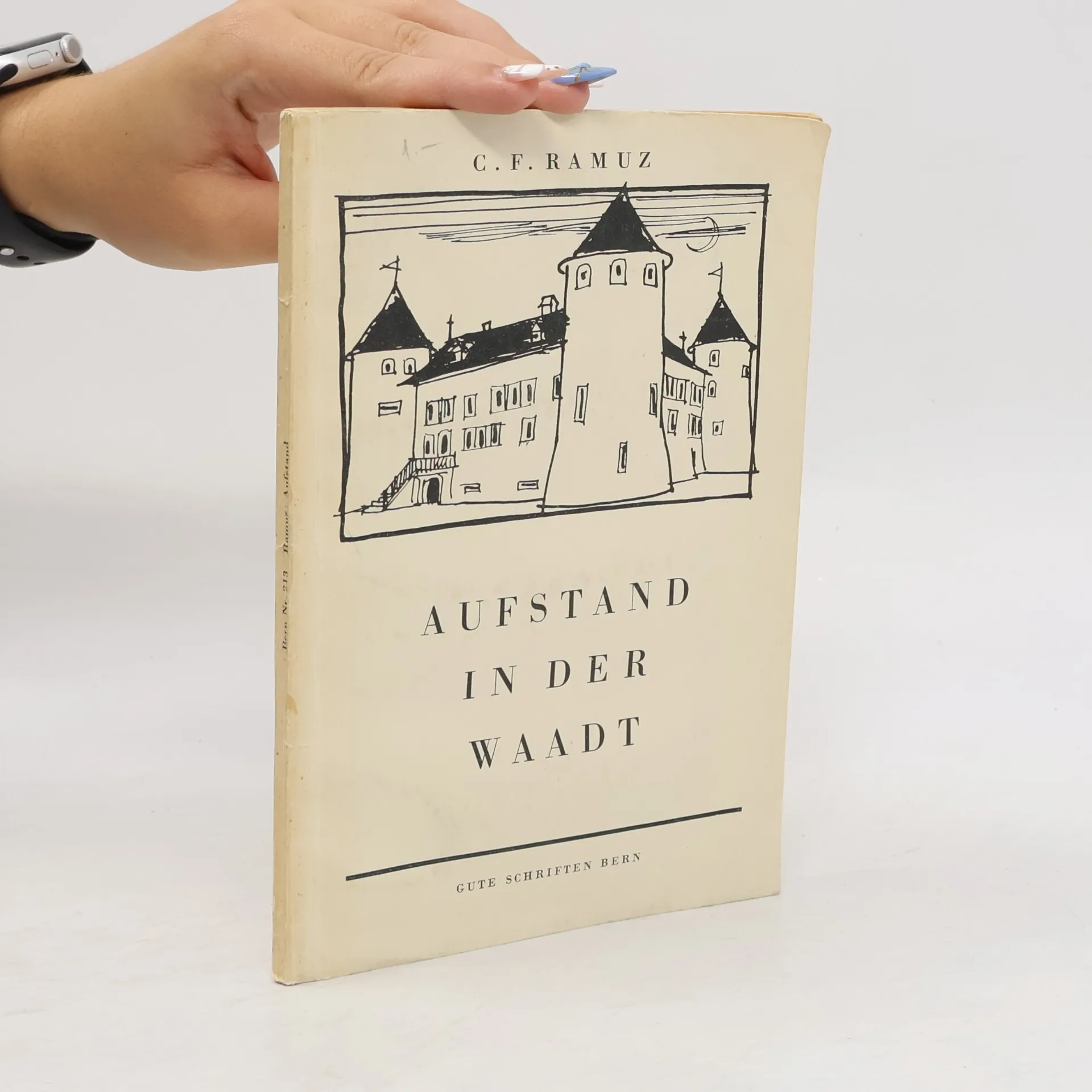
Aufstand in der Waadt
Gute Schriften Bern Nr. 213
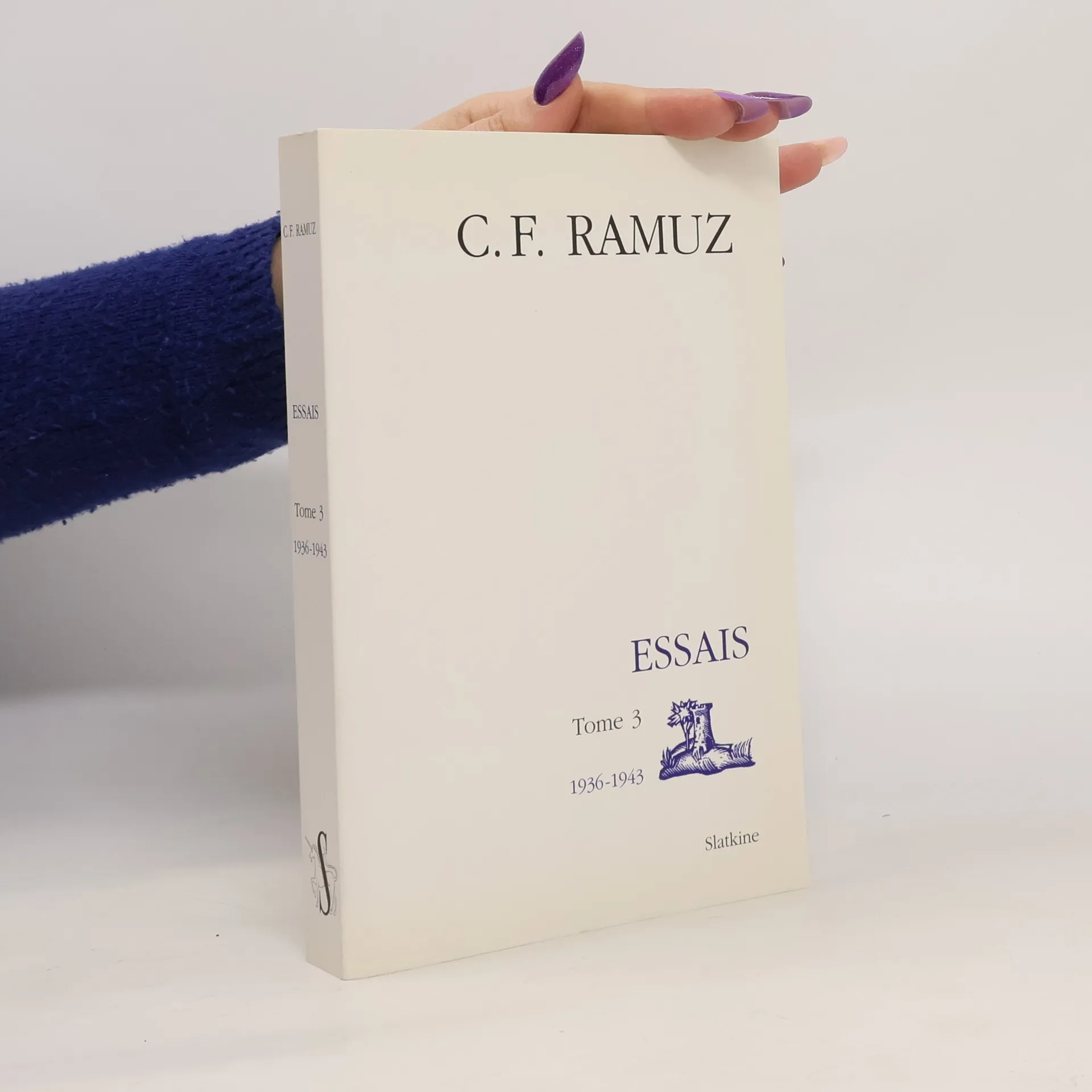
Essais 3.
- 400 pages
- 14 hours of reading
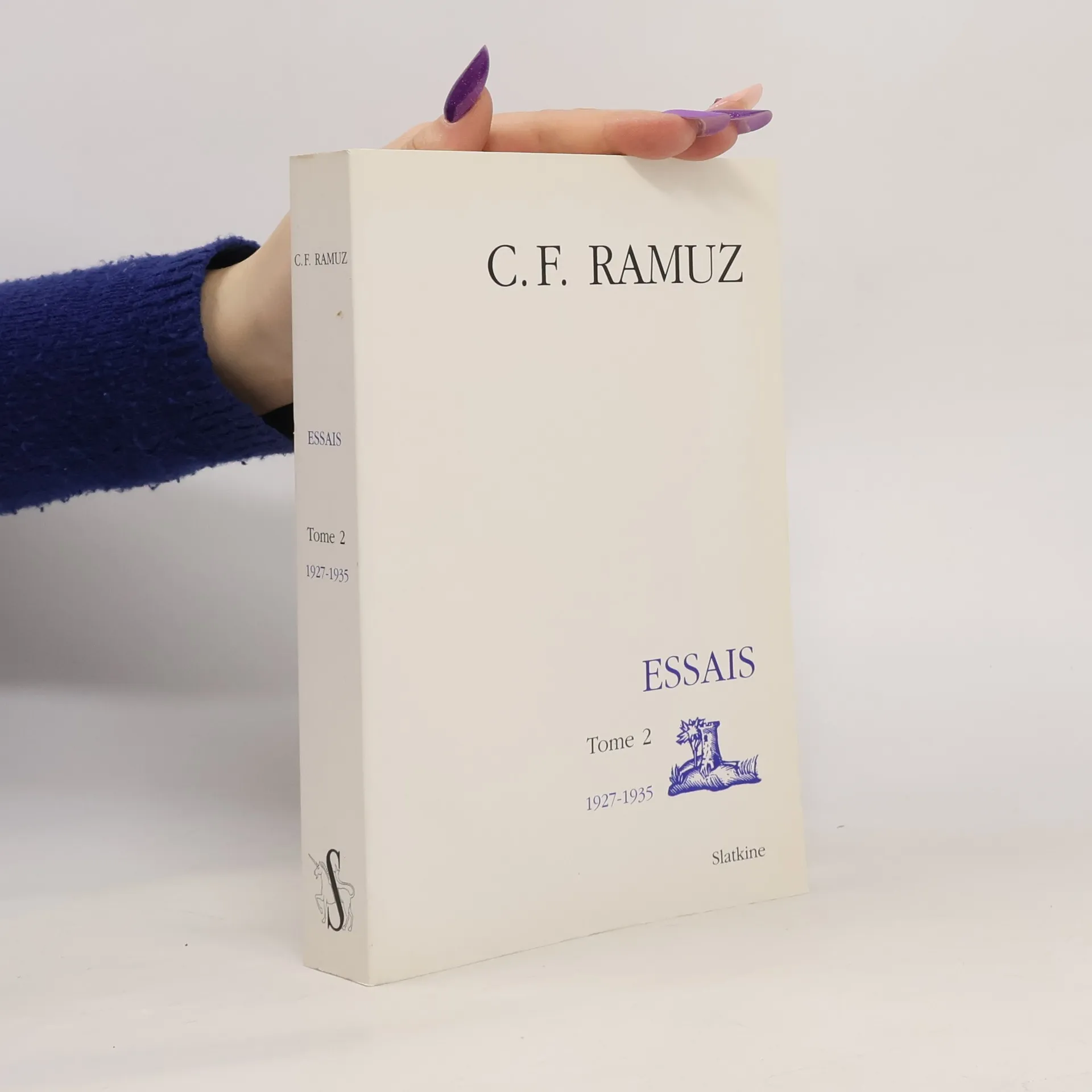
Essais: 1927-1935
- 534 pages
- 19 hours of reading
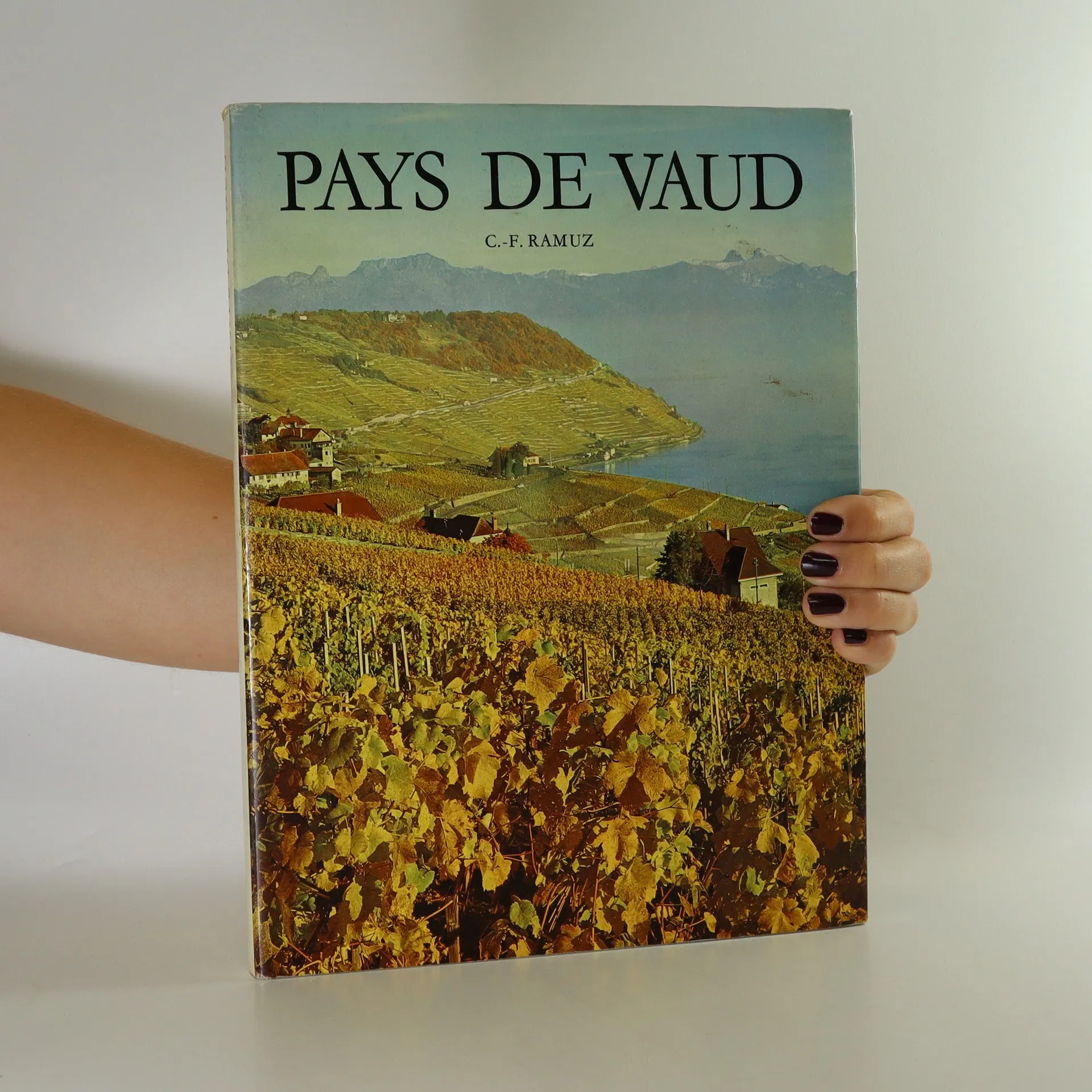
Le tome 3 contient trois textes écrits pour des livres de photographies: La Suisse romande (1936); Pays de Vaud & Vues sur le Valais (1943); ainsi que Besoin de grandeur (1937); Une province qui n'en est pas une (1938) & L'année vigneronne (1940) commentaire du film homonyme de Charles-Georges Duvanel.
Le tome 3 contient trois textes écrits pour des livres de photographies: La Suisse romande (1936); Pays de Vaud & Vues sur le Valais (1943); ainsi que Besoin de grandeur (1937); Une province qui n'en est pas une (1938) & L'année vigneronne (1940) commentaire du film homonyme de Charles-Georges Duvanel.
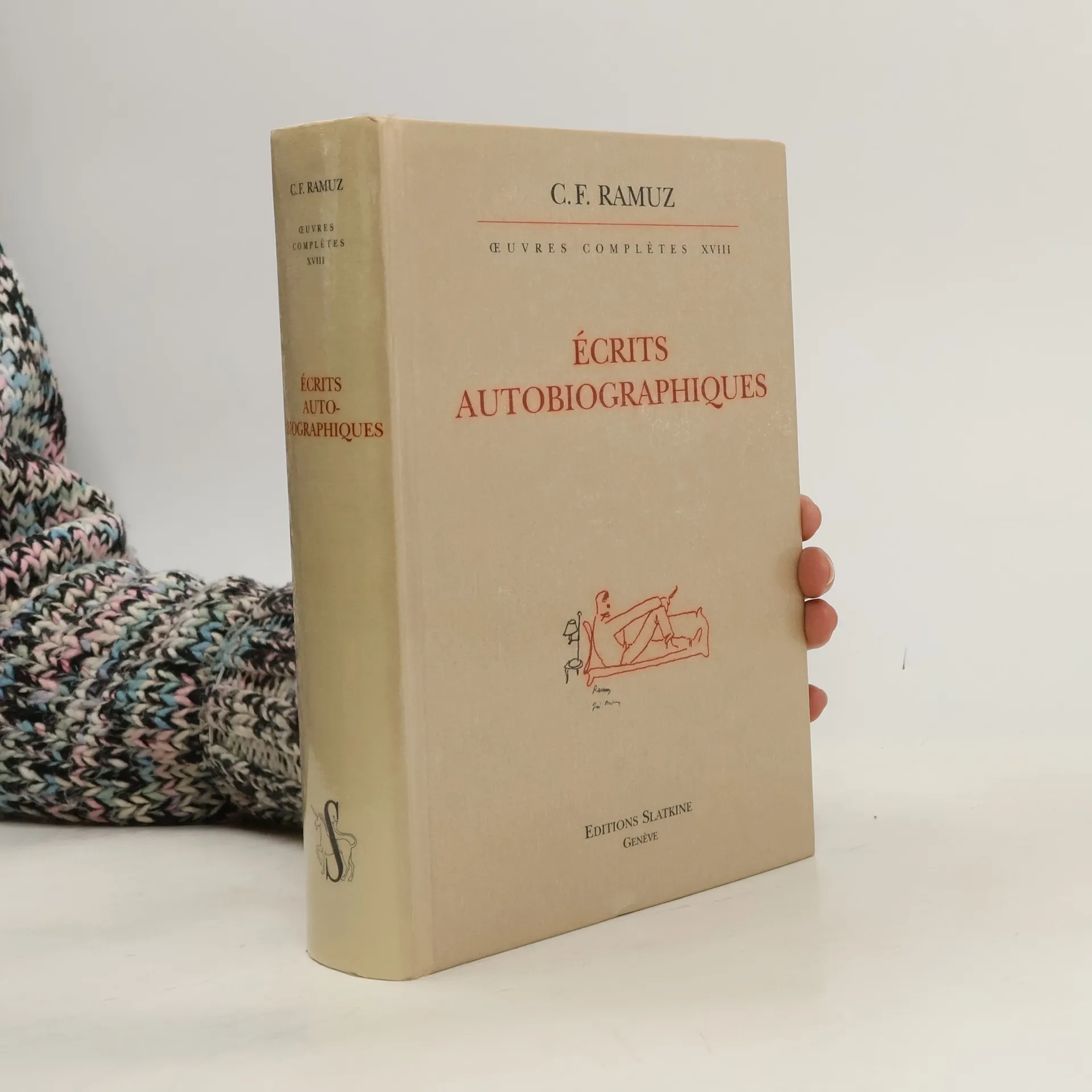
Œuvres Complètes - 18: Écrits autobiographiques
- 733 pages
- 26 hours of reading
"Ah ! comme je suis mal fait pour ma part..." Cette phrase illustre la complexité du rapport de Ramuz à l'écriture autobiographique. Pour l'écrivain, sa trajectoire personnelle et les événements qui l'ont jalonnée ne méritent pas d'être partagés. Sa vie lui semble anecdotique, et il refuse de lui attribuer une qualité exceptionnelle, malgré ses interactions avec des personnalités marquantes et son rôle dans l'histoire littéraire. Il écrit : "Toute sa vie, on va, on fait : et c'est toujours comme si on n'avait pas avancé." Pourtant, Ramuz évoque souvent sa propre expérience, utilisant la première personne pour justifier sa vision, comme le montrent ses essais des années 1930. À l'exception de Découverte du monde, son approche autobiographique suit le principe de généralisation qui caractérise son essai. Dans Souvenirs sur Igor Strawinsky et René Auberjonois, la remémoration sert à explorer la condition de l'artiste plutôt qu'à évoquer des relations amicales. Dans Vendanges, Une main et Paris, l'expérience individuelle est présentée comme exemplaire, accessible au lecteur, d'où l'utilisation de figurations de soi qui maintiennent une distance avec l'intime. Le "petit Vaudois" et le "petit garçon" sont des incarnations d'une relation au réel que Ramuz offre à son public comme un miroir. Le volume réunit six récits autobiographiques publiés, ainsi que dix-sept textes, dont huit inédits, proches de l'écriture intime.
Grenzgänge - Ein Lesebuch
- 523 pages
- 19 hours of reading
Hans Rudolf Hiltys Anthologie beleuchtet die Schweiz der 30er Jahre und des Zweiten Weltkriegs durch Texte von Schweizer und internationalen Autoren, die als Emigranten oder Flüchtlinge lebten. Sie thematisiert die gesellschaftlichen Herausforderungen, die europäische Schicksale und die Nachkriegsveränderungen. Ein eindrucksvolles Zeitzeugnis.
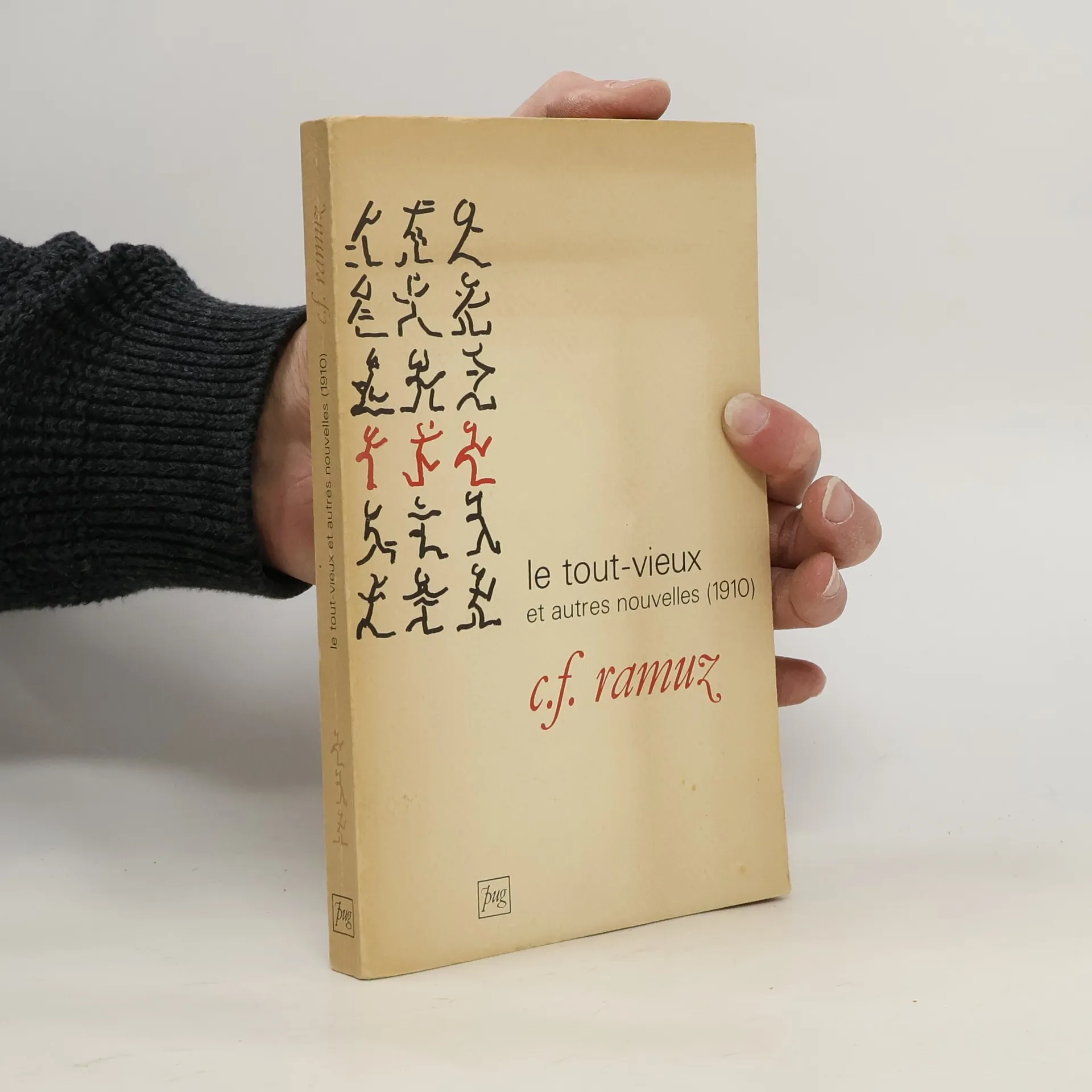
Le tout-vieux et autres nouvelles (1910)
- 214 pages
- 8 hours of reading
Analyse : Nouvelles.
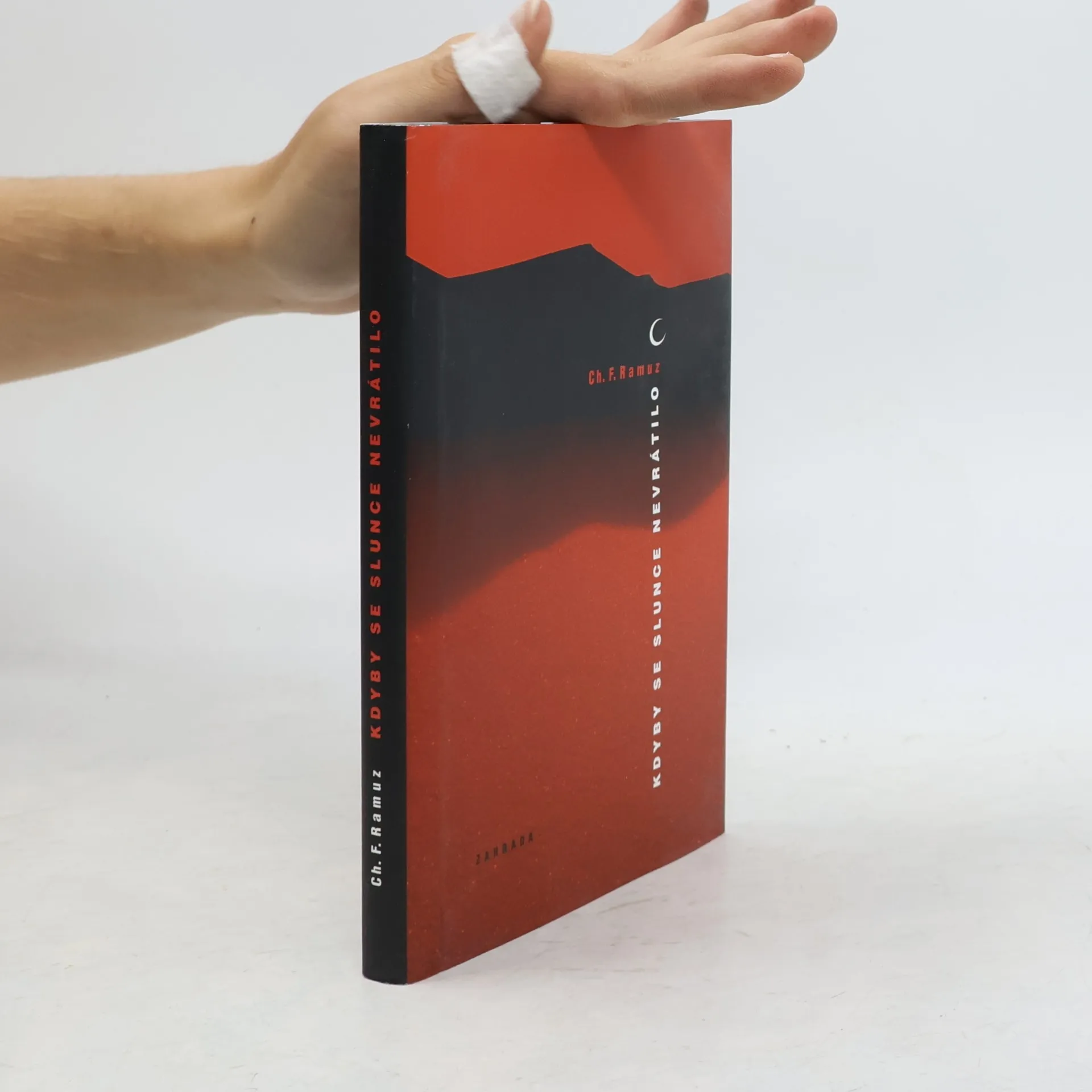
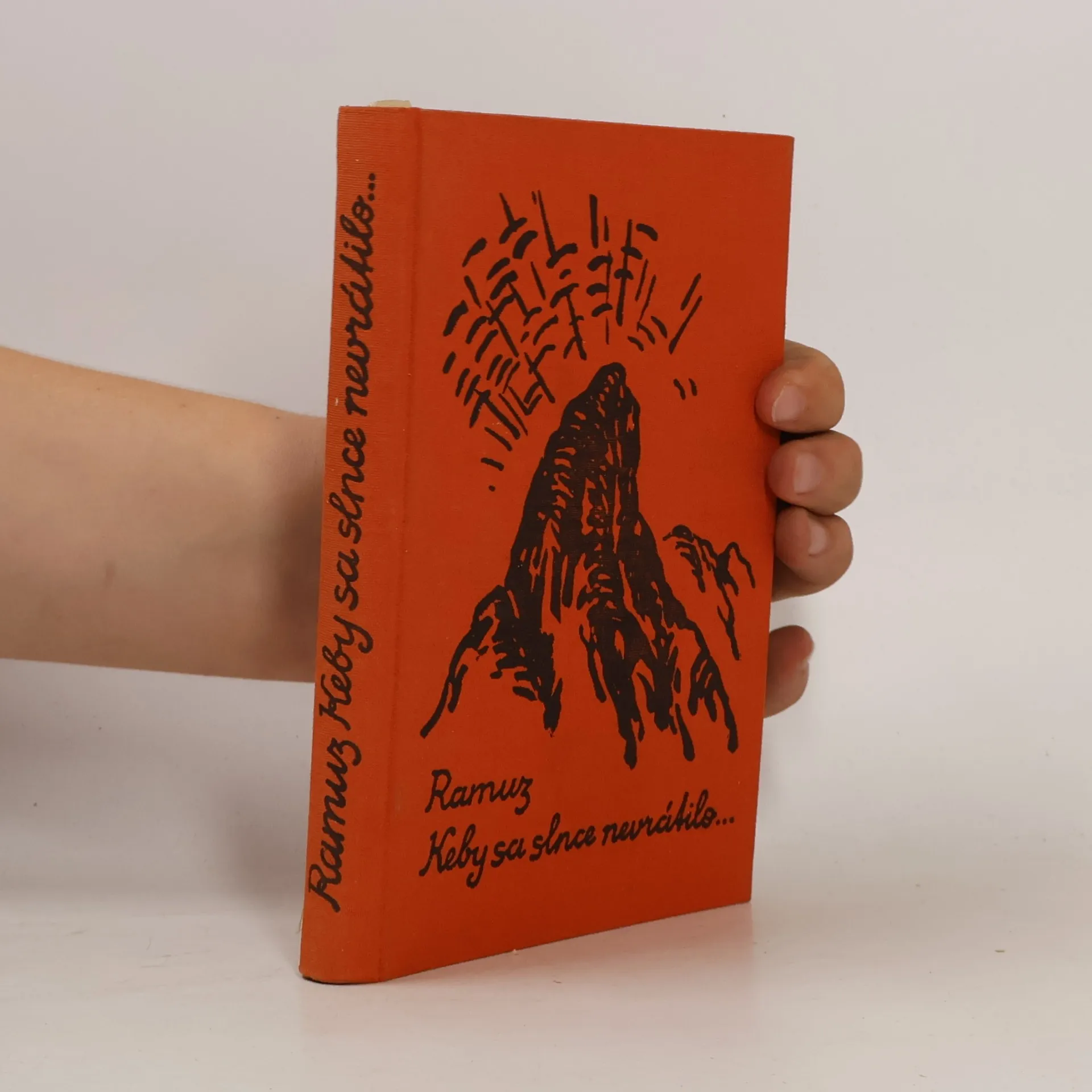
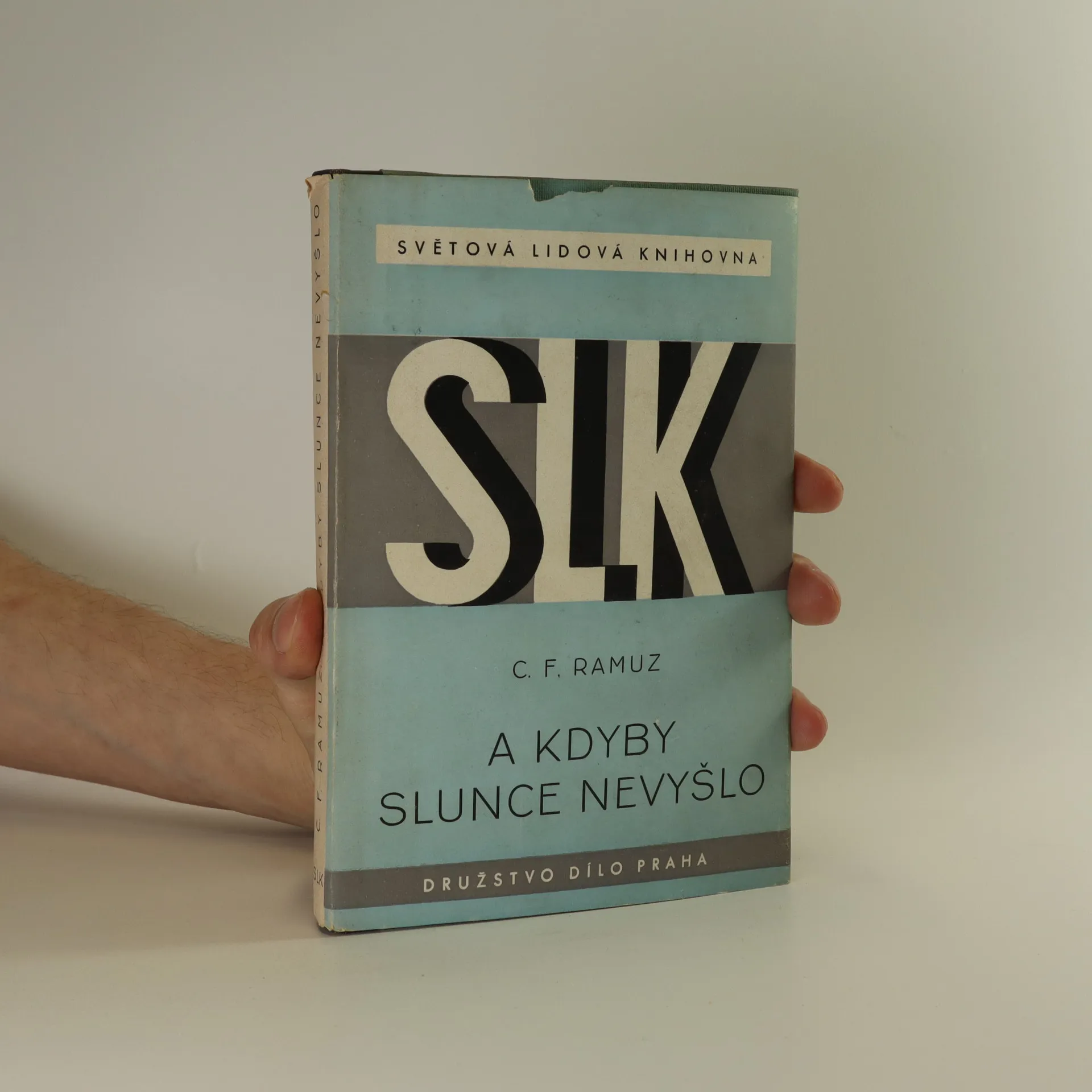
Kdyby se slunce nevrátilo
- 157 pages
- 6 hours of reading
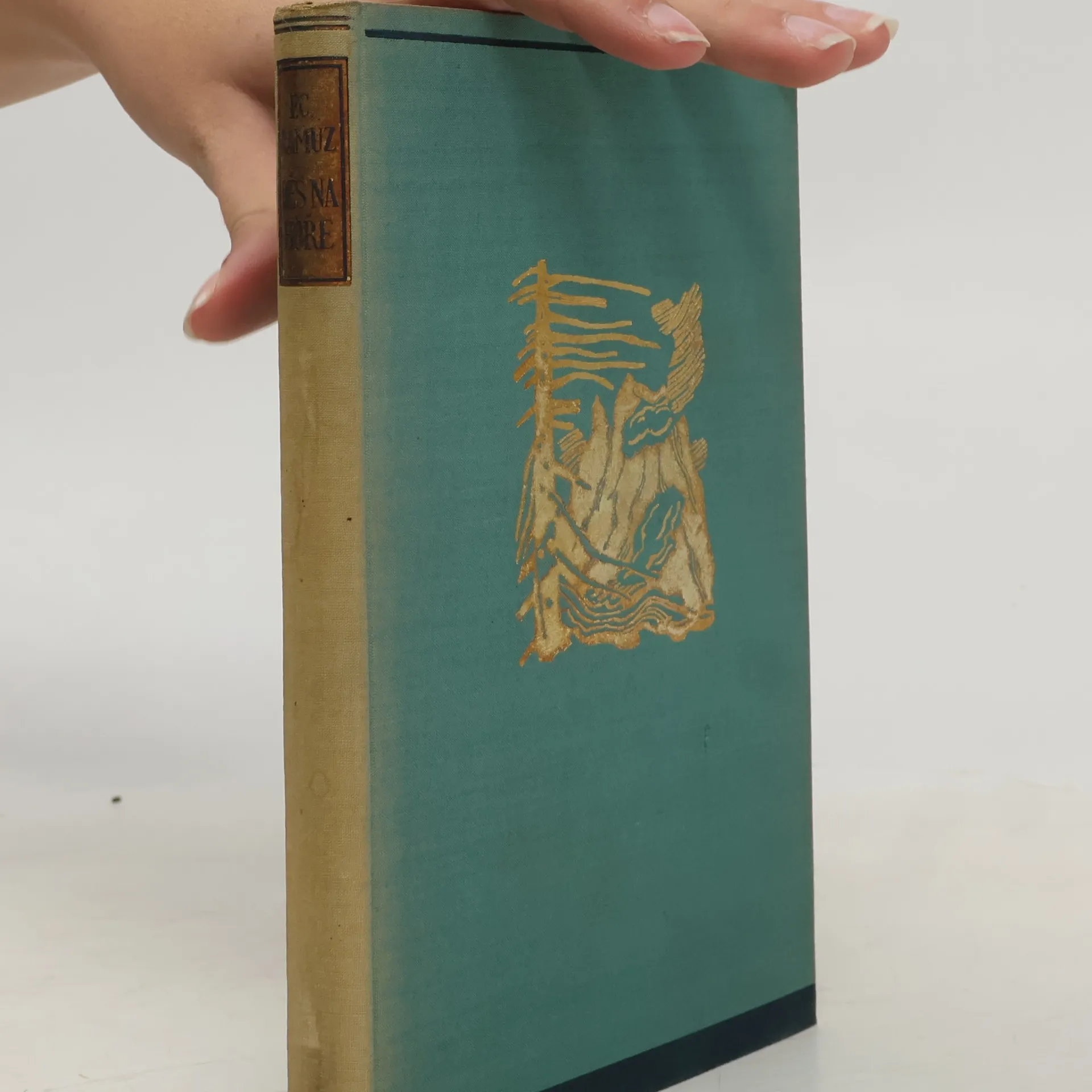
Román. Pod tlakem sugestivního proroctví o hrozící přírodní katastrofě se rozvíjí kolektivná drama obyvatel malé vesnice ztracené uprostřed švýcarských velehor.
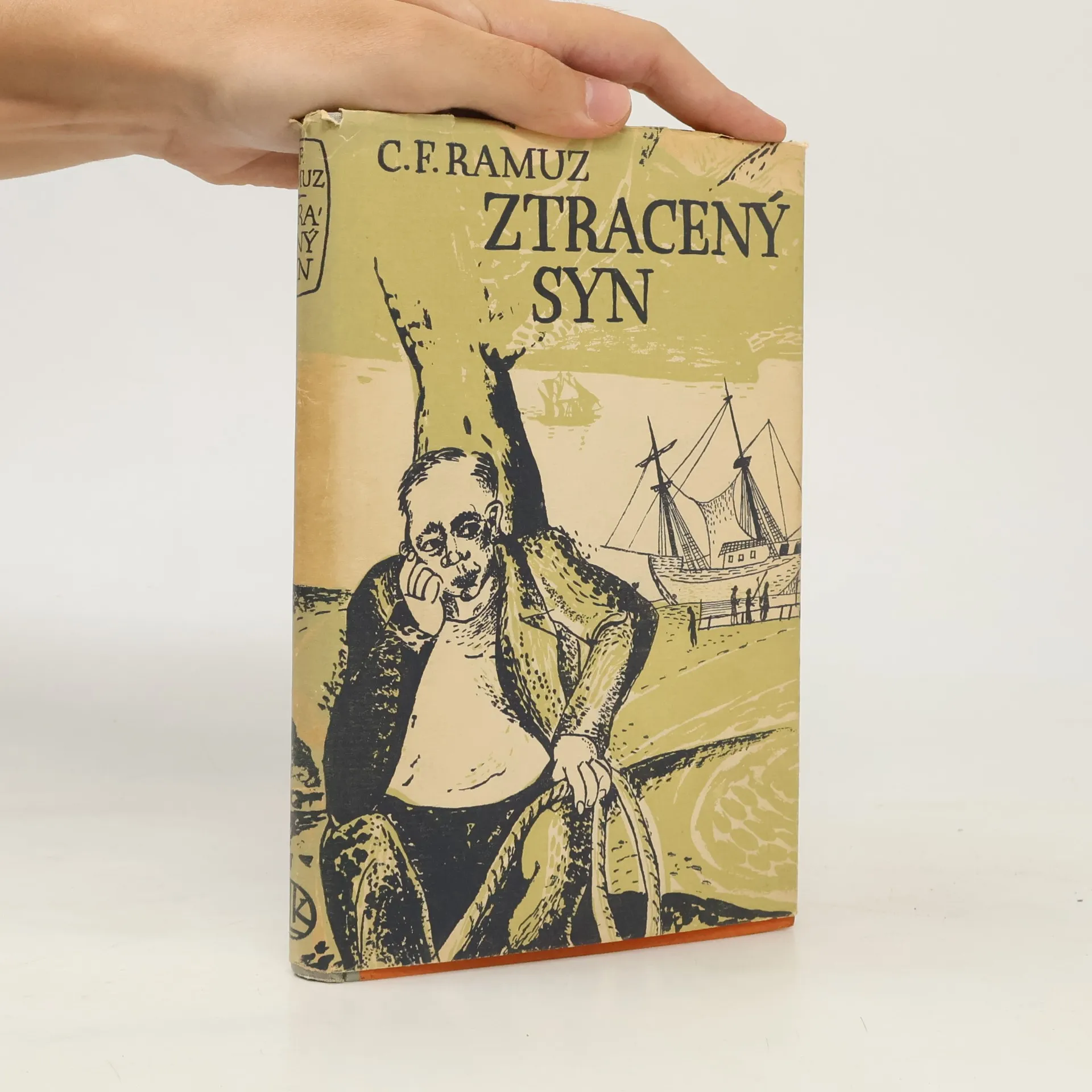
Trojice baladických příběhů z horského prostředí švýcarského kraje Valais: 1. Pronásledovaný Jan Lukáš (dílo z roku 1909), 2. Vláda zlého ducha (z roku 1914, knižně poprvé 1917), 3. Kdyby se slunce nevrátilo (z roku 1937) Doslov: Zdeněk Hrbata
Život Samuela Beleta
- 312 pages
- 11 hours of reading
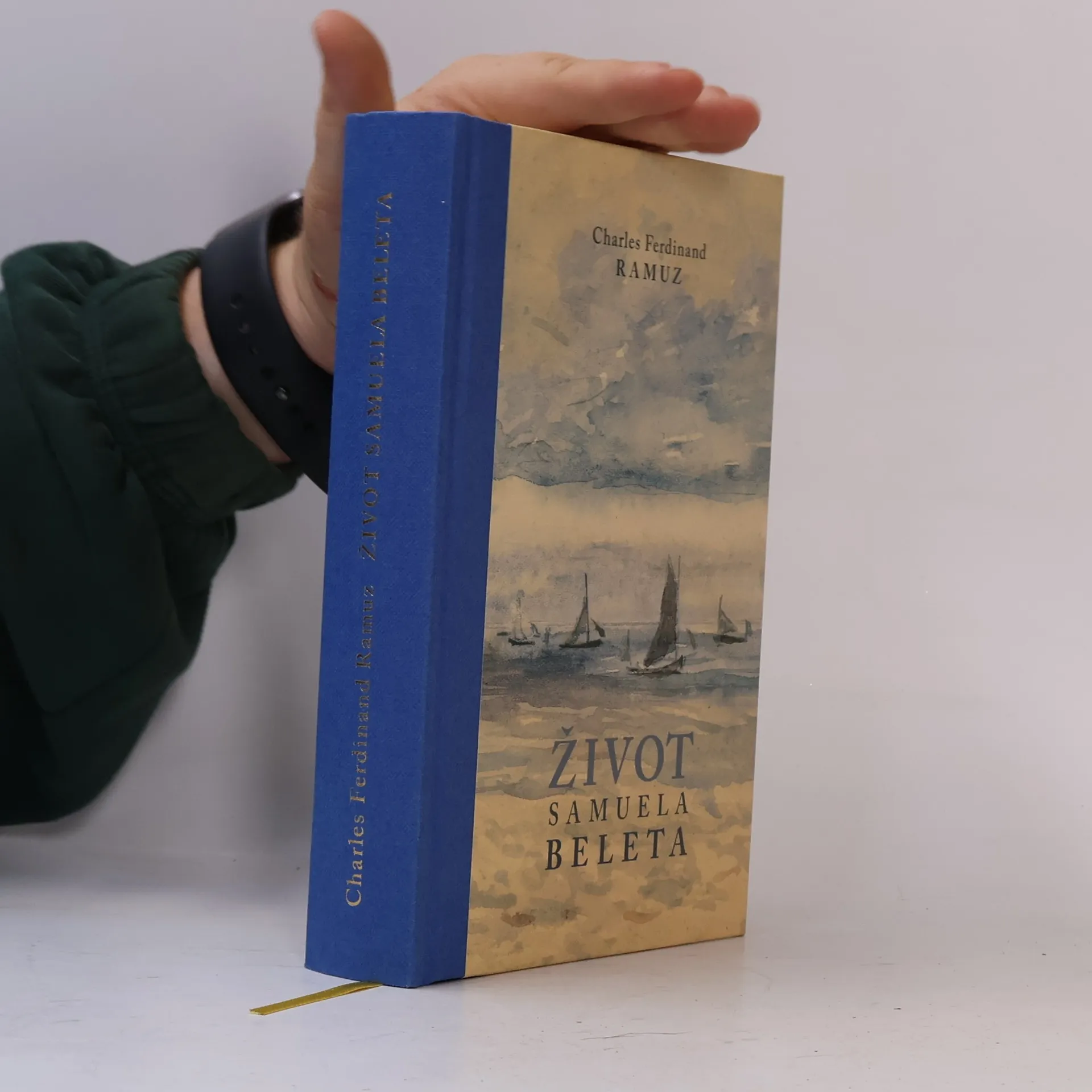
Román Charlese Ferdinanda Ramuze (24. 9. 1878 ? 23. 5. 1947), nejvýznamnějšího švýcarského spisovatele francouzského jazyka, líčí životní dráhu jednoho člověka, prostého, přemýšlivého venkovana ve druhé polovině 19. století. V každodenním zápase o vlastní existenci a důstojnost hrdina, vypravěč svého příběhu, putuje z rodného kantonu Vaud od Ženevského jezera až do Paříže. Na svých cestách projde několika zaměstnáními a profesemi, pozná povahu různých lidí, dočká se lásky i naděje, dolehne na něj tvrdost žití a tíseň samoty, nevyhne se zklamání ani selhání, aby se nakonec vrátil do rodného kraje, kde nachází smysl života ve vnitřní vyrovnanosti a v přijetí svého údělu.