

A model of clarity, grace, and intelligence, François Ricard's book joins the great French tradition of the literary essay as a meditation on the writing of Milan Kundera. Agnès's Final Afternoon imitates the protagonist of Kundera's novel Immortality on the last afternoon of her life. Like all readers of fiction, Agnès steps out of her car -- out of the world of planned routes, responsibilities, and social self -- and gives herself up to the discovery of a new landscape, an experience that will transform her. François Ricard's essay enters into the writings of Milan Kundera in much the same way. The landscape he explores includes a chain of ten novels, composed between 1959 and 1999, and two books containing one of the most lucid reflections on the novel. From The Joke to Ignorance, Ricard uncovers the richness of theme and character in the novels, their structural composition, polyphony of voices, and innovations of form and subject matter that stretch the boundaries of the novel to a breaking point. Readers need not be familiar with all of Milan Kundera's oeuvre to appreciate this unusual and original book. Agnès's Final Afternoon will inspire a sense of wonder and lead you to appreciate the beauty and profundity of Kundera's art.
Aaron Asher Book order (chronological)
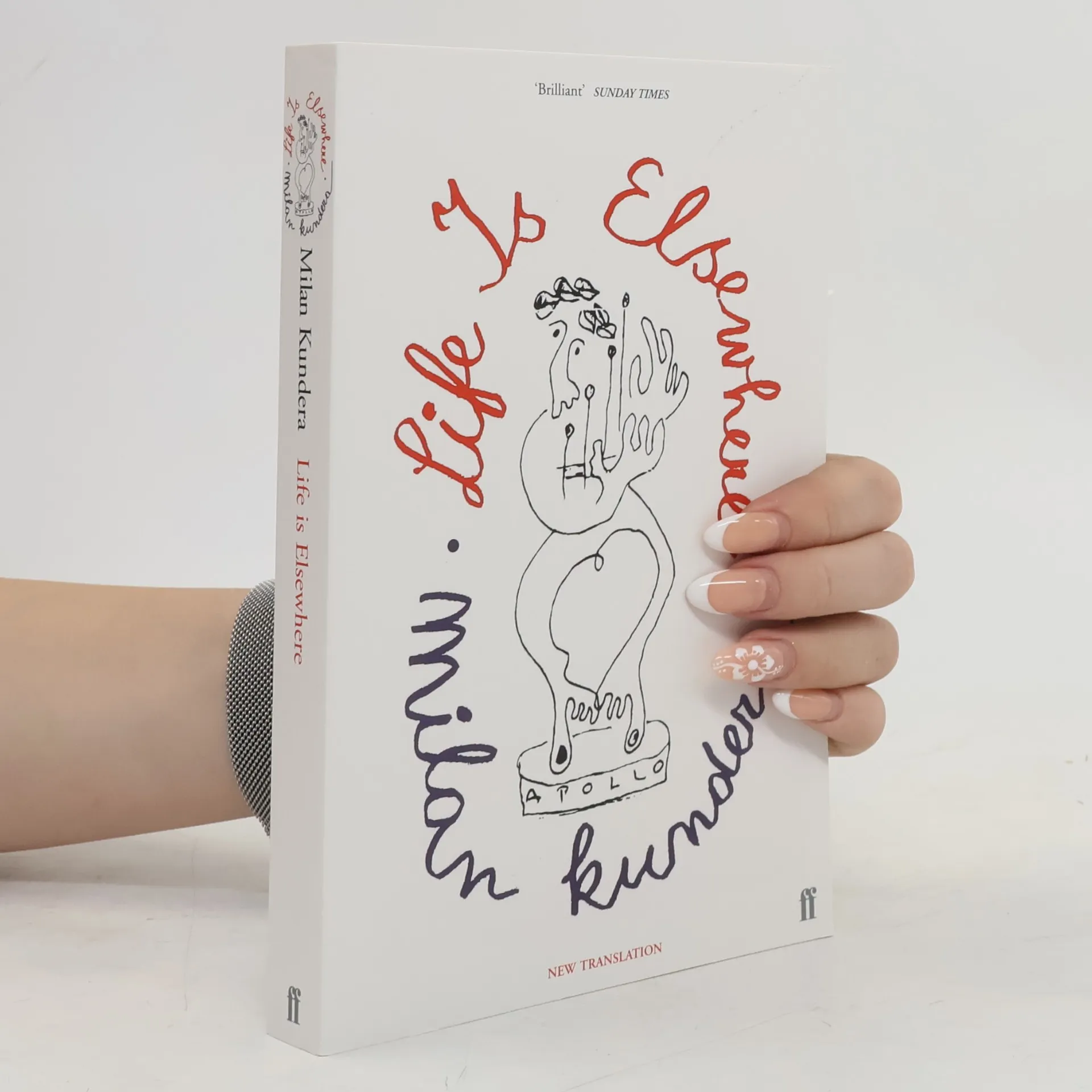

Life is Elsewhere
- 311 pages
- 11 hours of reading
Out of print since 1987, "Life Is Elsewhere" is available again in an outstanding new translation. Kundera's epic of adolescence tenderly erodes such sacrosanct values as childhood, motherhood, revolution, and even poetry, in a "remarkable portrait of an artist as a young man" ("Newsweek").
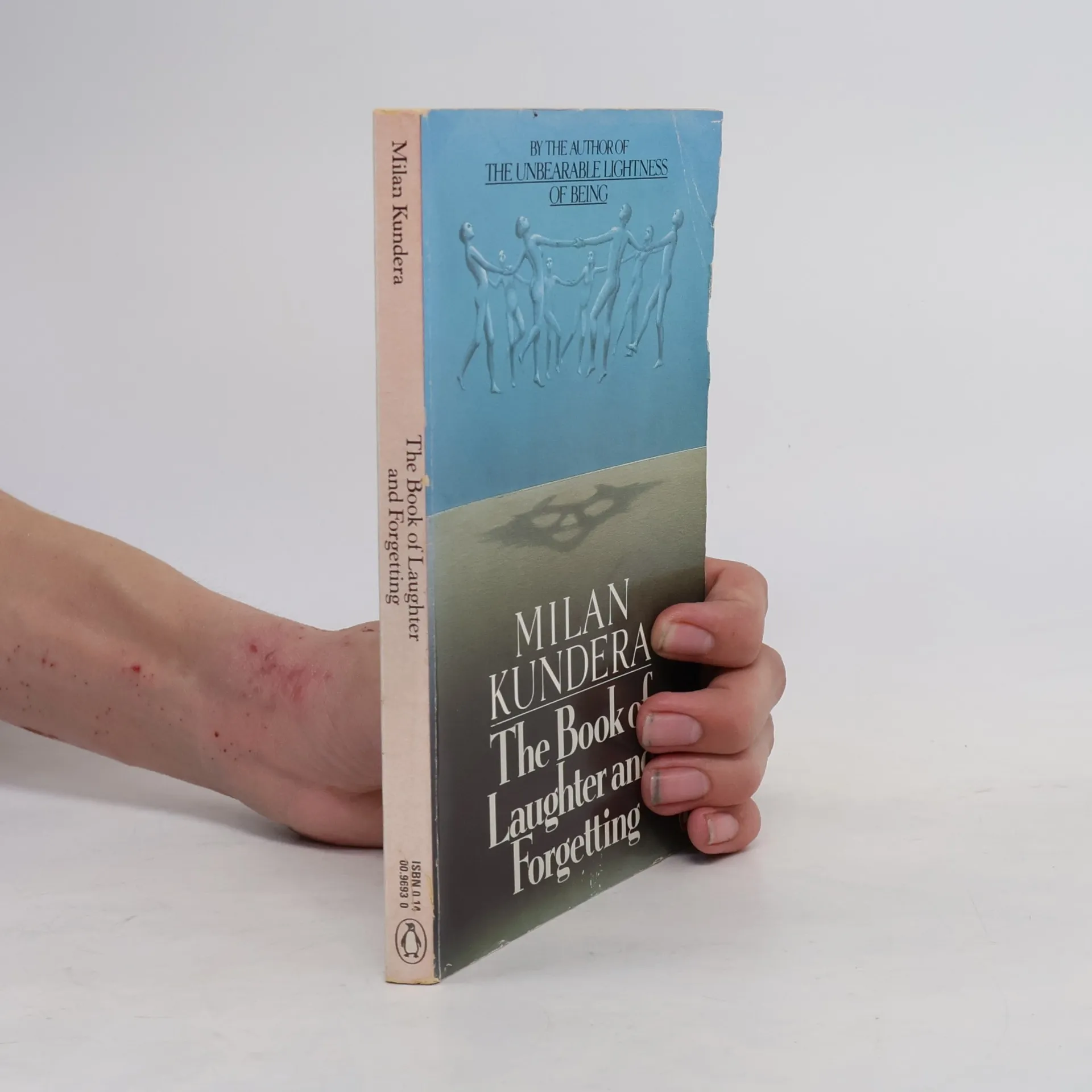
The Book of Laughter and Forgetting
- 228 pages
- 8 hours of reading
Offers a blend of stories, anecdotes, political history, and autobiography to create variations on several themes, including the power of laughter and the danger of forgetting