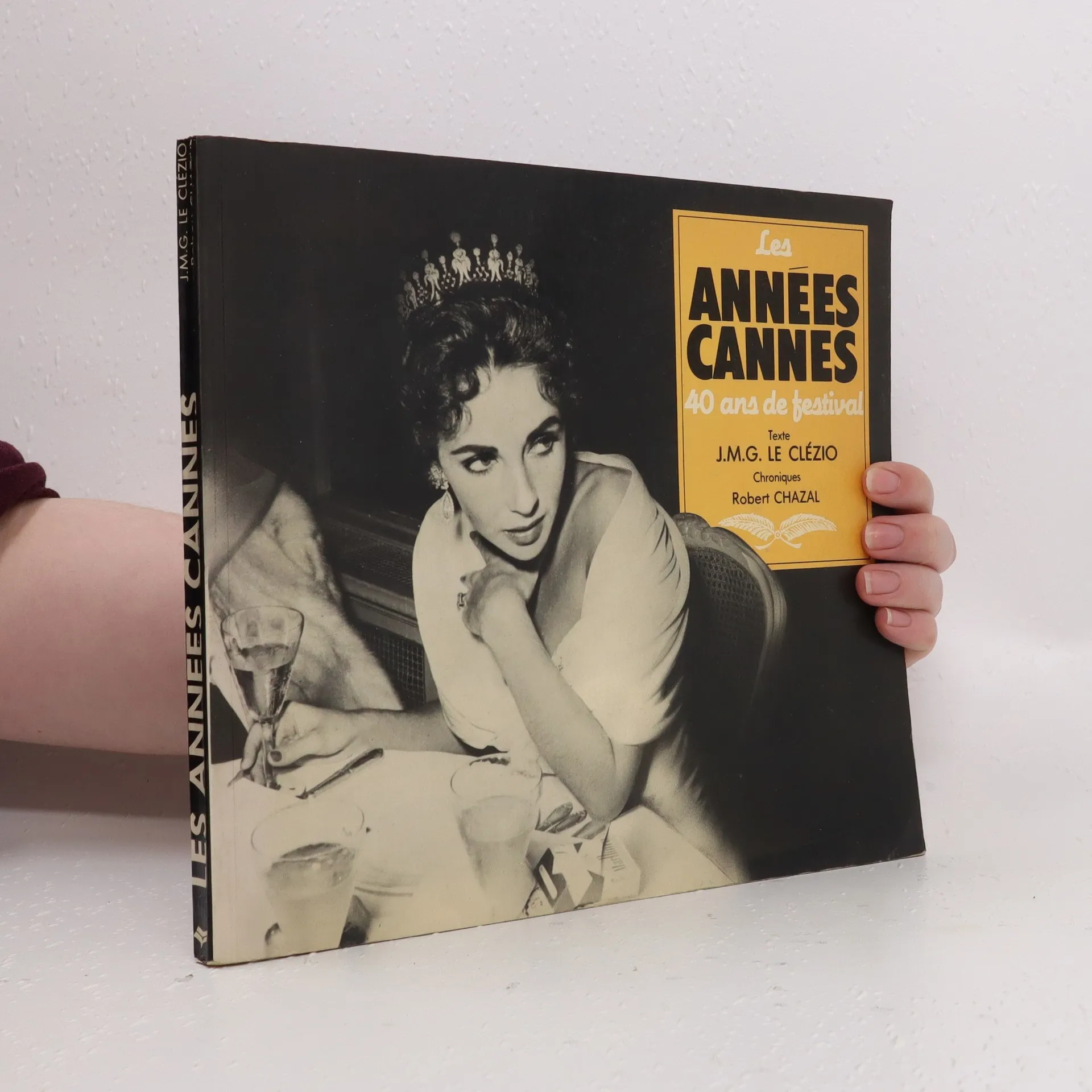
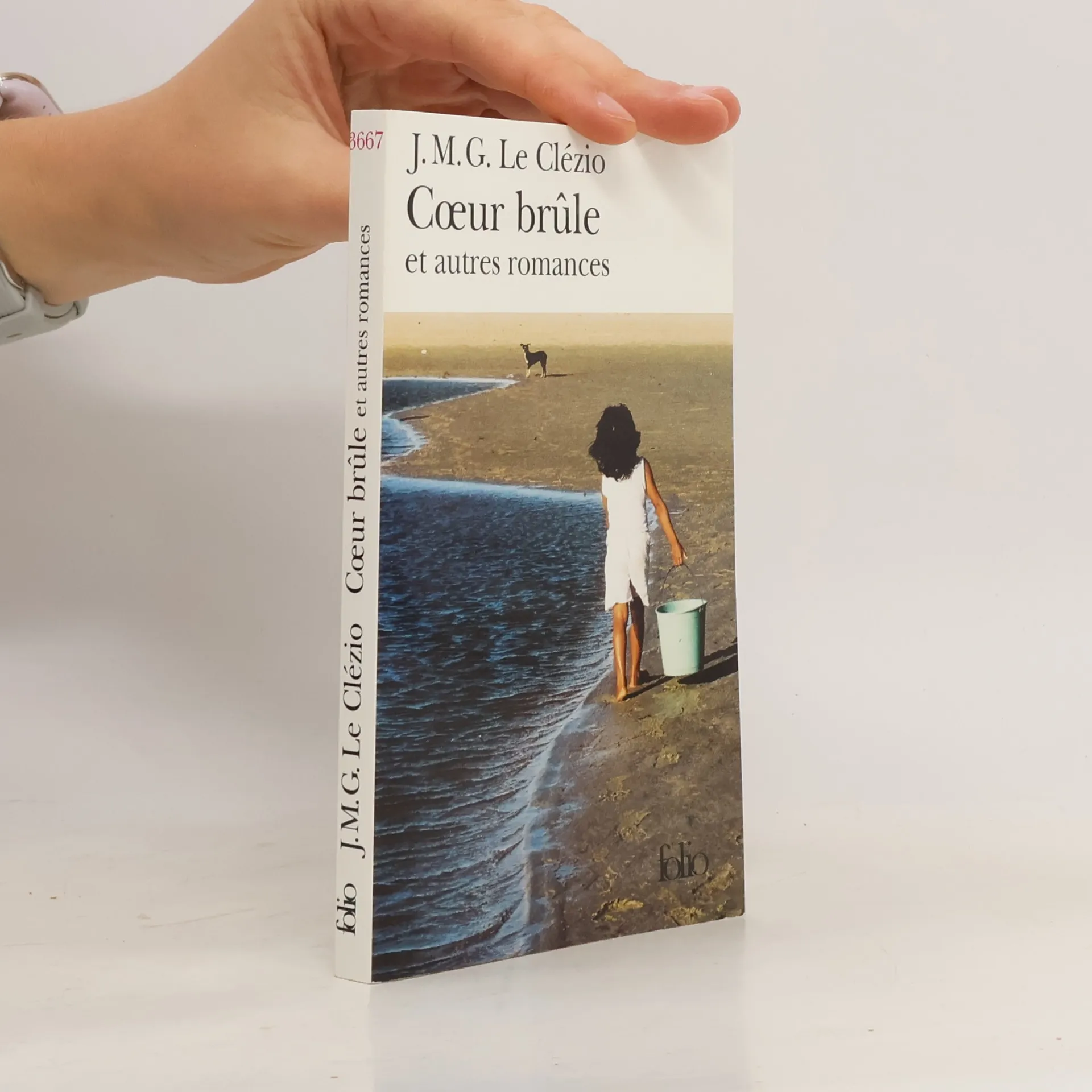
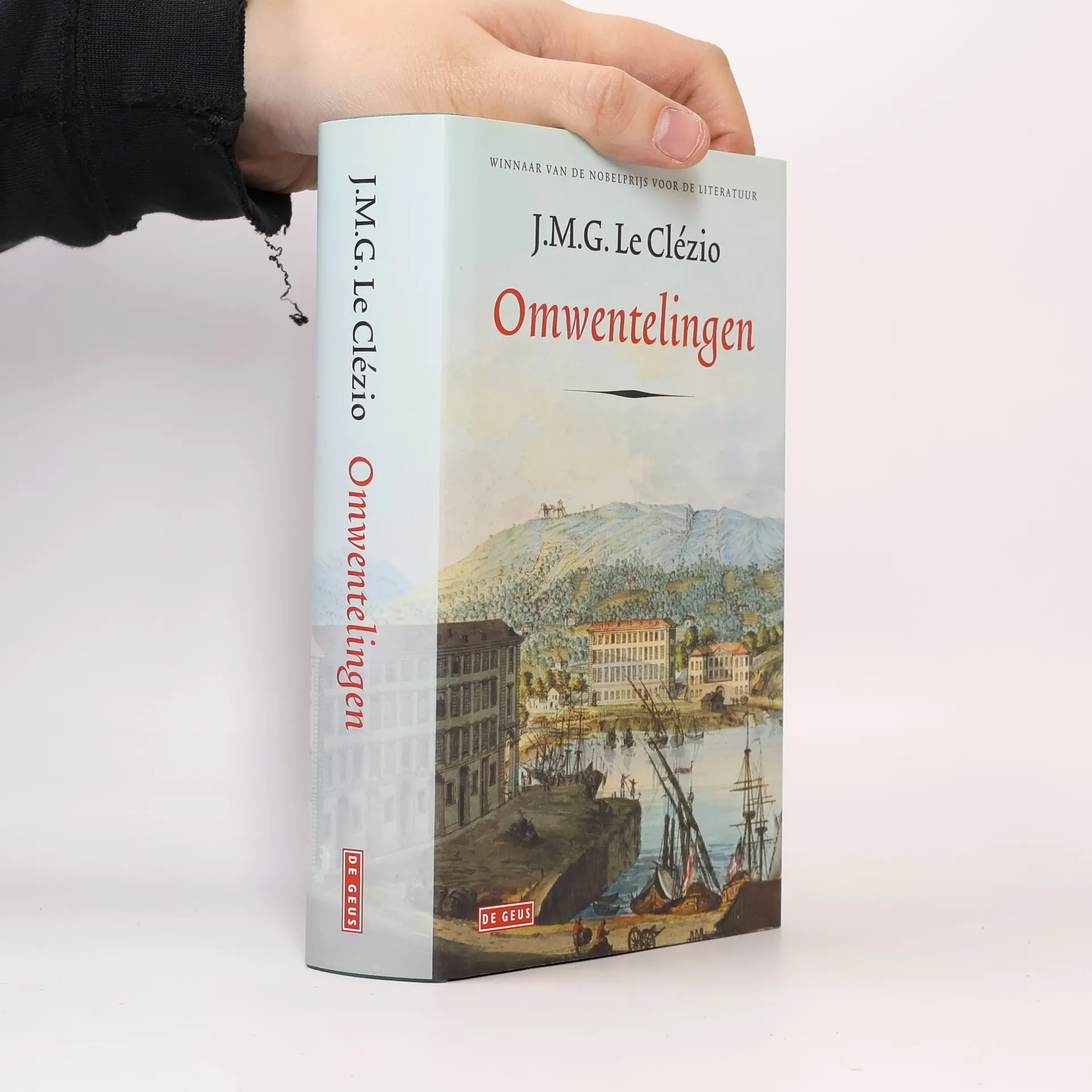
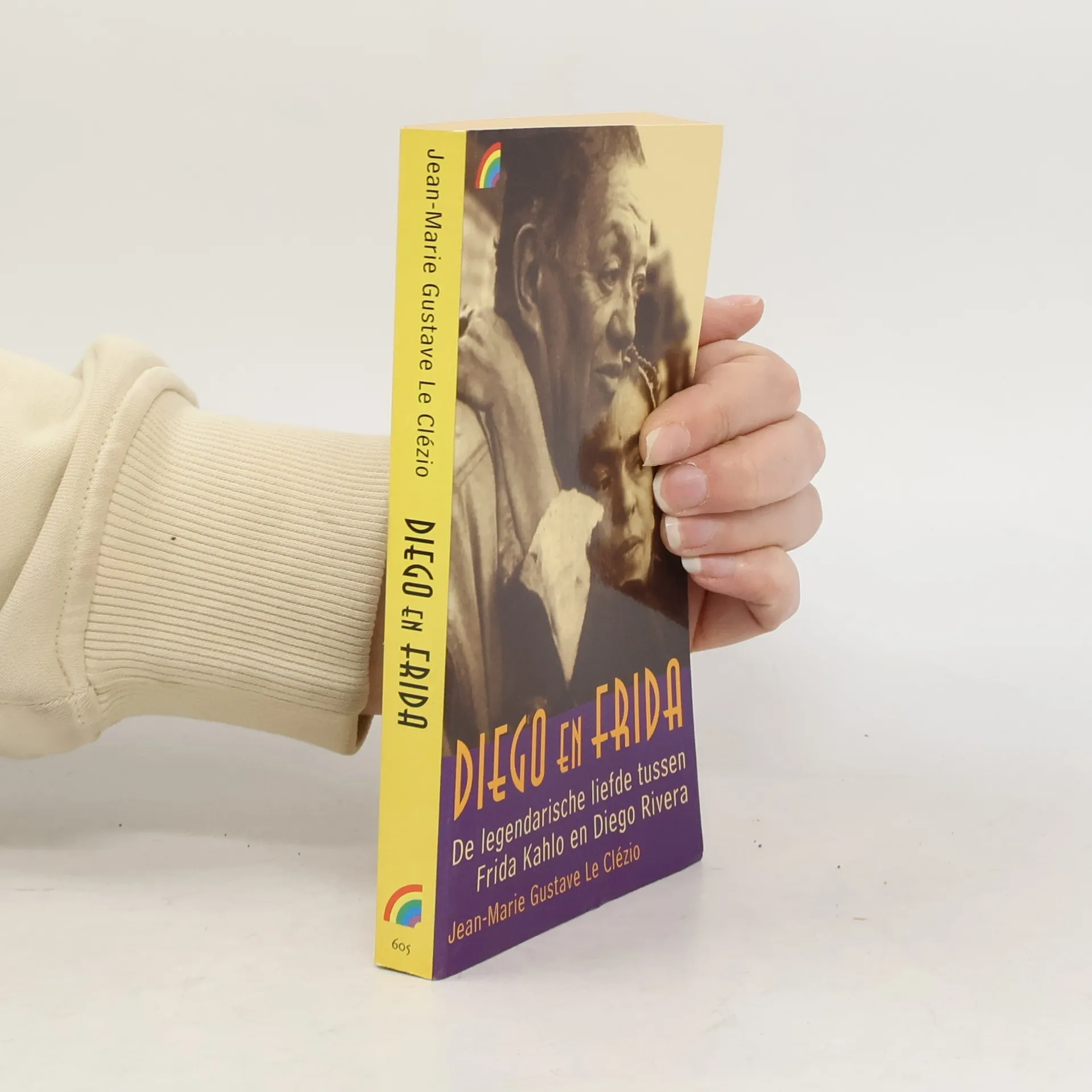
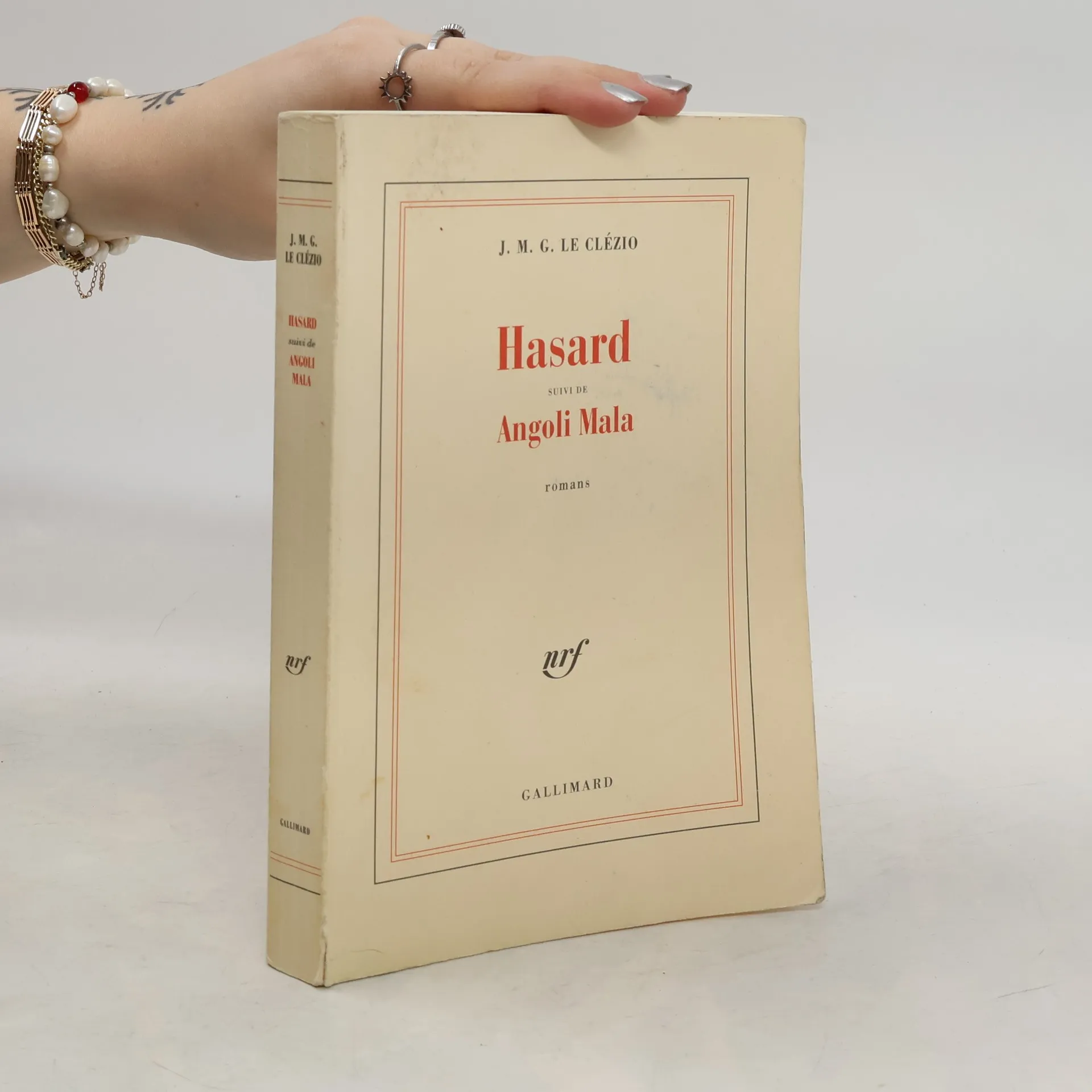
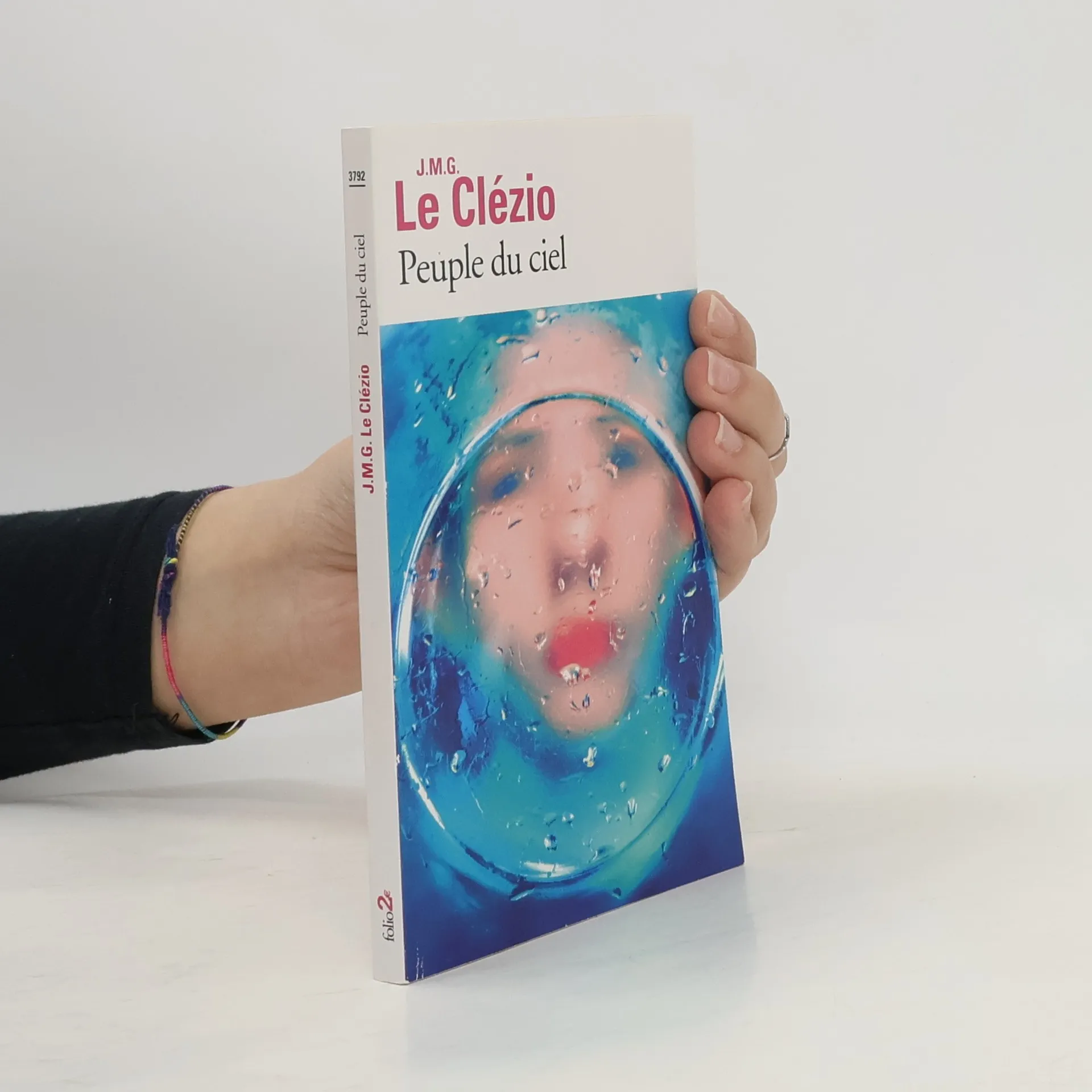
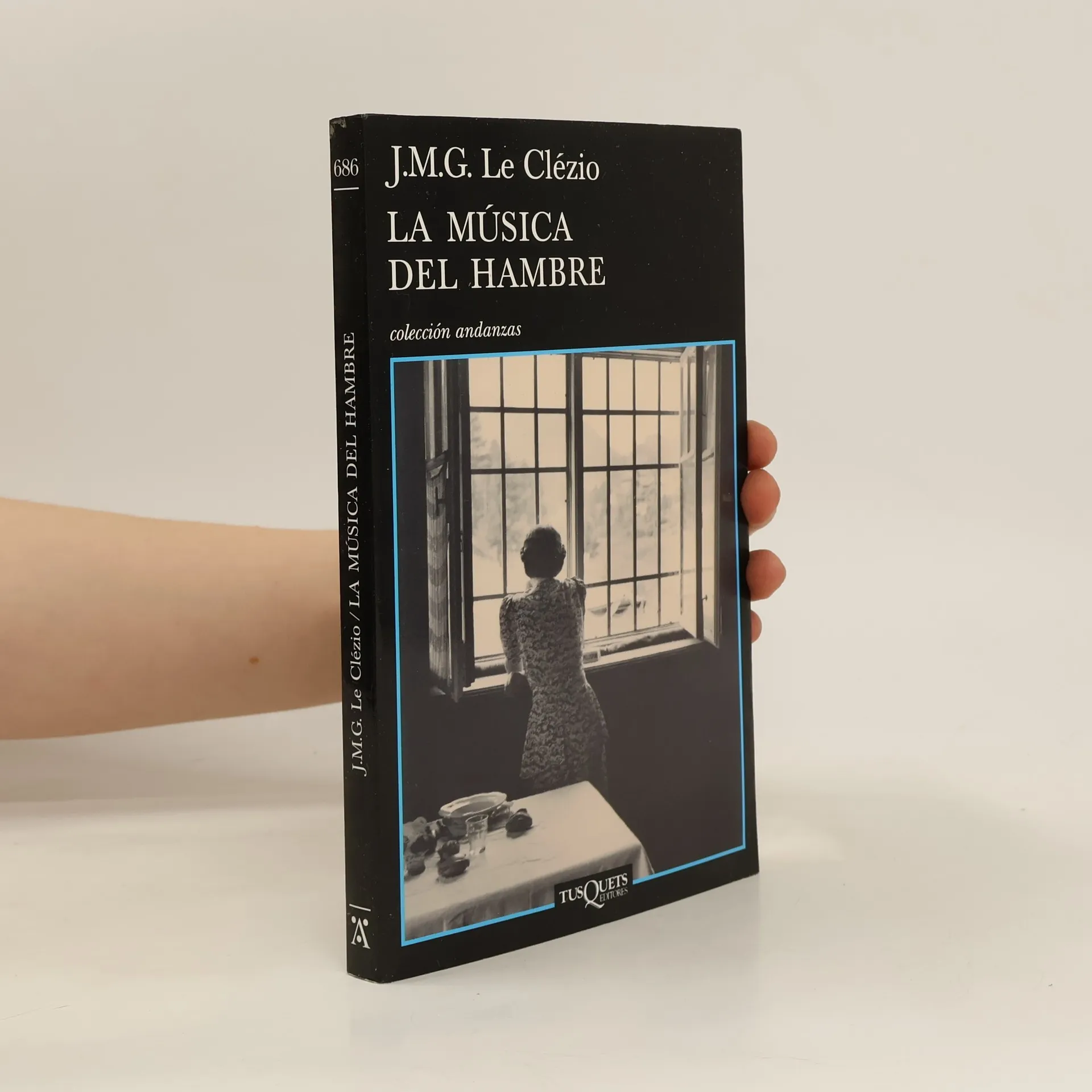
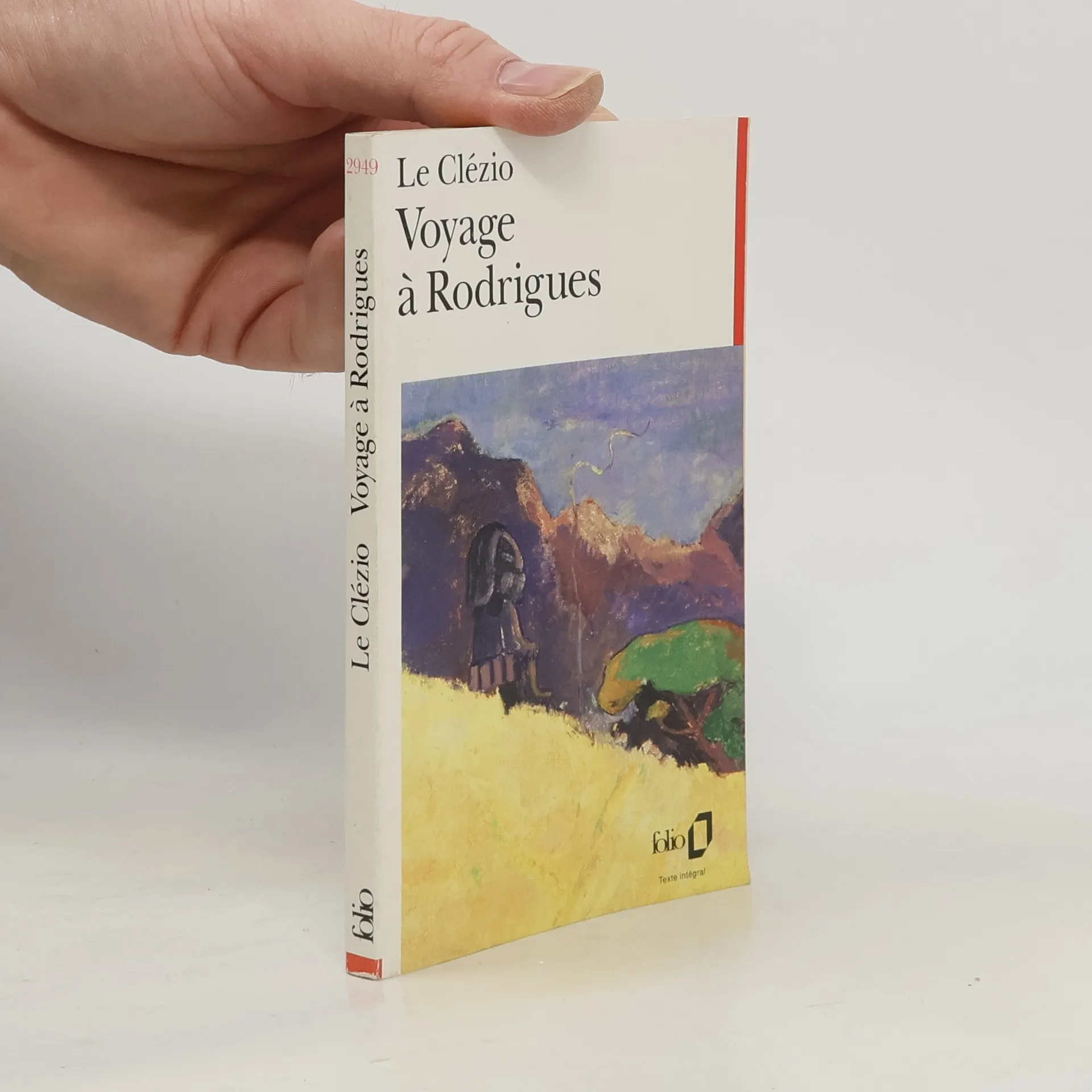
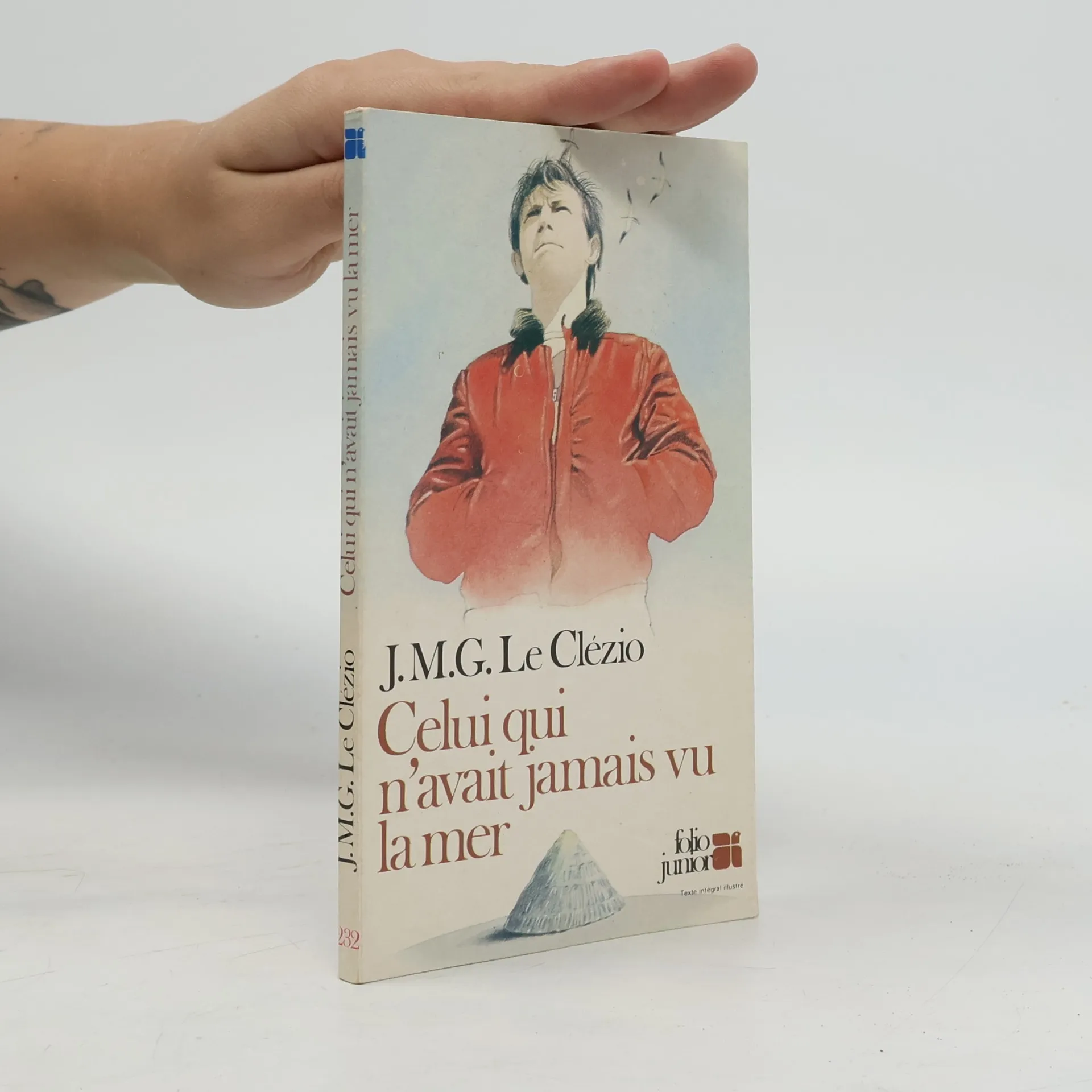
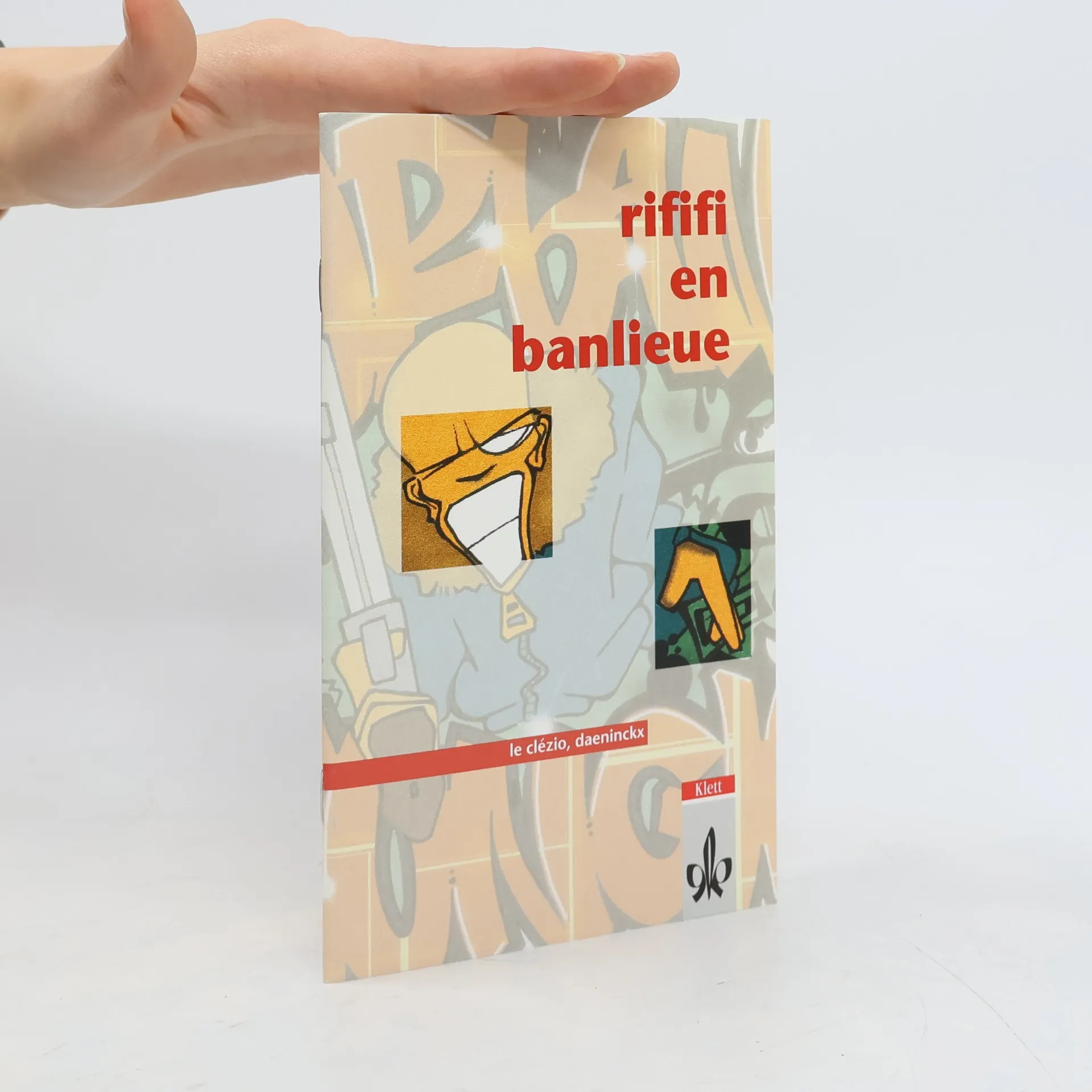
J.M.G. Le Clézio is a celebrated Franco-Mauritian novelist whose prolific output spans over forty works. His writing is distinguished by its profound exploration of the human psyche and the surrounding world, often emphasizing the connection between humanity and nature. Le Clézio masterfully employs language, crafting poetic and captivating imagery that draws readers into his narratives. His body of work reflects a lifelong engagement with diverse cultures and a quest to understand the complexities of contemporary existence.
While both Esther and Nejma want peace, each has a different experience during the founding of Israel; Esther is a Jewish girl who participtes in the founding, and Nejma is a Palestinian who becomes a refugee
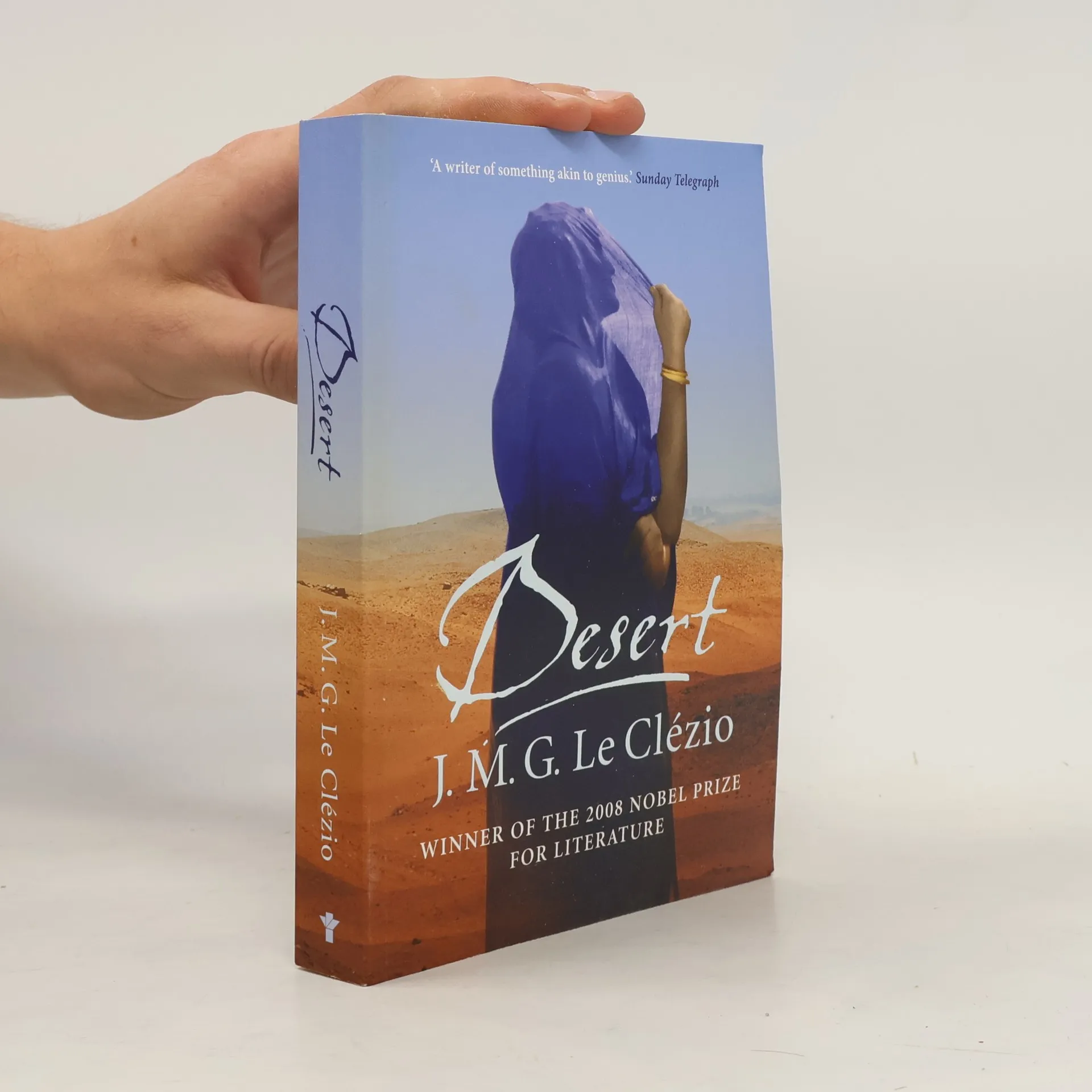
Desert is the story of the "last free men" and Europe's colonial legacy, told in two alternating narratives. One follows young Nour and his people, the desert warriors known as the Blue Men, driven from their lands by French colonial soldiers in 1909 and seeking the aid of the great spiritual leader known as Water of the Eyes. The other narrative, set decades later, is the story of Lalla, an orphaned descendant of the Blue Men. From a shantytown in coastal Morocco, she flees to France to escape a forced marriage with a wealthy man.
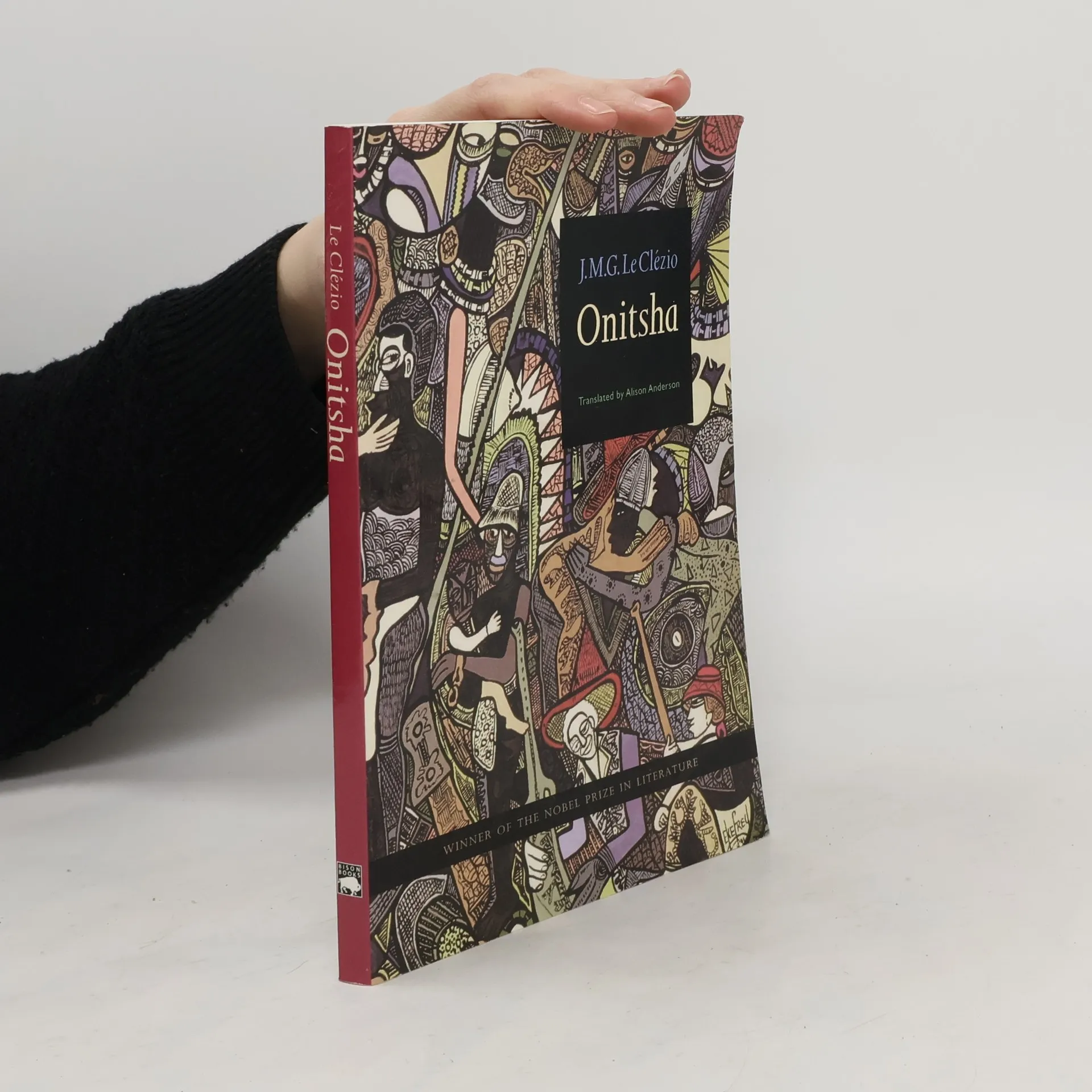
Onitsha tells the story of Fintan, a youth who travels to Africa in 1948 with his Italian mother to join the English father he has never met. Fintan is initially enchanted by the exotic world he discovers in Onitsha, a bustling city prominently situated on the eastern bank of the Niger River. But gradually he comes to recognize the intolerance and brutality of the colonial system. His youthful point of view provides the novel with a notably direct, horrified perspective on racism and colonialism. In the words of translator Alison Anderson, Onitsha is remarkable for its “almost mythological evocation of local history and beliefs.” It is full of atmosphere—sights, sounds, smells —and at times the author’s sentences seem to flow with the dreamy languor of the river itself. But J. M. G. Le Clézio “never lets us forget the harsh realities of life nor the subsequent tragedy of war.” A startling account—and indictment—of colonialism, Onitsha is also a work of clear, forthright prose that ably portrays both colonial Nigeria and a young boy’s growing outrage.
Set largely in locations near the French Riviera, these eleven short stories depict the harsh realities of life for the less-privileged inhabitants of this very privileged region. Distinguished French writer J. M. G. Le Clézio lends his voice to the dispossessed and explores his familiar themes of alienation, immigration, poverty, violence, indifference, the loss of beauty, and the betrayal of innocence. In one story an adolescent girl encounters the violence of a gang of masked bikers in a hostile and desolate housing project. In others a man stands by helplessly as a place of great beauty and deep childhood memory is slowly consumed and destroyed by a quickly developing city, an illegal immigrant desperate for work finds himself the prisoner of a ring trafficking in human beings, and two girls risk everything by running away from home and their dead-end factory jobs in search of a more meaningful life. At once tragic and evocative, these engrossing and beautifully crafted stories touch upon the loss of human values in a rapidly changing world.
From the WINNER OF THE NOBEL PRIZE IN LITERATURE 'A work of bewitching beauty and humanity' Chinua Achebe 'From that moment on, there was to be a before and an after Africa for me.' In 1948, a young J. M. G. Le Cl zio left behind a still-devastated Europe with his mother and brother to join his father, a military doctor in Nigeria, from whom he had been separated by the war. In his characteristically intimate, poetic voice, the Nobel Prize-winning author relates both the child's dazzled discovery of freedom in the African savannah and the torment of recalling his fractured relationship with a rigid, authoritarian father. Now available in English for the first time, The African is a poignant memoir of a lost childhood and a tribute to a father whom Le Cl zio never really knew. His legacy is the passionate anti-colonialism that the author has carried through his life.
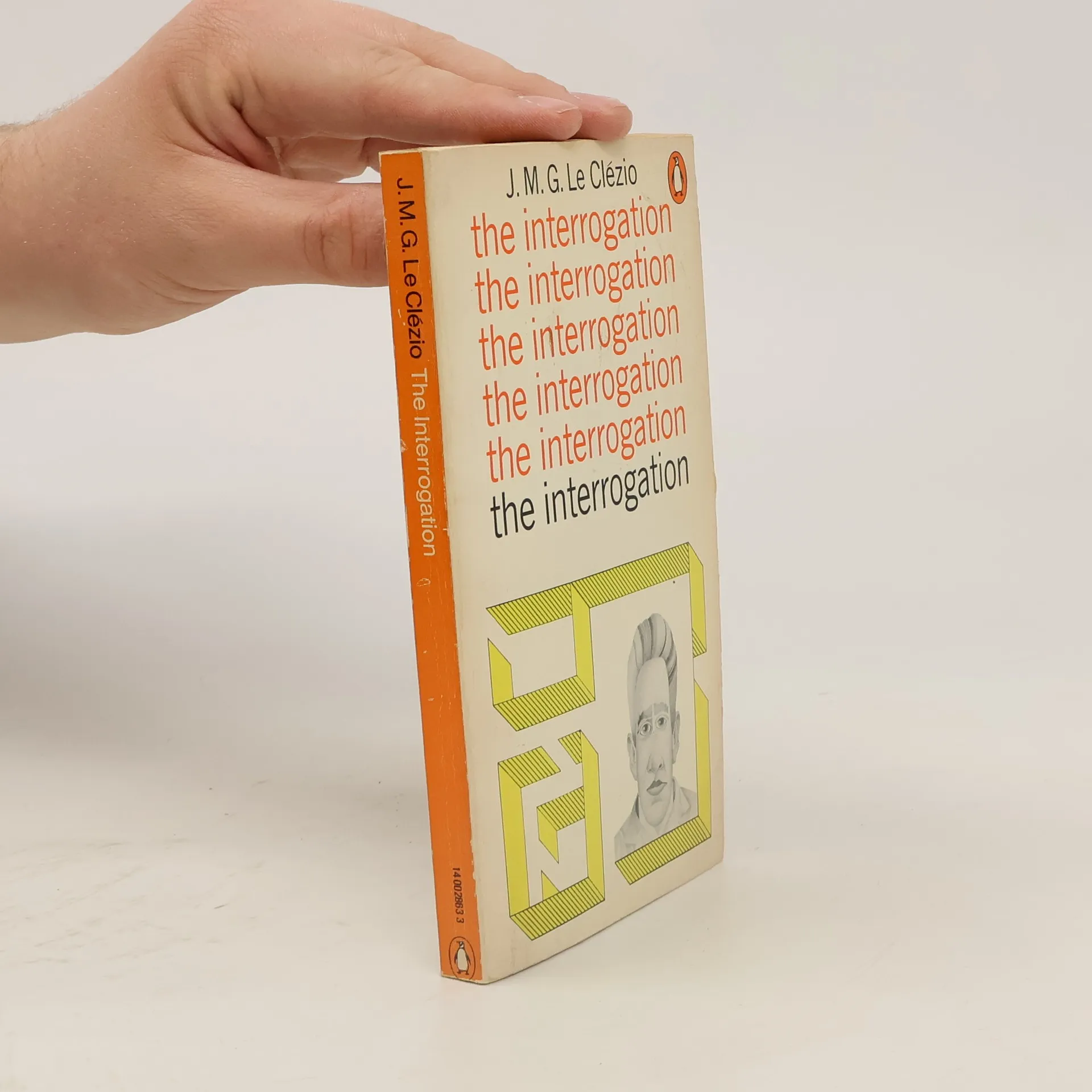
The protagonist reflects on the accusations he will face for his actions, having lived in a state of neglect and rebellion. He has slept on the ground for days, defaced the walls with drawings of squids, and played billiards, all while indulging in petty acts like cutting roses from the garden and drinking beer, leaving behind a trail of destruction. He anticipates a judgment from society, viewing his misdeeds as a testament to his existence. With a sense of resignation, he hopes for a punishment that will make him pay physically for the sin of living. This introspective narrative delves into themes of guilt, the consequences of one's actions, and the search for meaning in a chaotic life.
Diese Lektüre besteht aus zwei Erzählungen: "Ariane" und "Rodéo d'or". Im Mittelpunkt der Geschichten stehen Jugendliche, die in einer zunehmend entfremdeten Banlieue (über)leben müssen und irgendwann - als Täter oder Opfer - mit Gewalt konfrontiert werden.
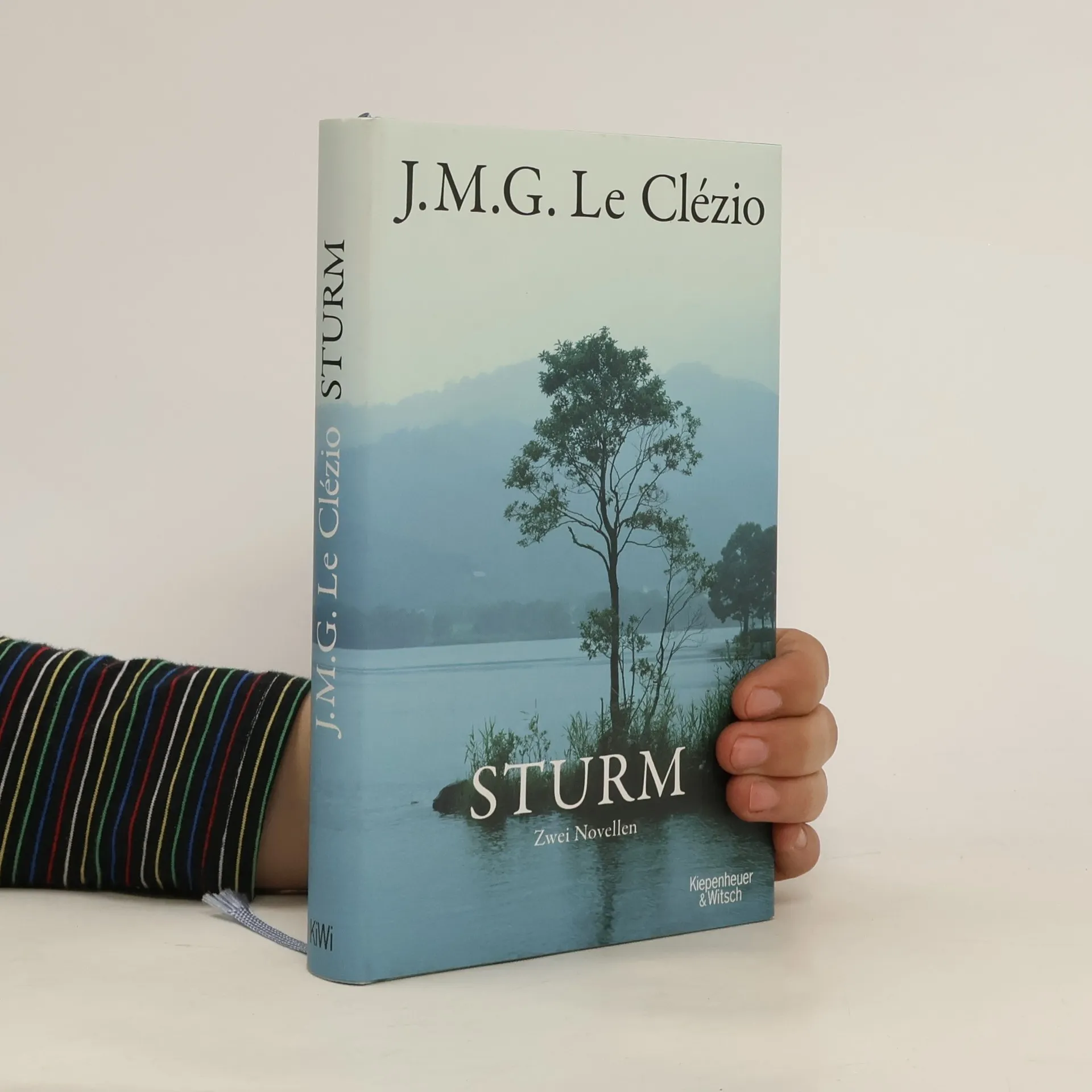
Mit viel Einfühlungsvermögen und Sinn fürs Detail erzählt Nobelpreisträger Le Clézio in seinen beiden Novellen von Menschen, die nach schweren Schicksalsschlägen und Zeiten des Verlorenseins die Kraft für einen Neuanfang finden. So wie der Journalist Philip Kyo, der auf der koreanischen Insel Udo einer verlorenen Liebe nachspürt und der schwer an einer Verfehlung in seiner Vergangenheit trägt. Zwischen ihm und der 13-jährigen vaterlosen June entspinnt sich eine besondere Beziehung, die für beide zum Auslöser wird, ihrem Leben eine neue Richtung zu geben. Anders die Geschichte von Rachel aus der zweiten Novelle. Als ihre Familie zerbricht und sie ihr geliebtes Afrika verlassen muss, um nach Frankreich zu ziehen, ist sie gezwungen, sich in einem langen, schmerzhaften Prozess nicht nur nach außen, sondern auch im Verhältnis zu ihrer Familie neu zu orientieren. Meisterhaft oszilliert J.M.G. Le Clézio in seinen Geschichten zwischen Licht und Schatten, Tod und Neuanfang, Wissen und Nicht-Wissen und verleiht seinen Figuren auf diese Weise gleichzeitig Verletzlichkeit und Stärke.
«Se l’Africa è il continente dimenticato, l’Oceania è il continente invisibile», e per raccontare questo continente ancora poco conosciuto, Le Clézio si affida a una potente e armoniosa coralità di voci che conferiscono alla narrazione il passo di un vero e proprio viaggio iniziatico, intrecciando le testimonianze pazientemente raccolte a spaccati di finzione in cui, attraverso personaggi inventati, viene ricostruita la nascita di questo continente. Al centro del lungo viaggio c’è la natura indomita e misteriosa di un continente fatto più di mare che di terra, dove il nero delle montagne che si perdono oltre le nuvole, il verde dei pendii, il blu del mare tutt’intorno fanno da sfondo alla storia di soprusi e tragedie di un popolo profondamente legato alla propria terra.
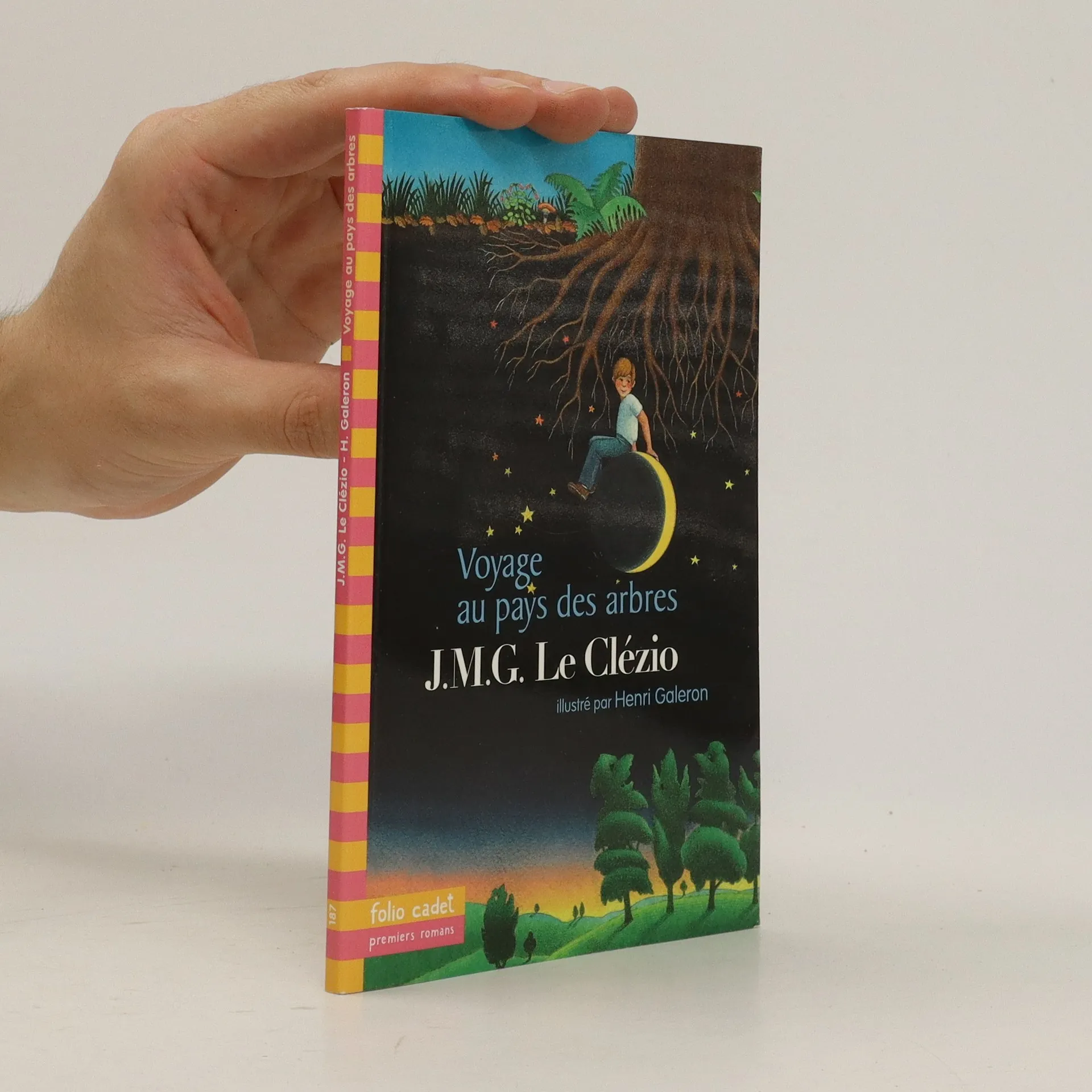
Un petit garçon qui s'ennuie et qui rêve de voyager s'enfonce dans la forêt, à la rencontre des arbres. Il prend le temps de les apprivoiser, surtout le vieux chêne au regard si profond. Il peut même les entendre parler. Et quand les jeunes arbres l'invitent à leur fête, le petit garçon sait qu'il ne sera plus jamais seul...
Das Werk von Jean-Marie Gustave Le Clézio - Romane und zahlreiche Erzählungen - ist vielschichtig und facettenreich, seine Schreibweise dicht und poetisch; gerühmt wird die Musikalität, ja hypnotische Macht seiner Texte. Die Auswahl aus seinem Werk versammelt Erzählungen, in denen es um magisch-phantastisch getönte Erlebnisse von Kindern und Jugendlichen geht. Ungekürzte und unbearbeitete Textausgabe in der Originalsprache, mit Übersetzungen schwieriger Wörter am Fuß jeder Seite, Nachwort und Literaturhinweisen.
"Des qu'on regarde ce qui se passe au-dehors, comme font les enfants, on est bien etonne". Voila sans doute une des phrases clefs de cet essai lyrique qui est un hymne a la beaute du monde, une transparente incitation a mediter, un grand poeme en prose lente et precise, avec des retours, des repetitions, des surcharges. J.-M. Le Clezio tente de voir par les yeux d'un "petit garcon inconnu" qui "regarde a travers l'espace". Pour lui, comme pour l'enfant, "le monde est plein de mysteres et de secrets", mais ce ne sont pas ceux de l'intelligence. Ce sont les mysteres reels qu'on voit et qu'on sent, qu'on touche avec ses mains ..., les secrets d'un caillou, d'un haricot, d'un escargot, d'une libellule. Pas d'appareil critique. [SDM].
In neun Erzählungen, die zum Besten gehören, was Jean-Marie Gustave Le Clézio geschrieben hat zeichnet er neun 'Augenblicke des Wahnsinns': Roch, den die Sonnenhitze lähmt, Beaumont, den der Zahnschmerz in die Verzweiflung treibt, das Wunderkind Martin, das die Grenzen seiner zwölf Jahre durchbrechen möchte und von der Normalität auf sich selbst zurückgeworfen wird. Die sprachliche Intensität geht über eine Beschreibung der Erfahrungen der Menschen hinaus, sie erweckt sie zu neuem Leben. Die französische Kritik verglich Jean-Marie Gustave Le Clézios Prosakunst mit der von Jean-Paul Sartre und Albert Camus. Nobelpreis für Literatur 2008.
À l’heure où Donald Trump quitte la Maison Blanche et que les États-Unis entrent dans une nouvelle ère, America tire sa révérence avec un dernier numéro agrémenté pour l’occasion d’un poster inédit et d’une vingtaine de pages supplémentaires. Dans ce 16ème opus, retrouvez d’abord un grand entretien avec l’écrivain irlando-américain Colum McCann qui nous avait fait l’honneur de participer au premier numéro. Persuadé du rôle déterminant de la littérature, l’auteur livre ses inquiétudes nouvelles mais aussi ses espoirs face à l’inconnue de ces années post-Trump. Alors que Joe Biden vient d’être élu 46ème président, America s’interroge sur l’avenir de l’Amérique à travers des portraits de figures démocrates, un reportage sur le devenir du trumpisme ou encore un essai sur les GAFA, les autres maitres du pays. Autre temps forts de ce numéro, un conte fantastique inédit de la star de la BD Emil Ferris inspiré de la trouble période du confinement, une nouvelle de l’immense écrivain Ernest Hemingway, encore jamais publiée en France, ainsi que le parti pris de l’auteure Rachel Kushner qui imagine la conclusion minable de la relation entre le fils de Donald Trump et sa petite amie, métaphore du désamour du pays pour la défaite en hommage au film « Shame ».
Daniel ne parle presque pas et n'a pas d'amis. On dirait qu'il dort les yeux ouverts. Il a l'air de venir d'ailleurs. Il aurait pu s'appeler Sindbad le Marin, dont il a lu les aventures, le seul livre qu'il connaisse par cœur : son regard ne s'anime que lorsqu'on lui parle de mer et de voyages. Mais la mer, il ne l'a jamais vue. Alors, un jour de novembre, sans rien dire à personne, il s'en va pour ne plus jamais revenir...
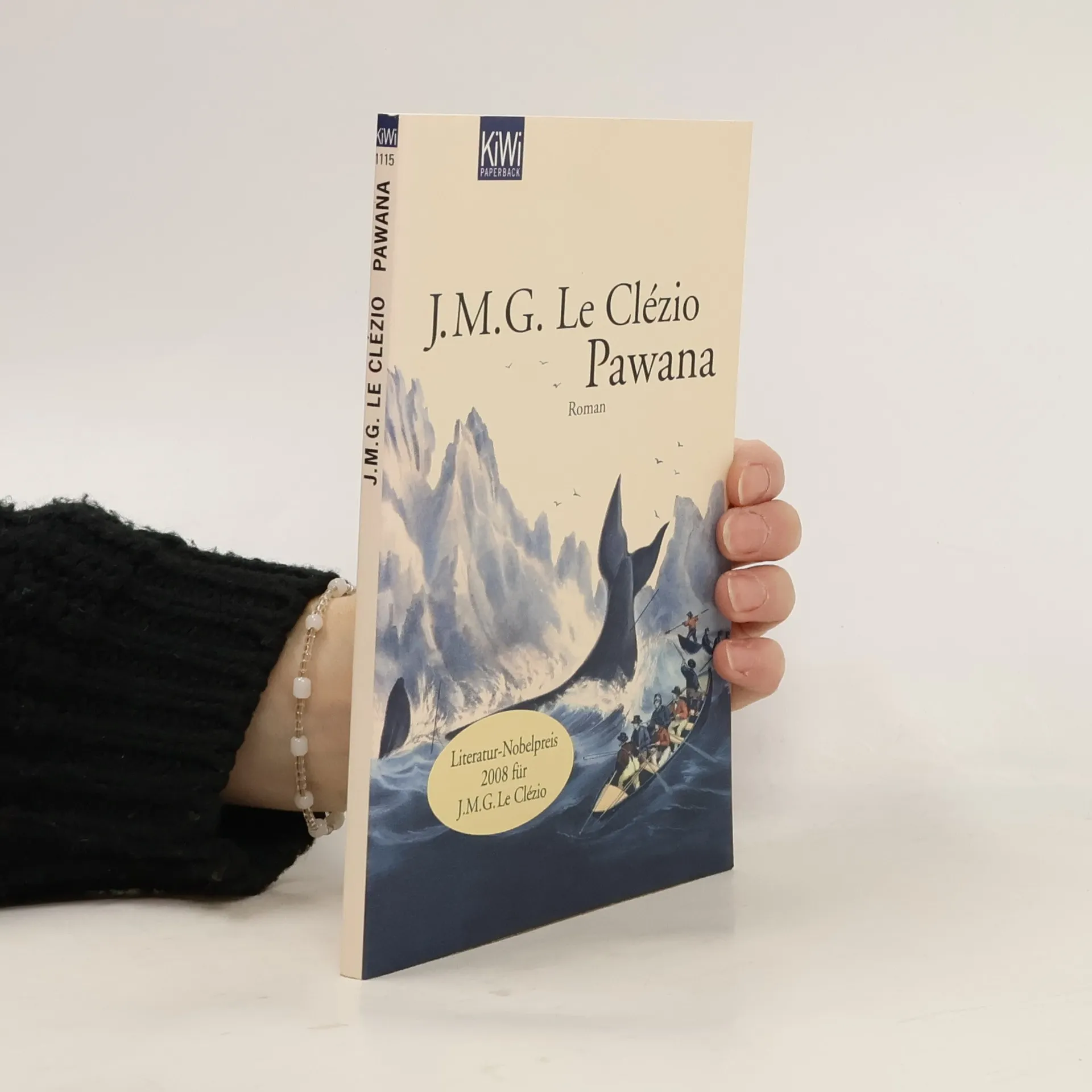
An der Ostküste Nordamerikas riefen die Nantucket-Indianer einst »Awaite Pawana!«, wenn sie Wale sichteten und zur Jagd aufbrachen. Mitte des 19. Jahrhunderts ertönt dieser Ruf auch an der kalifornischen Küste, was den Beginn einer ökologischen Tragödie markiert, die eindringlich von J. M. G. Le Clézio erzählt wird. 1856 fährt die Leonore unter dem Kommando von Charles Melville Scammon, einem ehemaligen Goldsucher, von San Francisco die mexikanische Küste hinunter. Scammon sucht nach Walen, die in einer tiefen Bucht zur Kalbung kommen sollen. Diese Bucht wird zum Schlachtfeld, und die Tötungsindustrie führt beinahe zur Ausrottung der Wale. Zwei Zeugen berichten von den Ereignissen: Der Kapitän reflektiert ein halbes Jahrhundert nach der Entdeckung der Walbucht über den Eindruck, den die riesigen Tiere auf ihn machten, und gesteht seine Schuld in der Tötung. Der zweite Erzähler, John, ein Schiffsjunge aus Nantucket, war schon als Kind vom Mythos der Wale fasziniert. Als alter Mann lebt er in Punta Bunda an der nun zerstörten Küste und hat miterlebt, wie die Indianer, die Wale und die Landschaft wirtschaftlichen Interessen zum Opfer fielen. Der Mythos vom Wal und die Erinnerung an »Awaite Pawana!« bleiben. Le Clézio beobachtet scharf und beschreibt eindringlich, ohne zu werten.
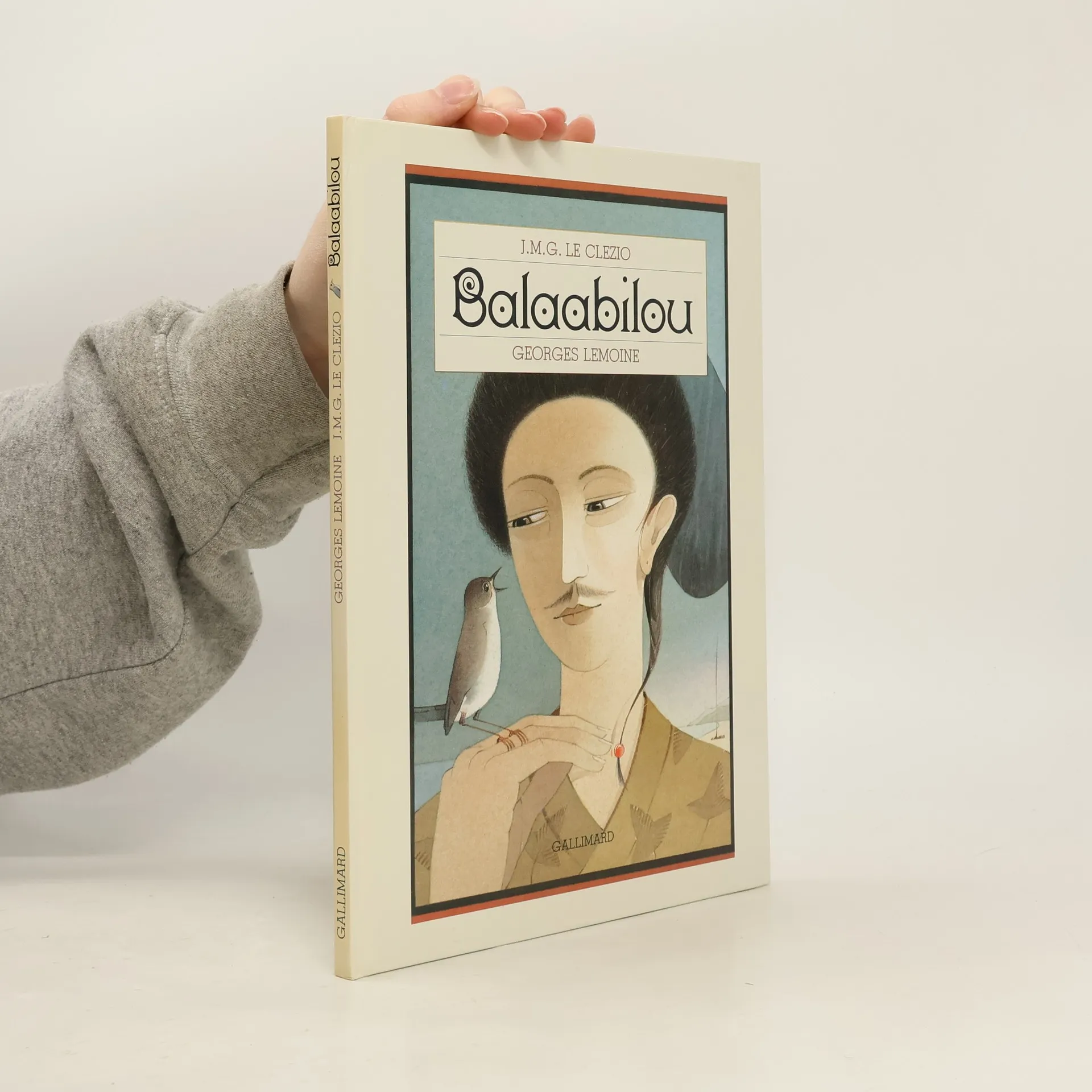
«Est-ce que je t'ai déjà parlé de Balaabilou?» demande Naman le pêcheur à Lalla. Dans une ville d'Orient vivait autrefois un puissant émir qui avait une fille très belle, du nom de Leila. Une terrible sécheresse s'abattit un jour sur le royaume. Pour faire cesser la malédiction, l'émir dut abandonner sa fille unique dans la forêt. C'est alors que, la nuit venue, le chant d'un oiseau s'éleva Chaque jour, Lalla rejoint sur la plage Naman qui, auprès d'un feu et de sa marmite de poix pour calfater sa barque, sait enchanter les enfants de ses contes merveilleux. Comme celui de loiseau Balaabilou qui sauva la belle princesse Leila dune mort affreuse, et son royaume de la sécheresse. Si grande était la puissance de son amour Un récit merveilleux et poétique de J.M.G. Le Clézio pour une histoire aux allures de conte des "Mille et Une Nuits", superbement illustrée par Georges Lemoine.
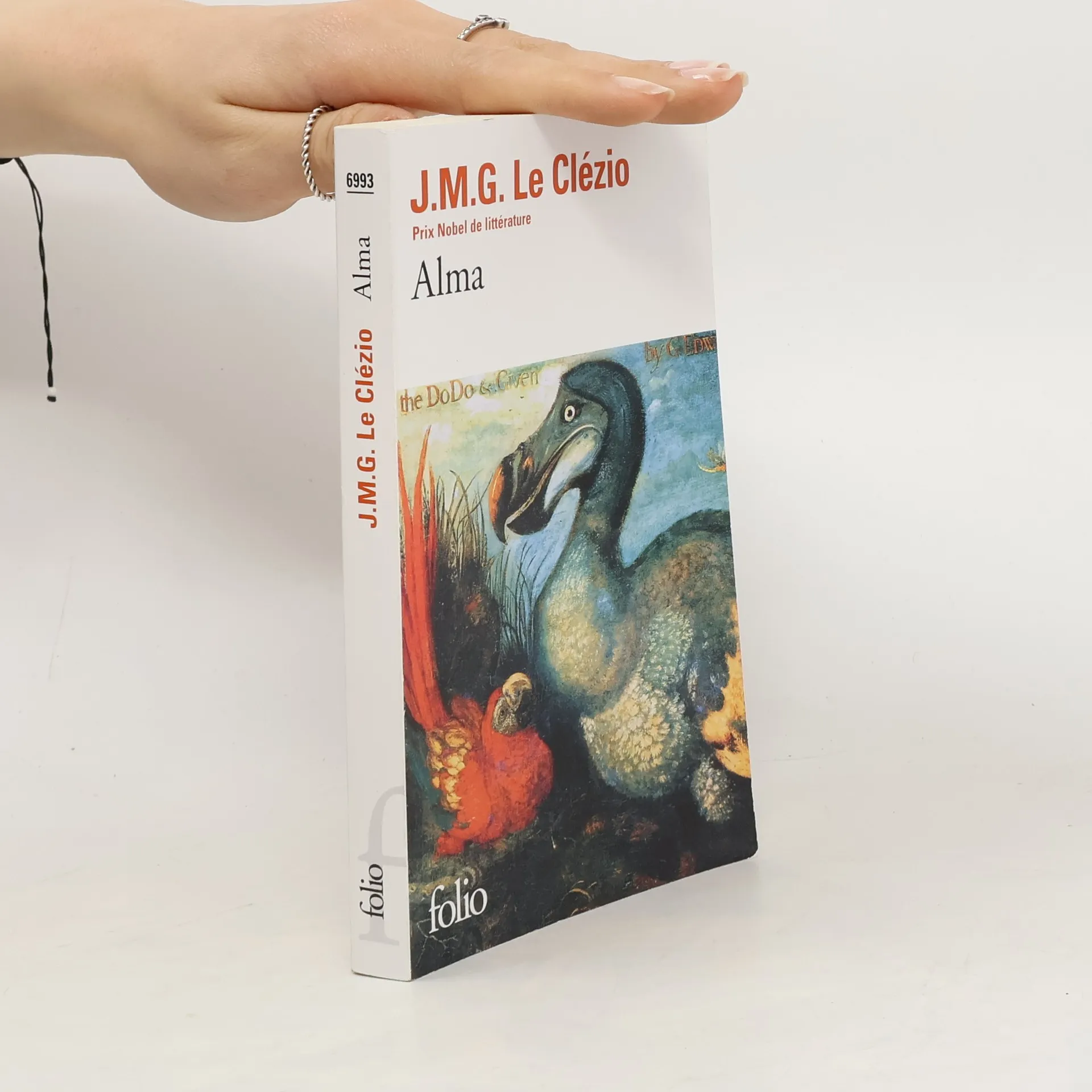
Voici donc des histoires croisées, celle de Jérémie, en quête de Raphus cucullatus, alias l'oiseau de nausée, le dodo mauricien jadis exterminé par les humains, et celle de Dominique, alias Dodo, l'admirable hobo, né pour faire rire. Leur lieu commun est Alma, l'ancien domaine des Felsen sur l'île Maurice, que les temps modernes ont changée en Maya, la terre des illusions : "Dans le jardin de la Maison Blanche le soleil d'hiver passe sur mon visage, bientôt le soleil va s'éteindre, chaque soir le ciel devient jaune d'or. Je suis dans mon île, ce n'est pas l'île des méchants, les Armando, Robinet de Bosses, Escalier, ce n'est pas l'île de Missié Kestrel ou Missié Zan, Missié Hanson, Monique ou Véronique, c'est Alma, mon Alma, Alma des champs et des ruisseaux, des mares et des bois noirs, Alma dans mon cœur, Alma dans mon ventre. Tout le monde peut mourir, pikni, mais pas toi, Artémisia, pas toi. Je reste immobile dans le soleil d'or, les yeux levés vers l'intérieur de ma tête puisque je ne peux pas dormir, un jour mon âme va partir par un trou dans ma tête, pour aller au ciel où sont les étoiles."
Le vampire. La morte amoureuse. Le mari vampire. Histoire cahier photos des arts
128 pages
5 hours of reading
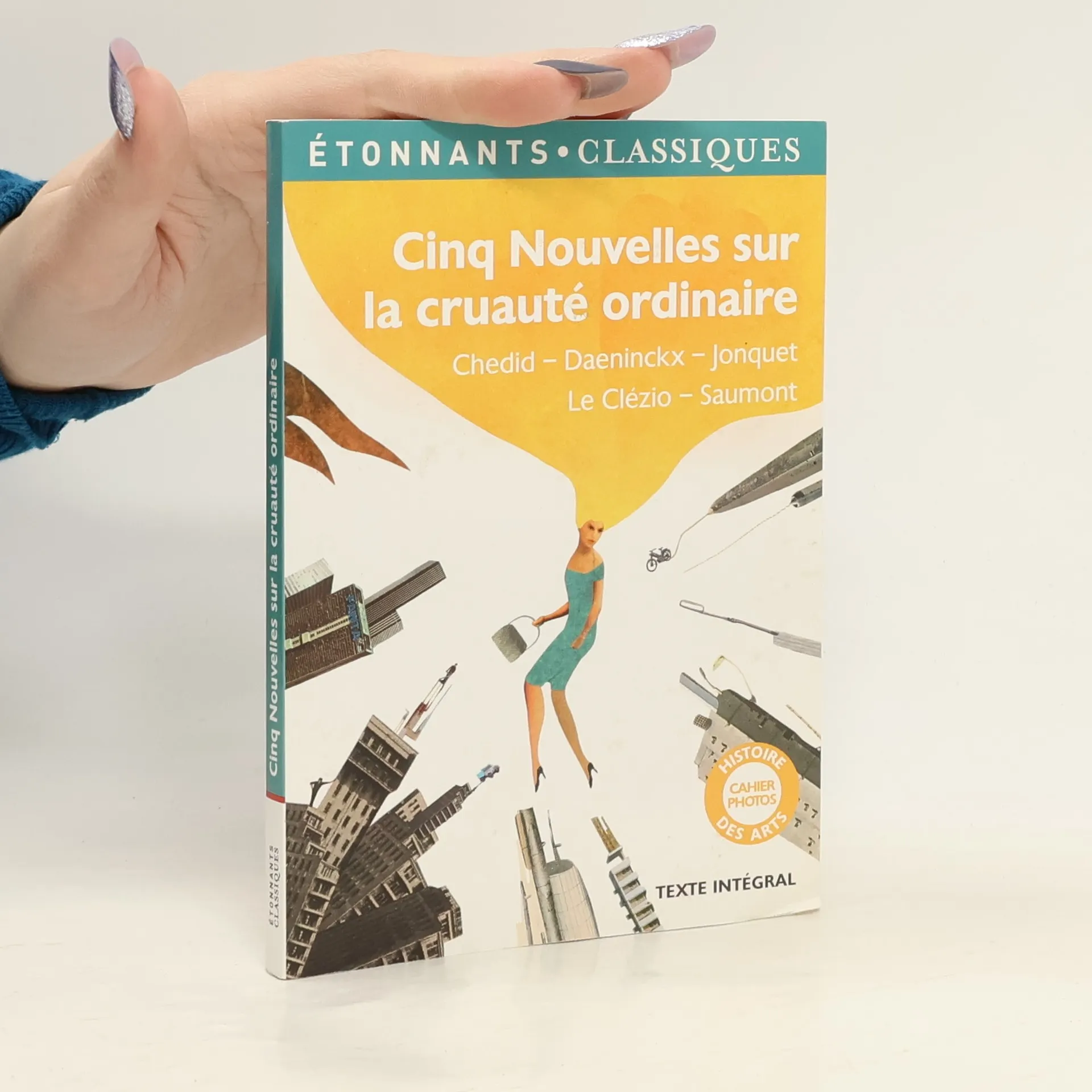
Un retrait dcroche son fusil lorsqu'il entend un intrus. Un rebelle surveille une plage, prt tirer "sur tout ce qui bouge". Un dandy impose son majordome ses dangereux caprices. Un jeune de banlieue assiste sans broncher un acte de torture. Deux adolescentes se lancent dans une "ronde" aussi violente que tragique... Les personnages de ces rcits infligent ou subissent la cruaut ordinaire. Cruaut d'individus tyranniques ou inconscients. Cruaut d'une socit ingalitaire qui engendre la violence. Cruaut du destin, qui transforme des personnes ordinaires en victimes et en bourreaux. En explorant la tragdie quotidienne du fait divers, les cinq auteurs de ces nouvelles interrogent la banalit du mal.
«Que reste-t-il des émotions, des rêves, des désirs quand tout disparaît ? L'homme d'Aden, l'empoisonneur de Harrar sont-ils les mêmes que l'adolescent furieux qui poussa une nuit la porte du café de la rue Madame, son regard sombre passant sur un enfant de neuf ans qui était mon grand-père ? Je marche dans toutes ces rues, j'entends le bruit de mes talons qui résonne dans la nuit, rue Victor-Cousin, rue Serpente, place Maubert, dans les rues de la Contrescarpe. Celui que je cherche n'a plus de nom. Il est moins qu'une ombre, moins qu'une trace, moins qu'un fantôme. Il est en moi comme une vibration, comme un désir, un élan de l'imagination, un rebond du cœur, pour mieux m'envoler. D'ailleurs je prends demain l'avion pour l'autre bout du monde. L'autre extrémité du temps.»
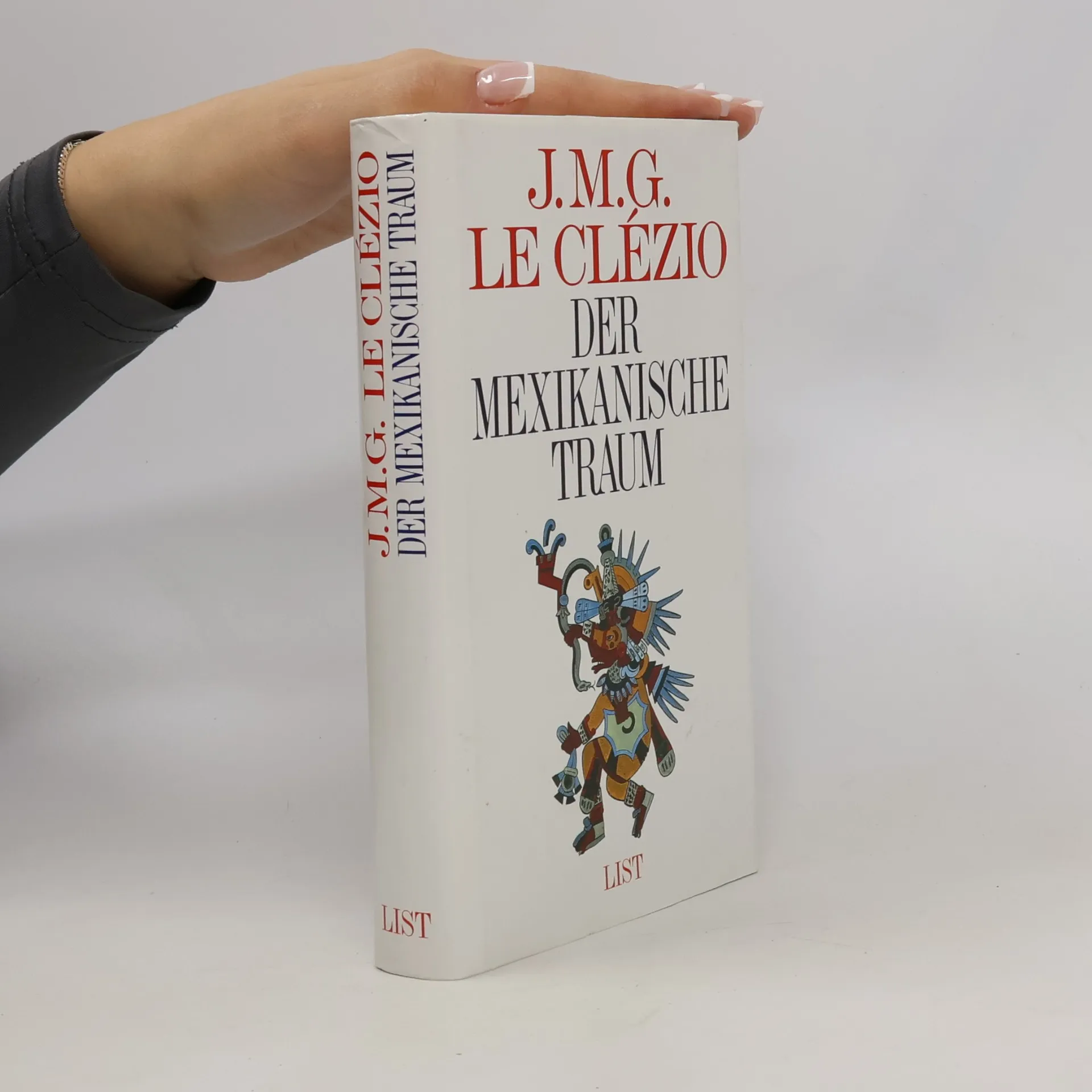
Im März 1517 empfangen die Botschafter von Moctezuma, dem Herrn von Mexiko-Tenochtitlan, das Schiff von Hernán Cortés, und diese Begegnung initiiert eines der schrecklichsten Abenteuer der Welt, das mit der Abschaffung der indigenen Zivilisation Mexikos endet, ihrer Gedanken, ihres Glaubens, ihrer Kunst, ihres Wissens und ihrer Gesetze. Aus diesem Zusammenprall der Welten entstehen Jahrhunderte der Kolonisation, die durch die Arbeitskraft von Sklaven und die Ausbeutung von Edelmetallen die Hegemonie des Westens über den Rest der Welt begründen, die bis heute anhält. So beginnt der Traum, wie ein Zweifel, wie ein Bedauern, der die Sieger und die Besiegten mit der Schönheit und den geheimen Kräften Mexikos verbindet. Der Traum des Soldaten Bernal Díaz del Castillo, Zeuge der letzten Augenblicke der stolzen Herrschaft der Azteken, der Traum von Bernardino de Sahagún vor den Ruinen der Zivilisation und der Pracht der Riten und Mythen, die verblassen. Der Traum, der im Tod der letzten nomadischen Nationen des Nordens und Nordwestens endet, und den Antonin Artaud bis zur Montagne des Signes im Land der Tarahumara-Indianer verfolgt. Der mexikanische Traum wirft die dringliche Frage auf, was unsere Welt gewesen wäre, wenn es diese Zerstörung und das Schweigen der indigenen Völker nicht gegeben hätte.
Çocukluğun şiirini, sevgisini, büyüsünü ve başkaldırısını taşıyan 17 muhteşem öykü... 17 büyük yazar... Yıllardır AIDS'li çocuklar yararına çalışan Sol en si'nin hazırladığı bu dev edebiyat buluşmasında kimler yok ki... Güncel Yayıncılık, Sol en si'nin dünyadaki AIDS'li çocuklar adına başlattığı bu dayanışmaya elinizdeki kitabı Türk okuruna sunarak destek veriyor...
"Du plus loin que je me souvienne, j'ai entendu la mer." Alors l'enfant raconte la mer qui roule depuis la nuit des temps contre la barrière de corail au large de son île Maurice natale. Il dit aussi la terre rouge et sèche, les feuilles coupantes des cannes à sucre, les heures passées en haut de l'arbre Chalta à écouter la nuit. Comme beaucoup de romans de Le Clézio, Le Chercheur d'or est d'abord un poème, un hymne à la beauté, aux éléments et à la vie. C'est aussi l'histoire d'Alexis et de sa soeur Laure, qui subissent le rêve fou de leur père : retrouver l'or du Corsaire, caché à Rodrigues. Mais l'or est en réalité en chacun de nous, ne demandant qu'à mûrir loin des utopies et des illusions. L'amour, puis la guerre de 14-18 qu'il rejoint en France, initient Alexis à cette vérité. Célébrée en 1963 par le prix Renaudot pour Le Procès-verbal, puis en 1980 par le Grand Prix Paul-Morand décerné par l'Académie française pour Désert, la plume de Le Clézio s'affine encore ici, dans la droite lignée des romans d'apprentissage. --Laure Anciel
"Il avait fait chaud cet été-là en Provence, une chaleur tyrannique, menaçante. Vers juillet, Pervenche est partie. Elle ne s'était même pas présentée au bac, à quoi bon ? Elle n'avait rien fait, elle savait bien qu'elle ne pouvait pas réussir. Toute l'année, elle avait traîné, surtout avec "Red" Laurent, dans les bistros, les boîtes, les fêtes, ou simplement dans la rue. Elle buvait des bières, elle fumait. L'après-midi, elle retrouvait Laurent devant un garage abandonné, au pied de la colline. Laurent soulevait le rideau de tôle, et ils se glissaient à l'intérieur. Ça sentait le cambouis, et une autre odeur plus piquante, comme de la paille, ou de l'herbe qui fermente. Ils faisaient l'amour par terre, sur une couverture."
Ein Lied der Erinnerung an eine Kindheit zwischen Meer und Krieg. Der französische Nobelpreisträger Jean-Marie Gustave Le Clézio blickt in seinen autobiografischen Erzählungen auf seine Kindheit und Jugend zurück. Er beschreibt die Urlaube mit seiner Familie in der Bretagne und seine frühen Jahre im besetzten Süden Frankreichs. Diese eindrücklichen Erzählungen, die in Frankreich Bestseller wurden, sind nostalgisch, aber nie sentimental. Von 1948 bis 1954 verbrachte Le Clézio seine Sommerferien in einem von großer Schönheit und Armut geprägten Landstrich. In poetischen Bildern schildert er die Feste, die Natur und die Sprache der Bretagne sowie die Veränderungen, die er als Zeuge miterlebte. Für Le Clézio ist die Bretagne der Ort, der ihm die meisten Emotionen und Erinnerungen schenkte, doch das Land, wie er es erlebte, existiert nicht mehr. In »Das Kind und der Krieg« erzählt er von seiner Kindheit zwischen 1940 und 1945 in Nizza und später in einem Versteck im Hinterland, als die Deutschen den Süden Frankreichs besetzten. Hier vermischen sich Erlebtes, Geträumtes und Erzähltes zu einem berührenden Porträt einer Kriegskindheit, deren Essenz auch heute noch relevant ist.
Hoofdpersoon is Jean Marro, een zestienjarige jongen die in de jaren vijftig in Nice woont. Een van Marro's voorouders vertrok in de achttiende eeuw vanuit Frankrijk naar het eiland Mauritius. Jean Marro bezoekt zijn blinde tante Catherine, een van de laatst levende familieleden die op Mauritius zijn opgegroeid. Zij vertelt hem zo gedetailleerd en zo indringend over zijn voorvader dat Jean zich langzamerhand die poëtische wereld eigen maakt. Le Clézio schildert op deze manier een prachtig fresco, waarin twee eeuwen en twee levens op wonderbaarlijke wijze verweven worden.
"Jusqu'où irons-nous ? Jusqu'à quand serons-nous vivants ? Quelles raisons donnerons-nous à notre histoire ? Parce qu'il faudra bien un jour trouver une raison, donner une raison, nous ne pourrons pas accréditer notre innocence. Où que nous soyons, quelle que soit notre destination finale (si une telle chose existe), il nous faudra rendre compte, rendre des comptes. J'ai été, j'ai fait, j'ai possédé. Et un jour je ne serai plus rien. Pareil à ce wagon lancé à une vitesse inimaginable, incalculable, sans doute voisine de l'absolu, entre deux mondes, entre deux états. Et pas question qu'aucun d'entre nous retourne jamais à ses états, je veux dire à son passé, à ce qu'il, à ce qu'elle a aimé. Pour cela les visages sont figés, immobiles, parfois terreux, on dirait des masques de carton bouilli ou de vieux cuir, avec deux fentes par où bouge le regard, une étoile de vie accrochée au noir des prunelles."
" Au point du jour, en prenant son quart, Juan Moguer eut son regard attiré par ce qu'il crut d'abord être un tas de chiffons posé sur le pont, à bâbord, contre le rebord du rouf. La mer était calme, une vague lueur éclairait un nuage à l'est. La côte était déjà loin, seules les hautes montagnes enneigées étincelaient au soleil. Moguer ouvrit la porte du cockpit et pointa sa torche sur l'objet insolite. Dans la pénombre, le tas de chiffons se défit un peu dans le vent et deux grands yeux noirs brillèrent dans un petit visage sombre qui paraissait celui d'un enfant. " Comment Nassima, déguisée en garçon, s'embarqua à bord du Azzar et ce qui s'ensuivit. Les deux courts romans (ou longues nouvelles) qu'on va lire, Hasard et Angoli Mala, sont séparés par quinze années. Il m'a semblé qu'ils parlaient du même apprentissage, de l'amour de la nature, du mal aussi. Mais au moment de les réunir, je ne sais plus très bien lequel est le miroir de l'autre.
Le 25 janvier à 15 h 30, François Besson, le narrateur, est frappé par une vision qui prend valeur de symbole : au moment où s'élance vers le ciel le hurlement de la sirène, une jeune fille apparaît sur un vélomoteur. Elle disparaît entre les maisons en même temps que cesse le bruit. Cet instant provoque chez le narrateur un basculement intérieur. "Depuis ce jour, tout a pourri. Je, François Besson, vois la mort partout."Depuis ce jour François Besson vit les treize journées essentielles de sa vie.Le premier jour il écoute la confidence d'une amie, Anna, enregistrée sur bande magnétique. Il écoute ce qu'elle espérait, ce qui la passionnait, sa lassitude et ses raisons d'en finir.Le treizième jour, après avoir renoncé à l'argent, à l'amour, au travail et au bonheur, après avoir offert, en guise de sacrifice expiatoire, ses deux yeux à la brûlure du soleil, Besson fait passer l'envers de la bande. Anna raconte qu'elle a menti, que ses raisons de se suicider sont difficiles à dire mais qu'elle va mourir ; elle a absorbé le gardénal et il entendra ses dernières paroles. On assiste à la mort d'Anna. Elle dit : "C'est comme s'il y avait le déluge."Le livre se termine sur l'abandon de François Besson. Le 22 mars 1963, il cède : la barrière de sa volonté n'est plus. Il a voulu le déchaînement, et ce déchaînement s'accomplit.
Egy sokrétű regény az elidegenedésről és a szabadságról, amely Le Clézio legpolitikusabb műve. Laïla, akinek neve arabul éjszakát jelent, gyökerek és identitás nélkül tapasztalja meg a világ sötét oldalait franciaországi és amerikai odüsszeiája során. A nagy francia író, Le Clézio, Laïla, egy illegális bevándorló, megható és aktuális történetét meséli el. Laïlát, aki Marokkó déli részéről származik, gyerekként elrabolják és Rabatba adják el. Csak két fülbevalója marad a múltjából, amelyek a törzse, a Hilal jelét formázzák. Az első „úrnője” halála után, aki szerető nagymamaként viselkedett, Laïla menekülni kezd, és Párizsba jut, ahol elbújik, alkalmi munkákból és kisebb lopásokból él. Külső szépsége különös vonzalmat kelt másokban, gyorsan kapcsolatokat teremt, de úgy érzi, mint egy hal, aki mások hálójába kerül. Mégis sikerül kitartania, tanulási vágyának és különösen nagy zenei tehetségének köszönhetően, amellyel végül Amerikában énekesnői karrierbe kezd. De Afrikába is visszatér, mint Hilal, a holdkörte népéből.
Les contes de Le Clézio, qui semblent nés du rêve et du recueillement, nous parlent pourtant de notre époque. Venu d'ailleurs, Mondo le petit garçon qui passe, Lullaby la voyageuse, Jon, Juba le sage, Daniel Sindbad qui n'a jamais vu la mer, Alia, Petite Croix, et tant d'autres, nous sont délégués comme autant d'enfants-fées. Ils nous guident. Ils nous forcent à traverser les tristes opacités d'un univers où l'espoir se meurt. Ils nous fascinent par leur volonté tranquille, souveraine, accordée au silence des éléments retrouvés. Ils nous restituent la cadence limpide du souffle, clé de notre âme
Deux enfants vivent une expérience qui bouleverse leur vie : Petite Croix, jeune aveugle en quête de la couleur bleue, découvre la beauté du monde au cours d'un étonnant voyage intérieur, tandis que Gaspar, élevé dans une ville, se voit révéler la liberté du nomadisme... Des histoires insolites où les enfants sont des magiciens qui nous entraînent de l'autre côté du miroir. Récits initiatiques, passages d'un monde à un autre, ces nouvelles poétiques semblent nées du rêve d'un écrivain.
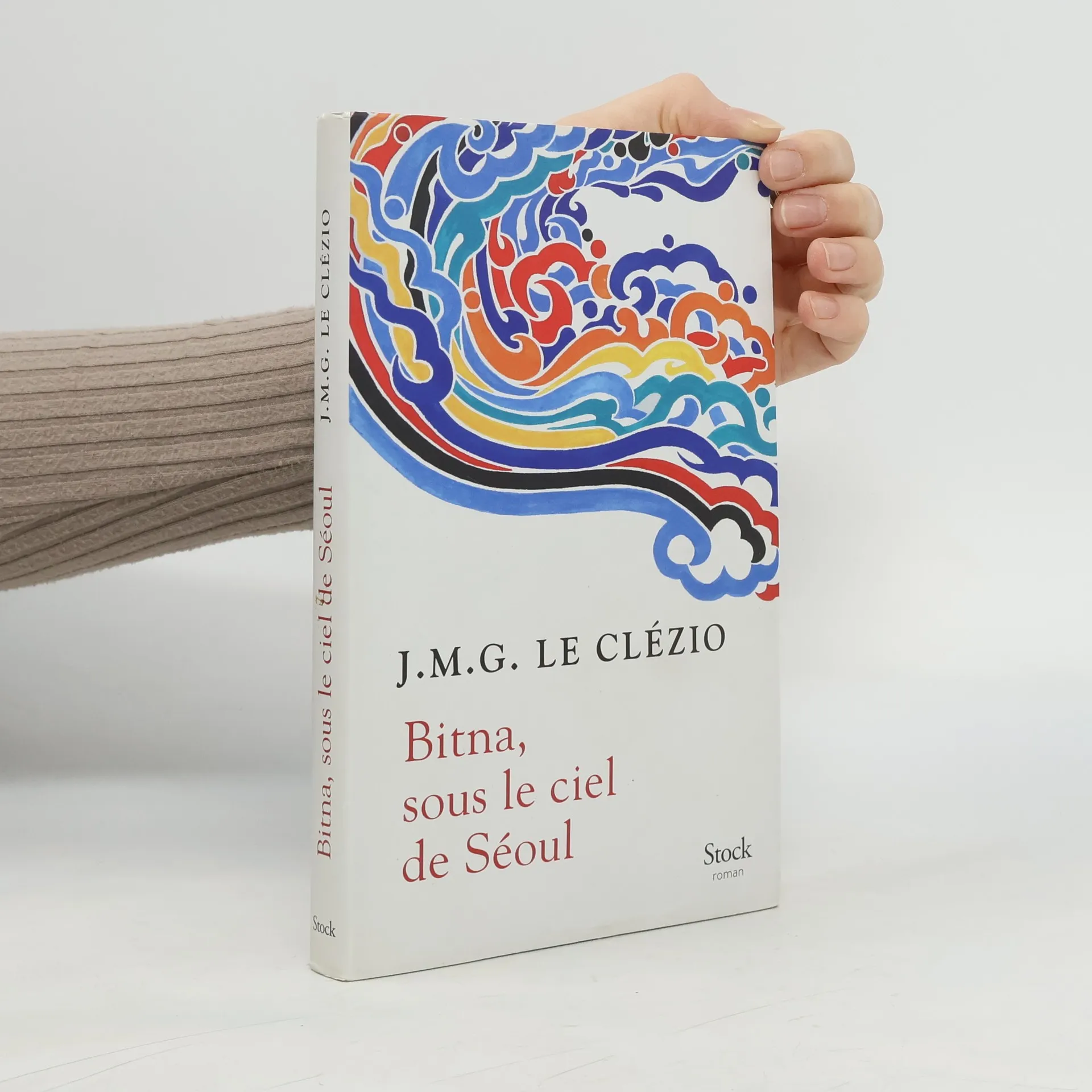
Bitna, 18 ans, invente des histoires pour Salomé, une jeune fille immobilisée par une maladie incurable. Lorsqu'elle s'arrête de raconter, Salomé la supplie de continuer ces contes qui lui permettent de vivre par procuration. Bitna découvre qu'elle exerce un pouvoir inédit sur un être humain, mais aussi qu'elle est observée et espionnée.
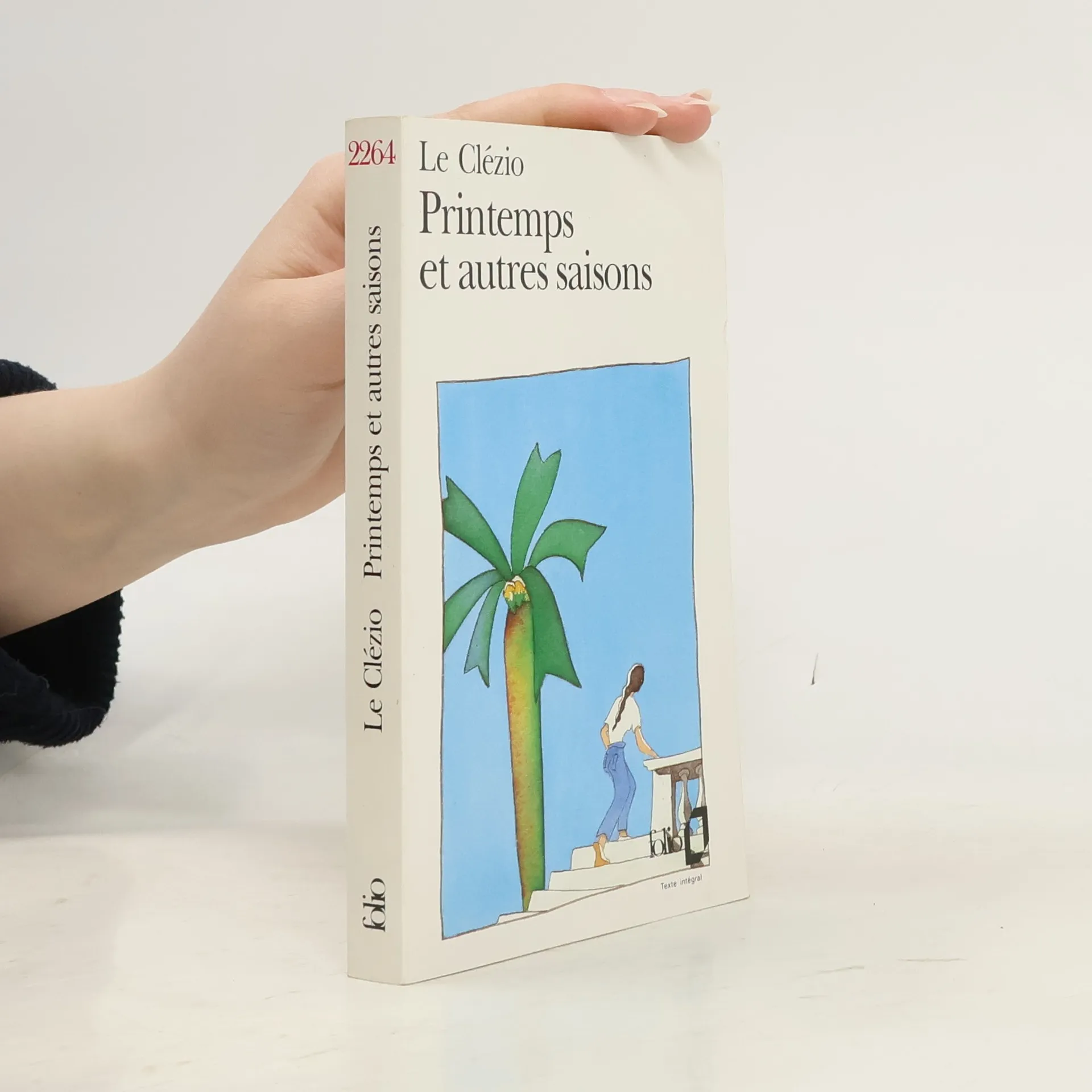
Cinq saisons, cinq nouvelles, cinq femmes ; Libbie-Saba, Zobéïde, la bohémienne aux roses, Gaby et Zinna. Une par nouvelle. Une par saison. Cinq femmes vues ou entrevues, rêvées, pour tenter de dire la fragilité, l'étrangeté et la recherche de l'amour, la recherche de soi-même, l'errance et l'appartenance, la mémoire ou l'oubli, le temps qui ne passe pas et les lieux anciens qui s'enfuient.
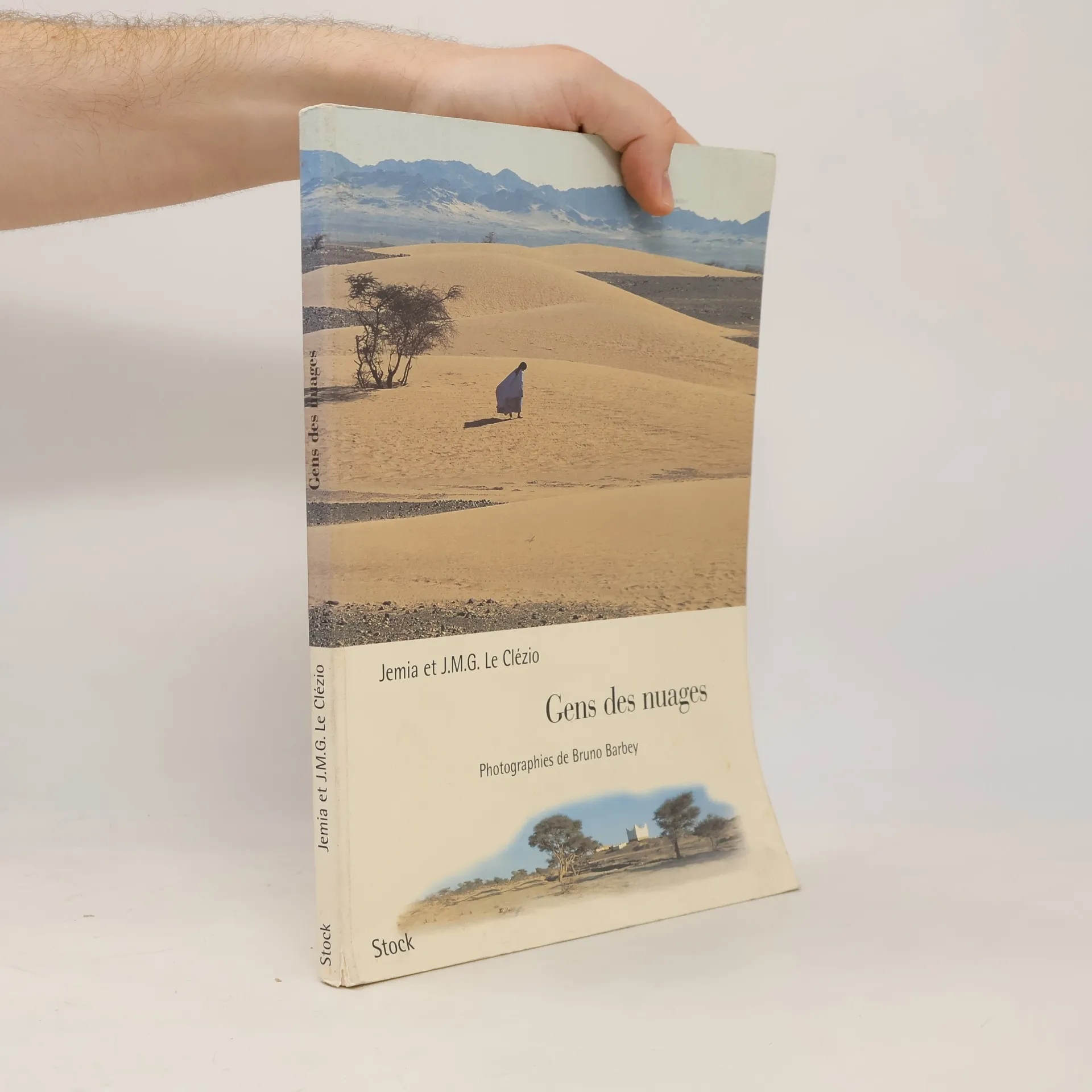
De ce voyage vers la Saguia el Hamra, nous avions parlé depuis la première fois que nous nous sommes rencontrés. Les circonstances, nos occupations, nos préoccupations familiales, ainsi que la situation troublée dans laquelle se trouvait une grande partie du territoire des nomades Aroussiyine avaient rendu ce retour improbable, voire impossible. Et voici que tout d'un coup, alors que nous n'y songions plus, le voyage devint possible. Il était venu à nous quand nous ne l'espérions plus. Nous pouvions en parler d'une façon très simple, comme s'il s'agissait de visiter une province lointaine. Entendre parler les Aroussiyines, les approcher, les toucher. De quoi vivaient-ils ? Avaient-ils toujours des troupeaux de chameaux et de chèvres, élevaient-ils toujours des autruches ? Combien étaient-ils ? Avaient-ils changé au cours des siècles, depuis que sidi Ahmed el Aroussi avait fondé la tribu ? Nous voulions entendre résonner les noms que la mère de Jemia lui avait appris, comme une légende ancienne, et qui prenaient maintenant un sens différent, un sens vivant : les femmes bleues ; l'assemblée du vendredi ; les Chorfa, descendants du Prophète ; les Aït Jmal, le Peuple du chameau : les Ahel Mouzna, les Gens des nuages, à la poursuite de la pluie. Nous sommes partis sans réfléchir, sans savoir où nous allions, sans même être sûrs que nous y arriverions.
Ethel Brun es hija de un matrimonio de exiliados, el formado por Justine y Alexandre, un hombre apuesto e inquieto que dejo muy joven la isla Mauricio y que, en el alegre Paris de los anos veinte y treinta, se dedica a dilapidar su herencia en negocios poco recomendables. En su infancia, Ethel solo disfruta durante sus paseos por la ciudad con su tio abuelo, el excentrico Samuel Soliman, que suena con vivir en el pabellon de la India francesa construido para la Exposicion Colonial. Ya en la adolescencia, Ethel conocera algo parecido a la amistad de la mano de Xenia, una companera de colegio, victima de la Revolucion rusa y que vive casi en la pobreza. La existencia de Ethel empieza a tambalearse cuando, en las comidas que su padre ofrece a parientes y conocidos, se repite cada vez mas a menudo el nombre de Hitler. Seran las primeras senales de lo que amenaza a la familia Brun: la ruina, la guerra, pero, sobre todo, el hambre. Eso marcara el despertar de la joven Ethel al dolor y al vacio, pero tambien al amor, en una novela en torno a los origenes perdidos, durante una epoca que culmino con un Apocalipsis anunciado.
Urania to powieść-bajka opisująca meksykański palimpsest, gdzie w pęknięciach współczesności, na marginesie świata zysku i wyzysku, racjonalnych wymogów i mizerii duchowej egzystuje zapomniana kraina. Urania to mityczny świat powstały w wyobraźni małego chłopca. Ów chłopiec, Daniel, dorasta, jako geograf odwiedza Meksyk, by odbyć badania czarnych wulkanicznych ziem. Wówczas marzenie o Uranii powraca. Daniel spotyka Metysa, od którego dowiaduje się o tajemniczym miejscu Campos, zamieszkanym przez ludzi żyjących w harmonii z naturą. Narasta w nim pragnienie poznania tego miejsca.
En écrivant Le chercheur d'or, J.M.G. Le Clézio s'était inspiré d'aventures vécues par son grand-père. Dans ce Journal, Le Clézio raconte son voyage vers l'île Rodrigues sur les traces de son grand-père et de la légende qu'il a laissée.«Ai-je vraiment cherché quelque chose ? J'ai bien sûr soulevé quelques pierres, sondé la base de la falaise ouest, à l'aplomb des cavernes que j'ai repérées à mon arrivée dans l'Anse aux Anglais. Dans la tourelle ruinée de la Vigie du Commandeur (peut-être une ancienne balise construite par le Corsaire), dans les étranges balcons de pierres sèches, vestiges des anciens boucaniers, j'ai cherché plutôt des symboles, les signes qui établiraient le commencement d'un langage. Quand je suis entré pour la première fois dans le ravin, j'ai compris que ce n'était pas l'or que je cherchais, mais une ombre, quelques choses comme un souvenir, comme un désir.»
Literatur-Nobelpreis für J.-M. G. Le Clézio Novelle. Auf der Suche nach einem anderen Leben reisen zwei junge Mädchen nach Südfrankreich. Dort erleben sie einige Abenteuer. Eine packende und sprachlich unkomplizierte Erzählung. Ungekürzte Originalausgabe mit Vokabelhilfen und Übungen. empfohlen für das 4. – 5. Lernjahr Französisch
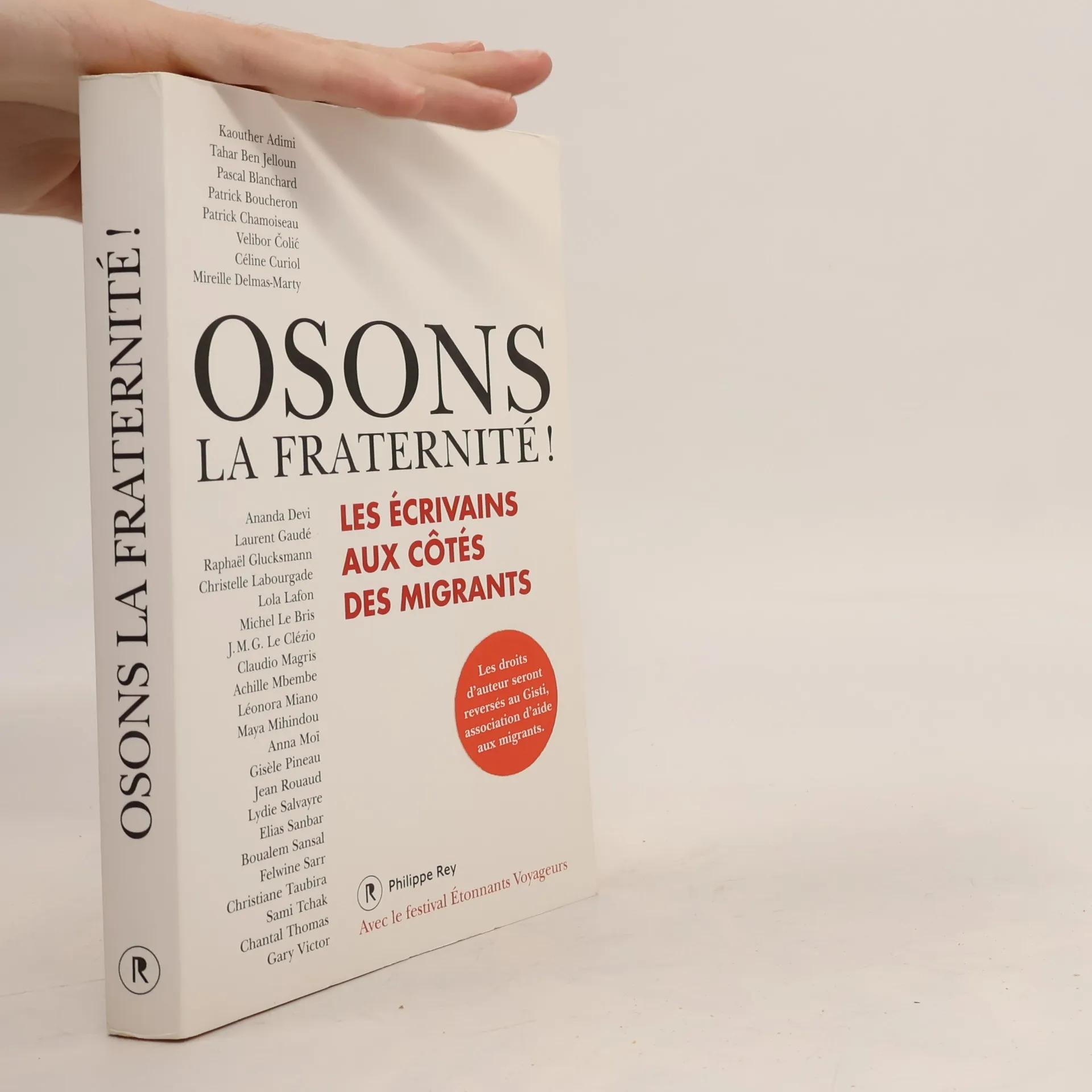
Ce livre est le fruit d'un appel lancé par Patrick Chamoiseau et Michel Le Bris pour un meilleur accueil des migrants en France, lors du Festival Étonnants Voyageurs en 2017. Vingt-six écrivains ont répondu en envoyant nouvelles, poèmes, témoignages et essais. Les contributions de Lola Lafon, Chantal Thomas, Mathias Énard, et d'autres, explorent des récits de migrations, d'exils, de familles brisées et d'espoirs, parfois avec humour, comme dans "Mots en fuite" de Tahar Ben Jelloun, où des mots étrangers quittent le dictionnaire en signe de protestation. Léonora Miano offre une vision d'anticipation en 2086, abordant un choc de civilisations. D'autres textes évoquent des violences et des barbaries, notamment ceux de JMG Le Clézio et Patrick Boucheron, posant la question de ce que nous sommes prêts à faire pour rester humains. Le livre se termine sur une note d'espoir avec le Manifeste de Mireille Delmas-Marty et la Déclaration des poètes de Patrick Chamoiseau, plaidoyers pour une hospitalité transformée. En reversant leurs droits au GISTI, ces auteurs s'engagent pour un monde plus altruiste, affirmant une éthique active de la relation.