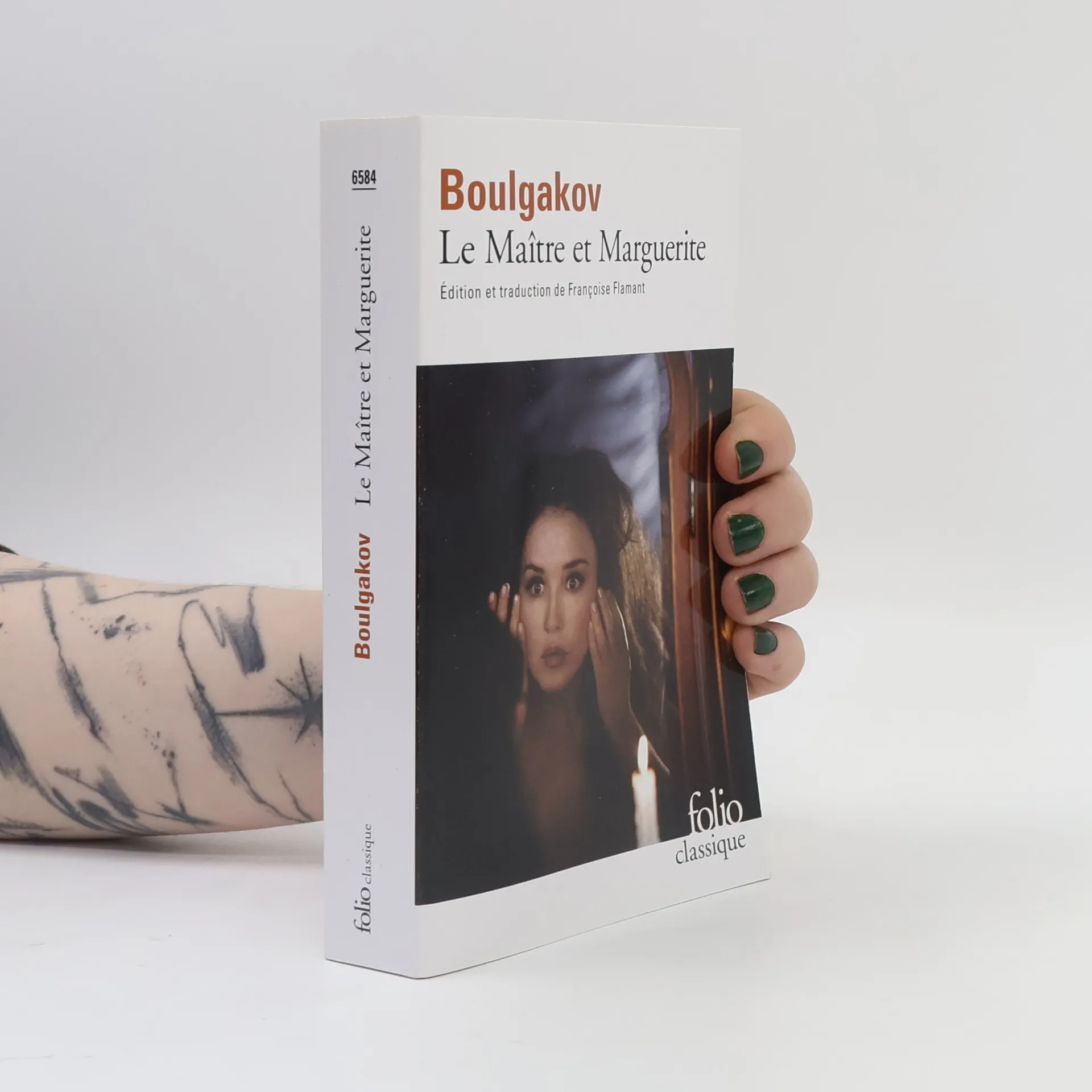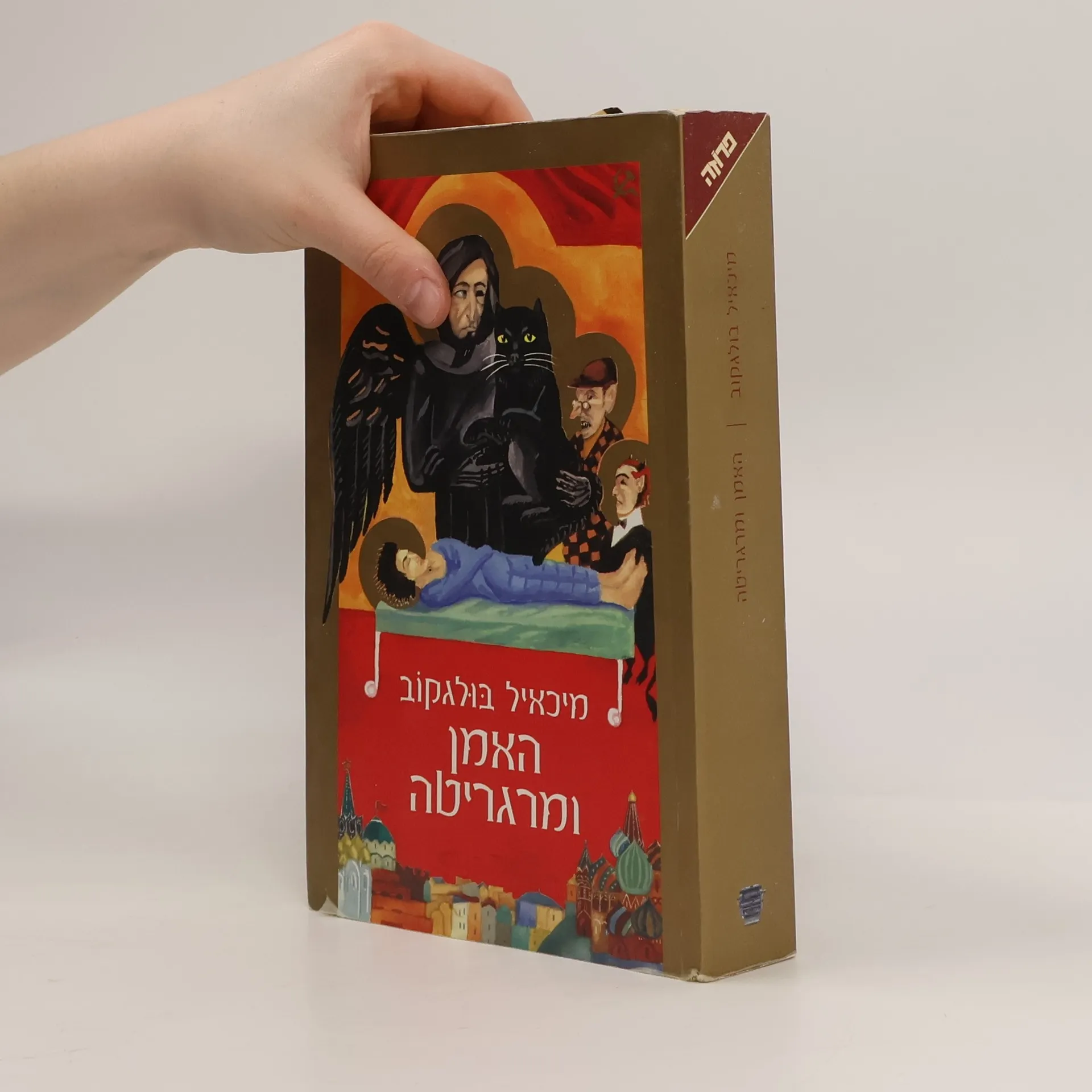

The Master and Margarita
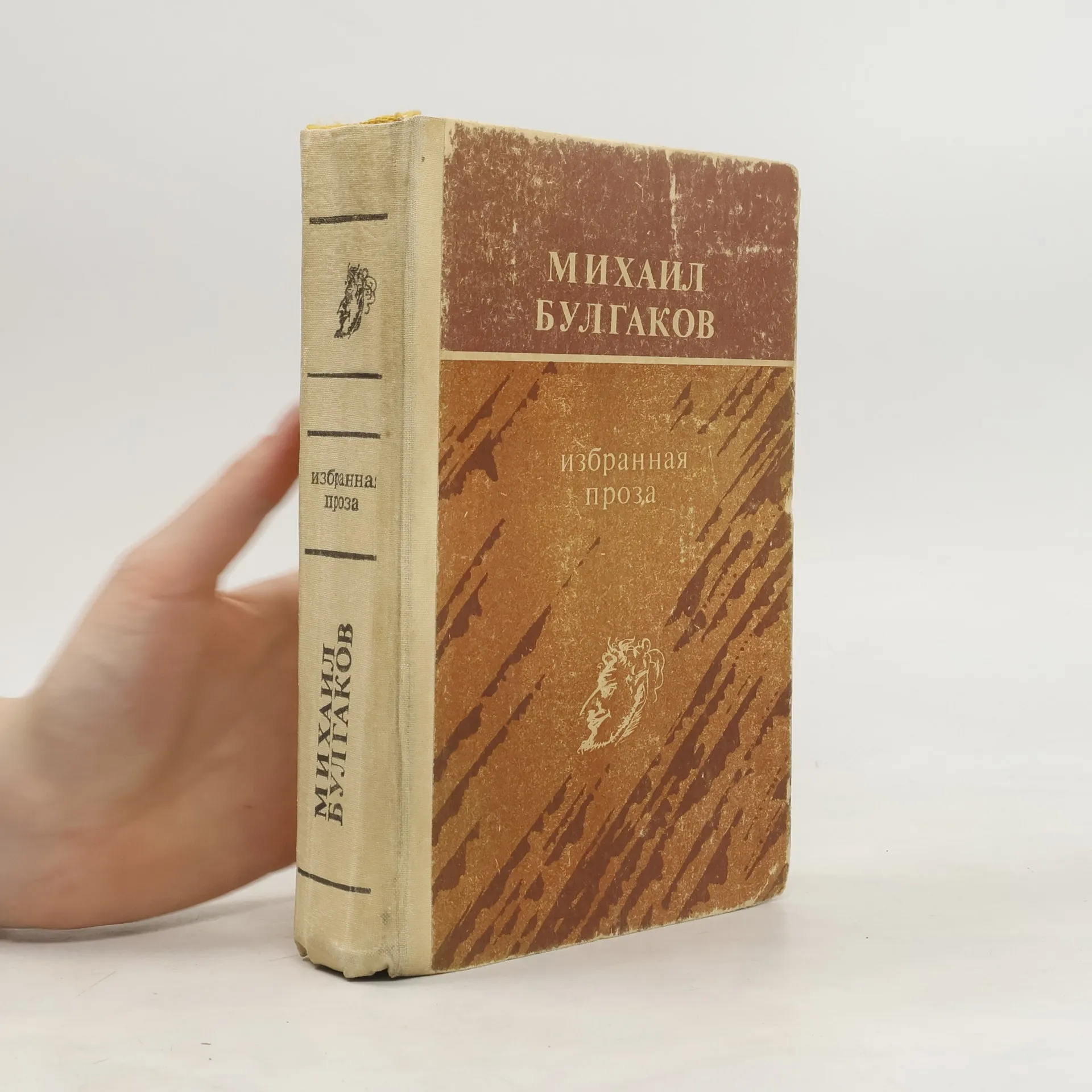
- 384 pages
- 14 hours of reading
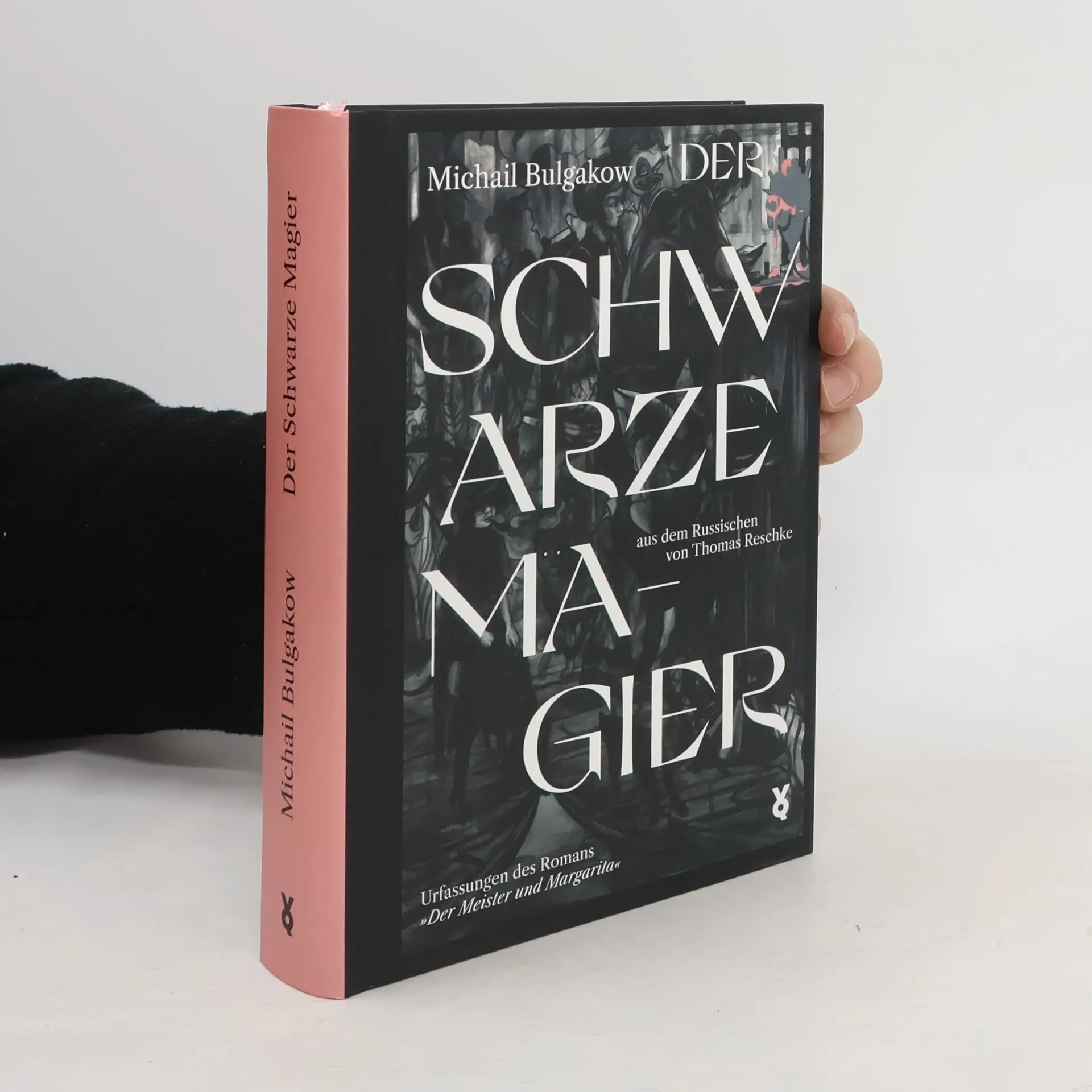
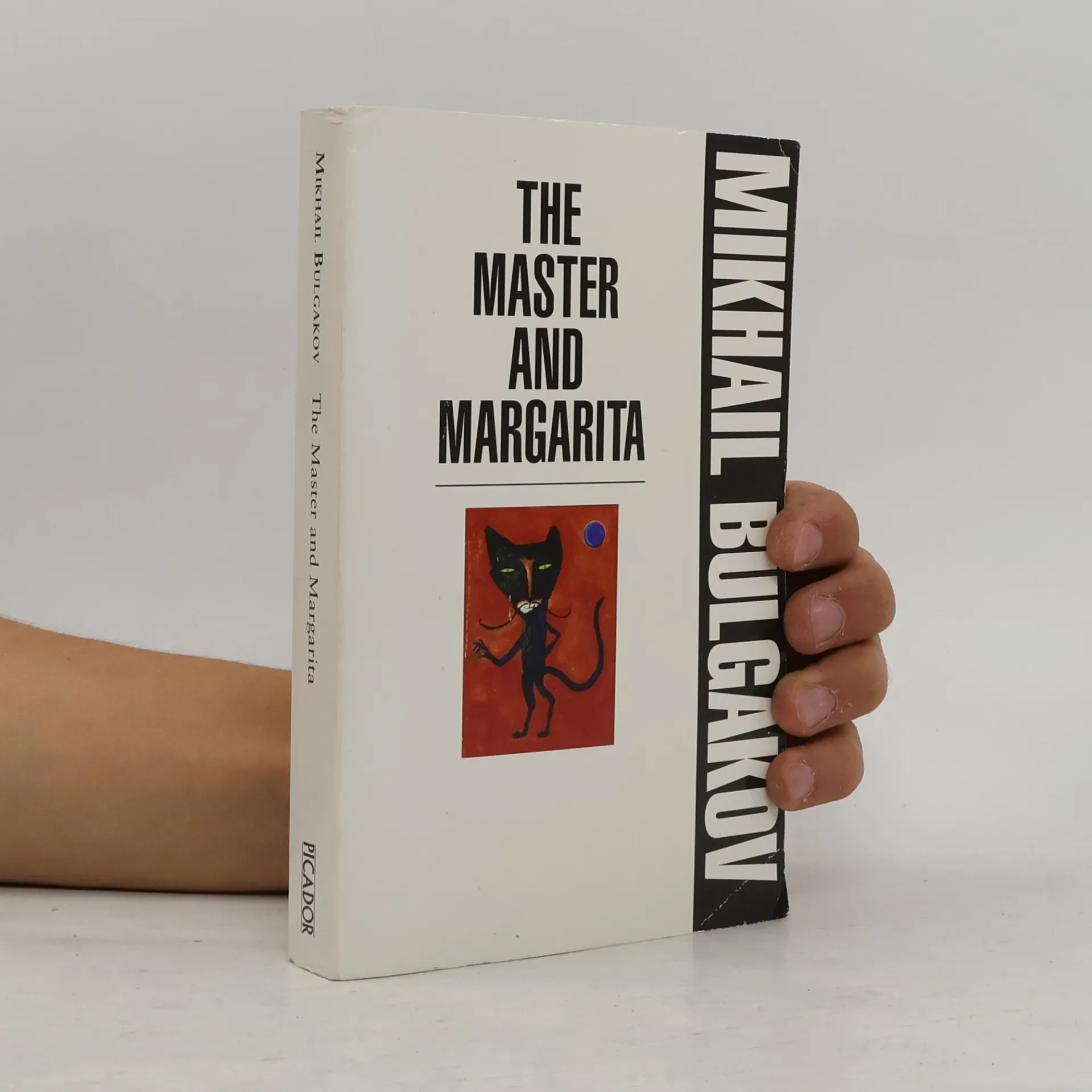
A new translation of Bulgakov's novel which also includes a commentary and afterword that provide new insights into the subtext of the novel.
Mikhail Bulgakov masterfully blended satire, fantasy, and profound social commentary, often exploring the complex relationship between the artist and oppressive power structures. His works, frequently drawing on historical figures, delve into the tensions between creative freedom and authoritarian control. With remarkable agility, Bulgakov navigated diverse genres, from impactful plays to brilliant novels, his style distinguished by sharp wit and a deep understanding of the human condition. His most celebrated novel, a fantastical exploration of the supernatural in modern Moscow, is widely regarded as his masterpiece, though widespread acclaim arrived decades after his passing.
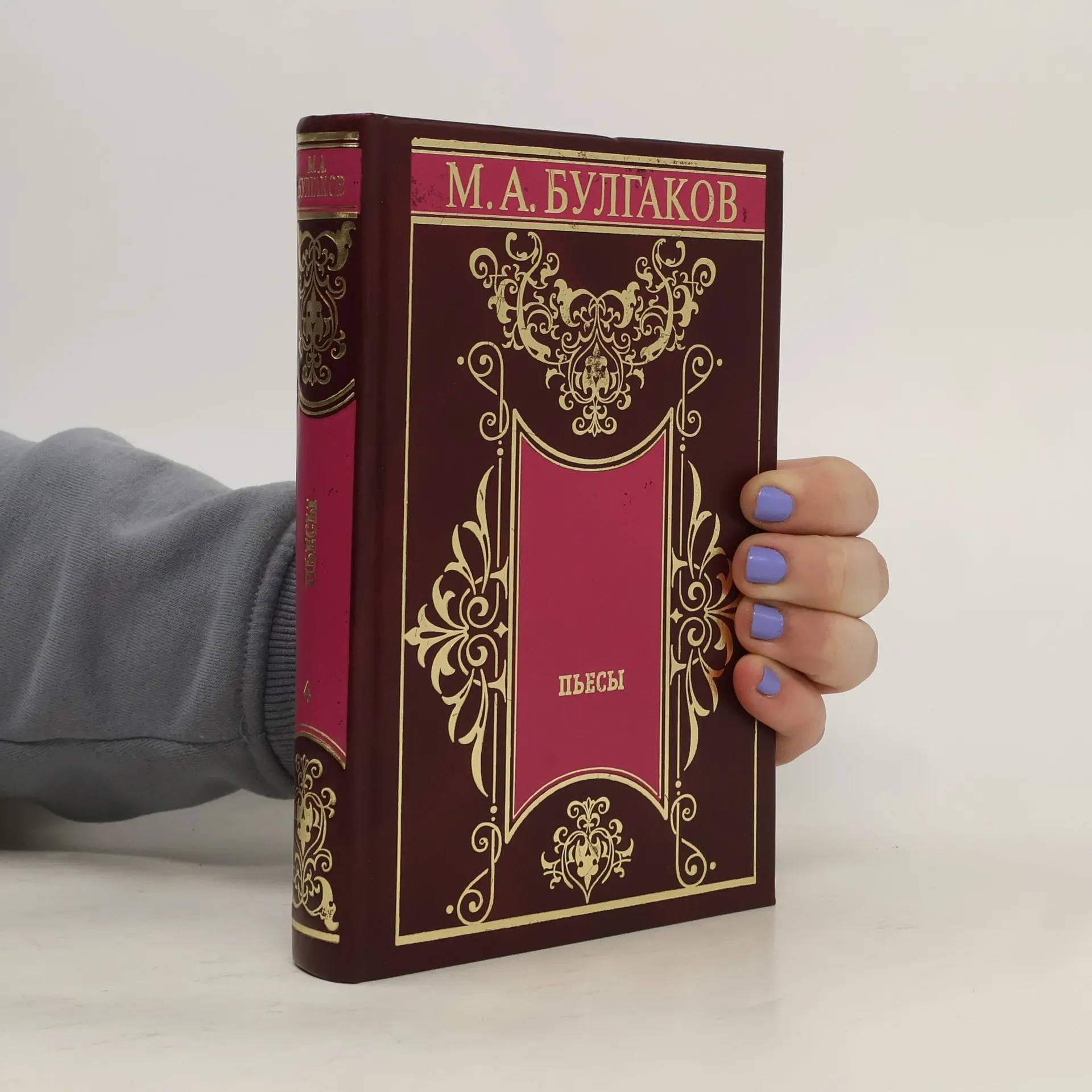


A new translation of Bulgakov's novel which also includes a commentary and afterword that provide new insights into the subtext of the novel.
Using a sharply realistic and humorous style, Bulgakov reveals his doubts about his own competence and the immense burden of responsibility, as he deals with a superstitious and poorly educated people struggling to enter the modern age. This acclaimed collection represents some of Bulgakov's most personal and insightful observations on youth, isolation and progress.
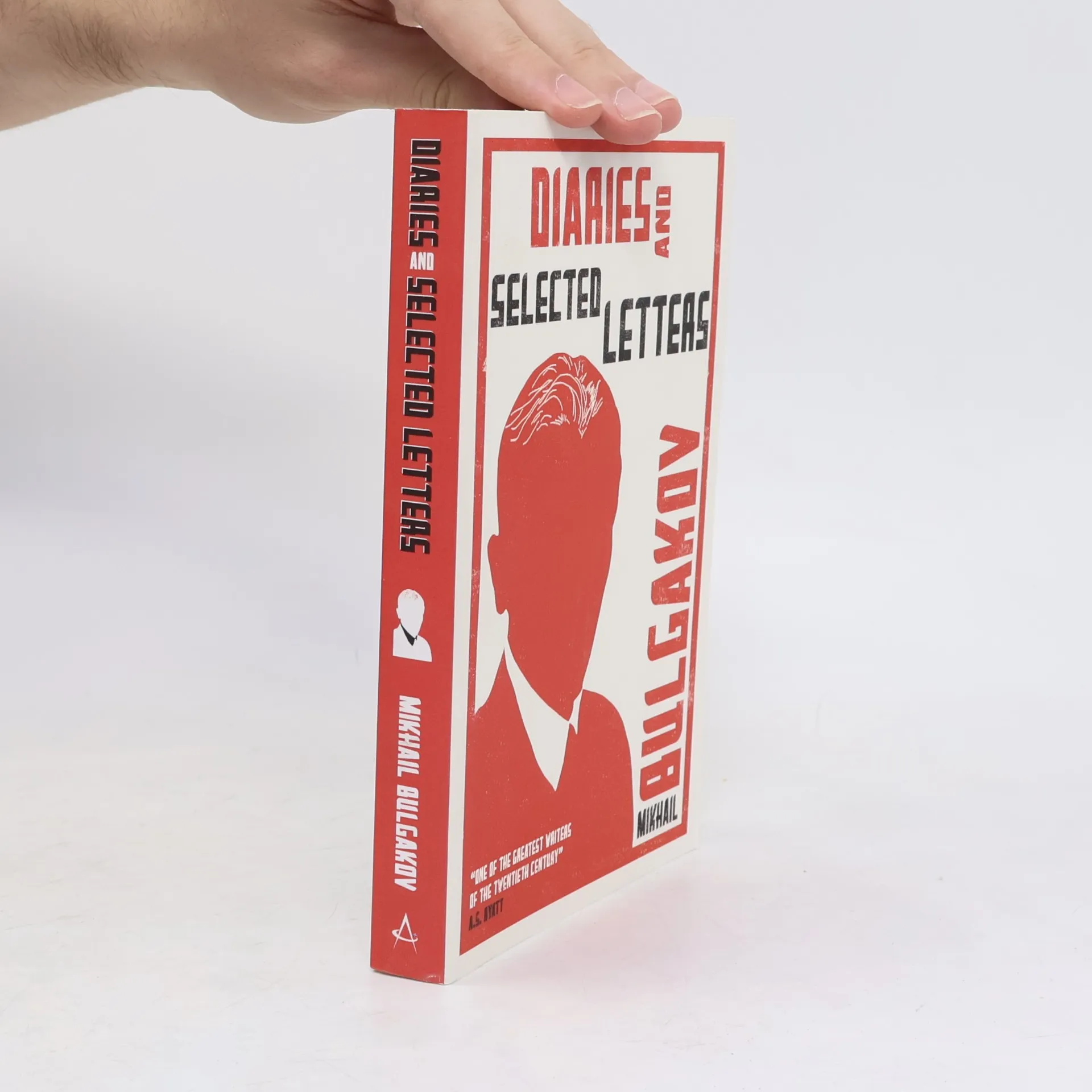
The career of Mikhail Bulgakov, the author of Master and Margarita - now regarded as one of the masterpieces of twentieth-century literature - was characterized by a constant and largely unsuccessful struggle against state censorship. This suppression did not only apply to his art: in 1926 his personal diary was seized by the authorities. From then on he confined his thoughts to letters to his friends and family, as well as to public figures such as Stalin and his fellow Soviet writer Gorky, while also encouraging his wife Yelena to keep a diary, with many entries influenced or even dictated by him. This ample selection from the diaries and letters of the Bulgakovs, mostly translated for the first time into English, provides an insightful glimpse into a fascinating period of Russian history and literature, telling the tragic tale of the fate of an artist under a totalitarian regime.
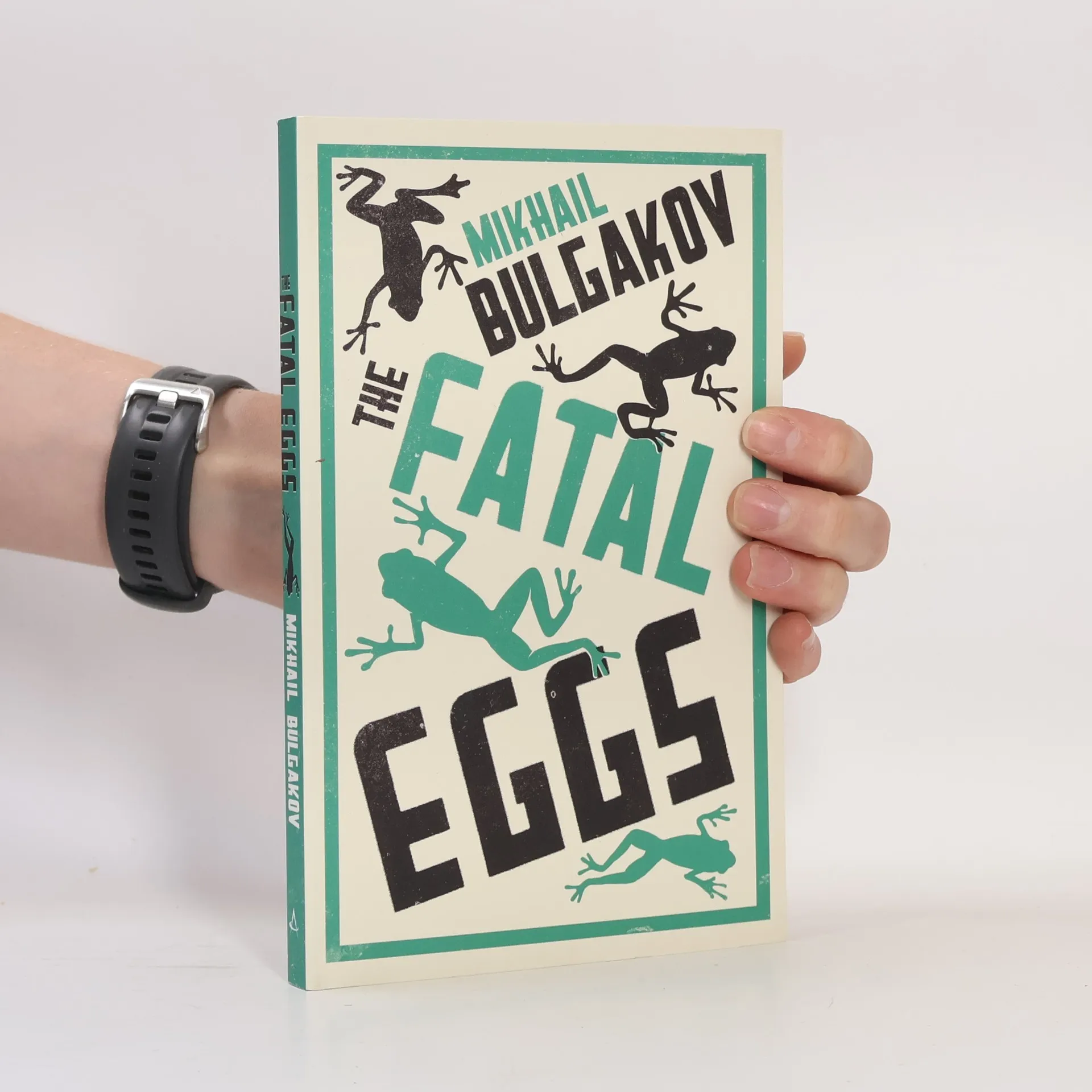
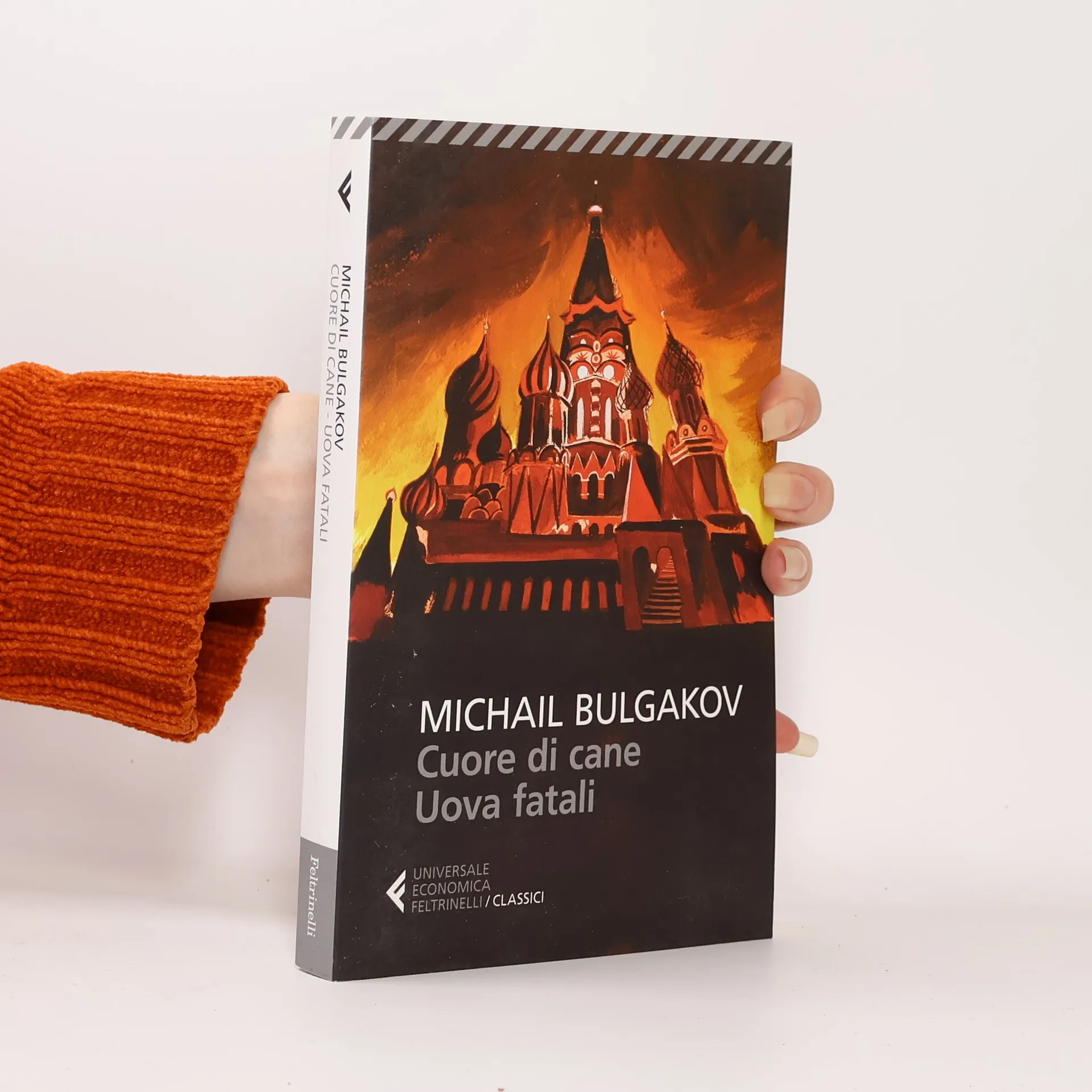
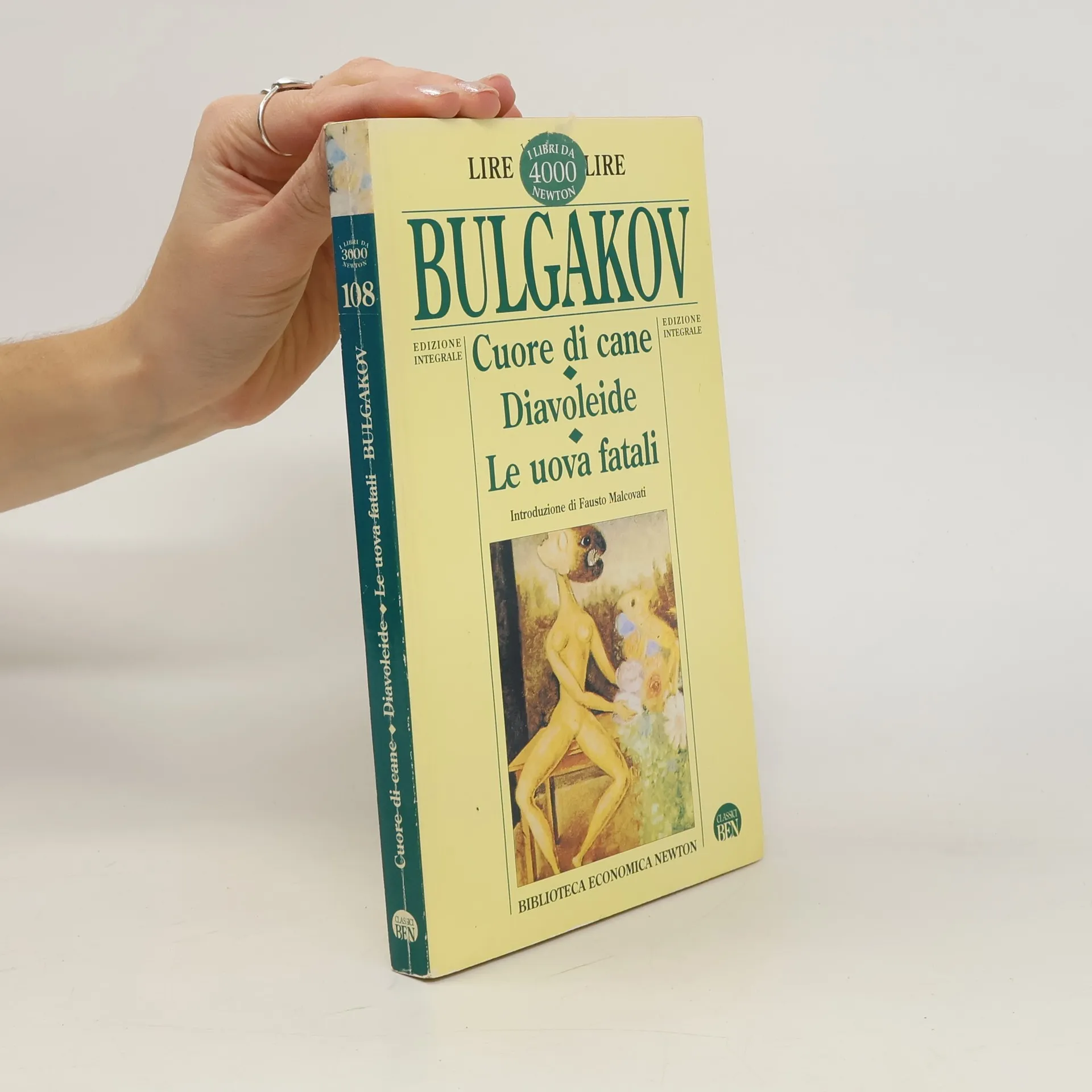
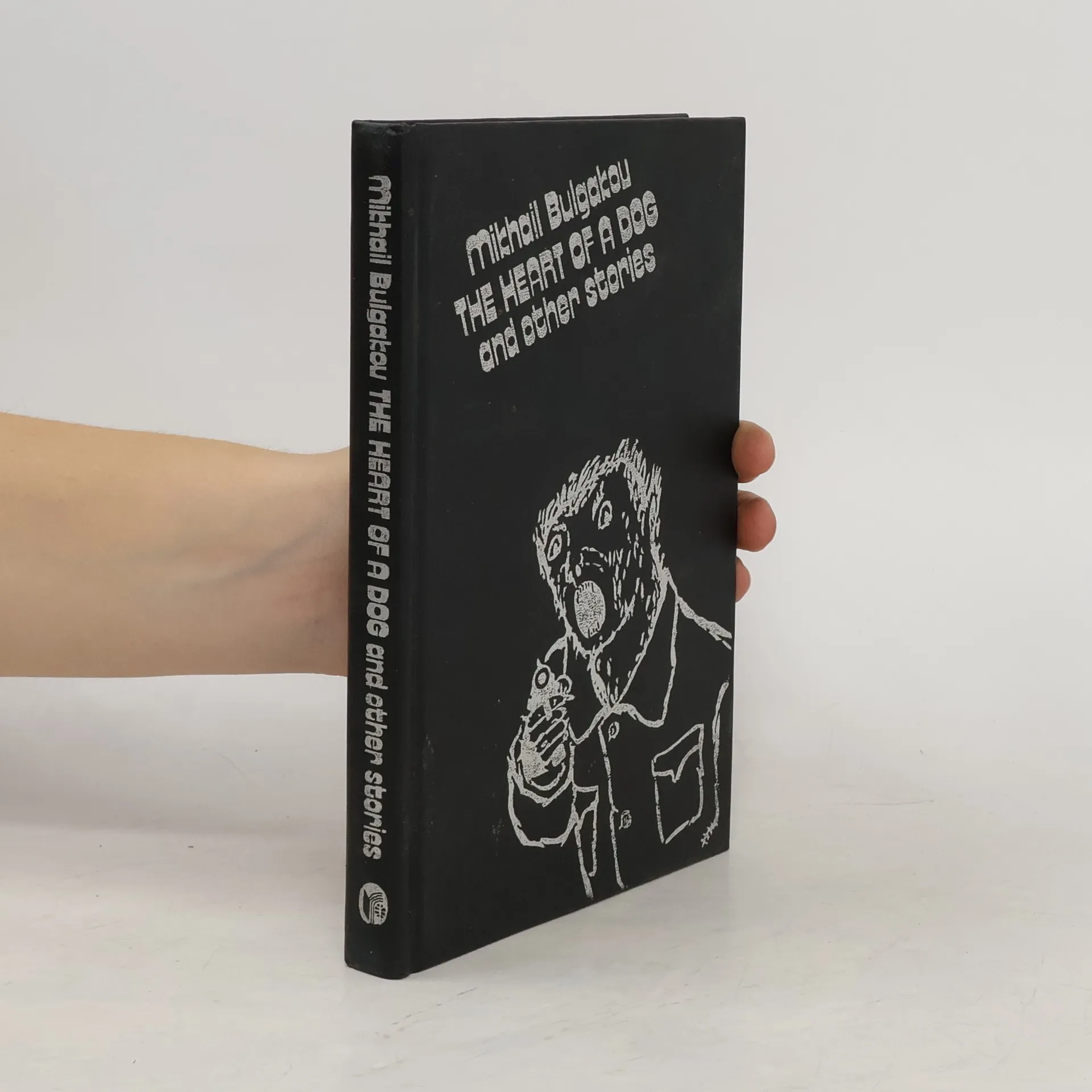
Contains the following stories: - Notes Off the Cuff- Diaboliad- The Fateful Eggs- The Heart of a Dog
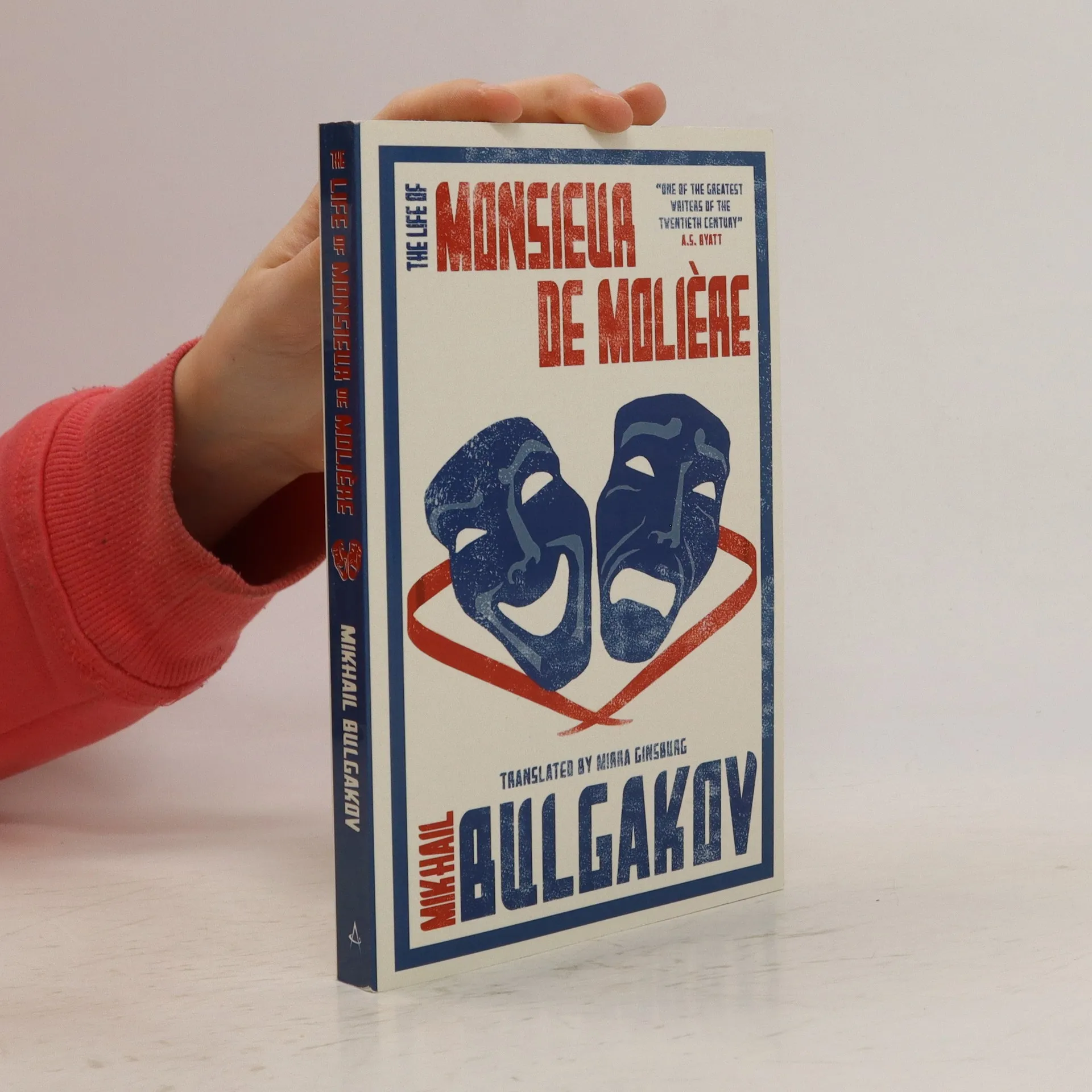
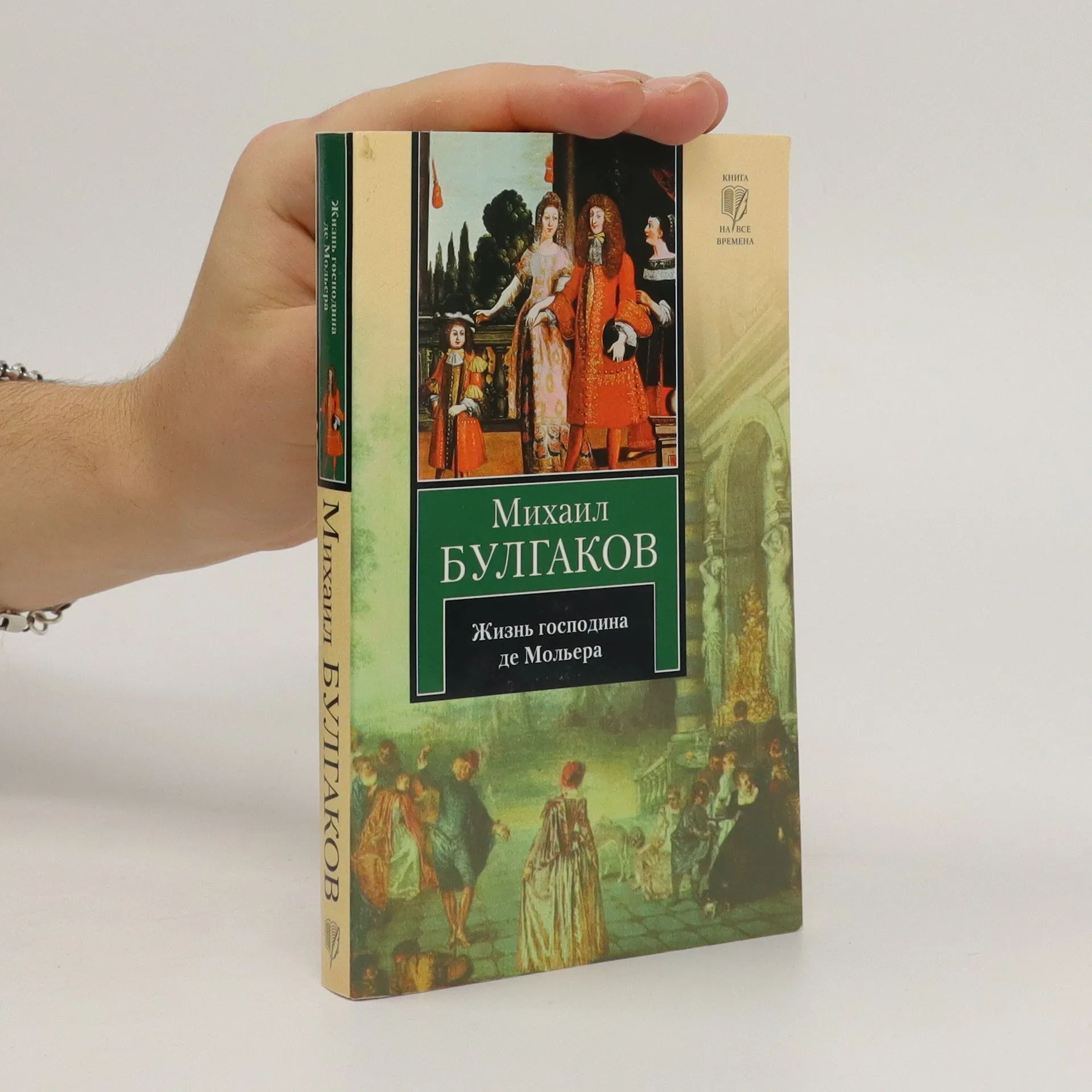
Charts the life of the French playwright - Moliere - from humble beginnings to later theatrical triumphs and political controversies.
Mikhail Bulgakov's adaptation of Cervantes' classic novel offers a theatrical and deeply personal interpretation, showcasing his unique vision. This edition is translated into English for the first time by acclaimed translators Richard Pevear and Larissa Volokhonsky, alongside playwright Richard Nelson, who brings his award-winning expertise to the project. The collaboration promises to highlight the richness and complexity of the original work while making it accessible to a new audience.
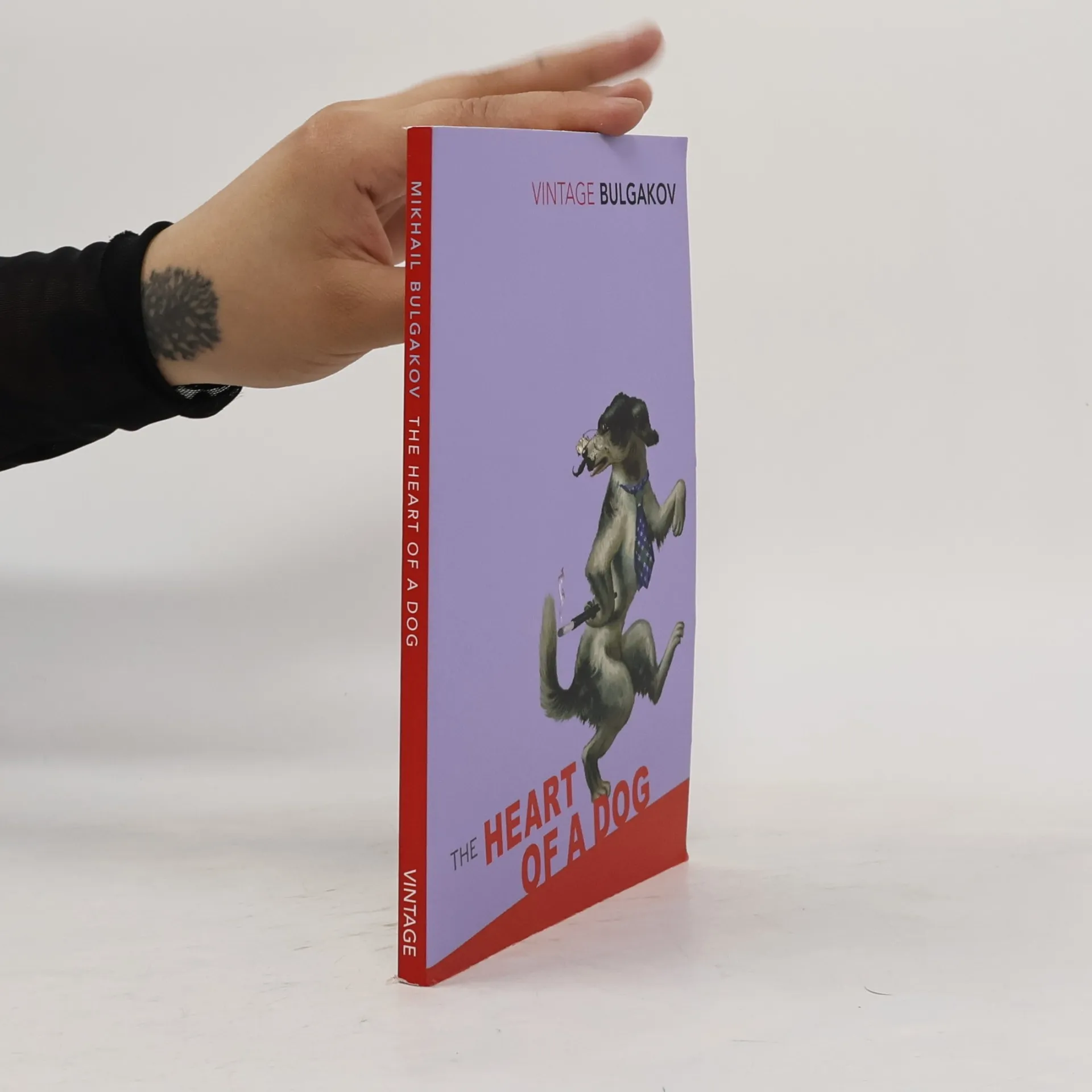
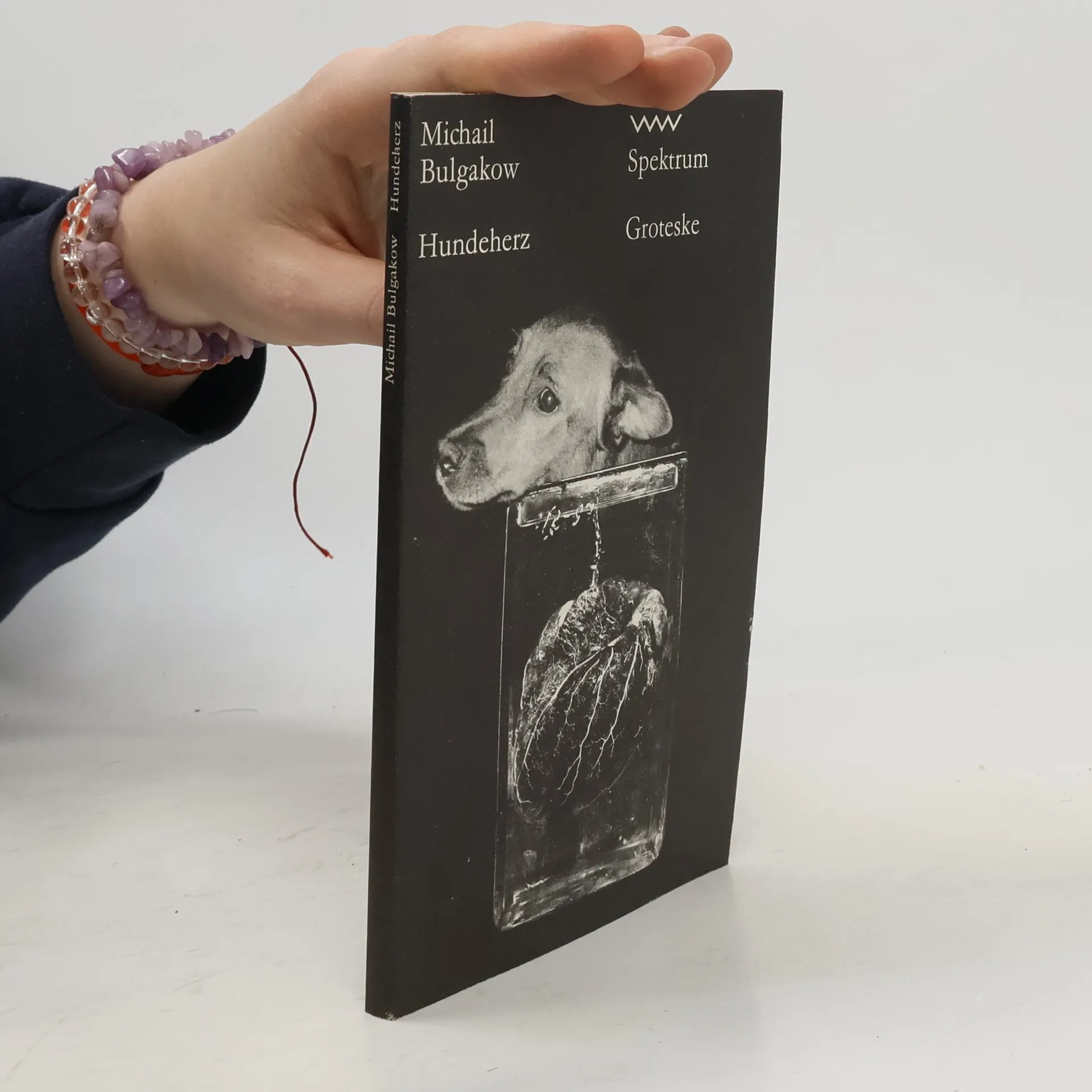
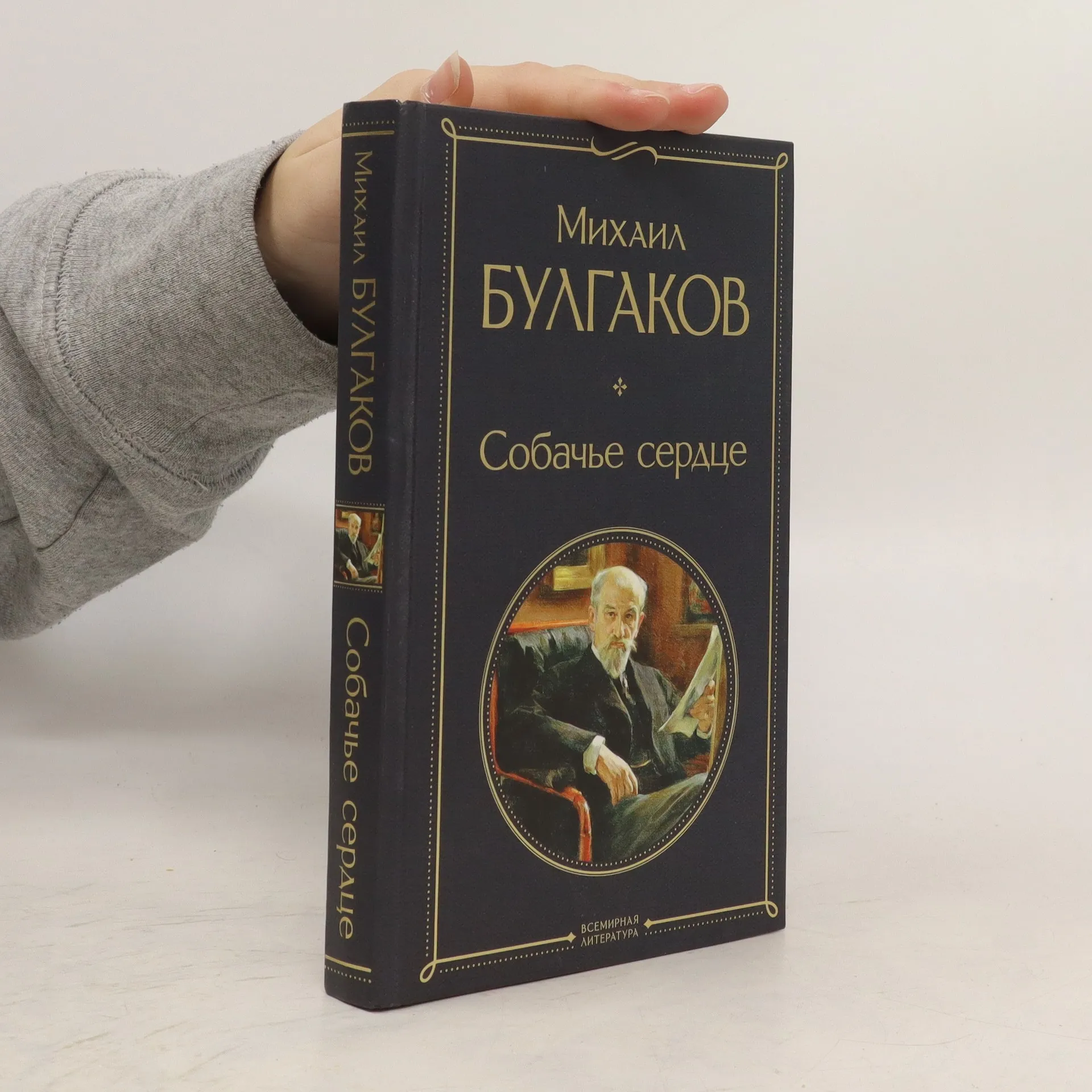
Features a wealthy Moscow surgeon Filip Preobrazhensky who implants the pituitary gland and testicles of a drunken petty criminal into the body of a stray dog. As the dog slowly transforms into a man, and man into a slovenly, lecherous government official, the doctor's life descends into chaos.
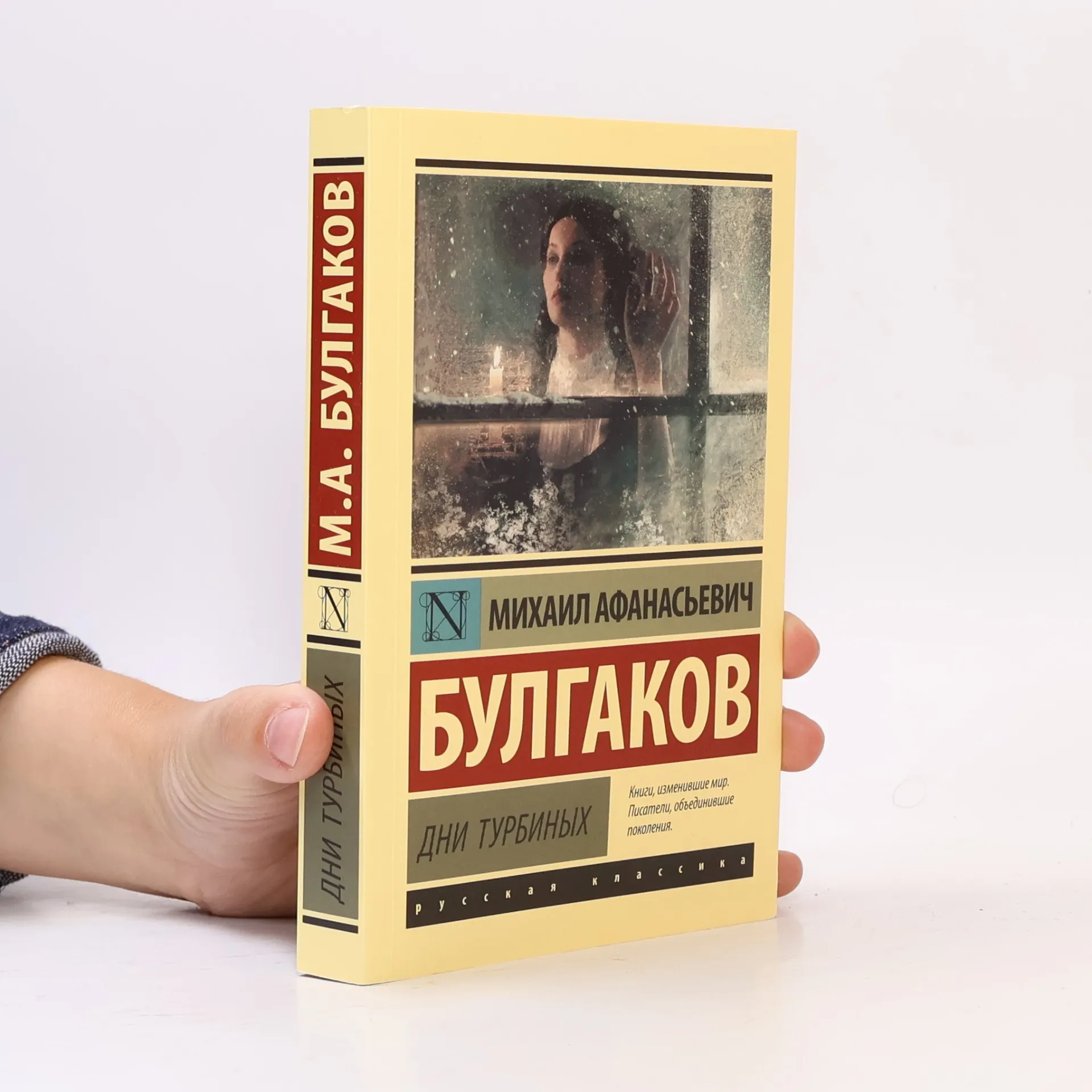
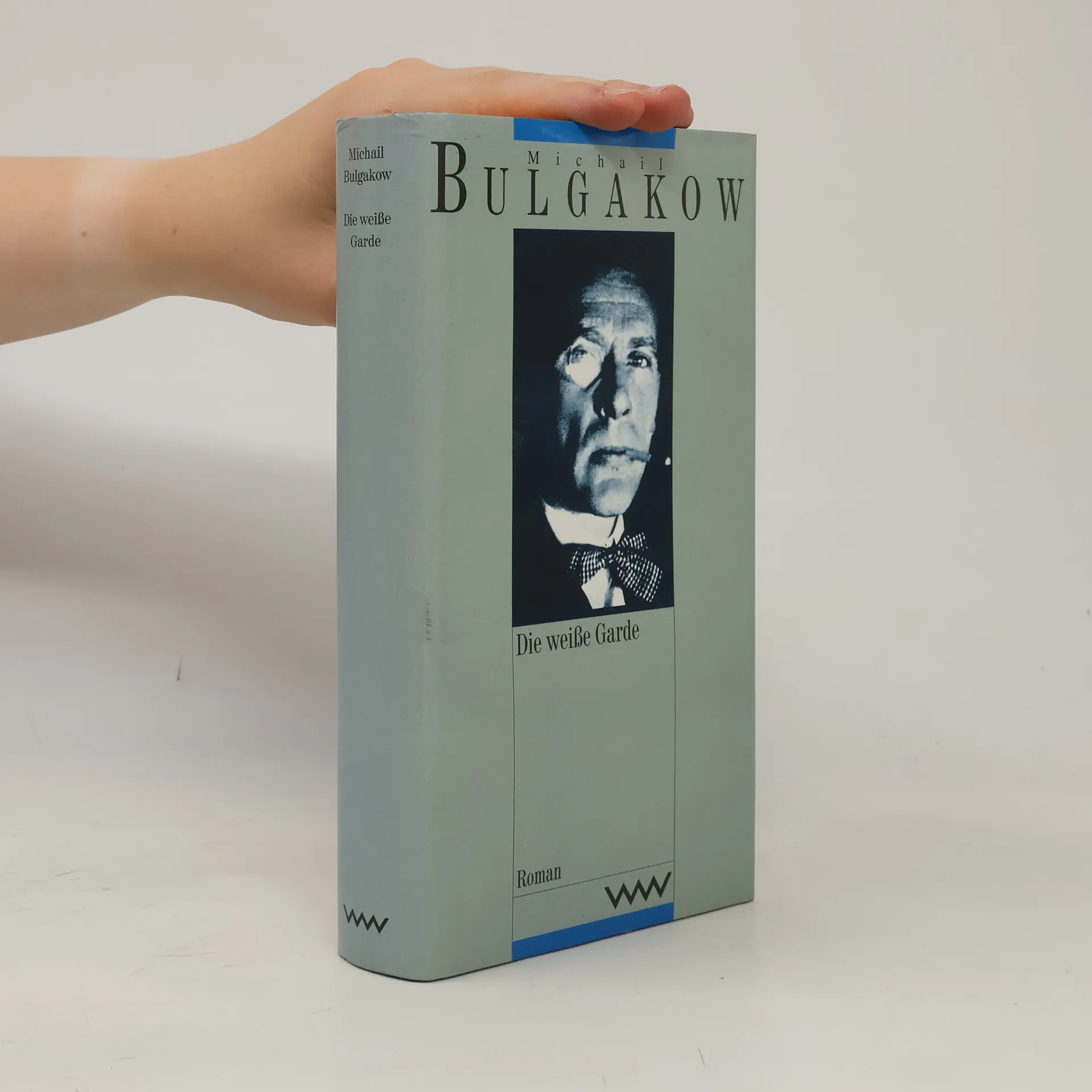
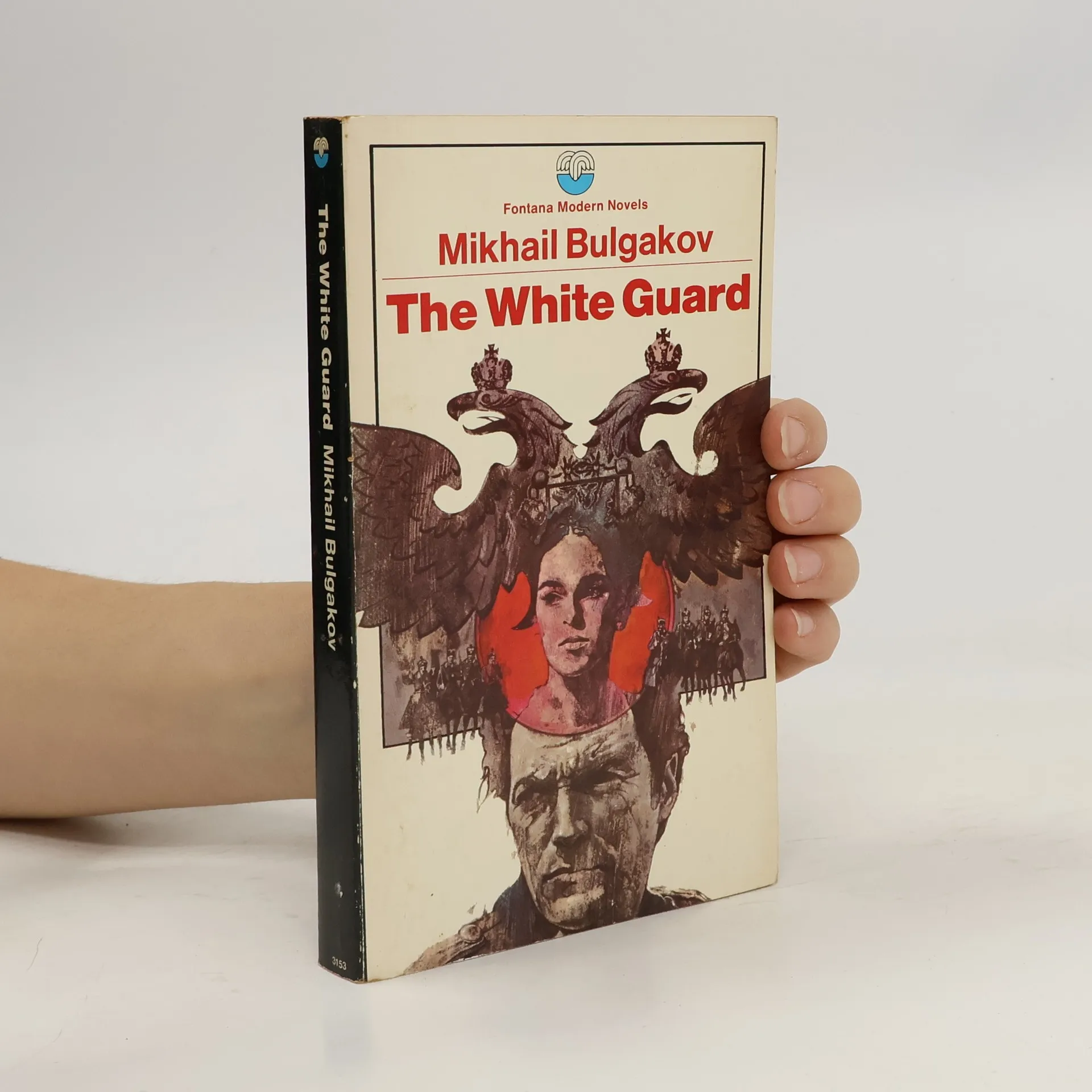
Kiev - Kyiv - is in chaos. Russia has withdrawn from World War I but the Germans have set up a puppet government in Ukraine. Civil war rages- the Bolsheviks have seized power in Russia, but the anti-revolutionary White Guard who have fled to Ukraine, are rallying to resist. In the meantime, Ukrainian nationalists are camped outside the capital, and a Red army is on its way to bring everyone to heel. While all this is going on, the Turbin family try to eke out their existence in Kyiv and discuss what they should do. They are exactly the sort of family - monarchist intelligentsia - for whom the future looks particularly menacing. Bulgakov's brilliant and evocative prose brings the city and the moment unforgettably to life and sheds some fascinating light on the complex interwoven histories of Ukraine and Russia.
WITH A NEW INTRODUCTION BY ANDREY KURKOV A rich, successful Moscow professor befriends a stray dog and attempts a scientific first by transplanting into it the testicles and pituitary gland of a recently deceased man. A distinctly worryingly human animal is now on the loose, and the professor's hitherto respectable life becomes a nightmare beyond endurance. An absurd and superbly comic story, this classic novel can also be read as a fierce parable of the Russian Revolution.
"There is absolutely no necessity to learn how to read; meat smells a mile off, anyway. Nevertheless, if you live in Moscow and have a brain in your head, you'll pick up reading willy-nilly, and without attending any courses. Out of the forty thousand or so Moscow dogs, only a total idiot won't know how to read the word 'sausage'." When a stray dog dying on the streets of Moscow is taken in by a wealthy professor, he is subjected to medical experiments in which he receives various transplants of human organs. As he begins to transform into a rowdy, unkempt human by the name of Poligraf Poligrafovich Sharikov, his actions distress the professor and those surrounding him, although he finds himself accepted into the ranks of the Soviet state. A parodic reworking of the Frankenstein myth and a vicious satire of the Communist revolution and the concept of the New Soviet man, A Dog's Heart was banned by the censors in 1925 and circulated only in samizdat form. Nowadays this hugely entertaining tale has become very popular in Russia, and has inspired many adaptations across the world.