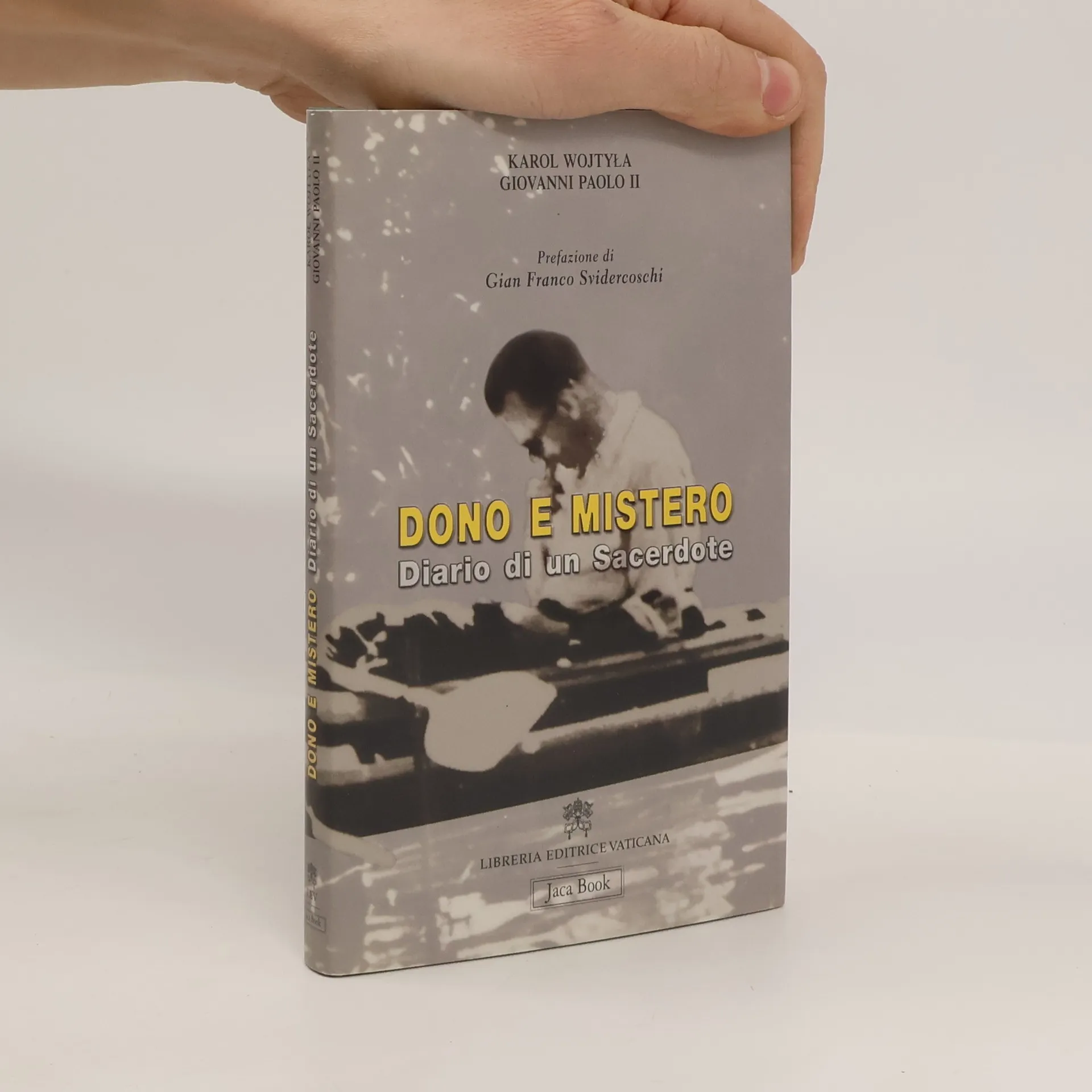
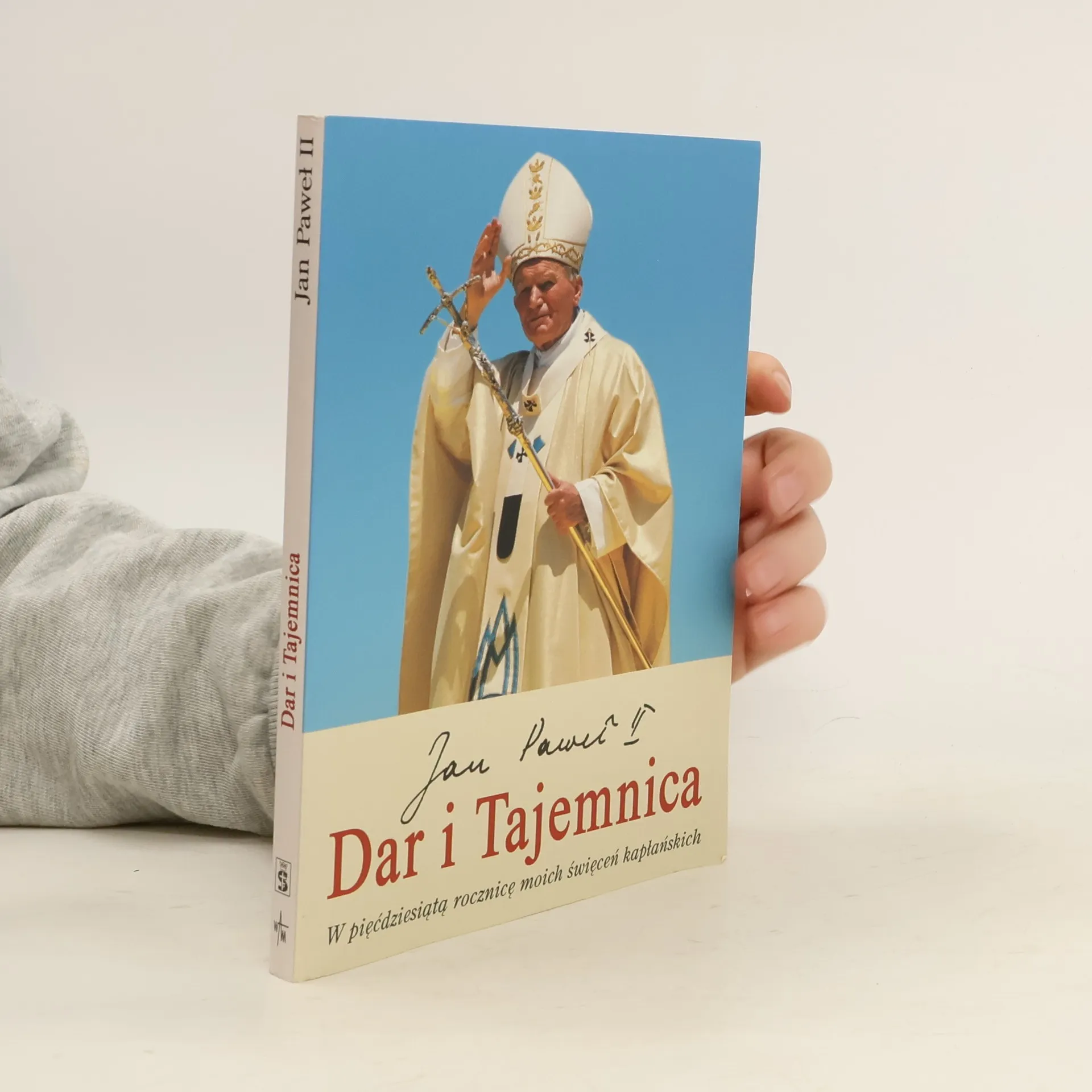
Pope John Paul II dedicated his pontificate to serving the Church and all humanity with unwavering missionary zeal. His nearly 27-year tenure was marked by extensive pastoral journeys, fostering open dialogue with diverse nations and religions, and a profound commitment to spreading faith. He initiated significant global events like World Youth Day and World Meeting of Families, demonstrating his deep care for younger generations and the family unit. Under his guidance, the Church prepared for the third millennium, emphasizing spiritual renewal and providing inspiring examples of holiness for contemporary times.
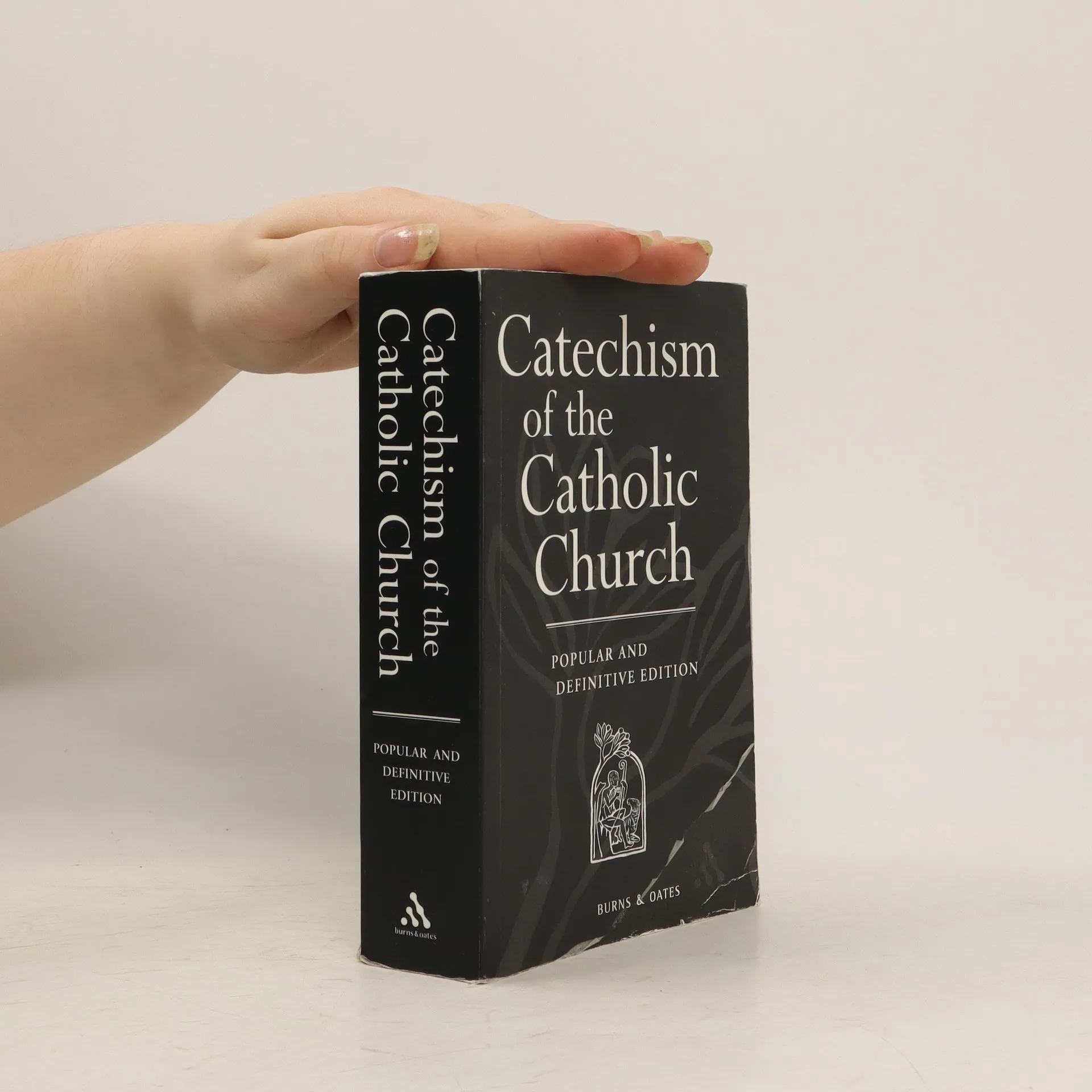
The first edition of the new Catechism went out across the world in many language versions. This gave the local Churches the chance to study it in depth. Through their bishops and teachers they responded with comments on texts that needed refinement. The present edition was developed in the light of these comments and published in Latin as the definitive Editio Typica. This book is the English translation of the Editio Typica.
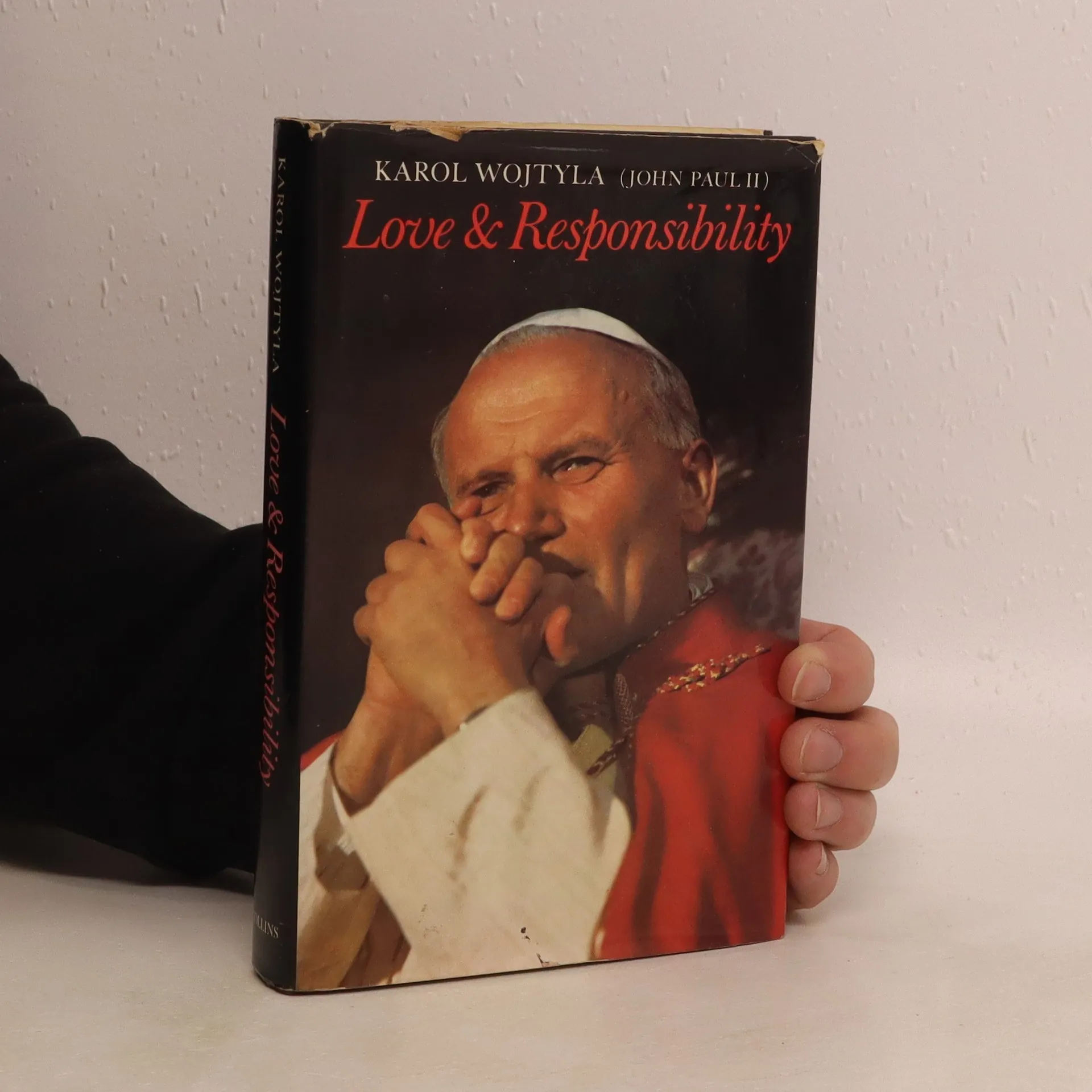
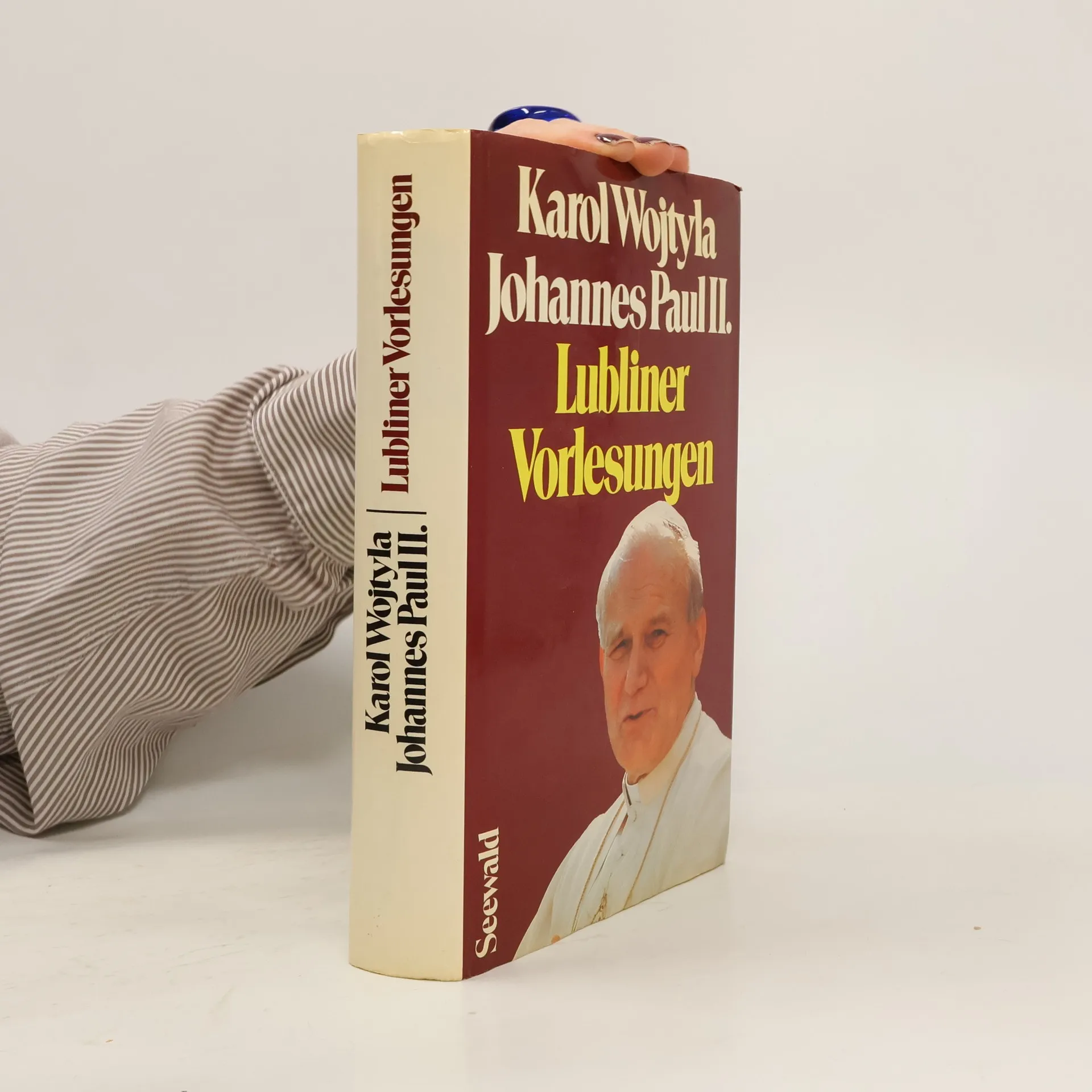
In this classic work, readers are given a window into the authentic meaning of human love as Karol Wojtyla explains relationships between persons, especially concerning sexual ethics. Translator Grzegorz Ignatik, a native Polish speaker, provides helpful notes and defines key terms.
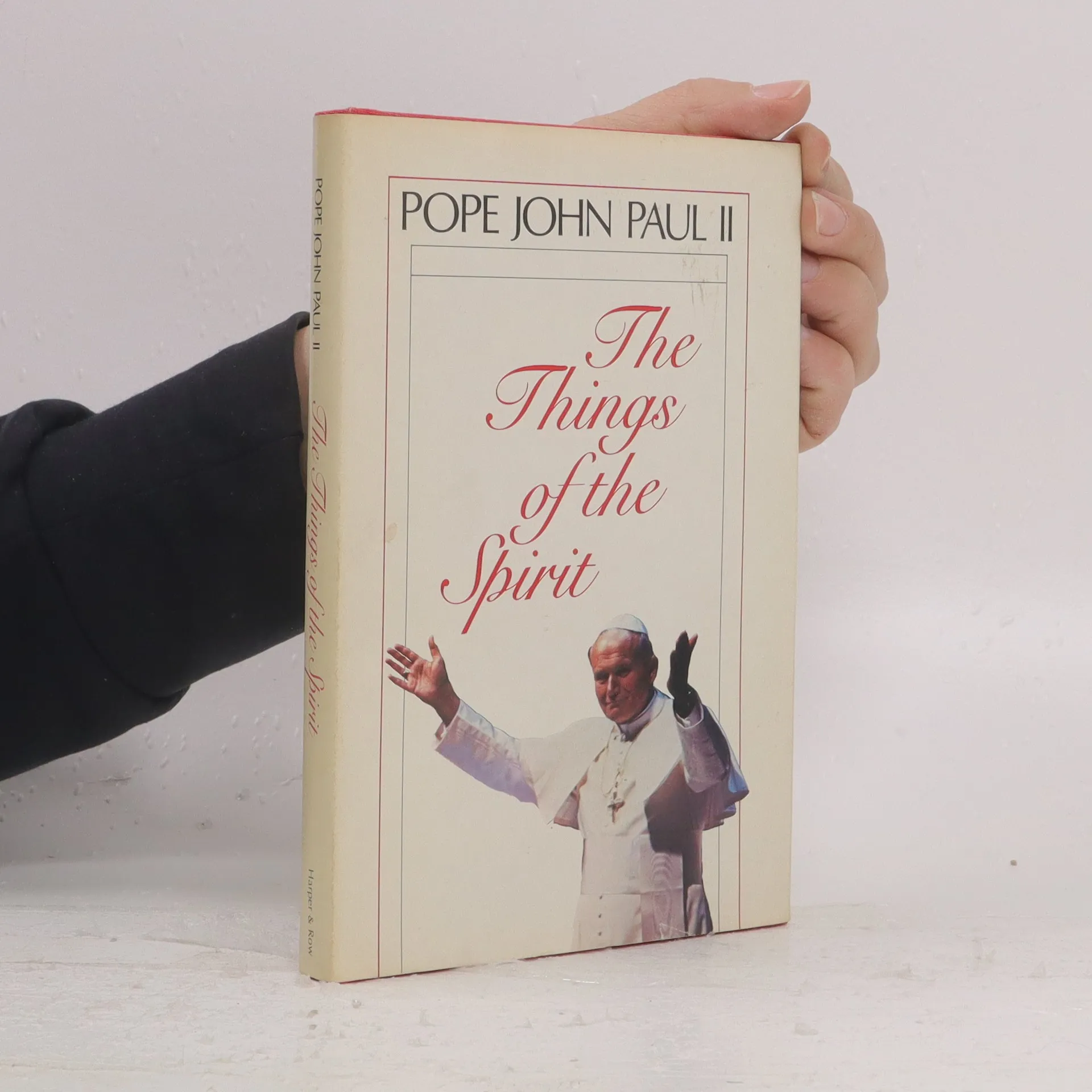
With topics including the persistent problems of hunger, economic justice, war, human dignity, and the longing for community, this collection of spiritual essays reflects the Pontiff's witness to the central importance of God and the things of the spirit
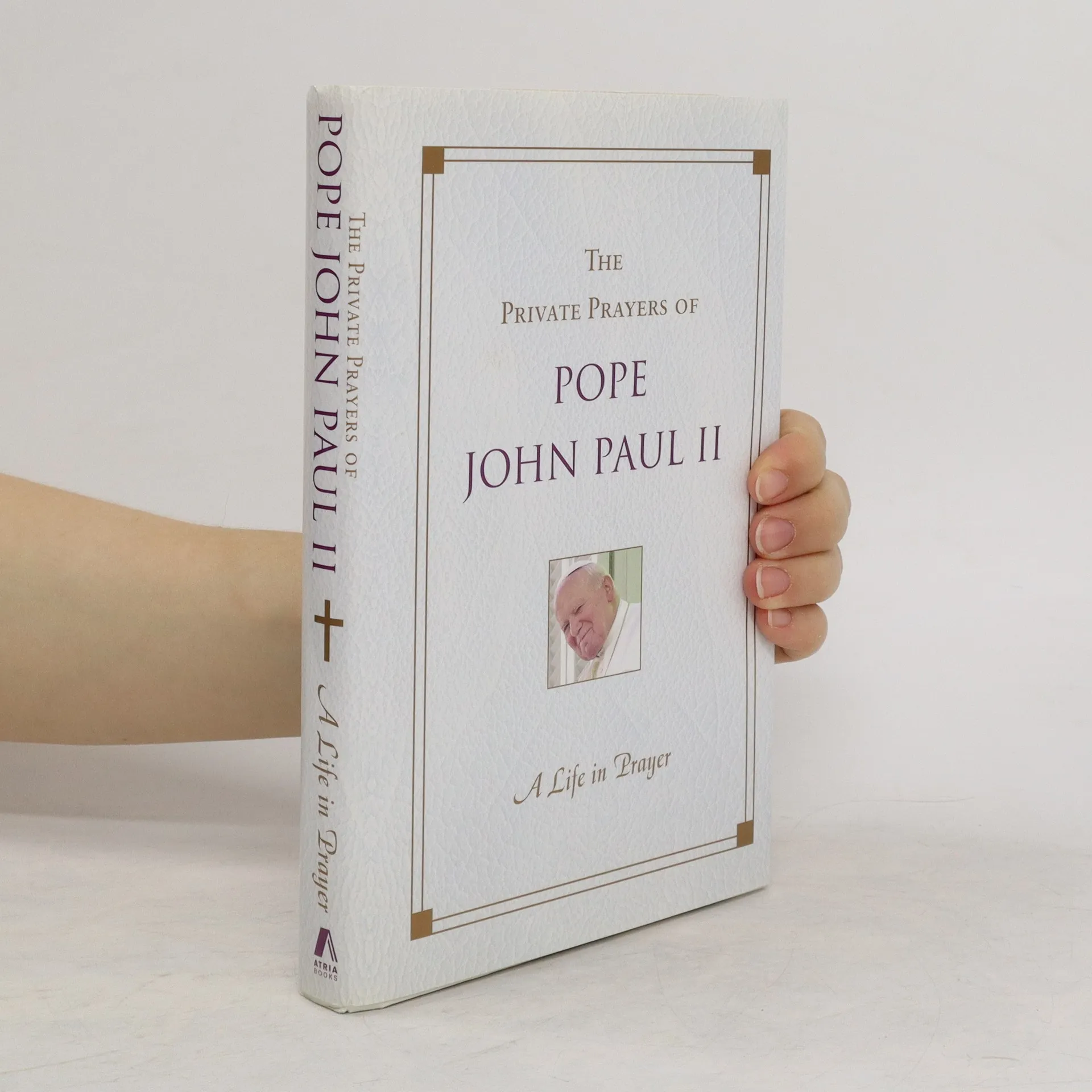
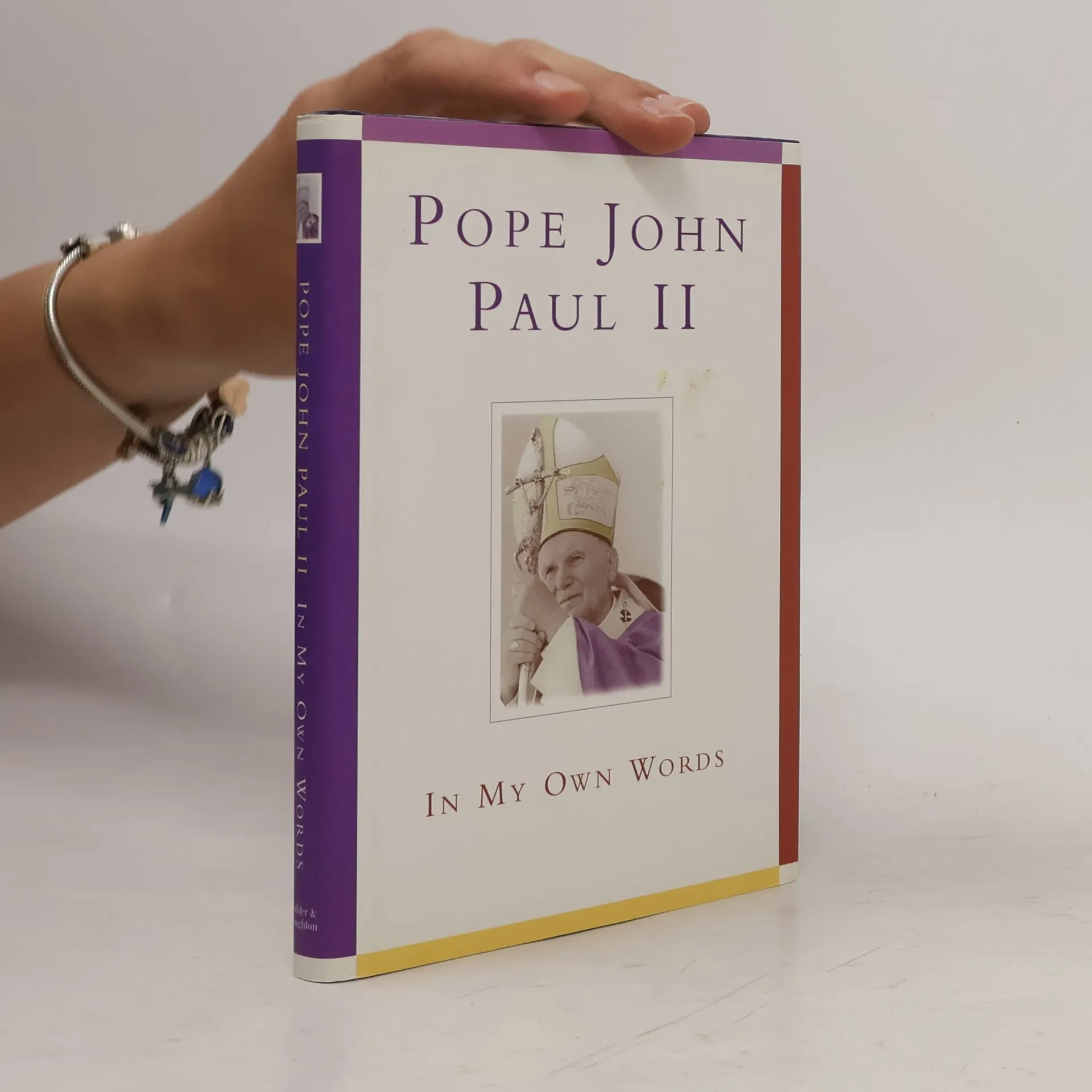
Prayers and meditations by the pontiff deliver an inspirational message of hope, faith, love, compassion, forgiveness, and comfort, in a volume that includes a brief biographical profile.
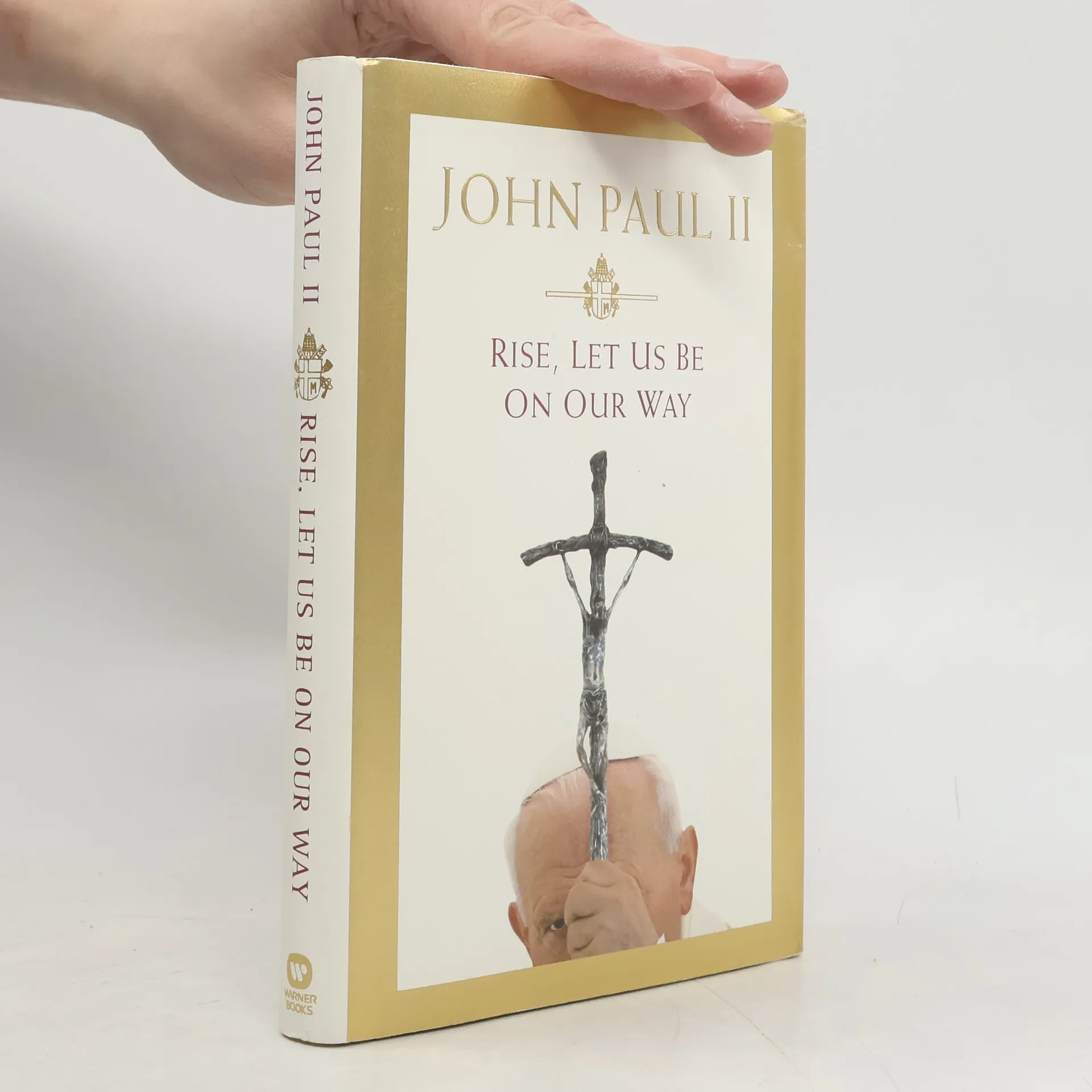
An inspirational memoir from the recently canonized Pope Saint John Paul II. Following the success of the international bestseller Crossing the Threshold of Hope, Pope John Paul II provides the world with a glimpse into his past in Rise, Let Us Be On Our Way . Chronicling the years he spent as a bishop and later archbishop in Krakow, Poland through his election as the first Polish Pope in 1978, he recounts everything from communist efforts to suppress the church in Poland to his efforts to adopt a new and more open style of pastoral ministry. With recollections on his life as well as his thoughts on the issues facing the world now, Pope John Paul II offers words of wisdom in this book that will appeal to people of any faith looking to strengthen their spirituality.
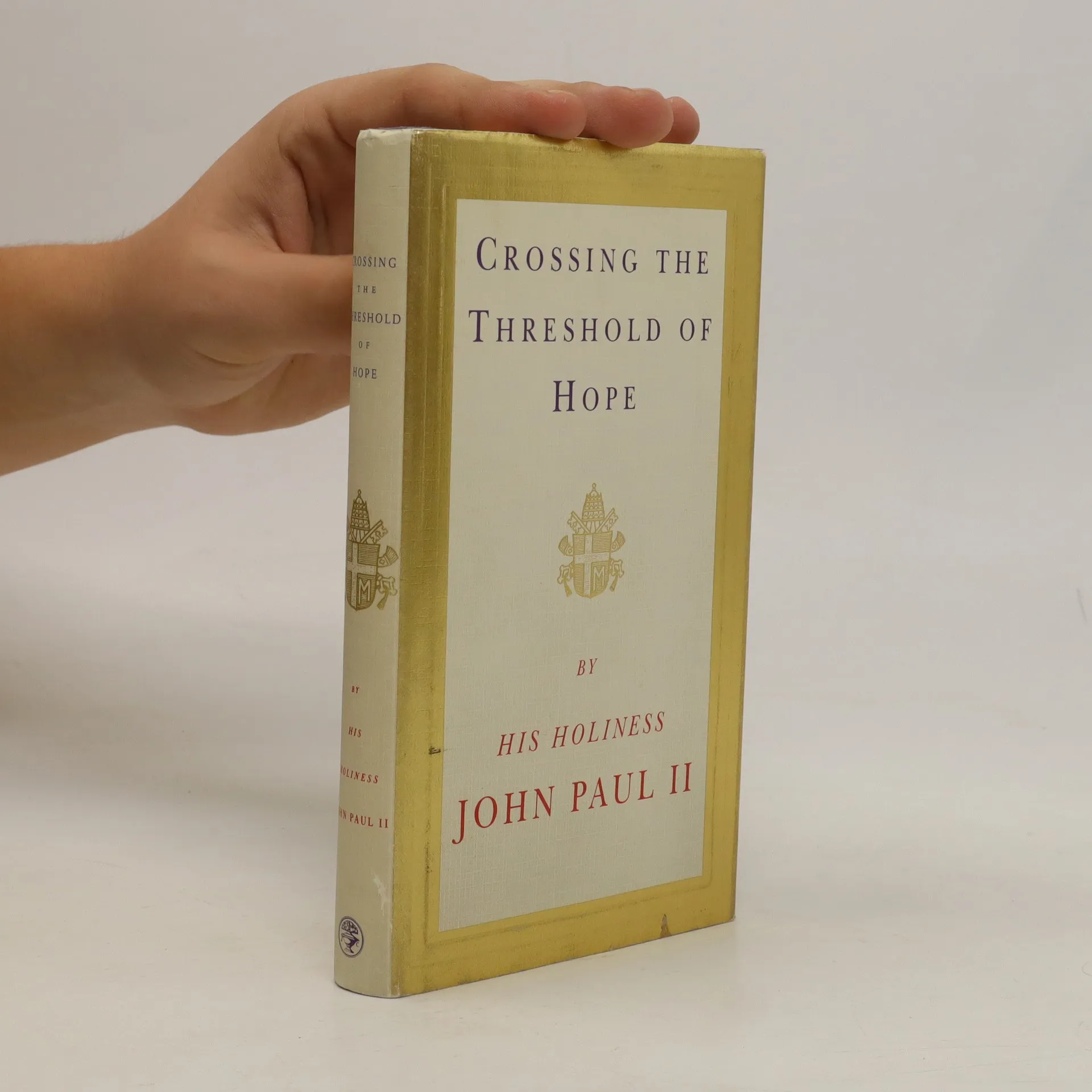
15 years into his papacy, and on the eve of a new millennium, John Paul II brings to an accessible level the great theological questions of our lives. He goes to the heart of his personal beliefs and speaks with passion about the existence of God; about the dignity of man; about pain, suffering and evil; about eternal life and the meaning of salvation; about hope; and about the relationship of Christianity to other faiths and that of Catholicism to other branches of the Christian faith.
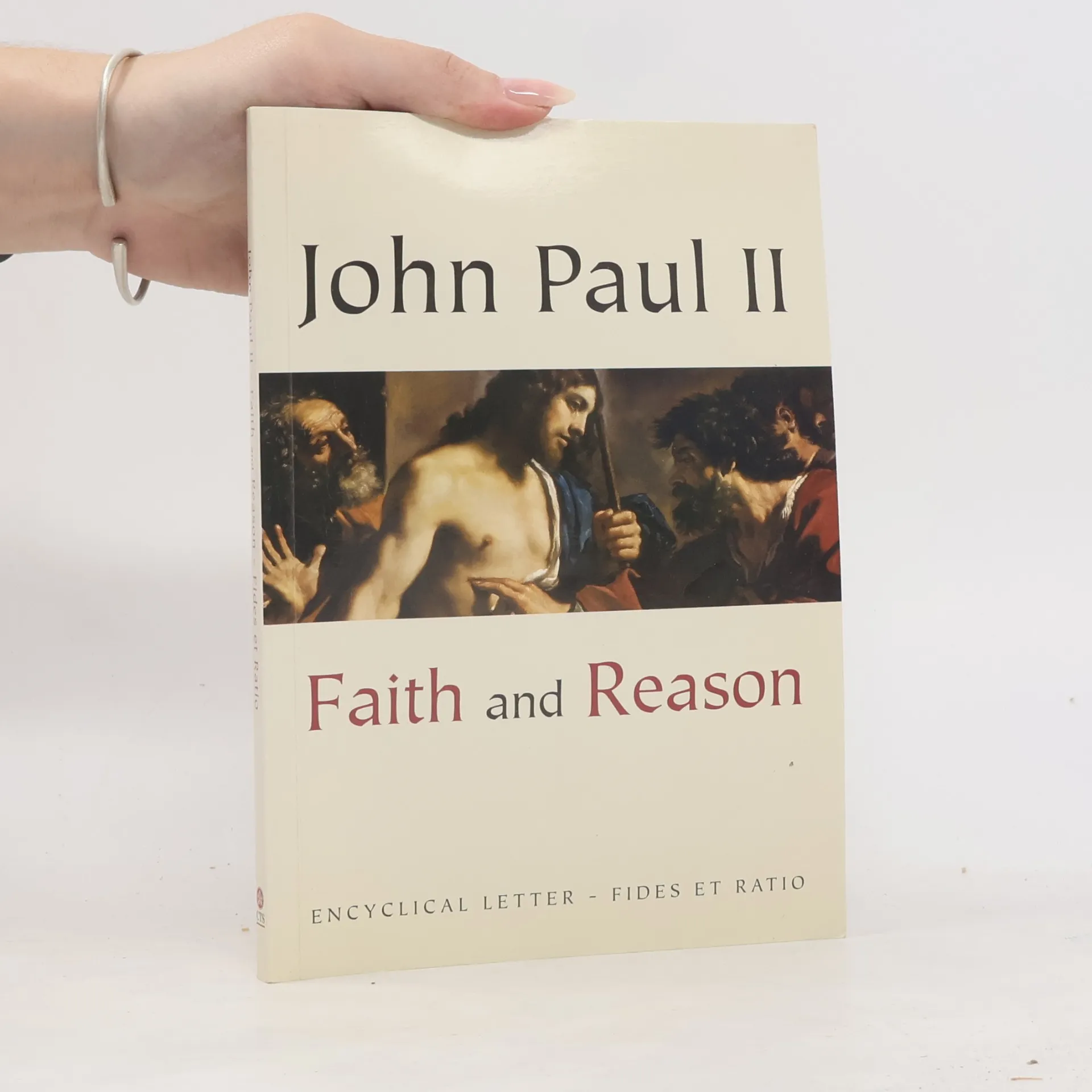
Exploring the relationship between faith and reason, this work delves into the philosophical and theological foundations that unite these two aspects of human understanding. It emphasizes the importance of both elements in the pursuit of truth, arguing that they complement rather than contradict each other. The text engages with historical perspectives and contemporary issues, providing insights into how faith and reason can work together to enrich human knowledge and spirituality.
Quoting extensively from a variety of sources, this book provides inspiration from Pope John Paul II. His reflections emphasize the meaning and direction of life through the presence of God.
Encyclical letter Fides Et Ratio of the Supreme Pontiff John Paul II to the Bishops of the Catholic Church on the relationship between faith and reason.
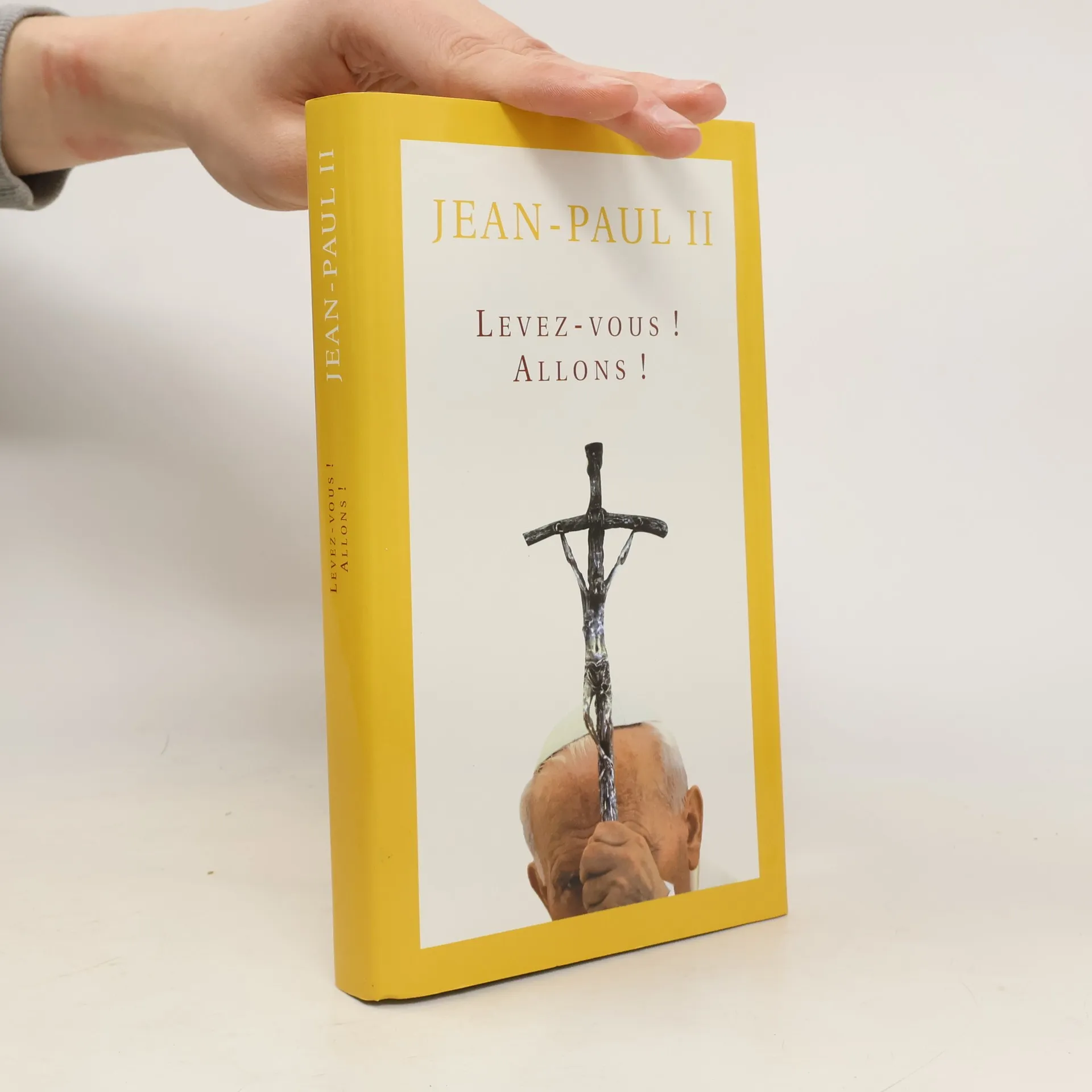
Quand arriva " son heure ", Jésus dit à ceux qui étaient avec lui au jardin de Gethsémani, Pierre, Jacques et Jean, les disciples particulièrement aimés: " Levez-vous ! Allons ! " Il n'était pas le seul à devoir " aller " vers l'accomplissement de la volonté du Père: eux aussi devaient y aller avec Lui. Je parle de cela du lieu où l'amour du Christ Sauveur m'a conduit, me demandant de sortir de ma terre pour porter du fruit ailleurs, avec Sa grâce, un fruit appelé à demeurer. Faisant écho aux paroles de notre Maître et Seigneur, je redis donc, moi aussi, à chacun de vous, très chers Frères dans l'Episcopat: " Levez-vous ! Allons ! " Allons en nous fiant au Christ. Lui nous accompagnera sur le chemin, jusqu'au but que Lui seul connaît.
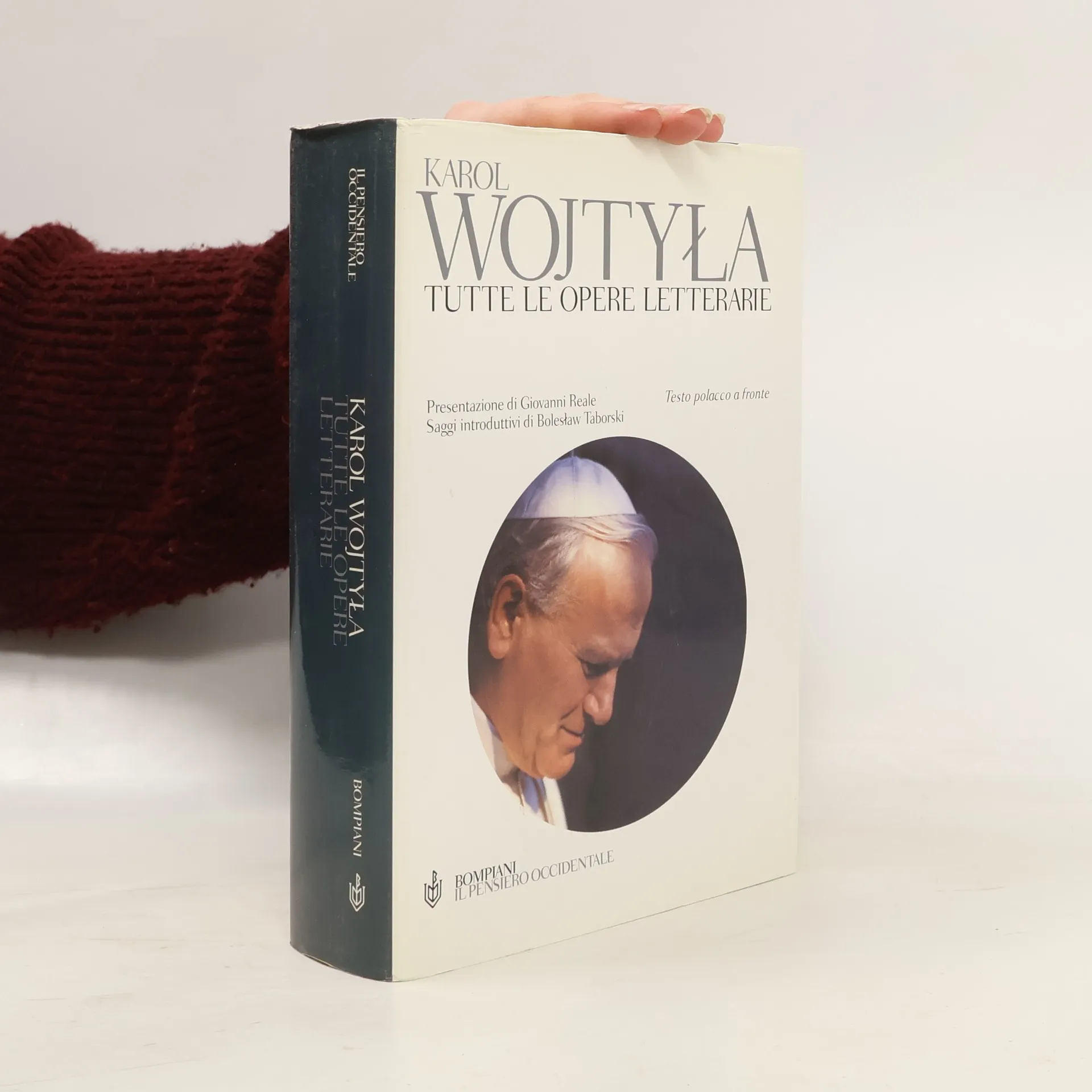
Poesie, drammi e scritti sul teatro - Testo polacco a fronte
1001 pages
36 hours of reading
Il volume raccoglie le opere poetiche e teatrali di Karol Wojtyla, opere che rivelano un talento capace di esprimere poeticamente i più profondi concetti di carattere teologico e filosofico. La raccolta è preceduta da un'introduzione di Boleslaw Taborski e da un'inedita presentazione di Giovanni Reale.
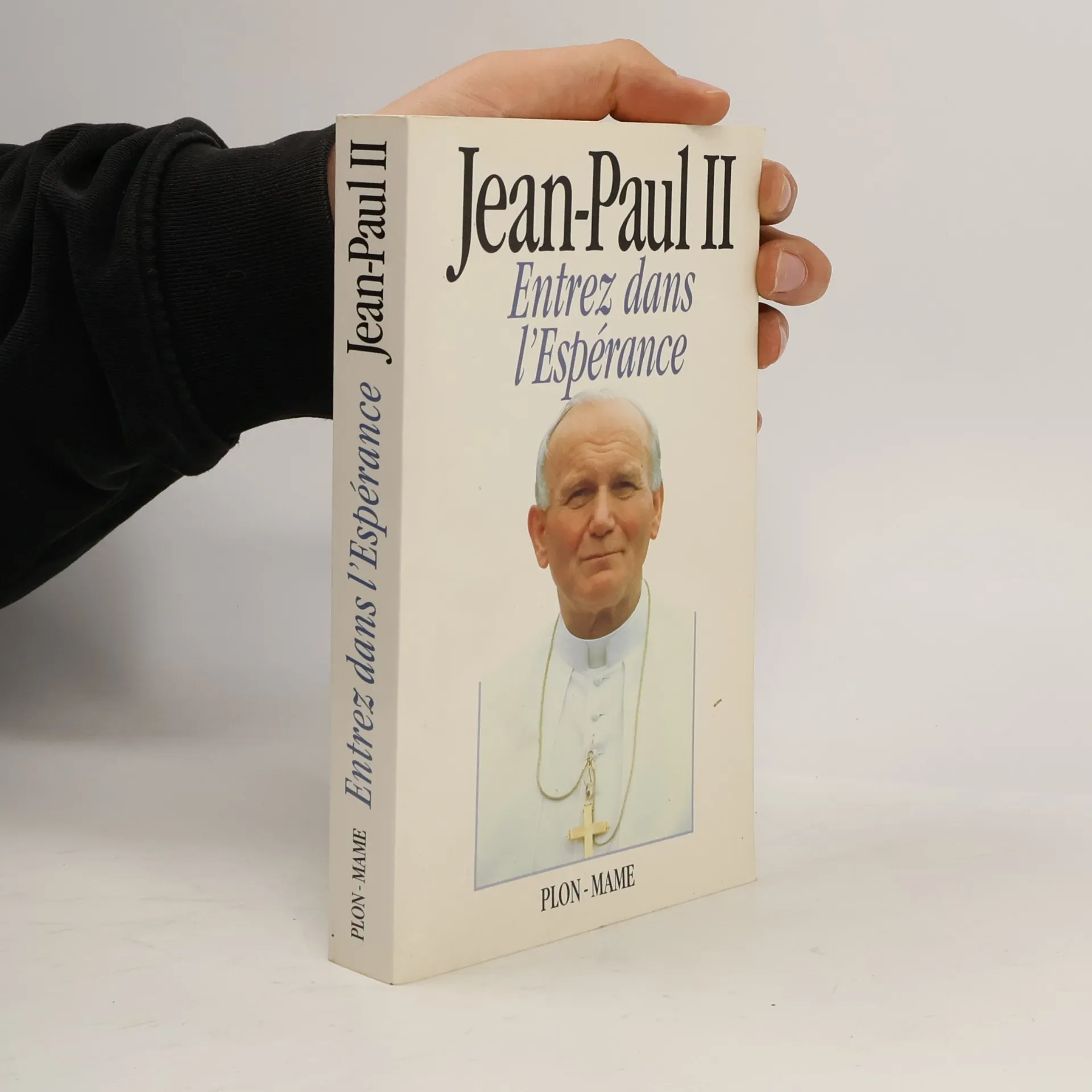
Jamais un pape, en tant que pape, n'avait écrit un livre aussi personnel.Jamais un pape n'avait répondu, aussi familièrement, à toutes les questions fondamentales que chacun de nous se pose.Ecrit d'une seule traite - avec une vigueur et une spontanéité que certains qualifieront de "généreuse imprudence" - ce texte donne accès au cœur même de la pensée et de la foi du pape Jean-Paul II. Comment Dieu a-t-il pu permettre la guerre, les camps de concentration, l'holocauste ? Un Dieu qui permet de telles choses est-il véritablement Amour ? Est-il juste en regard de Sa Création ? Ne charge-t-il pas trop lourdement les épaules de l'homme ? Ne laisse-t-il pas l'homme seul sous un trop lourd fardeau, le condamnant à une vie sans espérance ? Ce véritable "testament" constitue donc un document exceptionnel pour notre temps et pour l'histoire.Ce livre est un événement unique. La parole qui l'anime fait retentir au plus profond de nous-mêmes un appel pressant, un appel essentiel : "Entrez dans l'Espérance ! Entrez dans la seule Espérance qui ne vous décevra jamais !"Au seuil du troisième millénaire, par la voix chaleureuse de Jean-Paul II, c'est Dieu lui-même qui inlassablement nous déclare son amour.
Ho vissuto in prima persona le "ideologie del male", un'esperienza indelebile. Il nazismo, all'epoca, mostrava già il suo orrore, ma molti dei suoi aspetti rimasero nascosti. La vera portata del male in Europa non era percepita nemmeno da coloro che erano nel cuore del conflitto. Eravamo immersi in un'orrenda eruzione di male, e solo gradualmente ci rendemmo conto della sua entità. I responsabili si adoperavano per celare le loro atrocità. Sia i nazisti durante la guerra, sia i comunisti nell'Est Europa, cercavano di nascondere le loro azioni al mondo. Dopo la guerra, riflettendo, pensai che Dio avesse concesso al nazismo dodici anni di esistenza, un limite imposto dalla Provvidenza a tale follia. Il comunismo, sopravvivendo più a lungo, sembrava avere un senso, come se quel male fosse in qualche modo necessario per il mondo e l'umanità. In certe situazioni, il male può apparire utile, creando opportunità per il bene. Johann Wolfgang von Goethe ha descritto il diavolo come "una parte di quella forza, / che vuole sempre il male e opera sempre il bene", suggerendo che anche nel male possa esserci un germe di bene.
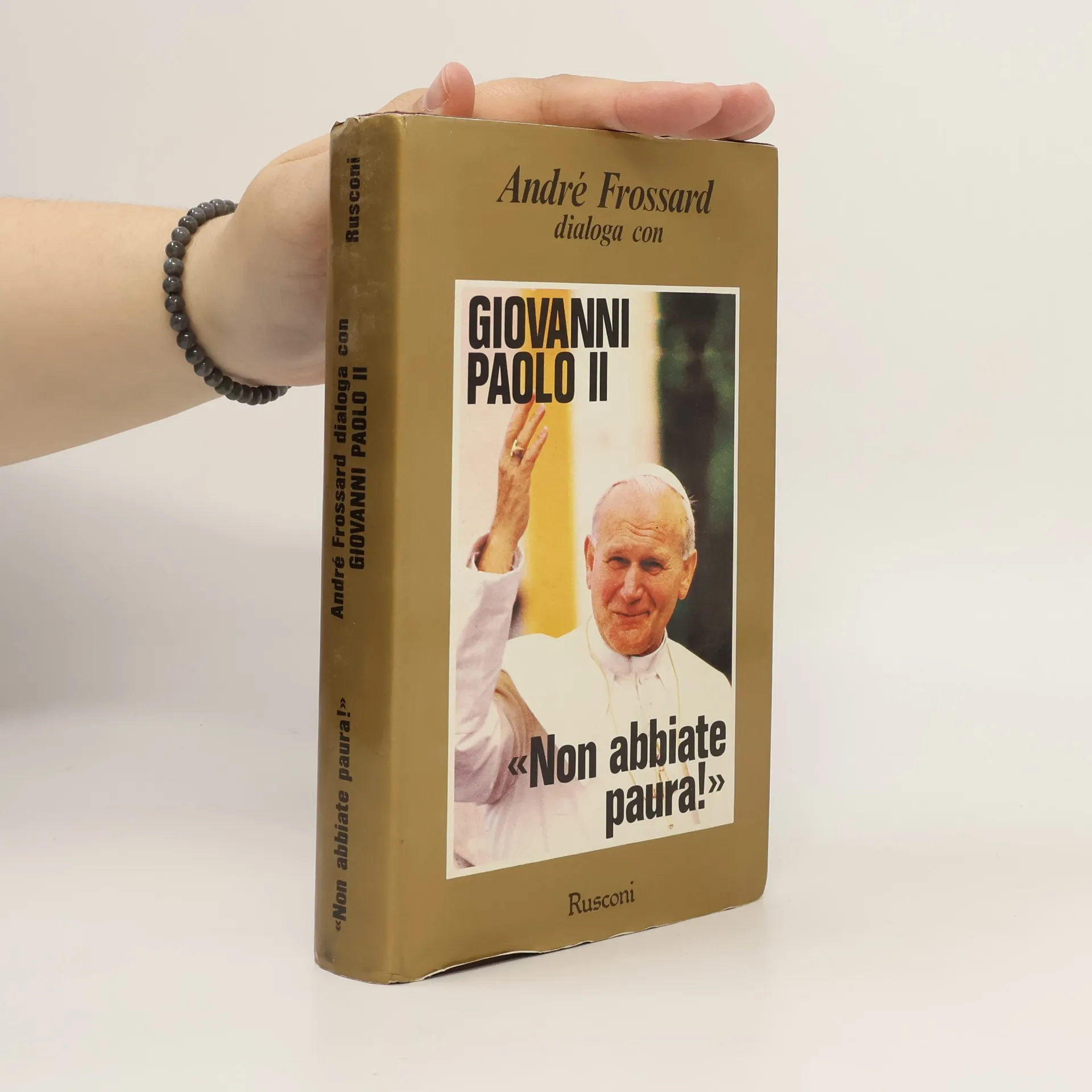
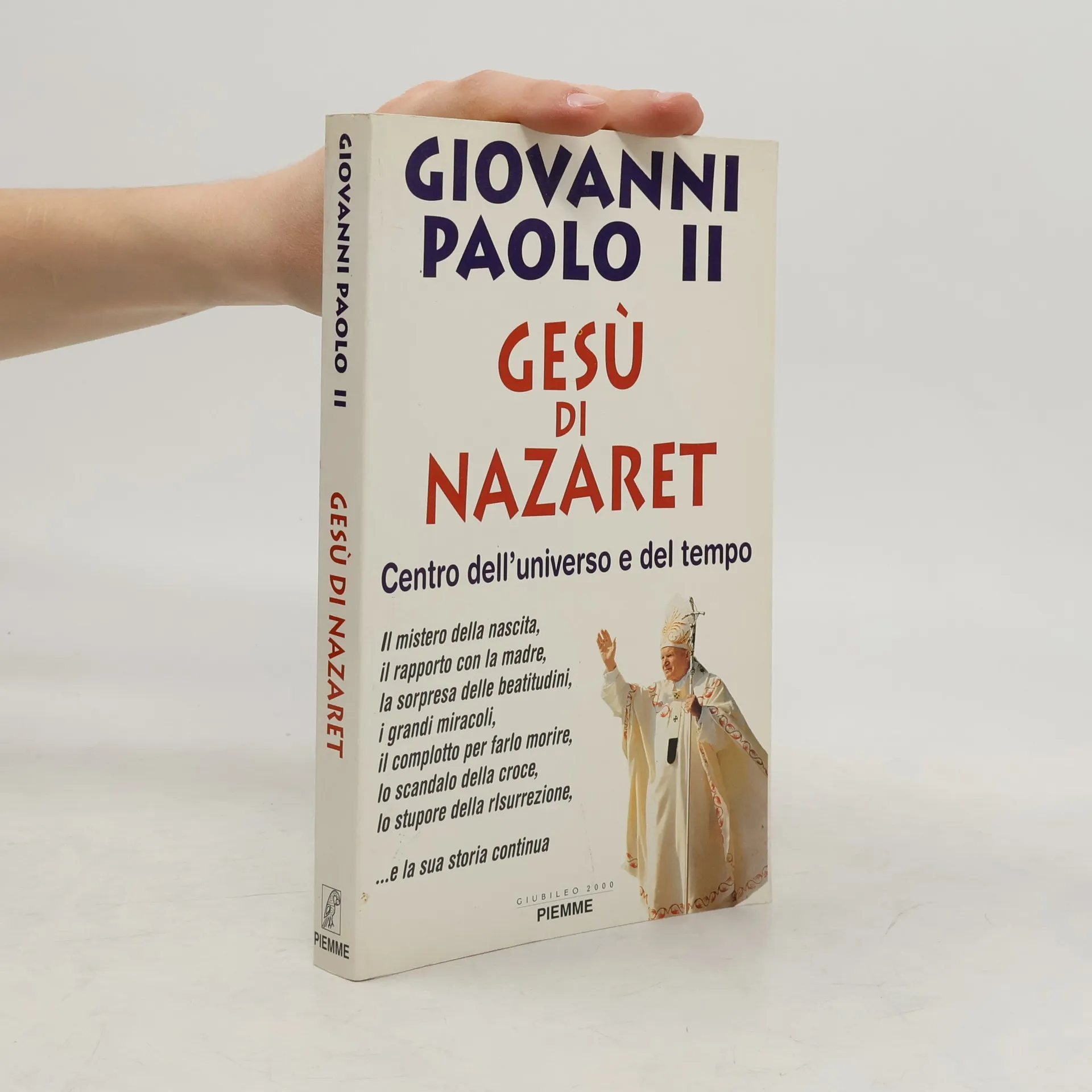
Proveniente dalla Polonia, sembrava piuttosto che avesse lasciato le sue reti sulla riva di un lago e che arrivasse direttamente dalla Galilea. Il giorno del suo avvento, quando apparve sui gradini di San Pietro e le sue prime parole "Non abbiate paura!" risuonarono nella piazza, tutti capirono immediatamente che qualcosa era cambiato nel cielo e che Dio ci inviava un testimone. Pensando all'angoscia degli uomini, alle loro incertezze, alle loro domande spesso rimaste senza risposta dai saggi e dai dotti, Giovanni Paolo II mi disse un giorno: "Fate domande." Gli ho posto domande sulla sua persona, sulla fede, sulle morali, sulla Chiesa, sul mondo e anche sull'attentato del maggio 1981; credo di avergliene poste settanta. Non ne ha evitata nessuna.
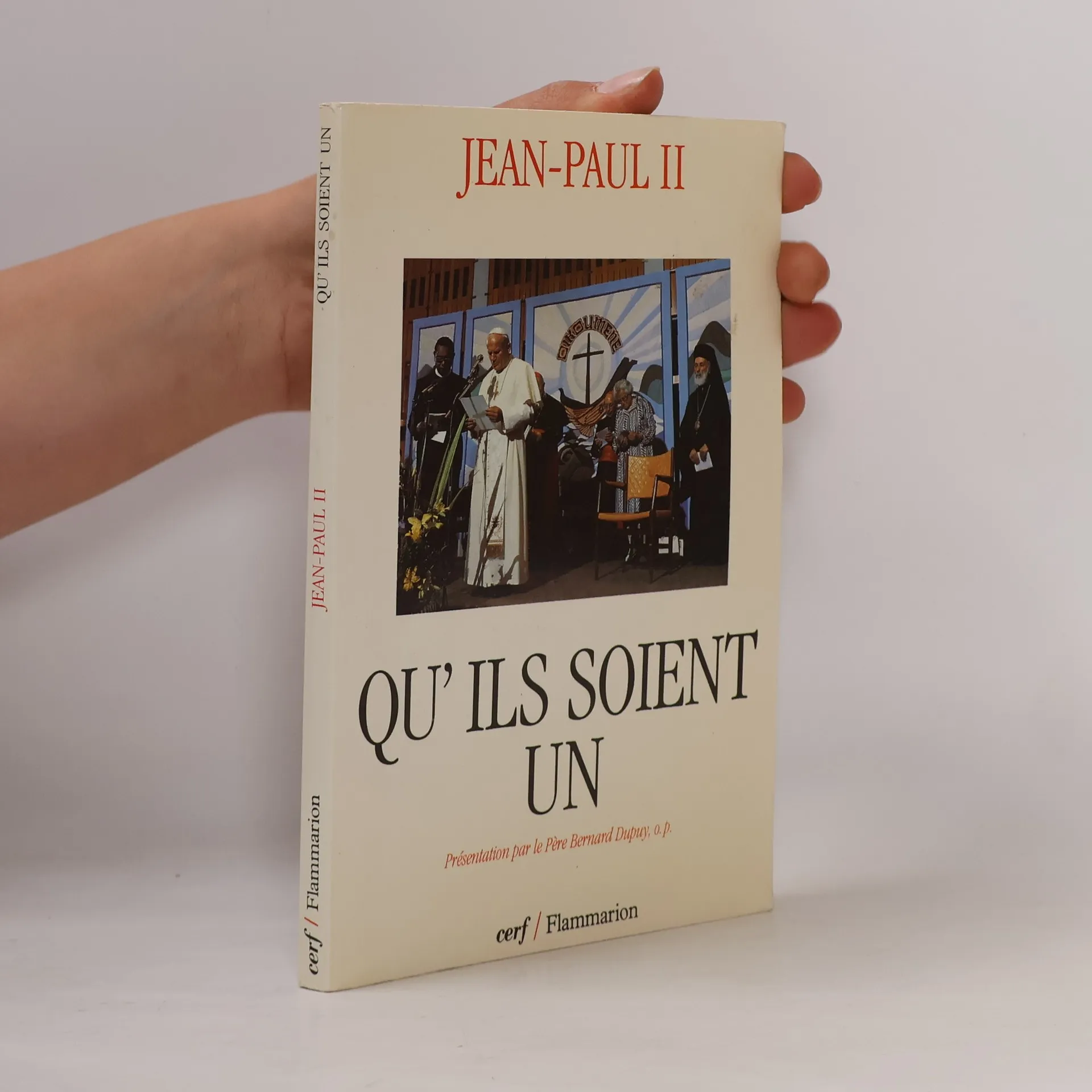
Qu'ils soient un explore les thèmes de l'unité et de la communion au sein de la foi chrétienne. L'ouvrage invite à réfléchir sur la nécessité de l'harmonie entre les croyants et l'importance de la solidarité dans la communauté religieuse.
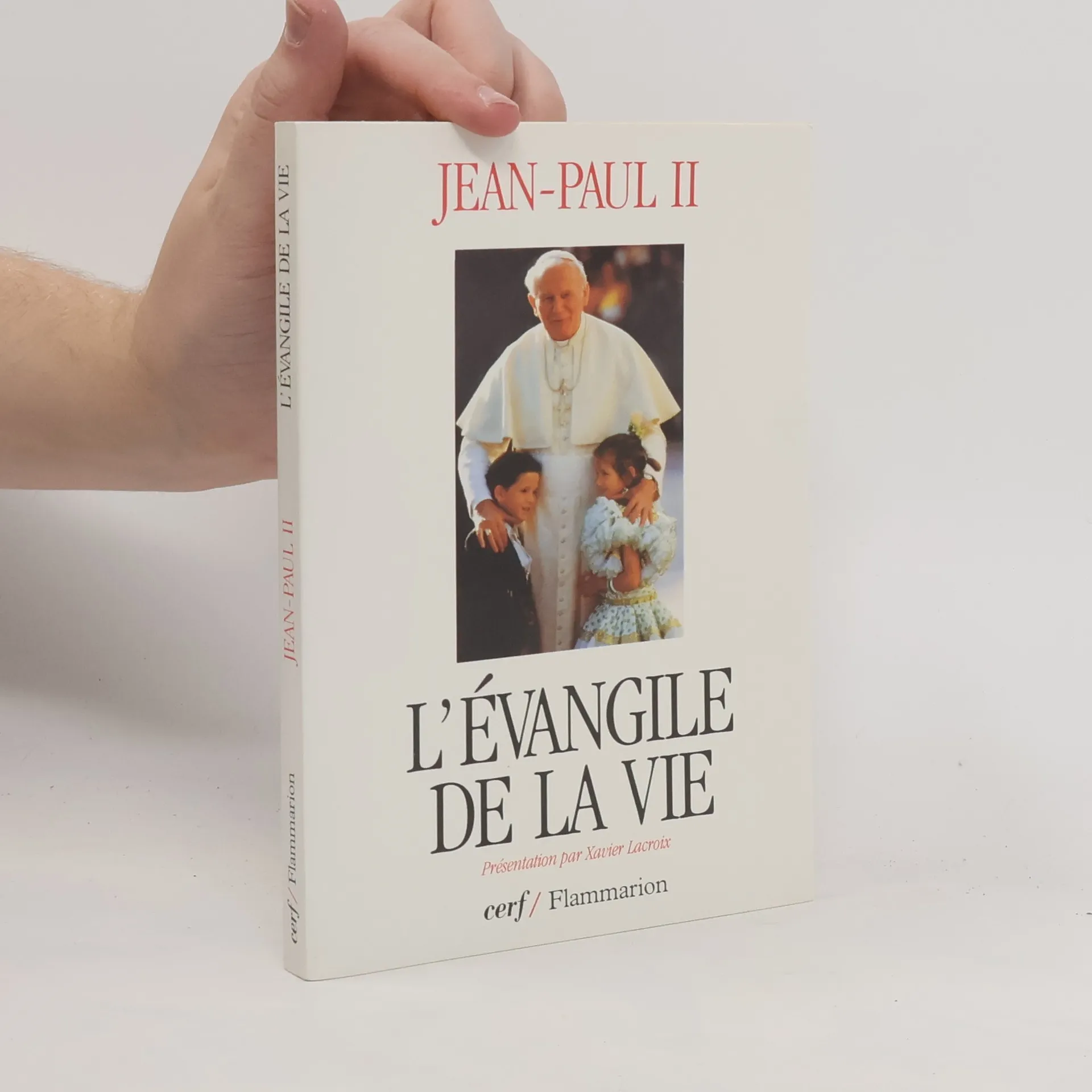
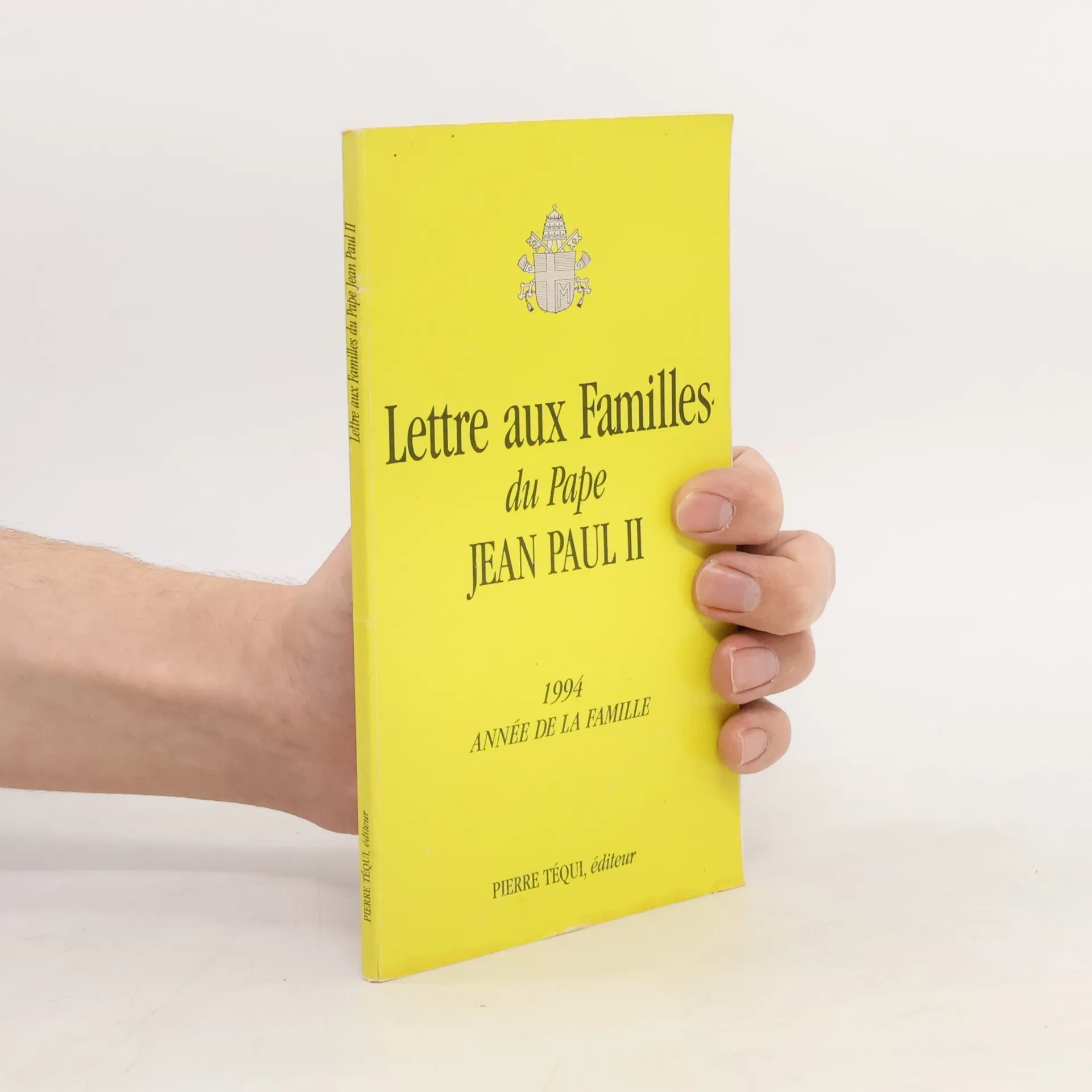
À l'occasion de l'année de la famille, le Pape Jean-Paul II a écrit une longue lettre pour parler de son affection et présenter ses voeux aux familles.
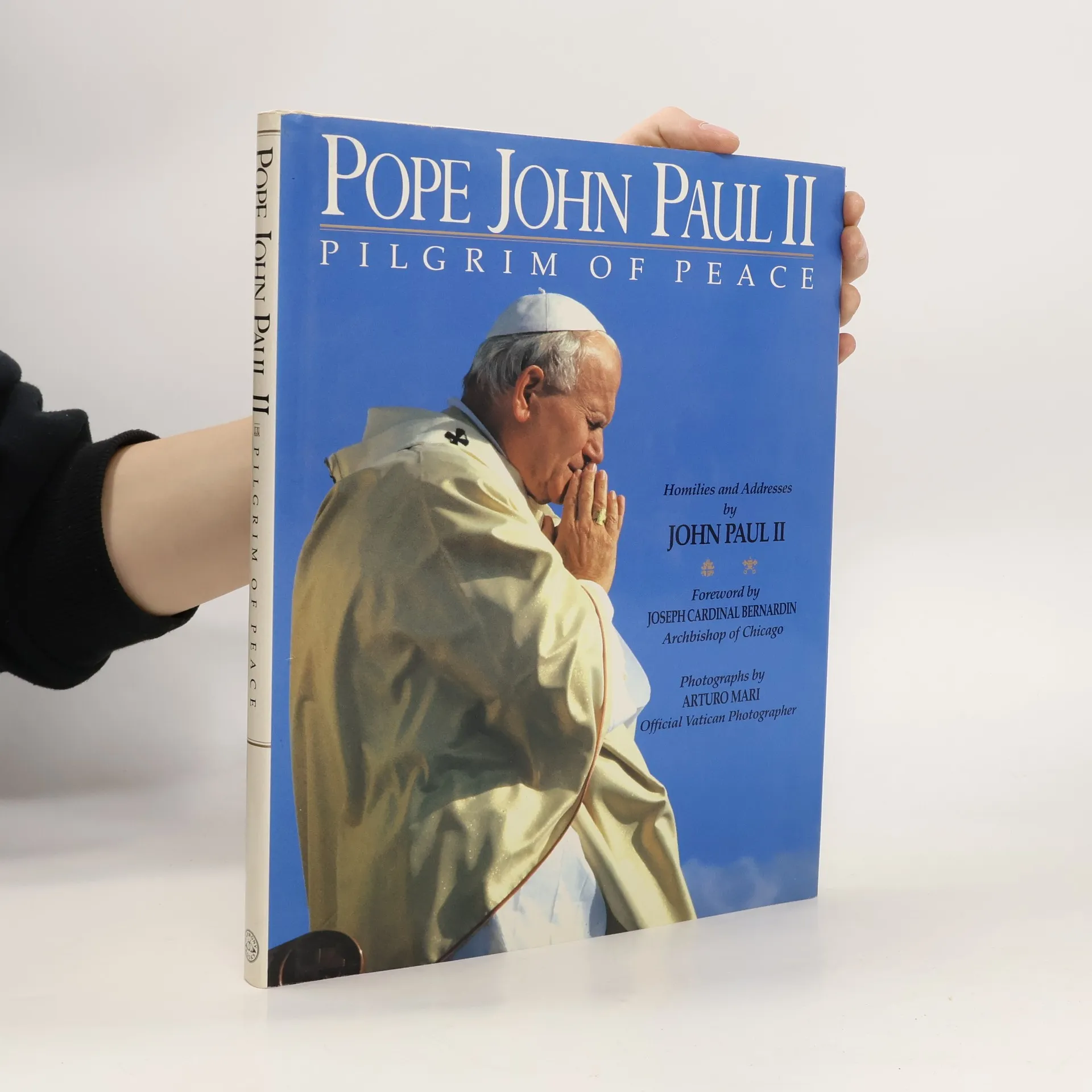
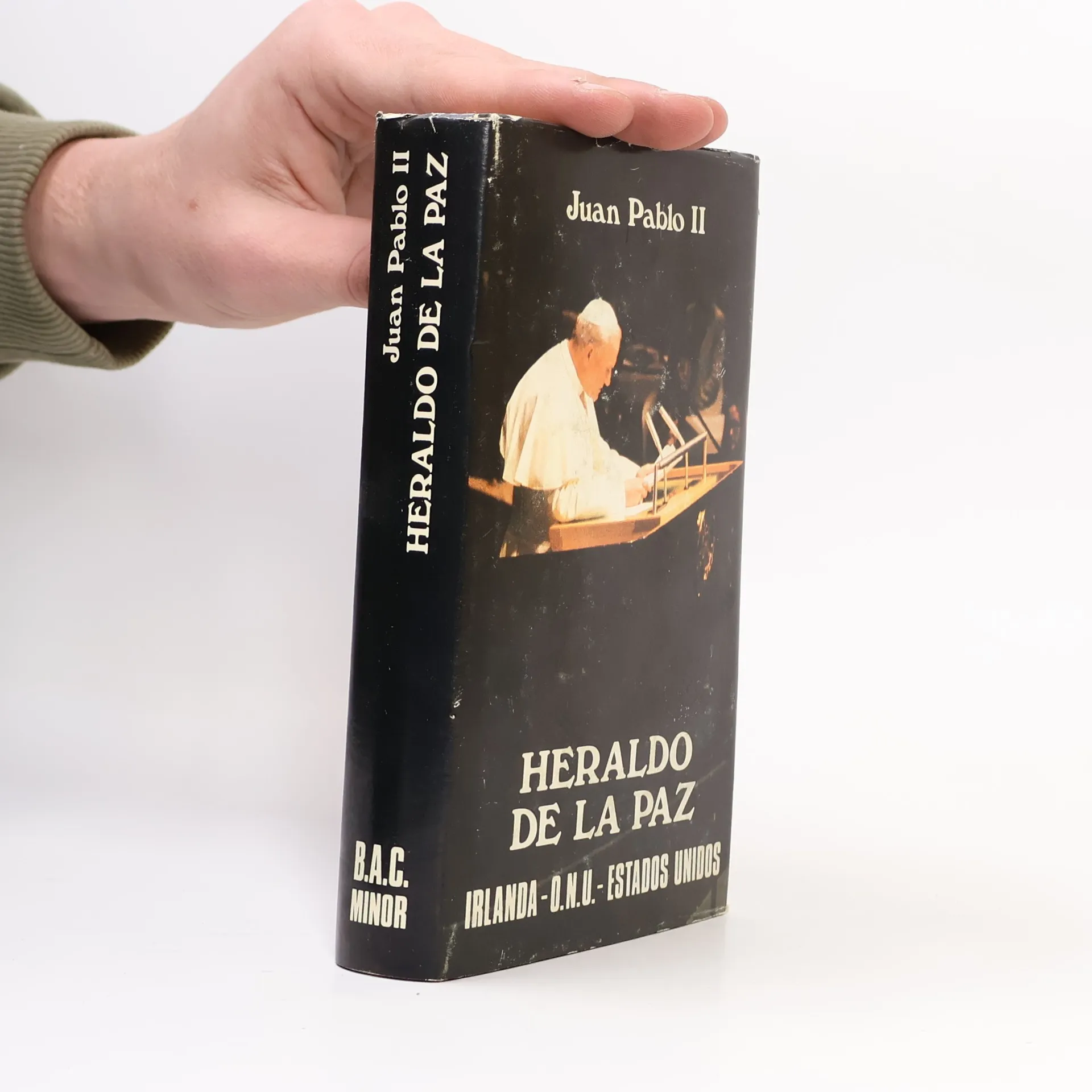
El presente volumen alberga la versión completa oficialmente autorizada de los 75 discursos pronunciados por Juan Pablo II durante su reciente visita pastoral a Irlanda, la ONU y Estados Unidos. En esta tercera peregrinación apostólica, el Papa se ha presentado al mundo como mensajero de paz y reconciliación, haciendo hincapié en la finalidad espiritual y religiosa de su viaje. El mismo lo ha definido como «viaje de fe» y como una «catequesis itinerante» dedicada a subrayar, en todas partes y a todo género de personas, el auténtico e imborrable patrimonio de la doctrina católica. Juan Pablo II ha tomado de nuevo en sus manos el bordón de peregrino únicamente para anunciar el Evangelio, confirmar a los hermanos, consolar a los afligidos, testimoniar el amor a Dios y mostrar a la humanidad su destino trascendente. El conjunto de enseñanzas pontificias que hoy presentamos a los lectores de habla española encierra orientaciones doctrinales, pastorales, disciplinares y sociales de indudable significación para la vida de la Iglesia y su actividad evangelizadora. La lectura, estudio y meditación de estas páginas contribuirán sin duda a una inteligencia más honda y fiel de las grandes líneas del programa pontificio del Papa Wojtyla, centrado en la proclamación del entero misterio de Cristo y en la conducción del Pueblo de Dios por los caminos de una auténtica reforma evangélica.
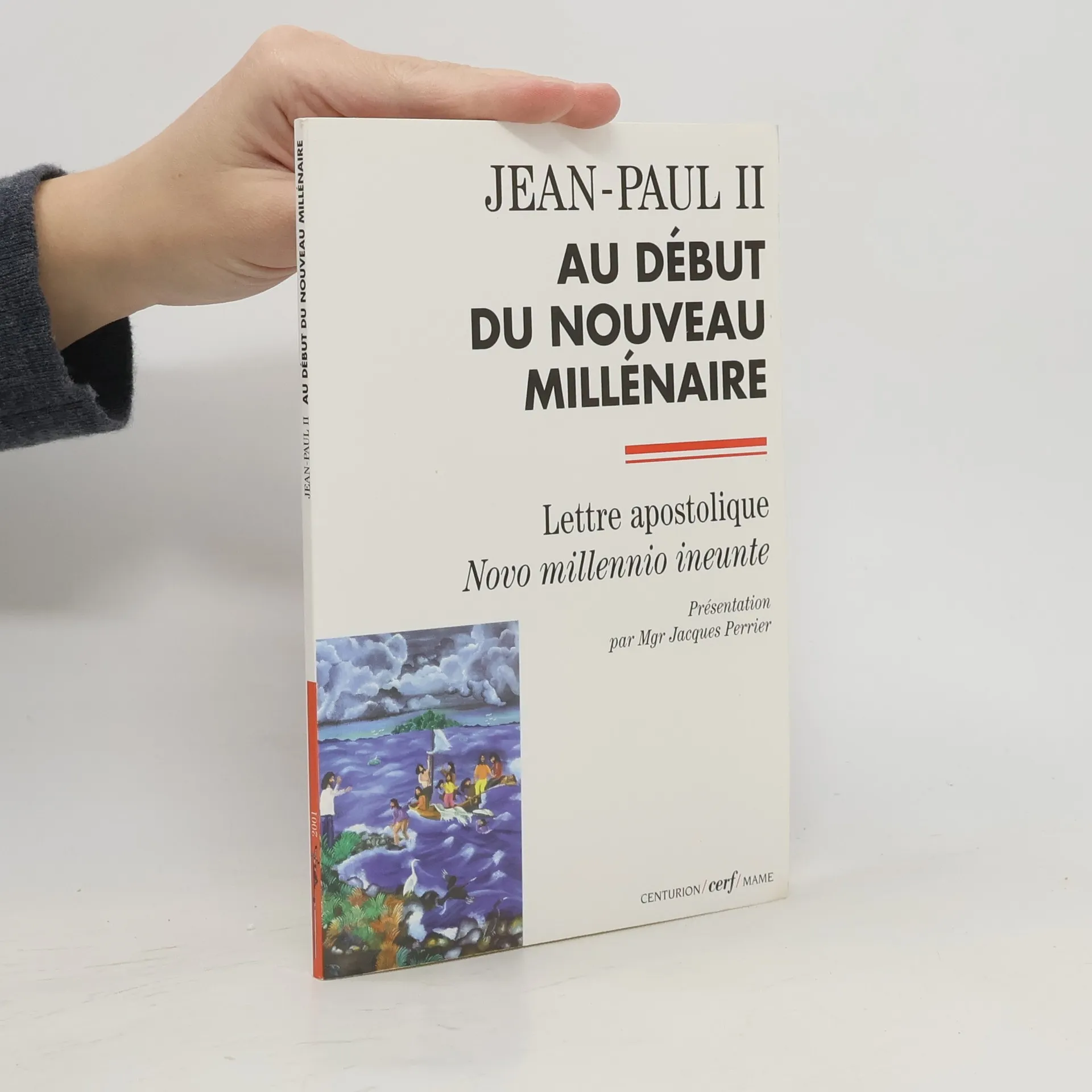
La Lettre apostolique " Novo millennio ineunte " a été signée par le pape, place Saint-Pierre, le 6 janvier 2001, en la solennité de l'Épiphanie, à l'occasion de la fermeture de la porte sainte. C'est le document qui tire les conclusions de l'Année jubilaire. Il fait apparaître la nécessité d'une Église qui, après une année d'intense expérience spirituelle, se sent appelée à " avancer au large " (" duc in altum ! ") selon l'ordre donné par Jésus à Pierre (voir Lc 5, 4), en affrontant les défis de l'avenir. La porte sainte se ferme, mais la " la porte vivante ", le Christ Jésus, qu'elle symbolise, reste plus que jamais ouverte. Ce n'est pas à la grisaille du quotidien que l'Église retourne après l'enthousiasme jubilaire. Au contraire, un nouvel élan apostolique l'attend, animé et soutenu par la confiance en la présence du Christ et dans la force de l'Esprit.