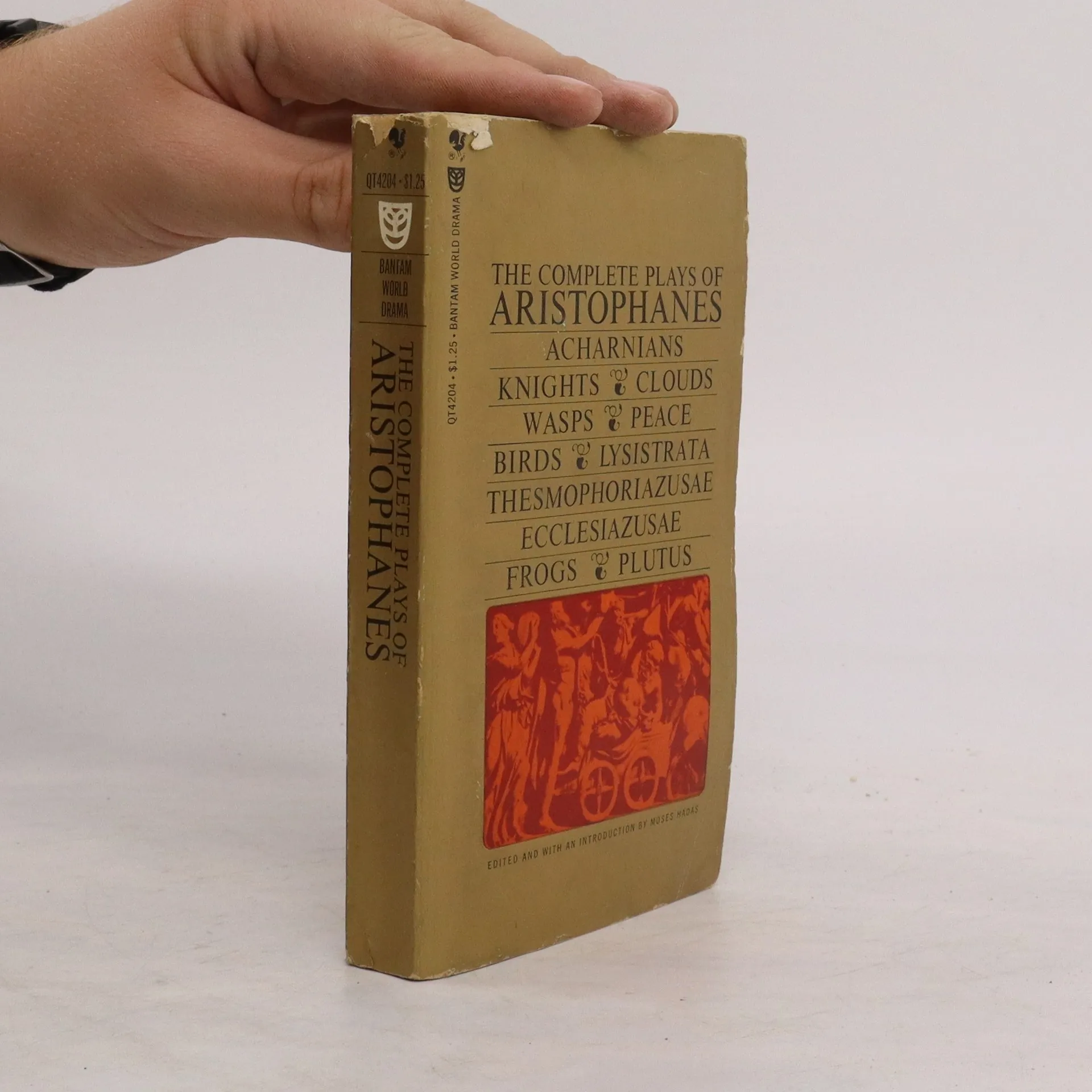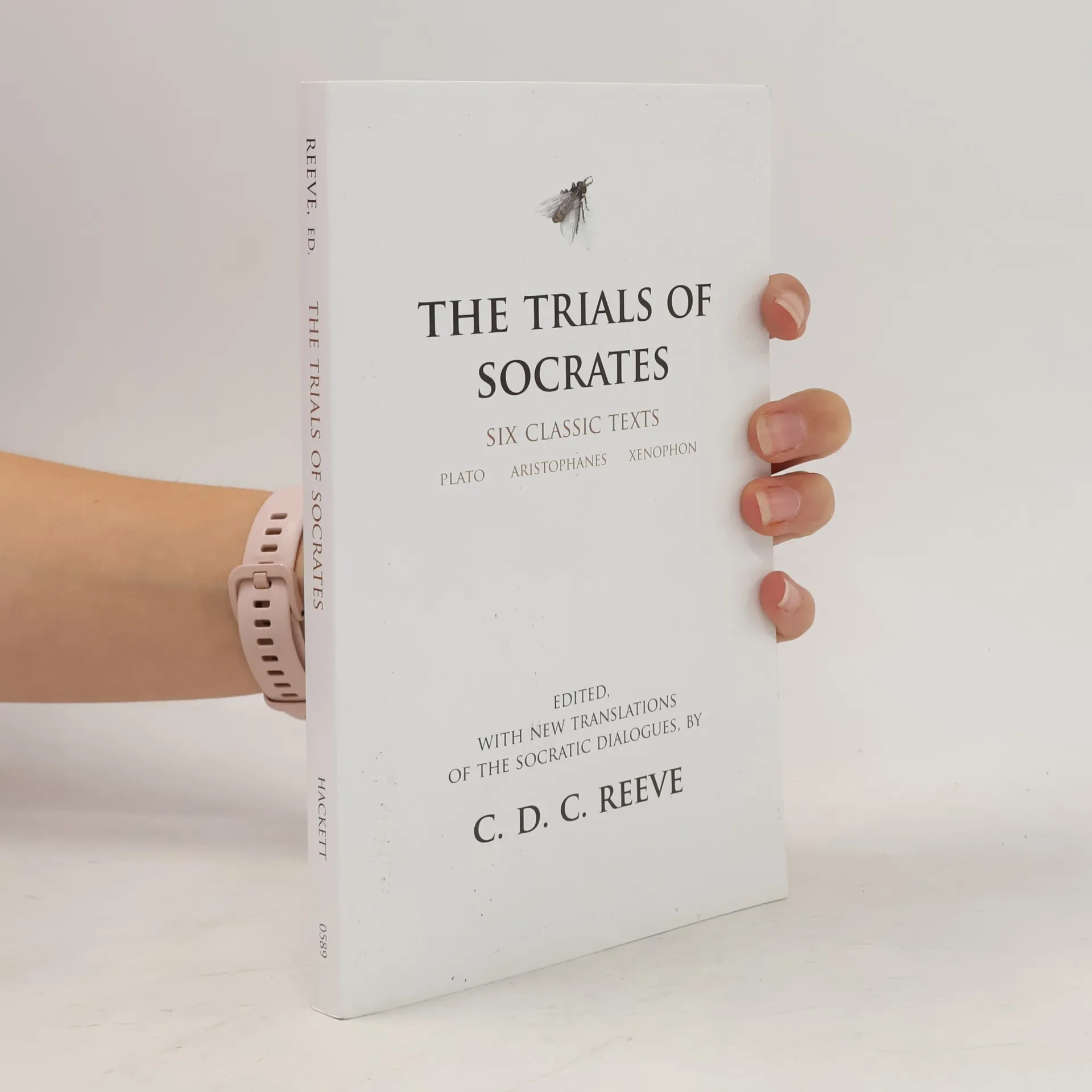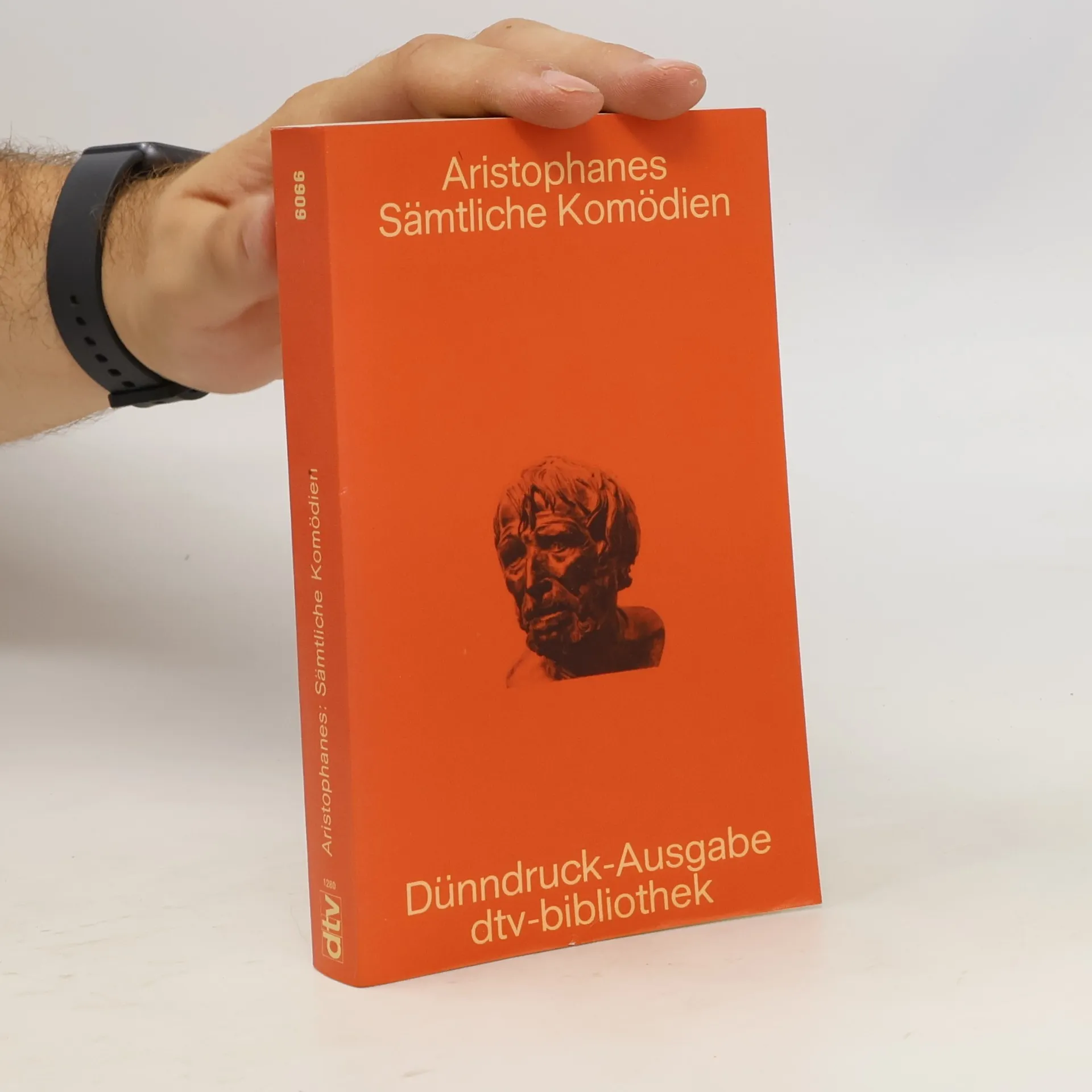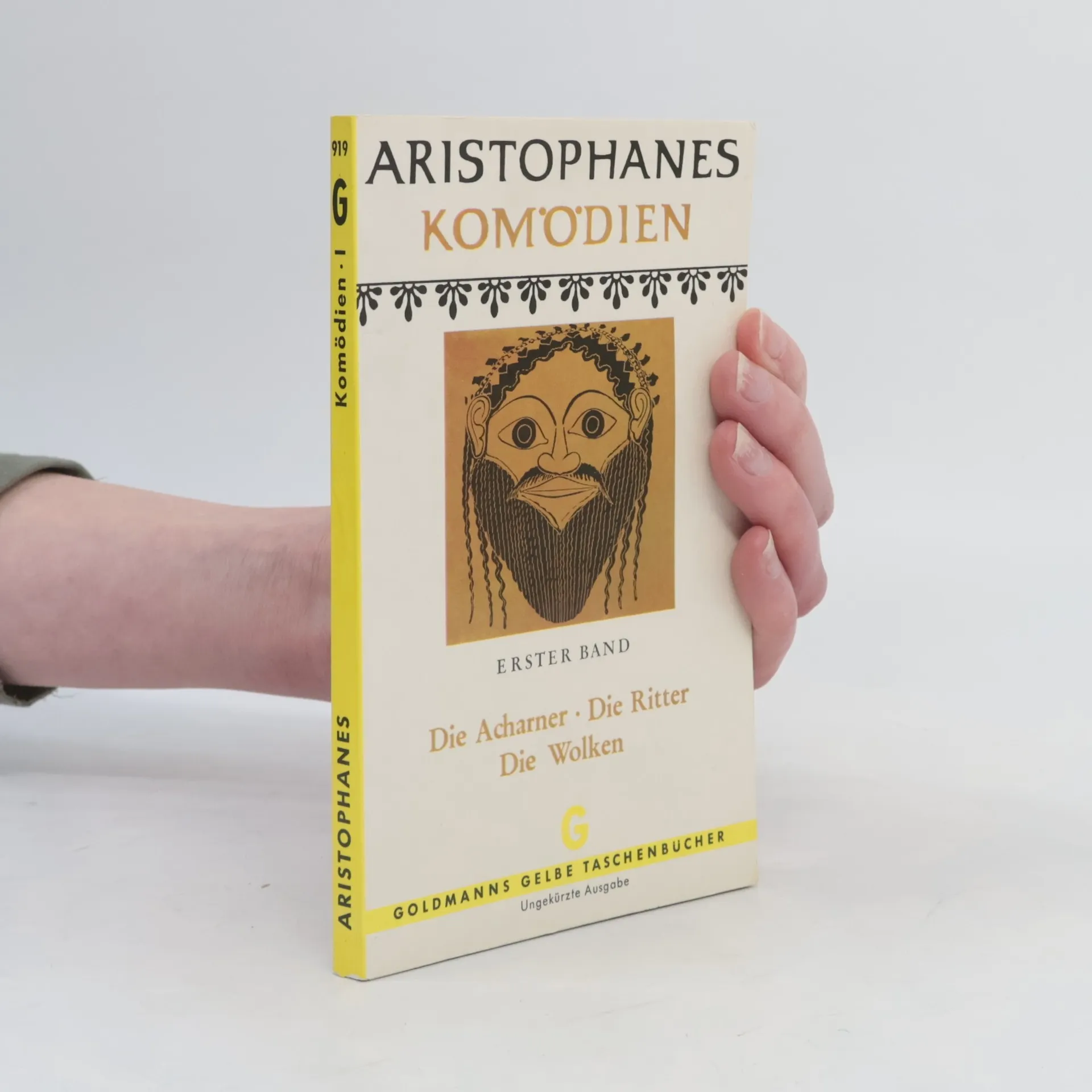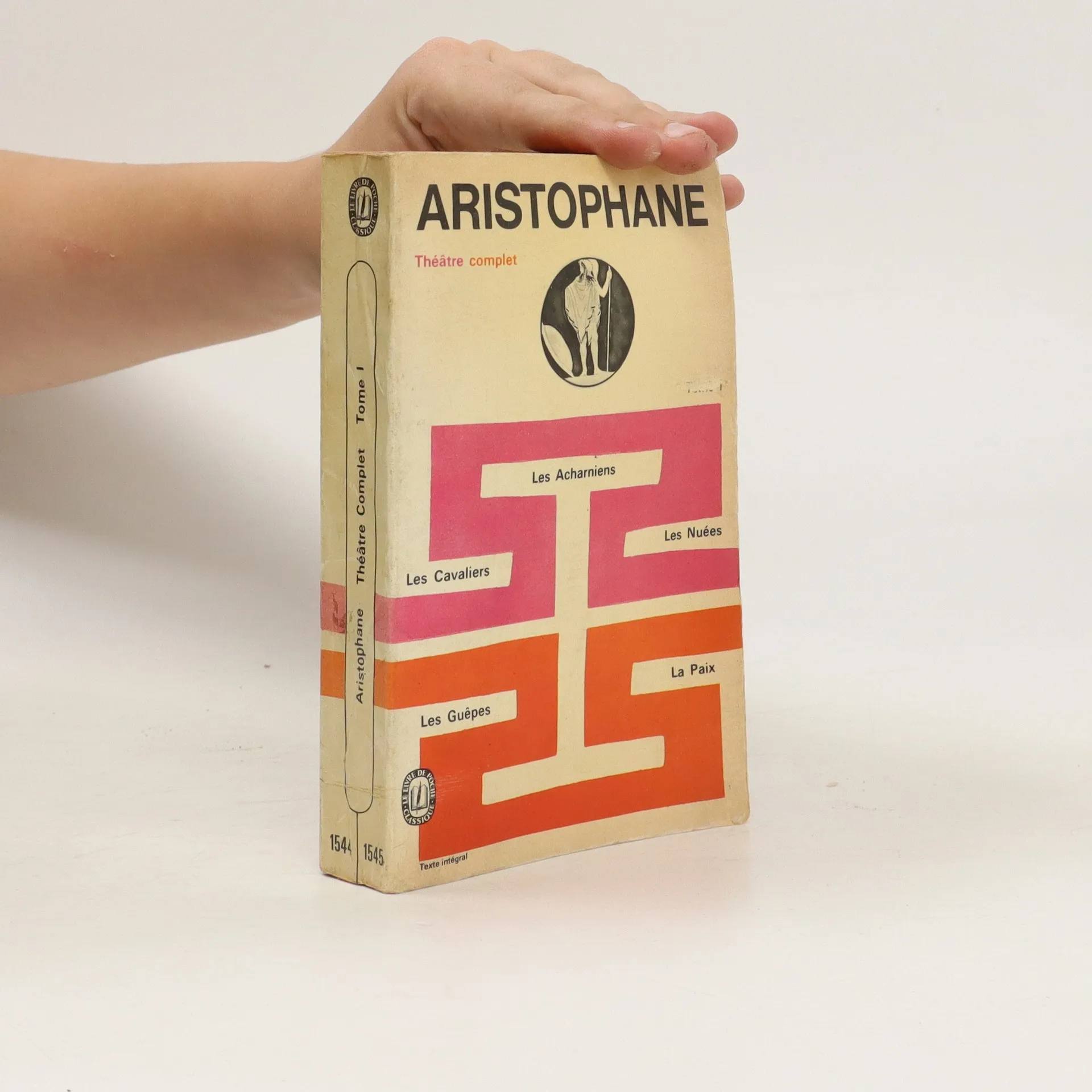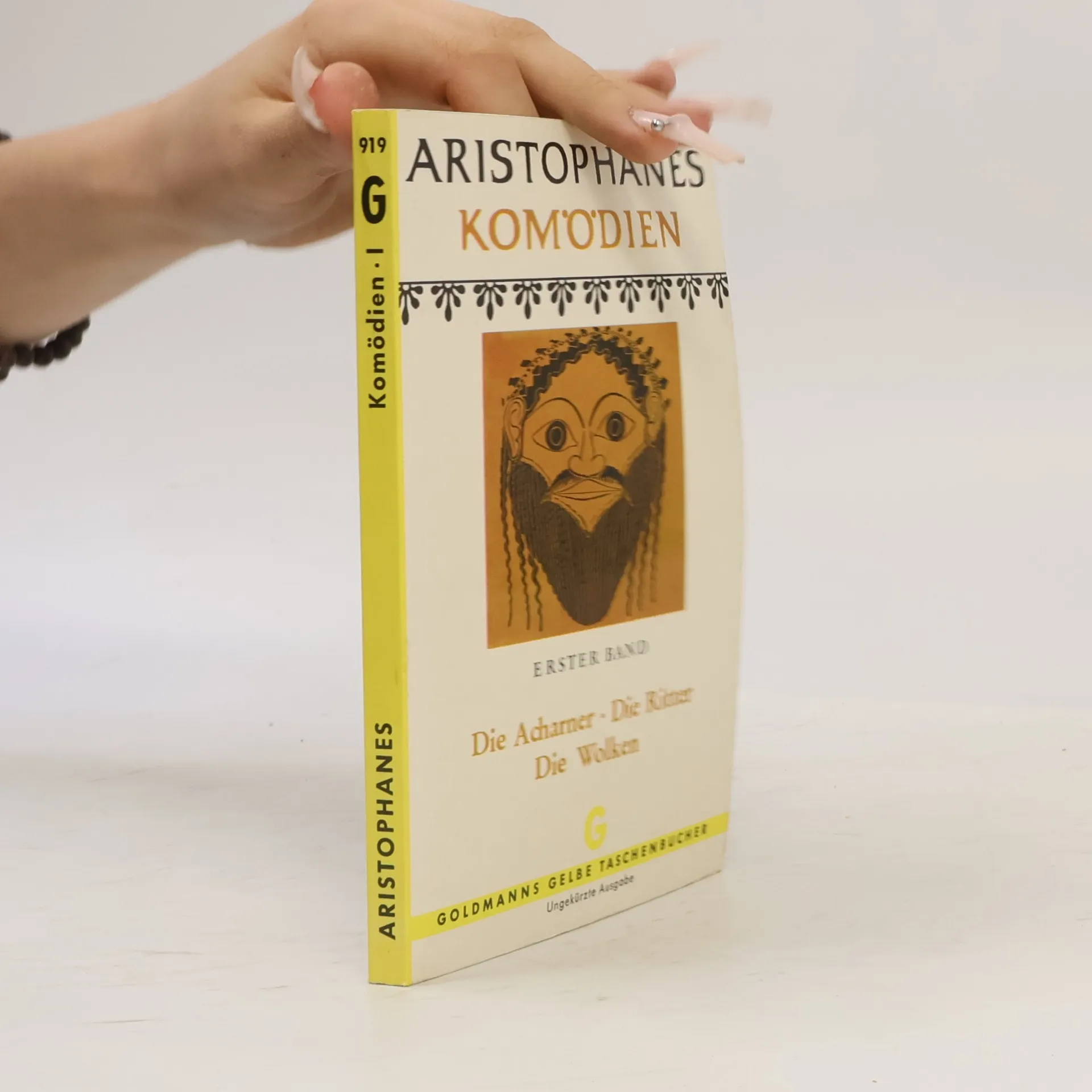
Aristophanes was a playwright of ancient Athens, whose surviving works represent the sole extant examples of the "Old Comedy" style. His plays are celebrated for their sharp satire, tackling the political and social issues of 5th-century-BC Athens with wit and insight. He offered commentary on matters ranging from the Peloponnesian War and the structure of the city-state to the role of women in public life and the influence of philosophers on public opinion. These enduring comedies have been translated into numerous languages and continue to be performed and adapted, testament to their lasting impact on theater.
A “zany [and] inventive†(Emily Wilson) translation that for the first
time captures both the antic outrageousness and lyrical brilliance of
antiquity’s greatest comedies.
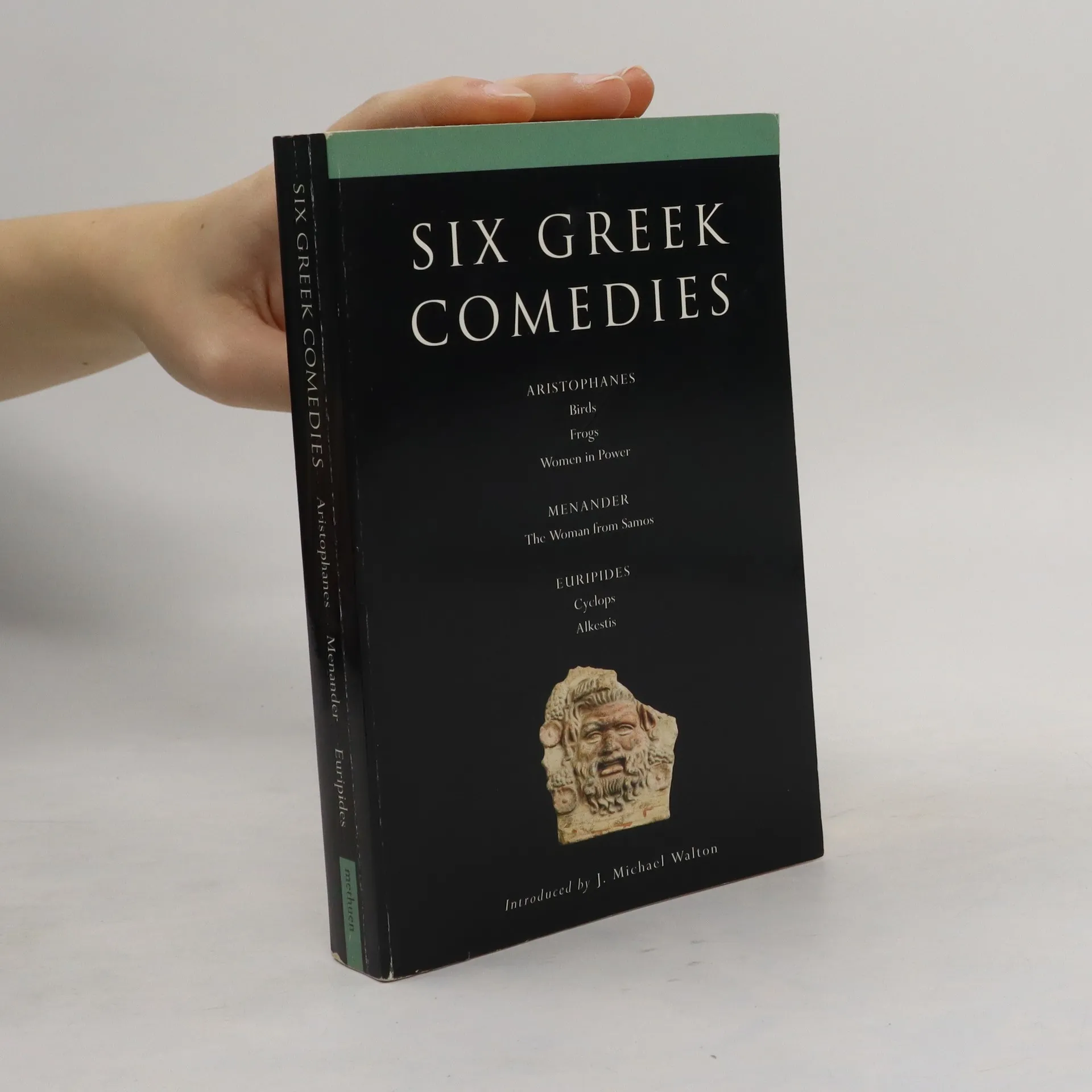
Six wide ranging classic plays with introduction by the editorThe comedies of the Athenian theatre not only lie at the root of Western drama, they also offer a unique insight into everyday life in ancient Greece. This selection of six wide ranging plays includes the comic fantasies of Aristophanes, which combine the ridiculous with serious satirical comment (Birds, Frogs, Women in Power); Menander's The Woman from Samos, a recognisable forebear of today's situation comedy; Euripides ribald satyr play, Cyclops, the only surviving example of the genre, and his Alkestis, a complex romance which gave a new face to comedy.The volume is edited and introduced by J. Michael Walton, Professor of Drama at the University of Hull and founder/director of the Performance Translation Centre there.
Xanthias I am teaching myself how to rest; I have been awake and on watch the whole night.Sosias So you want to earn trouble for your ribs, eh? Don't you know what sort of animal we are guarding here?Xanthias Aye indeed! but I want to put my cares to sleep for a while.[He falls asleep again.]
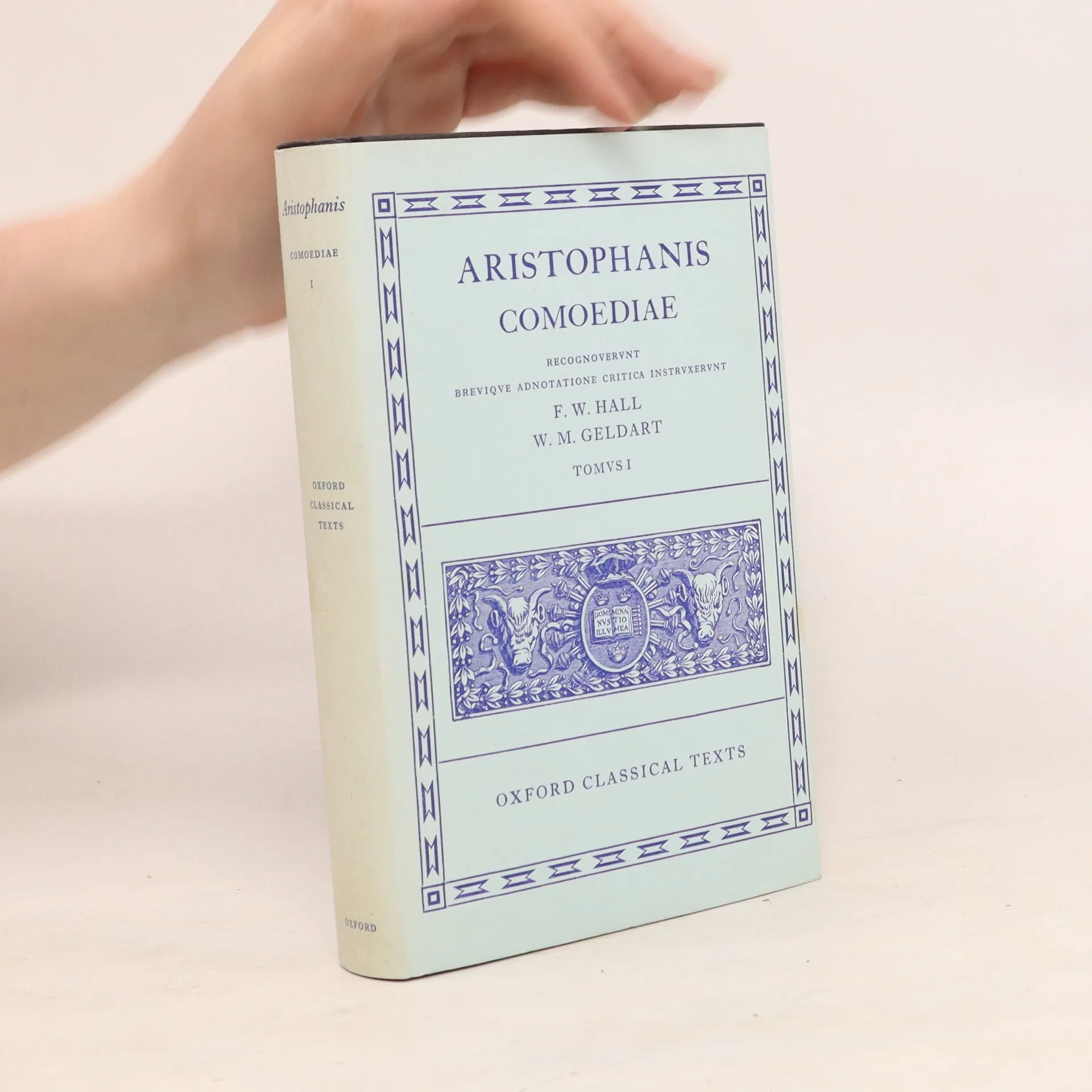
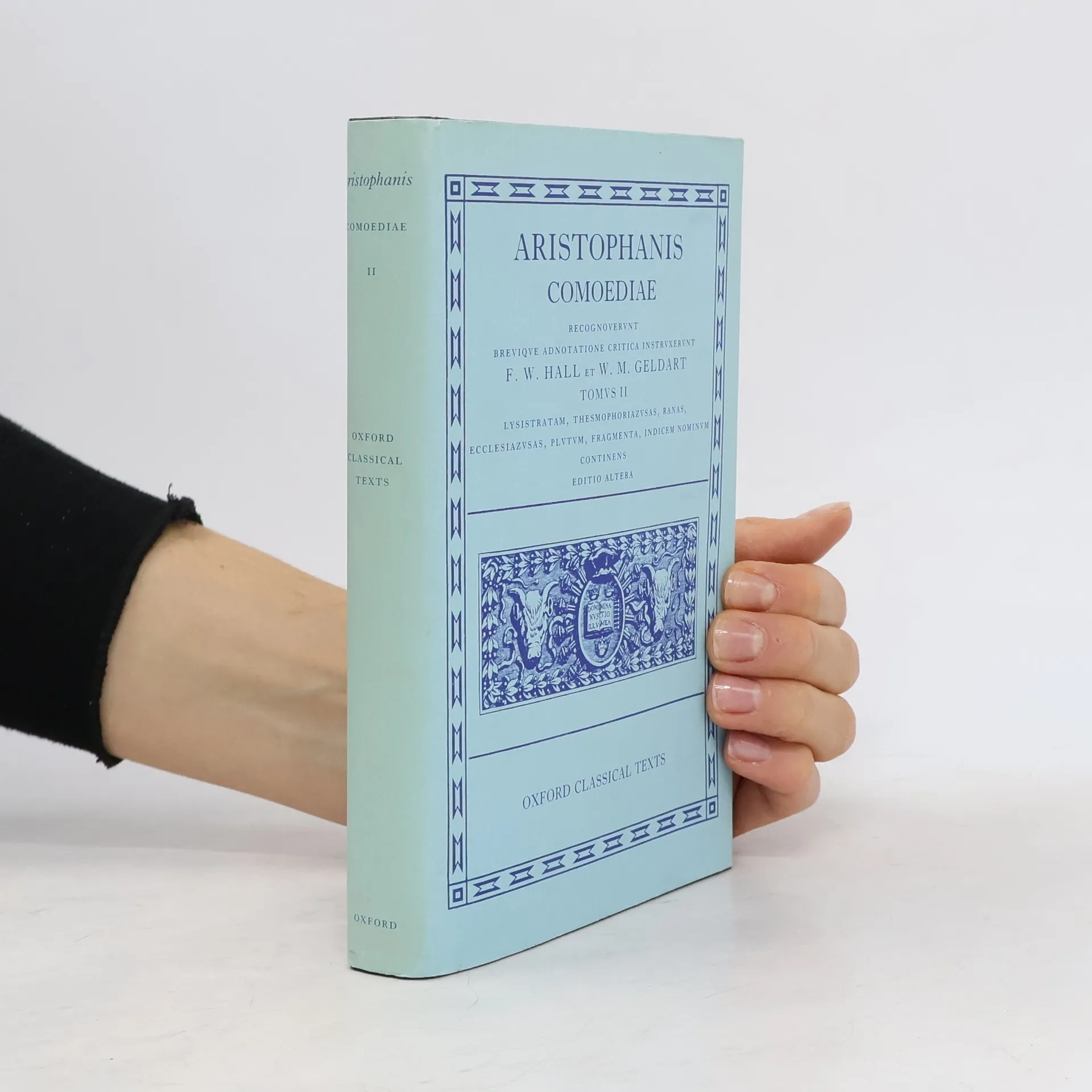
This new edition of Aristophanes is intended to replace the previous Oxford
Classical Text published in 1900-1. Since that date it has been possible to
construct a far better picture of the transmission of the text from antiquity
to the age of printing and to obtain reliable reports of other significant
manuscripts. While some of the new information has been taken into account for
recent commentaries on individual plays, there is no easily available complete
edition. Though the text of the plays is better preserved than that of Greek
tragedy, the editor has thought it desirable to record or adopt a fair number
of conjectures, some of them little known or unjustly disregarded; in a few
passages he has ventured to offer suggestions of his own.
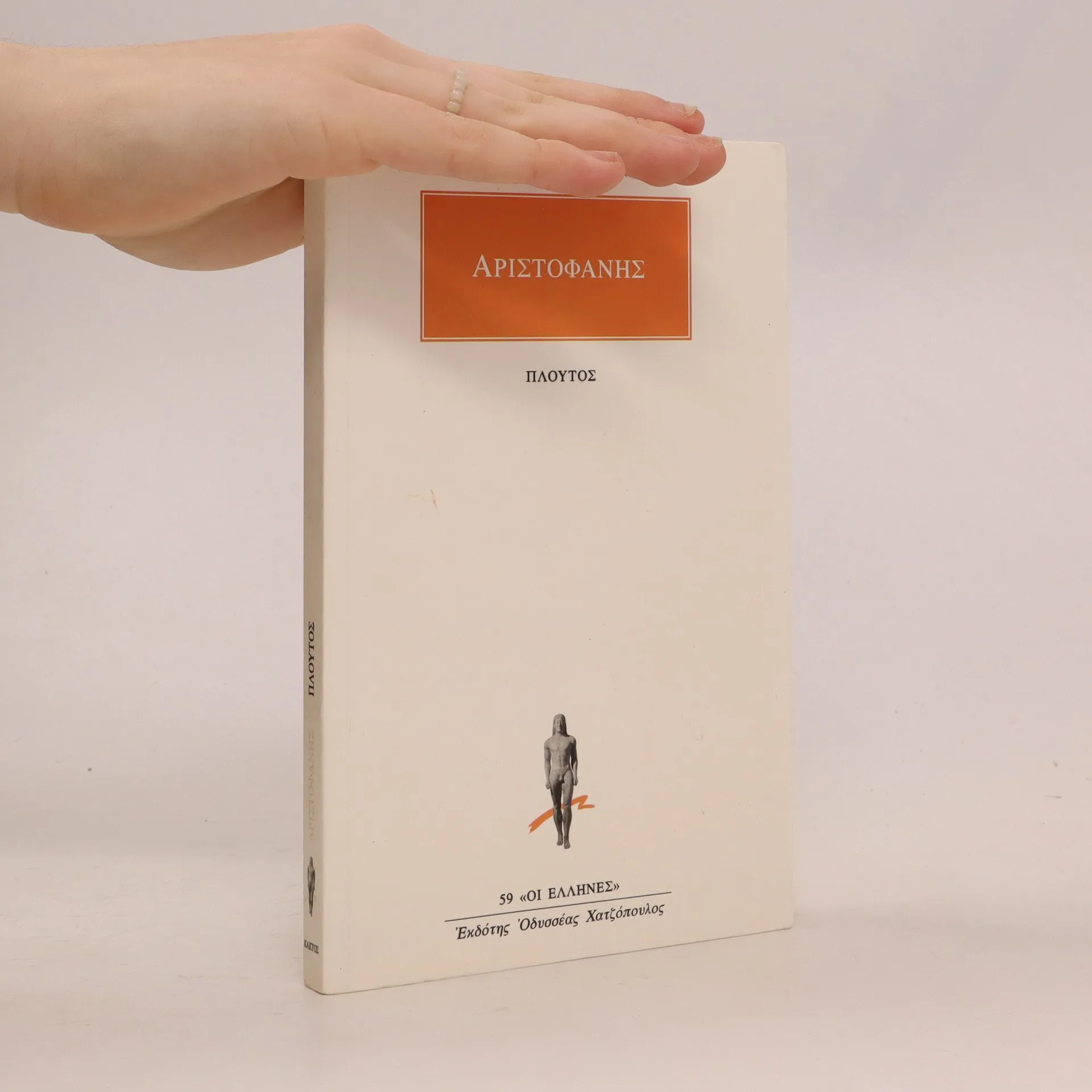
Included in this collection are 'The Birds', the most graceful of Aristophanes' plays; 'The Knights', a satire on Cleon, an Athenian demagogue; 'Peace', which was inspired by the hope of peace with Sparta in 421 BC; 'The Assembly Women', about sexual equality; and 'Wealth', a reflection on economic catastrophe
Offers insight into one of the turbulent periods in Ancient Greek history.
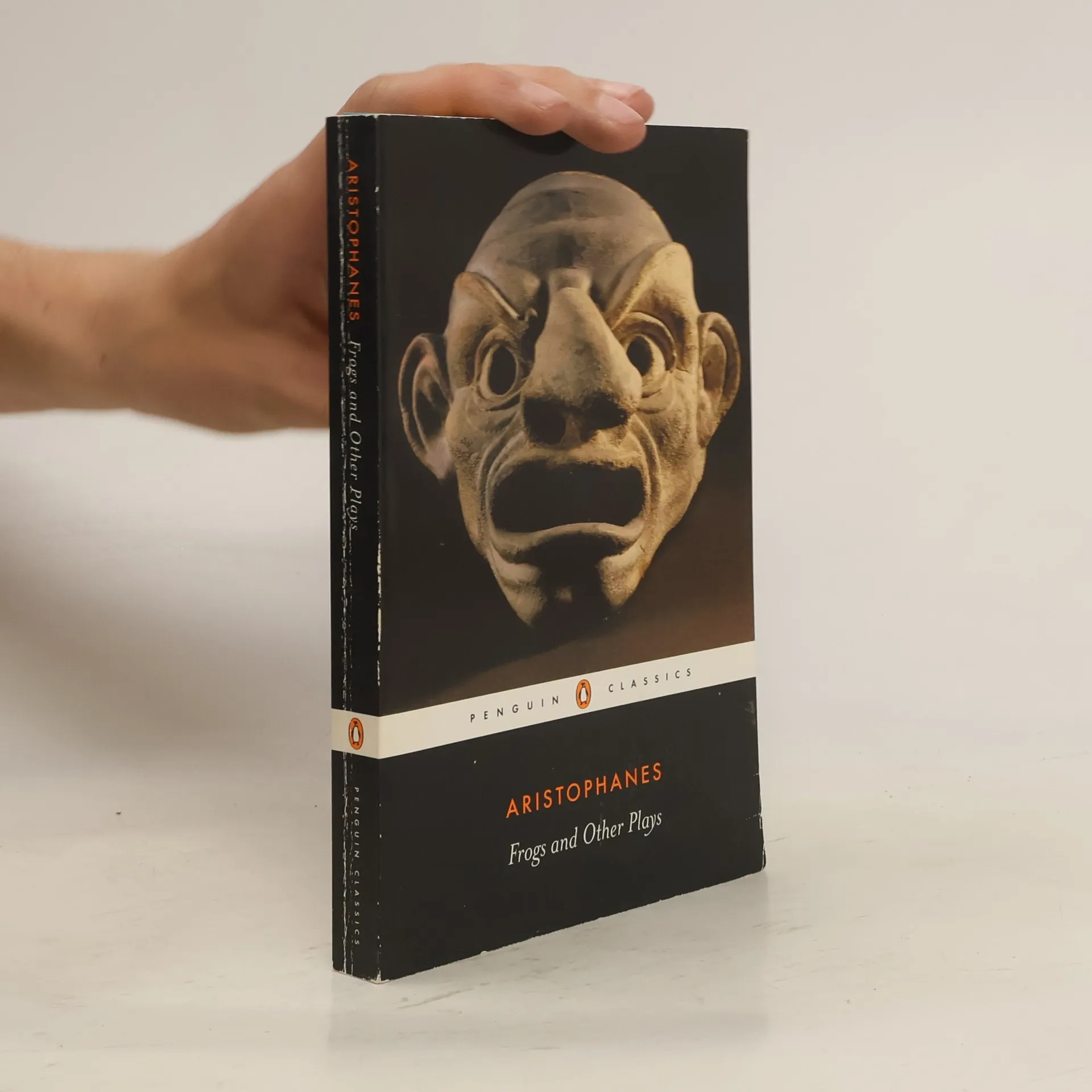
This book is written during the Peloponnesian War, Dionysus descends to
Underworld to bring back a poet who can help Athens in its darkest hour, and
stages a debate to help him decide between the traditional wisdom of Aeschylus
and the modernity of Euripides.
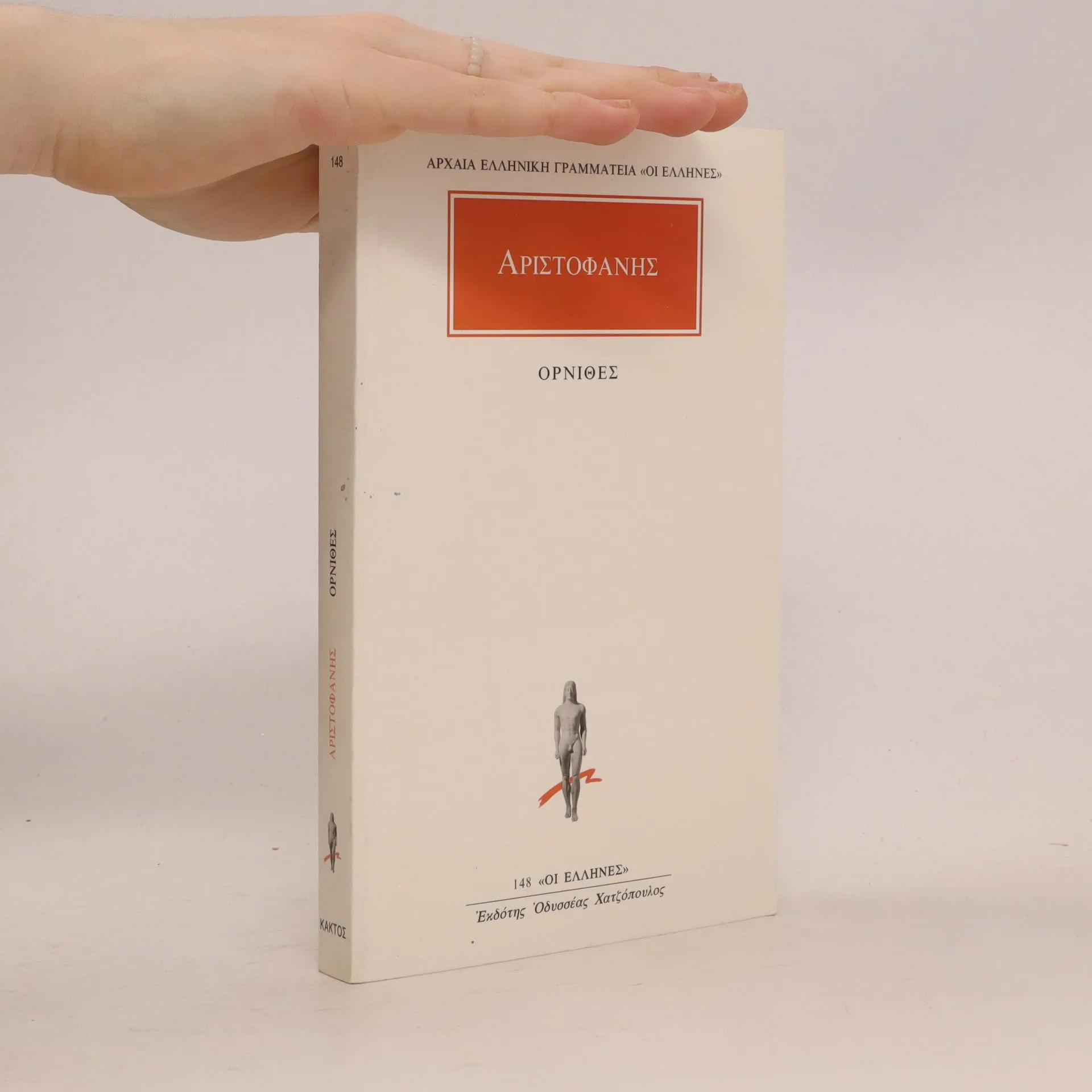
In this chilling tale, a small coastal town is suddenly besieged by aggressive birds, leading to widespread panic and chaos among the residents. The story explores themes of nature's unpredictability and humanity's vulnerability, as characters grapple with their fears and the breakdown of societal norms. Tensions rise as the avian attacks escalate, forcing individuals to confront their instincts for survival. The narrative delves into psychological horror, highlighting the fragility of civilization in the face of an inexplicable threat.
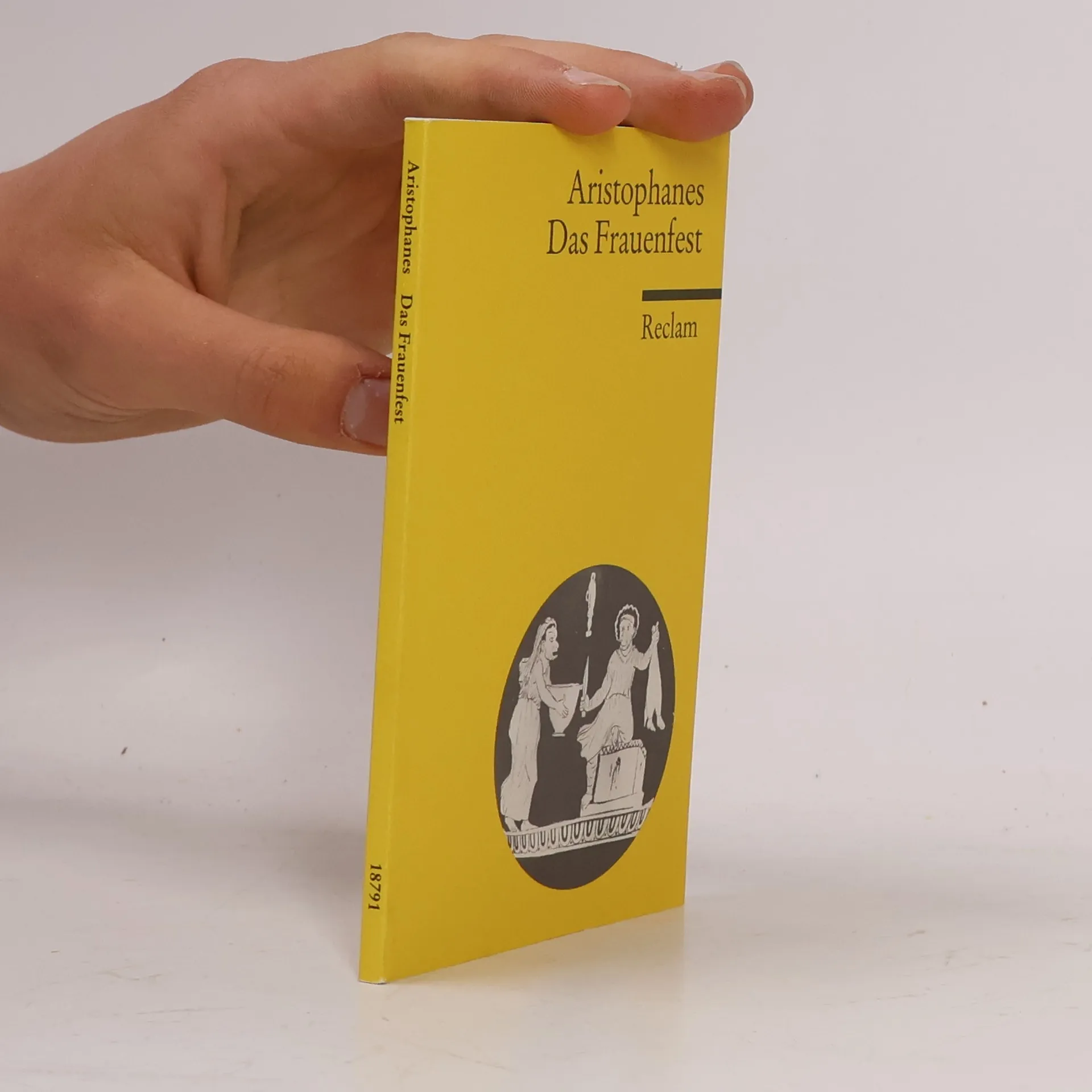
This classic comedy — from the 5th century BC — concerns the vow of Greek women to withhold sex from their husbands until the men agree to end the disastrous wars between Athens and Sparta. An exuberant battle of the sexes with underlying anti-war theme.
Set against the backdrop of the Peloponnesian War, this play serves as a sharp satire of Athenian social and political life, focusing on the controversial figure Cleon, a pro-war populist. With a smaller cast than typical for Aristophanes, the narrative revolves around the playwright's personal vendetta against Cleon, who had previously prosecuted him. This work, notable for its biting humor and political commentary, won first prize at the Lenaia festival in 424 BC, showcasing Aristophanes' mastery of Old Comedy.
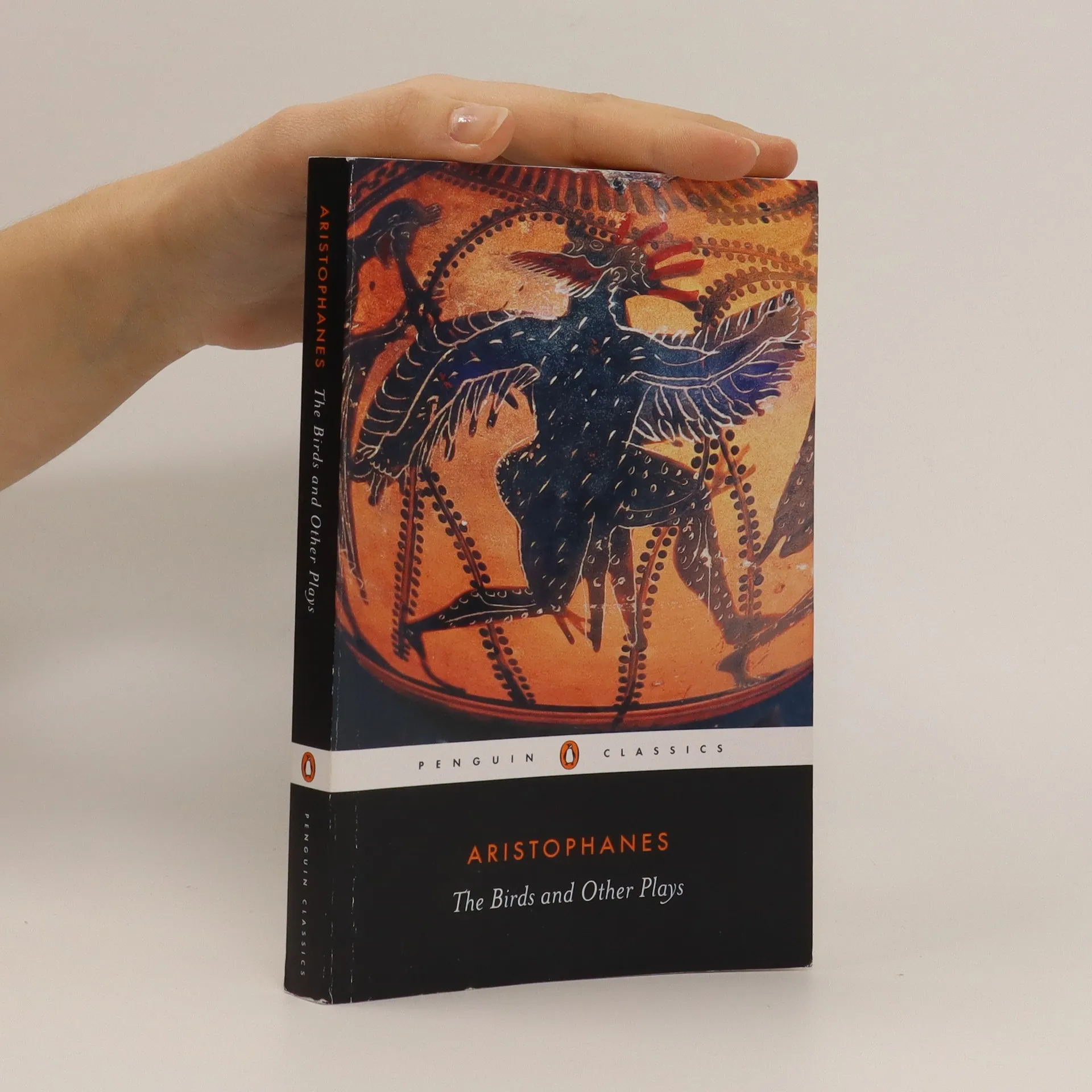
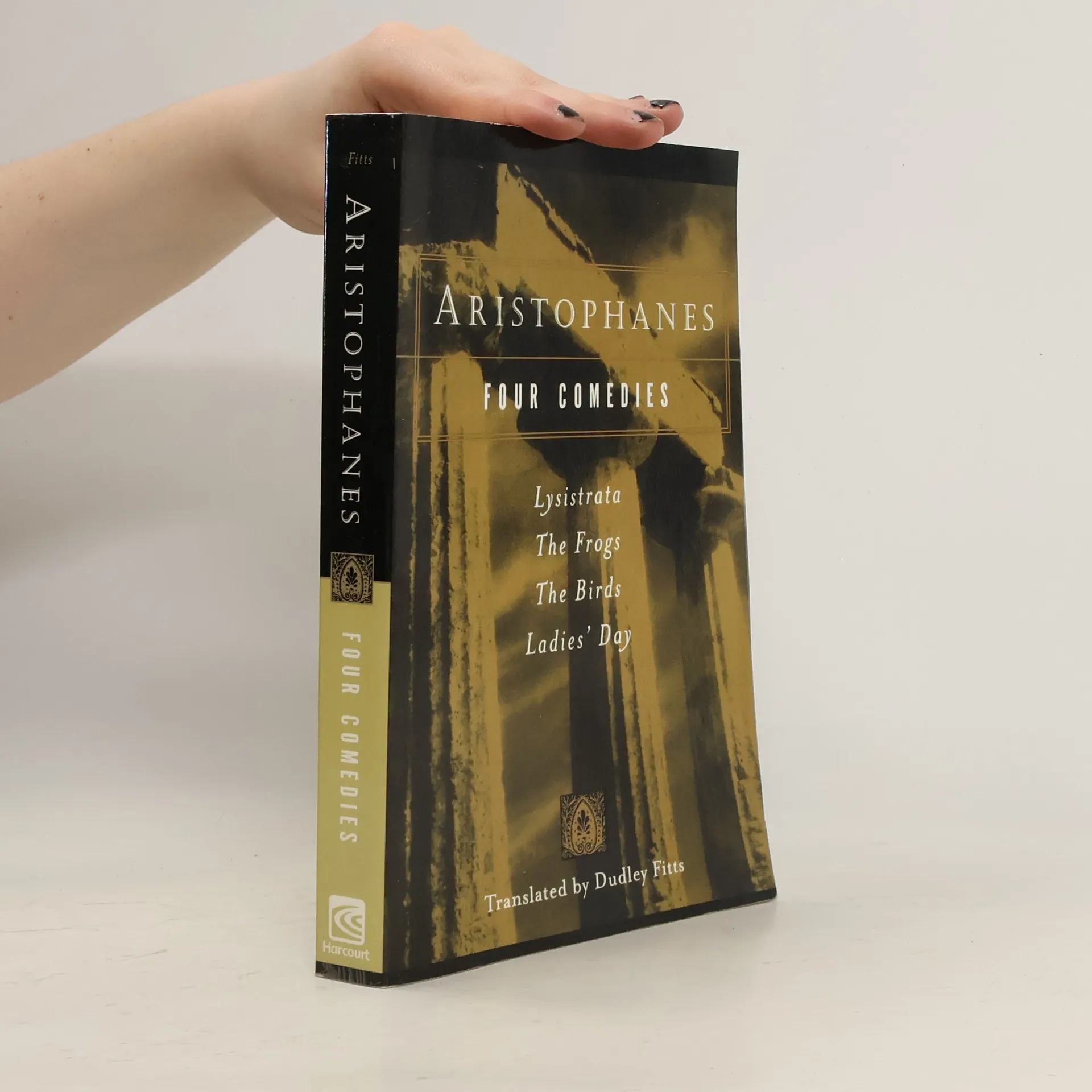
New English versions of Lysistrata, The Frogs, The Birds, and Ladies' Day. "Thanks to Dudley Fitts...we can appreciate Aristophanes' vigor, his robust style, his scorching wit, his earthy humor, his devotion to honesty and his poetic imagination" (Brooks Atkinson, New York Times). Index.