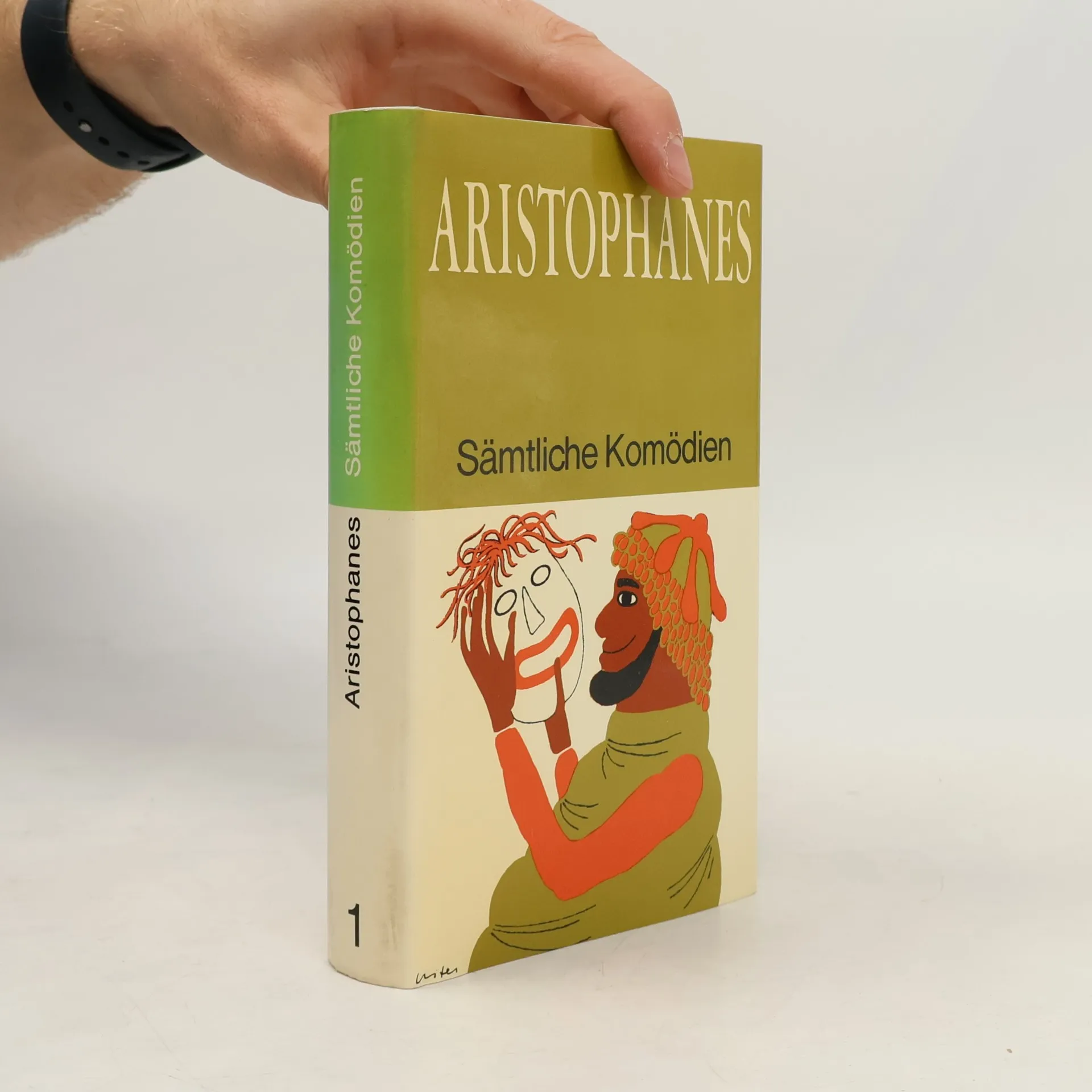
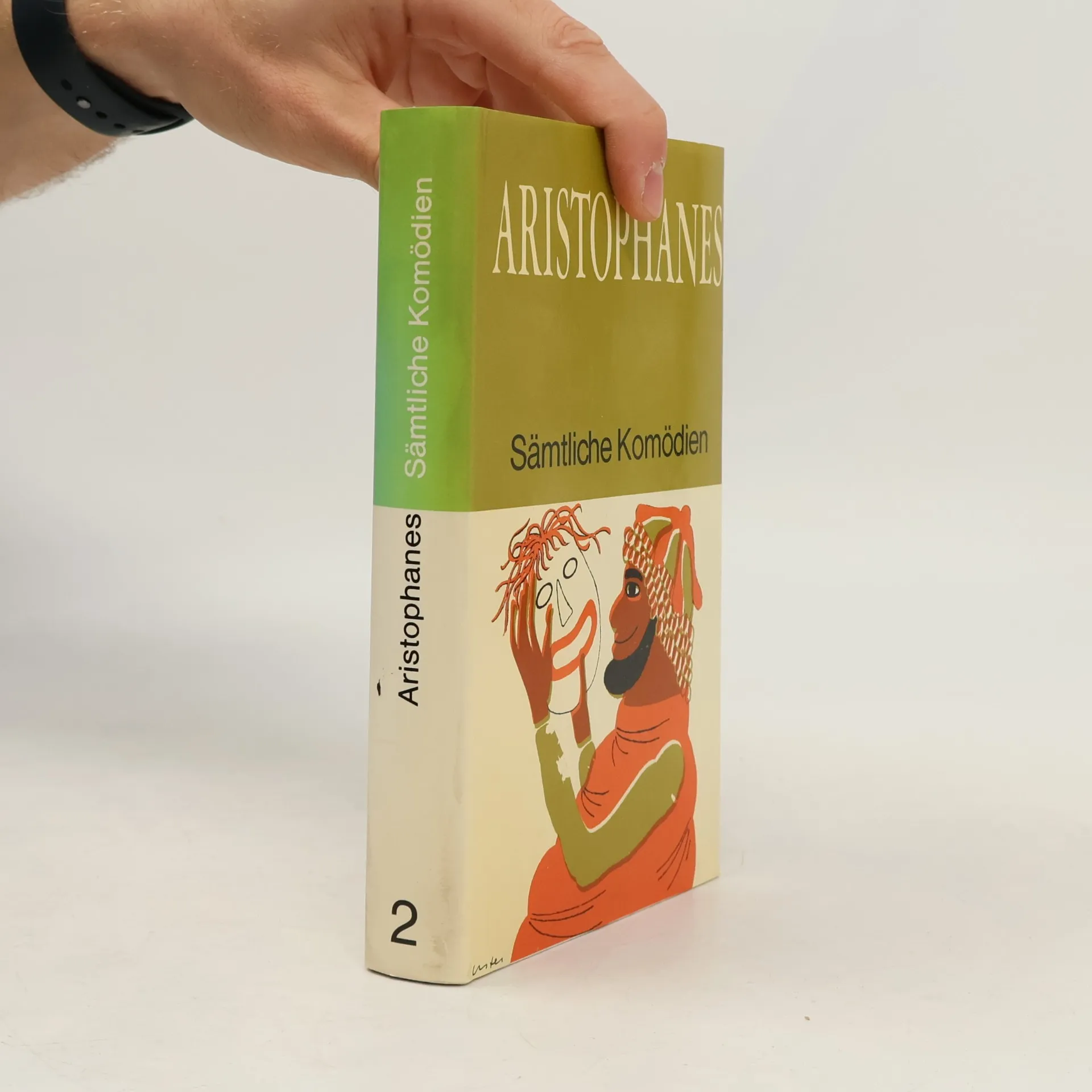
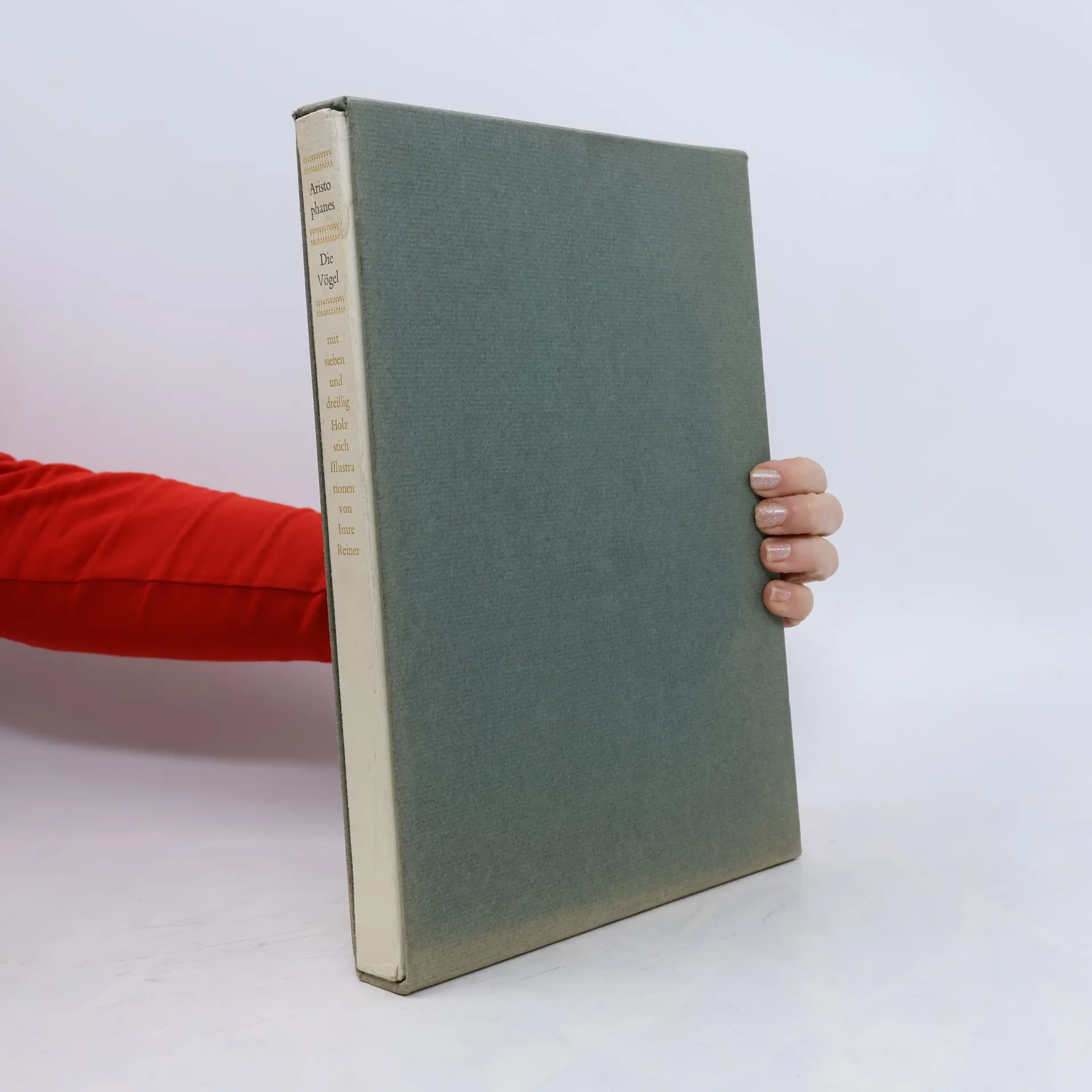
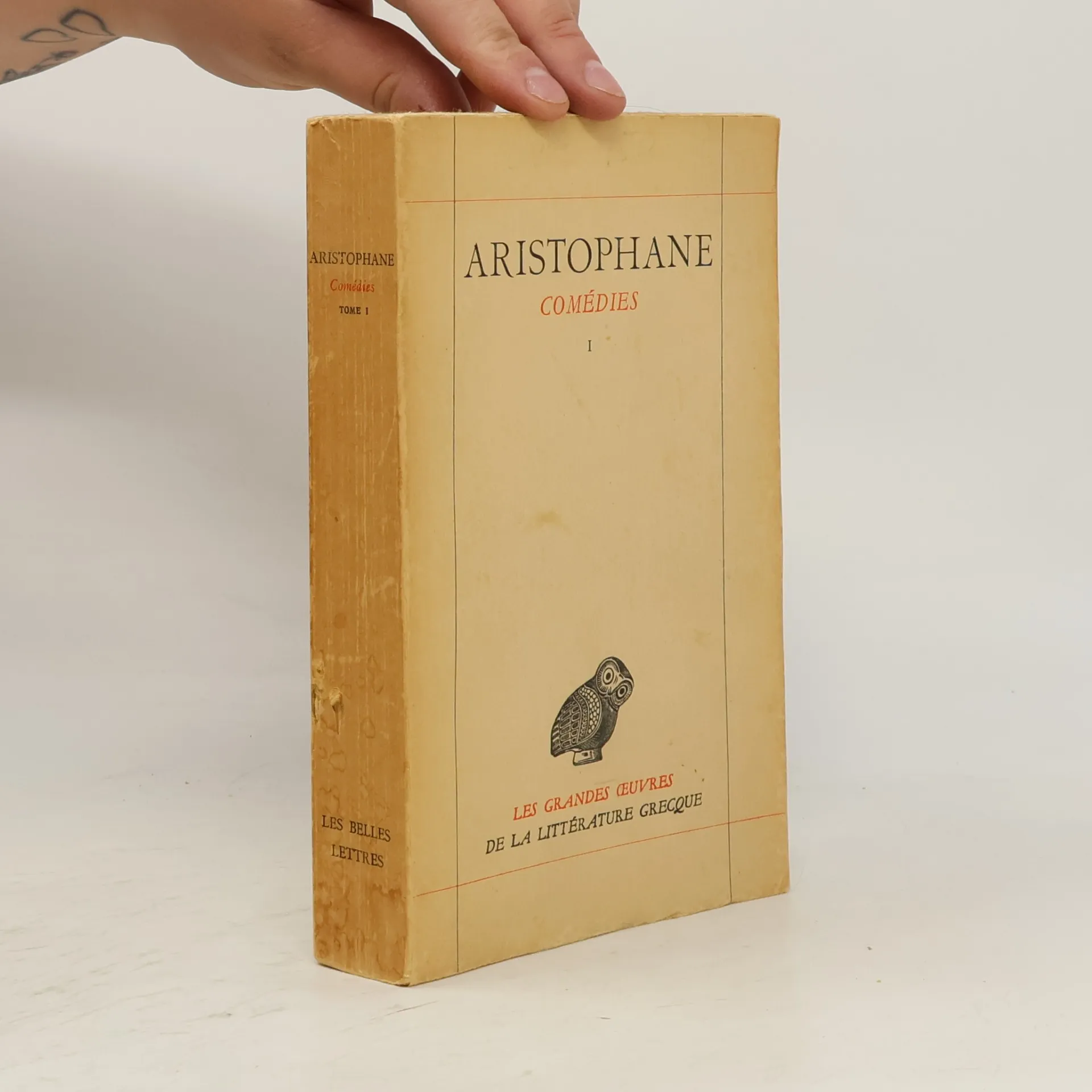
Aristophanes was a playwright of ancient Athens, whose surviving works represent the sole extant examples of the "Old Comedy" style. His plays are celebrated for their sharp satire, tackling the political and social issues of 5th-century-BC Athens with wit and insight. He offered commentary on matters ranging from the Peloponnesian War and the structure of the city-state to the role of women in public life and the influence of philosophers on public opinion. These enduring comedies have been translated into numerous languages and continue to be performed and adapted, testament to their lasting impact on theater.
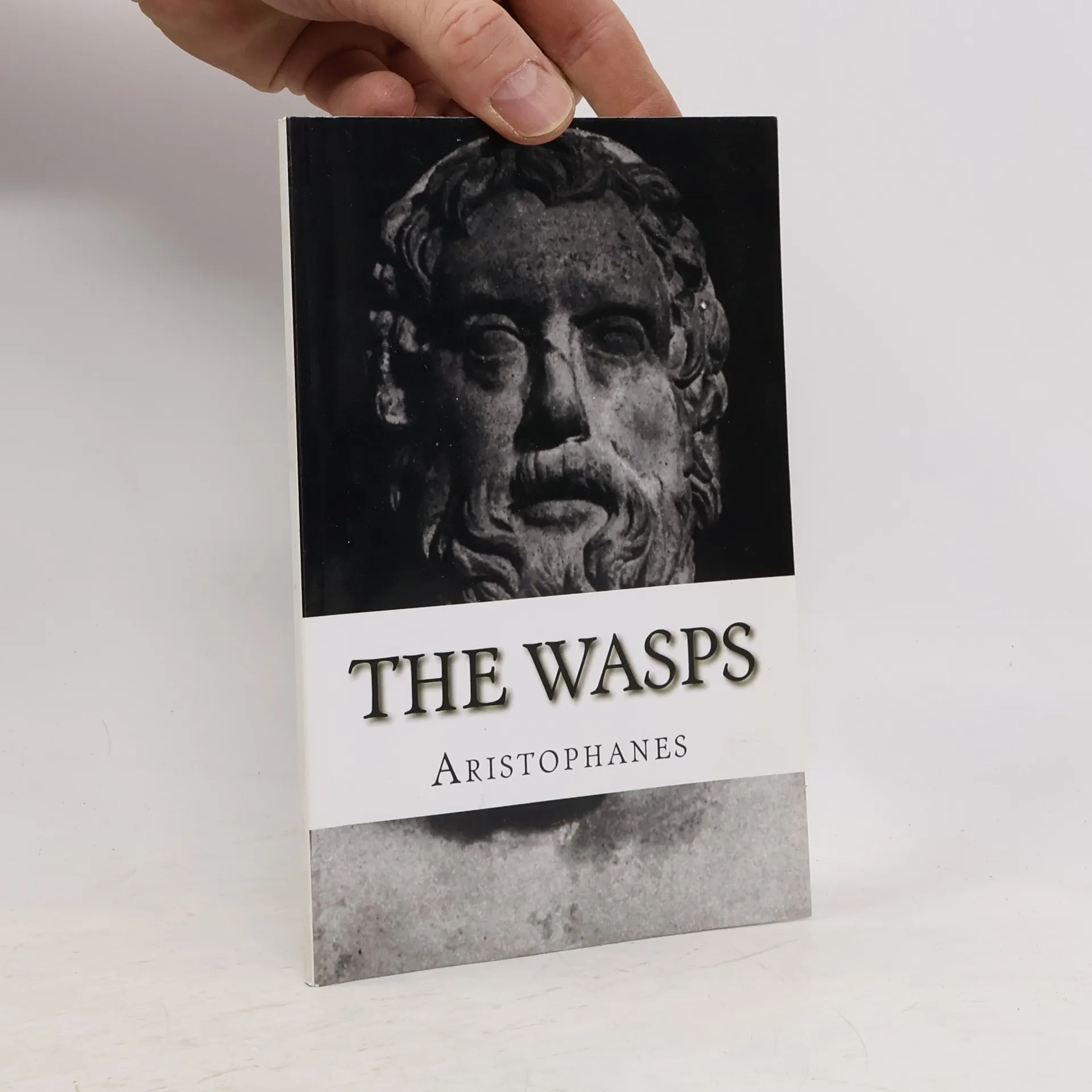
This edition focuses on making historical works accessible to individuals with impaired vision, featuring large print for enhanced readability. The publishing house Megali is dedicated to preserving and reproducing these significant texts, ensuring they remain available to a wider audience.
Focusing on accessibility, this publication is a reproduction of a historical work presented in large print, specifically designed for individuals with impaired vision. The Megali publishing house is dedicated to enhancing readability and preserving important texts for a wider audience.
This is the third and final volume of a new verse translation of the complete plays of Aristophanes by Stephen Halliwell. The translations combine accuracy with an attempt to capture the rich dramatic and literary qualities of Aristophanic comedy.
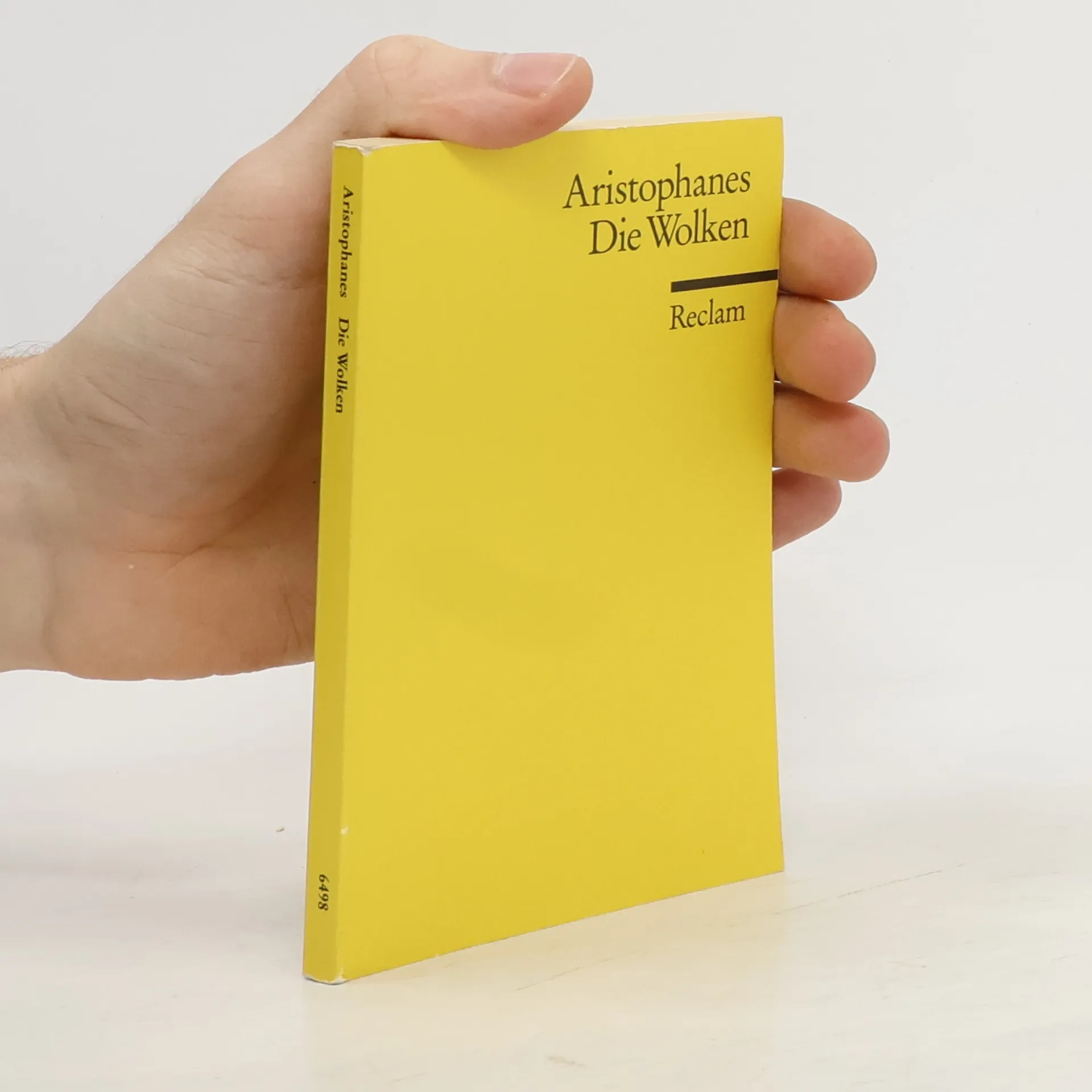
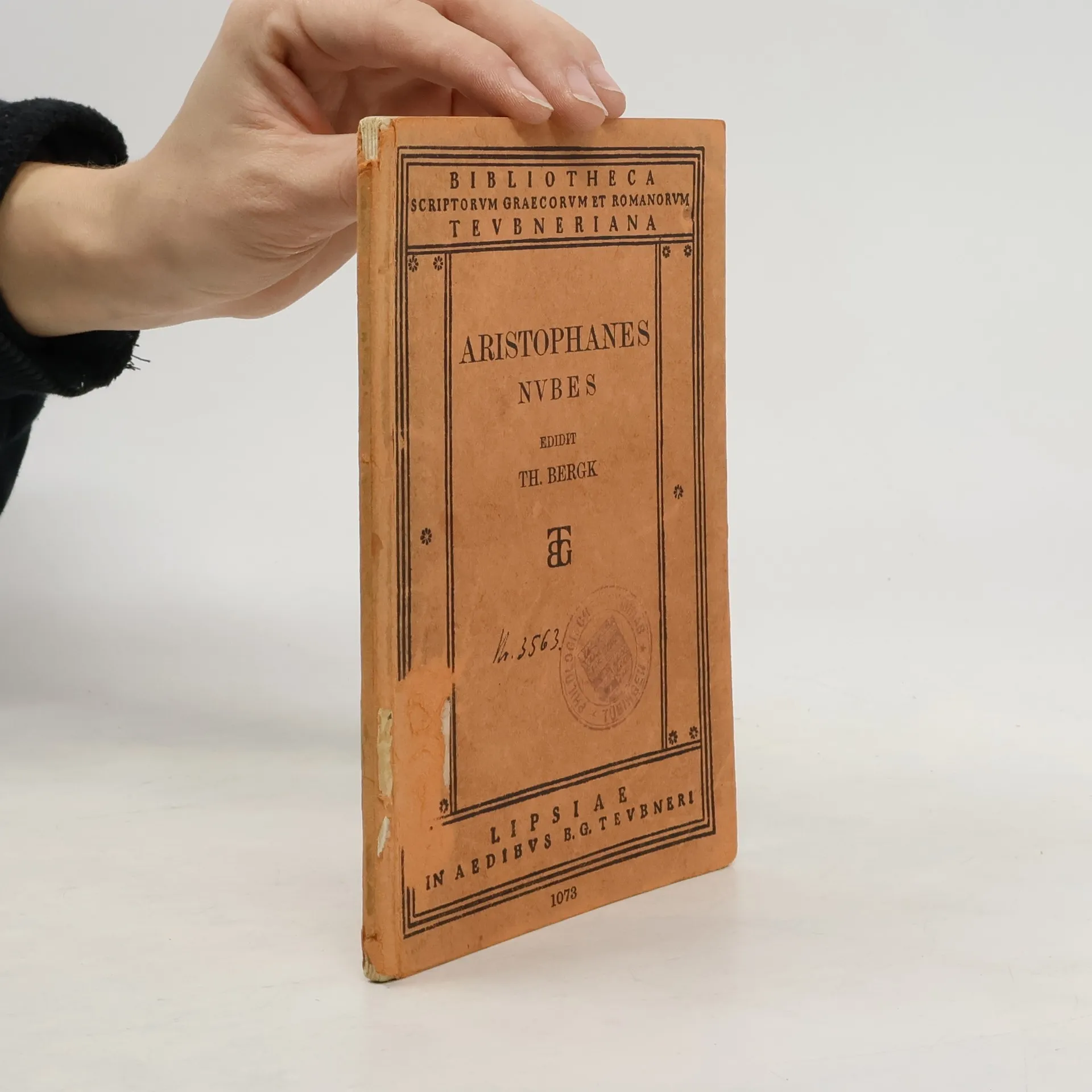
In diesem klassischen Lustspiel von Aristophanes wird die Auseinandersetzung mit der Bildung und den neuen Denkweisen des Sokrates thematisiert. Die Handlung folgt einem Vater, der seinen Sohn zu einem sophistischen Lehrer bringt, um ihm die Kunst des Argumentierens beizubringen. Dabei werden die Absurditäten der damaligen Gesellschaft und die Kritik an der Erziehung und Philosophie auf humorvolle Weise beleuchtet. Die Wolken ist ein scharfsinniger Kommentar zu den gesellschaftlichen Veränderungen im antiken Athen und bleibt bis heute relevant.
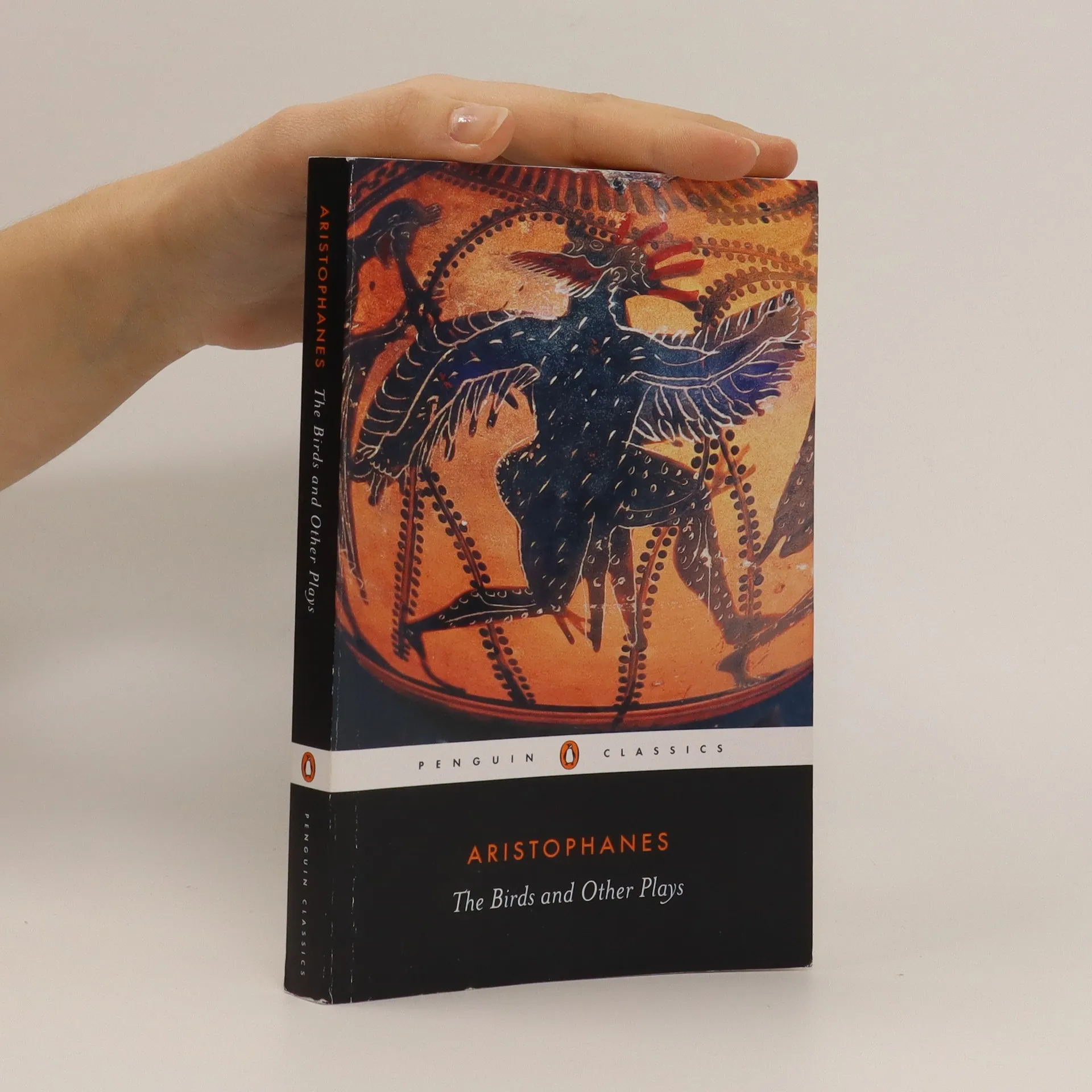
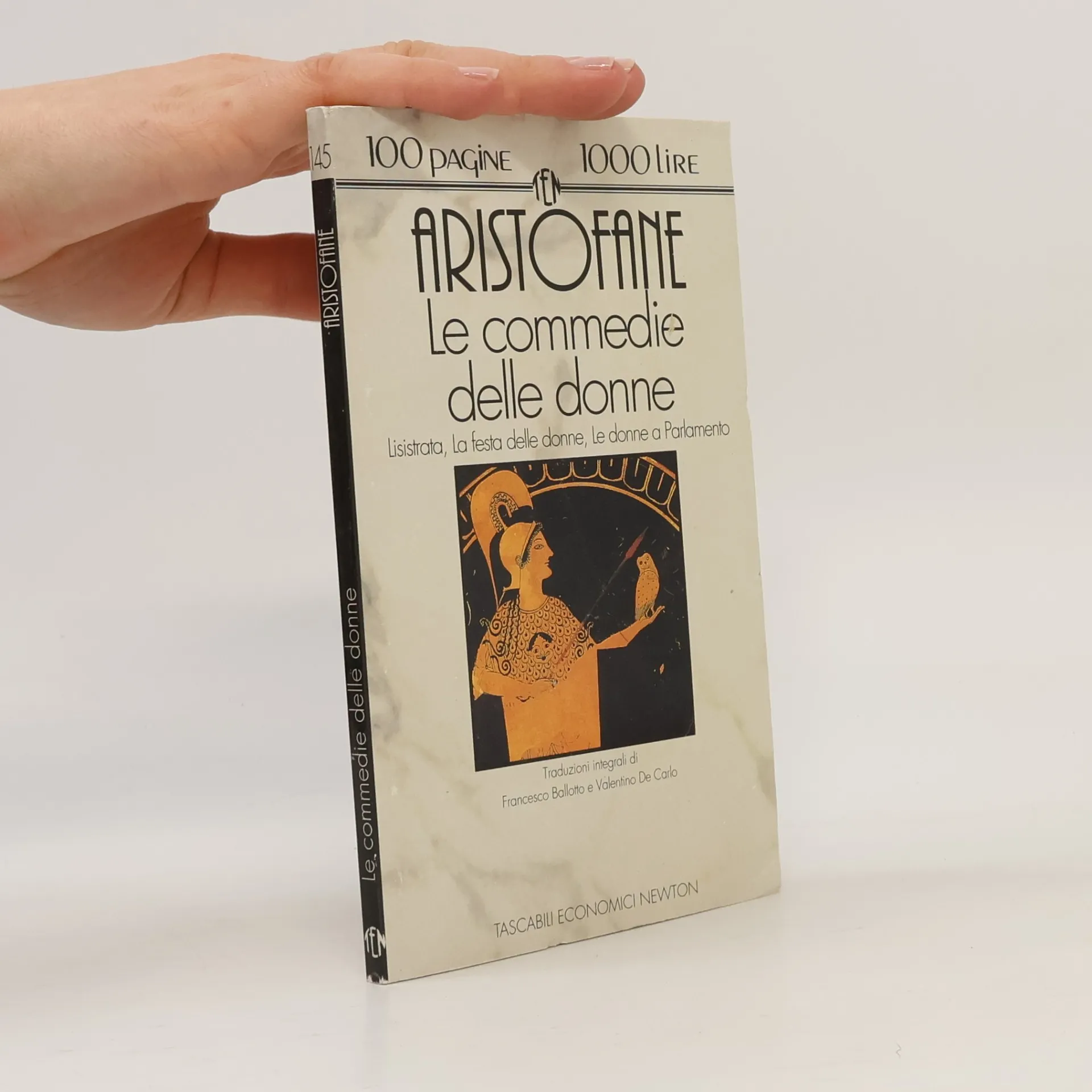
Aristophanes' comedies explore themes of fantasy, sexuality, and politics, making him a pivotal figure in Old Attic Comedy. This collection features iconic plays, including "The Clouds," where an older aristocrat seeks wisdom from Socrates but struggles with his ineptitude; "The Birds," in which two men plot with transformed birds to challenge the gods; and "Lysistrata," where women unite to end the Peloponnesian War by withholding intimacy from men. These timeless works blend humor with sharp social commentary, continuing to resonate with audiences today.
A “zany [and] inventive†(Emily Wilson) translation that for the first
time captures both the antic outrageousness and lyrical brilliance of
antiquity’s greatest comedies.
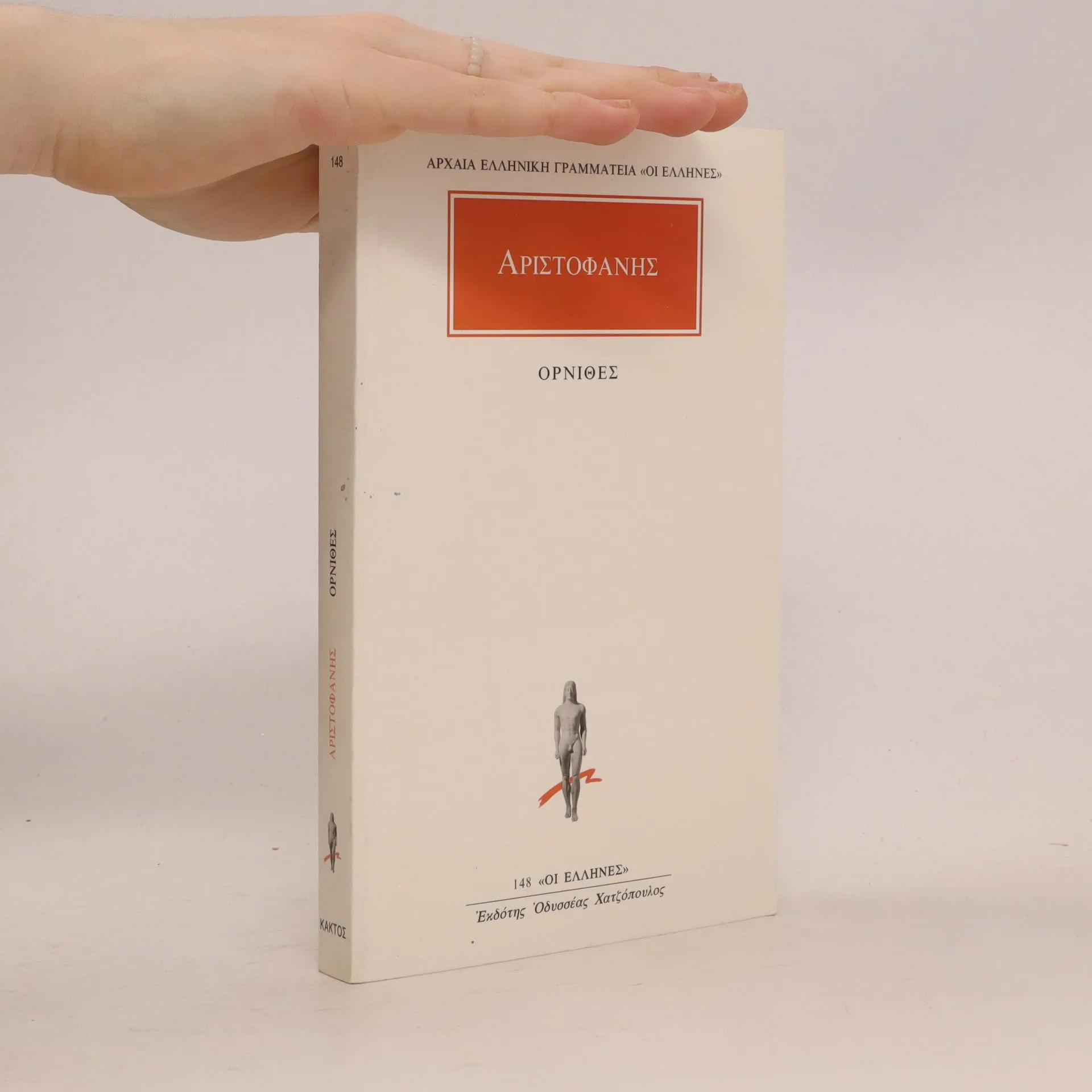
In diesem klassischen Lustspiel von Aristophanes entführen die Protagonisten Peisthetairos und Euelpides die Leser in eine fantasievolle Welt, in der sie mit Vögeln eine utopische Stadt gründen wollen. Das Stück thematisiert den Wunsch nach Freiheit und Unabhängigkeit von den Göttern und der menschlichen Gesellschaft. Mit scharfsinnigem Humor und scharfer Satire kritisiert Aristophanes politische und soziale Missstände seiner Zeit, während er gleichzeitig die Absurditäten des Lebens beleuchtet. Die lebhaften Charaktere und der einfallsreiche Plot machen es zu einem zeitlosen Werk der Komödie.
Dionysos begibt sich in die Unterwelt, um Euripides zurückzuholen und wird Schiedsrichter in einem Dichterwettstreit zwischen Euripides und Aischylos. Aischylos gewinnt durch Plutons Eingreifen. Die Geschichte verbindet Abenteuer und literarischen Wettkampf, wobei die Identifikation des Helden nicht im Vordergrund steht.
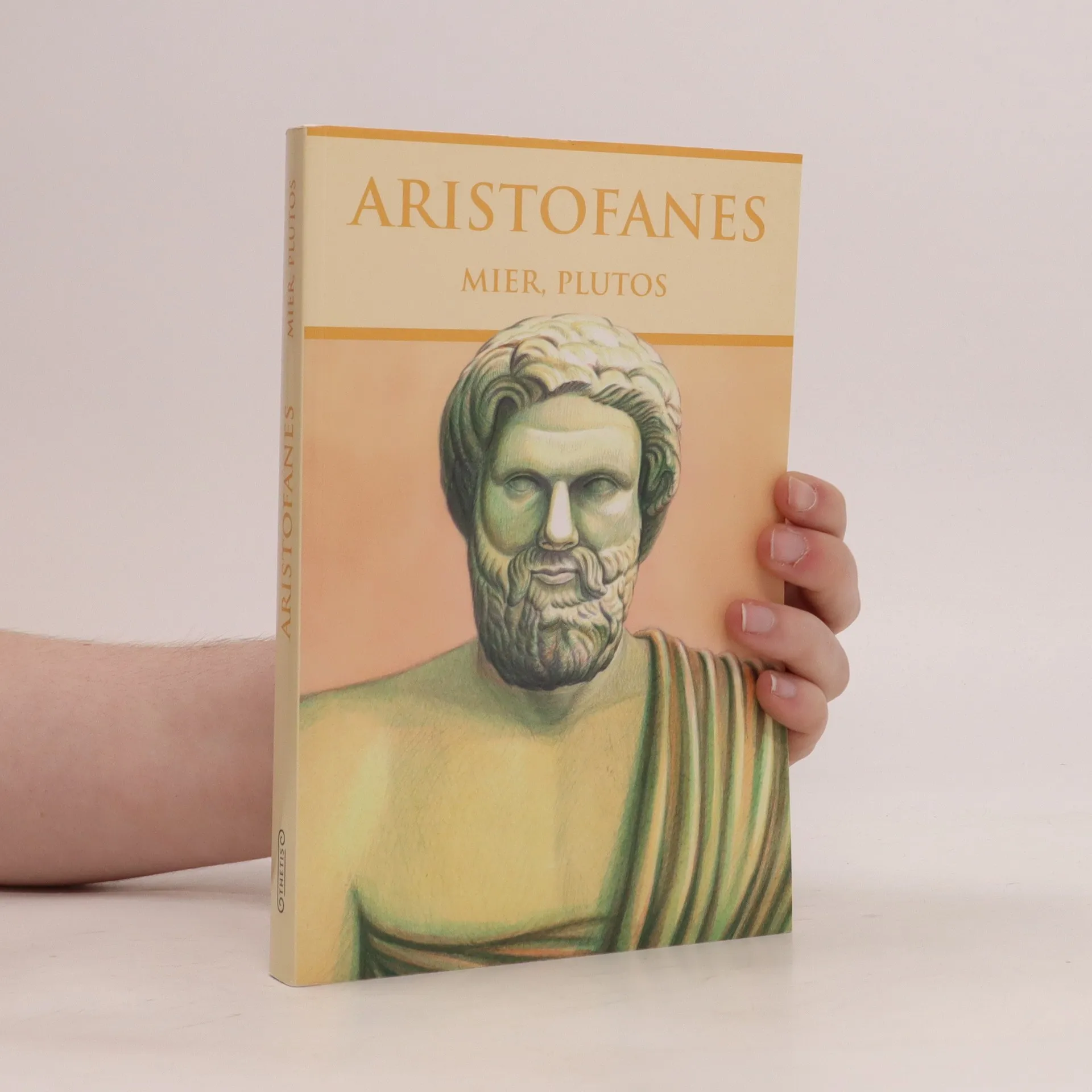
Aristofanes bol zarytým odporcom vojny, čo vyjadruje vo viacerých hrách. Azda najsilnejšie prianie po mieri, v časoch krutej peloponézskej vojny, cítiť v jeho hre Mier. V hre nás privádza medzi bohov s cieľom nájsť a oslobodiť bohyňu mieru, ktorá sa kdesi podela, a prinavrátiť do života ľudí radosť, radovánky a oslavy, ktoré ľud požíva v časoch bez vojen. Tiež pranieruje tých, ktorým vojna prináša prospech a vyhovuje im a konfrontuje ich s inými, ktorí majú zase potešenie z mieru.
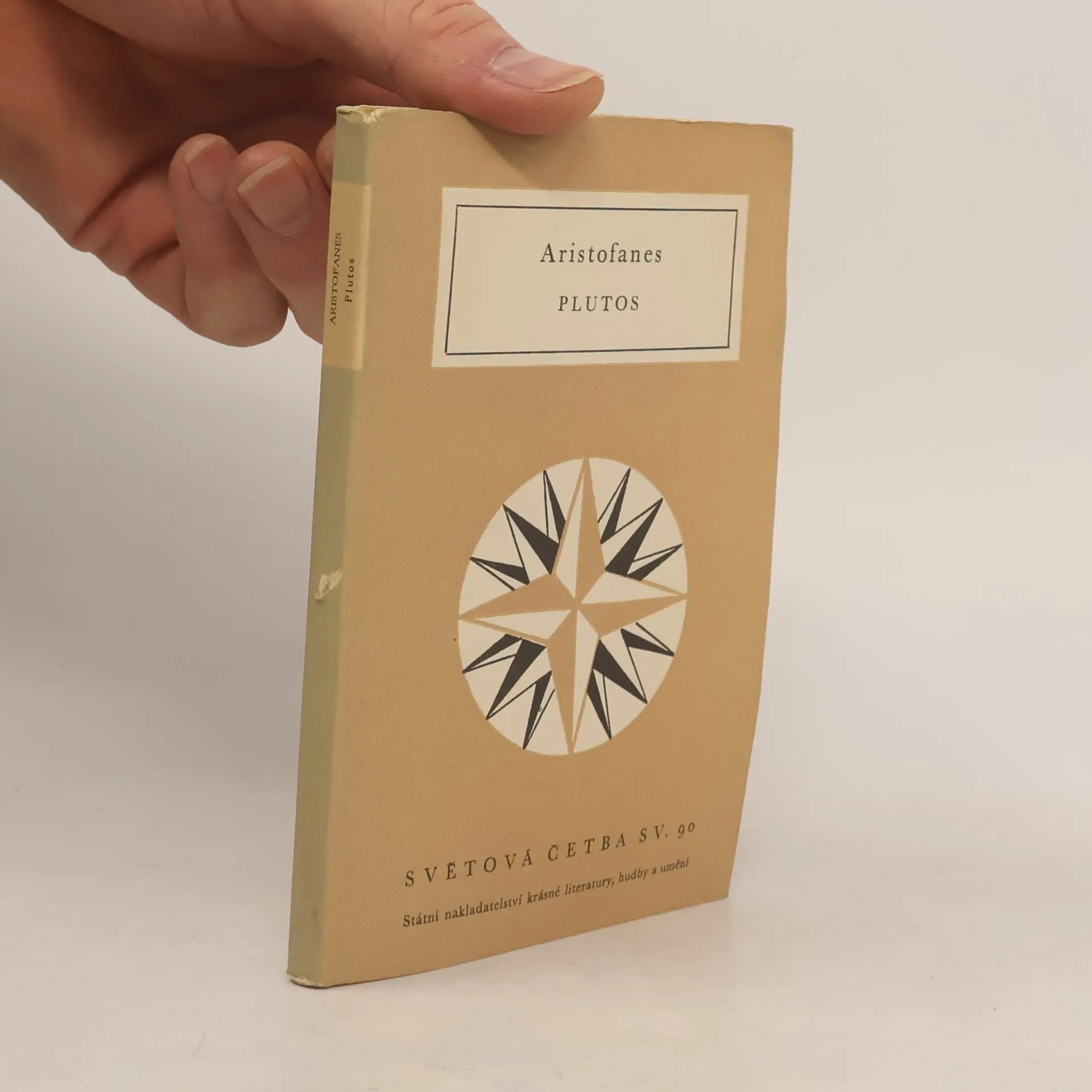
Ďalšia oblasť, ktorej Aristofanes venuje pozornosť, je rozdelenie bohatstva medzi aténsky ľud. Tejto téme sa venuje v hre Plutos. Zamýšľa sa v nej nad tým, že bohatstvo je nespravodlivo rozdelené medzi ľudí, čo pripisuje slepote jeho boha Pluta, ktorá konečne vyhovuje i ostatným bohom. Čo by sa asi tak mohlo stať po vyliečení Pluta zo slepoty, nám ukazuje vo svojej hre.
Publikáciu dopĺňa tretia časť komplexnej štúdie Miloslava Okála Aristofanes a aténska demokracia, zaoberajúca sa vojenstvom a zahraničnou politikou.
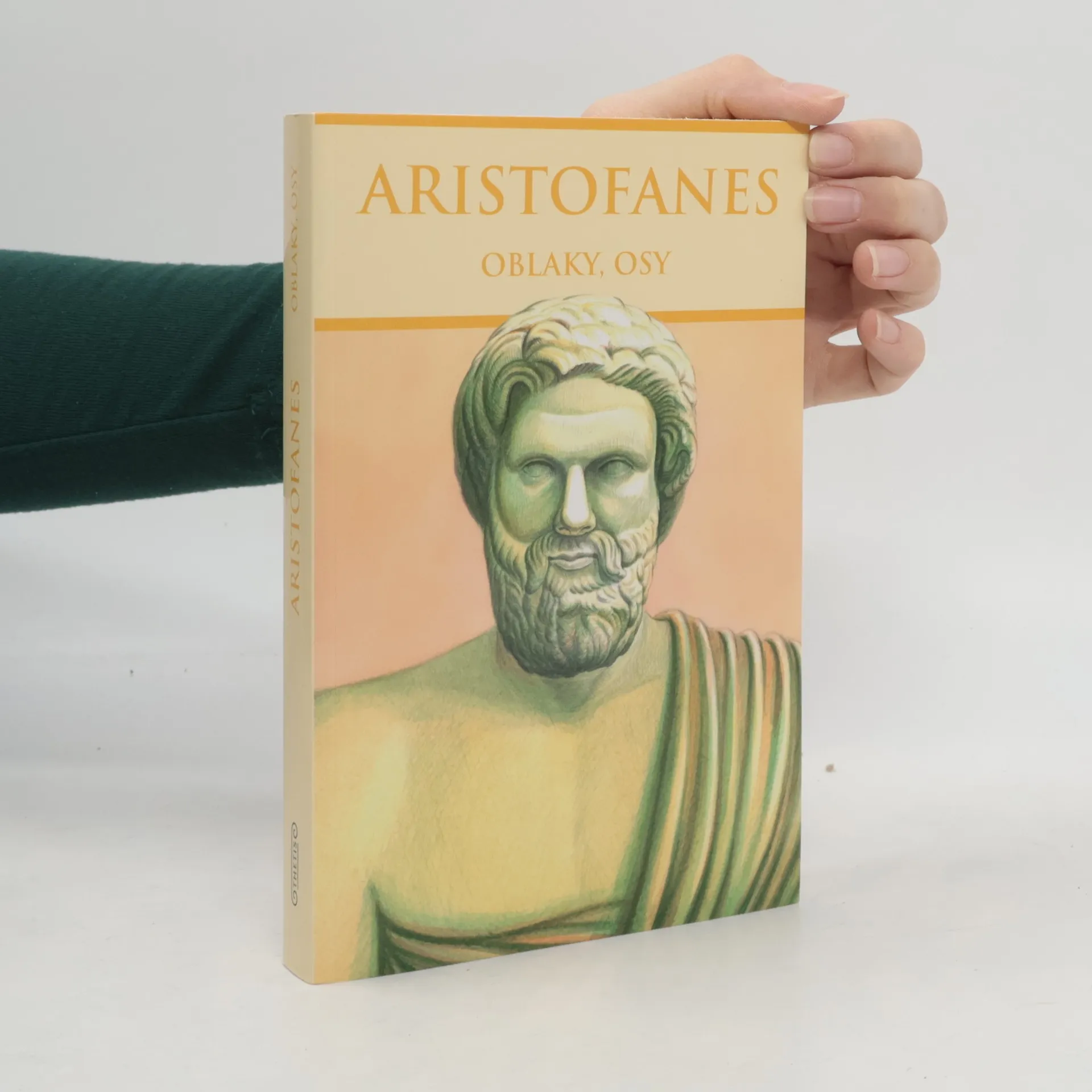
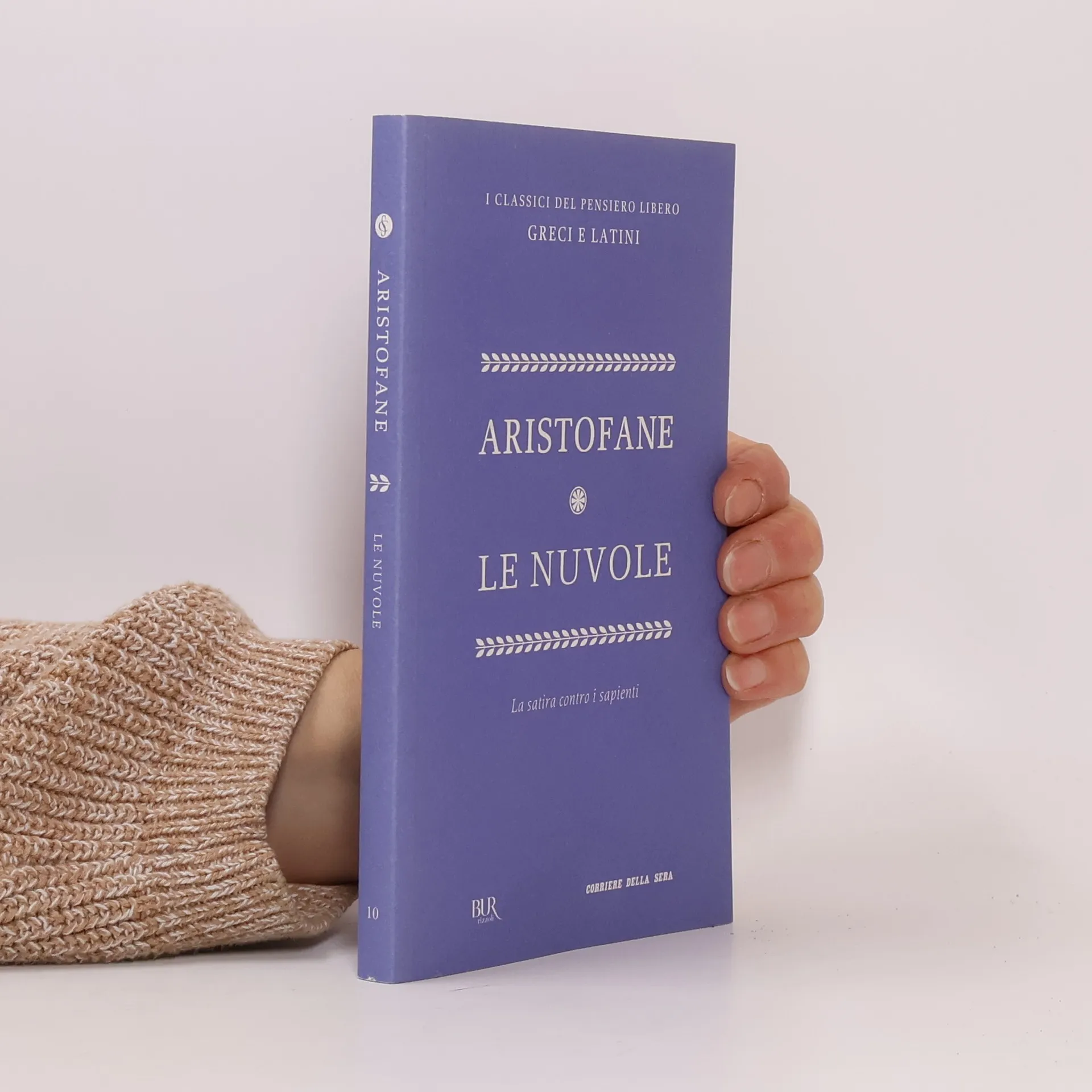
Grécka vzdelanosť, formovaná filozofiou, mala zásadný vplyv na kultúru a progresívny rozvoj Európy. Učenci zakladali filozofické školy, ktoré sa stali centrami učenosti, pričom Atény sa pýšili významnými osobnosťami ako Sokrates, Platon a Aristoteles. Aristofanes vo svojich Oblakoch kritizuje Sokrata a sofistiku, ktorú považoval za nebezpečnú, aj keď prispela k rozvoju filozofie. V tejto hre pranieruje metódy sofistiky a ukazuje, že aj dobré hodnoty musia niekedy využiť sofistické prostriedky na boj so zlými praktikami. Sám autor považoval Oblaky za svoju najlepšiu hru.
Aténčania si veľmi vážili súdnictvo a aktívne sa zapájali do súdnych procesov. Aristofanes v hre Osy zobrazuje sudcov, ktorí sa stávajú závislými na pojednávaniach, pričom ich syn sa snaží napraviť jedného z nich. Hra humoristicky odhaľuje problémy súvisiace so súdením, ktoré boli pre Aténčanov obľúbenou činnosťou.
Publikáciu dopĺňa komplexná štúdia Miloslava Okála, ktorá sa zaoberá politikmi demokratickej a aristokratickej strany a demokratickými inštitúciami.
Vo svojom diele Vtáci nás Aristofanés zavádza do nebeských výšin, kde lietajú iba vtáci a budujú si svoj nový svet. V diele Žaby zasa autor zostupuje do podsvetia, aby vrátil k životu na zemi Euripida, Sofokla či Aischyla, keď krátko pred napísaním tejto hry opustili pozemský svet Euripides a Sofokles.
Publikáciu dopĺňa štúdia Miloslava Okála Aristofanes, jeho doba a dielo, ktorá podrobne rozoberá tvorbu Aristofana, hovorí o vývoji starej atickej komédie, v stručnosti vysvetľuje všetky zachované Aristofanove hry a zaoberá sa jeho životom a vplyvmi doby, v ktorej žil, na jeho dramatické umenie.
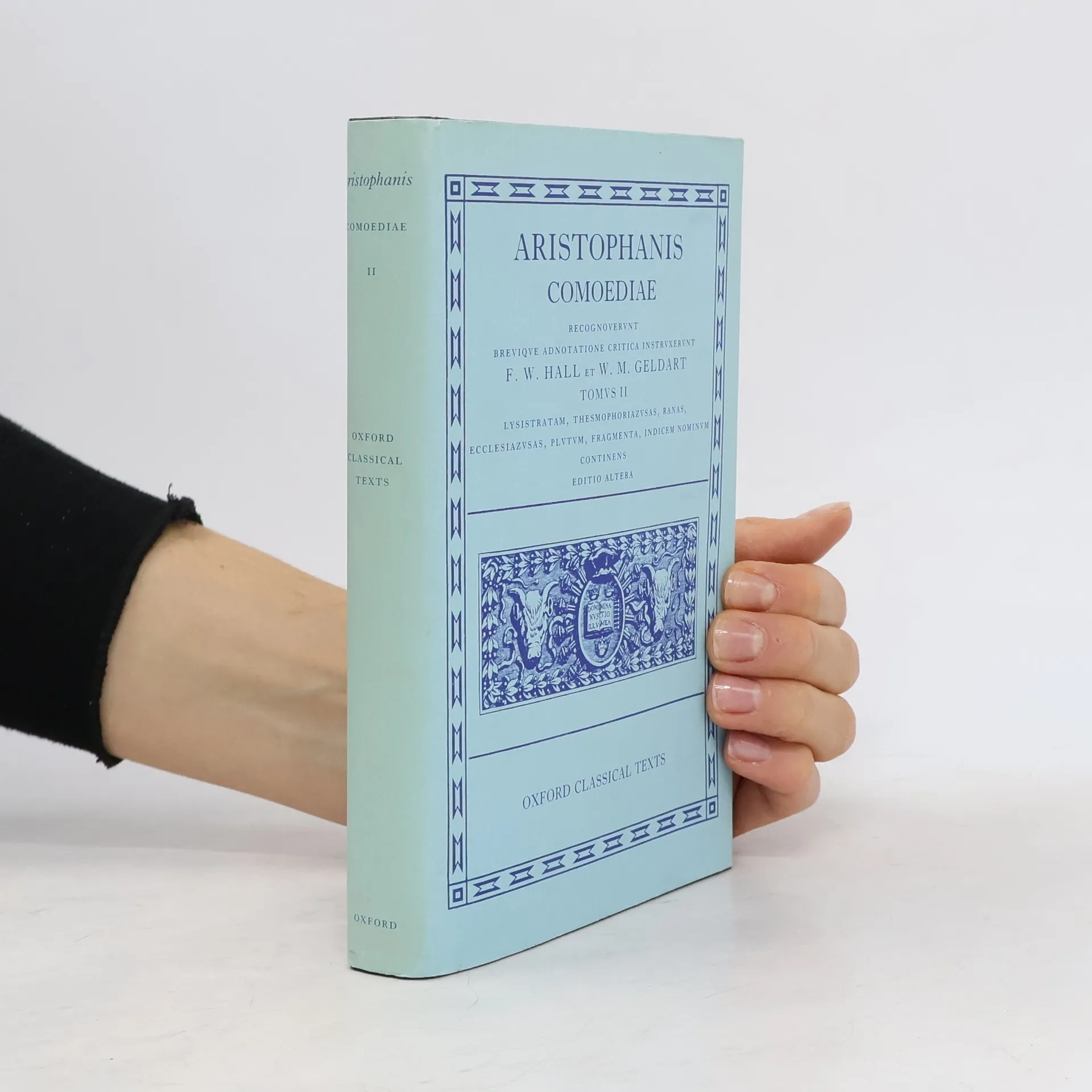
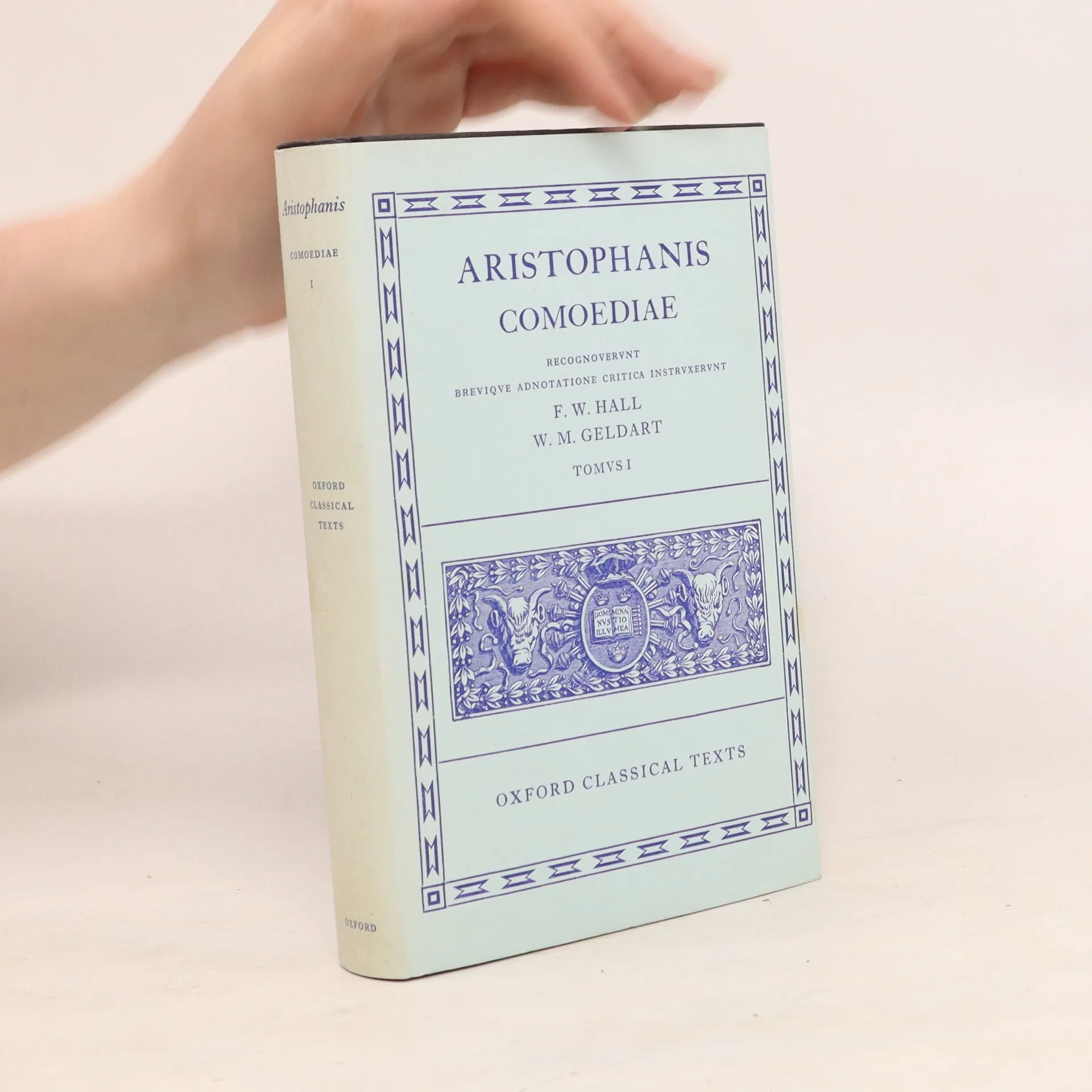
This new edition of Aristophanes is intended to replace the previous Oxford
Classical Text published in 1900-1. Since that date it has been possible to
construct a far better picture of the transmission of the text from antiquity
to the age of printing and to obtain reliable reports of other significant
manuscripts. While some of the new information has been taken into account for
recent commentaries on individual plays, there is no easily available complete
edition. Though the text of the plays is better preserved than that of Greek
tragedy, the editor has thought it desirable to record or adopt a fair number
of conjectures, some of them little known or unjustly disregarded; in a few
passages he has ventured to offer suggestions of his own.
Offers insight into one of the turbulent periods in Ancient Greek history.
This book is written during the Peloponnesian War, Dionysus descends to
Underworld to bring back a poet who can help Athens in its darkest hour, and
stages a debate to help him decide between the traditional wisdom of Aeschylus
and the modernity of Euripides.
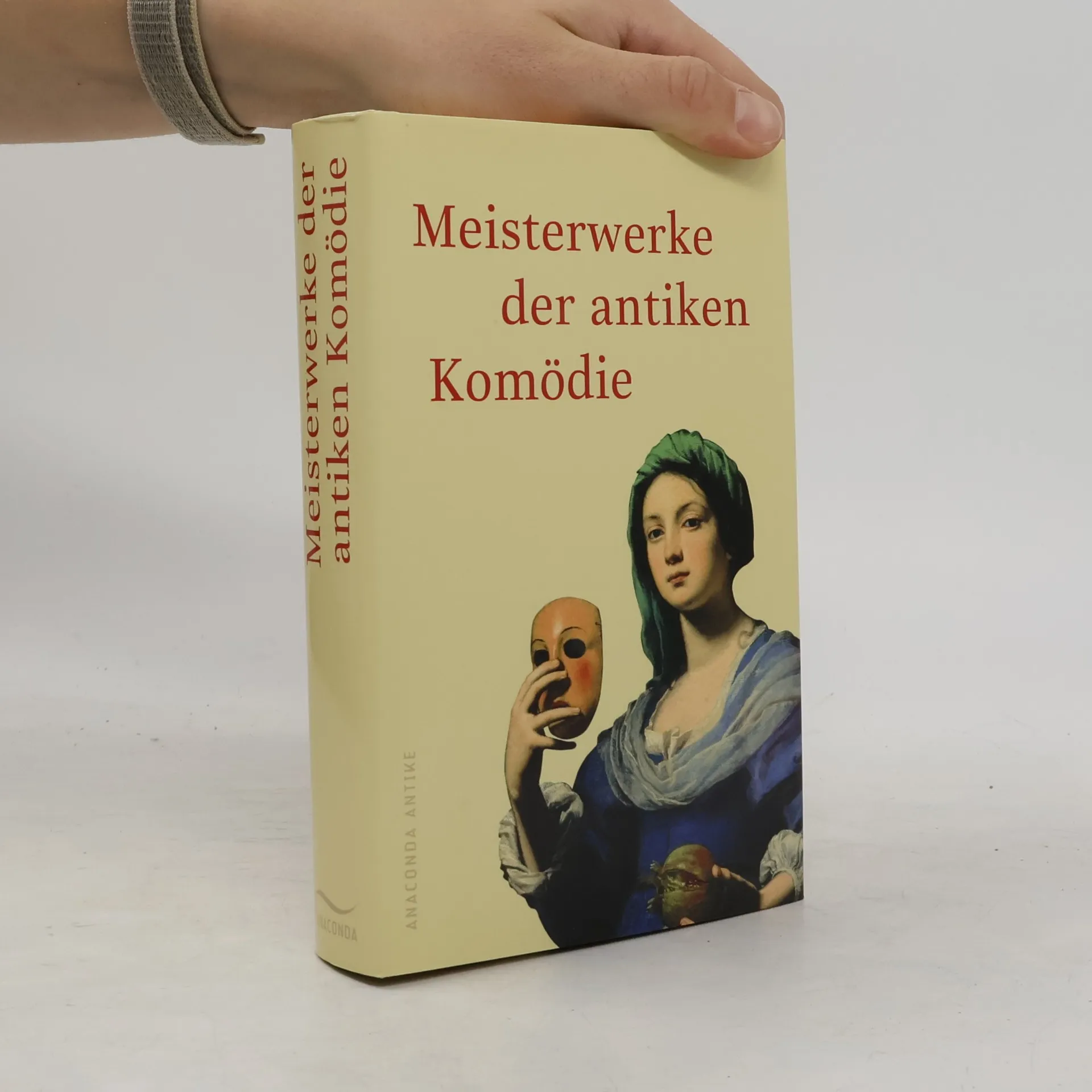
Bereits den alten Griechen war bekannt, daß Lachen die beste Medizin ist: Seit dem 5. Jahrhundert v. Chr. gelangten im Rahmen tagelanger glanzvoller Feste neben klassischen Tragödien auch Komödien zur Aufführung. Mal anzüglich-derb, mal bissig-ironisch und dadurch politisch brisant waren die Späße der griechischen und römischen Komödiendichter. Hier sind vier Meister ihres Faches versammelt: Aristophanes und Menander vertreten die griechische, Plautus und Terenz die römische Komödie.
Contributed three new ideas to the development of philosophy: that goodness consists not in helping friends and harming enemies, but in not harming anybody at all; that goodness and knowledge are one and the same thing; and that for progress to be made in argument, there must be step-by-step agreement between those arguing.
Xanthias I am teaching myself how to rest; I have been awake and on watch the whole night.Sosias So you want to earn trouble for your ribs, eh? Don't you know what sort of animal we are guarding here?Xanthias Aye indeed! but I want to put my cares to sleep for a while.[He falls asleep again.]
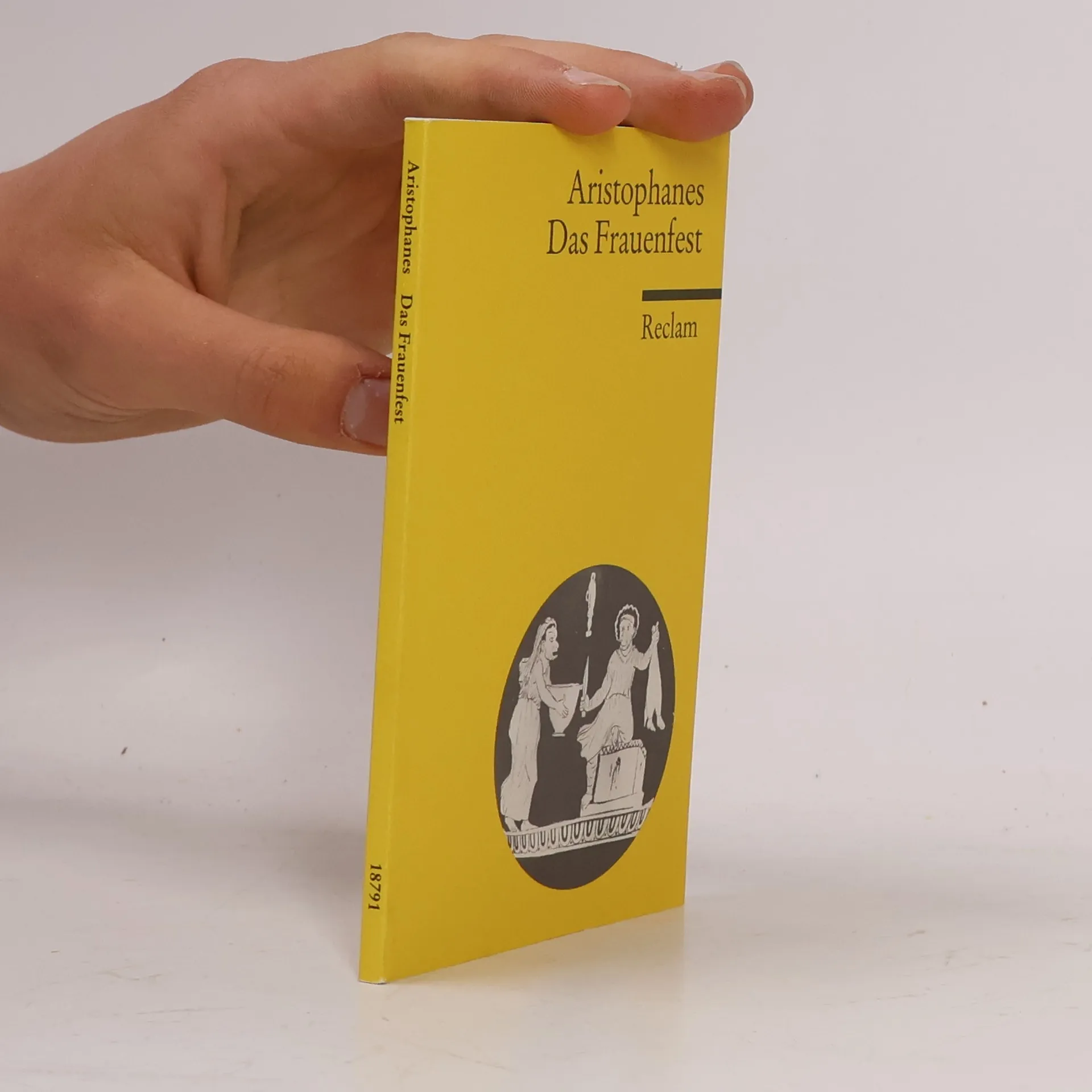
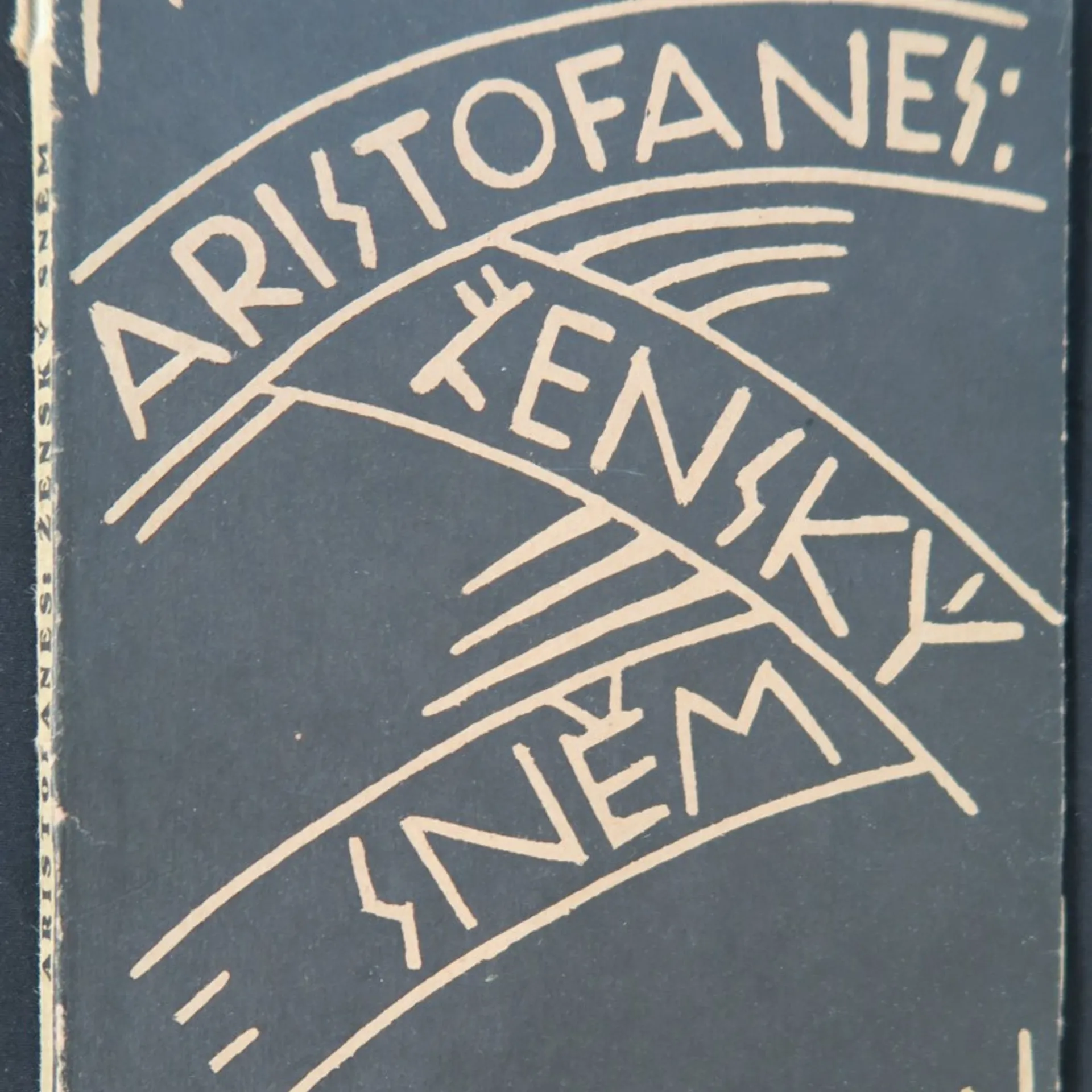
Aristophanes' 391 v. Chr. uraufgeführte Komödie, neu übersetzt: Während sich Athens Männer im „Korinthischen Krieg“ verzetteln, übernehmen die athenischen Frauen die politische Macht. Doch ihre sozialen Reformen gegen die offenkundigen Missstände in ihrer Stadt haben keine Chance auf Verwirklichung. Aristophanes' Stück nimmt manche der utopischen Vorstellungen vorweg, die Platon 20 Jahre später in seinem 'Staat' diskutierte.
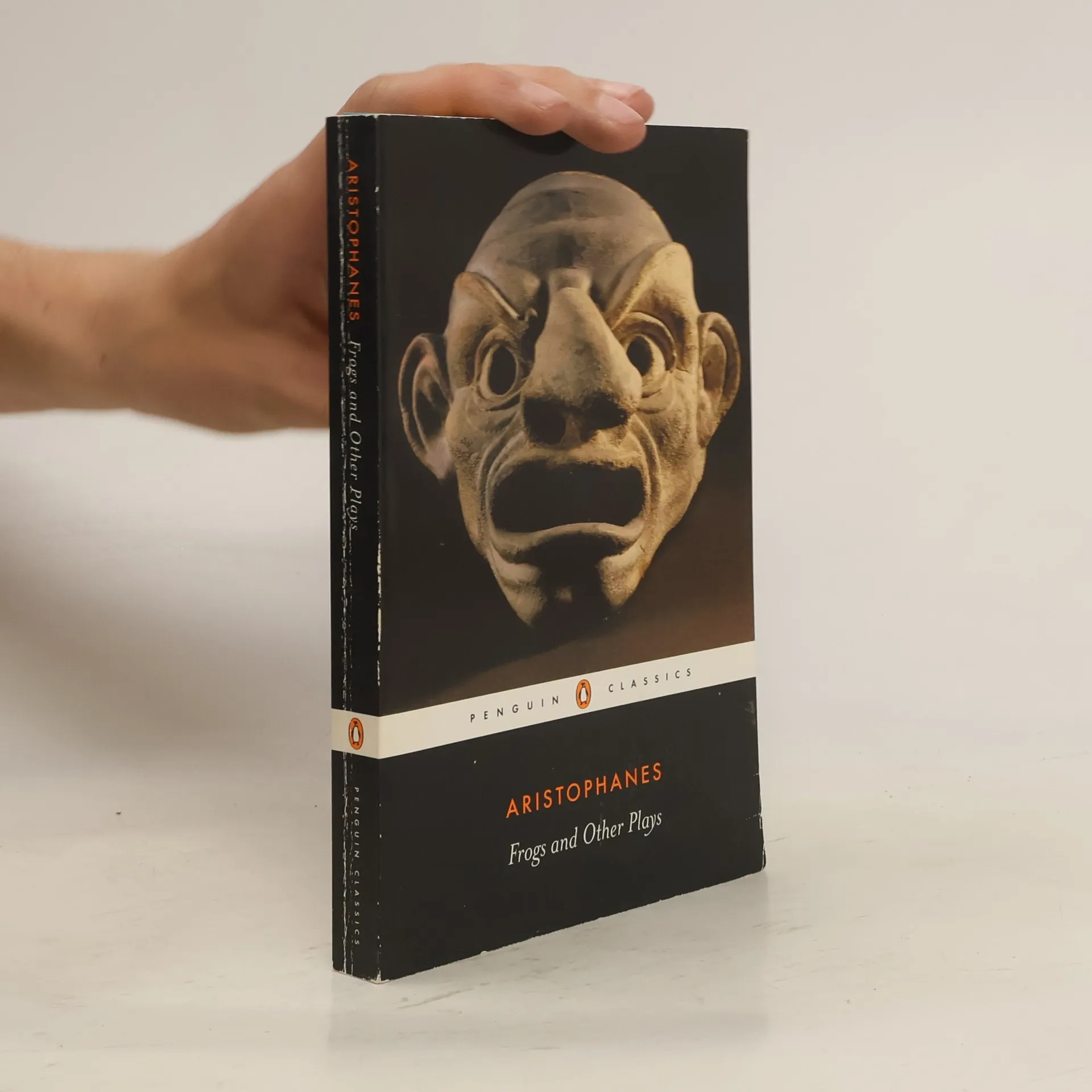
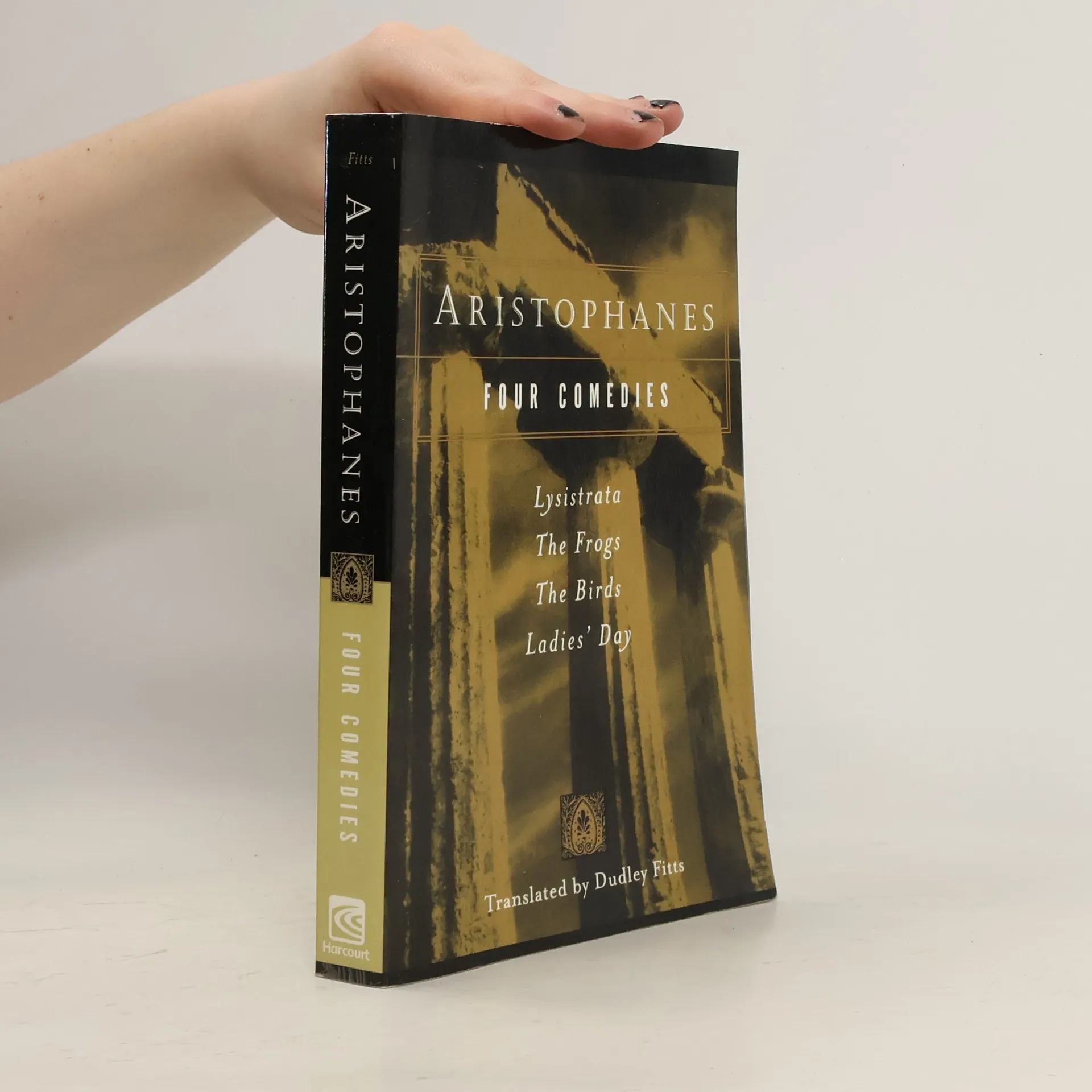
New English versions of Lysistrata, The Frogs, The Birds, and Ladies' Day. "Thanks to Dudley Fitts...we can appreciate Aristophanes' vigor, his robust style, his scorching wit, his earthy humor, his devotion to honesty and his poetic imagination" (Brooks Atkinson, New York Times). Index.
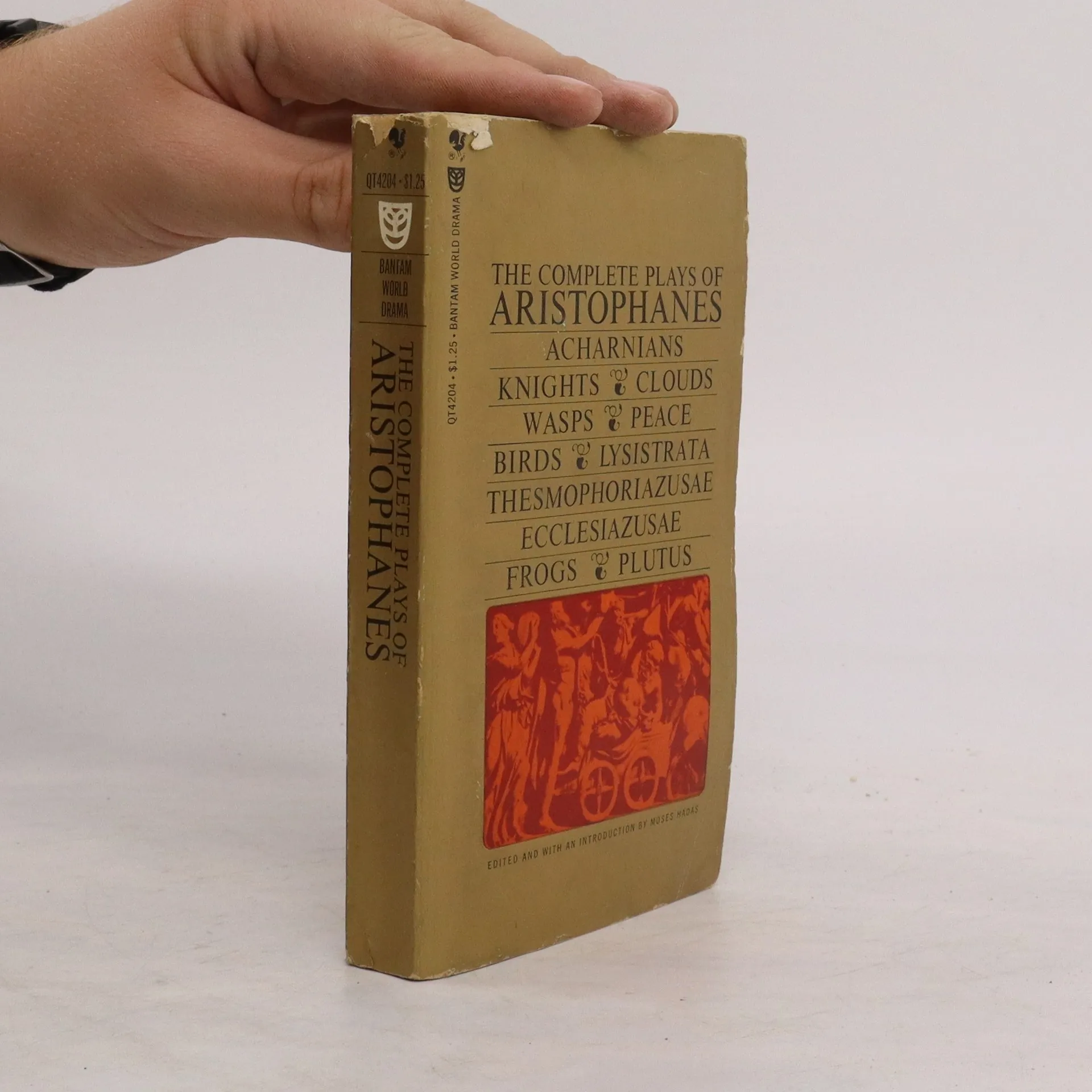
Included in this collection are 'The Birds', the most graceful of Aristophanes' plays; 'The Knights', a satire on Cleon, an Athenian demagogue; 'Peace', which was inspired by the hope of peace with Sparta in 421 BC; 'The Assembly Women', about sexual equality; and 'Wealth', a reflection on economic catastrophe
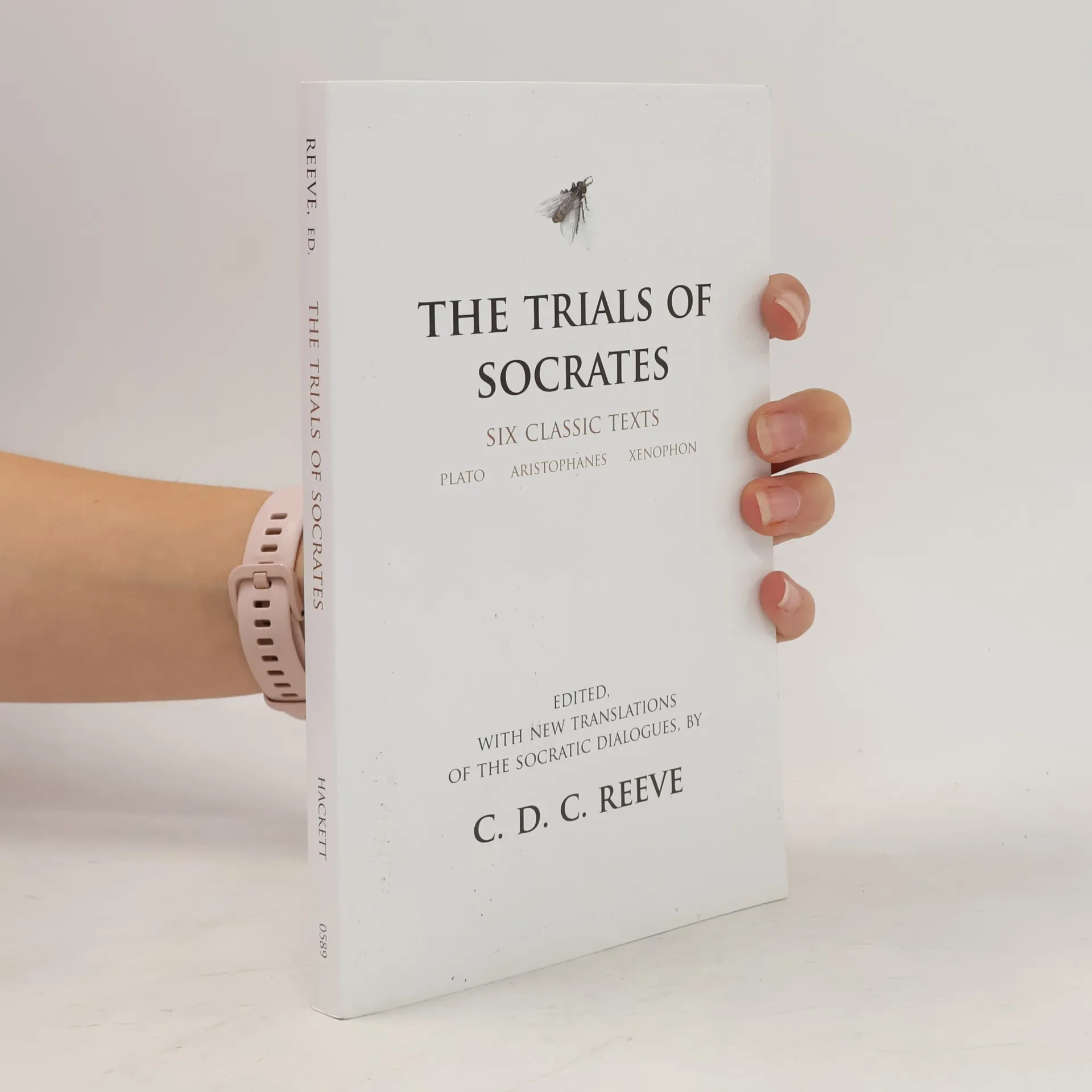
Six Classic Texts - Edited, With New Translations of the Socratic Dialogues
192 pages
7 hours of reading
Although present-day (like ancient Greek) opinion on the real Socrates diverges widely, six classic texts that any informed judgment of him must take into account appear together, for the first time, in this volume.
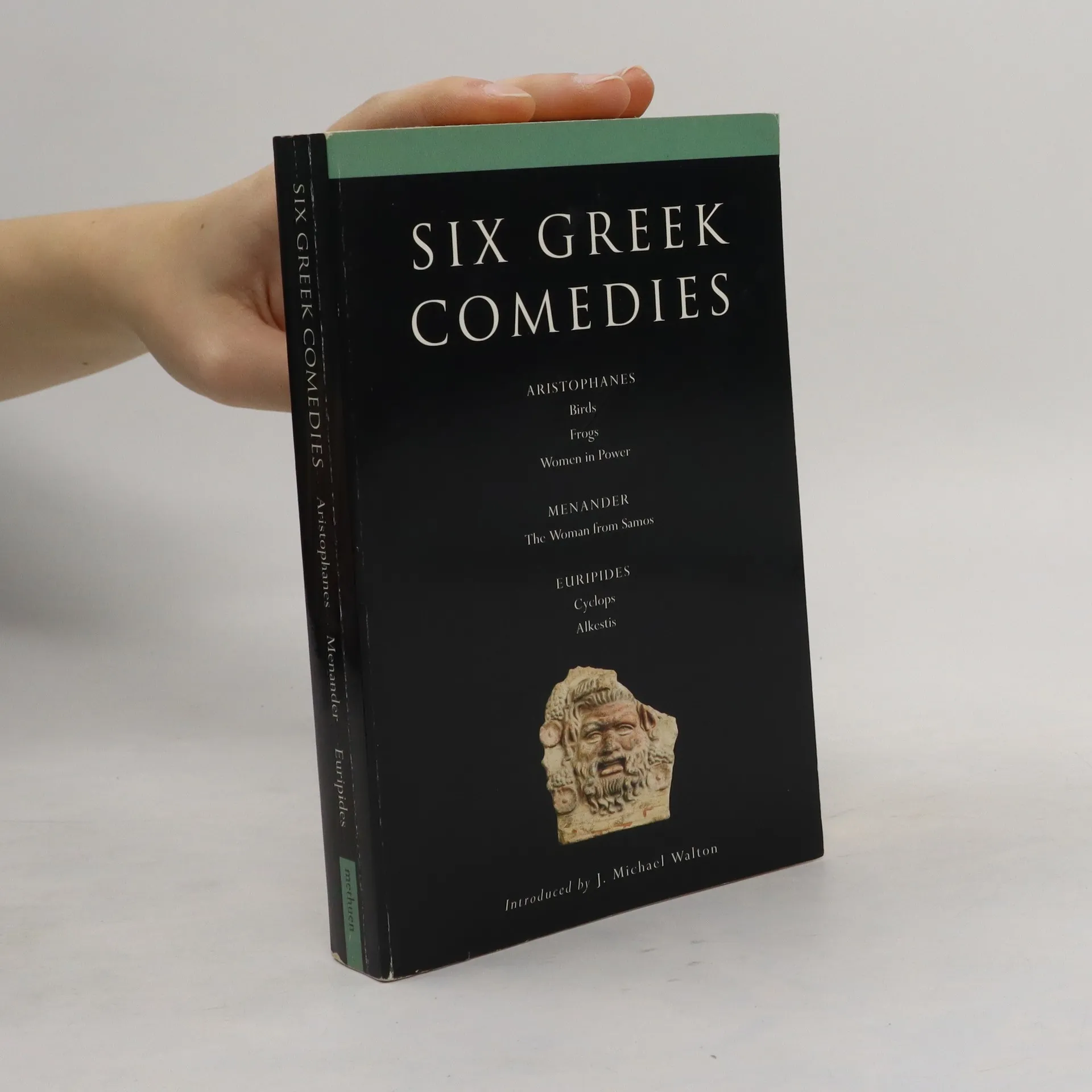
Birds. Frogs. Women in Power. The Woman from Samos. Cyclops. Alkestis
256 pages
9 hours of reading
Six wide ranging classic plays with introduction by the editorThe comedies of the Athenian theatre not only lie at the root of Western drama, they also offer a unique insight into everyday life in ancient Greece. This selection of six wide ranging plays includes the comic fantasies of Aristophanes, which combine the ridiculous with serious satirical comment (Birds, Frogs, Women in Power); Menander's The Woman from Samos, a recognisable forebear of today's situation comedy; Euripides ribald satyr play, Cyclops, the only surviving example of the genre, and his Alkestis, a complex romance which gave a new face to comedy.The volume is edited and introduced by J. Michael Walton, Professor of Drama at the University of Hull and founder/director of the Performance Translation Centre there.
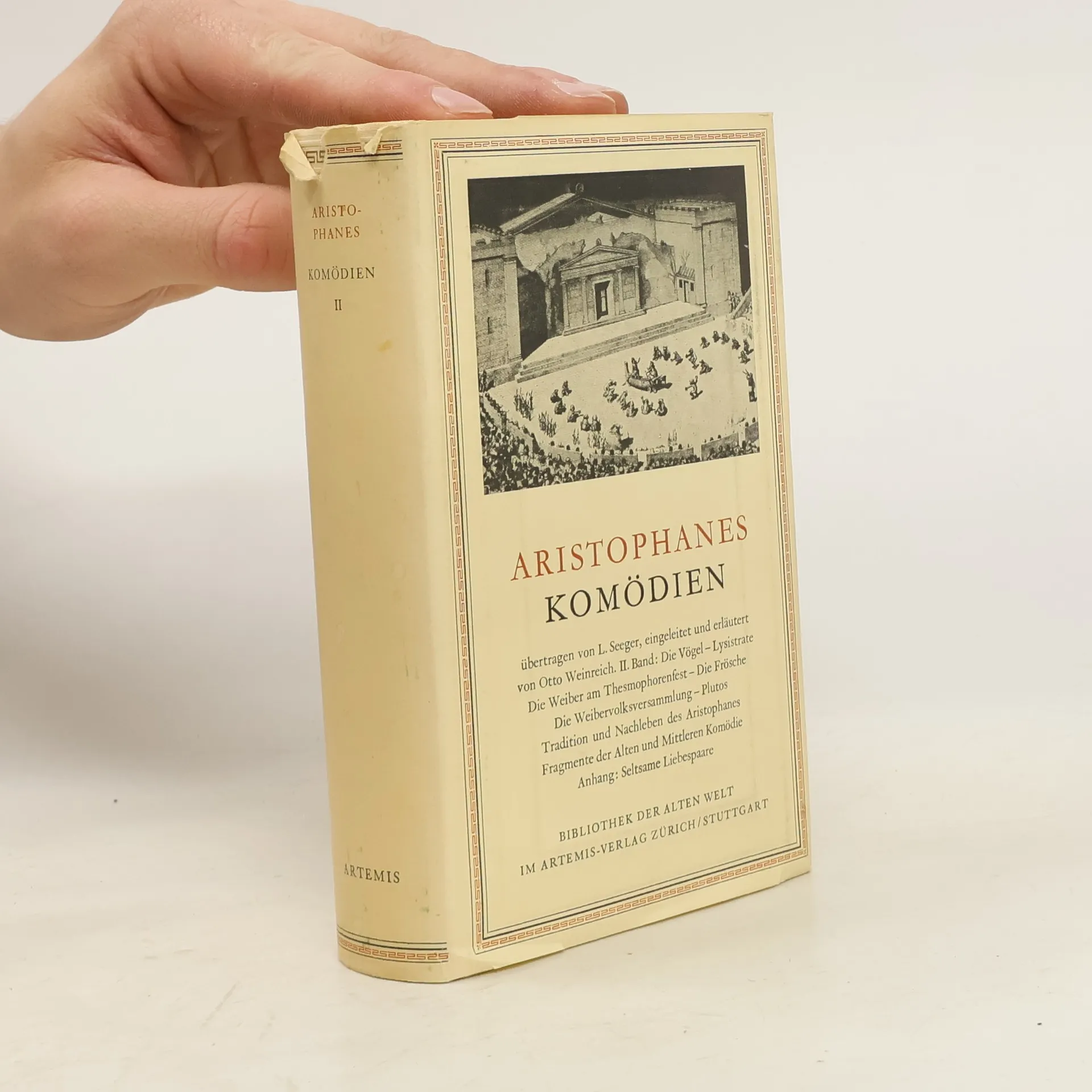
In den »Thesmophoriazusen« (»Frauen am Thesmophorienfest «) ist es kein Geringerer als der große Tragödiendichter Euripides, der zu seiner eigenen Rettung eine Intrige spinnt: Durch einen als Frau verkleideten ›Maulwurf‹ will der Dichter, dem Frauenfeindlichkeit vorgeworfen wird, einen vernichtenden Beschluss der Frauen in ihrer Festversammlung verhindern. Travestievergnügen und derbe Situationskomik, aber auch ein vielfältiges intertextuelles Spiel garantieren beste Unterhaltung im Stil der ›Alten Komödie‹.
"Der Winzer Trygaios fliegt in dieser Komödie auf einem Mistkäfer in den Olymp, um Zeus zu fragen, was es mit den ständigen Kriegen auf sich habe. Von Hermes erfährt er, dass die Götter sich wegen des Kriegsgetöses in höhere Himmelsebenen verkrochen haben, während Eirene, die Göttin des Friedens, weggesperrt wurde." Redaktion Gröls-Verlag (Edition Werke der Weltliteratur)
Set against the backdrop of the Peloponnesian War, this play serves as a sharp satire of Athenian social and political life, focusing on the controversial figure Cleon, a pro-war populist. With a smaller cast than typical for Aristophanes, the narrative revolves around the playwright's personal vendetta against Cleon, who had previously prosecuted him. This work, notable for its biting humor and political commentary, won first prize at the Lenaia festival in 424 BC, showcasing Aristophanes' mastery of Old Comedy.
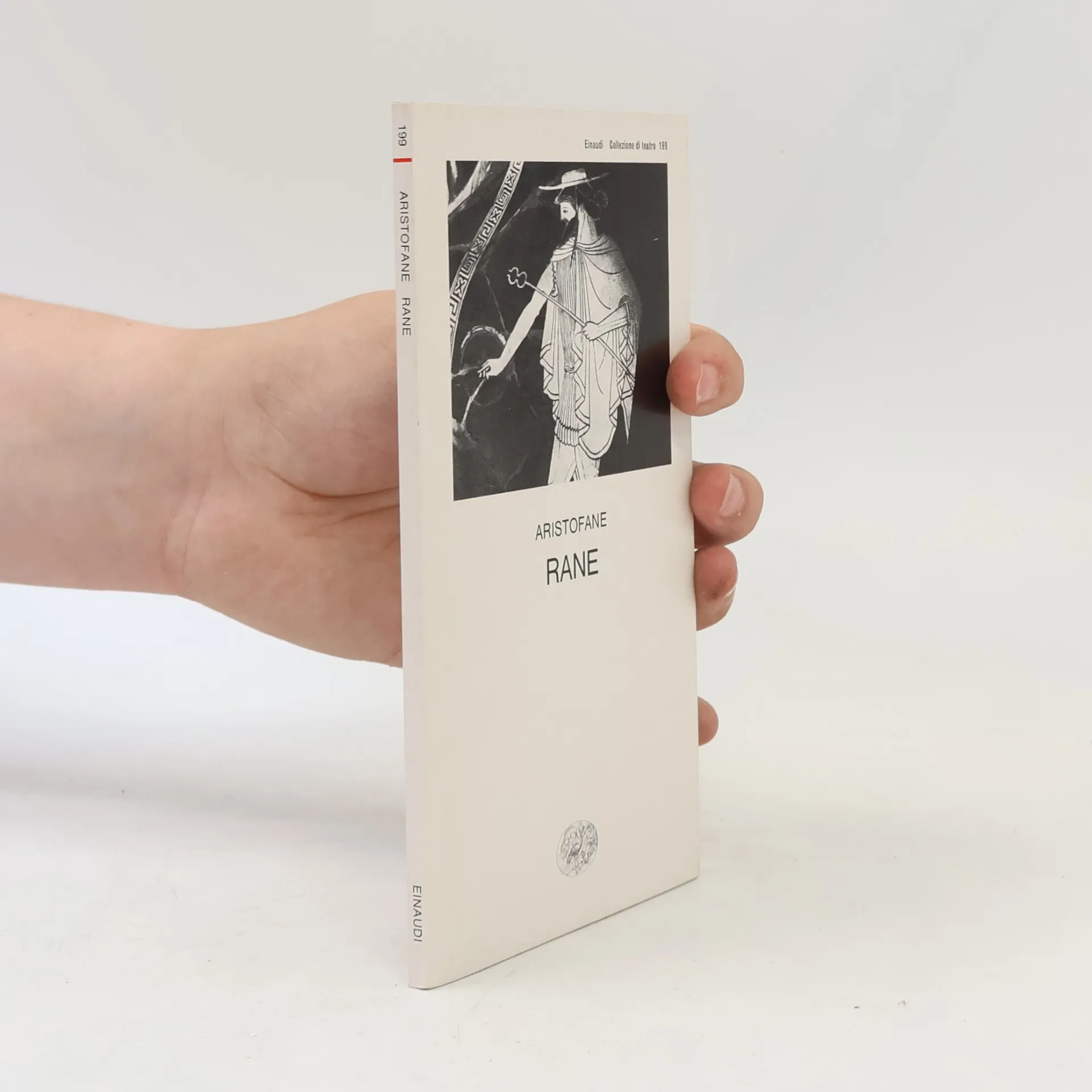
Nell'ultimo scorcio del V secolo a.C. il tracollo militare e la crisi dell'economia e della cultura fanno presagire l'imminente rovina di Atene. Componendo le Rane, Aristofane immagina che Dioniso scenda nell'oltretomba per riportare Euripide in vita e restituire alla città il suo perduto fulgore. Ma nell'aldilà egli dovrà giudicare la contesa artistica tra Eschilo ed Euripide, mettendo in luce doti e debolezze dei due grandi poeti. Come scrive Del Corno: "La totalità dell'esperienza teatrale è il significato ultimo che Aristofane ha inteso conferire alle Rane: sentendo forse, nella passione estrema della catastrofe d'Atene, che la gloria della città stava nell'invenzione e perfezione di quella forma dell'esistenza che è il teatro".
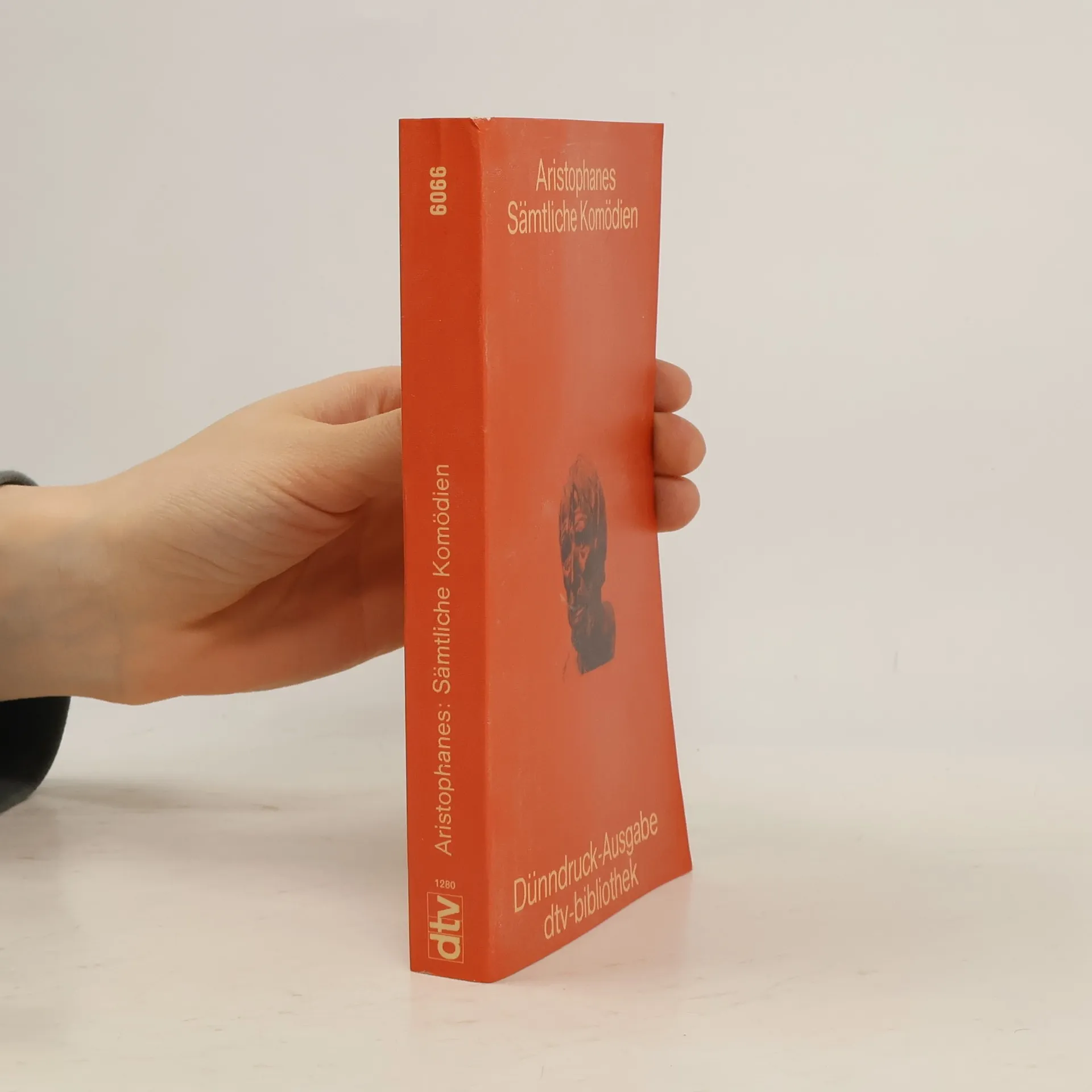
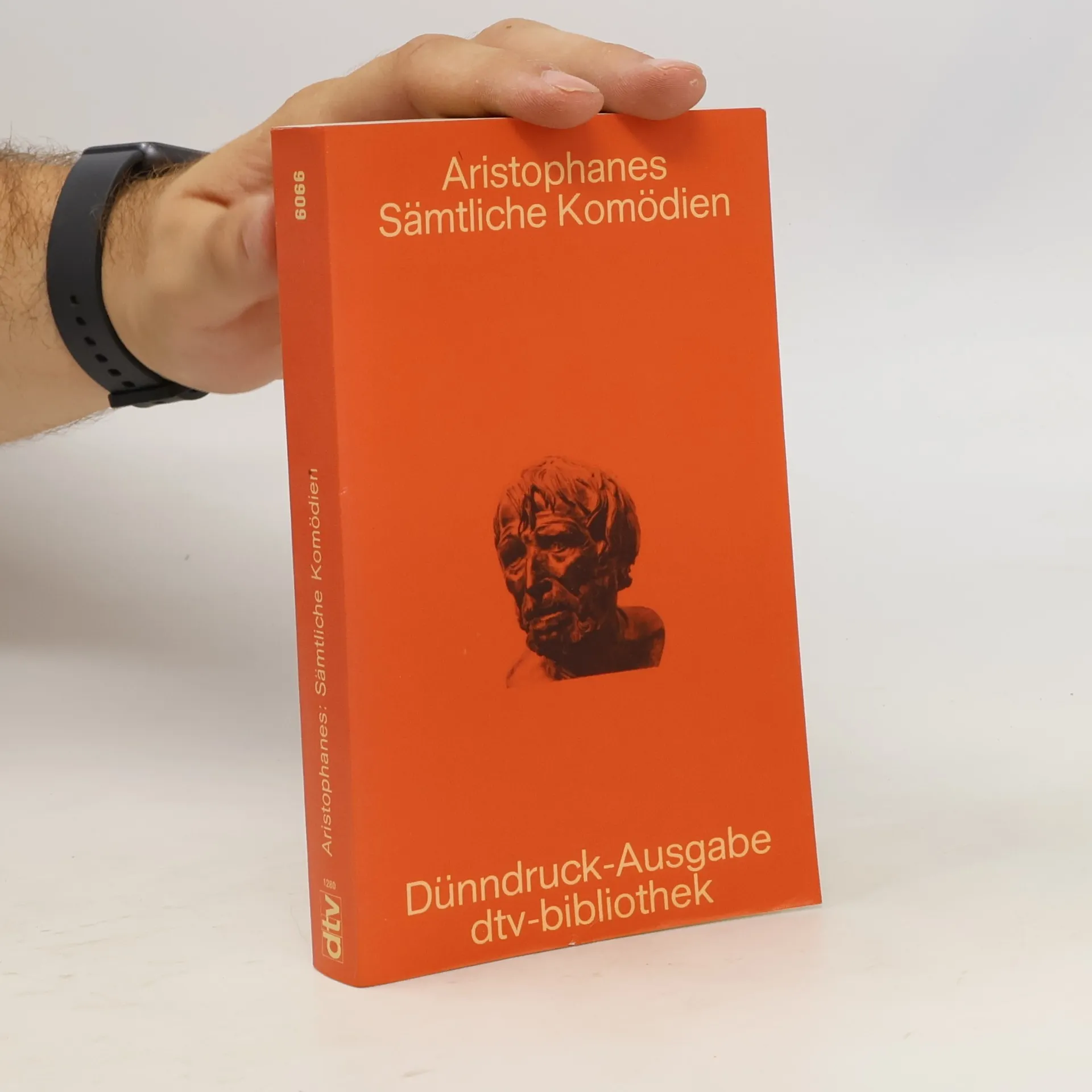
Aristophanes. [Hrsg. u. mit Einl. u.e. Nachw. vers. von Hans-Joachim Newiger. Neubearb. d. Übers. von Ludwig Seeger u. Anm. von Hans-Joachim Newiger u. Peter Rau] Ungekürzte Ausg. 1976 714 S. Taschenbuch Deutscher Taschenbuch Verlag,
In this chilling tale, a small coastal town is suddenly besieged by aggressive birds, leading to widespread panic and chaos among the residents. The story explores themes of nature's unpredictability and humanity's vulnerability, as characters grapple with their fears and the breakdown of societal norms. Tensions rise as the avian attacks escalate, forcing individuals to confront their instincts for survival. The narrative delves into psychological horror, highlighting the fragility of civilization in the face of an inexplicable threat.
»Vom Traum eines heilen und erfüllten Daseins ist die aristophanische Komödie im ganzen ein Teil, wie er froher und schöner kaum je geträumt wurde; und die Wolken - die Gestalten selber und das ganze Stück, das nach ihnen heißt! -, schwebend, nicht faßbar, nicht an die Kette von Logik und Konsequenz zu legen, über Stock und Stein und ohne Erdenschwere kommend, kurz verweilend und dann weiterziehend, sind ein Teil dieses attischen Traumes so gut wie der Parthenontempel oder wie auf einer weißgrundigen Lekythos die zarten und doch energischen Konturen eines Mädchenbildes.« Otto Seel
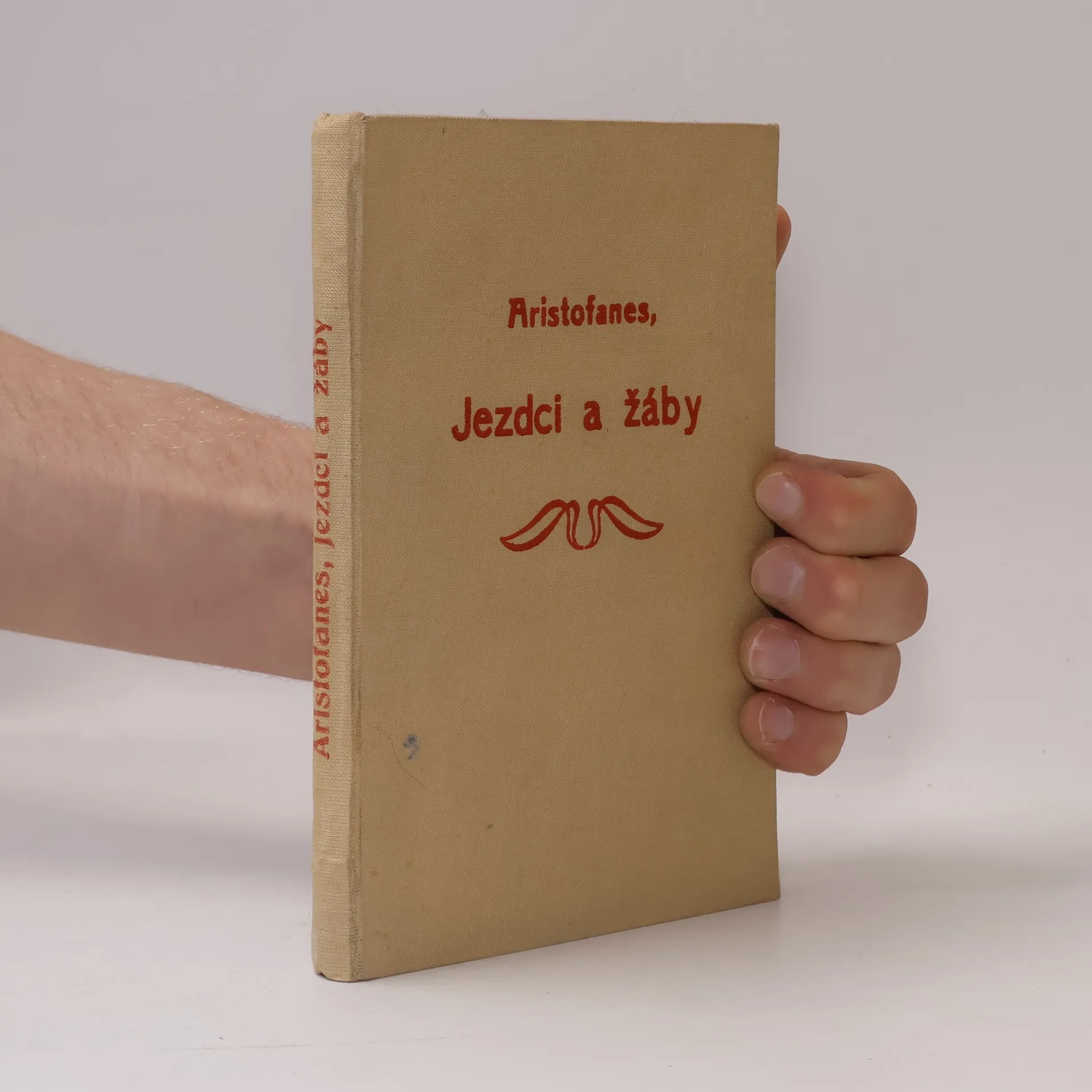
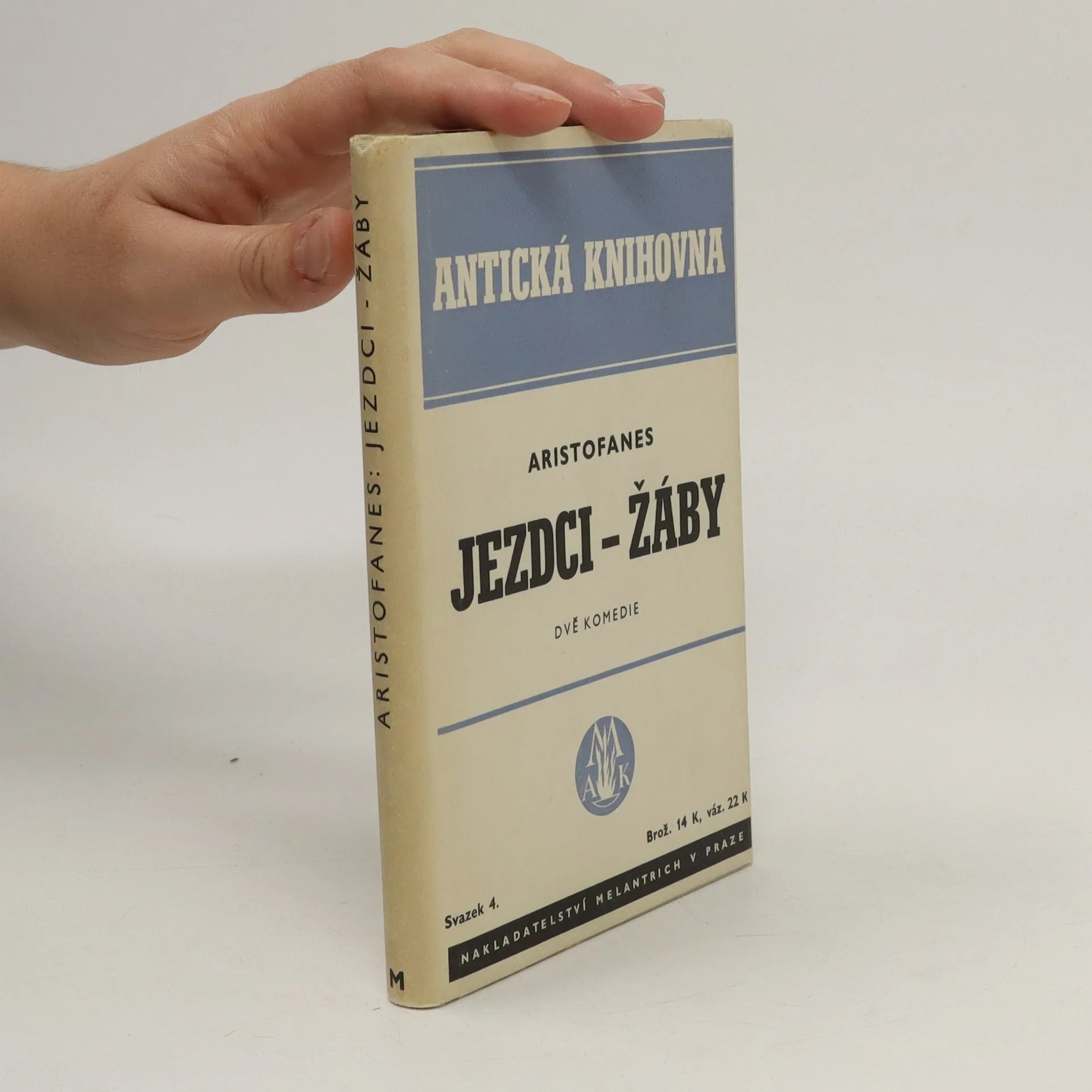
Dvě Aristofanovy komedie. "Jezdci" jsou dílem jeho mládí, neboť je napsal básník, kterému bylo v té době přes dvacet let. "Žáby" jsou komedie, která vznikla o dvacet let později, tedy v Aristovanově zralém věku. [...] Uvedení obou komedií do české literatury překladové a na českou scénu dokazuje dokazuje pak znovu jejich životnost a působivost. Patrně se ani lidé nezměnili, působí-li Aristofanovy šlehy ještě dnes a je-li ještě dnes Aristofanes tak živ mezi námi. (z textu na vnitřní straně přebalu)
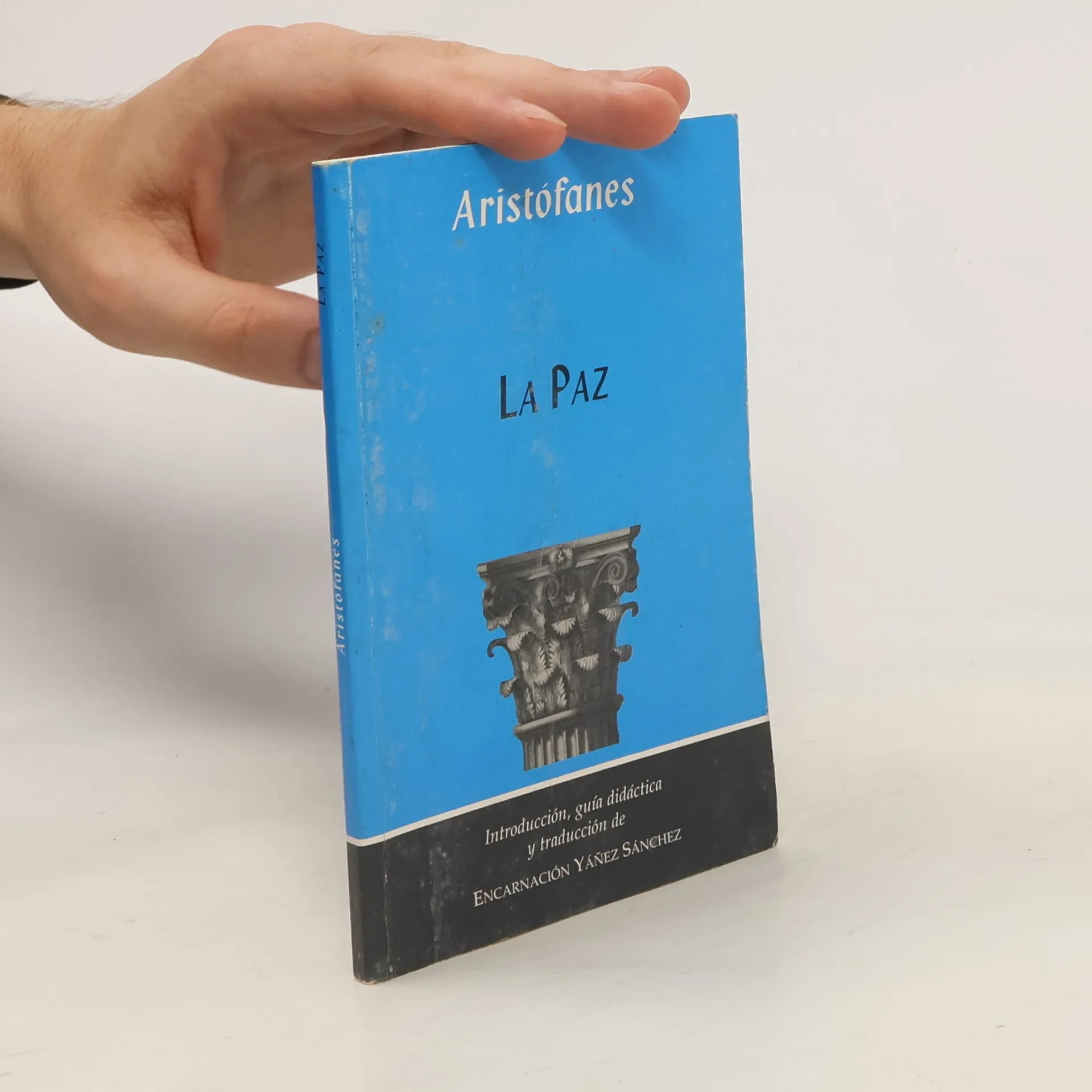
Komedie slavného starořeckého dramatika. Hrdinou hry je athénský vinař Trygaios, který se nikoli na Pegasu, jak by se slušelo, ale na hřbetě smrdutého obřího chrobáka vydá na Olymp, aby u Dia orodoval za ukončení války. Jeho satirický pohled míří na vojevůdce i politiky obou znesvářených zemí, nešetří ani bohy, kteří podlehnou "korupci". Nakladatelská anotace. Kráceno.
Excerpt from Lysistrata The Romancers. A comedy in 8 acts. By Edmond Rostand. 8 men, 1 woman (extra women as supers). New translation of this celebrated and charming little romantic play by the famous author oi' Cyr-ano de Bergerac and Chantecler. Price 35 cents. About the Publisher Forgotten Books publishes hundreds of thousands of rare and classic books. In rare cases, an imperfection in the original, such as a blemish or missing page, may be replicated in our edition. We do, however, repair the vast majority of imperfections successfully; any imperfections that remain are intentionally left to preserve the state of such historical works.